Leave Your Message
Next-Gen Heritage Conservation Hardware

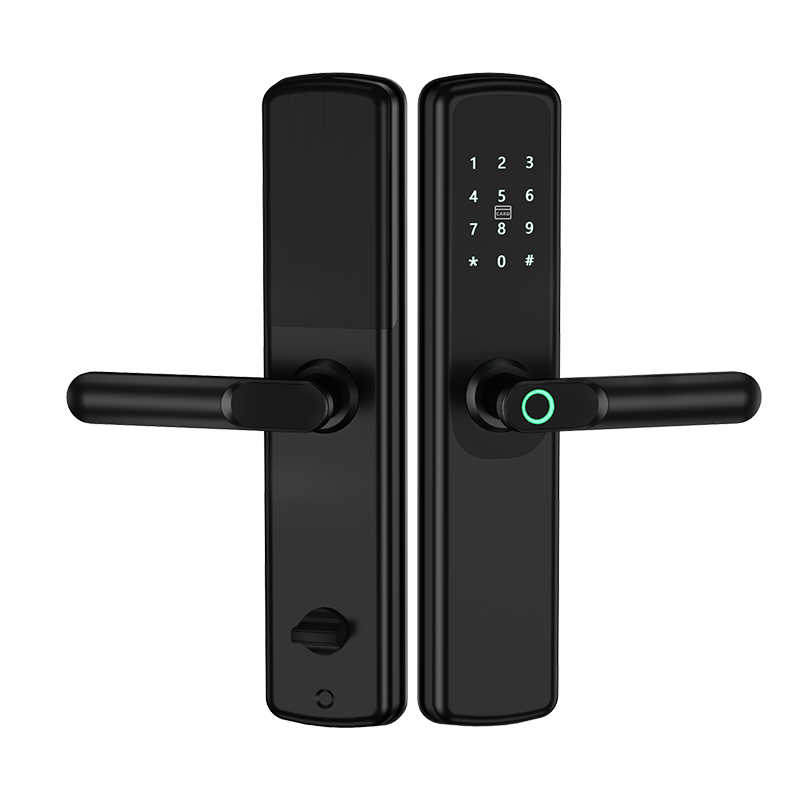
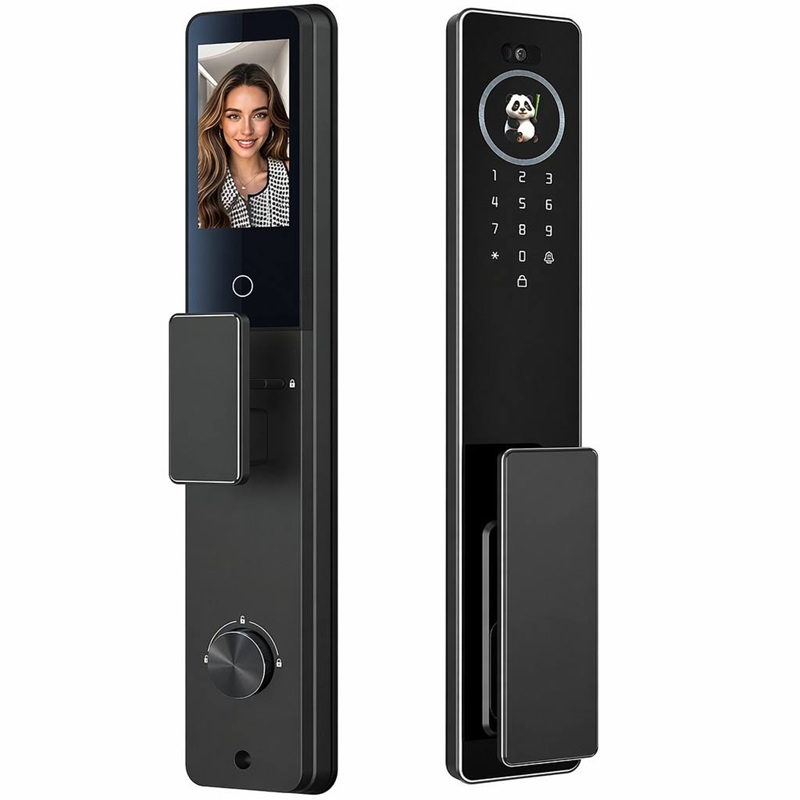
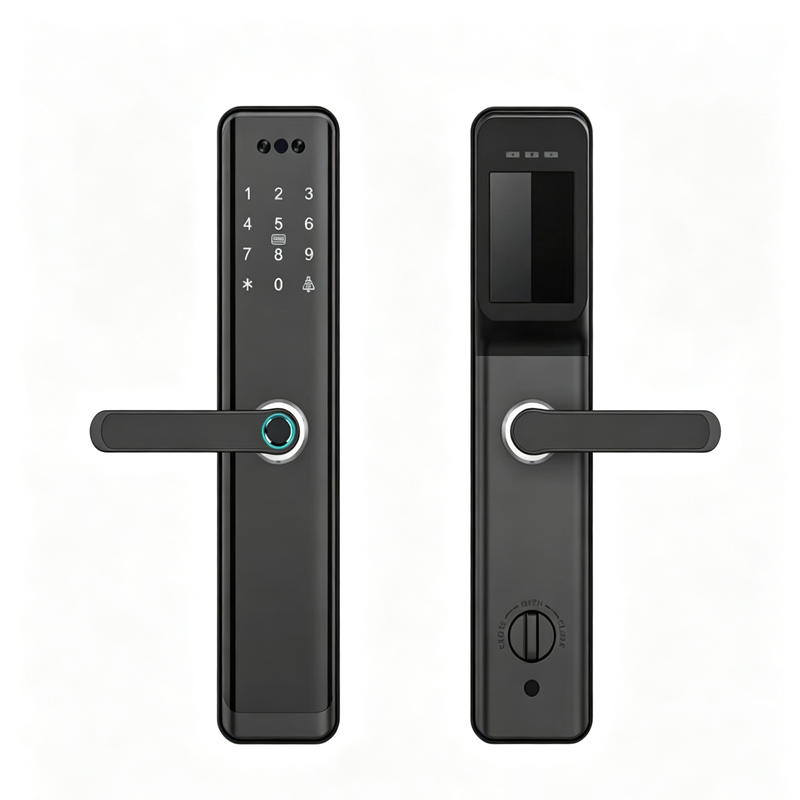
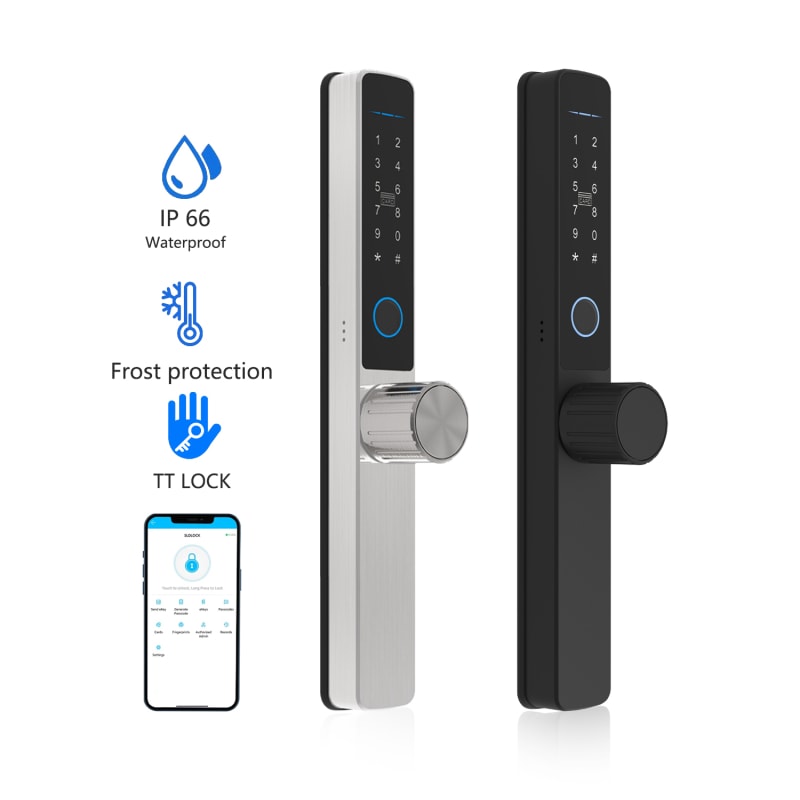
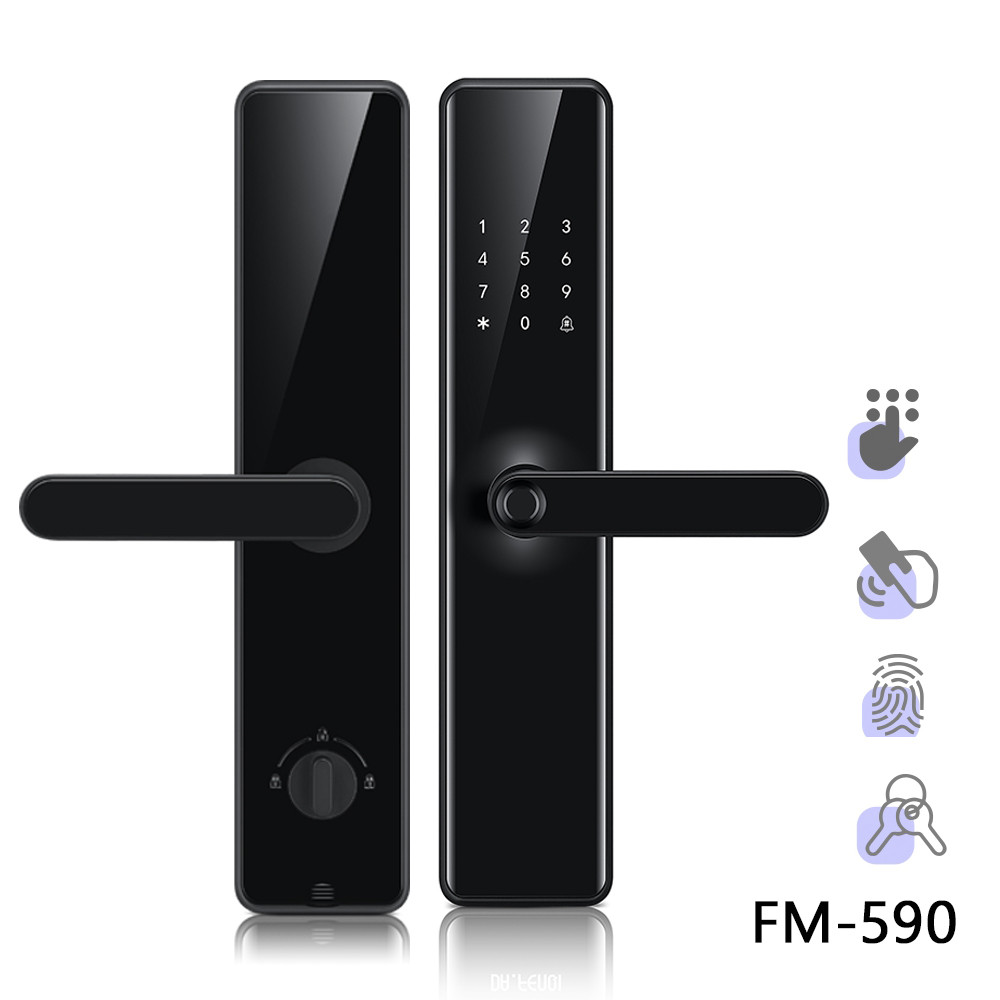
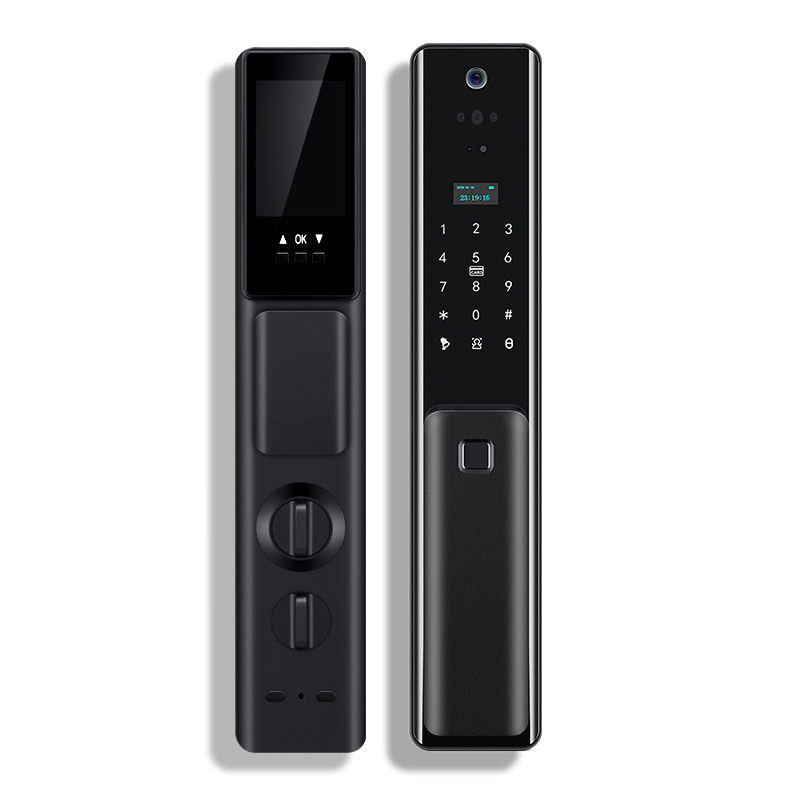
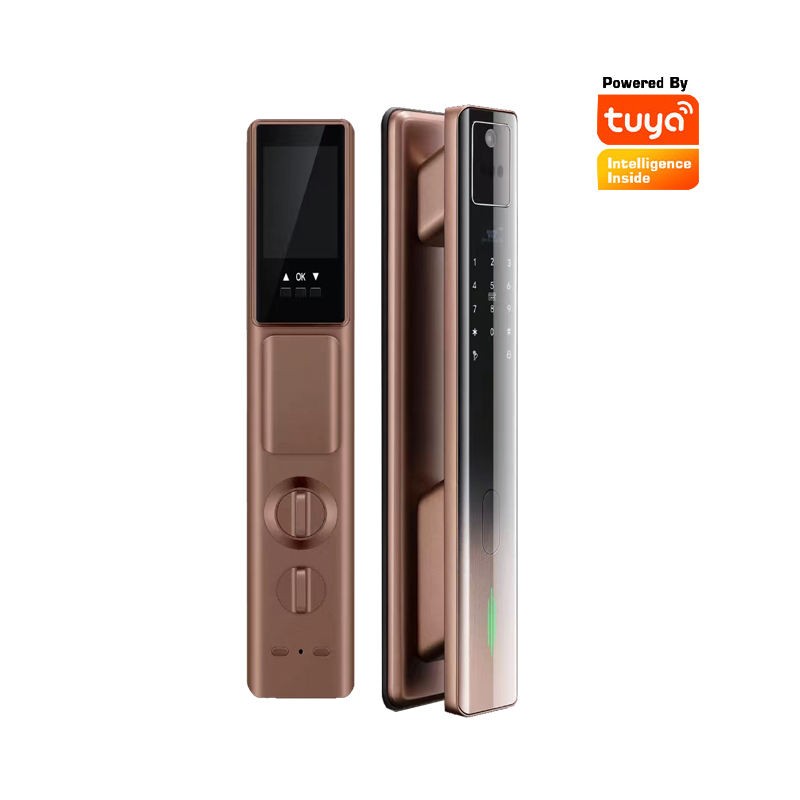
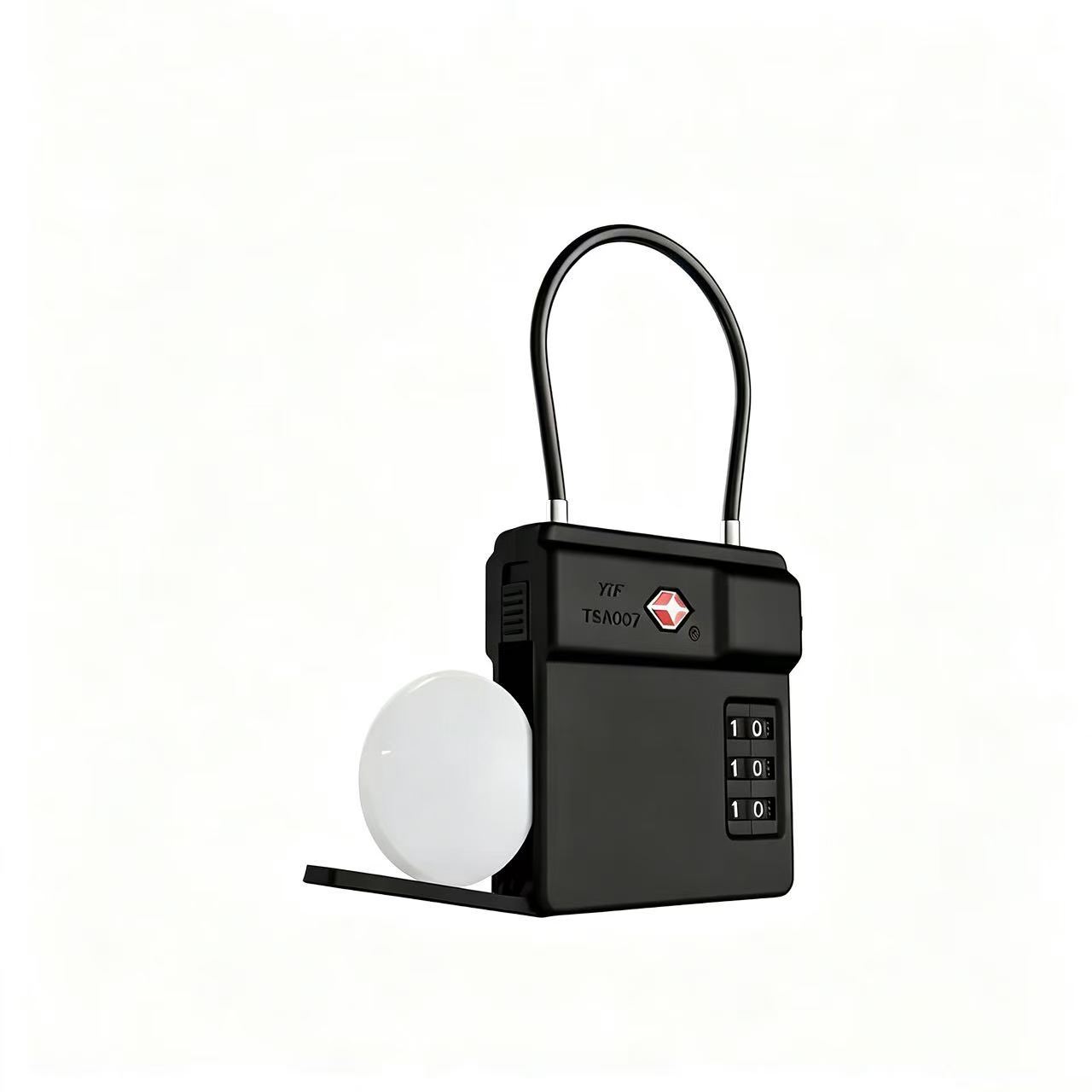
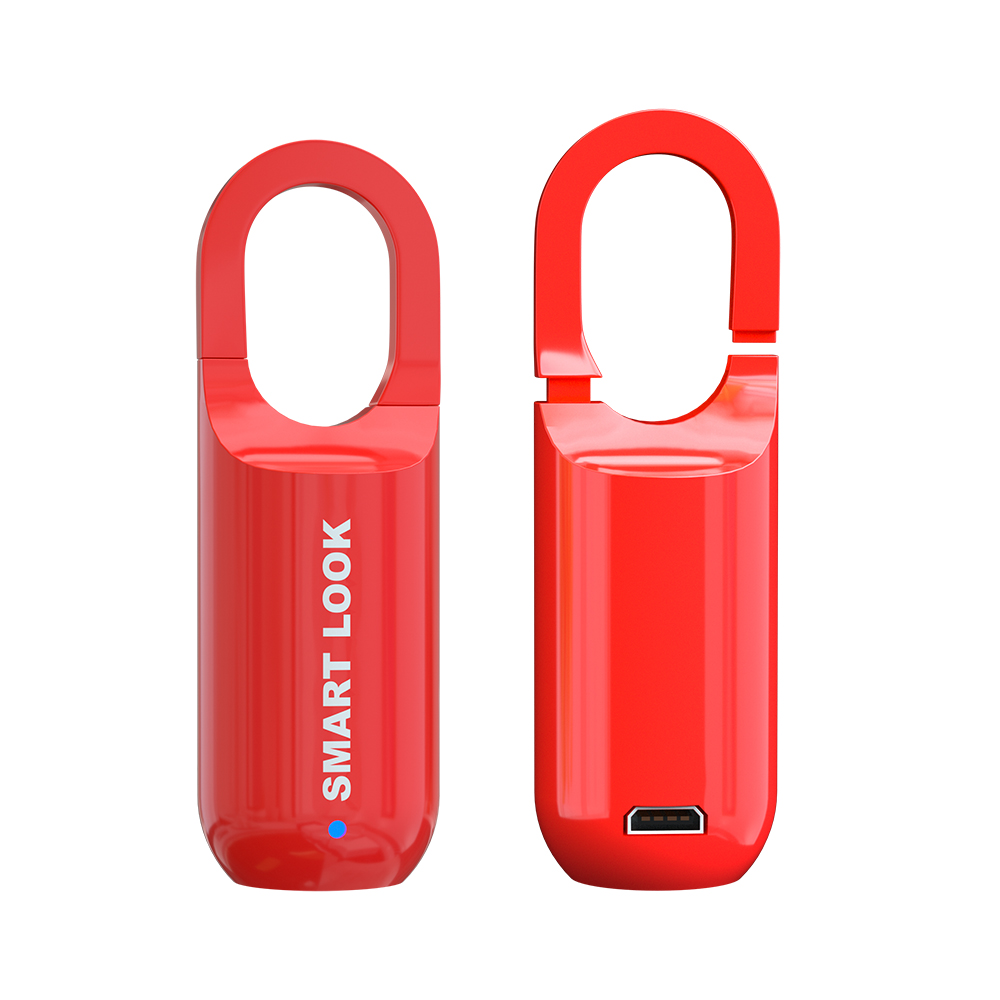
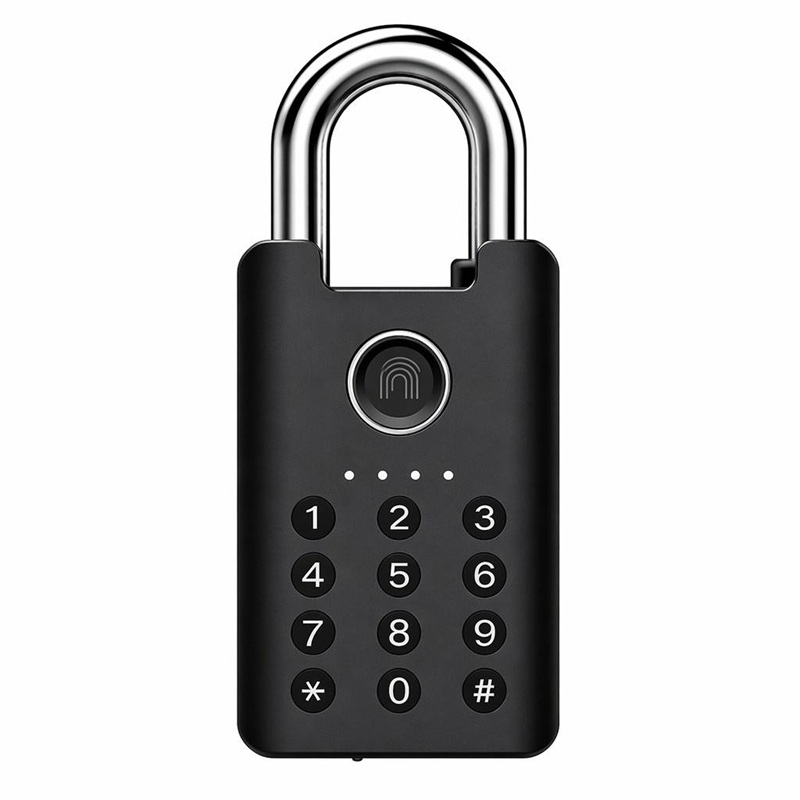
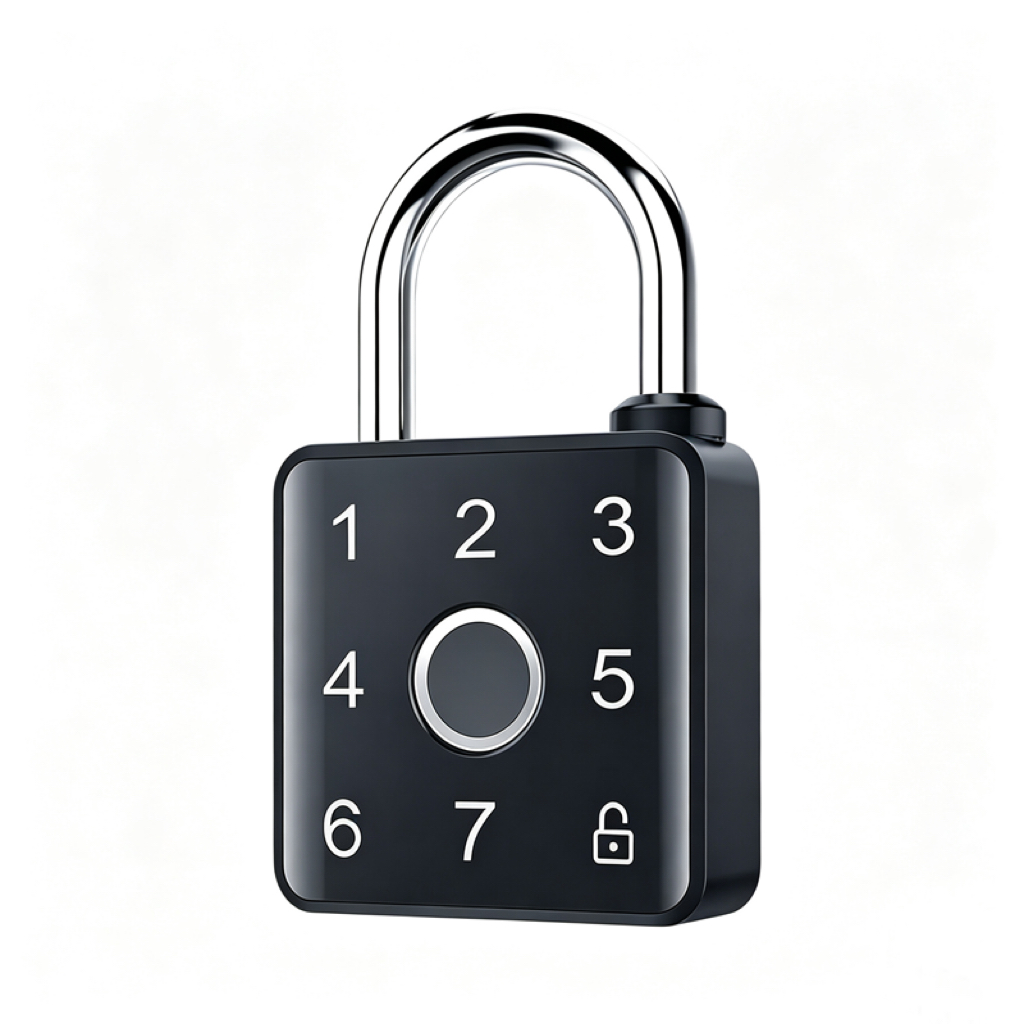
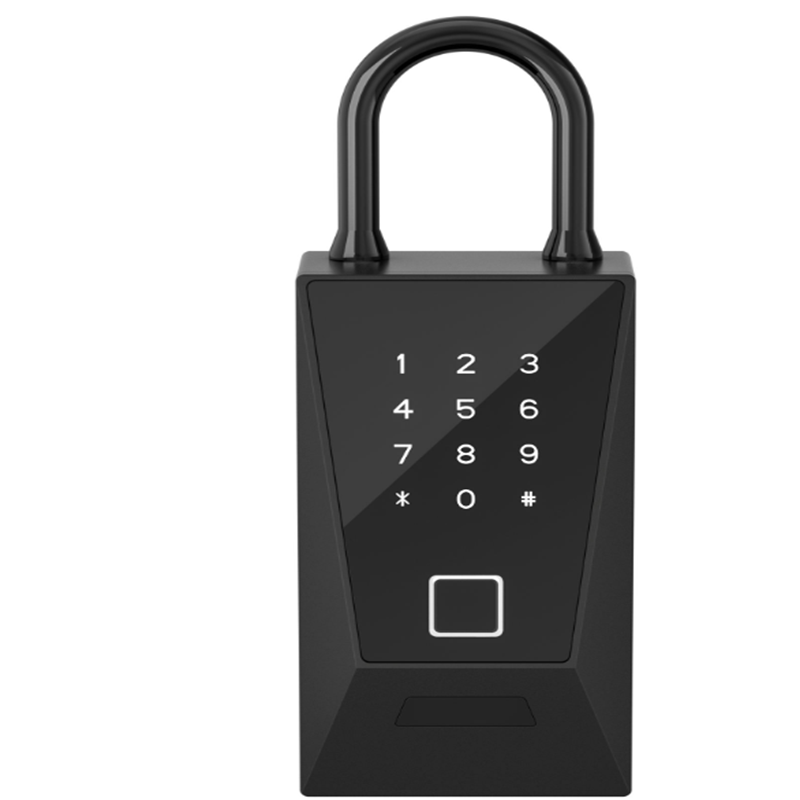
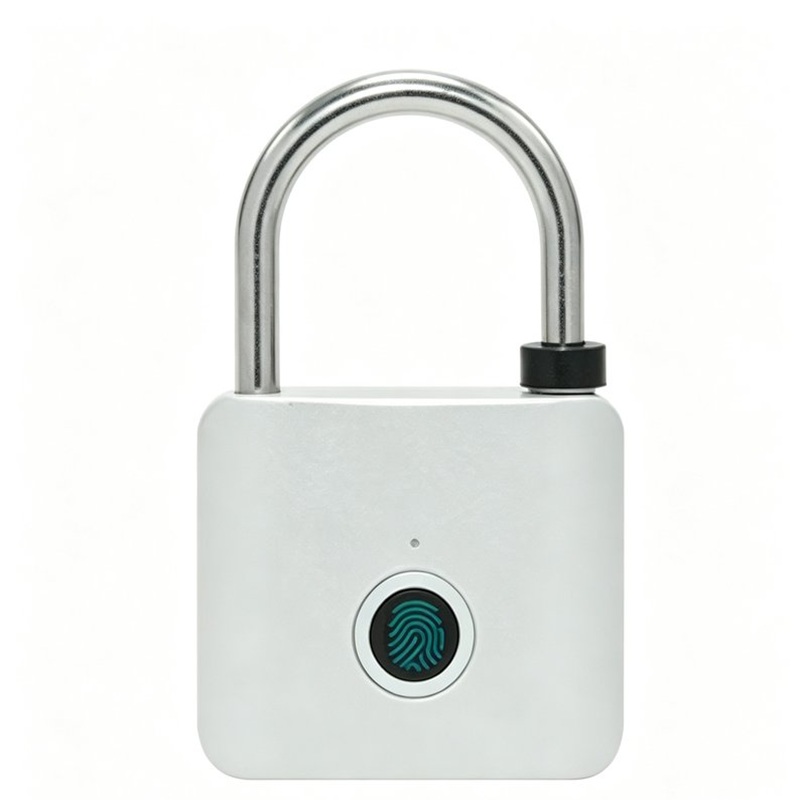
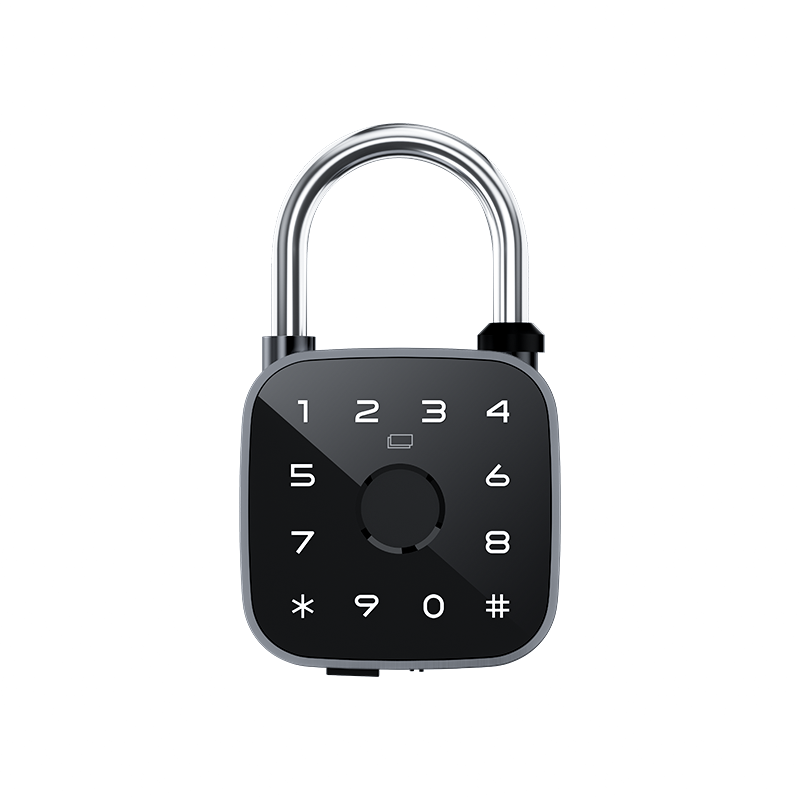
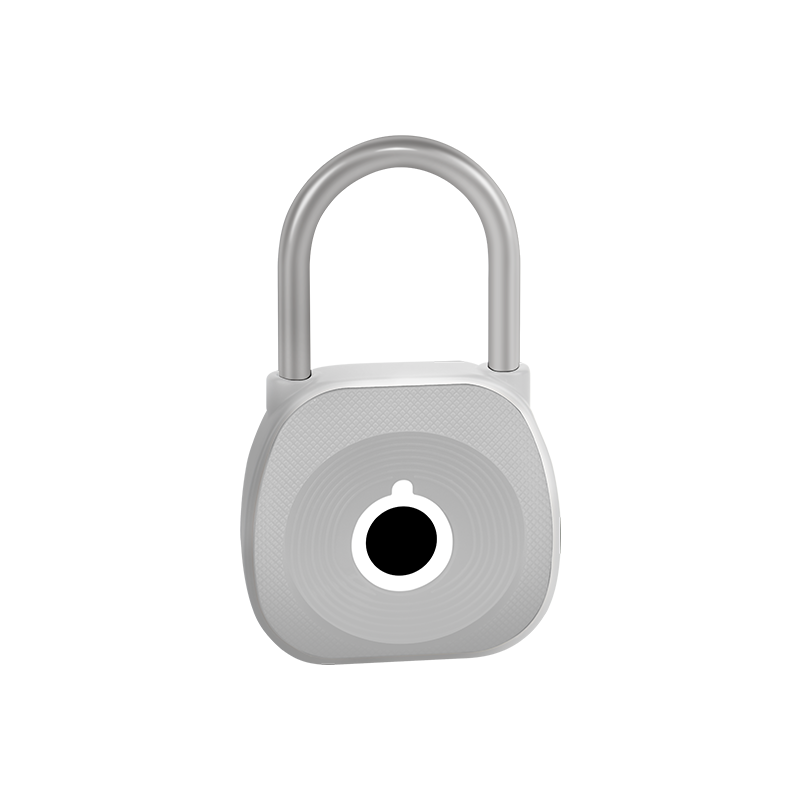
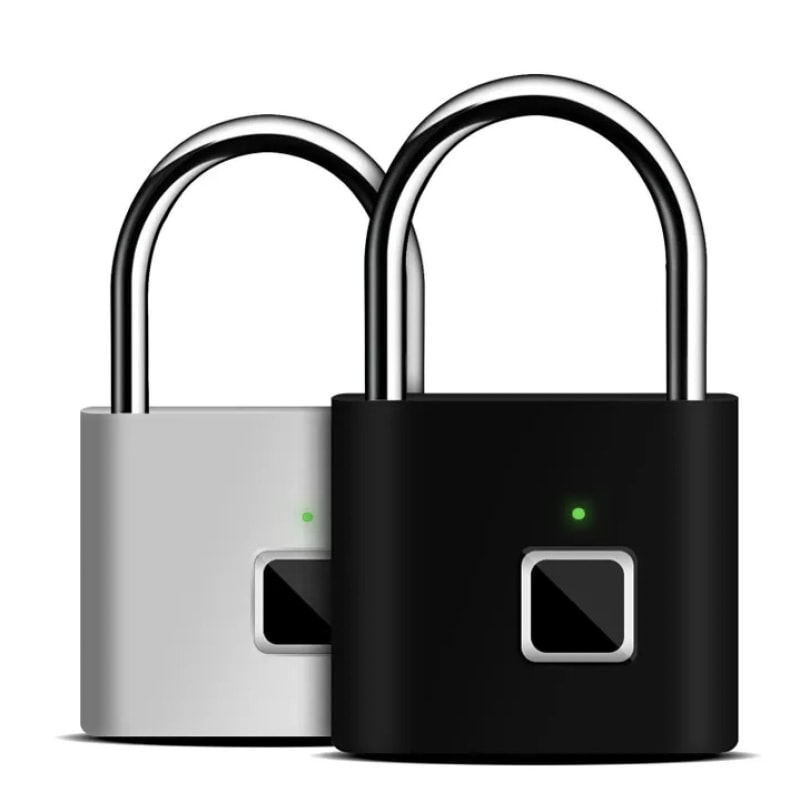
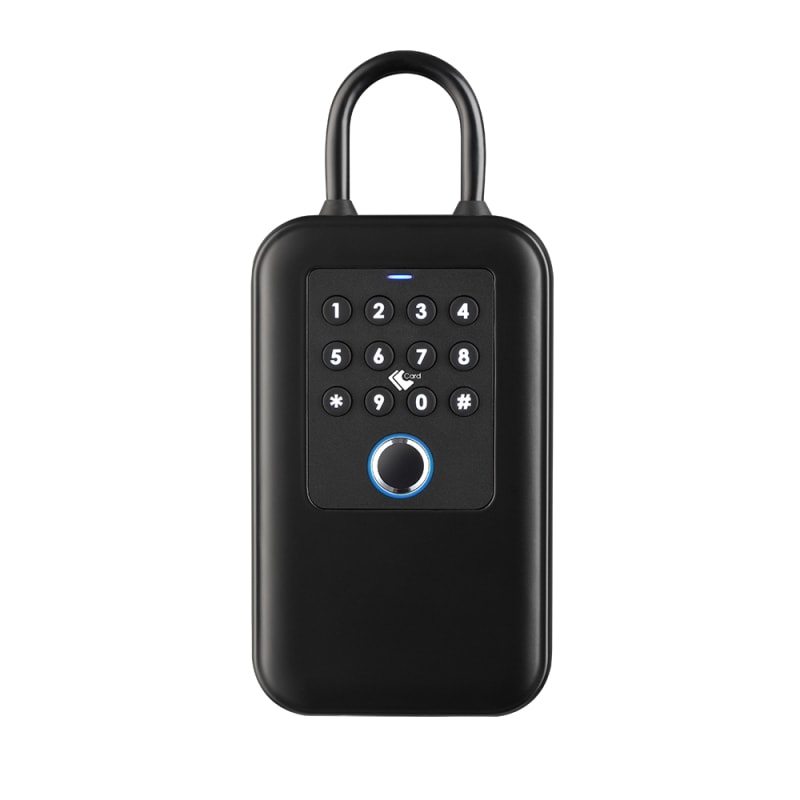
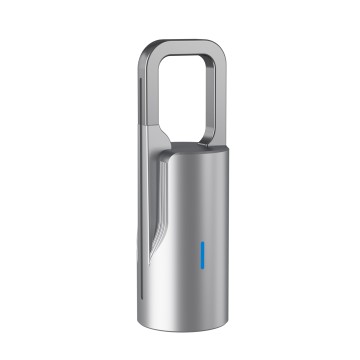
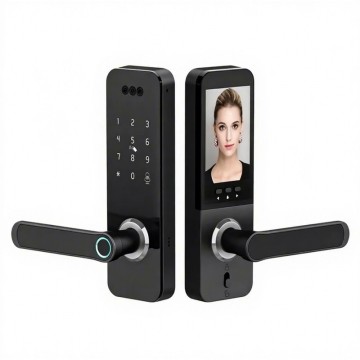
Smart Padlock For European Historical Building Renovation Projects

Pioneering non-destructive IoT physical perimeter security, real-time keyless telemetry, and seamless integration for protected heritage, monumental architecture, and adaptive reuse conservation across Europe.

Commercial & Industrial Dynamics of Historical Renovation Across Europe

Across the European continent, architectural heritage preservation represents a multibillion-euro sector positioned at the intersection of cultural continuity, rigorous urban planning, and sustainable real estate revitalization. From the Renaissance palazzos of Florence and Haussmannian facades of Paris to Gothic cathedrals in the Rhineland and fortified medieval castles across the United Kingdom, thousands of centuries-old structures are undergoing profound technical upgrades. Under frameworks established by the European Green Deal and the ambitious "Renovation Wave" initiative, heritage buildings are being retrofitted not only for thermal efficiency and decarbonization, but also for adaptive reuse as boutique luxury hospitality venues, municipal cultural hubs, corporate foundations, and high-security archival repositories.

However, securing a historical site during and after restorative intervention introduces a profound architectural conflict. Conservation authorities—such as France's Architectes des Bâtiments de France (ABF), the UK's Historic England, Italy's Soprintendenza Archeologia, Belle Arti e Paesaggio, and Germany's Denkmalschutz authorities—enforce uncompromising mandates based on the Charter of Venice (1964). These statutes strictly prohibit invasive drilling, destructive mortising into ancient structural timbers, wall trenching for power conduits, and alteration of irreplaceable hand-forged ironmongery. Concurrently, operational risks skyrocket during renovation phases. Active construction sites house high-value copper flashing, original artwork, rare masonry tools, and staging scaffolding, attracting metal theft, organized burglaries, and unauthorized access.

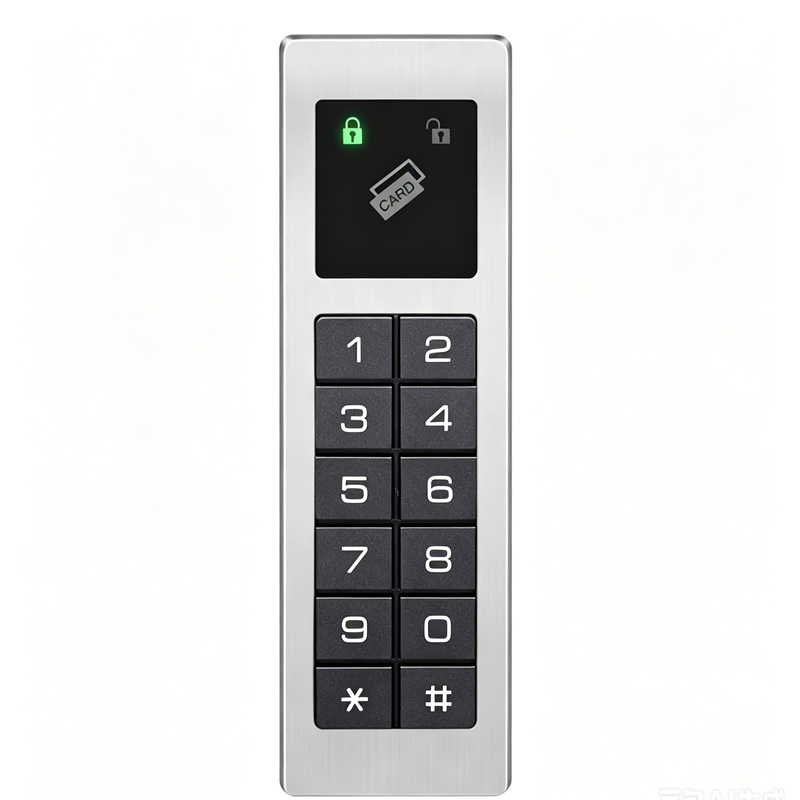
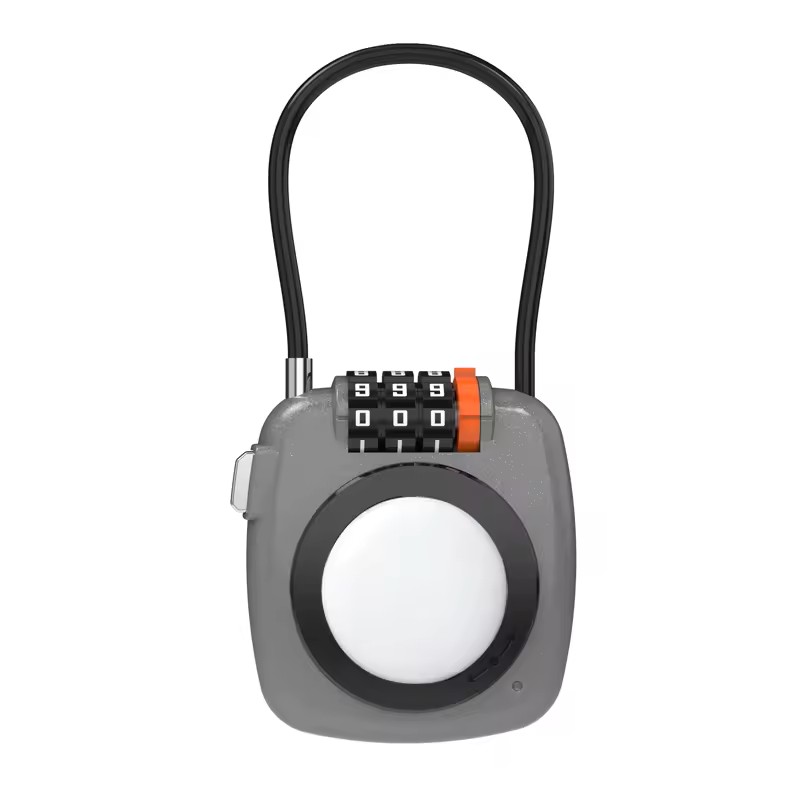
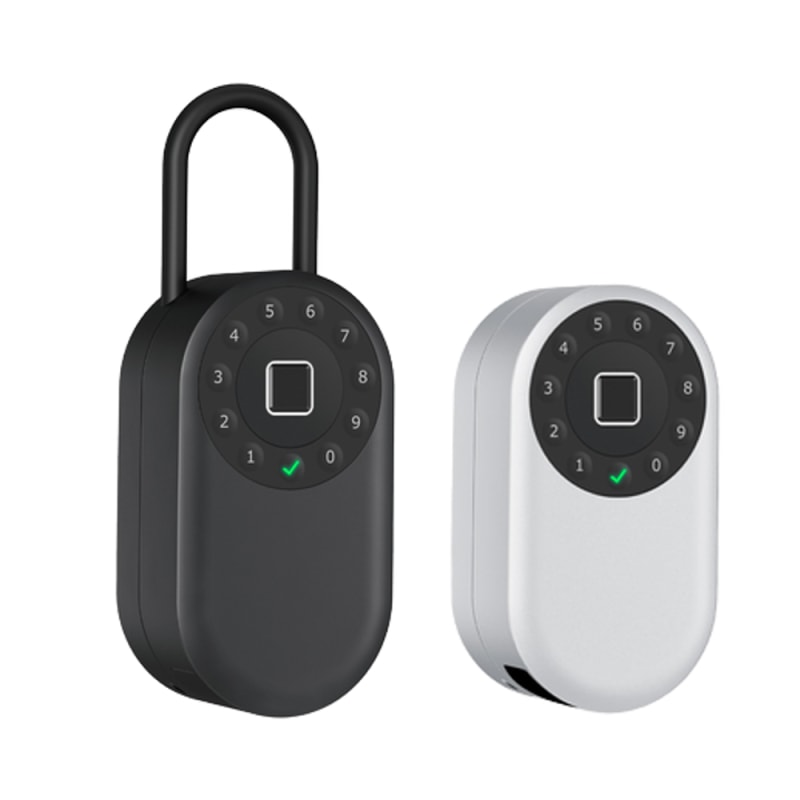
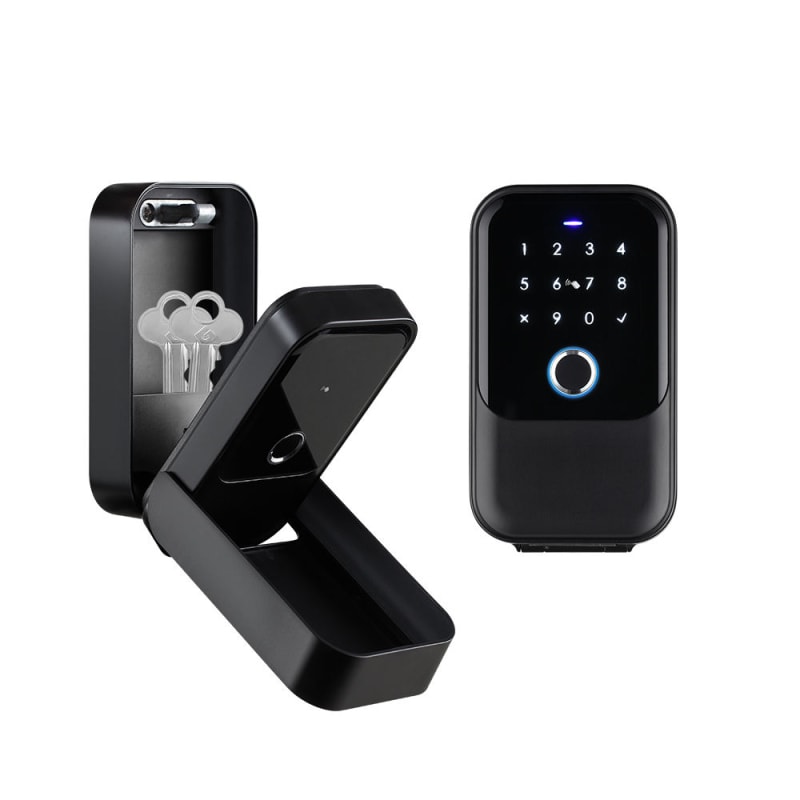
This structural paradox has catalyzed the rapid adoption of intelligent, non-destructive access control hardware, led preeminently by the commercial-grade Smart Padlock. Unlike conventional smart mortise locks that require invasive millwork or hardwired electromagnetic strikes requiring extensive conduit routing through protected plaster, smart padlocks interface directly with historical hasps, heavy iron chain links, centuries-old wrought latches, and modular scaffolding gates without introducing a single drill hole.

€18.4B
EU Heritage Renovation Market
0%
Structural Masonry Damage
AES-256
Cloud Cryptographic Standard
IP66/68
Weather & Corrosion Resistance

Eliminating the Medieval "Key Custody Nightmare": The Technological Paradigm

Traditional mechanical locking systems have historically imposed immense operational friction on historical renovation estates. A single baroque abbey or aristocratic country estate can easily encompass hundreds of distinct portals: perimeter wrought-iron gates, clock tower access ladders, belfries, subterranean wine vaults, service tunnels, and art conservator studios. Managing physical brass keys across multidisciplinary teams—including master stonemasons, plasterers, stained-glass conservators, civil engineers, structural inspectors, and security patrols—invariably results in duplicate key compromise, unmonitored entries, and catastrophic physical key losses where entire master-key systems must be re-keyed at prohibitive costs.

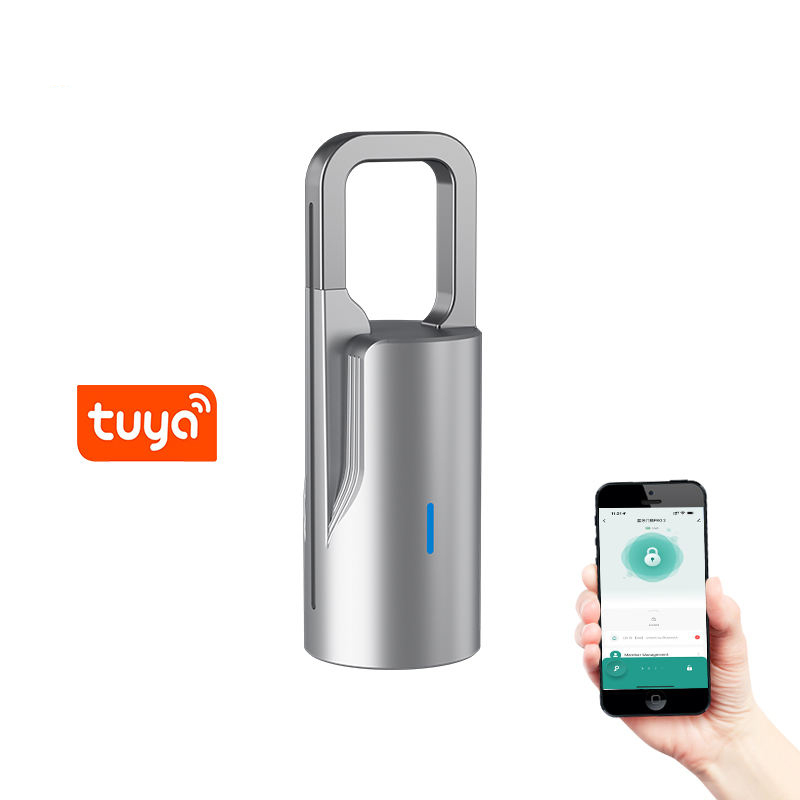
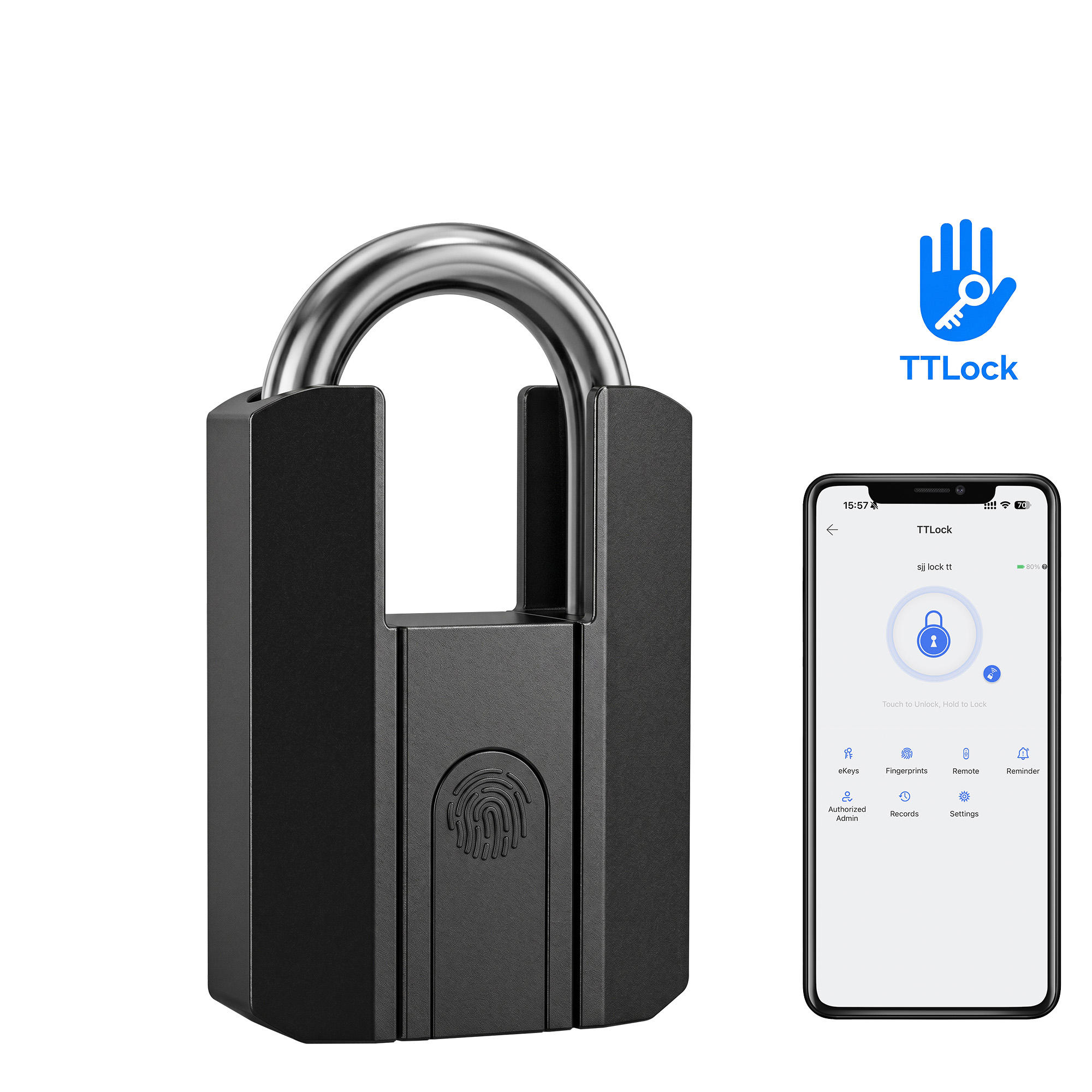
Modern Smart Padlocks eradicate this vulnerability through unified AIoT ecosystems. Built upon robust ultra-low-power microcontrollers (Nordic Semiconductor BLE 5.2 / 5.4 architectures, integrated NFC transceivers, and long-range NB-IoT or LoRaWAN backhauls), these devices transform inert physical shackles into intelligent, audited network nodes. Project curators, site supervisors, and head conservators can grant granular, role-based access permissions via centralized SaaS cloud dashboards. Access credentials can be issued as time-bound biometric fingerprints, dynamic rolling One-Time Passwords (OTP), or digital smartphone Bluetooth keys with geofenced activation zones.

🛡️

Non-Invasive Preservation

Zero drilling, zero masonry cutting, and zero wiring. Seamlessly affixes to existing historical wrought iron, pad-eyes, and chain assemblies without altering historical fabric.

⚡

Multi-Spectral Telemetry

Equipped with sub-second optical/capacitive fingerprint recognition, Bluetooth Low Energy 5.2, NFC, and encrypted virtual e-keys for instantaneous on-site contractor authorization.

📊

Comprehensive Audit Trails

Automatic immutable logging of every lock, unlock, and tamper attempt with millisecond timestamps, user identity mapping, and real-time battery voltage monitoring.

Deep Architectural Application Scenarios in Conservation

Rigorous physical hardware engineering meeting complex environmental and structural challenges across Europe's most sensitive preservation projects.

1. Scaffolding, Perimeter Containment & Construction Logistics During Active Facade Conservation

During exterior masonry and roof restorations on monumental structures—such as cathedrals or renaissance palaces—external modular scaffolding towers often wrap the entire edifice, extending 40 to 90 meters high. These structures inadvertently create pathways for urban explorers, copper thieves, and vandals to access priceless roof copper, gargoyles, lead flashing, and unglazed rose windows. Securing the lower access ladders, perimeter hoardings, and temporary hoist elevator cages is crucial. Traditional padlocks are frequently left unlatched or cut open, while mechanical keys are lost among shift-working subcontractors. Smart padlocks with boron-alloy hardened shackles and IP66/68 environmental sealing provide bulletproof perimeter control. Access is granted exclusively during active working hours, with immediate alerts routed to the on-site security contractor if unauthorized motion or latch manipulation occurs off-shift.

2. Subterranean Crypts, Vaults, and Thick-Masonry Underground Vaulting

Many European historical properties possess sprawling underground infrastructure: medieval crypts, limestone catacombs, historic brewery cellars, and bank vaults. These environments are characterized by 90%+ relative humidity, ambient lime dust, and three-meter-thick stone walls that completely attenuate Wi-Fi and 4G/5G cellular coverage. Traditional connected smart locks reliant on permanent internet fail completely. Sinovo's smart padlocks resolve this by leveraging offline cryptographic handshakes: authenticated time-based cryptographic tokens (HMAC-SHA256) negotiated locally between the user's mobile device via BLE and the padlock’s offline memory chip. When the contractor returns above ground, the mobile app automatically syncs the cached audit log to the cloud, maintaining unbroken administrative compliance.

3. Historic Timber Gates, Heavy Carriage Portals, and Monumental Wrought-Iron Grilles

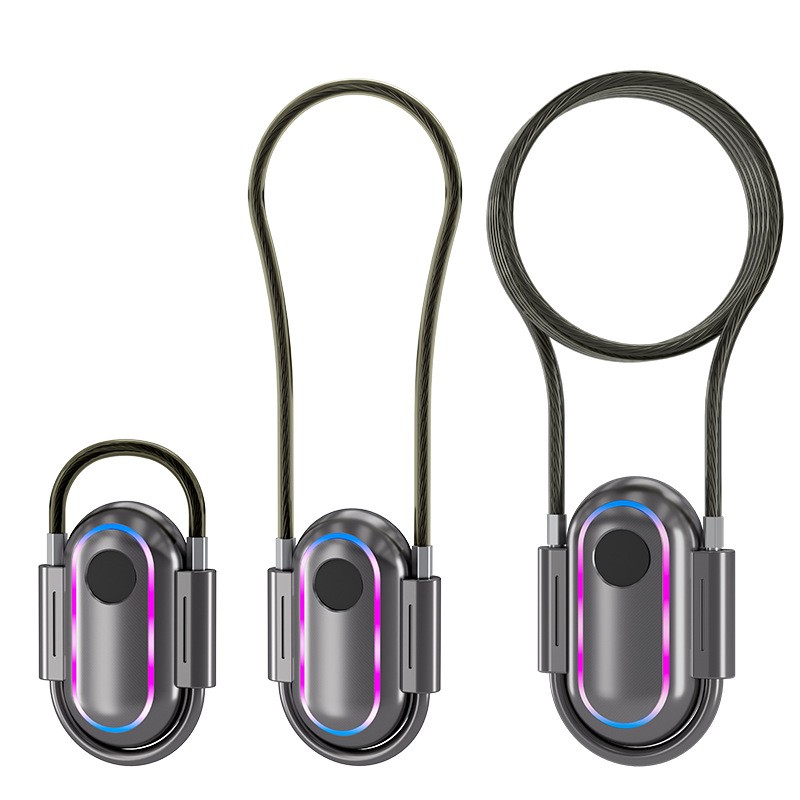
Palace courtyards and aristocratic manors feature massive oak or chestnut carriage doors constructed in the 17th or 18th centuries, held together with hand-forged iron spikes. Drilling into these irreplaceable timber members to embed electronic strikes or magnetic locks is prohibited under national heritage laws. Smart padlocks, combined with bespoke hand-forged or non-marring silicone-coated stainless-steel chains, allow these historic gates to be secured with cutting-edge digital access control. The visual footprint remains discreet and respectful of the original aesthetic, ensuring complete compliance with municipal preservation inspectors.

4. Adaptive Reuse Hospitality Conversions: Boutique Hotels & Private Clubs

A major trend across France, Spain, Portugal, and Italy is the conversion of abandoned châteaux, monasteries, and castillos into ultra-luxury heritage hotels and retreats. In these projects, guest suites, private wine cellars, library archives, and wellness spas frequently utilize original doors and restored iron cabinetry. Utilizing smart padlocks and auxiliary smart rim locks allows hospitality operators to provide VIP guests with keyless, bespoke smartphone access to private tasting cellars, private chapel gardens, and exclusive historical suites, harmonizing luxury convenience with authentic vintage charm.

🌧️

Extreme Climate Resilience

Sealed against alpine freeze-thaw cycles, high salinity maritime coastal mist, and subterranean condensation with electroplated finishes and silicone gasket isolation.

🔋

Ultra-Low Power Lifespan

Proprietary micro-actuator motor design delivers 12 to 24 months of continuous operation on a single charge, supported by emergency USB-C / NFC induction jump-starts.

🏛️

Heritage-Grade Aesthetics

Discreet form-factors, matte graphite and brushed metallic finishes blend harmoniously with antique cast iron, oxidized bronze, and dark patinated oak.

European Standards, Cyber-Physical Compliance & HBIM Integration

In enterprise-scale architectural conservation, hardware deployment must strictly satisfy both physical burglary resistance and digital cyber-resilience directives. Within the European Union and the UK, locking hardware for public and institutional facilities must conform to EN 16864 (Building hardware - Mechatronic padlocks - Requirements and test methods) and EN 12320 (Building hardware - Padlocks and padlock fittings). Sinovo's smart padlock systems are engineered with high-tensile hardened boron steel shackles capable of resisting over 12 kN of hydraulic pulling force and withstand aggressive manual attacks including sawing, torsion, and cold-spray freon fracturing.

On the cyber-security horizon, historical structures converted into governmental offices, luxury consulates, or banking institutes must conform to the EU's NIS 2 Directive and Radio Equipment Directive (RED) Article 3.3 standards for cybersecurity. Our smart locking architectures incorporate end-to-end hardware-level AES-128/256 cryptographic handshakes, secure boot elements, and anti-replay token mechanisms to ensure zero risk of wireless interception or man-in-the-middle attacks across Bluetooth and Wi-Fi spectrums.

Furthermore, leading European restorative architects increasingly rely on Historic Building Information Modeling (HBIM). Smart padlocks equipped with unique cryptographic MAC identifiers and geolocation tokens can be integrated directly into HBIM digital twins. Facility management teams can monitor a 3D visual rendering of the historical monument, viewing live shackle status, historical access frequency, battery life, and maintenance schedules across hundreds of physical lock points spanning across multi-hectare conservation sites.

Our Story & Engineering Heritage

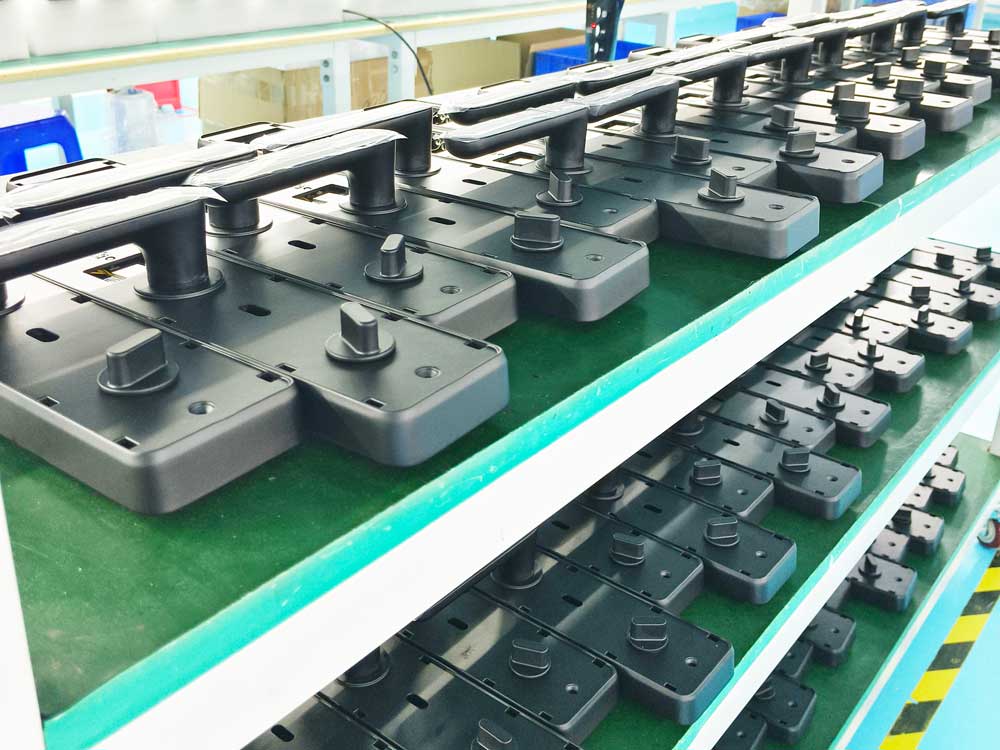
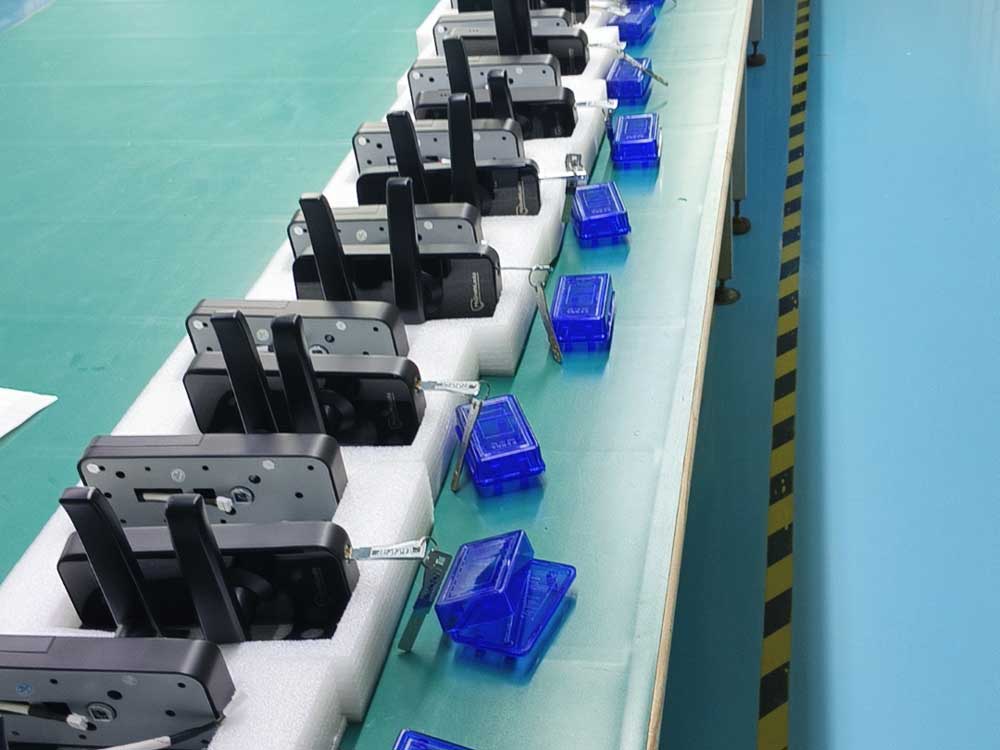
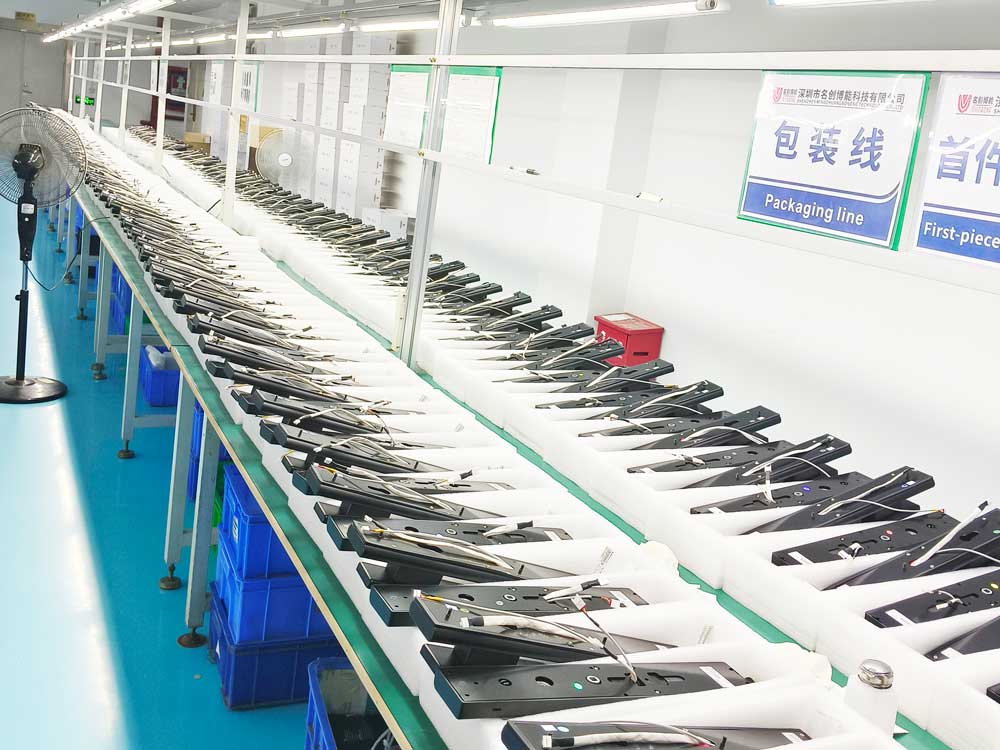
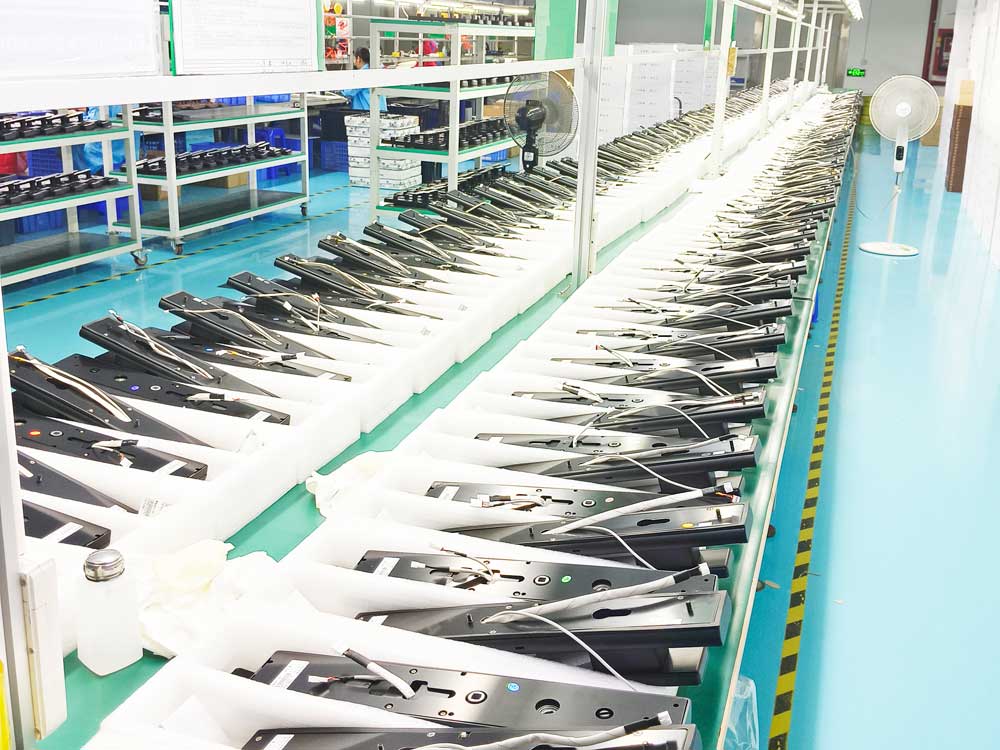
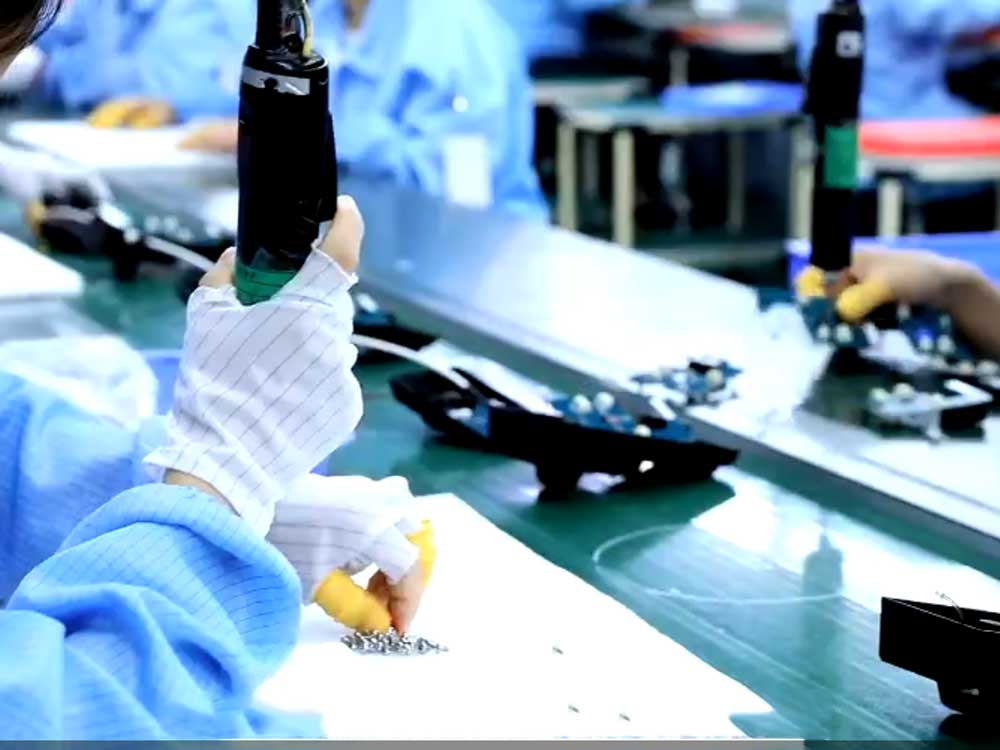
Sinovo began with a team of engineers passionate about smart hardware. Recognizing the market's need for a reliable ODM partner, we set out to build a company that truly understands technology, manufacturing, and client needs. From a small workshop to serving internationally renowned brands today, we have remained focused on transforming ideas into mass-producible, high-quality products. Our successful development of smart locks and other products for world-leading brands stands as a testament to our expertise and commitment.

Partners & Recognition

We have established long-term collaborations with several well-known domestic and international brands. Their trust is the strongest endorsement of our R&D and manufacturing capabilities. Our clients' success is our greatest motivation.

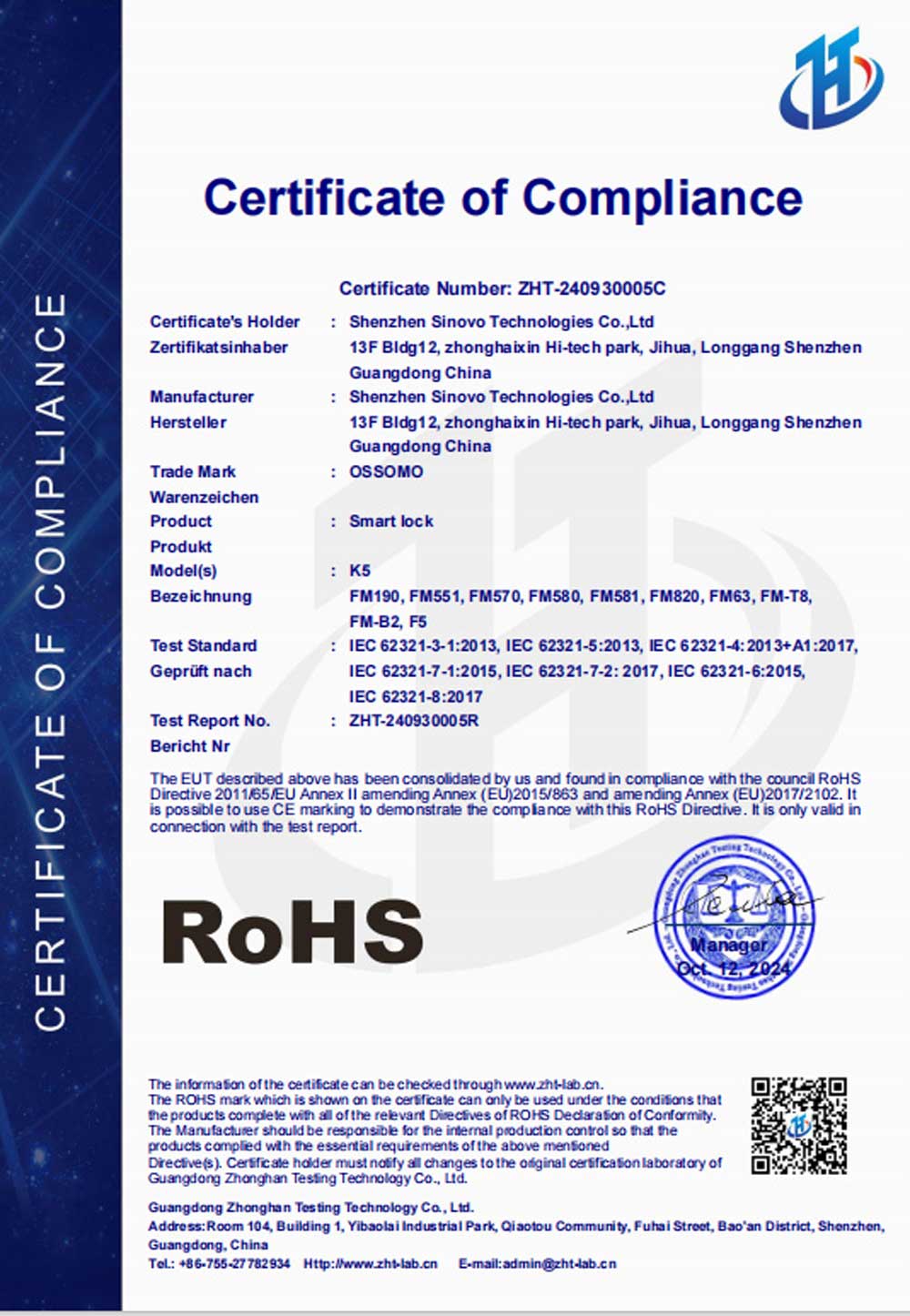
ROHS Compliant Hardware
International Quality Certificate
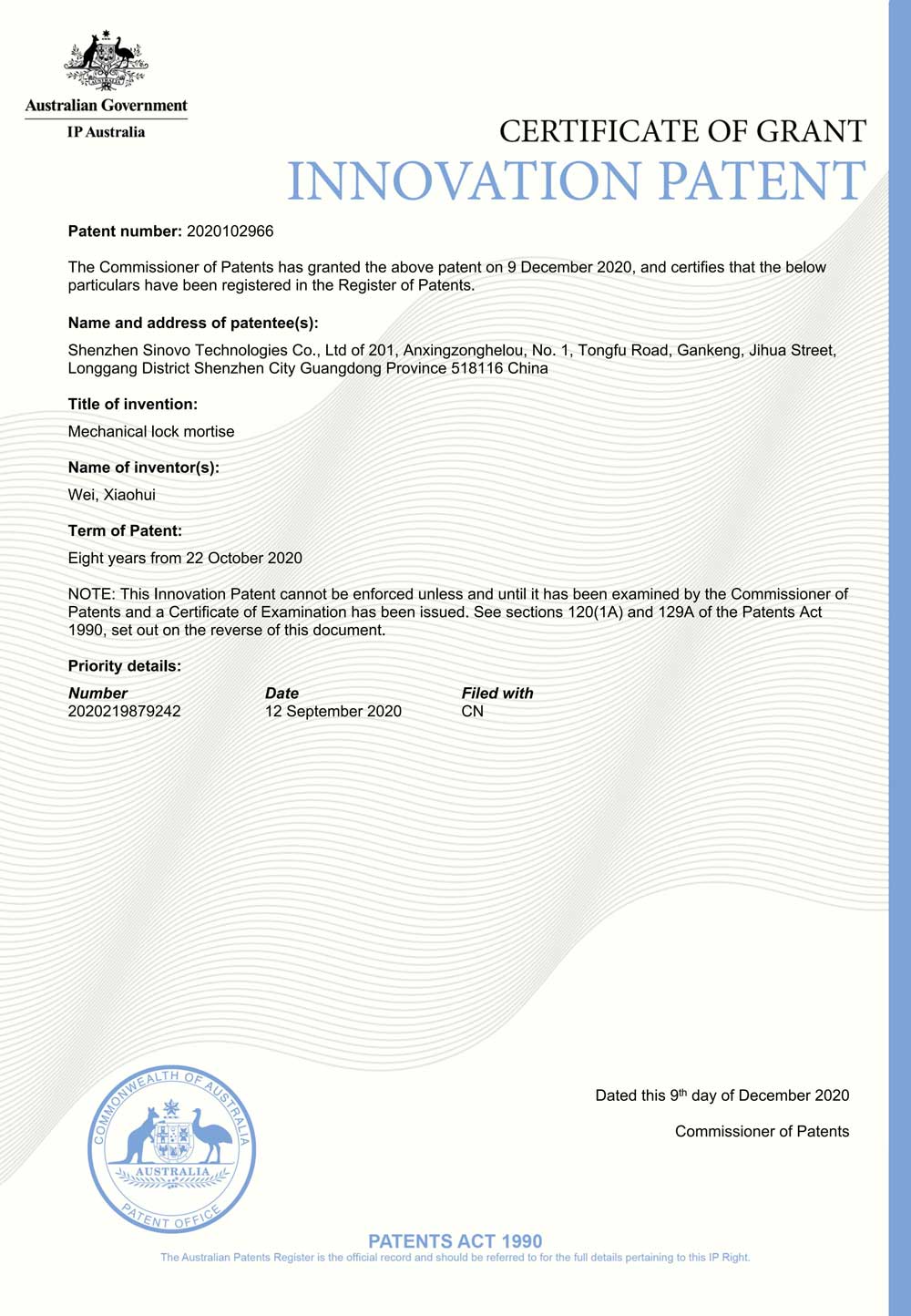
Accreditation Box Badge

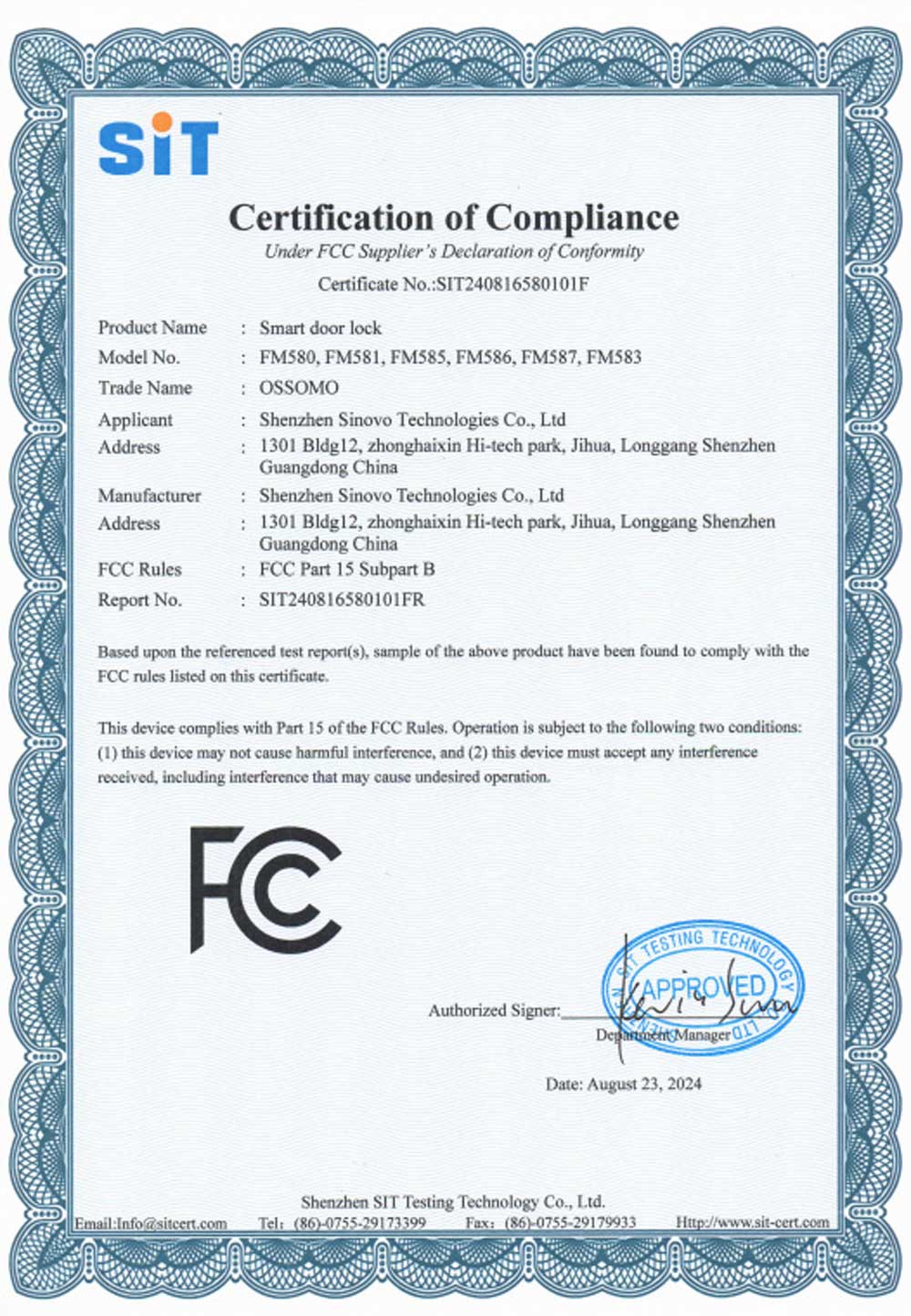
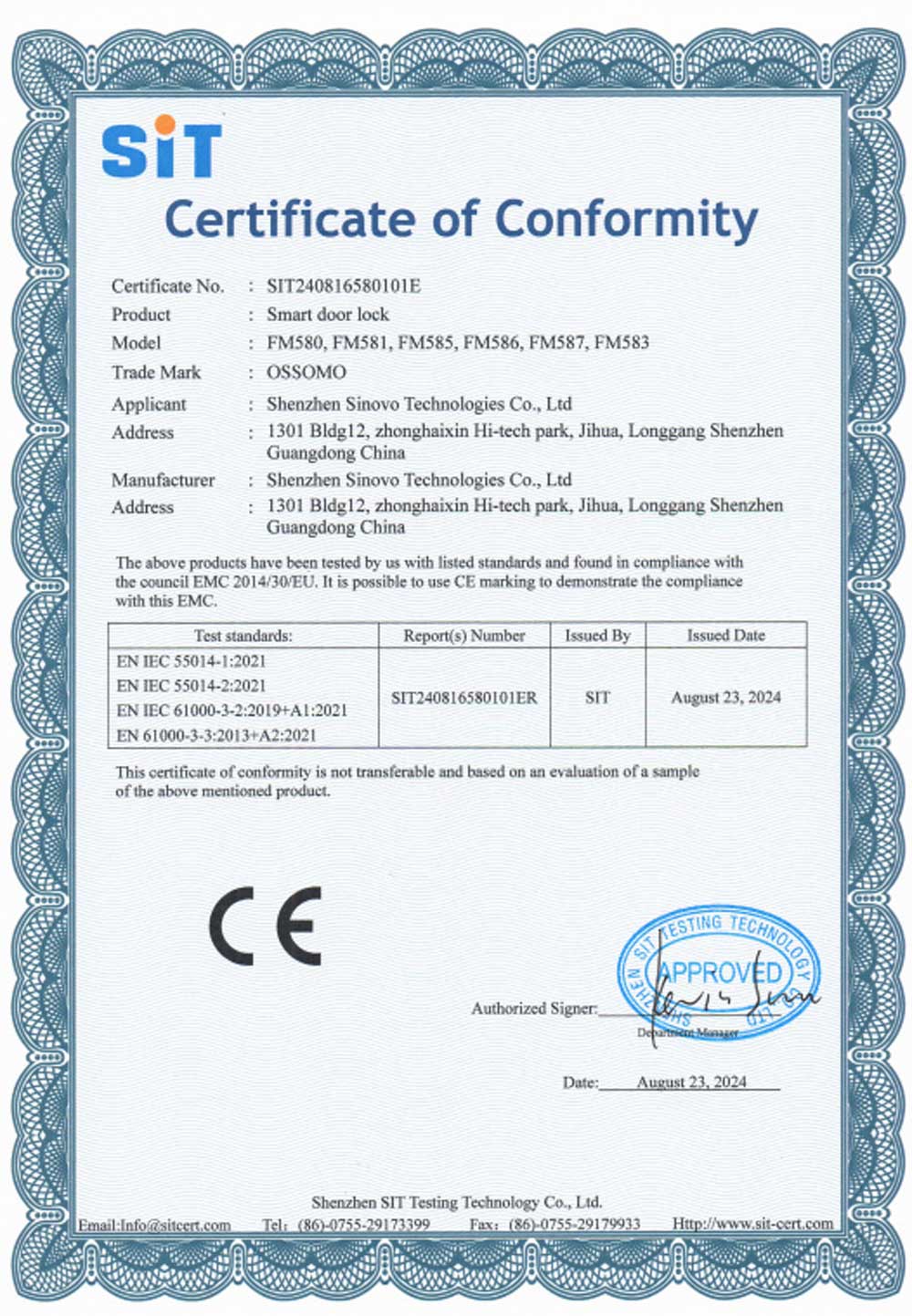
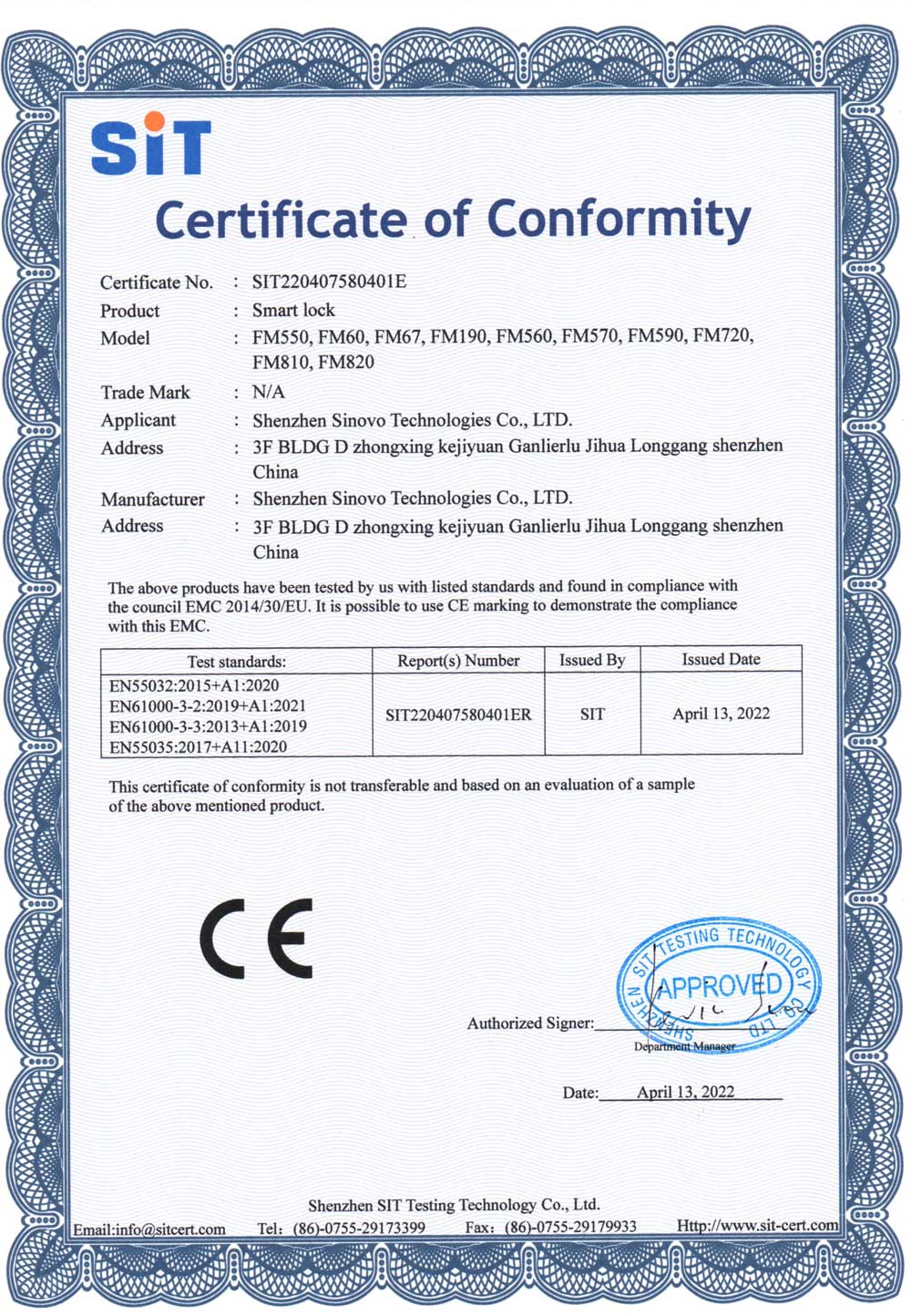
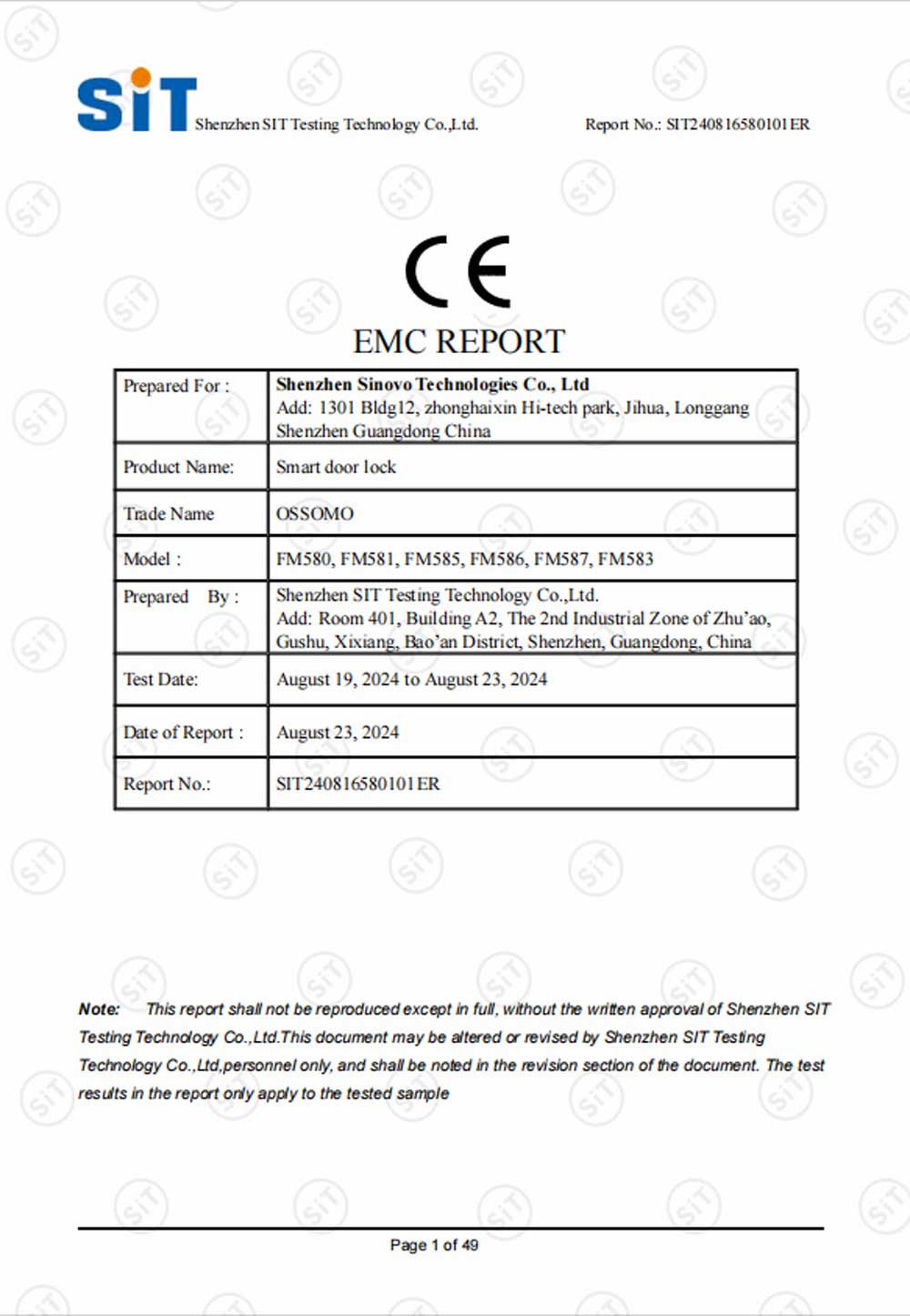
International Certification & Compliance

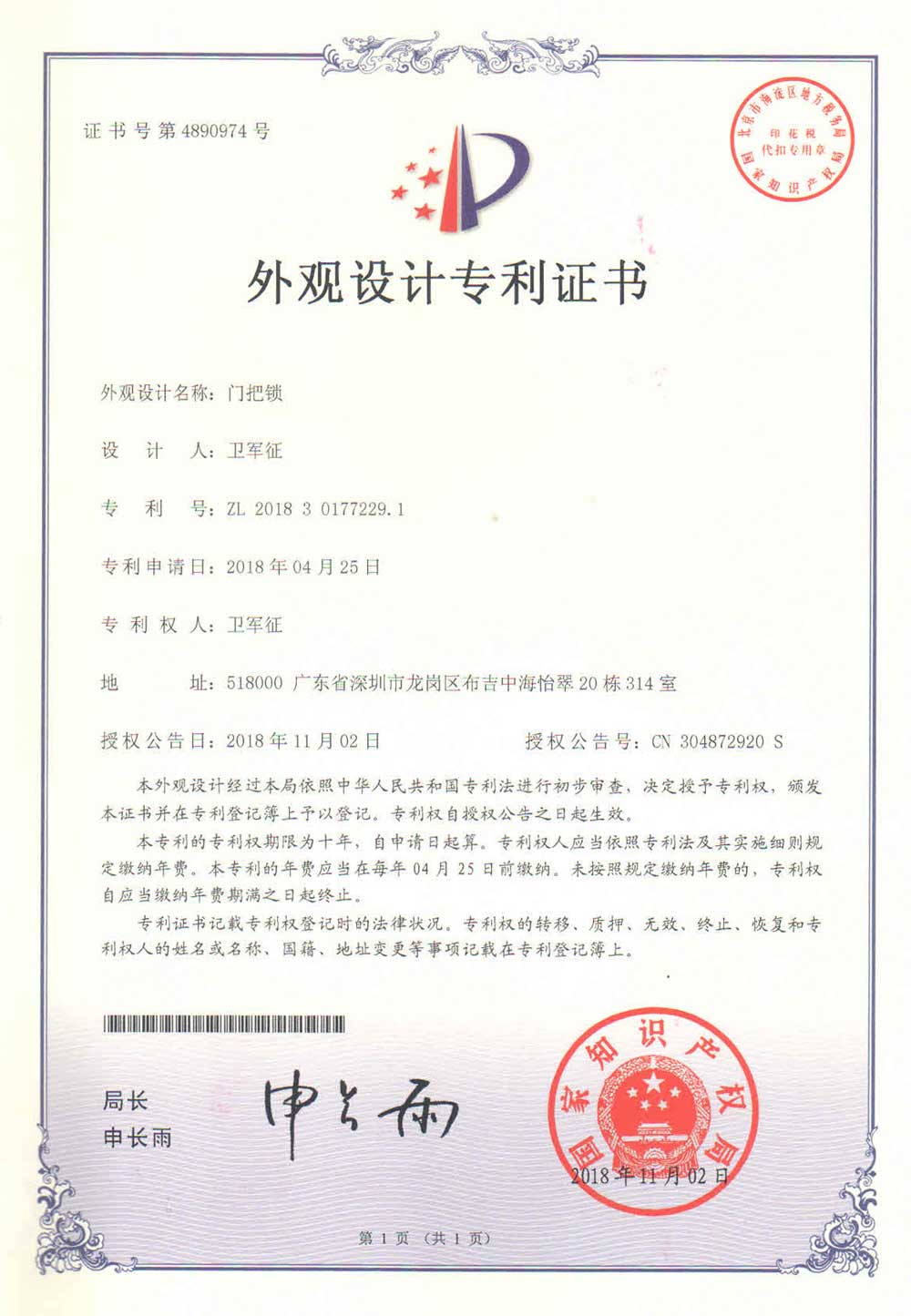
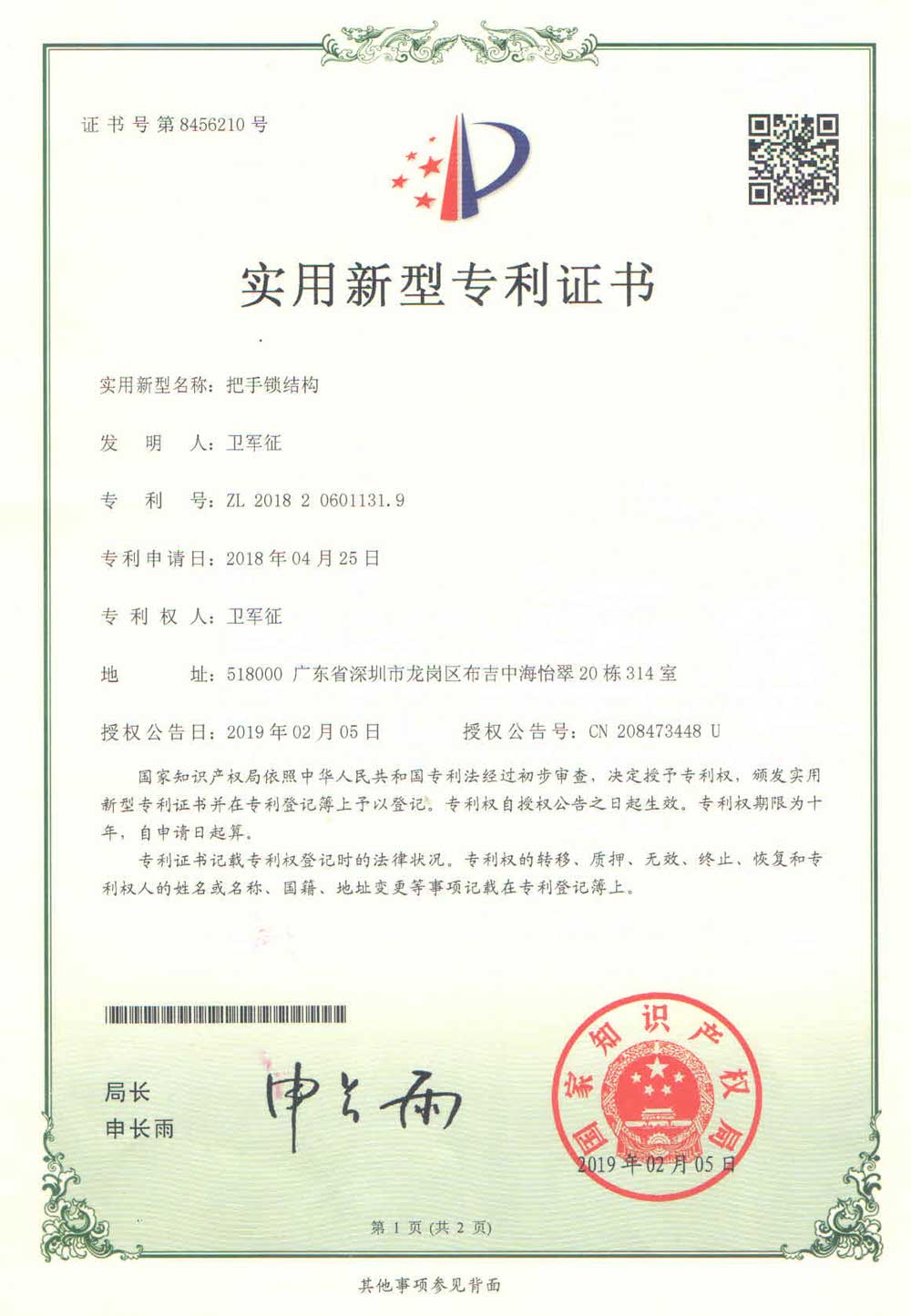
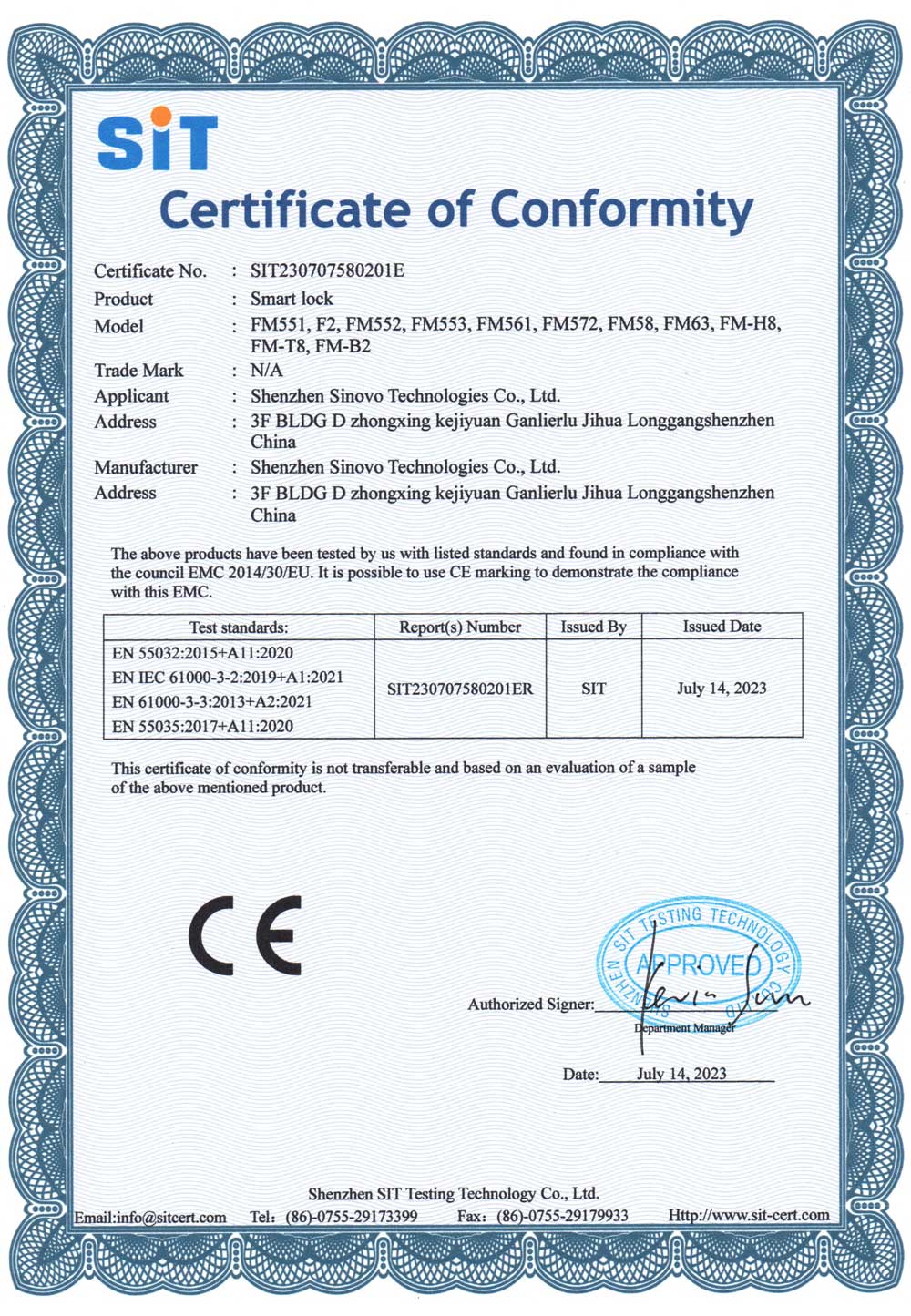
Tested and certified under stringent European and international laboratories to ensure unparalleled durability, electromagnetic reliability, and material safety.

IOS Quality System Certification
FCC Telecommunication Approval
CE Mark Compliance - 1
CE Mark Compliance - 4
FCC Compliance 2
CE Certification Document
Quality Compliance Certificate 4
Quality Compliance Certificate 3
Quality Compliance Certificate 2
CE Technical File Certificate 3
Product Safety Standard Certificate 1

Ready to Collaborate with Heritage Architects & Conservation Specialists

We believe that outstanding smart products come from meticulous attention to detail and a steadfast commitment to promises. If you are looking for a reliable, efficient, and dedicated ODM partner for your smart home projects, heritage restorations, and commercial renovation developments, Sinovo Technologies is ready to work with you in shaping the future of intelligent living.