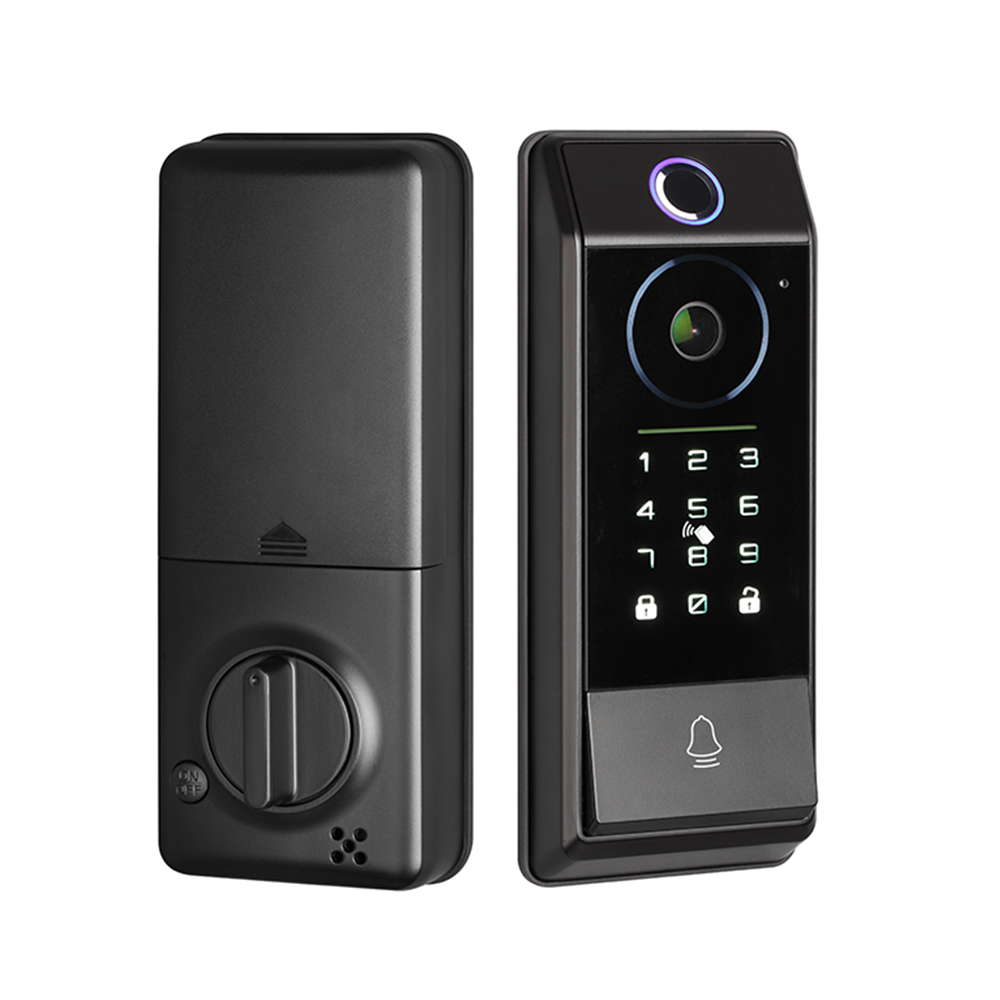
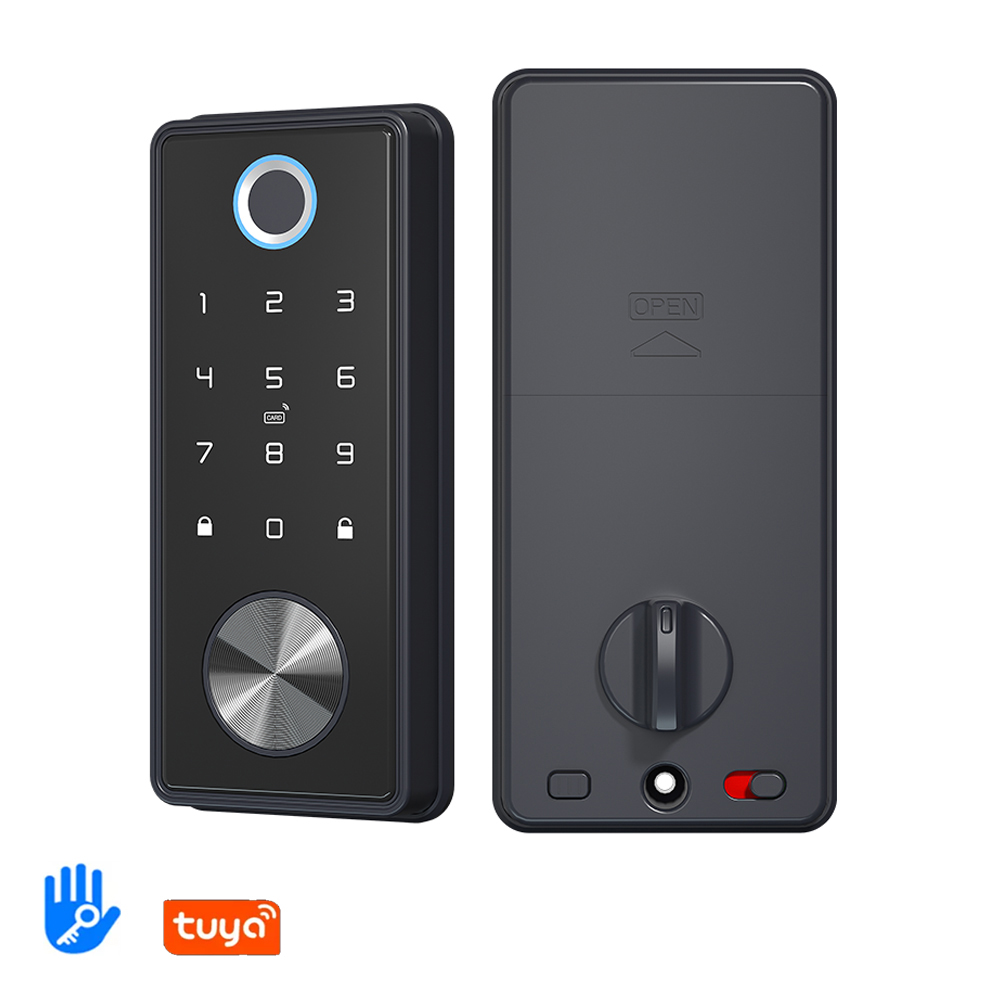
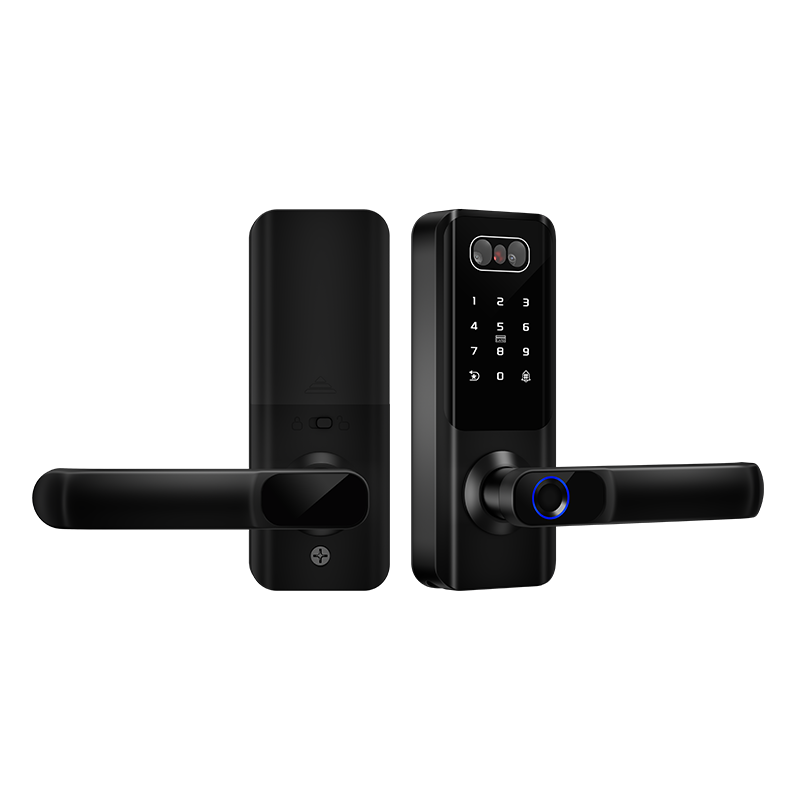
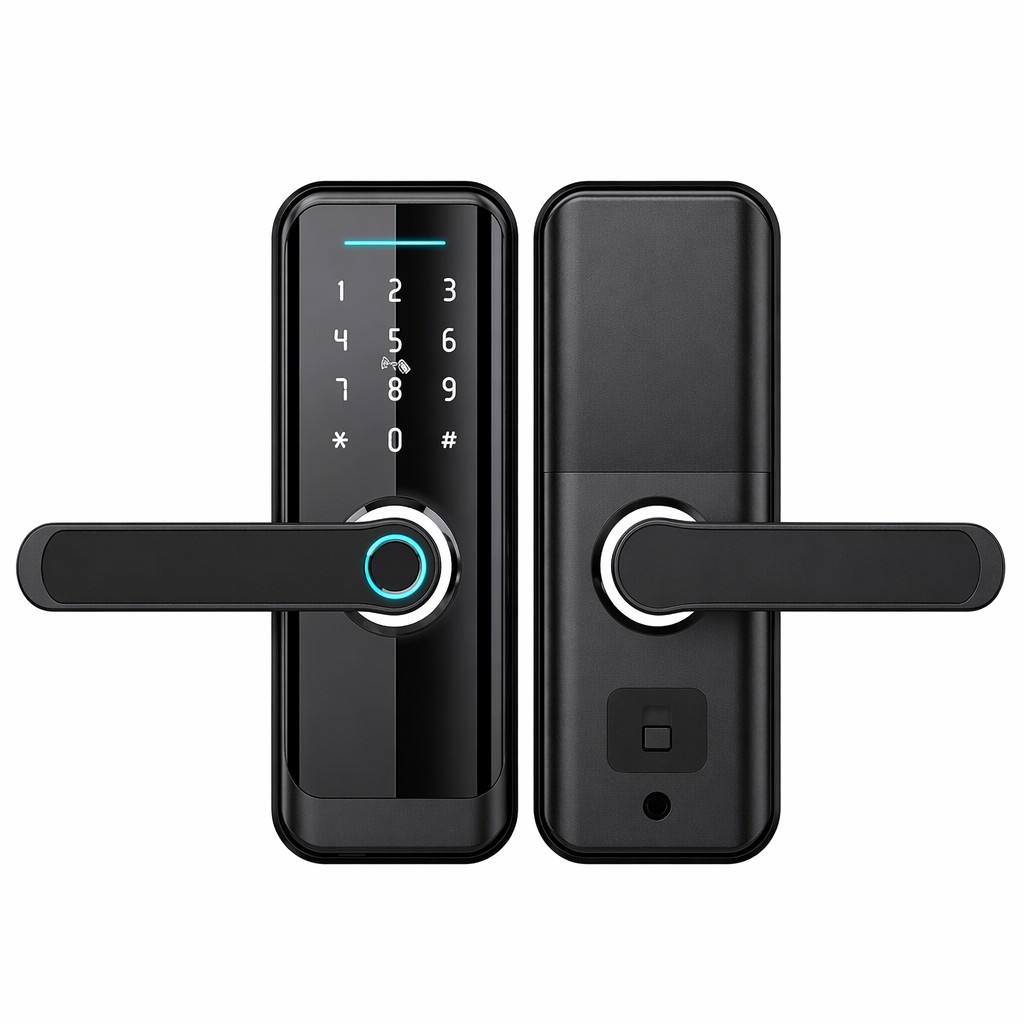
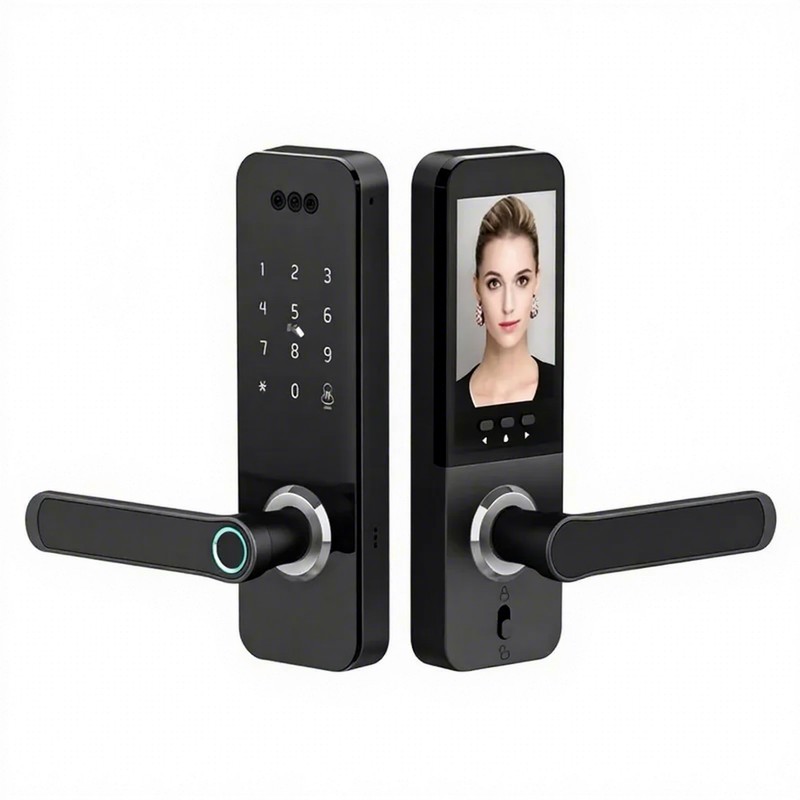
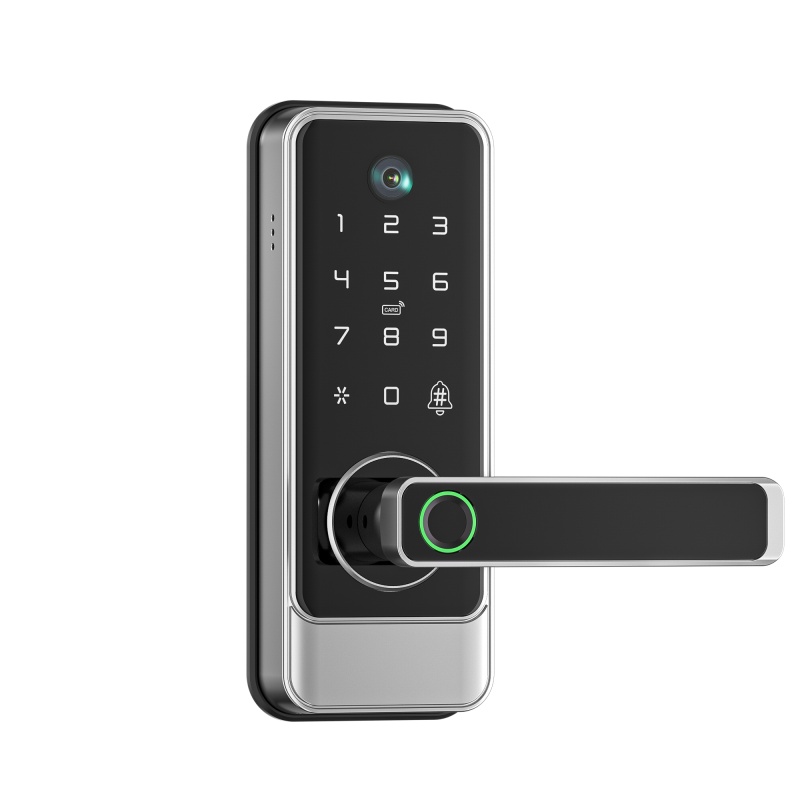
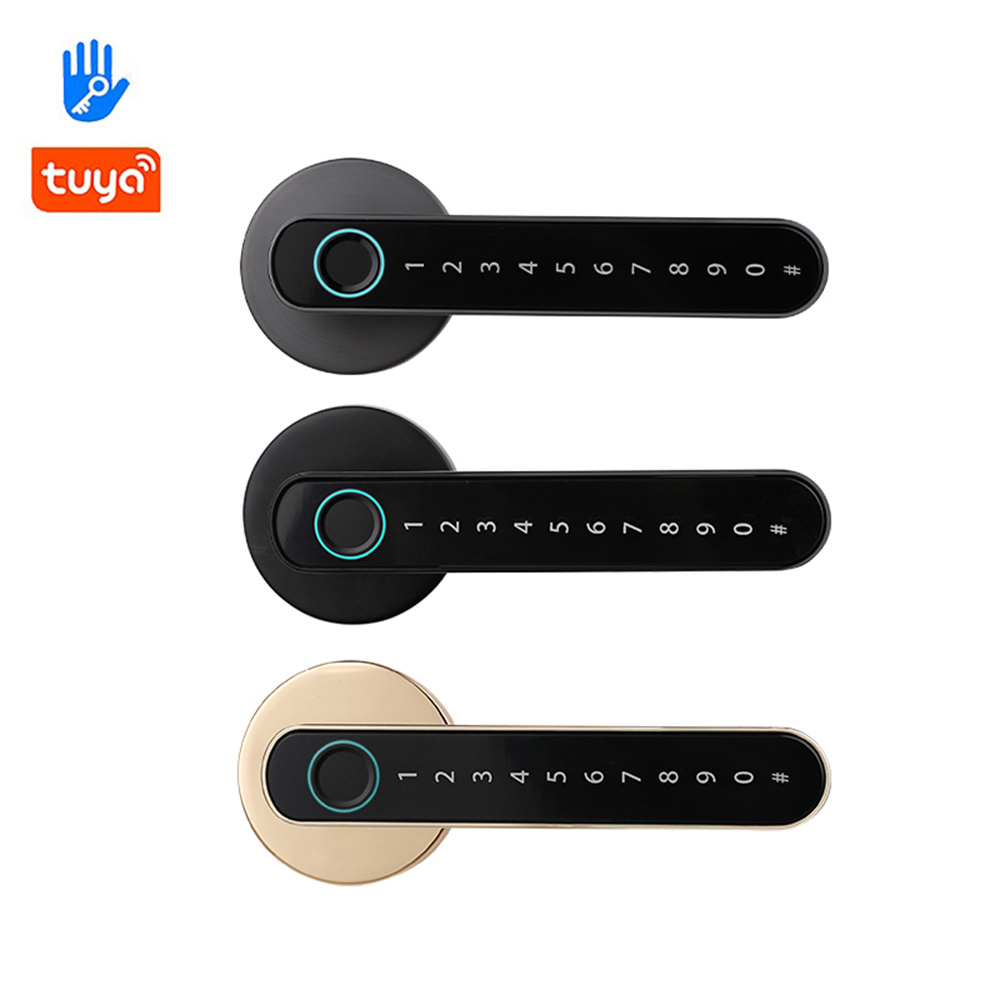
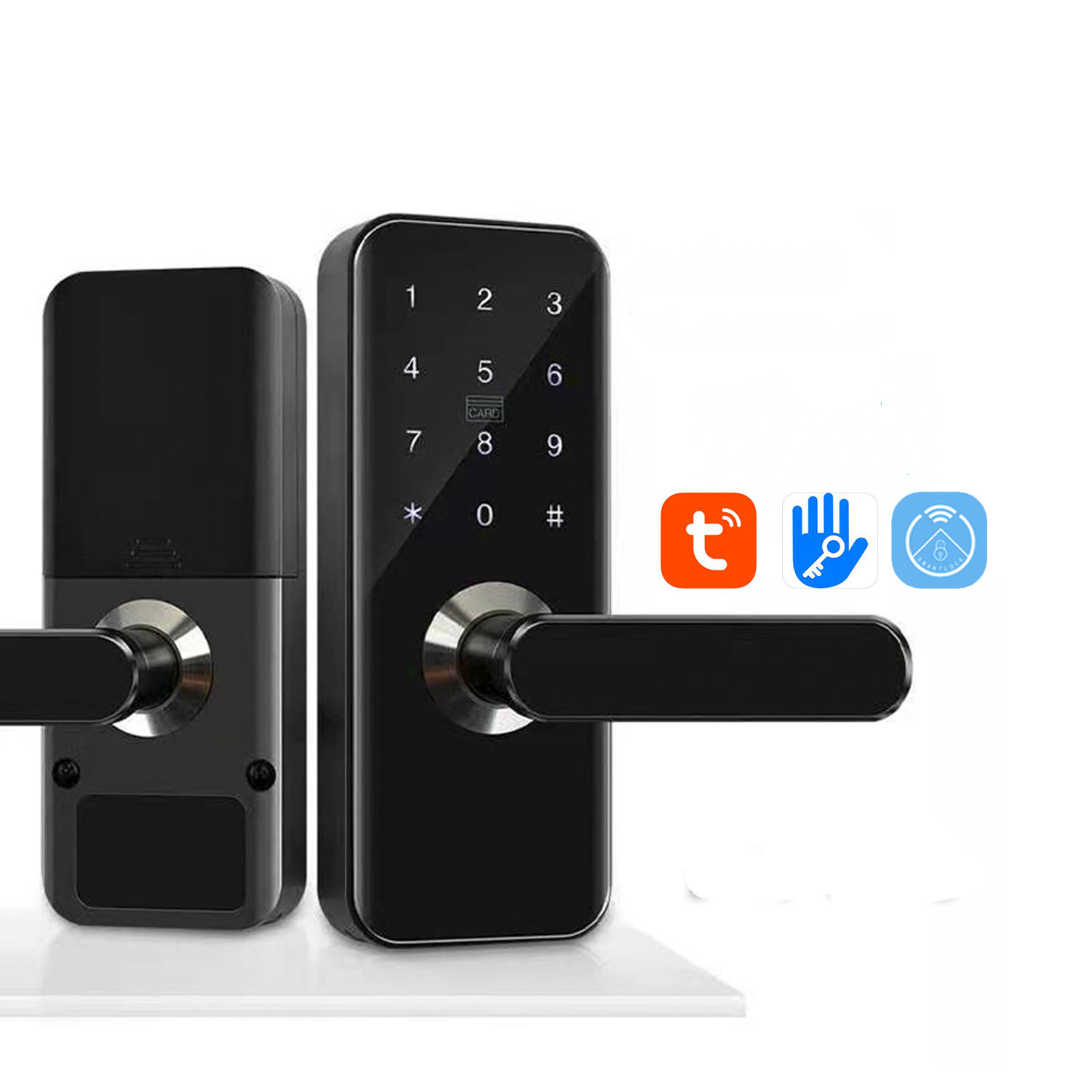
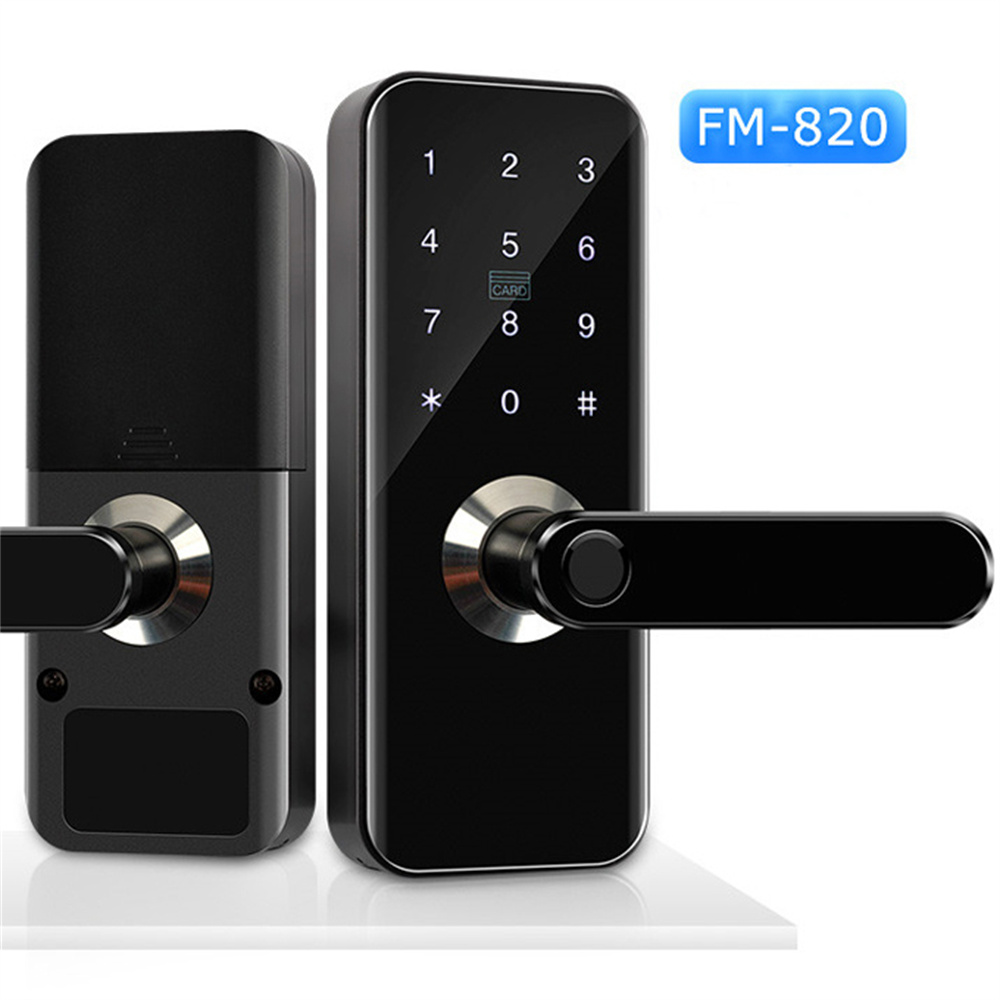
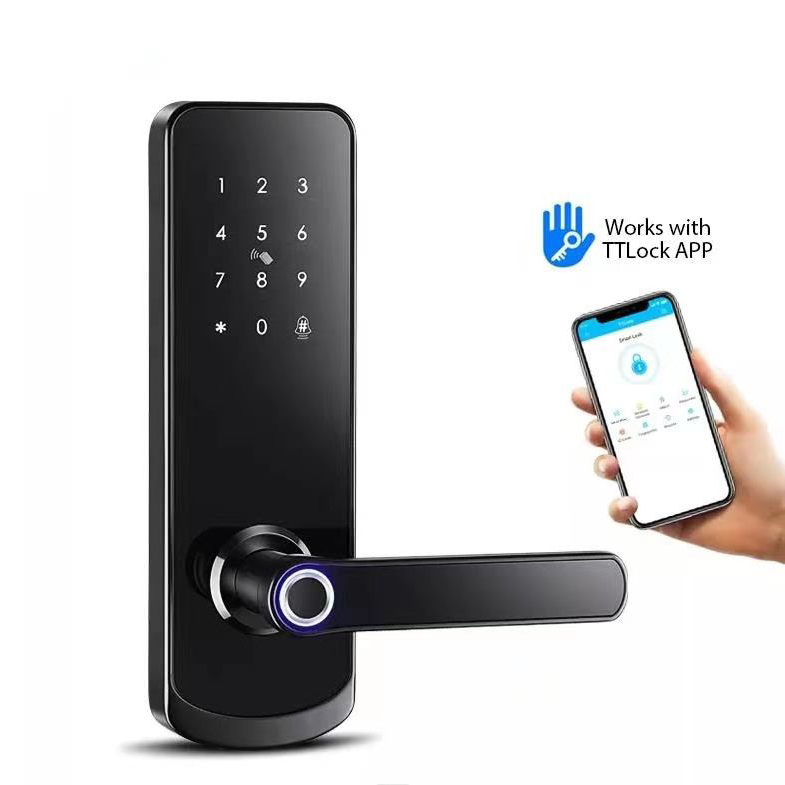
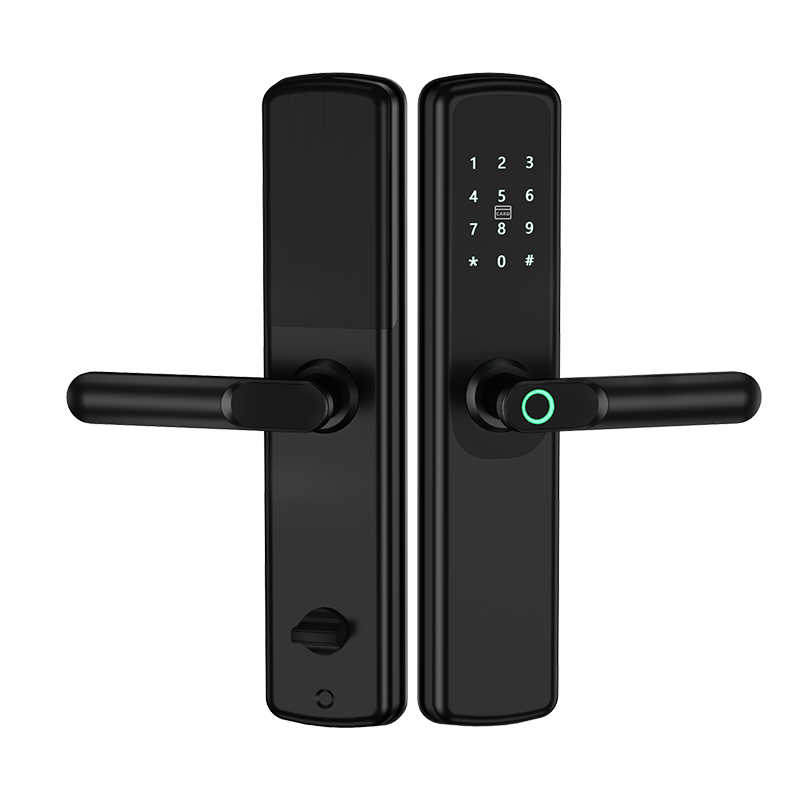
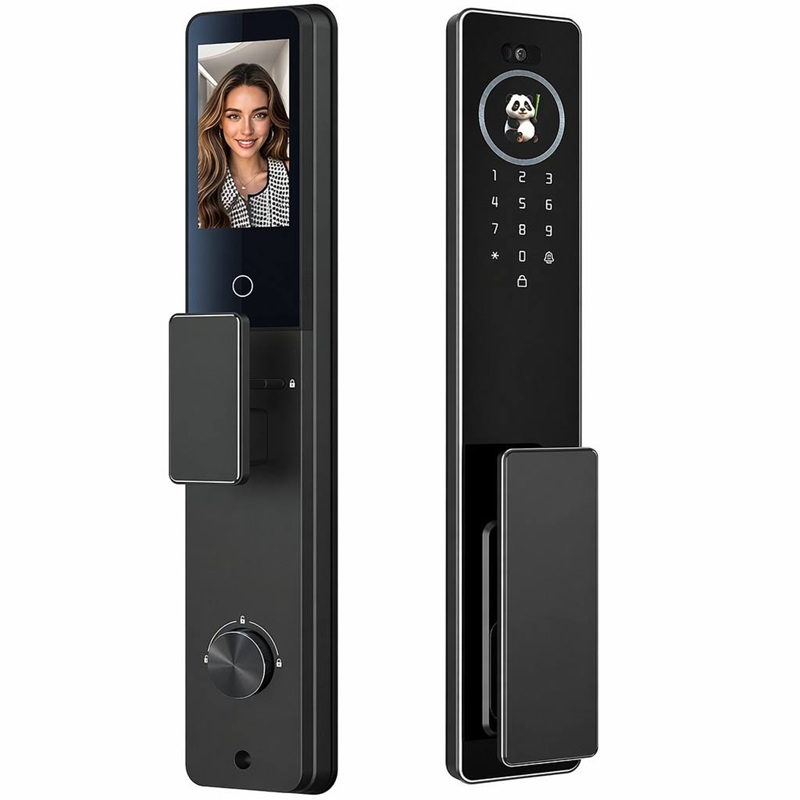
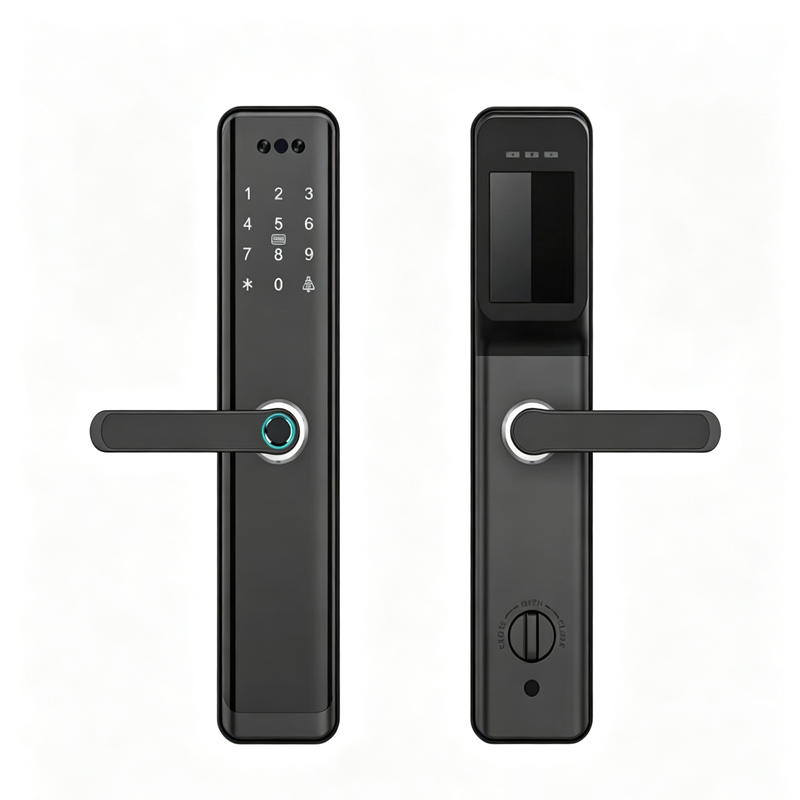
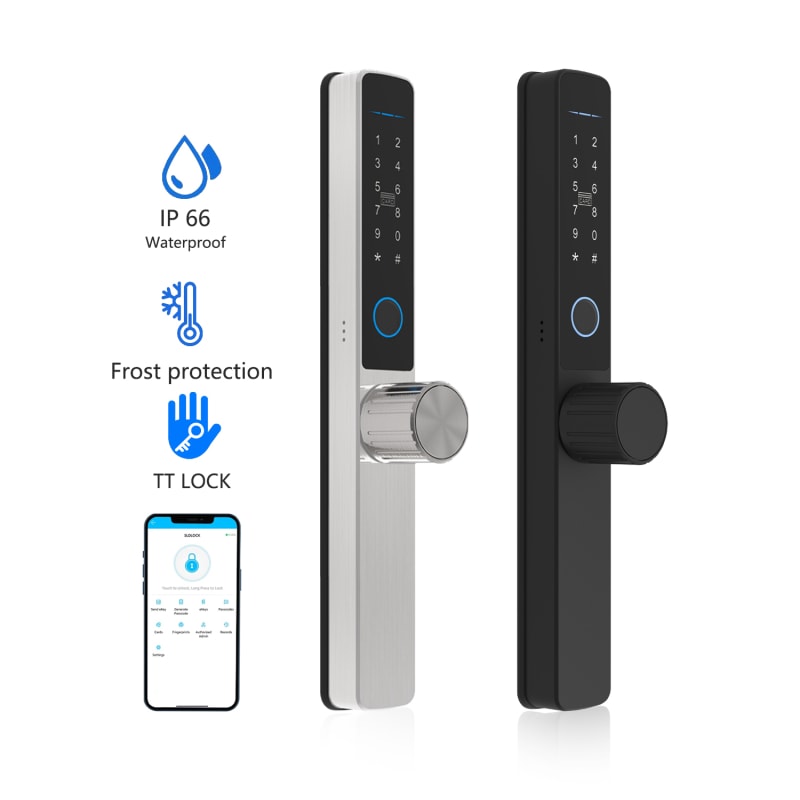
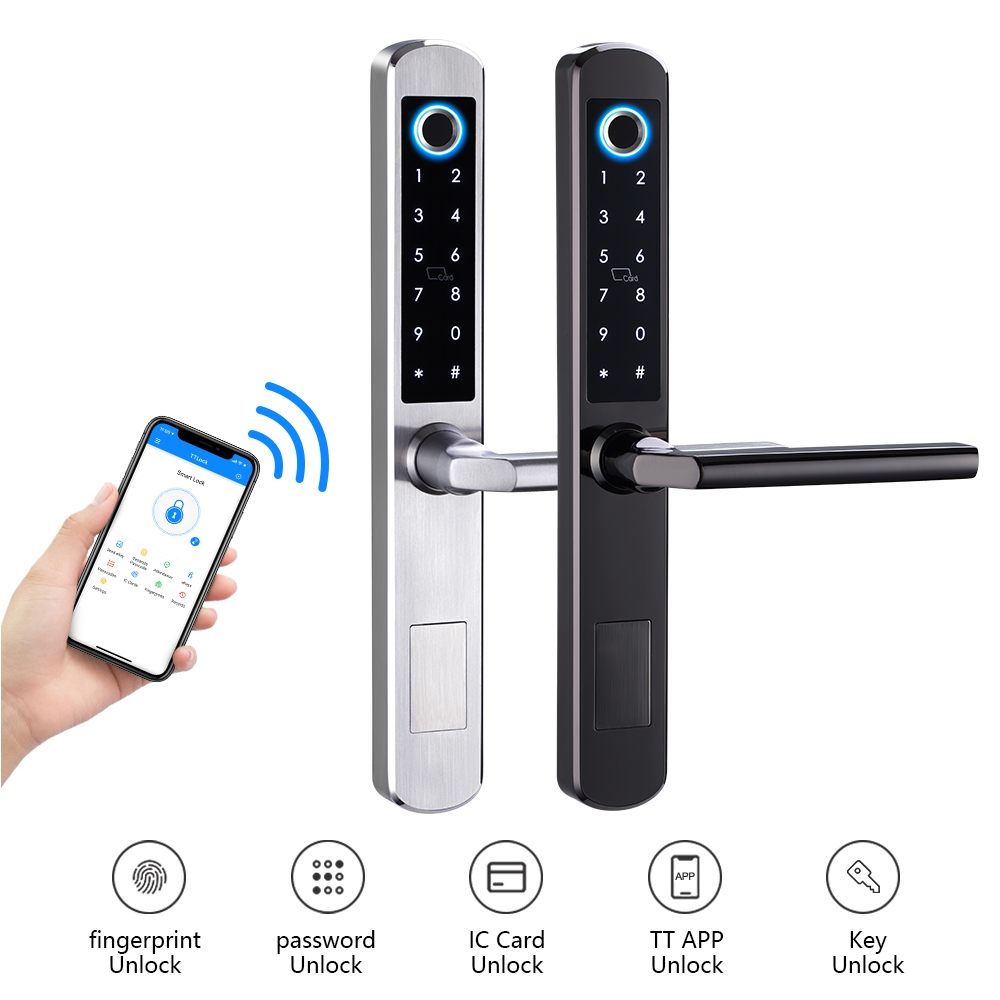
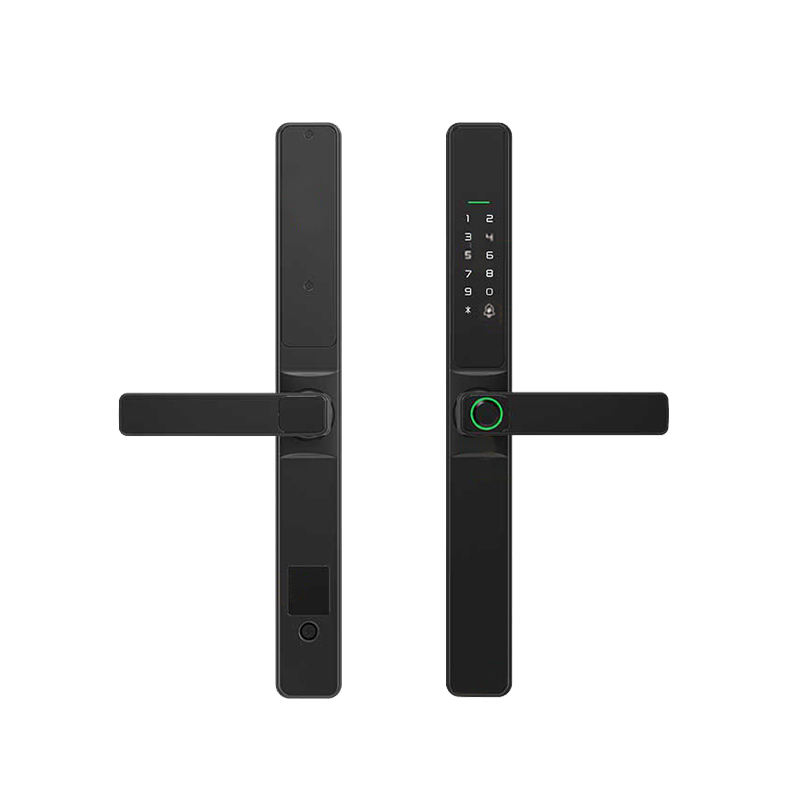
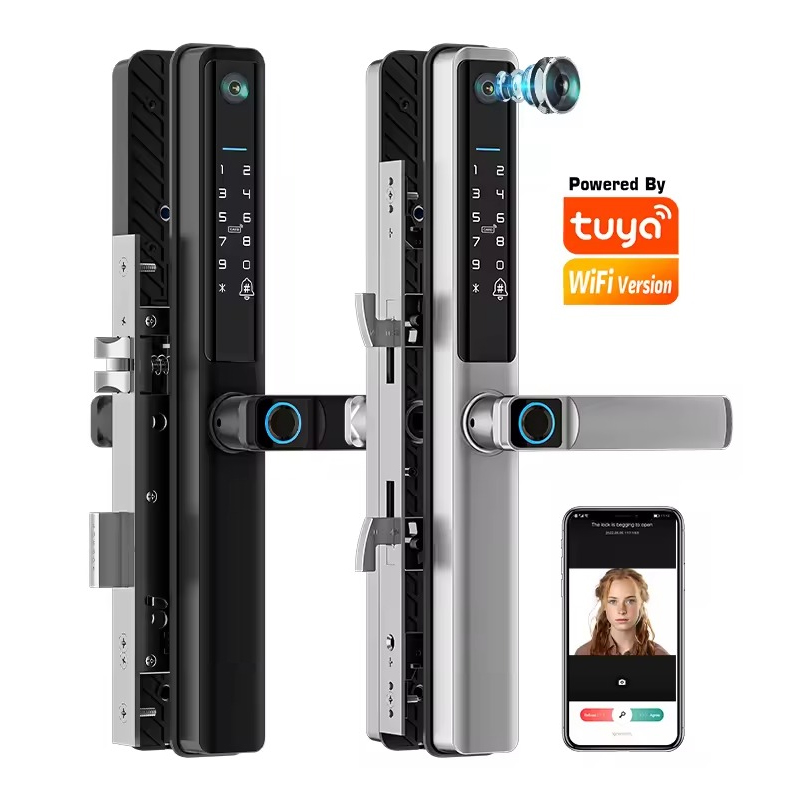
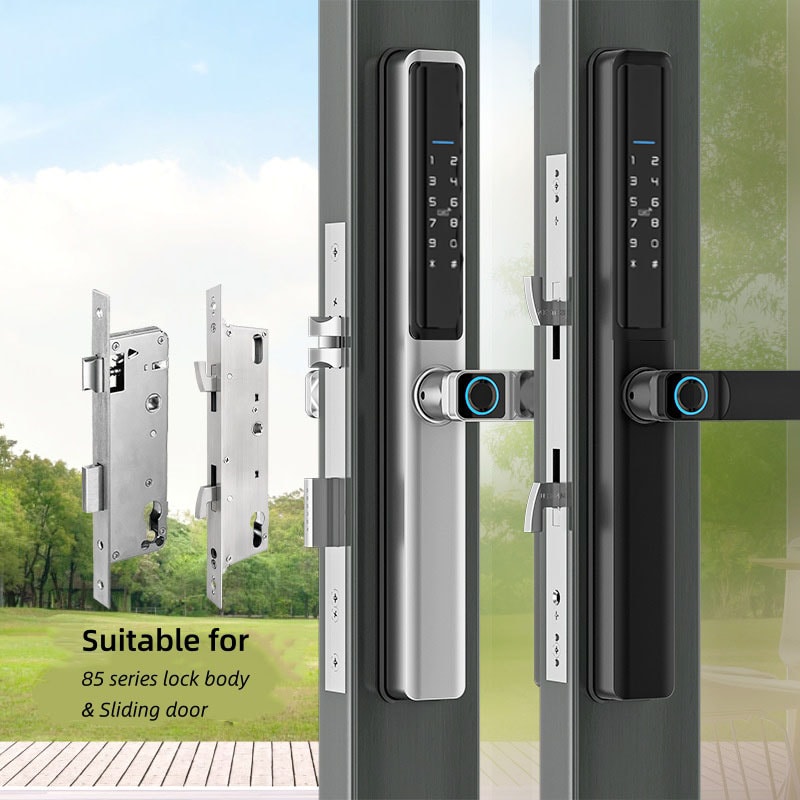
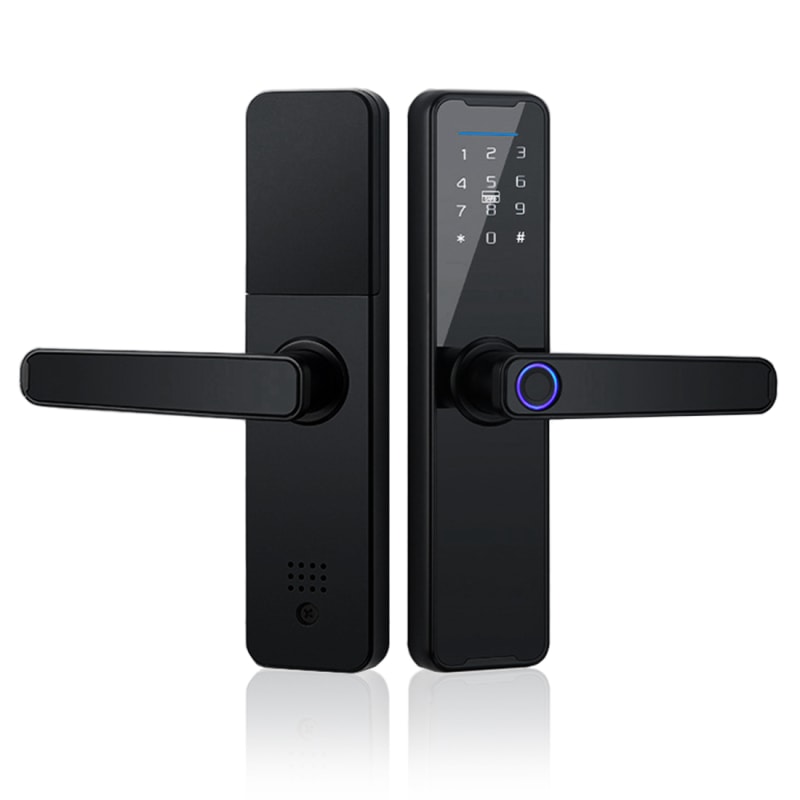
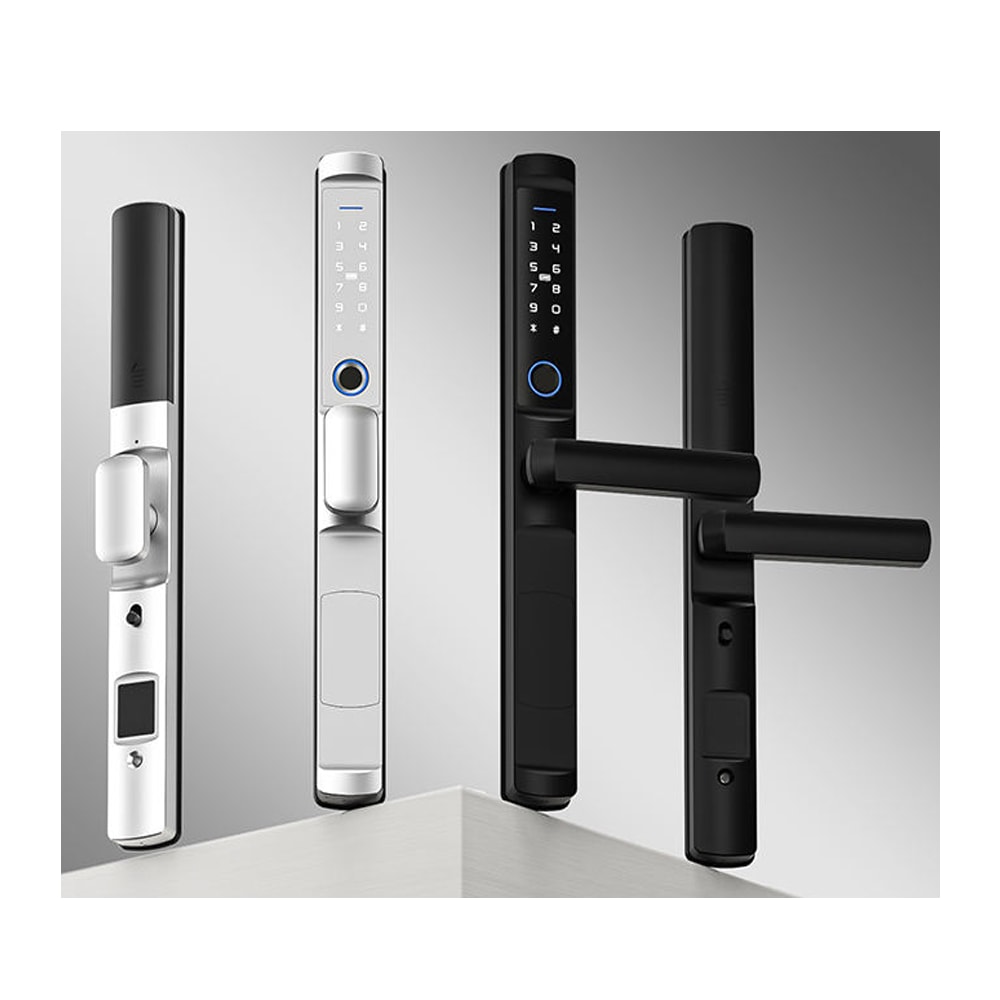
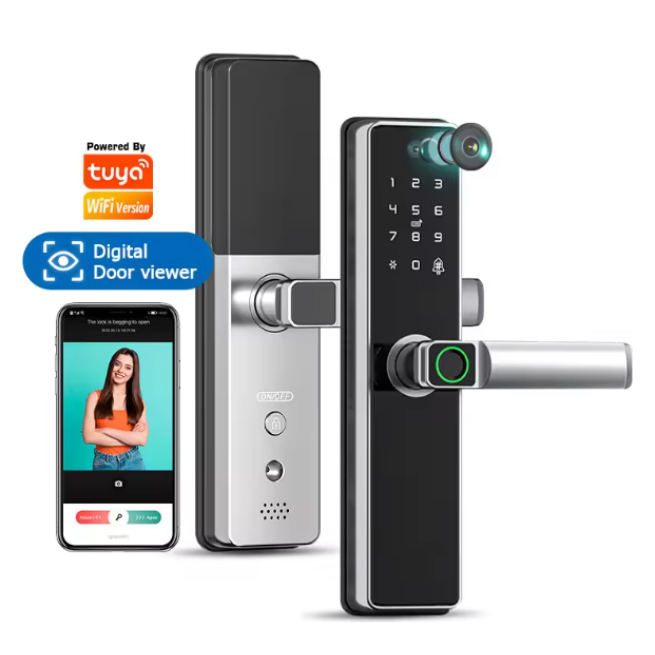
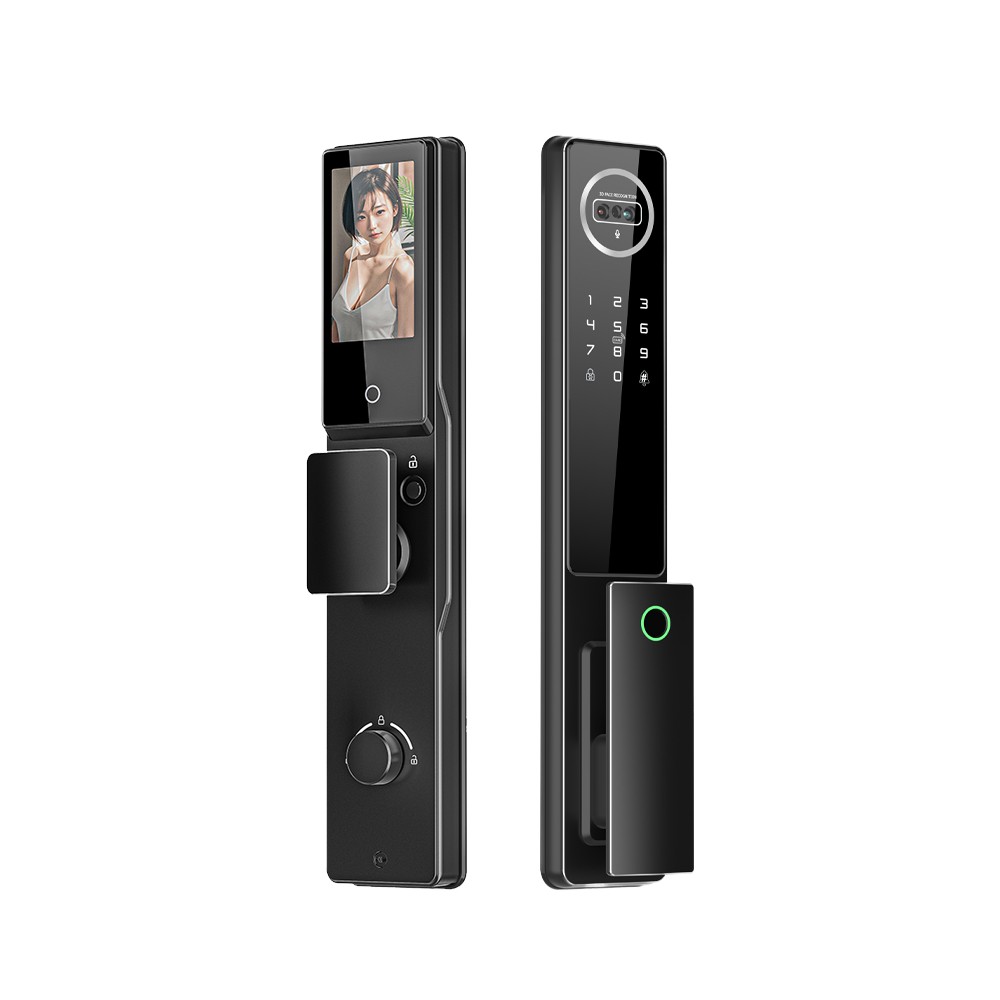
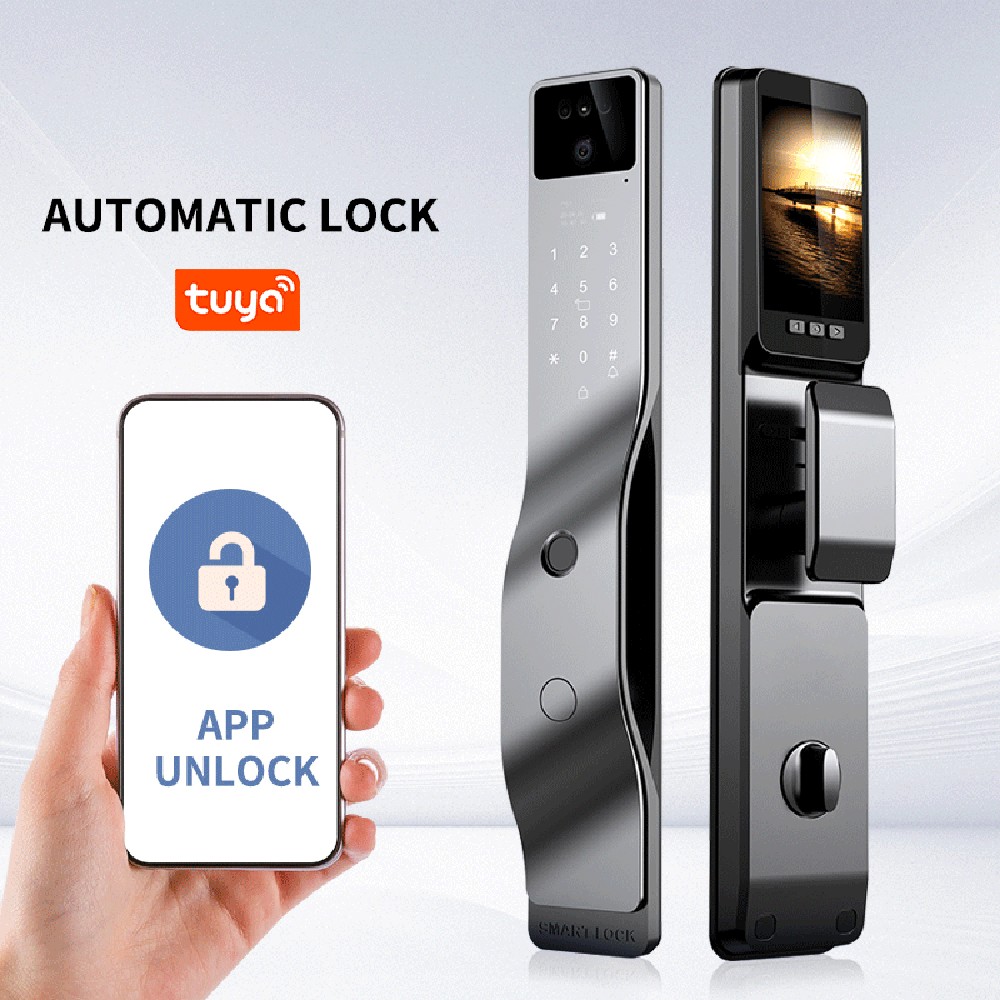
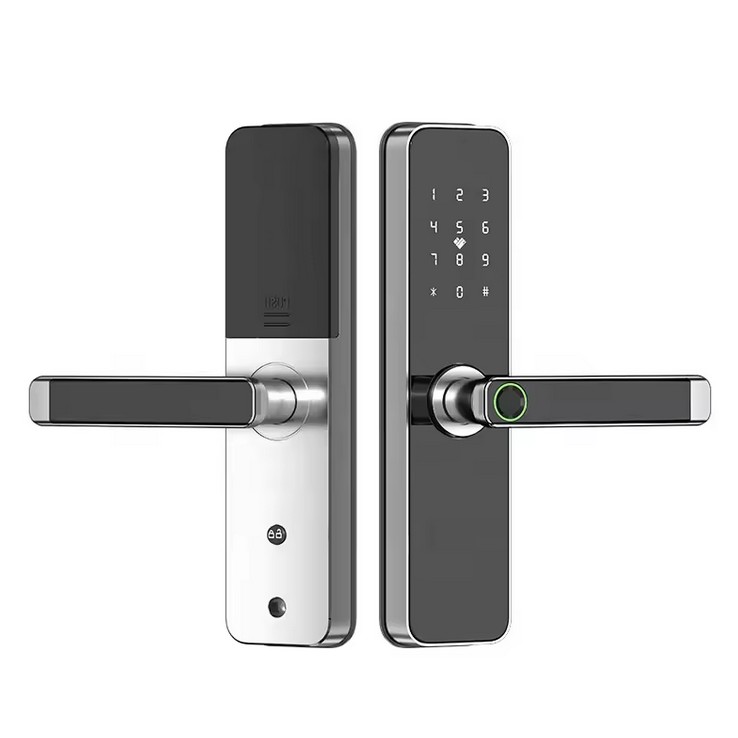
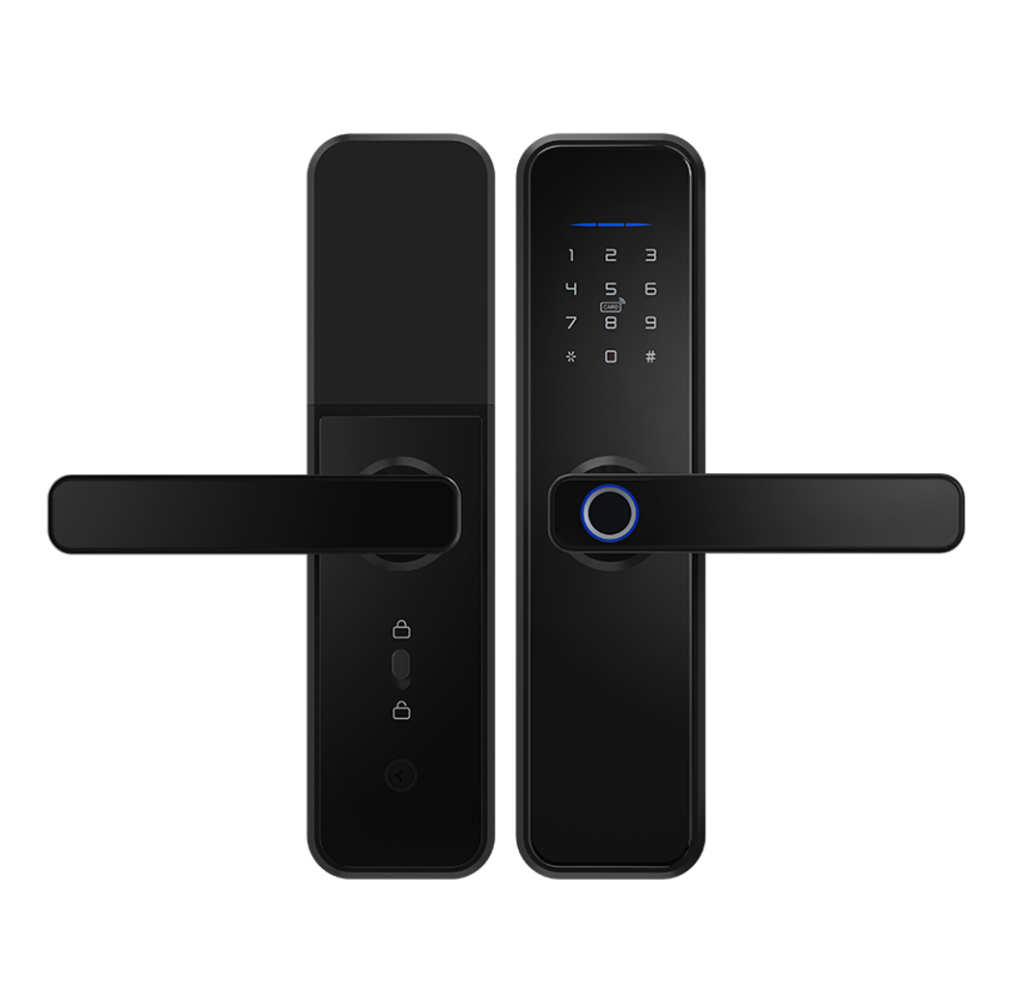
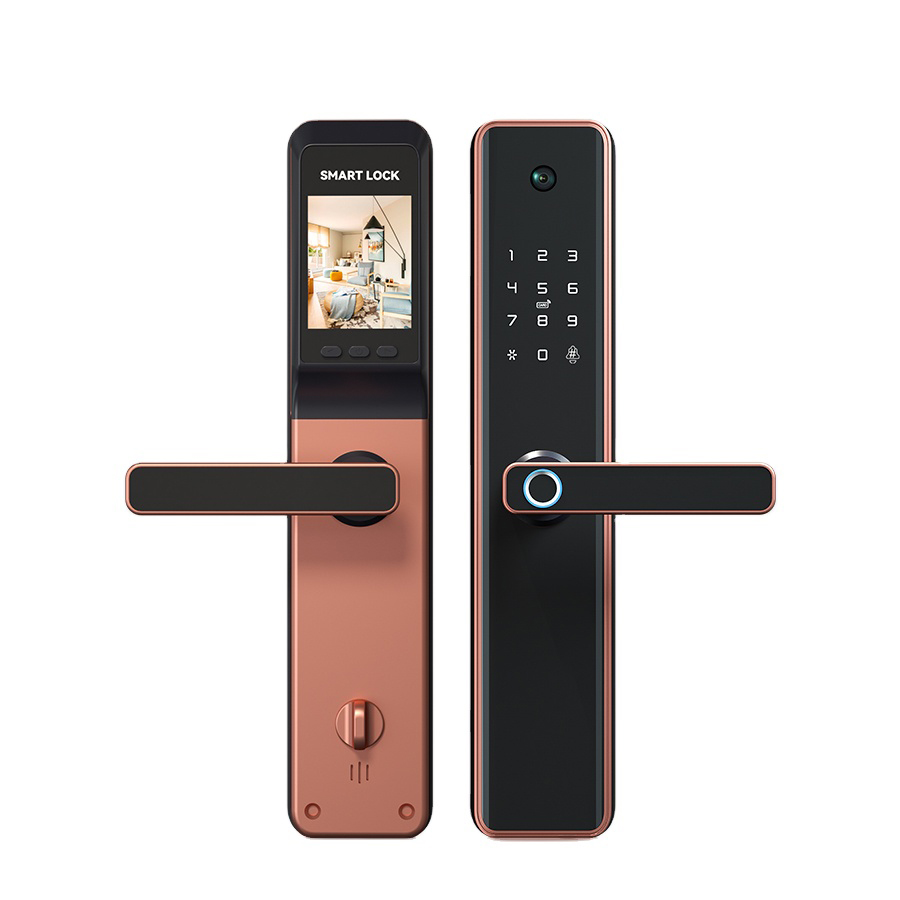
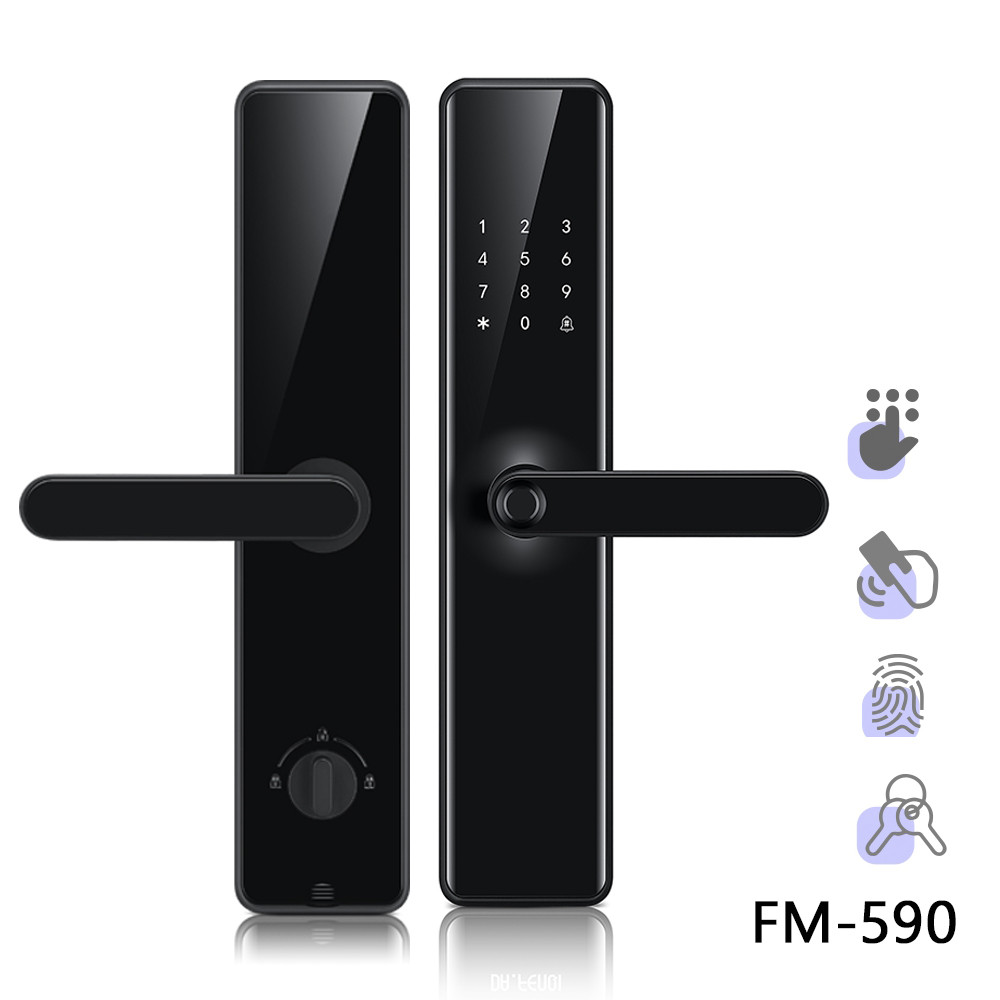
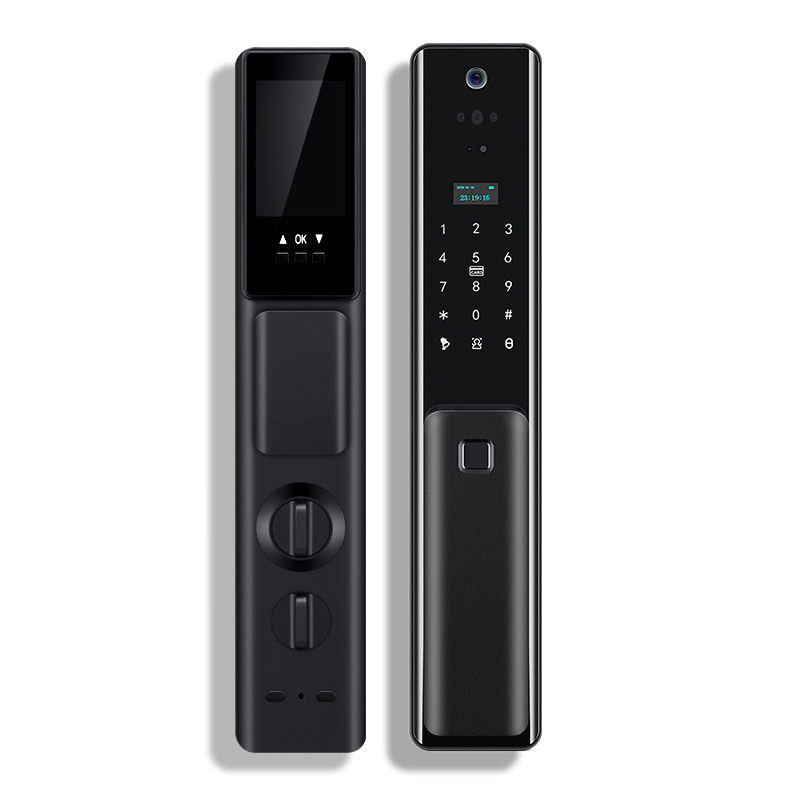
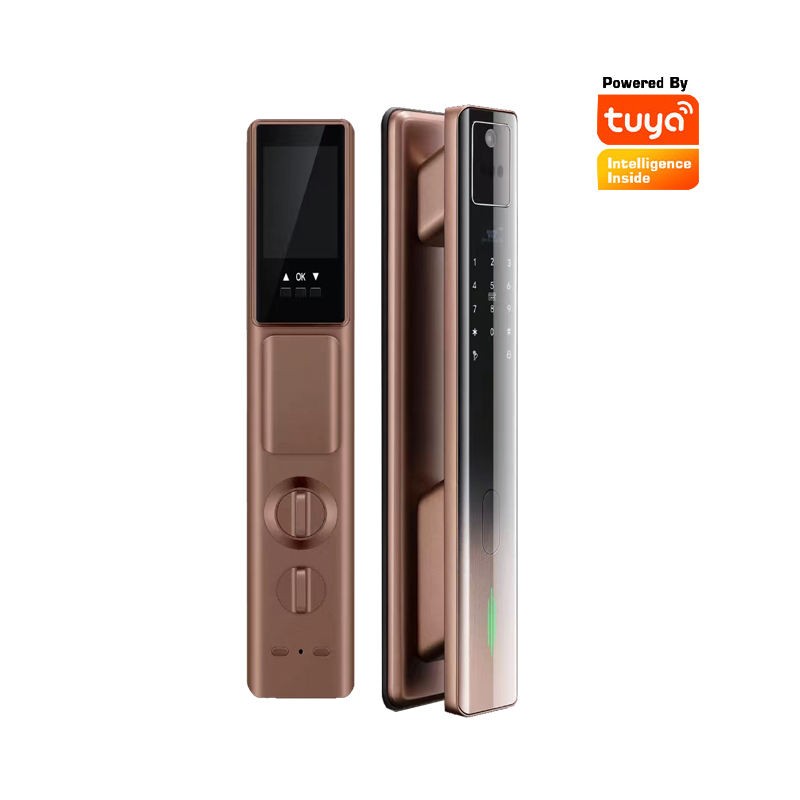
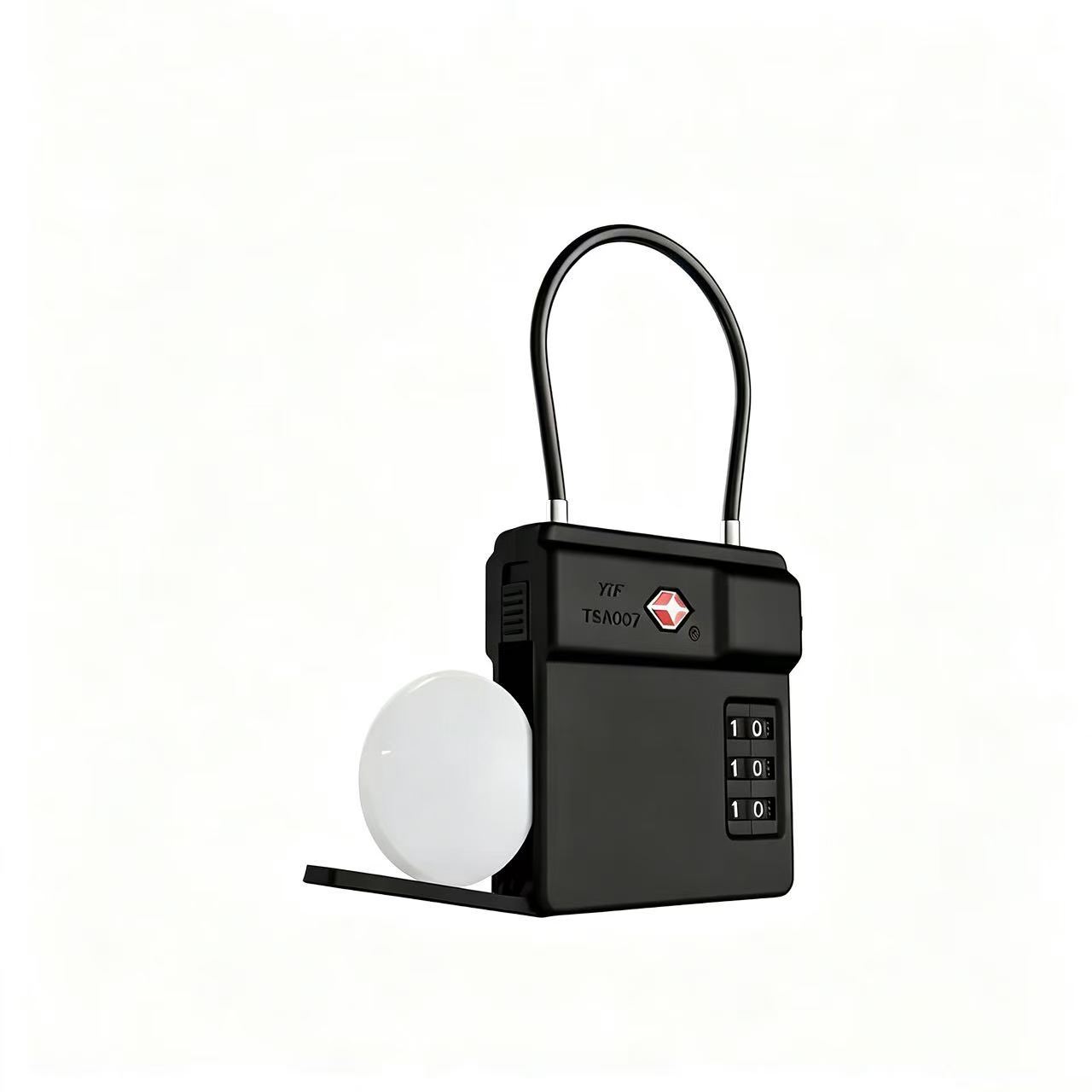
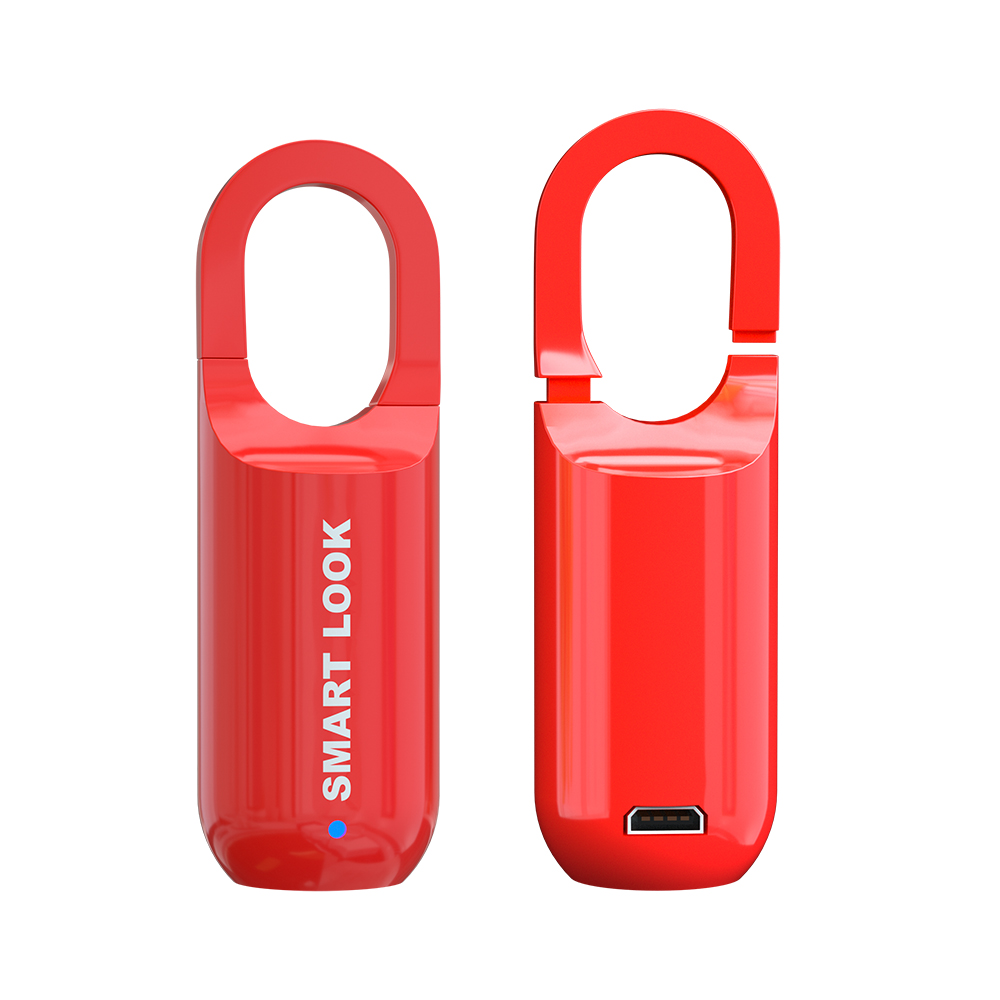
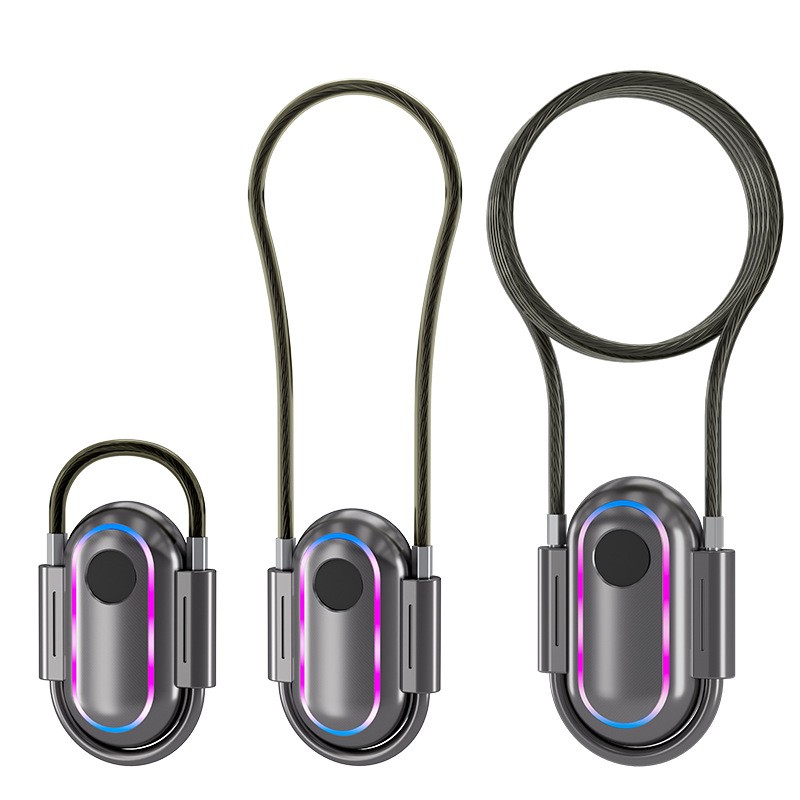
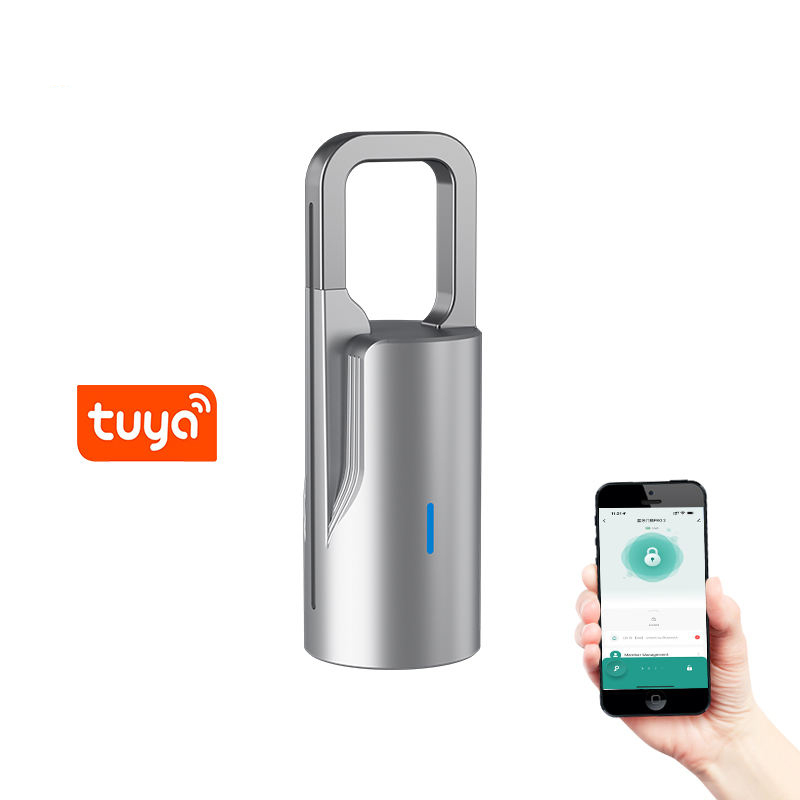
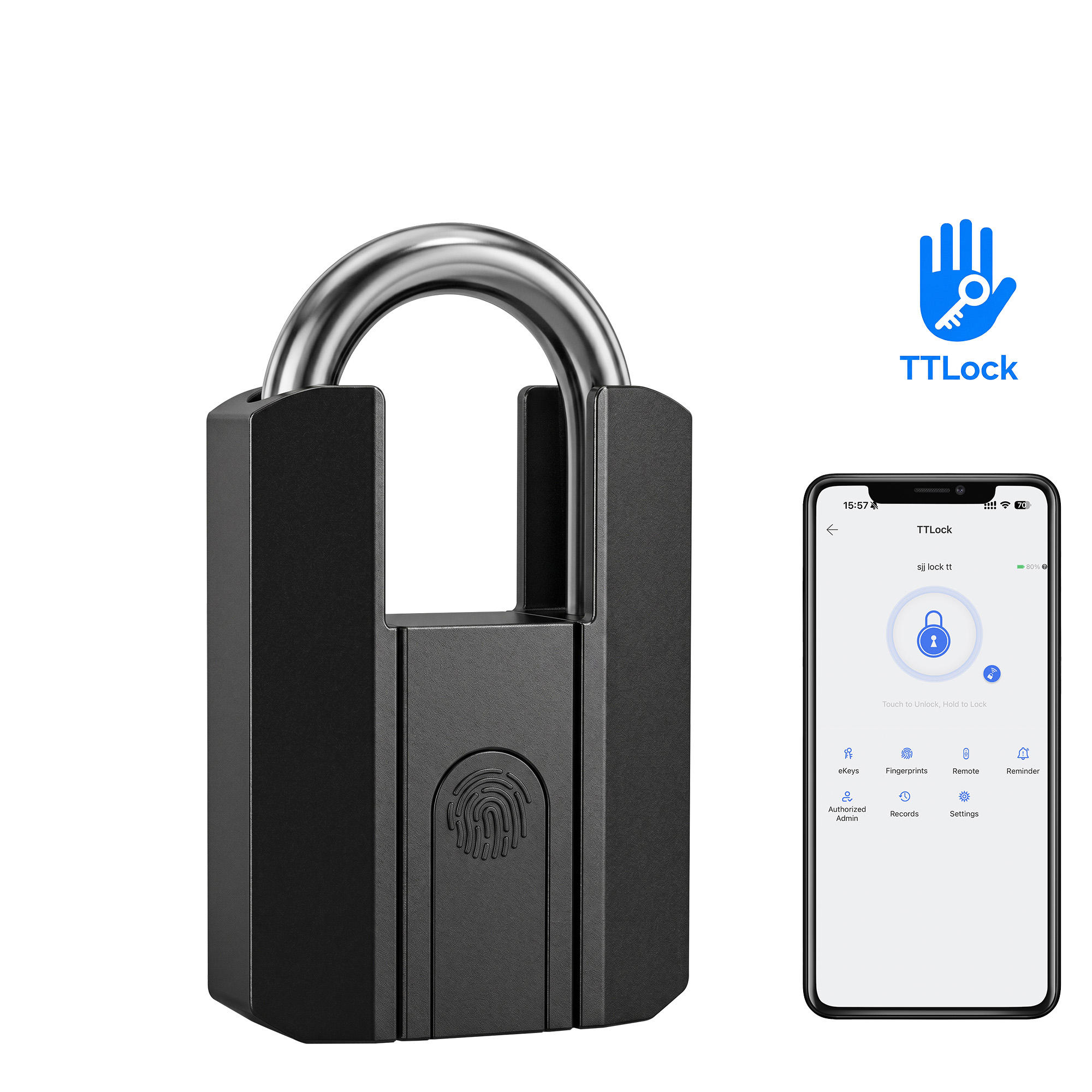
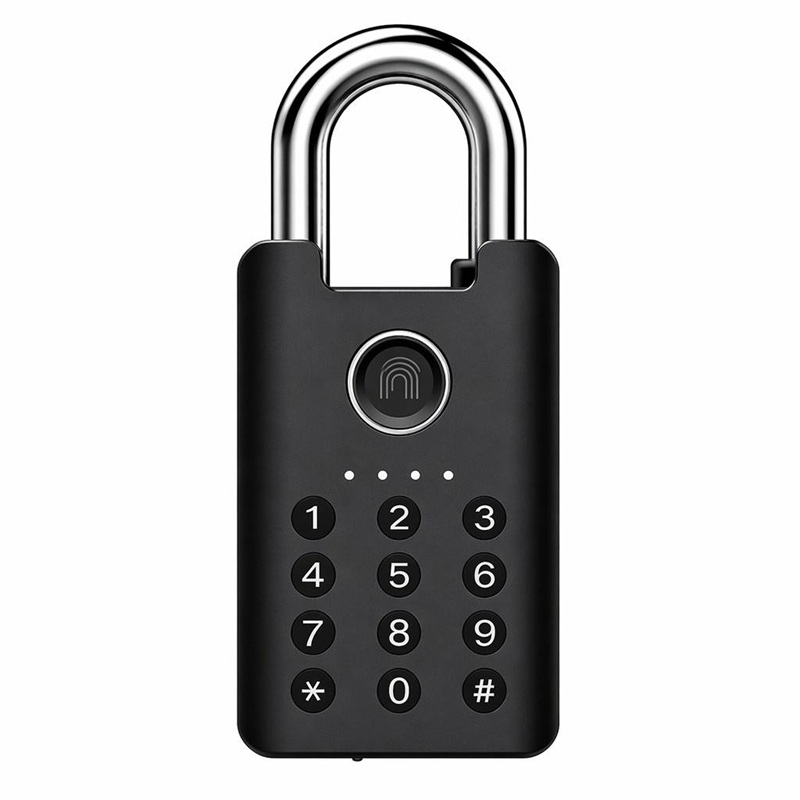
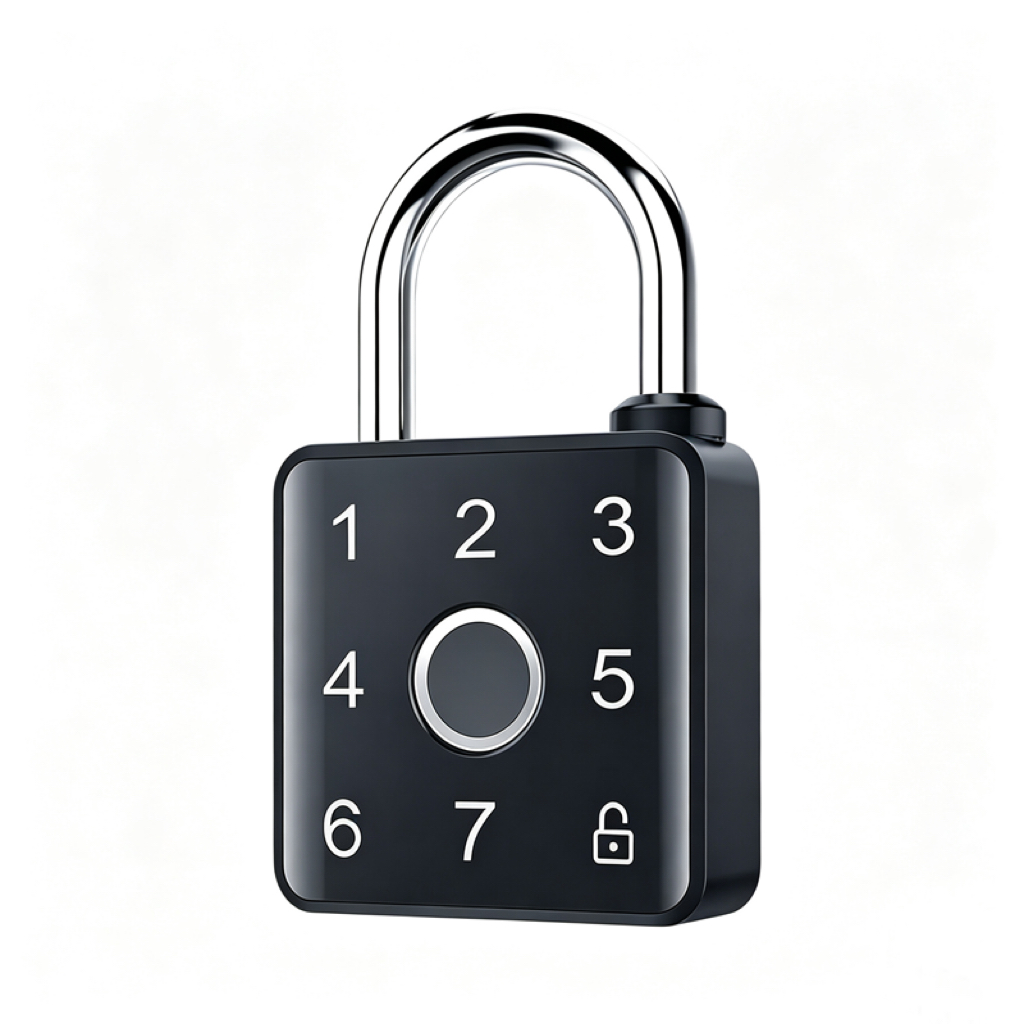
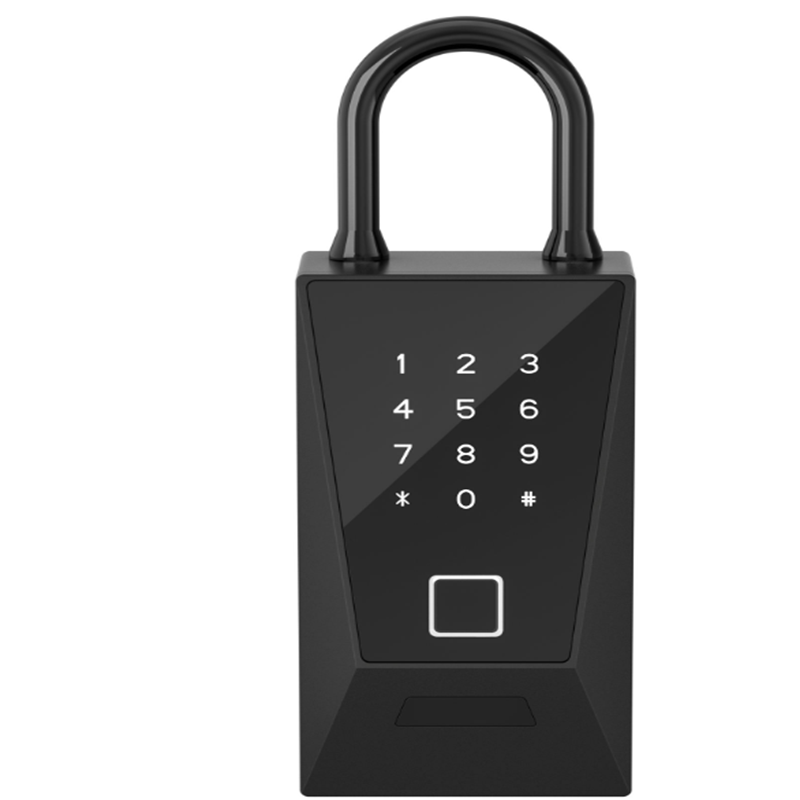
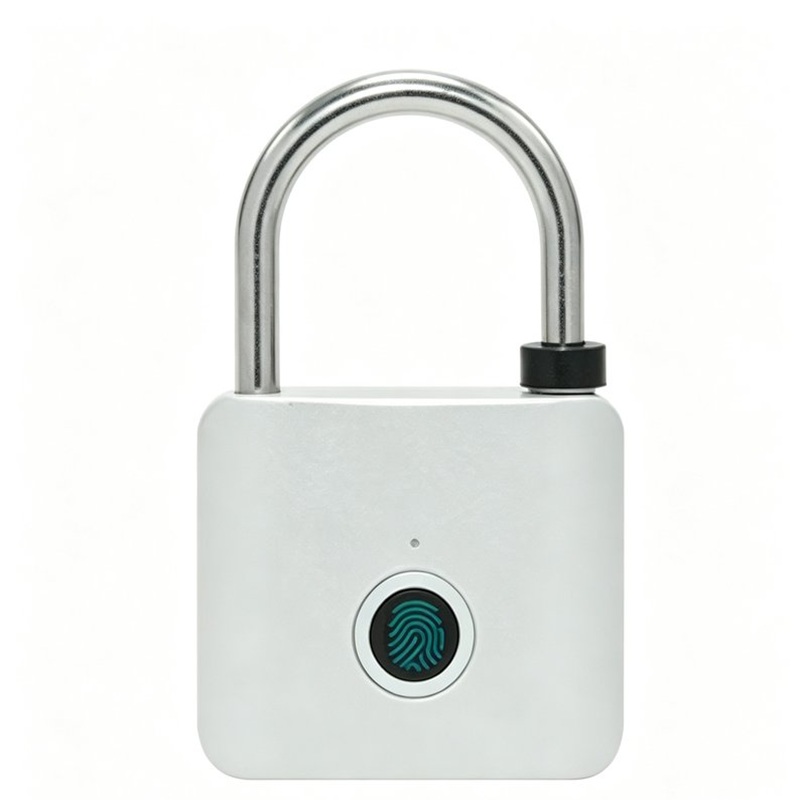
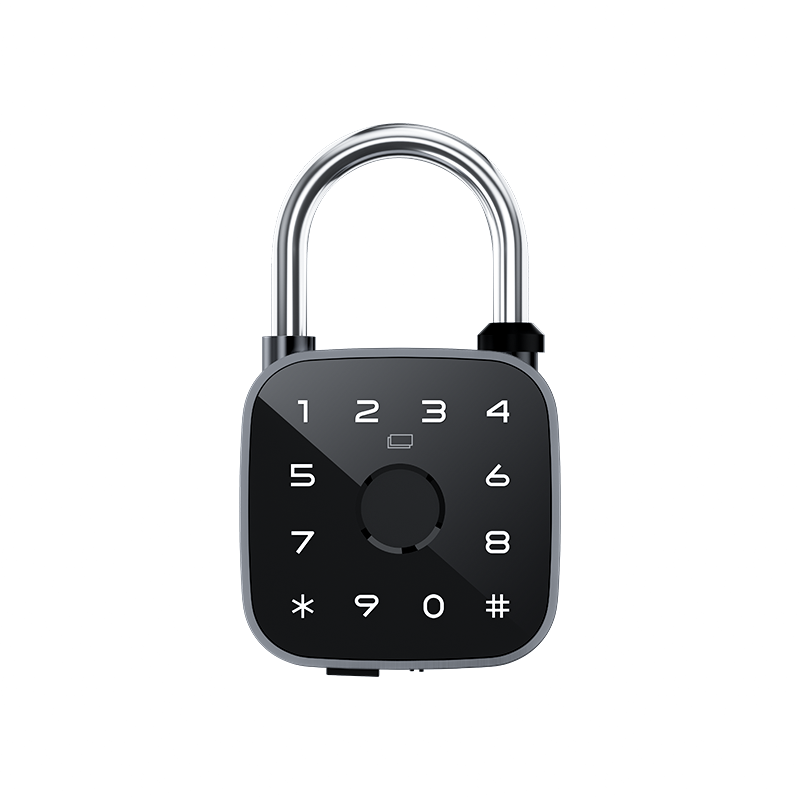
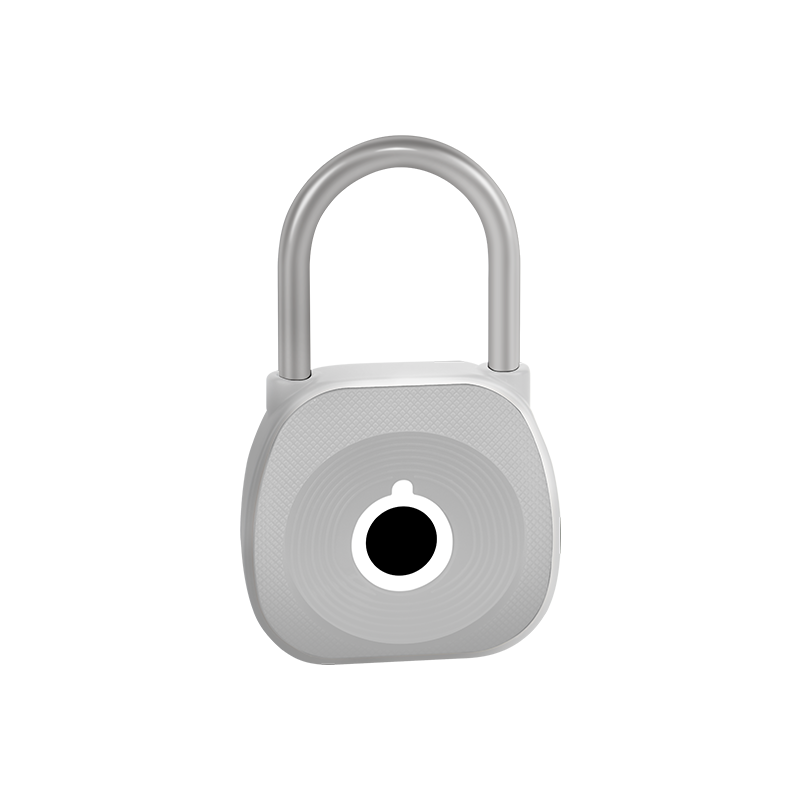
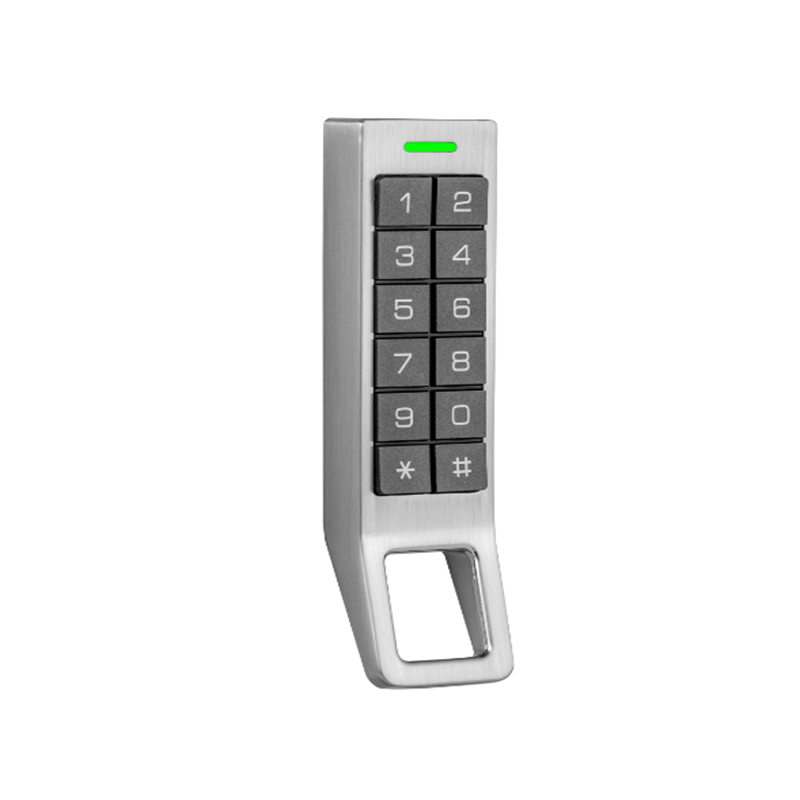
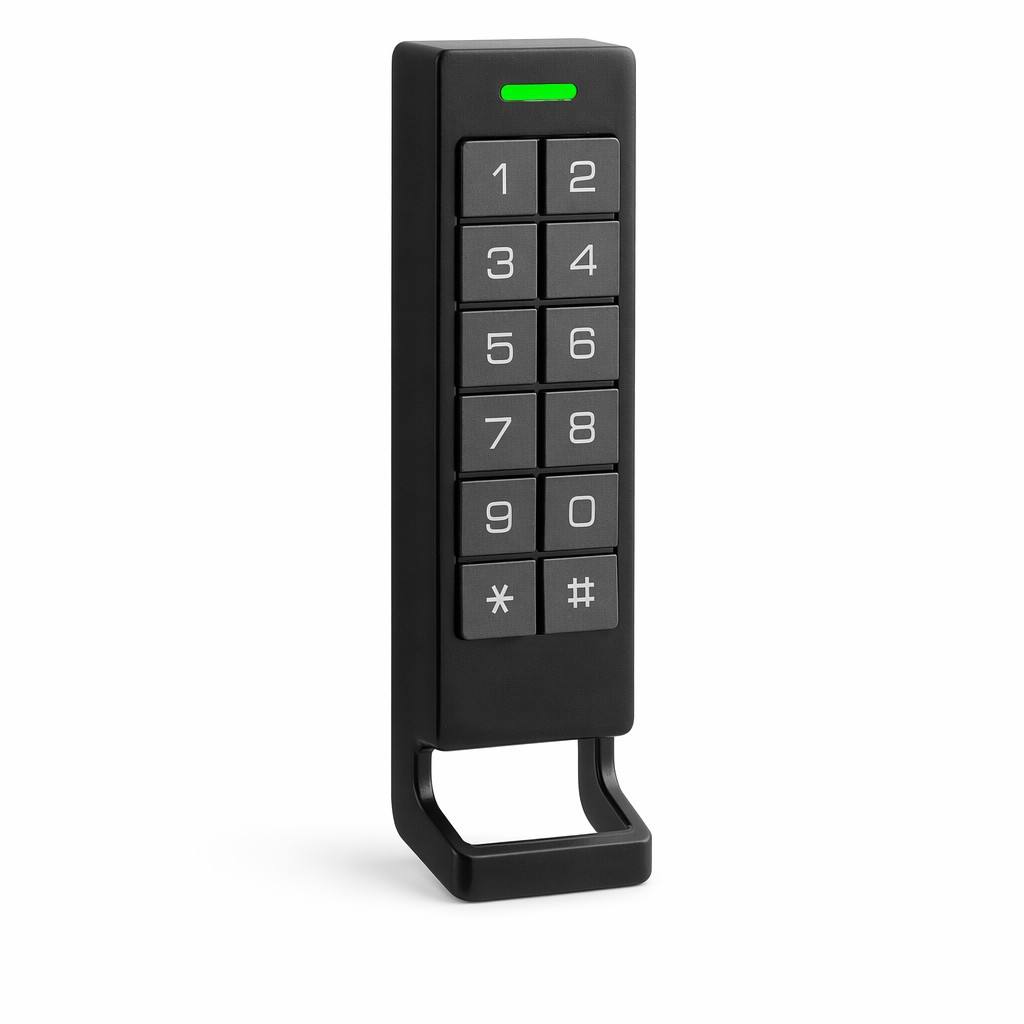
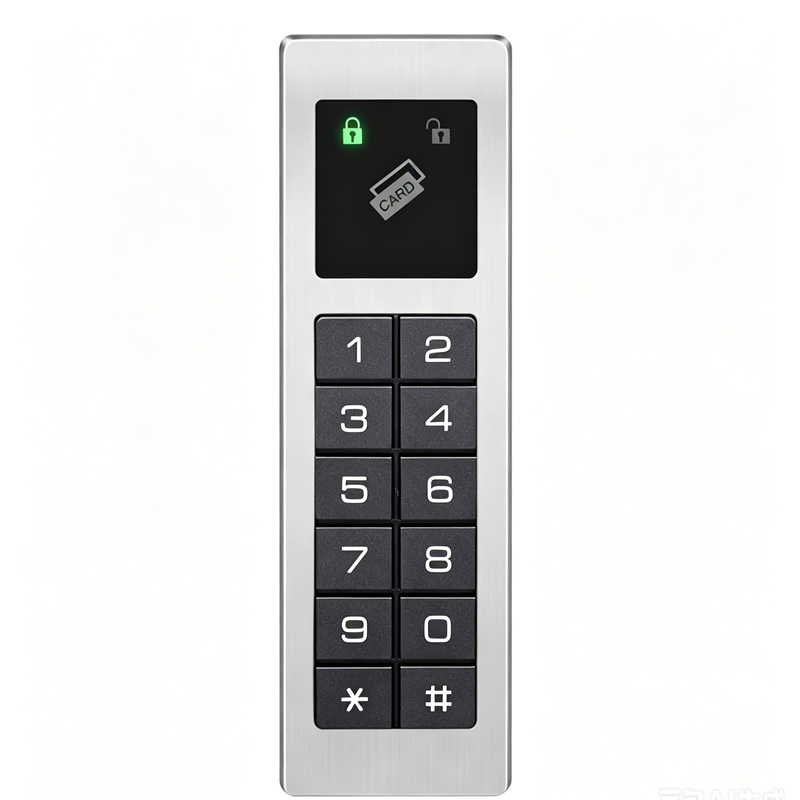
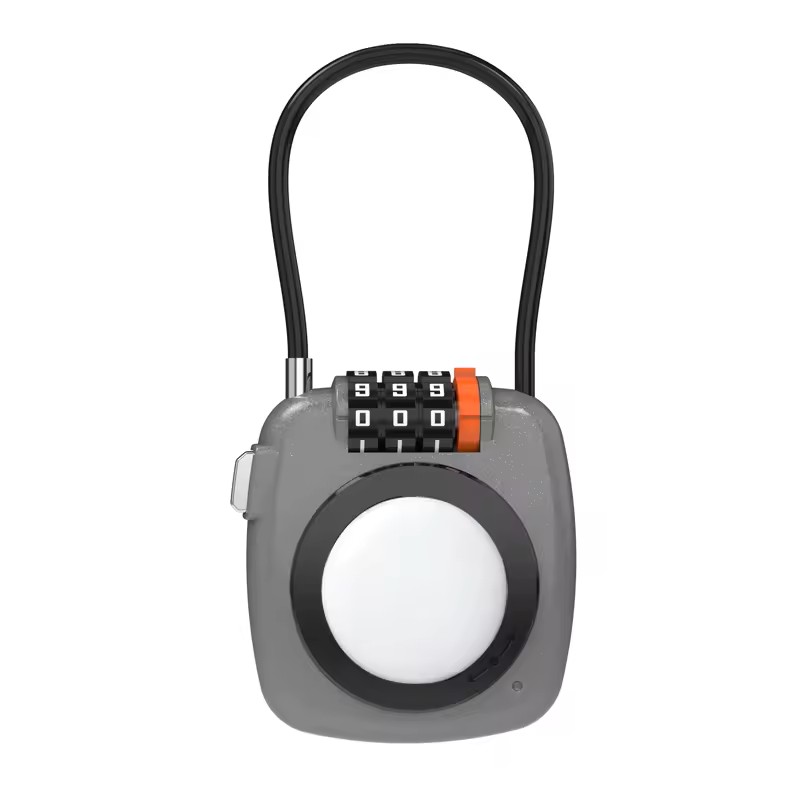
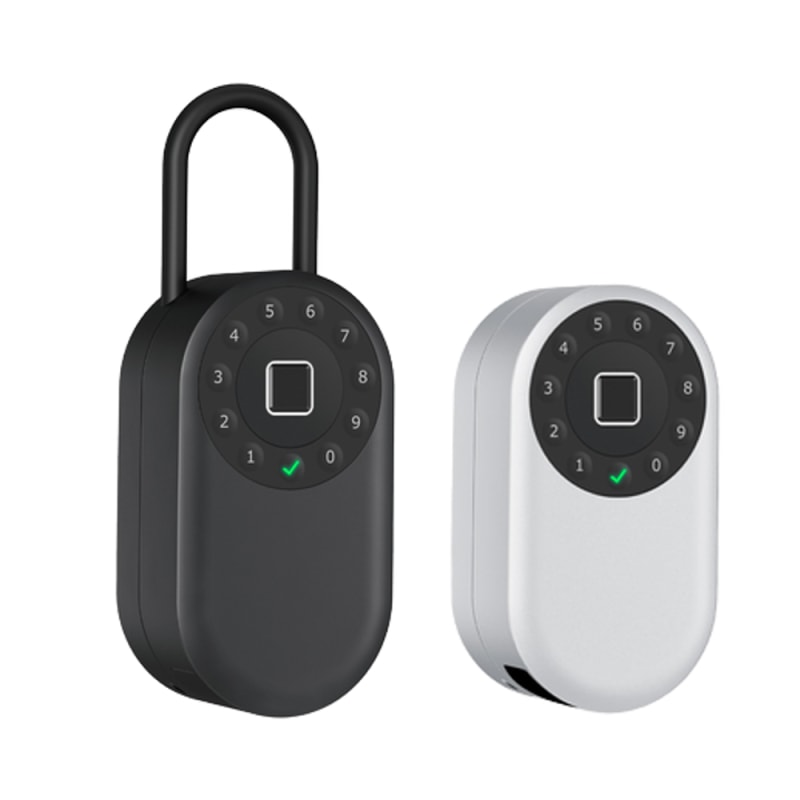
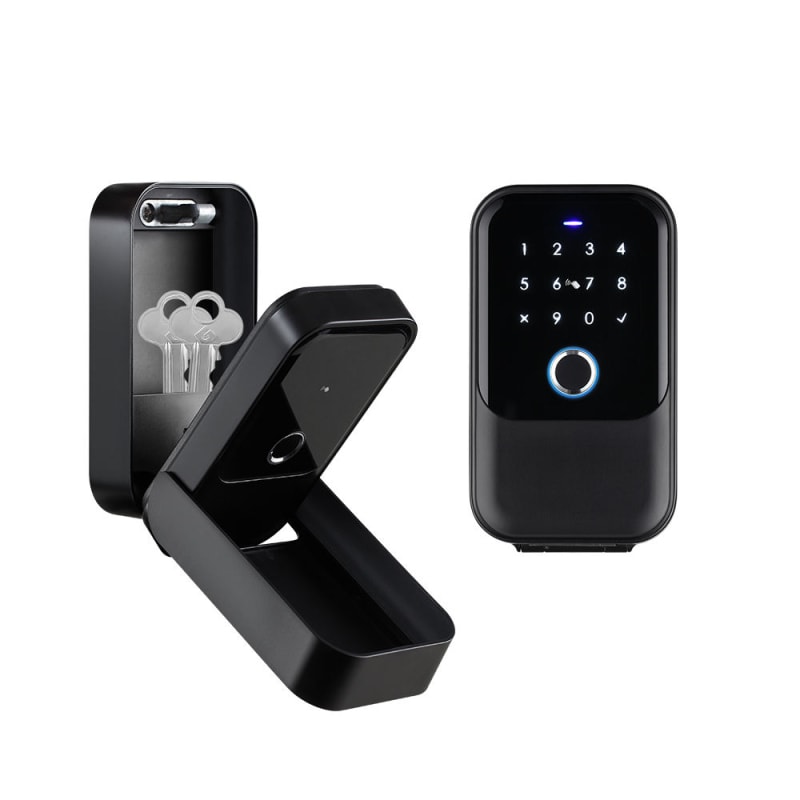
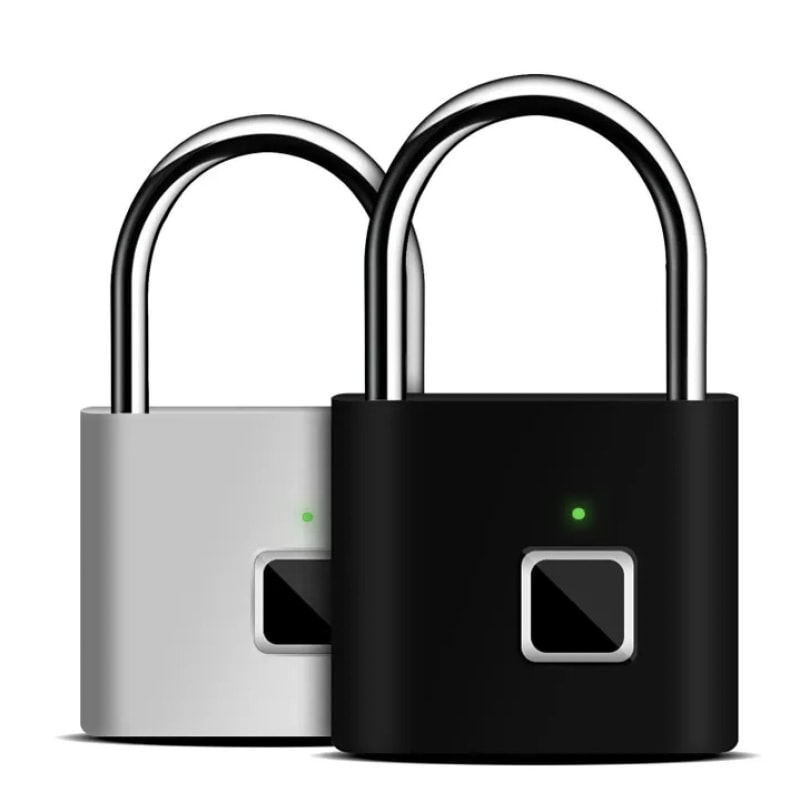
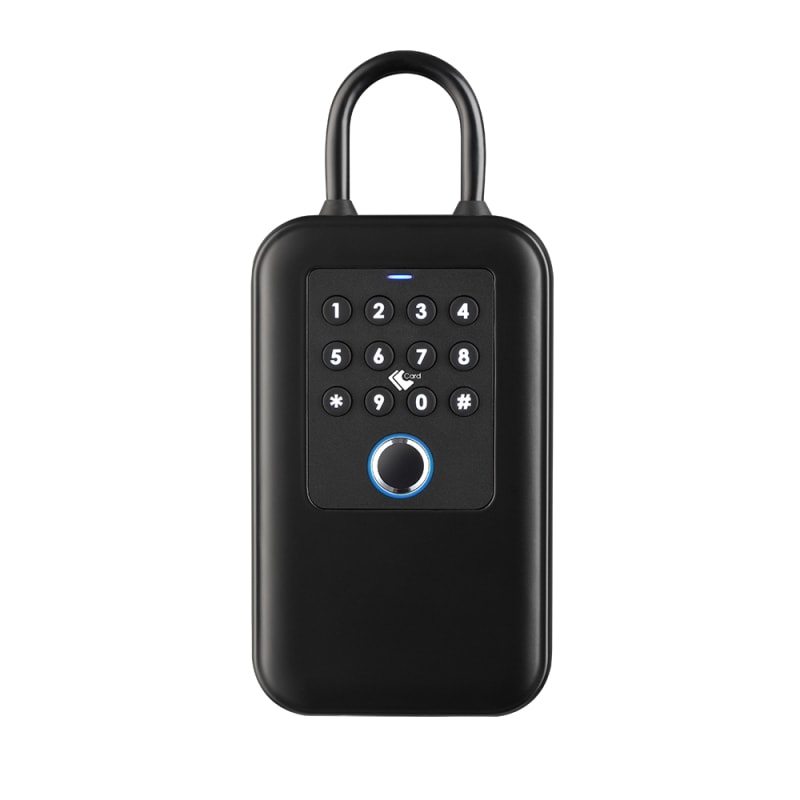
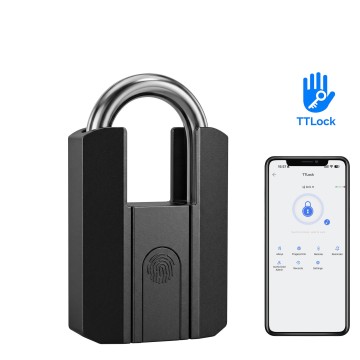
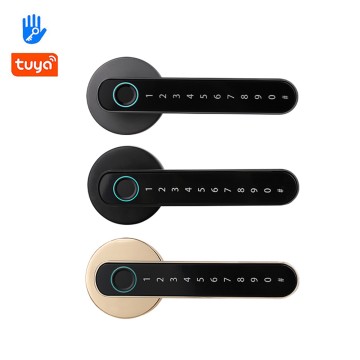
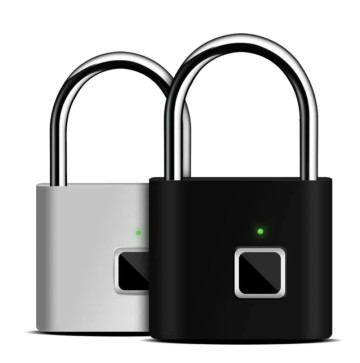
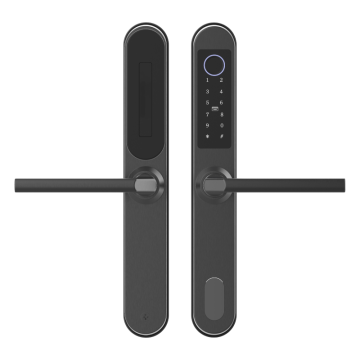
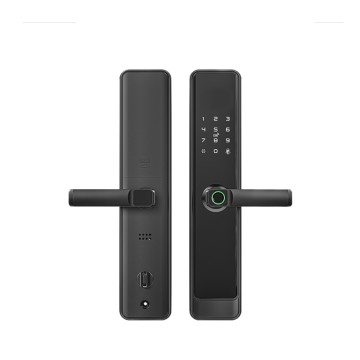
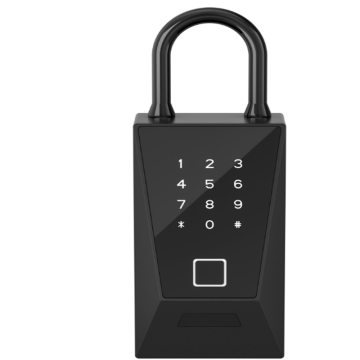
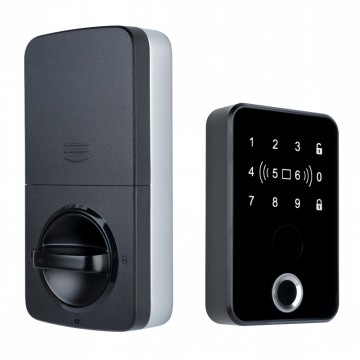
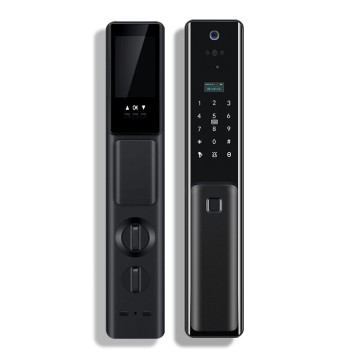
Ruggedized fingerprint padlocks and companion intelligent lock sets engineered specifically to endure outdoor suburban environments.
Analyzing why modern suburban architecture and gated residential clusters are systematically replacing mechanical padlocks with biometric edge security.
In sprawling suburban residential communities across North America, Europe, Australia, and affluent Asian metropolitan outskirts, perimeter fences, side walkways, and garden gates represent the absolute first line of defense. For decades, property developers and homeowners relied on traditional brass padlocks, dialed combination locks, or physical keys to secure these peripheral entry points. However, the operational realities of modern suburban living have exposed critical vulnerabilities in these legacy approaches. Physical keys are easily misplaced, stolen, or duplicated without authorization; mechanical combination dials freeze during sub-zero winters, jam with grit, or become compromised as codes are shared carelessly with utility contractors, gardeners, pool maintenance teams, and neighbors.
The introduction of commercial-grade fingerprint padlocks for outdoor gate access marks a monumental evolution in suburban perimeter architecture. Rather than relying on physical custody or static digits, modern biometric gate security transforms the human fingerprint into an unforgeable, instantly verifiable digital key. By deploying semiconductor capacitive sensors, low-power Bluetooth Low Energy (BLE) microchips, and aerospace-grade zinc alloy or boron-carbide shackles, smart padlocks bridge the longstanding gap between standalone physical security and smart-home integrated perimeter control.
3D capacitive semiconductor recognition verifies residential users in under 0.5 seconds, rejecting artificial molds, latent prints, and paper-based spoofing attempts.
Engineered for suburban downpours, frost heave, blowing dust, and high UV radiation via ultrasonic silicone gaskets, sealed battery chambers, and conformal PCB coatings.
Redundancy is critical for outdoor perimeter gates. Systems feature TTLock smartphone eKeys, emergency Morse code shackle taps, mechanical override keys, and USB-C jumpstarts.
From an industrial manufacturing perspective, the suburban gate sector presents severe structural demands that standard interior smart locks never face. Peripheral gates are located tens or hundreds of feet away from the central residential dwelling, exposed to seasonal temperature deltas ranging from -25°C in midwestern winters to +55°C on scorching summer fence pickets. As Homeowners Associations (HOAs) enforce stringent physical property safety rules and real estate developers prioritize integrated "smart enclaves," biometric padlocks have transformed from niche consumer gadgets into foundational architectural security assets.
Exposing the mechanical metallurgy, sensory algorithms, and power topologies required for uninterrupted perimeter gate duty.
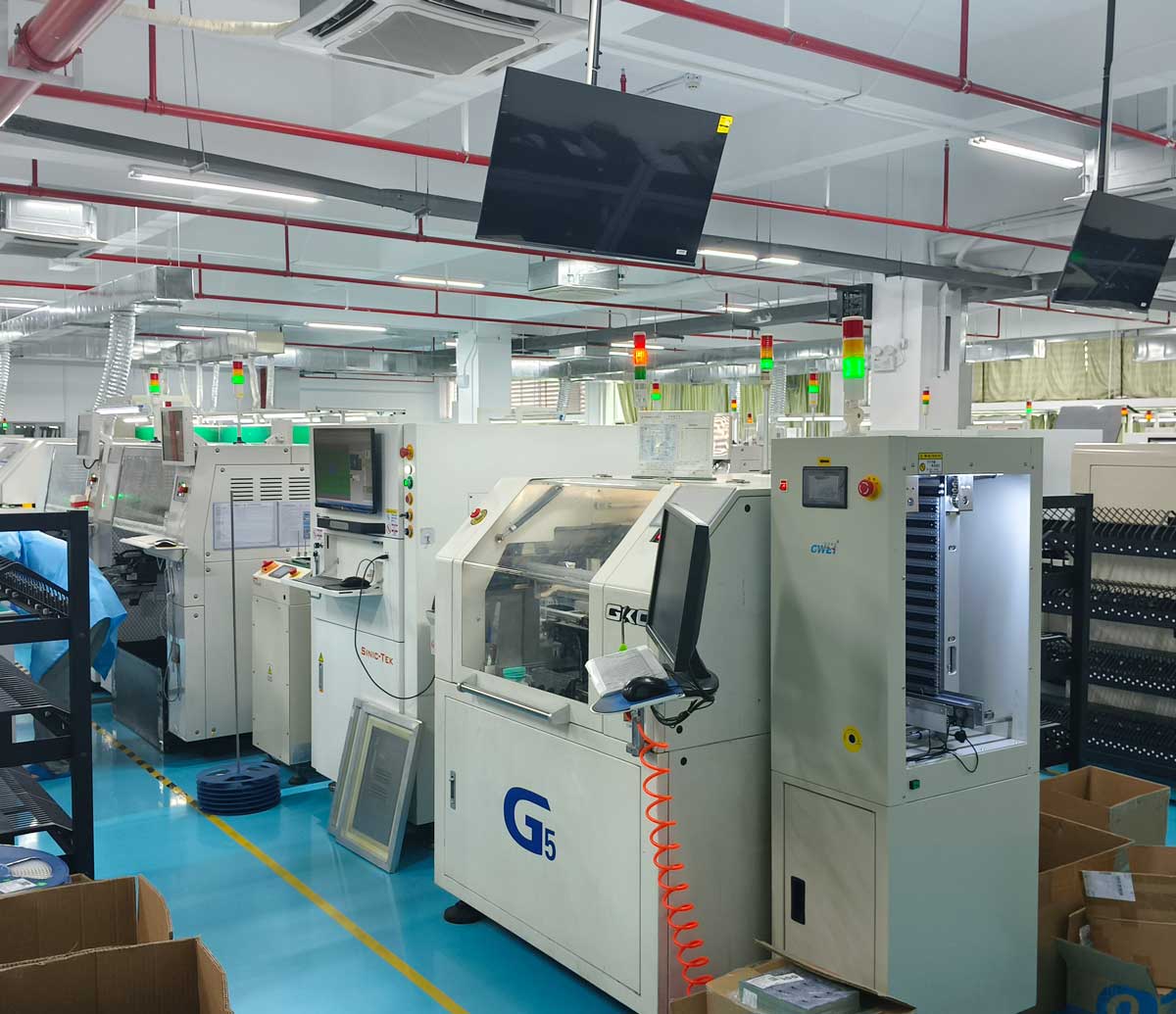
Deploying an electronic locking mechanism outdoors on a suburban fence or iron pedestrian gate introduces harsh atmospheric threats: water intrusion, galvanic corrosion, battery passivation under freeze cycles, and physical forced-entry attacks. To guarantee sustained service life exceeding 5 to 10 years, OEM/ODM manufacturers like Sinovo Technologies engineer biometric gate padlocks across three uncompromising engineering disciplines:
Suburban yard gates are frequent targets of brute-force prying, bolt-cutter attacks, and torsion strikes. A heavy-duty biometric gate padlock utilizes a lock body cast from high-density zinc alloy or 304 austenitic stainless steel, finished with electro-phoretic anti-corrosion coatings capable of surviving 96+ hours in neutral salt spray (NSS) testing. The shackle is constructed from heat-treated case-hardened alloy or boron-carbide steel, presenting extreme Rockwell hardness (HRC 58-62) that shatters standard manual hacksaws and resists up to 5 tons of hydraulic cutting pressure. Double-ball locking mechanisms prevent shackle shimming, ensuring that vibrational movement from windy fence gates does not dislodge the locking tongue.
One of the historical objections to outdoor fingerprint locks was the false rejection rate (FRR) when fingers are damp from rain, dusty from gardening, or numb from cold air. Modern fingerprint padlocks engineered for suburban gates employ Swedish-designed semiconductor capacitive sensors operating at 508 DPI resolution. Unlike optical sensors that merely photograph surface skin, capacitive matrices emit high-frequency micro-electric pulses that map the subcutaneous ridge-and-valley depth of live human tissue. Combined with self-learning AI algorithms that update fingerprint templates upon every valid entry, the sensor achieves a False Acceptance Rate (FAR) under 0.001% while effortlessly reading damp, slightly soiled, or weathered fingertips common among homeowners engaged in backyard landscaping.
Running mains power to distant suburban perimeter gates is prohibitively expensive, requiring trenching, conduit laying, and high labor costs. Biometric padlocks must rely on internal lithium-polymer rechargeable cells or high-capacity lithium-thionyl primary batteries. By adopting advanced ARM Cortex-M0+ microcontrollers operating in deep-sleep mode (<10uA quiescent current), a single full charge delivers 3,000 to 5,000 unlock cycles—equating to 12 to 18 months of typical residential gate operation. For emergency scenarios where the battery is depleted, padlocks integrate exterior-sealed USB-C power injection ports or specialized mechanical Morse code shackle rhythms, eliminating lockouts without compromising the IP67 waterproof barrier.
From pet yards to pool safety and service worker access, exploring where biometric gate padlocks provide frictionless residential security.
Suburban families frequently utilize side gates to access utility meters, air conditioning compressors, or pet play areas. Traditional padlocks force homeowners to carry keys while walking the dog or carrying trash bins. A fingerprint padlock allows one-touch access while ensuring active family pets cannot nudge gate latches open, keeping them safely confined within the perimeter.
In suburban communities, third-party maintenance crews arrive weekly. Handing physical keys to service providers invites loss and duplicated key hazards. With integrated TTLock Bluetooth ecosystems, homeowners can grant time-restricted Bluetooth eKeys or register a landscaper's fingerprint active exclusively during contracted hours (e.g., Tuesdays 9:00 AM - 12:00 PM), complete with automated smartphone access audit logs.
Suburban Homeowners Associations frequently operate tennis courts, clubhouse BBQ pergolas, and community pools. Physical keys are routinely copied, allowing non-residents inside. Installing cloud-managed biometric padlocks on amenity gates allows HOA administrators to enroll hundreds of resident fingerprints, effortlessly revoking privileges for delinquent accounts via central web portals without rekeying physical cylinders.
Municipal building codes mandate self-closing and securely locked gates around residential swimming pools to prevent accidental child drowning. Standard combination padlocks are often left unlocked because dialing codes is inconvenient. A biometric fingerprint lock provides rapid, effortless re-locking every time family members exit, preserving crucial perimeter life-safety compliance.
How Matter-over-Thread, long-range LoRaWAN, and energy harvesting are redefining the next generation of biometric gate hardware.
The ongoing convergence of consumer smart-home protocols and physical perimeter hardware is pushing fingerprint padlocks far beyond isolated offline mechanisms. As suburban residential infrastructure matures, three technological frontiers are shaping product roadmaps:
1. Matter over Thread & Extended Range Mesh: Conventional Wi-Fi suffers heavy signal attenuation when traveling through brick walls to detached fence gates. The rollout of Matter-compliant smart locks utilizing Thread mesh networks and Sub-1GHz wireless protocols allows padlocks to communicate across hundreds of meters back to the central residential smart home hub. This enables gate access alerts to trigger porch lights, send real-time notifications to Apple Home or Google Home, and activate perimeter security cameras upon unlock.
2. Kinetic & Solar Energy Harvesting Shackles: While modern lithium cells last over a year, future outdoor gate hardware is moving toward indefinite operational life. By integrating micro-crystalline solar cells across the top arched shackle or into the lock faceplate, ambient suburban sunlight continuously trickle-charges internal supercapacitors, effectively removing manual recharge cycles forever.
3. AI Edge Authentication & Liveness Verification: Modern microchips process neural-network algorithms directly on local silicon without requiring cloud connectivity. Edge AI verifies micro-movements of blood pulse beneath the fingerprint stratum corneum, ensuring zero latency, absolute biometric privacy (as raw fingerprint templates never leave the padlock’s cryptographic secure element), and complete immunity to 3D-printed silicone replicas.
We understand the challenges brands face: prolonged development cycles, complex certification processes, and unstable supply chains. Our integrated service model is designed to address these pain points:
Guided by our core values of Professionalism, Innovation, and Continuous Learning, we are committed to advancing smart living through robust technology integration and manufacturing excellence. We strive to deliver products that are reliable, user-friendly, and secure. Our goal is to be more than a supplier—we aim to be your long-term, trustworthy partner in innovation and manufacturing.
Key performance benchmarks for municipal developers, HOA management boards, and security distributors.
When specifying biometric hardware for outdoor suburban gate installations, developers and security consultants must audit devices against rigorous environmental criteria rather than consumer-grade metrics:
Shackle Clearance & Hasp Compatibility: Suburban gate hardware includes heavy timber posts, vinyl tongue-and-groove latches, and welded wrought-iron chain loops. Ensure shackle diameter matches standard gate hasps (typically 8mm to 10mm) and provides sufficient vertical clearance (30mm to 50mm) to allow fluid gate movement without binding.
Thermal Cycle Tolerance: Verify operating temperature ratings between -20°C and +65°C. Lower-tier commercial padlocks often fail in freeze-thaw cycles when condensation penetrates internal shackle micro-switches and freezes solid, preventing the servo motor from actuating the lock pawl.
Enterprise Audit Logging: For gated community amenities and utility easements, look for BLE app-supported locks that record timestamped access entries. Knowing exactly which resident, contractor, or security guard opened a gate eliminates perimeter accountability disputes.
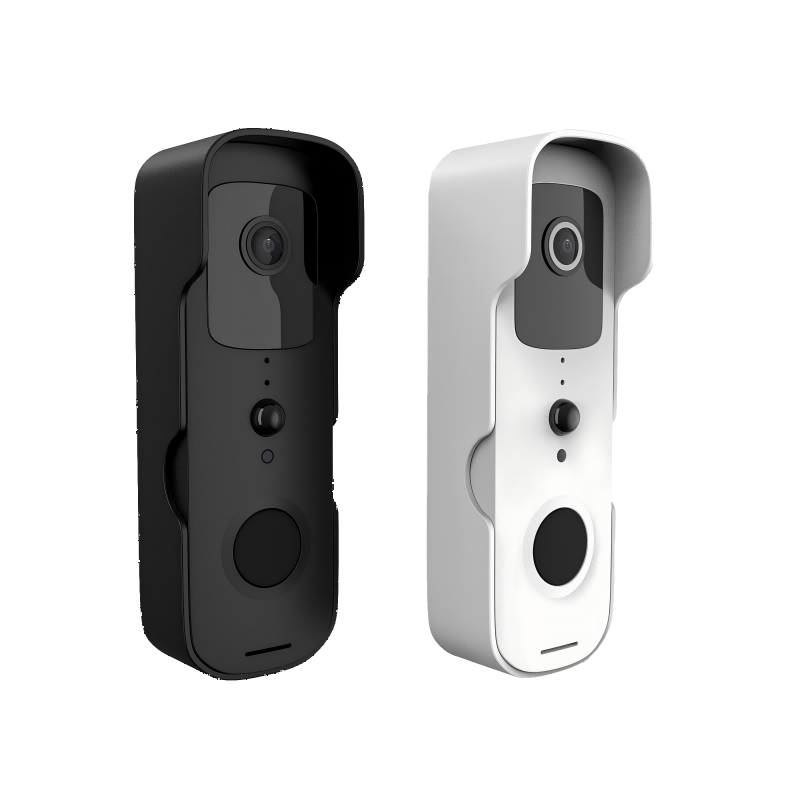
Explore our full OEM/ODM product portfolio spanning smart padlocks, weatherproof key vaults, deadbolts, and camera-integrated entry locks.