Leave Your Message

Electronic Lock For Modern Corporate Office Partitions And Meeting Rooms

Next-Generation Intelligent Access Control Engineering for Flexible Working Environments & High-Privacy Collaborative Spaces

The New Era of Corporate Workspace Security: Electronic Locks for Partitions & Meeting Rooms

An in-depth analysis of industry trends, technological integration, and application scenarios driving the future of modern commercial access control systems.

1. Introduction: The Paradigm Shift in Corporate Office Architecture

Modern corporate offices are no longer static, monolithic environments defined by heavy concrete walls and fixed wooden doors. Instead, the architectural trend has shifted decisively toward open-plan layouts, modular glass partitions, and dynamic meeting spaces. These configurations maximize natural light, foster collaboration, and allow businesses to scale or reconfigure their floor plans with minimal disruption. However, this architectural evolution presents a distinct security challenge: how do corporate entities manage access control, maintain confidentiality, and protect physical assets across highly flexible, transparent, and distributed work zones?

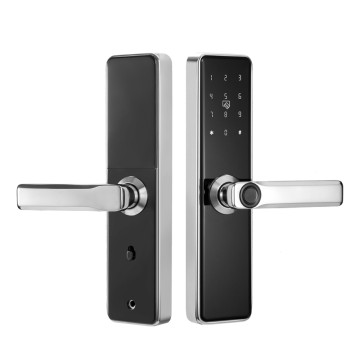
The answer lies in the integration of specialized electronic locks designed specifically for glass partitions, aluminum frames, and meeting room doors. Unlike traditional mechanical locksets, modern smart electronic locks offer seamless integration with corporate networks, cloud-based management platforms, and biometric databases. This ensures that while the office layout remains open and collaborative, sensitive areas such as boardrooms, executive offices, and server rooms remain securely protected by sophisticated, auditable access systems.

⚡

Biometric Precision

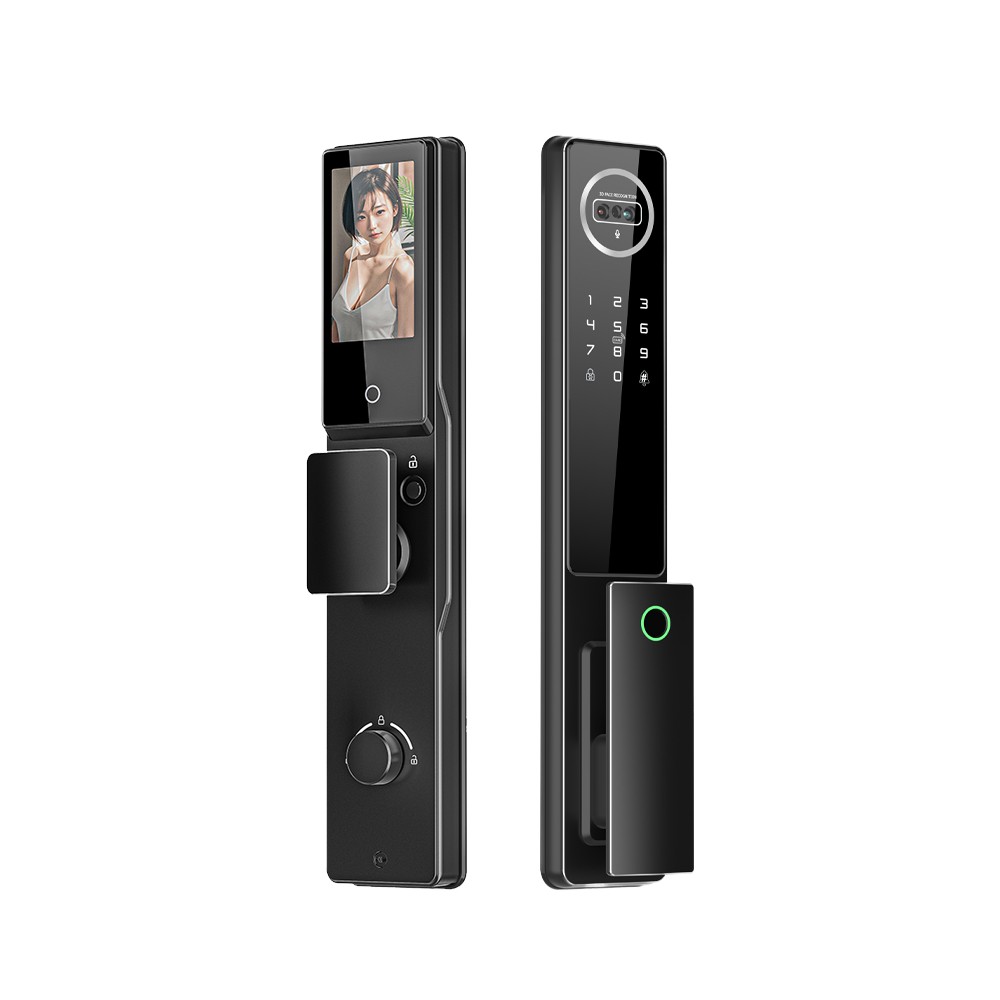
Utilizing state-of-the-art face scan and palm vein technology to eliminate unauthorized credential sharing and keycard losses.

📱

IoT & Cloud Control

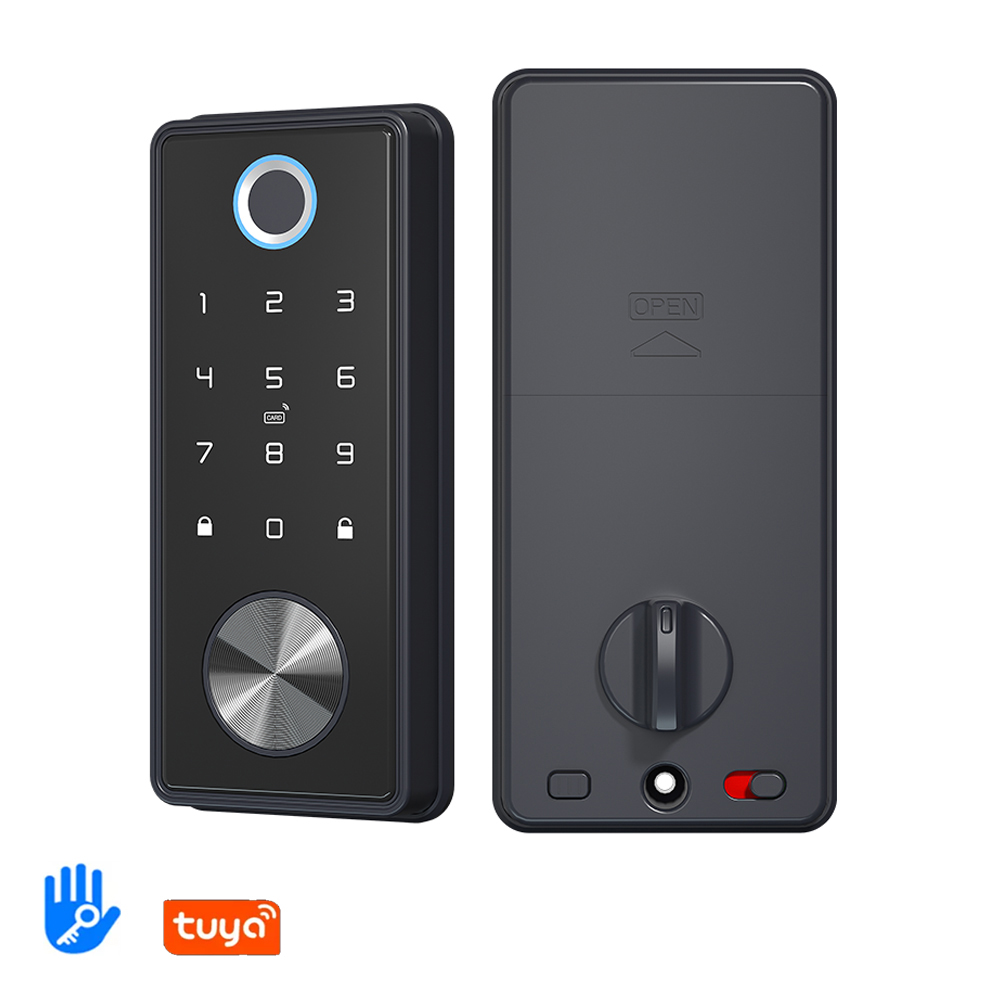
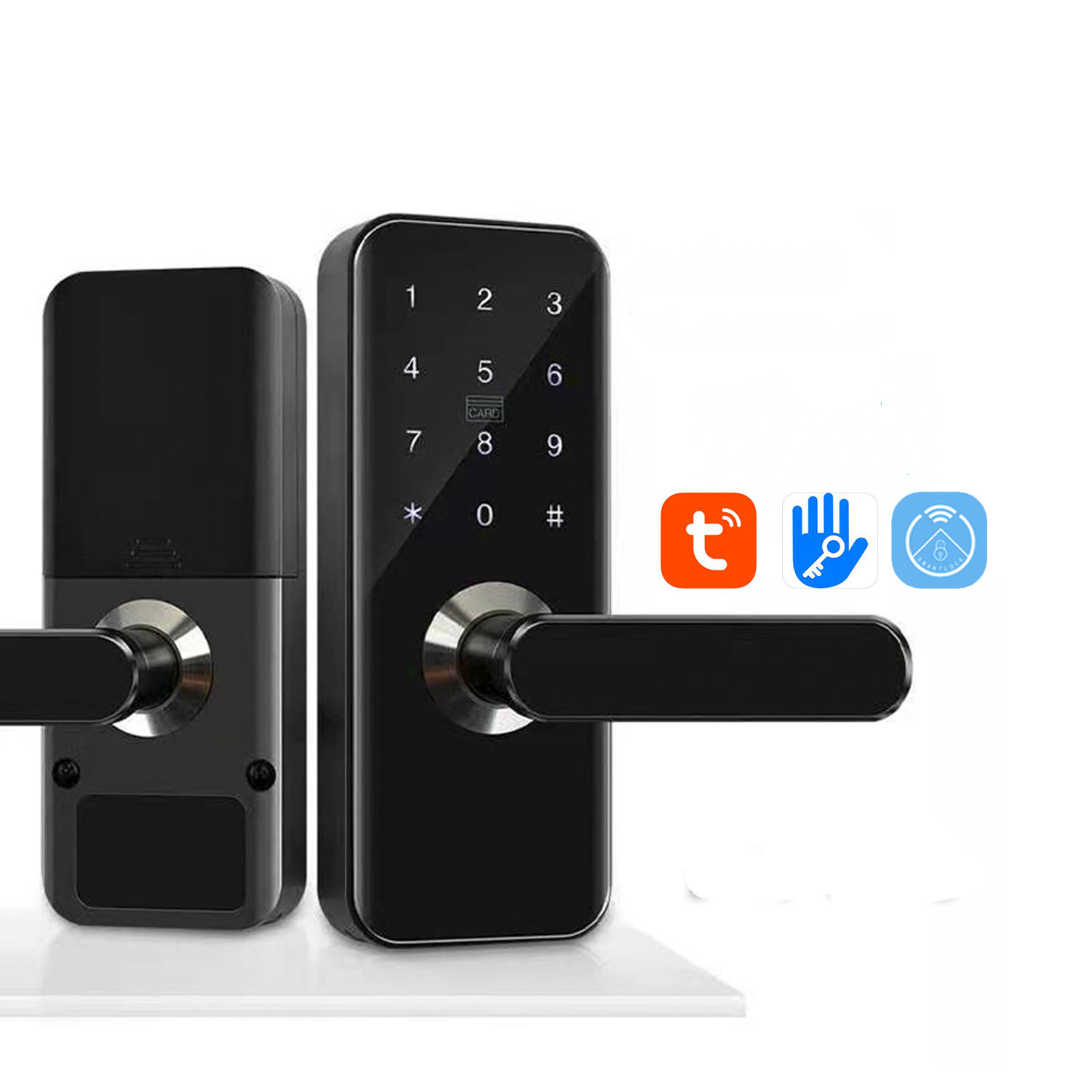
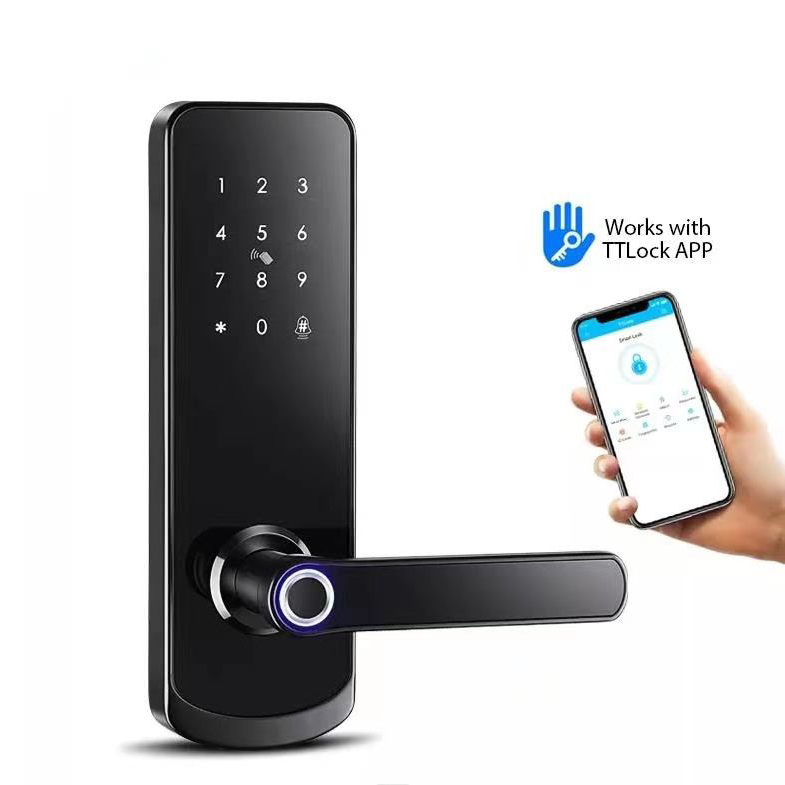
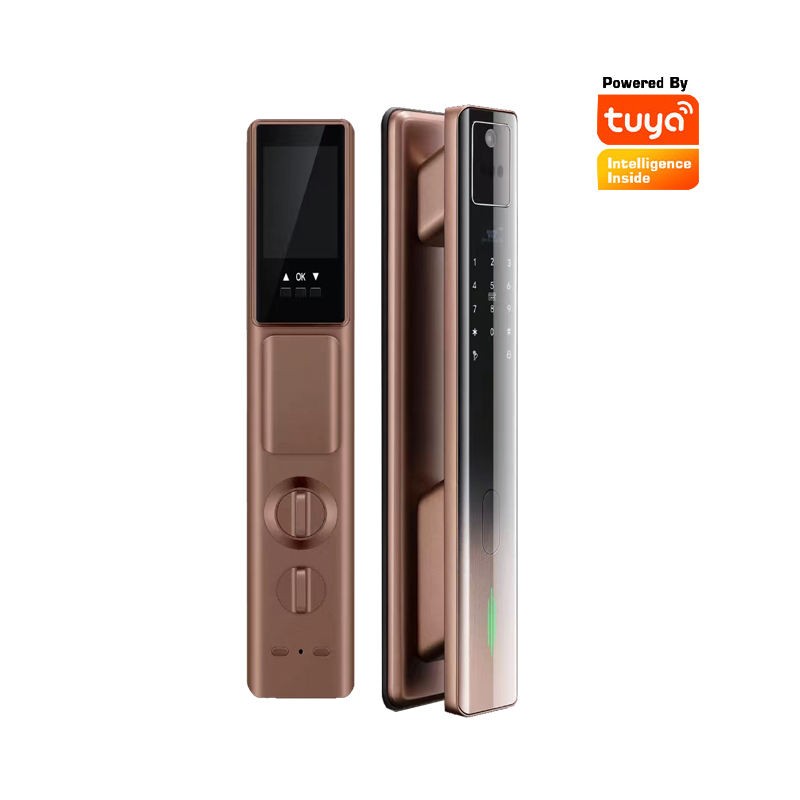
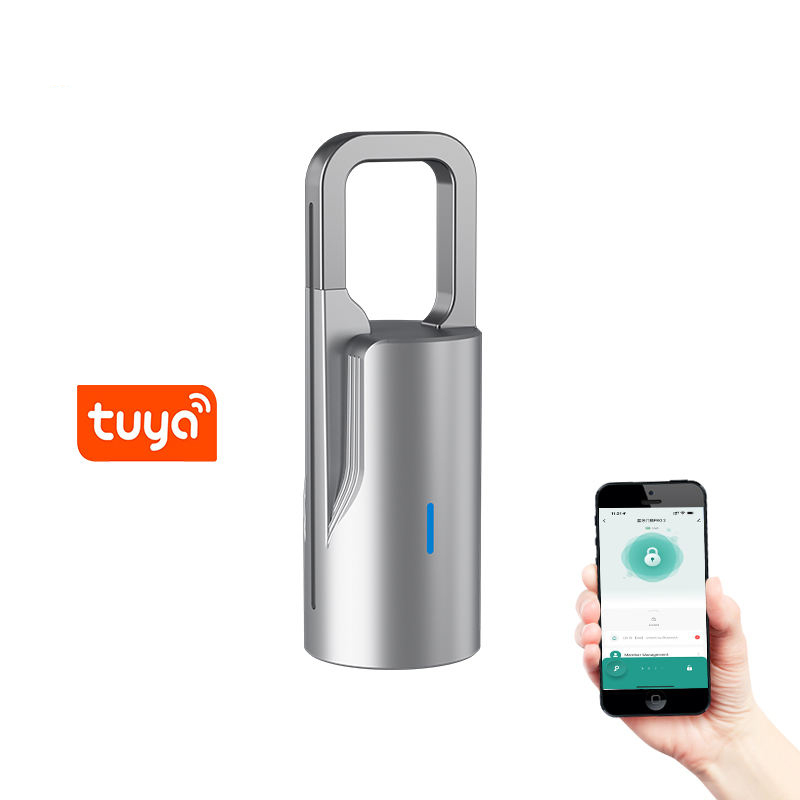
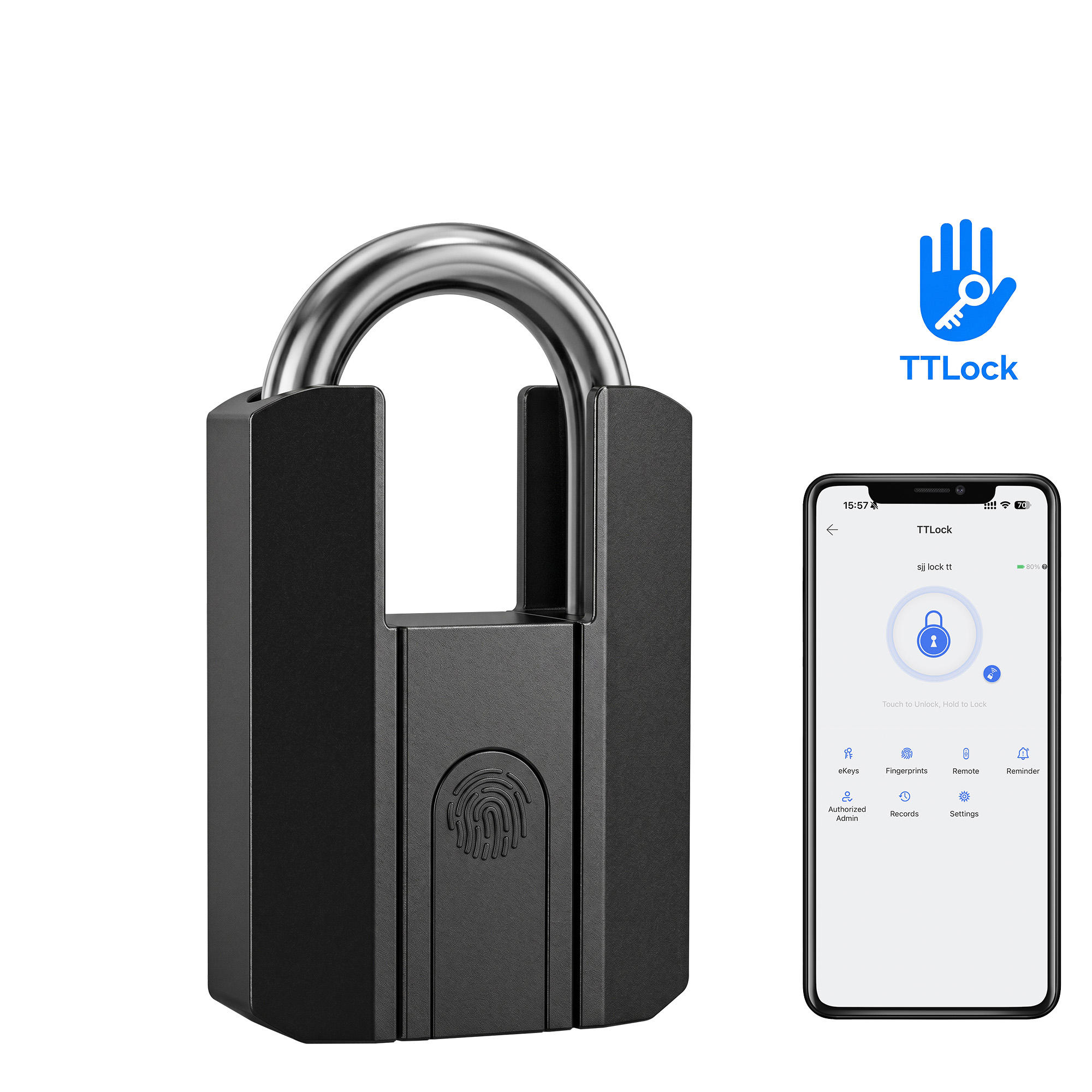
Real-time monitoring, remote lock/unlock, and automated booking integration via Tuya, TTLock, and enterprise APIs.

📐

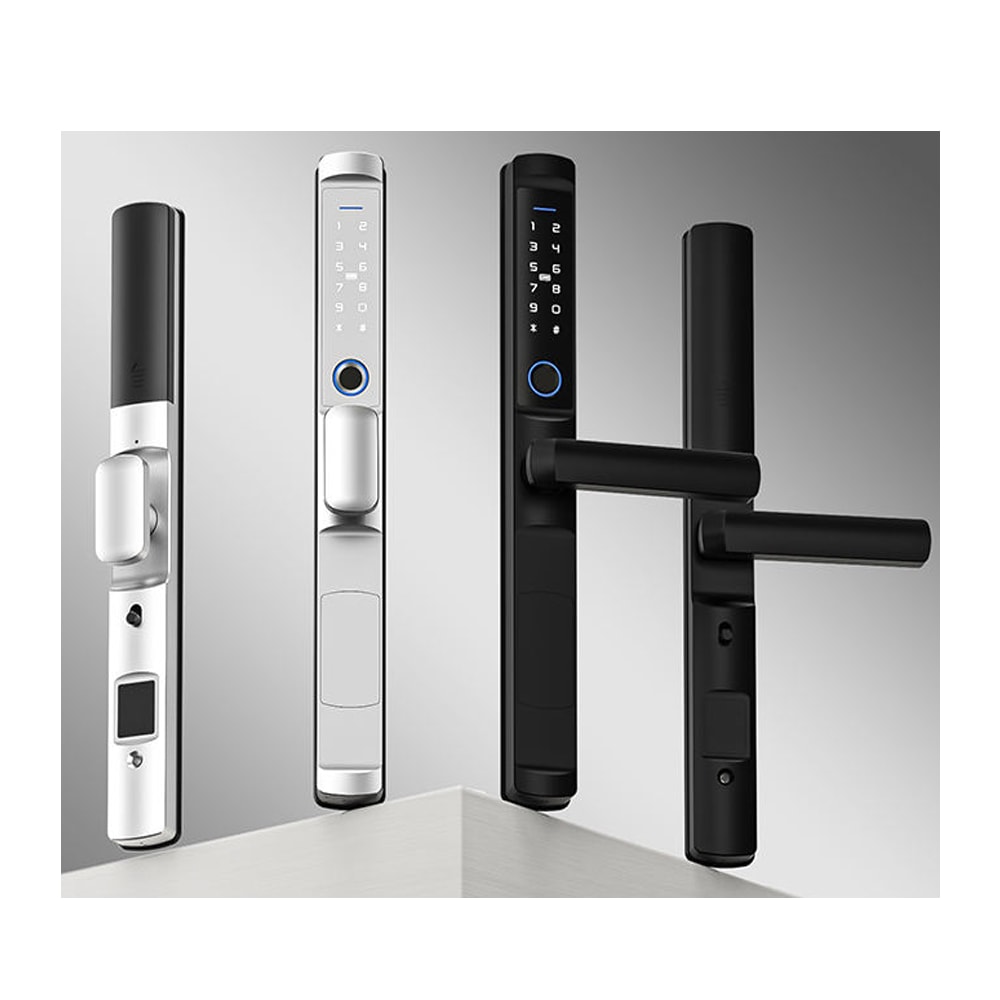
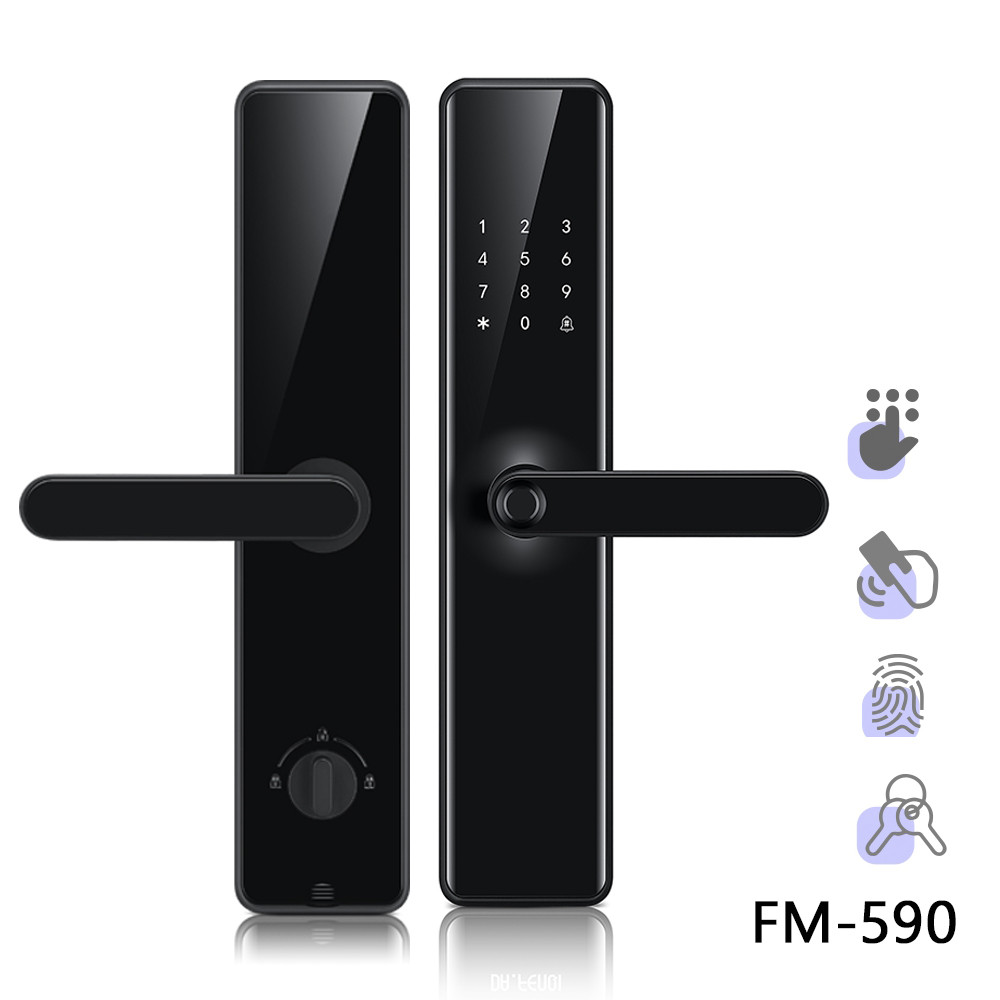
Ultra-Narrow Profiles

Engineered down to 30mm widths to fit seamlessly into modern minimalist aluminum glass partition profiles.

2. Commercial and Industrial Landscape of Office Smart Access

The global commercial access control market is experiencing unprecedented growth, with smart electronic locks at the forefront of this expansion. According to recent market research, the demand for smart lock systems in commercial offices is projected to grow at a compound annual growth rate (CAGR) of over 12% in the coming decade. This surge is driven by several key factors:

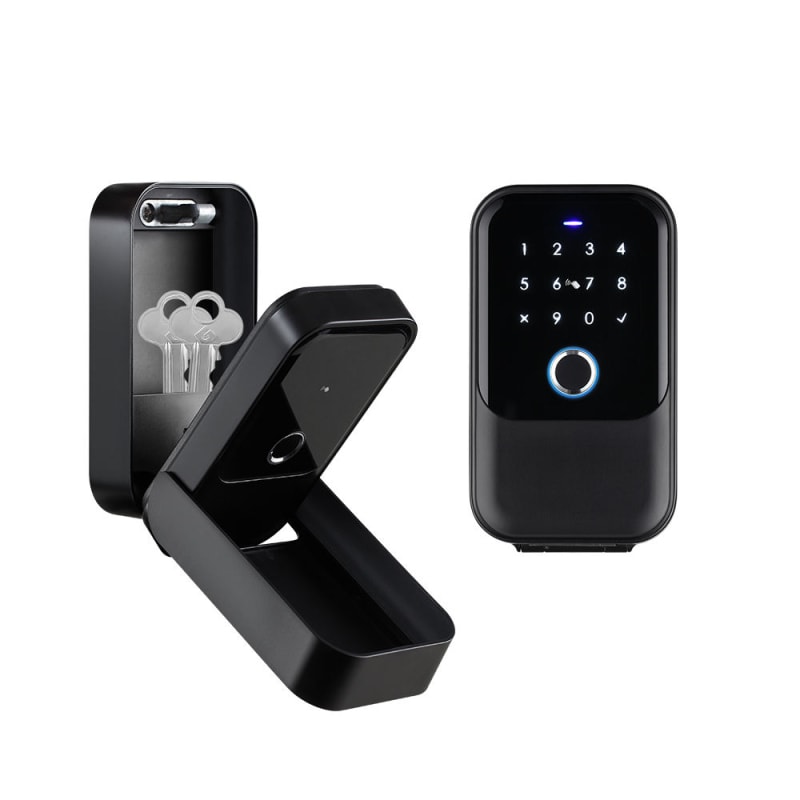
First, the rise of hybrid work models has forced enterprises to optimize space utilization. Shared hot-desking zones, modular meeting rooms, and collaborative pods require dynamic booking systems. By linking meeting room scheduling software with electronic locks, organizations can automate access permission generation. When a team books a room via Microsoft Outlook or Google Calendar, the system automatically sends a temporary PIN code, Bluetooth key, or biometric enrollment to the designated users, which expires immediately after the meeting terminates.

Second, the regulatory landscape regarding data privacy and corporate security has become increasingly stringent. Standards such as ISO 27001, GDPR, and SOC 2 require companies to implement strict physical access controls and maintain comprehensive audit logs of who accessed specific zones and when. Traditional keys cannot provide this data. Electronic locks, however, record every entry attempt, failed credential, and door-ajar event in real-time, feeding this data directly into enterprise security information and event management (SIEM) systems.

3. Deep Dive into Application Scenarios

To understand the utility of electronic locks in modern corporate offices, it is essential to examine their deployment across specific scenarios:

A. High-Frequency Meeting Rooms and Boardrooms

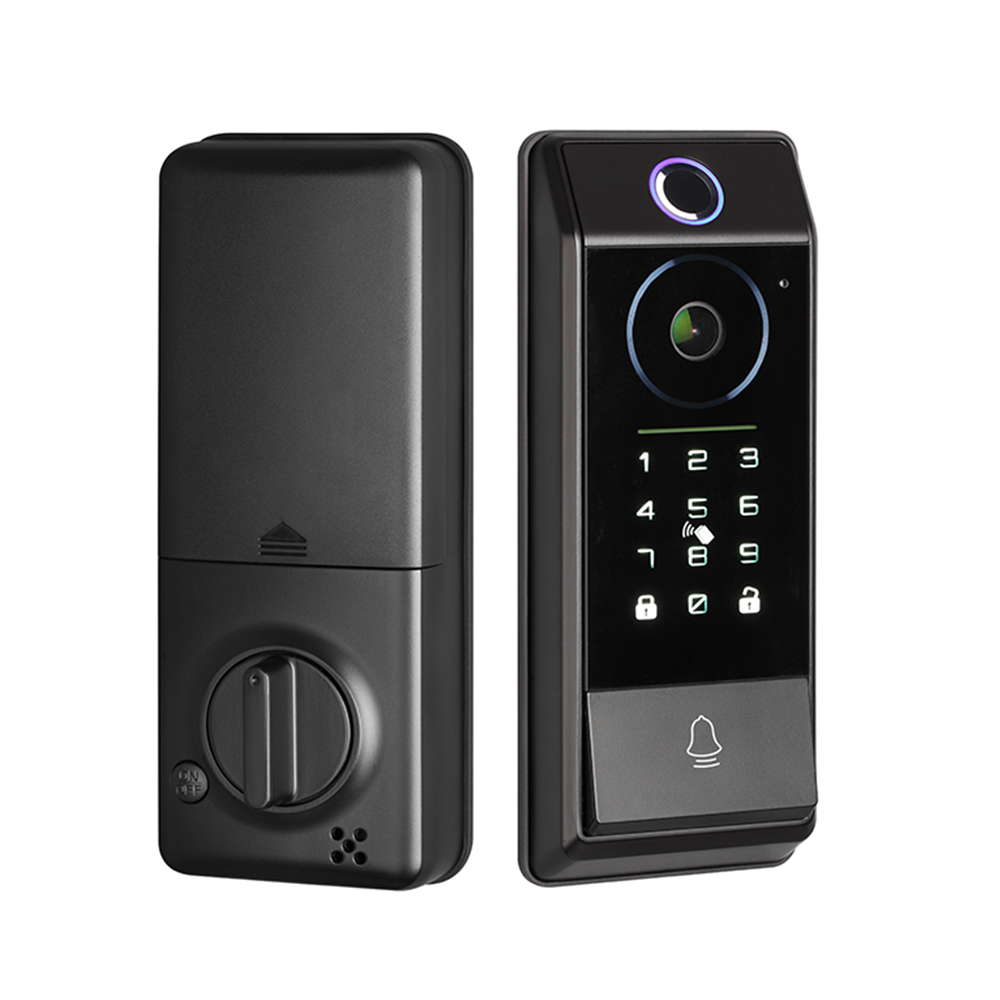
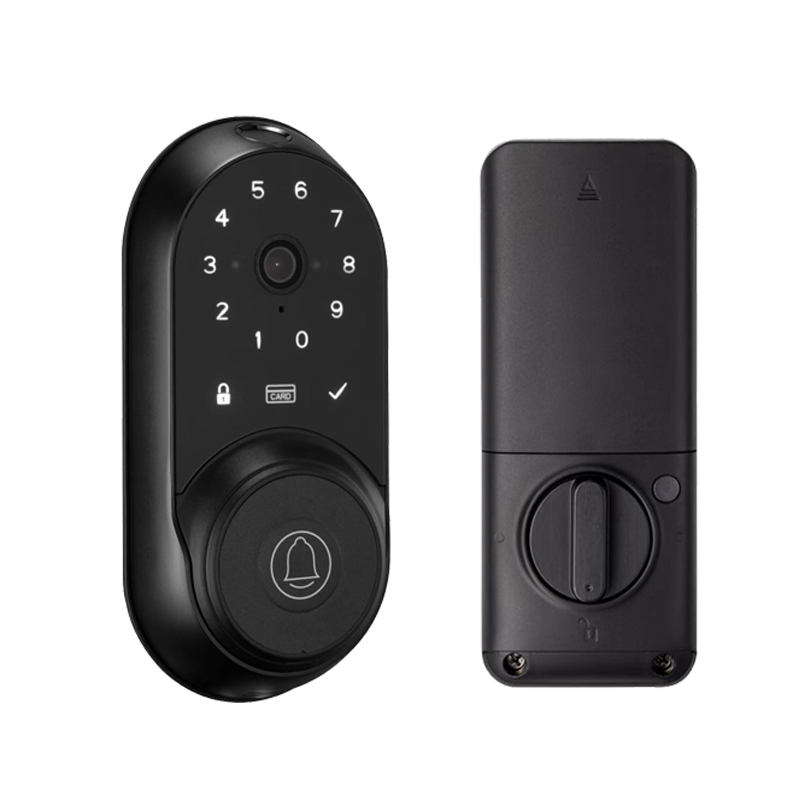
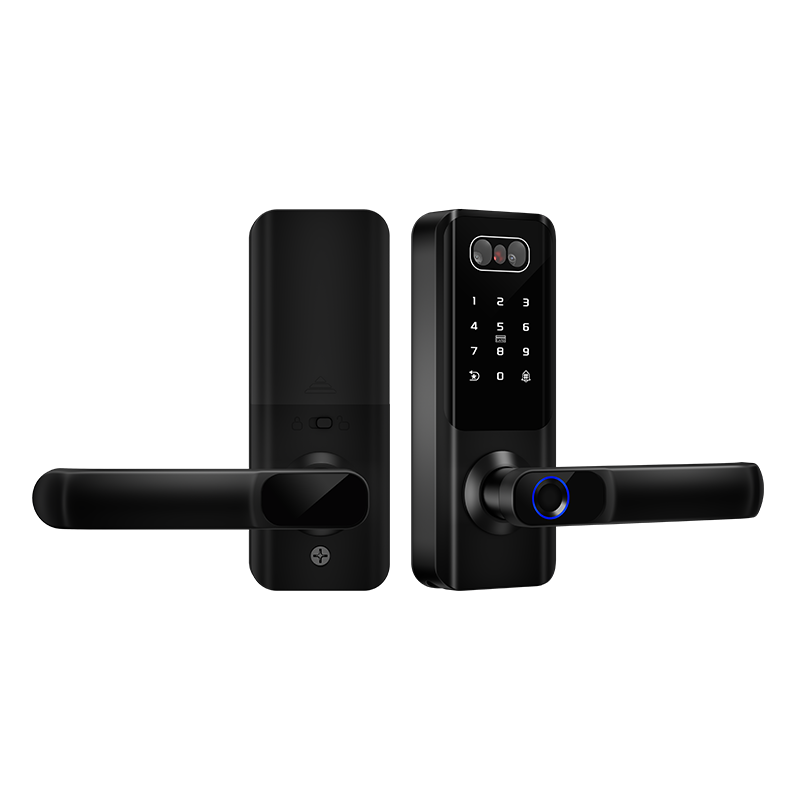
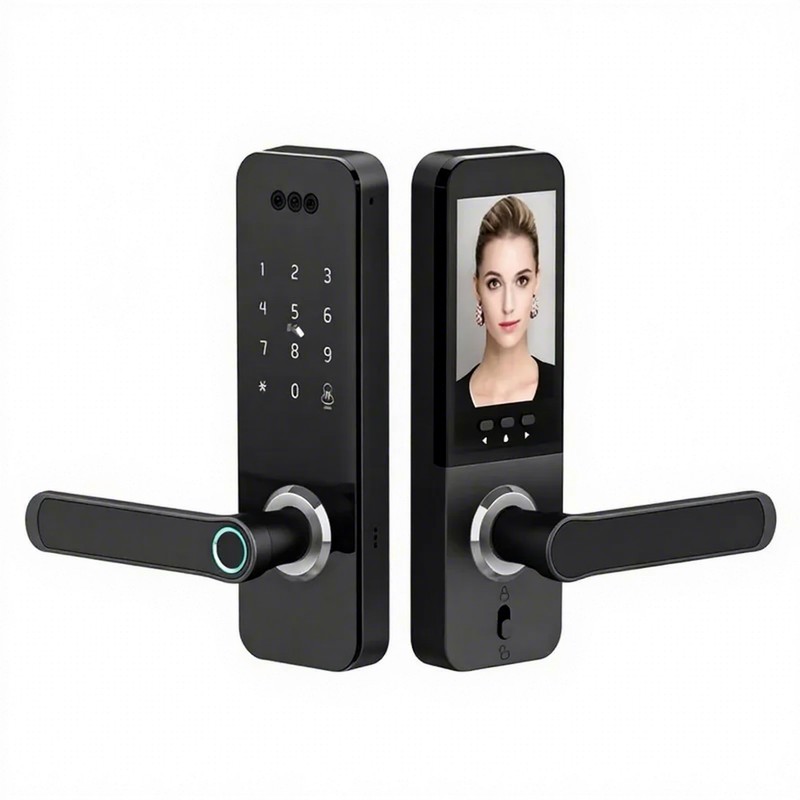
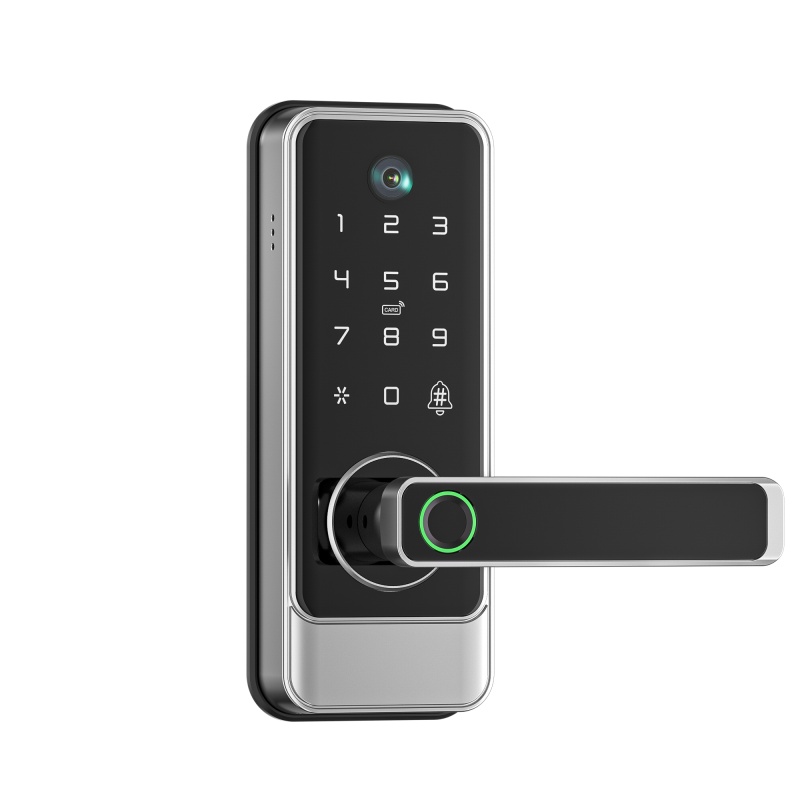
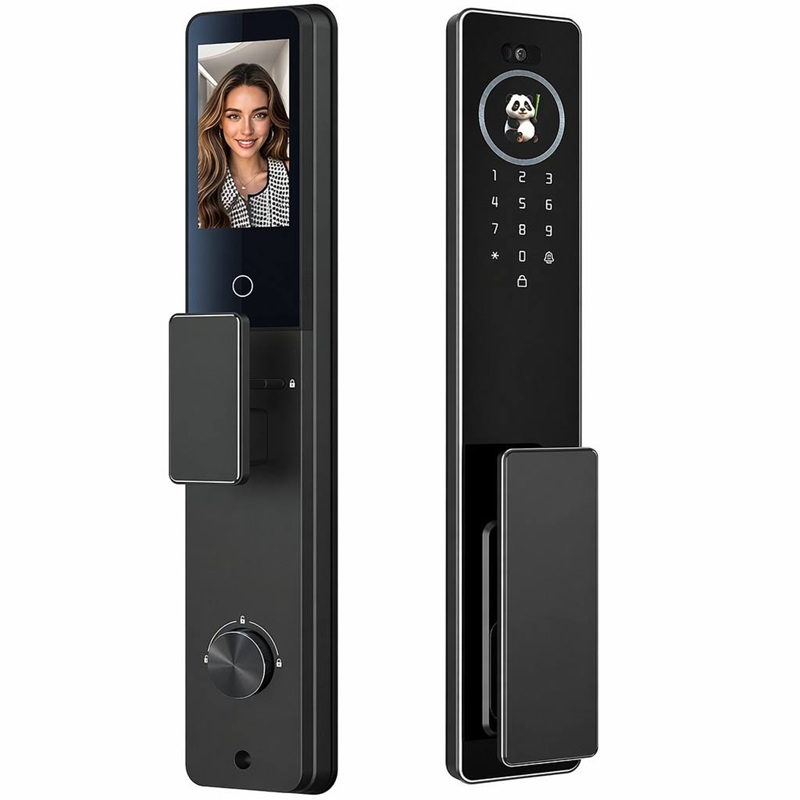
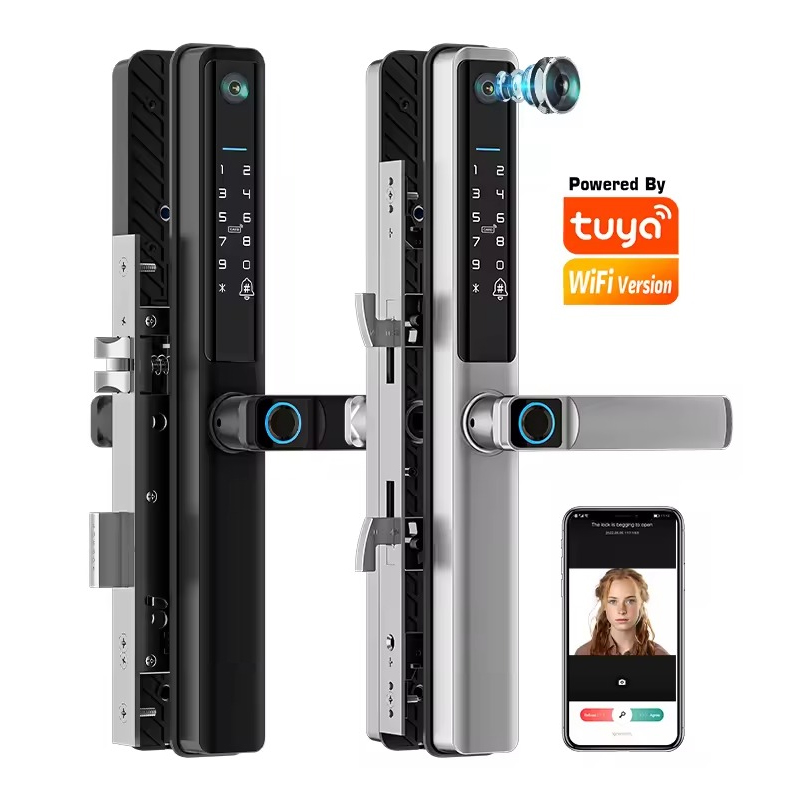
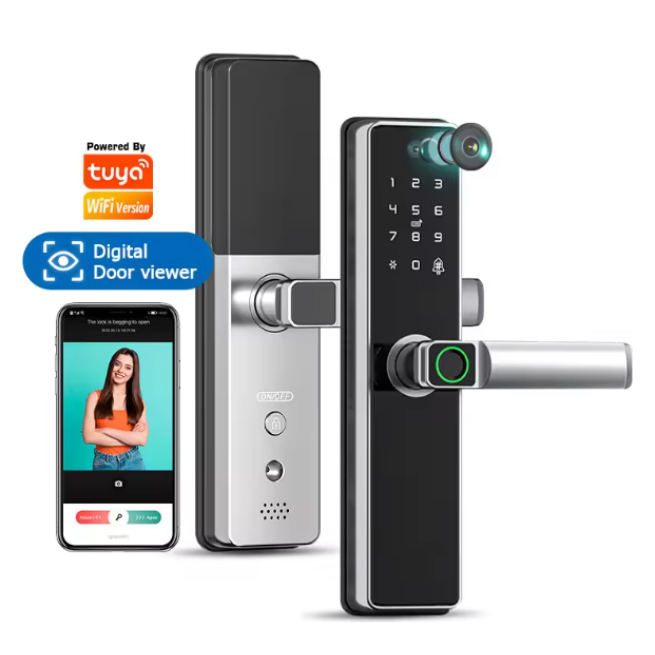
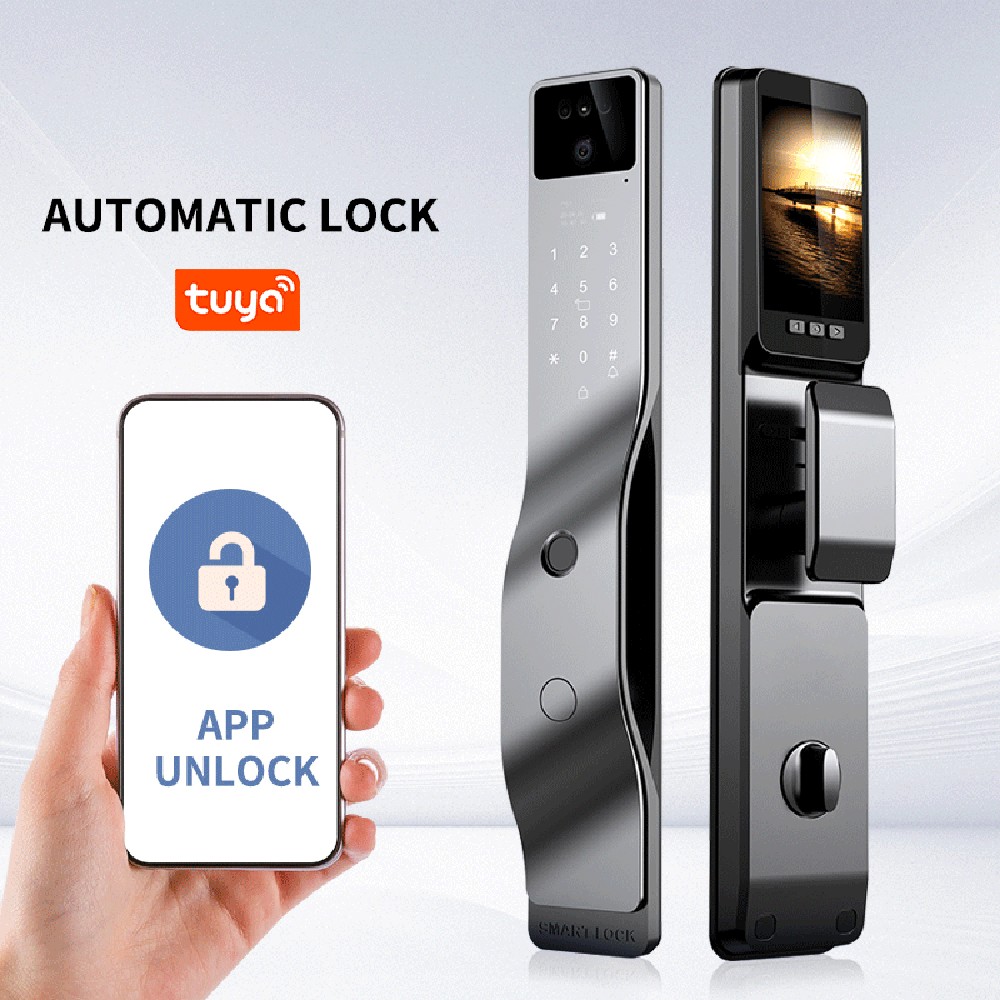
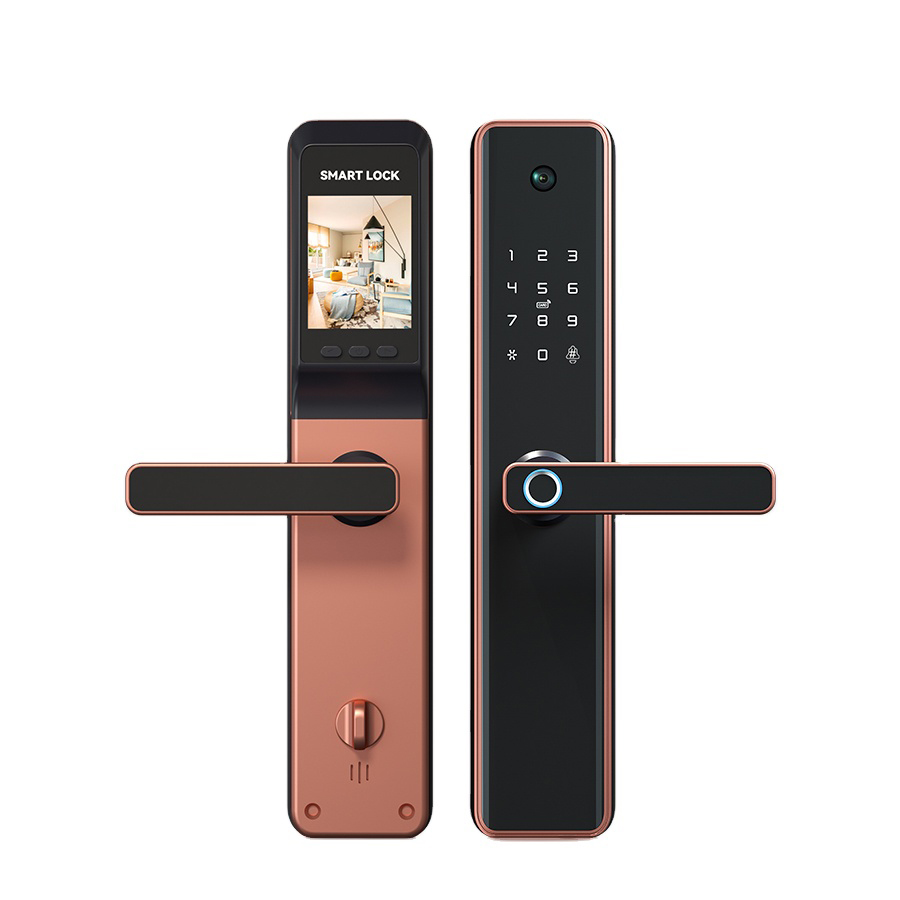
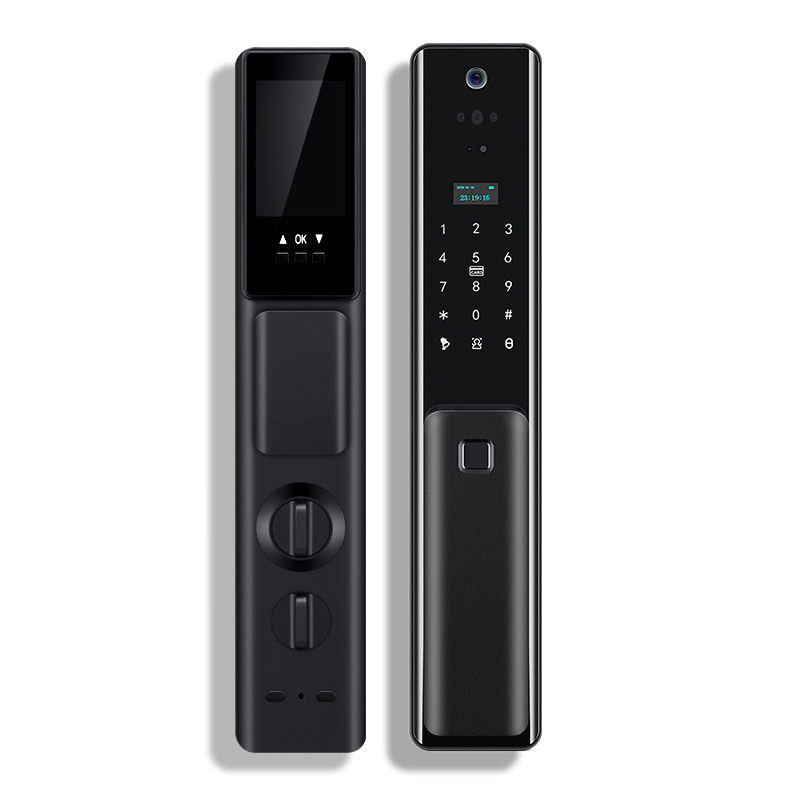
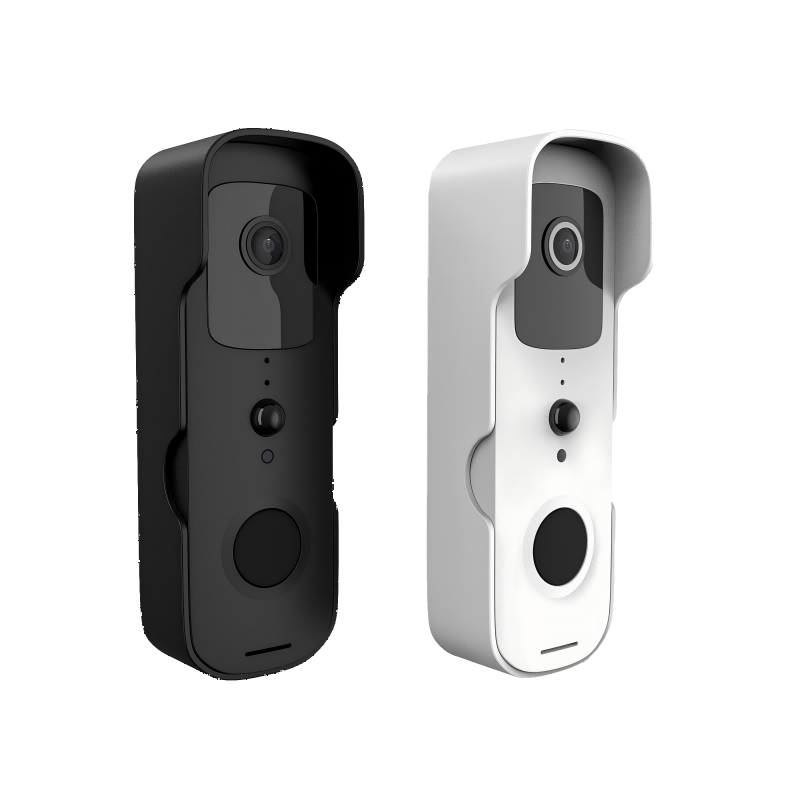
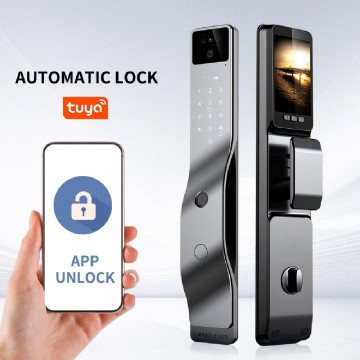
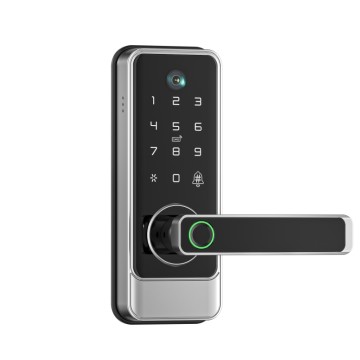
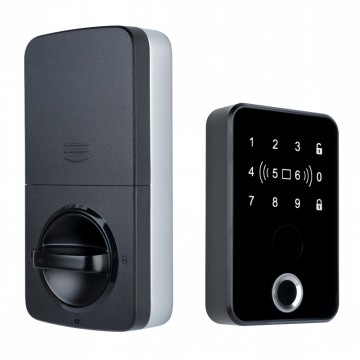
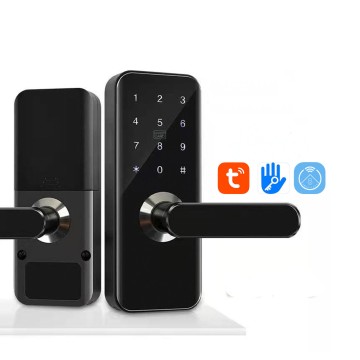
Meeting rooms are the lifeblood of corporate collaboration, but they are also vulnerable to scheduling conflicts and unauthorized use. Implementing electronic locks with visual indicators (such as LED status lights showing green for vacant and red for occupied) instantly solves these issues. Integrated video cameras and doorbells, such as those found in advanced Tuya-enabled smart locks, allow remote receptionists or security personnel to verify visitors before granting access. For executive boardrooms where highly confidential strategies are discussed, biometric palm vein or face scan locks ensure that only authorized board members can enter, preventing corporate espionage and accidental intrusions.

B. Slim Aluminum and Glass Partition Systems

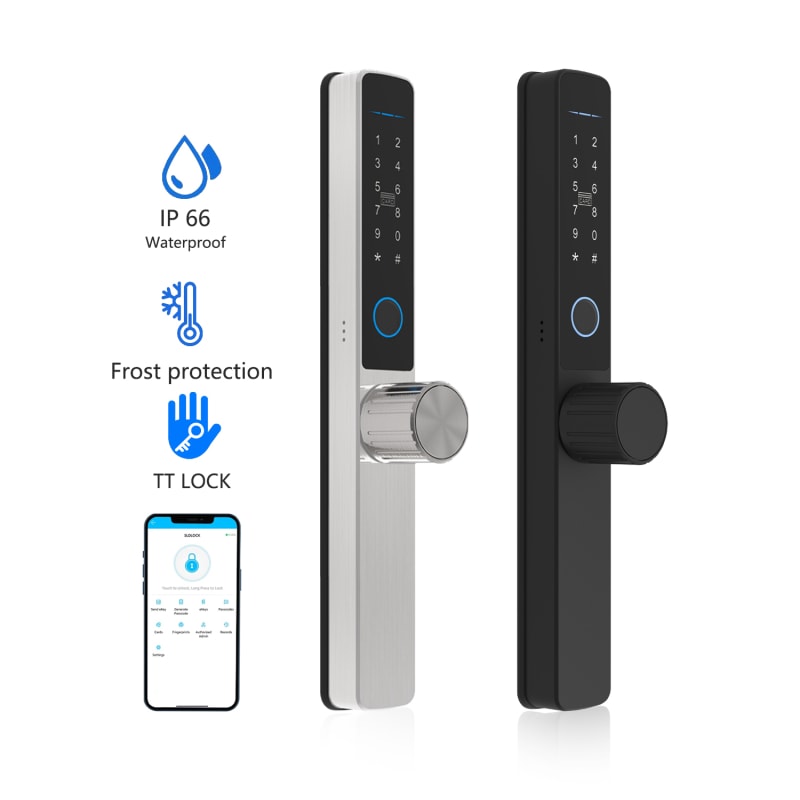
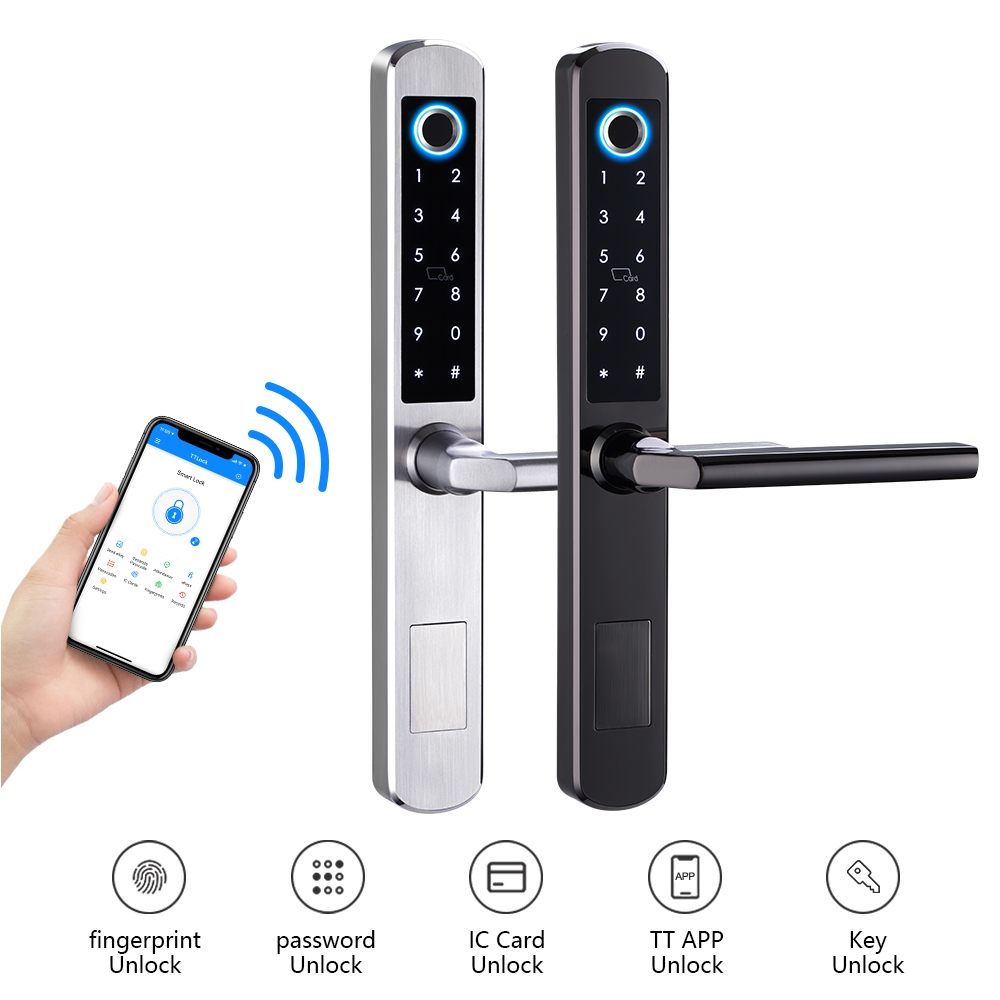
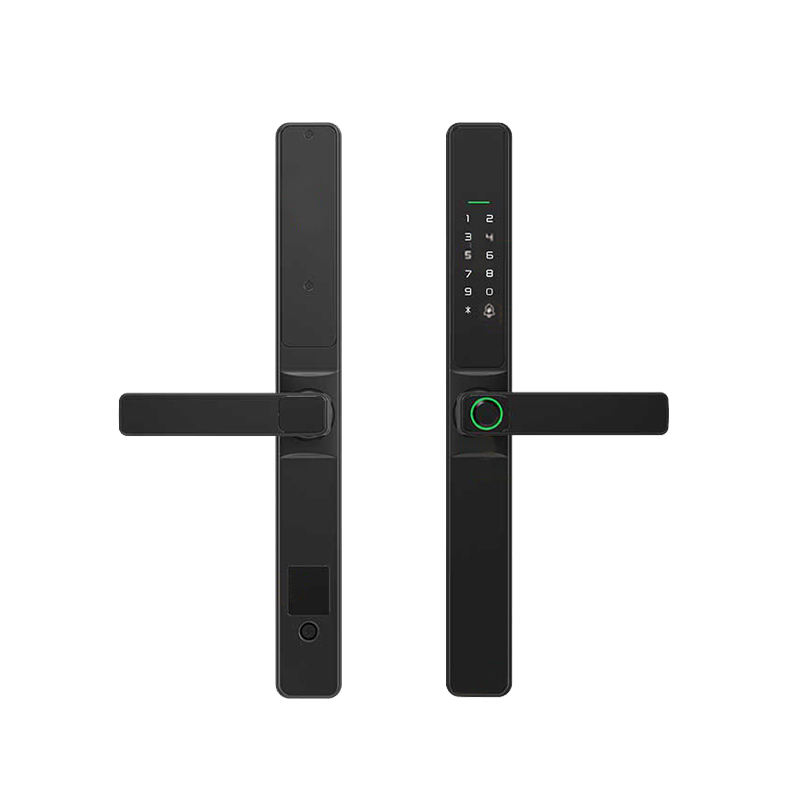
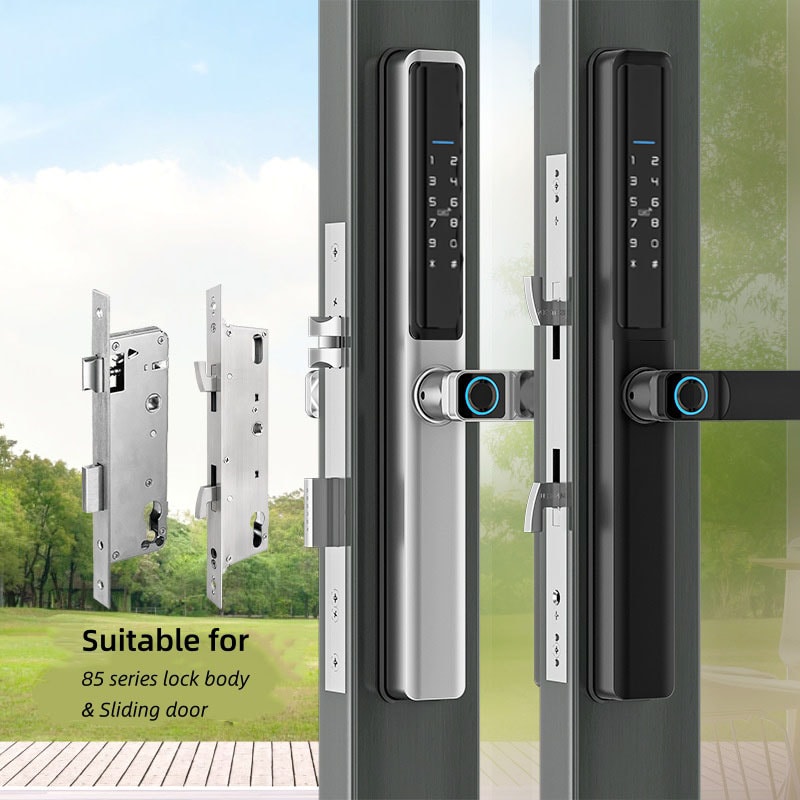
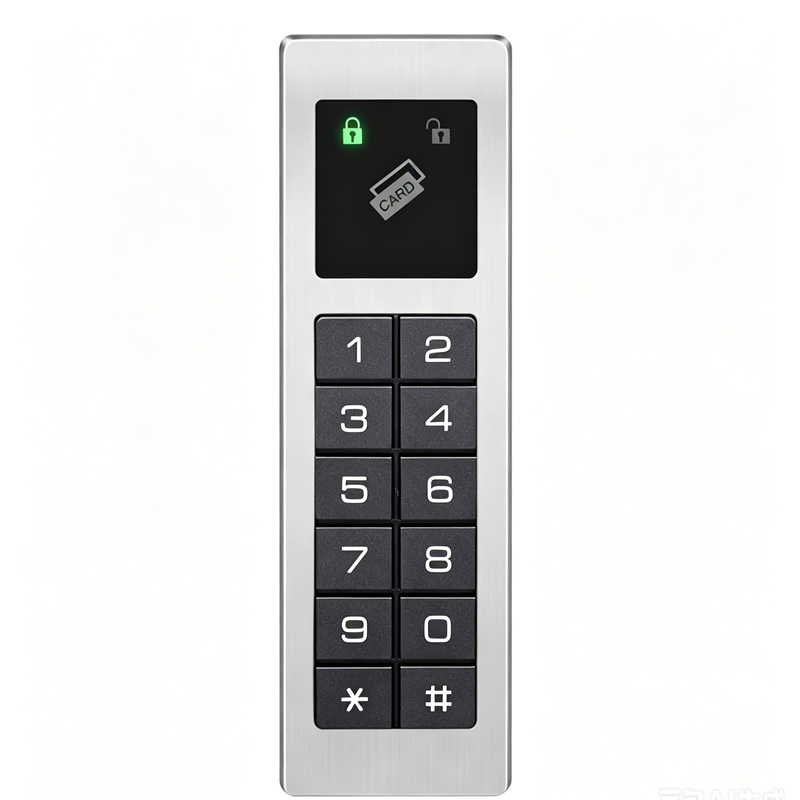
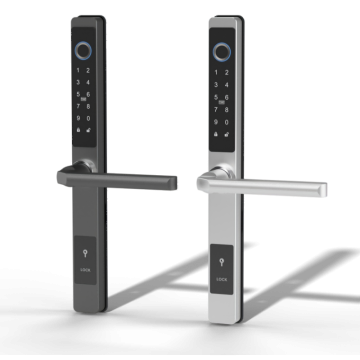
Modern office aesthetics favor floor-to-ceiling glass walls framed by slim aluminum profiles. Standard mortise locks are far too deep to fit into these narrow frames, which typically measure between 35mm and 50mm in width. Specialized ultra-narrow profile smart locks, featuring backsets as small as 30mm, are engineered specifically to overcome this architectural limitation. These locks maintain a sleek, unobtrusive profile that complements the minimalist design of glass partitions while providing heavy-duty locking mechanisms, often with IP65-rated water and dust resistance to withstand rigorous office cleaning protocols or external exposure in open-air atrium partitions.

C. Executive Suites and Private Collaborative Pods

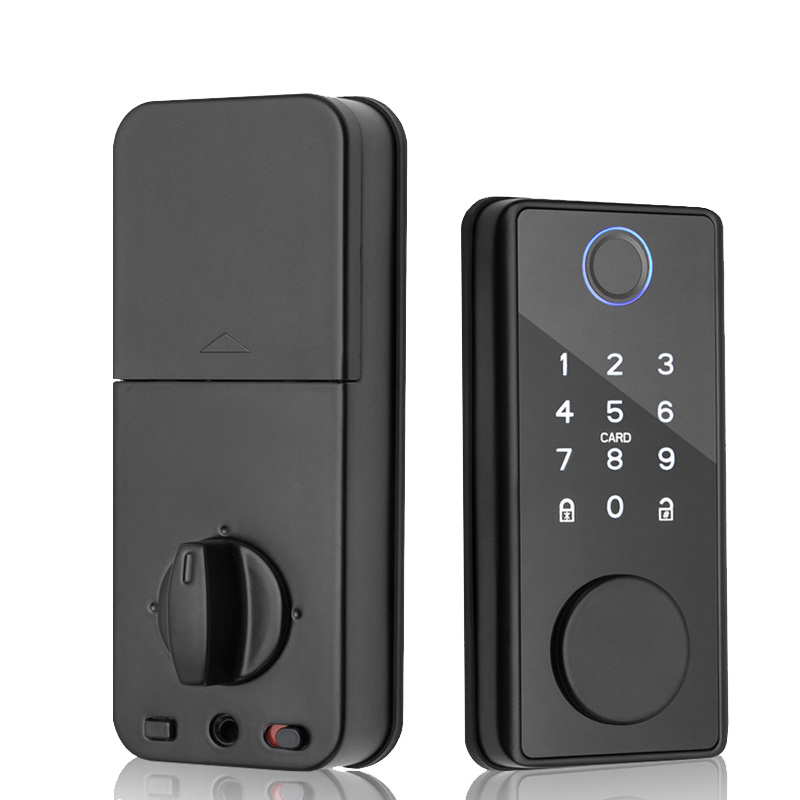
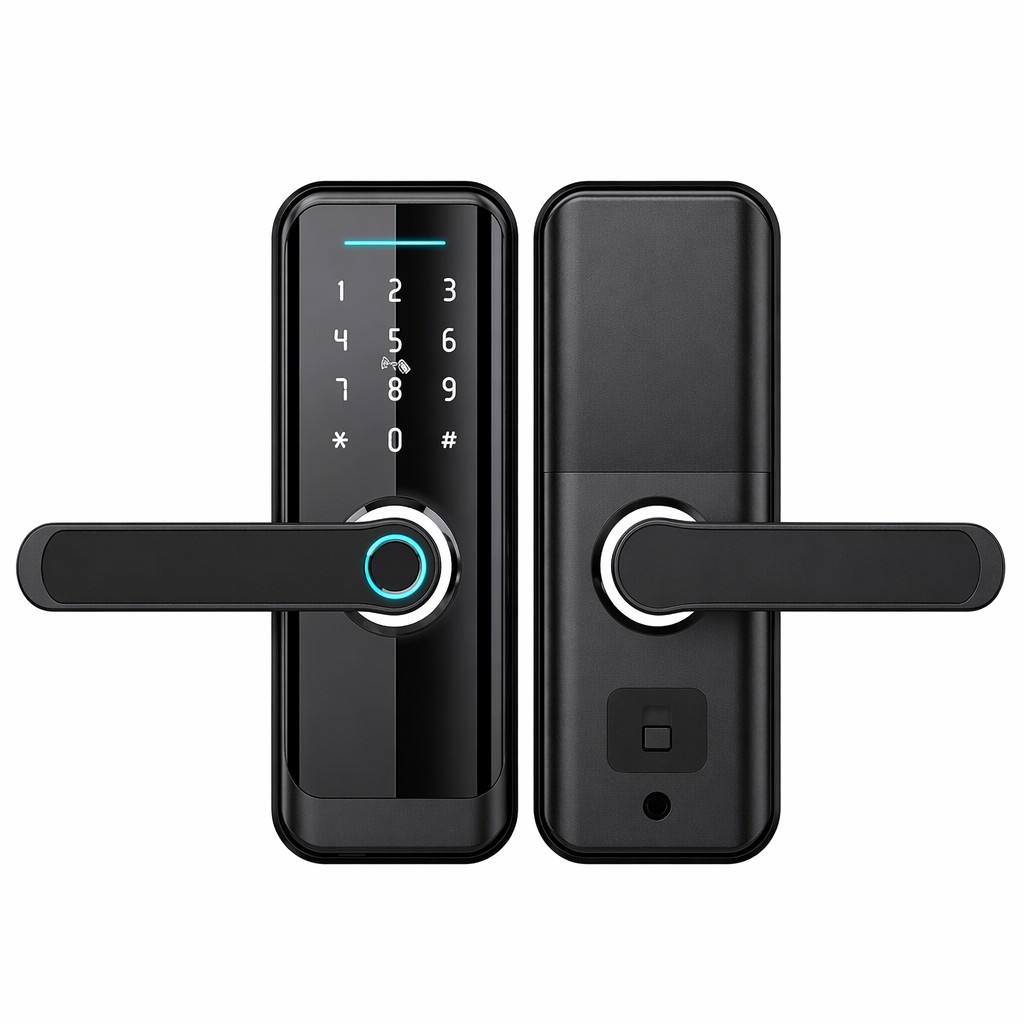
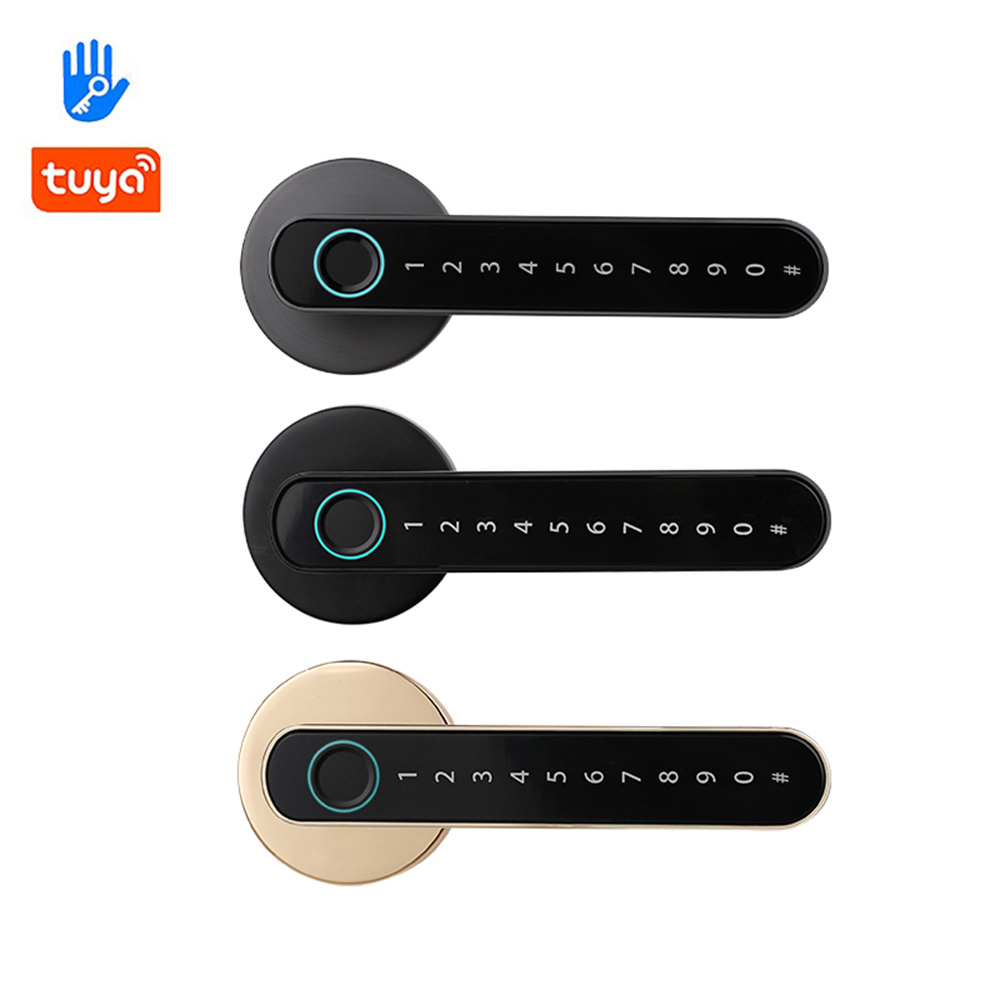
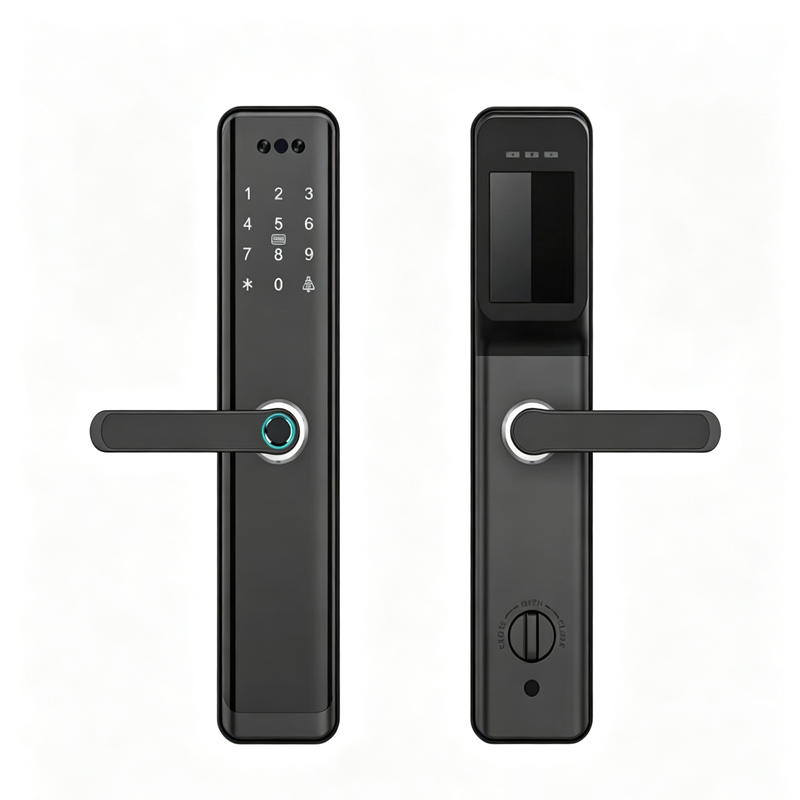
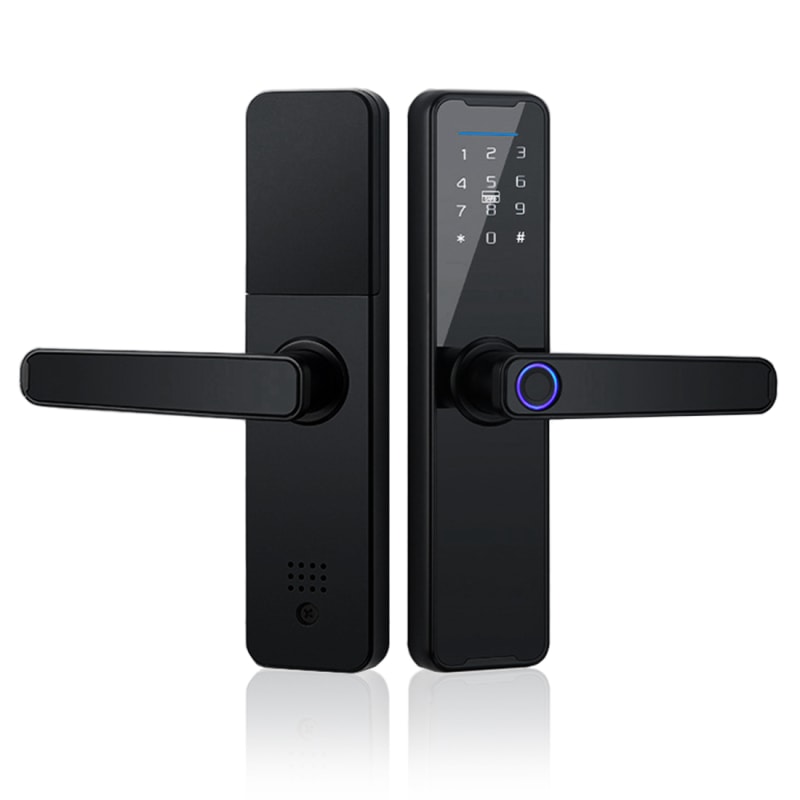
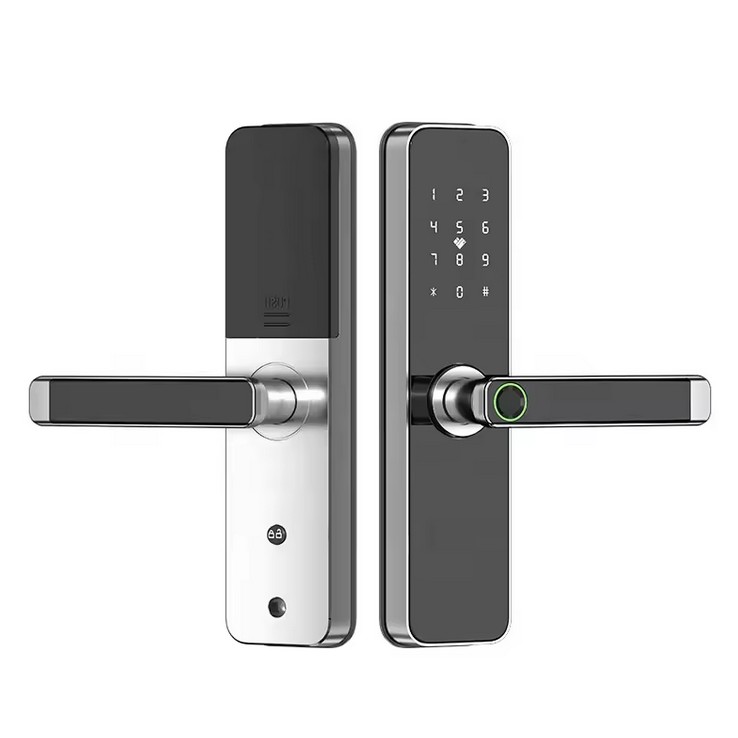
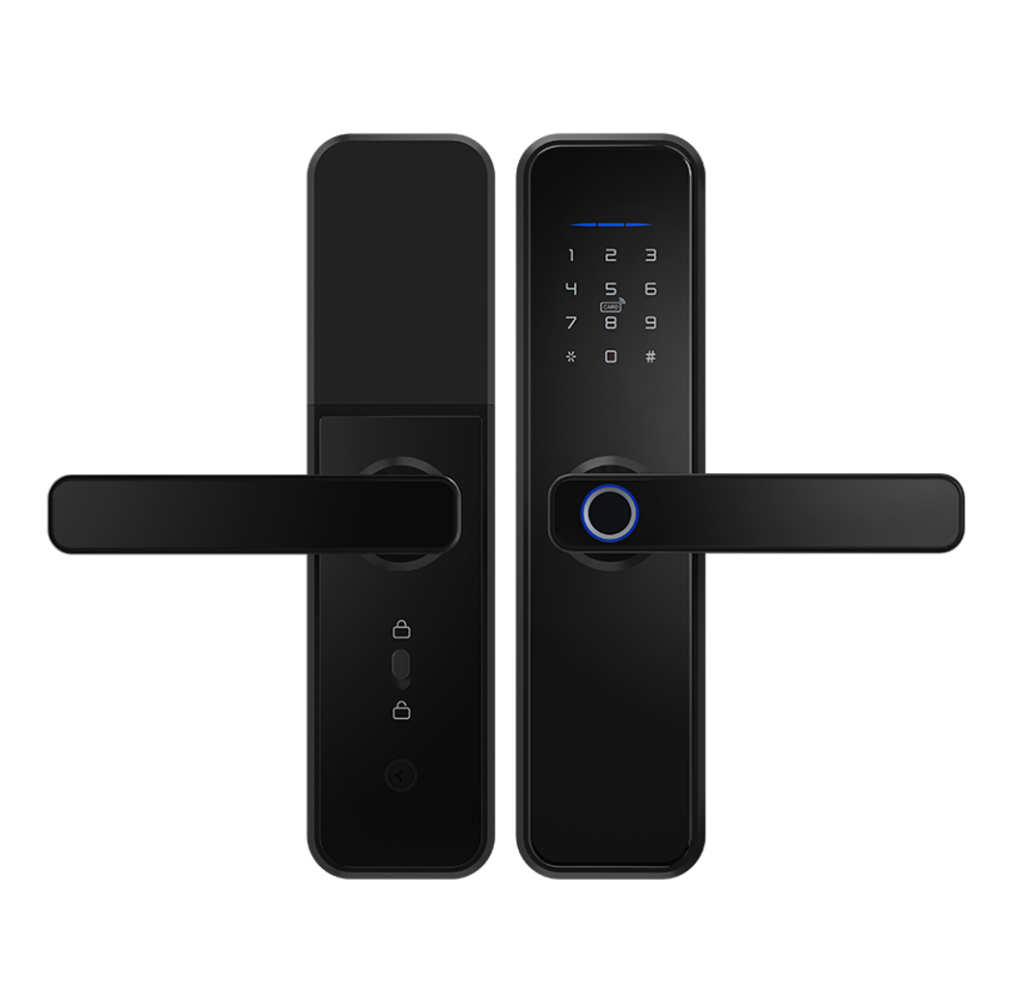
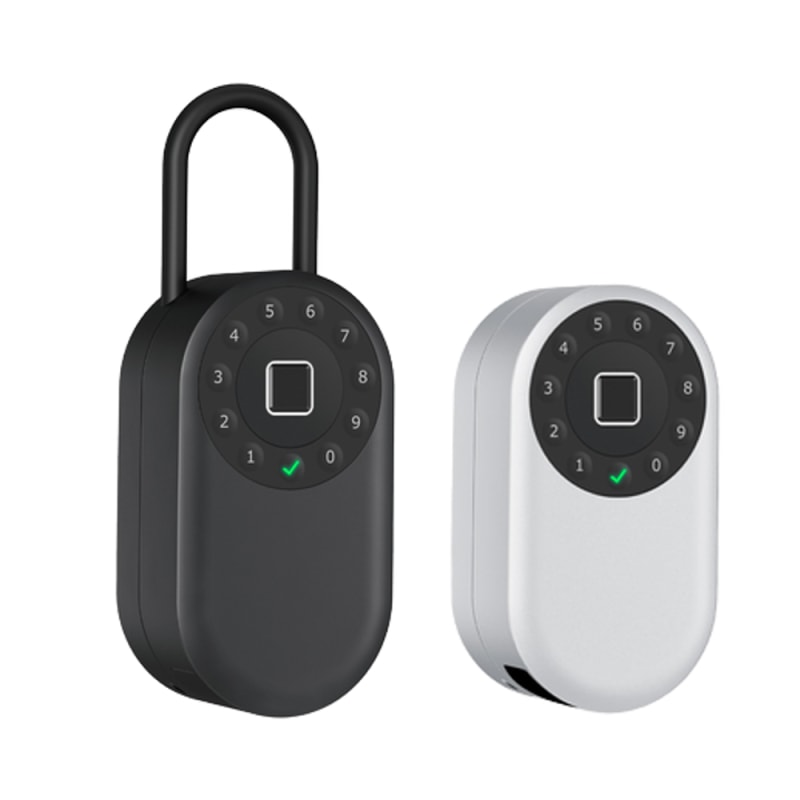
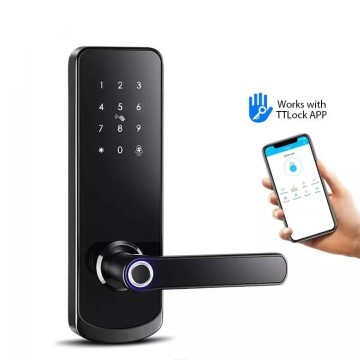
Executive offices require a balance between accessibility and absolute privacy. With fingerprint-enabled lever locks, executives can enter their offices instantly without searching for keys or badges. These locks can be configured with "passage mode" during standard working hours, allowing free entry, and switched to "secure lock mode" instantly with a single touch or via a smartphone app when the occupant leaves for a meeting or at the end of the day. Furthermore, built-in anti-prying sensors and double-latch mortises provide physical resistance against forced entry.

4. Future Technological Trends in Smart Lock Engineering

As artificial intelligence and Internet of Things (IoT) technologies continue to mature, the next generation of electronic locks for office partitions will incorporate several groundbreaking innovations:

Multimodal Biometrics: While fingerprint scanning remains highly popular, the industry is transitioning toward contactless biometric authentication. Face recognition and palm vein scanning offer superior security and hygiene. Palm vein technology, which maps the unique vein patterns beneath the skin's surface, is virtually impossible to forge or replicate, making it the gold standard for high-security corporate zones.

Thread and Matter Compatibility: The future of IoT lies in universal compatibility. Smart locks are rapidly adopting Matter and Thread protocols, allowing them to communicate locally and securely with other smart office devices—such as lighting, HVAC, and occupancy sensors—without relying on proprietary hubs. This enables automatic energy-saving actions: when the last person leaves a meeting room and the electronic lock engages, the room's lights and air conditioning automatically turn off.

Mobile Credentials and NFC/BLE: The physical keycard is being replaced by the smartphone. Using Near Field Communication (NFC) and Bluetooth Low Energy (BLE), employees can unlock partition doors by simply holding their phone near the lock reader or even keeping it in their pocket (hands-free entry). This reduces the cost of issuing plastic RFID badges and minimizes the security risks associated with lost or stolen credentials.

5. Strategic Advantages for System Integrators and Facility Managers

For facility managers and system integrators, selecting the right smart lock hardware is a critical decision. High-quality electronic locks reduce maintenance overhead through long battery lives, low-battery alerts, and emergency USB backup power ports. By partnering with experienced ODM and OEM manufacturers like Sinovo, corporate clients can customize lock firmware, integrate proprietary SDKs, and ensure compatibility with existing building management systems (BMS), ensuring a future-proof investment that enhances both security and employee convenience.

Our Story

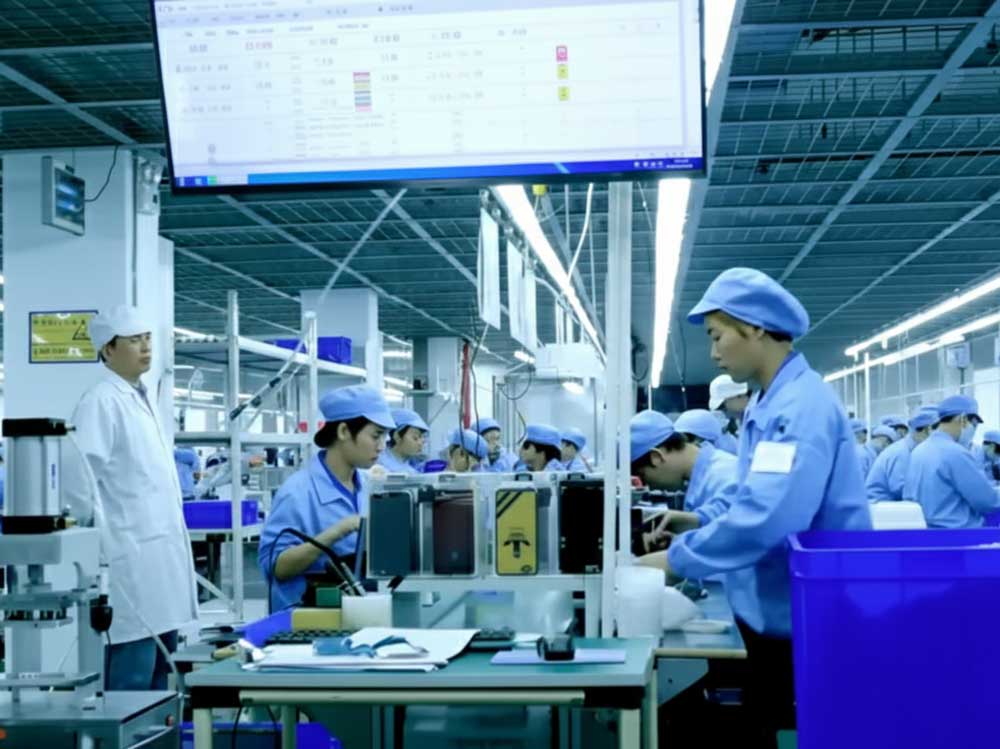
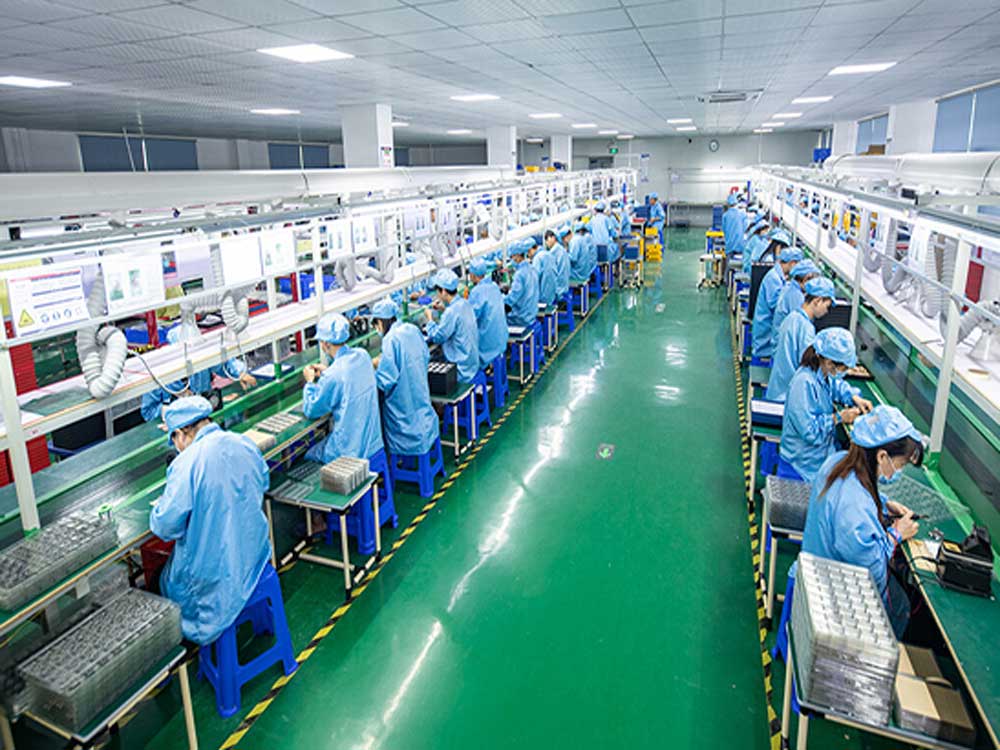
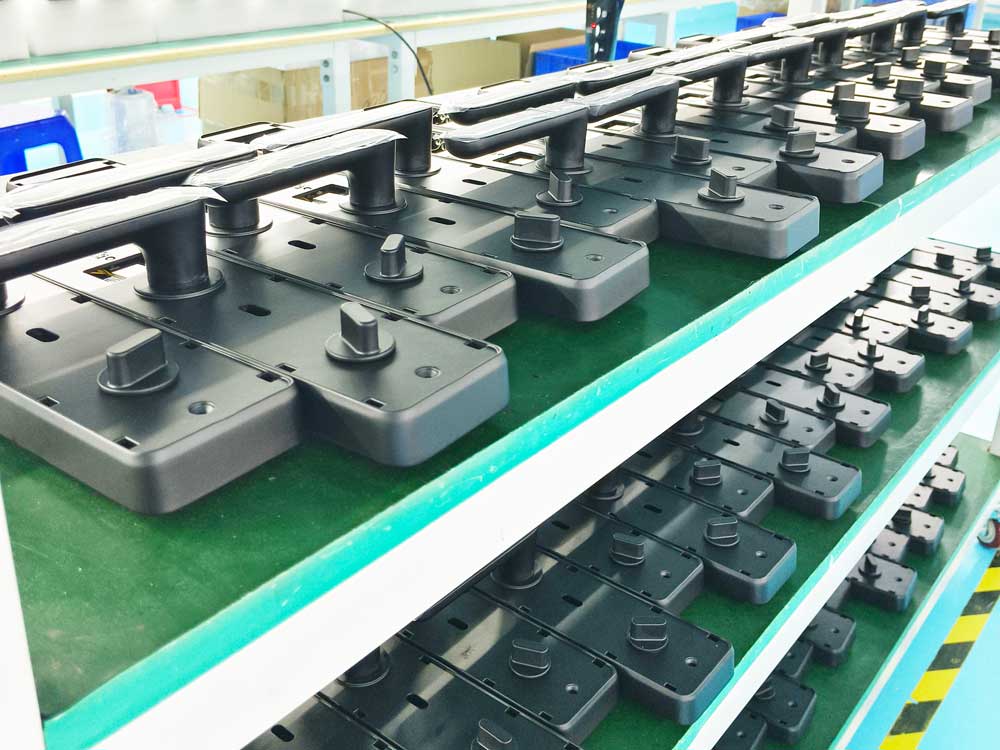
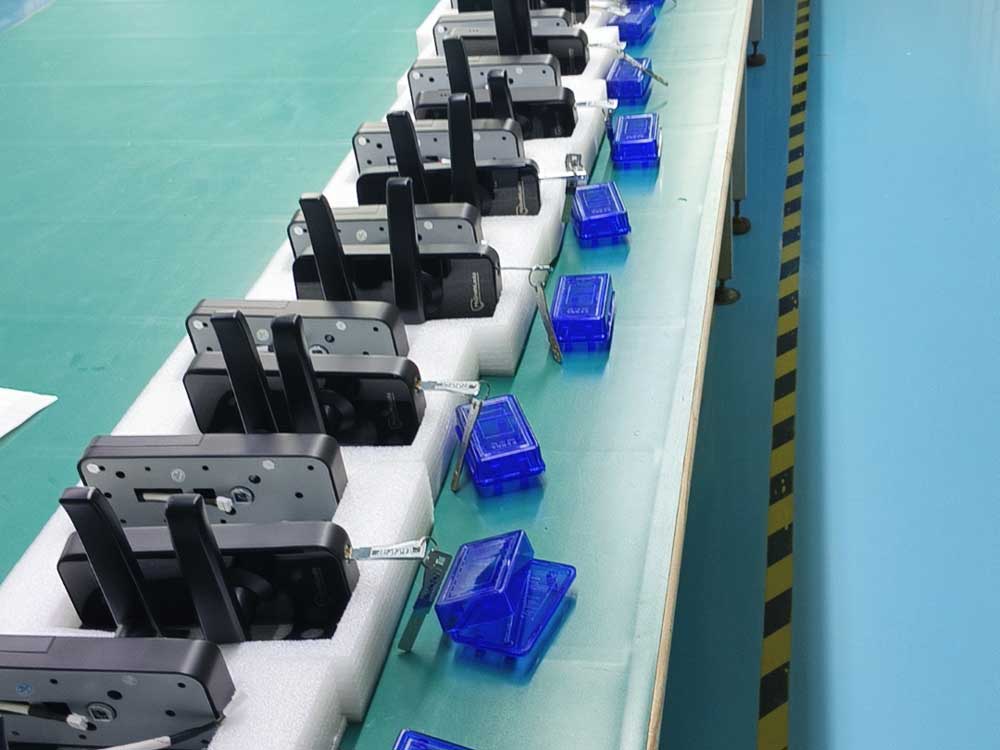
Sinovo began with a team of engineers passionate about smart hardware. Recognizing the market's need for a reliable ODM partner, we set out to build a company that truly understands technology, manufacturing, and client needs. From a small workshop to serving internationally renowned brands today, we have remained focused on transforming ideas into mass-producible, high-quality products. Our successful development of smart locks and other products for world-leading brands stands as a testament to our expertise and commitment.

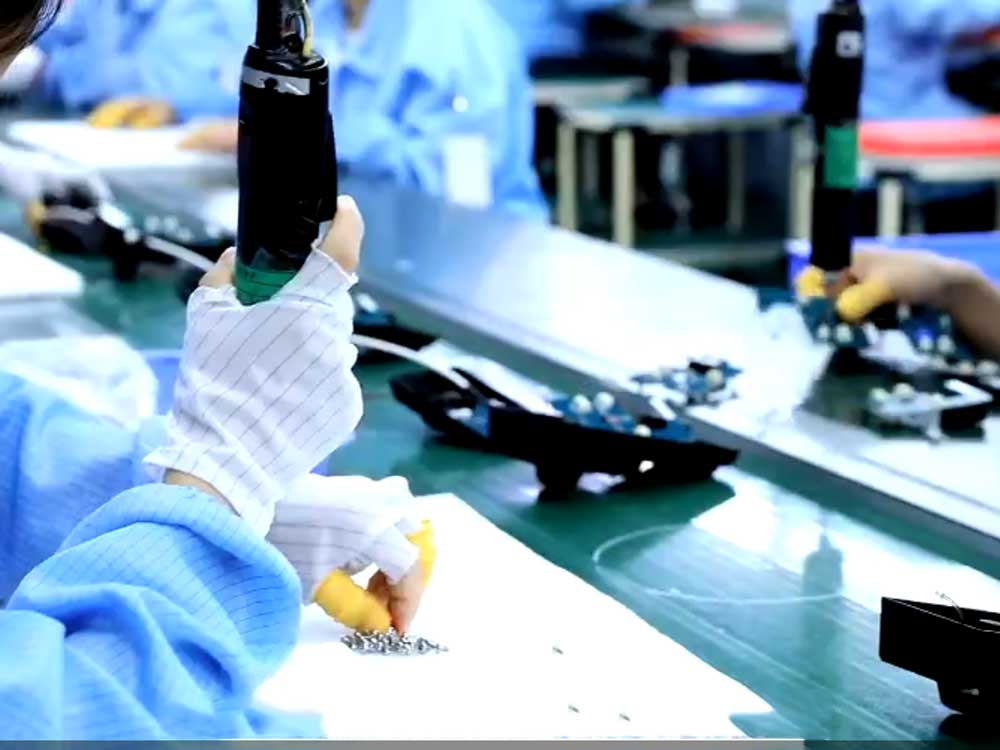
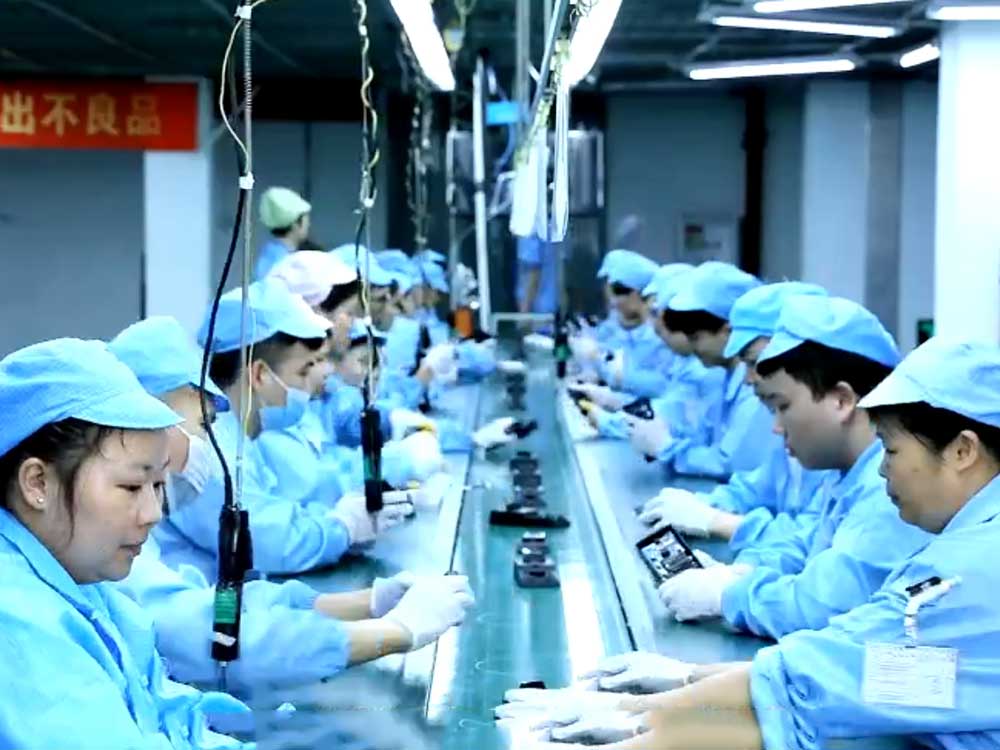
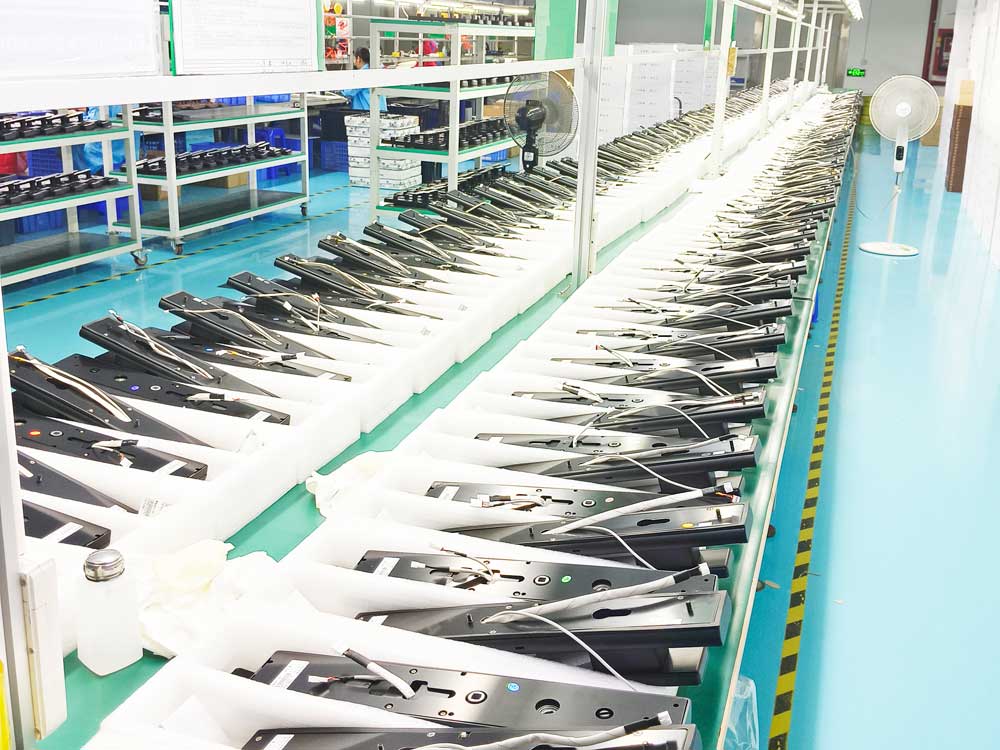
Production Line View
Production Assembly
Production Line 1
Precision Testing
Production Line 2
Quality Control
Production Line 3
Calibration Unit
Production Line 1-1
Component Sourcing
Production Line 5
Smart Integration
Production Line 6
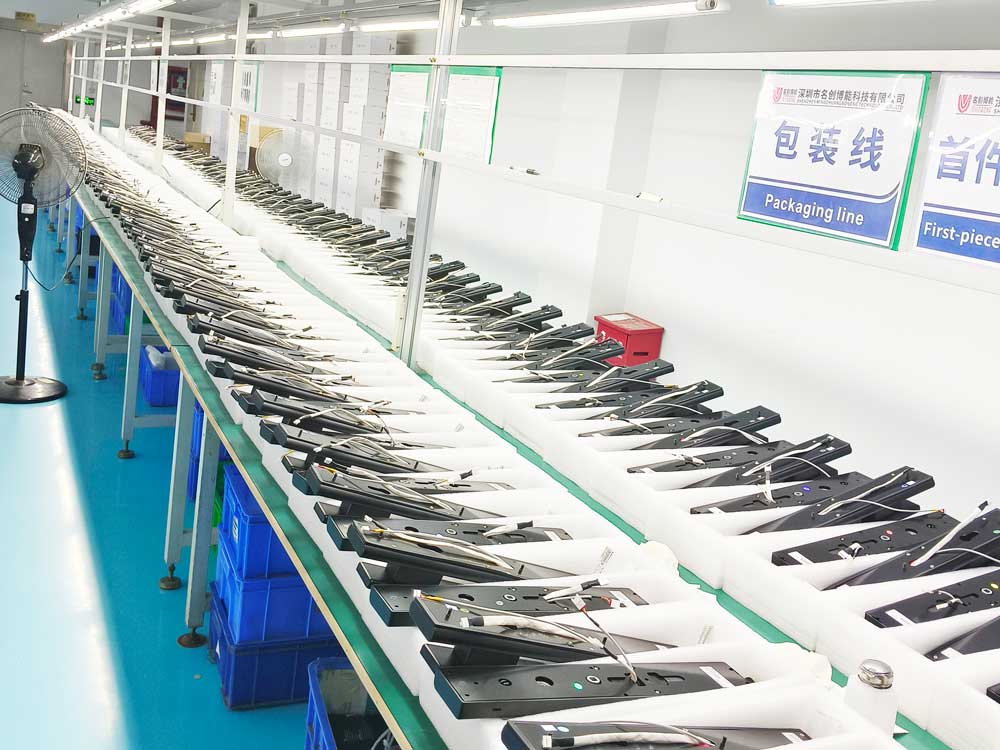
Packaging Line
Production Line 7
Final Inspection

Partners & Recognition

We have established long-term collaborations with several well-known domestic and international brands. Their trust is the strongest endorsement of our R&D and manufacturing capabilities. Our clients' success is our greatest motivation.

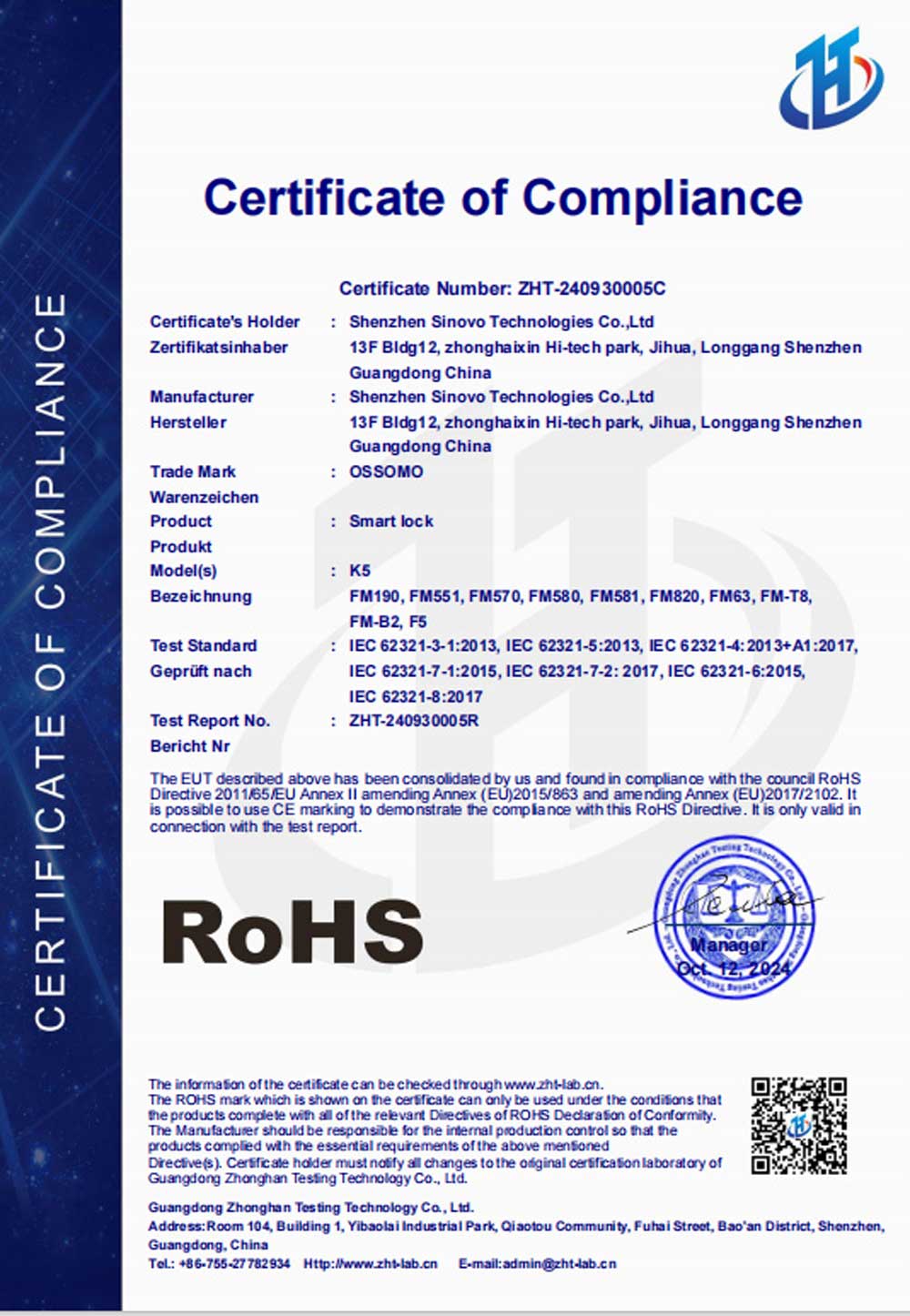
ROHS Certification
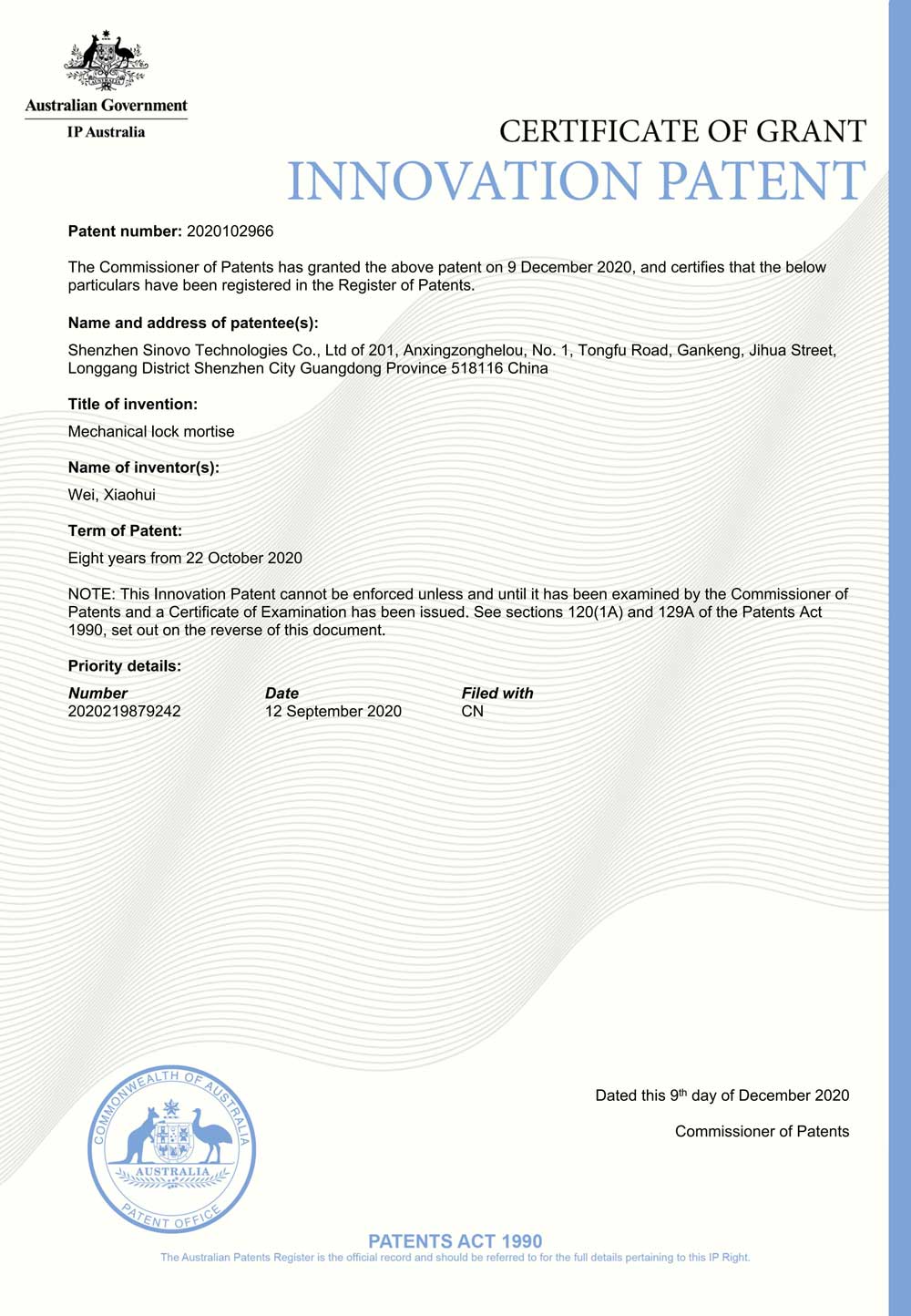
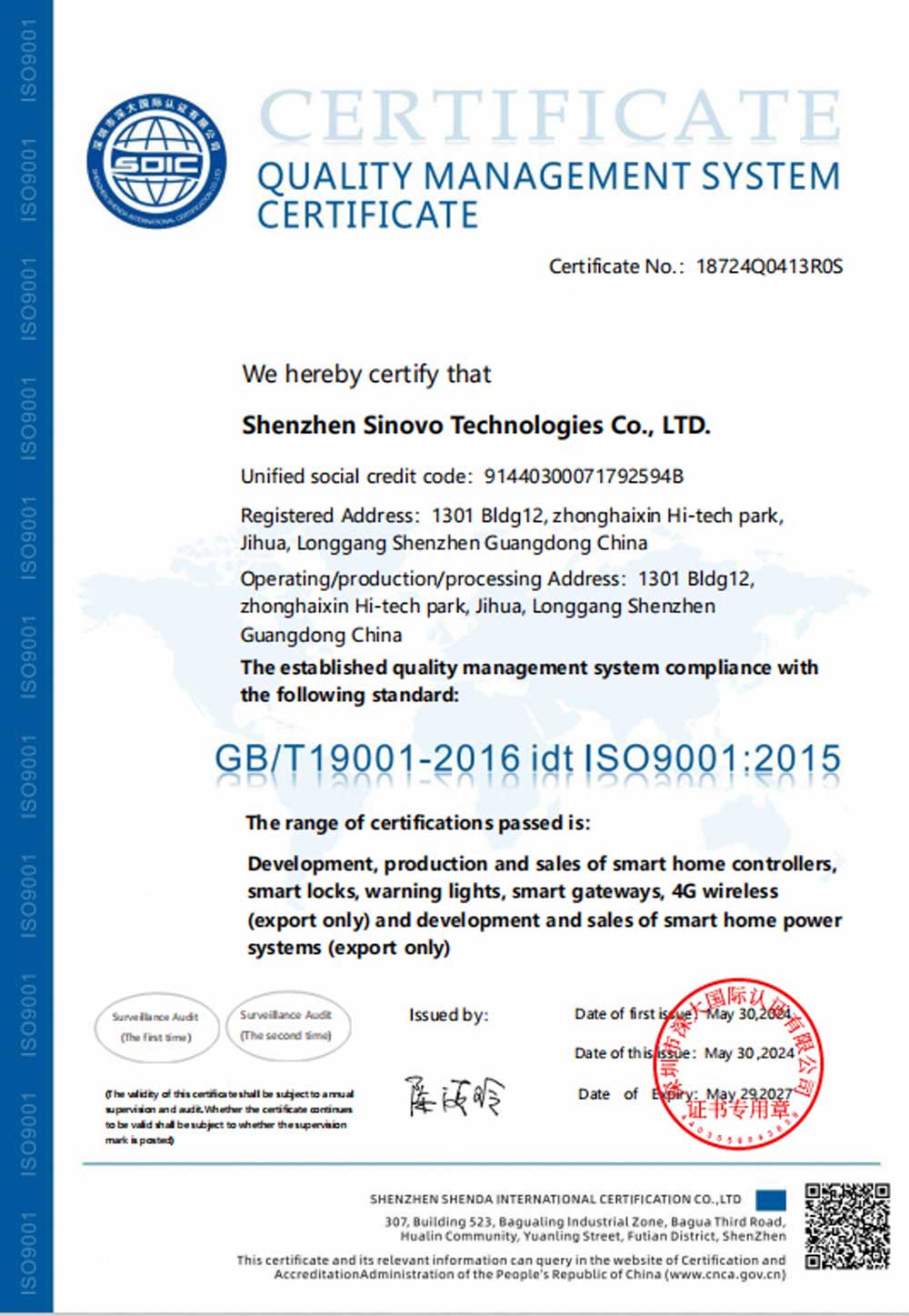
Quality Certificate 5
Compliance Seal
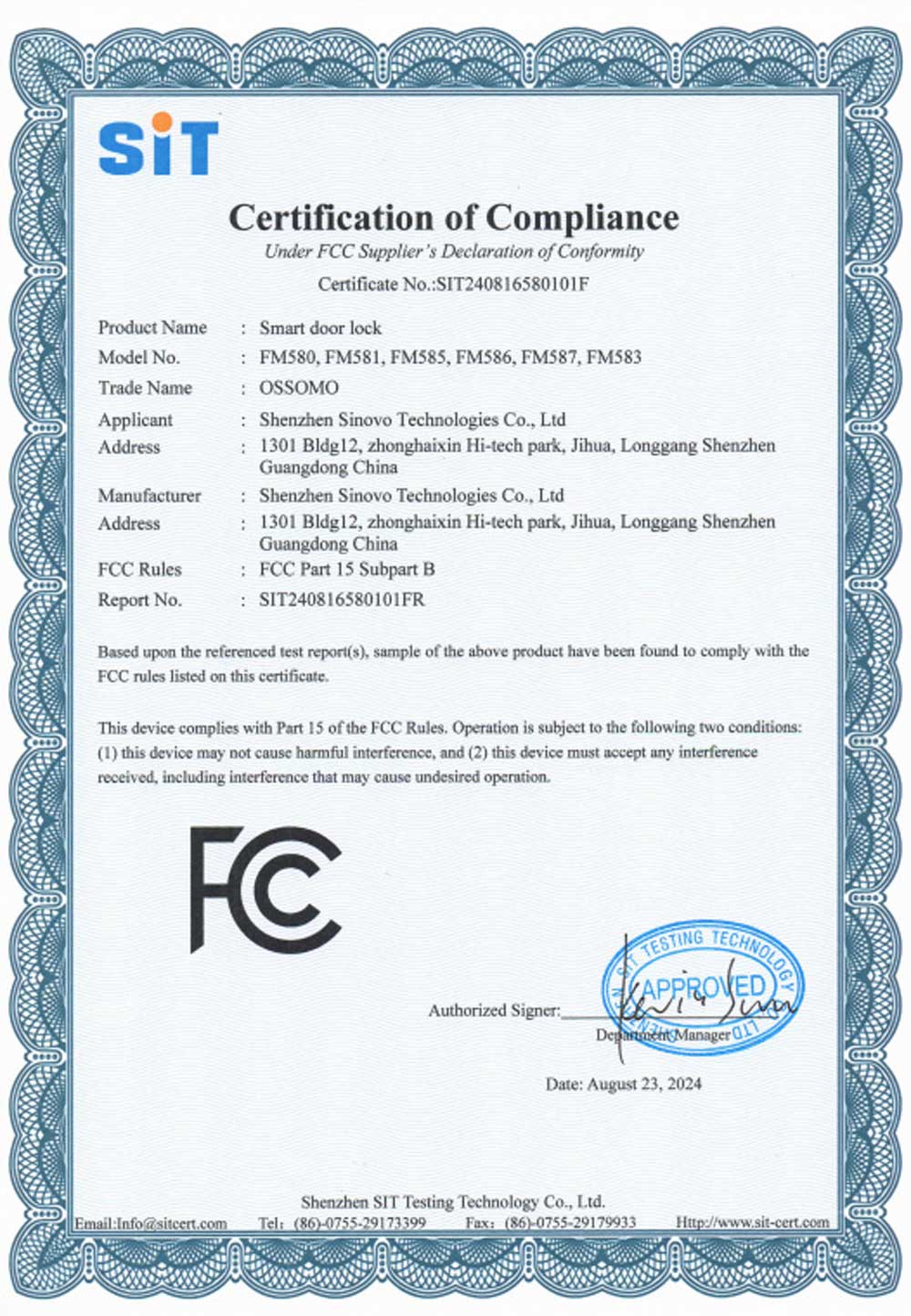
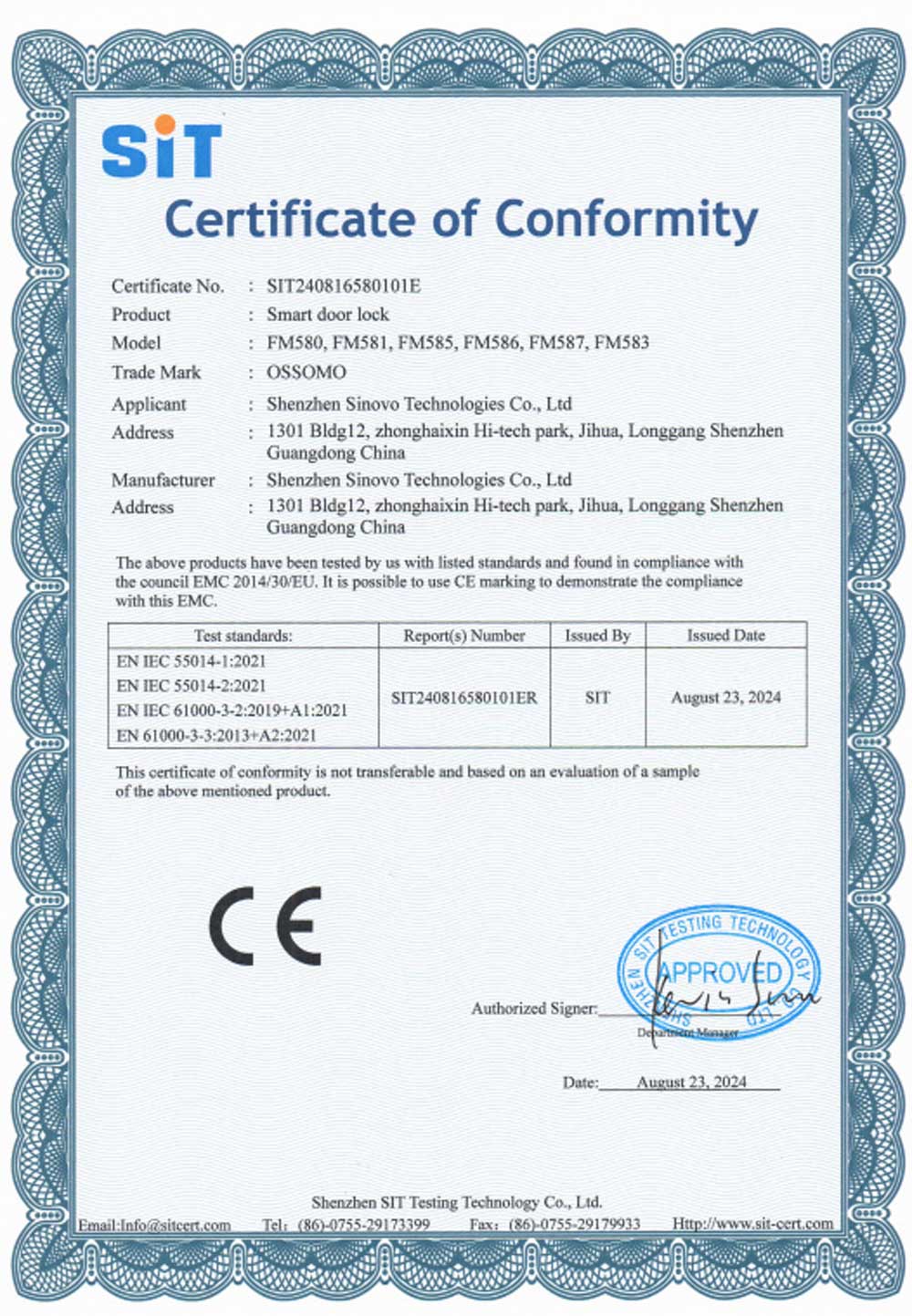
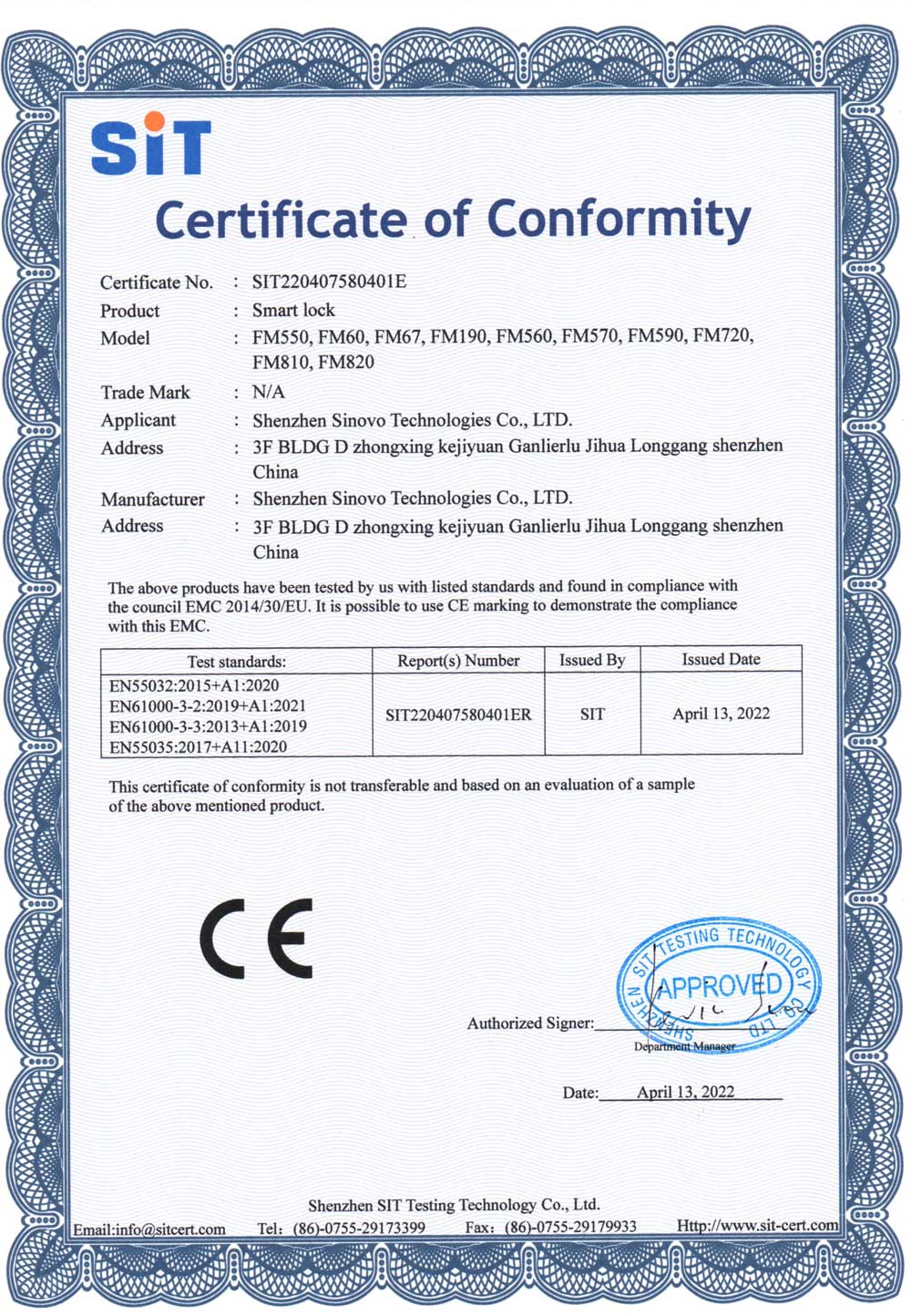
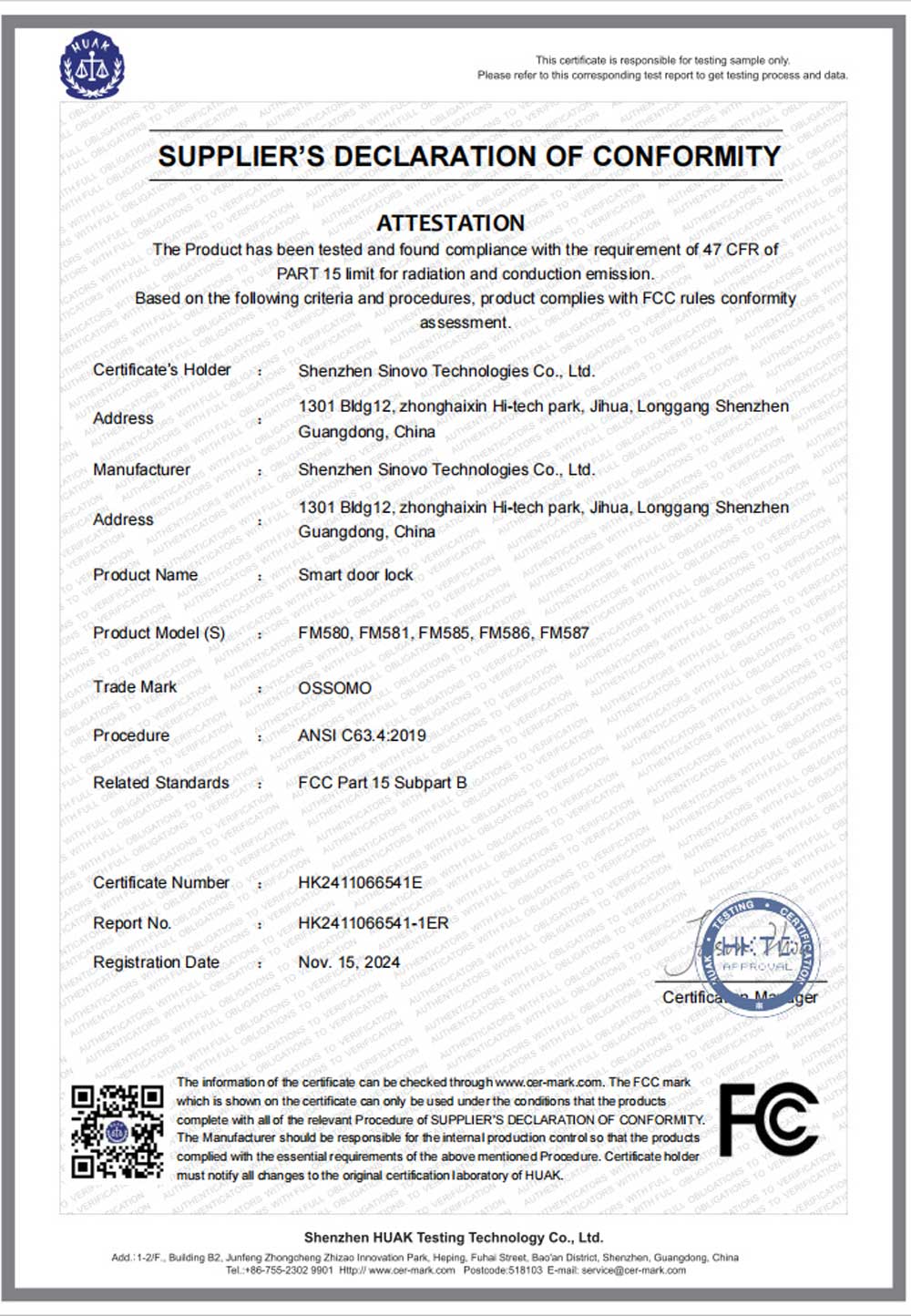
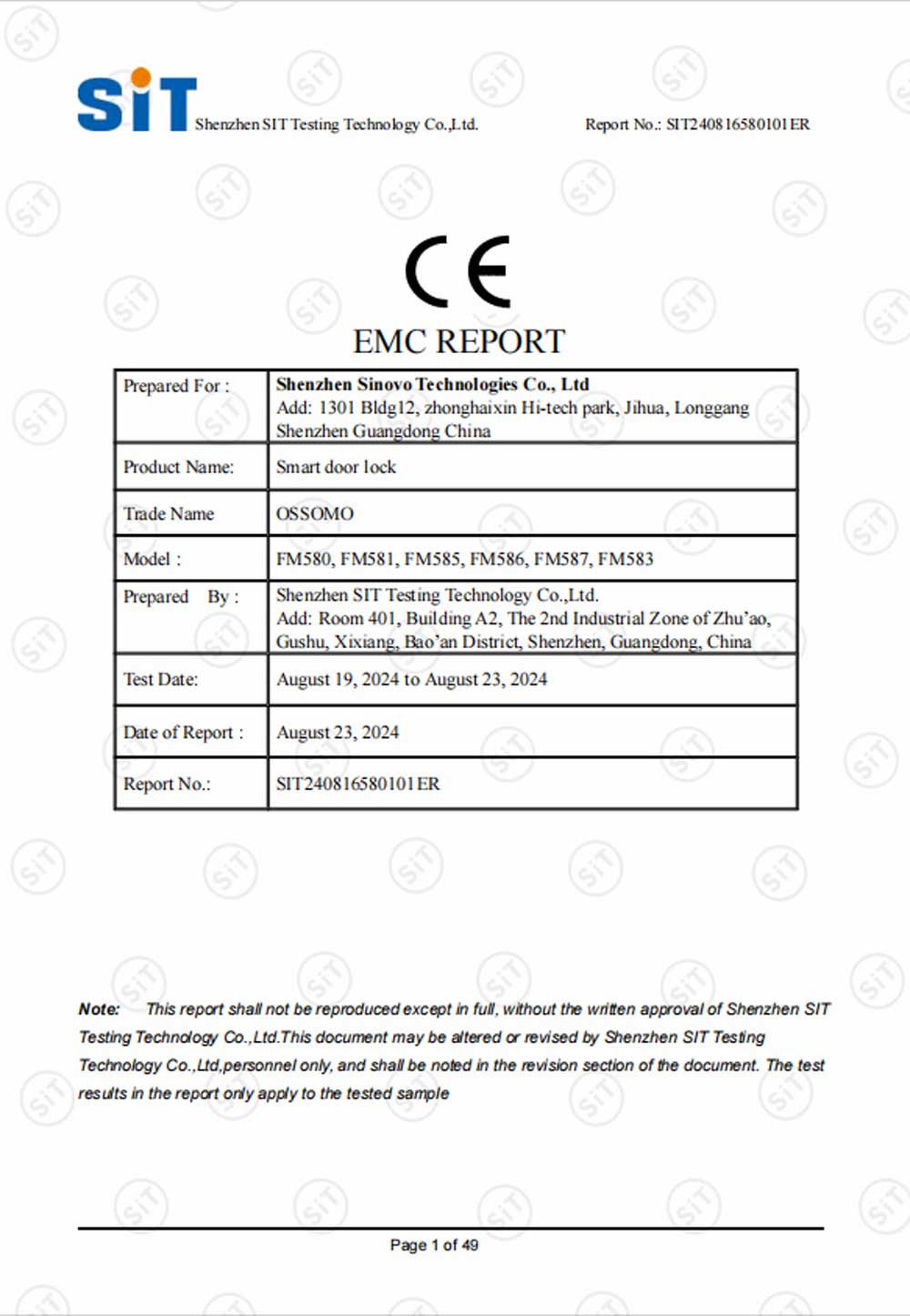
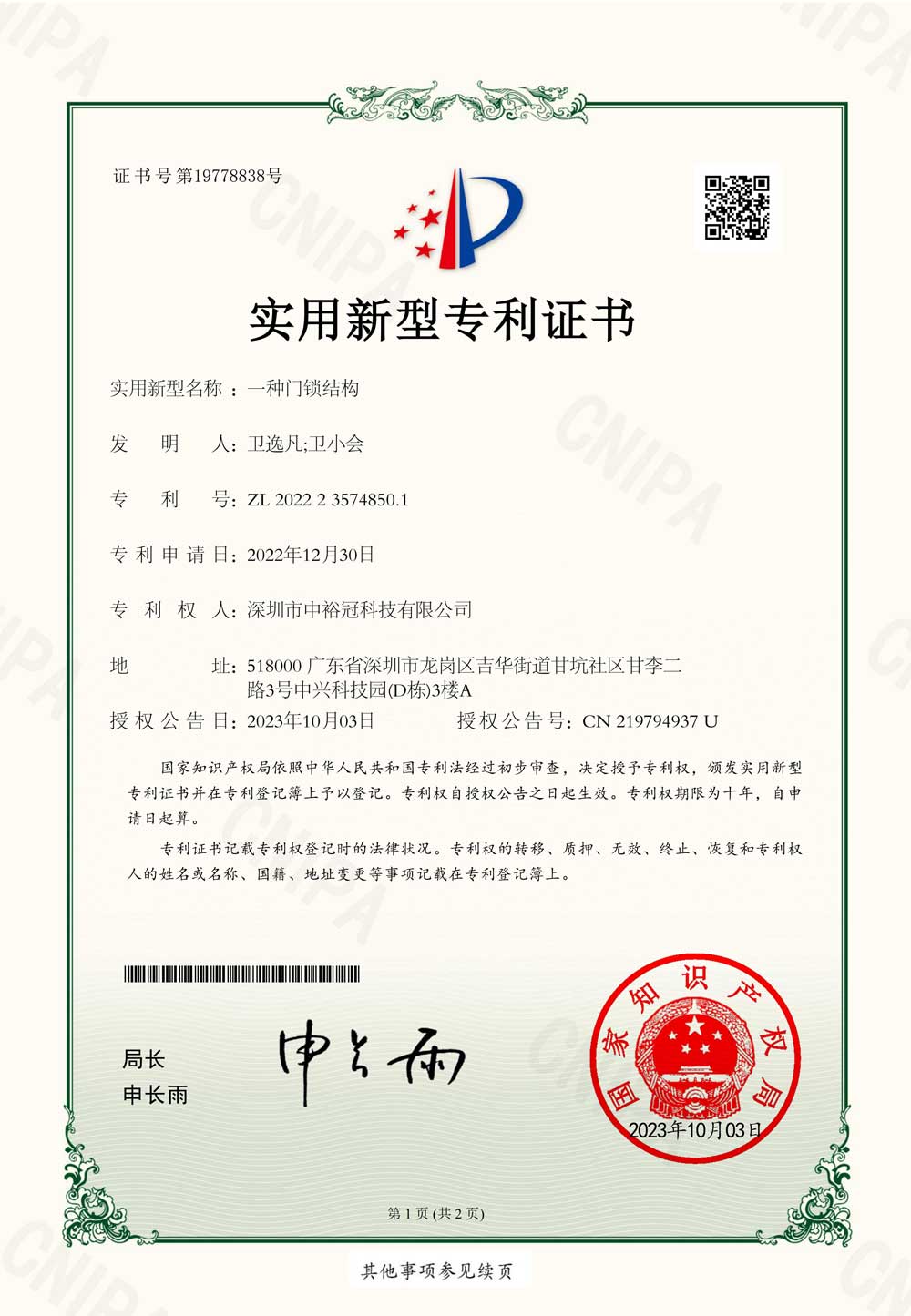
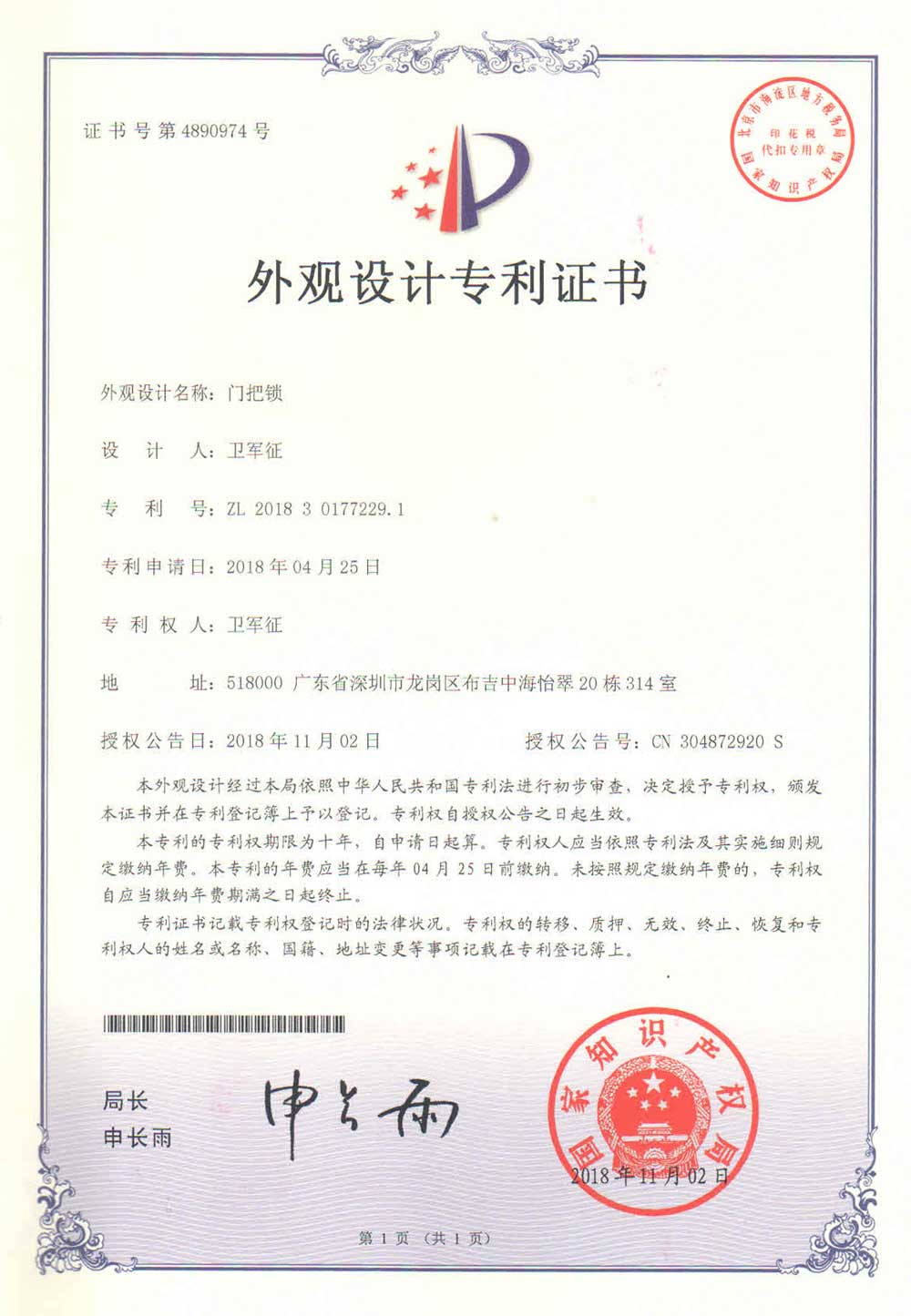
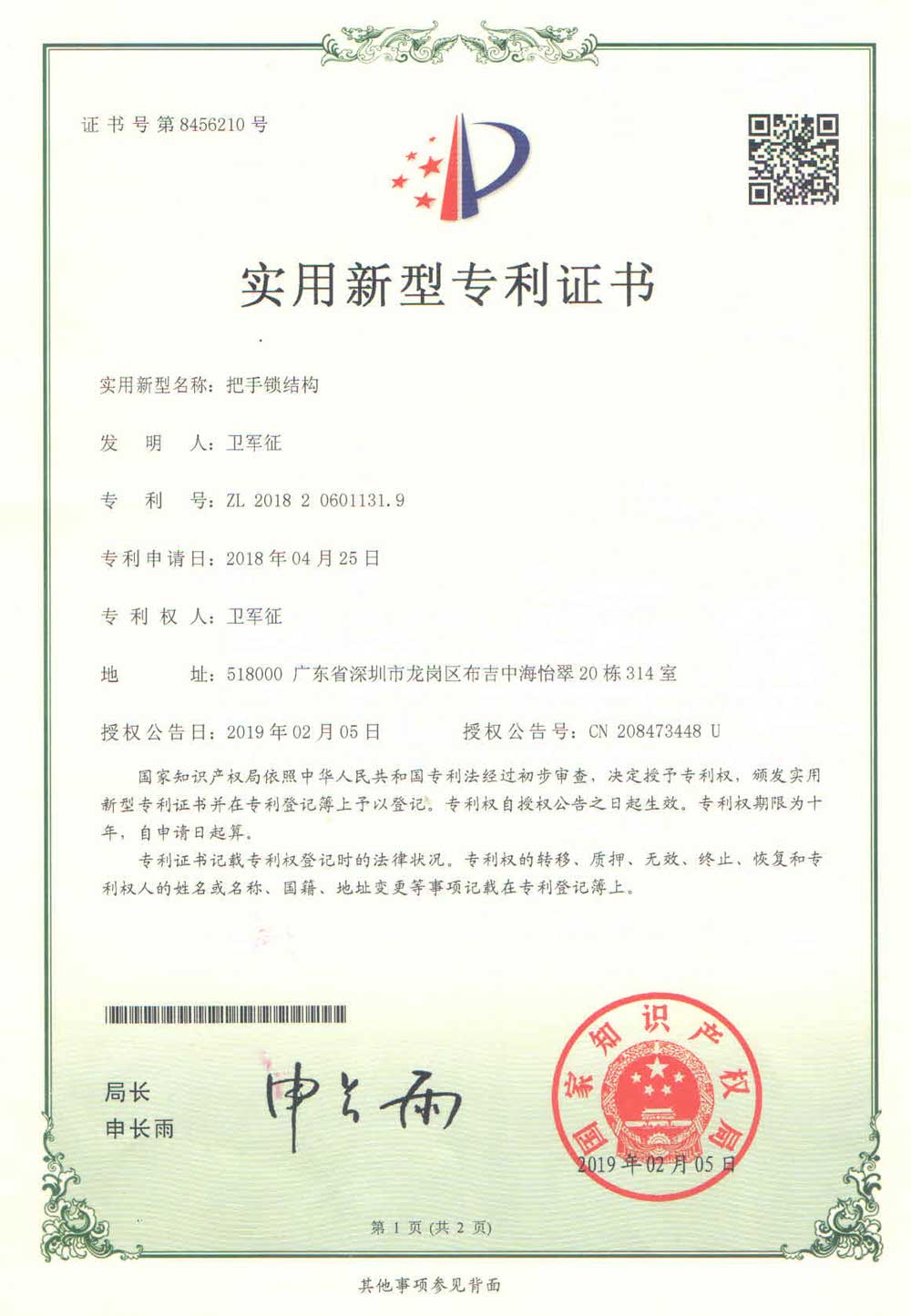
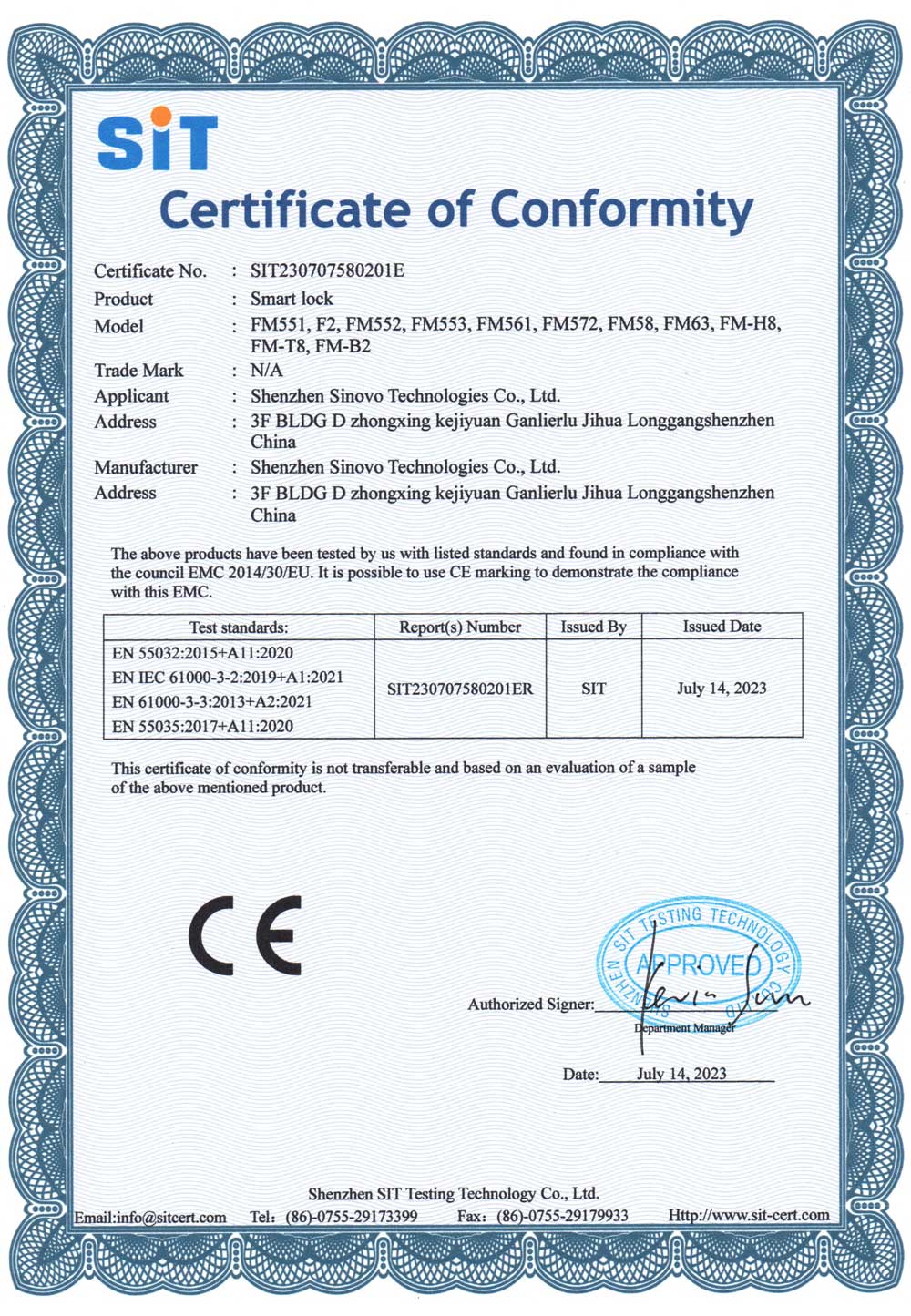
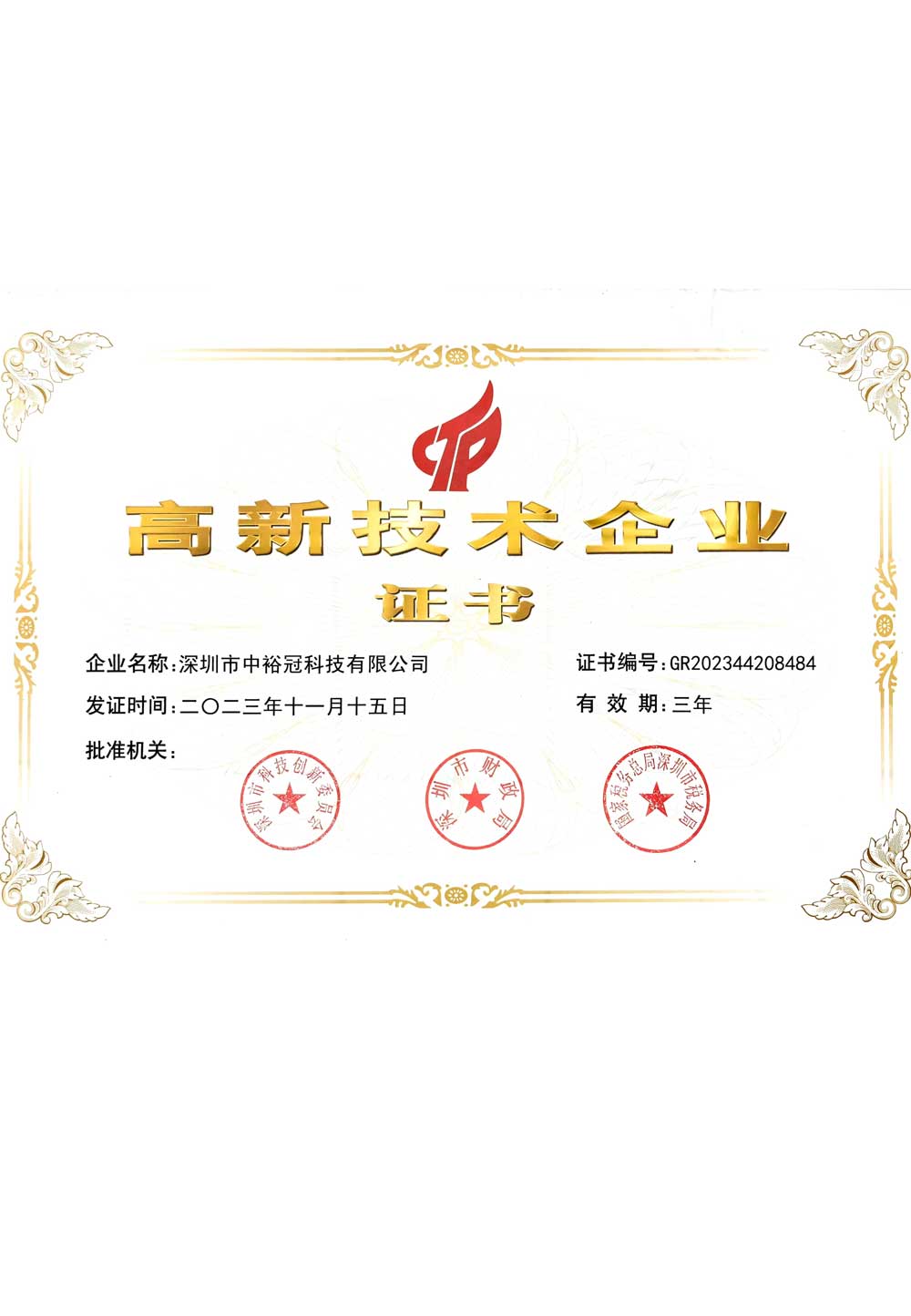
ISO StandardFCC CertifiedCE Certified 1-2CE Standard 4FCC Certified 2CE Certified 1-1Certificate 4Certificate 3Certificate 2CE Standard 3Certificate 1-1

Ready to Collaborate

We believe that outstanding smart products come from meticulous attention to detail and a steadfast commitment to promises. If you are looking for a reliable, efficient, and dedicated ODM partner for your smart home or corporate partition projects, Sinovo Technologies is ready to work with you in shaping the future of intelligent living.