Electronic Door Locks For European Historical Building Renovation Projects
Blending modern AI-driven security with classical European architectural heritage. Non-destructive installations, advanced biometrics, and seamless IoT integrations designed specifically for historic preservation.
Featured Retrofit Solutions for Heritage Properties
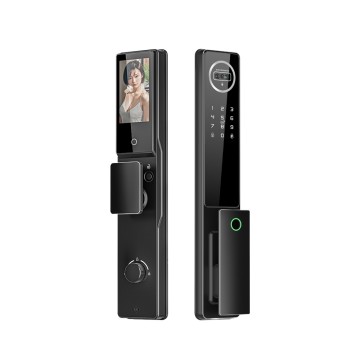
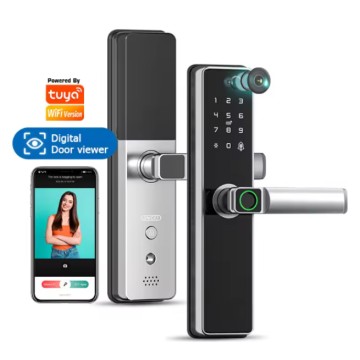
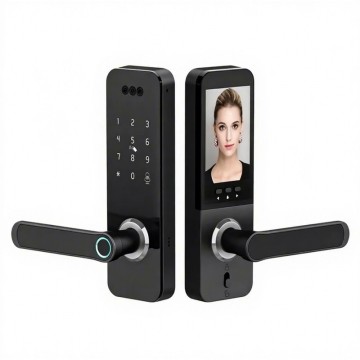
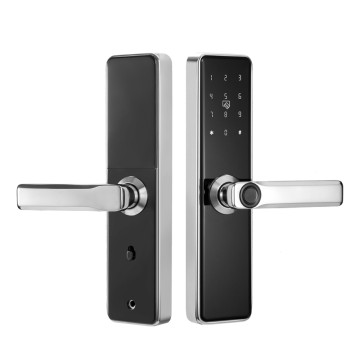
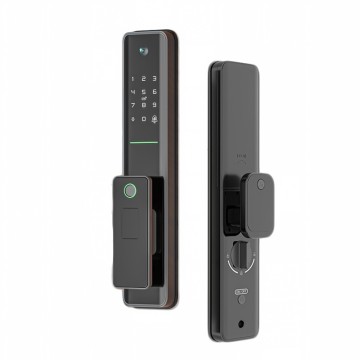
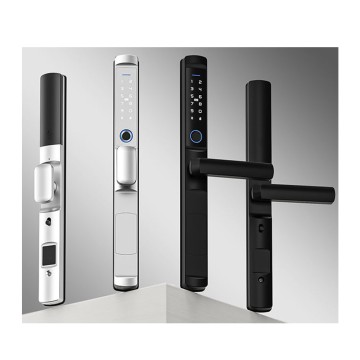
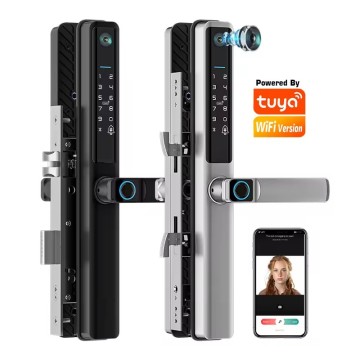
Explore our top-tier smart locks engineered to integrate discreetly into historical doors without compromising architectural integrity.
The Evolution of Smart Access Control in European Heritage Renovation
In Europe, the architectural landscape is defined by its rich history. From the Gothic and Baroque palaces of Central Europe to the Victorian and Georgian townhouses of the United Kingdom, preserving these structural treasures is a matter of cultural identity and legal mandate. However, as these historic buildings are repurposed into boutique hotels, luxury apartments, modern corporate headquarters, and museums, they must meet contemporary standards for security, safety, and operational efficiency. The integration of electronic door locks for European historical building renovation projects has emerged as a crucial yet challenging frontier in modern architecture.
Historically, retrofitting modern security systems meant running invasive wiring, drilling through ancient timber, and altering the physical appearance of antique doors. Today, the industrial and commercial demands have changed. Architects and heritage conservationists are looking for non-destructive, smart, and aesthetically compliant access control solutions. Modern electronic locks must now bridge the gap between AI-driven technology and historical preservation, offering keyless convenience while respecting the legacy of the structures they protect.
"The primary challenge in heritage renovation is not just about making a door secure; it is about keeping the historical soul of the property intact while establishing a state-of-the-art, secure, and modern digital identity."
Commercial and Industrial Status of the European Smart Lock Market
The European market for smart lock solutions in historical renovations is experiencing rapid growth, driven by several key factors. According to industry analyses, the European smart lock market is expanding at a compound annual growth rate (CAGR) of over 12%. This growth is heavily concentrated in regions with high densities of heritage properties, such as Italy, France, Germany, Spain, and the UK.
Commercial developers converting old castles, monasteries, and industrial warehouses into hospitality or high-end residential spaces face strict regulations. In countries like Germany, the Denkmalschutz (monument protection laws) strictly forbids any permanent physical modifications to registered historical doors. This has created a massive commercial demand for custom OEM/ODM manufacturers who can produce specialized smart lock variants. These locks must fit standard European profile cylinders (Euro-cylinder) and operate entirely on battery power to avoid wall-chasing for power cables.
Key Market Drivers:
The Rise of Boutique Heritage Hospitality: Tourists increasingly seek authentic stays in historic castles and estates. Operators require automated check-in systems, cloud-based key management, and integration with Property Management Systems (PMS) to streamline operations.
Strict Monument Protection Regulations: Legal restrictions protect historic materials. Access control must be achieved using clamp-on, cylinder-replacement, or wireless surface-mount technologies.
Sustainability and Energy Efficiency: Modern renovations focus on reducing carbon footprints. Low-energy smart locks that integrate with smart room systems (turning off lights and heating when guests lock the door from the outside) are highly sought after.
Technical Challenges & Engineered Solutions in Heritage Preservation
Renovating a historic building is rarely straightforward. When it comes to door hardware, several unique technical hurdles must be overcome:
1. Non-Destructive Installation (Retrofitting)
Traditional smart locks require drilling new holes for cables and mounting plates. For a 300-year-old oak door, this is out of the question. Lock manufacturers have responded by developing smart cylinder replacements. These solutions replace the existing mechanical Euro-profile cylinder with an electronic cylinder, leaving the original mortise lock, handles, and escutcheons completely untouched.
2. Signal Penetration in Thick Stone Walls
Historical buildings are notorious for their massive stone or brick walls, which can be up to two meters thick. These walls act as natural shields, blocking WiFi and Bluetooth signals. To combat this, advanced electronic locks utilize sub-GHz wireless networks, Zigbee, or mesh-networked Bluetooth systems that daisy-chain signals from room to room, ensuring stable connectivity to the central management hub without requiring extensive wiring.
3. Aesthetic Harmonization
A shiny, futuristic plastic lock is visually jarring on a classic wooden door. Manufacturers are now offering customizable faceplates, antique brass, bronze, and matte black finishes, or even completely concealed smart lock systems where the electronic components are hidden entirely inside the door frame or the mortise pocket itself.
Future Trends in Smart Access for Historic Structures
As AI and IoT technologies continue to evolve, the capabilities of electronic door locks are expanding. In the context of European historical renovations, several key trends are shaping the future:
AI-Powered Face Recognition and Biometrics
Modern high-end residential conversions and private clubs in historic districts are increasingly adopting 3D face recognition. By utilizing local AI processing, these locks can recognize authorized residents or staff within milliseconds, even in low-light conditions typical of historic stone corridors, eliminating the need for physical keys or cards.
Mobile-First Access and Apple Wallet Integration
The transition from physical RFID cards to mobile credentials is accelerating. Integrating NFC-based access keys into Apple Wallet or Google Wallet allows guests to unlock historic doors simply by holding their phone or smartwatch near the reader. This minimizes the visual impact of the reader and provides a friction-free user experience.
Ultra-Low Power Consumption and Kinetic Energy
Batteries in smart locks can be difficult to manage across large historic estates. The industry is moving toward ultra-low-power Bluetooth modules and even energy-harvesting technologies, where the kinetic energy of turning the key or handle is used to power the lock’s internal electronics, minimizing maintenance overheads.
Deep-Dive Application Scenarios
Scenario A: Boutique Heritage Hotels in Italy
Imagine a converted 16th-century villa in Tuscany. The original wooden doors are masterpieces of craftsmanship. By installing Euro-cylinder smart locks with offline PIN capabilities, the hotel can issue temporary access codes to guests via email or SMS before they arrive. The guest enters their code on a discreet keypad, or uses their smartphone's Bluetooth. The historic door remains unaltered, yet the hotel operates a fully automated, keyless check-in system that reduces staffing costs and enhances guest satisfaction.
Scenario B: Government Headquarters and Museums in Germany
In historical civic buildings, security clearances are complex. Staff, researchers, maintenance crews, and the public all require different levels of access. A centralized smart lock system utilizing encrypted RFID cards or biometrics allows facility managers to grant or revoke access rights dynamically. If a maintenance worker needs access to a specific archive room for one hour, access can be scheduled remotely. Audit trails are logged automatically, providing full transparency and compliance with strict European security standards.
Scenario C: Luxury Residential Conversions in London
Victorian warehouses converted into luxury lofts require premium security that matches their industrial-chic aesthetic. Homeowners demand integration with smart home ecosystems like Apple Home, Google Home, or Tuya Smart. Smart locks with built-in video intercoms and fingerprint scanners allow residents to verify visitors visually and unlock their doors remotely, blending high-tech convenience with historic architectural charm.
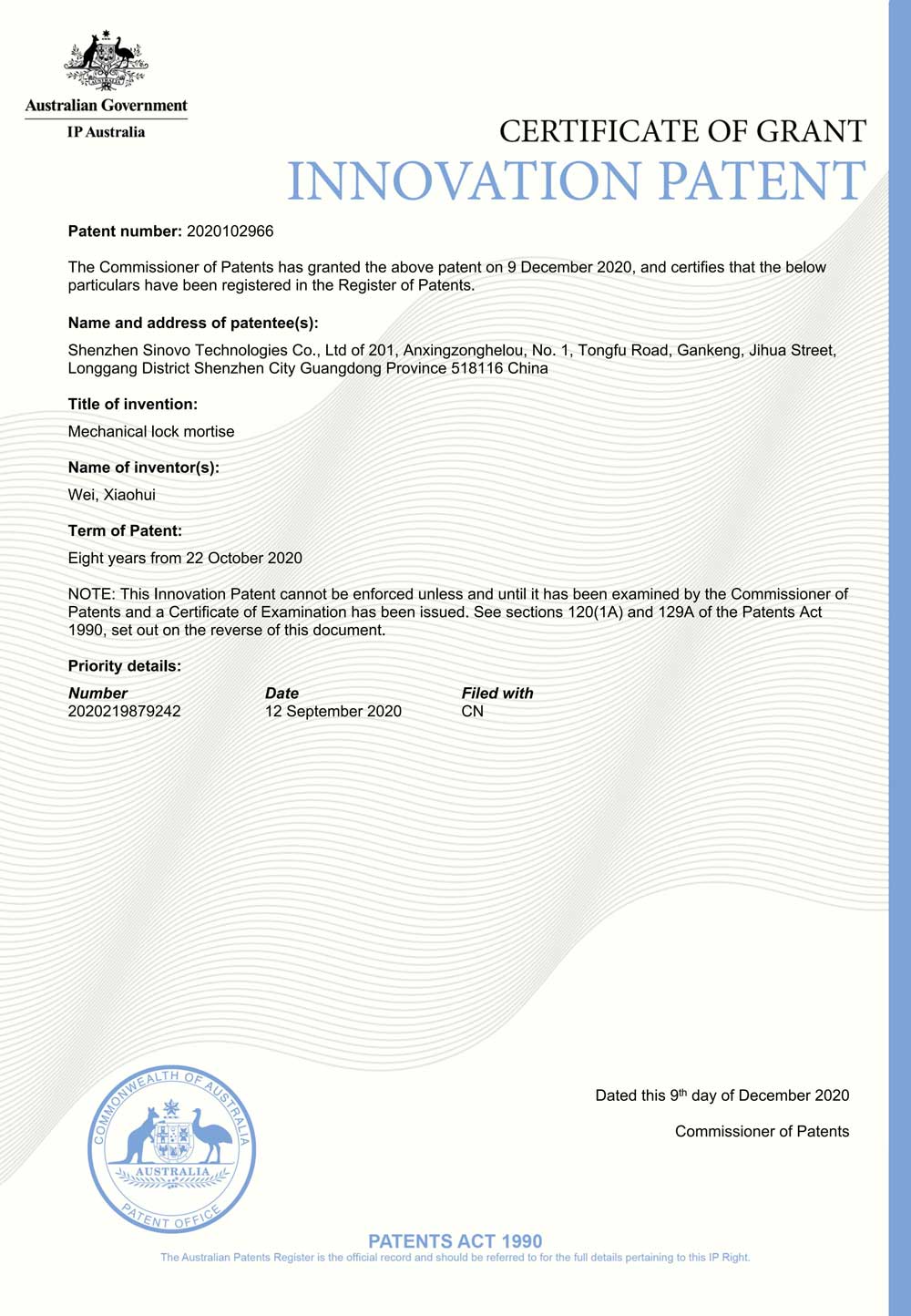
Our Story & R&D Excellence
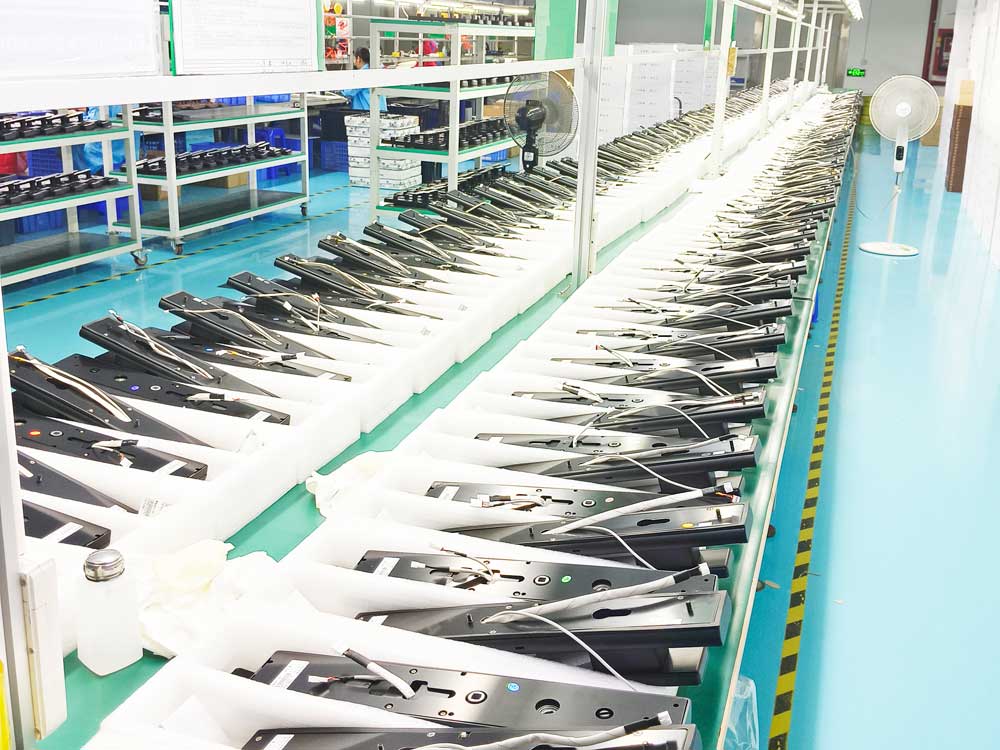
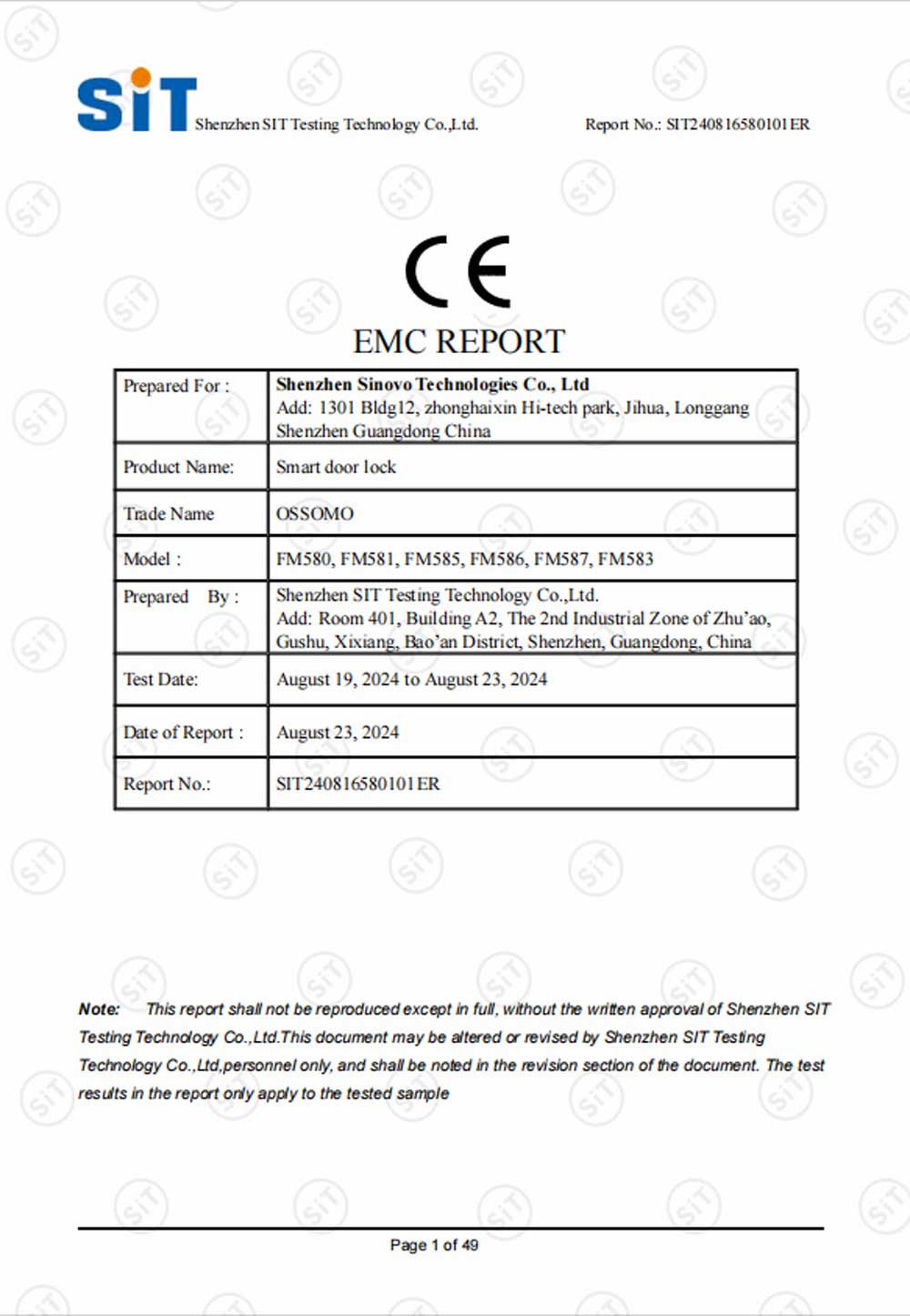
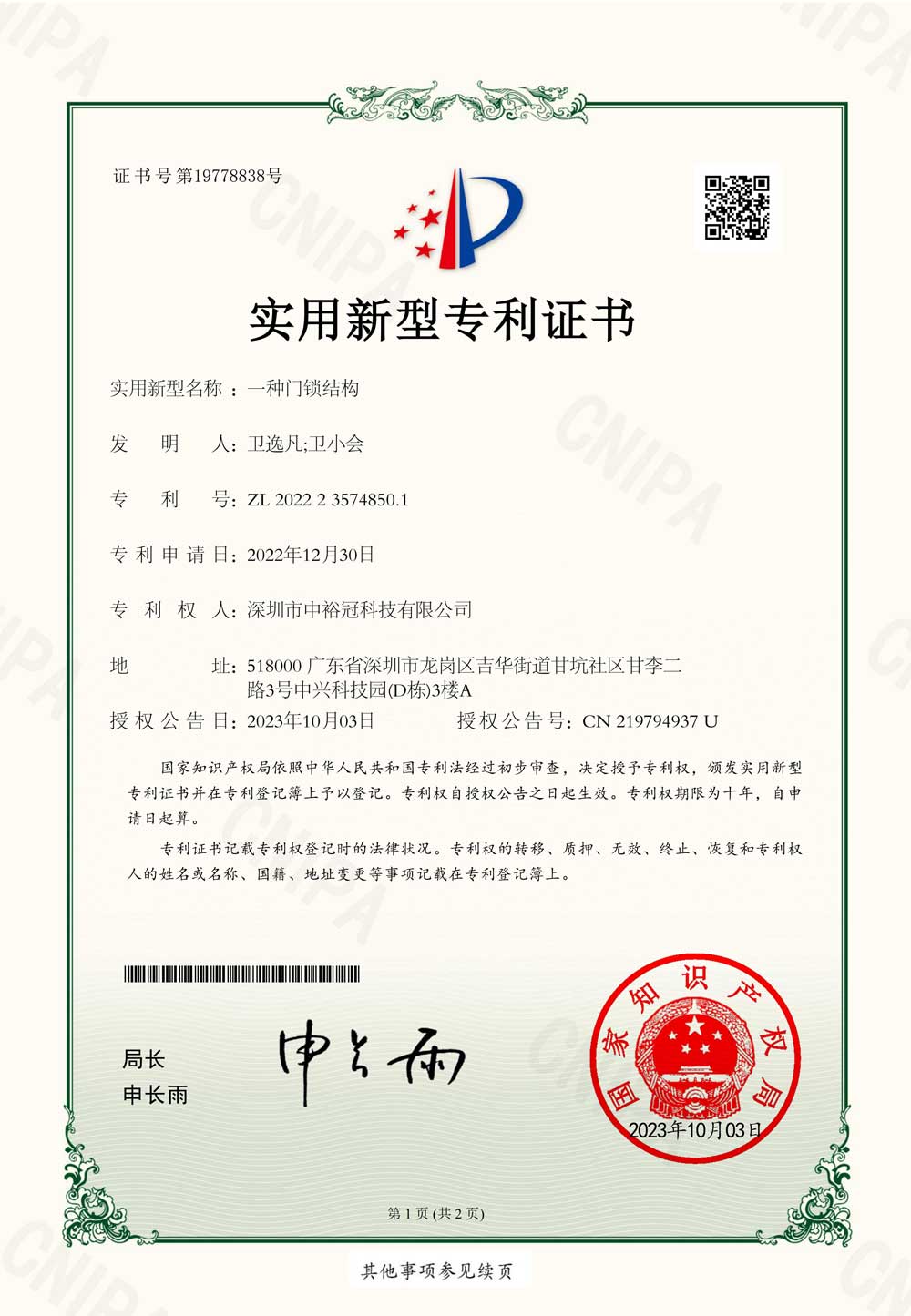
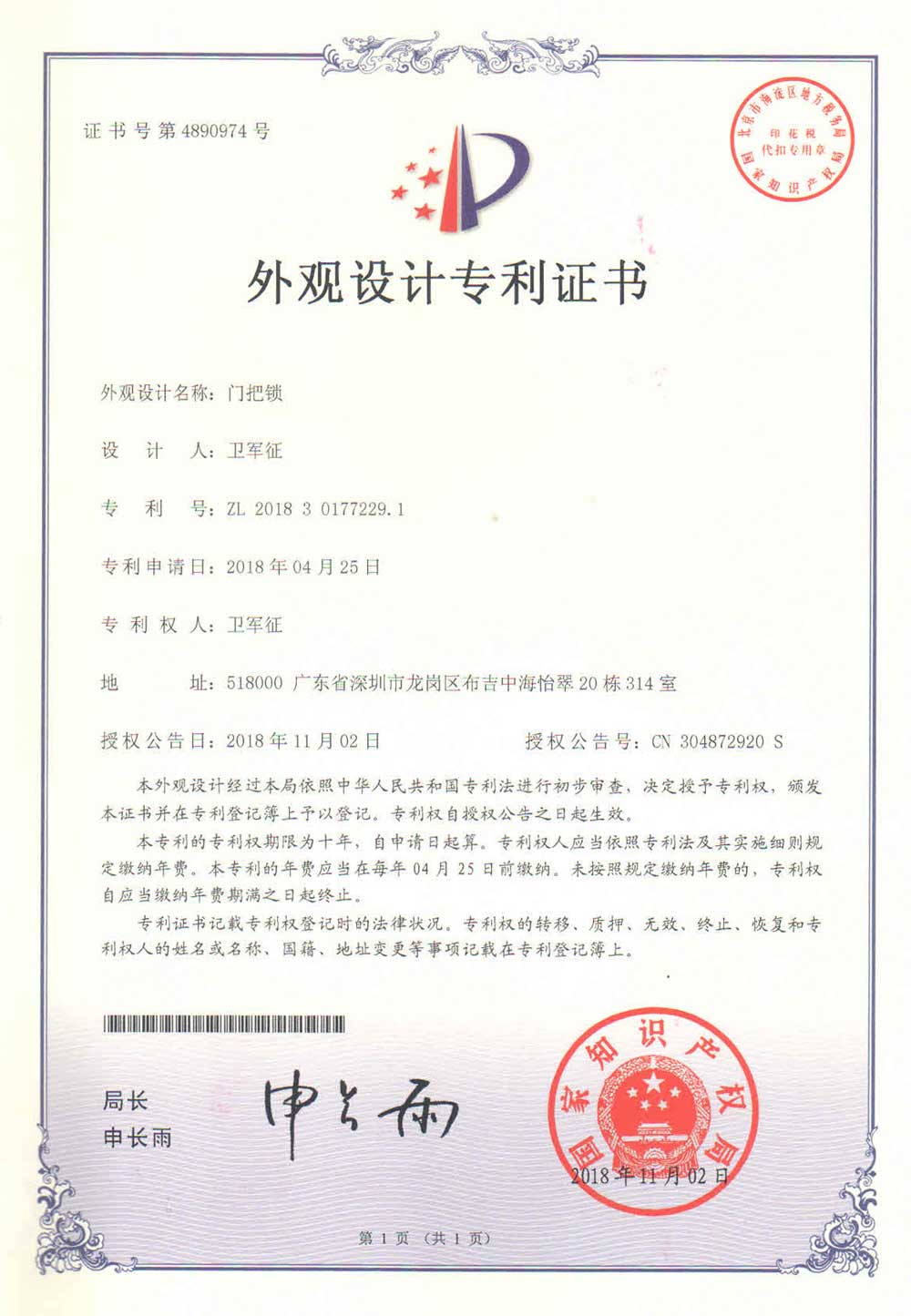
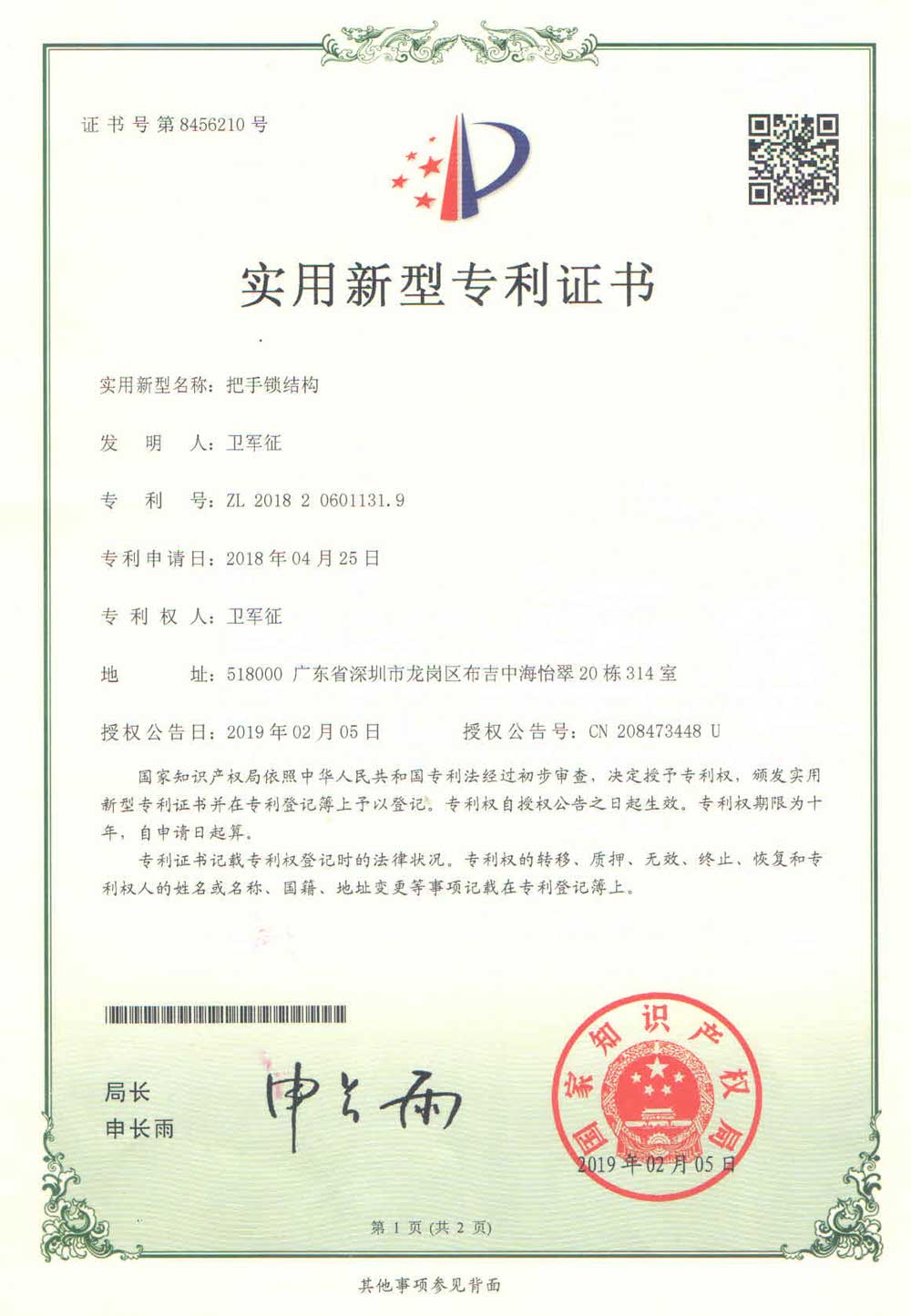
Sinovo began with a team of engineers passionate about smart hardware. Recognizing the market's need for a reliable ODM partner, we set out to build a company that truly understands technology, manufacturing, and client needs. From a small workshop to serving internationally renowned brands today, we have remained focused on transforming ideas into mass-producible, high-quality products. Our successful development of smart locks and other products for world-leading brands stands as a testament to our expertise and commitment.
For historical renovation projects, we offer tailored ODM solutions, adapting our advanced locking mechanisms to meet specific architectural requirements, local European lock dimensions, and strict aesthetic guidelines.
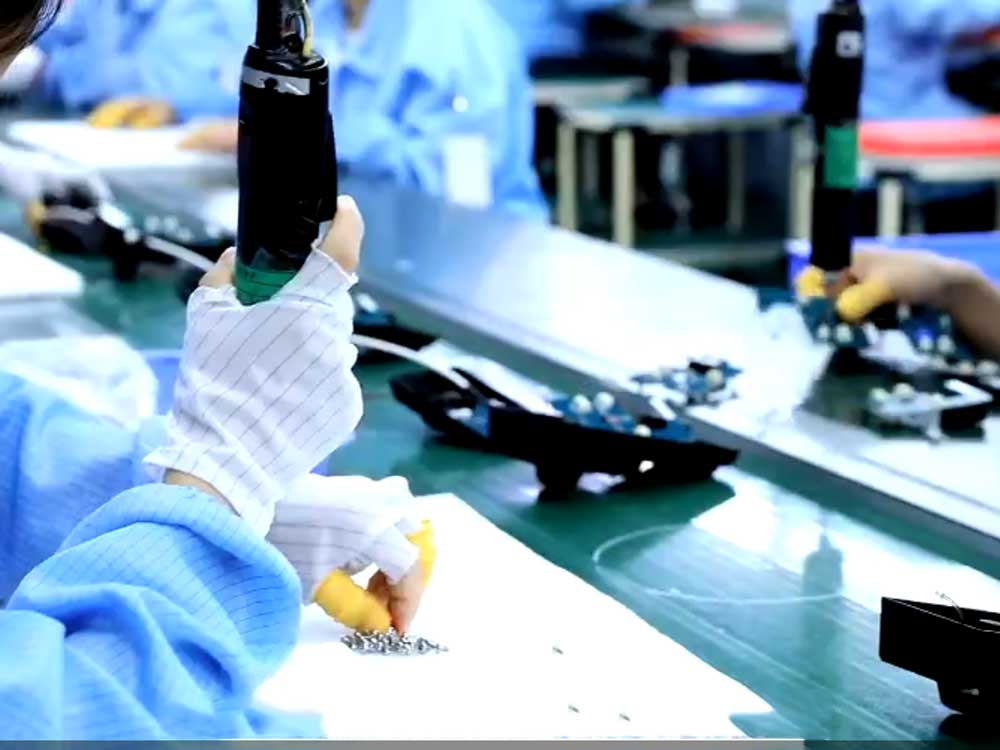
Assembly Line
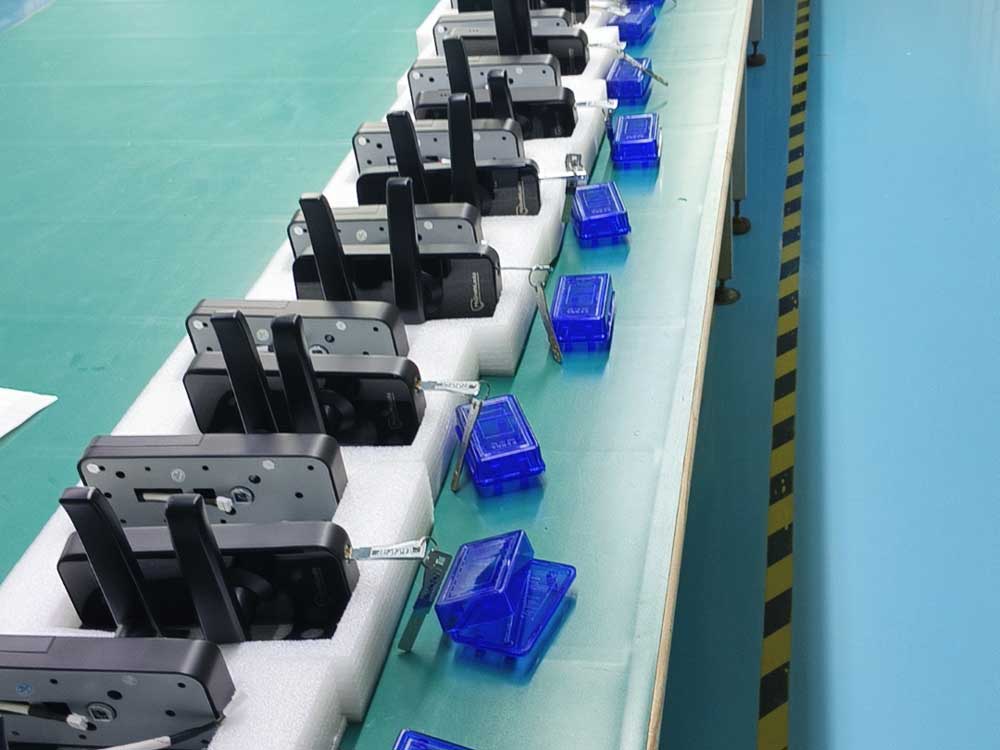
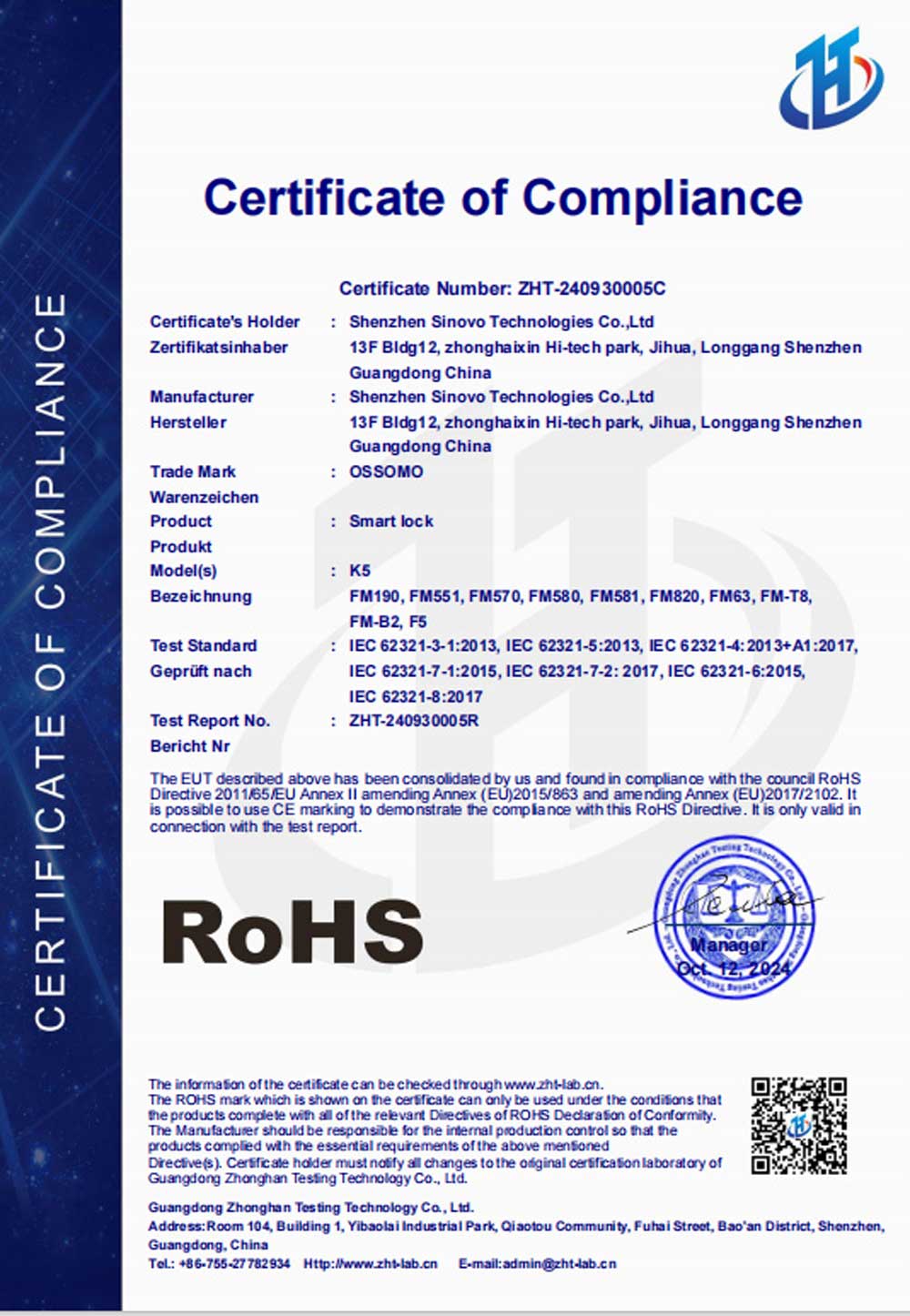
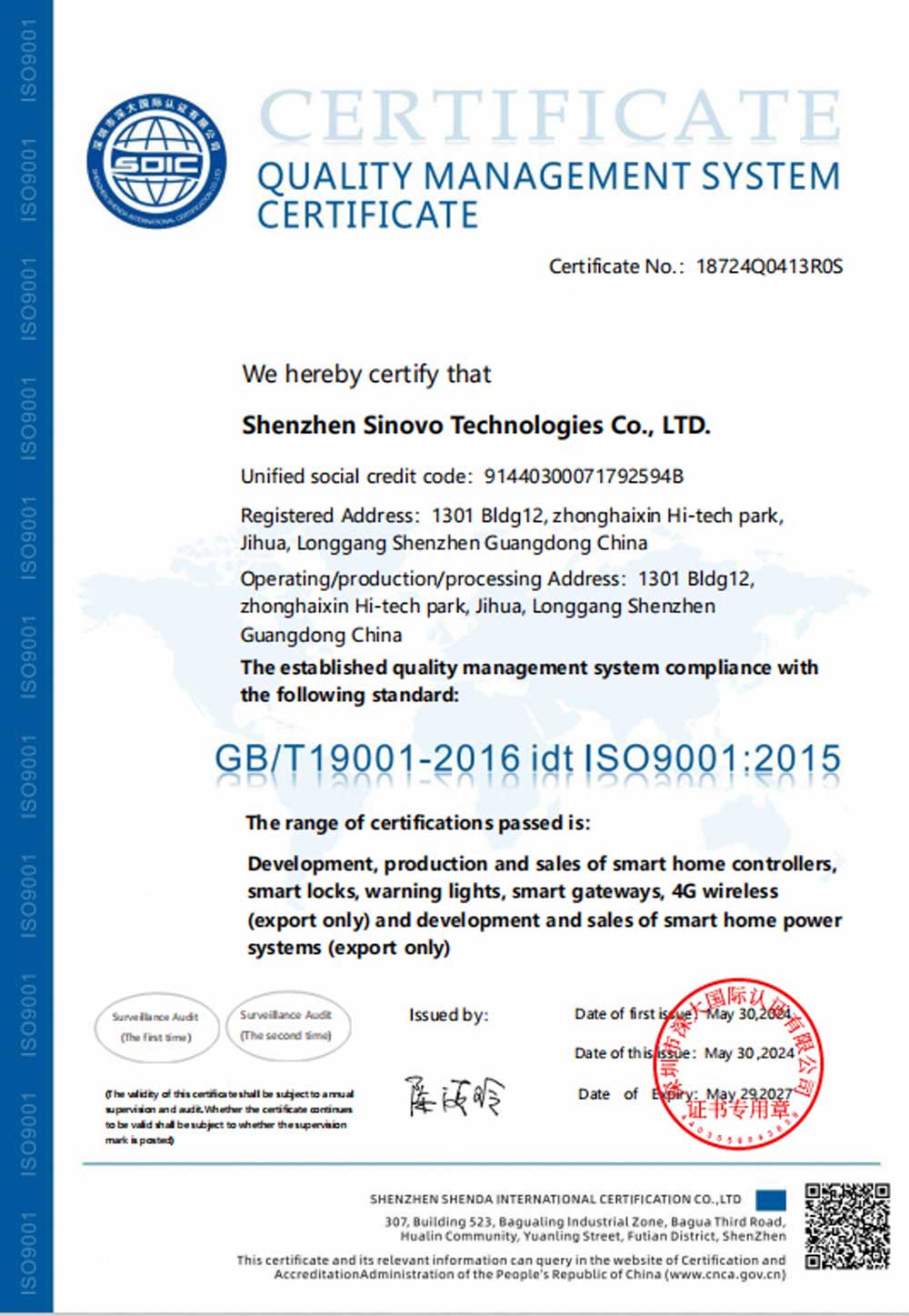
Quality Control
Testing Lab
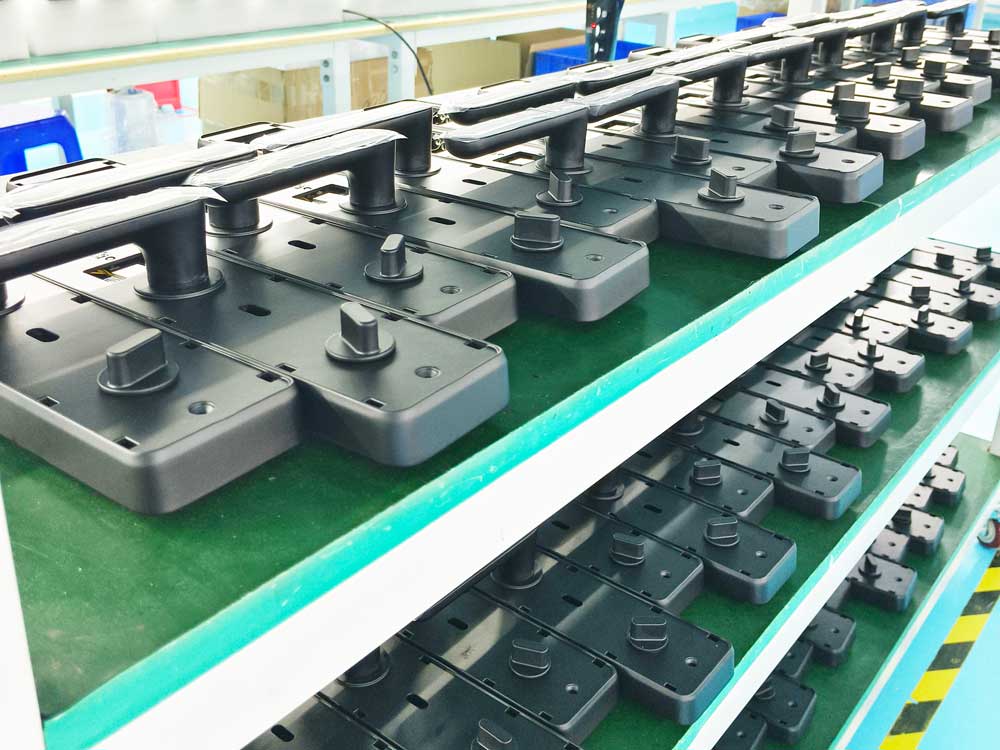
CNC Machining
Smt Workshop
Precision Assembly
System Testing
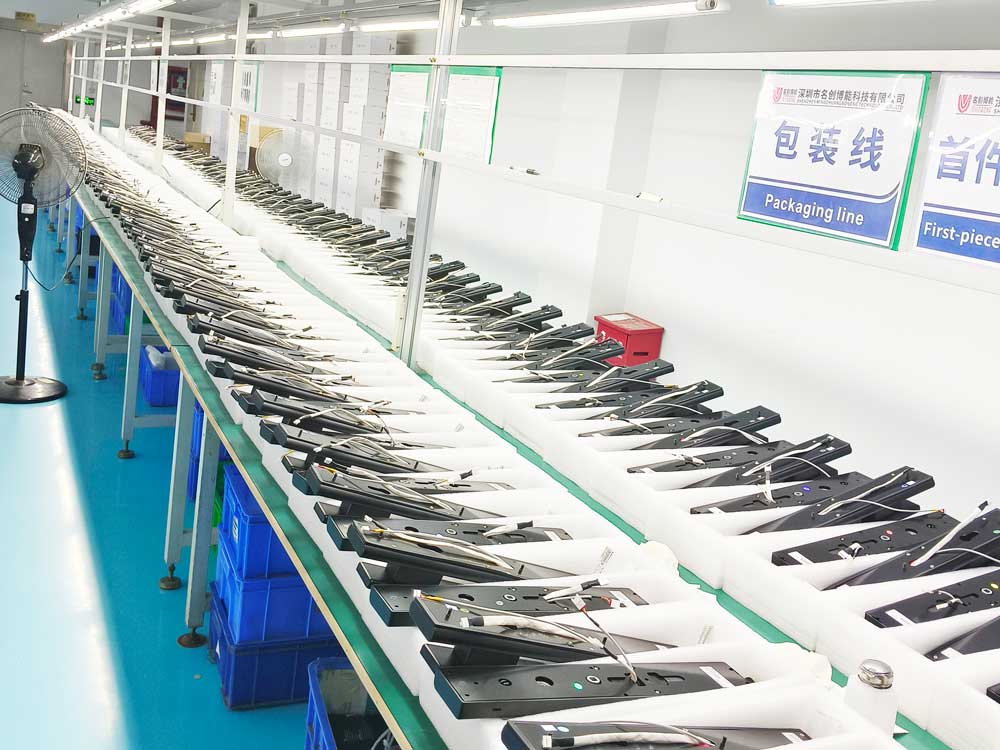
Packaging Section
Partners & Recognition
We have established long-term collaborations with several well-known domestic and international brands. Their trust is the strongest endorsement of our R&D and manufacturing capabilities. Our clients' success is our greatest motivation.
Comprehensive Access Solutions for Historical Renovations
Browse our full range of smart lock solutions, built for extreme durability, modern aesthetics, and seamless integration.
Ready to Collaborate on Heritage Renovation Projects?
We believe that outstanding smart products come from meticulous attention to detail and a steadfast commitment to promises. If you are looking for a reliable, efficient, and dedicated ODM partner for your smart home projects, Sinovo Technologies is ready to work with you in shaping the future of intelligent living.

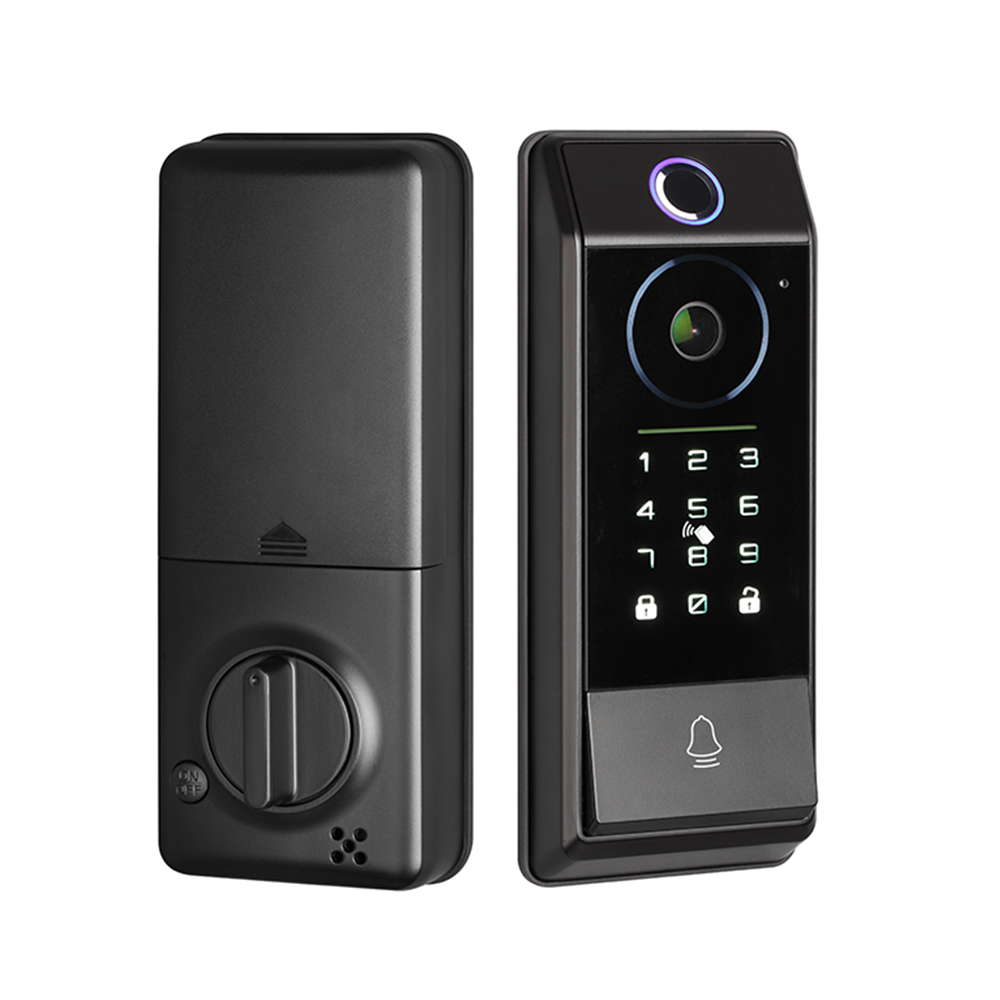 Smart deadbolt lock with video doorbell and two way intercom for front door security A229
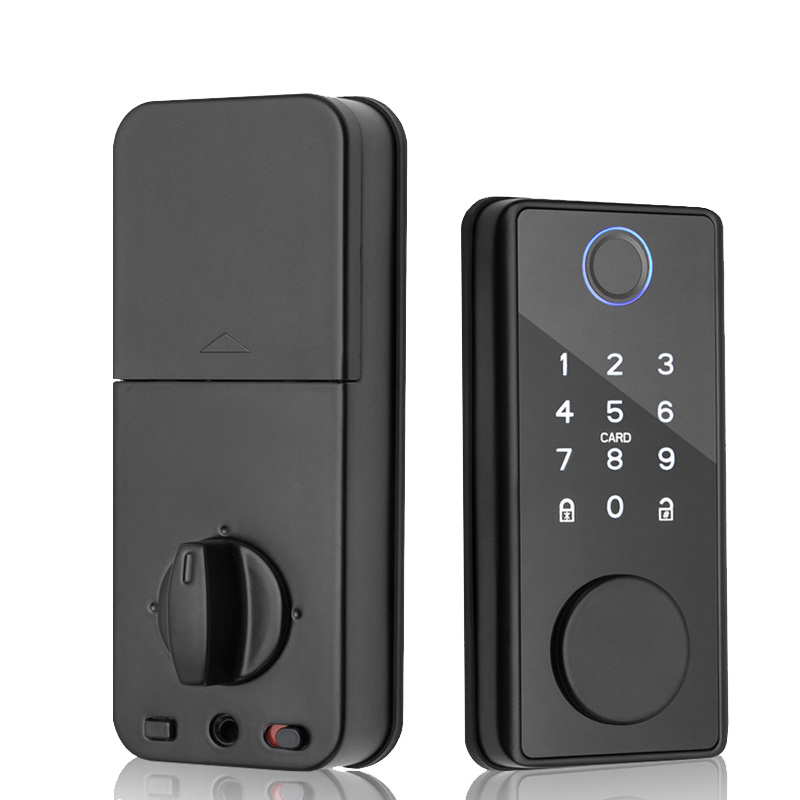 Bluetooth Deadblot Smart Lock with keyless access works with Google Alex tuya FM31
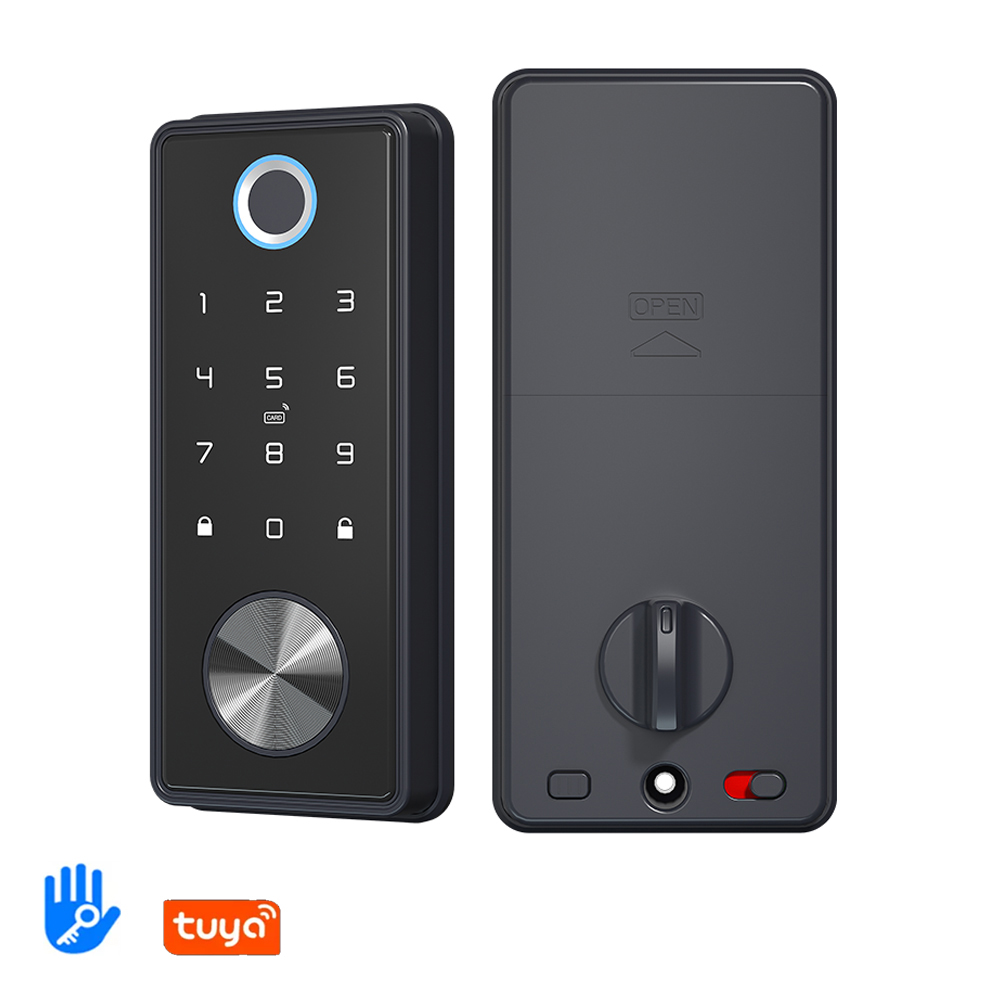 Waterproof Deadbolt Digital Lock supporting TTlock ble or TUYA wifi FM560
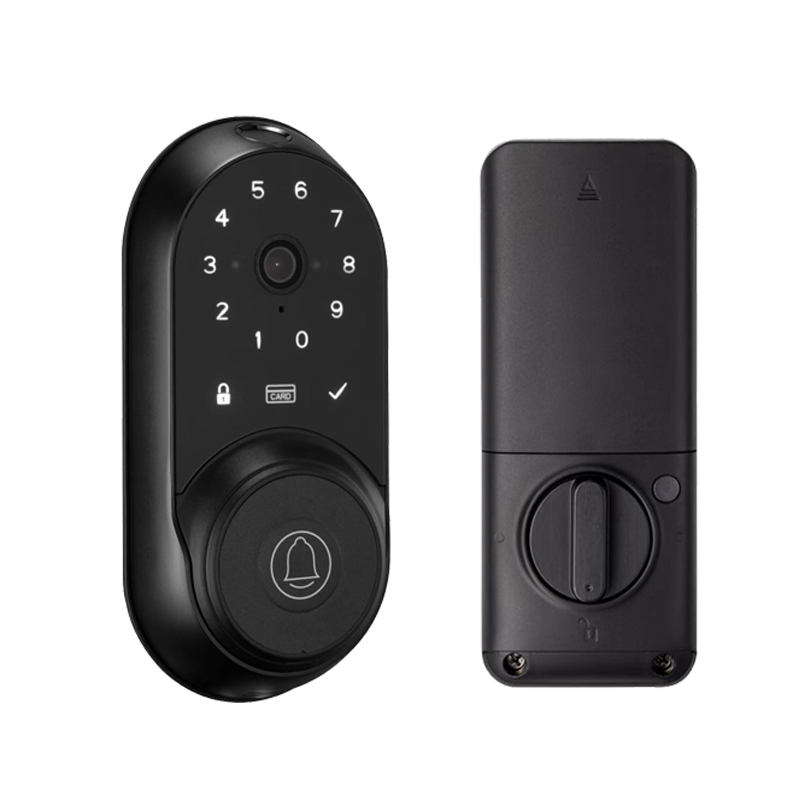 WIFI Deadblot Smart Lock with Video Doorbell works with Alexa Google Tuya FM880
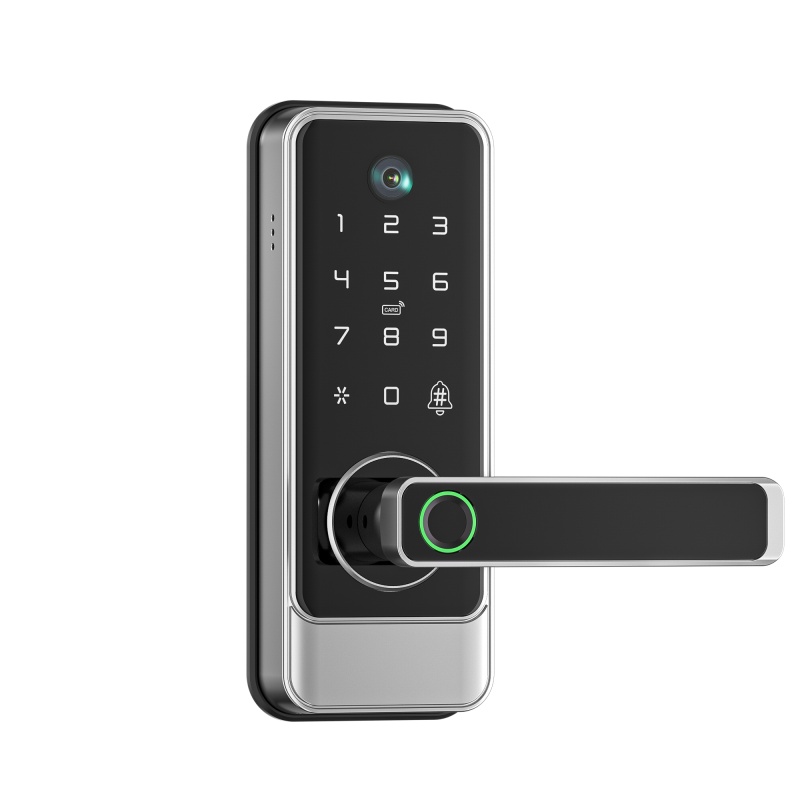 Keyless Entry Lever Lock with doorbell and Video Camera for Live Viewing
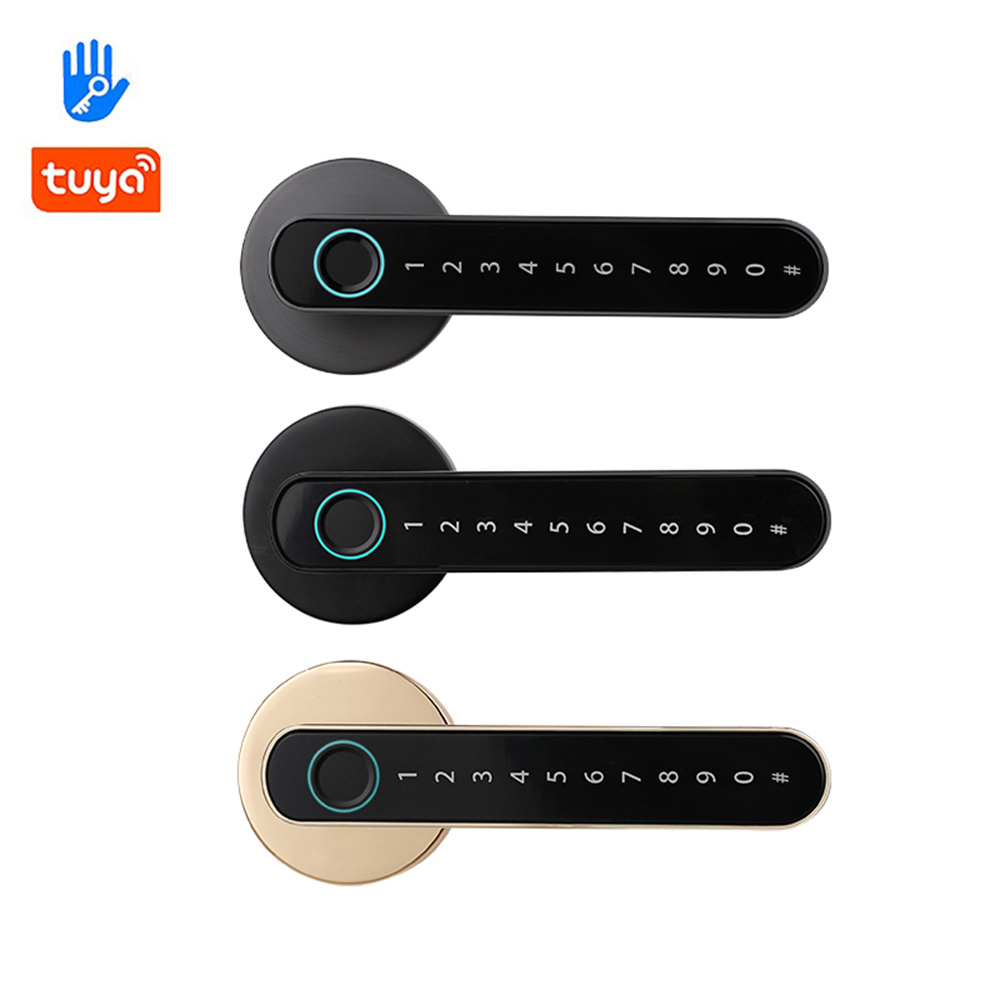 Bluetooth Lever Lock unlock by fingerprint recognition, password and App eKeys T8
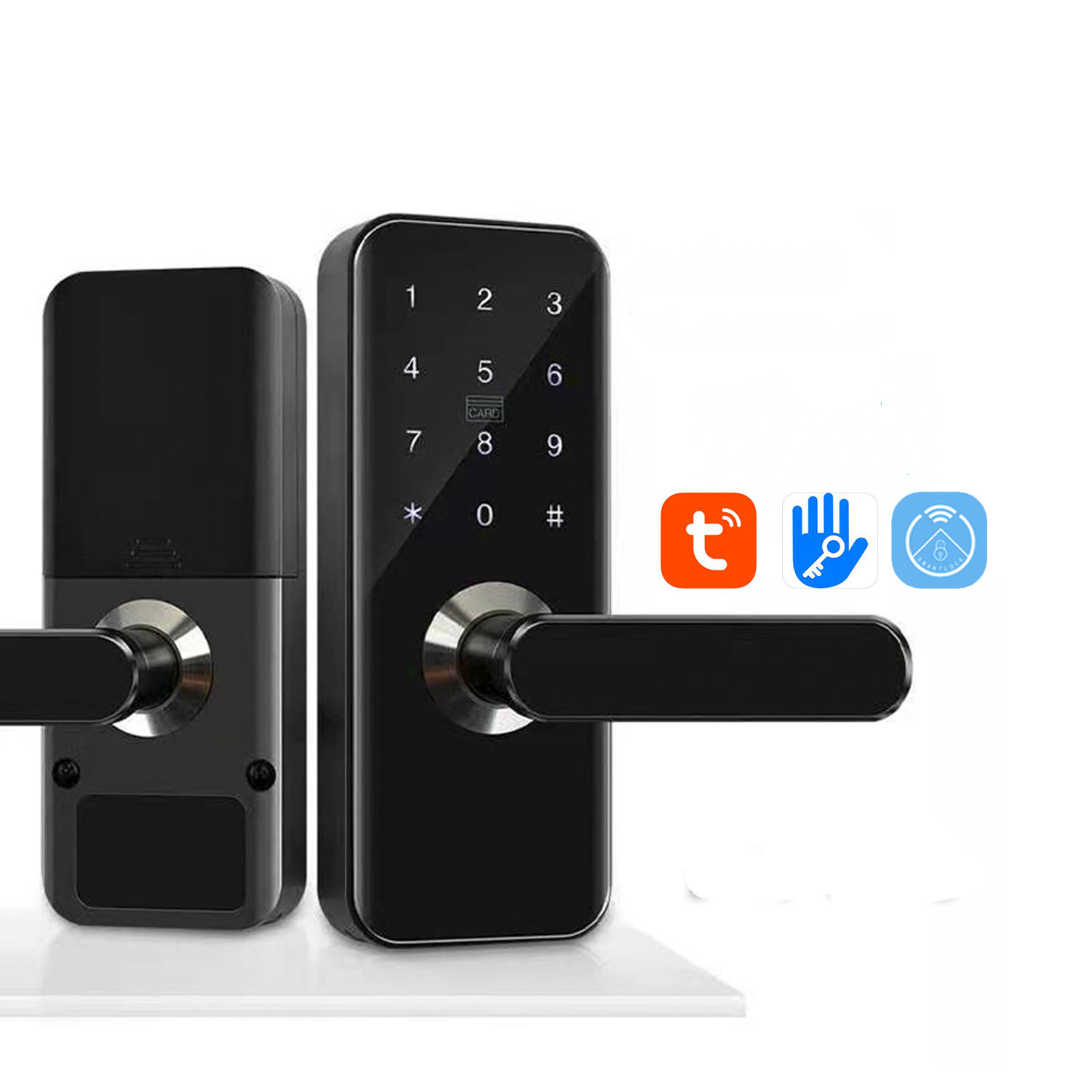 Smart lever lock supports TTlock bluetooth and TUYA wifi FM810
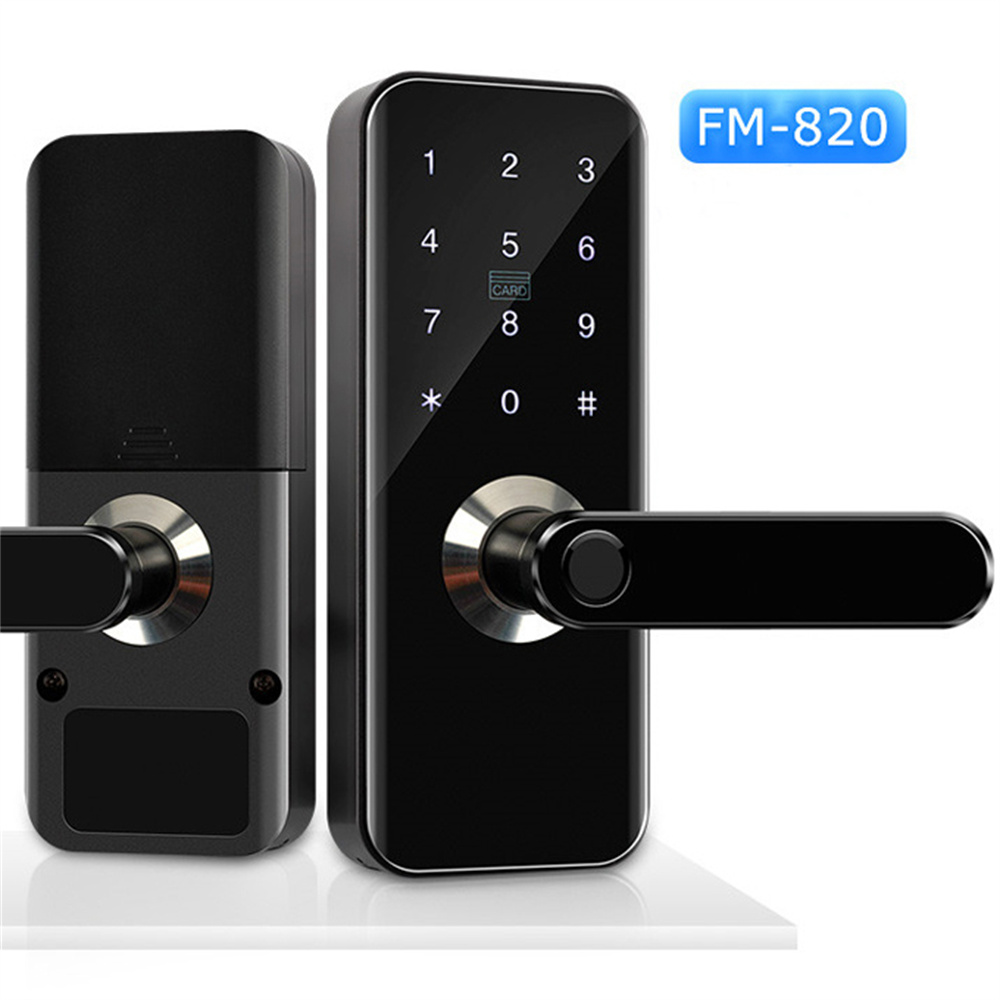 Fingerprint Smart Lever Lock with one touch Keyless Entry fits US Knob & Lever FM820
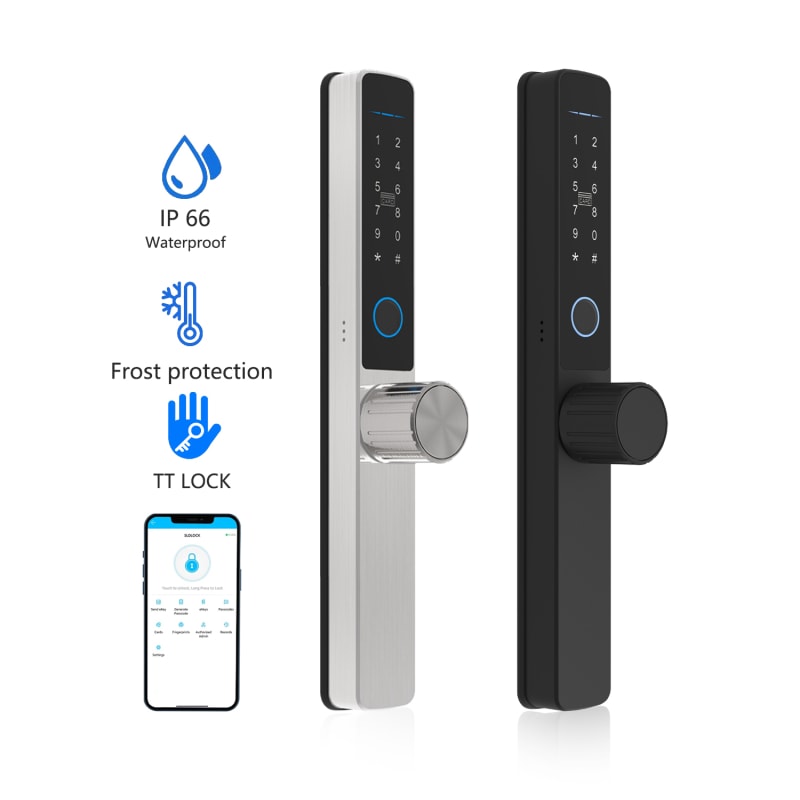 Keyless Entry Door Lock Fits Both Traditional Mortise and Smart Lock Mortise
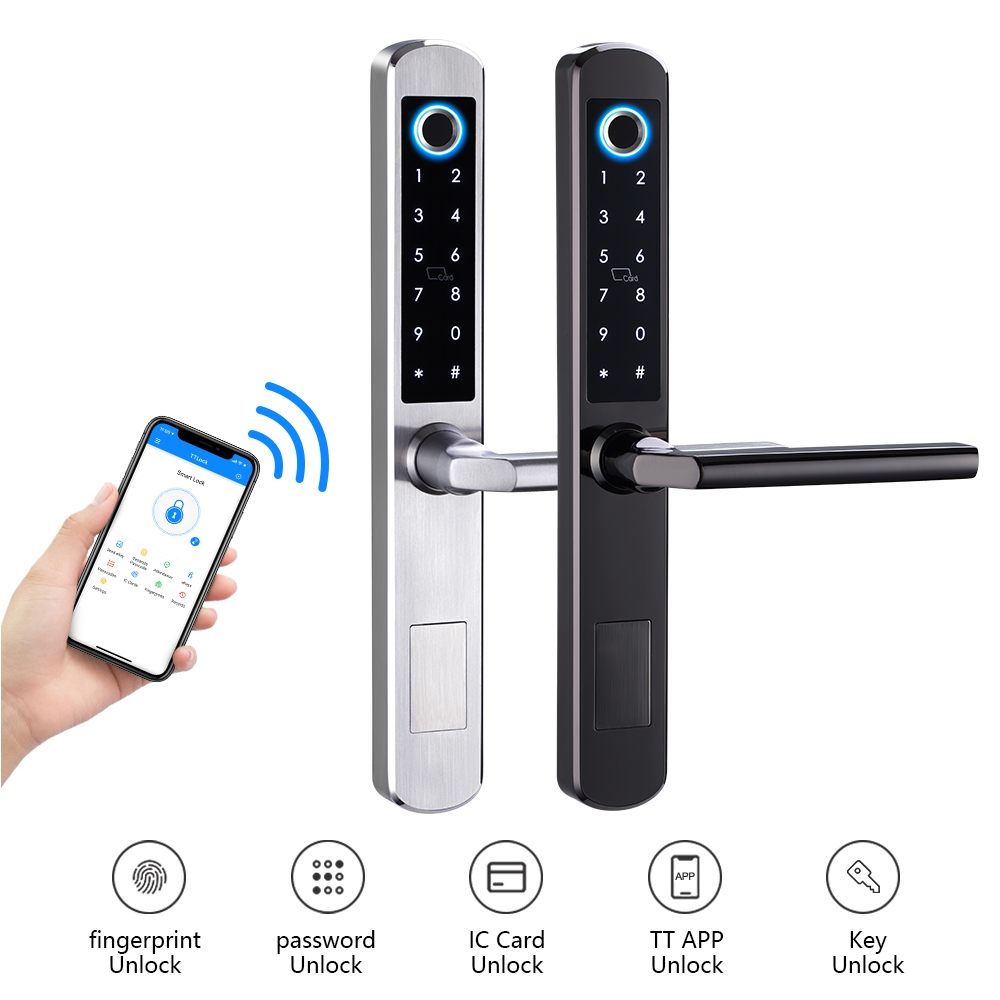 Slim 304 stainless steel keypad lock with IP65 waterproof case for thermal break sliding doors FM210
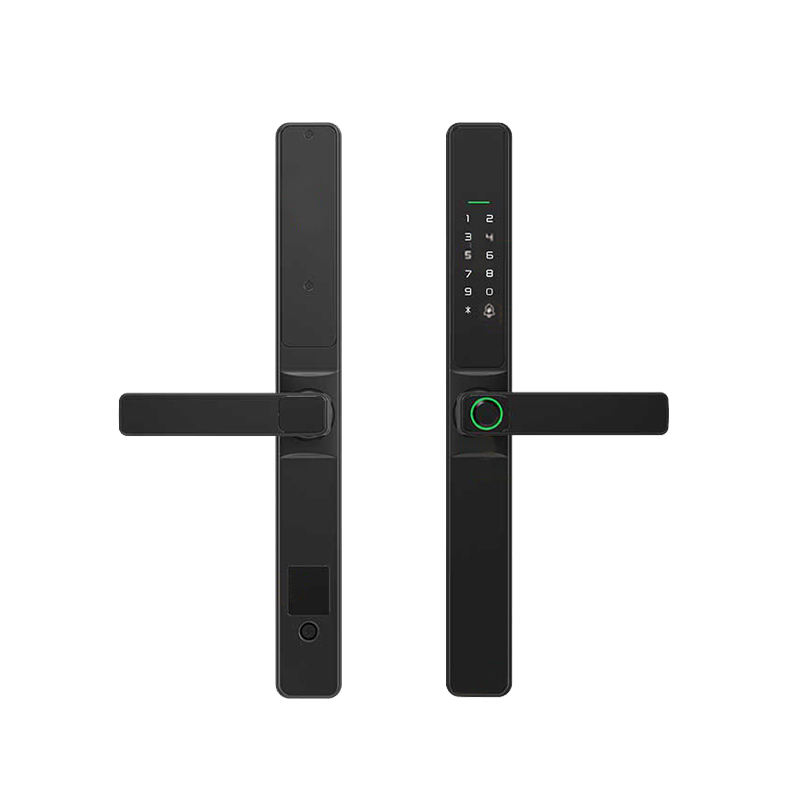 Fingerprint lock with hook mortise for slim sliding door and IP66 waterproof for outdoor use F6
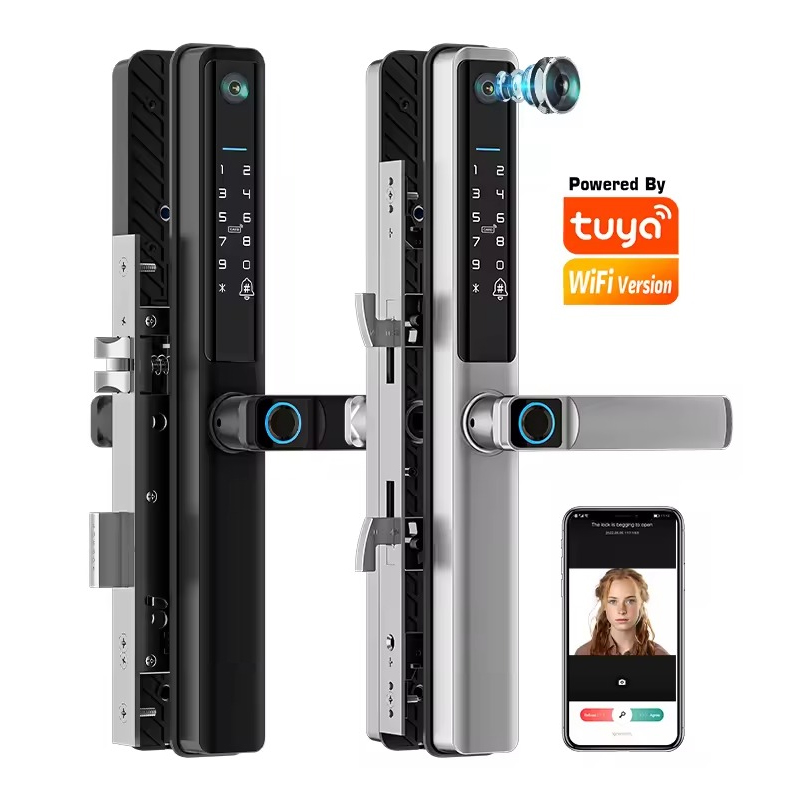 Keyless entry door lock for slim sliding door with camera and doorbell F5 PRO
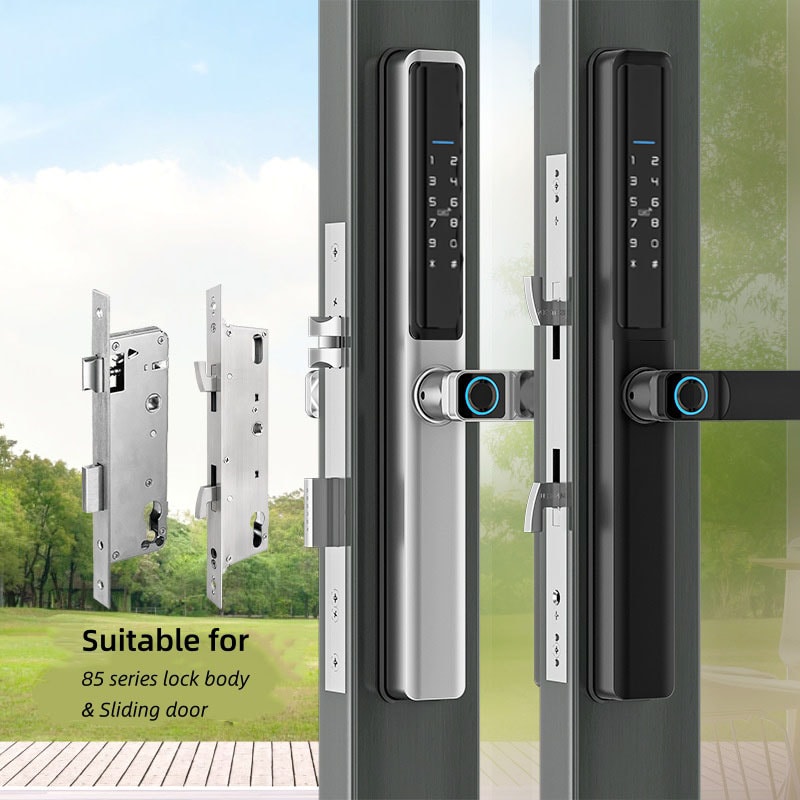 Smart door lock with hook mortise for aluminum slim sliding door F5
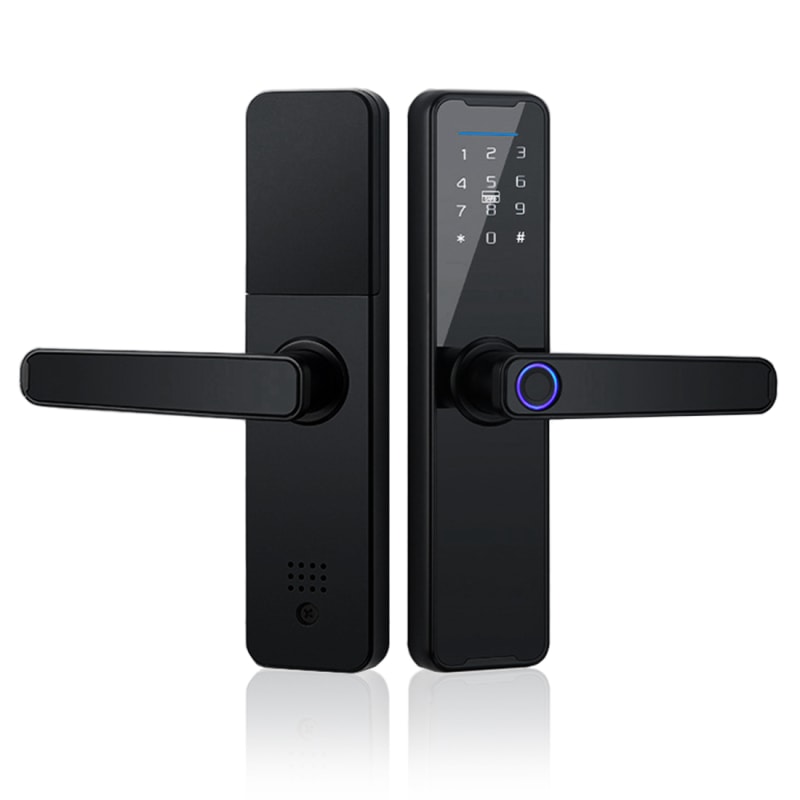 Front door smart Locks made of aluminum alloy compatible with multiple mortise types
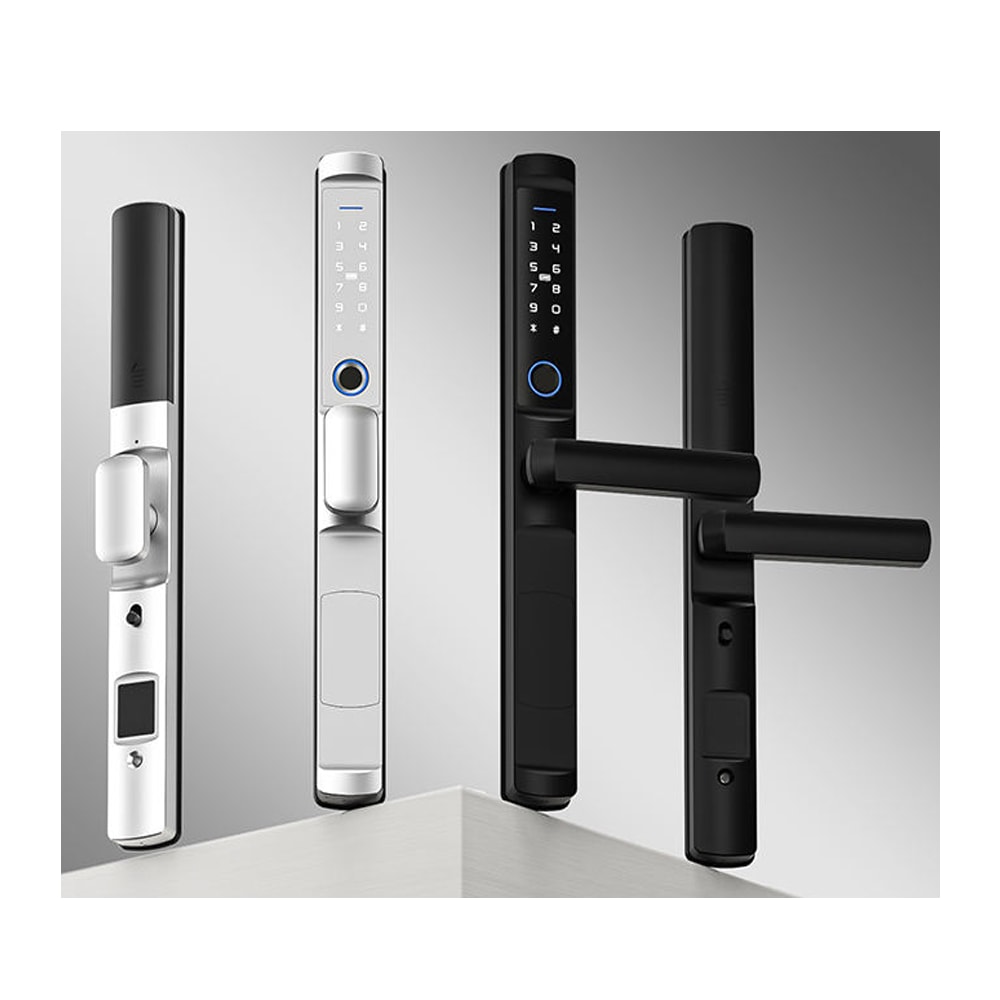 Keypad Door Lock with IP66 Waterproof case and Two Handle Styles Options
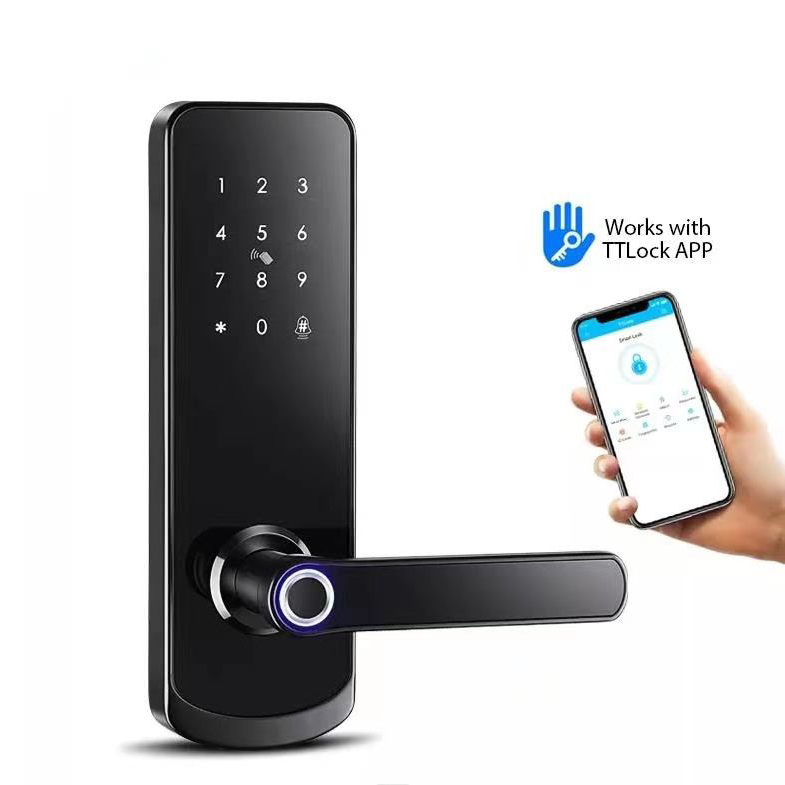 Fingerprint door lock for Front door with Anti-prying latch to prevent the card prying the door
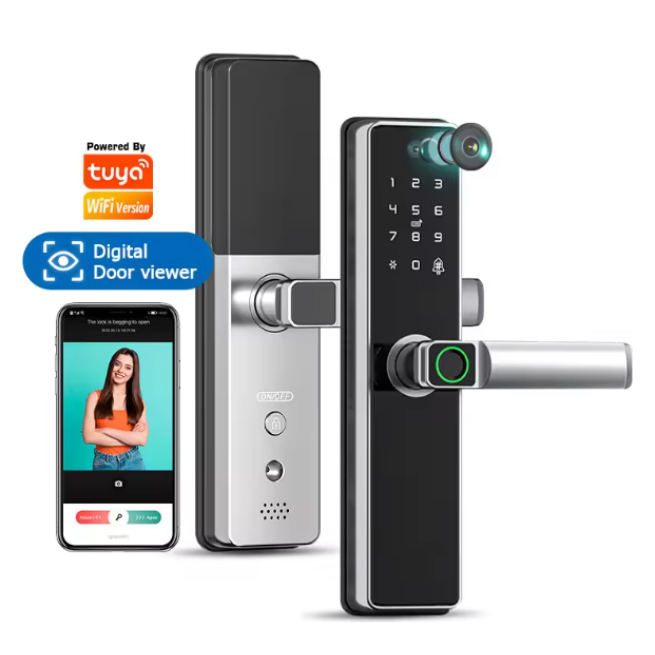 Front Door Keypad Lock with Fingerprint and Doorbell B2
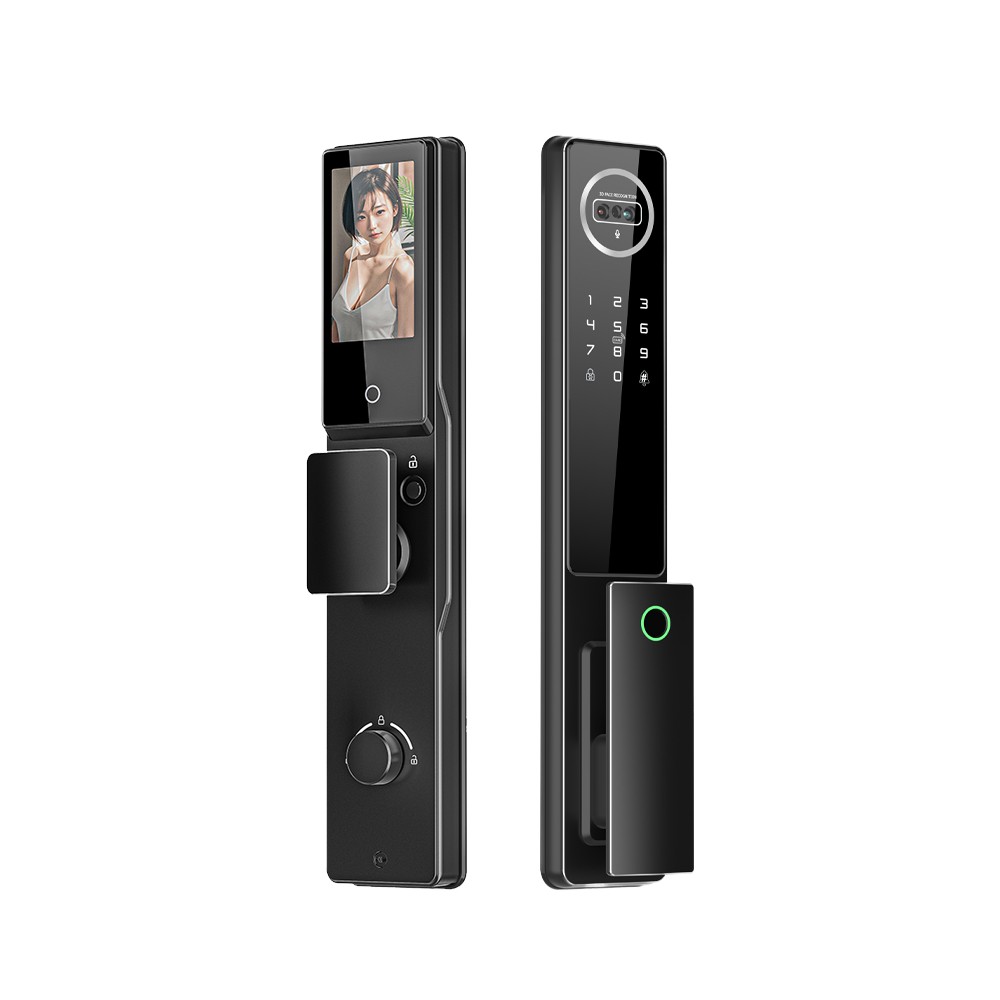 Face Recognition Smart Door Lock with Video Intercom Doorbell Tuya WiFi D1
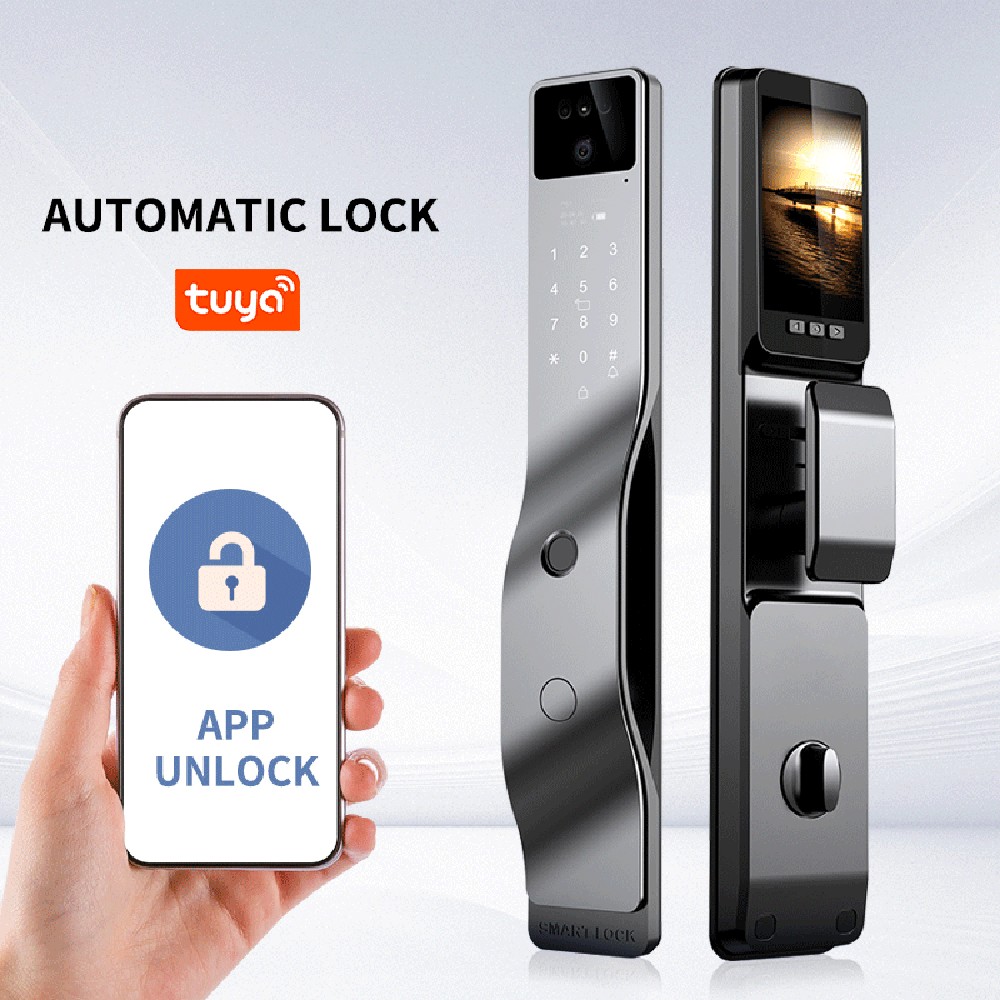 WIFI Smart Mortise Lock with Tuya Video Doorbell support Face Scan Palm Vein F7
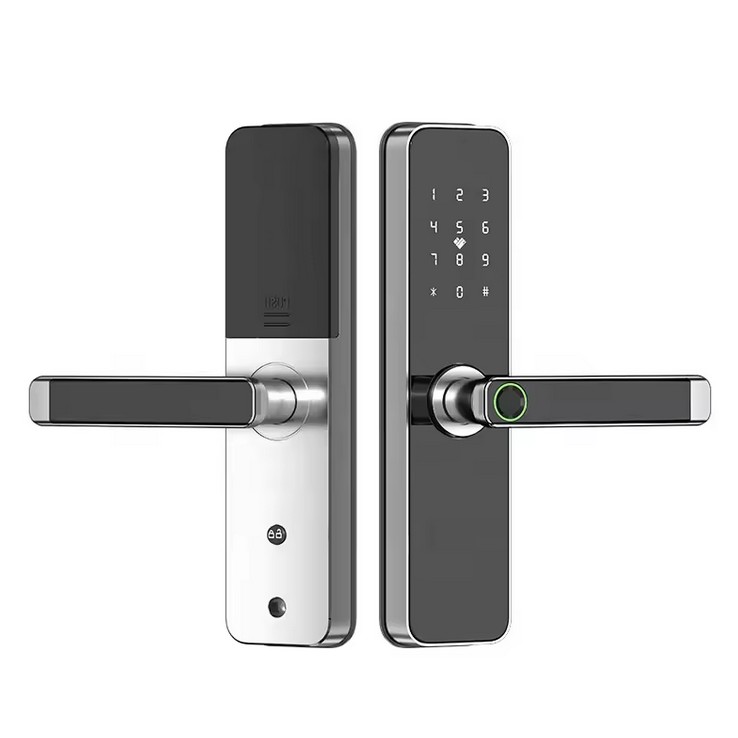 Smart mortise lock with bluetooth and WIFI optional FM028
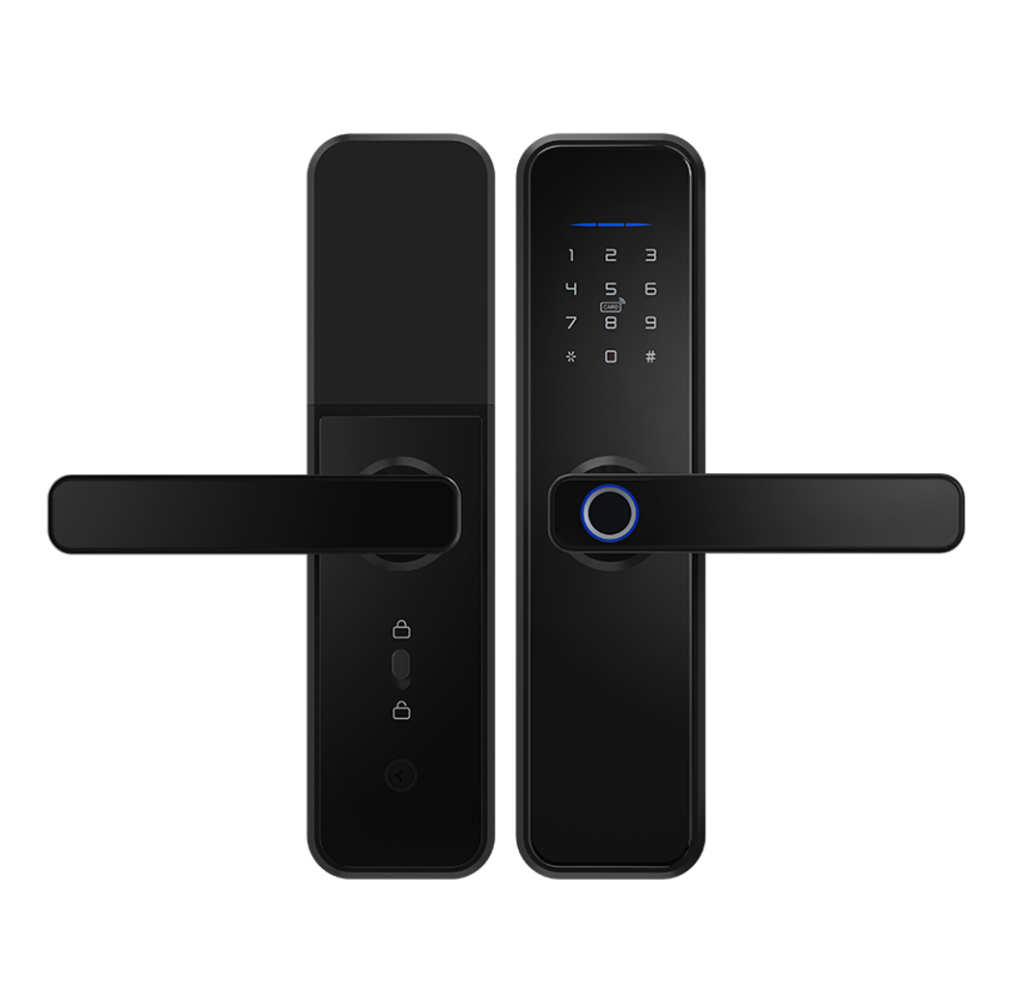 Mortise Smart Lock with multi keyless accesses FM550
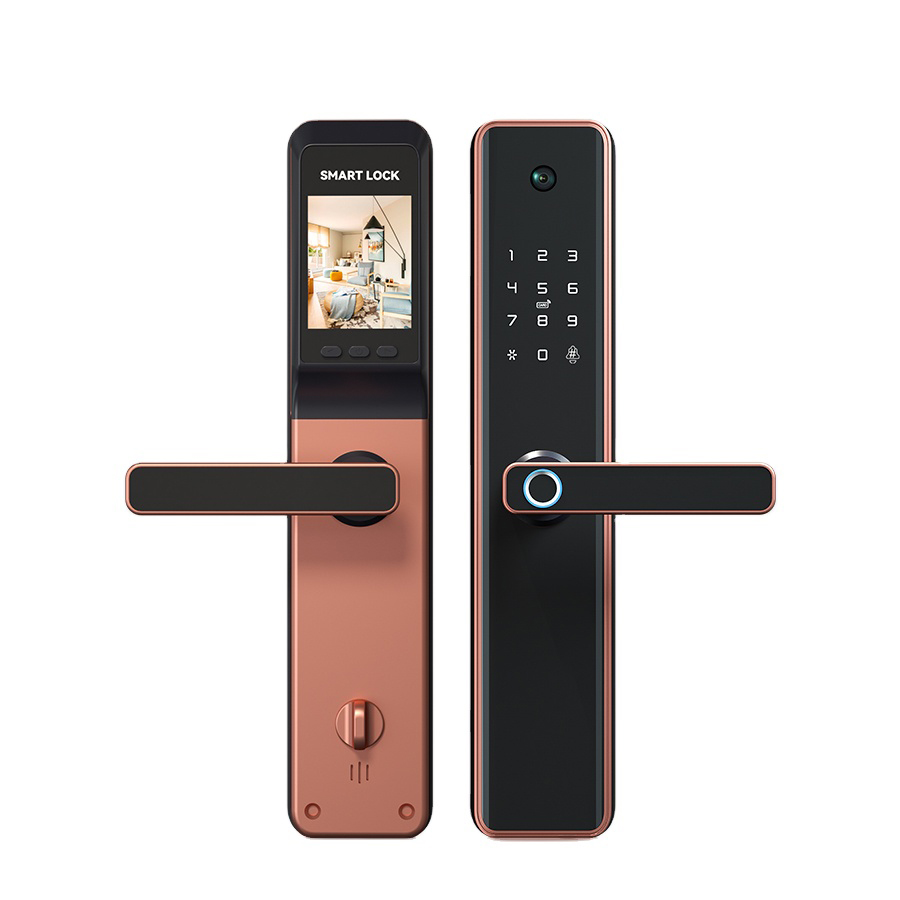 Camera Smart Lock with Finger Scan Supporting Tuya WiFi or Zigbee FM551
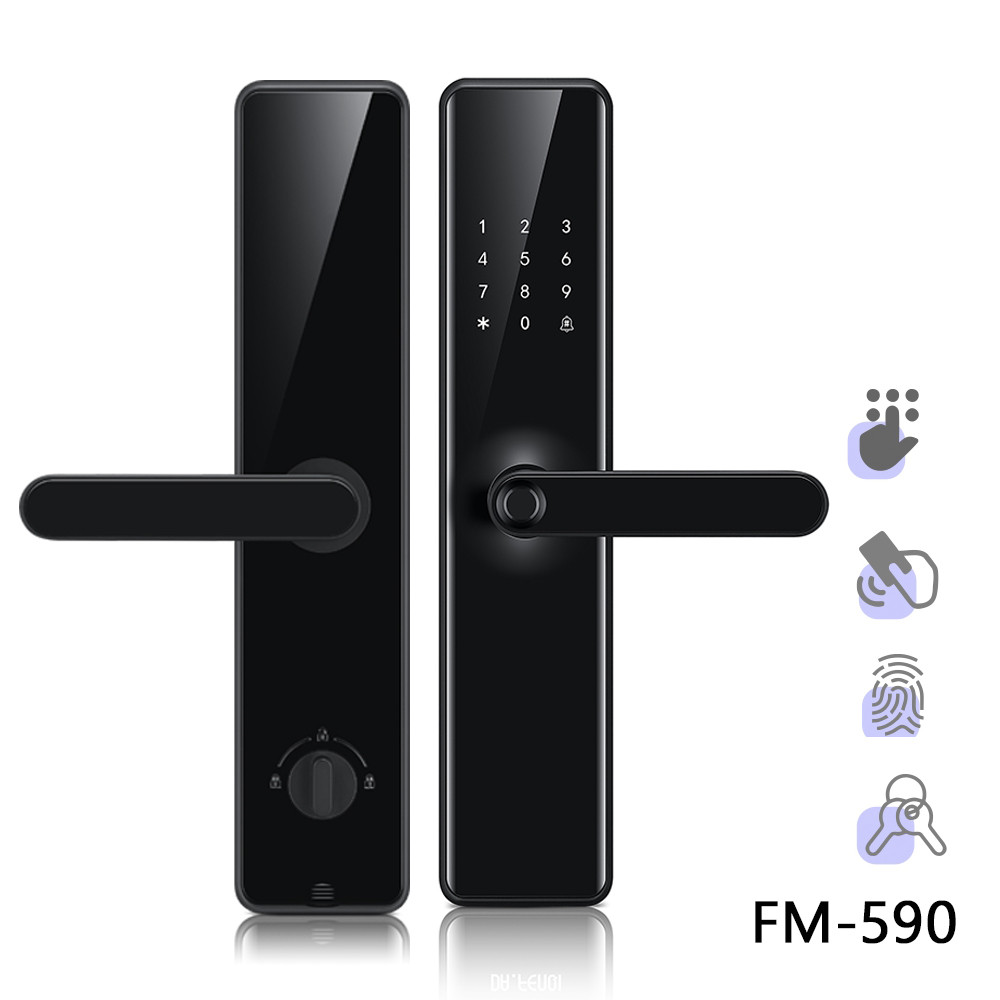 Smart Door Lock with Fingerprint and Voice Control FM590
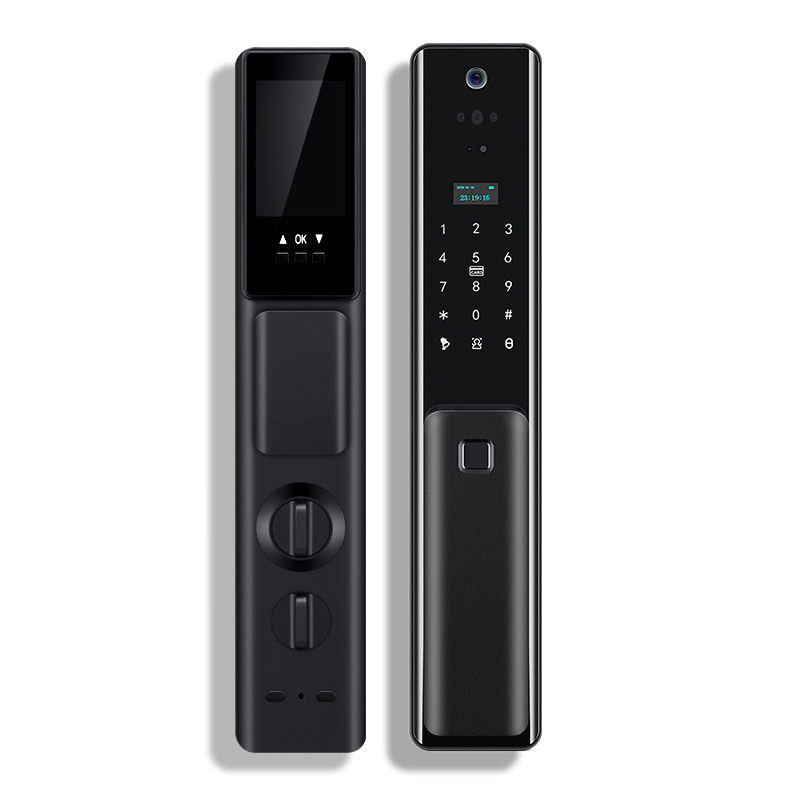 Fingerprint Door Lock with Face Scanner and Camera Supports google home FM720
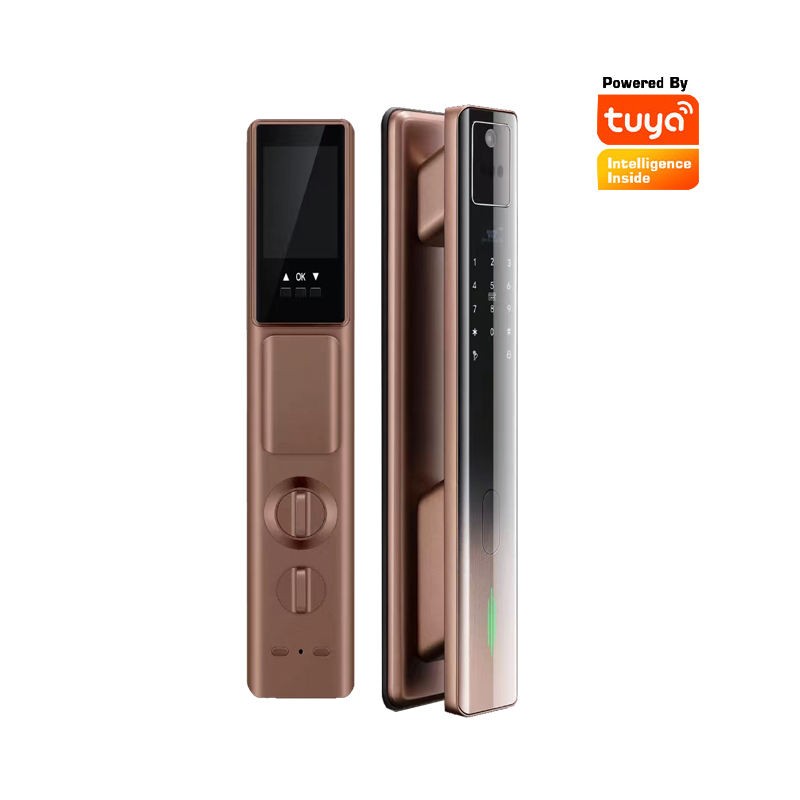 Facial Recognition Smart Lock with Video Intercom and Thumbprint FM730
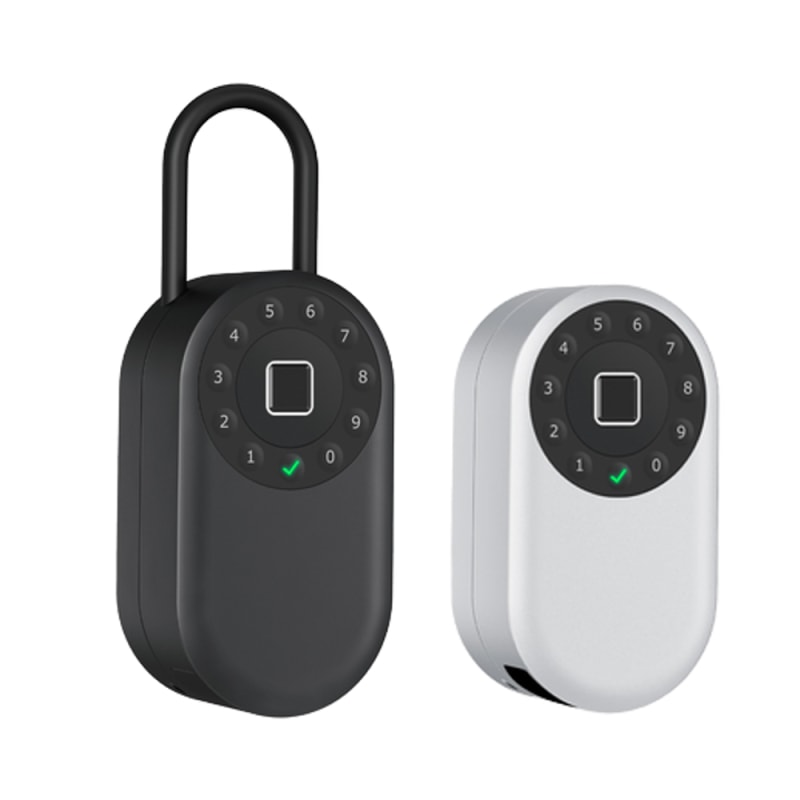 Keyless lock box with physical keypad and TTlock app waterproof for outdoor key storage
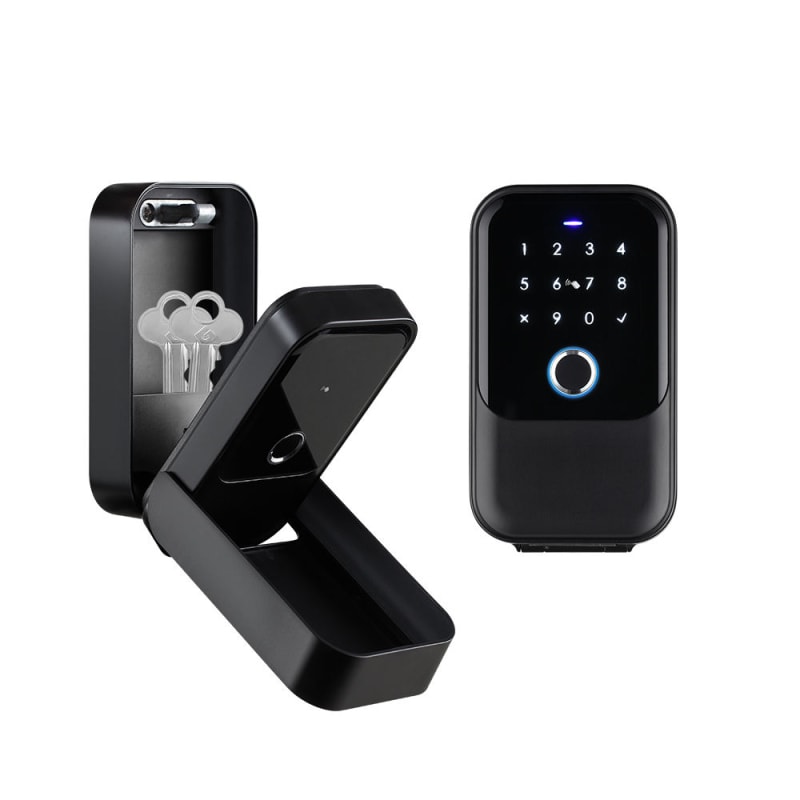 Smart key box with touch keypad and comptible with TTlock and Tuya ble for outdoor use
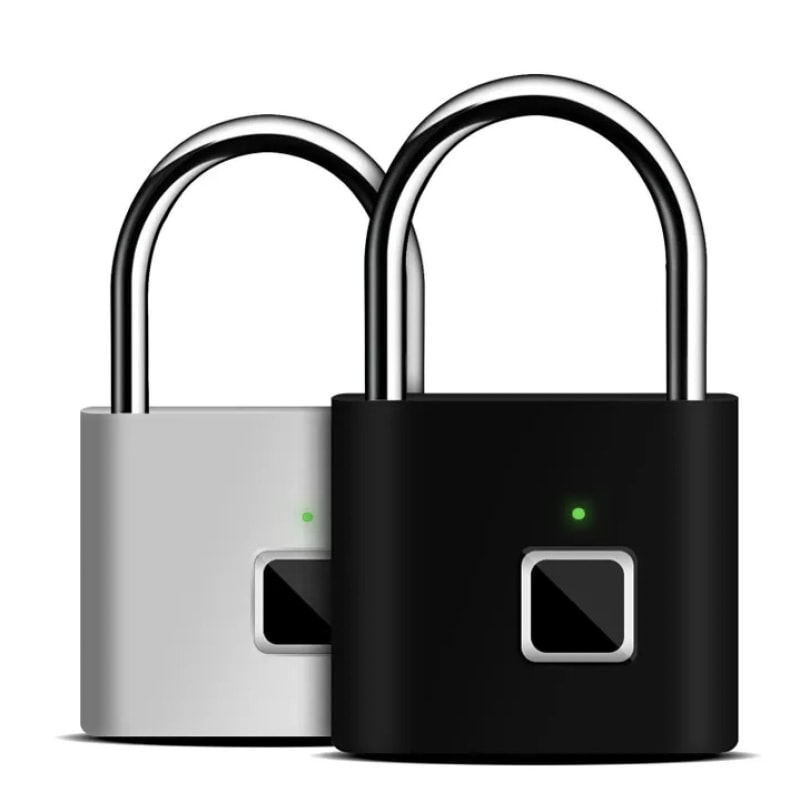 Fingerprint padlock with morse code backup that is rechargeable and portable for everyday use FM570
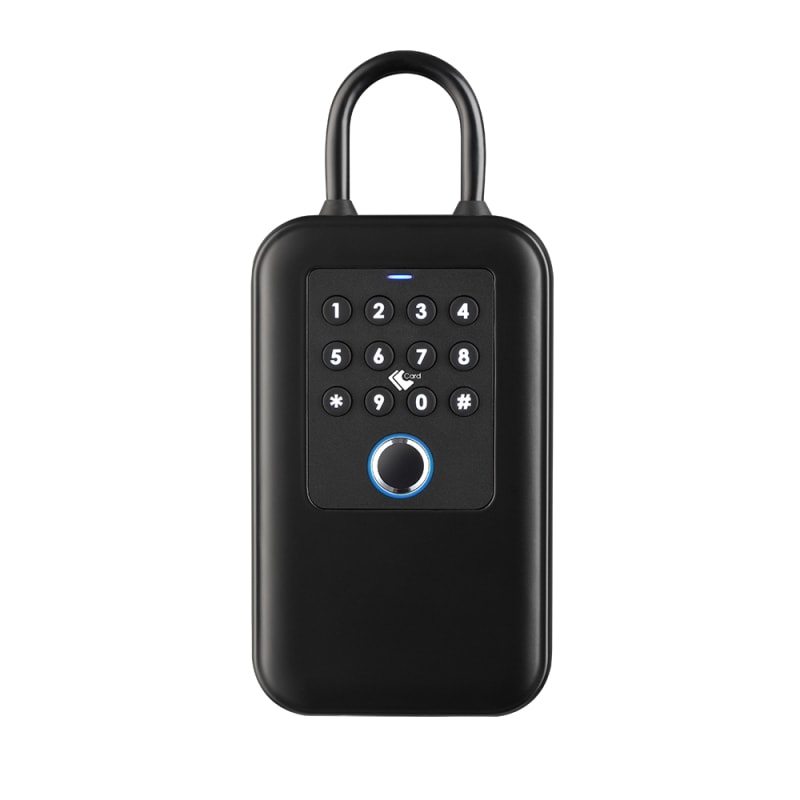 Waterproof key lock box with physical keypad and Tuya app control for outdoor key storage
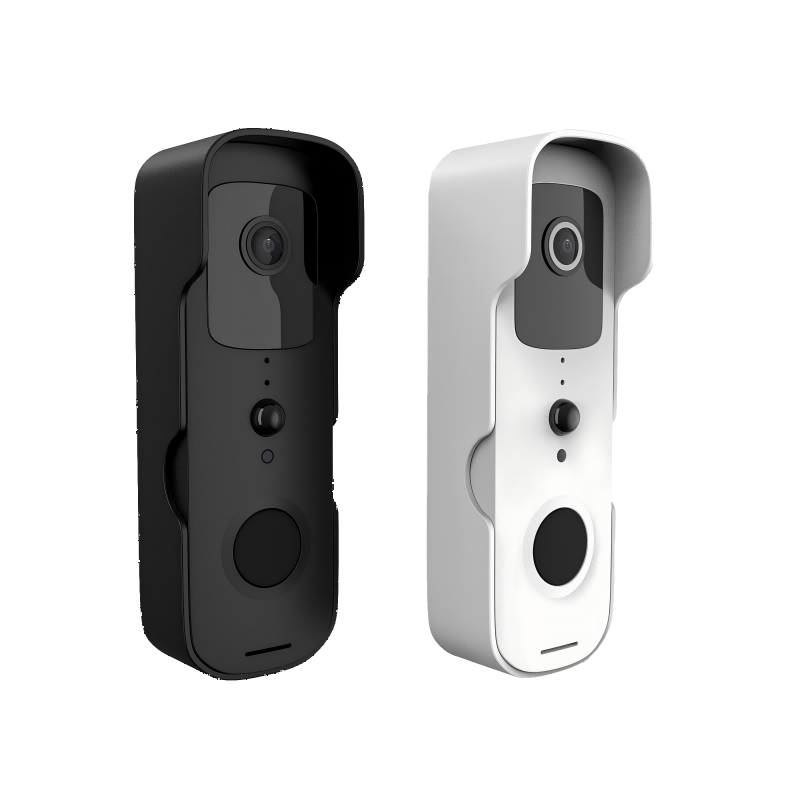 Smart Video Doorbell with Two Way Audio and Tuya WiFi for Home Security FM571
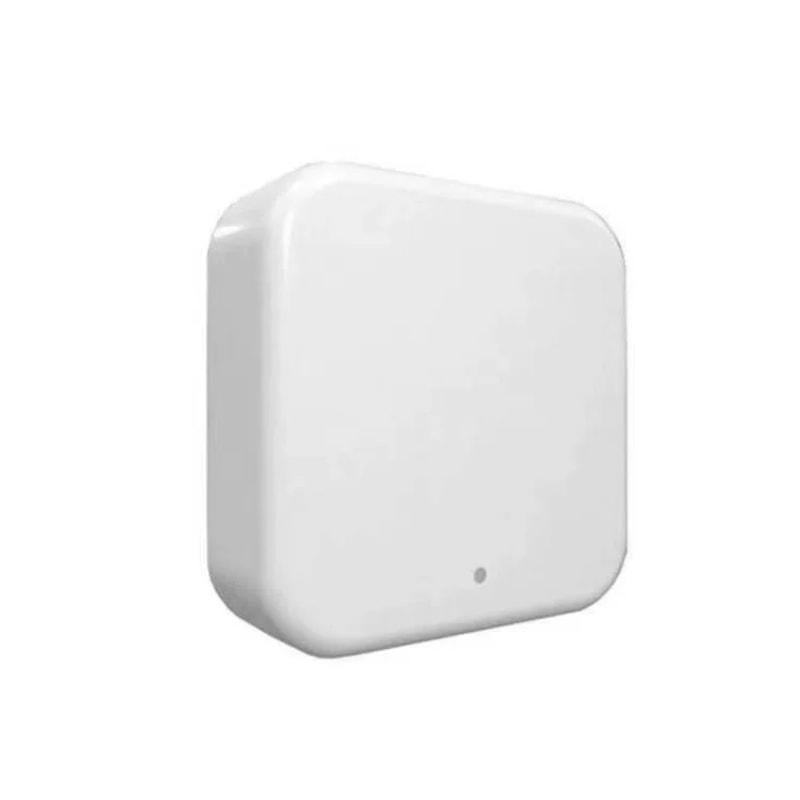 Ttlock G2 Gateway Connects Your Bluetooth Smart Lock to Wifi for Remote Access
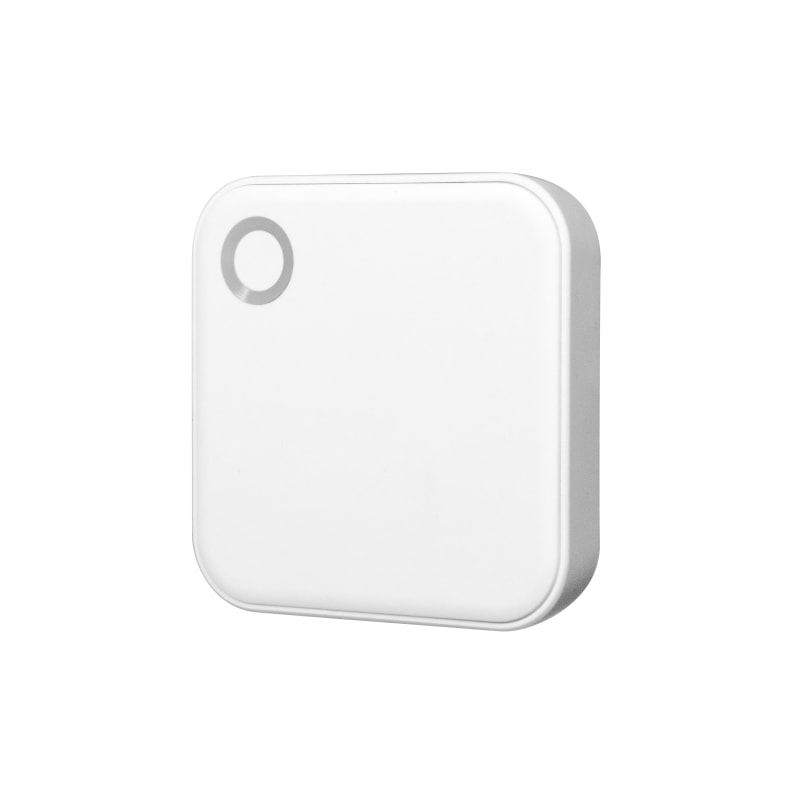 TTlock G5 gateway features dual band wifi and mesh network for large properties
 WhatsApp