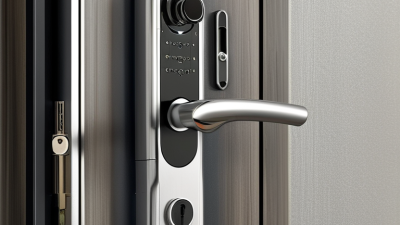
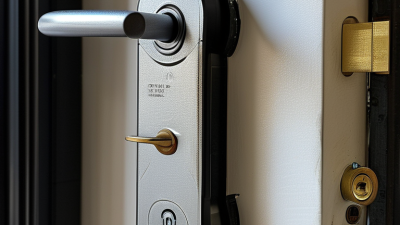
When it comes to keeping your place safe, picking the right Key Pad Locks really matters. Honestly, by 2026, the options out there are pretty overwhelming — so many styles and features to choose from. Thanks to tech improvements, these locks aren’t just about keeping intruders out anymore; they’re smarter and safer too. Lots of companies are out there trying to offer the coolest features, but not all key pad locks are created equally, so you gotta be careful.
As you start digging into your options, don’t forget to think about how durable and reliable these locks really are. Big names like Schlage and Yale? They’ve been around for ages and basically set the standard, so those are usually a safe bet. Their products tend to get good reviews because they’ve built their reputation on quality. But, of course, picking the wrong lock can actually leave you more vulnerable, so it’s important to match what you need against what each lock offers.
And hey, user experience matters just as much! Some keypad locks are super easy to set up and use—no fuss at all. Others might be a little more complicated, which can be a pain if you’re not super tech-savvy. It’s all about finding a lock that fits your lifestyle so you won’t end up frustrated every time you try to unlock your door. Checking out reviews from folks who’ve already used the product can give you a good heads-up on potential issues. When you're talking about your home’s security, doing your homework is totally worth it. Picking the right lock is really about being thorough and thoughtful.
Understanding Key Pad Locks: Types and Technologies in 2026
When selecting a key pad lock in 2026, understanding the types and technologies is crucial. Key pad locks are not all created equal. They come in various forms, including numerical, biometric, and smart technology options. In recent surveys, about 45% of users prefer numeric key pads due to their simplicity and reliability. Meanwhile, biometric locks have gained popularity, accounting for nearly 30% of the market, as they offer enhanced security through fingerprint recognition.
Technological advancements have reshaped the key pad lock landscape. Many new models integrate with smart home systems. According to industry reports, the demand for smart key pad locks is expected to rise significantly, projected at a growth rate of 25% annually through 2026. However, users must consider that relying solely on technology brings potential vulnerabilities, such as hacking and power failures. A Key Pad Gate Lock, for instance, could falter during power outages unless it has a backup mechanism.
Moreover, ease of use is often overstated. While modern key pad locks boast user-friendly interfaces, users must ensure that family members are comfortable with the operation. Reports indicate that 18% of individuals struggle with programming their locks, often leading to frustration and security risks. Prioritizing technological choice and ease of understanding can result in a more secure locking solution.
Key Features to Consider: Security Ratings and Keypad Options
Choosing a keypad lock can be daunting. Several key features need consideration, especially security ratings and keypad options. Security ratings indicate how resistant a lock is against tampering and forced entry. Aim for locks rated at least ANSI Grade 1 or 2. These grades ensure better durability and reliability in various conditions.
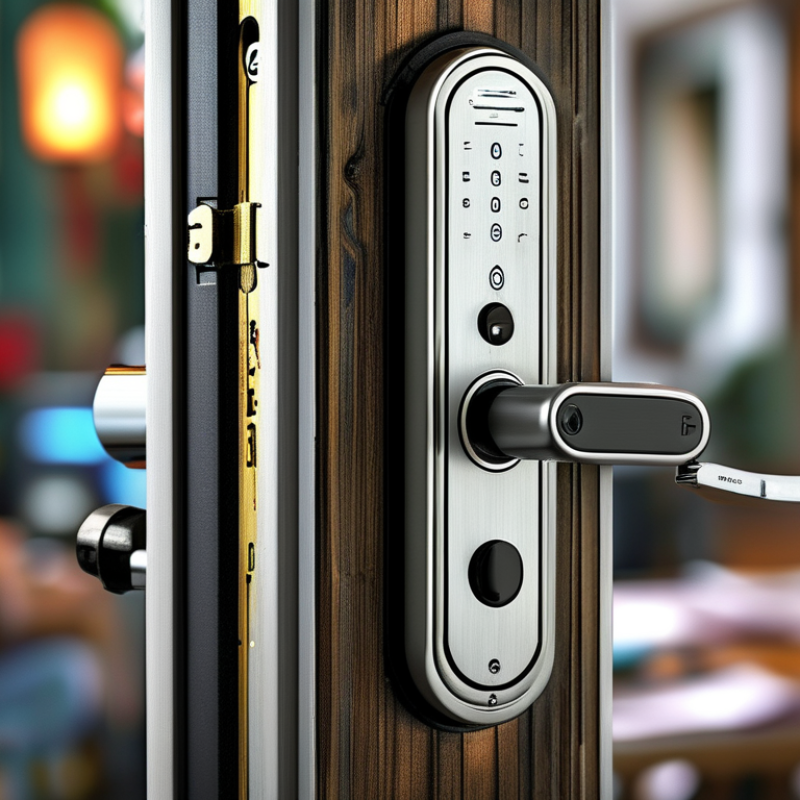
Keypad options vary significantly. Some offer touchpad entry while others provide biometric features. When choosing a Key Pad Lock Door, evaluate your daily needs. If you frequently access your door, opt for a model with a responsive keypad. It should require minimal effort to input codes. A lock with a backlit keypad is especially helpful for night access.
Tips: Always check for user reviews. They provide real-world experiences, highlighting both strengths and weaknesses of different models. Regularly update your access codes to ensure ongoing security. Hardware may fail unexpectedly; stay vigilant. Assessing your lock's performance periodically can help catch potential issues early.
Market Trends: The Rise of Smart Key Pad Locks in 2026
In 2026, the market for smart key pad locks saw a remarkable surge, driven by consumer demand for enhanced security solutions. Reports indicate a 40% increase in sales compared to the previous year. This shift is partly due to evolving home automation trends. Homeowners now prefer seamless integration of security systems with their smart home devices. Statistics suggest that 65% of new homeowners prioritize smart lock capabilities.
The rise in connected smart key pad locks offers various advantages. Users enjoy features such as remote locking and unlocking. These locks can grant access to temporary visitors without the need for physical keys. However, this reliance on technology raises concerns about cybersecurity. According to recent data, 20% of users reported experiencing issues with connectivity. Ensuring a robust network becomes vital for overall security.
Despite their popularity, many still hesitate to switch from traditional methods. Challenges include user interface complexities and battery maintenance. Vulnerabilities in smart devices are a concern for discerning consumers. However, 55% of respondents show willingness to adopt these innovations, highlighting a change in mindset. The decision to upgrade depends not only on convenience but also on the assurance of safety. For Front Door Key Pad Locks, choosing a reliable option becomes paramount in navigating this evolving landscape.
Performance Metrics: Battery Life, Durability, and Weather Resistance
When selecting key pad locks, understanding performance metrics is critical. Battery life is a primary concern. Many modern locks offer 1-2 years on standard batteries. Yet, user experiences vary. Reports suggest that low temperatures can shorten battery lifespan significantly. Users may need to change batteries in extreme conditions sooner than expected.
Durability is equally vital. Key pad locks are ranked on their ability to withstand physical attacks. A lock's material and construction determine how well it can resist tampering. Research indicates that locks made with hardened steel tend to perform better in tests of strength. However, not all products adhere to stringent testing standards. This inconsistency makes it essential for consumers to research before purchase.
Weather resistance is another key performance metric. Lock mechanisms often fail in harsh climates. Locks designed for outdoor use should have water and rust resistance ratings. According to industry reports, even slight moisture can affect a lock’s functionality. Users may be faced with unexpected malfunctions. It is advisable to consider environmental exposure when making a selection.
Installation Insights: DIY vs. Professional Installation for Key Pad Locks
When it comes to installing key pad locks, the choice between DIY and professional installation is crucial. A recent industry report indicates that nearly 45% of homeowners prefer DIY projects due to cost savings and convenience. However, it is essential to recognize the associated risks. Misalignment during installation can lead to security vulnerabilities or operational failures. Taking shortcuts during setup may compromise the lock's integrity.
On the flip side, hiring professionals offers reliability. Experts possess the skills to install key pad locks correctly. An analysis shows that homes with professionally installed security systems report up to 30% fewer break-ins. Additionally, professionals can provide valuable insights based on experience, ensuring proper function over time. However, this option usually comes at a higher cost, which might not fit every budget.
Ultimately, weighing the pros and cons of each approach is vital. Consider your comfort level with tools and technical tasks. Ensure you have a clear understanding of any installation instructions. If DIY seems daunting, reaching out to professionals may provide peace of mind. Balancing budget constraints with security needs will lead to a better decision.
The Popularity of Key Pad Lock Installation Methods in 2026
Maintenance Tips: Extending the Lifespan of Key Pad Locks in 2026
Maintaining your keypad locks in 2026 is essential for security and longevity. Regular cleaning is crucial. Dust and grime can build up, impairing functionality. Use a soft cloth to clean the exterior. Avoid abrasive materials that could scratch the surface. Ensure that your keypad remains free of moisture, as water can damage internal components.
Check the battery often. A low battery can lead to lock malfunctions. Replace batteries at least once a year, or sooner if you notice any issues. Tighten screws and connections to prevent any internal movement. Unstable components can cause the lock to fail.
Consider the environment where your lock is installed. Extreme temperatures and humidity can affect performance. Shield your lock from direct sunlight and moisture if possible. Reflecting on these aspects can improve your lock's reliability significantly. Reliable devices enhance your sense of security, but neglect might lead to vulnerabilities.
Cost Analysis: Budgeting for Key Pad Locks and Smart Alternatives
When budgeting for Key Pad Locks in 2026, users must consider both initial costs and long-term savings.
Key Pad Front Door Locks typically range from $80 to $200. However, investing in smart alternatives can yield cost benefits over time. Industry reports indicate that smart locks can save up to 30% on insurance premiums. This is due to their advanced security features.
Durability matters. Many traditional locks require replacement after a few years. In contrast, many smart locks are designed to last longer, reducing replacement costs. Installation costs also vary significantly. Basic keypad locks may cost around $50 for installation, while smart locks can reach $100.
Maintenance is another aspect to consider. Basic locks may need regular upkeep, while smart locks often come with app monitoring. Yet, some users may encounter connectivity issues. The reliance on technology can lead to unforeseen repairs. Understand the risks involved, but weigh them against potential savings. Overall, thorough research is crucial. Assess your priorities carefully before making a decision.
FAQS
: Batteries usually last 1-2 years. Experiences may vary based on usage and environment.
Yes, low temperatures can significantly shorten battery lifespan. Users might need to change them sooner.
A lock's material and construction determine its durability. Hardened steel locks typically perform better.
Research is essential before purchase. Not all locks meet the same testing standards.
Yes, weather resistance is crucial. Locks may fail in harsh climates without proper ratings.
Regular cleaning is important. Use a soft cloth and avoid water exposure to prevent damage.
Check batteries frequently. Replace them at least once a year or when issues arise.
Extreme temperatures or humidity can affect functionality. Shield your lock from direct sunlight and moisture.
Tighten screws and keep the lock clean. Neglecting these can lead to vulnerabilities.
Look for durability and weather resistance ratings. Understanding these aspects is vital for security.
Conclusion
In "The Ultimate Guide to Choosing Key Pad Locks in 2026," the article explores the various types and technologies of key pad locks available this year. It emphasizes critical features such as security ratings and keypad options, helping consumers identify the best products for their needs. The rise of smart key pad locks is also discussed, highlighting market trends that emphasize technological advancements in security.
Additionally, the guide delves into performance metrics including battery life, durability, and weather resistance, providing insights into the practicalities of different models. Readers are given considerations for installation, weighing the pros and cons of DIY versus professional services. Maintenance tips are shared to extend the lifespan of key pad locks, and a cost analysis offers budgeting strategies for those interested in both traditional and smart alternatives. Overall, the guide serves as a comprehensive resource for anyone looking to enhance their security solutions with key pad locks in 2026.

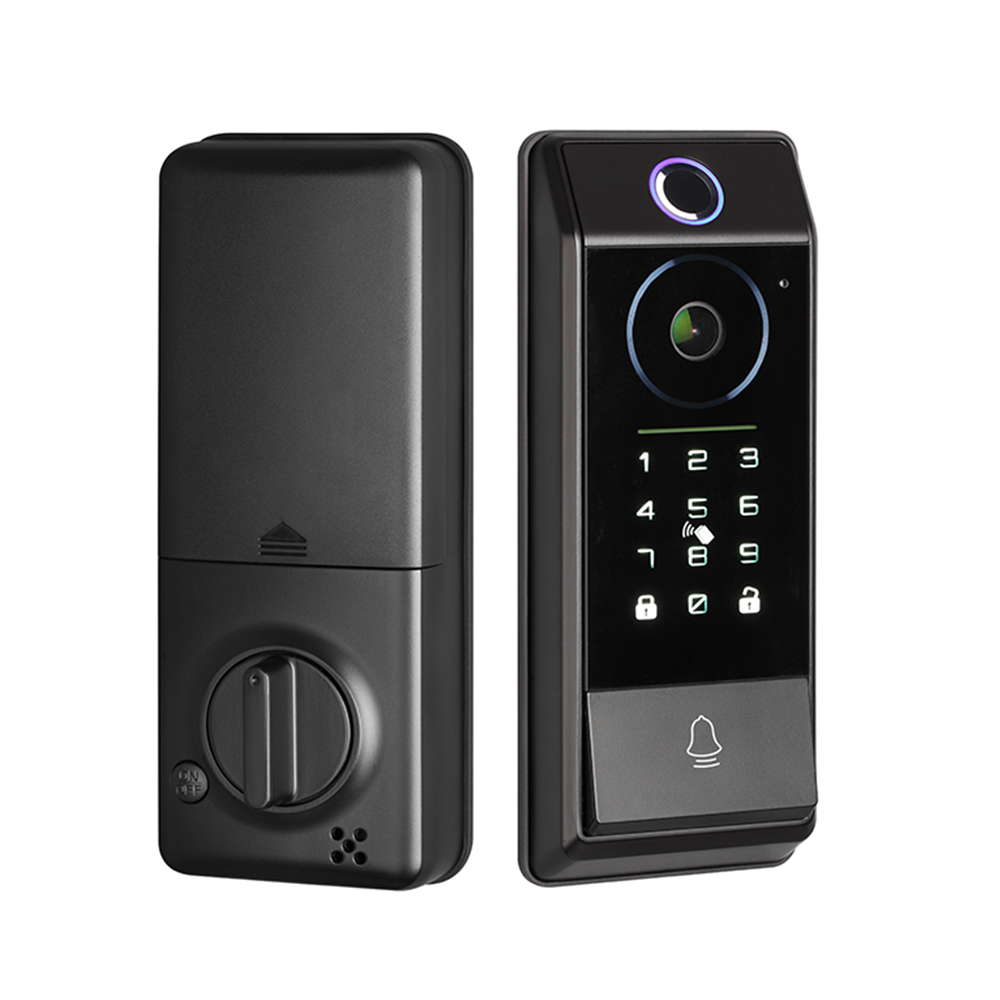 Smart deadbolt lock with video doorbell and two way intercom for front door security A229
 Bluetooth Deadblot Smart Lock with keyless access works with Google Alex tuya FM31
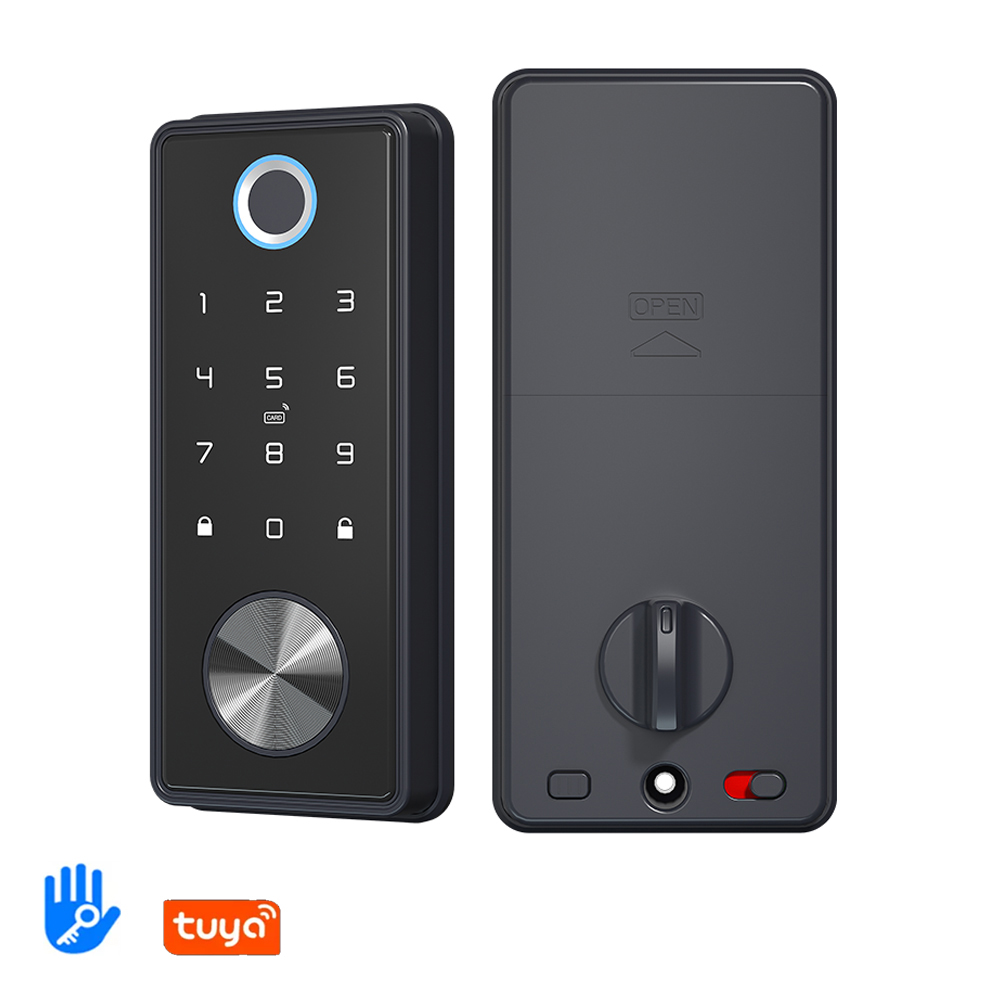 Waterproof Deadbolt Digital Lock supporting TTlock ble or TUYA wifi FM560
 WIFI Deadblot Smart Lock with Video Doorbell works with Alexa Google Tuya FM880
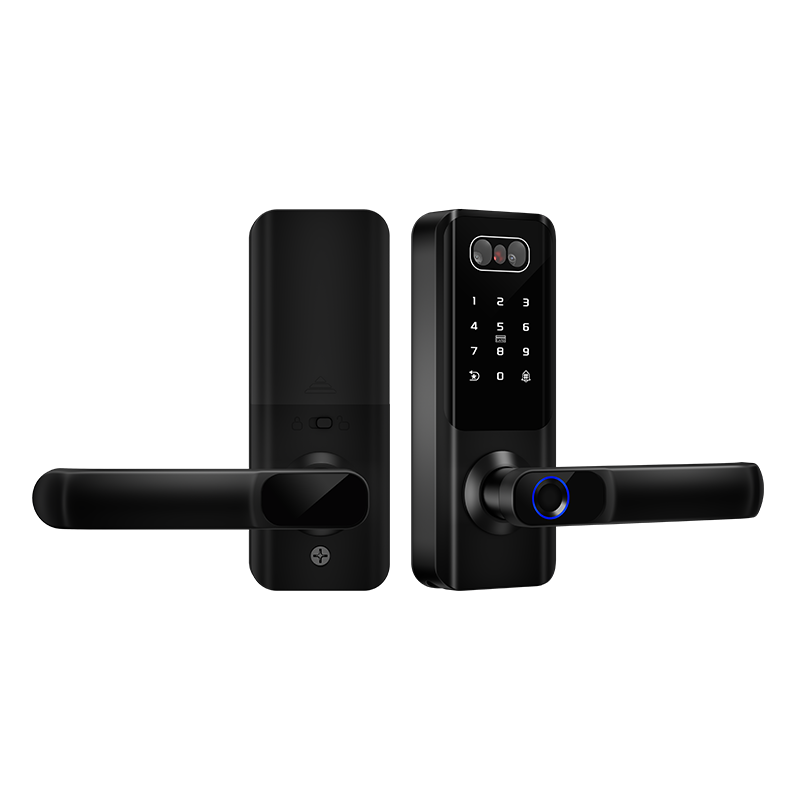 Facial Recognition Smart Lever Lock with 2MP Video Doorbell and IP66 Waterproof Tuya WiFi FM-Z86
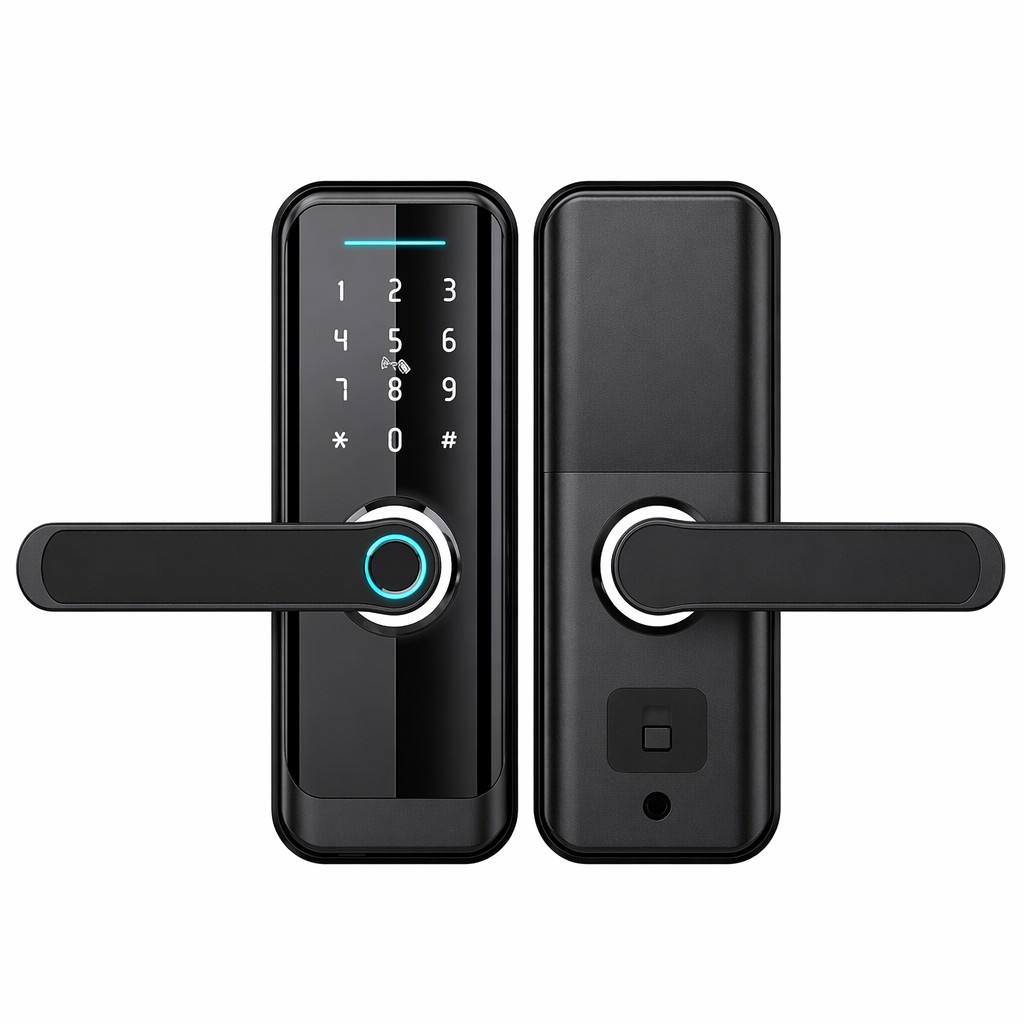 Advanced 5-in-1 Biometric Door Lock with Universal WiFi, Zigbee & 433MHz Support FM09
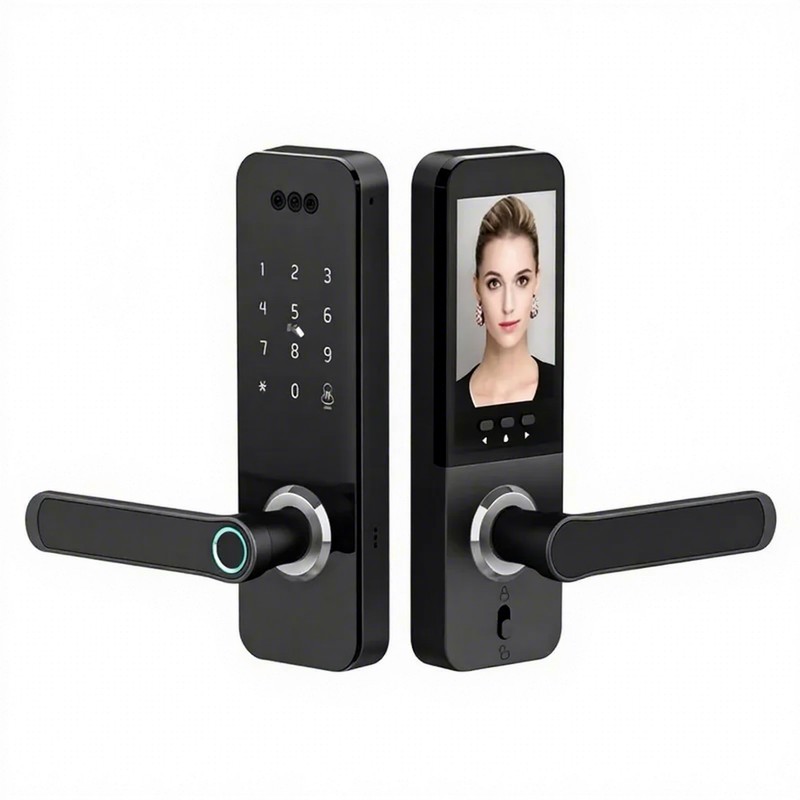 3D Face Recognition Smart Door Lock with 2MP Video Doorbell and Built-in WiFi FMP012
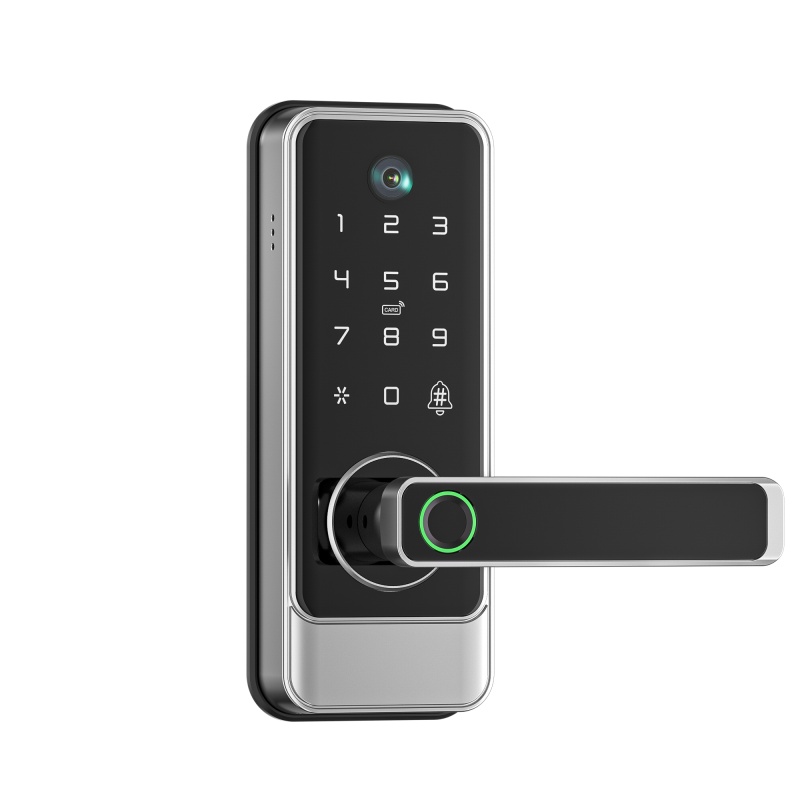 Keyless Entry Lever Lock with doorbell and Video Camera for Live Viewing
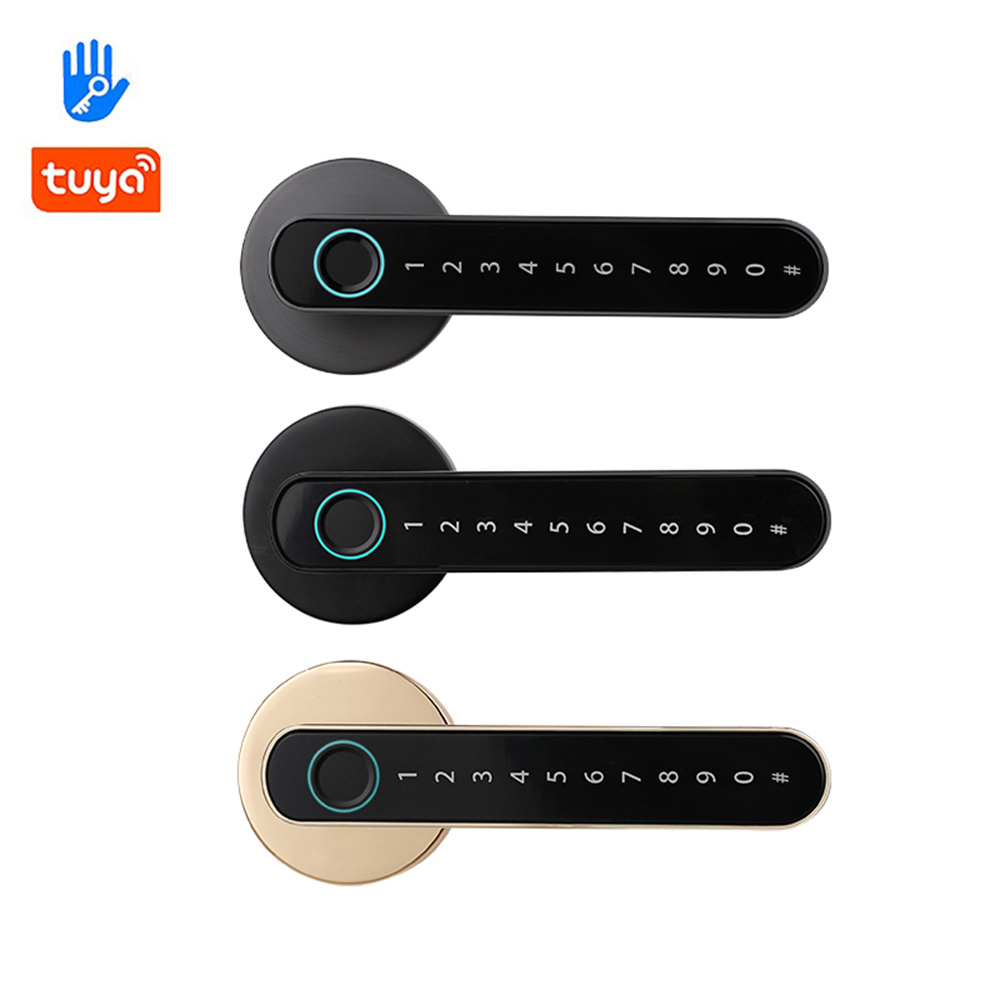 Bluetooth Lever Lock unlock by fingerprint recognition, password and App eKeys T8
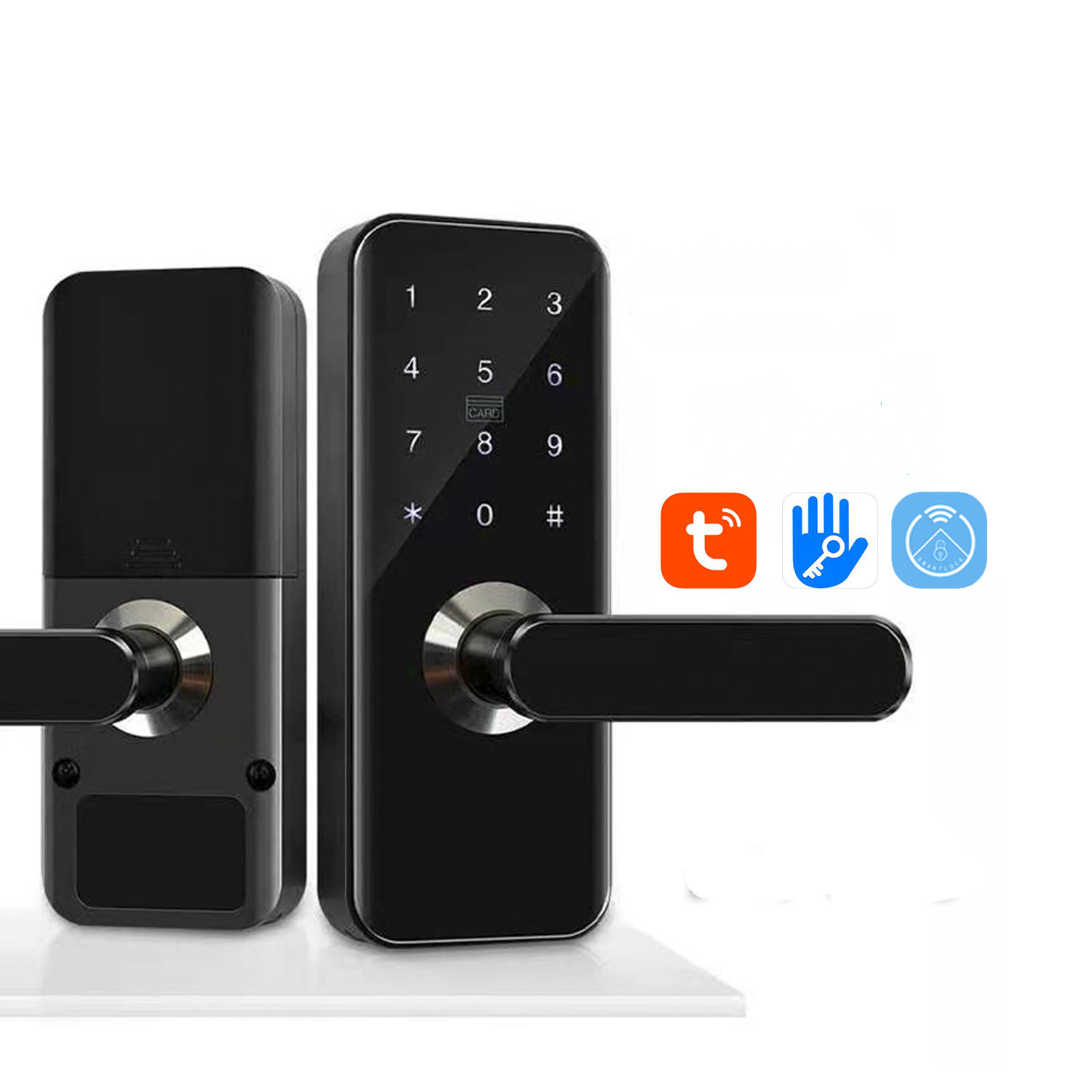 Smart lever lock supports TTlock bluetooth and TUYA wifi FM810
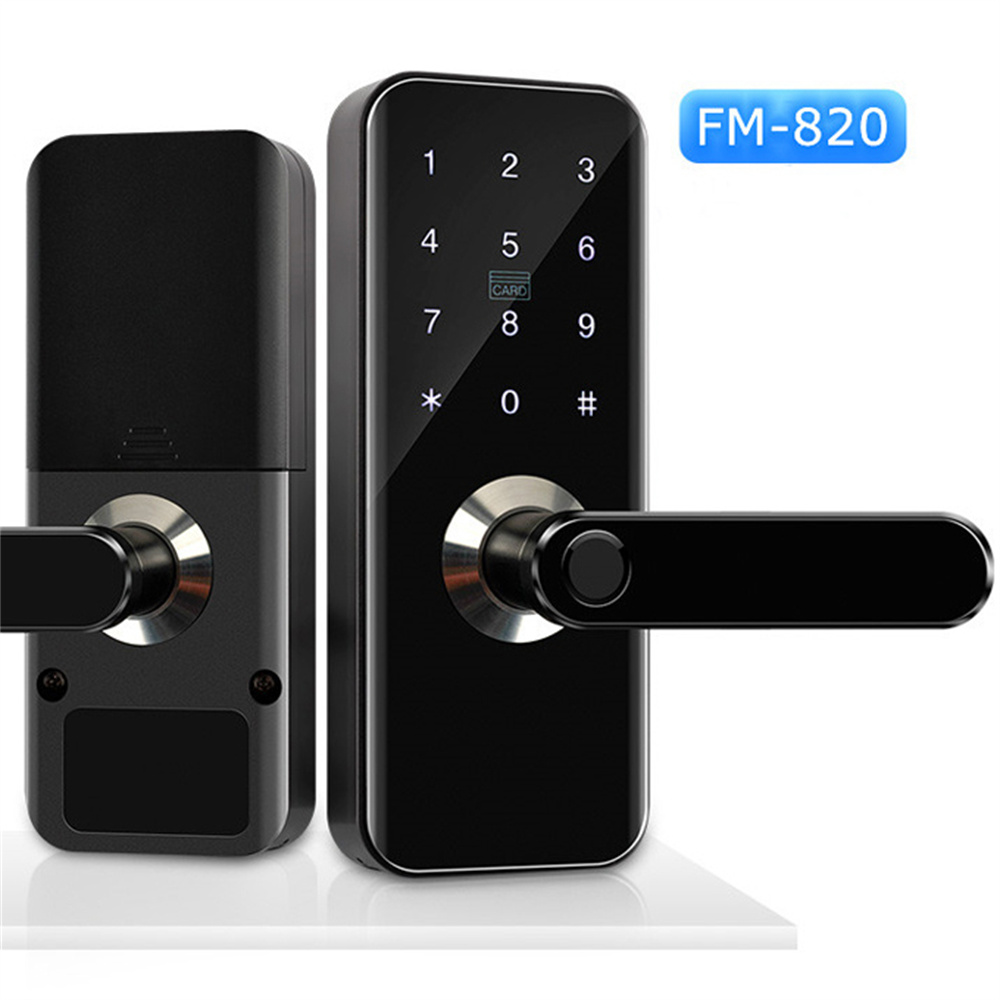 Fingerprint Smart Lever Lock with one touch Keyless Entry fits US Knob & Lever FM820
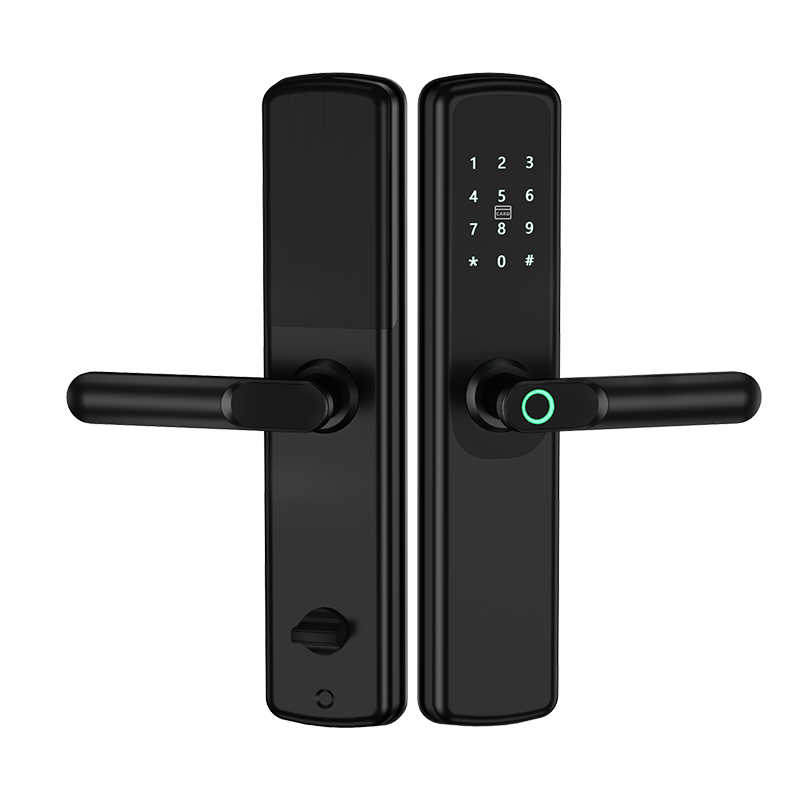 Intelligent Biometric Door Lock with 2MP Video Doorbell and Tuya WiFi FM-05
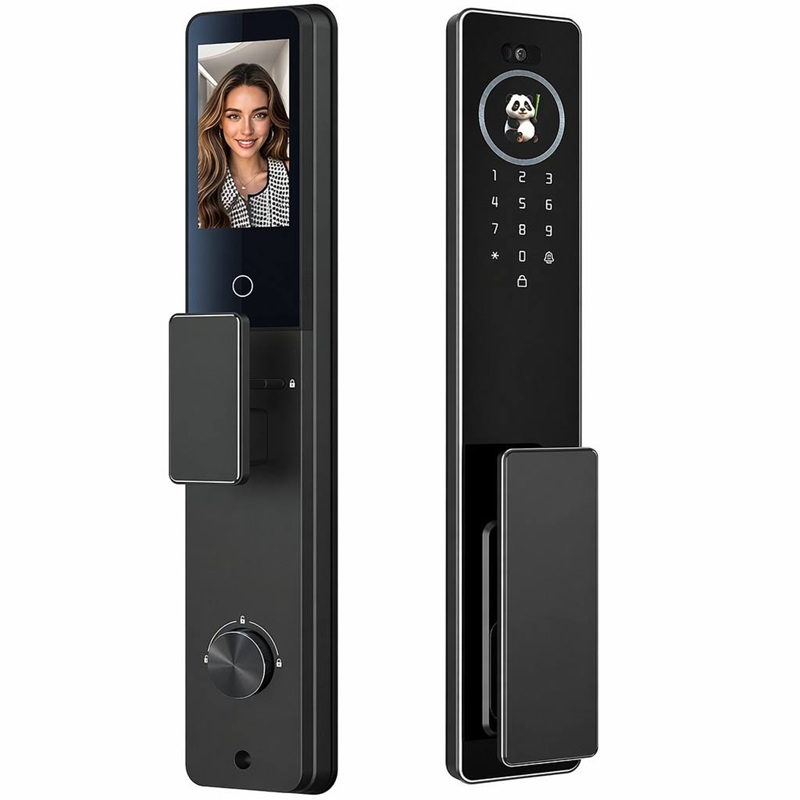 Flagship Biometric Security Lock — Advanced 3D Face Access & 4.5" IPS Live Viewer FM93
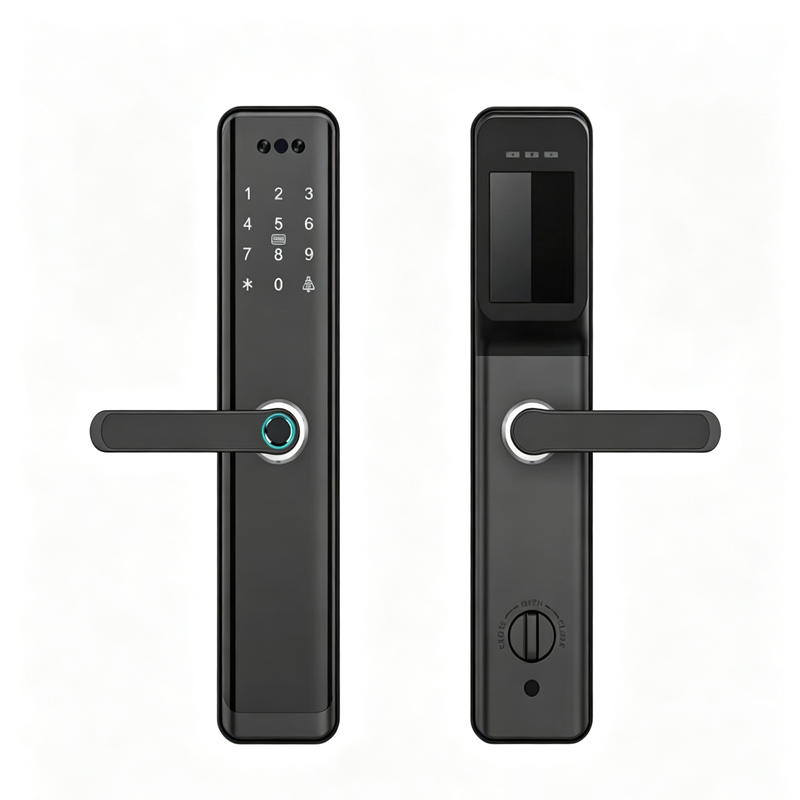 Smart Lever Lock with Fingerprint Facial Recognition and Video Doorbell Tuya WiFi TTlock FM-128
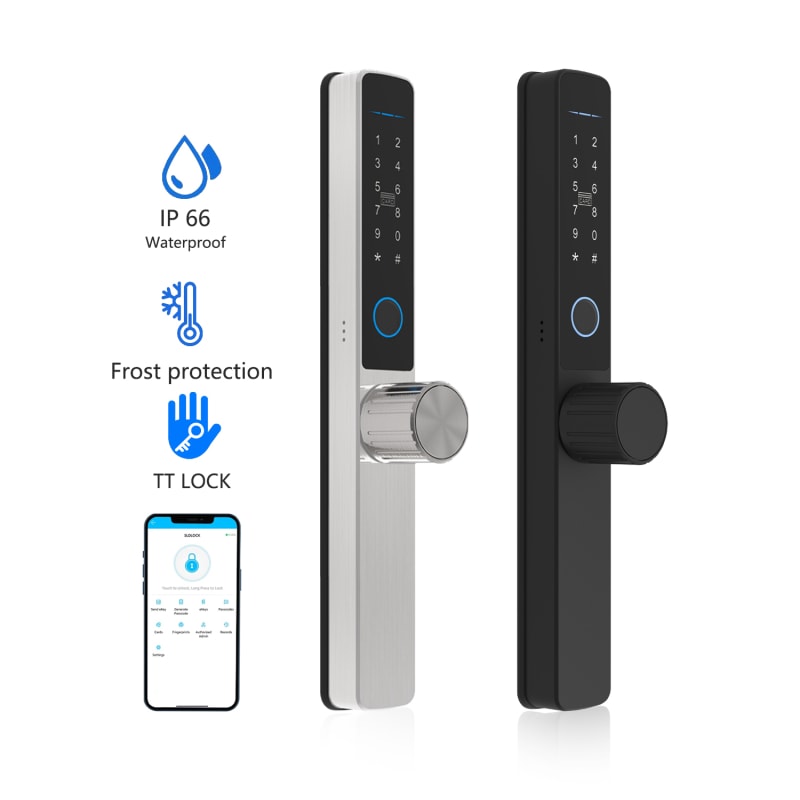 Keyless Entry Door Lock Fits Both Traditional Mortise and Smart Lock Mortise
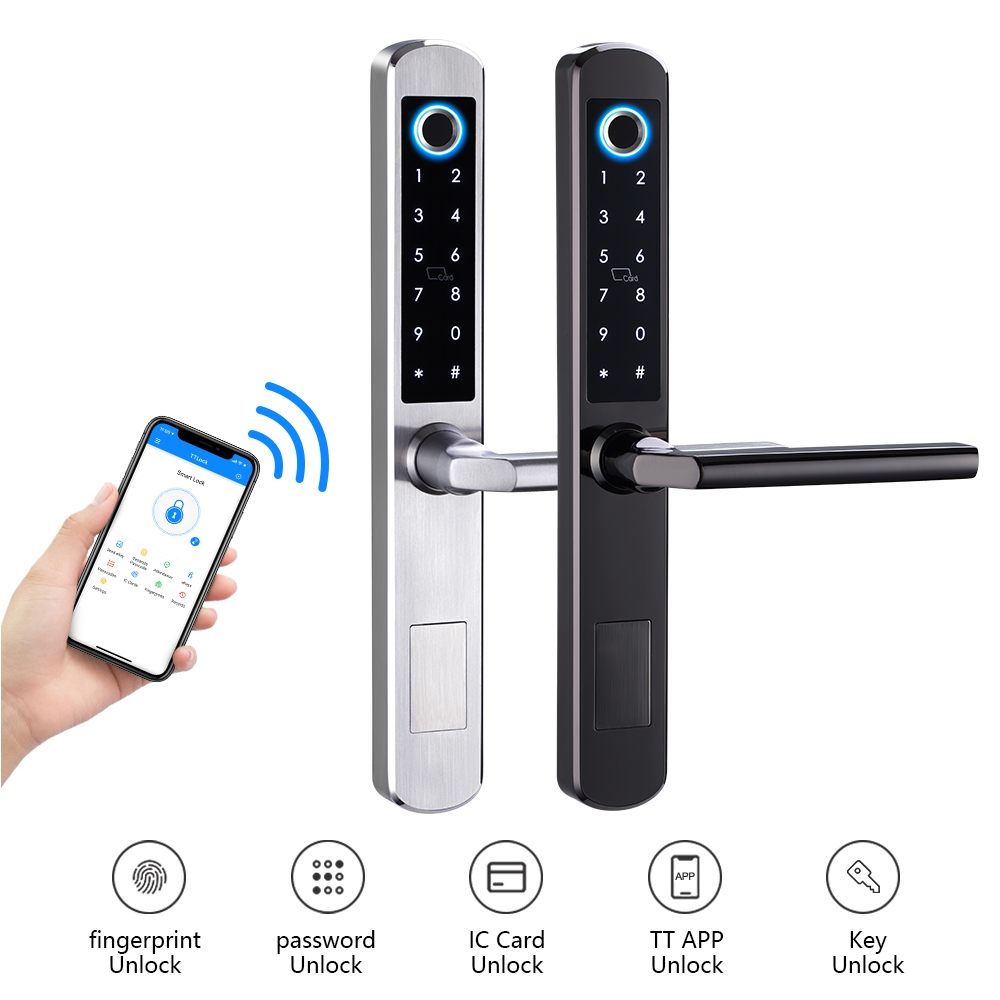 Slim 304 stainless steel keypad lock with IP65 waterproof case for thermal break sliding doors FM210
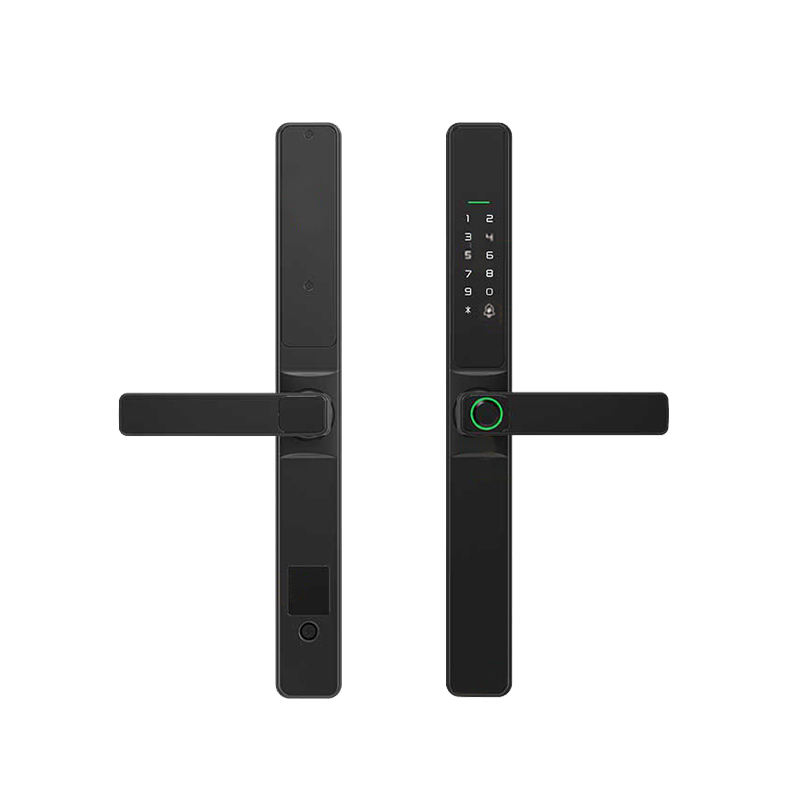 Fingerprint lock with hook mortise for slim sliding door and IP66 waterproof for outdoor use F6
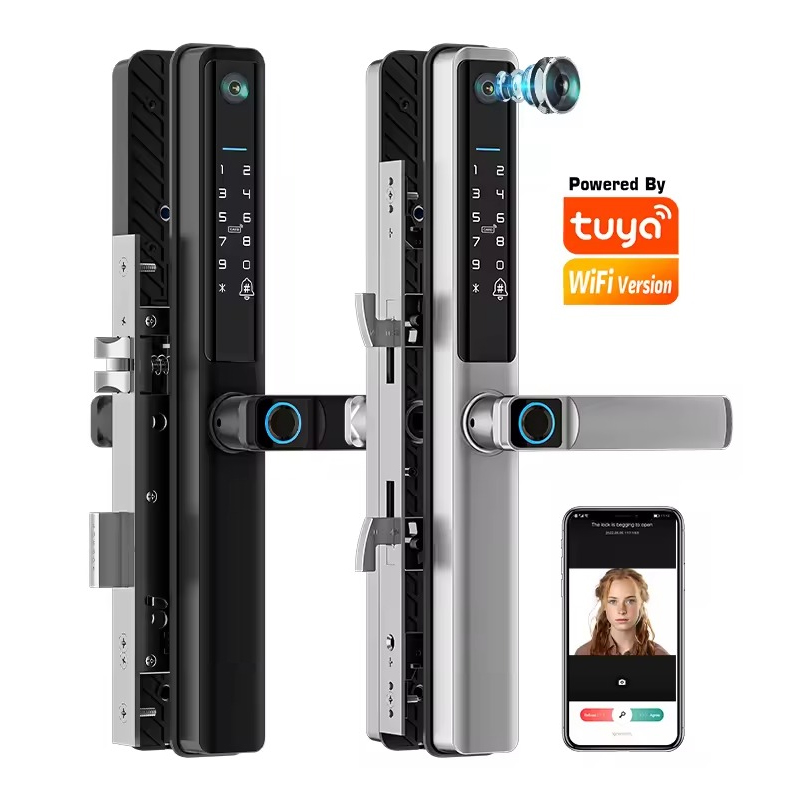 Keyless entry door lock for slim sliding door with camera and doorbell F5 PRO
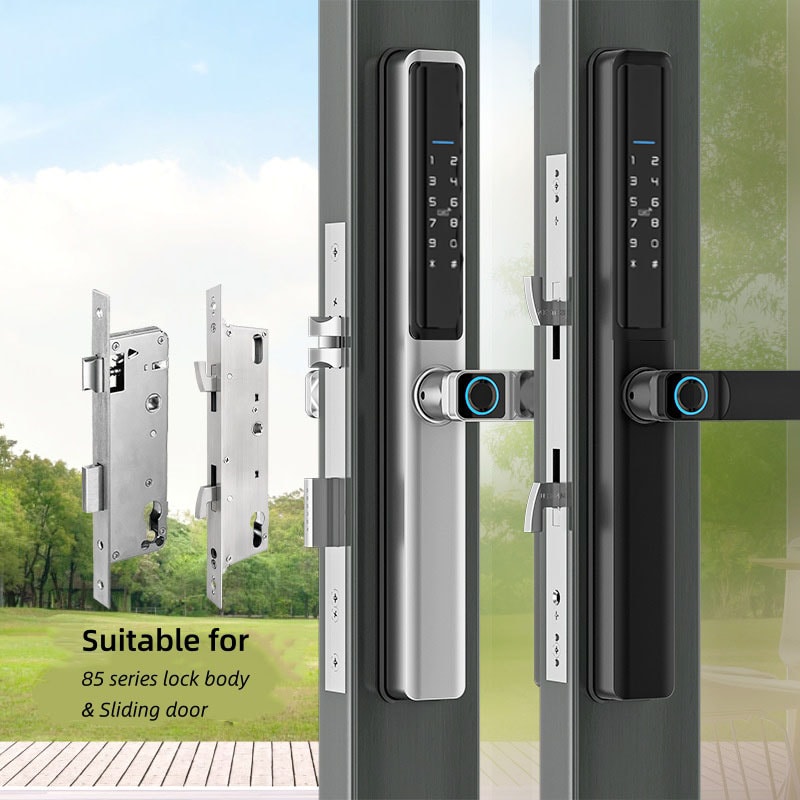 Smart door lock with hook mortise for aluminum slim sliding door F5
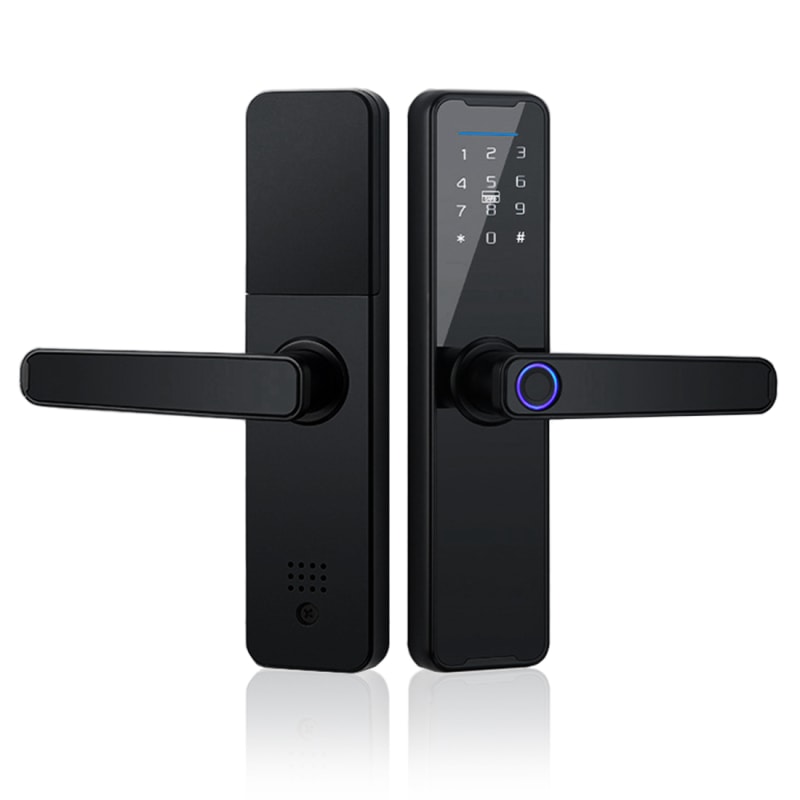 Front door smart Locks made of aluminum alloy compatible with multiple mortise types
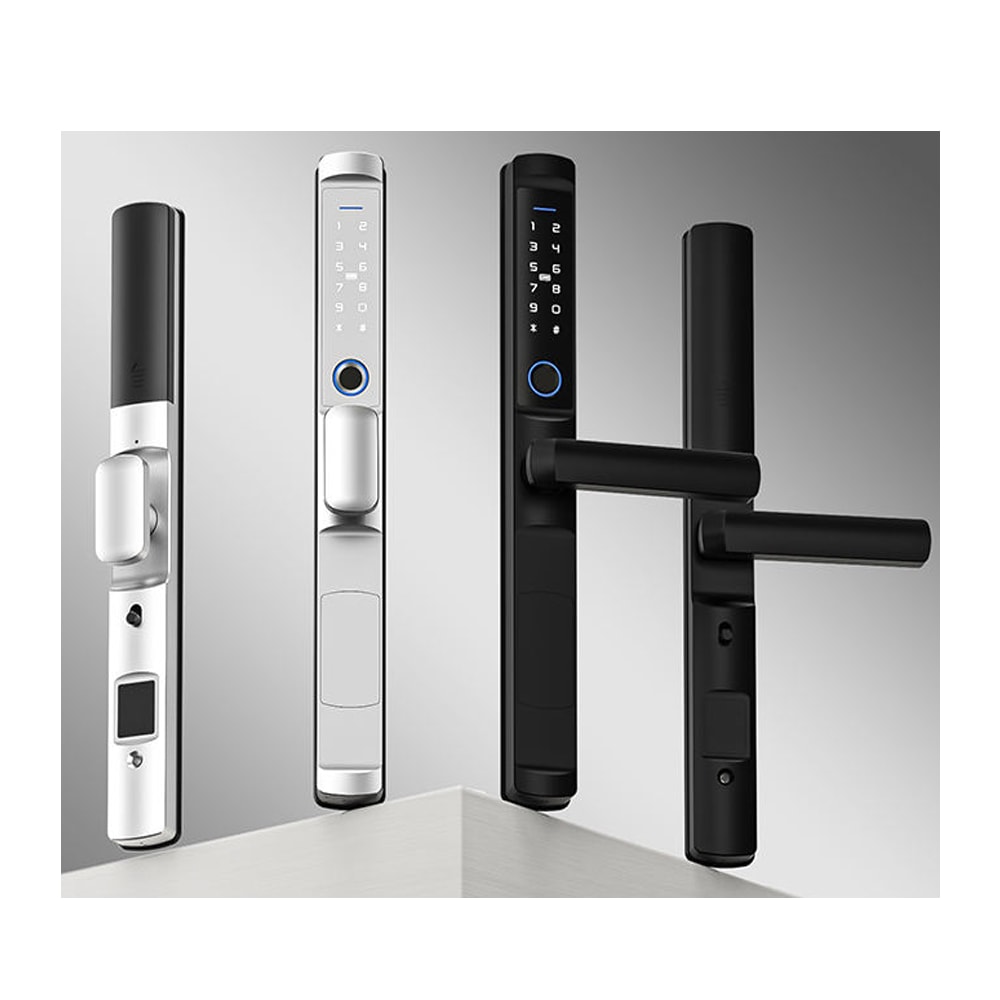 Keypad Door Lock with IP66 Waterproof case and Two Handle Styles Options
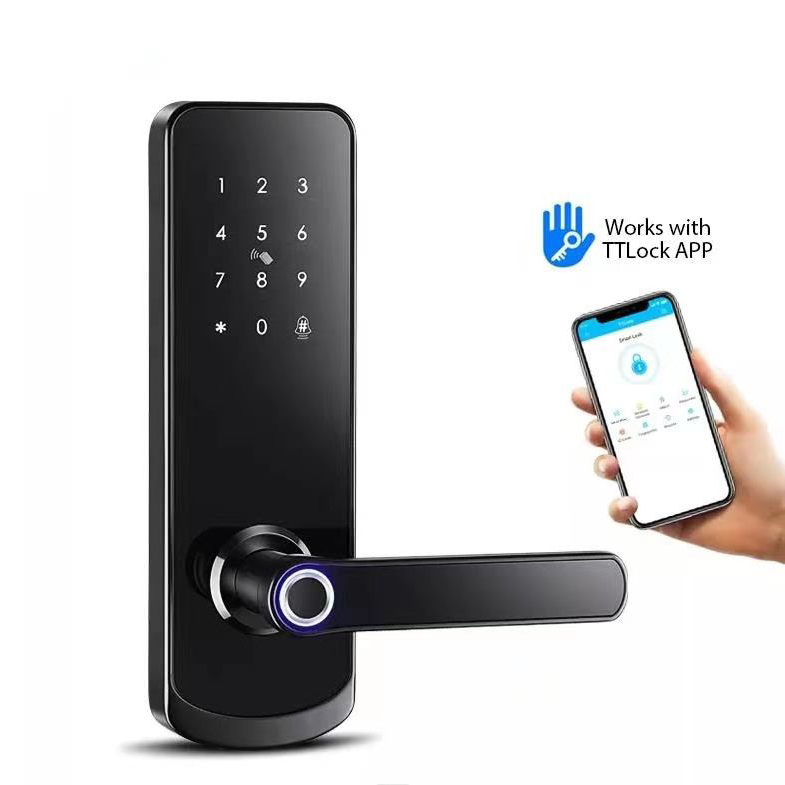 Fingerprint door lock for Front door with Anti-prying latch to prevent the card prying the door
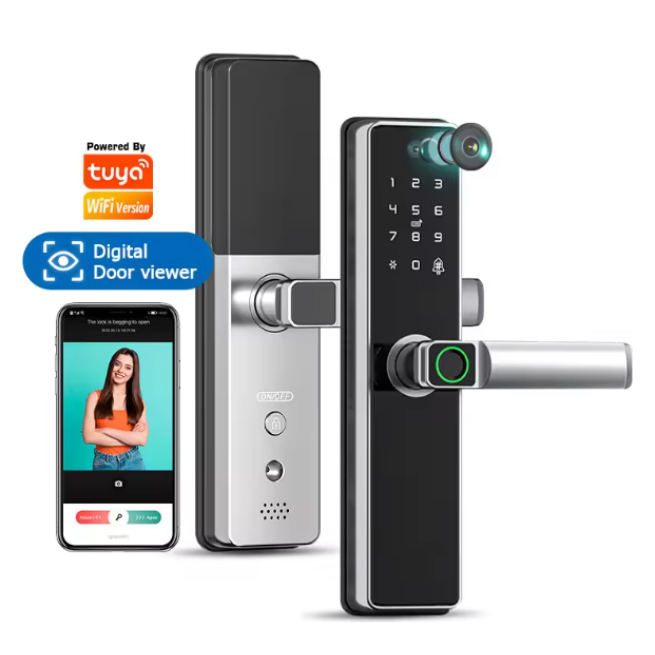 Front Door Keypad Lock with Fingerprint and Doorbell B2
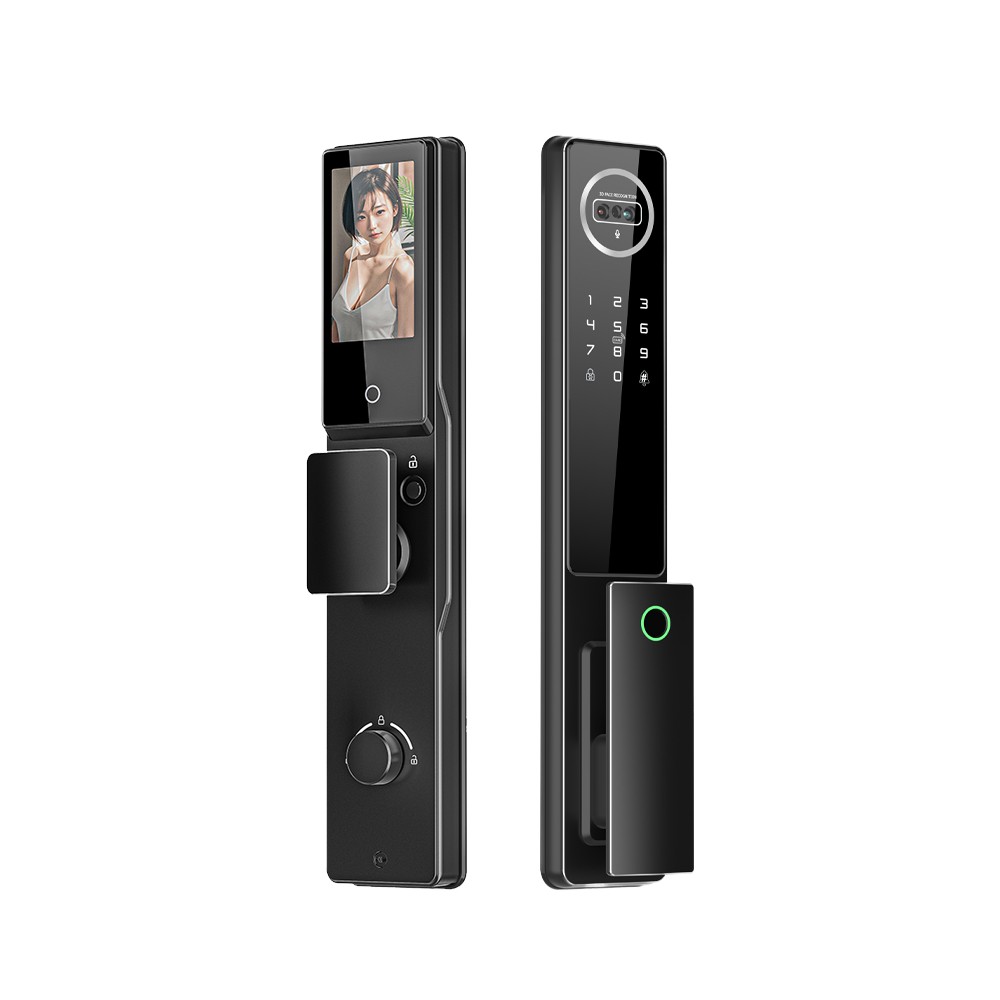 Face Recognition Smart Door Lock with Video Intercom Doorbell Tuya WiFi D1
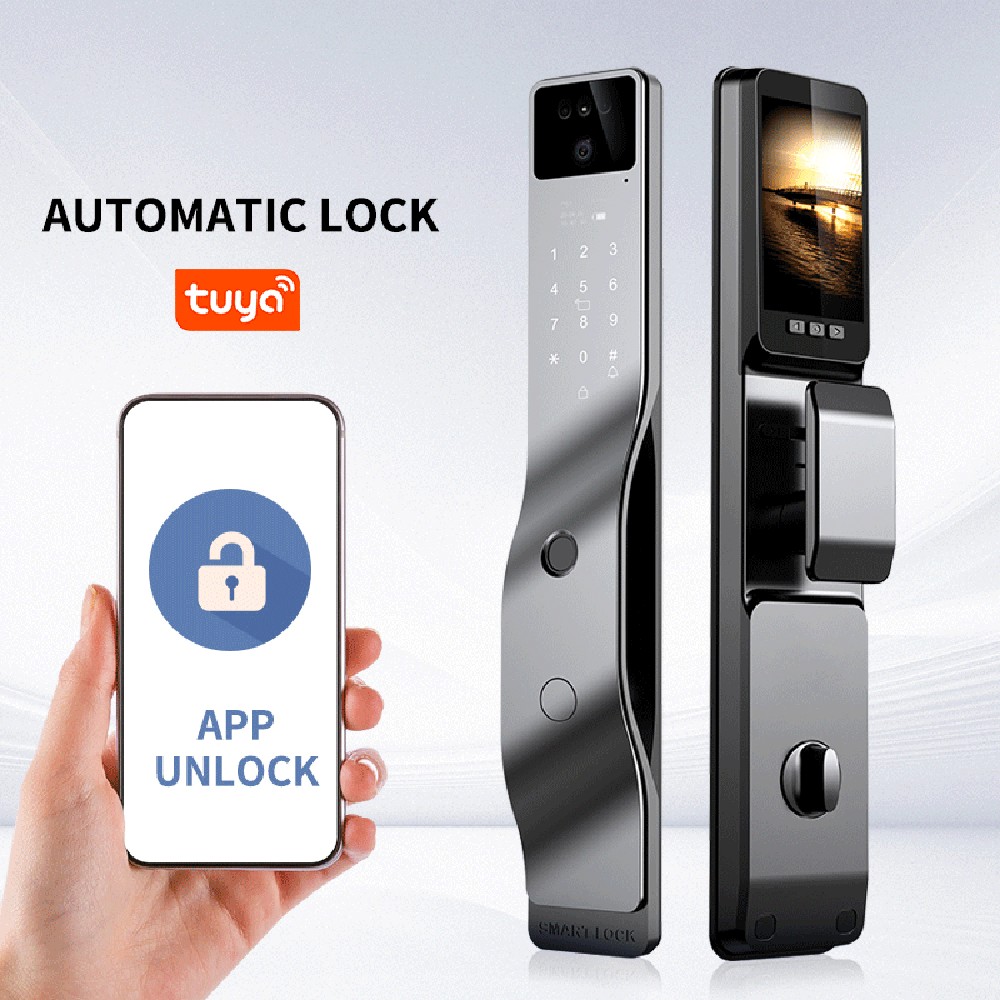 WIFI Smart Mortise Lock with Tuya Video Doorbell support Face Scan Palm Vein F7
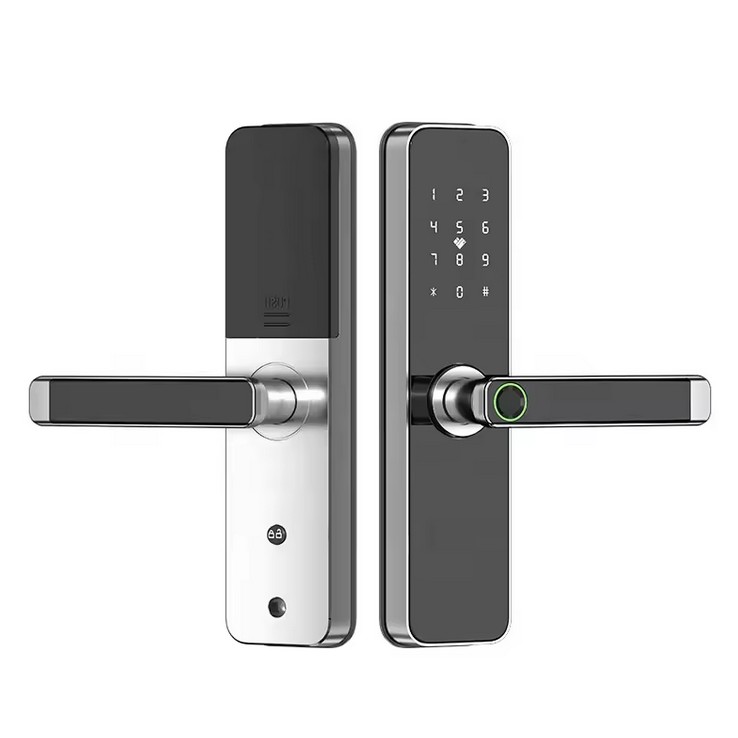 Smart mortise lock with bluetooth and WIFI optional FM028
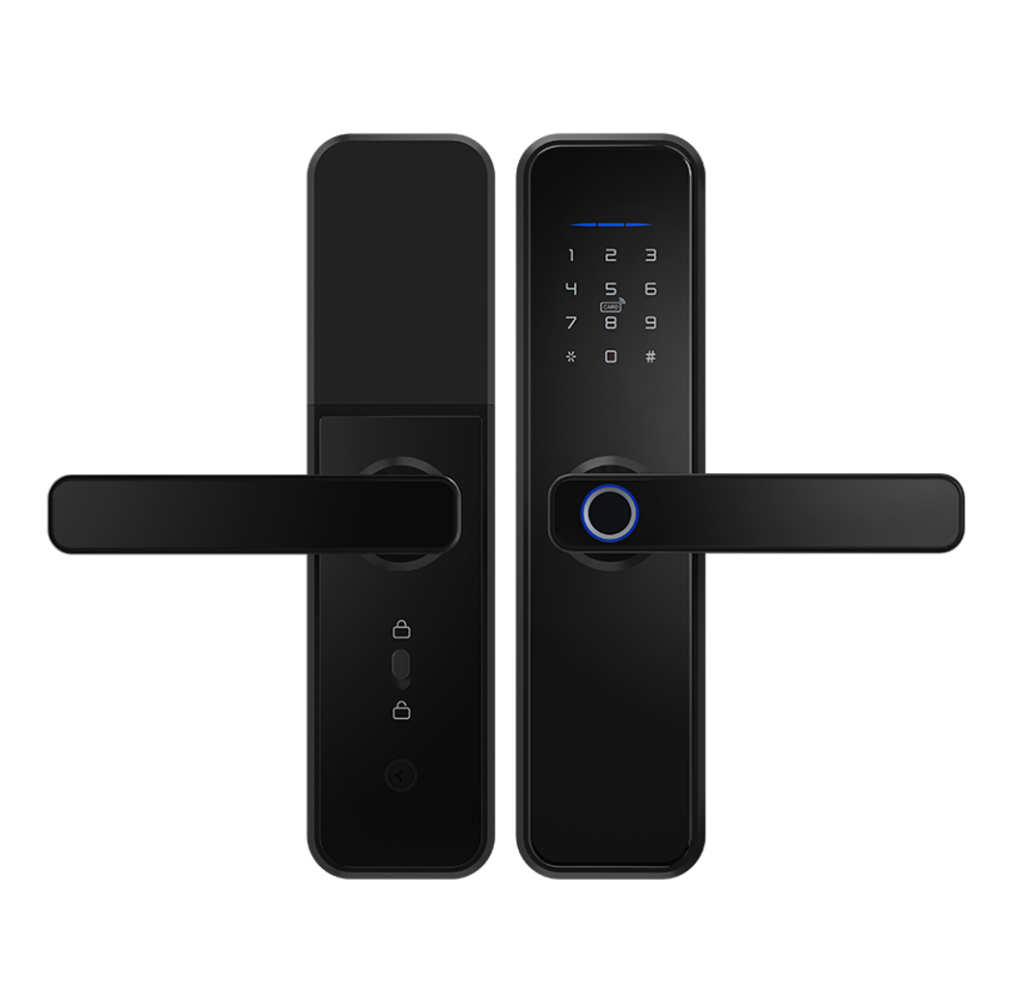 Mortise Smart Lock with multi keyless accesses FM550
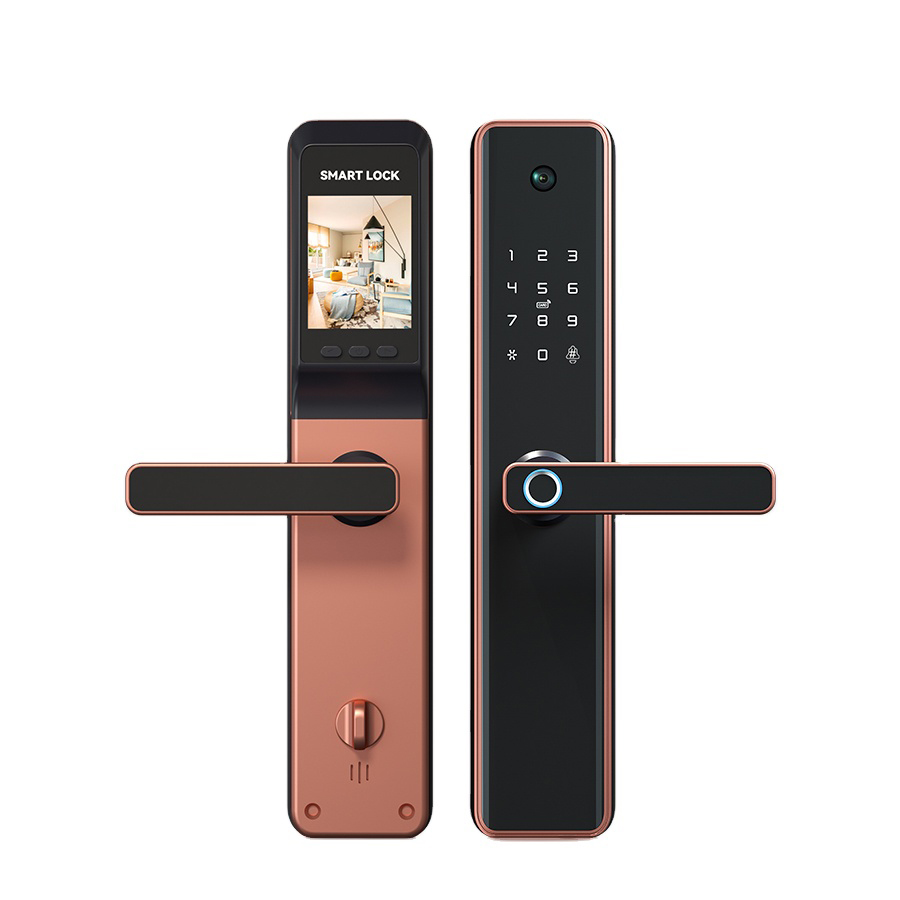 Camera Smart Lock with Finger Scan Supporting Tuya WiFi or Zigbee FM551
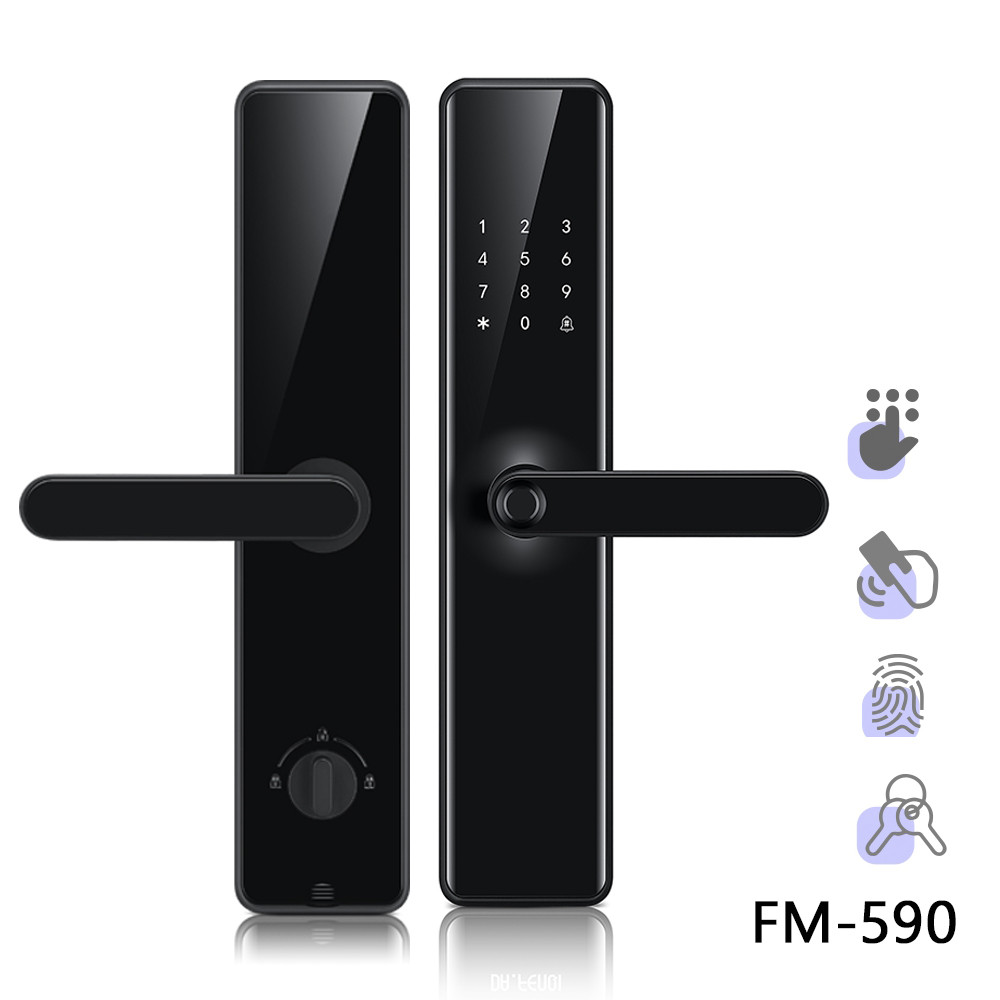 Smart Door Lock with Fingerprint and Voice Control FM590
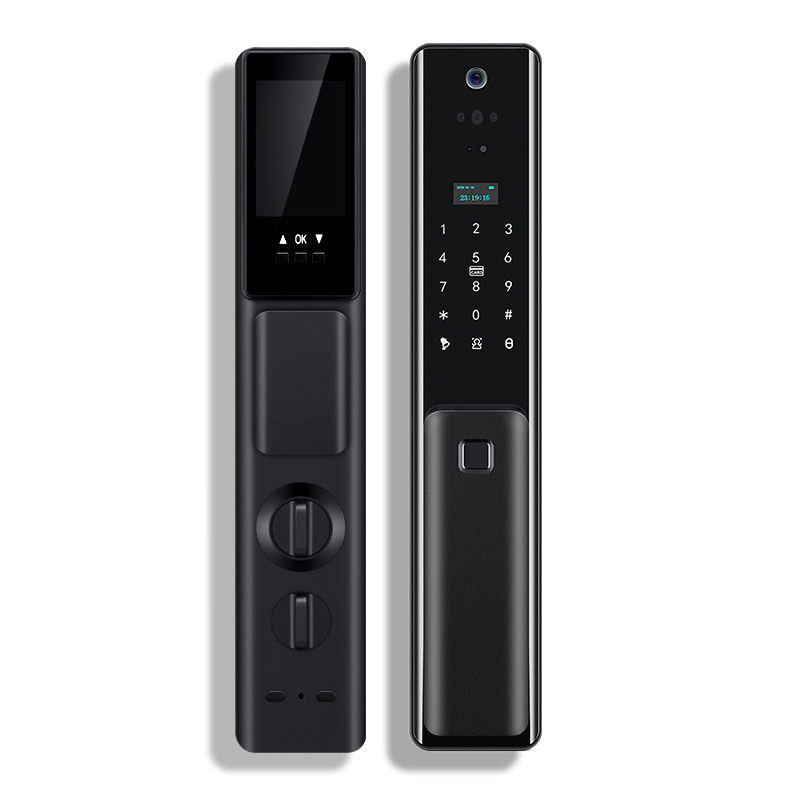 Fingerprint Door Lock with Face Scanner and Camera Supports google home FM720
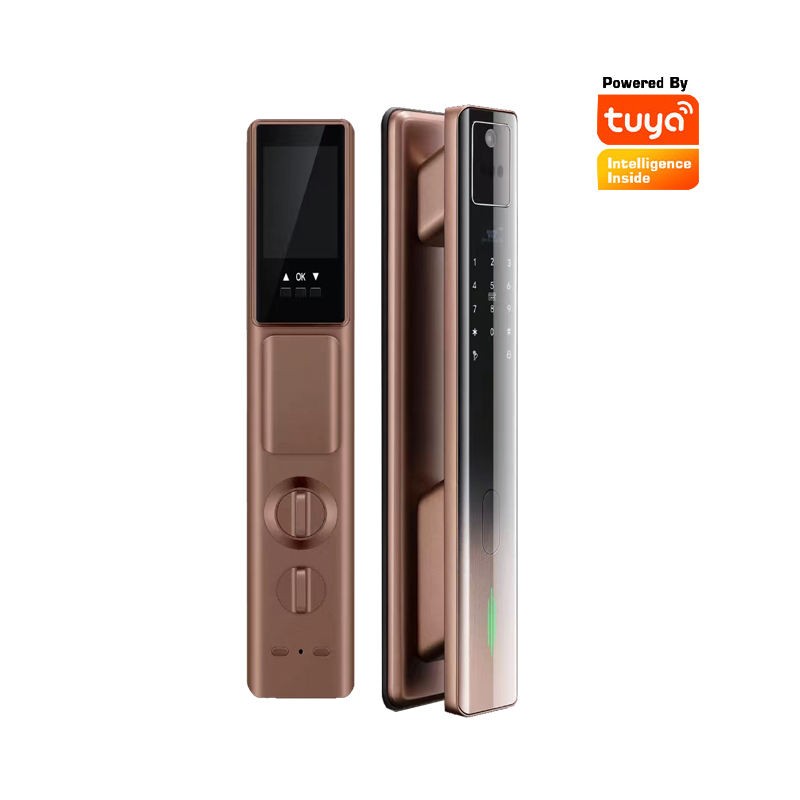 Facial Recognition Smart Lock with Video Intercom and Thumbprint FM730
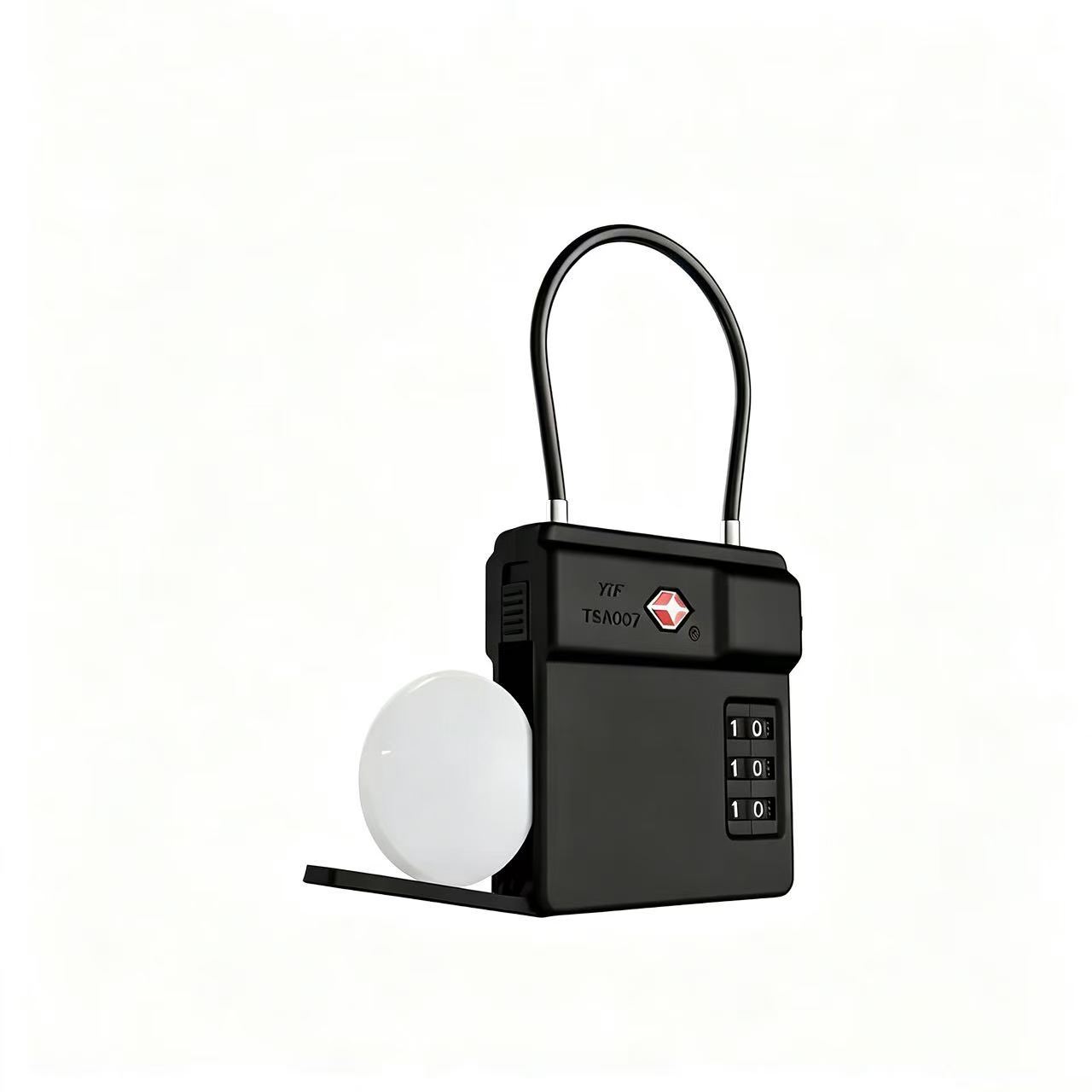 Smart TSA Approved Cable Lock with Integrated Airtag Tracking for iOS and Android FMA002
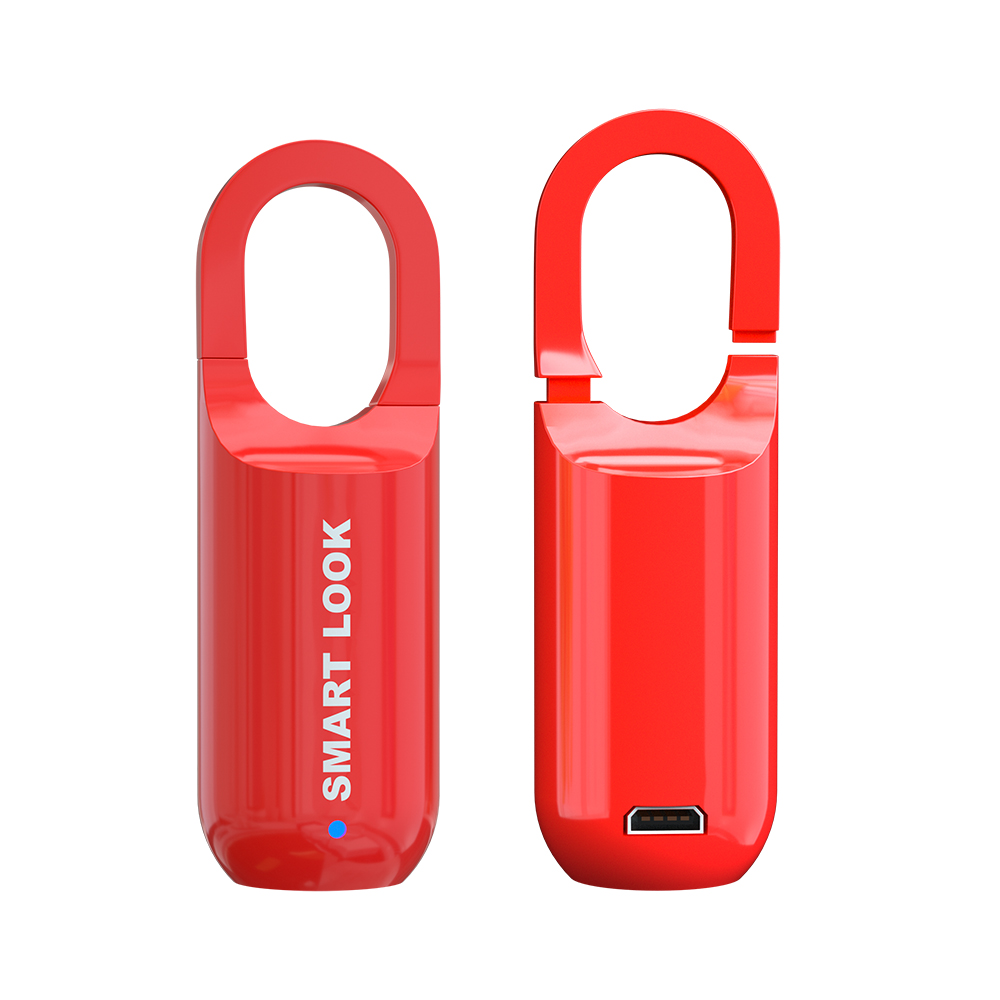 Fingerprint Smart Padlock with Bluetooth App Control and 365-Day Standby Tuya FMP001
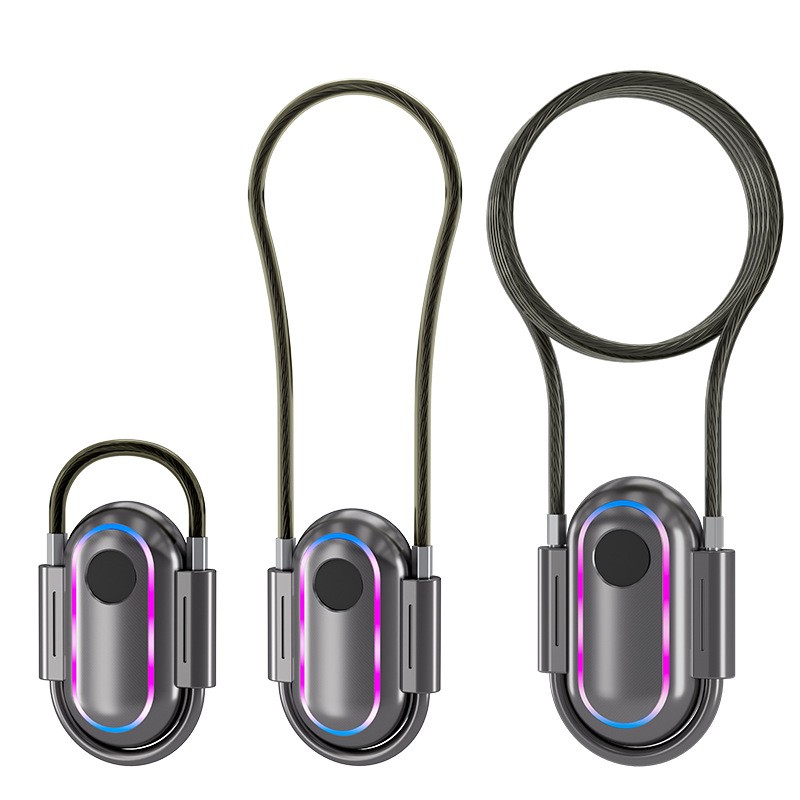 Fingerprint Smart Padlock with IPX5 Waterproof and 3 Steel Cable Lengths FMP002
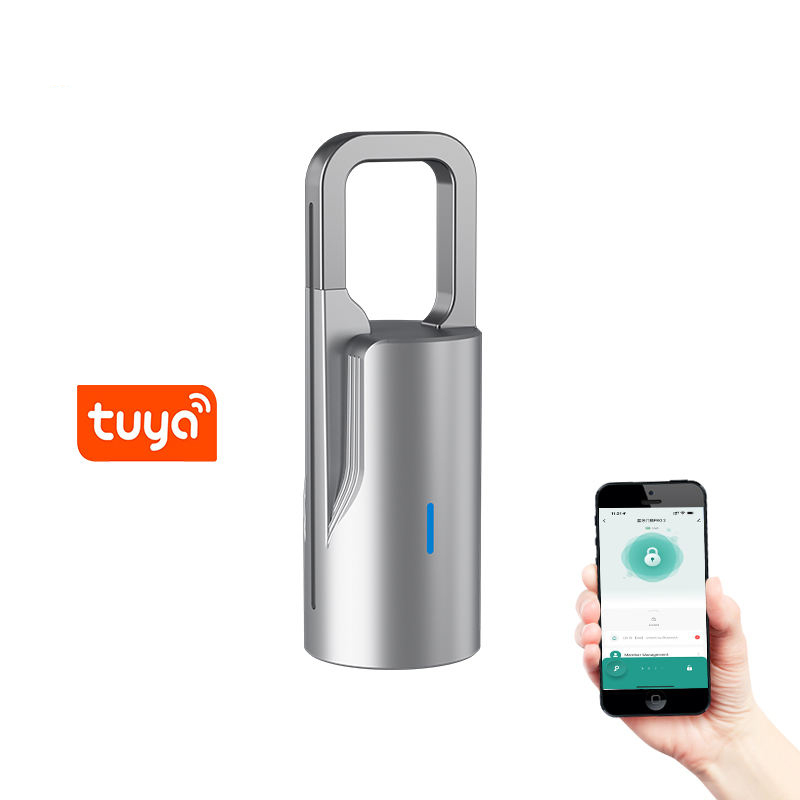 Fingerprint Smart Padlock with Bluetooth App Control and IPX5 Waterproof FMP003
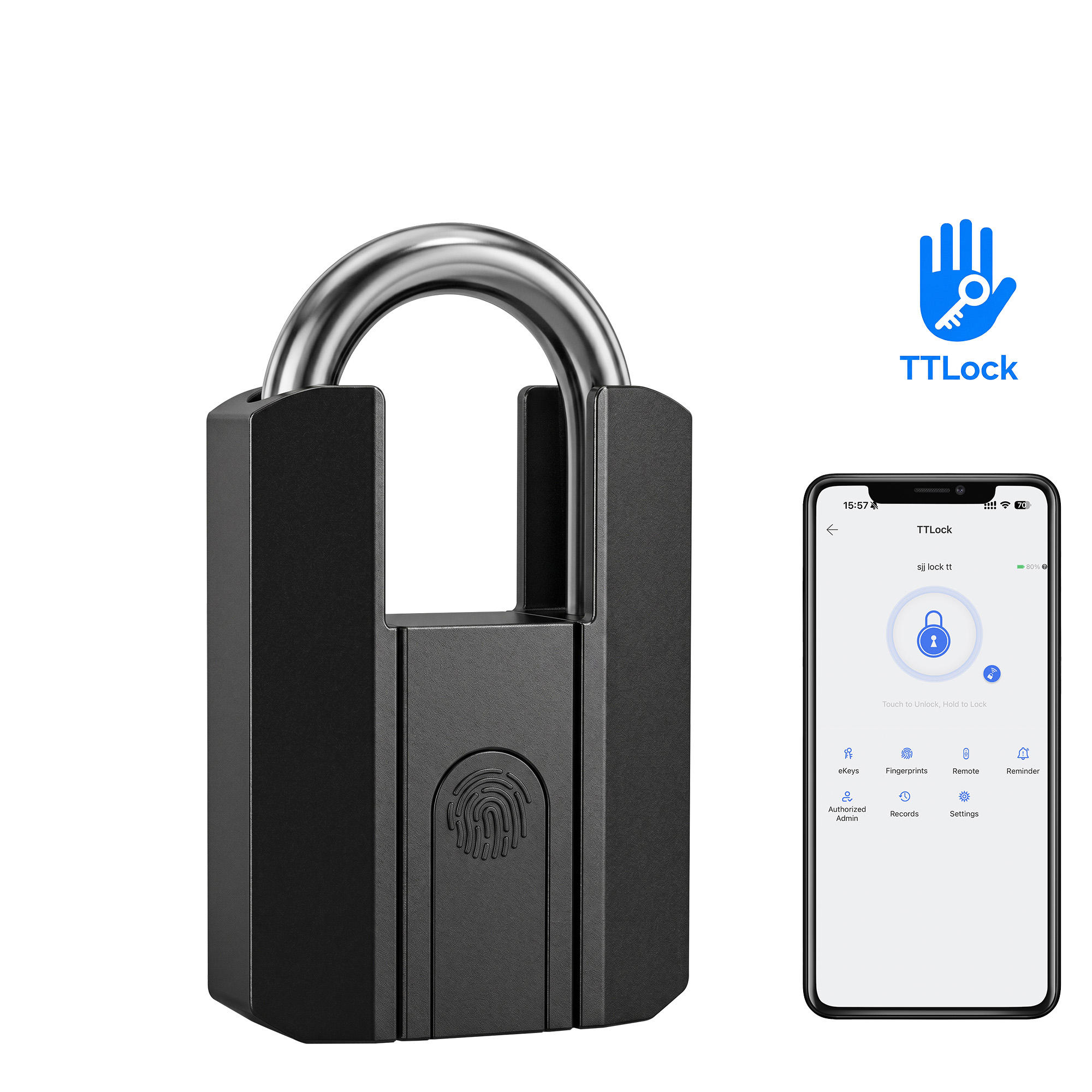 Heavy-Duty Fingerprint Padlock with IP67 Waterproof Shackle and TTLock Bluetooth FMP004
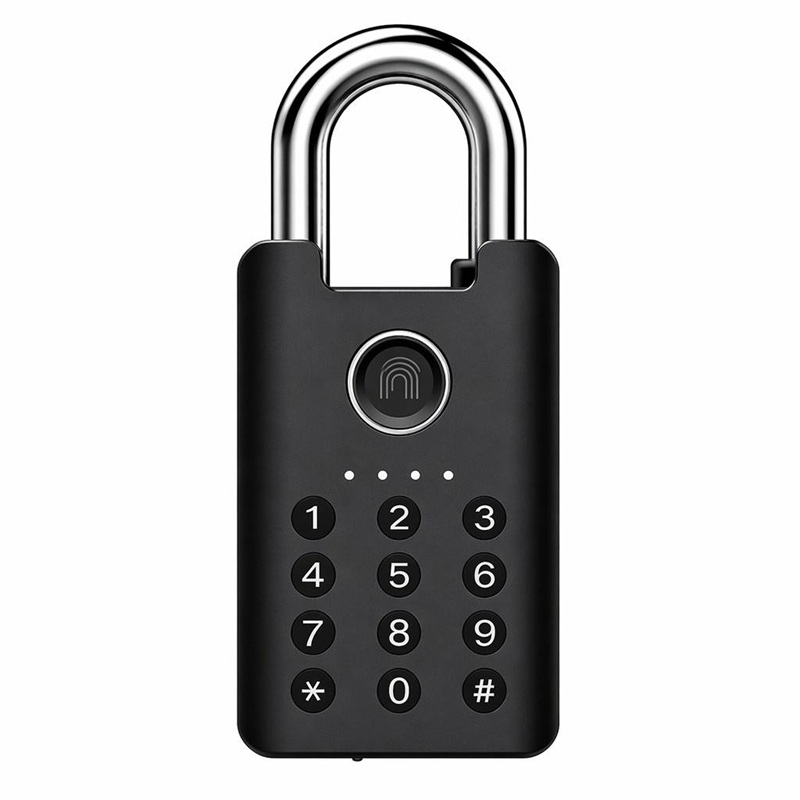 Heavy Duty Fingerprint Smart Padlock with Password Keypad IP65 Waterproof FMP005
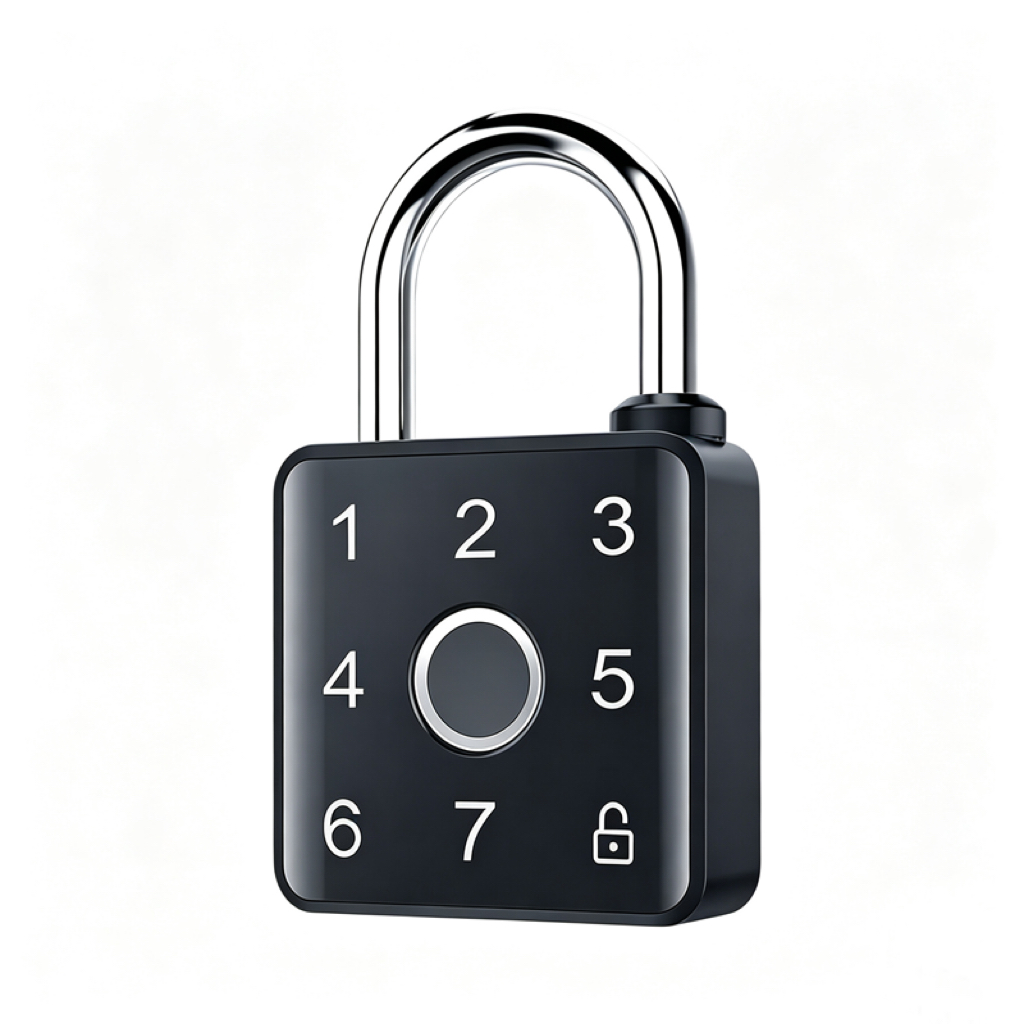 Multi-Access Fingerprint Padlock with Keypad, App Control & IP65 Waterproof FMP006
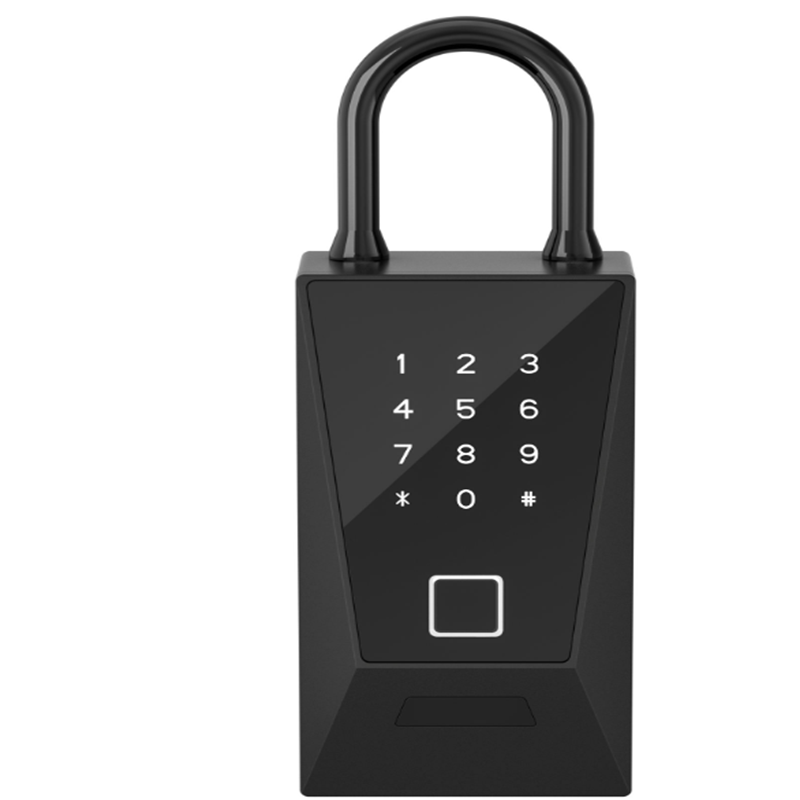 WiFi Smart Key Box with Fingerprint Password Card Access IPX5 Waterproof FMP007
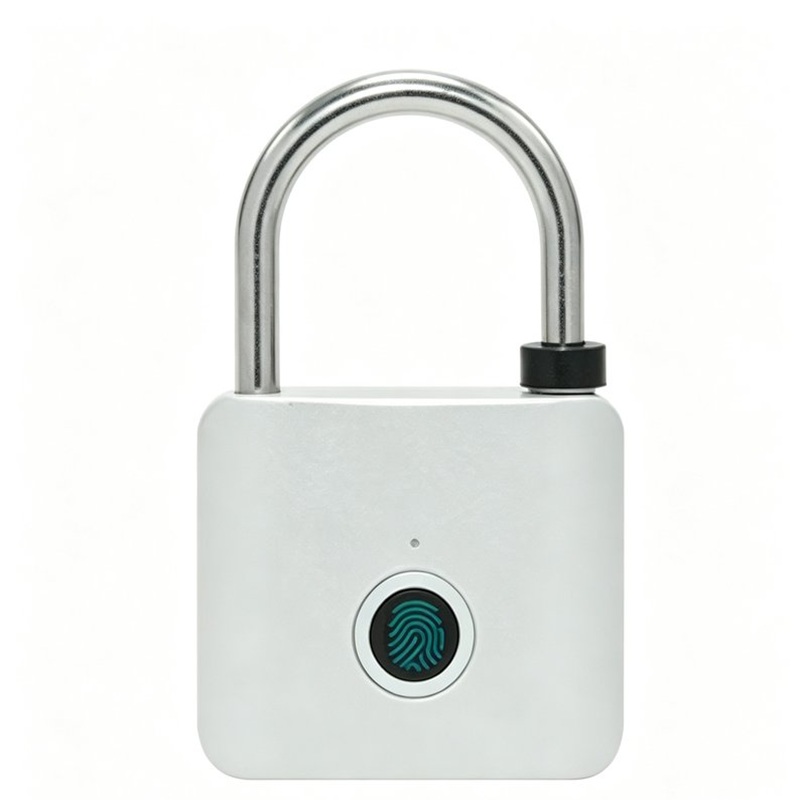 Bluetooth biometric Intelligent Padlock with IP65 Waterproof and Type-C Rechargeable Battery FMP008
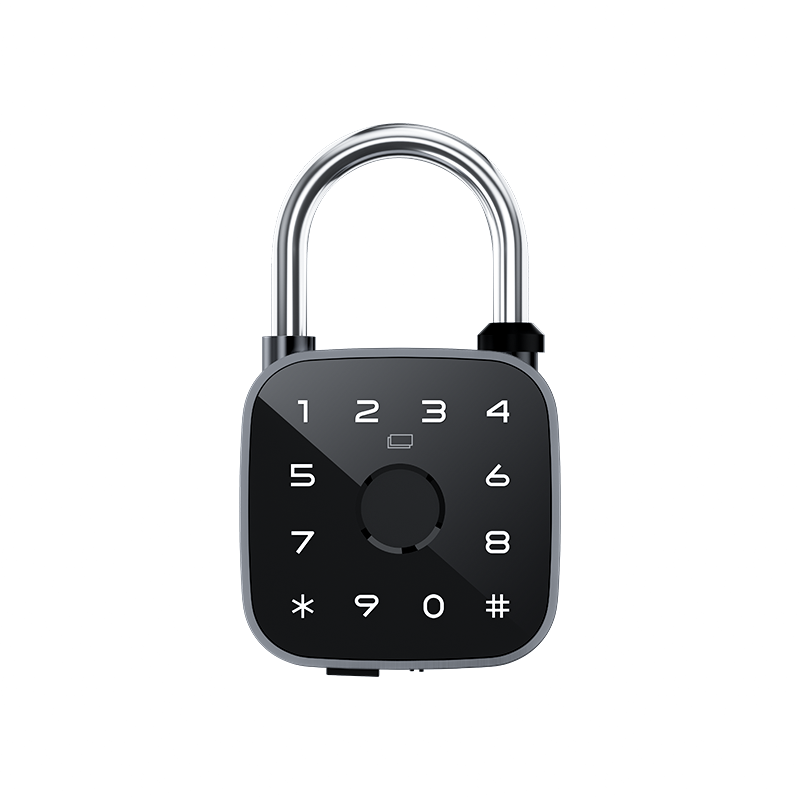 Smart Biometric Padlock with Scramble-Code Keypad and Tuya App Control FMP009
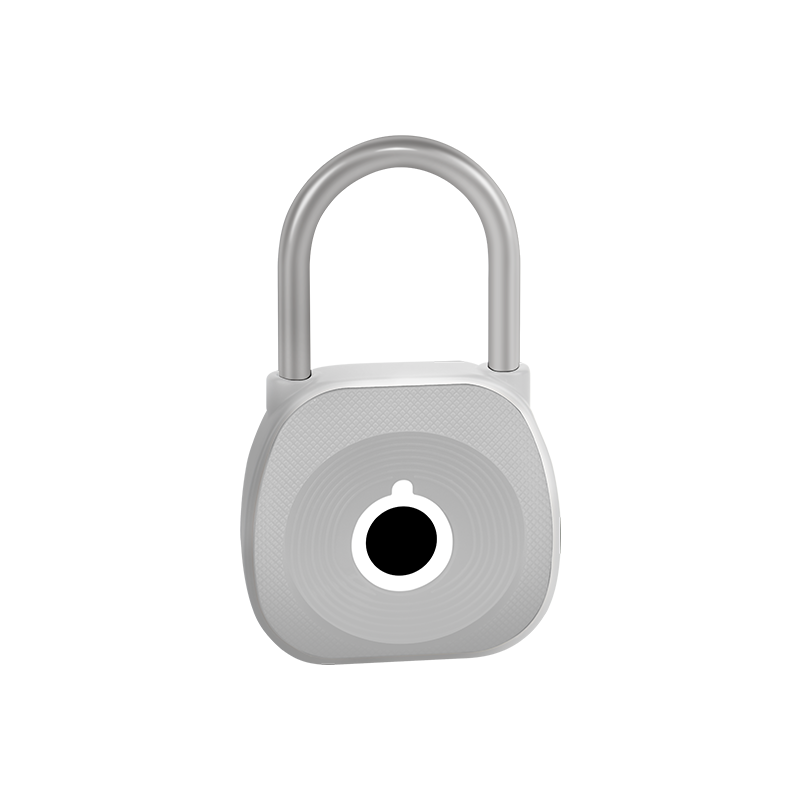 Ultra-Slim Biometric Padlock — 1.8cm Aluminum Body with Tuya App Control FMP010
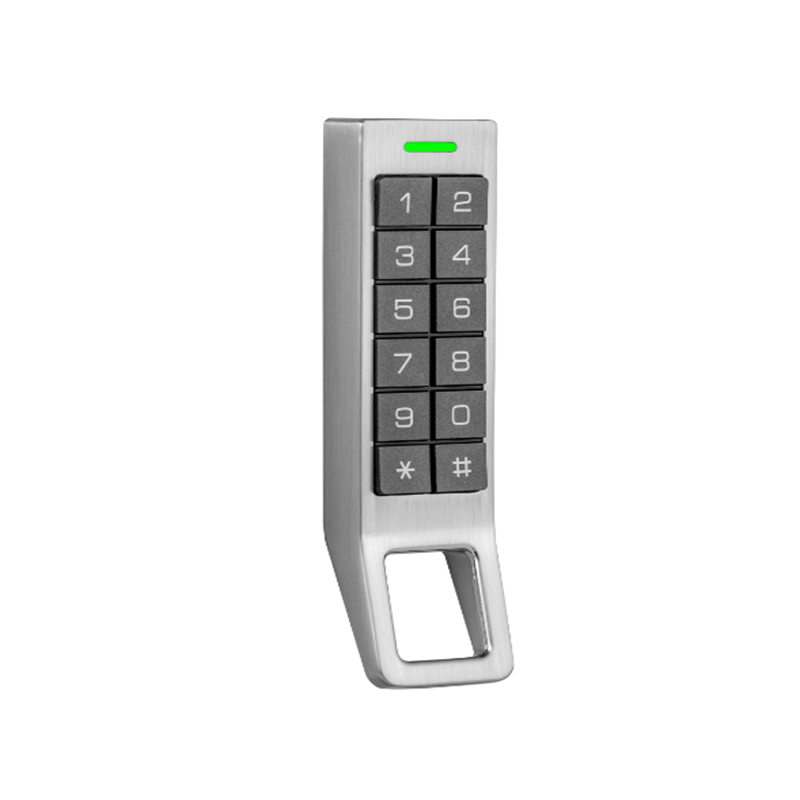 Smart Fingerprint Cabinet Lock — App & Bluetooth Keyless for Lockers FM890
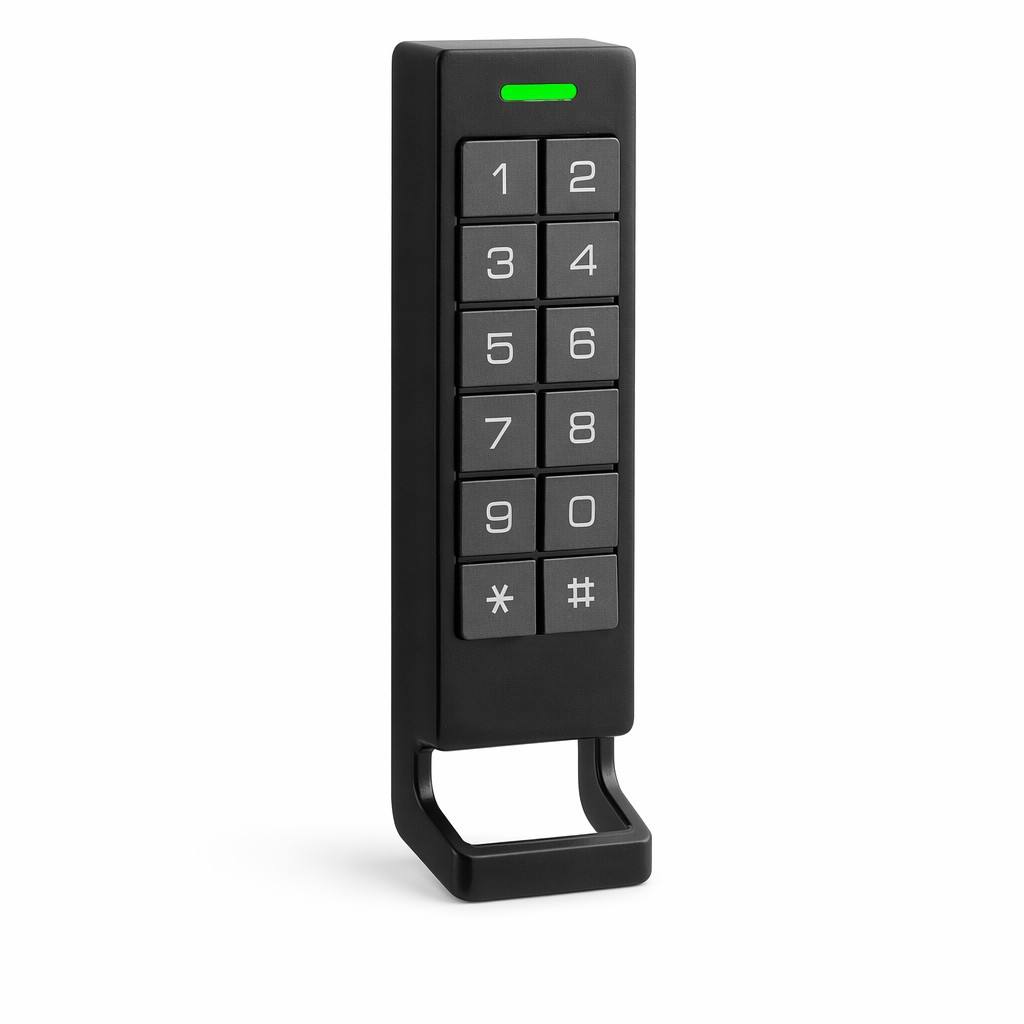 Digital Cabinet Lock with TTLock App, Passcode and RFID Card Access FMP870B
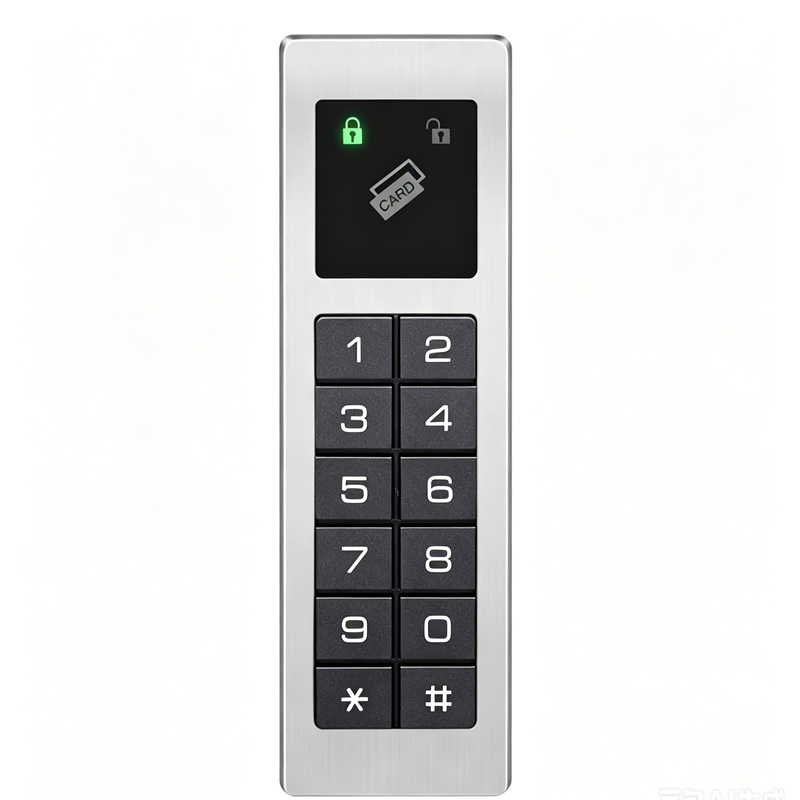 Smart RFID and Passcode Cabinet Lock with 5000mAh Battery and IP66 Waterproof FMP810
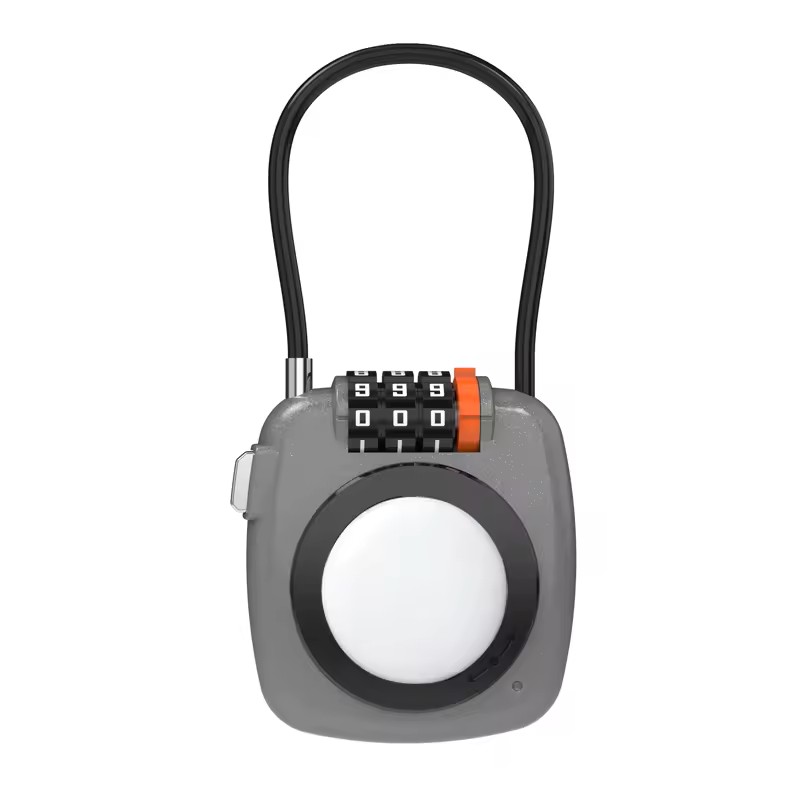 Combination Padlock with Apple Find My & Android Find Hub - IP65 Waterproof Smart Lock FMA001
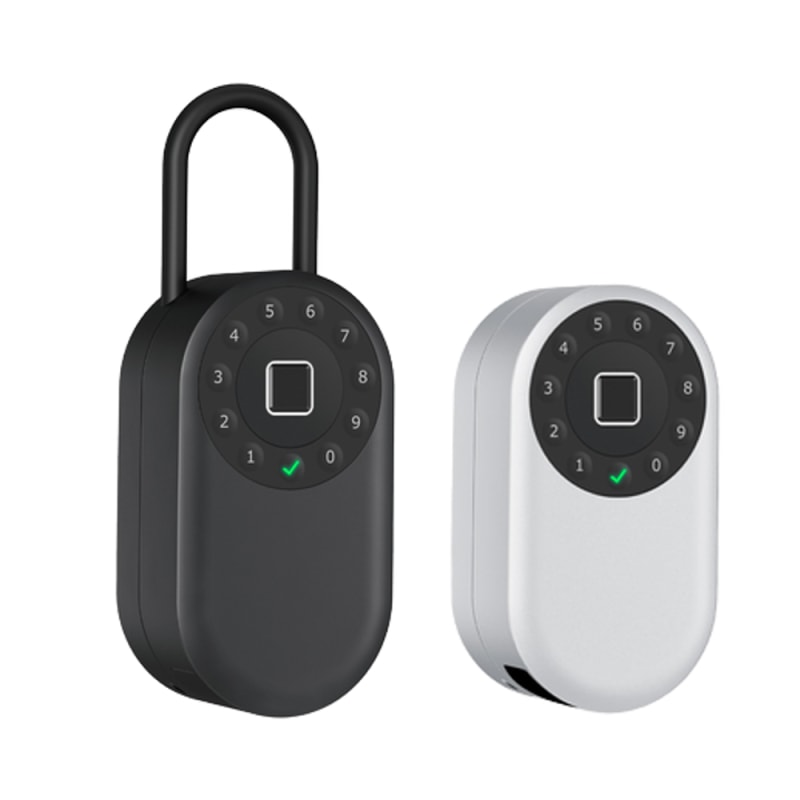 Keyless lock box with physical keypad and TTlock app waterproof for outdoor key storage
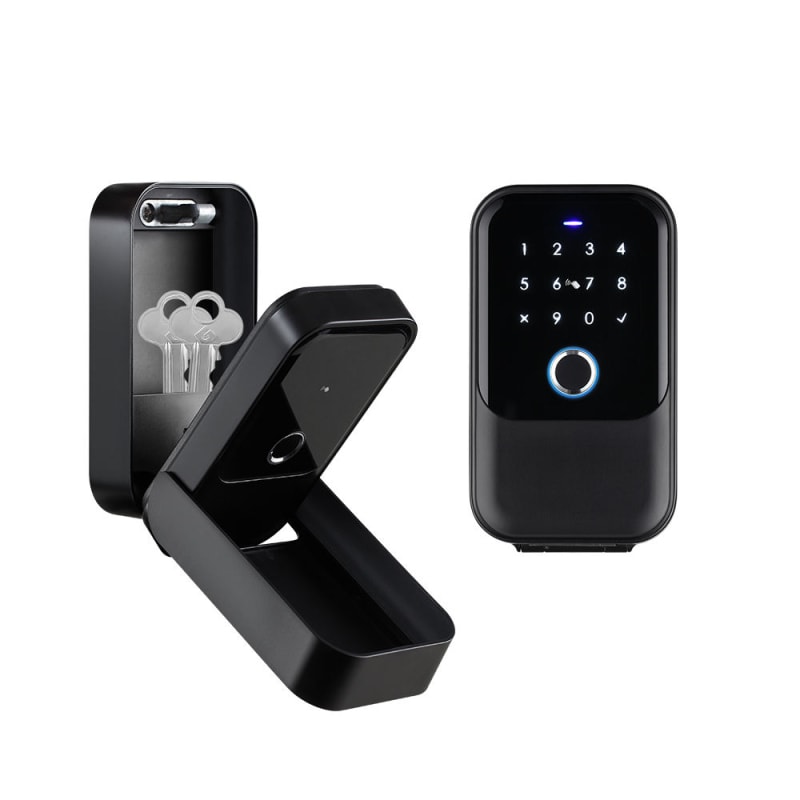 Smart key box with touch keypad and comptible with TTlock and Tuya ble for outdoor use
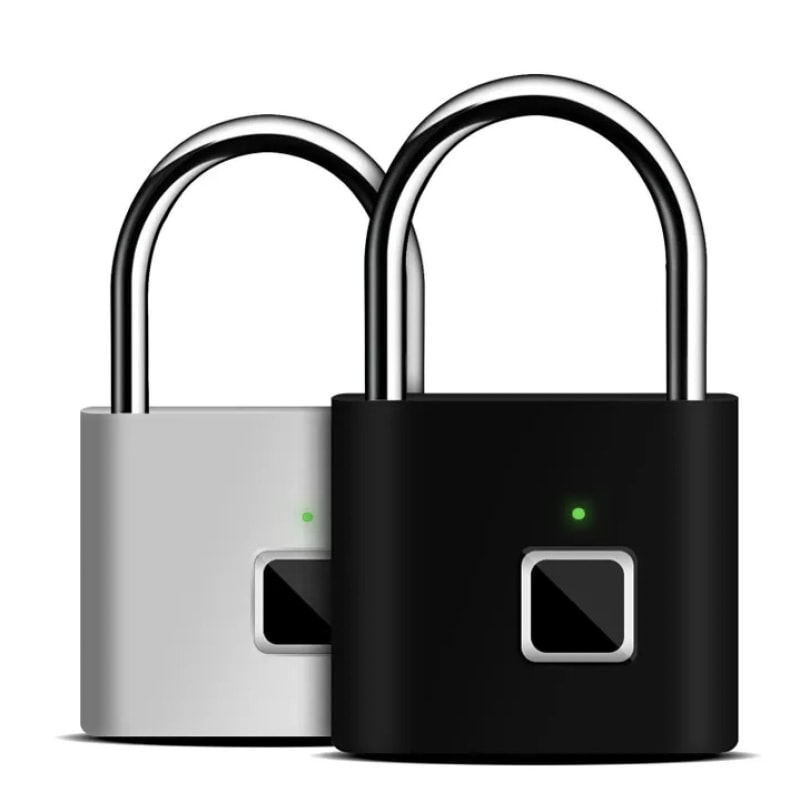 Fingerprint padlock with morse code backup that is rechargeable and portable for everyday use FM570
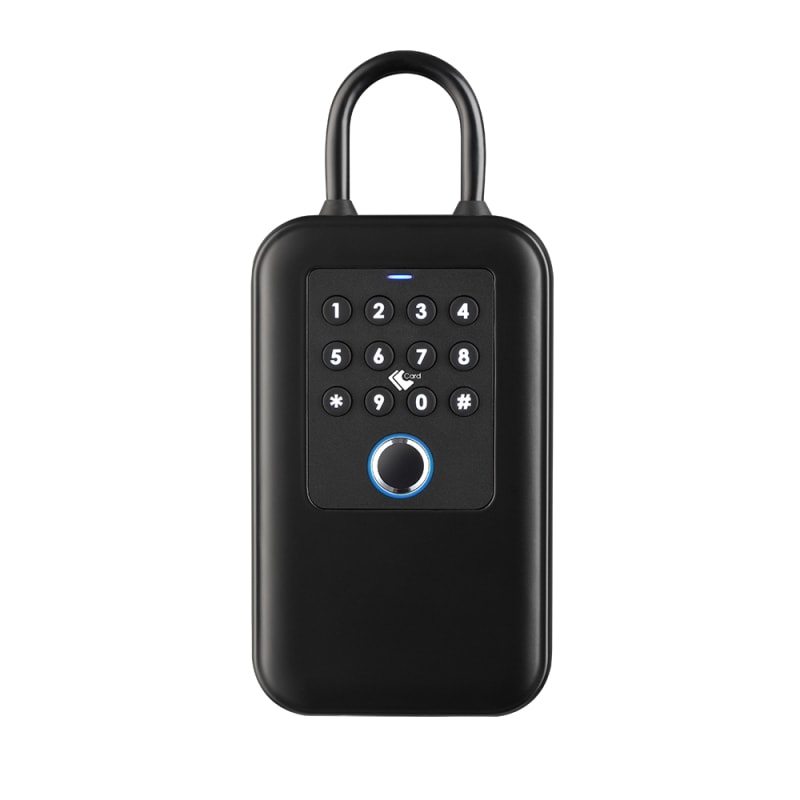 Waterproof key lock box with physical keypad and Tuya app control for outdoor key storage
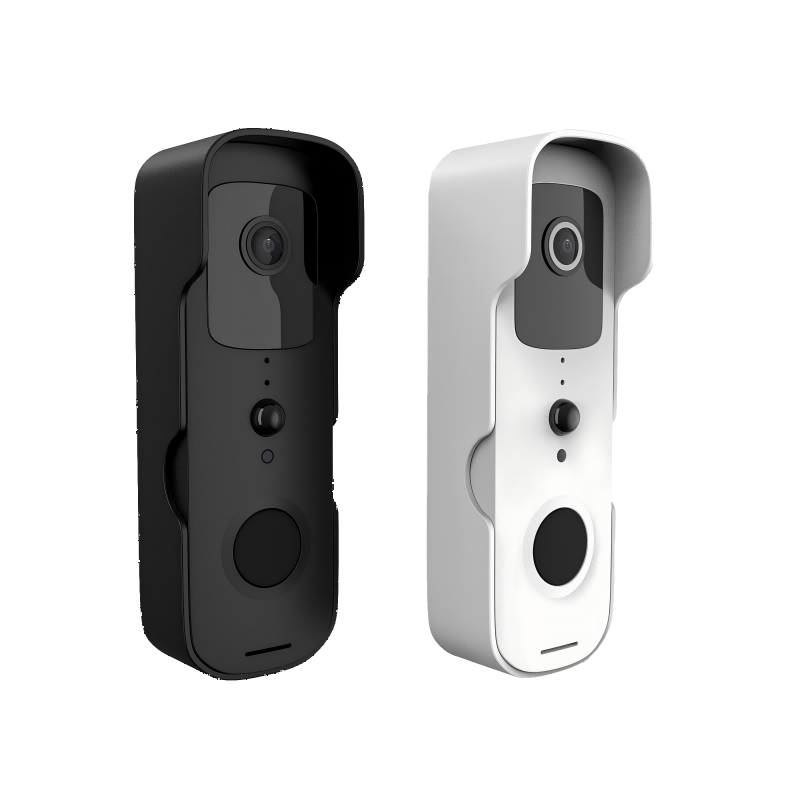 Smart Video Doorbell with Two Way Audio and Tuya WiFi for Home Security FM571
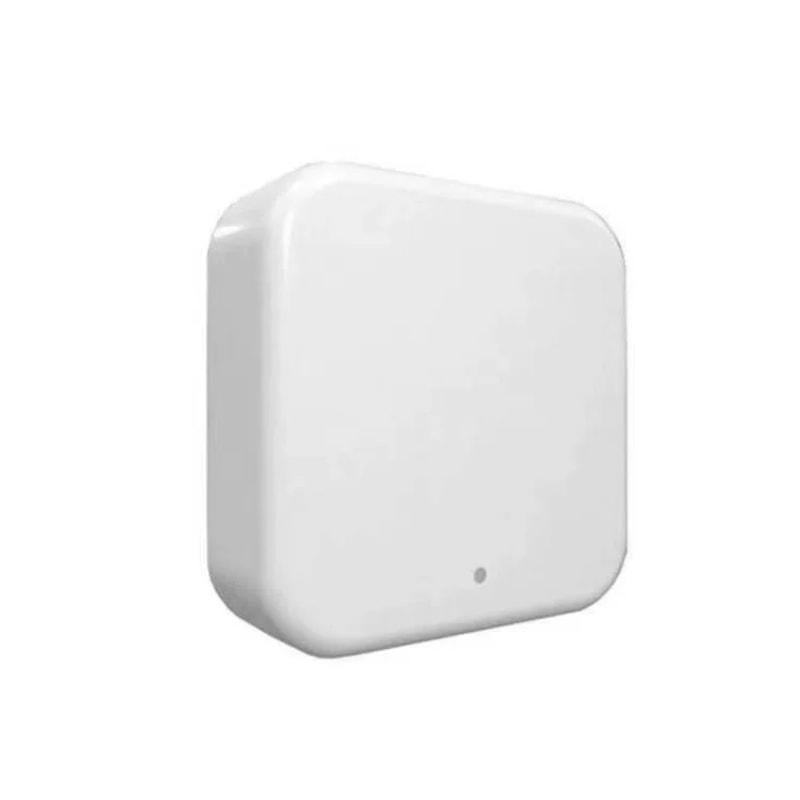 Ttlock G2 Gateway Connects Your Bluetooth Smart Lock to Wifi for Remote Access
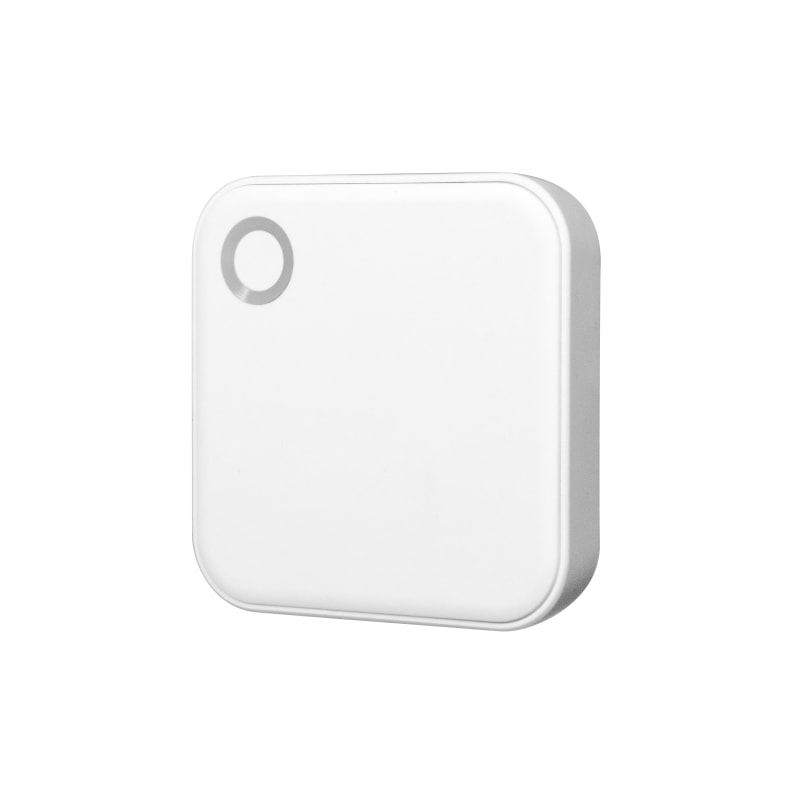 TTlock G5 gateway features dual band wifi and mesh network for large properties
 WhatsApp