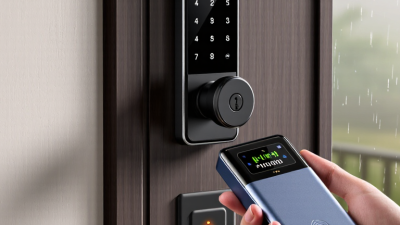
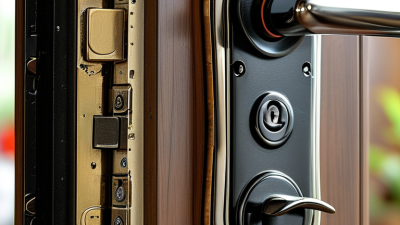
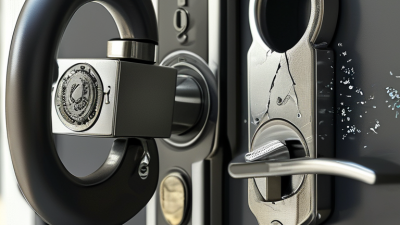
China's become a huge sourcing hub for Smart Deadbolts — the kind used in homes, hotels, and commercial projects all over the world. If you're buying, you can usually find OEM manufacturers, established brands, and niche hardware factories all in one place. Kaadas and Dessmann? Yeah, those names come up a lot in international conversations. But just remember: “top” doesn't always mean the most popular. Sometimes it's about fit, quality, and who actually delivers. When you're choosing a supplier, you really do need evidence behind it—there's just no way around that.
If you want a trustworthy evaluation, don't just look at the price or the fancy specs. You should dig into things like product testing, what the factory can actually handle, how stable the software is, and whether after-sales support is really there when you need it. Before committing to a big order, definitely ask for samples. Then put them through their paces: how quickly does the fingerprint reader respond? Can you clearly see the keypad? Is there a way to power it in an emergency? How long does the battery last? And how well does it hold up after repeated use? Sure, a lock can look great on a showroom door, but real-world performance can be a whole different story. So ask for test reports, quality-control records, warranty terms, and proof of export experience. Hey, can you double-check whether the supplier supports the regional standards we need and the installation conditions? Just want to make sure we're covered.
And yeah, communication matters too. If you’ve got clear drawings, solid firmware update steps, spare parts available, and packaging details nailed down, you can avoid some really costly misunderstandings. Video audits and third-party inspections can also show you how production actually runs—stuff a brochure is never going to tell you. That said, inspections only go so far. No shortlist is ever perfect, right? One supplier might be great at manufacturing but slow to respond on technical support. Another might have tempting pricing, yet their software updates are all over the place. If you're buying smart deadbolts from overseas, don't just look at the unit price—that's only part of the story. You've also got to think about tooling, certifications, shipping, integration, and what maintenance will look like down the road. The best China-based suppliers? They tend to pair solid hardware with real support and documentation you can actually follow. And yes, careful verification still matters a lot, especially if those locks are going into buildings, climates, and user groups you don't know well yet.
What Are Smart Deadbolts and Why Choose Chinese Suppliers?
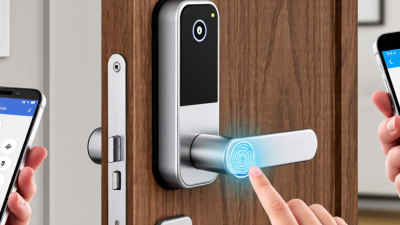
Smart deadbolts are electronic locks designed to replace traditional deadbolts on residential and commercial doors. They may use PIN codes, fingerprints, mobile apps, Bluetooth, or temporary access keys. Many models also include mechanical key backup, low-battery alerts, entry records, and automatic locking. A well-designed unit should respond quickly, protect stored data, and remain usable during a power or network interruption.
Chinese suppliers attract global buyers because they work within a mature hardware and electronics manufacturing network. This can support flexible housing designs, multiple finishes, and integration with different door standards. Experienced suppliers usually provide sample testing, installation guides, firmware support, and production quality checks. Buyers should request evidence of cycle testing, battery performance, encryption practices, and applicable product certifications. Factory communication matters too. Clear drawings prevent expensive mistakes.
A low quotation can look attractive but hide weak software support or inconsistent assembly. This is easy to underestimate. During evaluation, test the lock on a real door, not only on a workbench. Check fingerprint response with wet hands, keypad visibility in daylight, and operation after repeated use. Ask how security updates are delivered and how defective units are handled. Not every supplier offers the same technical depth. Some customization requests also need extra testing, longer lead times, or revised tooling. A careful buyer should compare samples, documentation, warranty terms, and production controls before placing a large order.
Key Features of China’s Leading Smart Deadbolt Manufacturers
China’s leading smart deadbolt manufacturers now combine fingerprint access, keypad entry, temporary codes, and mobile control. Grand View Research valued the global smart lock market at approximately USD 2.4 billion in 2023. It also forecasts strong growth through 2030. This demand is pushing factories toward faster development and tighter quality control.
Reliable suppliers usually offer zinc alloy or stainless-steel bodies, concealed mechanical overrides, and tamper alarms. Battery life matters at the installation site. Buyers should request tested cycle data, not attractive claims. NIST authentication guidance supports stronger credentials, rate limiting, and secure recovery processes. These details separate a useful deadbolt from a connected failure. Small detail. Very important.
Leading manufacturers increasingly support encrypted communication, remote firmware updates, and gateway compatibility. The Connectivity Standards Alliance added door locks to Matter’s supported device categories, encouraging broader ecosystem integration. MarketsandMarkets also identifies residential security and connected-home adoption as major smart-lock growth drivers. Still, specifications can be incomplete. Some suppliers publish laboratory results without explaining temperature, humidity, or load conditions. Global buyers should inspect sample units, audit production records, and verify software support periods. A polished app is not enough. Availability, privacy controls, emergency access, and after-sales response need equal attention. The best supplier is not always the cheapest one. Sometimes, a lower initial quote hides weaker testing and costly replacement work.
Major Supplier Types and Production Capabilities in China
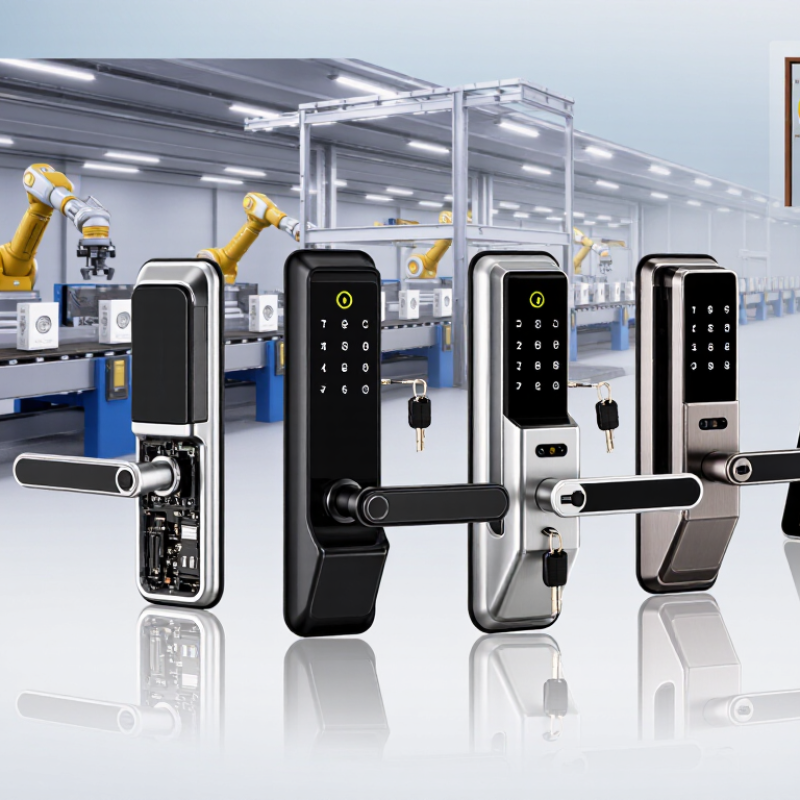
China’s smart deadbolt market includes three main supplier types: hardware factories, electronic security manufacturers, and trading companies. Hardware factories often control die casting, CNC machining, polishing, and assembly. Their metal finishes can be checked beside actual samples, not only photos. Electronic security manufacturers usually offer stronger development teams. They integrate fingerprint readers, keypad modules, motors, sensors, and mobile connectivity. Trading companies provide flexible sourcing, but production details may remain unclear.
For global buyers, production capability matters more than a polished catalogue. Ask whether the supplier owns testing equipment and maintains traceable quality records. Useful checks include salt-spray testing, battery endurance tests, motor-cycle testing, and emergency power verification. A capable factory should explain its process clearly. It should also provide drawings, sample reports, packaging details, and realistic lead times. Digital Deadbolts may look similar, yet internal gear quality can differ sharply. One supplier may use automated assembly, while another depends heavily on manual adjustment. This difference can affect noise, alignment, and long-term reliability.
Tips: Request a pre-production sample before approving bulk orders. Test the lock on doors with different thicknesses and strike positions. Confirm firmware update procedures and data protection practices. Ask who handles warranty claims and replacement parts. Do not accept vague answers. A low sample price can hide expensive modifications later. I have seen projects fail because the buyer checked appearance but ignored installation tolerances. That mistake is easy to repeat.
How to Evaluate Smart Deadbolt Quality, Security, and Certifications
A reliable Smart Lock supplier should prove more than a polished product sample. Examine the deadbolt’s housing, latch alignment, motor noise, and battery contacts. A loose spindle can create failure after repeated door movement. Ask for cycle-test results, moisture testing, and low-temperature performance data. ANSI/BHMA standards help assess mechanical durability, while UL 294 can support electronic access-control safety claims.
Security requires evidence. Request encryption details, signed firmware updates, administrator logs, and a documented vulnerability-response process. The 2024 Verizon Data Breach Investigations Report found that human involvement appeared in 68% of breaches, showing why strong passwords and access permissions matter. A keypad should resist guessing, and temporary codes should expire automatically. Test operation after Wi-Fi loss. It should still unlock through an approved local method.
Certifications need careful checking. Verify the certificate number, testing laboratory, product model, and applicable market. CE or UKCA markings may address regional compliance, but they do not automatically prove burglary resistance. RoHS supports material restrictions, not cybersecurity. Suppliers should provide reports from recognized laboratories, not only self-written declarations. Ask whether testing covered the complete assembled deadbolt, including its mobile application and gateway.
Some evaluations still overemphasize app features. That is a mistake. A quiet motor and clear manual override may matter more during a flat battery or network outage. I would also inspect failure records honestly; no lock performs perfectly in every door, climate, or installation.
OEM, ODM, and Customization Options for International Buyers
China Top Smart Deadbolts Suppliers for Global Buyers?
For international buyers, OEM and ODM cooperation should begin with a clear product brief. Define door thickness, backset, material, finish, battery type, and installation method. A Smart Lock may look elegant in photographs, yet its fit depends on millimeter-level measurements. Experienced suppliers can adjust the deadbolt body, keypad layout, mounting plate, and packaging for different markets. Ask for engineering drawings and a working sample before approving mass production.
Customization can extend beyond appearance. Buyers may request private-label packaging, user manuals, firmware settings, access records, or temporary passcodes. Suppliers should explain which functions are standard and which require new development. During factory evaluations, check machining accuracy, assembly procedures, waterproofing tests, and battery-compartment sealing. Ask how rejected units are recorded. Reliable answers matter more than polished presentations.
ODM projects often reduce development time, but they still need careful testing. An existing platform may require changes for local door structures or climate conditions. One early specification can be wrong. A sample tested in a dry office may perform differently in a humid apartment entrance. Request pilot production, repeated installation tests, and inspection reports from an independent quality team. Confirm software support, spare-part availability, warranty handling, and export documentation in writing. Small details become expensive later.
Pricing, Minimum Orders, and Export Considerations
Global demand for smart access products is expanding, but supplier pricing remains highly specification-dependent. Grand View Research valued the global smart lock market at approximately USD 2.55 billion in 2023. It also expects strong growth through 2030. A basic Smart Padlock may cost USD 8–18 at factory level. Fingerprint models often reach USD 20–45. These ranges are indicative, not promises.
Minimum order quantities usually start around 100–500 units for standard designs. Custom housings, firmware, or packaging can push MOQs above 1,000 units. Ask for a tiered quotation. Include unit price, tooling, samples, spare batteries, software access, and carton dimensions. Small orders look convenient. They can become expensive after testing and freight.
Export checks need practical attention. Confirm CE, FCC, RoHS, and destination-market requirements before payment. Battery products may require UN38.3 documentation and safer transport packaging. Intertek’s 2024 consumer-product testing guidance highlights traceability and documented quality controls as recurring export concerns. Check the lock’s IP rating, shackle strength, charging port, and failure mode. A laboratory report is useful, but it does not replace a production inspection. I have seen attractive samples differ from mass production. That risk deserves a written inspection standard.
How Global Buyers Can Select the Right Chinese Supplier
Choosing the right Chinese smart deadbolt supplier requires more than comparing product photos and prices. Global buyers should examine manufacturing experience, engineering capability, and communication quality. Ask for a working sample, not only a catalog. Test fingerprint recognition, keypad response, motor strength, battery life, and emergency unlocking. Install the sample on the intended door thickness. A lock that works smoothly in a showroom may fail after slight door misalignment.
Request technical drawings, material details, inspection records, and relevant test documentation. Confirm whether the supplier controls firmware updates and protects user data responsibly. Visit the factory when possible, or hire an independent inspection team. Check assembly lines, component storage, calibration tools, and final quality checks. Small details matter. For example, loose screws, uneven coating, or poor battery contacts can create expensive after-sales problems. The supplier should also explain how defective units are traced and replaced.
Commercial reliability deserves equal attention. Discuss minimum order quantities, production capacity, tooling ownership, packaging standards, spare parts, warranty handling, and realistic delivery schedules. Do not accept vague promises. Put measurable requirements into the purchase agreement. One uncomfortable lesson is that a polished factory tour does not guarantee consistent shipments. I once relied too heavily on presentation quality. That was a mistake. Regular inspections, clear records, and direct technical conversations provide stronger evidence. The best supplier is not always the cheapest; it is the one that can repeatedly deliver safe, stable, and supportable products for the target market.
Smart Door Locks for Slim Sliding Doors: IP65, Fingerprint & RFID Trends—2024 Grand View Research Insights
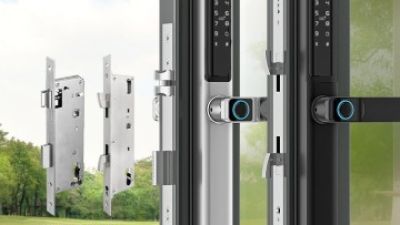
Slim sliding doors are becoming increasingly common in modern homes, patios, apartments, and compact commercial spaces, creating demand for smart locks that combine a narrow profile with dependable protection. Current market trends highlighted in 2024 research place greater emphasis on waterproof construction, biometric access, RFID convenience, and mobile connectivity. Designed for slim sliding doors, this IP65-rated smart lock is suitable for outdoor environments where resistance to dust and water is essential.
The lock offers several flexible entry methods, including fingerprint recognition, password access, RFID cards, smartphone control through Wi-Fi or Bluetooth connectivity, and a traditional key for added convenience. Users can manage access more easily while reducing dependence on physical keys, making it practical for families, rental properties, offices, and patio entrances. Its streamlined design helps preserve the appearance of narrow sliding doors without compromising everyday security.
Manufactured in China with direct factory support, the lock is built to provide consistent quality and reliable performance. Its combination of weather resistance, multiple access options, and smart-home compatibility reflects the growing preference for connected security products that are easy to install and simple to use.
FAQS
Useful features include fingerprint access, keypad entry, temporary codes, and mobile control. Keep emergency access available.
Zinc alloy and stainless steel offer practical strength. Check the body, screws, battery contacts, and coating quality.
Request tested cycle data from real installation conditions. Ask about temperature, humidity, and door alignment.
A showroom lock may hide problems. Test fingerprint recognition, keypad response, motor strength, and emergency unlocking.
Match the sample to the intended door thickness. Slight misalignment can cause slow movement or failed locking.
Request drawings, material details, inspection records, and traceability procedures. Inspect assembly lines and final checks when possible.
Ask about encrypted communication, secure firmware updates, recovery controls, and data protection. A polished app is not enough.
Review minimum order quantities, capacity, tooling ownership, packaging, spare parts, warranty handling, and delivery schedules.
Not always. A lower quote may hide weak testing and costly replacements. I learned that presentation quality proves little.
Be careful with vague promises, incomplete test conditions, loose screws, uneven coating, and weak battery contacts. Small defects become expensive.
Conclusion
China has become a major sourcing destination for Smart Deadbolts, offering a broad range of manufacturers with capabilities spanning residential, commercial, hotel, and property-management applications. Leading suppliers typically provide keyless entry, fingerprint or PIN access, mobile connectivity, temporary passwords, mechanical key backup, tamper alerts, and battery-saving designs. Buyers can work with specialized factories, integrated security manufacturers, or trading companies, depending on their required order volume, technical support, and customization needs.
For international buyers, supplier evaluation should focus on product durability, lock strength, software stability, data protection, quality control, and applicable safety and electromagnetic certifications. OEM and ODM services may include logo placement, housing design, firmware adjustments, packaging, and access-control integration. Before placing an order, buyers should compare pricing, minimum order quantities, sample policies, production lead times, warranty terms, export documentation, and after-sales support. A reliable supplier should communicate clearly, provide consistent testing records, and demonstrate the capacity to meet regional requirements and long-term delivery expectations.

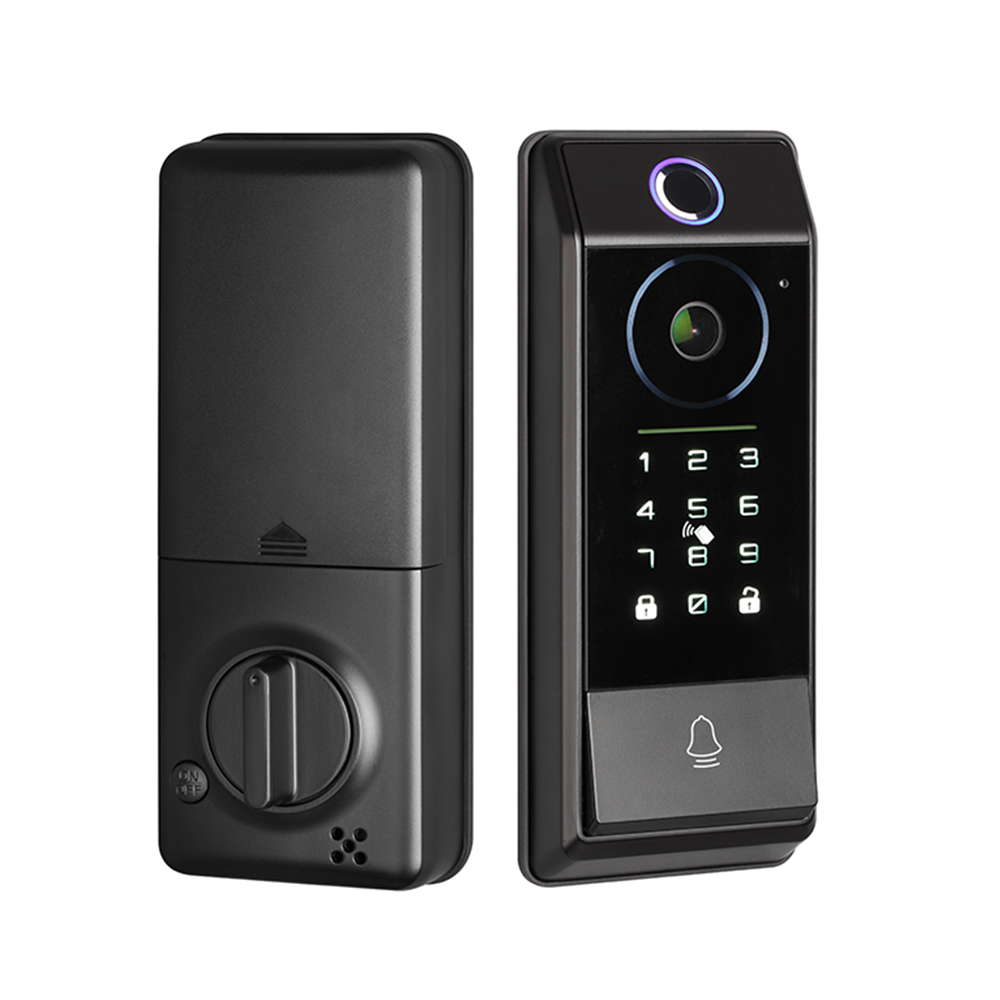 Smart deadbolt lock with video doorbell and two way intercom for front door security A229
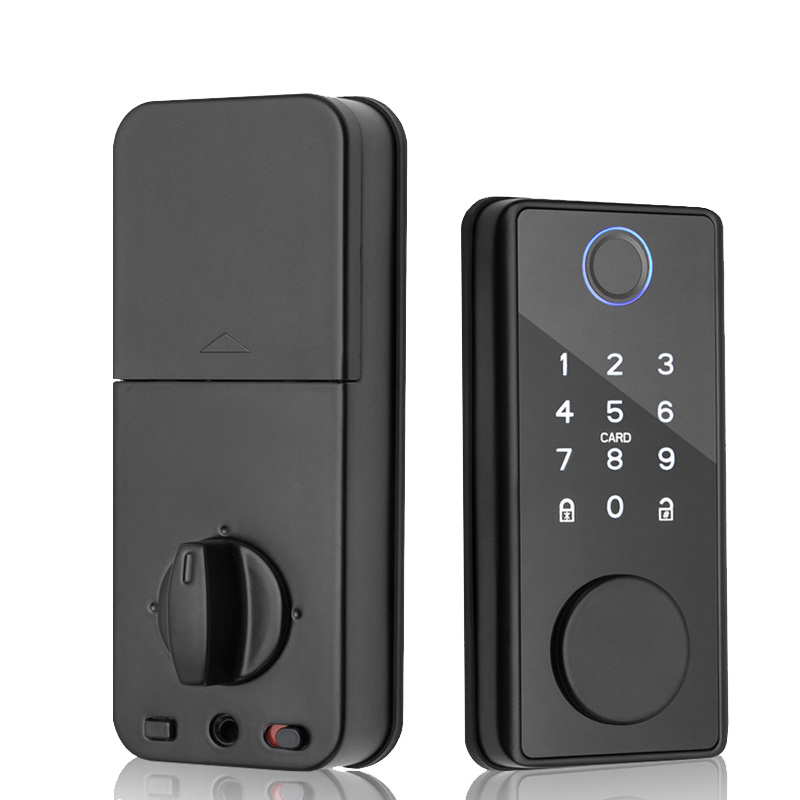 Bluetooth Deadblot Smart Lock with keyless access works with Google Alex tuya FM31
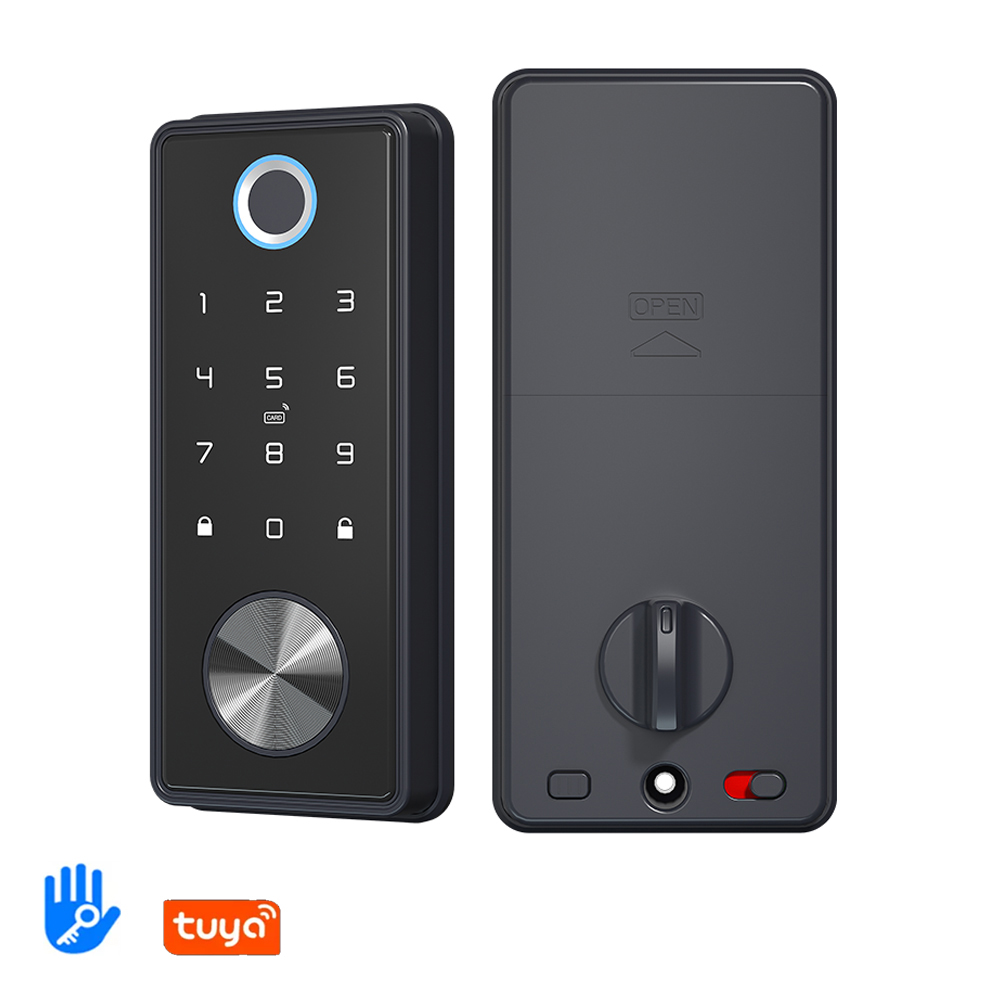 Waterproof Deadbolt Digital Lock supporting TTlock ble or TUYA wifi FM560
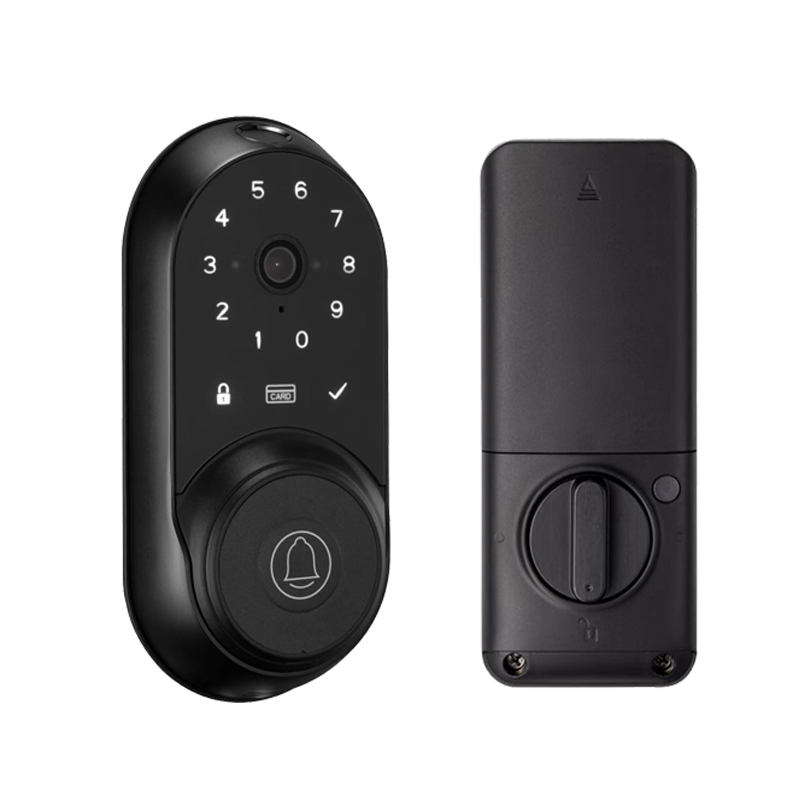 WIFI Deadblot Smart Lock with Video Doorbell works with Alexa Google Tuya FM880
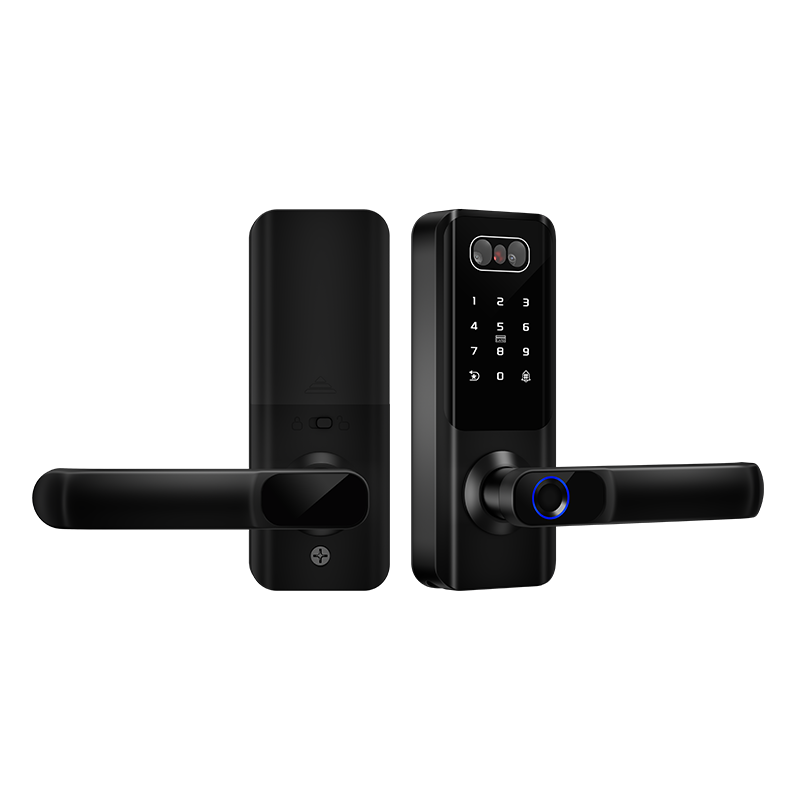 Facial Recognition Smart Lever Lock with 2MP Video Doorbell and IP66 Waterproof Tuya WiFi FM-Z86
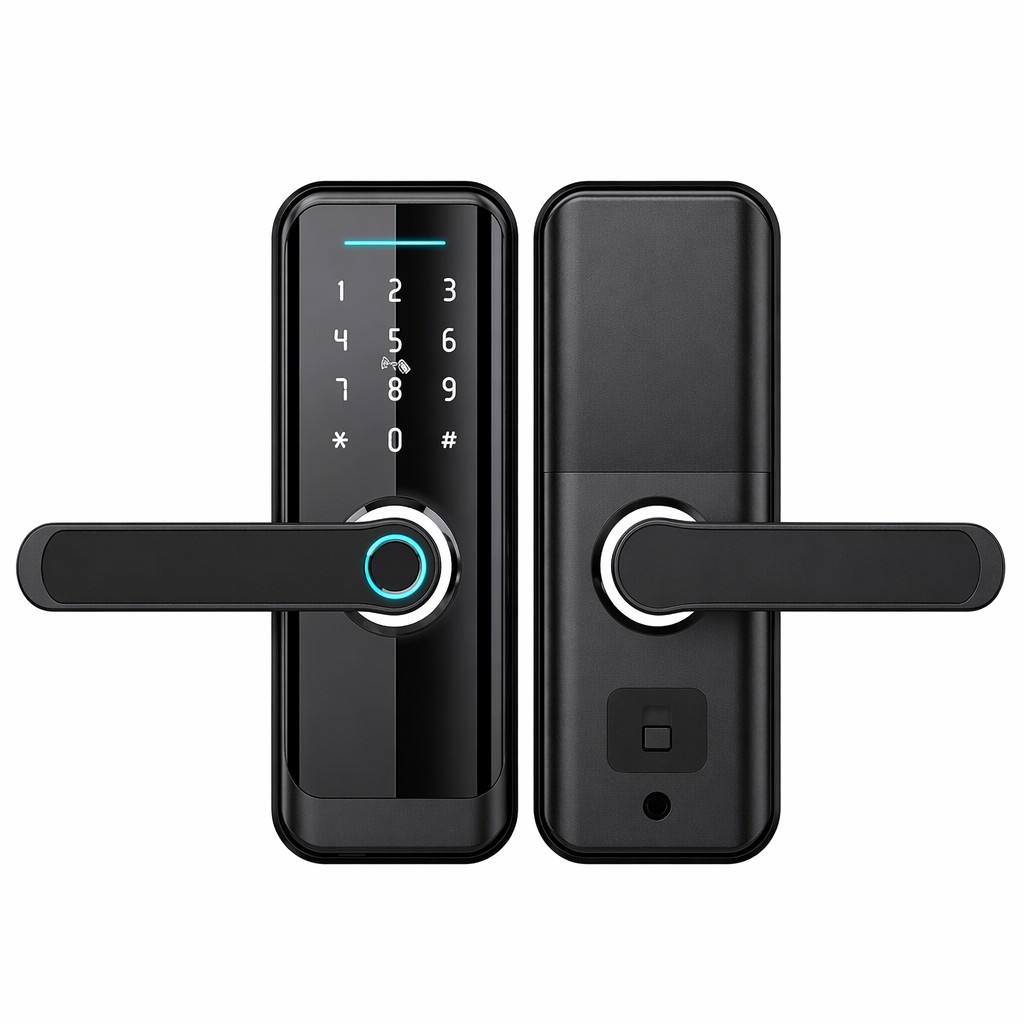 Advanced 5-in-1 Biometric Door Lock with Universal WiFi, Zigbee & 433MHz Support FM09
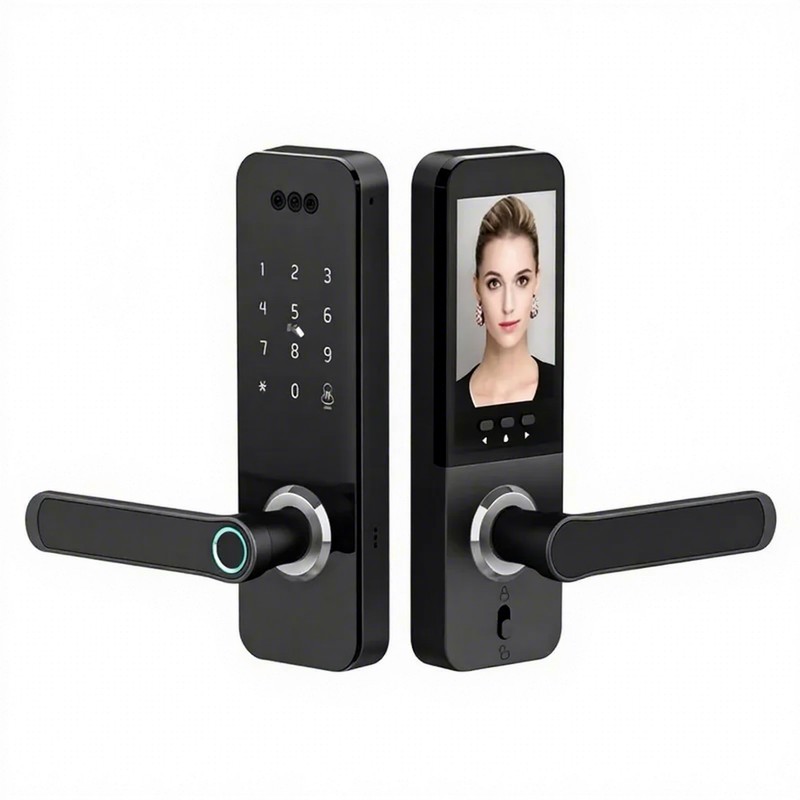 3D Face Recognition Smart Door Lock with 2MP Video Doorbell and Built-in WiFi FMP012
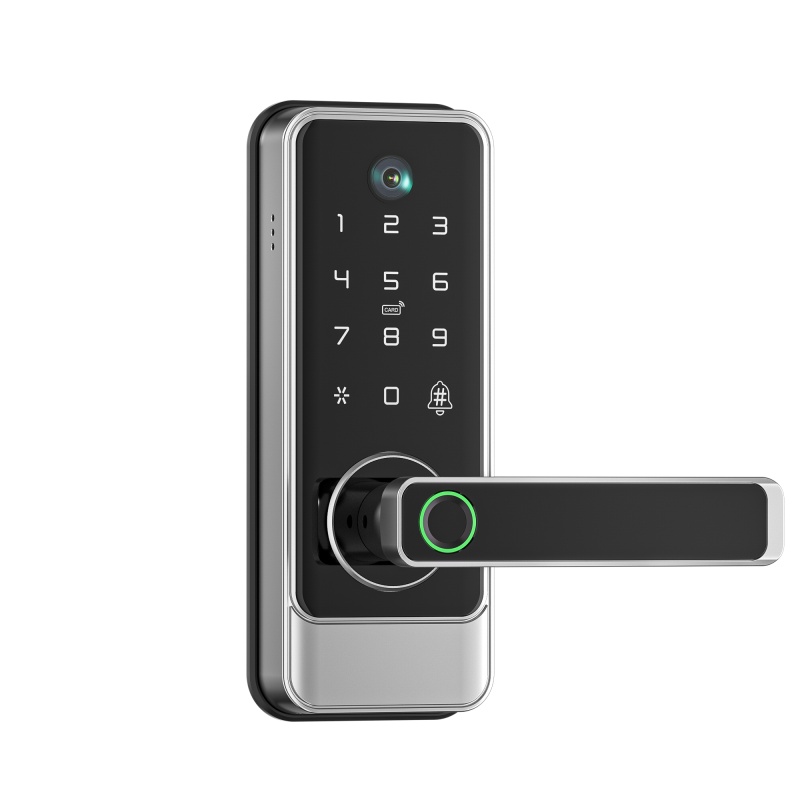 Keyless Entry Lever Lock with doorbell and Video Camera for Live Viewing V1
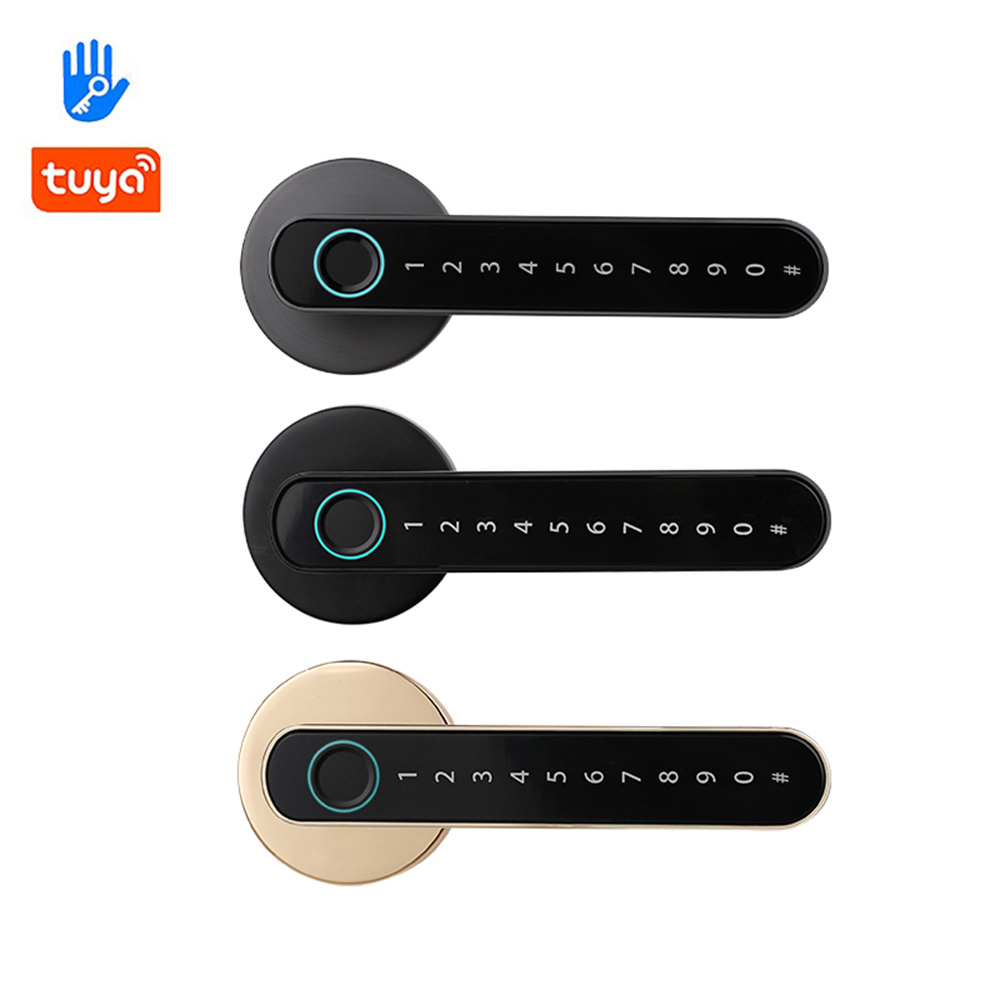 Bluetooth Lever Lock unlock by fingerprint recognition, password and App eKeys T8
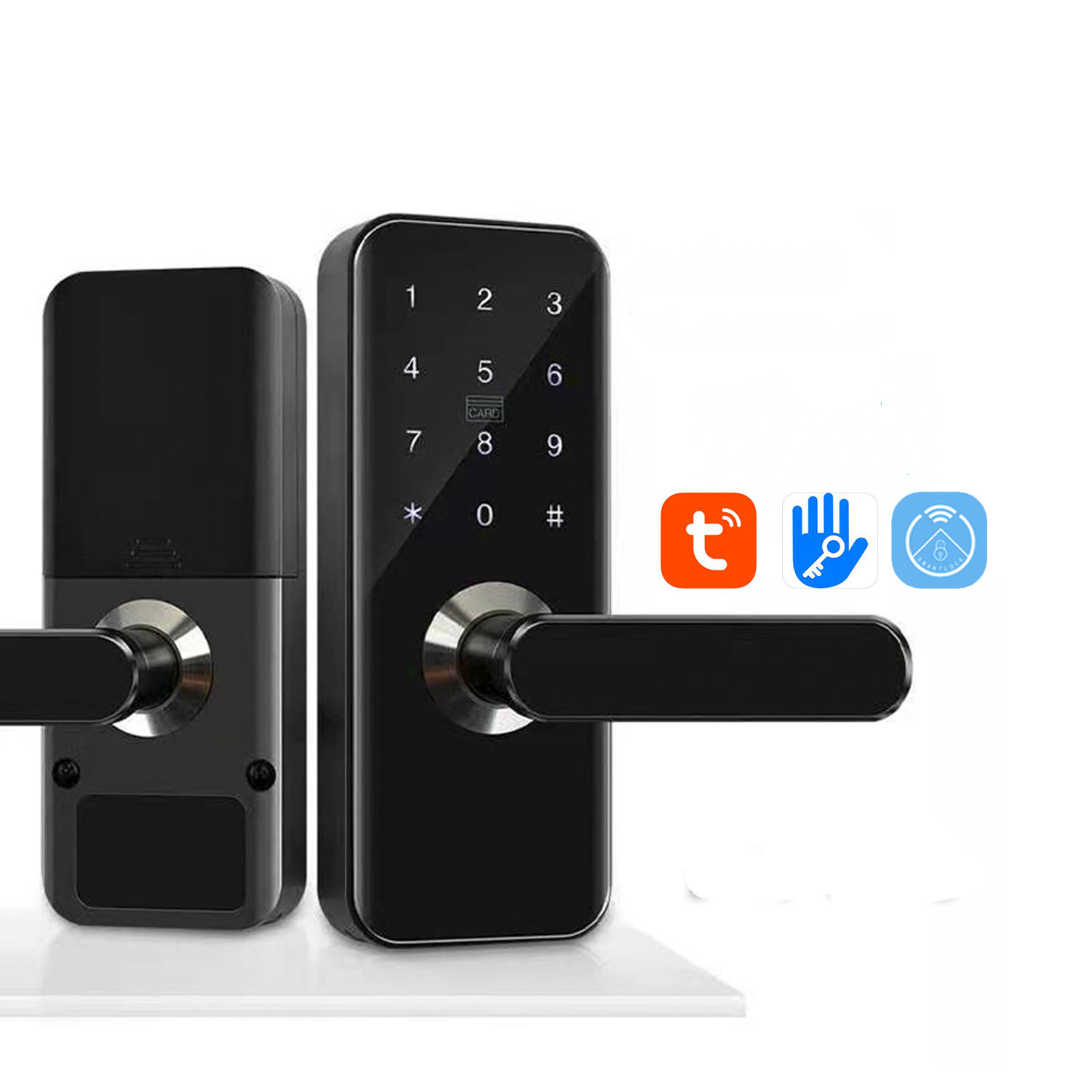 Smart lever lock supports TTlock bluetooth and TUYA wifi FM810
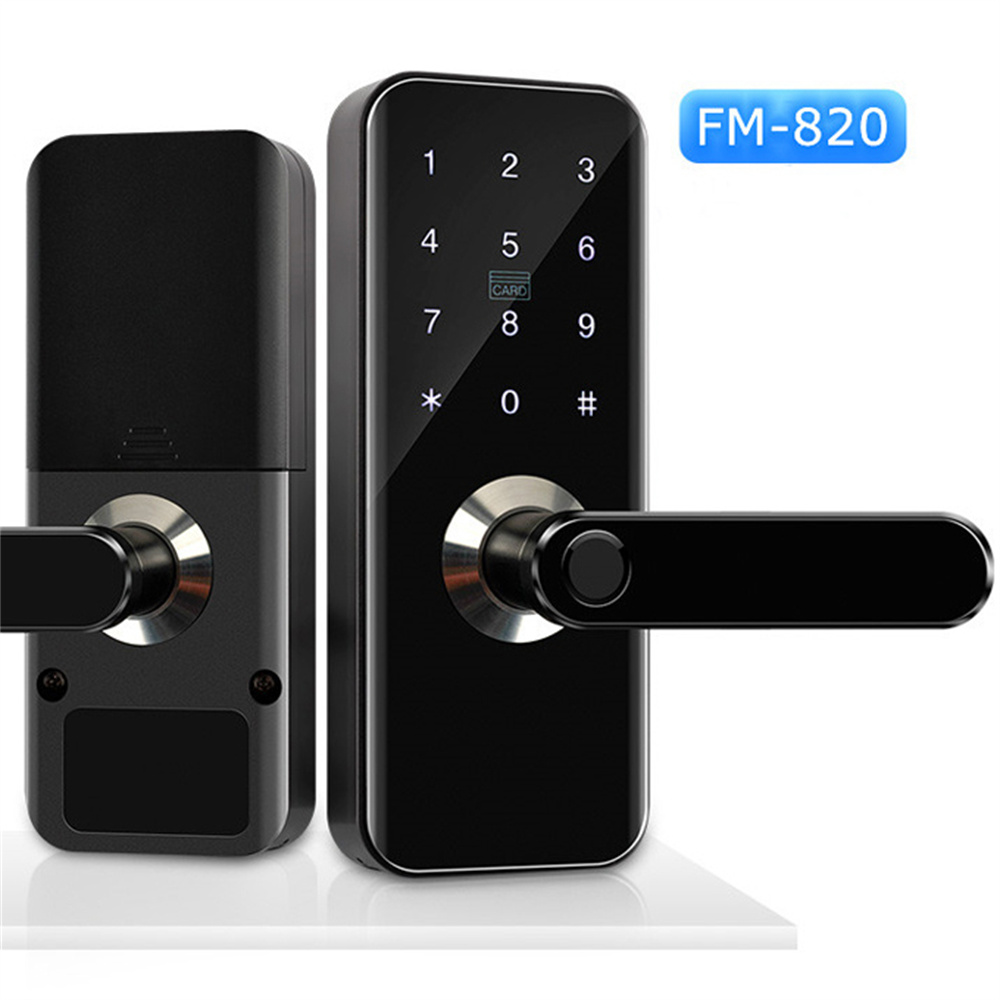 Fingerprint Smart Lever Lock with one touch Keyless Entry fits US Knob & Lever FM820
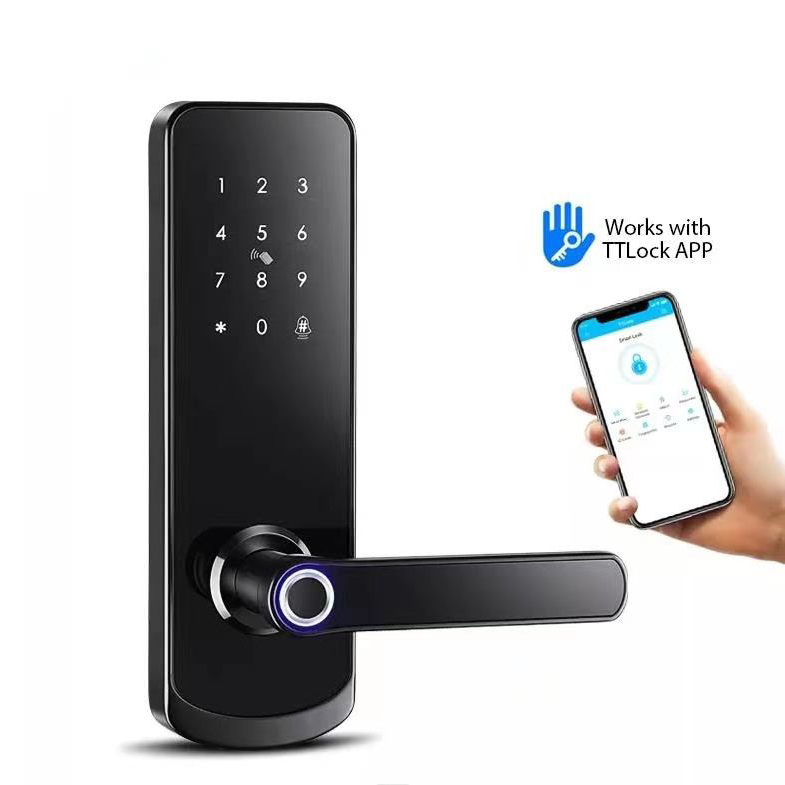 Fingerprint Lock with Anti-Pry Latch, Blocks Card Prying – FM230-N
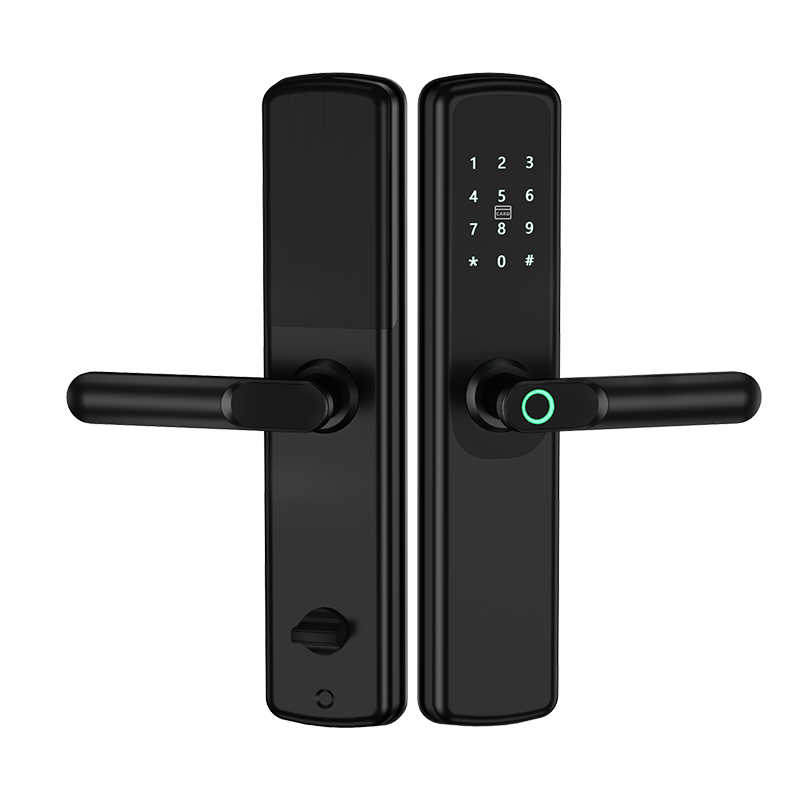 Intelligent Biometric Door Lock with 2MP Video Doorbell and Tuya WiFi FM-05
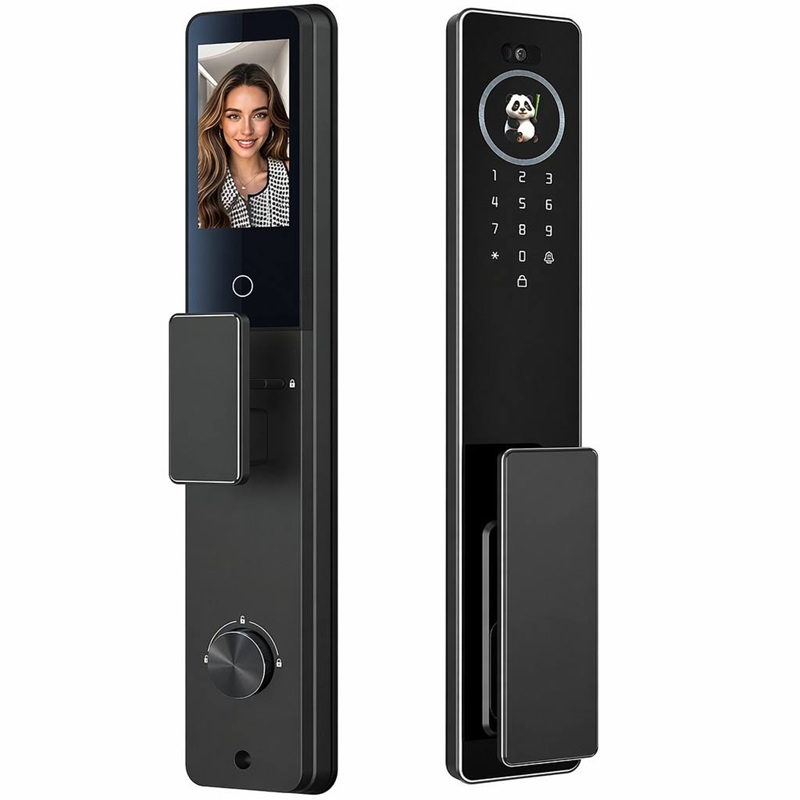 Flagship Biometric Security Lock — Advanced 3D Face Access & 4.5" IPS Live Viewer FM93
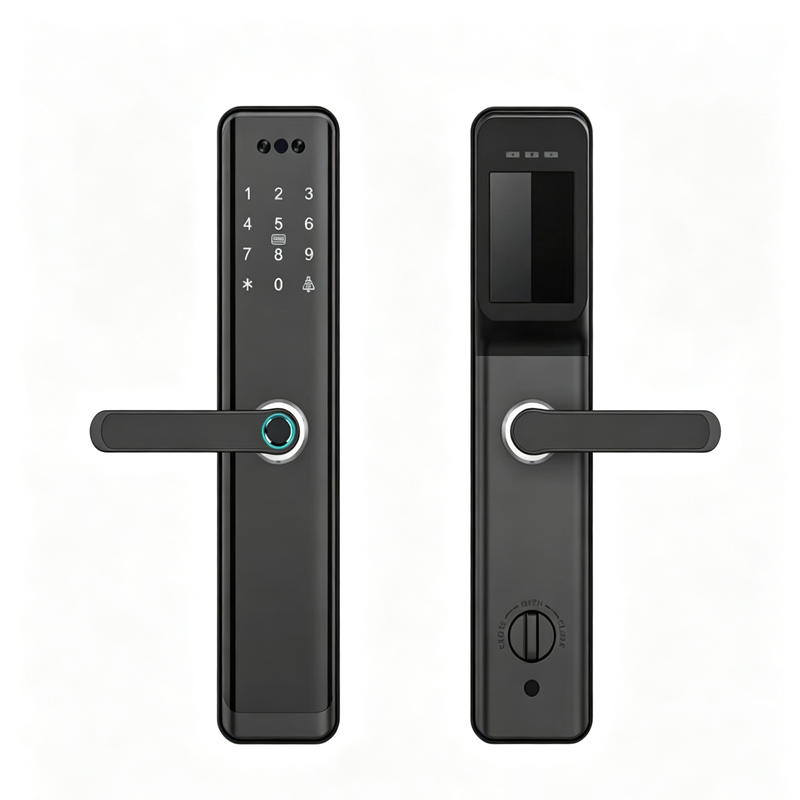 Smart Lever Lock with Fingerprint Facial Recognition and Video Doorbell Tuya WiFi TTlock FM-128
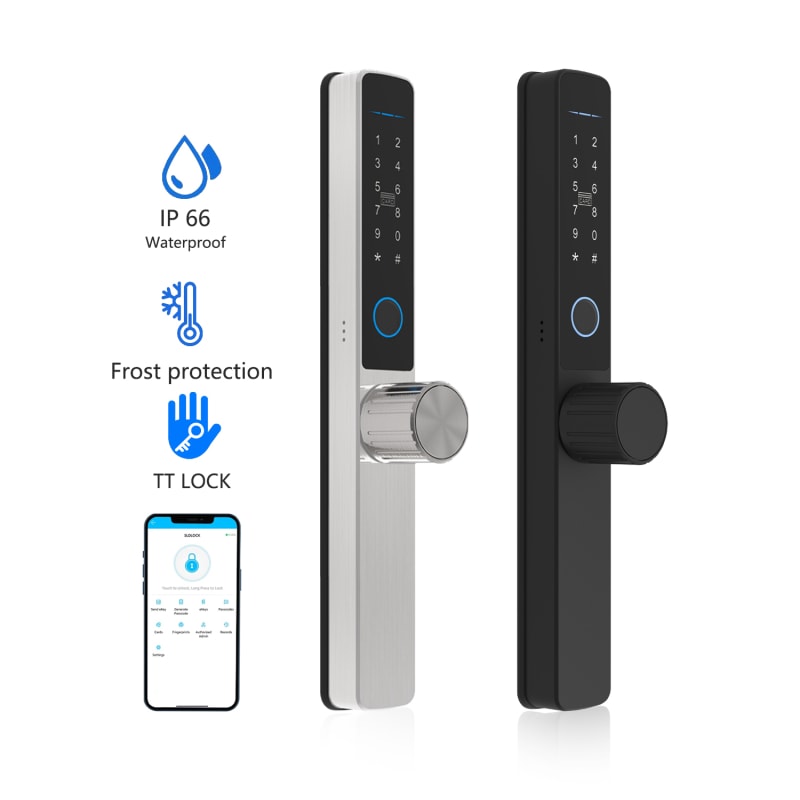 Keyless Entry Door Lock Fits Both Traditional Mortise and Smart Lock Mortise
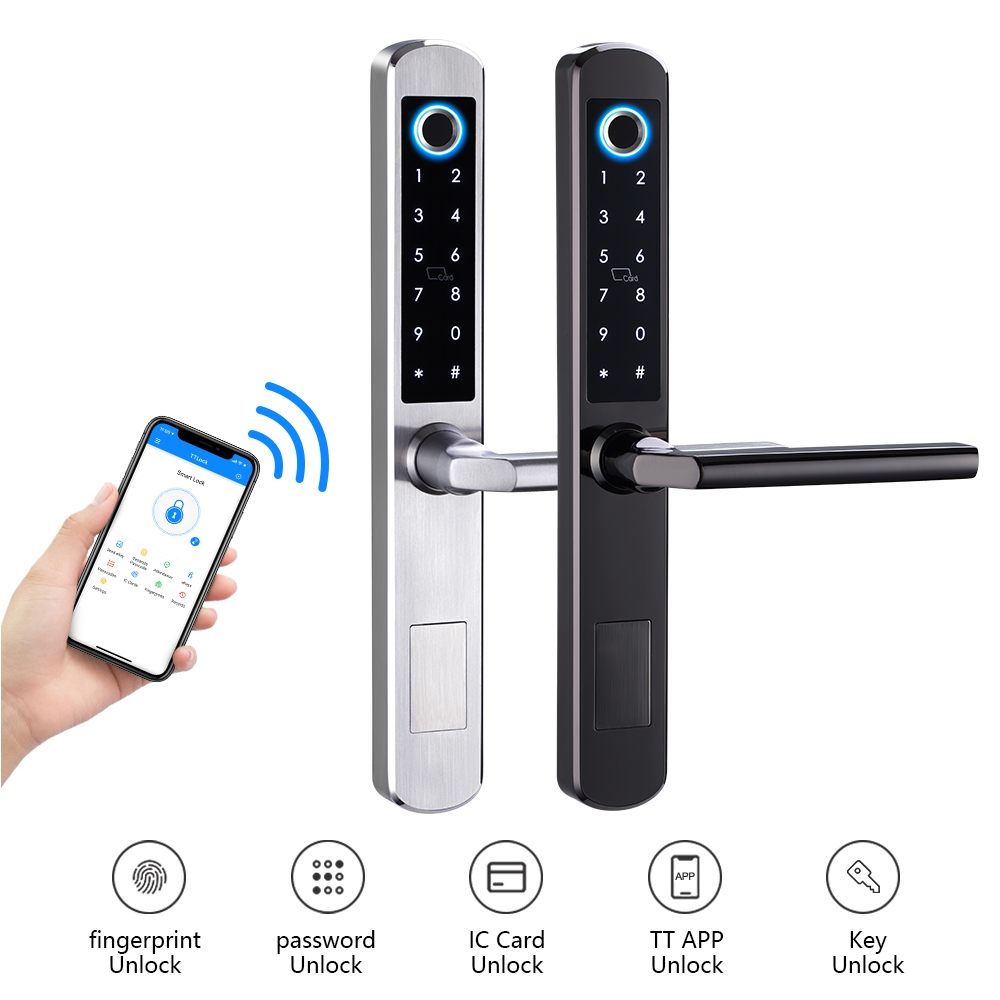 Slim 304 stainless steel keypad lock with IP65 waterproof case for thermal break sliding doors FM210
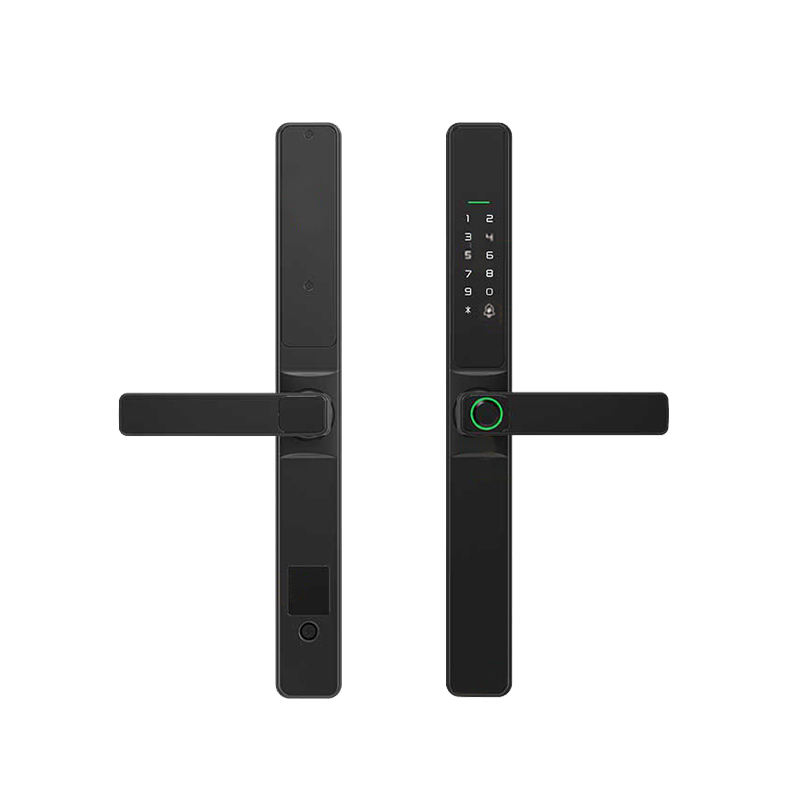 Fingerprint lock with hook mortise for slim sliding door and IP66 waterproof for outdoor use F6
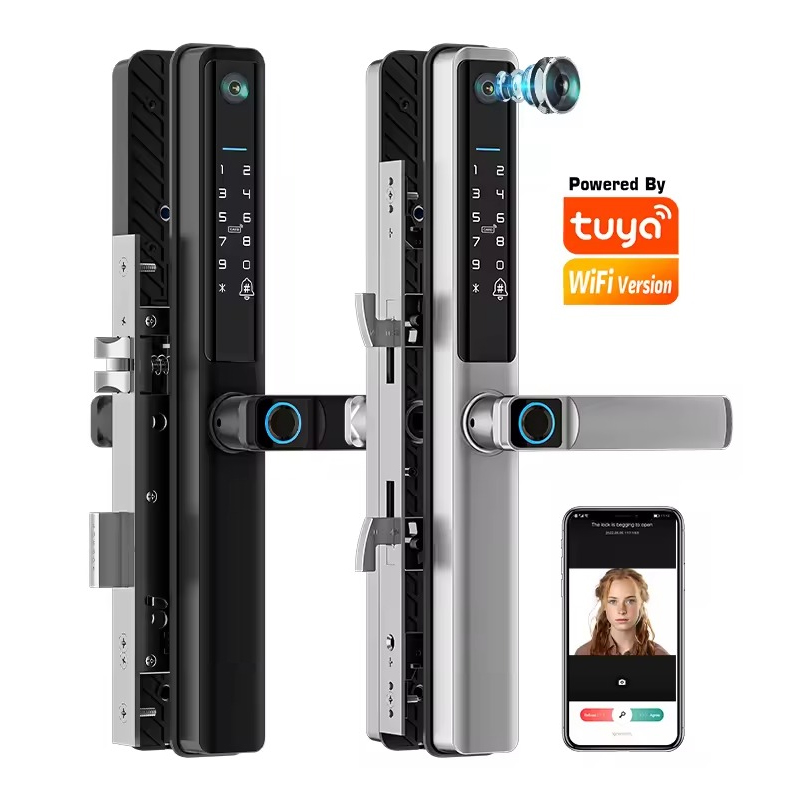 Keyless entry door lock for slim sliding door with camera and doorbell F5 PRO
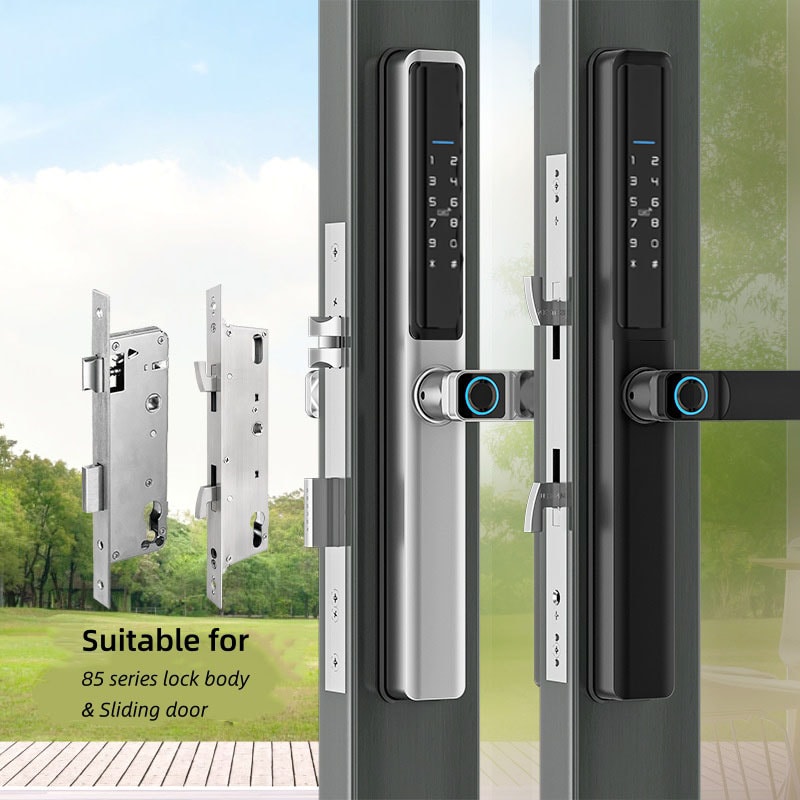 Smart door lock with hook mortise for aluminum slim sliding door F5
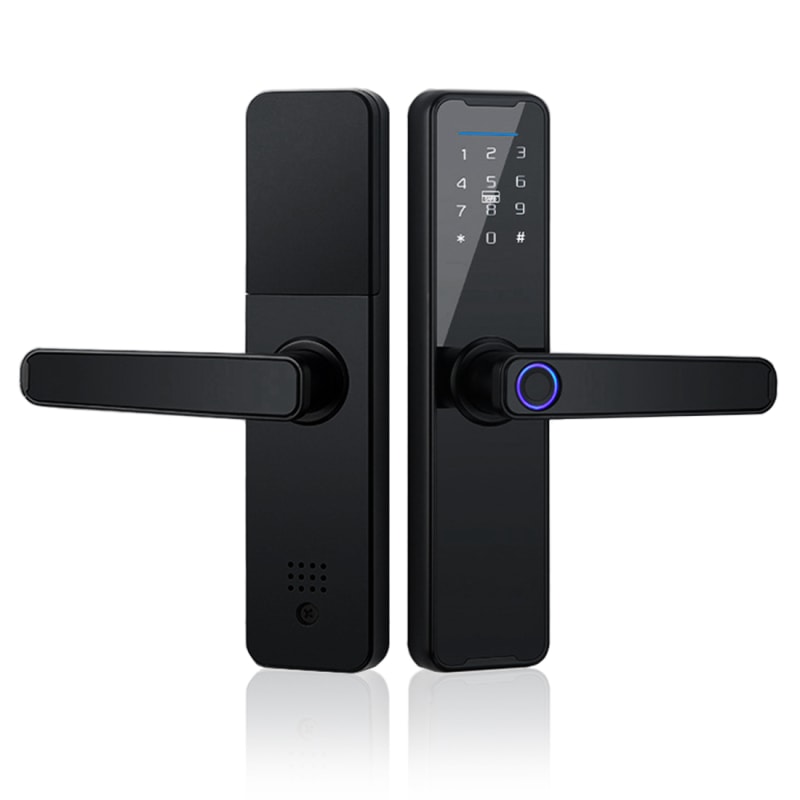 Front door smart Locks made of aluminum alloy compatible with multiple mortise types
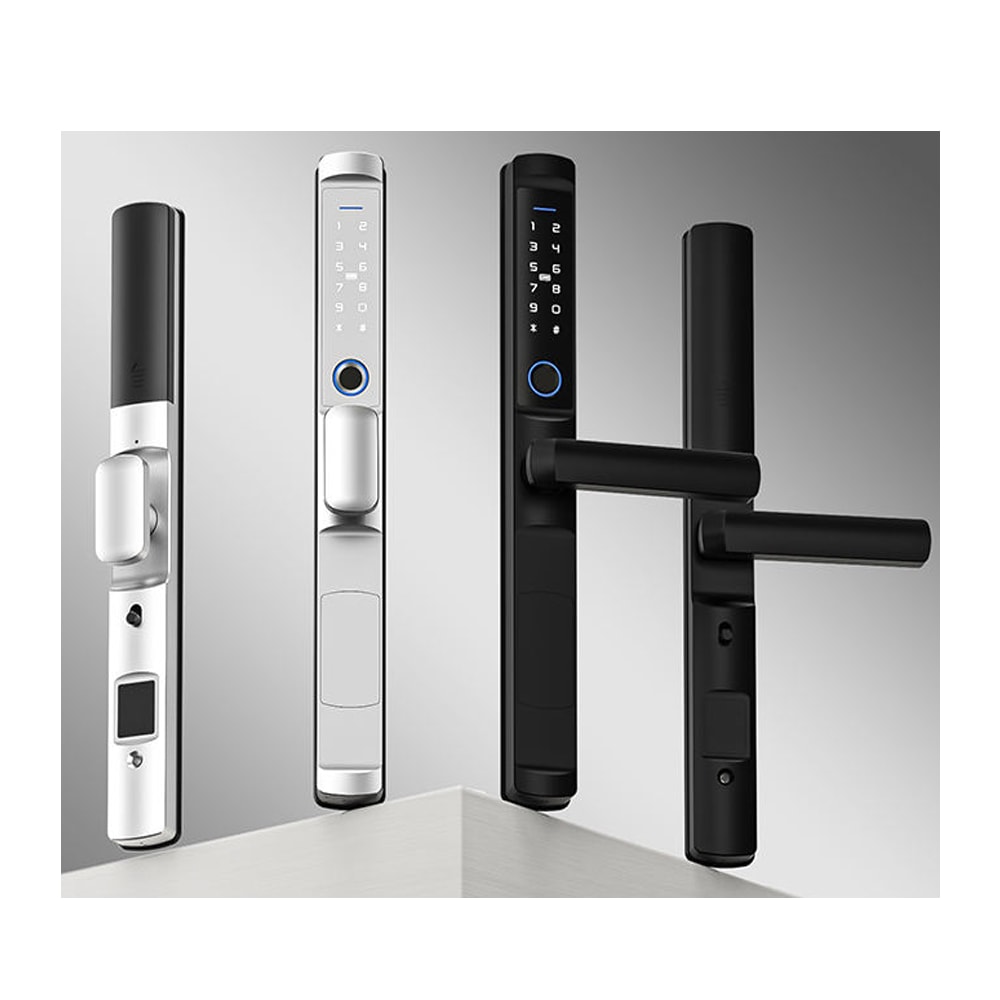 Keypad Door Lock with IP66 Waterproof case and Two Handle Styles Options
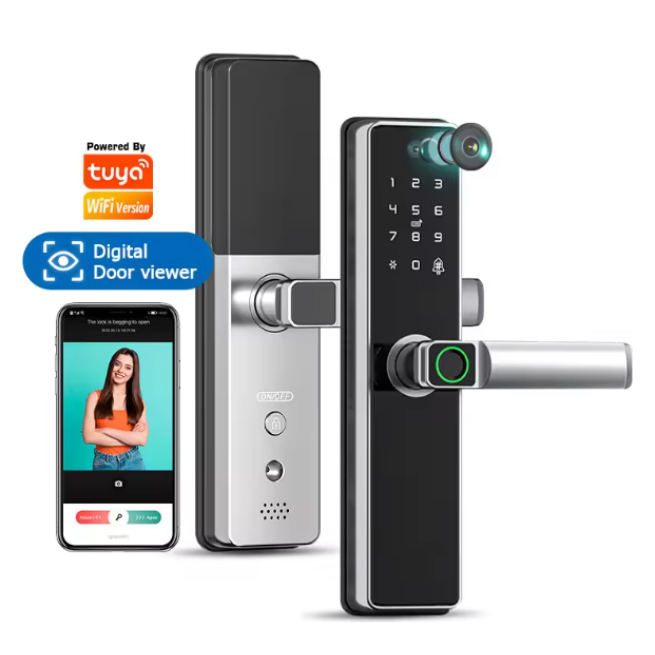 Front Door Keypad Lock with Fingerprint and Doorbell B2
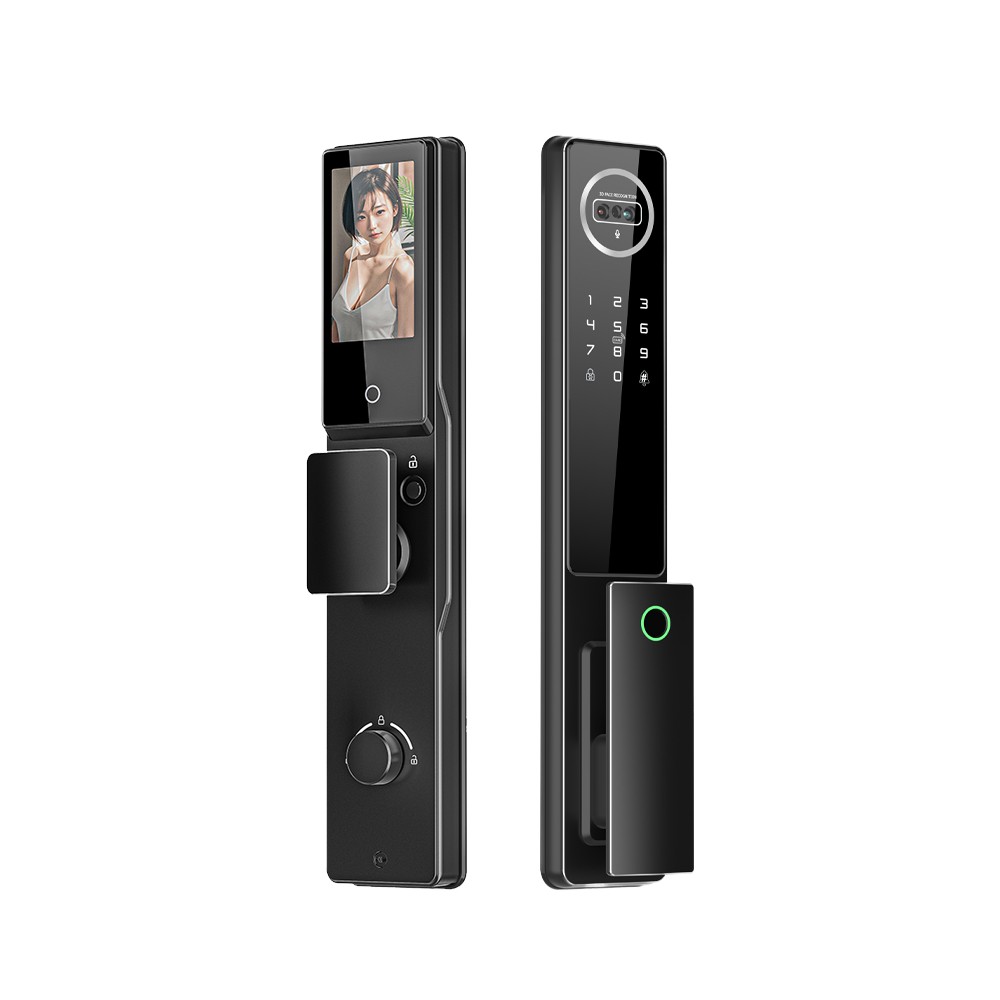 Face Recognition Smart Door Lock with Video Intercom Doorbell Tuya WiFi D1
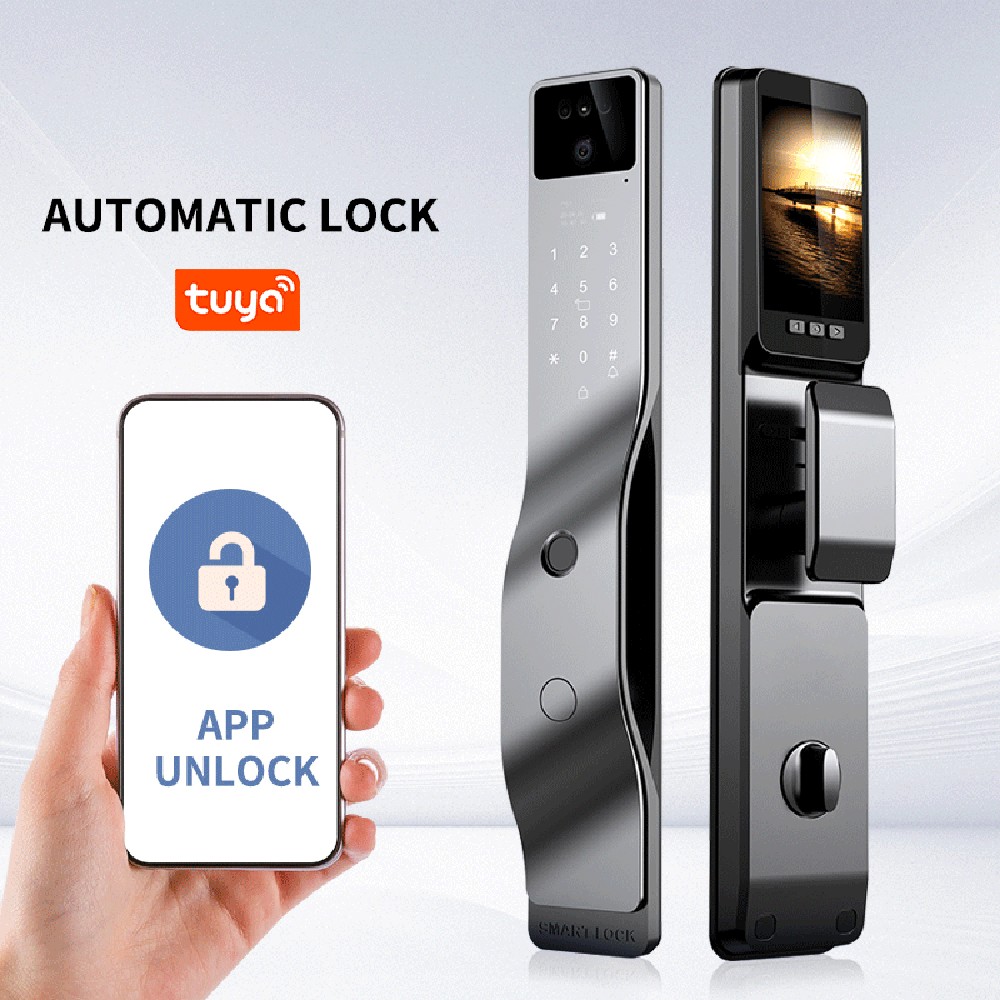 WIFI Smart Mortise Lock with Tuya Video Doorbell support Face Scan Palm Vein F7
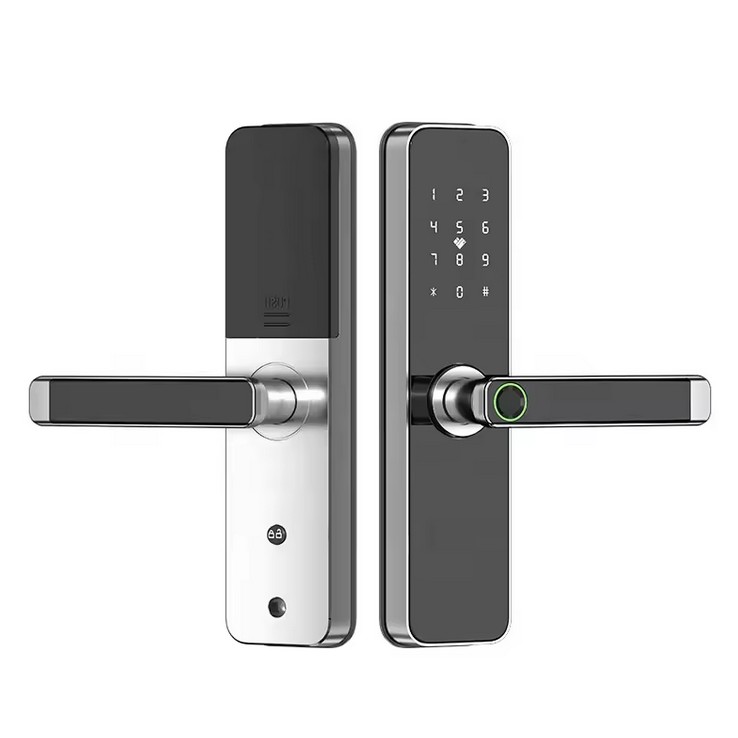 Smart mortise lock with bluetooth and WIFI optional FM028
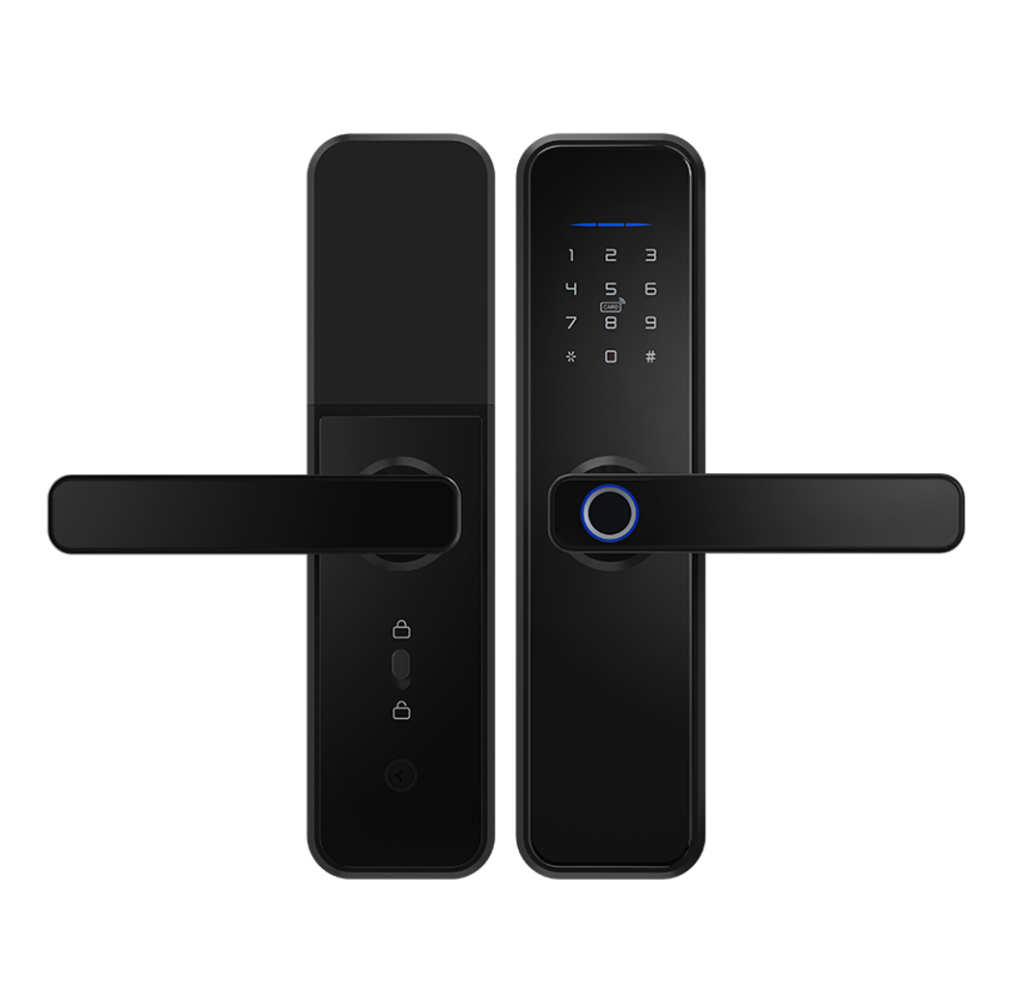 Mortise Smart Lock with multi keyless accesses FM550
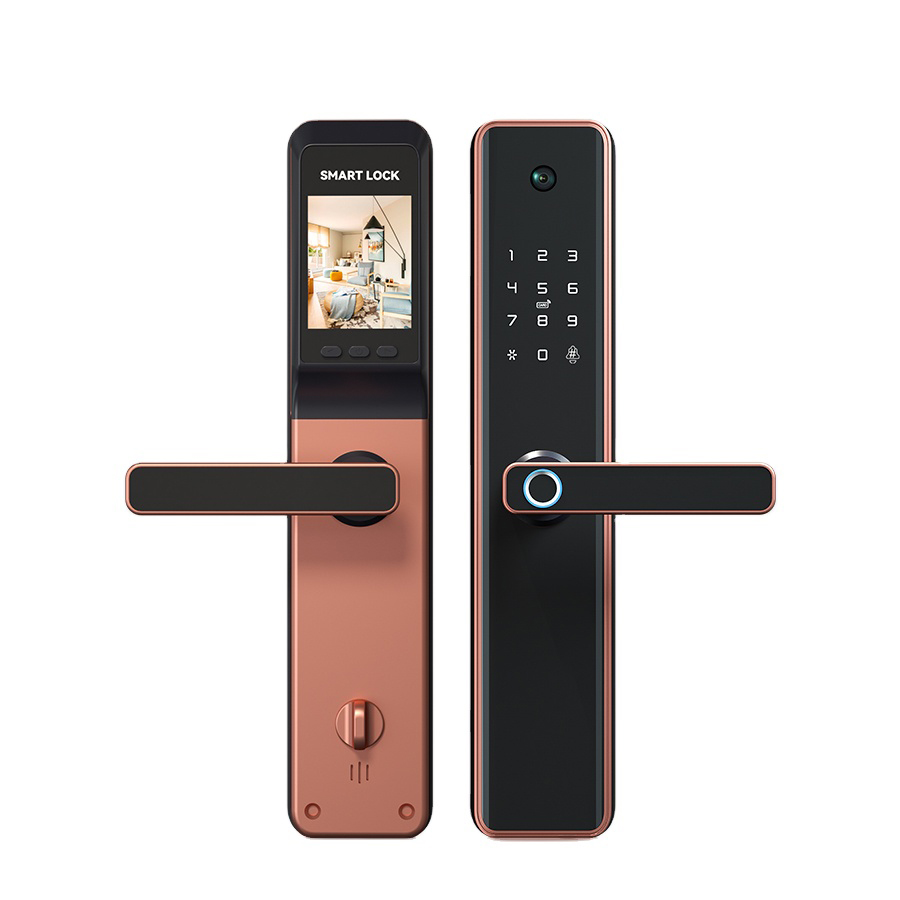 Camera Smart Lock with Finger Scan Supporting Tuya WiFi or Zigbee FM551
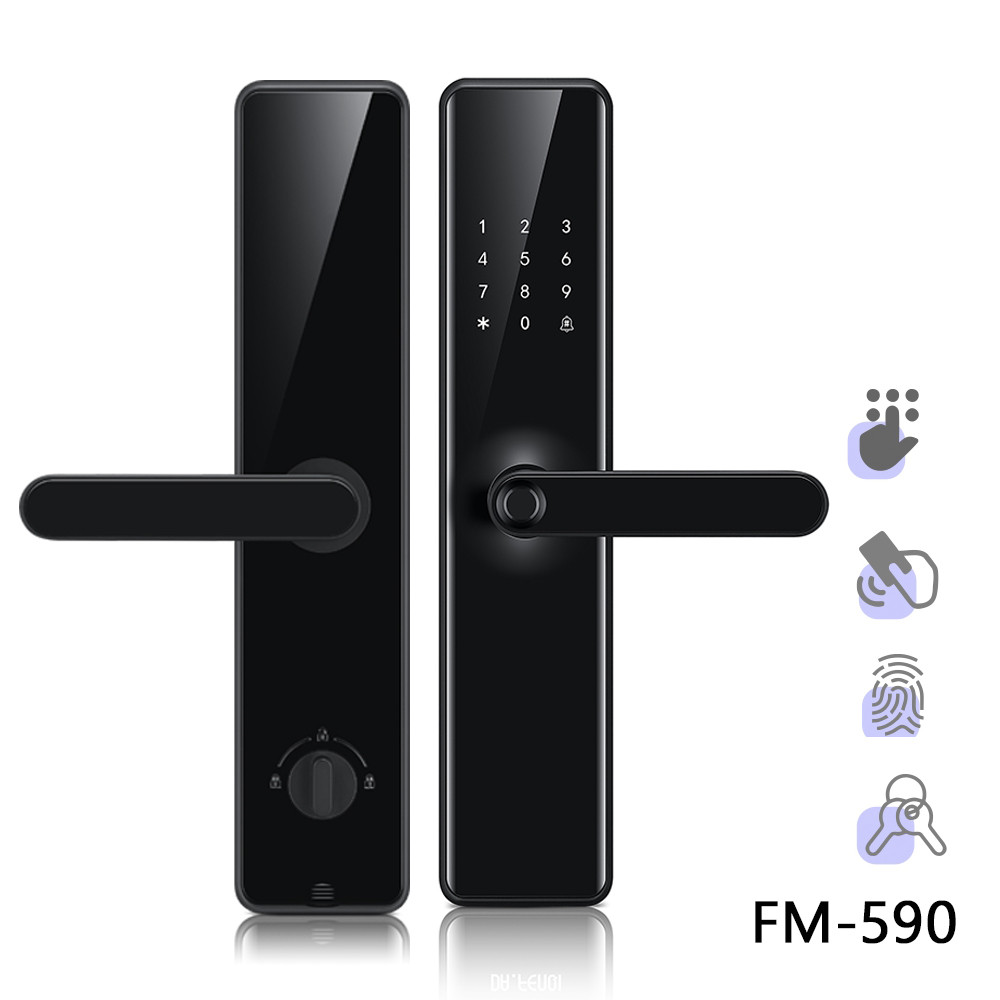 Smart Door Lock with Fingerprint and Voice Control FM590
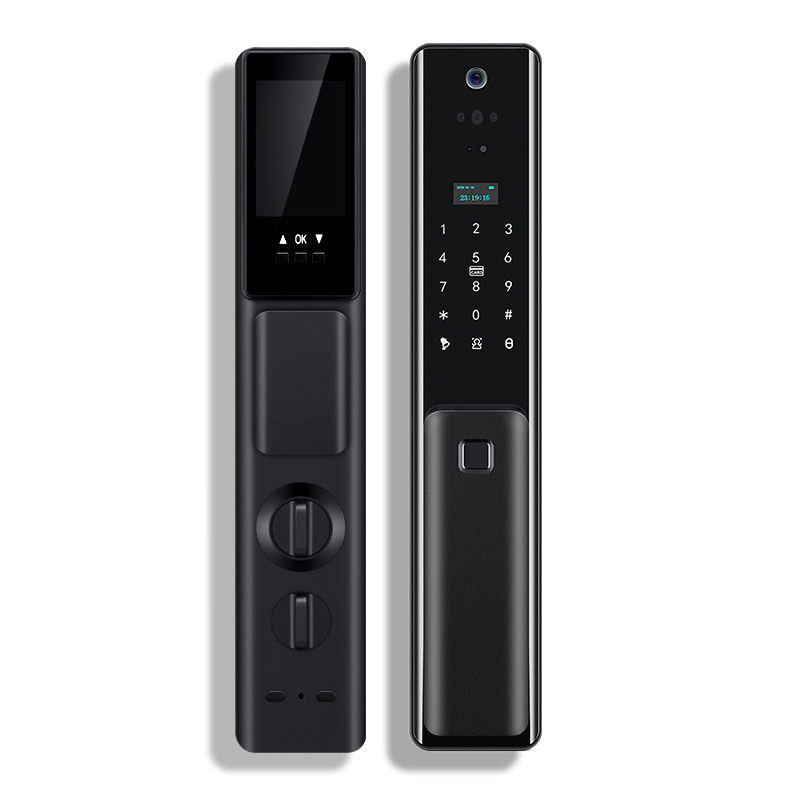 Fingerprint Door Lock with Face Scanner and Camera Supports google home FM720
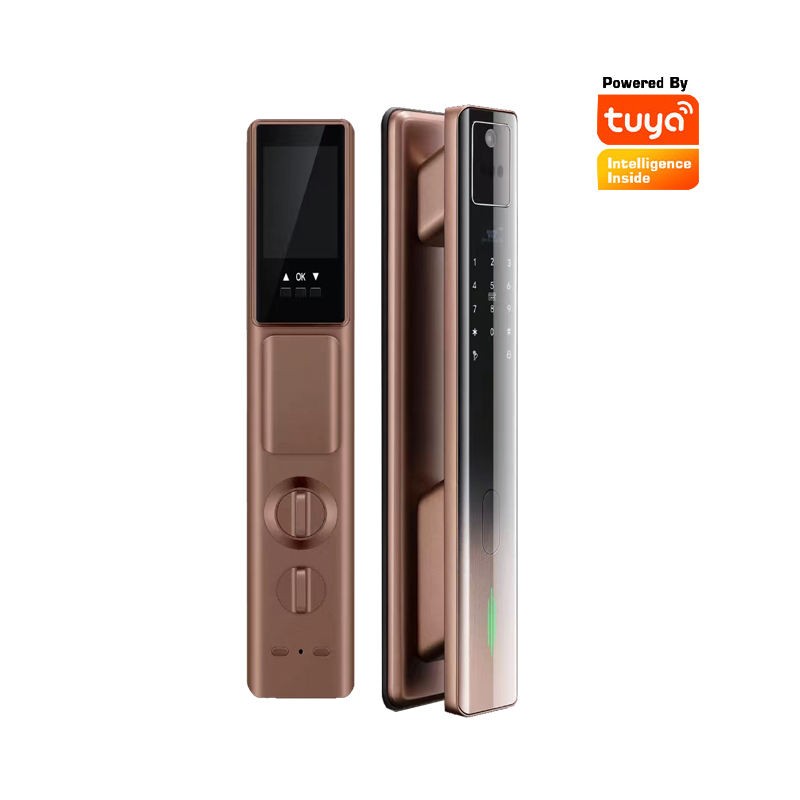 Facial Recognition Smart Lock with Video Intercom and Thumbprint FM730
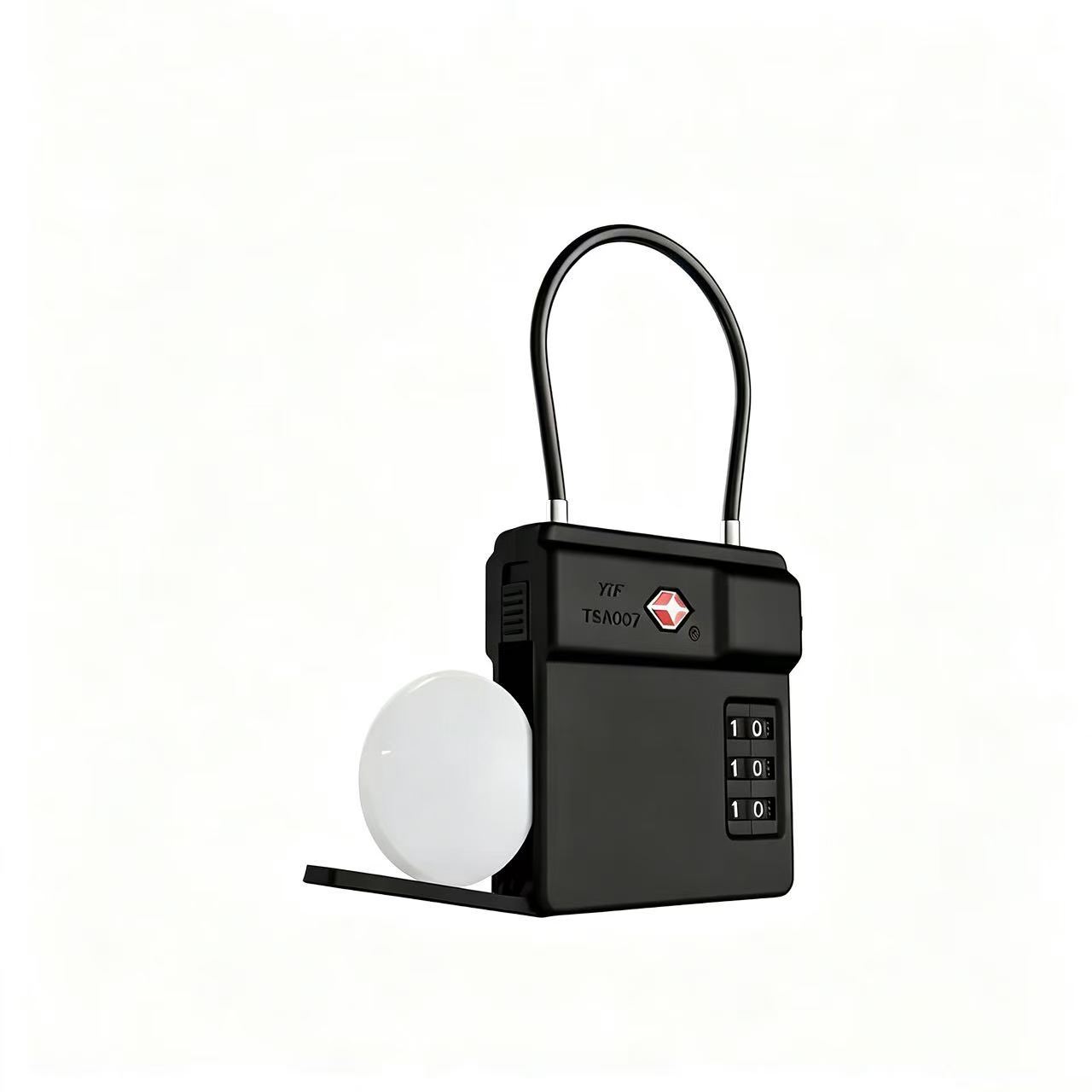 Smart TSA Approved Cable Lock with Integrated Airtag Tracking for iOS and Android FMA002
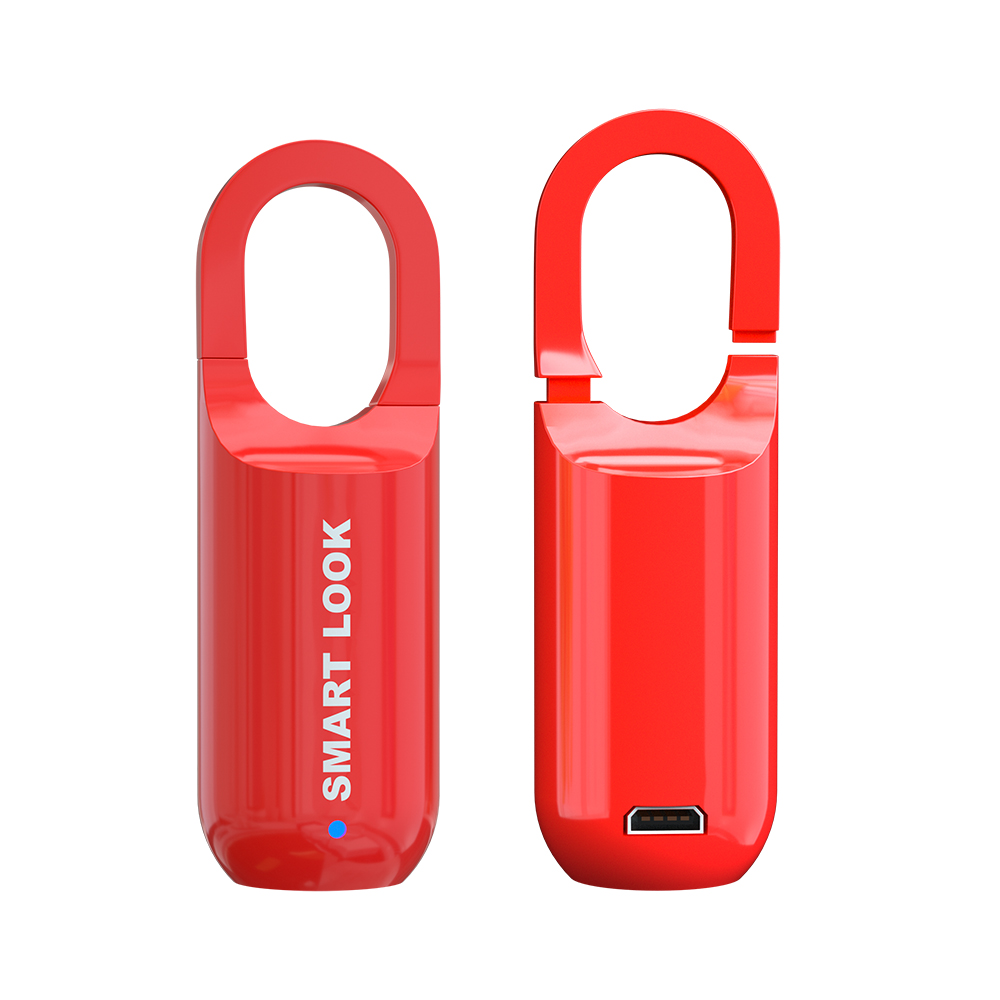 Fingerprint Smart Padlock with Bluetooth App Control and 365-Day Standby Tuya FMP001
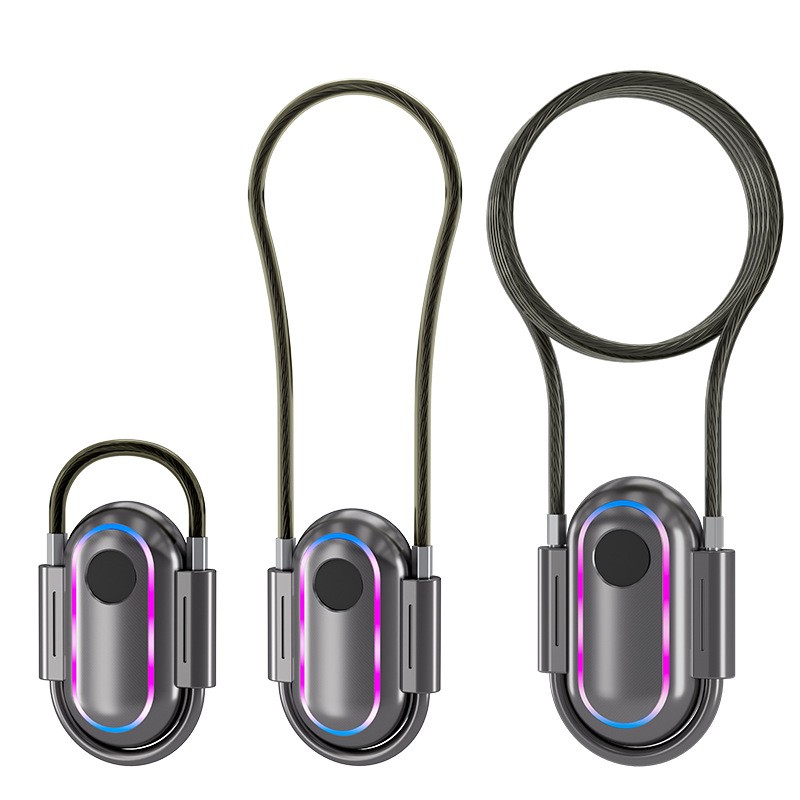 Fingerprint Smart Padlock with IPX5 Waterproof and 3 Steel Cable Lengths FMP002
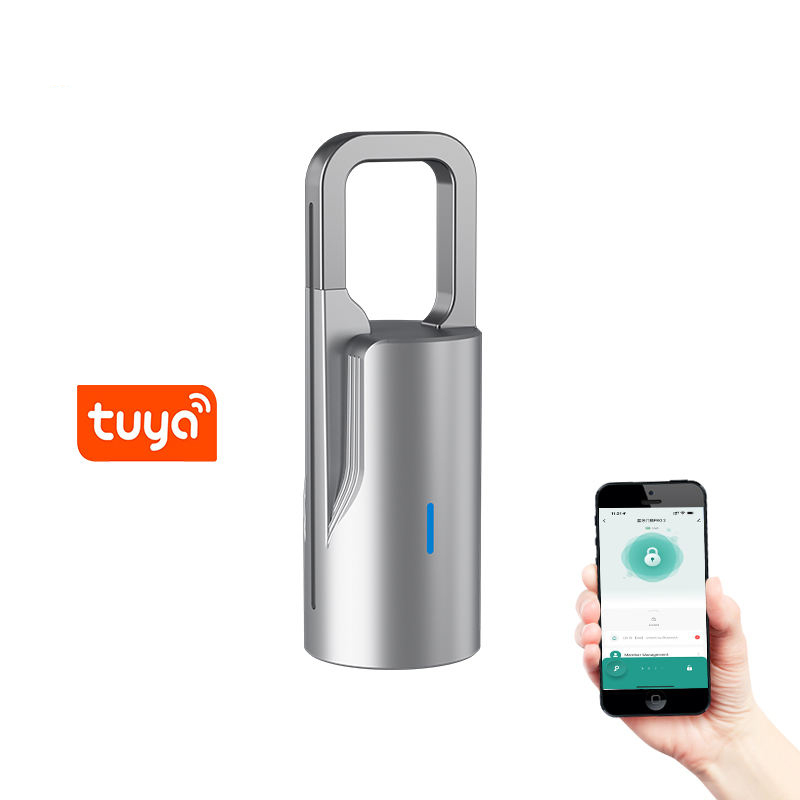 Fingerprint Smart Padlock with Bluetooth App Control and IPX5 Waterproof FMP003
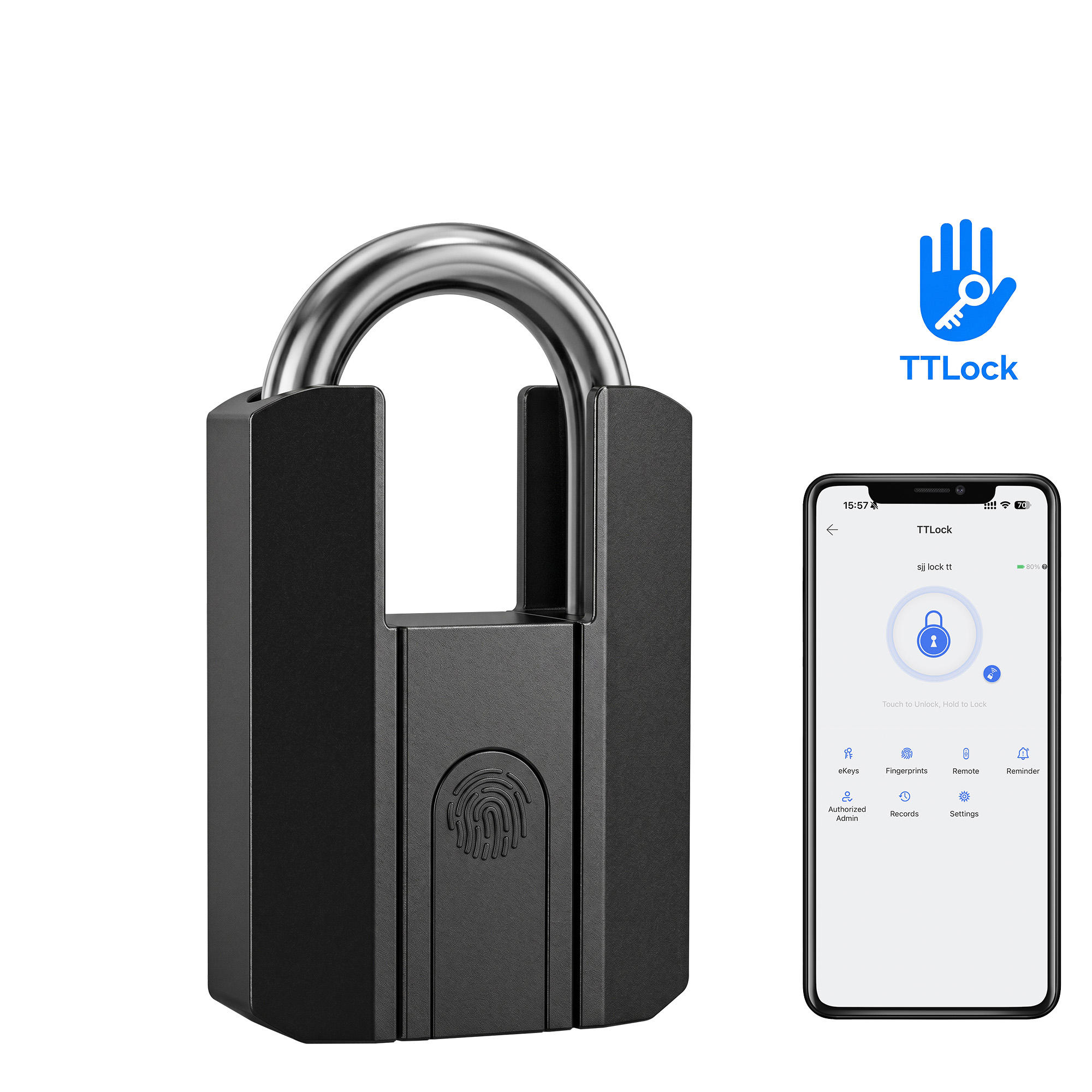 Heavy-Duty Fingerprint Padlock with IP67 Waterproof Shackle and TTLock Bluetooth FMP004
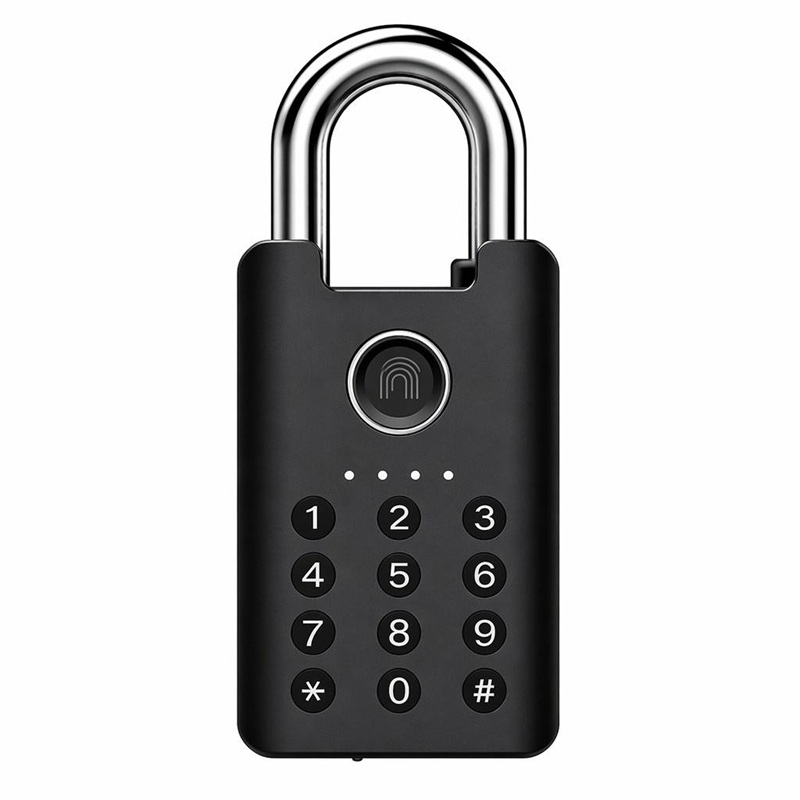 Heavy Duty Fingerprint Smart Padlock with Password Keypad IP65 Waterproof FMP005
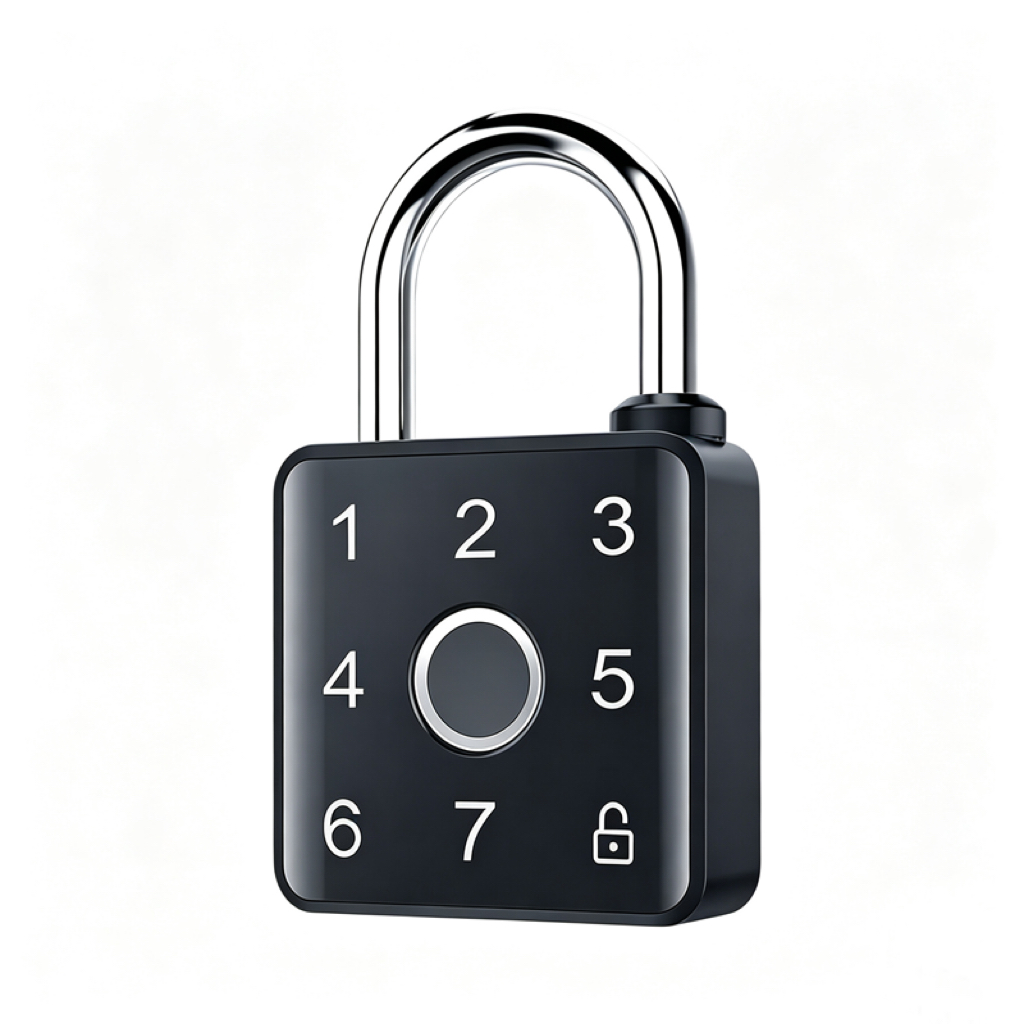 Multi-Access Fingerprint Padlock with Keypad, App Control & IP65 Waterproof FMP006
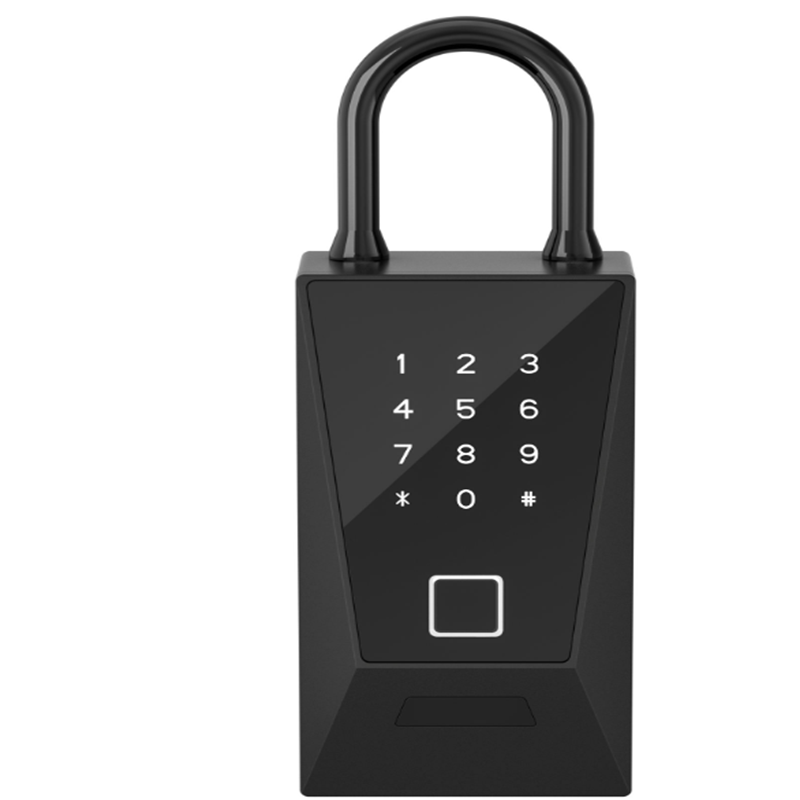 WiFi Smart Key Box with Fingerprint Password Card Access IPX5 Waterproof FMP007
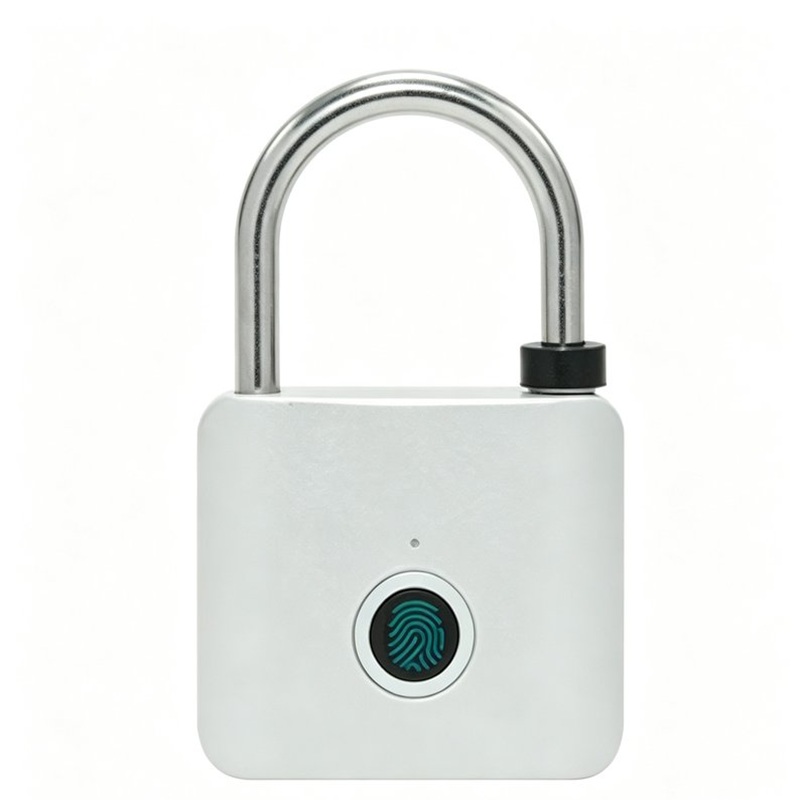 Bluetooth biometric Intelligent Padlock with IP65 Waterproof and Type-C Rechargeable Battery FMP008
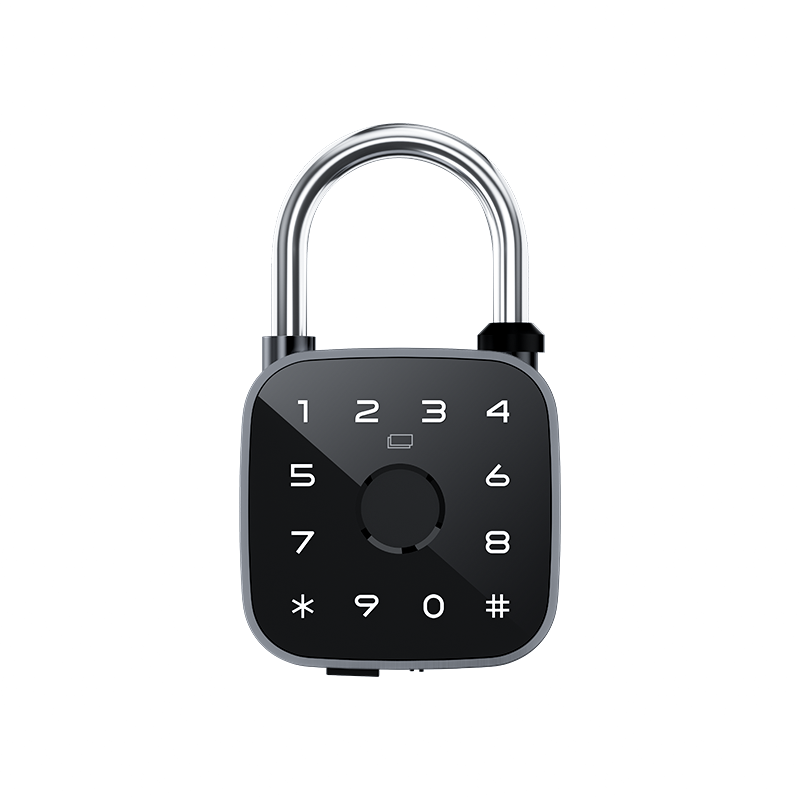 Smart Biometric Padlock with Scramble-Code Keypad and Tuya App Control FMP009
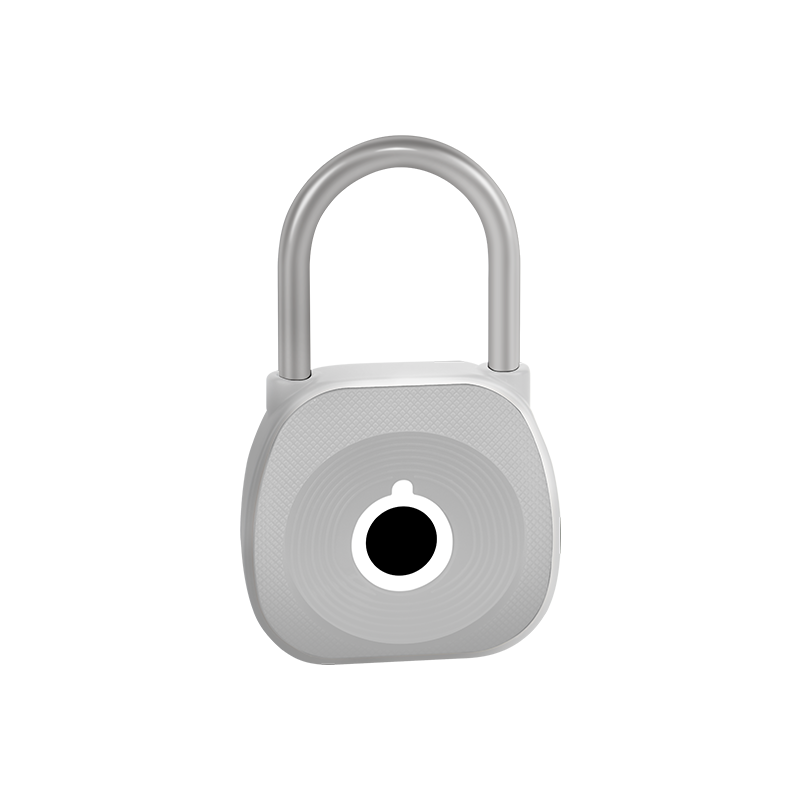 Ultra-Slim Biometric Padlock — 1.8cm Aluminum Body with Tuya App Control FMP010
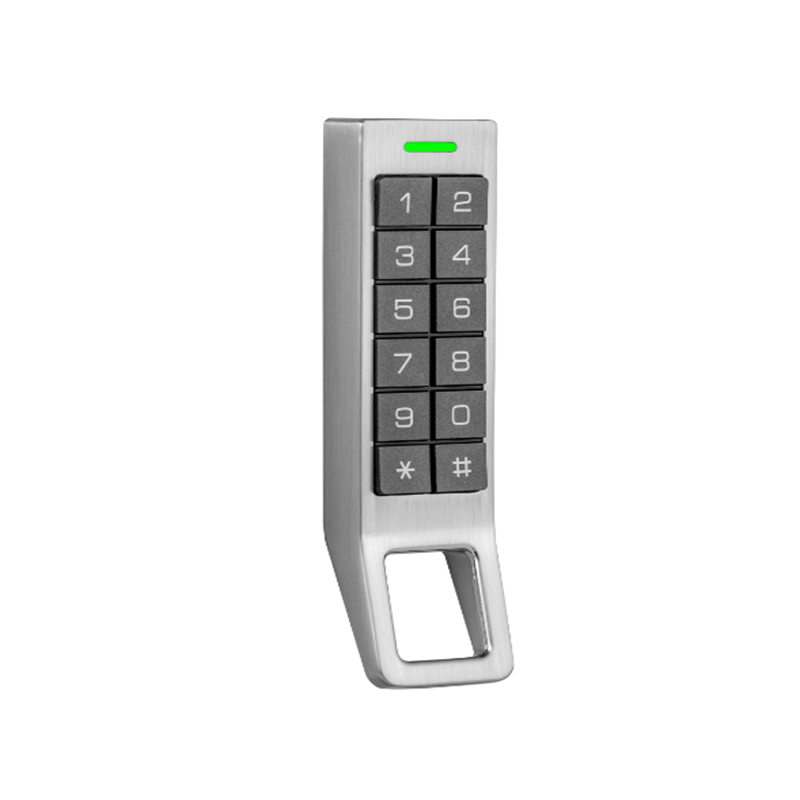 Smart Fingerprint Cabinet Lock — App & Bluetooth Keyless for Lockers FM890
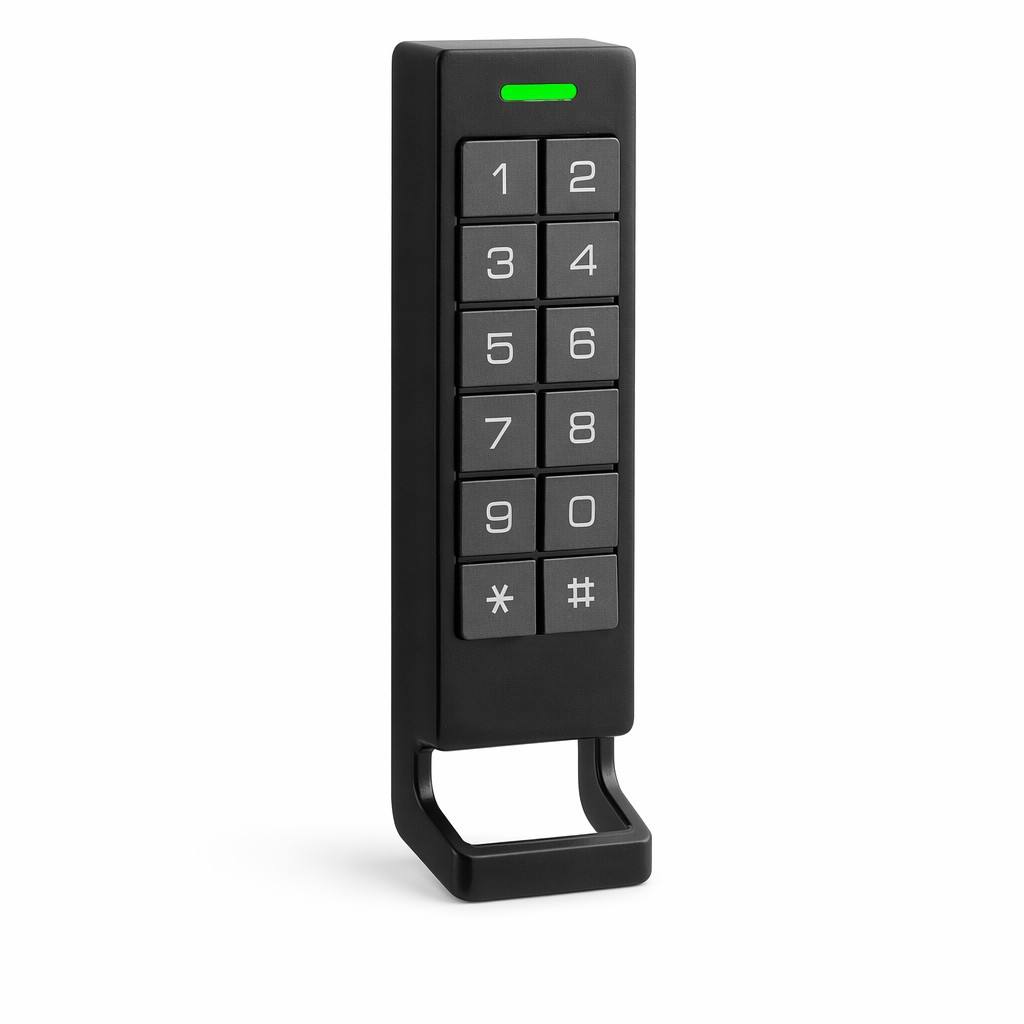 Digital Cabinet Lock with TTLock App, Passcode and RFID Card Access FMP870B
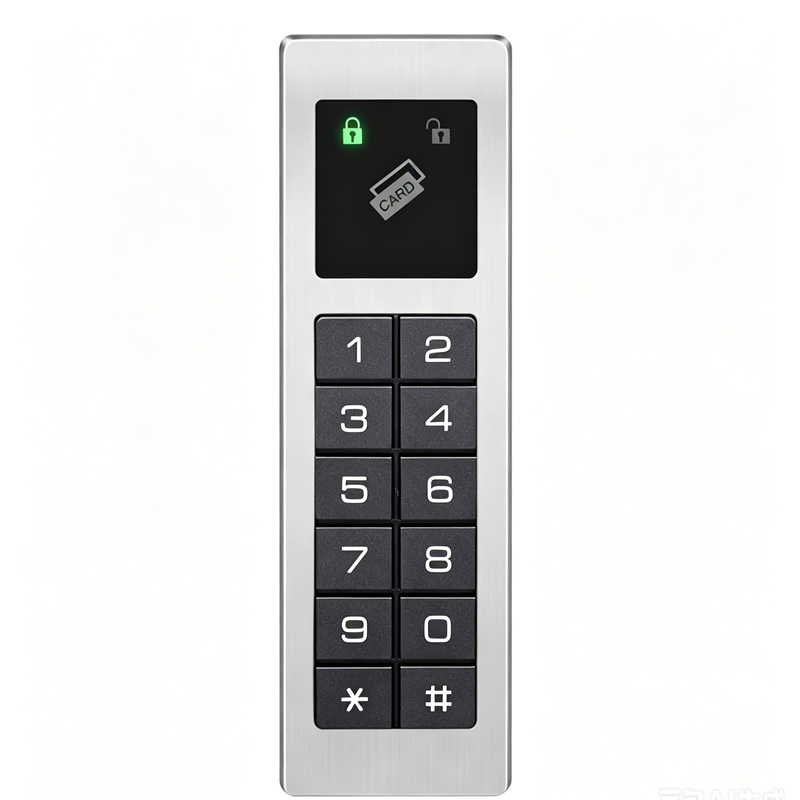 Smart RFID and Passcode Cabinet Lock with 5000mAh Battery and IP66 Waterproof FMP810
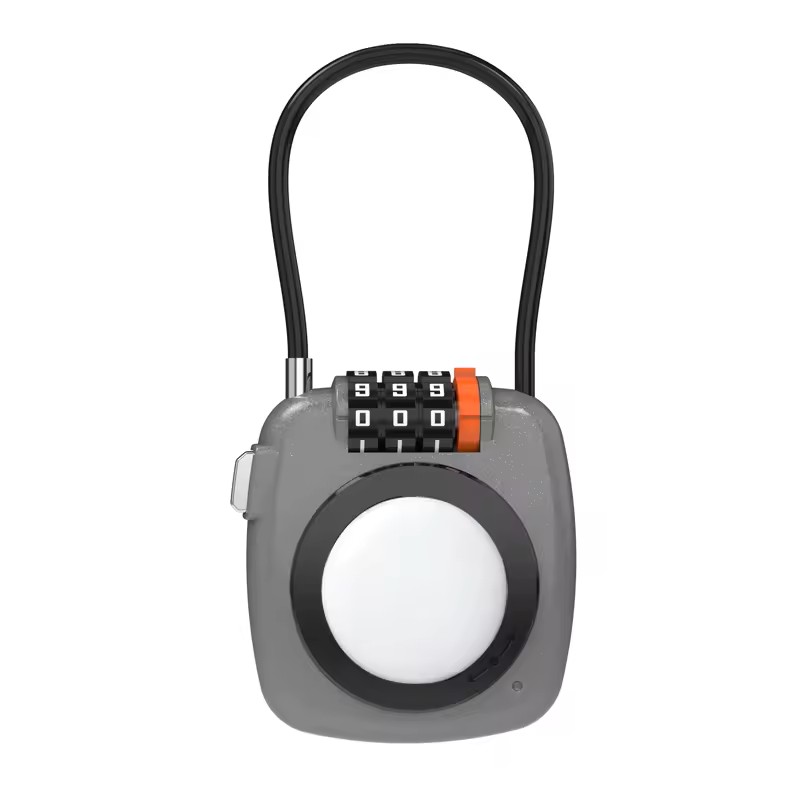 Combination Padlock with Apple Find My & Android Find Hub - IP65 Waterproof Smart Lock FMA001
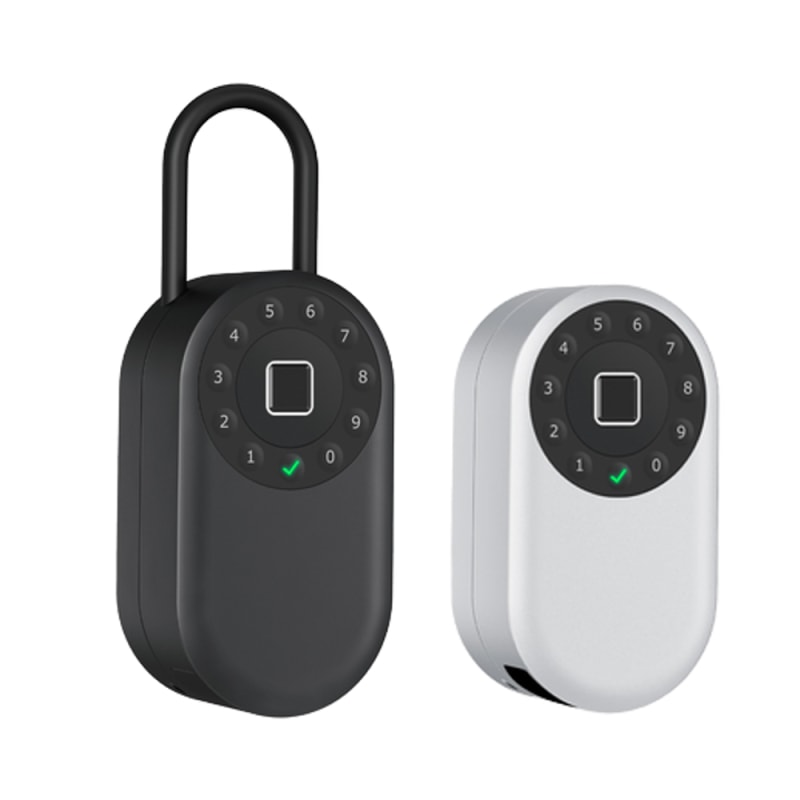 Keyless lock box with physical keypad and TTlock app waterproof for outdoor key storage KB3
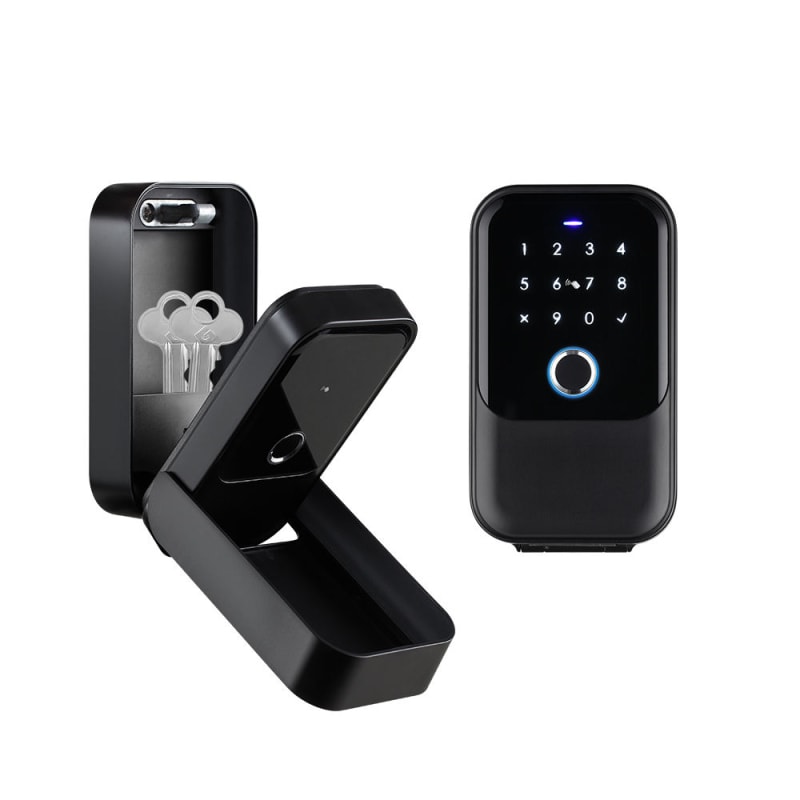 Smart key box with touch keypad and comptible with TTlock and Tuya ble for outdoor use K5
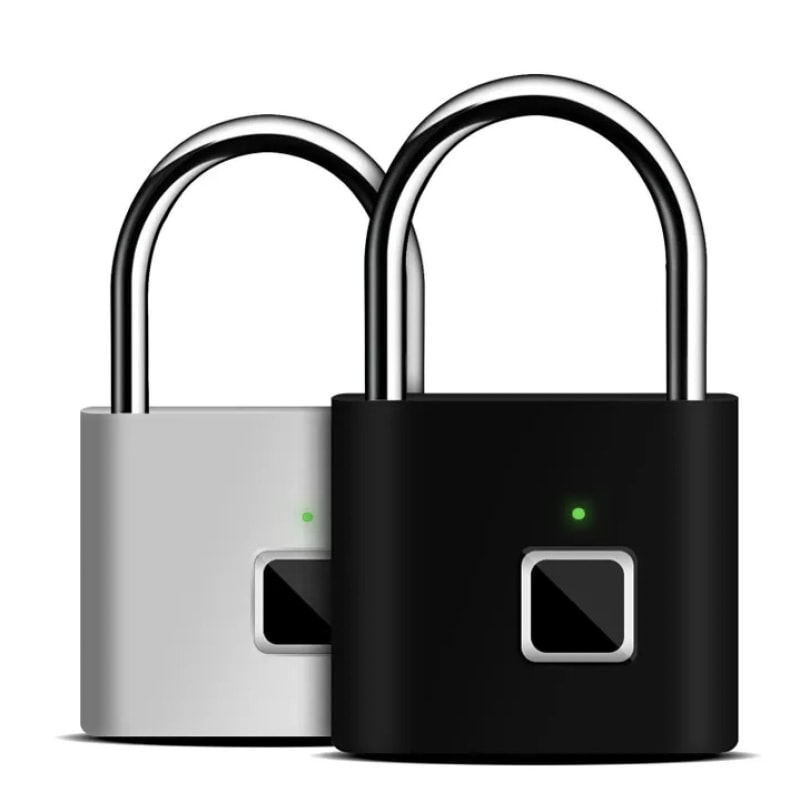 Fingerprint padlock with morse code backup that is rechargeable and portable for everyday use FM570
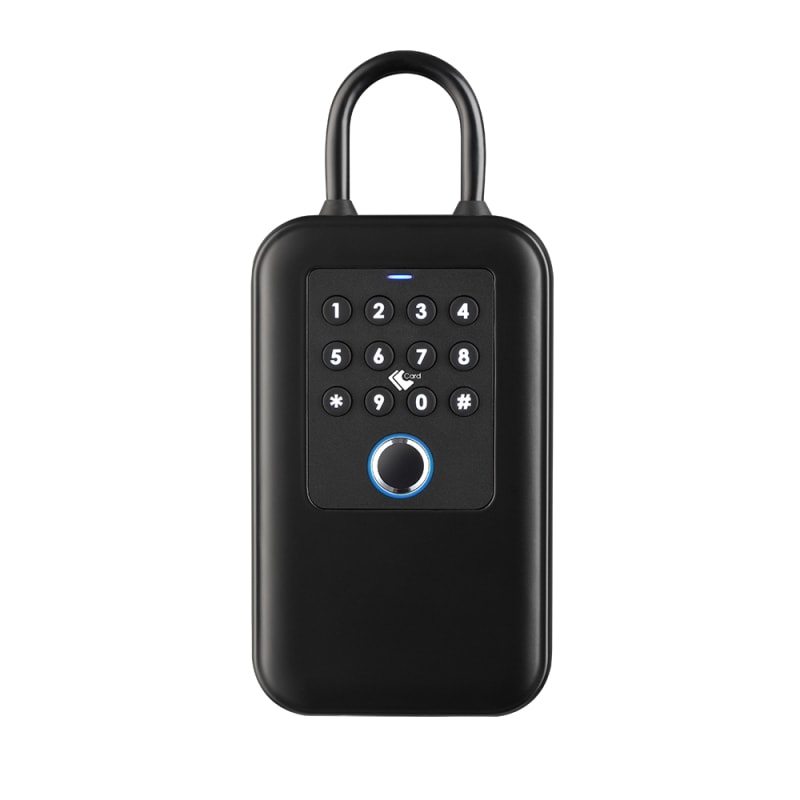 Waterproof key lock box with physical keypad and Tuya app control for outdoor key storage K7
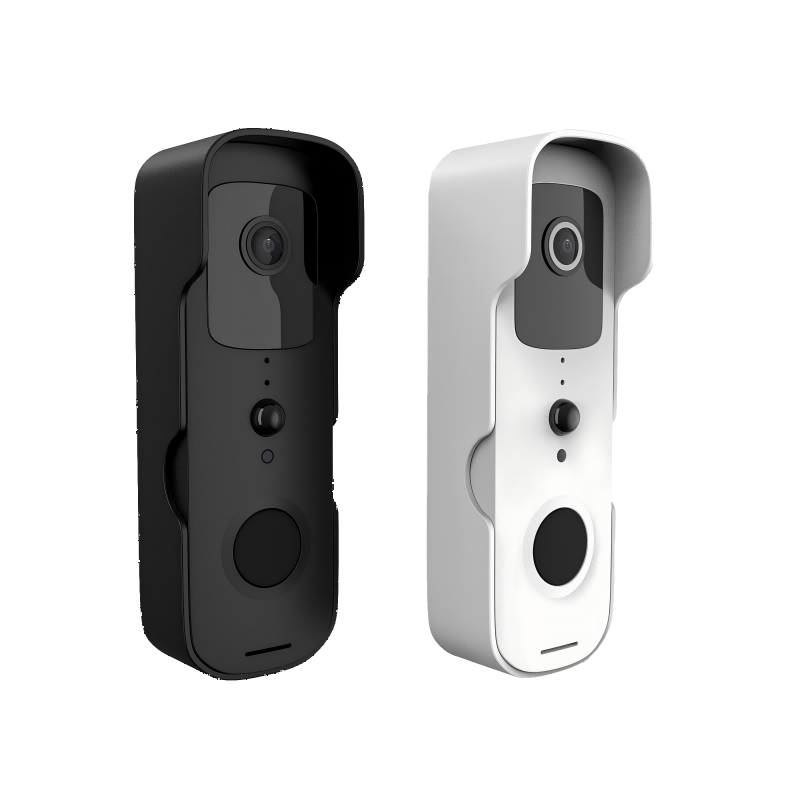 Smart Video Doorbell with Two Way Audio and Tuya WiFi for Home Security FM571
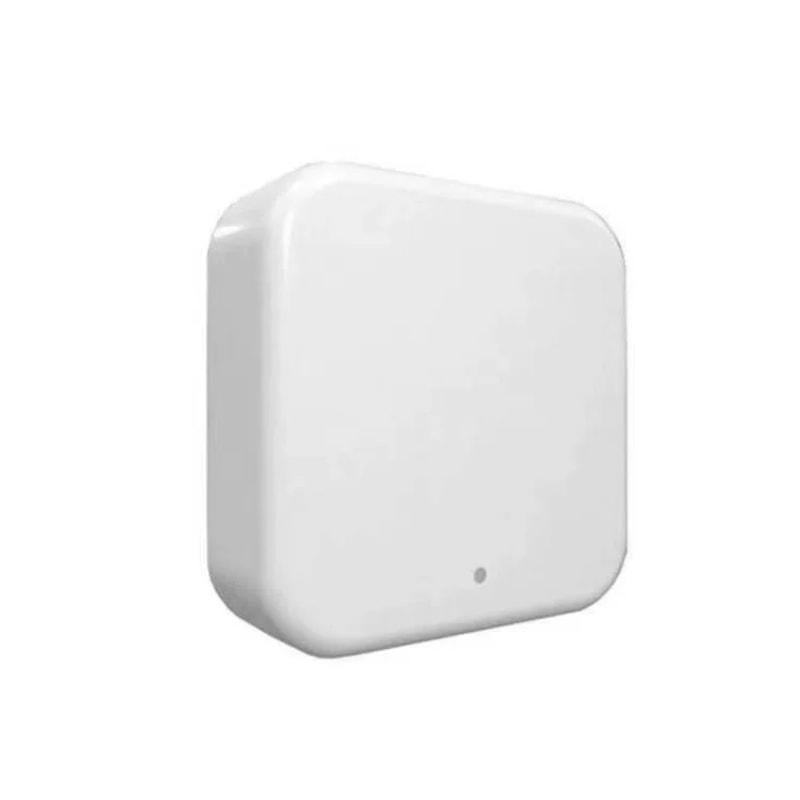 Ttlock G2 Gateway Connects Your Bluetooth Smart Lock to Wifi for Remote Access
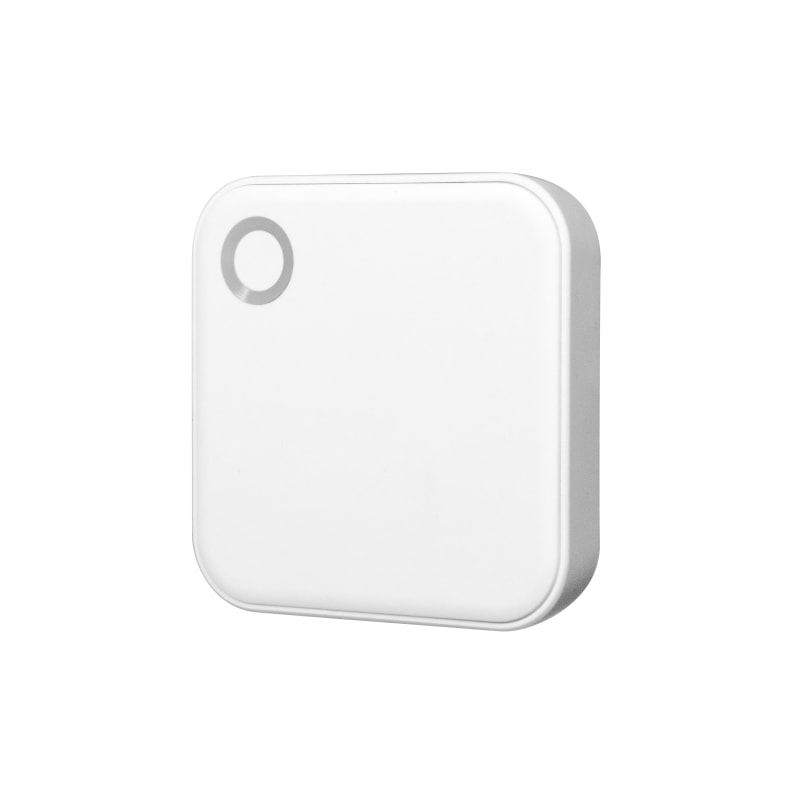 TTlock G5 gateway features dual band wifi and mesh network for large properties
 WhatsApp