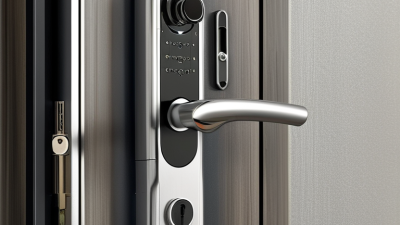
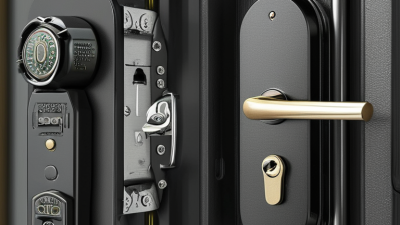
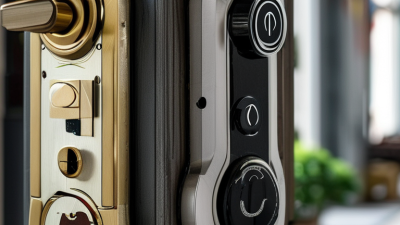
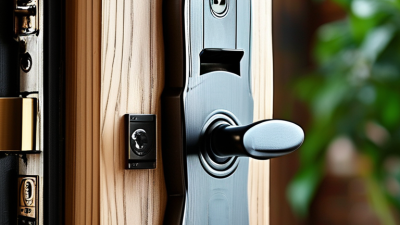
As the market for door keyless locks keeps growing, 2026 looks like it'll be a pretty exciting year to see who's leading the charge, especially among the innovative manufacturers in China. Industry expert John Smith puts it simply: "The future of security is all about keyless tech." That really highlights how crucial it is to find the top OEM factories shaping this space.
Right now, leading companies are pushing the envelope with high-tech solutions to make their products not just safer but also easier to use. Lots of factories are focusing on quality and innovation to stand out, since the market's pretty crowded. Still, some brands are having a hard time with reliability, which can hurt their reputation. For these companies, continuous improvement isn’t just nice to have—it’s essential if they want to stay competitive.
Looking ahead, we can expect smarter, more efficient door keyless locks to hit the scene. The tricky part? Balancing being affordable while still packing in all those cool features. With more players entering the game, companies will really need to iron out any hiccups if they want to build genuine trust with customers. Keeping an eye on how these factories evolve can give us some pretty interesting insights into where door keyless locks are headed.
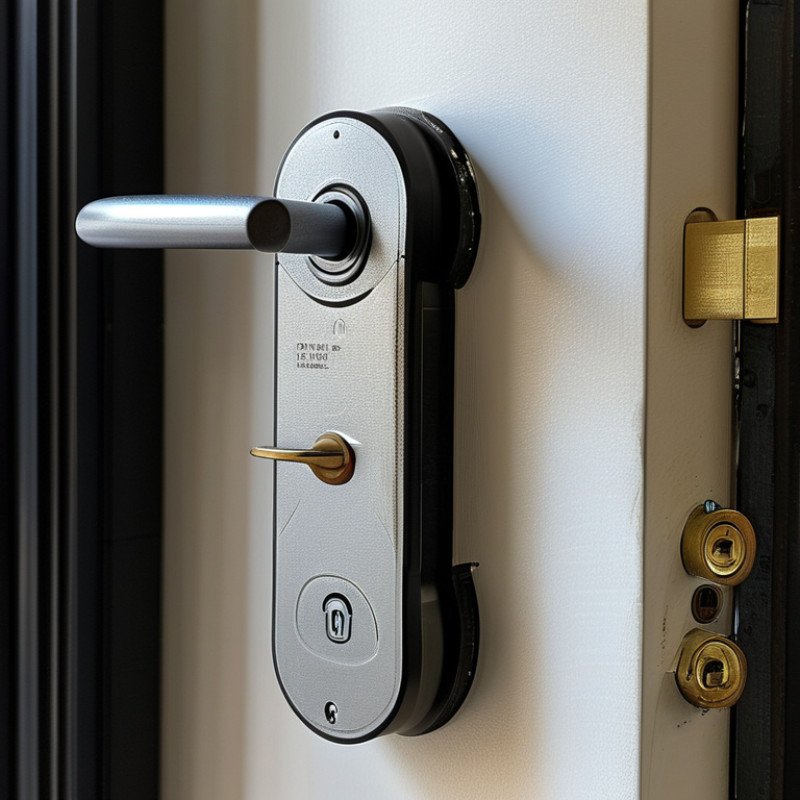
Top Trends in Keyless Lock Technology in China for 2026
The keyless lock technology market in China is evolving rapidly. Manufacturers are focusing on
enhancing security features. Innovations
include biometric access, such as fingerprint and facial recognition. These features aim to provide
not just convenience but also robust security. However,
user experience in this area still needs attention. Many consumers face difficulties with
setup and integration into smart home systems.
Another significant trend is the use of mobile app connectivity. Some locks allow users to
unlock doors remotely. However,
reliability can vary. Users occasionally report connectivity issues. It’s essential for
manufacturers to address these concerns to build trust. In addition, the battery life
of these devices remains a point of contention. Some models deplete power quickly, leading to
unexpected failures.
Manufacturers are also exploring new materials to improve durability. Weather-resistant locks can
resist various environmental conditions. Yet, creating a balance between aesthetics and
functionality remains a challenge. The market will likely
see more designs that cater to consumer demands. The road to fully integrated, user-friendly
keyless locks may be long, but the journey is filled with potential.
Leading OEM Manufacturers in China's Keyless Lock Market
As the demand for keyless lock solutions rises, several OEM manufacturers in China stand out. These manufacturers are shaping the future of security technologies. Their designs emphasize innovation, blending functionality with modern aesthetics. The focus is often on convenience and user experience, but sometimes they fall short in addressing security vulnerabilities.
The production capabilities of these factories are impressive. Advanced technologies are employed to ensure high-quality products. However, some manufacturers may struggle with consistency in quality control. This inconsistency can lead to variations in product performance. Moreover, the fast-paced market requires these companies to adapt quickly. Not all are equipped to respond effectively to consumer feedback.
Many of these keyless lock manufacturers are investing in research and development. Their goal is to create more secure, reliable options. Yet, not all advancements reach the market. Some promising technologies remain under development. The balance between innovation and security is delicate, requiring ongoing reflection and adjustment. It's a journey of growth for these manufacturers as they navigate the competitive landscape.
Innovative Features of Keyless Door Locks to Watch in 2026
As we approach 2026, the landscape of keyless door locks is evolving rapidly. Innovative features are transforming security systems for homes and businesses. Manufacturers are integrating smart technology, offering more convenience and safety. The rise of biometric authentication sets a new standard. Fingerprint recognition technology provides personalized access. It's essential for users to ensure these systems are updated regularly.
Tips: Test your keyless locks periodically to assess reliability. Regular checks can prevent unforeseen malfunctions. Security should be a priority, especially with top rated keyless door locks.
Another intriguing development is the integration of smart home compatibility. These locks sync seamlessly with various devices. They enhance user experience, allowing remote access management. However, potential vulnerabilities exist. It's crucial to research and choose wisely.
Tips: Consider a backup mechanical key as a safeguard. Always have a secondary access method available. Relying solely on technology can lead to issues if the system fails. In a world where convenience is king, balance it with caution.
2026 Top China OEM Door Keyless Locks Factories to Watch
| Factory Location |
Innovative Feature |
Security Technology |
Market Focus |
Production Capacity (Units/Month) |
| Shanghai |
Biometric Recognition |
Fingerprint Scanners |
High-end Residential |
50000 |
| Guangzhou |
Mobile App Connectivity |
Bluetooth Access |
Smart Homes |
60000 |
| Beijing |
Voice Control |
AI Integration |
Commercial Properties |
40000 |
| Shenzhen |
Remote Access |
Wi-Fi Enabled |
Student Housing |
70000 |
| Hangzhou |
Touchless Operation |
Proximity Sensors |
Healthcare Facilities |
55000 |
Key Factors Driving Growth in China's Keyless Lock Industry
The growth of China’s keyless lock industry is influenced by several key factors. Increasing urbanization is a major driver, pushing demand for modern security solutions. According to a recent report by Industry Research, China's smart lock market is projected to reach $5.2 billion by 2026, with a compound annual growth rate (CAGR) of over 20%. This growth reflects the rising need for convenience and security in urban environments.
Consumer awareness about home security is growing. People are more inclined to invest in advanced locking systems. Enhanced features such as remote access, biometric verification, and integration with home automation systems make keyless locks appealing. However, some concerns remain. Users often worry about battery life and security vulnerabilities. Ensuring robust encryption and regular software updates is crucial to overcoming these challenges.
Tips:
- Consider the battery life and maintenance of keyless locks before purchase.
- Review user forums to gauge experiences with different models.
- Test the lock features to ensure they meet your needs.
Investing in keyless locks requires careful thought. Balancing innovation with security is essential for buyers and manufacturers alike.
Competitive Landscape: Key Players in the Chinese Keyless Locks Sector
The Chinese Keyless Locks market is rapidly evolving. By 2026, industry analysts project significant growth, with a compound annual growth rate (CAGR) of over 20%. This surge is driven by increasing security demands and the rise of smart home technologies. The competitive landscape is shaped by several key players who are innovating in product design and functionality.
In this sector, manufacturers are focusing on user-friendly features. Advanced technology integration allows for mobile access and remote control functions. Reports indicate that over 45% of users prefer keyless locks for their convenience and ease of use. However, challenges persist. Issues like cybersecurity concerns and user adaptability remain significant hurdles for widespread adoption. Effective solutions and robust security frameworks are essential to gain consumer trust and promote growth.
Market participants are investing heavily in research and development. They aim to enhance product offerings and address current limitations. This competitive environment fosters innovation but raises questions about market saturation. The future of keyless locks in China will depend on how well companies can balance these challenges while meeting consumer needs effectively.
Sustainability and Eco-Friendly Practices among Top Keyless Lock Factories
In recent years, the demand for
Keyless Entry Locks
has surged. This trend poses challenges for factories that manufacture these devices. Sustainability and eco-friendly practices have started to shape production processes. Many leading manufacturers focus on
reducing waste and energy consumption. They explore materials that are
biodegradable and
recyclable. Innovative designs also aim to use fewer resources without compromising quality.
Manufacturers are increasingly aware of their environmental impact. Some companies invest in
renewable energy sources for their operations. This shift not only lowers carbon footprints but also attracts
eco-conscious consumers. However, not all factories are fully implementing these practices. Many face the pressure of traditional production methods. They might lack the resources to transition efficiently. This creates a need for more industry-wide commitment to sustainable practices.
Keyless entry locks can play a significant role in enhancing security. Yet, considering the environmental implications is crucial. As consumers demand more
eco-friendly products, factories must adapt. Striking a balance between
innovation and
sustainability remains challenging. The industry is at a crossroads, and the future will depend on how these manufacturers address these issues. It's a time for
reflection and
improvement in the quest for greener manufacturing methods.
Future Prospects: The Evolution of Keyless Locks in China by 2026
The keyless lock market in China is undergoing rapid transformation. By 2026, the evolution of keyless locks is expected to reflect advancements in technology and consumer demand. Industry reports indicate that the market for keyless entry systems is growing at a compound annual growth rate (CAGR) of 12.5%. This growth indicates a rising interest in convenience and smart home integration.
However, the innovation does not come without its challenges. Security concerns are a leading issue. As technology advances, vulnerabilities may also increase. Experts emphasize the importance of robust encryption methods to protect user data. The Keyless Entry Gate Locks need to feature update mechanisms to thwart potential breaches. Without continuous improvements, consumer trust may waver.
Tips: Consider user-friendly interfaces. A product that is complicated will deter potential buyers. Focus on building an ecosystem of connected devices. Compatibility with various systems can enhance the appeal of keyless locks. Furthermore, offer exceptional after-sales support to address any security concerns.
FAQS
: Keyless door locks will integrate smart technology and biometric authentication, offering personalized access and enhanced security.
Regularly test keyless locks to assess reliability. Periodic checks can identify malfunctions early and ensure consistent security.
Smart home compatibility allows seamless syncing with devices, enhancing user experience and enabling remote access management.
It's wise to keep a backup mechanical key. Relying solely on technology can create issues if the system fails.
Increasing urbanization creates a demand for modern security solutions, with China's smart lock market projected to reach $5.2 billion by 2026.
Users worry about battery life and security vulnerabilities. Ensuring regular updates and strong encryption is crucial for safety.
Many manufacturers focus on reducing waste, using biodegradable materials, and investing in renewable energy sources to lower their carbon footprint.
Evaluate battery life and maintenance needs. Also, review user experiences and test features to ensure they meet specific security needs.
Striking a balance is essential as consumers want advanced features while remaining protected from potential vulnerabilities in technology.
Some factories struggle to shift from traditional methods, creating a need for stronger commitment to sustainable practices across the industry.
Conclusion
The article "2026 Top China OEM Door Keyless Locks Factories to Watch" explores the future landscape of door keyless locks in China. It highlights the top trends in keyless lock technology, focusing on innovative features that are expected to emerge by 2026. The leading OEM manufacturers driving growth in this industry are examined, alongside key factors propelling their success, such as technological advancements and consumer preferences for convenience and security.
Additionally, the competitive landscape of the Chinese keyless lock sector is analyzed, shedding light on the prominent players and their strategies. Sustainability and eco-friendly practices among top manufacturers are also discussed, reflecting the industry's shift towards responsible production. Lastly, the article considers the future prospects for door keyless locks, predicting an evolution that aligns with growing consumer demands and technological innovations.

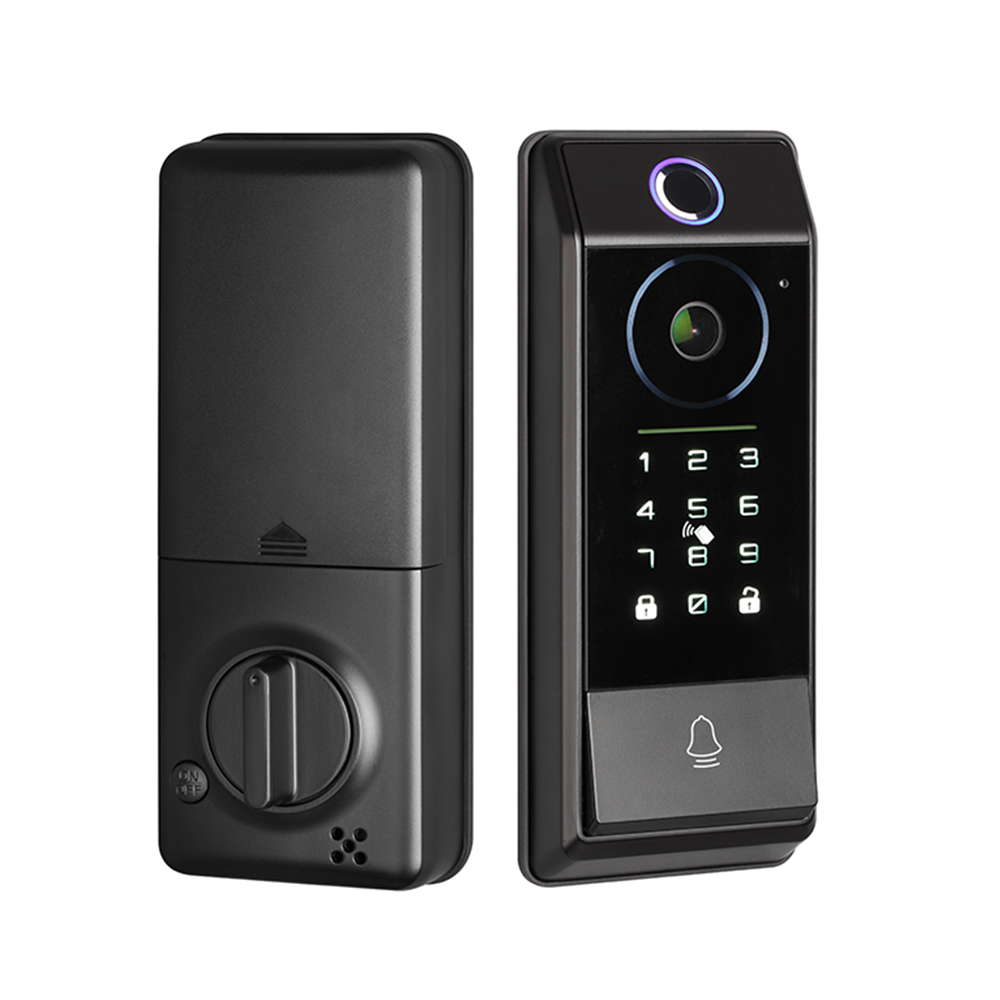 Smart deadbolt lock with video doorbell and two way intercom for front door security A229
 Bluetooth Deadblot Smart Lock with keyless access works with Google Alex tuya FM31
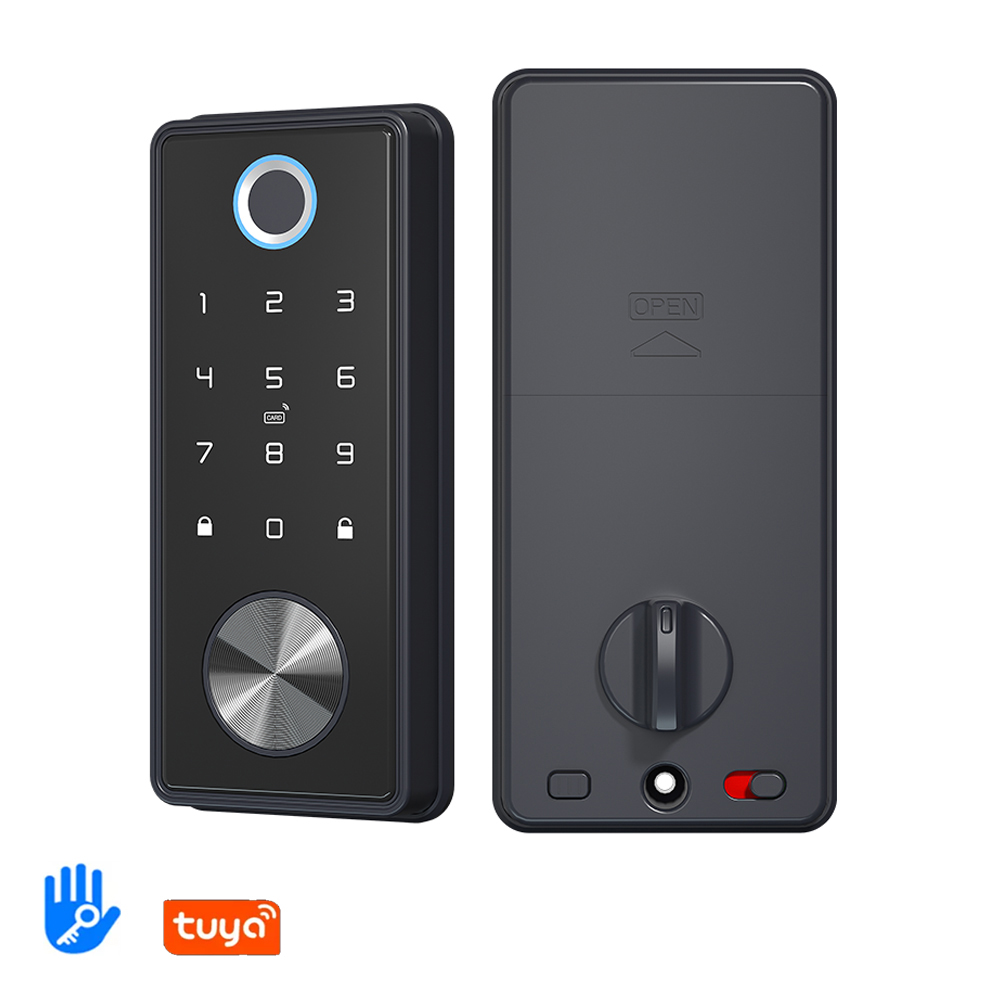 Waterproof Deadbolt Digital Lock supporting TTlock ble or TUYA wifi FM560
 WIFI Deadblot Smart Lock with Video Doorbell works with Alexa Google Tuya FM880
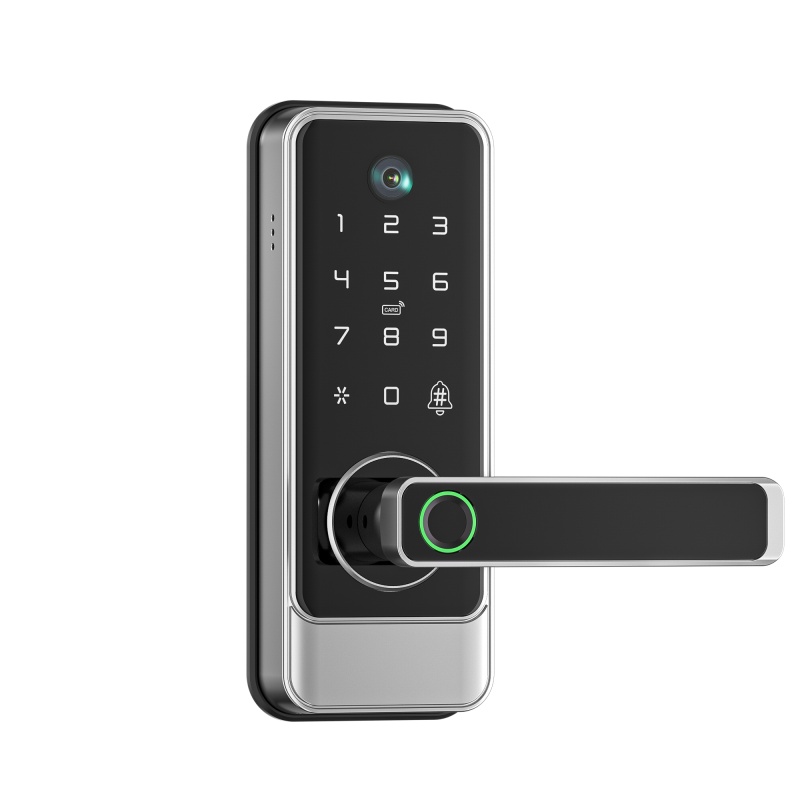 Keyless Entry Lever Lock with doorbell and Video Camera for Live Viewing
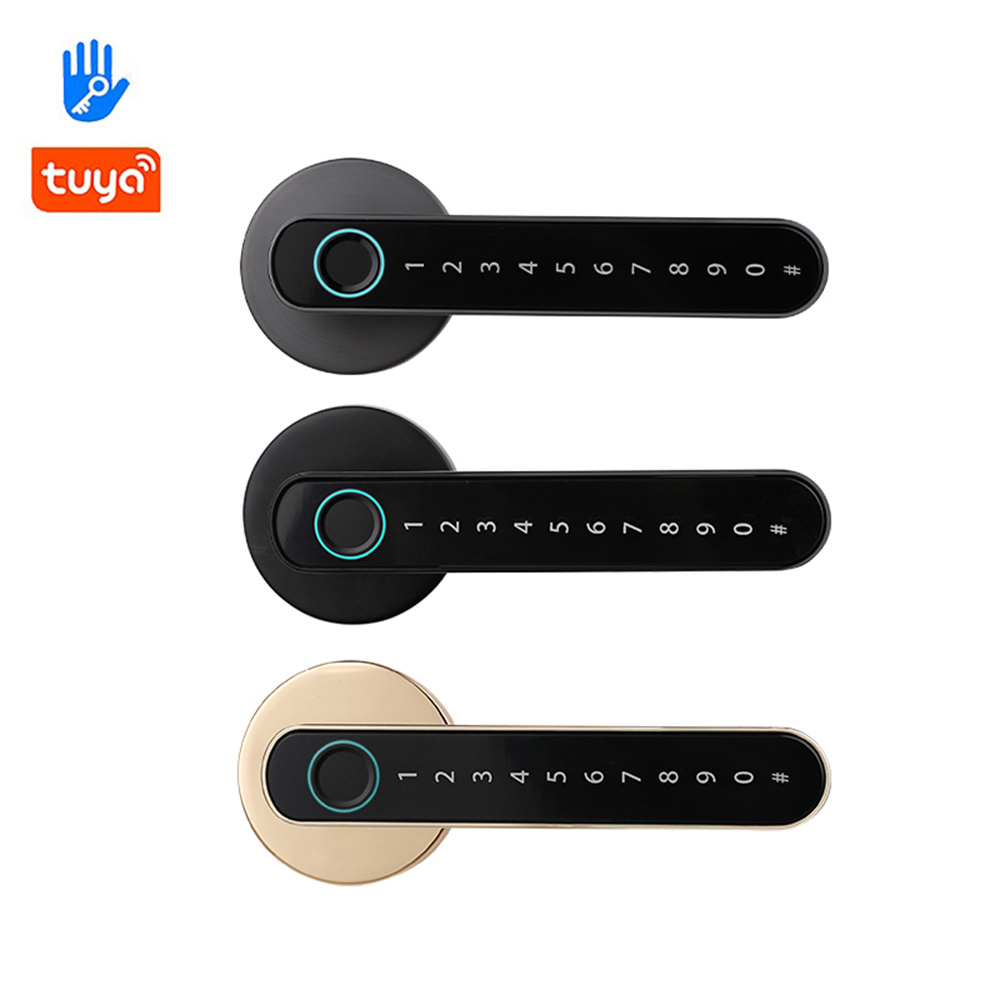 Bluetooth Lever Lock unlock by fingerprint recognition, password and App eKeys T8
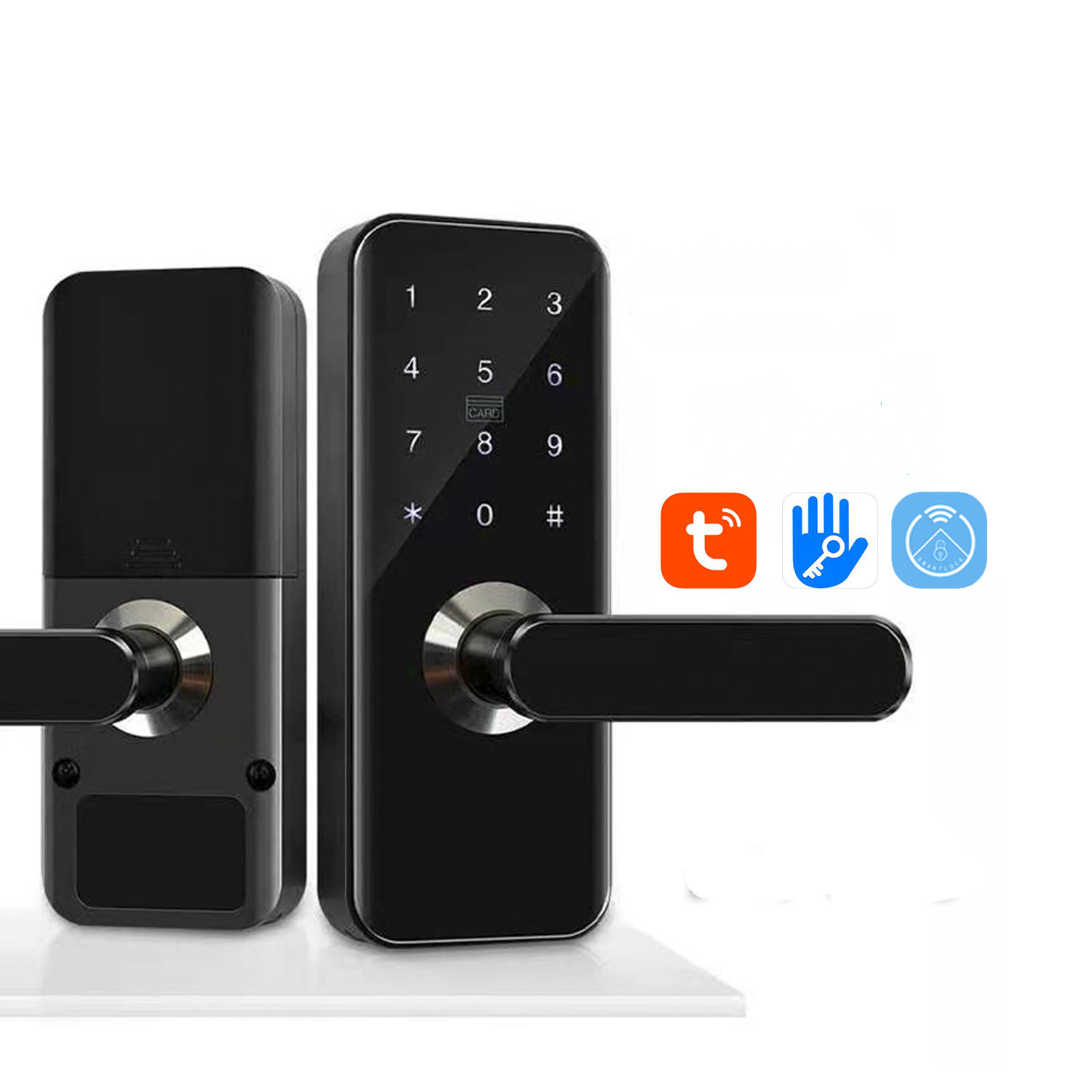 Smart lever lock supports TTlock bluetooth and TUYA wifi FM810
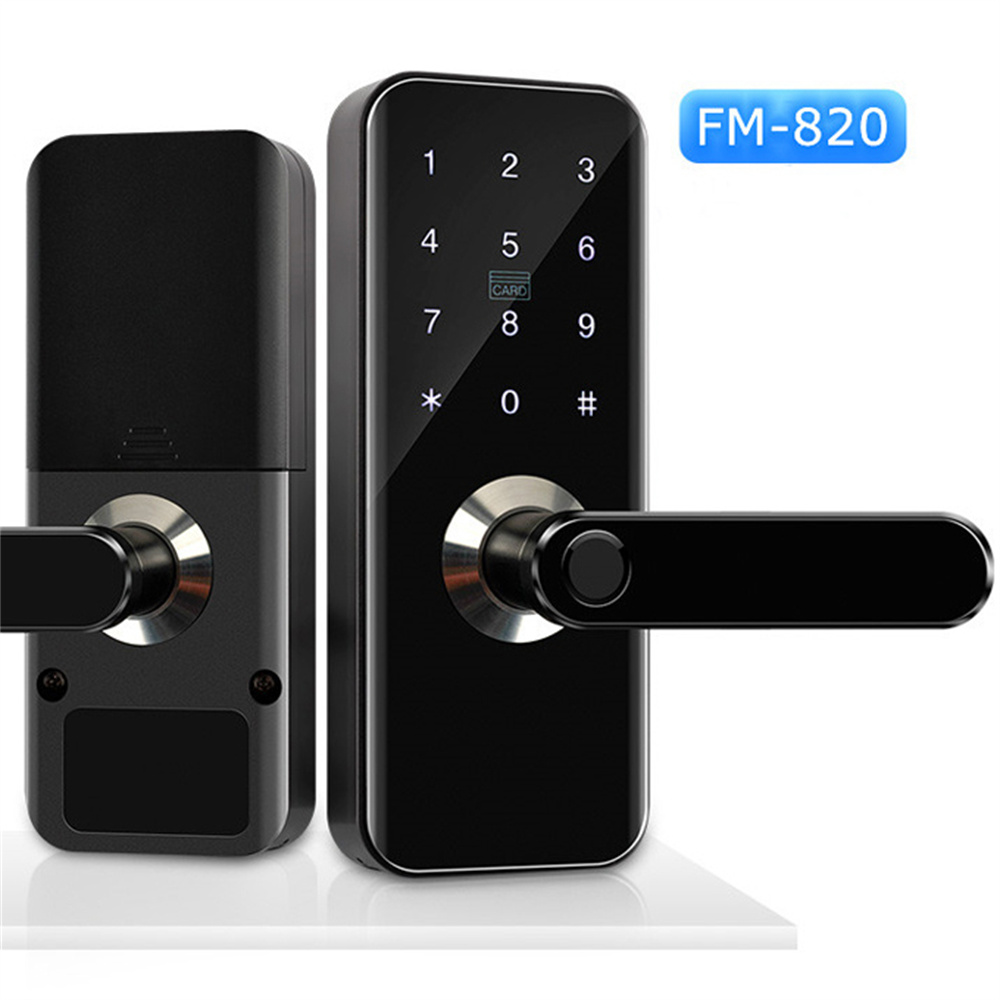 Fingerprint Smart Lever Lock with one touch Keyless Entry fits US Knob & Lever FM820
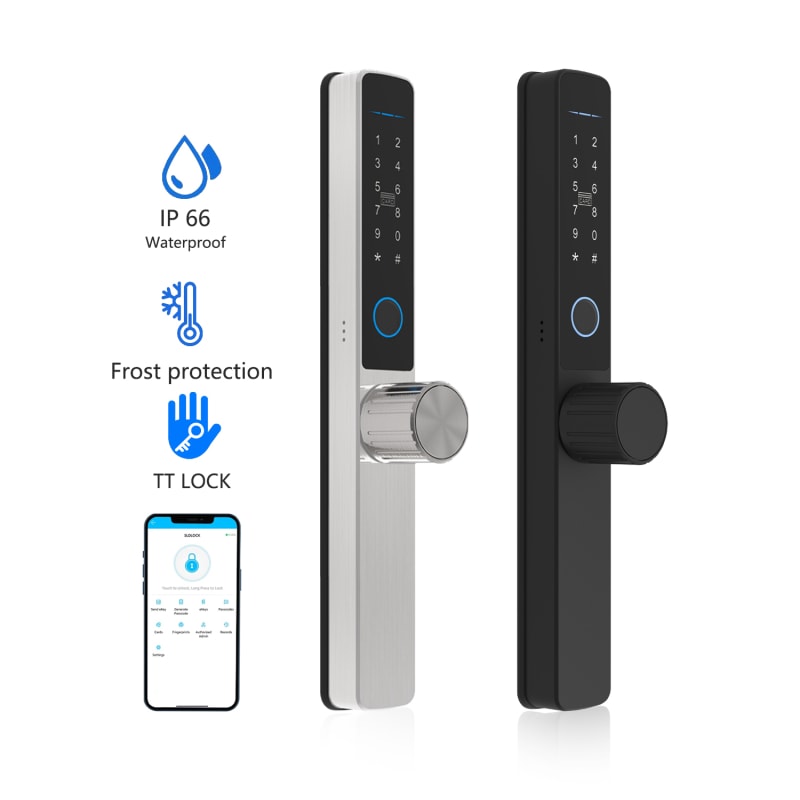 Keyless Entry Door Lock Fits Both Traditional Mortise and Smart Lock Mortise
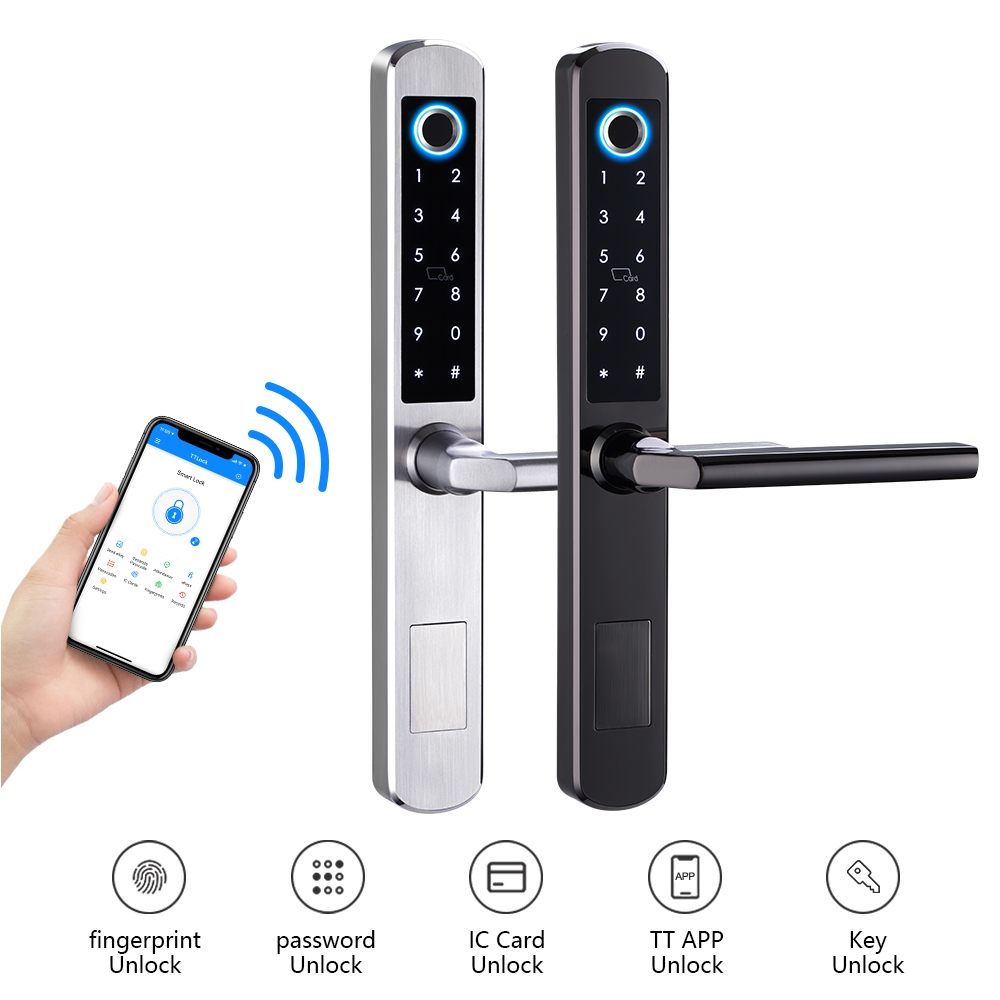 Slim 304 stainless steel keypad lock with IP65 waterproof case for thermal break sliding doors FM210
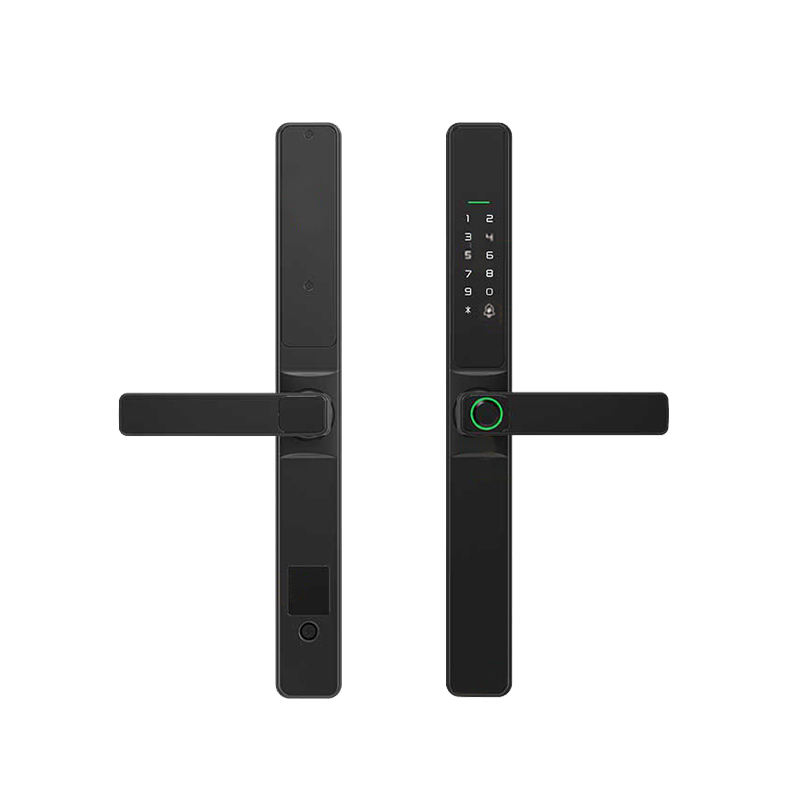 Fingerprint lock with hook mortise for slim sliding door and IP66 waterproof for outdoor use F6
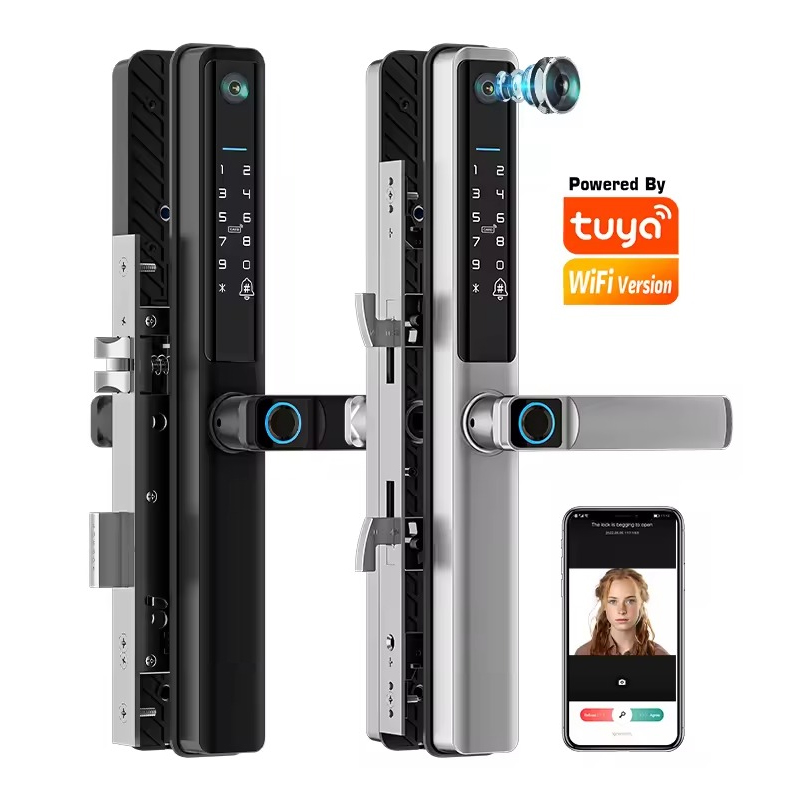 Keyless entry door lock for slim sliding door with camera and doorbell F5 PRO
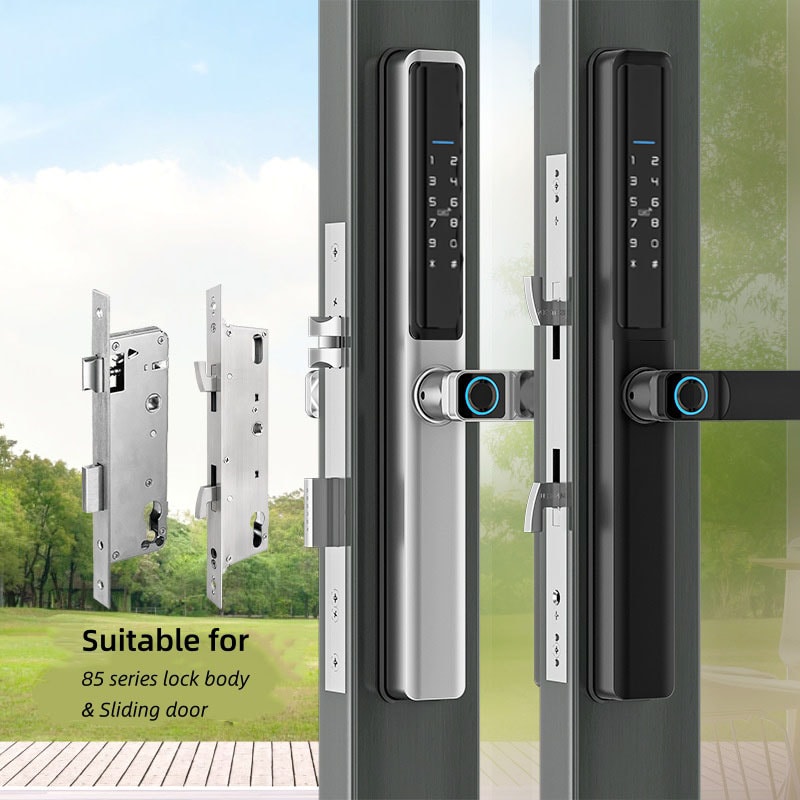 Smart door lock with hook mortise for aluminum slim sliding door F5
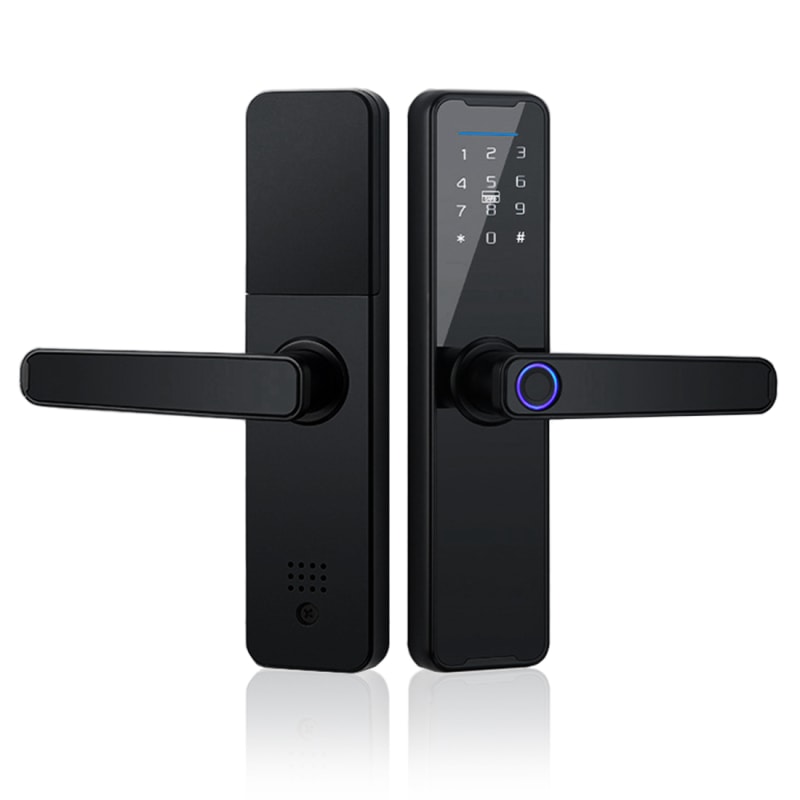 Front door smart Locks made of aluminum alloy compatible with multiple mortise types
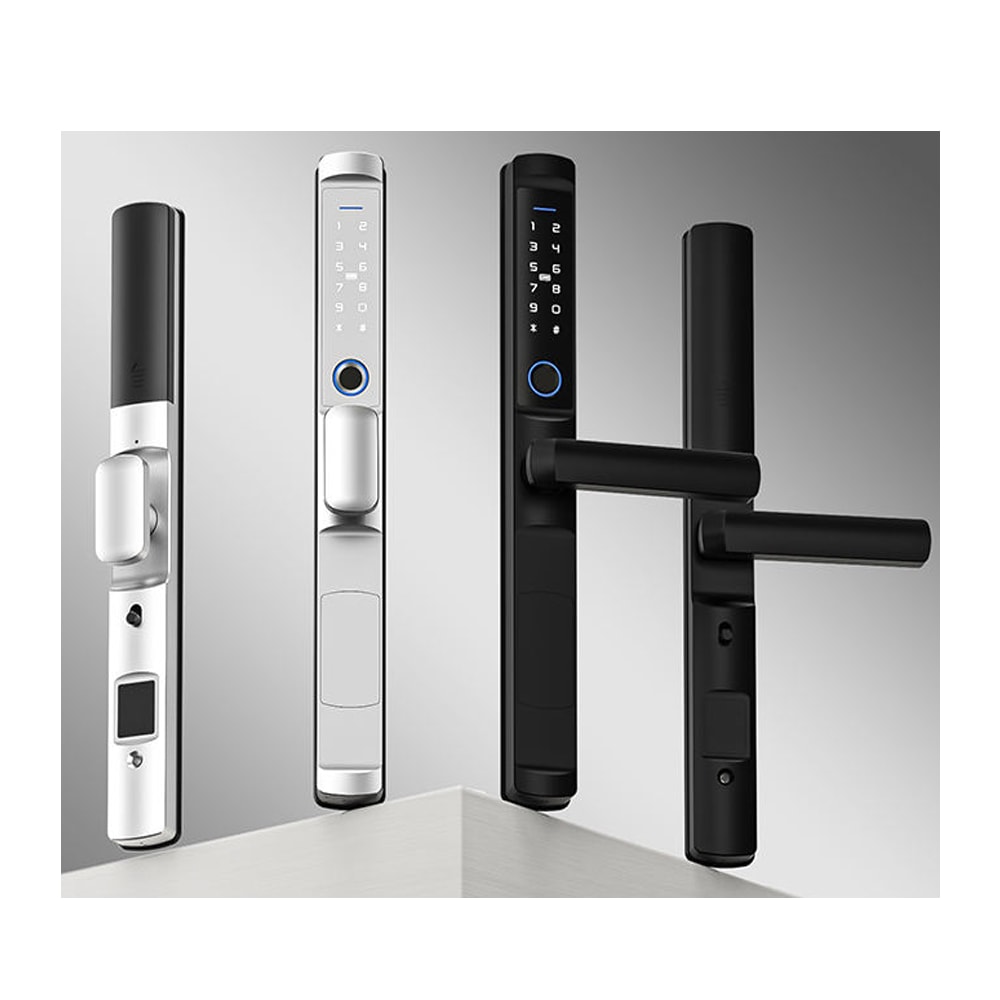 Keypad Door Lock with IP66 Waterproof case and Two Handle Styles Options
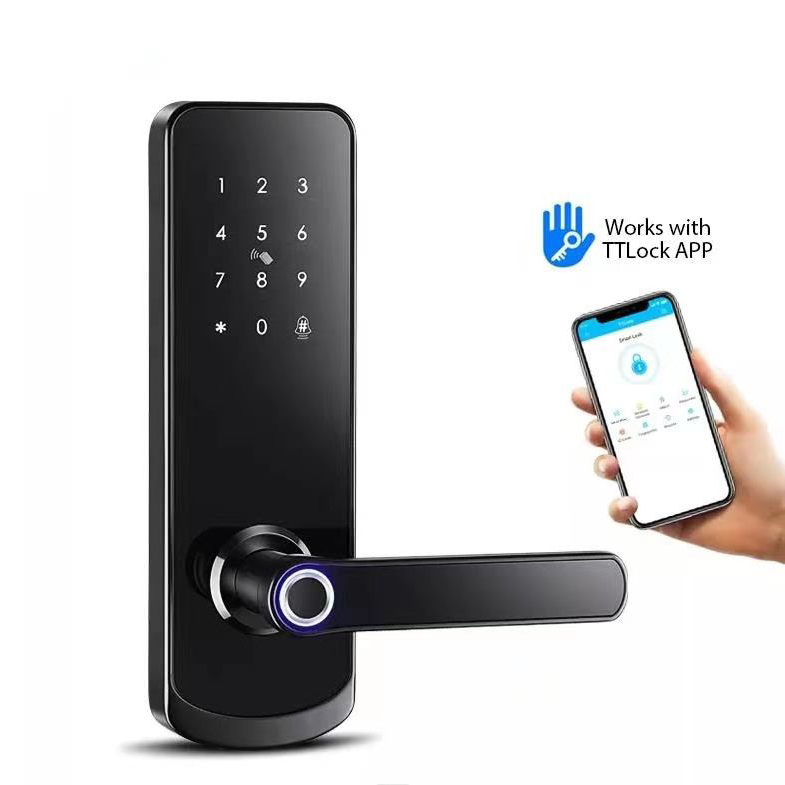 Fingerprint door lock for Front door with Anti-prying latch to prevent the card prying the door
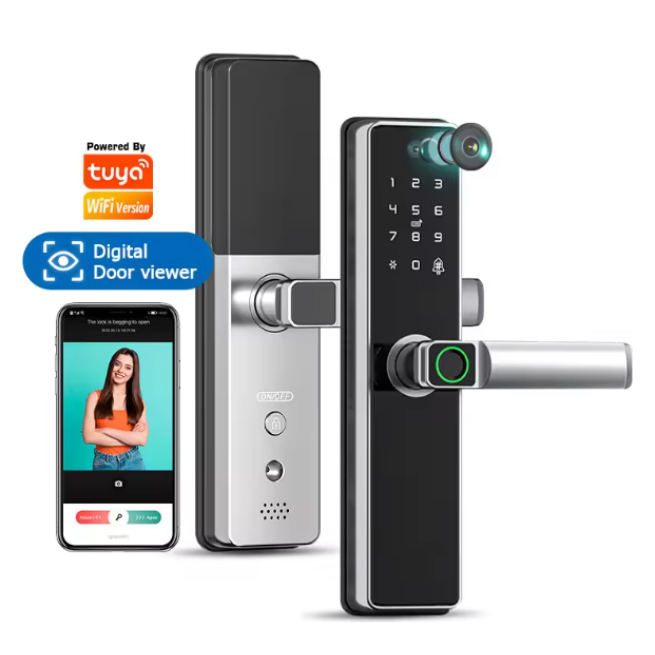 Front Door Keypad Lock with Fingerprint and Doorbell B2
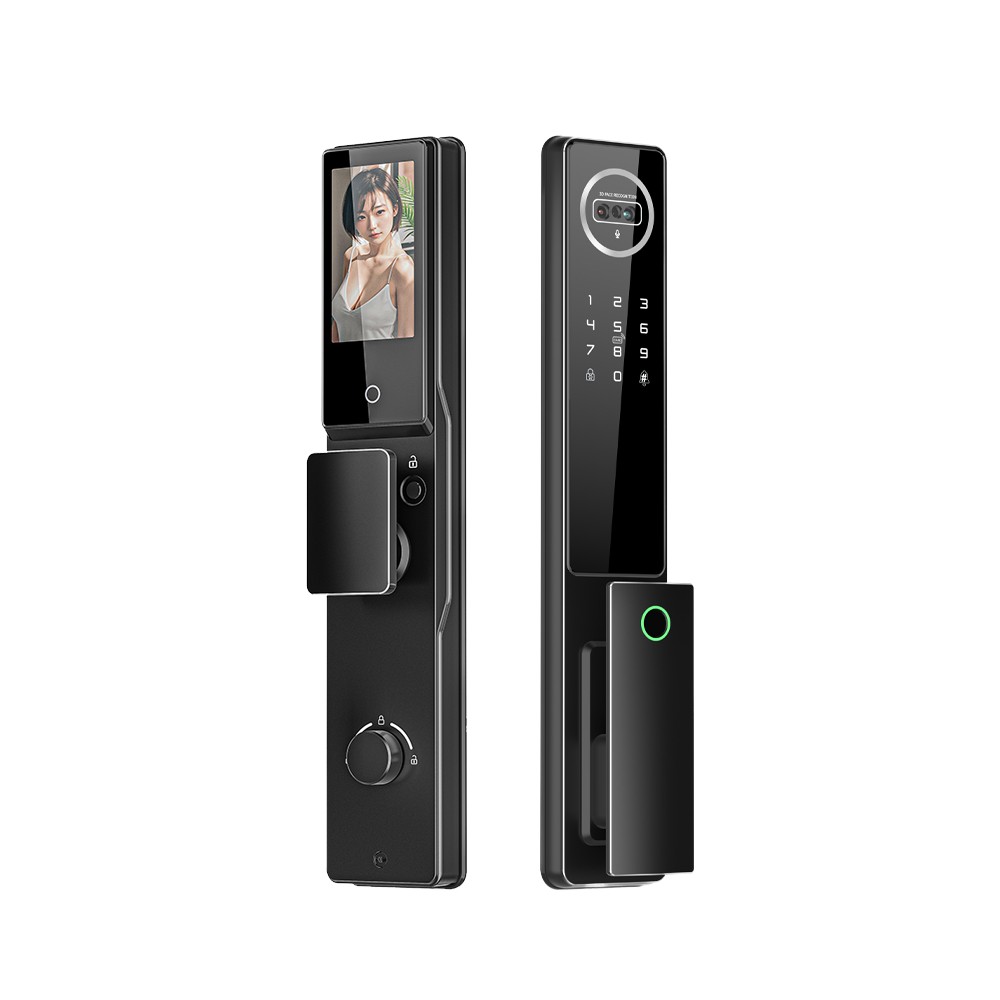 Face Recognition Smart Door Lock with Video Intercom Doorbell Tuya WiFi D1
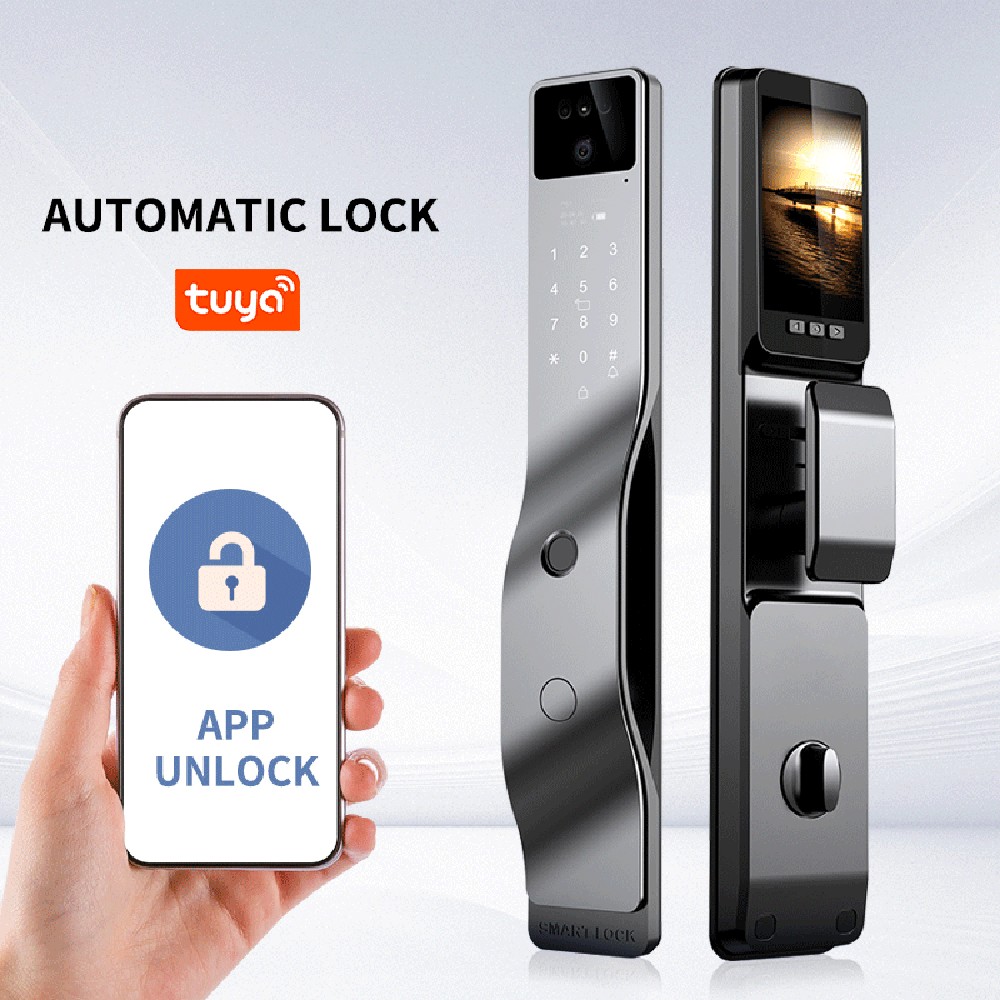 WIFI Smart Mortise Lock with Tuya Video Doorbell support Face Scan Palm Vein F7
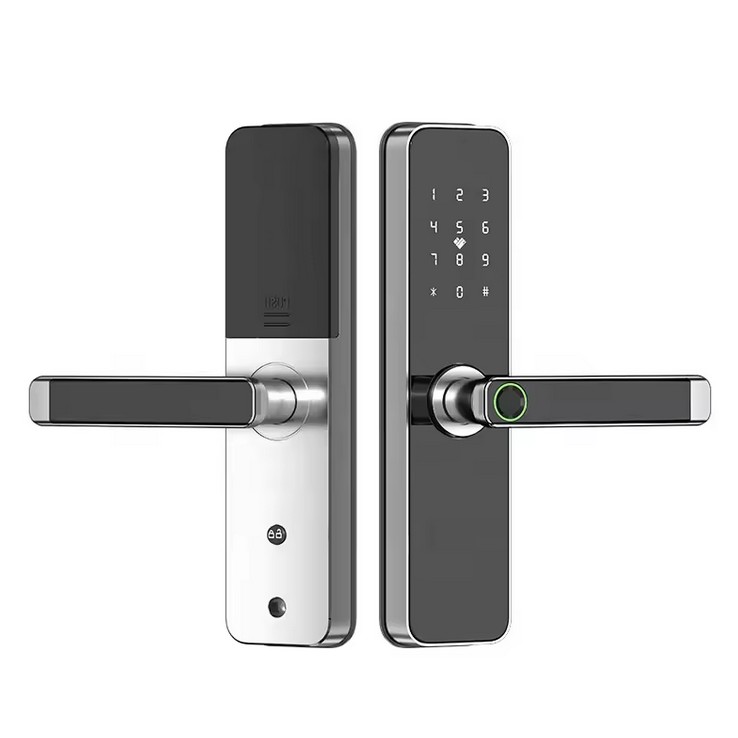 Smart mortise lock with bluetooth and WIFI optional FM028
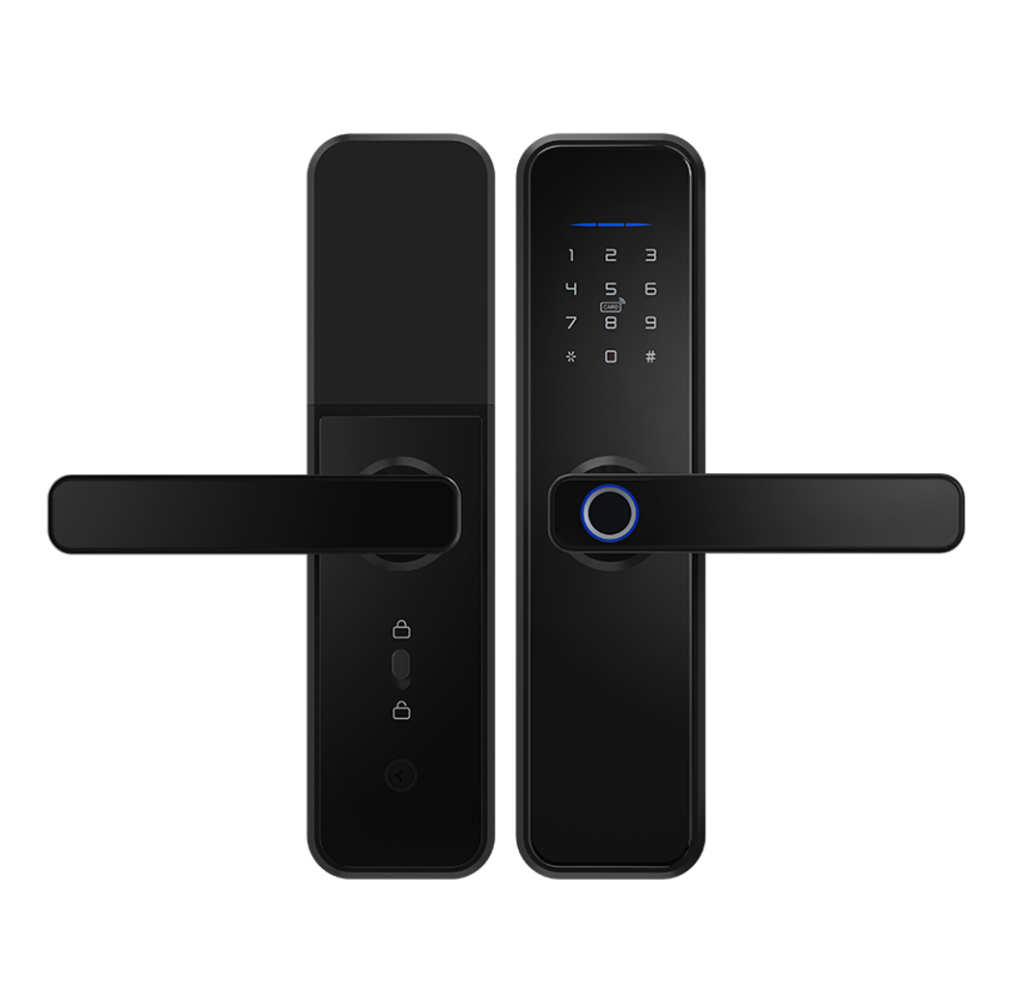 Mortise Smart Lock with multi keyless accesses FM550
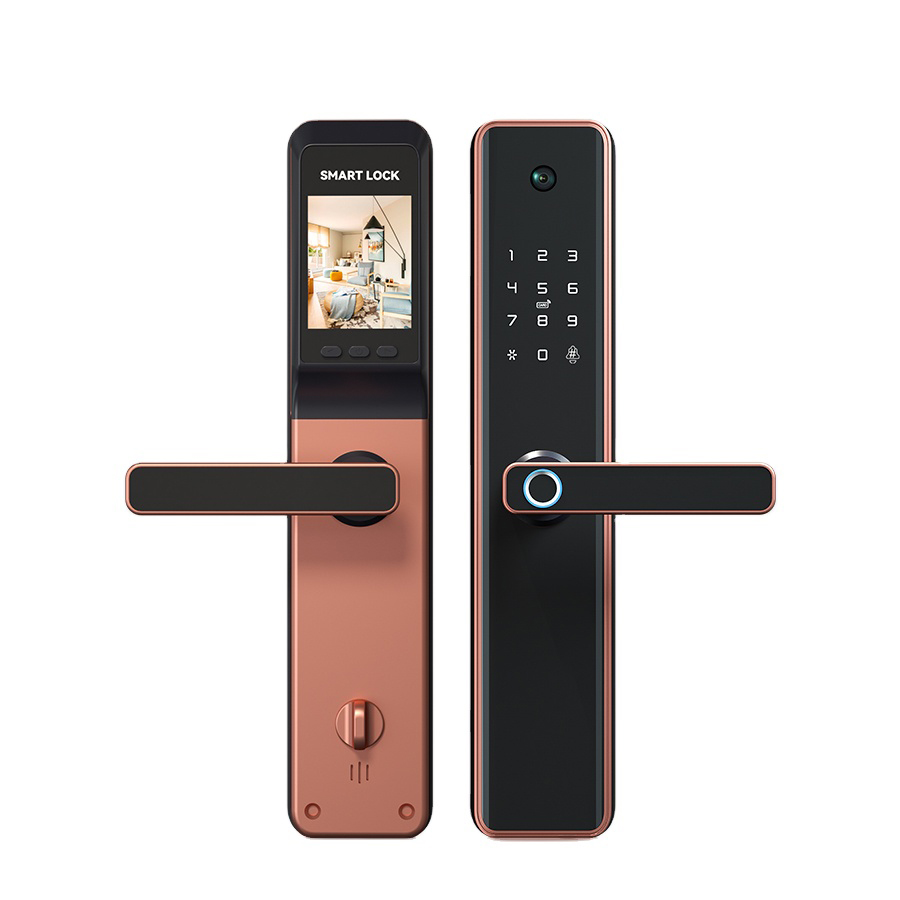 Camera Smart Lock with Finger Scan Supporting Tuya WiFi or Zigbee FM551
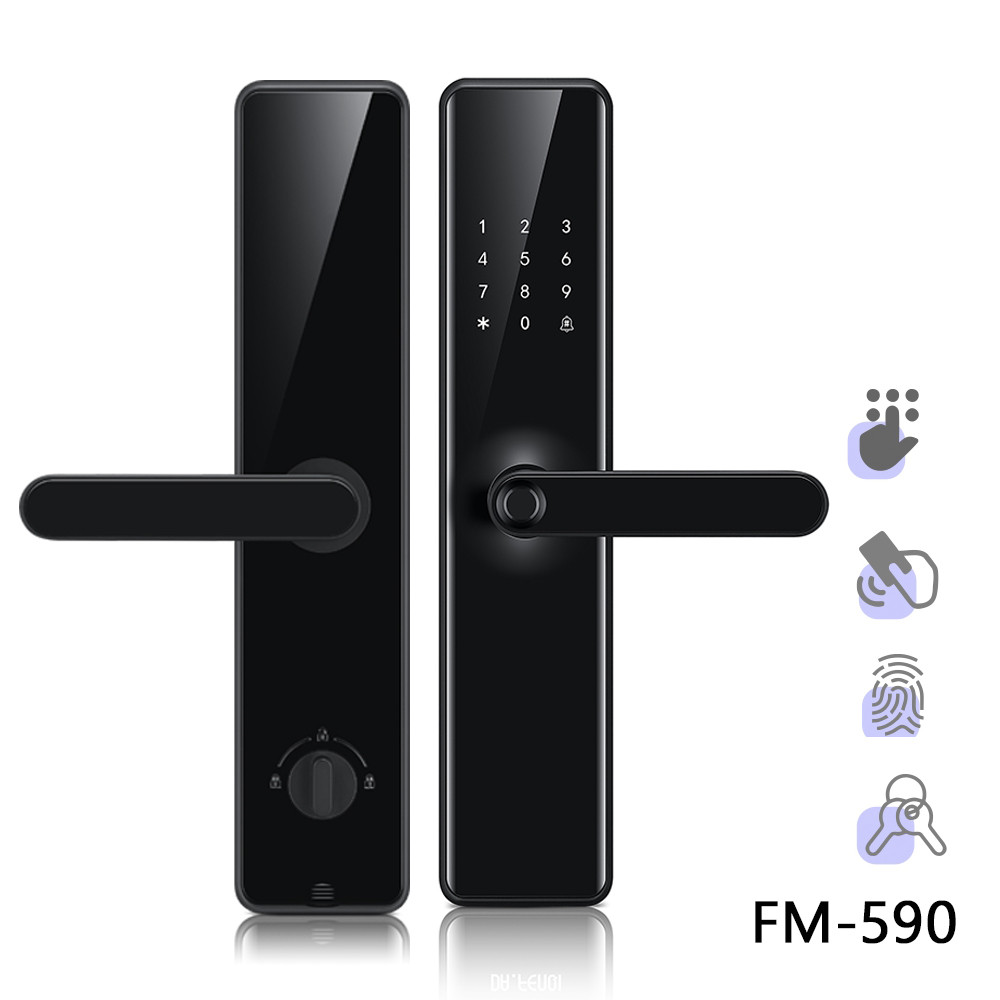 Smart Door Lock with Fingerprint and Voice Control FM590
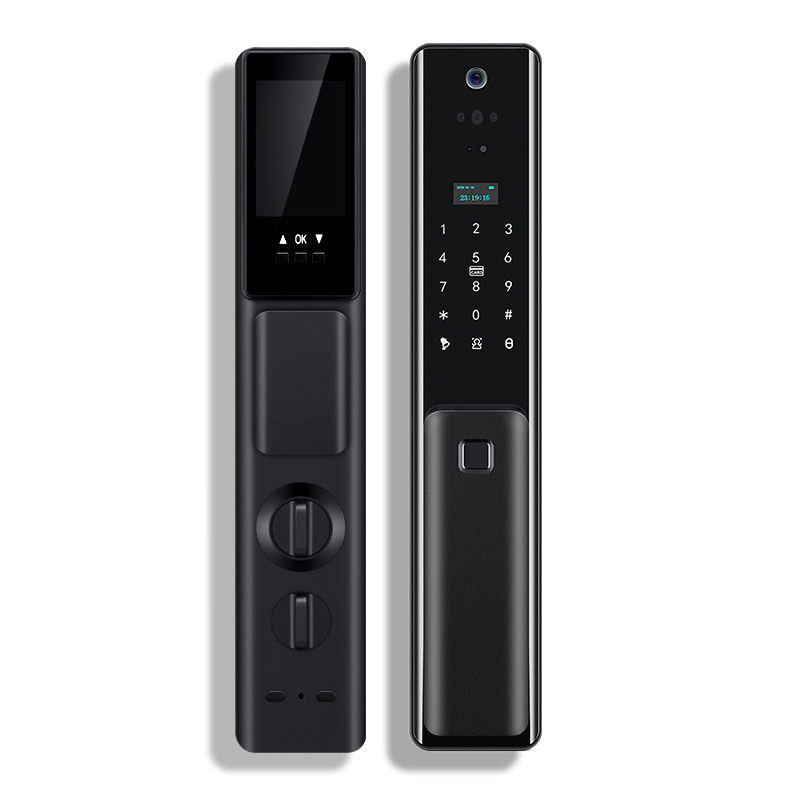 Fingerprint Door Lock with Face Scanner and Camera Supports google home FM720
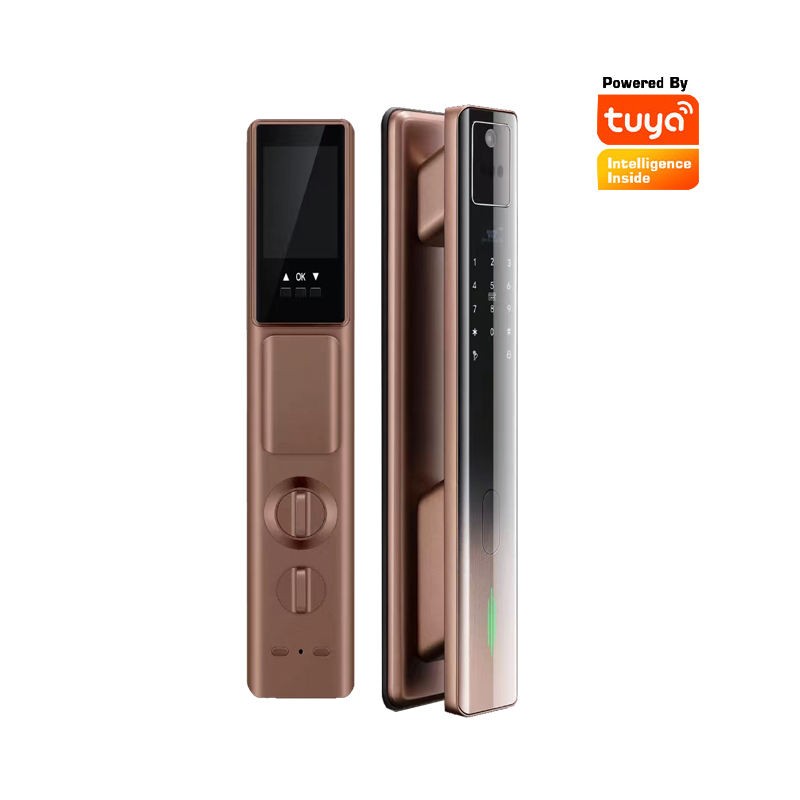 Facial Recognition Smart Lock with Video Intercom and Thumbprint FM730
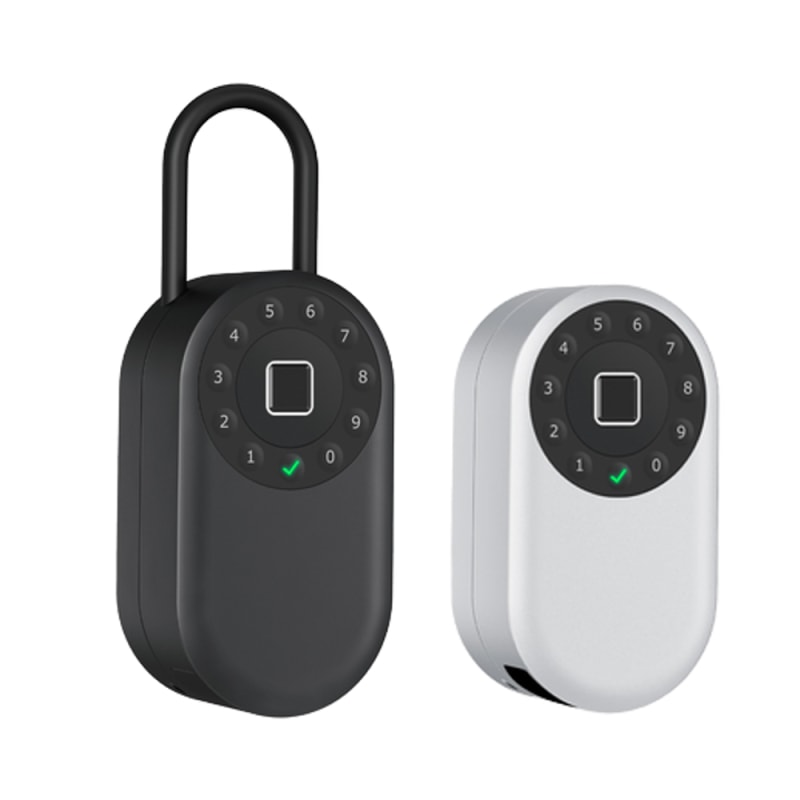 Keyless lock box with physical keypad and TTlock app waterproof for outdoor key storage
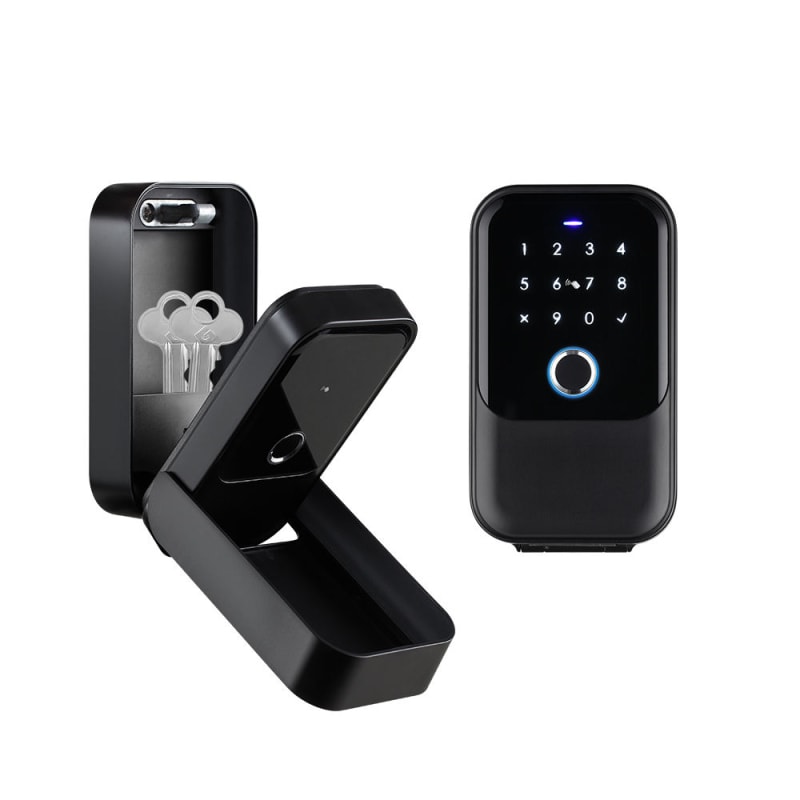 Smart key box with touch keypad and comptible with TTlock and Tuya ble for outdoor use
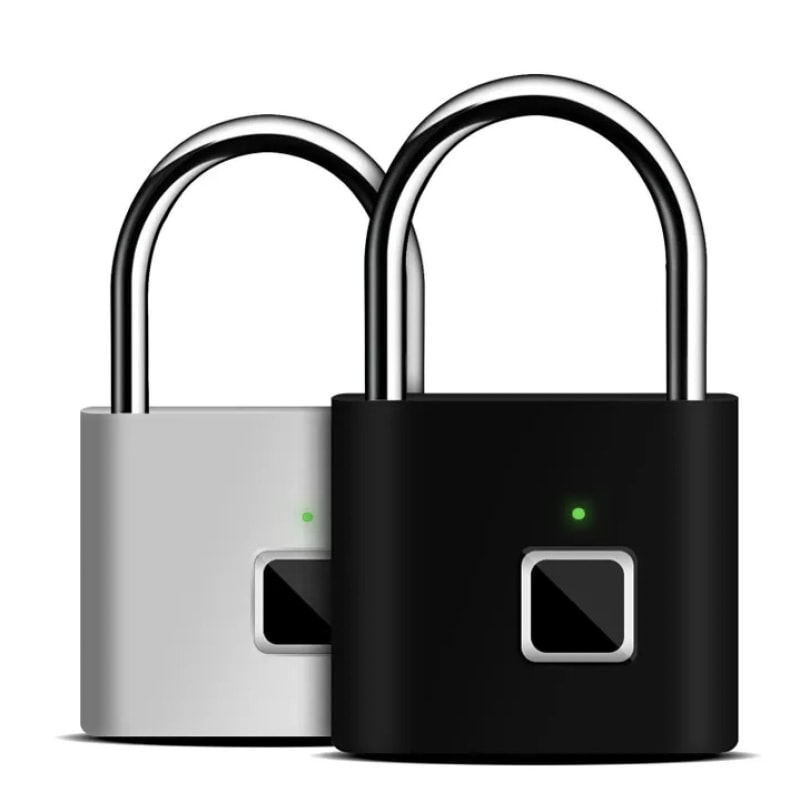 Fingerprint padlock with morse code backup that is rechargeable and portable for everyday use FM570
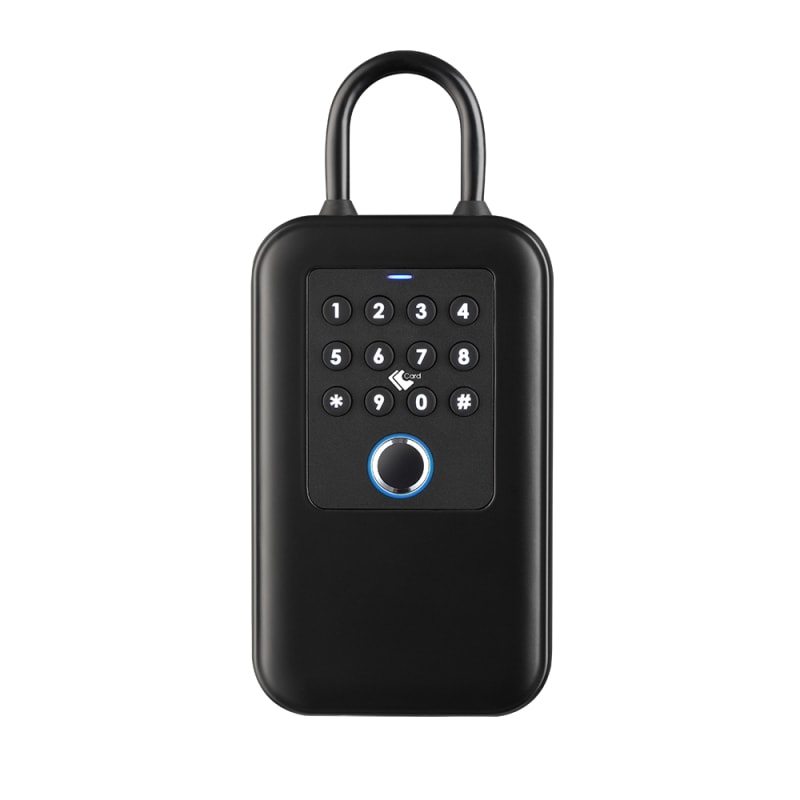 Waterproof key lock box with physical keypad and Tuya app control for outdoor key storage
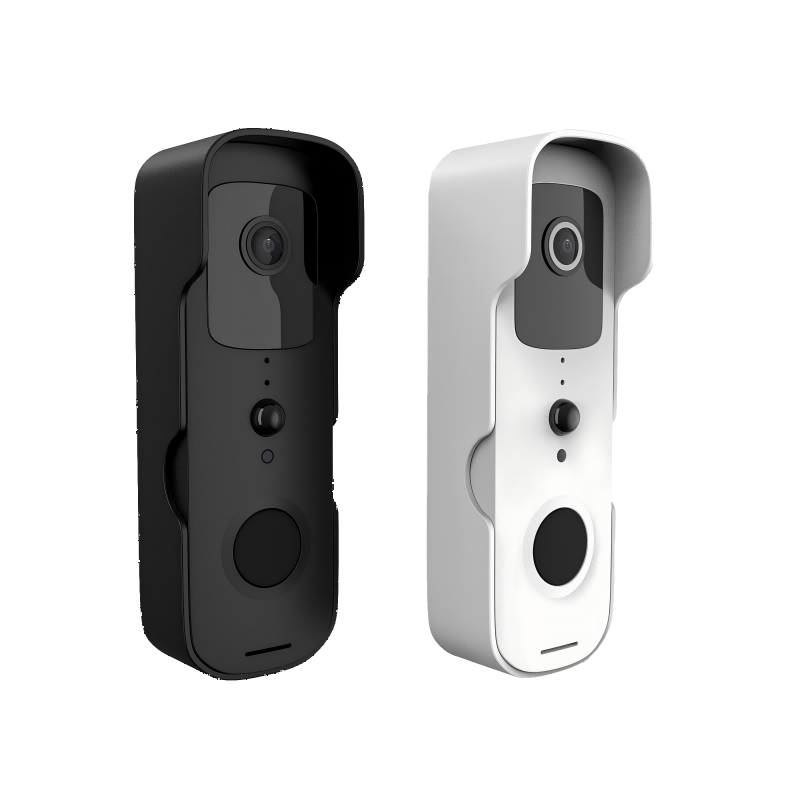 Smart Video Doorbell with Two Way Audio and Tuya WiFi for Home Security FM571
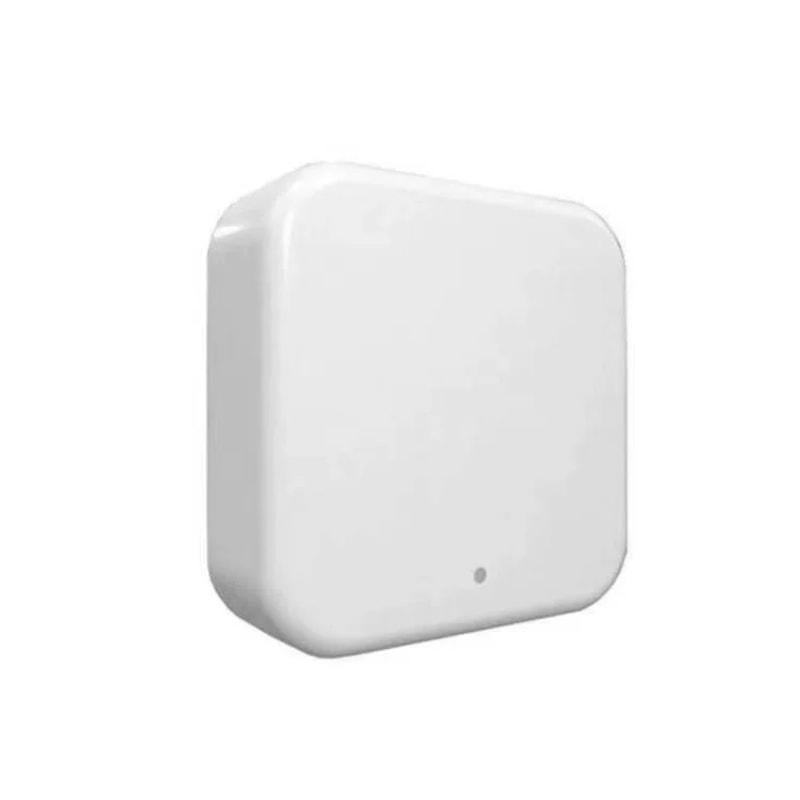 Ttlock G2 Gateway Connects Your Bluetooth Smart Lock to Wifi for Remote Access
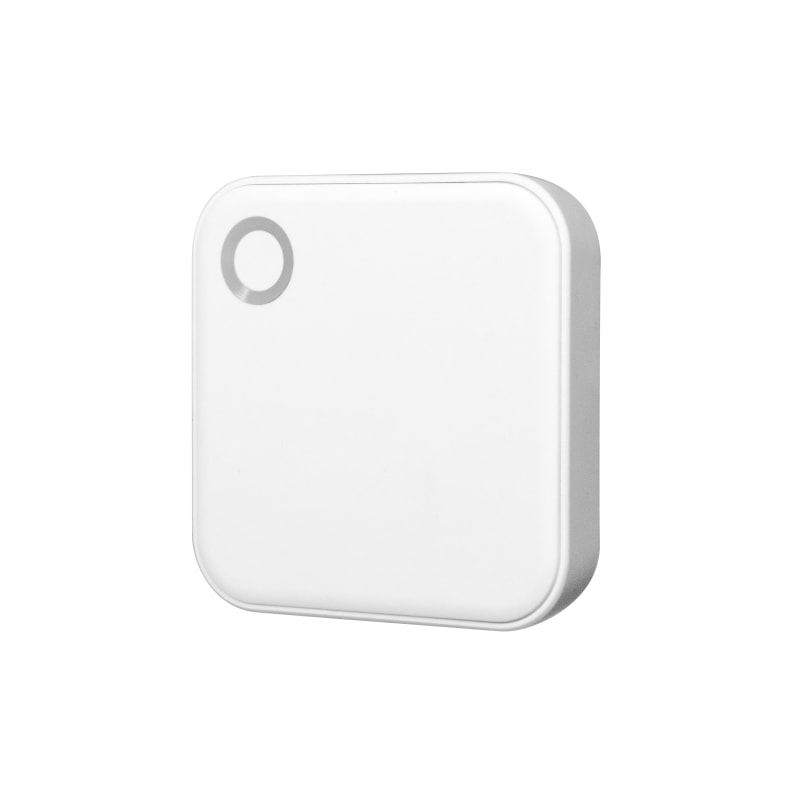 TTlock G5 gateway features dual band wifi and mesh network for large properties
 WhatsApp