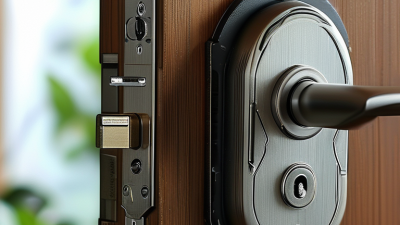
Choosing an electronic lock is not simply a matter of adding a keypad to a door. Electronic Door Locks combine access control, power management, hardware design, and everyday convenience. A reliable choice should also match the door material, user habits, and security expectations.
This guide examines ten common types, including keypad locks, fingerprint locks, smart locks, card locks, remote-controlled models, and mechanical-electronic hybrids. Each type has practical strengths and noticeable limitations. For example, a fingerprint reader can open quickly, but wet or damaged fingers may reduce recognition accuracy. A connected smart lock may offer useful activity alerts, yet it depends on batteries, software, and a stable network. No lock is perfect.
The comparison focuses on installation experience, authentication methods, battery performance, emergency access, privacy controls, and resistance to daily wear. It also considers manufacturer documentation, independent testing, installer feedback, and long-term owner experience. These details provide a more trustworthy basis than attractive product images or unsupported rankings. The phrase top rated electronic door locks can be useful when researching products, but ratings often reflect different homes, budgets, and expectations. That matters.
Readers will also see how each lock works in realistic settings. Imagine a busy family entering with groceries, a rental property needing temporary codes, or an office managing several employees. These situations reveal differences that specifications may hide. Professional installation remains important, especially for misaligned doors or unfamiliar wiring. Careful selection beats impressive features. This overview is designed to support a practical, informed decision without treating convenience as a substitute for sound security.
Electronic Door Lock Types and Their Main Access Methods
What Are the Top 10 Types of Electronic Door Locks?
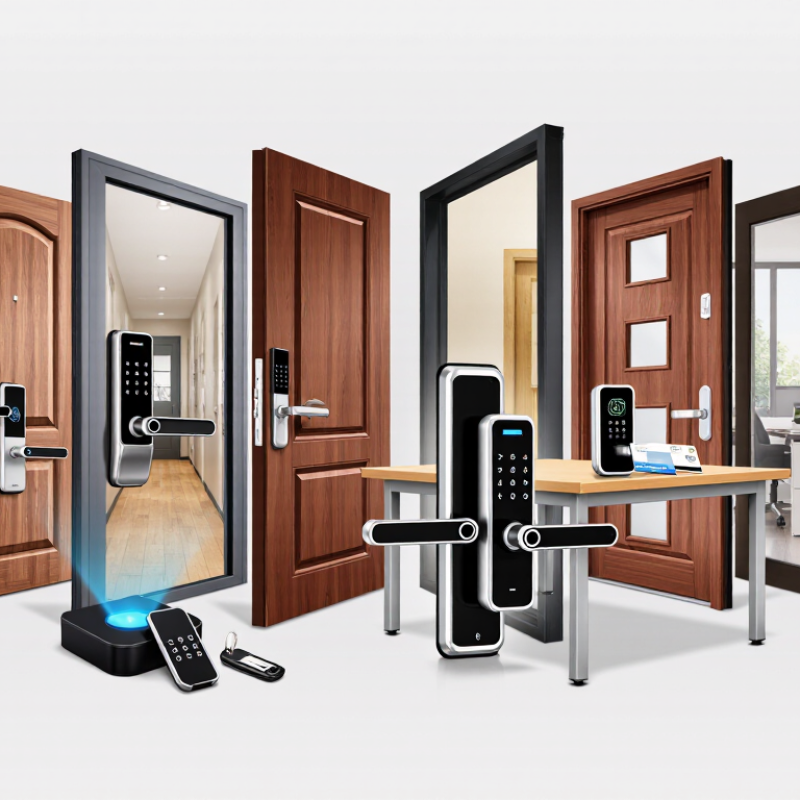
Electronic Door Lock Types and Their Main Access Methods
Electronic door locks vary by design, security level, and daily access needs. Keypad locks open with a personal PIN. Fingerprint locks read a registered fingerprint. Facial recognition locks scan approved facial features. RFID locks use cards or key fobs near a reader. NFC locks communicate with compatible mobile devices over short distances.
Bluetooth locks connect with a smartphone nearby. Wi-Fi locks support remote access through an internet connection. App-controlled locks manage users, schedules, and entry records from a phone. Voice-controlled locks respond to approved voice commands through a connected system. Smart intercom locks allow visitors to request entry after two-way communication.
Some models combine several methods. A lock may accept a PIN, fingerprint, and backup key. This layered design helps when one method fails. In practical installations, wet fingers can reduce fingerprint accuracy. Bright sunlight may affect facial scanning. Batteries can also die at inconvenient times. Keep a physical override or external power option available. It is an easily missed detail.
Choose access based on the door’s location and user habits. Keypads suit rental properties and shared offices. RFID works well for controlled staff access. Mobile access offers convenience, but phone loss requires quick permission removal. Check audit logs, encryption, battery warnings, and emergency access before installation. A professional installer should also verify door alignment, because even a strong lock can fail when the latch rubs against the frame.
Keypad and Touchscreen Electronic Door Locks
Among the top 10 types of electronic door locks, keypad and touchscreen models are especially practical for homes and small offices. They remove the daily need for physical keys. A keypad uses raised or flat buttons, while a touchscreen displays numbers on a smooth glass panel. Both can support temporary access codes for guests, cleaners, or maintenance workers.
In my experience, a keypad feels more dependable in poor weather. Its buttons remain usable when rain covers the surface. A touchscreen looks cleaner, but fingerprints can reveal frequently used numbers. Good models hide the entered code with random numbers or require a simple hand movement before activation. Check the battery warning system carefully. A lock that gives only one warning may create unnecessary stress.
Installation also affects reliability. The door should close evenly, without forcing the bolt into the strike plate. I have seen a well-designed lock perform badly because the frame was slightly misaligned. That detail is easy to miss. Users should change the master code after installation and delete unused guest codes regularly. Some systems offer phone control, activity records, and automatic locking, but extra features can increase setup mistakes. I still prefer a clear keypad for older users and a touchscreen when appearance matters. A physical backup method is sensible, although it should remain protected and accessible only to authorized users.
RFID Card, Key Fob, and Keyless Entry Locks
Among the top 10 types of Electronic Door Locks, RFID card, key fob, and keyless entry models are widely used in offices, hotels, apartments, and shared facilities. Grand View Research valued the global smart lock market at about USD 2.4 billion in 2023. It also forecasts strong growth through 2030. These figures reflect rising demand for convenient access, not automatic security.
RFID card locks work when a card passes within a few centimeters of the reader. A manager can cancel a lost card without replacing the cylinder. Key fob locks offer similar convenience, often with a thicker, easier-to-carry token. They suit staff entrances and residential gates. However, users may forget where they placed the fob. That still happens.
Keyless entry locks use PIN codes, mobile credentials, or biometric verification. A temporary code can help a cleaner enter at 10 a.m., then expire later. NIST guidance recommends strong authentication practices and careful credential management. A short, reused PIN remains a weak point. Battery failure is another practical concern, especially during cold mornings. Installers should test emergency power contacts, audit logs, and door alignment before daily use. MarketsandMarkets reports that smart lock adoption is expanding as connected access systems become more common. Yet convenience can create overconfidence. A well-designed system still needs user training, firmware updates, and a mechanical fallback.
Fingerprint, Facial, and Iris Recognition Locks
What Are the Top 10 Types of Electronic Door Locks?
Fingerprint, facial, and iris recognition locks are among the most advanced options in today’s ten main electronic lock types. Each uses a different biometric signal to verify identity. Fingerprint locks are convenient for residents and staff, but wet fingers, dust, or small cuts can reduce accuracy. Facial recognition works without touch. However, poor lighting, strong backlighting, or major appearance changes may affect performance. Iris recognition can offer precise identification, yet it usually requires careful alignment and more specialized hardware.
In practical door assessments, I look beyond unlocking speed. The reader should respond consistently, record access events securely, and provide a reliable backup method. A sliding door electronic lock also needs smooth alignment, because even a small gap can prevent the bolt from engaging. Biometric systems should support authorized users with limited mobility or unclear fingerprints. That detail is easy to overlook. No system is perfect.
Tips: Test the lock at night, in bright sunlight, and with slightly damp fingers. Check whether the emergency power method is clearly documented. Limit stored biometric data, protect administrator access, and review permissions regularly. I would also test a backup code before installation day. It feels minor, but failures often appear after setup, not during a showroom demonstration.
Bluetooth, Wi-Fi, and App-Controlled Smart Locks
Electronic door locks now span keypad, biometric, card, magnetic, mortise, cylinder, rim, sliding, Bluetooth, and Wi-Fi designs. Among these ten types, app-controlled models are changing everyday access most visibly. Grand View Research estimated the global smart lock market at about USD 2.9 billion in 2023, with strong growth expected through 2030.
Bluetooth locks communicate directly with a nearby phone. They usually unlock quickly, even when home internet fails. Wi-Fi models connect through a hub or built-in network, allowing remote unlocking, activity alerts, and temporary access codes. That convenience matters when a delivery arrives during a meeting. It also increases dependence on passwords, firmware updates, and router security. Connectivity changes that.
An Electronic Sliding Door Lock can combine Bluetooth, Wi-Fi, or keypad entry for apartments, offices, and patio doors. MarketsandMarkets’ 2024 analysis identifies remote monitoring and smartphone control as major smart-lock growth drivers. In practice, app permissions need careful testing. A guest code may work perfectly on Tuesday, then fail after a battery warning. I have found battery access just as important as software quality. Users should check local Bluetooth operation, low-battery alerts, audit logs, and manual override options before installation. Wi-Fi is not automatically safer. It is simply more connected.
Magnetic, Motorized, and Multi-Mode Electronic Locks
Electronic door locks now extend far beyond a keypad on a front door.
MarketsandMarkets’ 2024 Smart Locks Market report valued the sector at about USD 2.1 billion and expects it to reach USD 4.4 billion by 2029. That growth reflects practical demand for an electronic front door lock, not only connected-home excitement.
Magnetic locks use an electromagnetic force to hold a door shut. They work quietly and suit controlled entrances. However, power loss can change their security behavior, so installers must verify the emergency release design.
Motorized locks move a deadbolt with a small electric motor.
They fit residential doors and can support keypad, card, app, or key operation. The motor should align smoothly with the strike plate. A slight door sag can cause clicking, stalled movement, or battery drain.
Small details matter. Grand View Research reported strong double-digit growth for the smart lock market through 2030, but market forecasts cannot replace a site inspection.
Multi-mode electronic locks combine several credentials, such as PIN codes, RFID cards, fingerprints, and mechanical keys.
This flexibility helps homes, offices, and rental properties manage different users. Yet more modes also mean more settings to maintain. A fingerprint reader may struggle with wet hands. A phone connection may fail in a basement.
I would not call one design universally best. The right choice depends on traffic, door material, power backup, and who must enter during a network outage. Even experienced installers sometimes overvalue features and undervalue reliable alignment.
How to Choose a Fingerprint Door Lock for Front Doors with Anti-Prying RFID and WiFi Smart Access
Choosing a fingerprint door lock for a front door requires more than checking the number of unlocking methods. The lock should combine a strong die-cast aluminum-alloy body with an anti-prying design, reinforced mounting points, and a protected latch mechanism. This is especially relevant because the FBI’s Crime Data Explorer recorded 847,522 burglary offenses in the United States in 2022. A fingerprint reader provides convenient keyless entry, while PIN codes, RFID cards, smartphone access, and a backup key offer practical alternatives for family members, guests, or tenants.
Connectivity is another important consideration. A lock supporting Bluetooth Low Energy can provide nearby control with low power consumption, while Wi-Fi connectivity enables remote management, access sharing, and activity monitoring through a mobile application. According to MarketsandMarkets’ *Smart Locks Market—Global Forecast to 2028*, the smart-lock market is projected to grow at a double-digit compound annual growth rate, reflecting increasing demand for connected residential security. For front-door installation, buyers should also verify door thickness, latch compatibility, weather resistance, battery-life alerts, and whether administrator permissions can be managed securely. A factory-built model produced under documented quality-control procedures can serve both homeowners and rental-property operators seeking durable construction, flexible RFID and biometric access, and convenient Wi-Fi-enabled control.
Conclusion
Electronic Door Locks offer a wide range of secure and convenient access methods for homes, offices, hotels, and other properties. Common types include keypad and touchscreen locks, which use personal codes; RFID card and key fob locks, which rely on contactless credentials; and keyless entry systems that simplify access without traditional keys. More advanced models may use fingerprint, facial, or iris recognition to identify authorized users through unique biometric features.
Modern smart locks can connect through Bluetooth, Wi-Fi, or mobile applications, allowing users to manage entry permissions, monitor activity, and control doors remotely. Other important designs include magnetic locks, motorized locks, and multi-mode systems that combine several access methods for greater flexibility. Each type offers different advantages in convenience, installation, security management, and user capacity, so the best choice depends on the building’s layout, daily traffic, power availability, and preferred level of control.

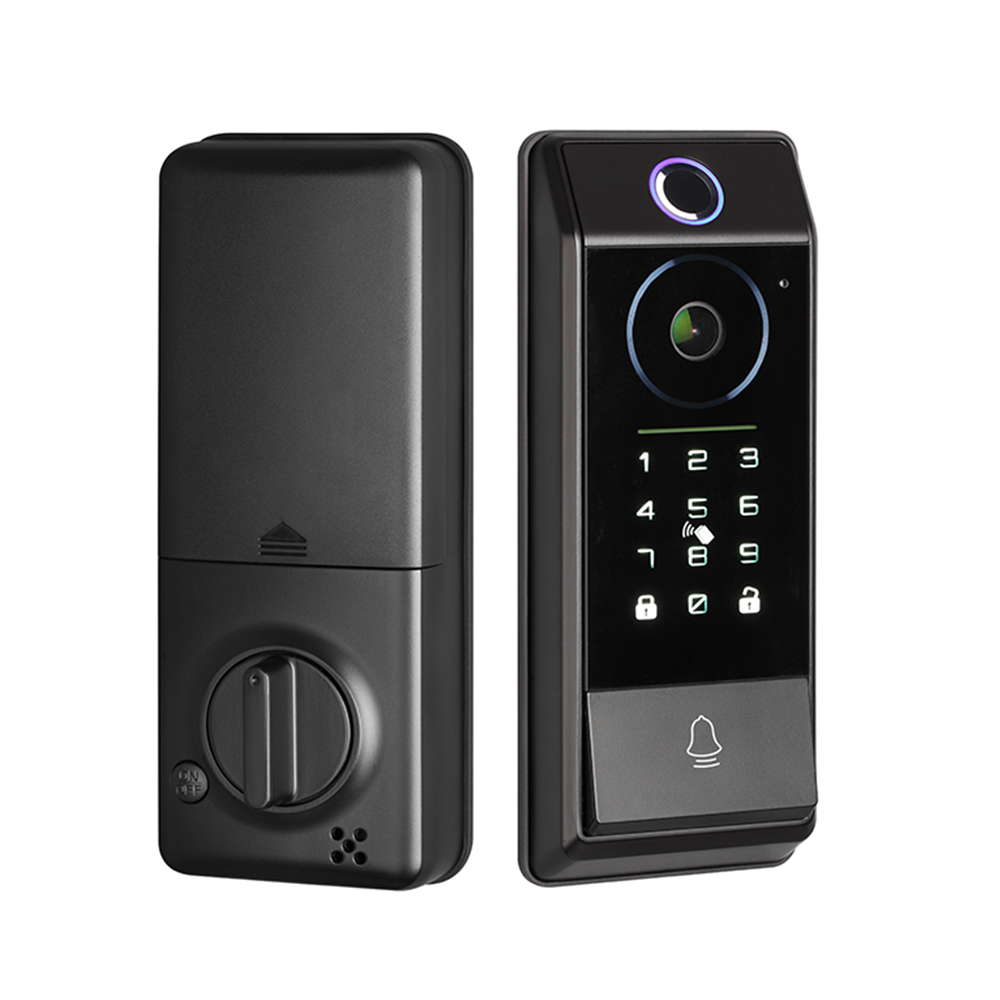 Smart deadbolt lock with video doorbell and two way intercom for front door security A229
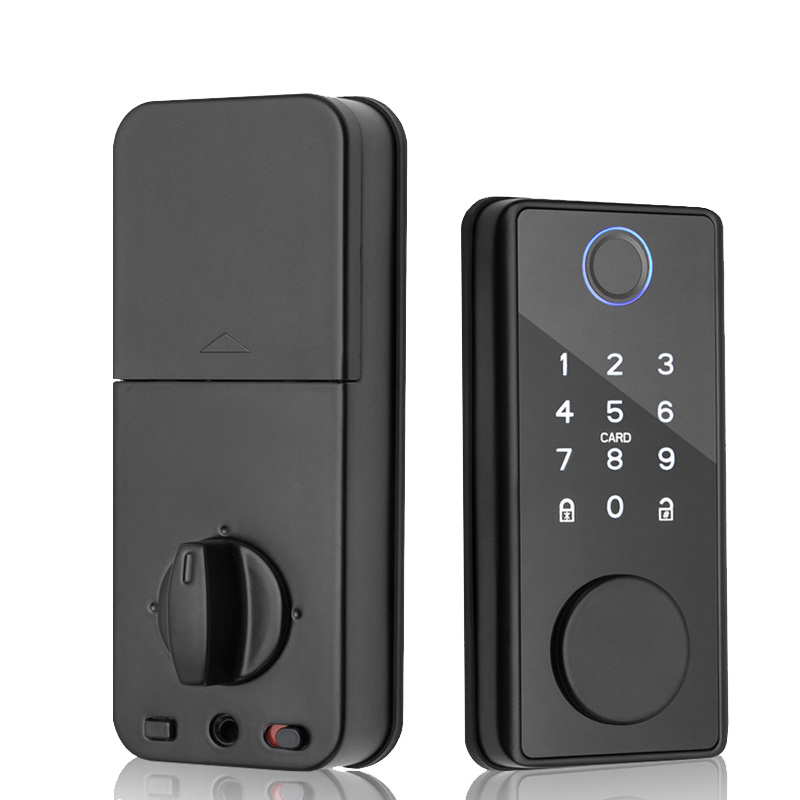 Bluetooth Deadblot Smart Lock with keyless access works with Google Alex tuya FM31
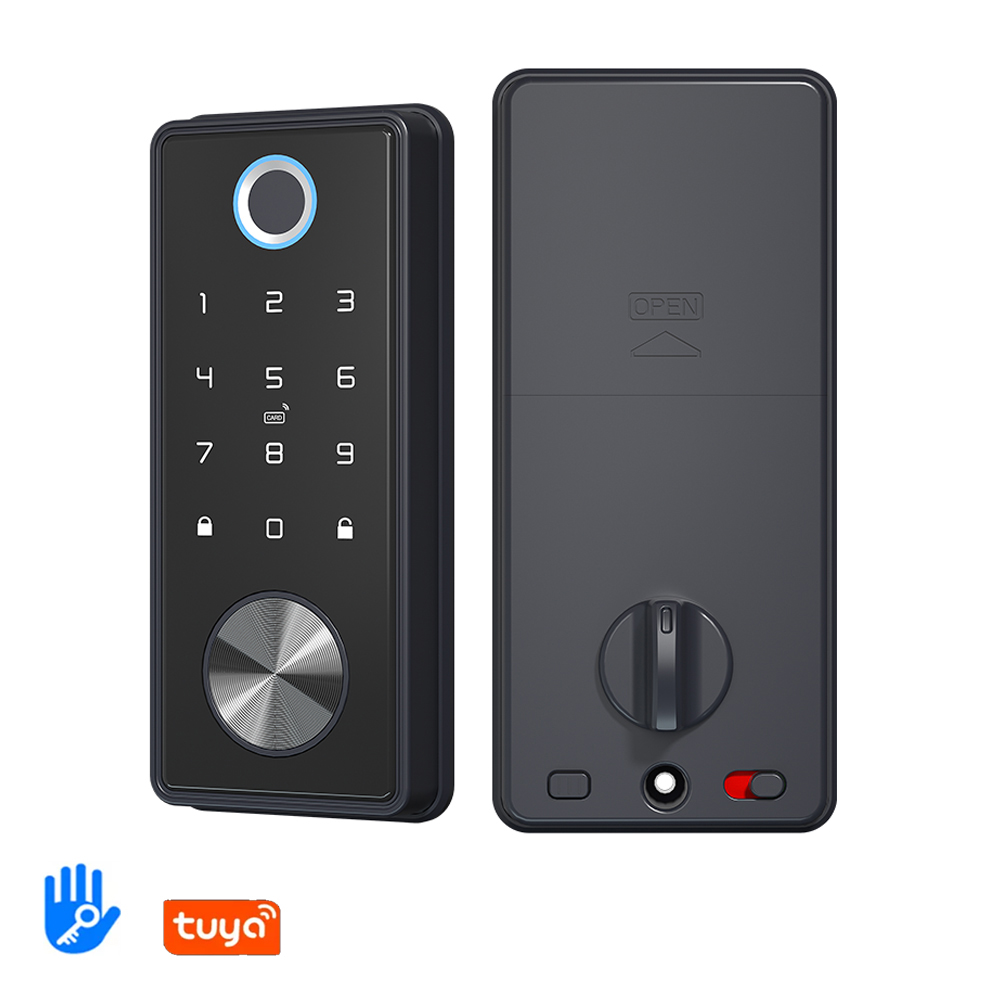 Waterproof Deadbolt Digital Lock supporting TTlock ble or TUYA wifi FM560
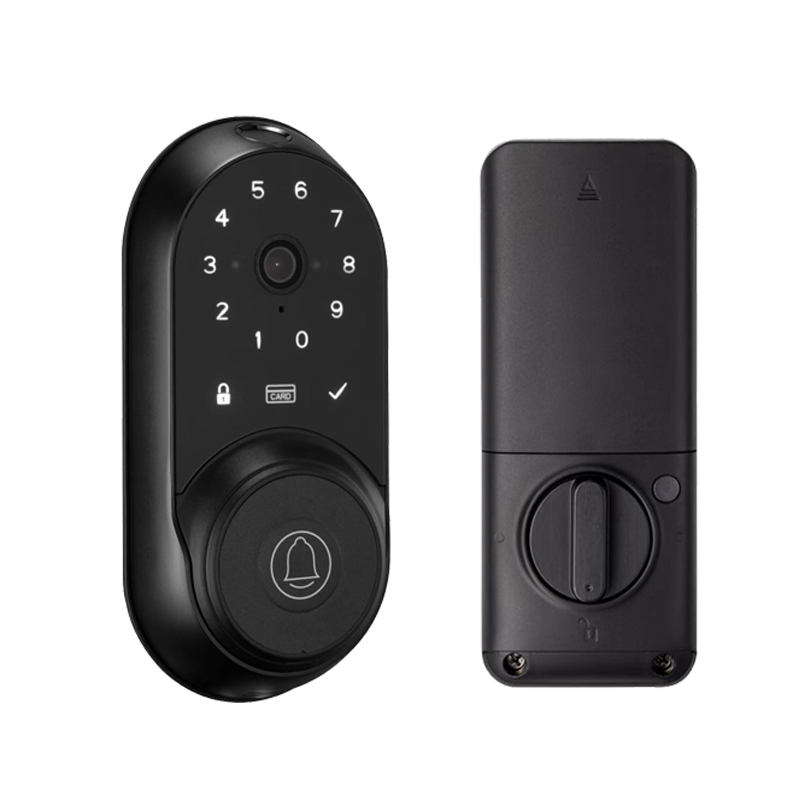 WIFI Deadblot Smart Lock with Video Doorbell works with Alexa Google Tuya FM880
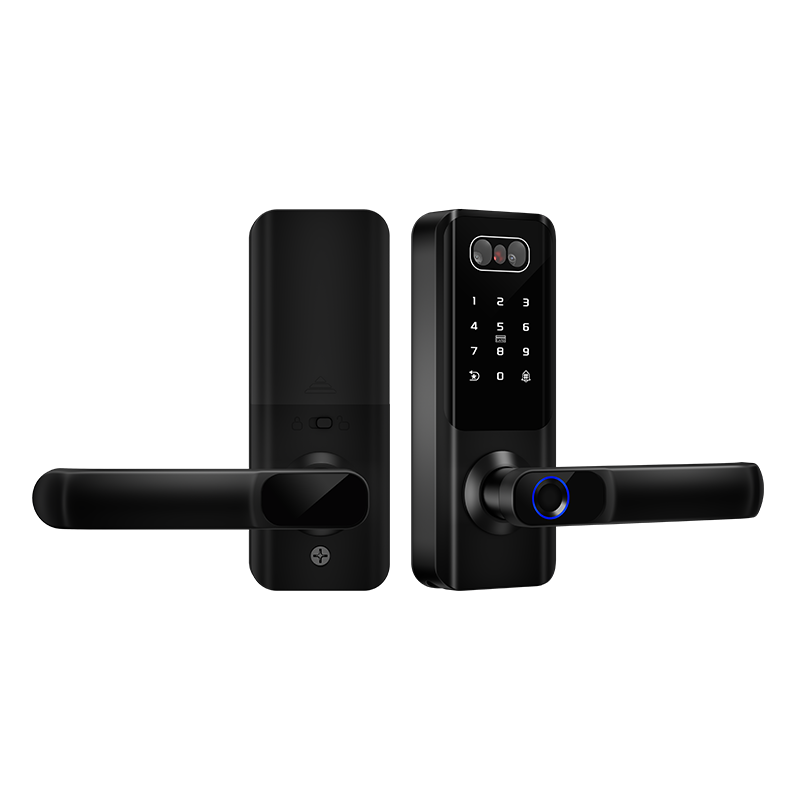 Facial Recognition Smart Lever Lock with 2MP Video Doorbell and IP66 Waterproof Tuya WiFi FM-Z86
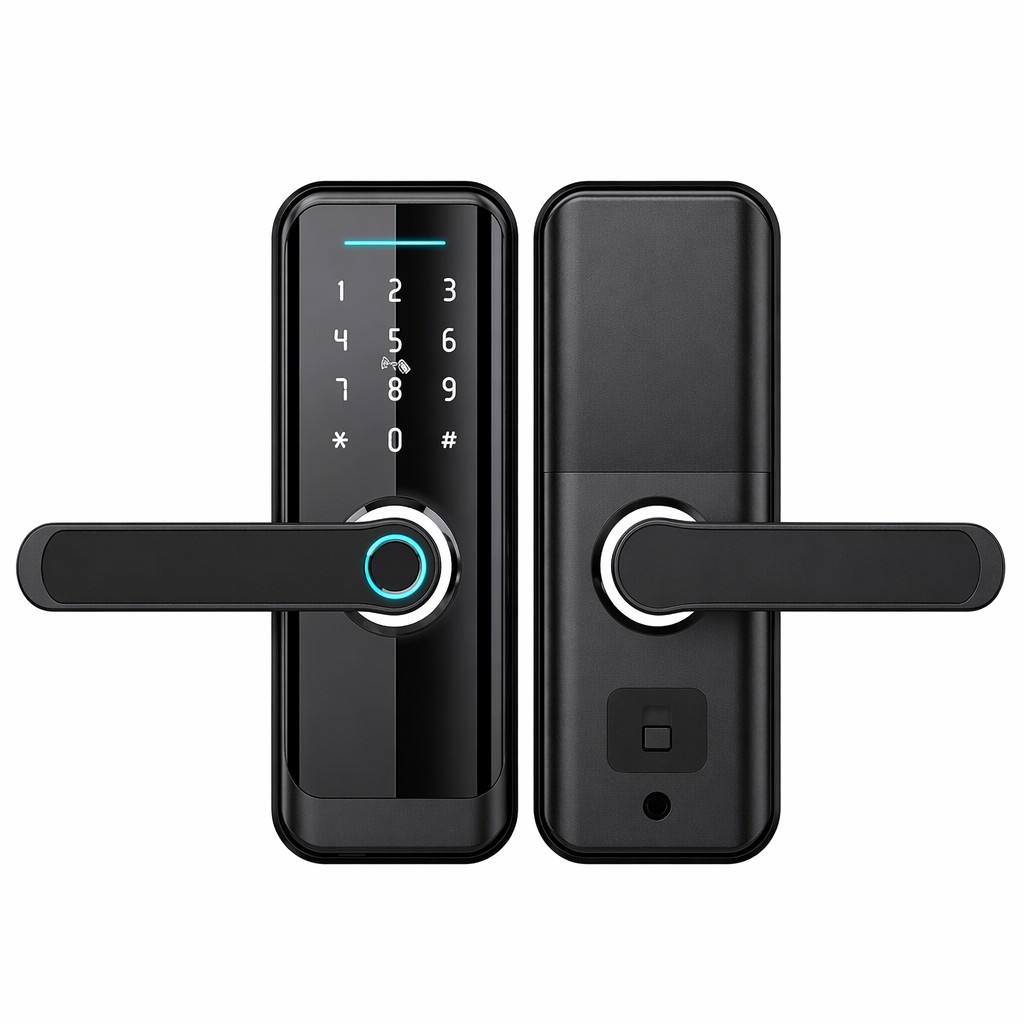 Advanced 5-in-1 Biometric Door Lock with Universal WiFi, Zigbee & 433MHz Support FM09
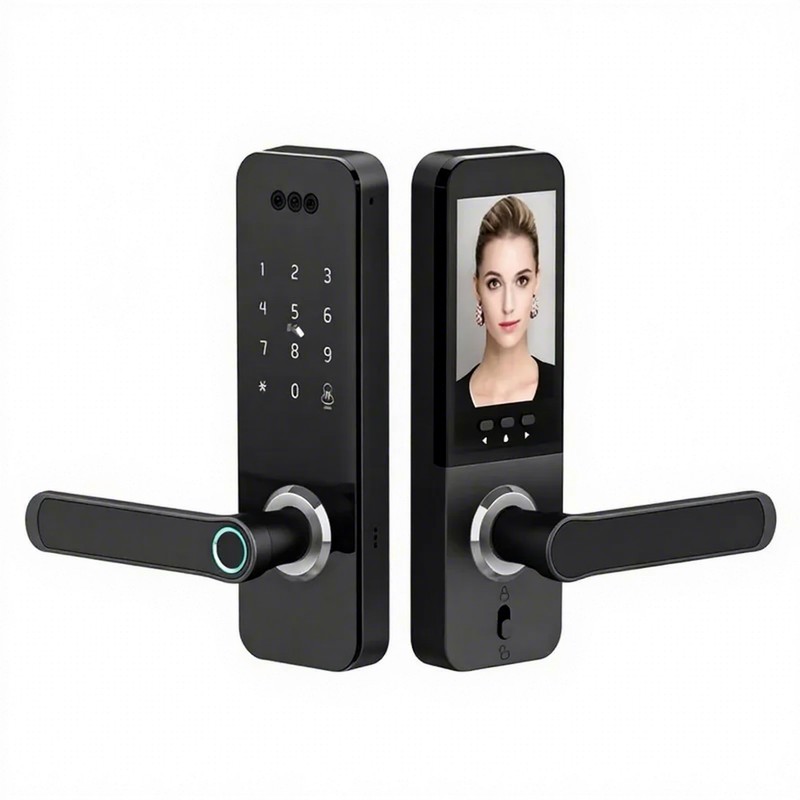 3D Face Recognition Smart Door Lock with 2MP Video Doorbell and Built-in WiFi FMP012
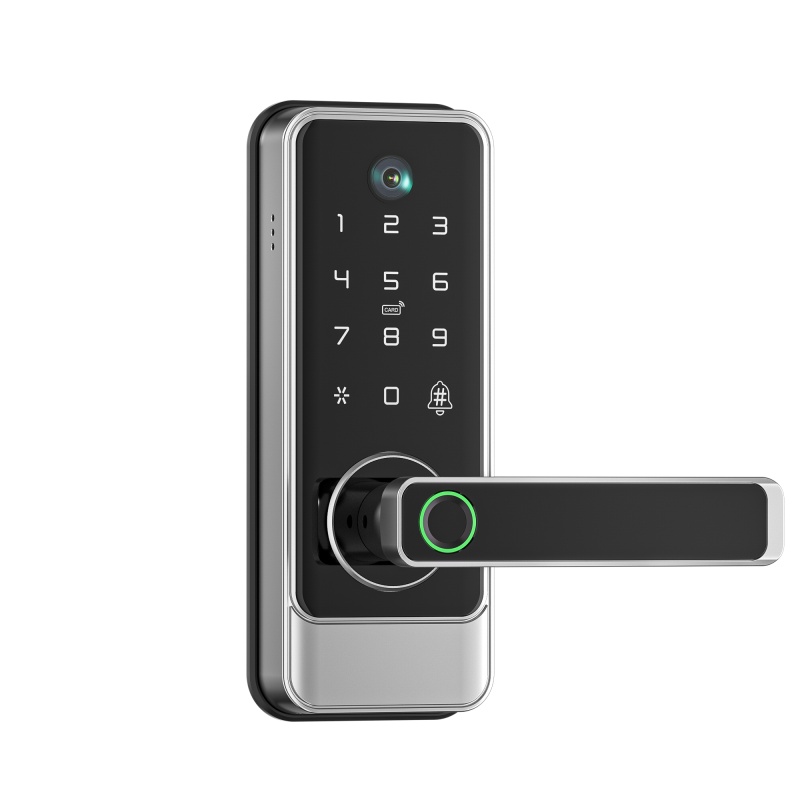 Keyless Entry Lever Lock with doorbell and Video Camera for Live Viewing V1
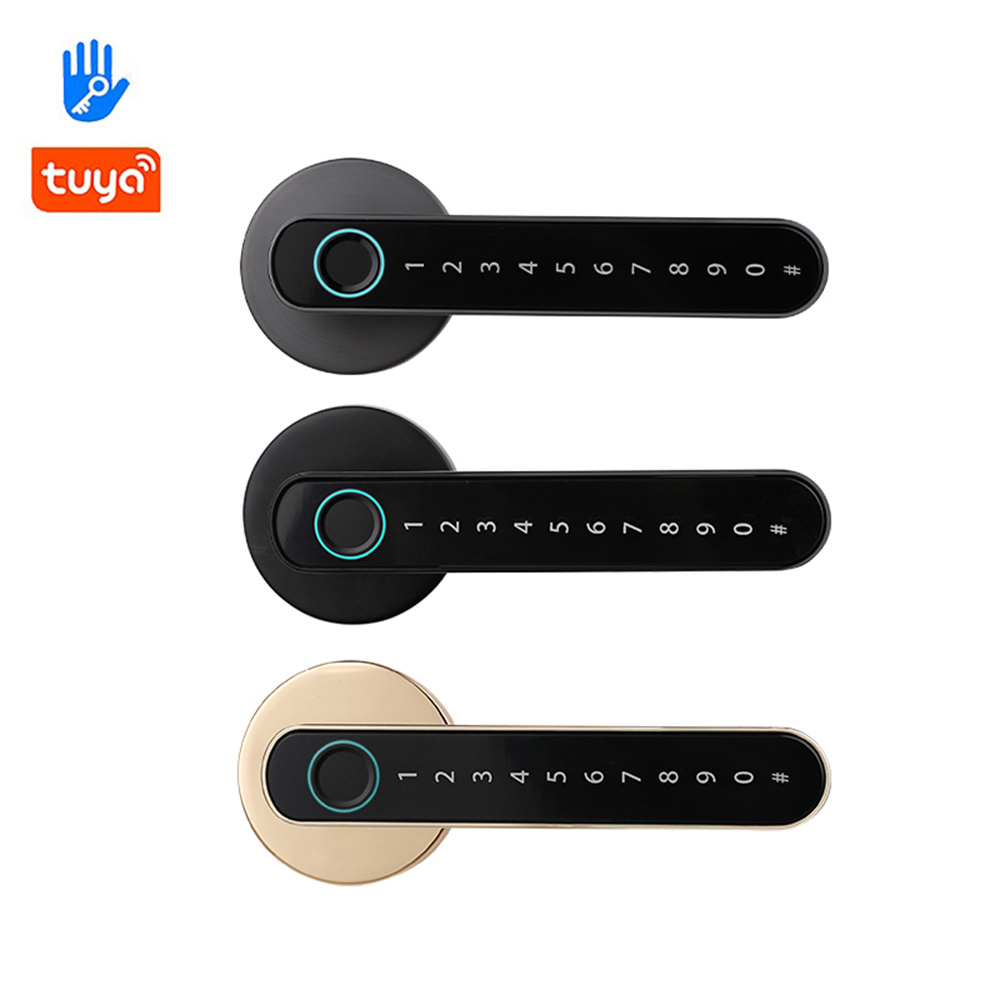 Bluetooth Lever Lock unlock by fingerprint recognition, password and App eKeys T8
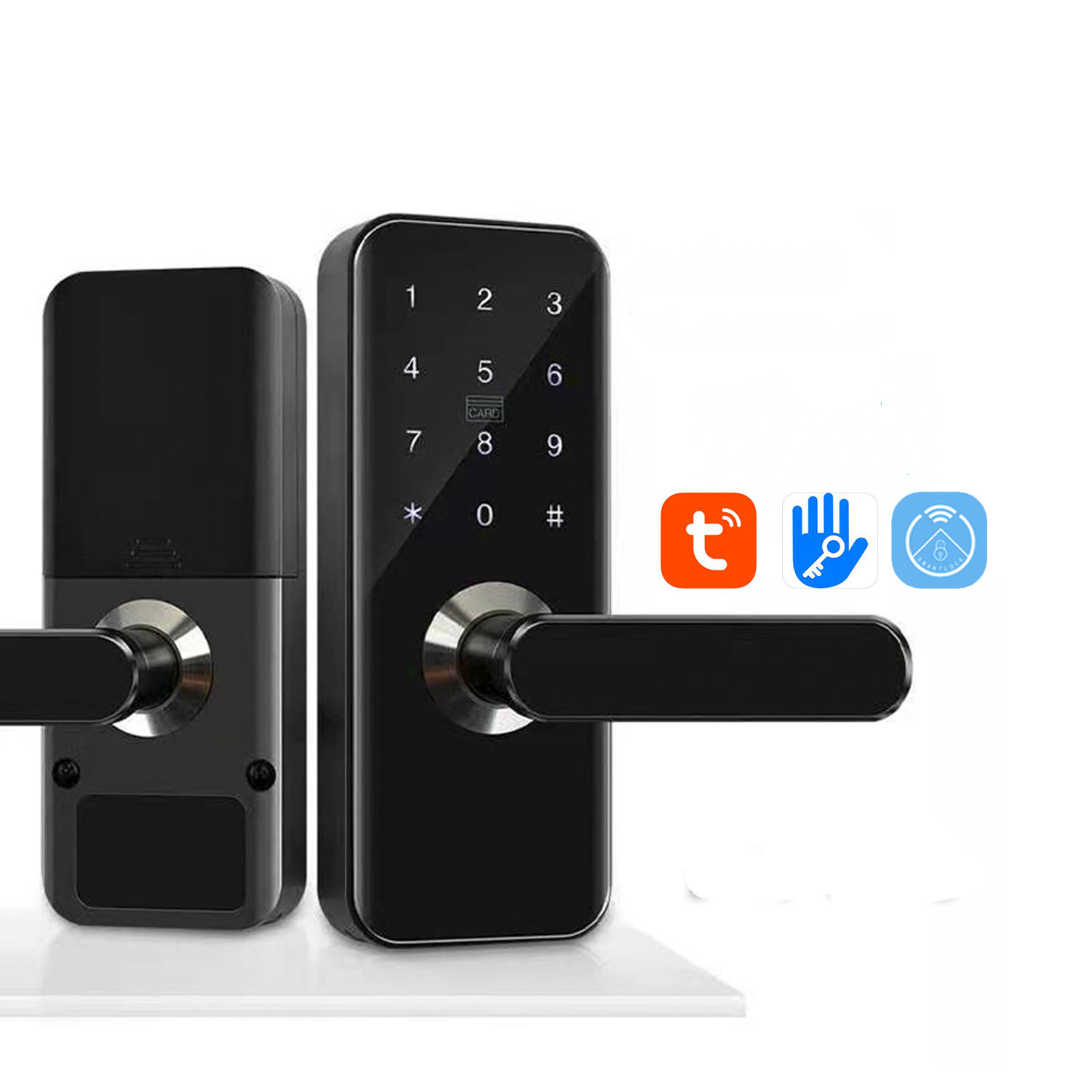 Smart lever lock supports TTlock bluetooth and TUYA wifi FM810
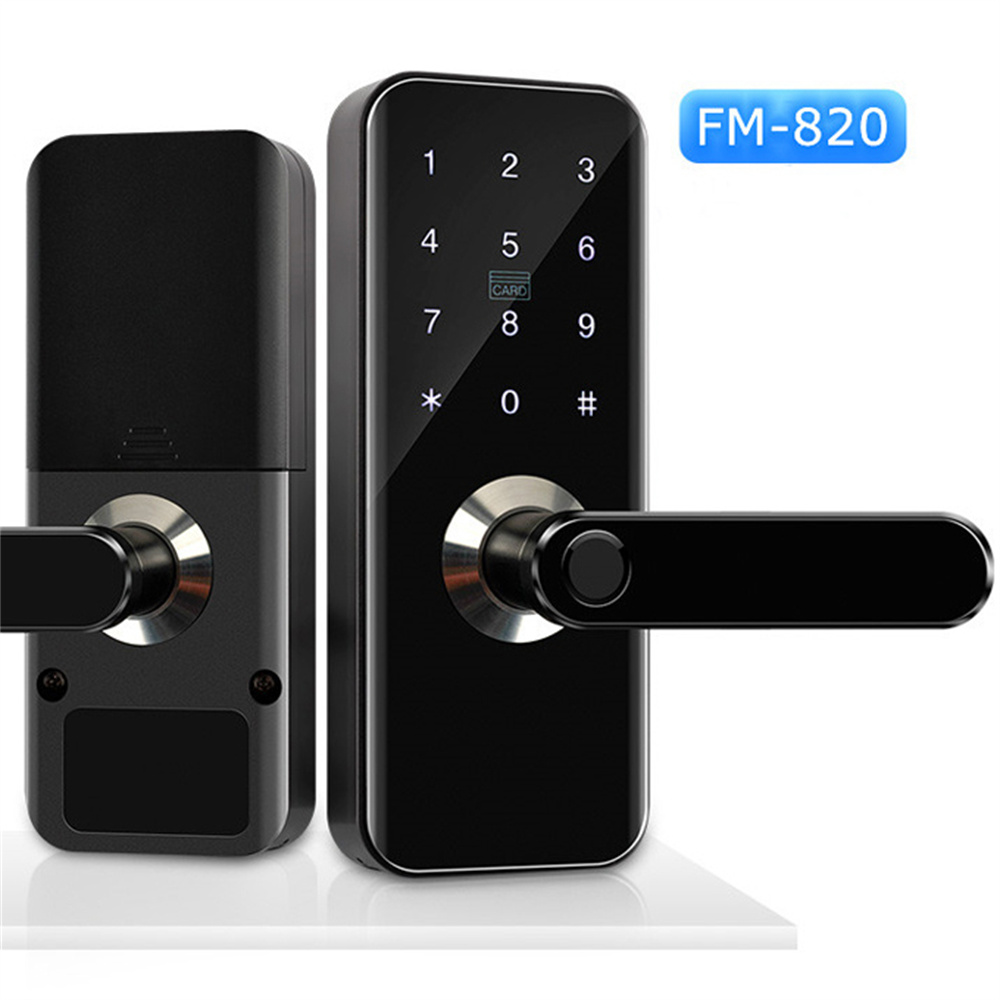 Fingerprint Smart Lever Lock with one touch Keyless Entry fits US Knob & Lever FM820
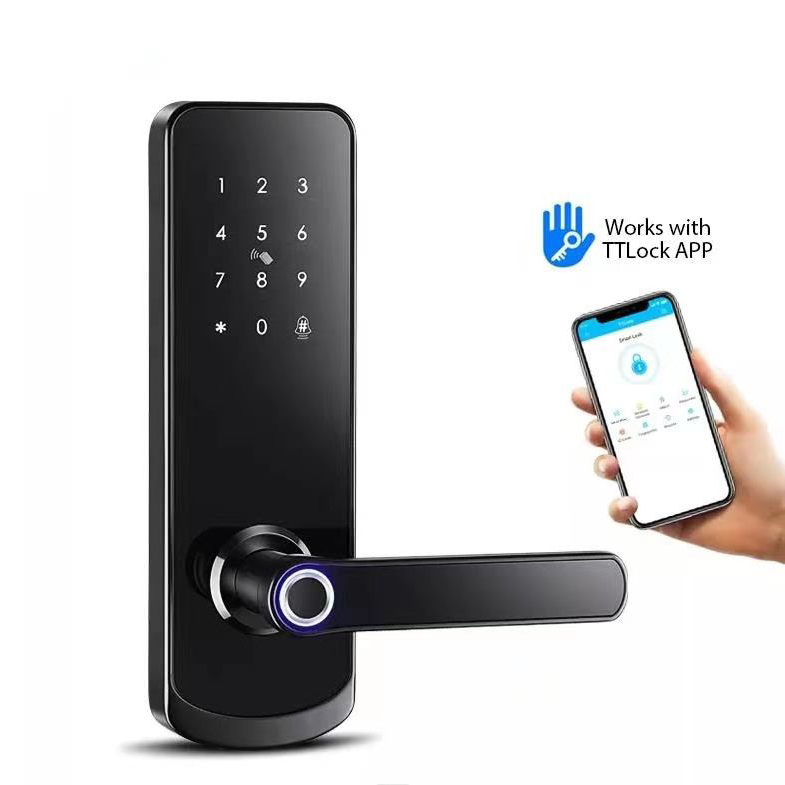 Fingerprint Lock with Anti-Pry Latch, Blocks Card Prying – FM230-N
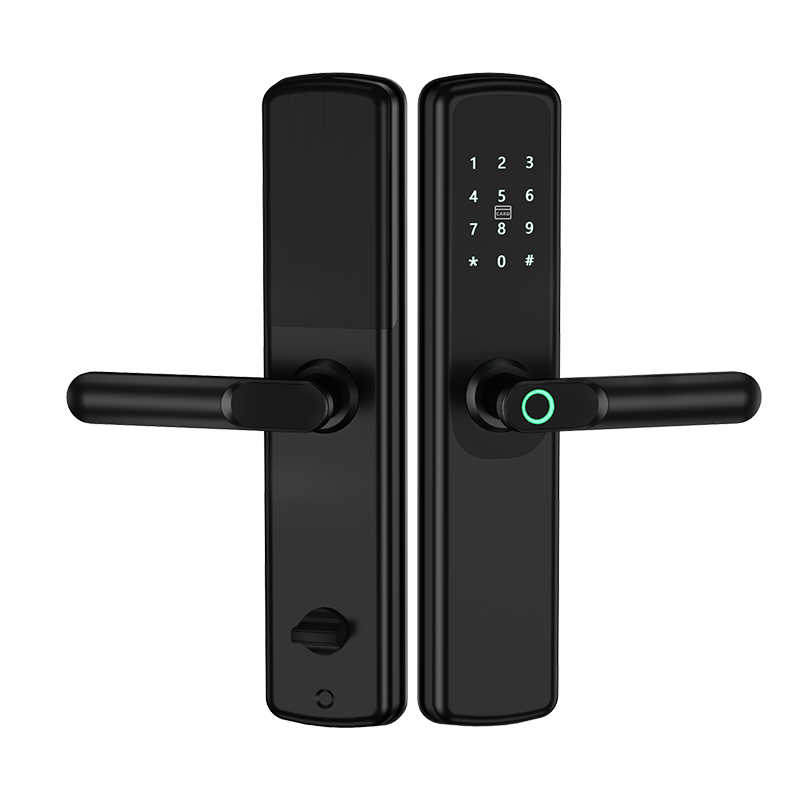 Intelligent Biometric Door Lock with 2MP Video Doorbell and Tuya WiFi FM-05
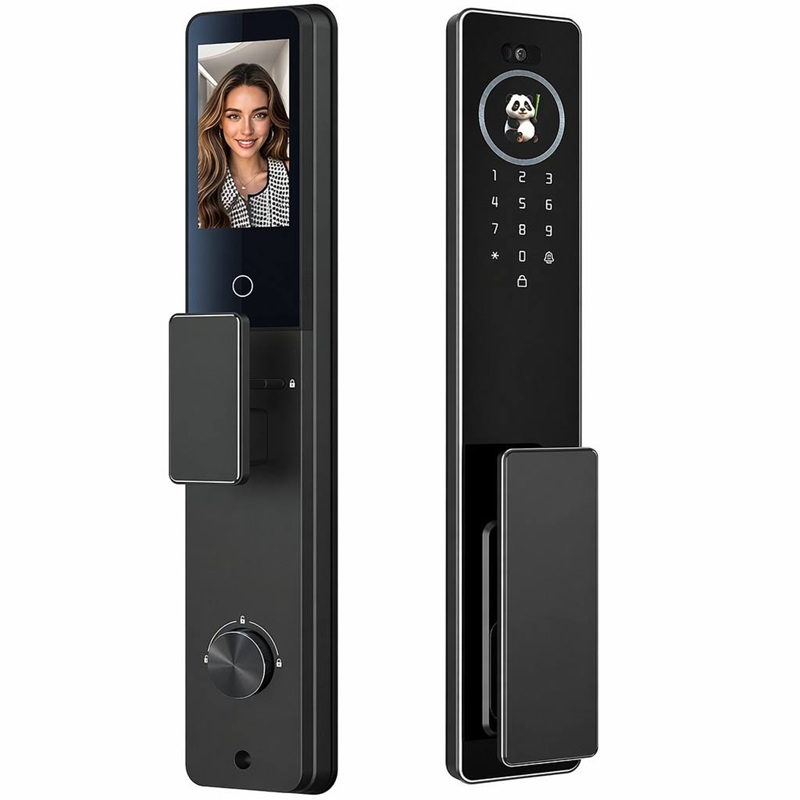 Flagship Biometric Security Lock — Advanced 3D Face Access & 4.5" IPS Live Viewer FM93
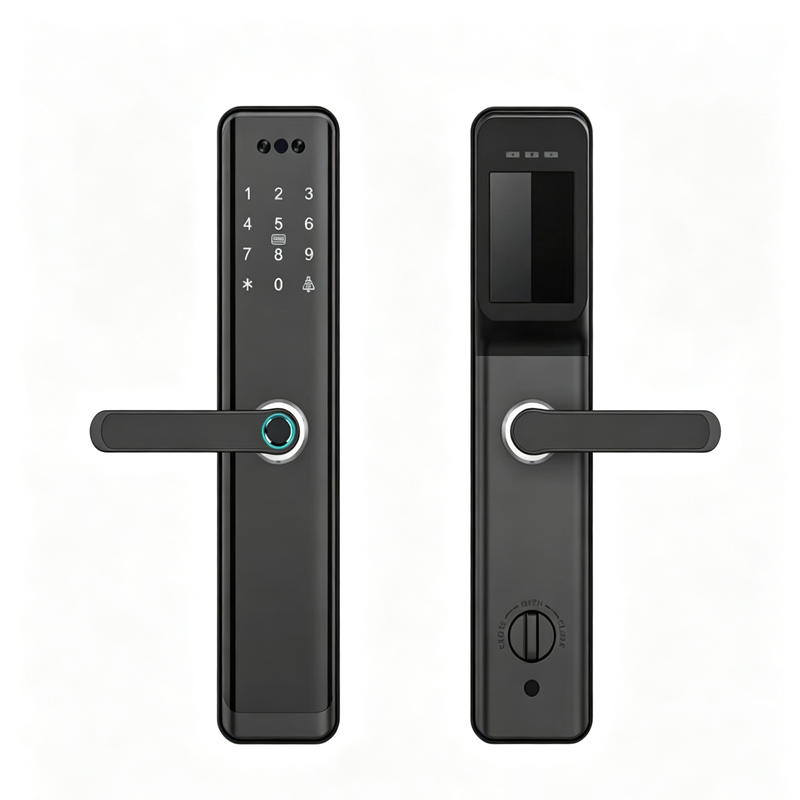 Smart Lever Lock with Fingerprint Facial Recognition and Video Doorbell Tuya WiFi TTlock FM-128
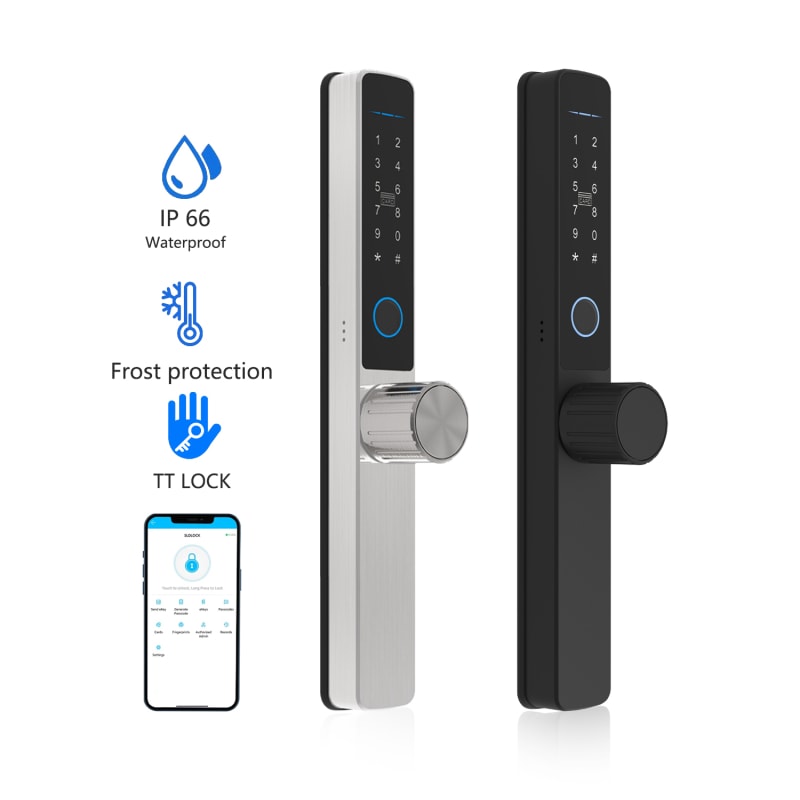 Keyless Entry Door Lock Fits Both Traditional Mortise and Smart Lock Mortise
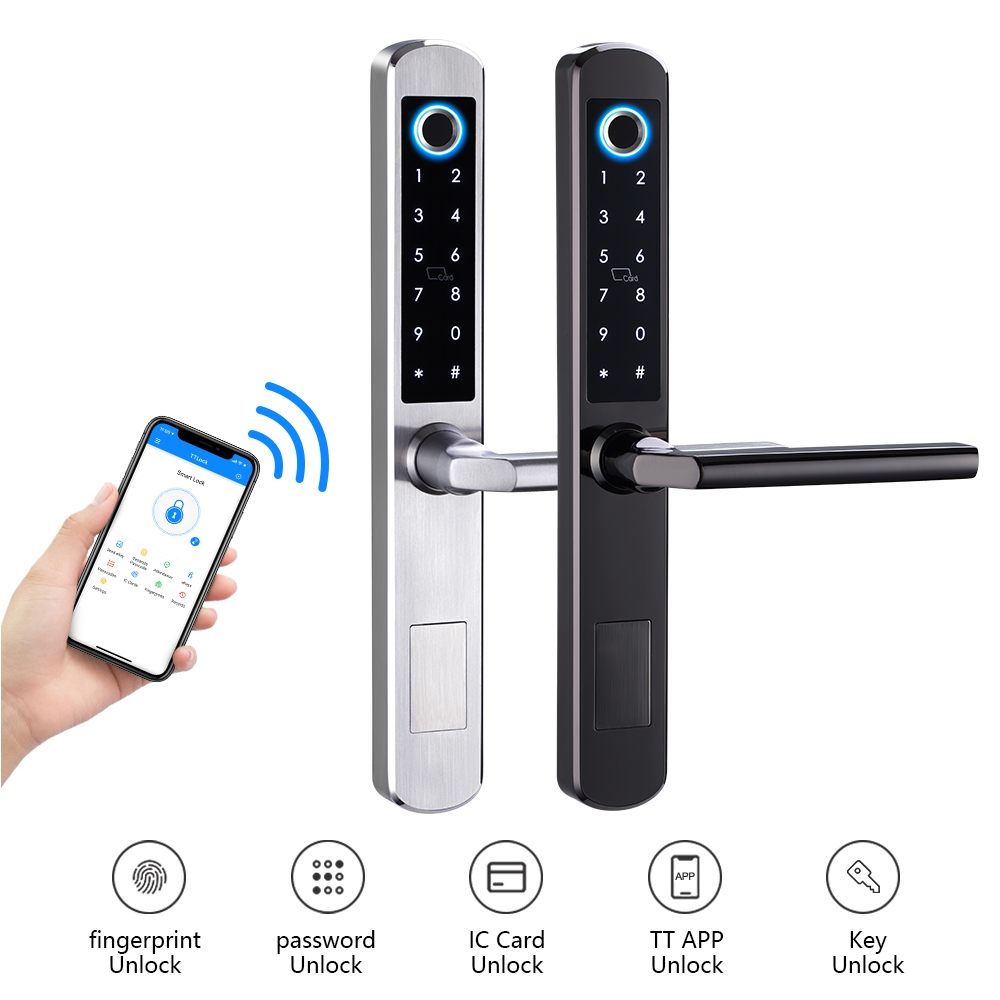 Slim 304 stainless steel keypad lock with IP65 waterproof case for thermal break sliding doors FM210
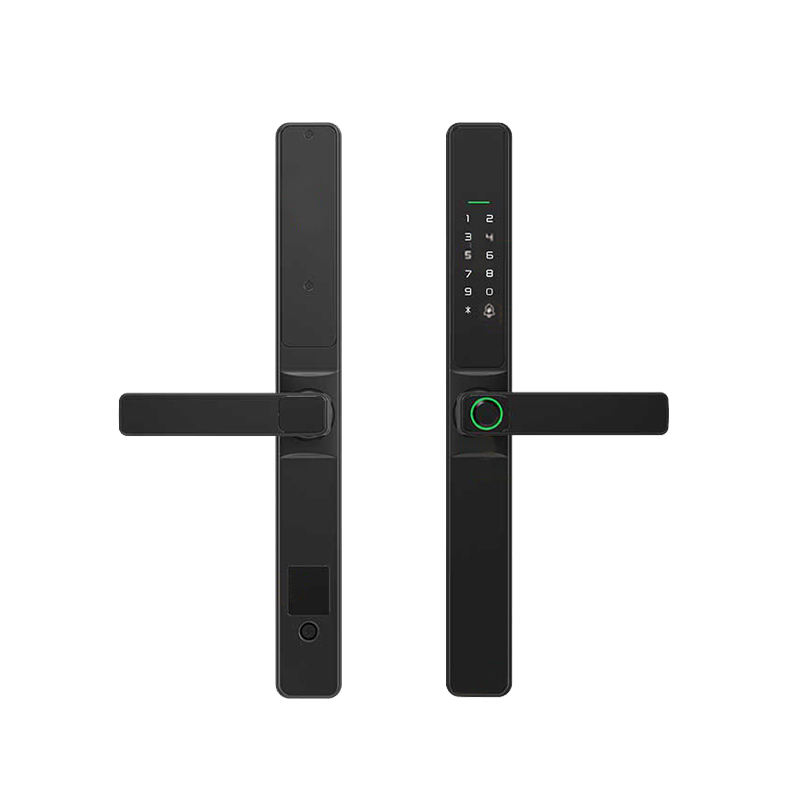 Fingerprint lock with hook mortise for slim sliding door and IP66 waterproof for outdoor use F6
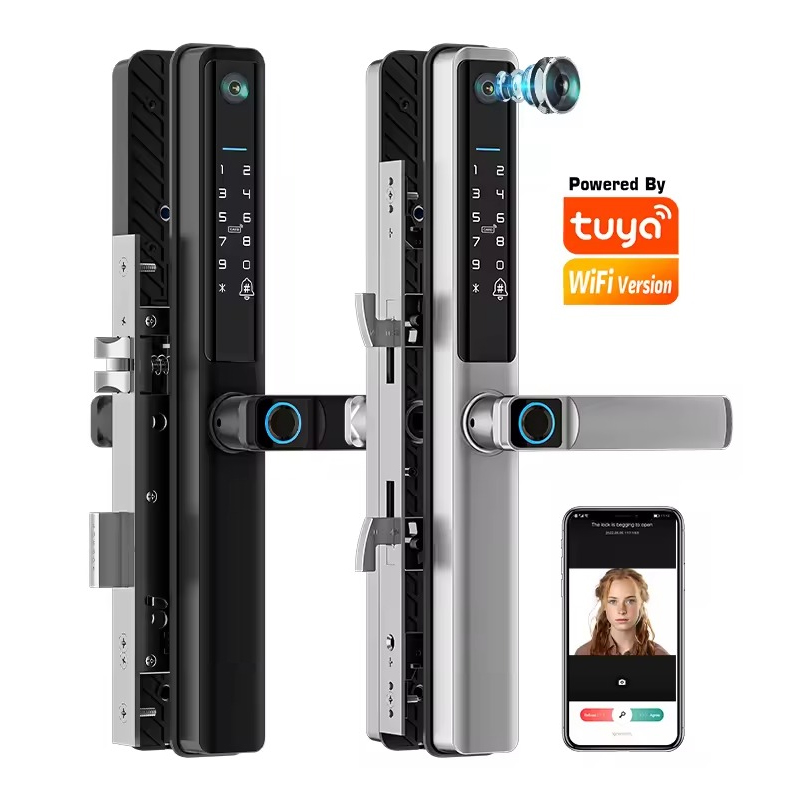 Keyless entry door lock for slim sliding door with camera and doorbell F5 PRO
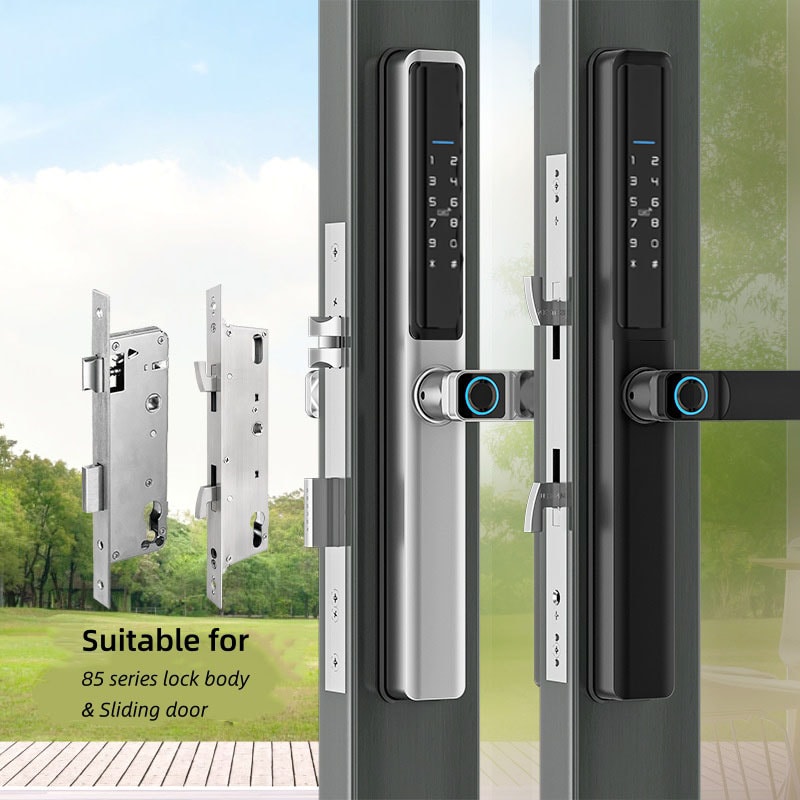 Smart door lock with hook mortise for aluminum slim sliding door F5
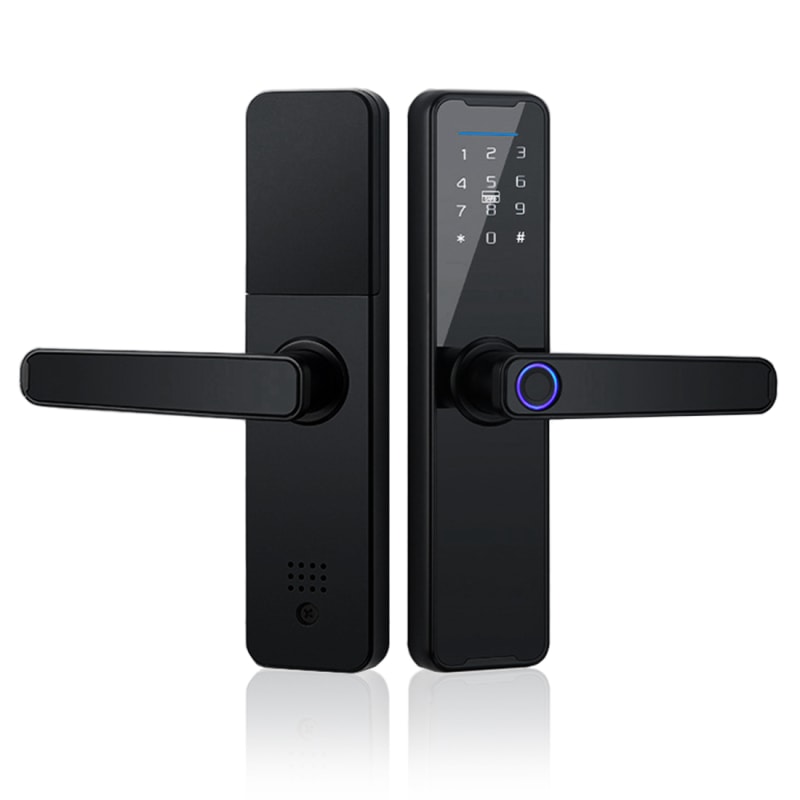 Front door smart Locks made of aluminum alloy compatible with multiple mortise types
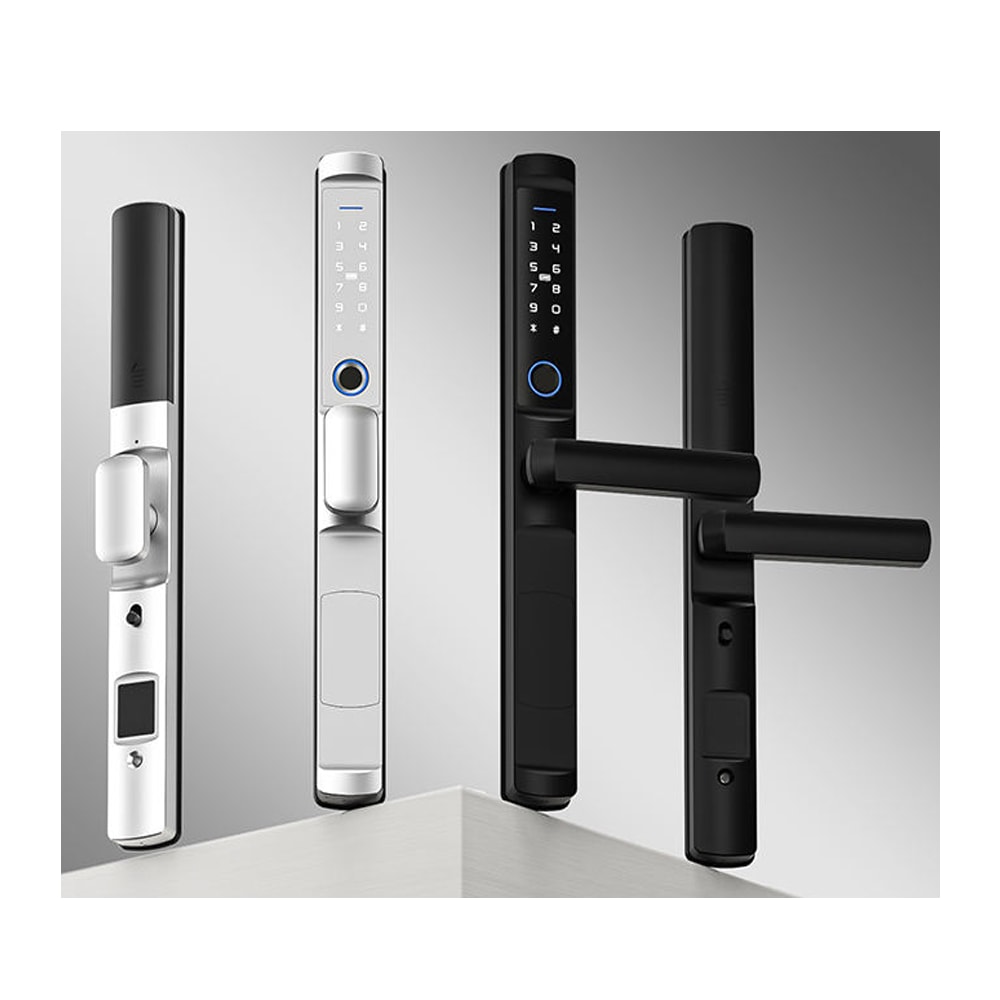 Keypad Door Lock with IP66 Waterproof case and Two Handle Styles Options
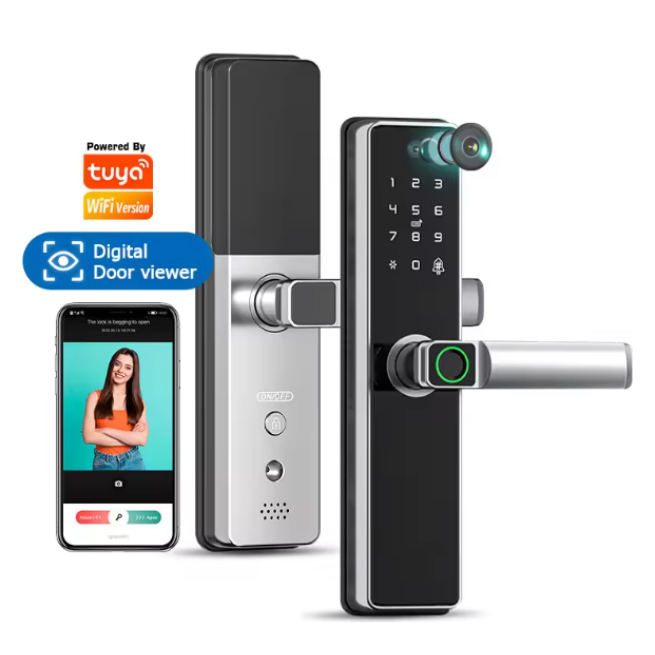 Front Door Keypad Lock with Fingerprint and Doorbell B2
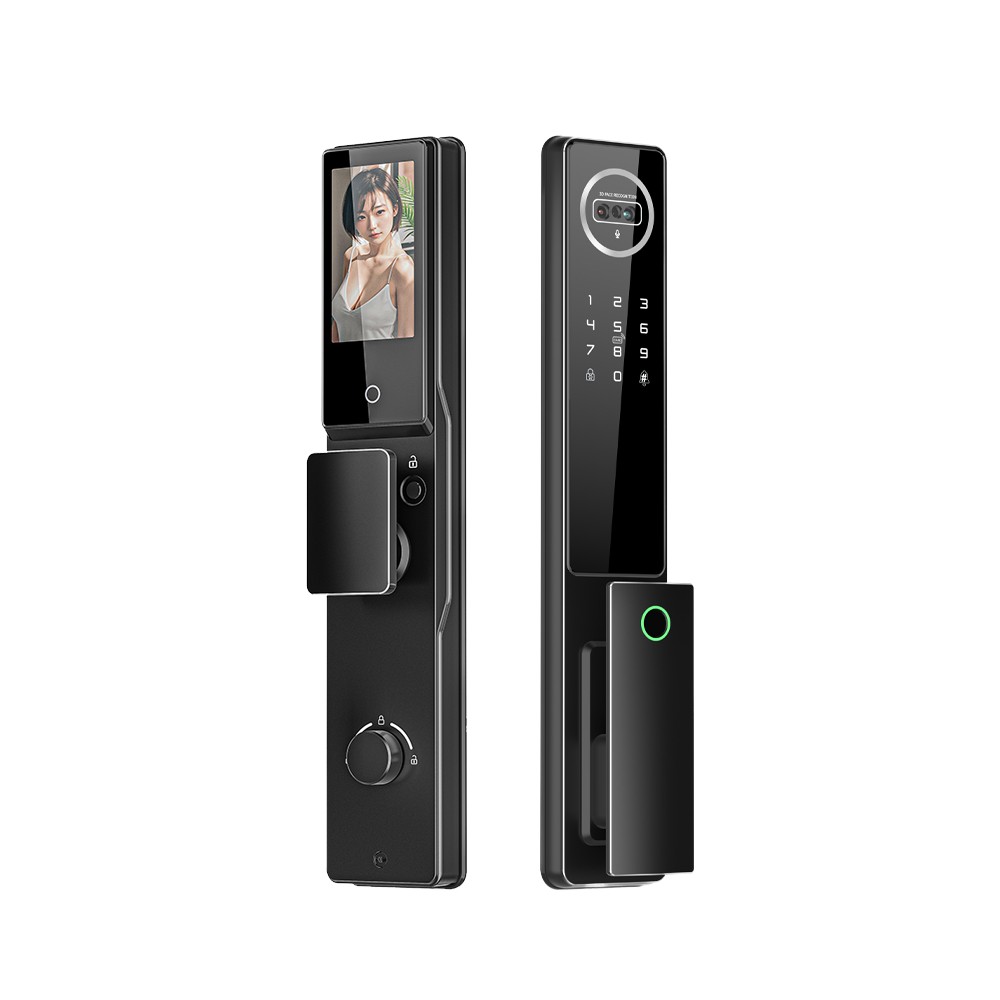 Face Recognition Smart Door Lock with Video Intercom Doorbell Tuya WiFi D1
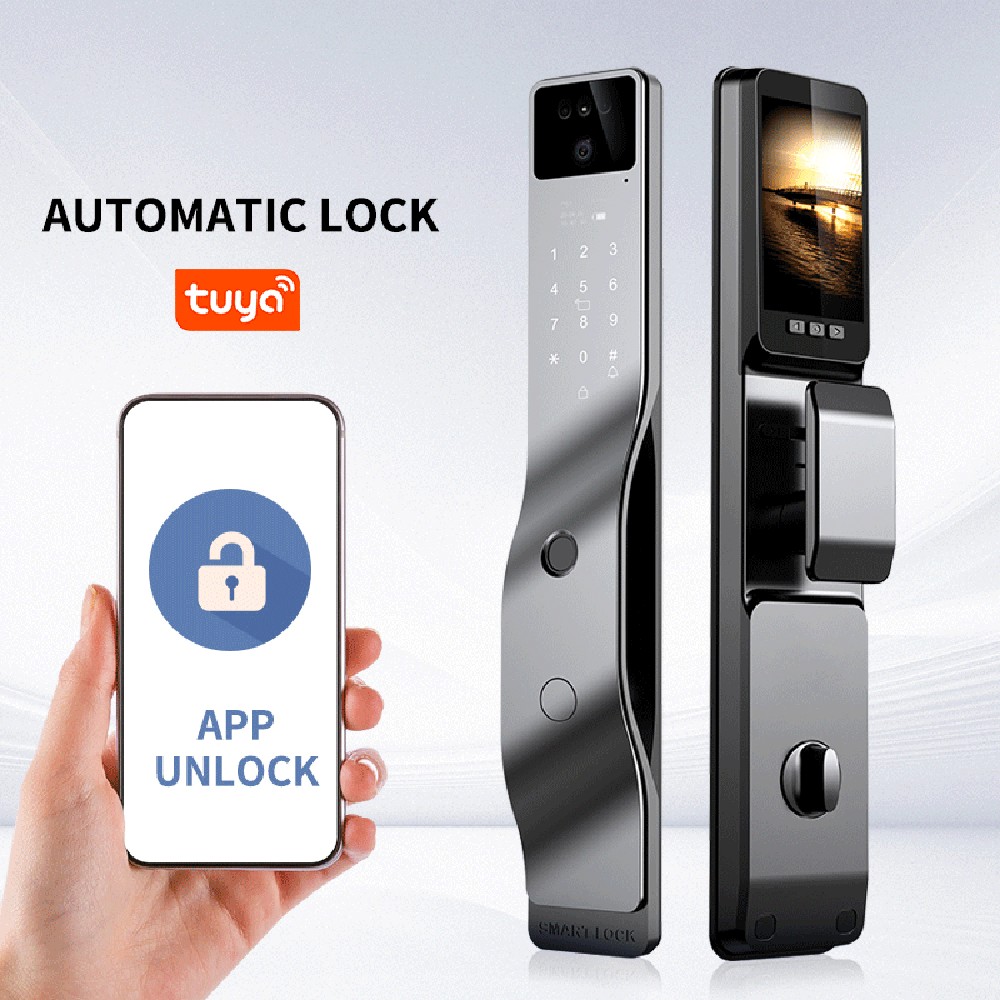 WIFI Smart Mortise Lock with Tuya Video Doorbell support Face Scan Palm Vein F7
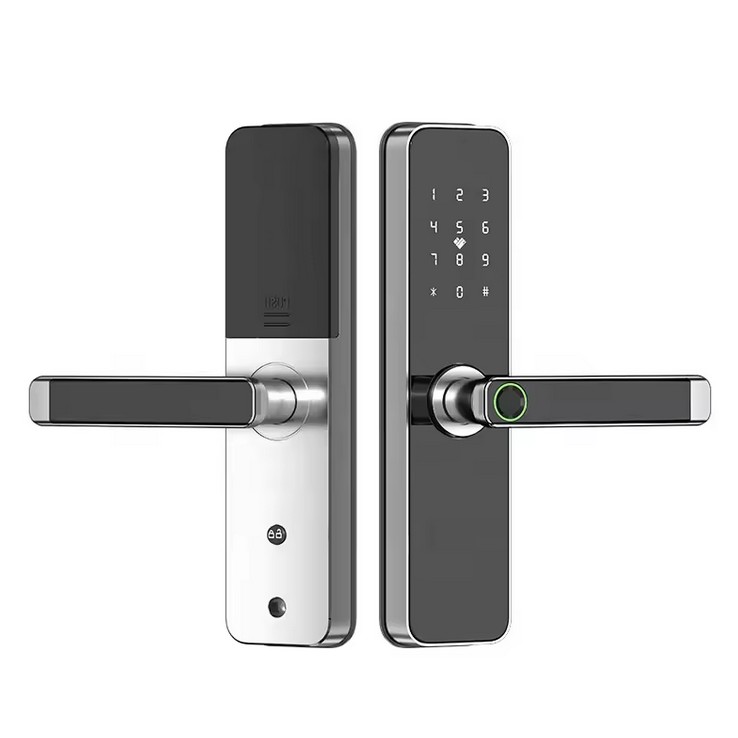 Smart mortise lock with bluetooth and WIFI optional FM028
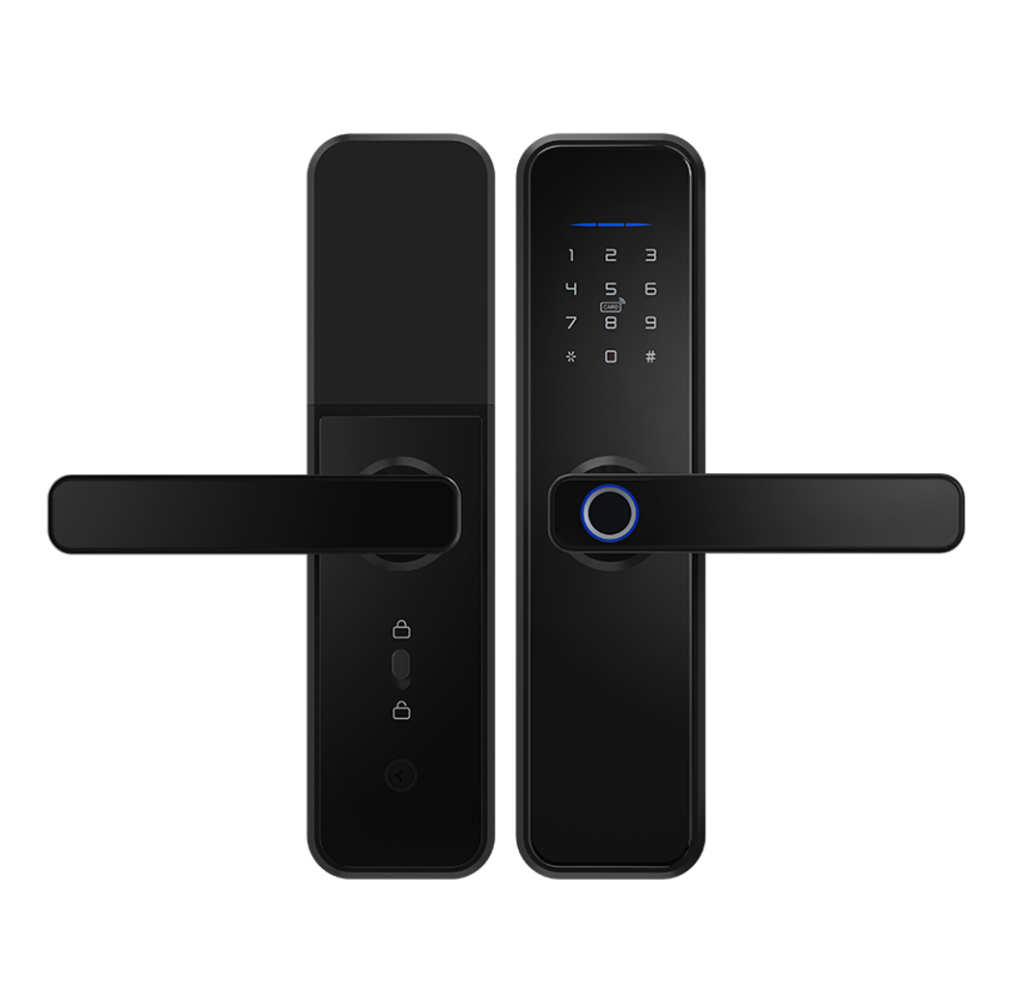 Mortise Smart Lock with multi keyless accesses FM550
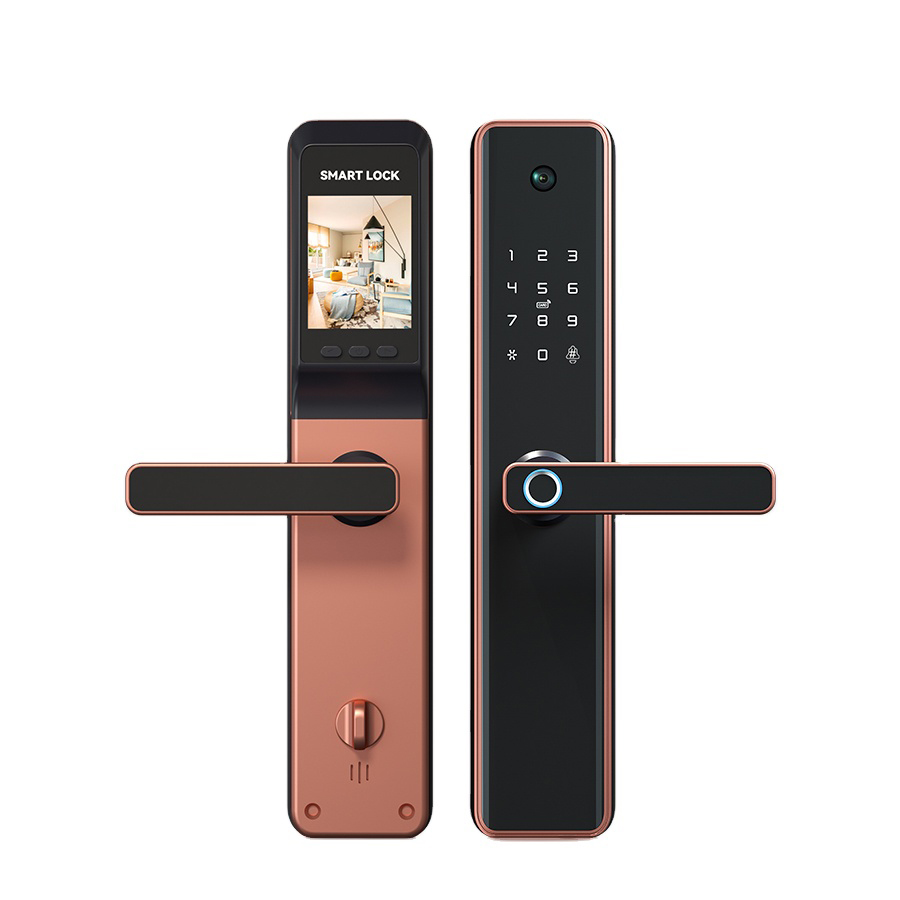 Camera Smart Lock with Finger Scan Supporting Tuya WiFi or Zigbee FM551
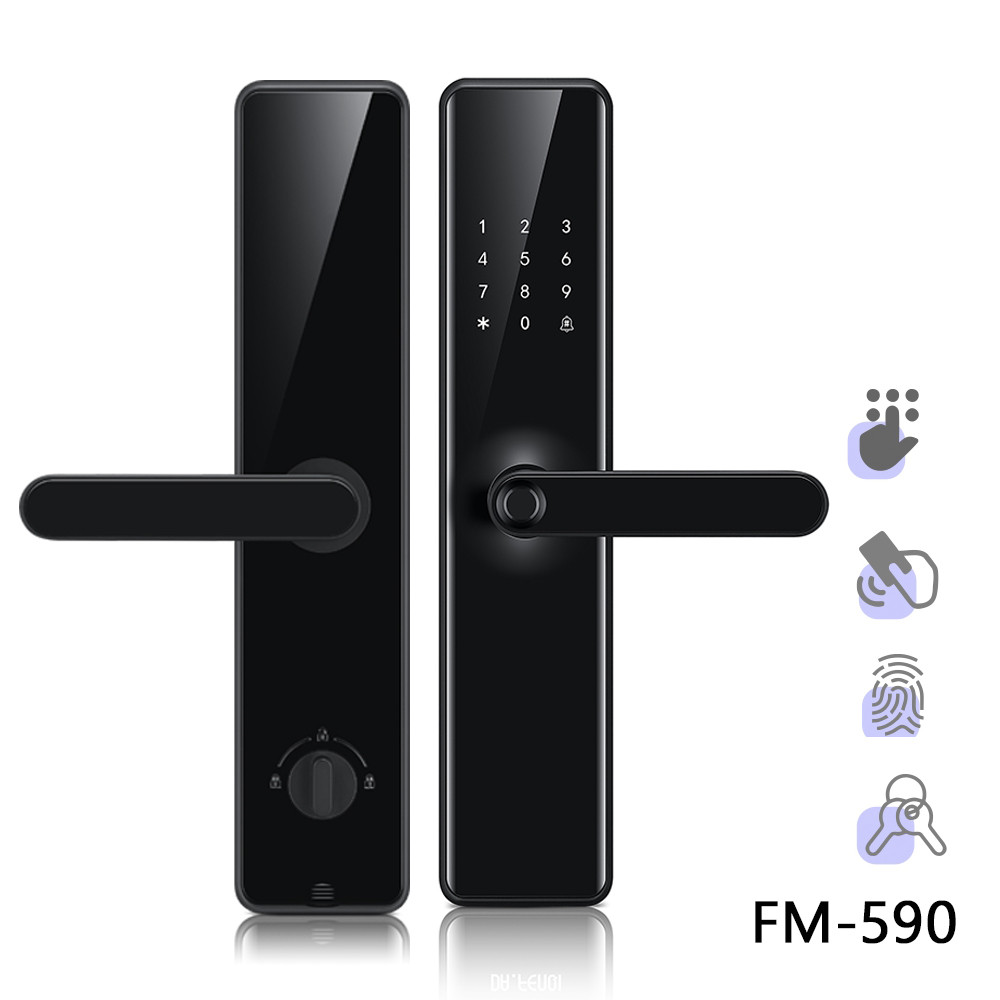 Smart Door Lock with Fingerprint and Voice Control FM590
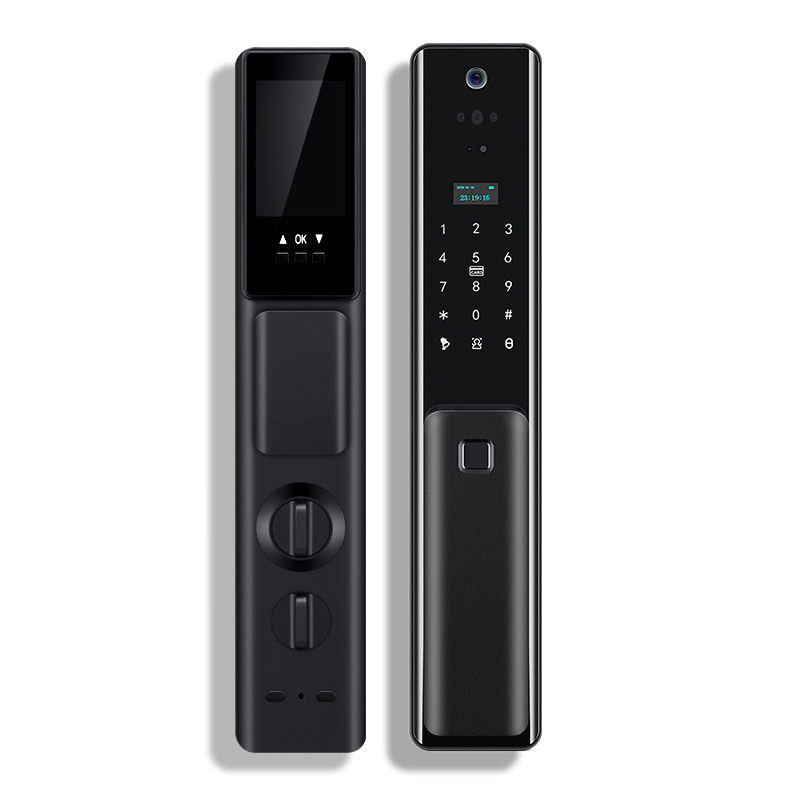 Fingerprint Door Lock with Face Scanner and Camera Supports google home FM720
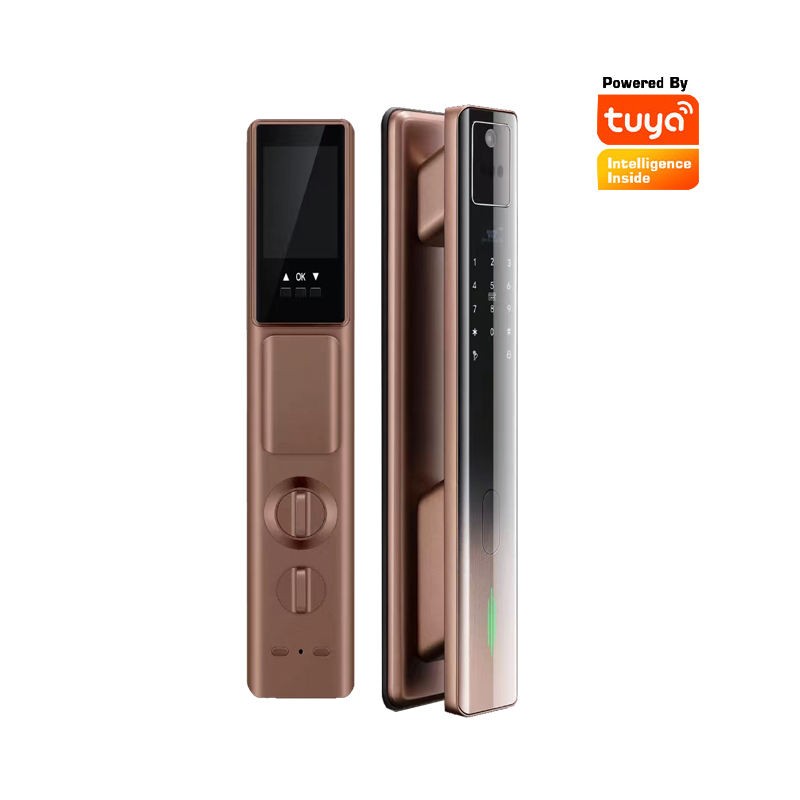 Facial Recognition Smart Lock with Video Intercom and Thumbprint FM730
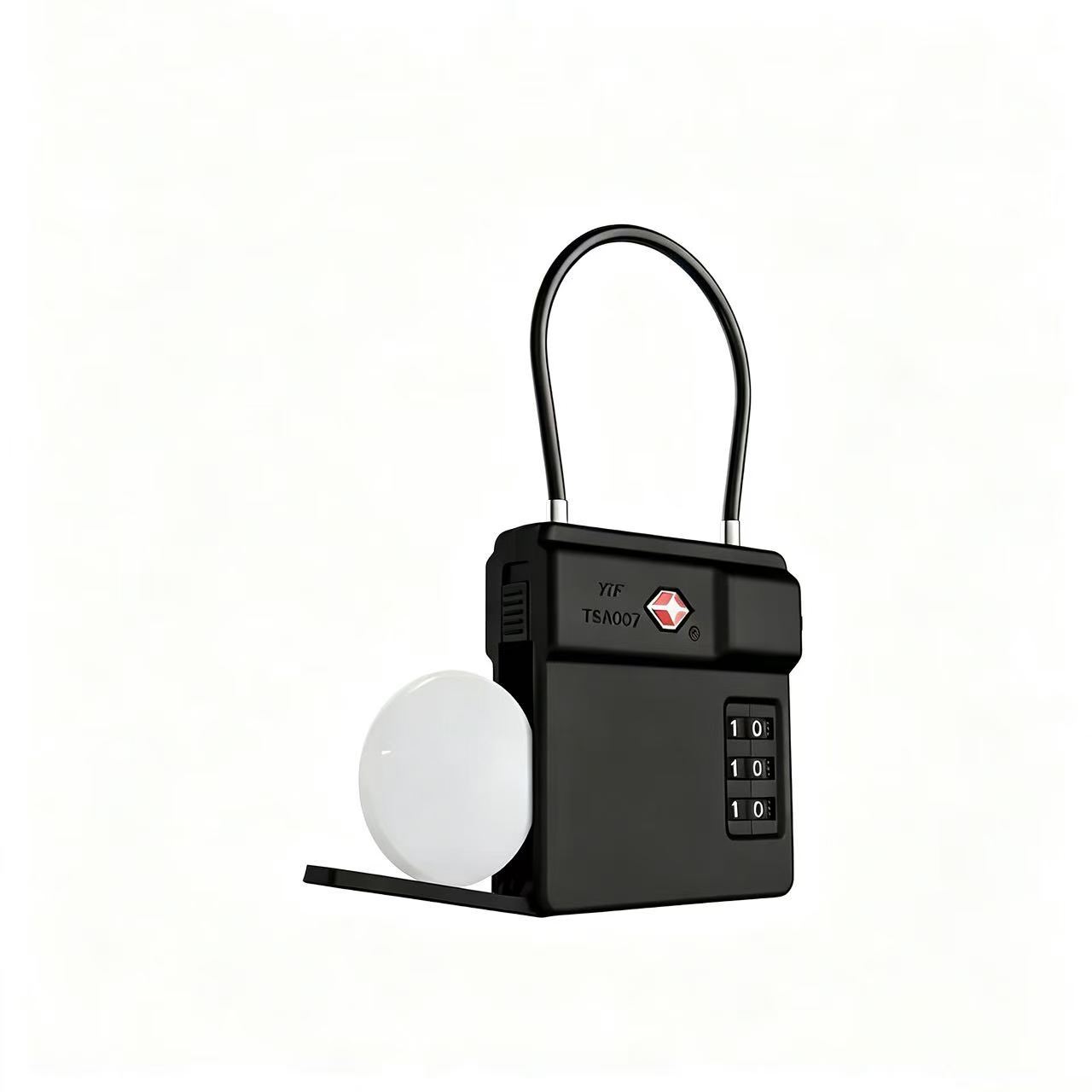 Smart TSA Approved Cable Lock with Integrated Airtag Tracking for iOS and Android FMA002
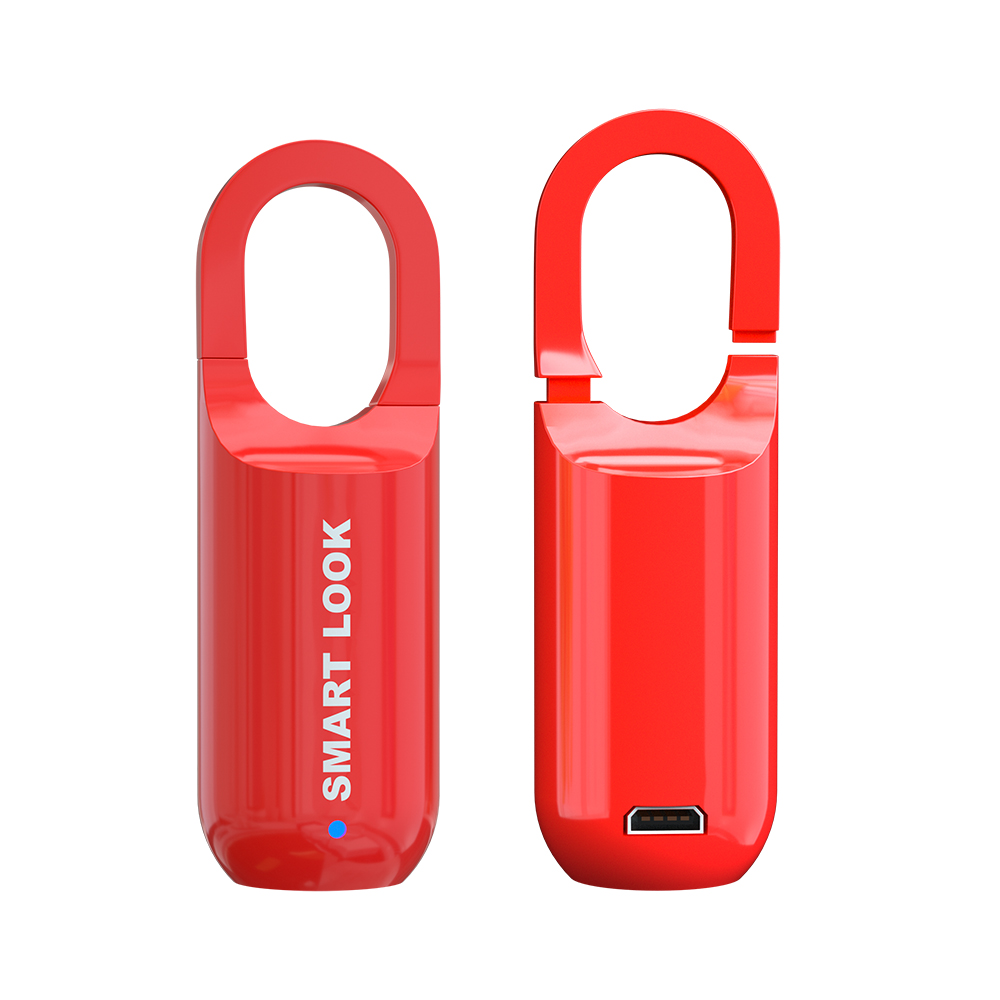 Fingerprint Smart Padlock with Bluetooth App Control and 365-Day Standby Tuya FMP001
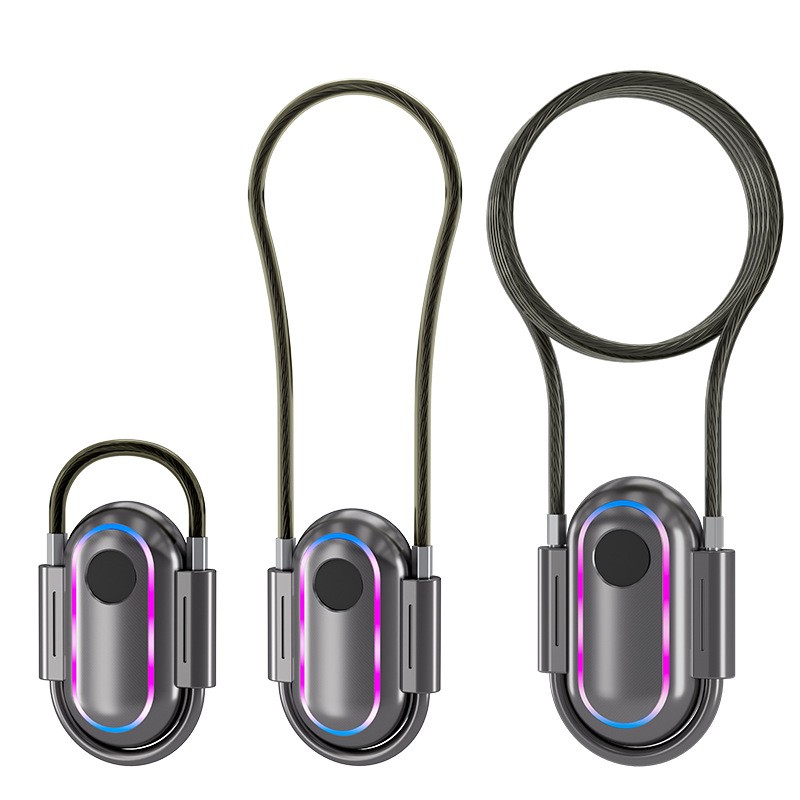 Fingerprint Smart Padlock with IPX5 Waterproof and 3 Steel Cable Lengths FMP002
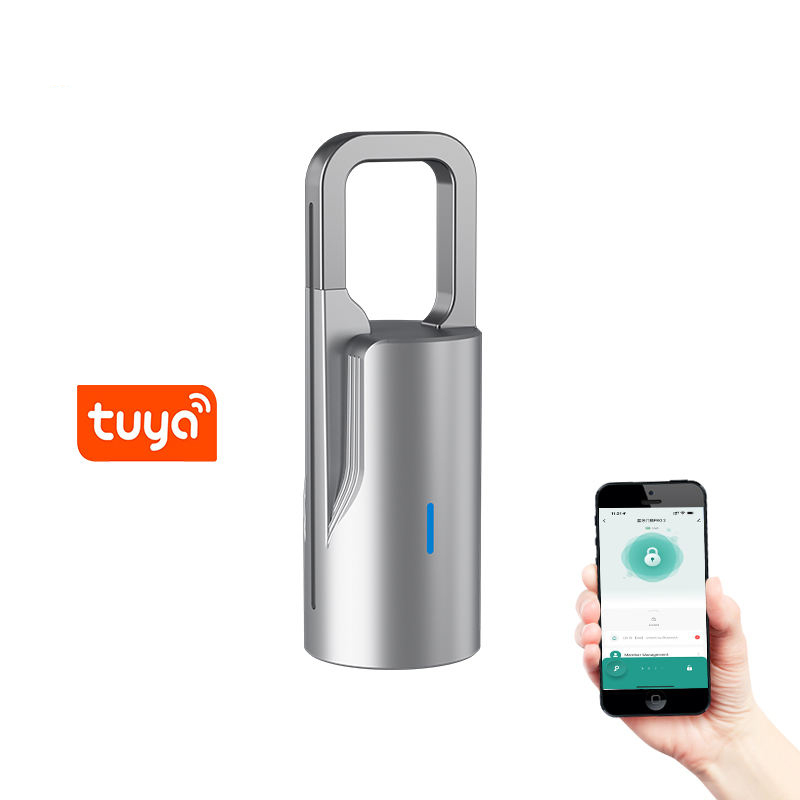 Fingerprint Smart Padlock with Bluetooth App Control and IPX5 Waterproof FMP003
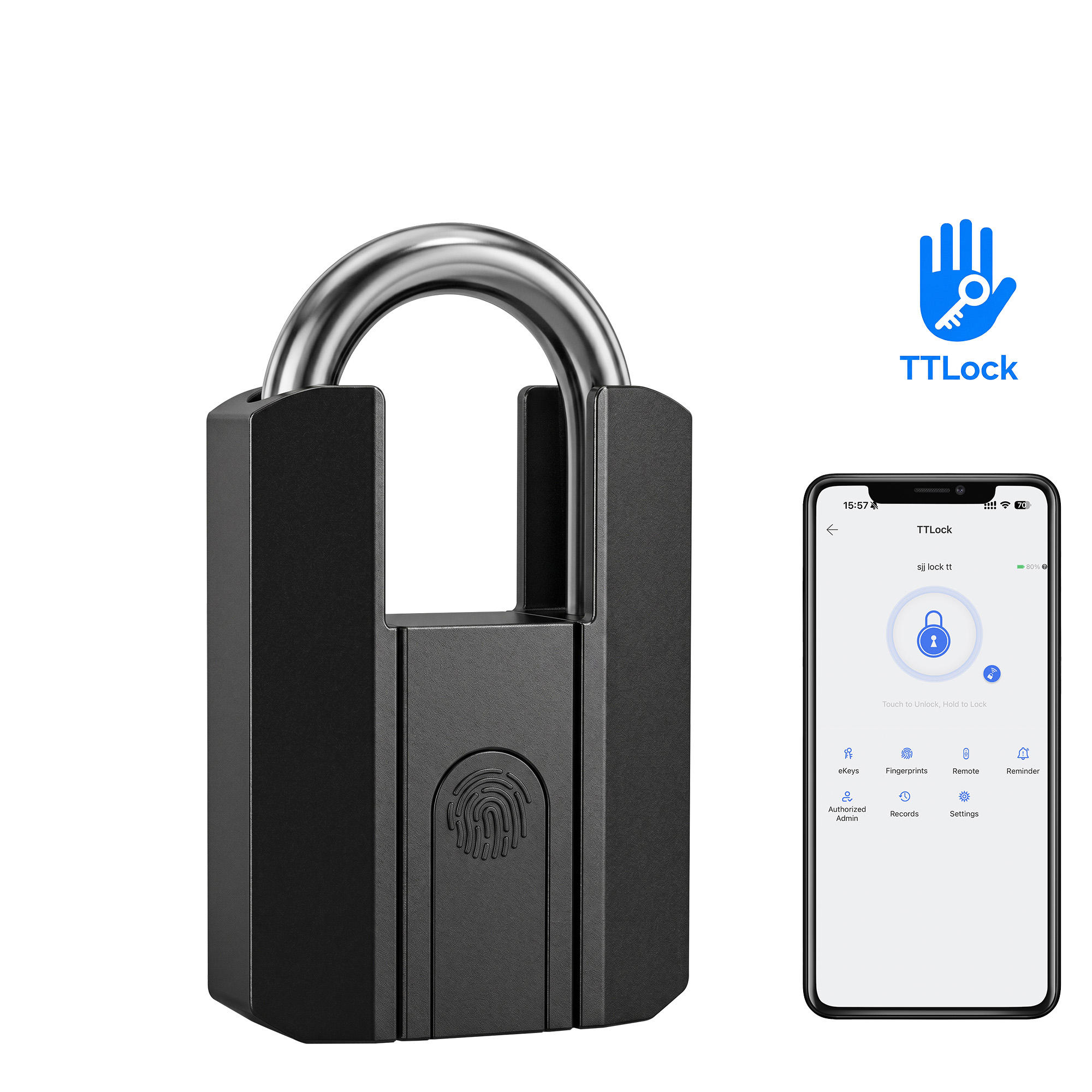 Heavy-Duty Fingerprint Padlock with IP67 Waterproof Shackle and TTLock Bluetooth FMP004
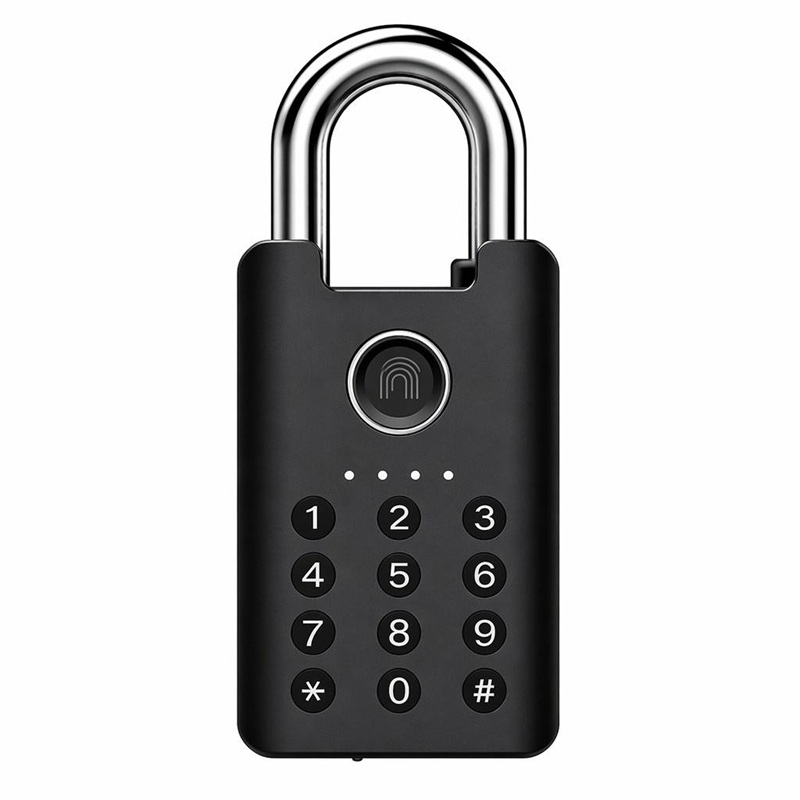 Heavy Duty Fingerprint Smart Padlock with Password Keypad IP65 Waterproof FMP005
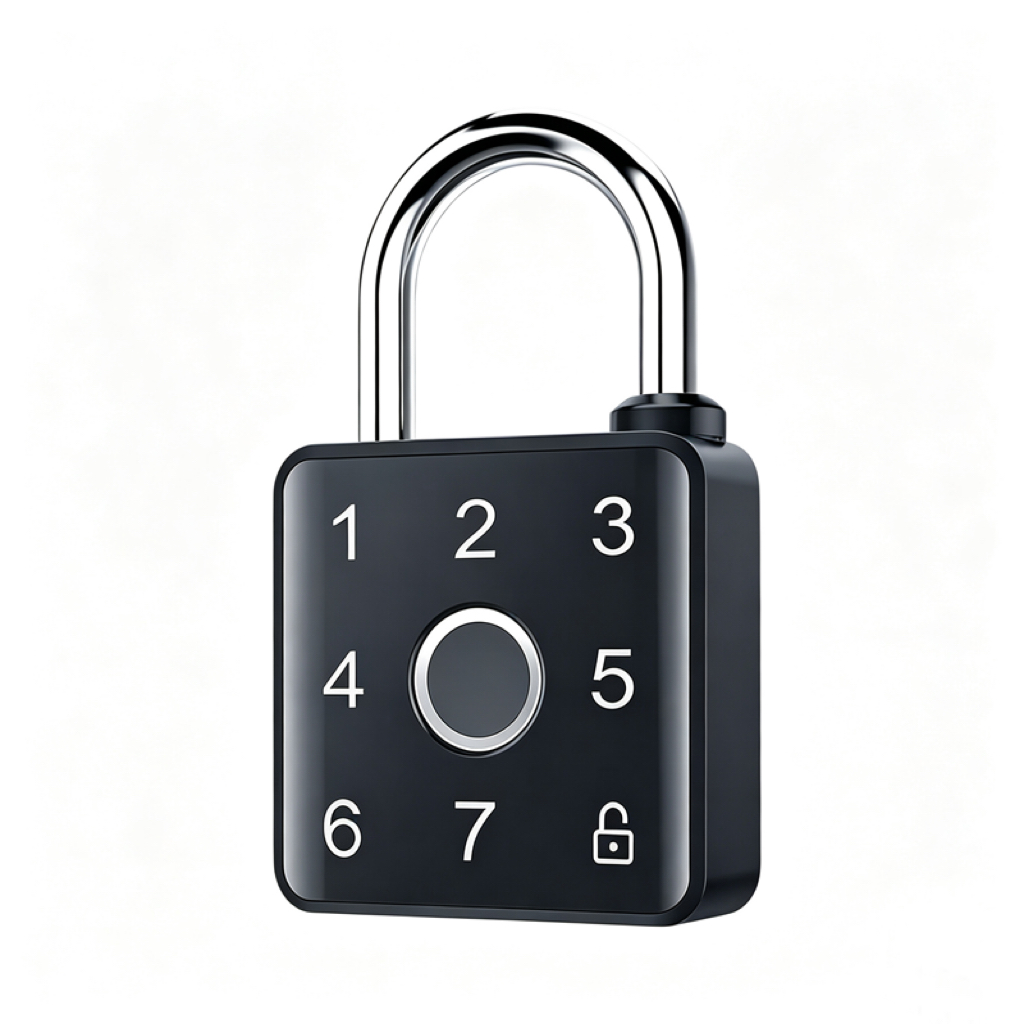 Multi-Access Fingerprint Padlock with Keypad, App Control & IP65 Waterproof FMP006
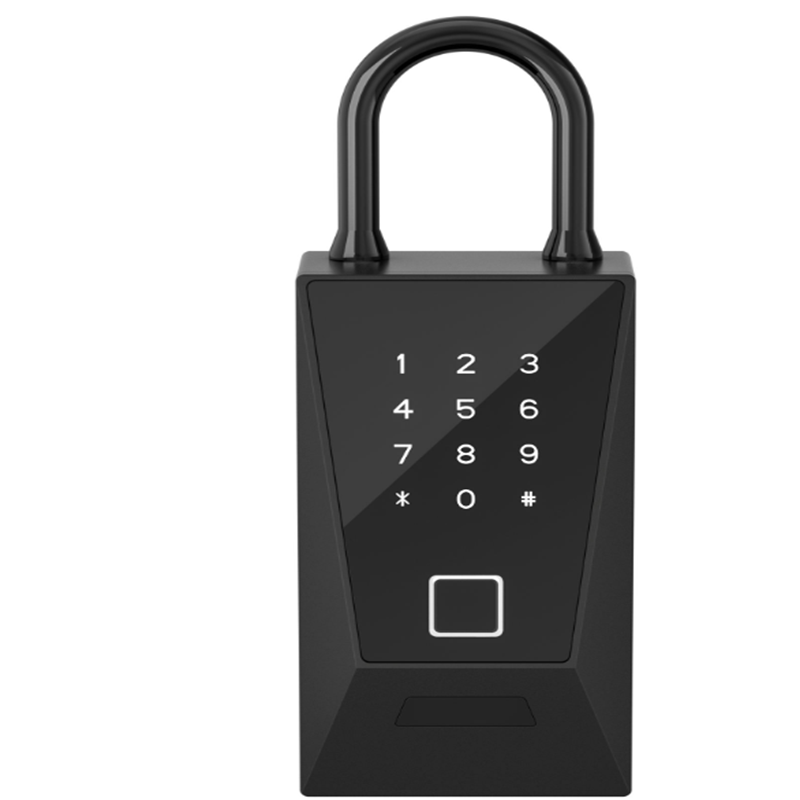 WiFi Smart Key Box with Fingerprint Password Card Access IPX5 Waterproof FMP007
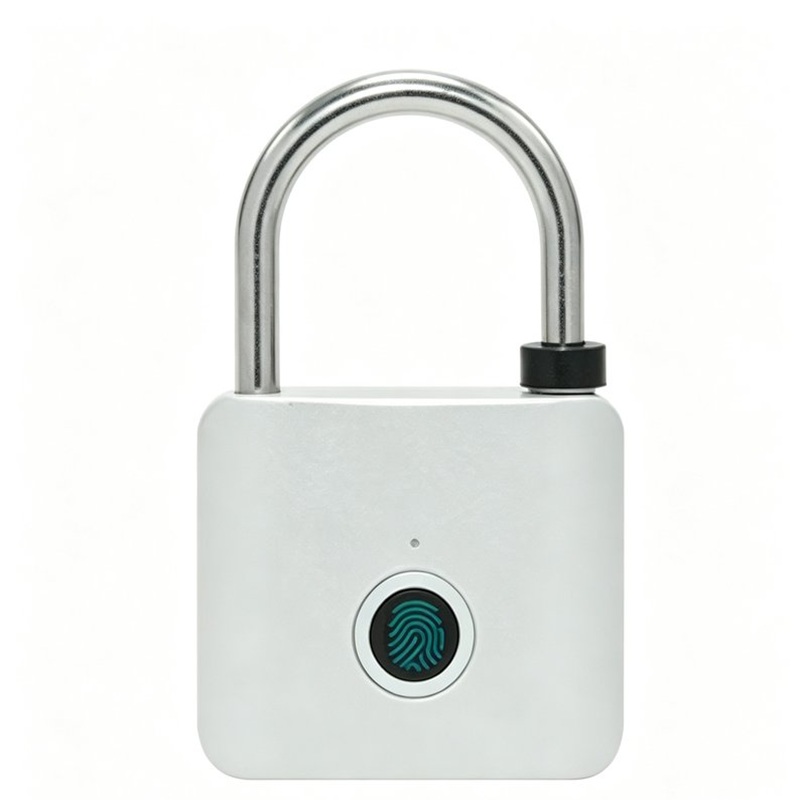 Bluetooth biometric Intelligent Padlock with IP65 Waterproof and Type-C Rechargeable Battery FMP008
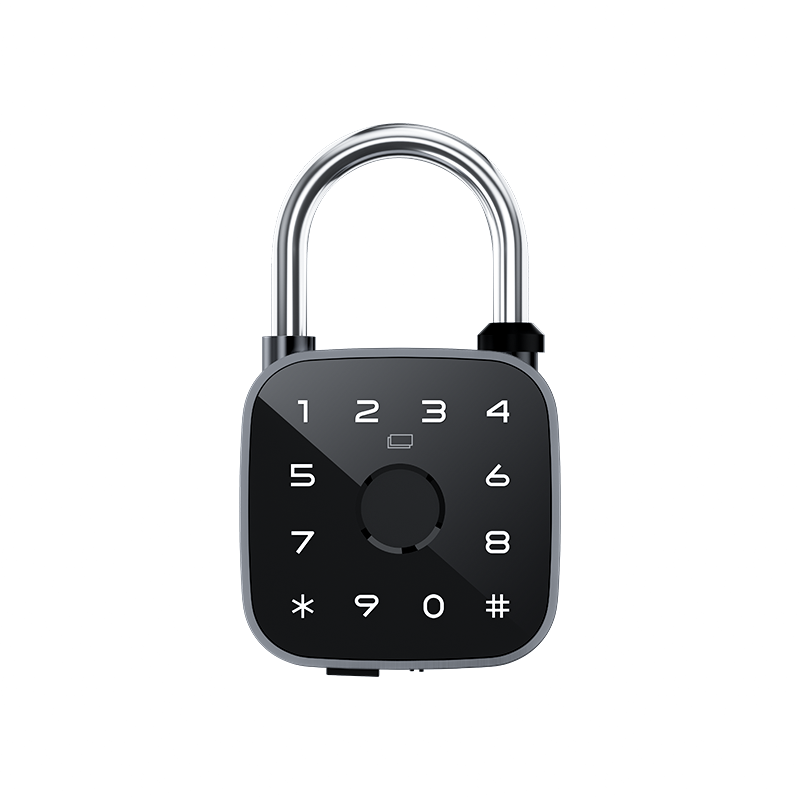 Smart Biometric Padlock with Scramble-Code Keypad and Tuya App Control FMP009
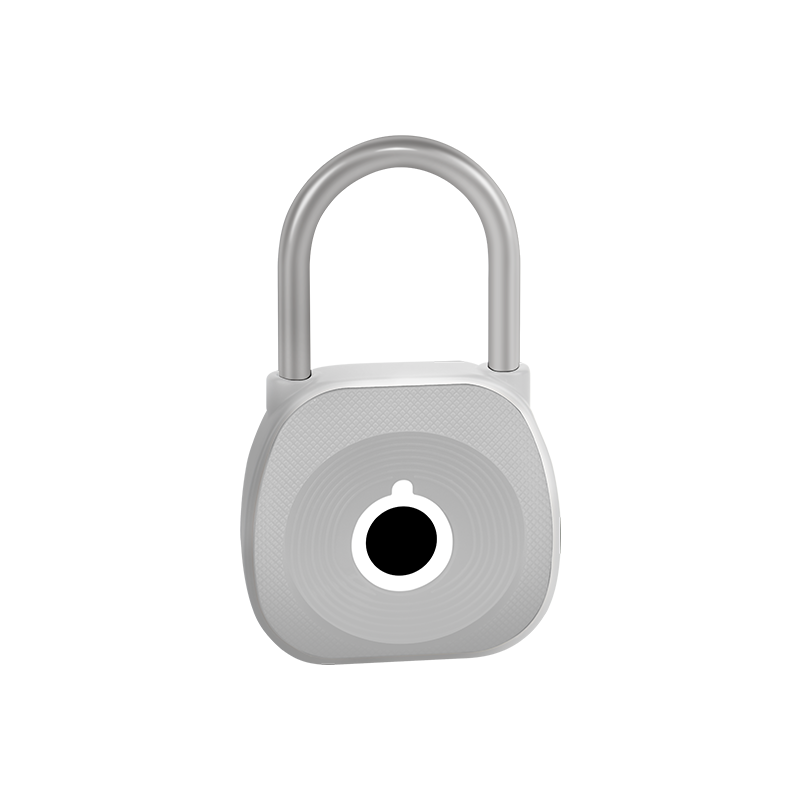 Ultra-Slim Biometric Padlock — 1.8cm Aluminum Body with Tuya App Control FMP010
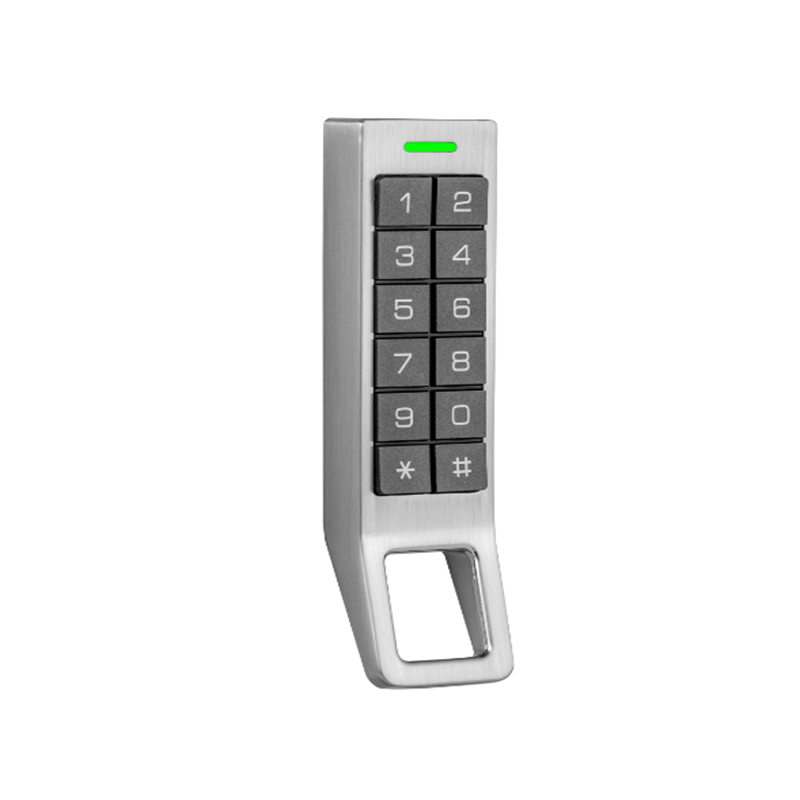 Smart Fingerprint Cabinet Lock — App & Bluetooth Keyless for Lockers FM890
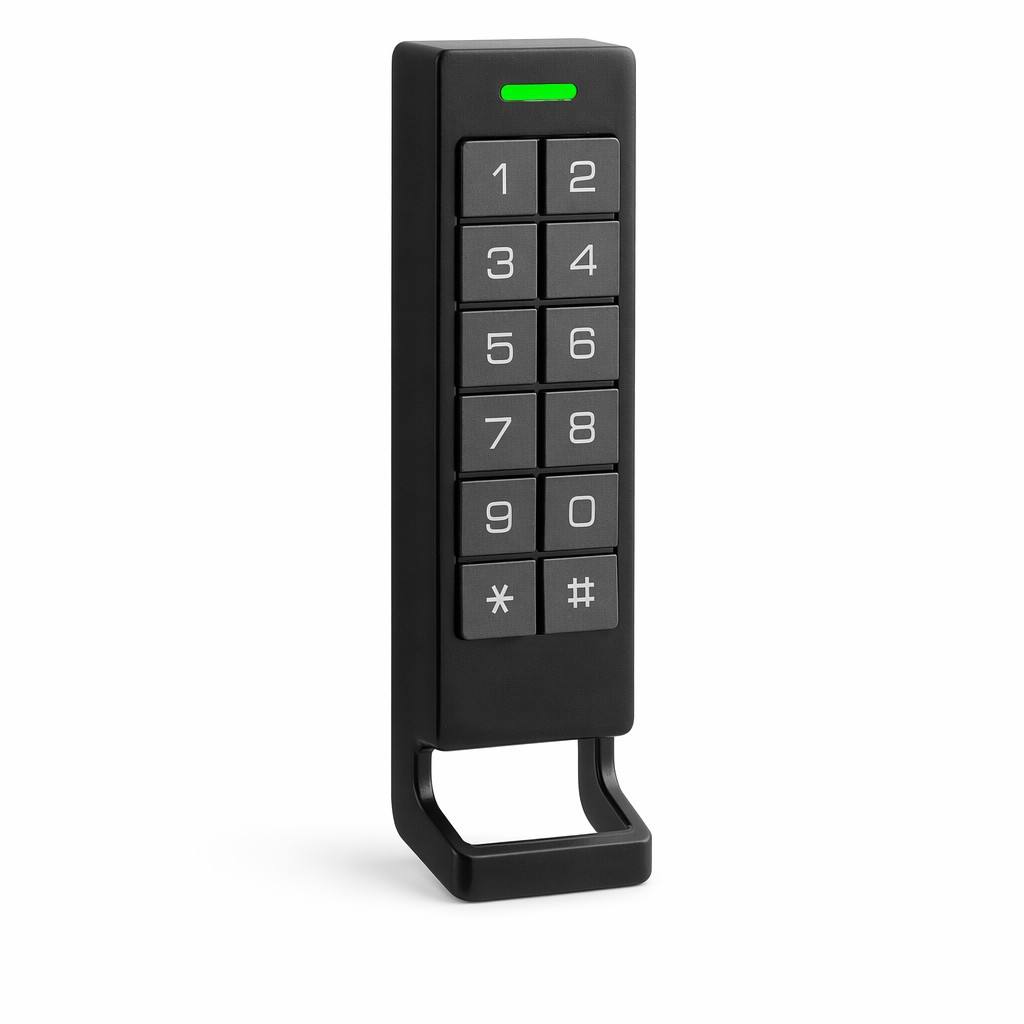 Digital Cabinet Lock with TTLock App, Passcode and RFID Card Access FMP870B
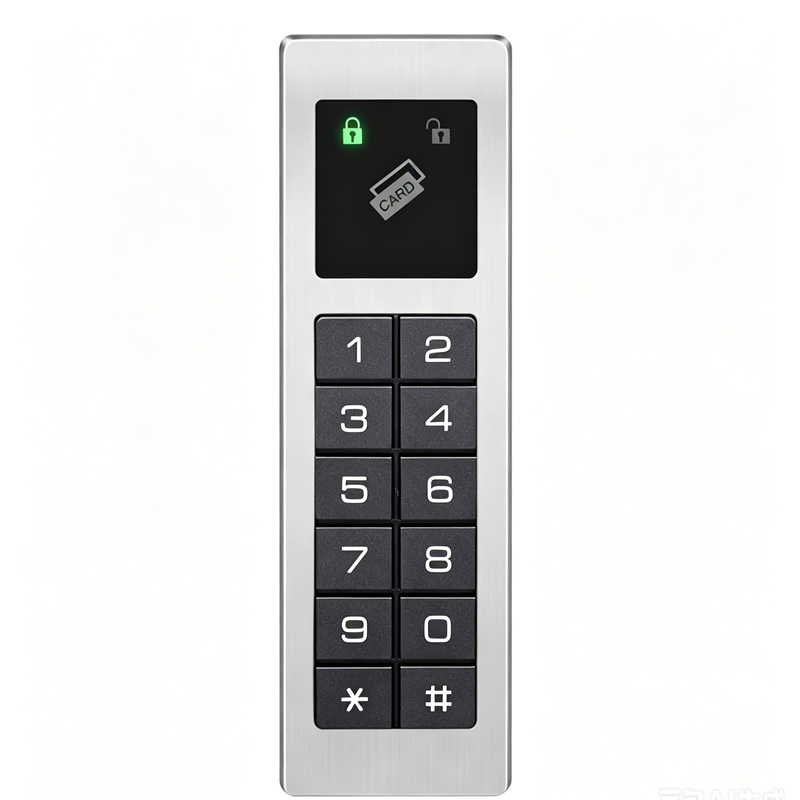 Smart RFID and Passcode Cabinet Lock with 5000mAh Battery and IP66 Waterproof FMP810
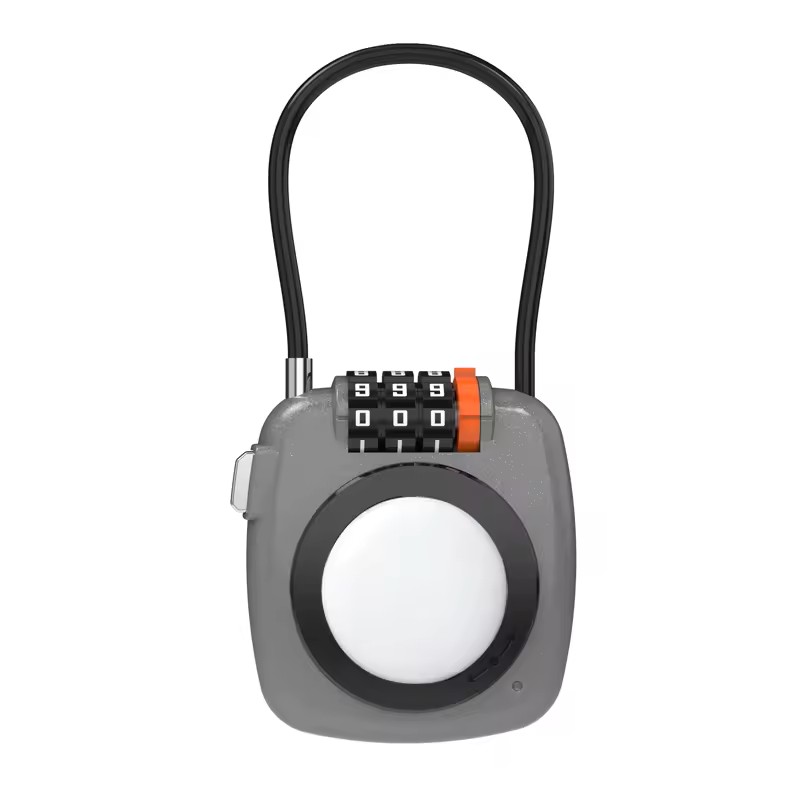 Combination Padlock with Apple Find My & Android Find Hub - IP65 Waterproof Smart Lock FMA001
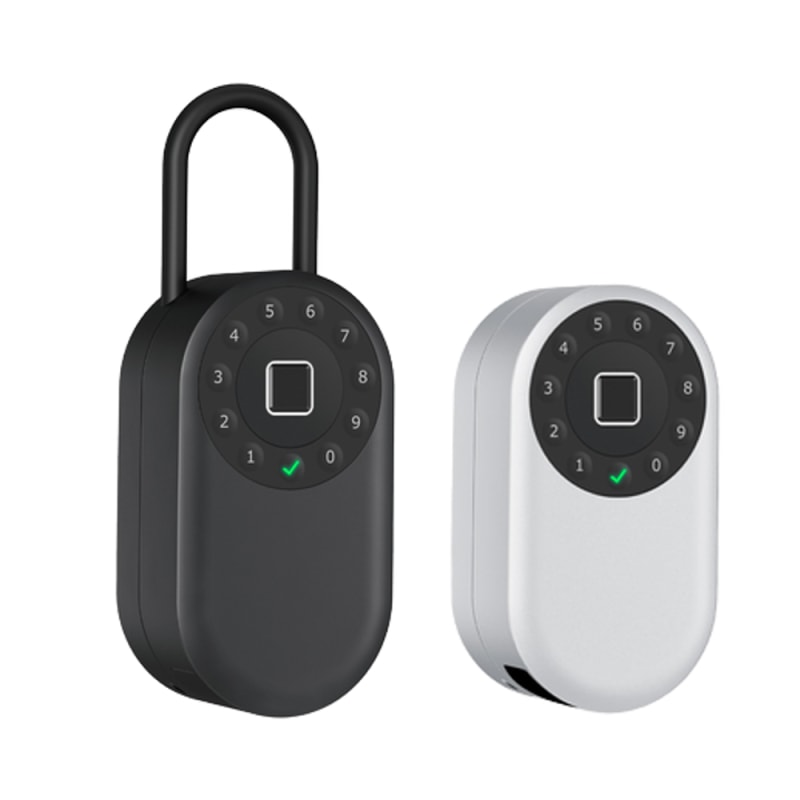 Keyless lock box with physical keypad and TTlock app waterproof for outdoor key storage KB3
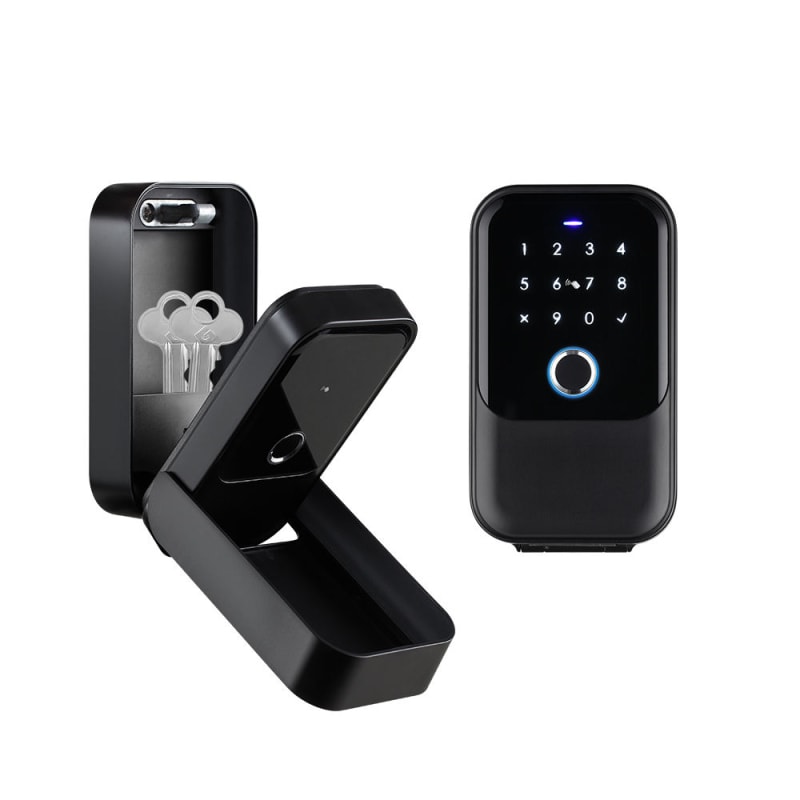 Smart key box with touch keypad and comptible with TTlock and Tuya ble for outdoor use K5
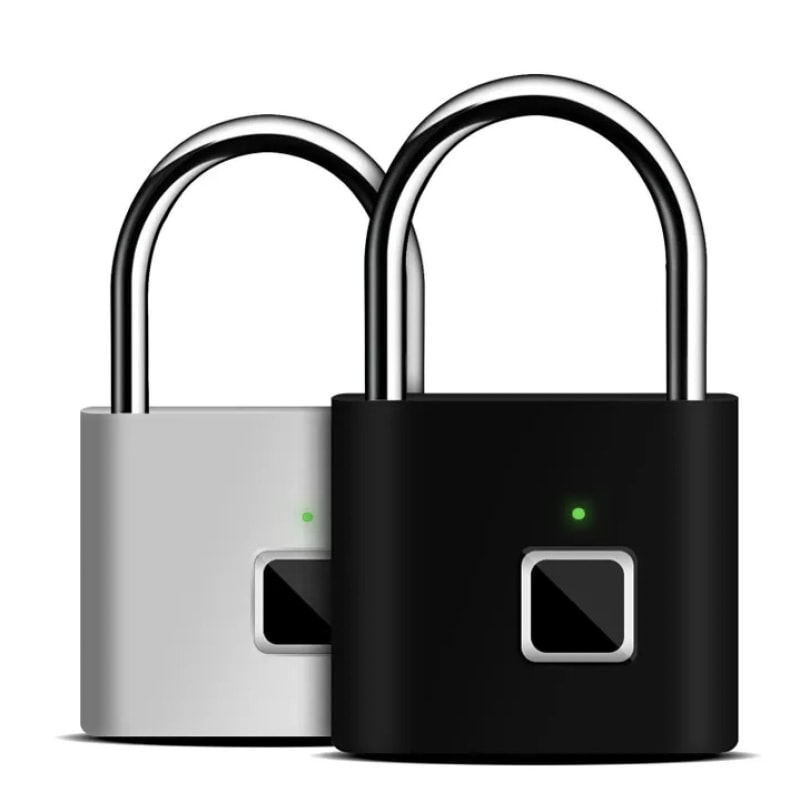 Fingerprint padlock with morse code backup that is rechargeable and portable for everyday use FM570
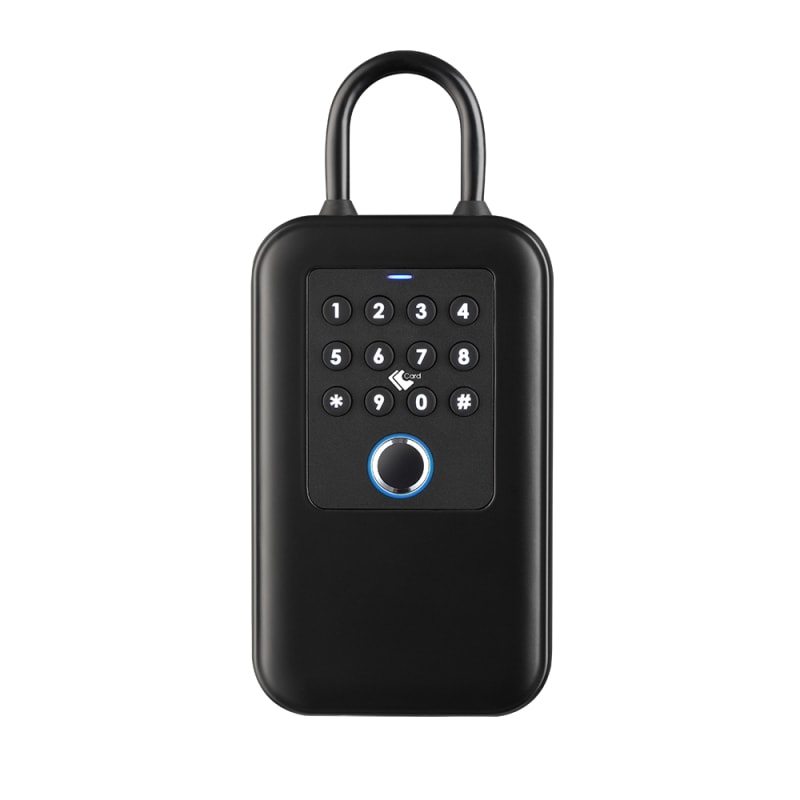 Waterproof key lock box with physical keypad and Tuya app control for outdoor key storage K7
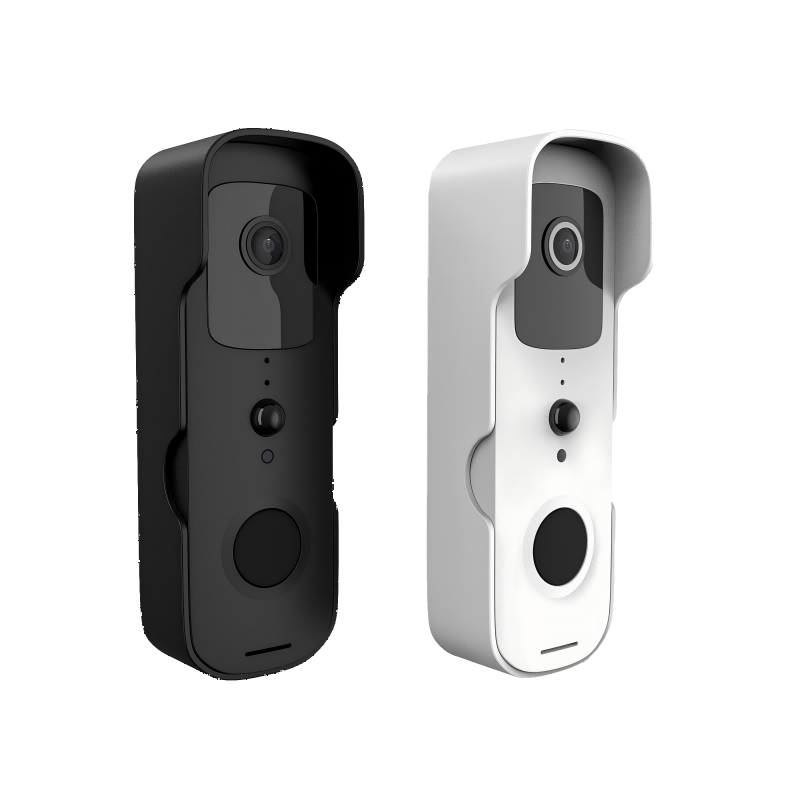 Smart Video Doorbell with Two Way Audio and Tuya WiFi for Home Security FM571
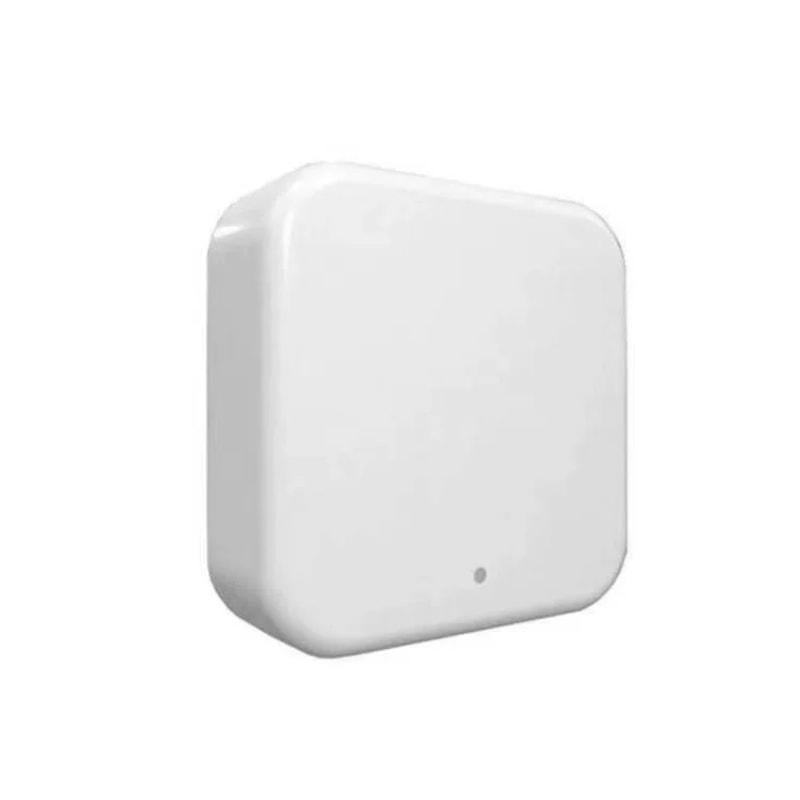 Ttlock G2 Gateway Connects Your Bluetooth Smart Lock to Wifi for Remote Access
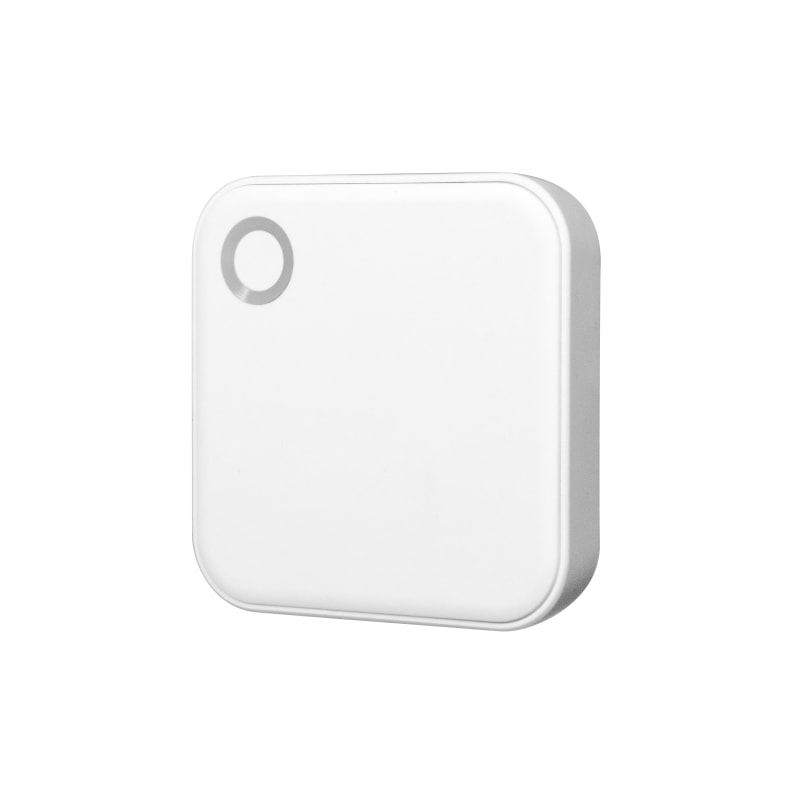 TTlock G5 gateway features dual band wifi and mesh network for large properties