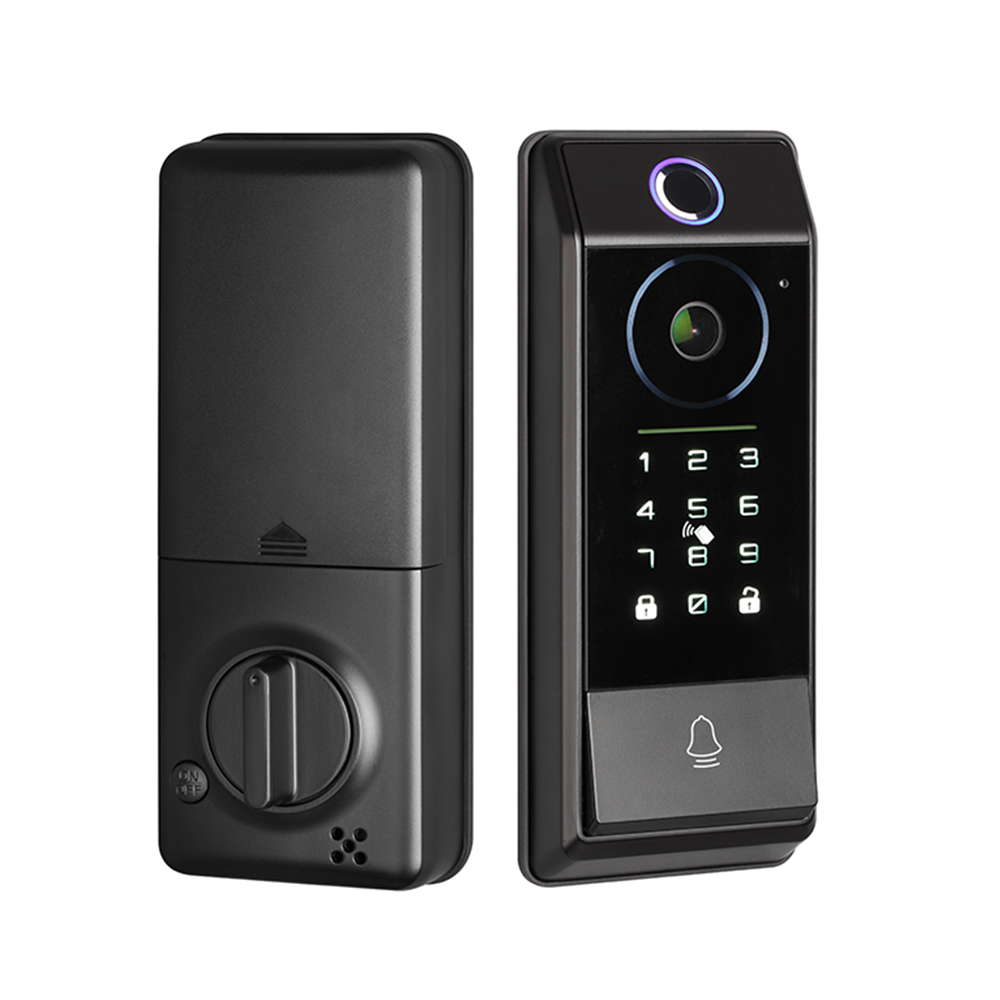
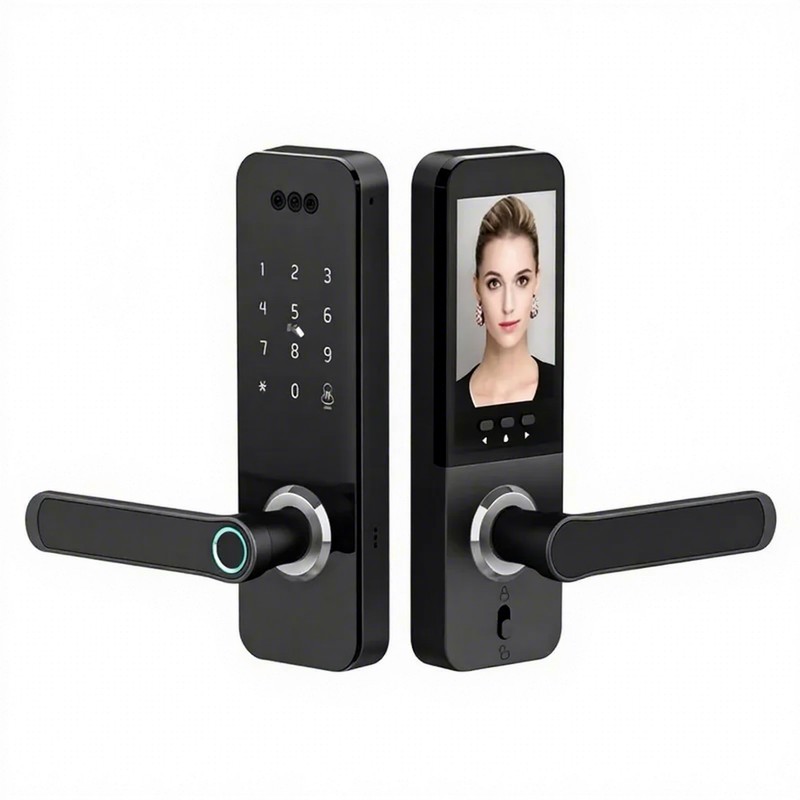
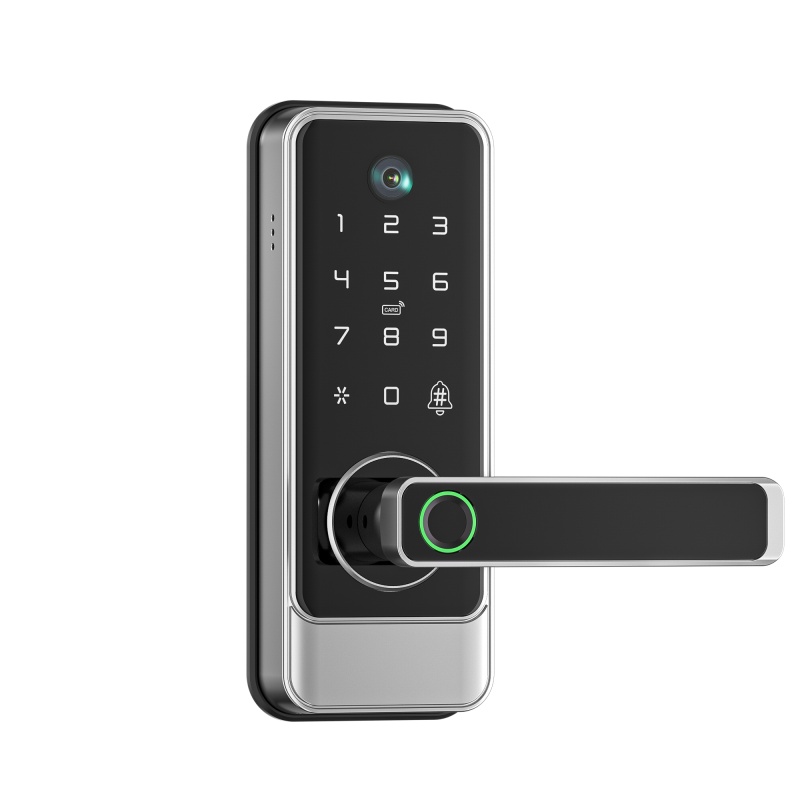
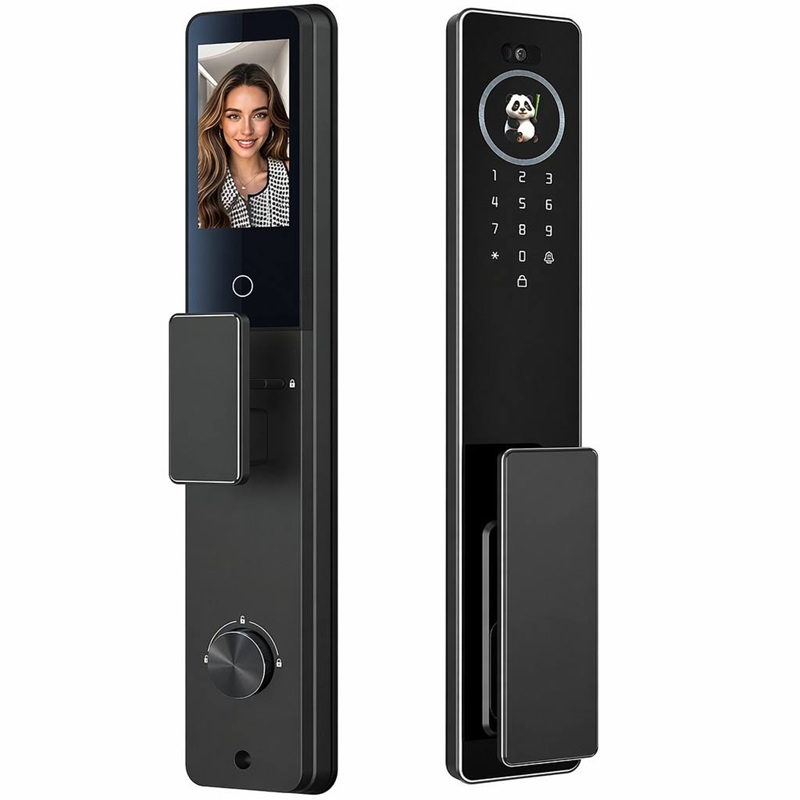
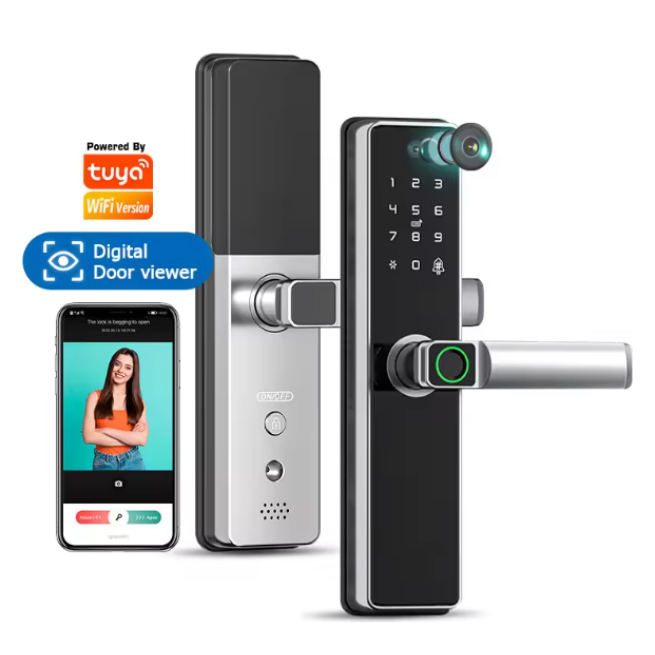
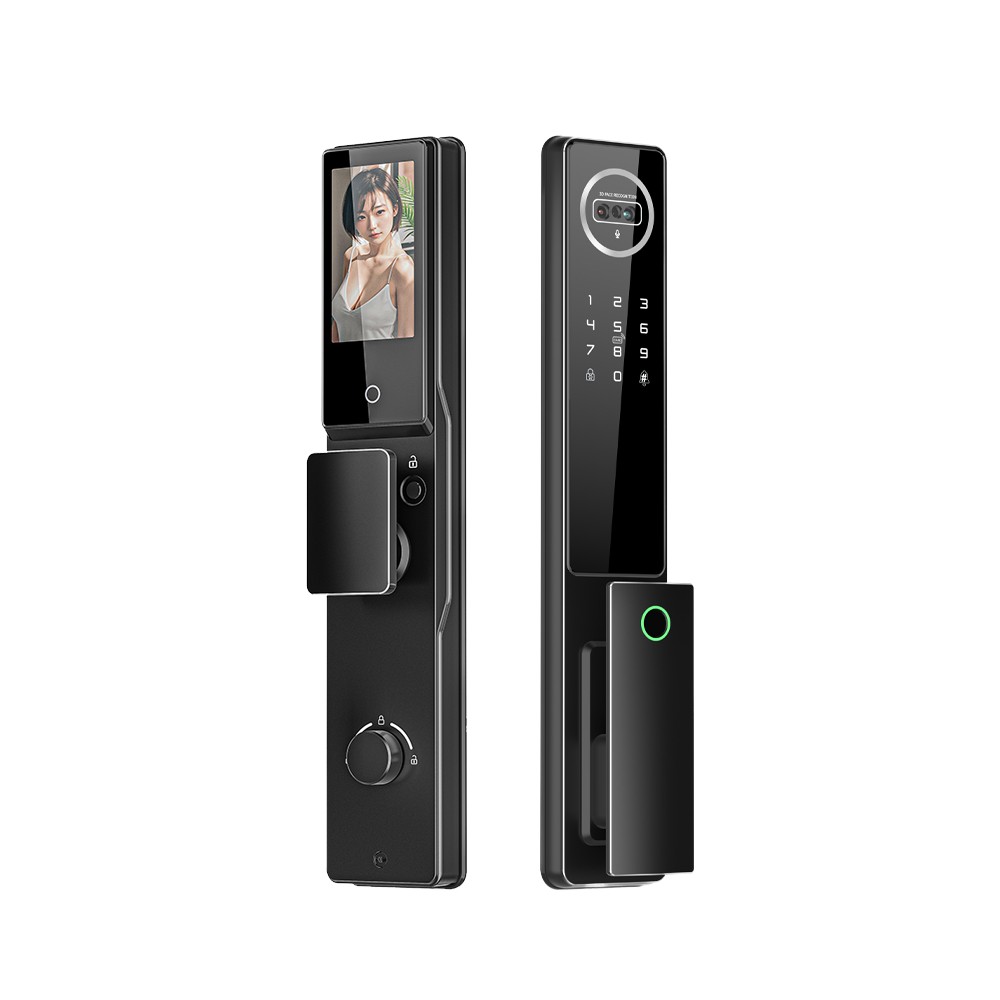
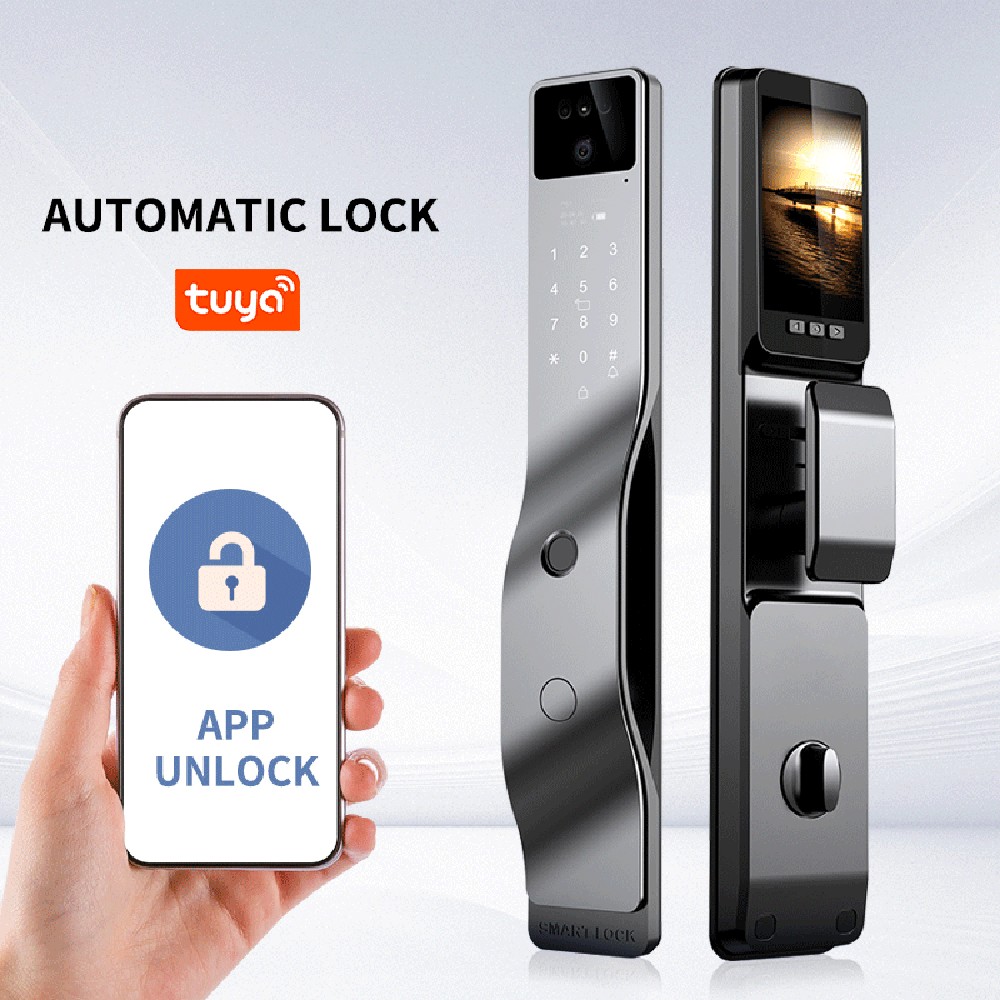
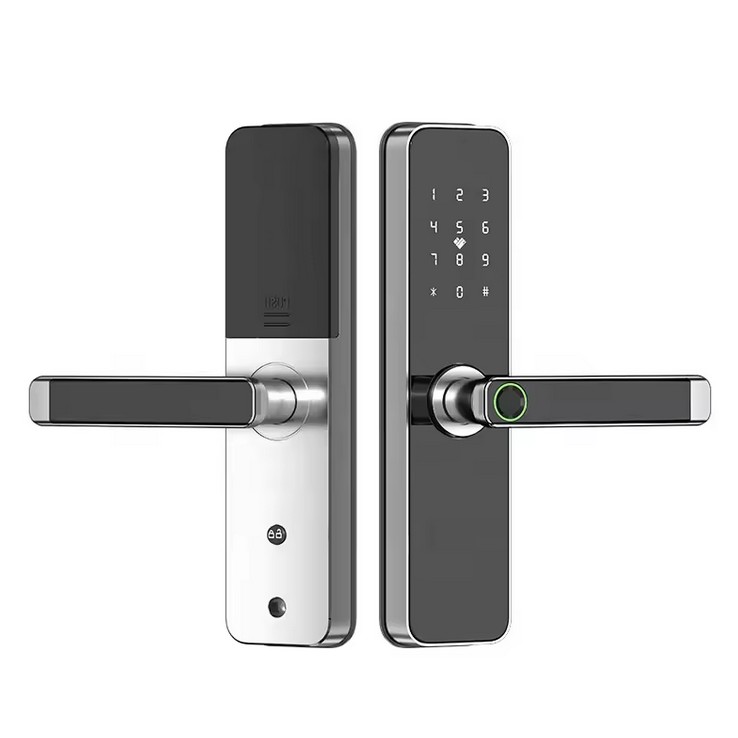
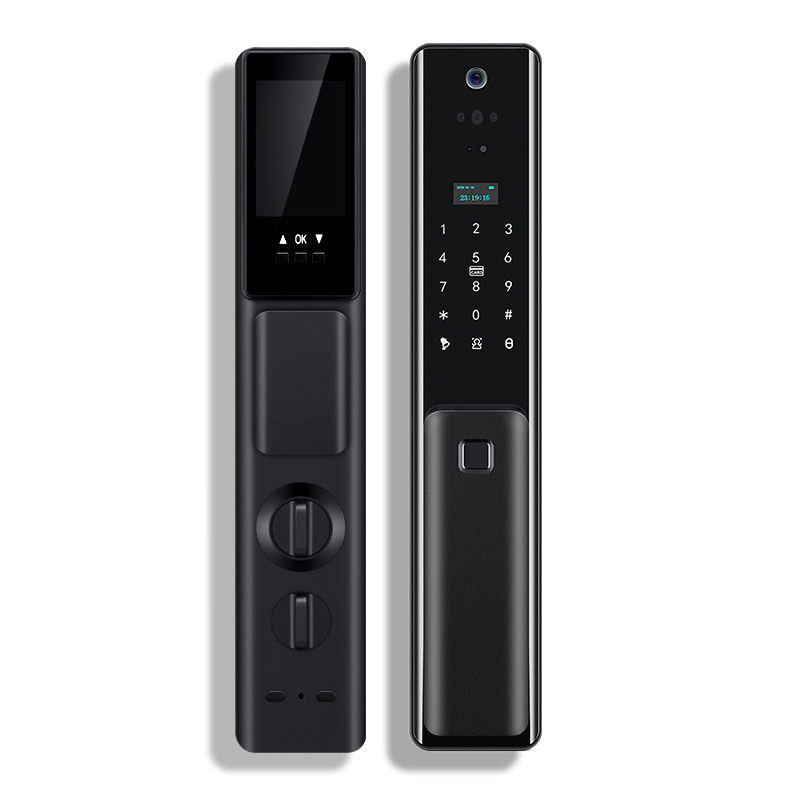
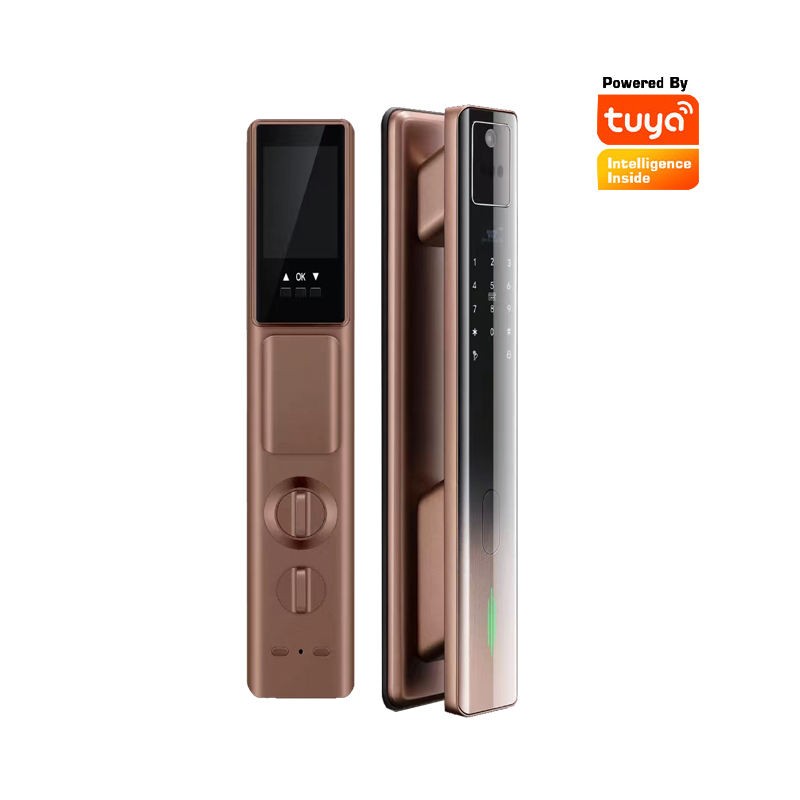
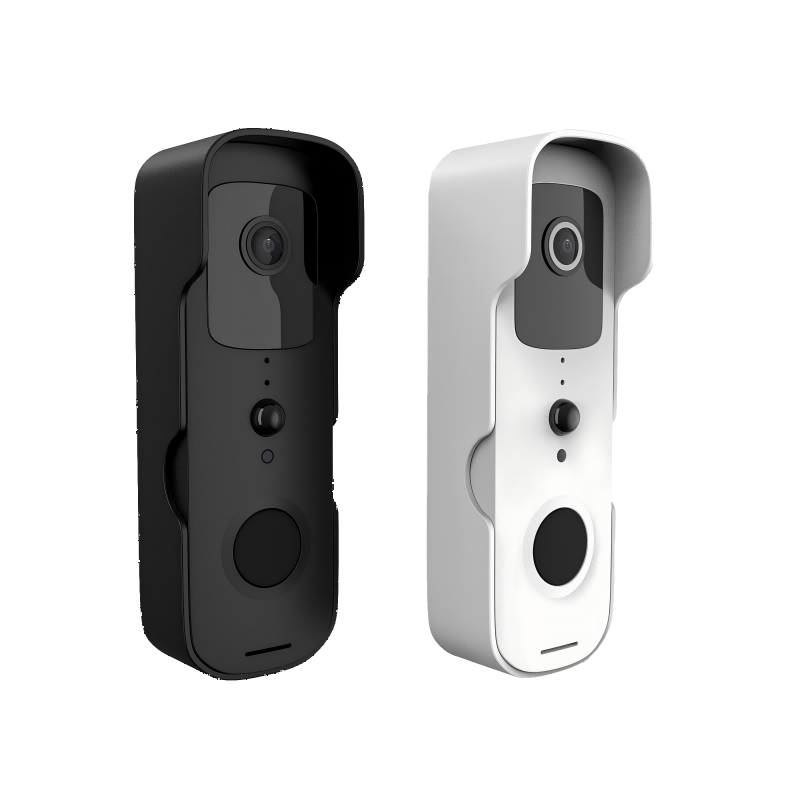
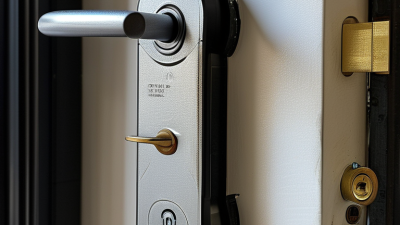
Smart deadbolt lock with video doorbell and two way intercom for front door security A229
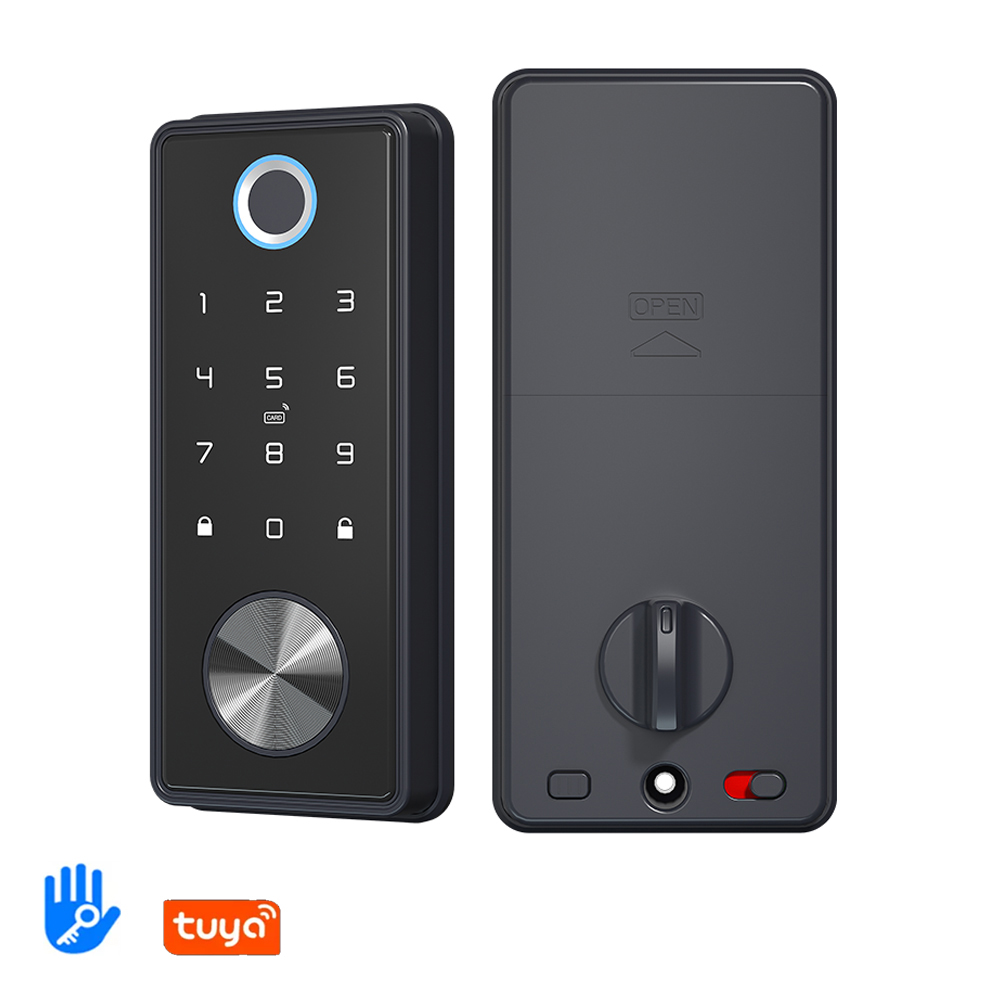
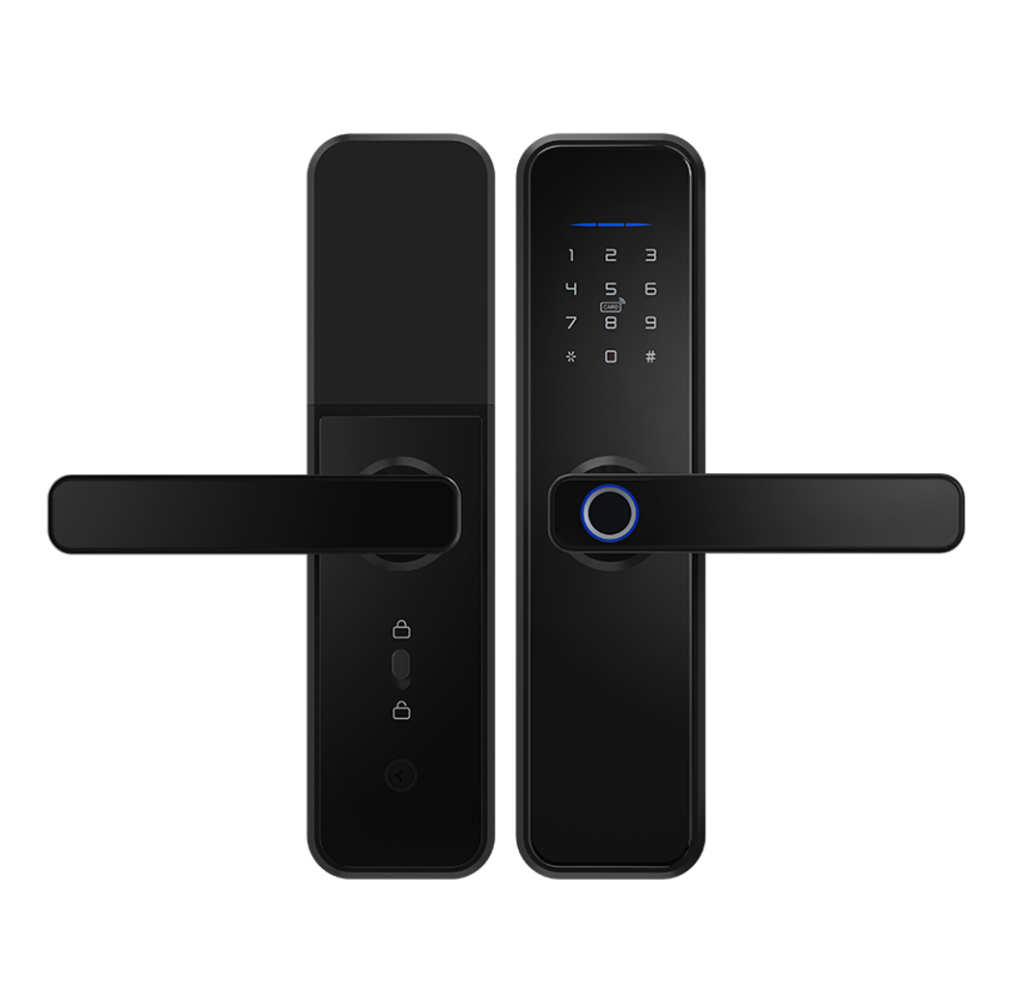
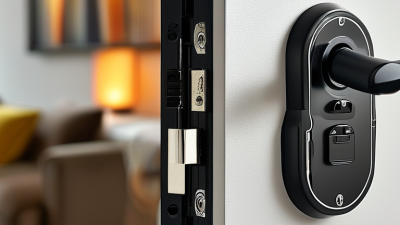
Bluetooth Deadblot Smart Lock with keyless access works with Google Alex tuya FM31
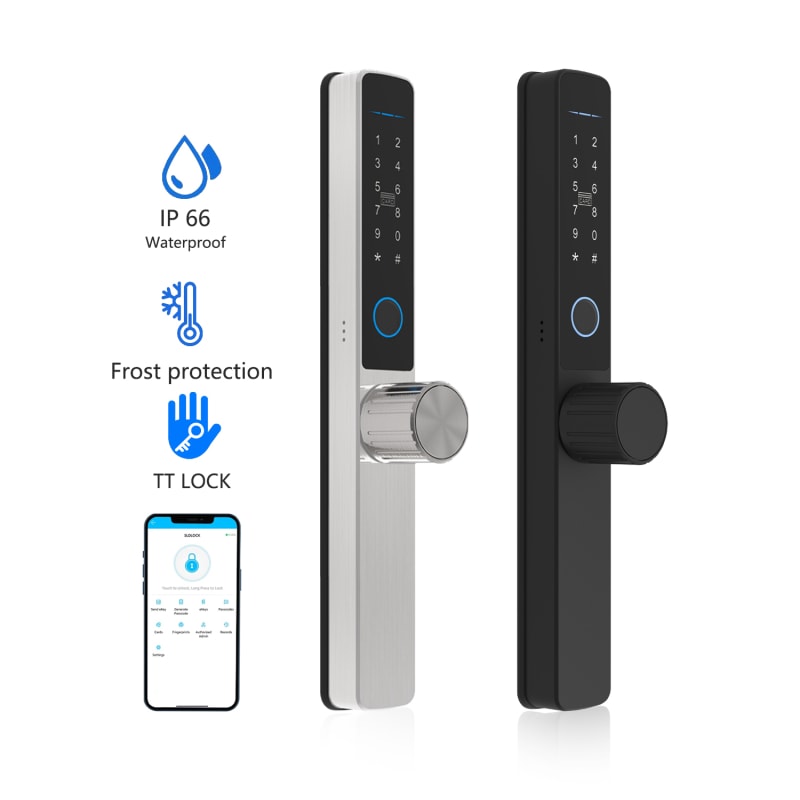
Waterproof Deadbolt Digital Lock supporting TTlock ble or TUYA wifi FM560
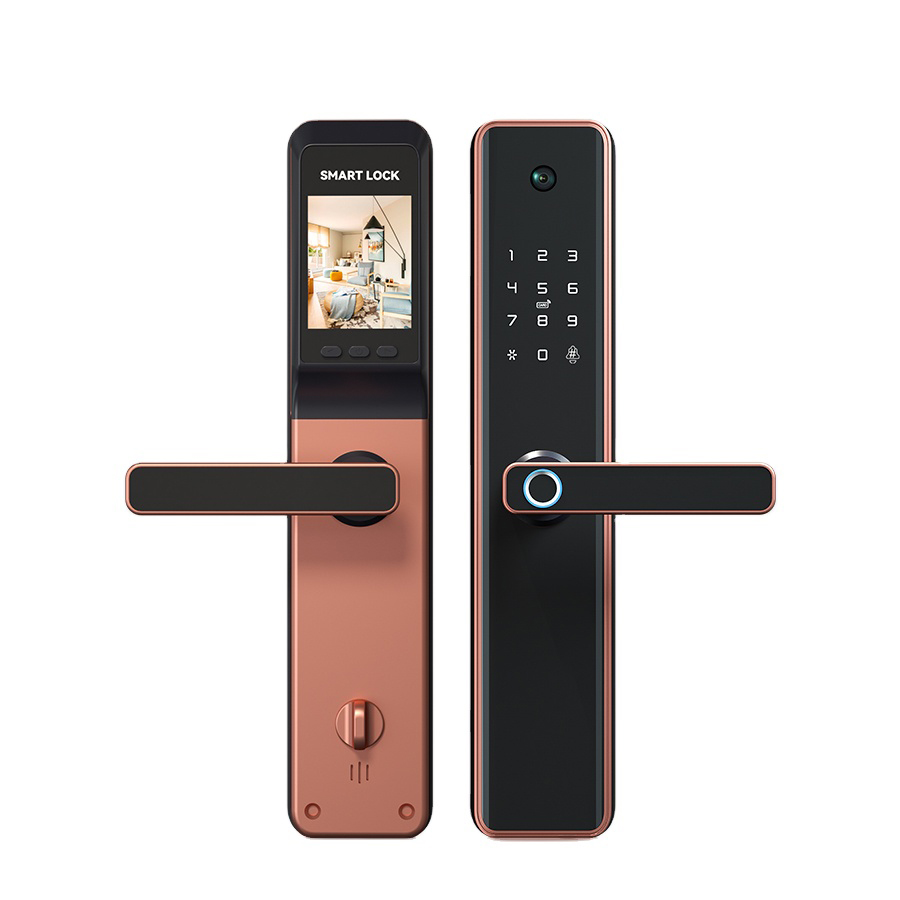
WIFI Deadblot Smart Lock with Video Doorbell works with Alexa Google Tuya FM880
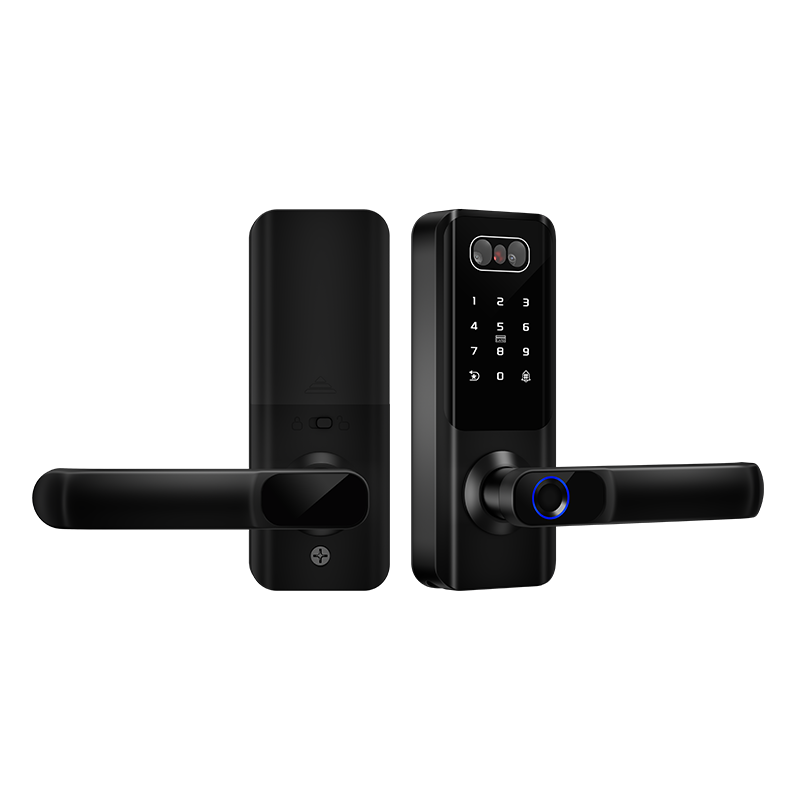
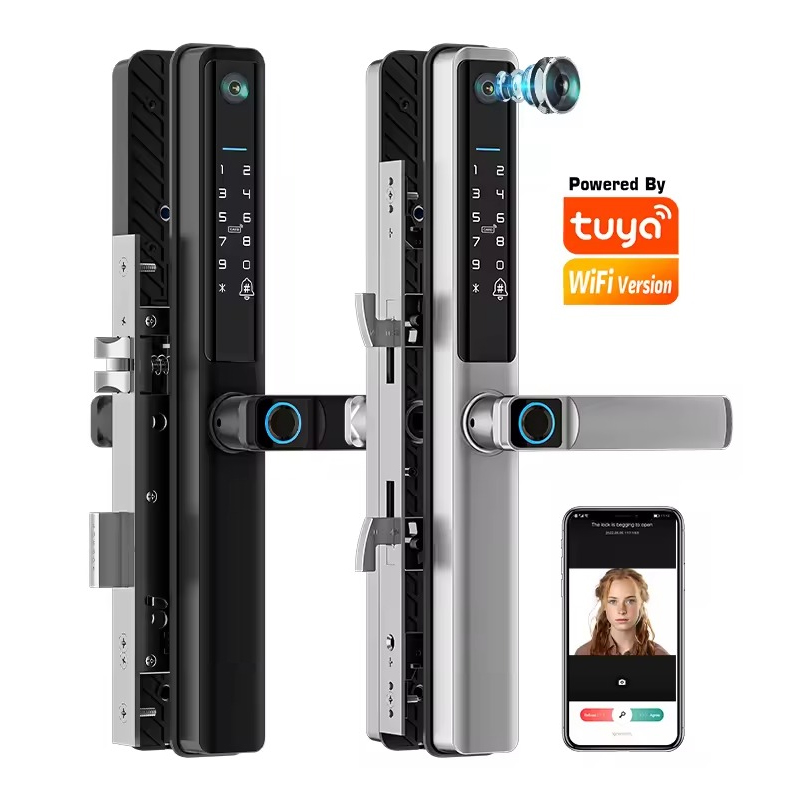
Facial Recognition Smart Lever Lock with 2MP Video Doorbell and IP66 Waterproof Tuya WiFi FM-Z86
Advanced 5-in-1 Biometric Door Lock with Universal WiFi, Zigbee & 433MHz Support FM09
3D Face Recognition Smart Door Lock with 2MP Video Doorbell and Built-in WiFi FMP012
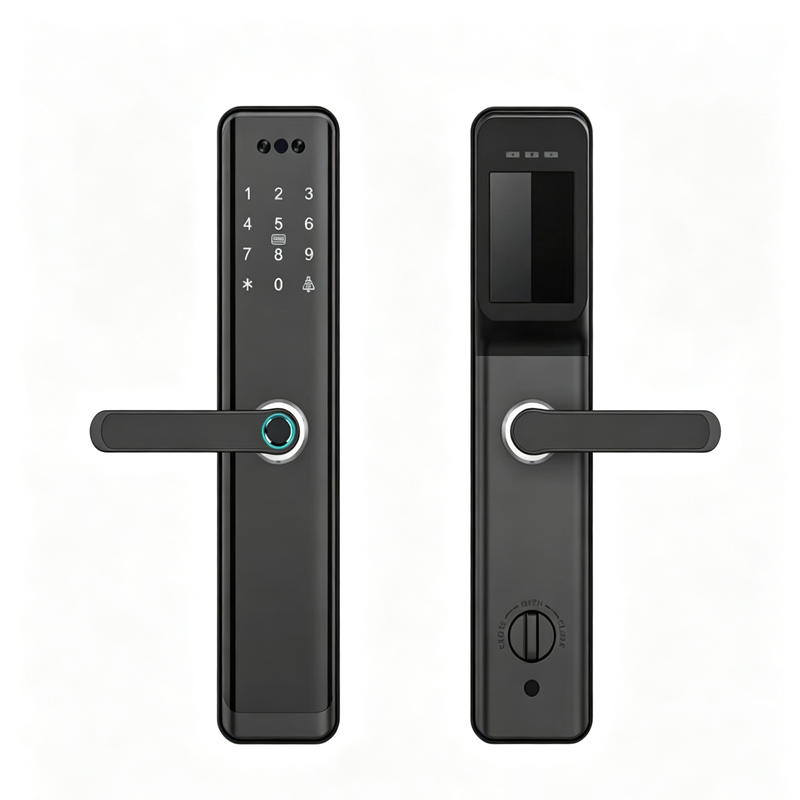
Keyless Entry Lever Lock with doorbell and Video Camera for Live Viewing
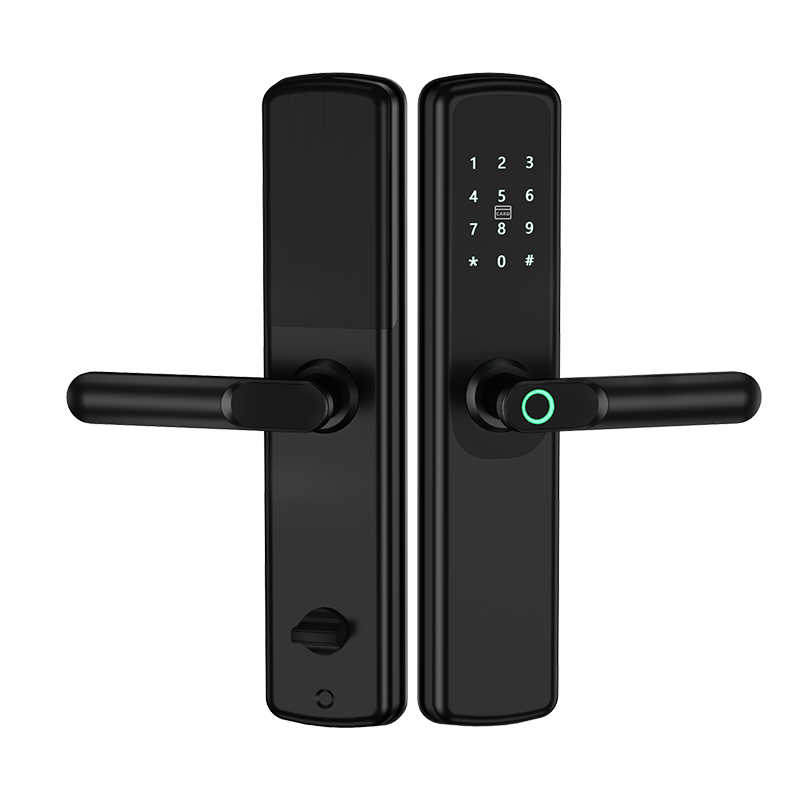
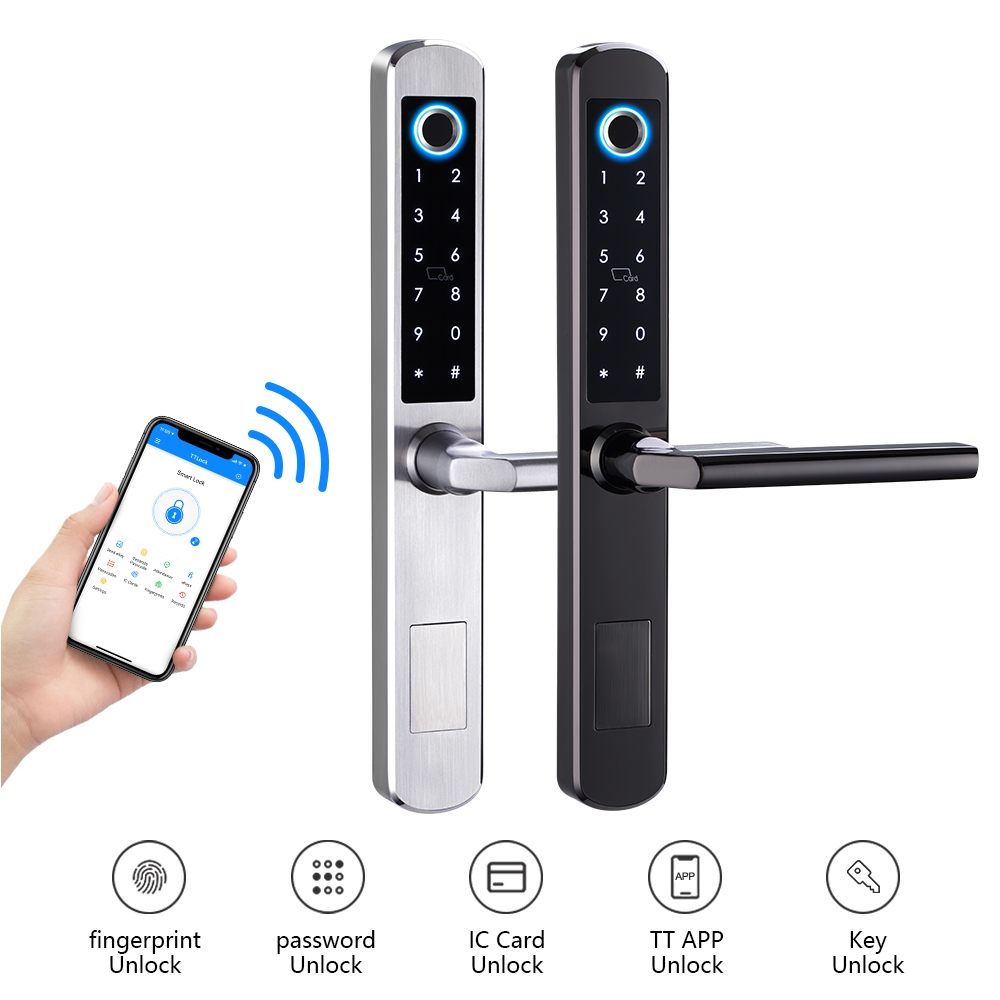
Bluetooth Lever Lock unlock by fingerprint recognition, password and App eKeys T8
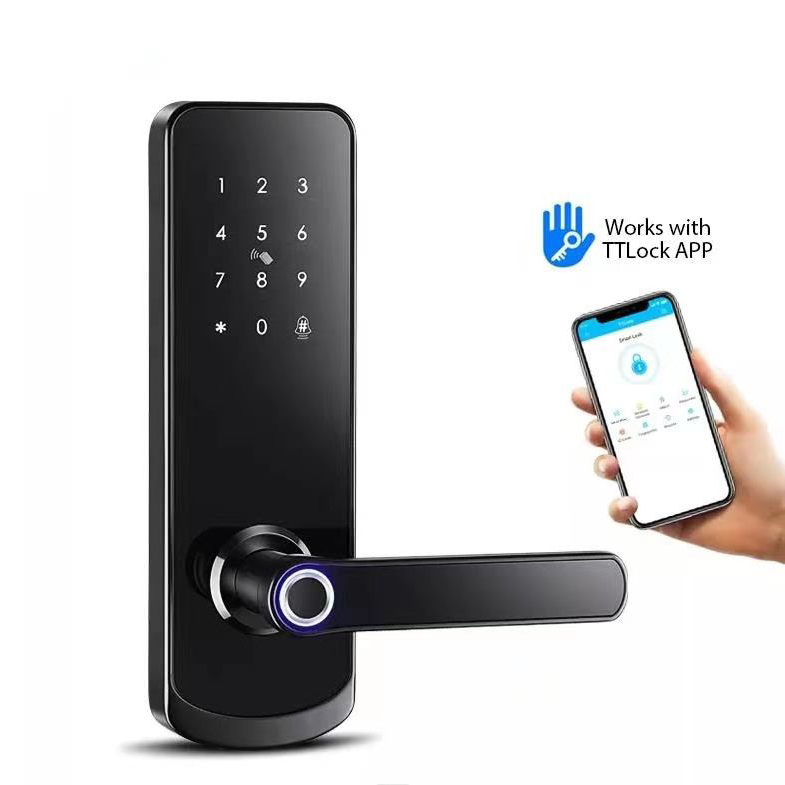
Smart lever lock supports TTlock bluetooth and TUYA wifi FM810
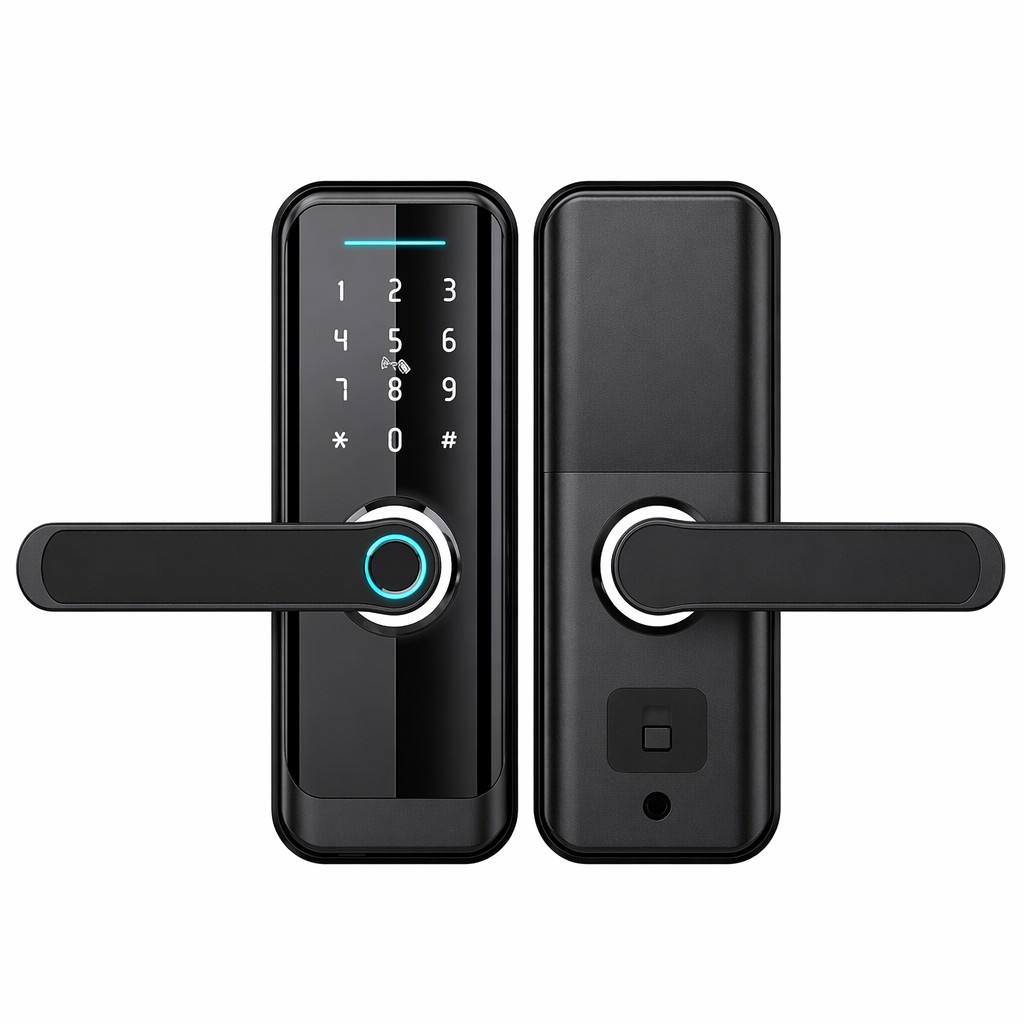
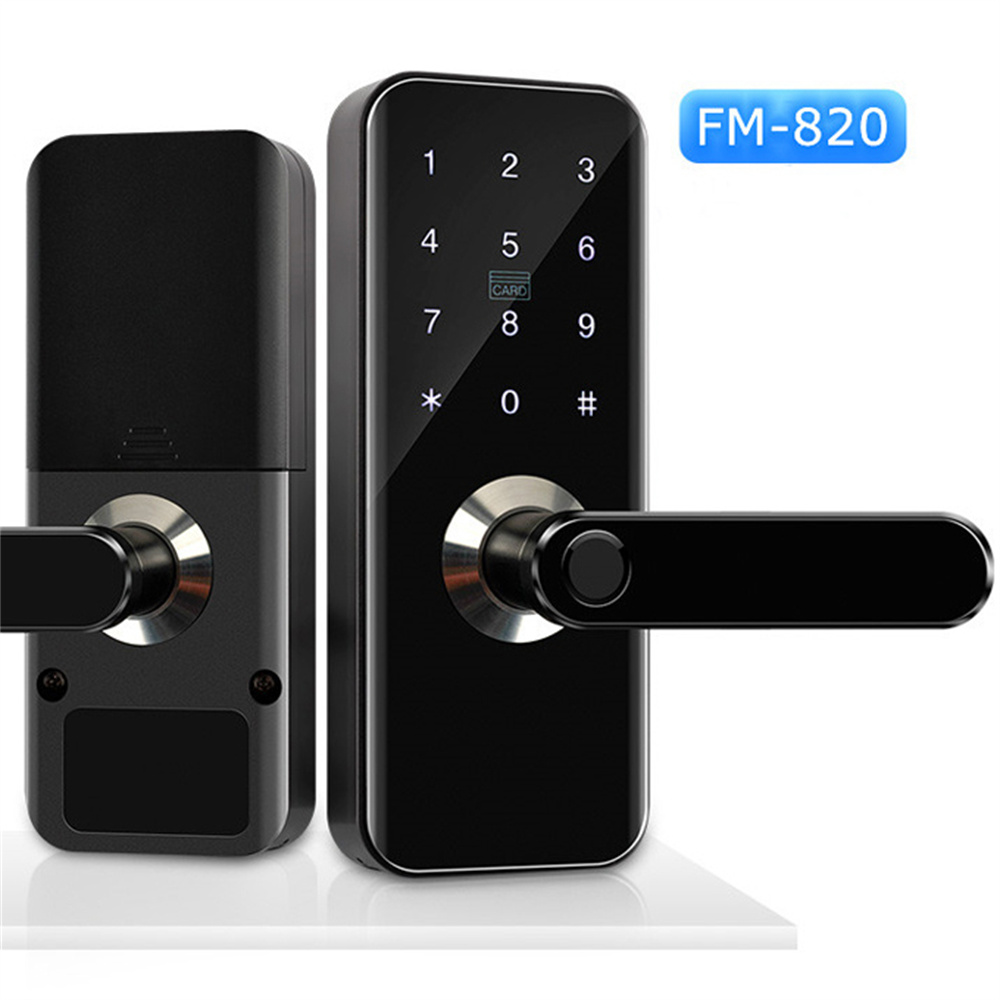
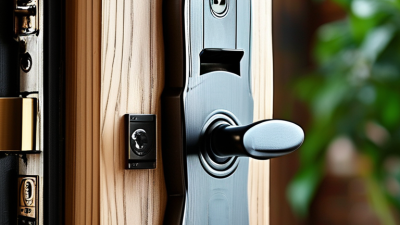
Fingerprint Smart Lever Lock with one touch Keyless Entry fits US Knob & Lever FM820
Intelligent Biometric Door Lock with 2MP Video Doorbell and Tuya WiFi FM-05
Flagship Biometric Security Lock — Advanced 3D Face Access & 4.5" IPS Live Viewer FM93
Smart Lever Lock with Fingerprint Facial Recognition and Video Doorbell Tuya WiFi TTlock FM-128
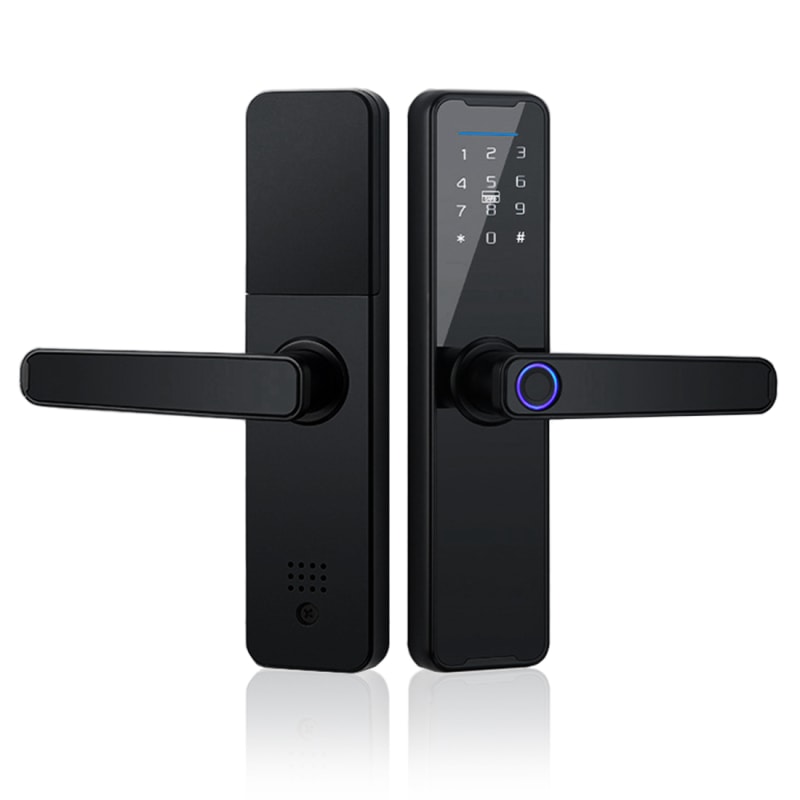
Keyless Entry Door Lock Fits Both Traditional Mortise and Smart Lock Mortise
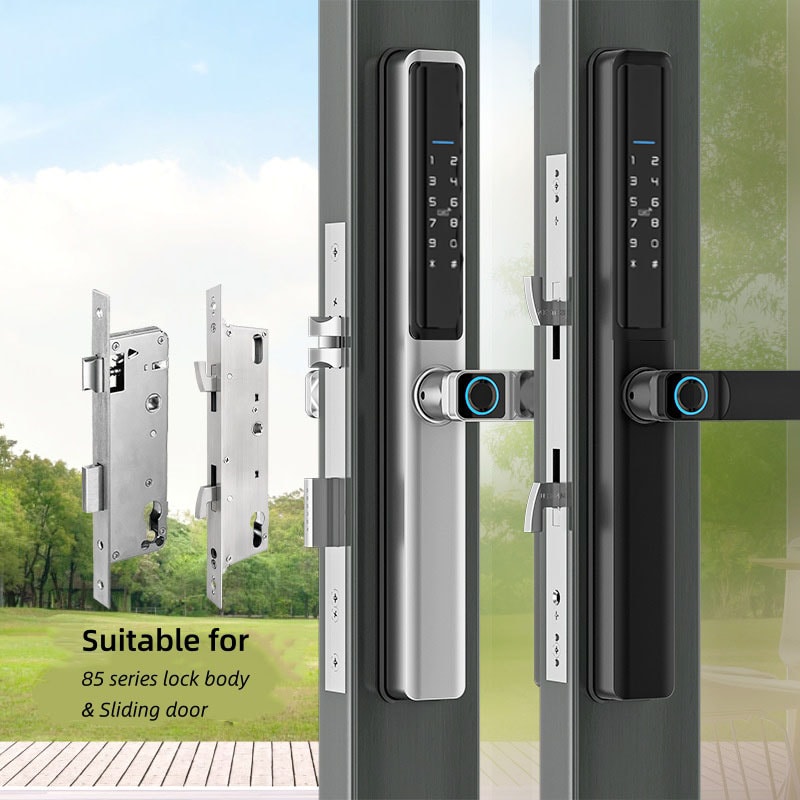
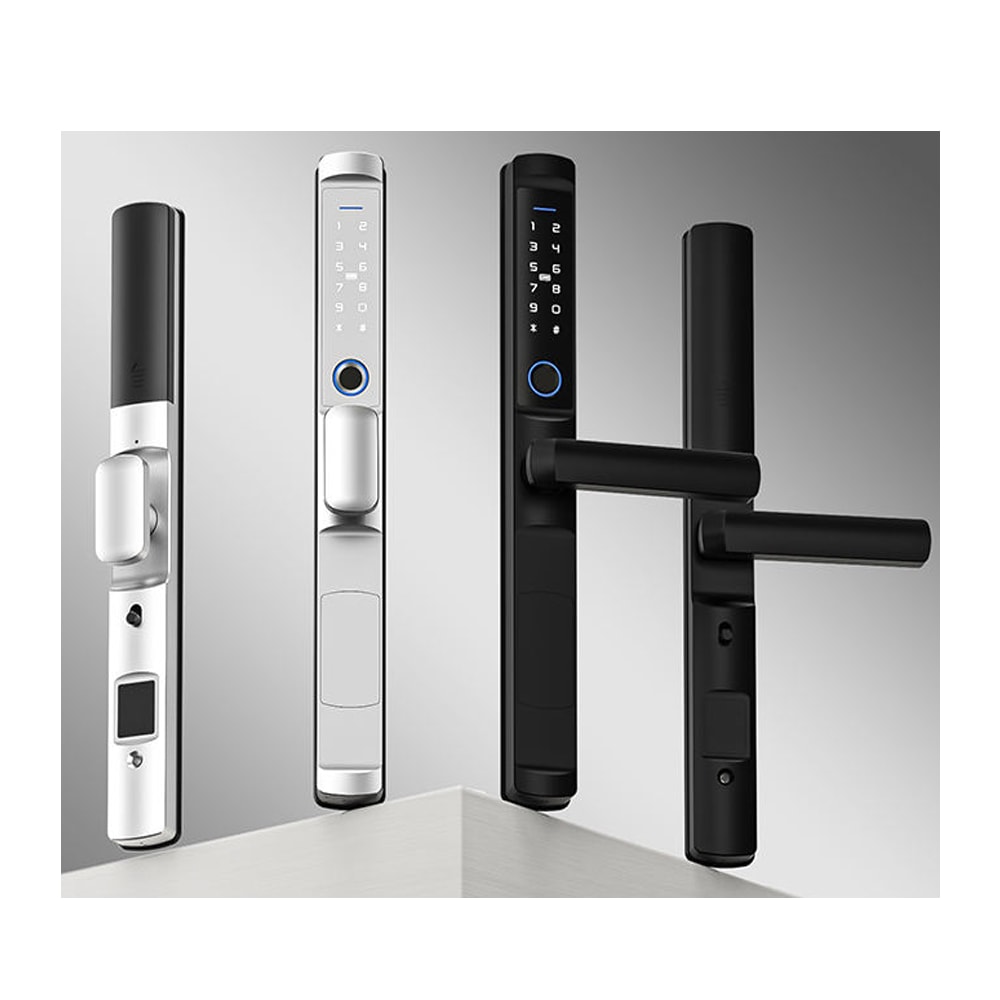
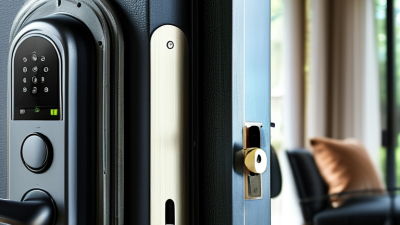
Slim 304 stainless steel keypad lock with IP65 waterproof case for thermal break sliding doors FM210
Fingerprint lock with hook mortise for slim sliding door and IP66 waterproof for outdoor use F6
Keyless entry door lock for slim sliding door with camera and doorbell F5 PRO
Smart door lock with hook mortise for aluminum slim sliding door F5
Front door smart Locks made of aluminum alloy compatible with multiple mortise types
Keypad Door Lock with IP66 Waterproof case and Two Handle Styles Options
Fingerprint door lock for Front door with Anti-prying latch to prevent the card prying the door
Front Door Keypad Lock with Fingerprint and Doorbell B2
Face Recognition Smart Door Lock with Video Intercom Doorbell Tuya WiFi D1
WIFI Smart Mortise Lock with Tuya Video Doorbell support Face Scan Palm Vein F7
Smart mortise lock with bluetooth and WIFI optional FM028
Mortise Smart Lock with multi keyless accesses FM550
Camera Smart Lock with Finger Scan Supporting Tuya WiFi or Zigbee FM551
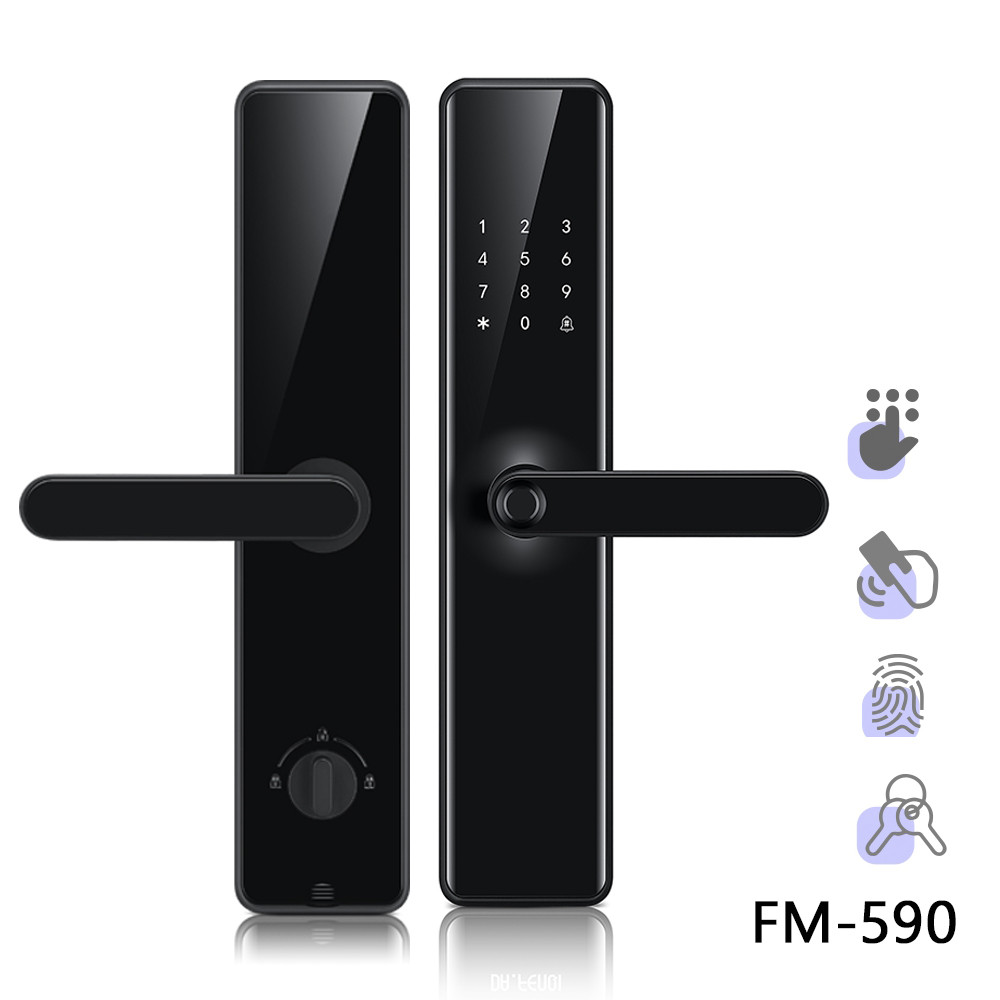
Smart Door Lock with Fingerprint and Voice Control FM590
Fingerprint Door Lock with Face Scanner and Camera Supports google home FM720
Facial Recognition Smart Lock with Video Intercom and Thumbprint FM730
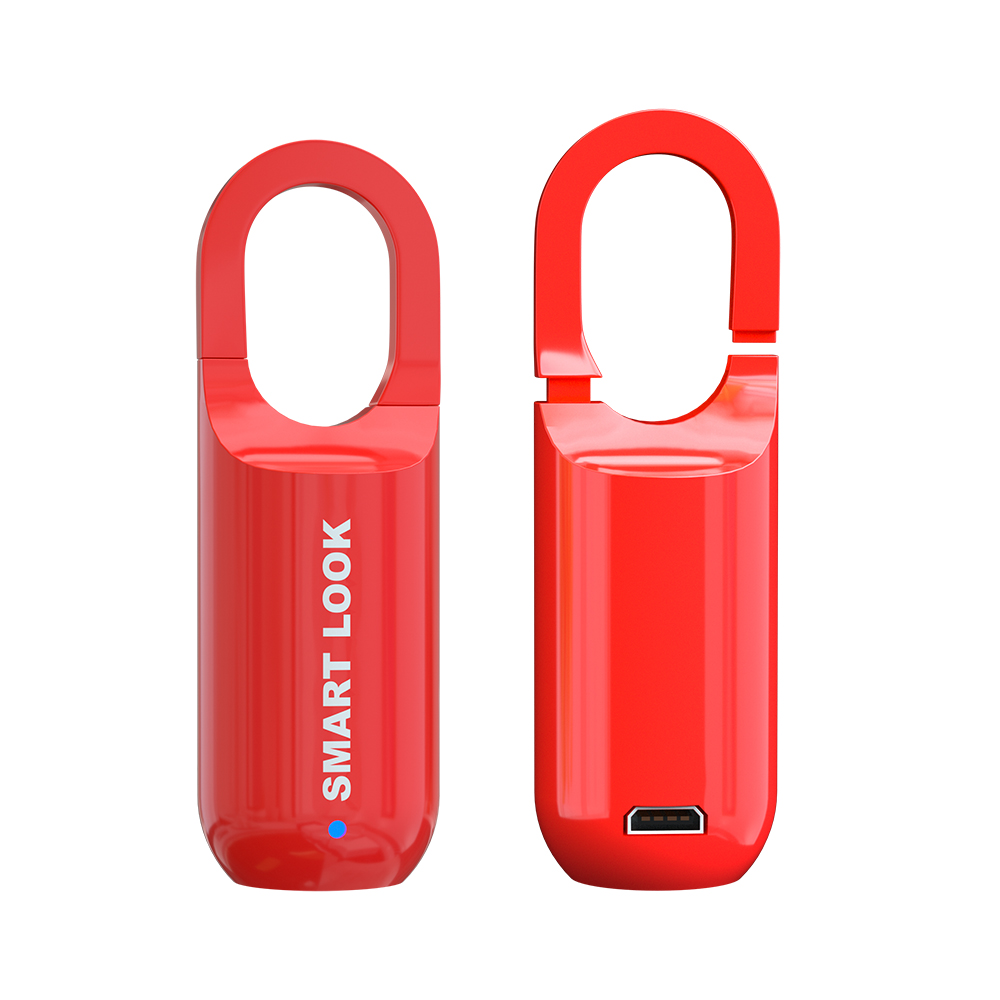
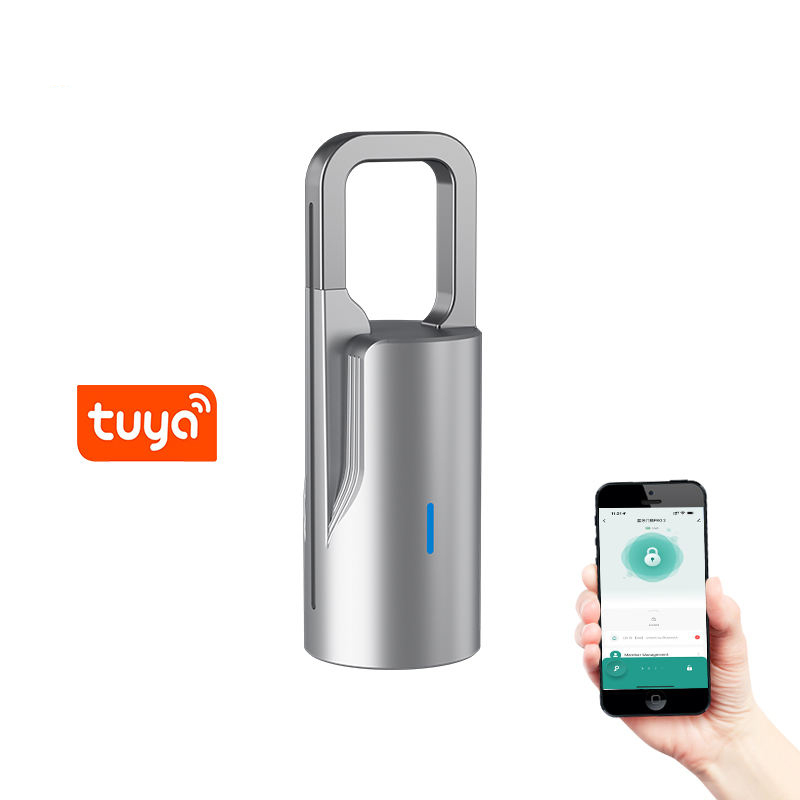
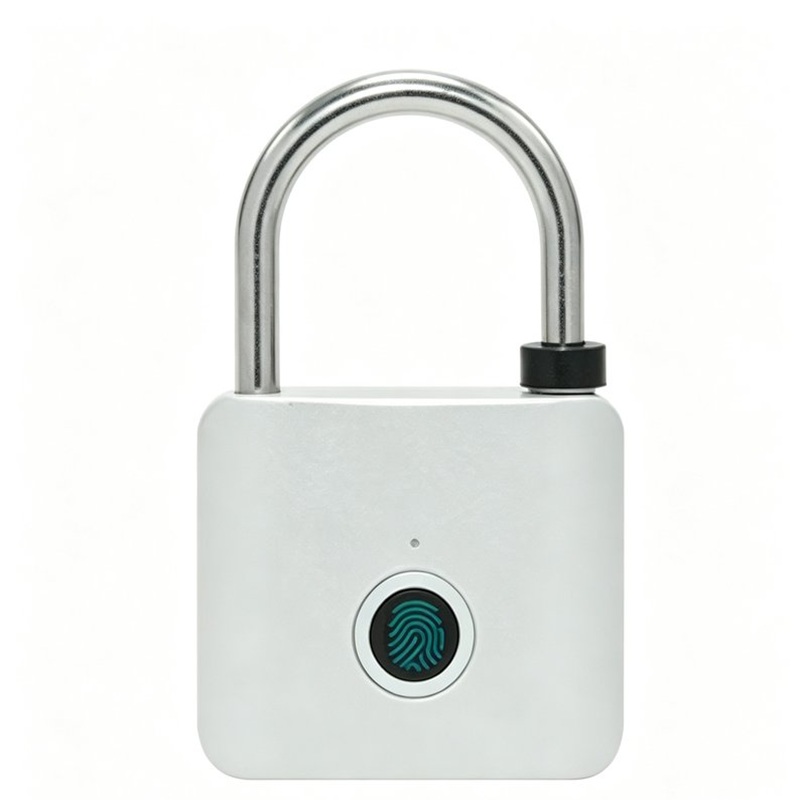
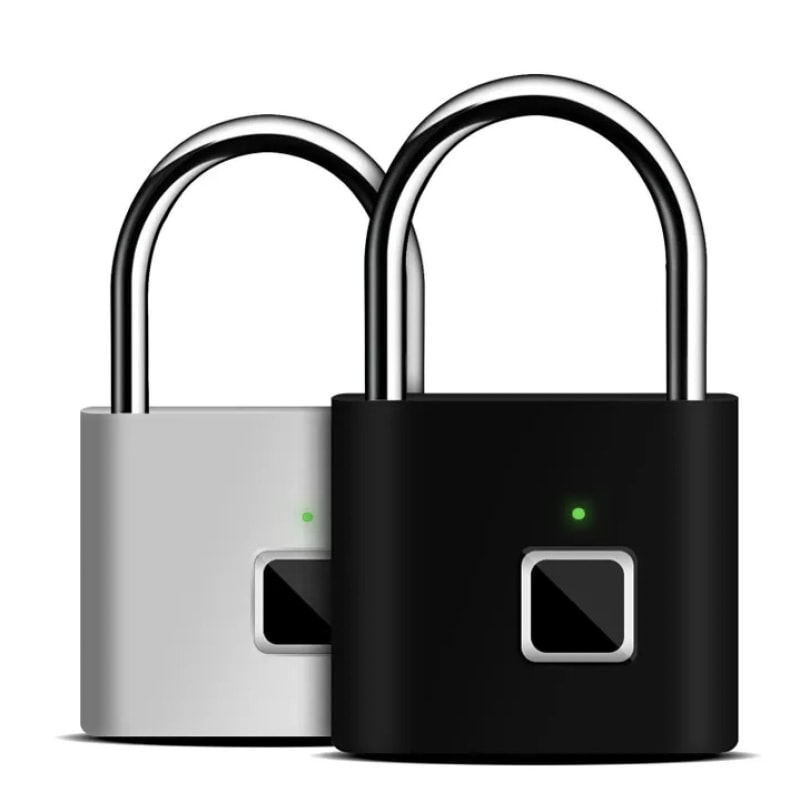
Fingerprint Smart Padlock with Bluetooth App Control and 365-Day Standby Tuya FMP001
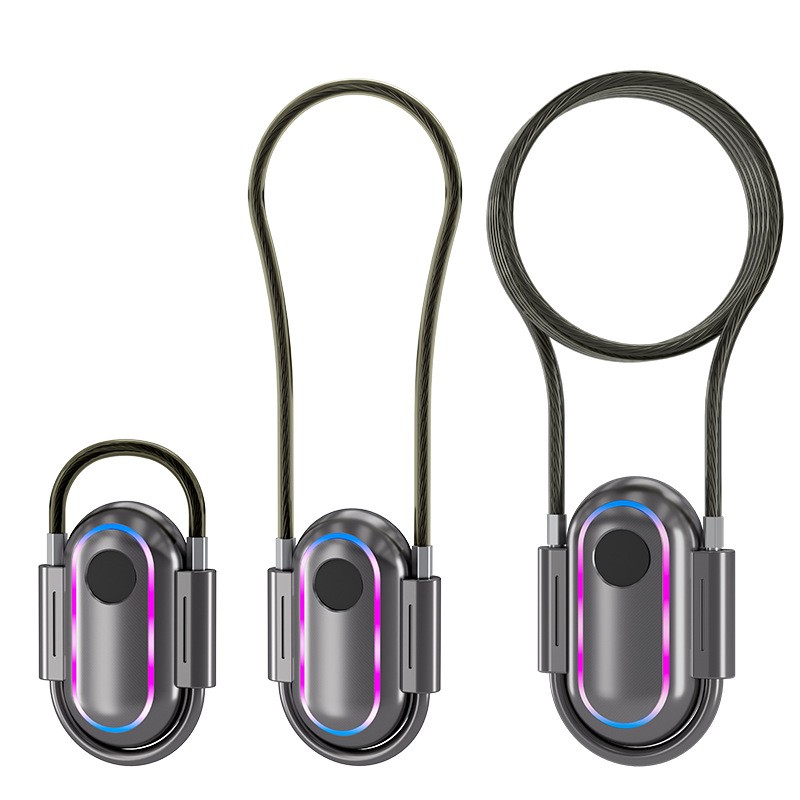
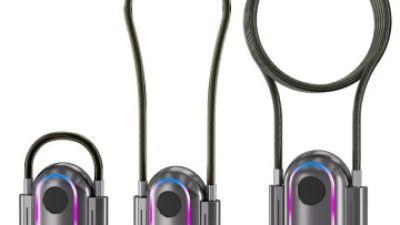
Fingerprint Smart Padlock with IPX5 Waterproof and 3 Steel Cable Lengths FMP002
Fingerprint Smart Padlock with Bluetooth App Control and IPX5 Waterproof FMP003
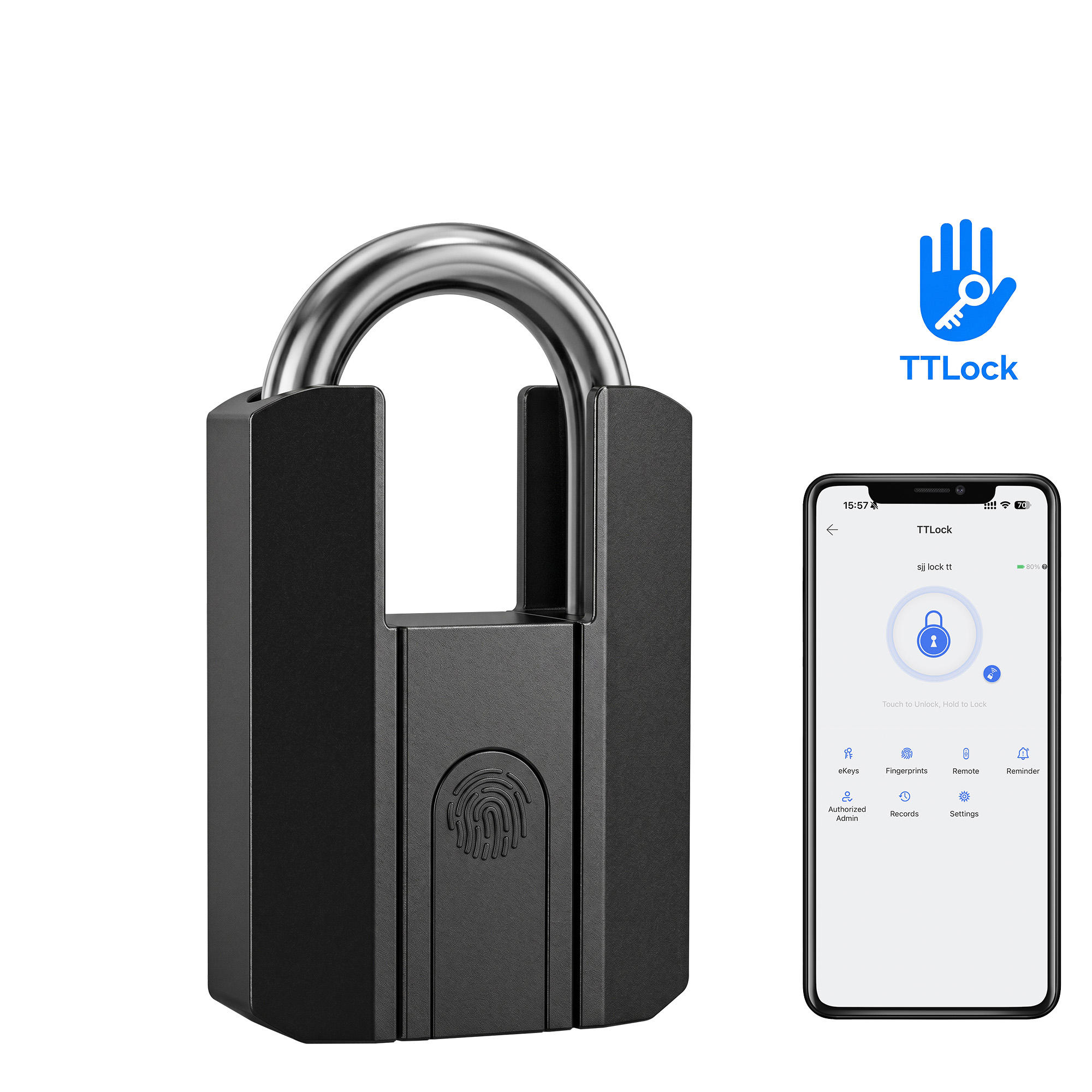
Heavy-Duty Fingerprint Padlock with IP67 Waterproof Shackle and TTLock Bluetooth FMP004
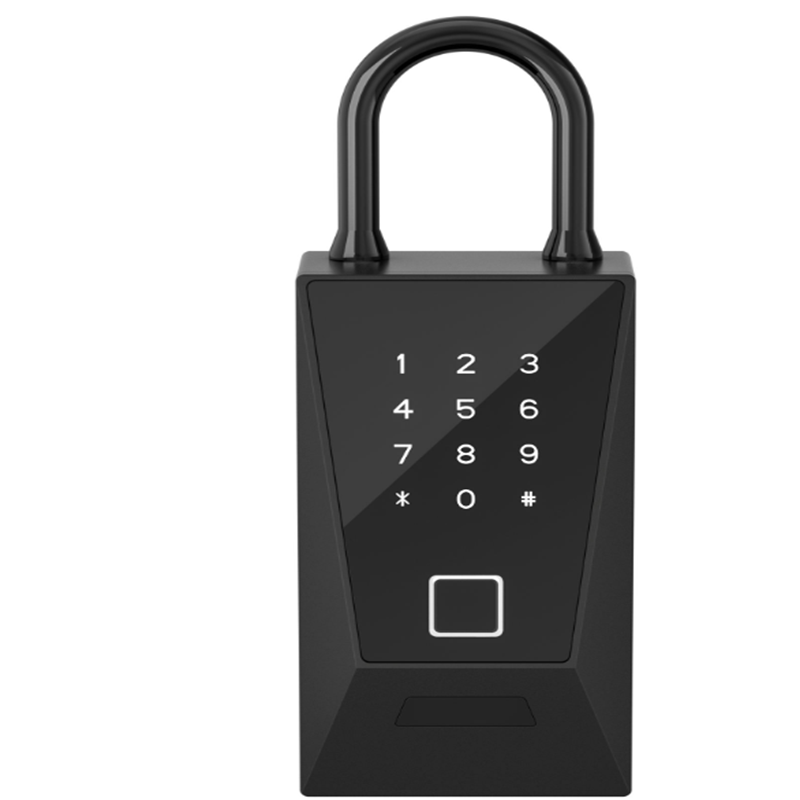
Heavy Duty Fingerprint Smart Padlock with Password Keypad IP65 Waterproof FMP005
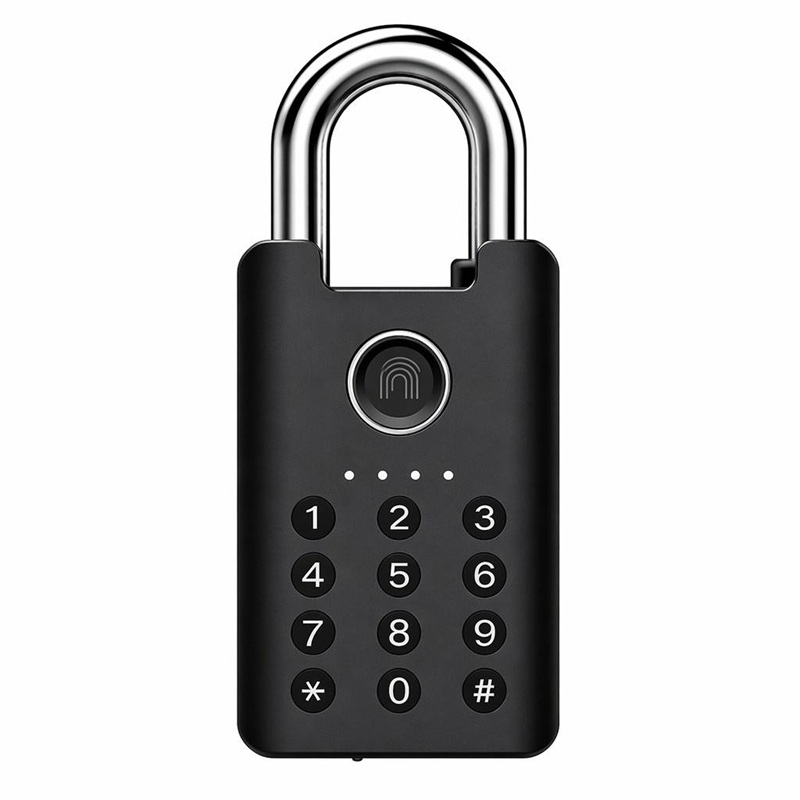
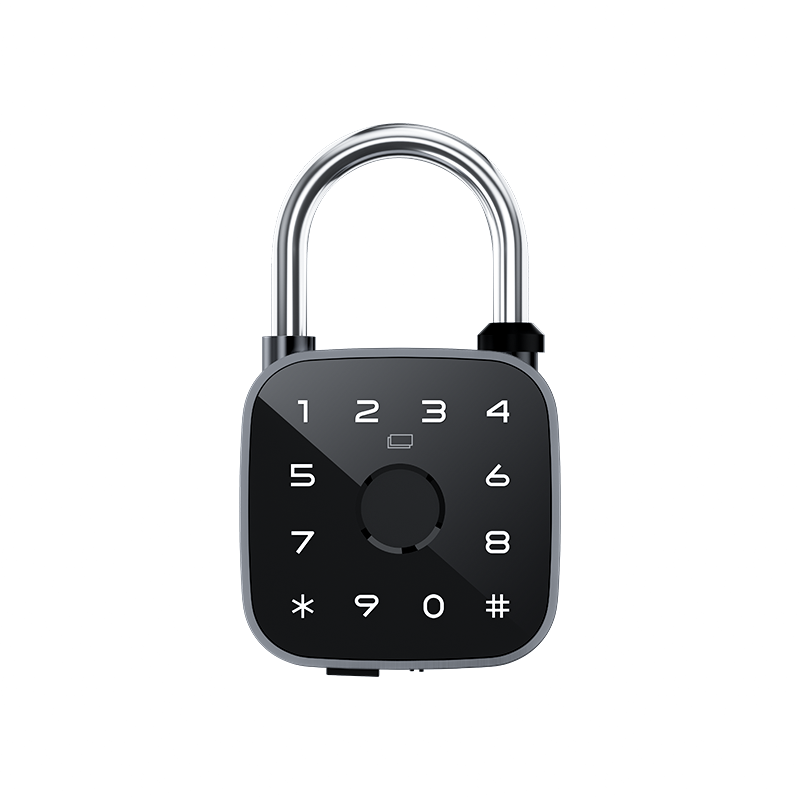
Multi-Access Fingerprint Padlock with Keypad, App Control & IP65 Waterproof FMP006
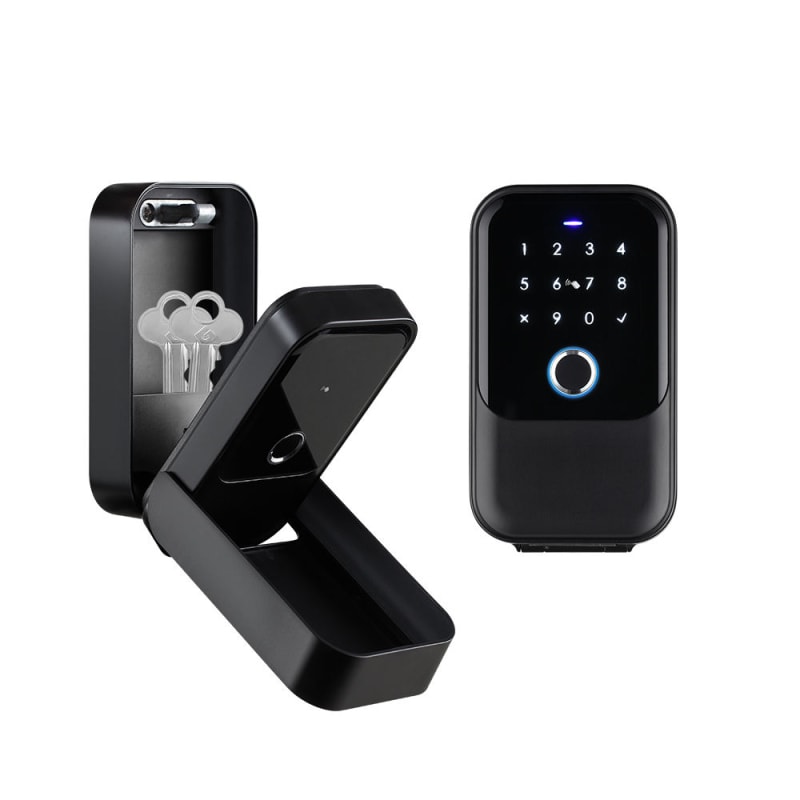
WiFi Smart Key Box with Fingerprint Password Card Access IPX5 Waterproof FMP007
Bluetooth biometric Intelligent Padlock with IP65 Waterproof and Type-C Rechargeable Battery FMP008
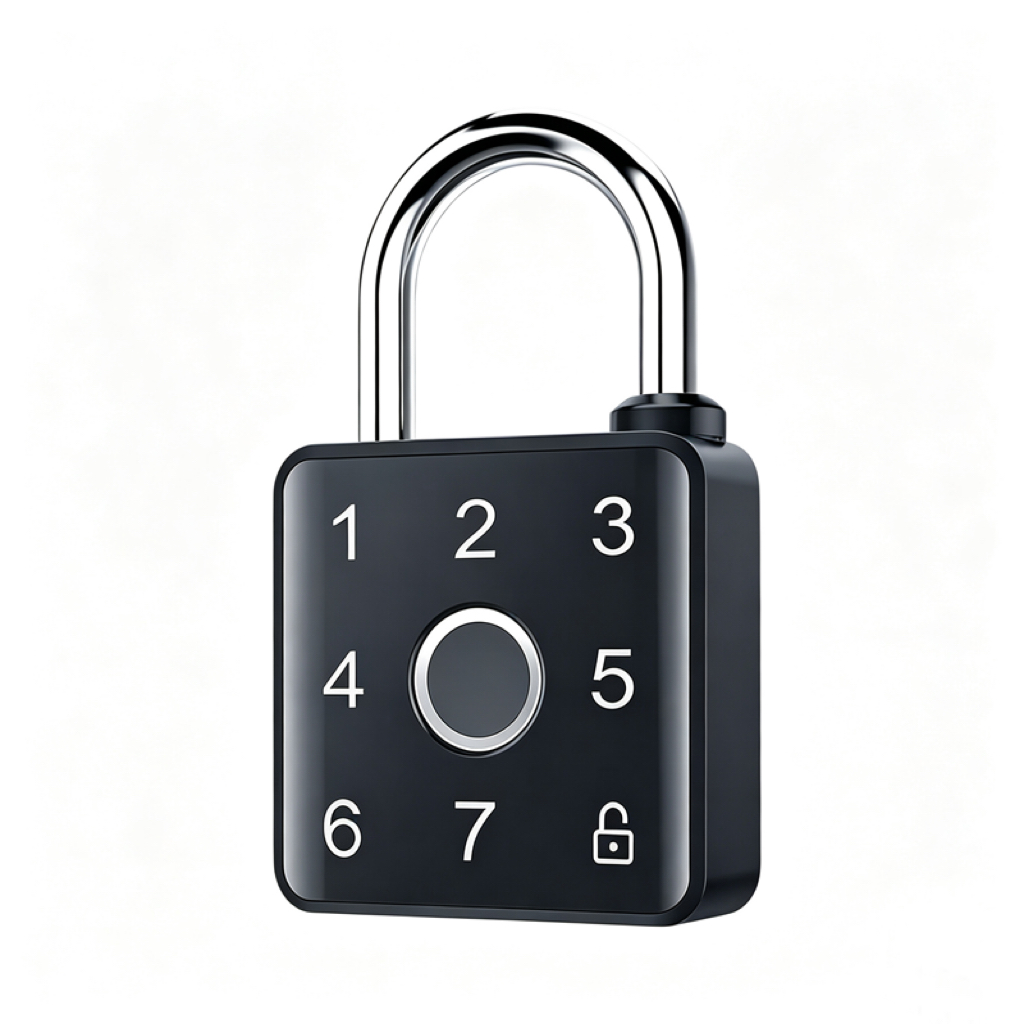
Smart Biometric Padlock with Scramble-Code Keypad and Tuya App Control FMP009
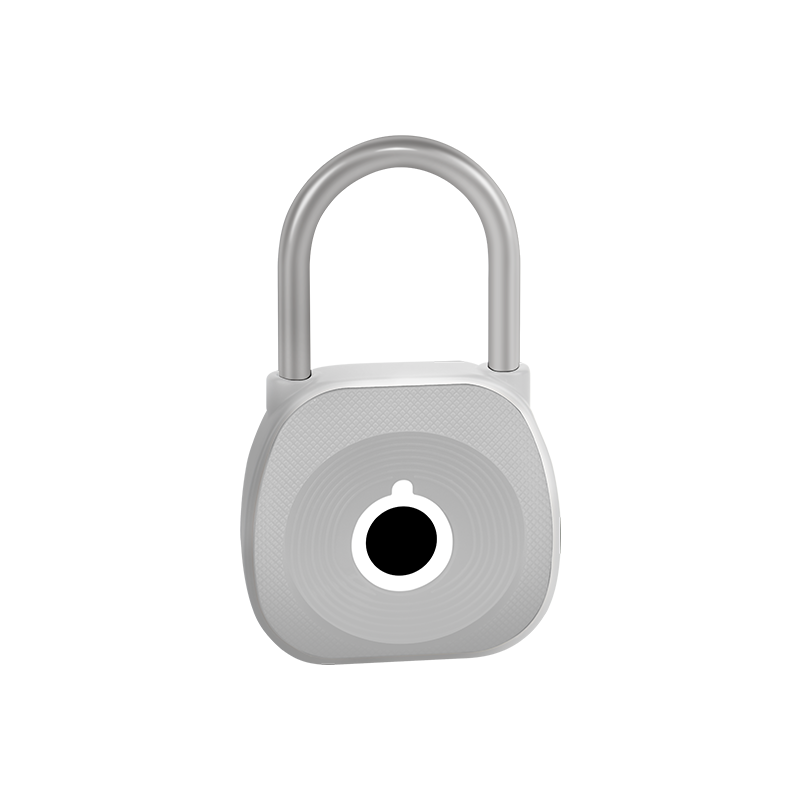
Ultra-Slim Biometric Padlock — 1.8cm Aluminum Body with Tuya App Control FMP010
Smart Fingerprint Cabinet Lock — App & Bluetooth Keyless for Lockers FM890
Digital Cabinet Lock with TTLock App, Passcode and RFID Card Access FMP870B
Smart RFID and Passcode Cabinet Lock with 5000mAh Battery and IP66 Waterproof FMP810
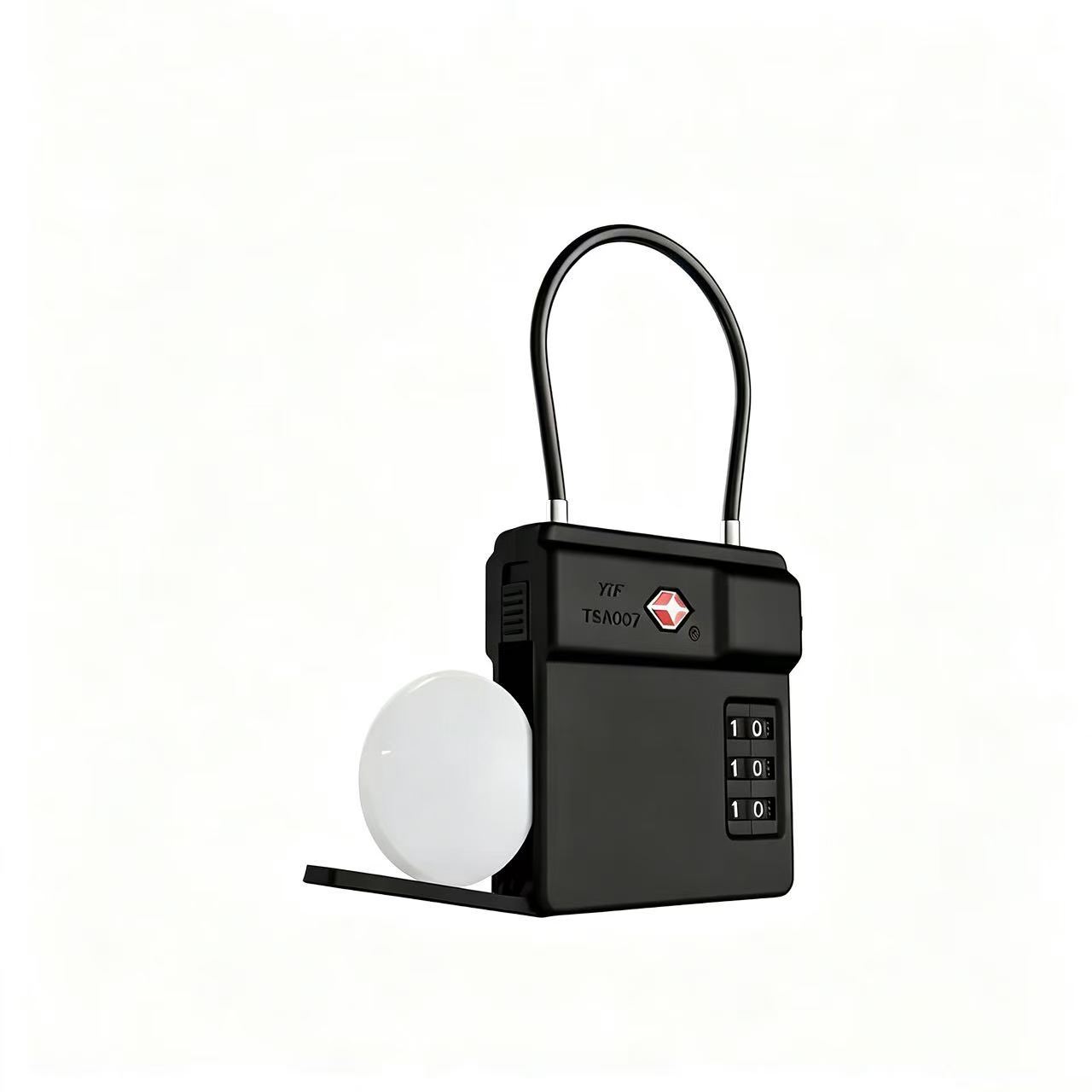
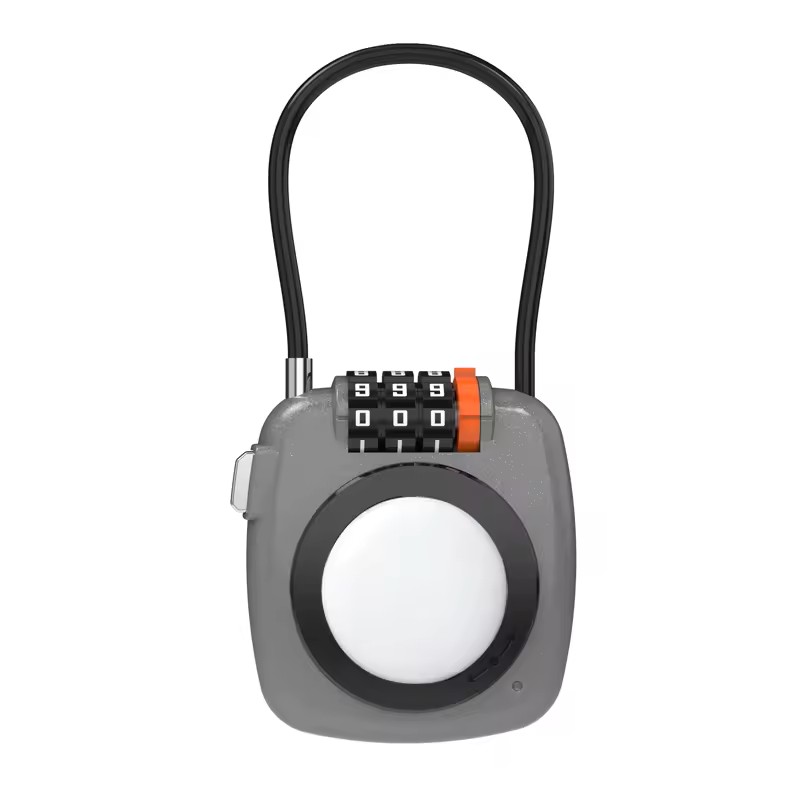
Combination Padlock with Apple Find My & Android Find Hub - IP65 Waterproof Smart Lock FMA001
Smart RFID and Passcode Cabinet Lock with 5000mAh Battery and IP66 Waterproof FMP810
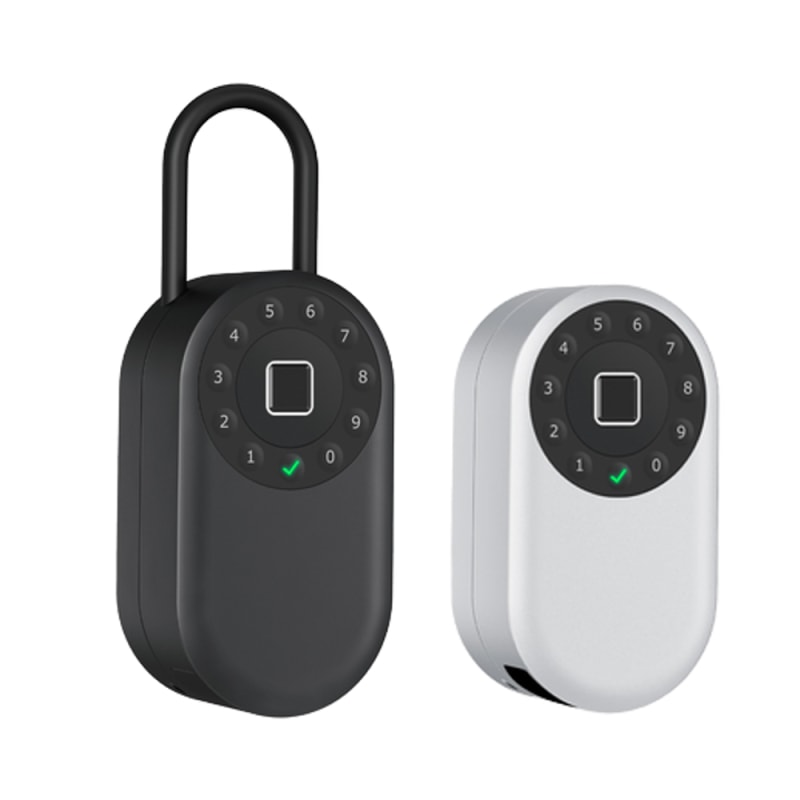
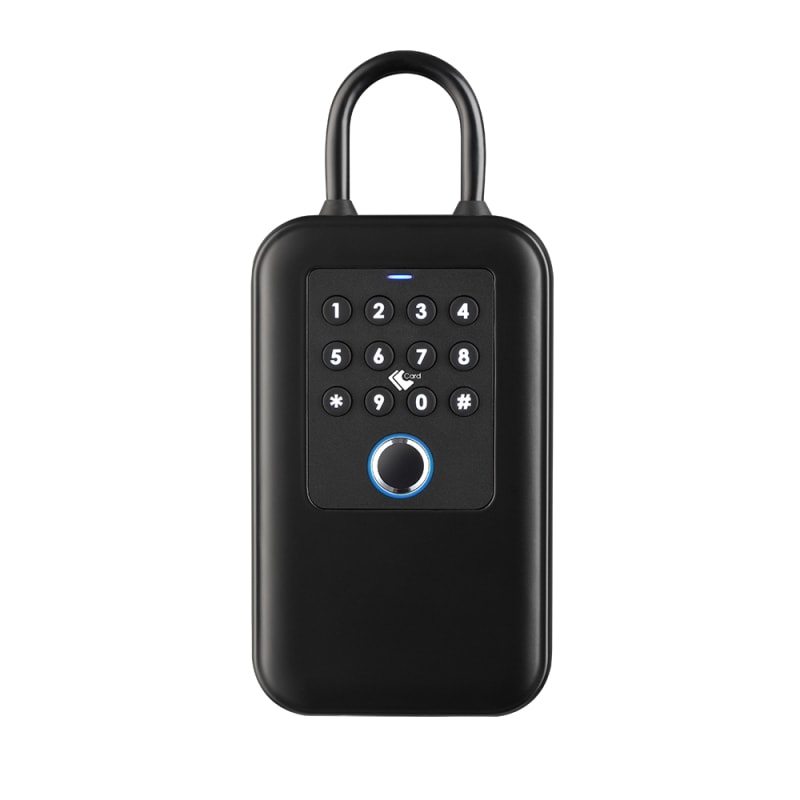
Keyless lock box with physical keypad and TTlock app waterproof for outdoor key storage
Smart key box with touch keypad and comptible with TTlock and Tuya ble for outdoor use
Fingerprint padlock with morse code backup that is rechargeable and portable for everyday use FM570
Waterproof key lock box with physical keypad and Tuya app control for outdoor key storage
WhatsApp

Choosing a reliable Number Padlock for international shopping isn’t just about chasing the lowest price. Folks really need to look at the security design, whether it can handle different weather conditions, how easy it is to reset, and what kind of support the seller offers after the sale. I mean, a lock that goes on a school locker doesn’t have the same needs as one locking up a tool case or outdoor cabinet, right? Little details matter—things like the shackle’s thickness, the spacing of the dials, how well it resists corrosion, and if the markings are easy to read can make all the difference in daily use.
This guide walks you through ten top options, based on practical, straightforward criteria. We look at what materials the lock body is made from, how reliable the locking mechanism is, if the combination setup is smooth, how portable it is, the packaging, and warranty info. Whenever possible, we cross-check product specs with what the manufacturers say. Plus, we pay attention to real customer reviews because they often catch issues that slick product pages might miss. Sure, a dial that turns smoothly is great, but it doesn’t make up for a weak shackle or a confusing reset process.
Now, no ranking is perfect—availability, prices, and regional support can change pretty quick. Some models might work perfectly indoors in dry conditions but struggle in salty air or heavy rain, so that’s something to keep in mind. The goal here is to help you make smart, legit choices for your luggage, lockers, storage cabinets, gates, and stuff like that. Before hitting ‘buy,’ double-check the dimensions, instructions, and whether the local sellers meet your needs. Remember, a good number padlock isn’t just about how it looks; it’s about consistent performance, clear instructions, and feeling confident every time you use it, even after a while.
Happy shopping!
For international buyers, a number padlock is more than a lock opened by digits. It combines a resettable combination mechanism, a protective body, and a shackle suited to the intended use. The definition begins with control. Buyers should check how many digits the code uses and whether the combination can be changed without special tools.
Material choice matters across different climates. A zinc alloy body may suit everyday luggage or lockers, while stainless steel can offer better resistance near humid or coastal areas. The shackle should match the attachment point. A thick shackle may improve resistance, but it can also fail to pass through a narrow hasp. Small details create large problems.
Check the lock in person.
Reliable evaluation includes testing the dial movement, code alignment, shackle release, and reset process. The wheels should turn clearly, without excessive looseness. Product instructions should use understandable language and show measurements in familiar units. Packaging should protect the lock during long-distance transport. Buyers should also request material details, operating temperature information, and quality inspection records when available.
No specification is perfect. A lock advertised as weather-resistant may still need cleaning after salt exposure. A four-digit model may be convenient, but convenience is not the same as stronger protection. International buyers should compare security needs, local climate, attachment size, import requirements, and after-sales support before ordering. A practical choice is one that users can operate correctly every day.
The chart presents a practical 100-point purchasing model for evaluating number padlocks in international markets. The criteria reflect common buyer concerns such as security, outdoor durability, usability, logistics, and compliance.
Higher scores indicate greater importance during international sourcing. Resettable combinations, corrosion resistance, weather protection, and consistent quality are especially important because products may be exposed to different climates, transport conditions, and user requirements.
For international buyers, a Number Pad Lock should be judged by measurable features, not polished photos. The FBI’s 2023 Crime Data Explorer recorded more than 800,000 burglary offenses in the United States. That figure does not prove every lock prevents entry. It does show why resistant shackles, protected cylinders, and stable body construction deserve attention.
Look for hardened steel shackles with a practical diameter. Thicker is not always better. It may fail to fit a storage latch. Zinc alloy bodies resist light corrosion, while stainless steel usually performs better near salt air. ISO 9227 salt-spray testing can reveal corrosion resistance, but test hours are not real-world guarantees. Check the test method and failure criteria. A shiny finish proves little.
Usability affects security too. A four-digit dial offers 10,000 combinations, but simple patterns remain easy to guess. The dials should turn smoothly, even with cold or wet fingers. Large, high-contrast numbers help older users and warehouse staff. Grand View Research valued the global smart-lock market at about 2.54 billion dollars in 2023, with strong projected growth through 2030. Yet digital convenience does not replace mechanical strength. I still distrust locks that feel loose after repeated use. Buyers should request cycle-test results, shackle clearance, corrosion data, and clear instructions before comparing the top ten models.
Choosing among the top 10 number padlocks requires more than comparing prices. A three-dial model suits lockers and light indoor storage. Four- or five-dial designs provide more combinations, but they can feel slower in cold weather. Resettable systems are convenient for shared access. Fixed combinations may be simpler for occasional use. A Door Number Lock should match the door thickness, latch opening, and daily handling.
Materials change performance. Aluminum is light and resists surface corrosion, but it may dent under rough use. Brass handles moisture well and feels solid in the hand. Stainless steel suits humid areas, while hardened steel usually offers greater resistance to cutting. Shackle length matters too. A short shackle leaves less exposed metal, while a long shackle reaches wide hasps but may create extra leverage. Size charts are not always consistent. Check millimeters, not product labels alone.
Tips: Measure the hasp hole before ordering. Test the dial movement with gloves. For outdoor use, look for a covered mechanism and drainage features. Confirm whether the lock works in your destination climate. A small body may fit a suitcase, yet feel awkward on a warehouse gate. I would also question impressive security claims without independent testing. No padlock is perfect. Salt air, dust, and neglected lubrication can defeat a good design faster than expected.
| Rank | Representative Configuration | Number System | Typical Body Material | Typical Shackle Material | Approx. Body Size | Approx. Shackle Diameter | Shackle Design | Typical Weight | Weather Resistance | Best-Fit Application | International Buyer Considerations |
|---|---|---|---|---|---|---|---|---|---|---|---|
| 1 | Heavy-Duty 5-Digit Padlock High code capacity | 5 rotating number wheels; resettable on many designs | Solid zinc alloy or steel body with protective coating | Hardened steel or boron-alloy steel | Approx. 50–65 mm wide × 75–95 mm high | Approx. 8–10 mm | Short or standard closed shackle | Approx. 0.45–0.80 kg | Good when coated; stainless components improve resistance to rust | Storage gates, workshops, commercial cabinets, and outdoor equipment | Confirm wheel visibility, reset procedure, packaging language, and corrosion testing before bulk purchase |
| 2 | Hardened-Steel 4-Digit Padlock Balanced security | 4 rotating number wheels; commonly resettable | Steel or zinc alloy body, often with a weather cover | Hardened steel | Approx. 40–55 mm wide × 60–80 mm high | Approx. 6–8 mm | Closed shackle, sometimes double-locking | Approx. 0.25–0.55 kg | Moderate to good, depending on plating and drainage design | Lockers, toolboxes, luggage rooms, bicycles, and general storage | Four digits provide 10,000 possible combinations; verify shackle clearance on the receiving hasp |
| 3 | Stainless-Steel 4-Digit Padlock Corrosion-focused | 4 number wheels; resettable or fixed-code versions available | Stainless steel or stainless-steel-look metal body | Stainless steel | Approx. 38–52 mm wide × 60–78 mm high | Approx. 5–8 mm | Standard or short closed shackle | Approx. 0.20–0.45 kg | Very good for humid environments when genuine stainless steel is used | Marine-adjacent storage, pools, food-service areas, and coastal facilities | Ask for the stainless-steel grade; “stainless finish” does not necessarily mean a stainless body or shackle |
| 4 | Laminated-Steel 4-Digit Padlock Impact-resistant format | 4 rotating number wheels; resettable designs are common | Stacked laminated steel plates with protective edging | Hardened steel | Approx. 45–60 mm wide × 65–85 mm high | Approx. 7–9 mm | Short closed shackle with protected shoulders | Approx. 0.40–0.75 kg | Good if plates and wheel assembly are protected from standing water | Outdoor lockers, trailers, sheds, and medium-duty utility storage | Layered construction can add strength but also weight; check drainage holes and coating quality |
| 5 | Long-Shackle 4-Digit Padlock Wide fitting compatibility | 4 number wheels; usually resettable | Zinc alloy, brass, or coated steel body | Hardened steel or stainless steel | Approx. 40–55 mm wide × 95–135 mm high | Approx. 5–8 mm | Extended open shackle, commonly 40–75 mm internal clearance | Approx. 0.25–0.55 kg | Moderate; exposed long shackles require suitable anti-corrosion protection | Large hasps, chains, outdoor cabinets, and fittings with recessed attachment points | Measure both shackle diameter and internal height; longer shackles can provide more leverage to an attacker |
| 6 | Compact 3-Digit Travel Padlock Lightweight | 3 rotating number wheels; generally fixed-code or user-resettable | Zinc alloy or lightweight aluminum alloy | Steel, commonly plated | Approx. 20–30 mm wide × 35–50 mm high | Approx. 2–3 mm | Miniature closed shackle | Approx. 0.03–0.10 kg | Limited to moderate; intended mainly for indoor or travel use | Luggage zippers, backpacks, gym lockers, and briefcases | Three digits provide 1,000 possible combinations; check whether the shackle fits the zipper pull or locker eye |
| 7 | TSA-Compatible 3-Digit Travel Padlock Airport luggage use | 3 rotating number wheels; inspection-access mechanism included on compatible designs | Zinc alloy or aluminum alloy body | Steel or zinc-alloy shackle | Approx. 20–32 mm wide × 35–52 mm high | Approx. 2–3 mm | Miniature closed shackle | Approx. 0.04–0.12 kg | Limited; not intended as a heavy outdoor security lock | Checked baggage and travel bags where inspection access is required | Airport inspection systems and acceptance rules vary by destination; confirm current requirements before shipment |
| 8 | Brass-Body 4-Digit Padlock Traditional material | 4 number wheels; fixed-code and resettable versions exist | Solid brass or brass-plated alloy | Brass, stainless steel, or plated steel depending on design | Approx. 30–45 mm wide × 50–70 mm high | Approx. 4–7 mm | Standard closed shackle | Approx. 0.18–0.40 kg | Good natural resistance to some atmospheric corrosion; saltwater exposure may cause surface discoloration | Indoor storage, lockers, cabinets, and moderate-duty general use | Brass is non-ferrous, but the shackle and internal components may not be; request the full material specification |
| 9 | Weather-Covered 4-Digit Padlock Rain protection | 4 rotating number wheels; commonly resettable | Zinc alloy or steel body with rubber or thermoplastic cover | Hardened steel or stainless steel | Approx. 40–55 mm wide × 60–82 mm high | Approx. 6–8 mm | Covered closed shackle with protected wheel housing | Approx. 0.25–0.55 kg | Good against rain and dust when the cover seals correctly; not automatically waterproof | Garden sheds, outdoor lockers, bicycles, and utility boxes | Check operating temperature, drainage, UV resistance, and whether the cover remains flexible in cold climates |
| 10 | Slim-Body 4-Digit Cabinet Padlock Restricted clearance | 4 rotating number wheels; fixed-code or resettable versions | Zinc alloy or compact steel body | Hardened steel or plated steel | Approx. 28–38 mm wide × 48–65 mm high | Approx. 4–6 mm | Narrow closed shackle | Approx. 0.12–0.28 kg | Usually moderate; best suited to sheltered locations | Cabinets, lockers, display cases, tool drawers, and indoor enclosures | Useful where space is limited; verify body thickness, keyway clearance is not relevant, and shackle opening dimensions |
International buyers need more than a low price when comparing the top ten number padlocks. Weather can change daily performance. A lock used beside a humid coast faces different risks than one used in a dry, cold warehouse. I assess body materials, shackle protection, dial movement, drainage, and resistance to surface corrosion. A sealed housing helps, but it does not make a lock weatherproof.
Rain can enter narrow gaps and affect internal springs over time. Salt air is harsher, especially around exposed metal edges. In freezing conditions, trapped moisture may stop the wheels from turning smoothly. Cold exposes weak tolerances. Heat and sunlight can also damage plastic covers and fade number markings. Dust creates another problem, since fine particles may collect inside the rotating mechanism.
For international buyers, useful testing should reflect the destination climate. I would check each lock after repeated wetting, drying, temperature changes, and gentle salt exposure. The dial should remain readable with wet fingers and light gloves. The shackle should resist twisting without sticking. However, a short showroom test cannot predict years of outdoor use. My own early comparisons focused too much on metal thickness, while drainage proved equally important. Some locks performed well after rain but became awkward after dust entered the wheels. Buyers should examine maintenance instructions, spare-code recovery, and compatibility with local storage conditions before choosing a model.
International buyers should inspect more than a padlock’s number wheels. Travel rules can differ by airport, country, and transport method. Some security agencies may open checked luggage, so confirm whether the lock supports recognized inspection procedures. Do not rely on a product photo. Read the current guidance from your airline and destination authorities. A lock that works at home may create delays abroad.
Compatibility is equally practical. Measure the zipper holes, locker bar, gate latch, or storage case before ordering. Check the shackle diameter and usable clearance. A thick shackle may not fit a narrow locker slot. Test the number mechanism several times with clean, dry hands. Small wheels can feel stiff in cold weather.
Smart Padlock models may require an app, battery, or phone connection, which can be inconvenient during a flight or remote trip. Keep a mechanical option when access is important.
Warranty and importing require careful reading. Confirm coverage for overseas purchases, replacement parts, repair shipping, and proof of purchase. Save the invoice and product serial details. Customs may calculate taxes using the item price, shipping cost, or local rules. Packaging labels should show accurate contents and value. I once assumed an international warranty meant free return shipping; that assumption was wrong. Ask before buying. A reasonable choice balances travel compliance, physical fit, dependable operation, and realistic after-sales support.
Choosing a number padlock starts with the object you want to secure. Measure the shackle opening, body width, and available clearance. A lock that looks strong may not fit a narrow zipper pull or storage latch.
For outdoor use, inspect corrosion-resistant materials and a covered dial design. Rain can make small wheels stiff. For travel, choose a lightweight model with clear numbers and a reset process you can understand without special tools. Buyers should also check the manufacturer’s security testing, warranty terms, and instructions. International shipping may include different packaging or manuals, so confirm the product details before ordering. I have found that convenience often matters more than extra weight. Still, a very light lock may feel less durable.
Tips: Test the combination several times before use. Photograph the correct setting privately. Avoid birthdays or repeated digits. Check the lock after heat, dust, or rain exposure. If several people need access, choose readable dials and a simple code procedure.
A Finger Padlock can suit compact bags, cabinets, and small equipment cases when its dimensions match the hardware. It should not be selected by appearance alone. Check the shackle diameter, locking mechanism, and resistance claims. Some designs feel smooth in a showroom but become awkward with cold fingers. That detail is easy to miss. Consider who will operate the lock daily, where it will be stored, and how quickly a forgotten combination can be handled through legitimate support.
Smart padlock trends are increasingly shaped by convenience, biometric access, mobile connectivity, and flexible everyday use. As consumers look for alternatives to traditional keys and number combinations, fingerprint recognition and smartphone control are becoming practical features for personal security. This Bluetooth fingerprint padlock supports both options: users can unlock it with a simple touch or through a phone app. Its compact design suits gym lockers, luggage, gates, toolboxes, and other situations where quick, keyless access is useful.
Durability and battery performance are also important considerations in the growing digital lock market. With an IPX5 waterproof rating, this portable padlock can withstand rain and splashes during regular outdoor use. Three interchangeable steel cable lengths provide greater flexibility, allowing one lock to adapt to different objects and attachment points. The rechargeable lithium battery uses convenient Type-C charging and offers up to 150 days of standby time, helping keep the lock ready between charges. These features reflect a broader move toward connected security products that combine portability, adaptable hardware, and simple daily operation.
: Three dials suit lockers and light indoor storage. Four or five dials offer more combinations but may turn slowly in cold weather. Resettable designs help shared users. Fixed combinations can suit occasional use.
Aluminum is lightweight but may dent. Brass handles moisture well. Stainless steel suits humid areas. Hardened steel usually resists cutting better. No material stays perfect near salt air.
Measure the shackle diameter, opening, and usable clearance. A short shackle exposes less metal. A long shackle reaches wide hasps but may create extra leverage. Check millimeters, not labels alone.
Measure the hasp hole, latch opening, zipper holes, or locker bar. Check body width and door thickness. A thick shackle may not fit a narrow slot. Measure twice.
Look for a covered dial mechanism and drainage features. Stainless steel can help in humid areas. Test the wheels after rain, dust, and temperature changes. Neglected lubrication can cause problems.
Choose clear numbers, simple resetting, and low weight. Check current airline and destination guidance before departure. Some luggage may undergo inspection. A mechanical backup can help when batteries or phones fail.
Confirm overseas coverage, repair shipping, replacement parts, and proof-of-purchase requirements. Save the invoice and serial details. Import taxes may include shipping costs. Ask before buying.
Choose readable dials and a simple code procedure. Test the combination several times with clean, dry hands. Avoid birthdays and repeated digits. Record the setting privately. Forgotten codes remain inconvenient.
A small body may fit a suitcase or compact case. It can feel awkward on a large gate. Check shackle diameter and daily handling comfort. Appearance alone is not enough. I might still choose convenience over extra weight.
Choosing the right Number Padlock for international use requires more than comparing prices. Buyers should consider the lock’s security level, number of digits, reset mechanism, body material, shackle design, size, and resistance to tampering. Different materials may perform better in humid, rainy, cold, or dusty environments, while protective coatings and sealed mechanisms can improve durability. The ideal design should also balance reliable protection with easy operation for daily use and travel.
Before purchasing, check whether the padlock fits your luggage, lockers, gates, storage units, or other intended applications. International buyers should review travel restrictions, product compatibility, warranty coverage, delivery conditions, and possible import requirements in their destination country. By matching the lock’s construction, weather resistance, dimensions, and security features to specific needs, buyers can select a dependable Number Padlock that offers convenient access and long-term performance without unnecessary complexity.