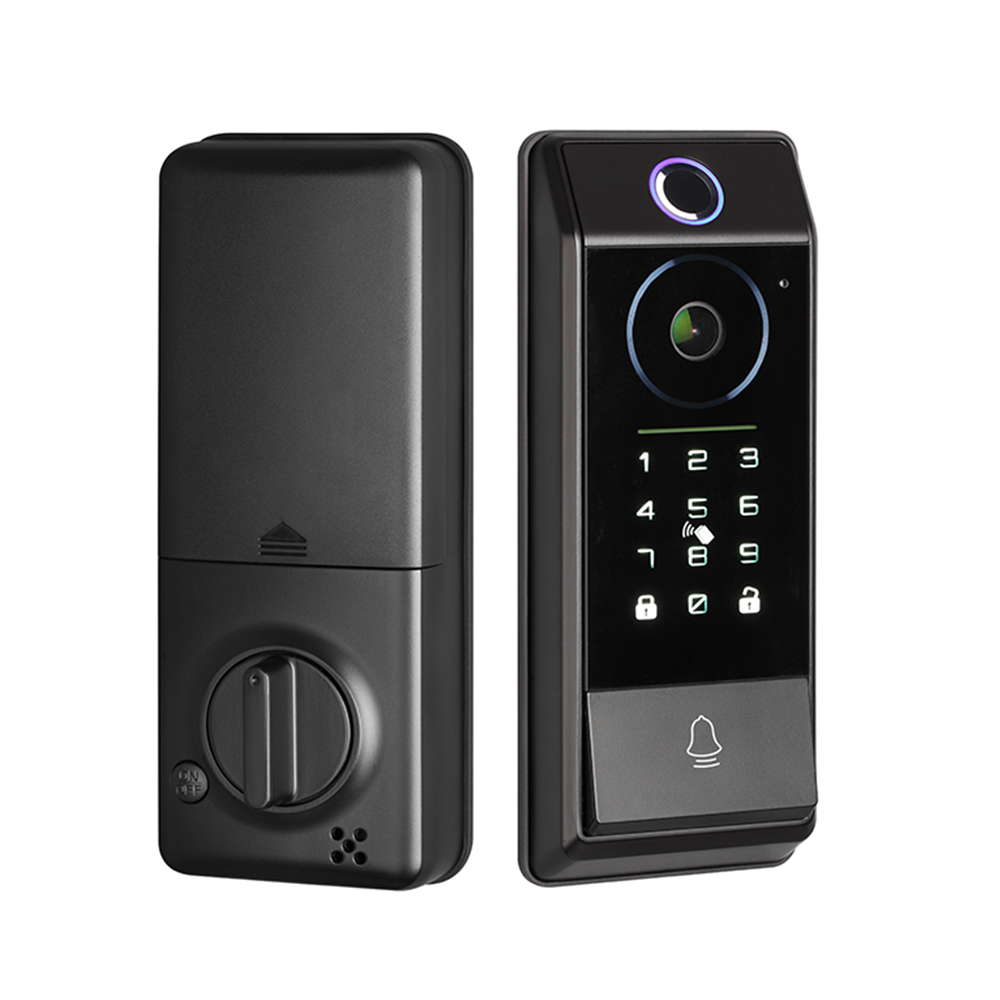
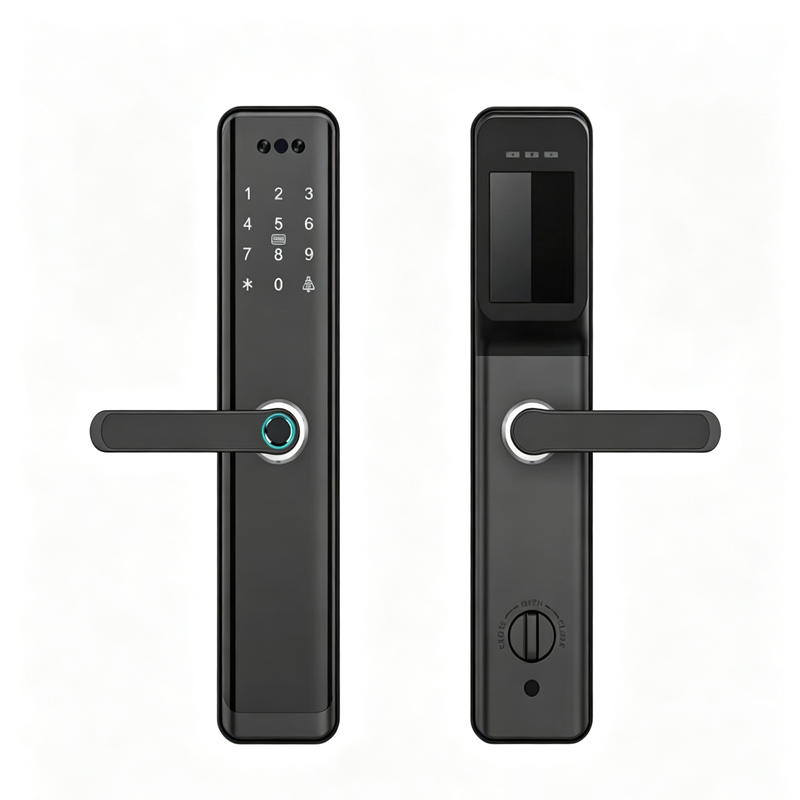
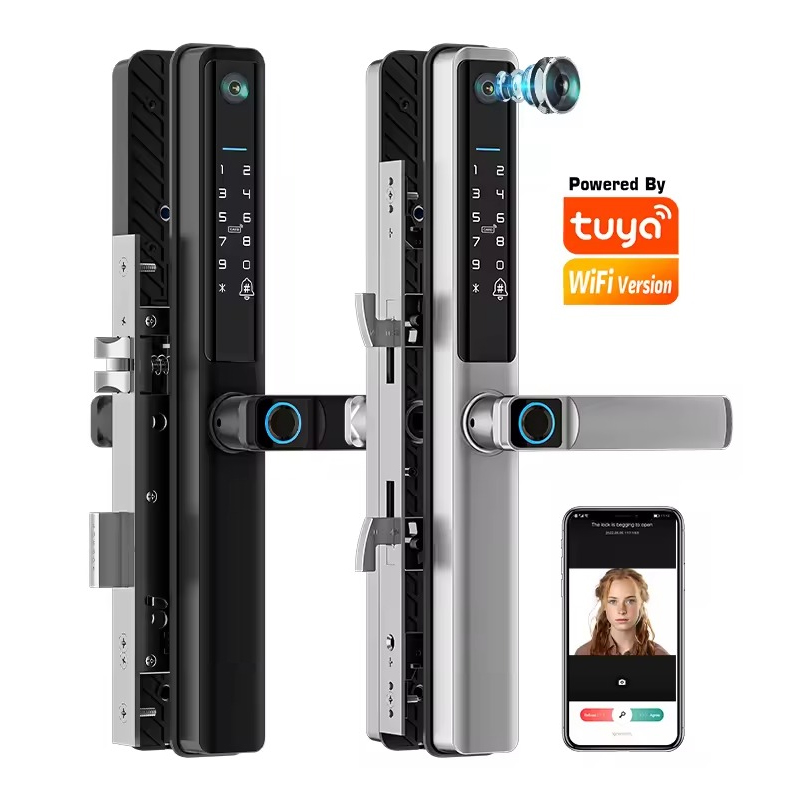
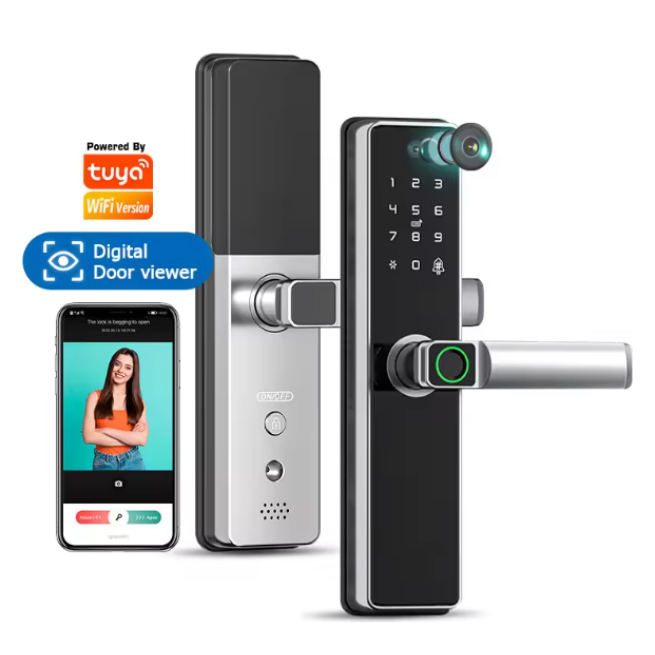
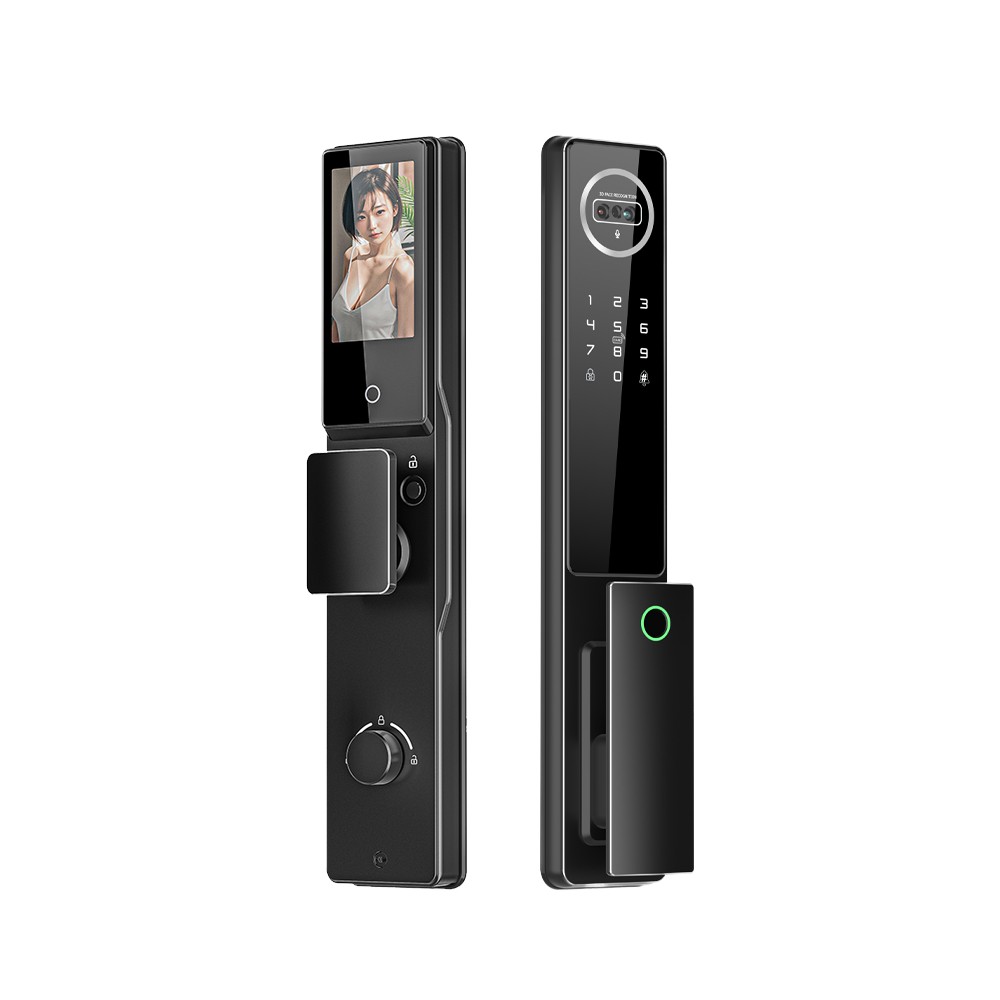
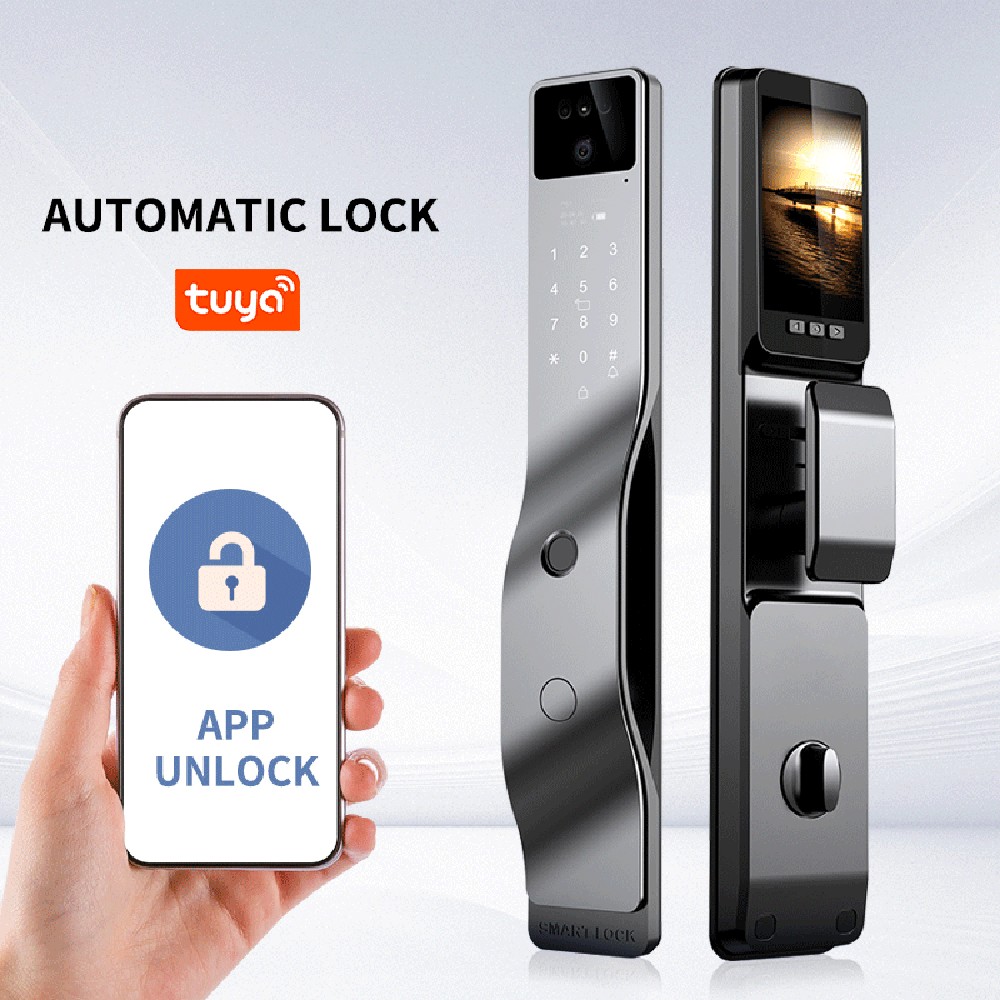
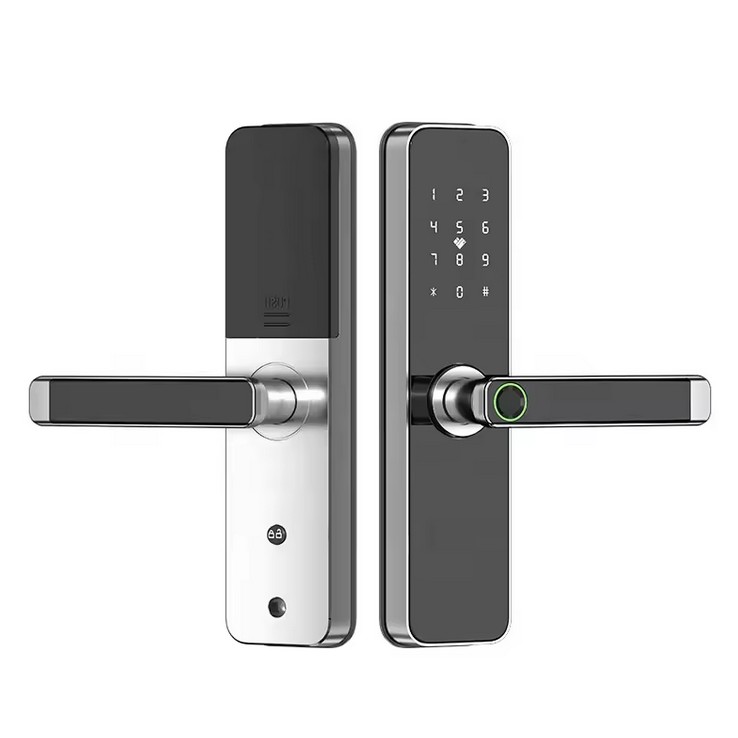
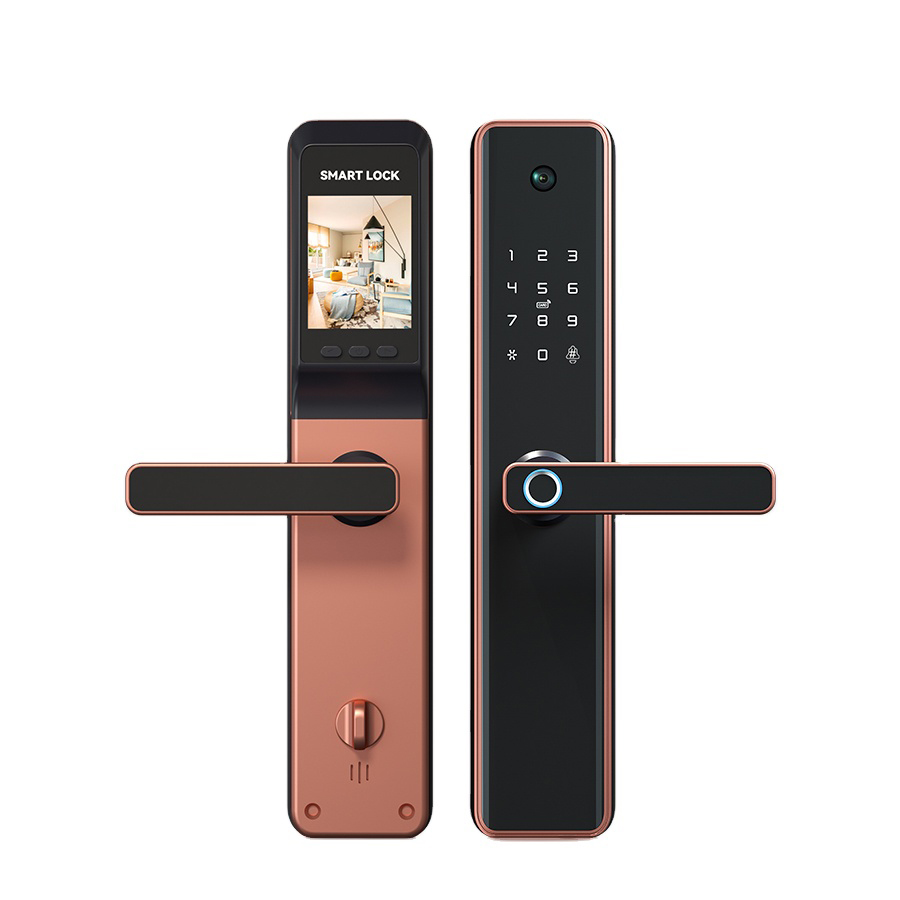
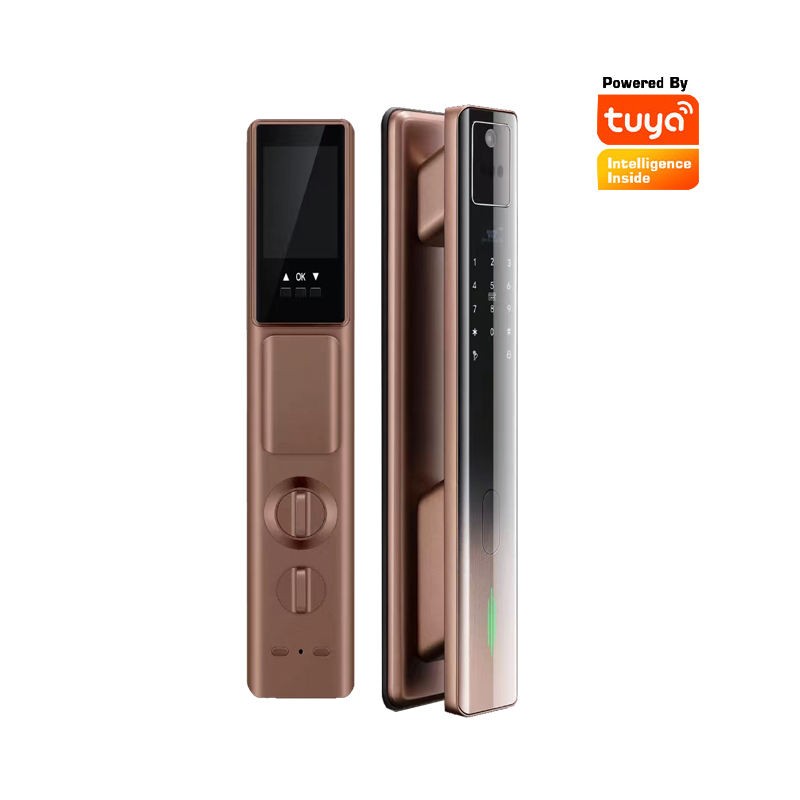
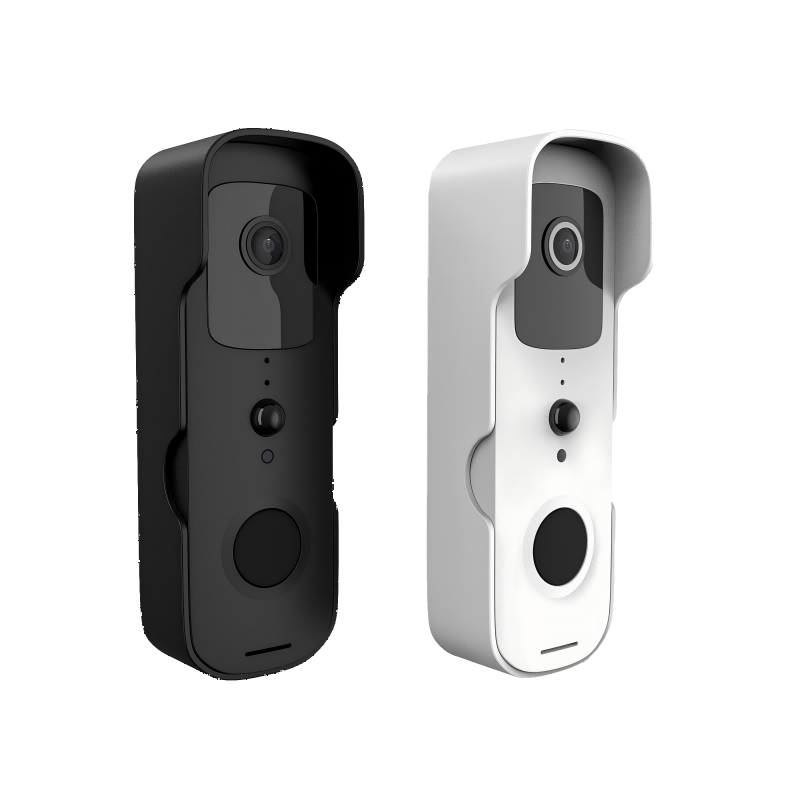
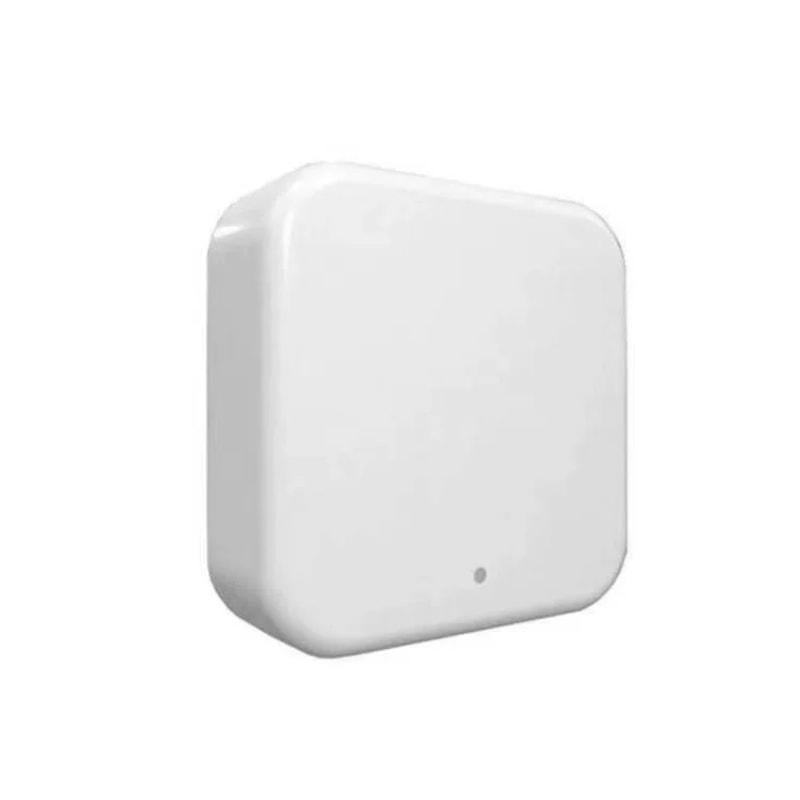
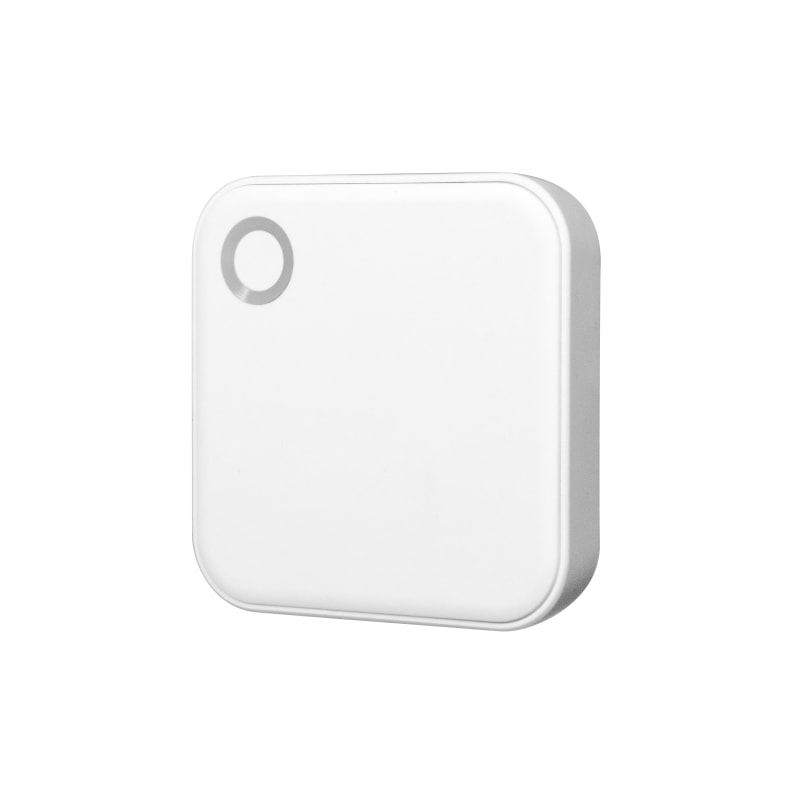
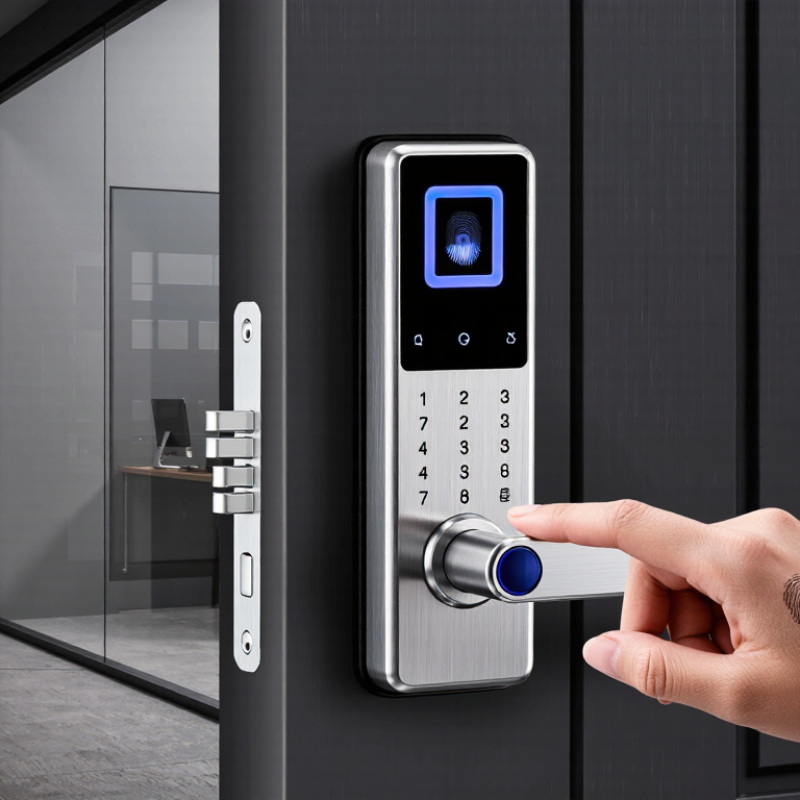
Smart deadbolt lock with video doorbell and two way intercom for front door security A229
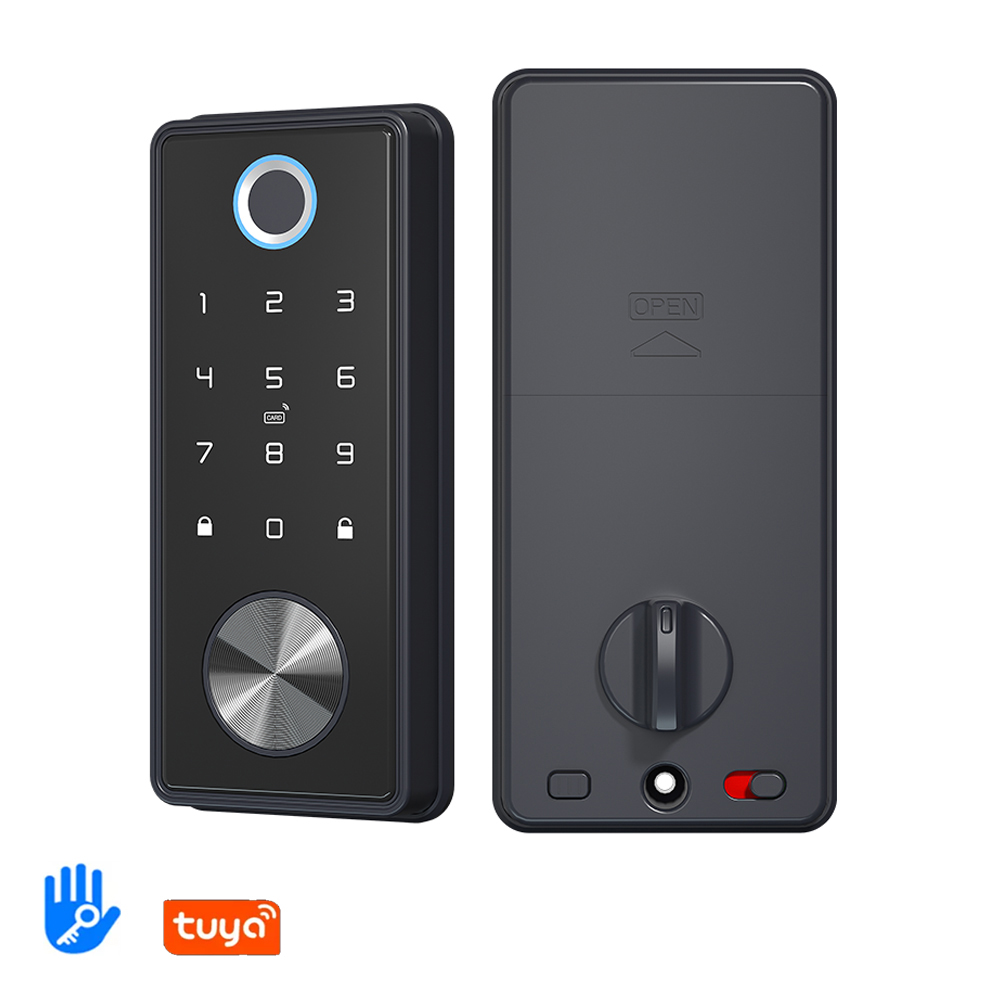
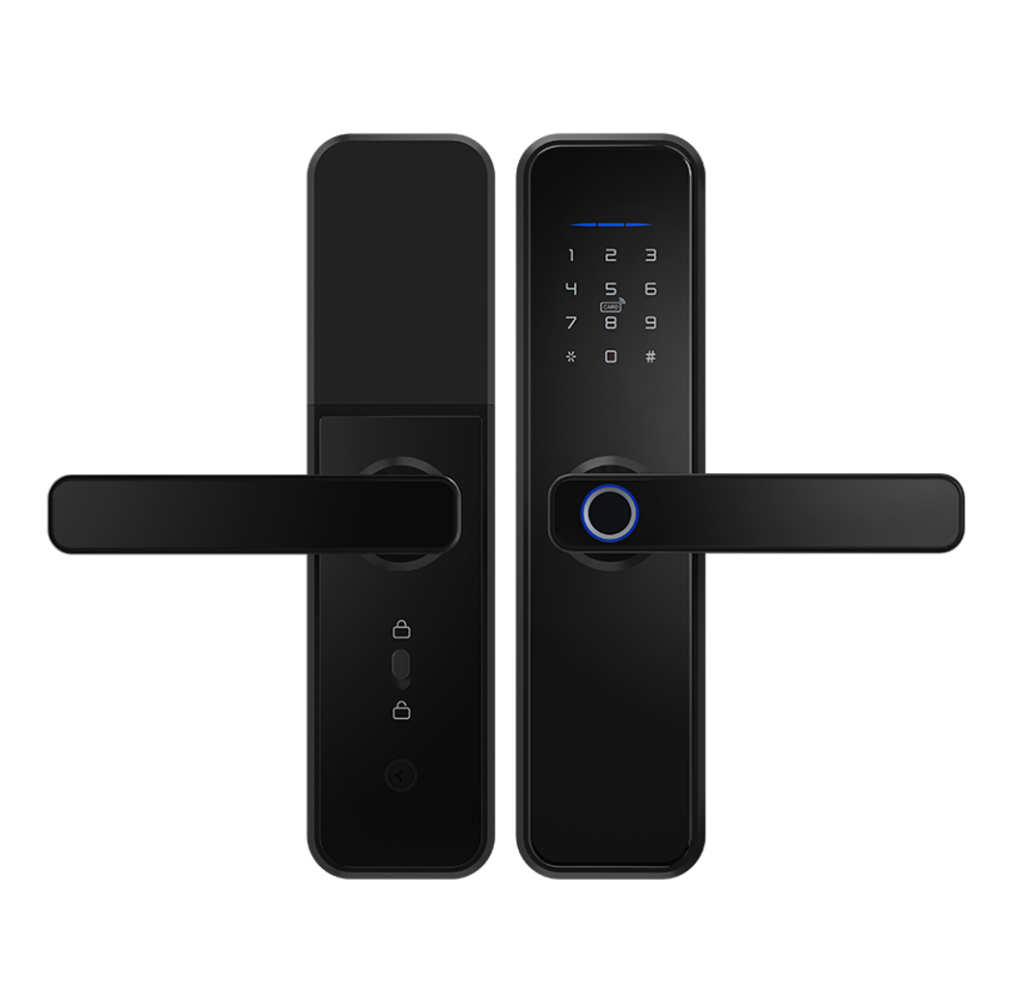
Bluetooth Deadblot Smart Lock with keyless access works with Google Alex tuya FM31
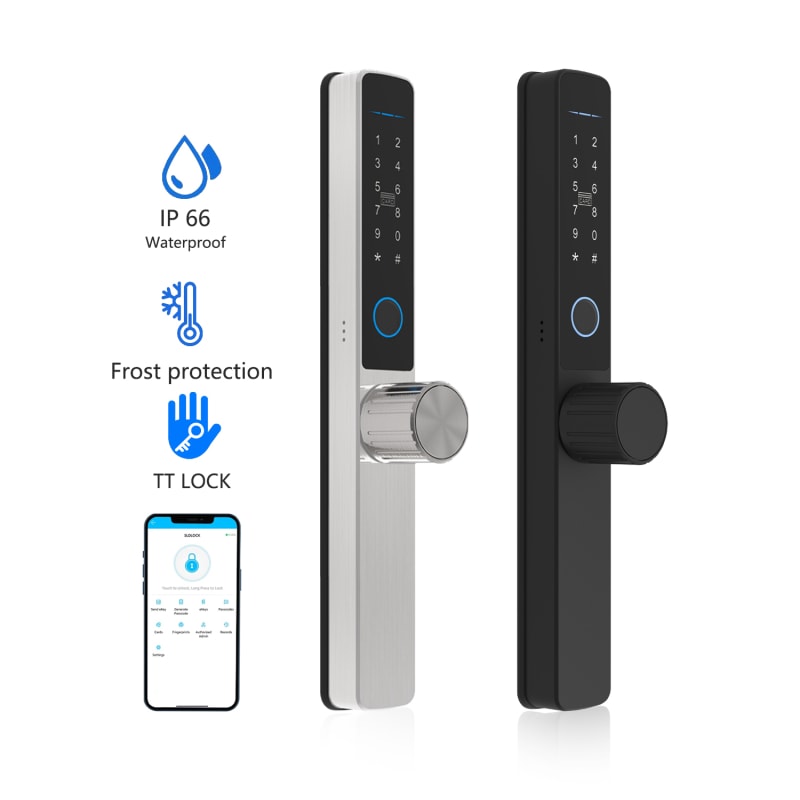
Waterproof Deadbolt Digital Lock supporting TTlock ble or TUYA wifi FM560
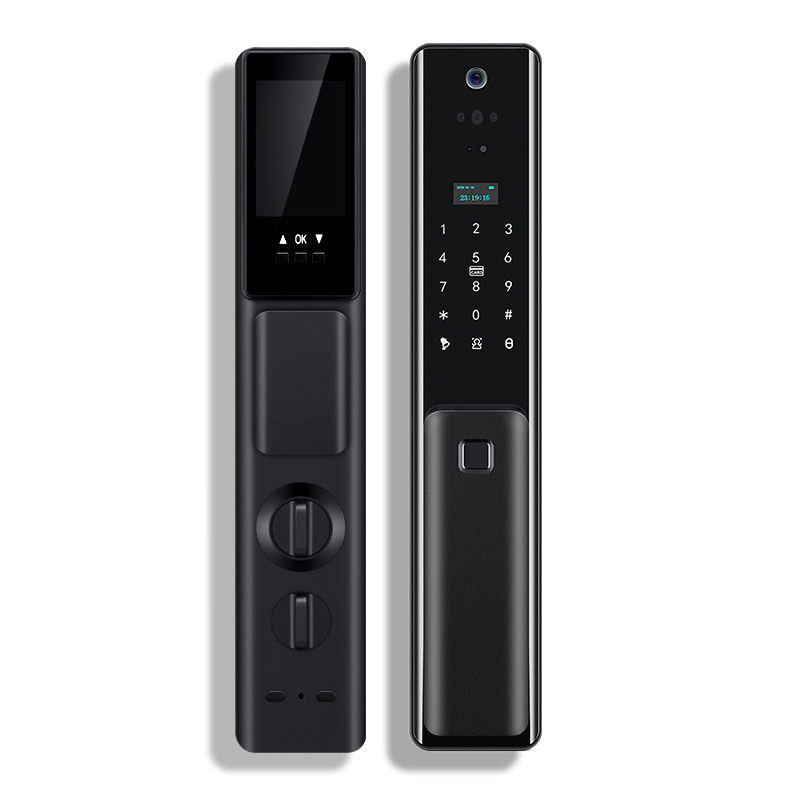
WIFI Deadblot Smart Lock with Video Doorbell works with Alexa Google Tuya FM880
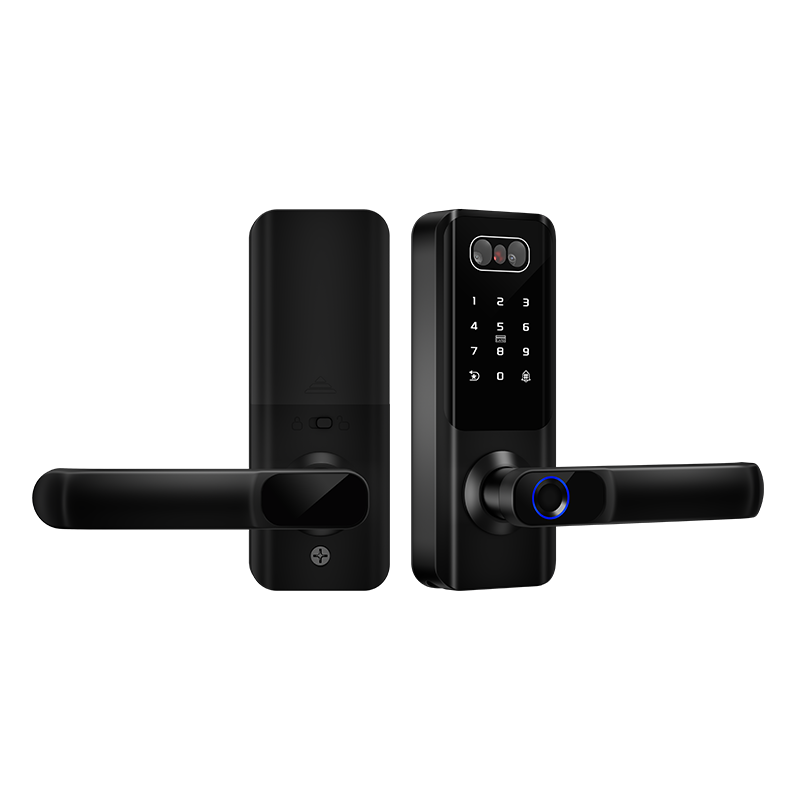
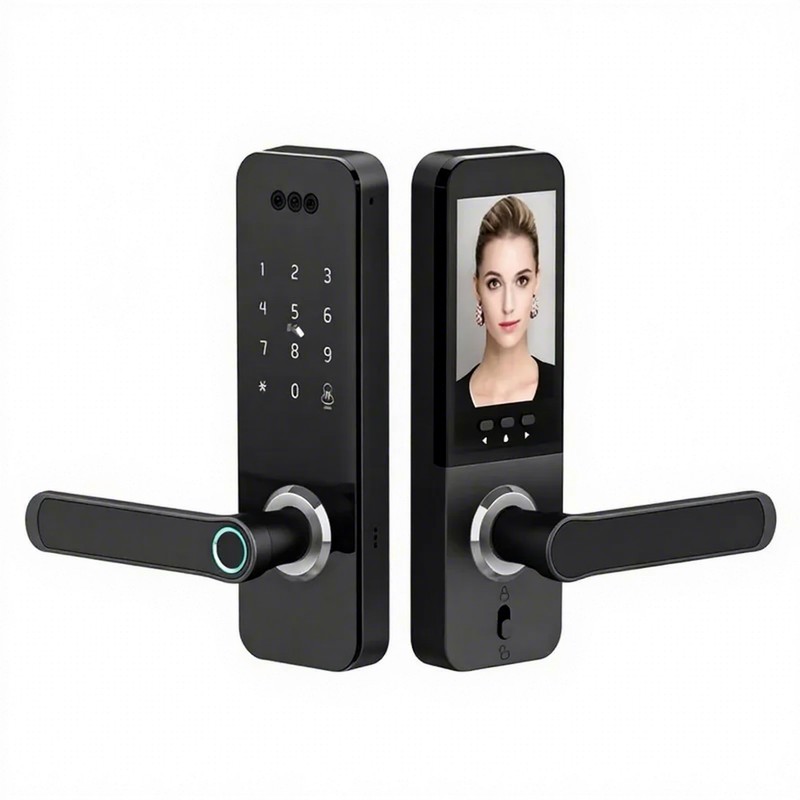
Facial Recognition Smart Lever Lock with 2MP Video Doorbell and IP66 Waterproof Tuya WiFi FM-Z86
Advanced 5-in-1 Biometric Door Lock with Universal WiFi, Zigbee & 433MHz Support FM09
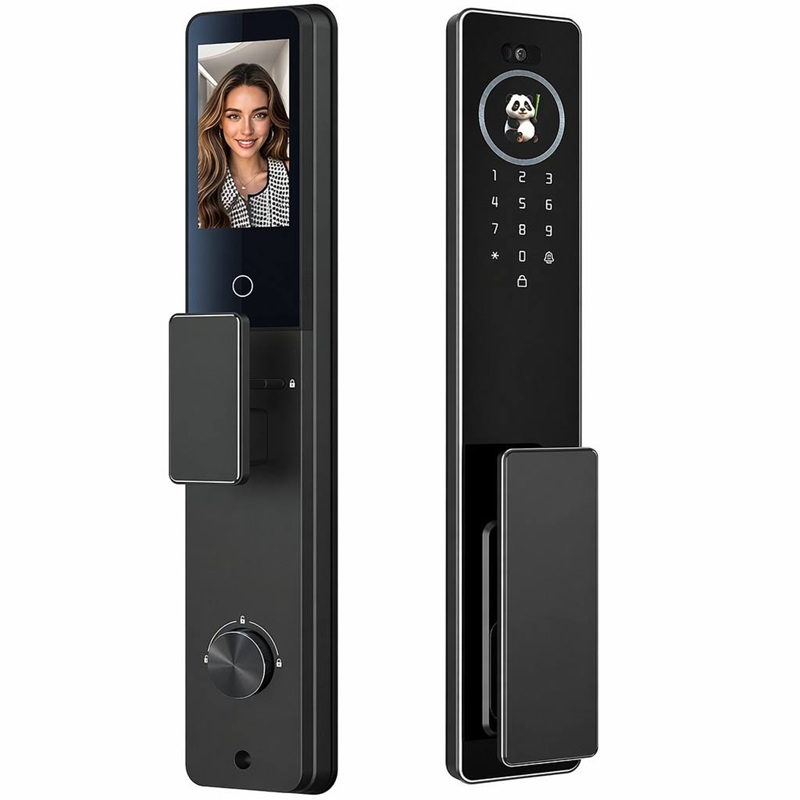
3D Face Recognition Smart Door Lock with 2MP Video Doorbell and Built-in WiFi FMP012
Keyless Entry Lever Lock with doorbell and Video Camera for Live Viewing V1
Bluetooth Lever Lock unlock by fingerprint recognition, password and App eKeys T8
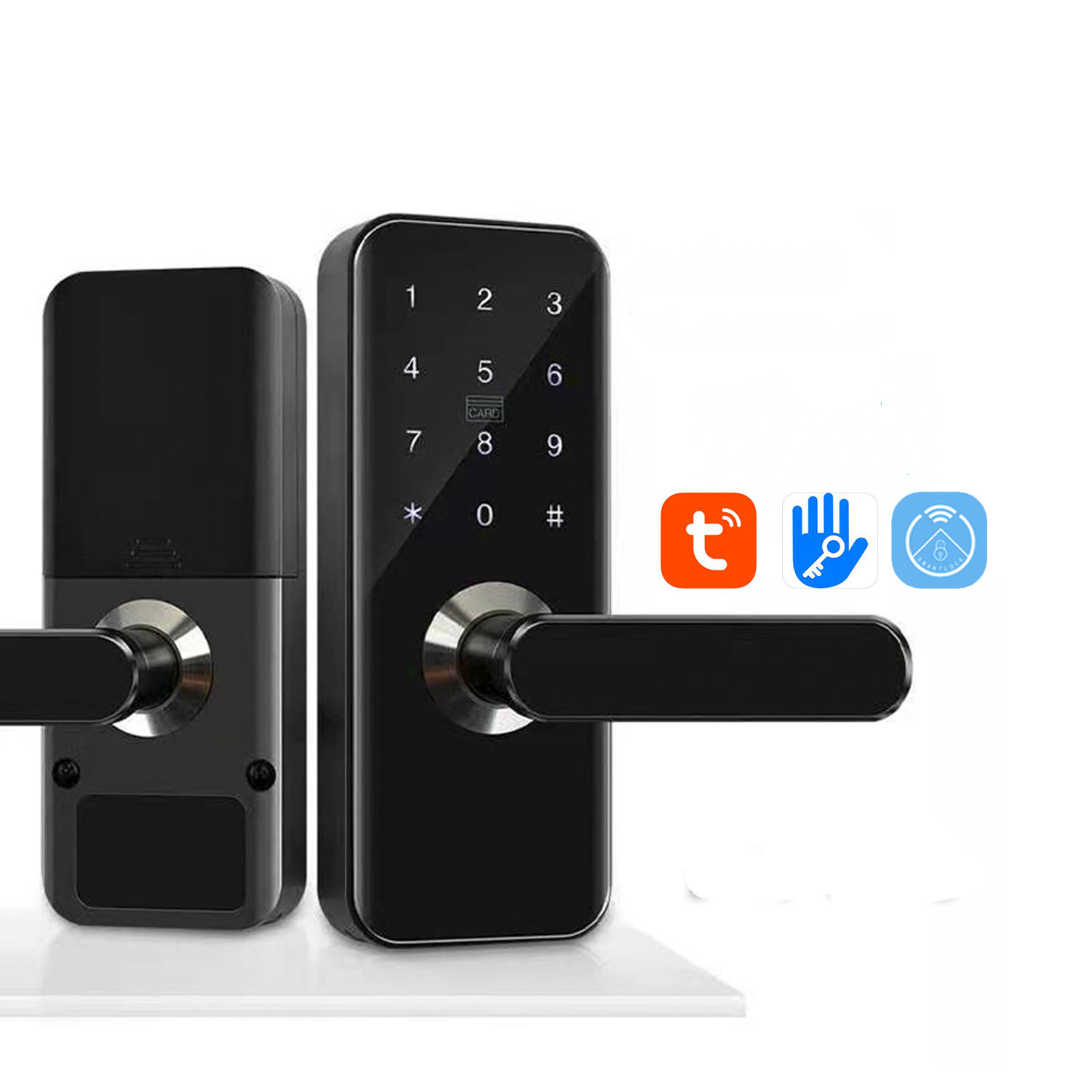
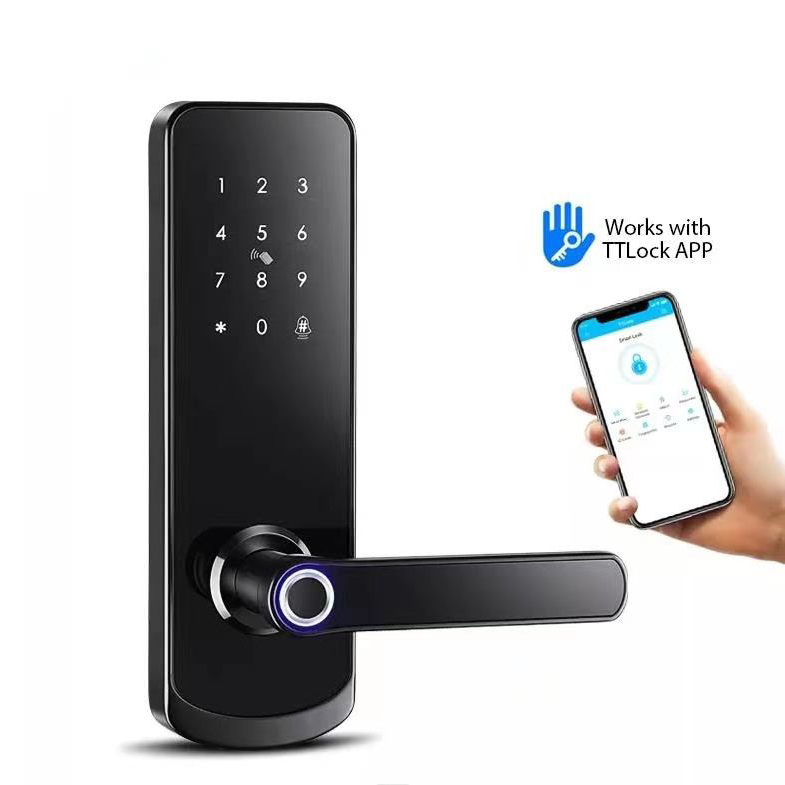
Smart lever lock supports TTlock bluetooth and TUYA wifi FM810
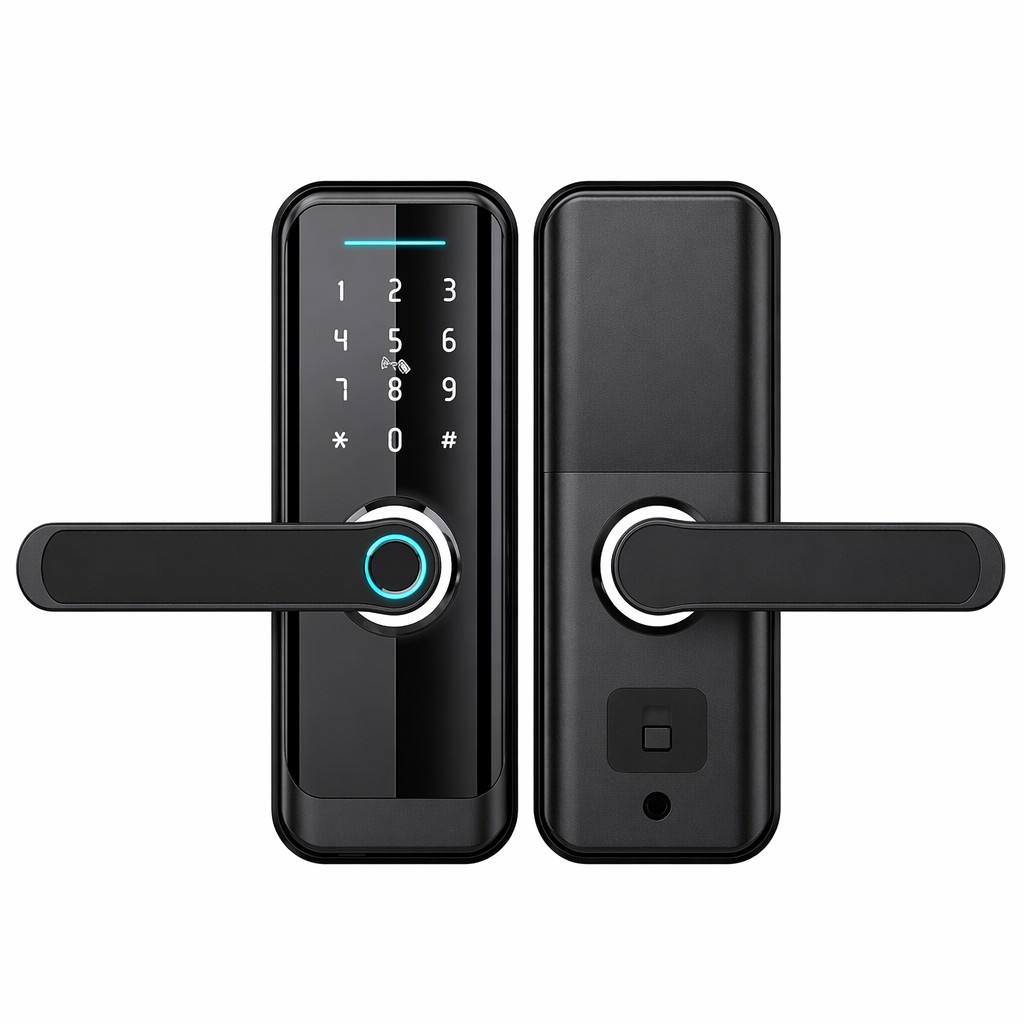
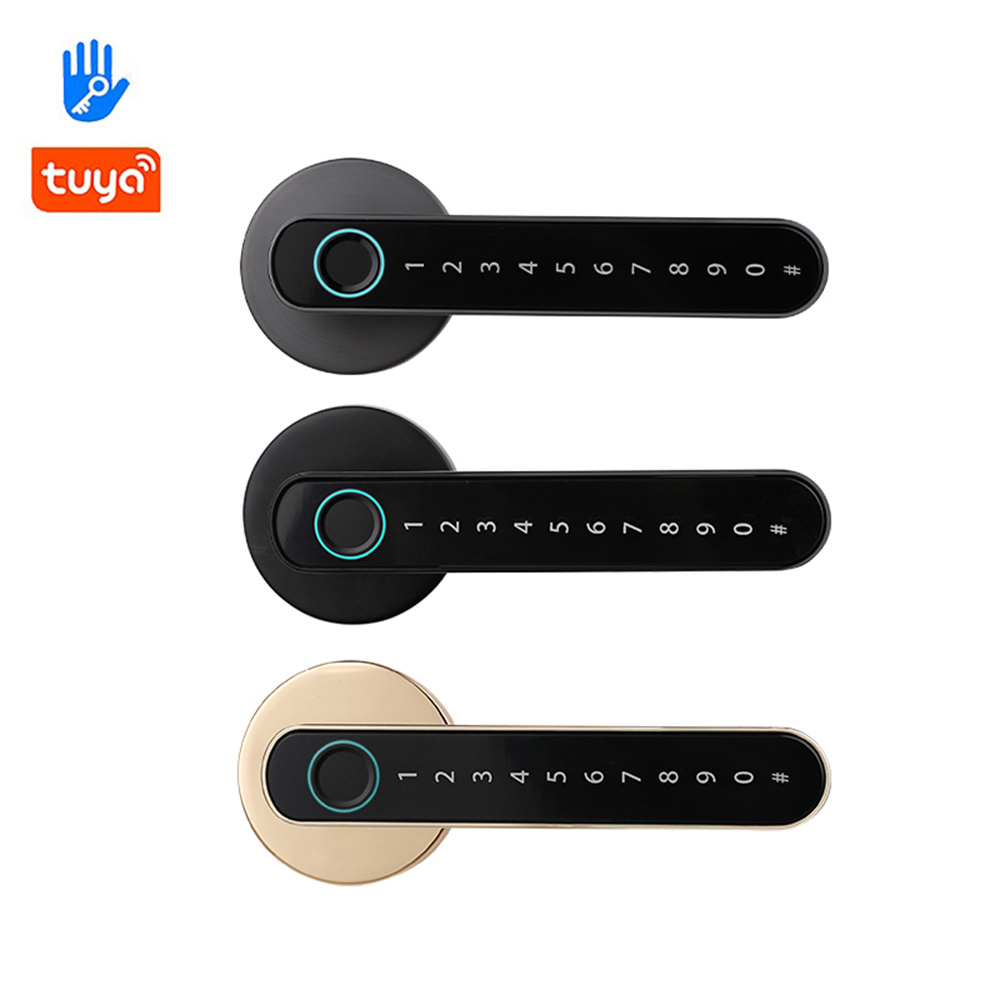
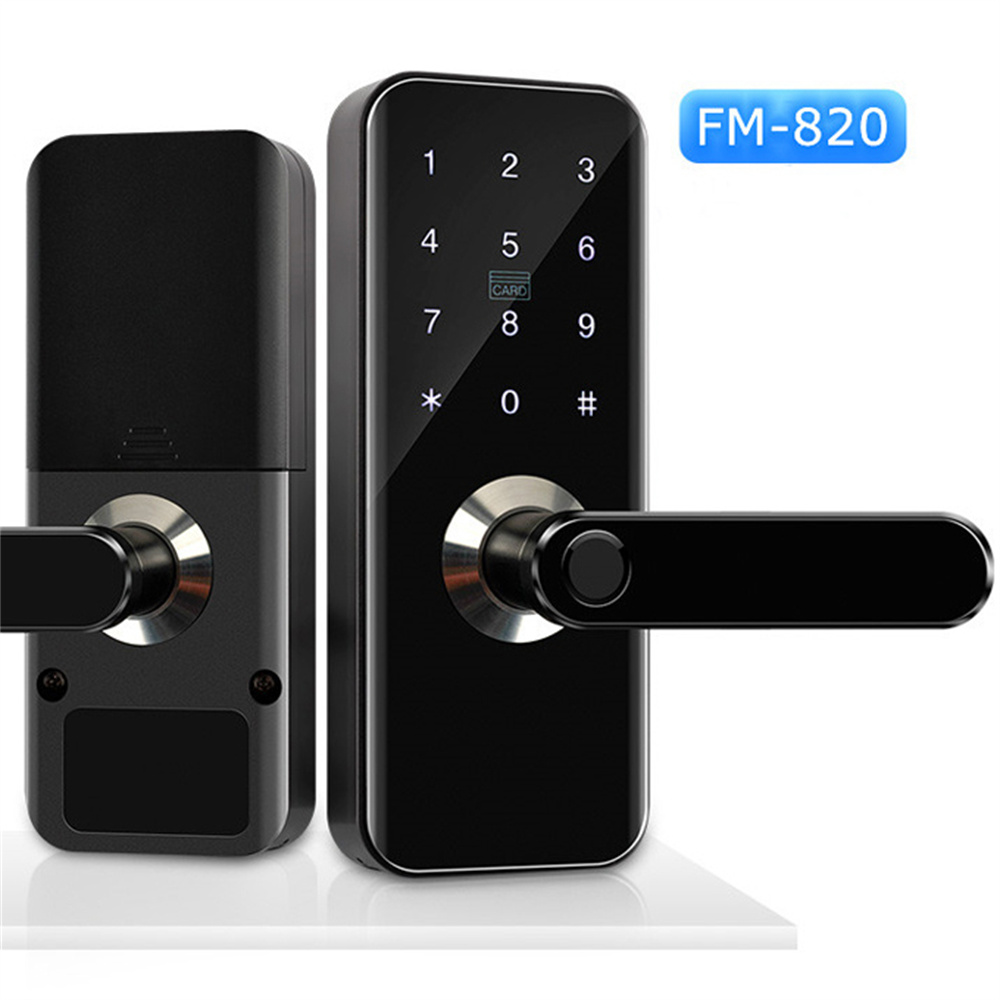
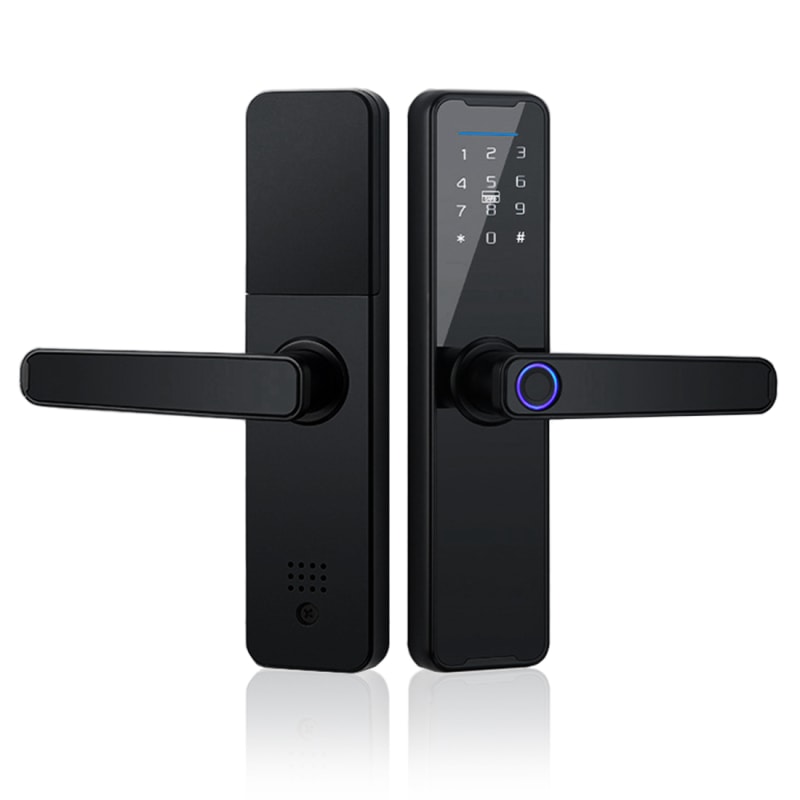
Fingerprint Smart Lever Lock with one touch Keyless Entry fits US Knob & Lever FM820
Fingerprint Lock with Anti-Pry Latch, Blocks Card Prying – FM230-N
Intelligent Biometric Door Lock with 2MP Video Doorbell and Tuya WiFi FM-05
Flagship Biometric Security Lock — Advanced 3D Face Access & 4.5" IPS Live Viewer FM93
Smart Lever Lock with Fingerprint Facial Recognition and Video Doorbell Tuya WiFi TTlock FM-128
Keyless Entry Door Lock Fits Both Traditional Mortise and Smart Lock Mortise
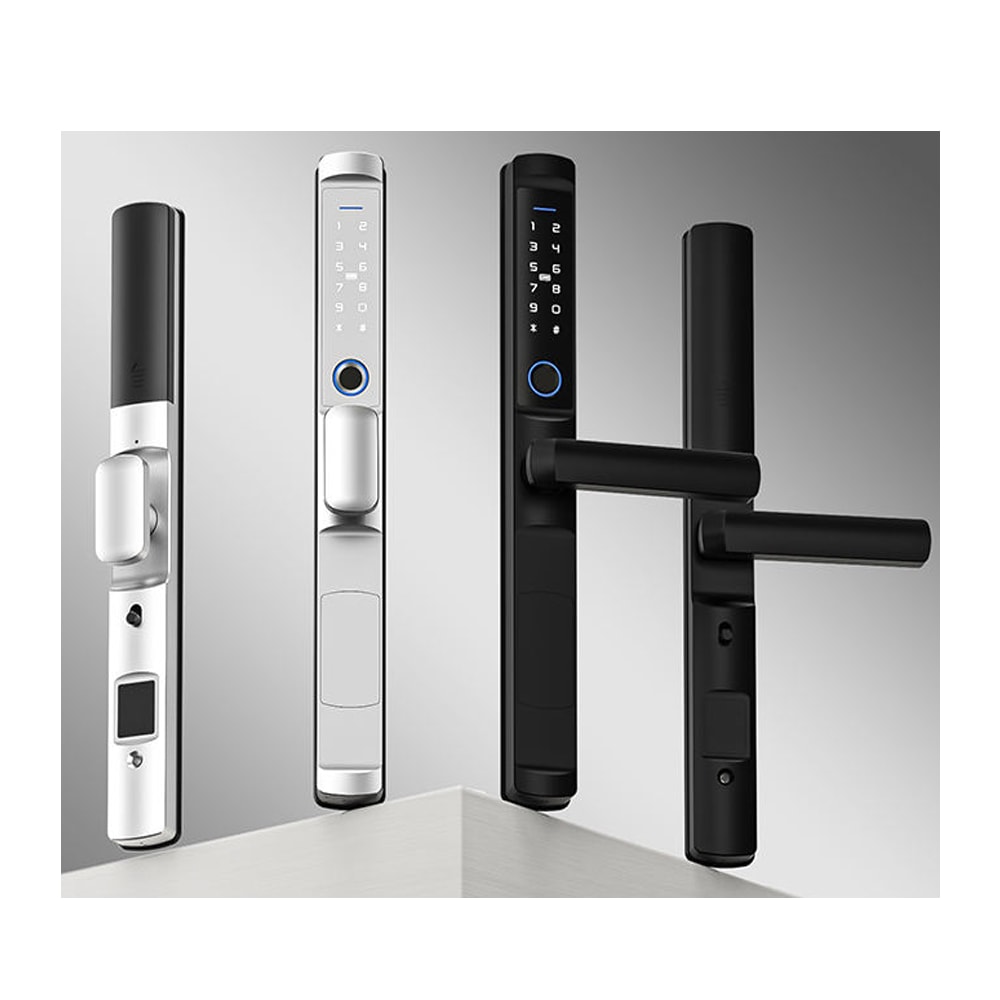
Slim 304 stainless steel keypad lock with IP65 waterproof case for thermal break sliding doors FM210
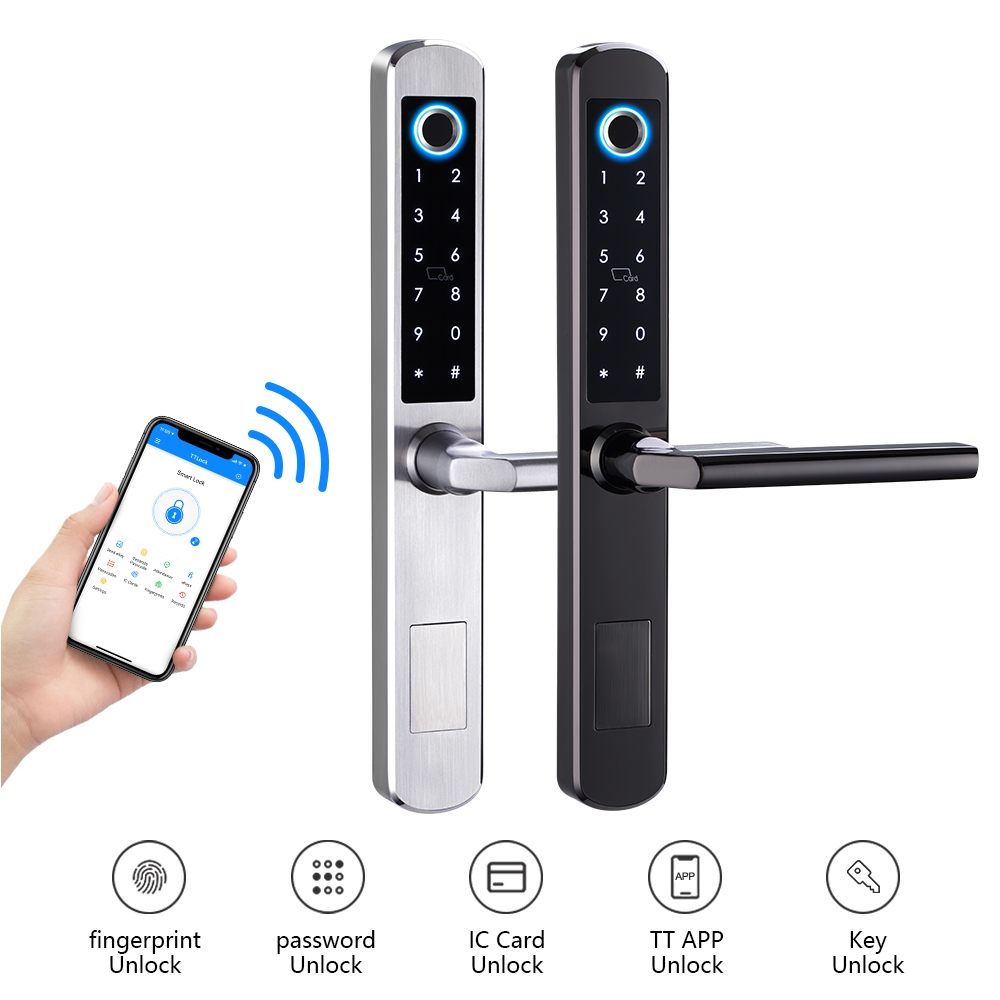
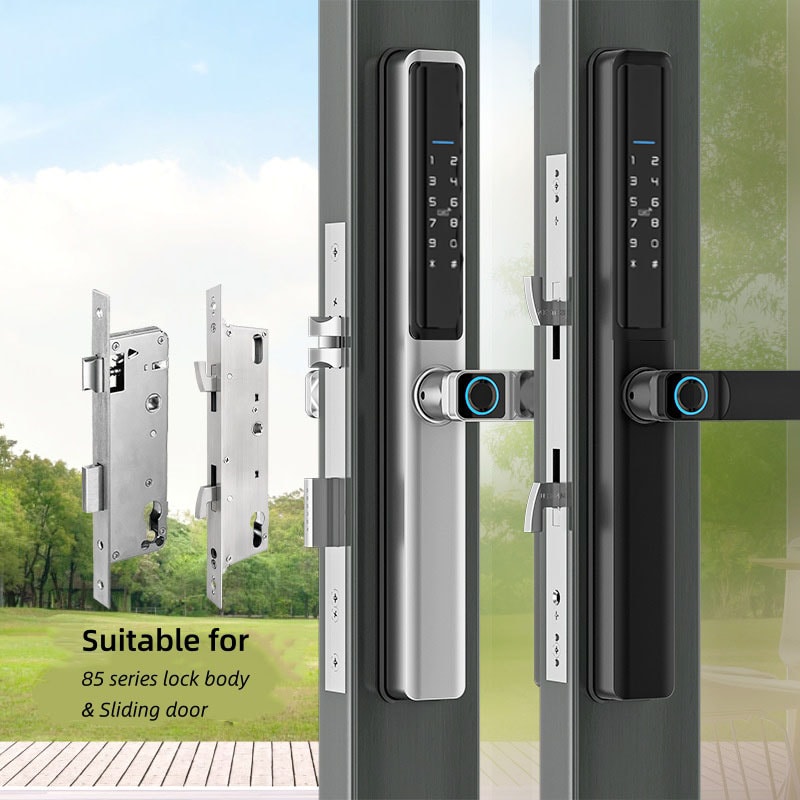
Fingerprint lock with hook mortise for slim sliding door and IP66 waterproof for outdoor use F6
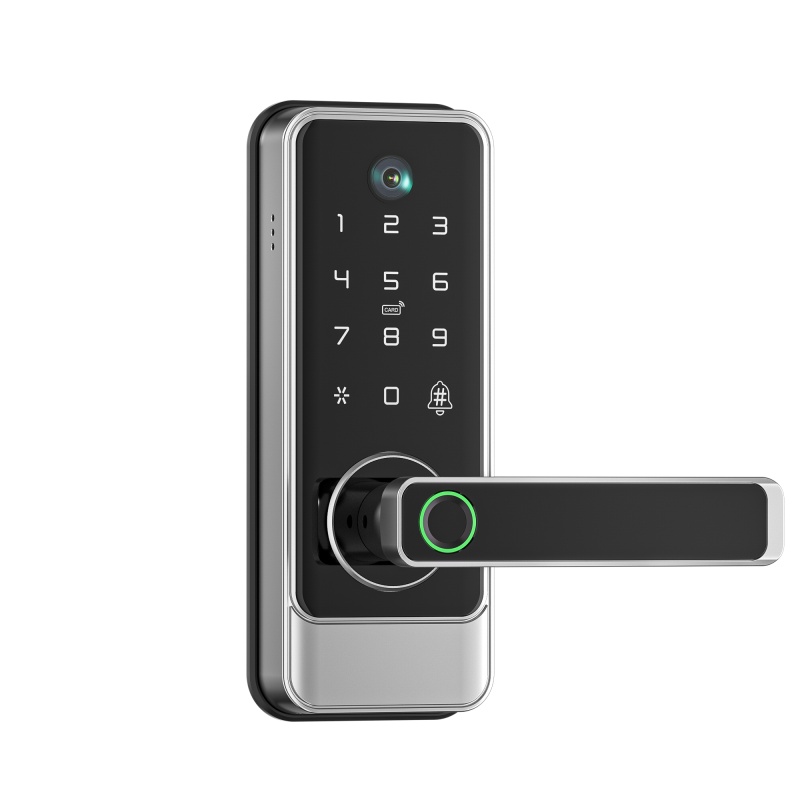
Keyless entry door lock for slim sliding door with camera and doorbell F5 PRO
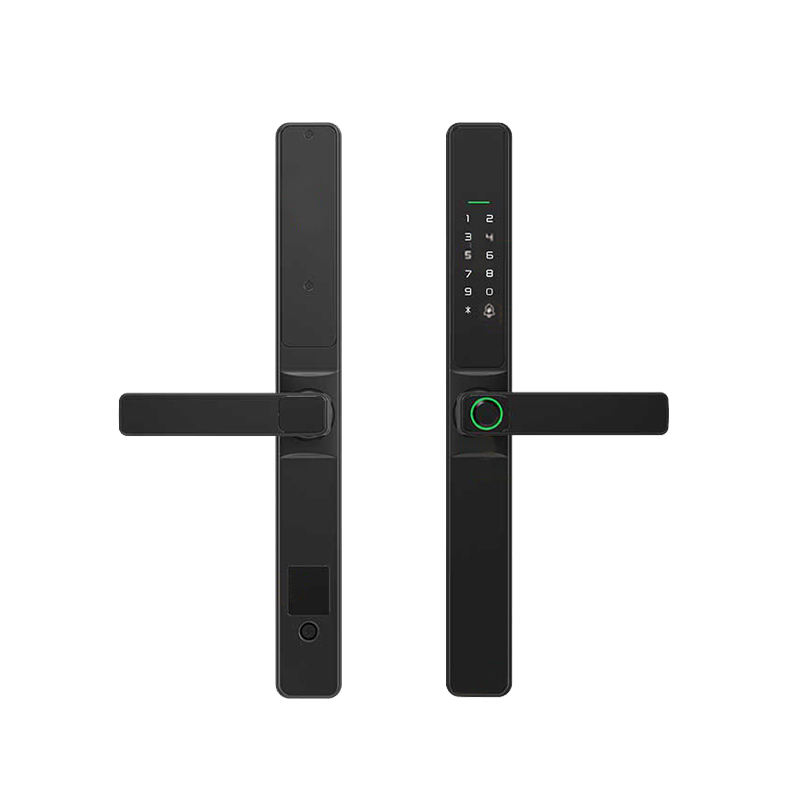
Smart door lock with hook mortise for aluminum slim sliding door F5
Front door smart Locks made of aluminum alloy compatible with multiple mortise types
Keypad Door Lock with IP66 Waterproof case and Two Handle Styles Options
Front Door Keypad Lock with Fingerprint and Doorbell B2
Face Recognition Smart Door Lock with Video Intercom Doorbell Tuya WiFi D1
WIFI Smart Mortise Lock with Tuya Video Doorbell support Face Scan Palm Vein F7
Smart mortise lock with bluetooth and WIFI optional FM028
Mortise Smart Lock with multi keyless accesses FM550
Camera Smart Lock with Finger Scan Supporting Tuya WiFi or Zigbee FM551
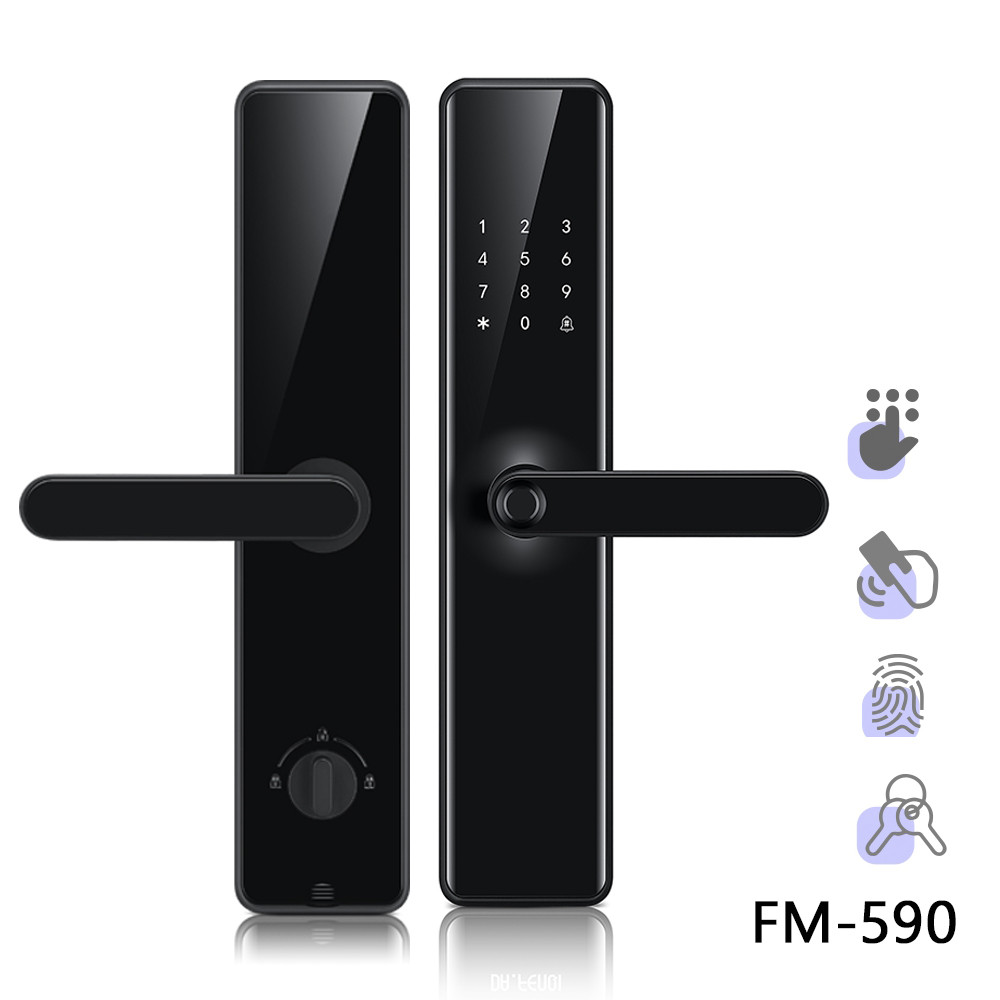
Smart Door Lock with Fingerprint and Voice Control FM590
Fingerprint Door Lock with Face Scanner and Camera Supports google home FM720
Facial Recognition Smart Lock with Video Intercom and Thumbprint FM730
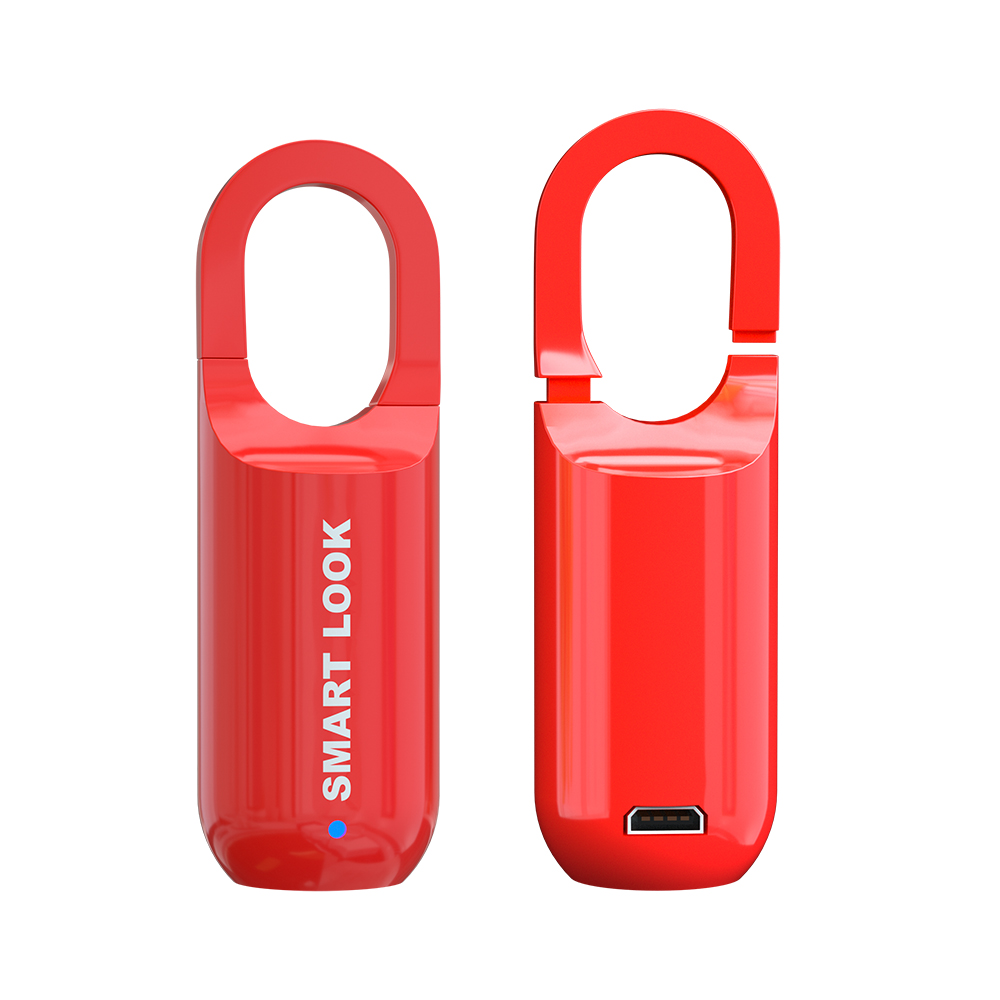
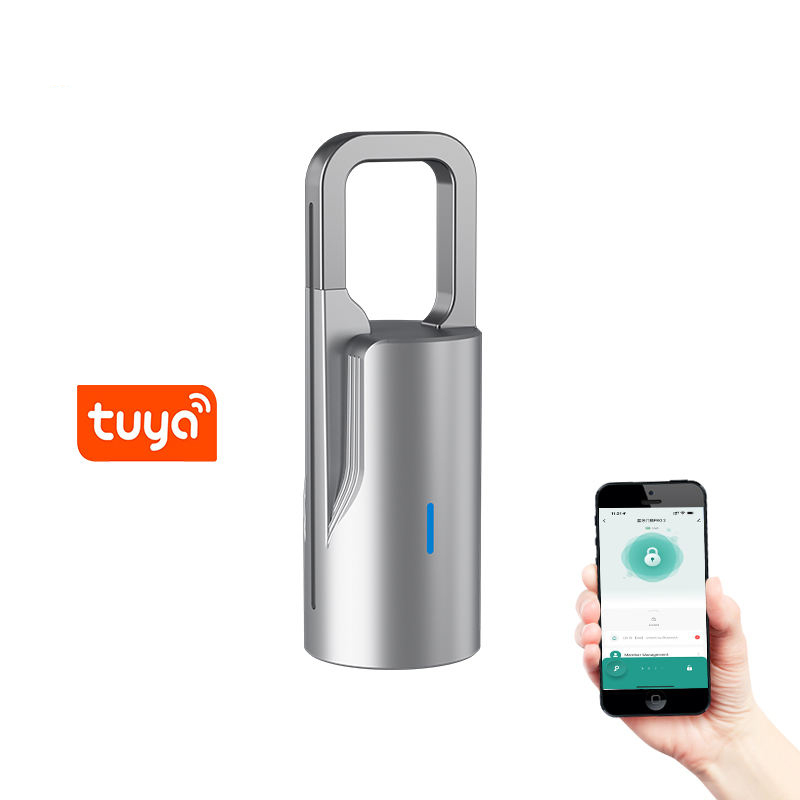
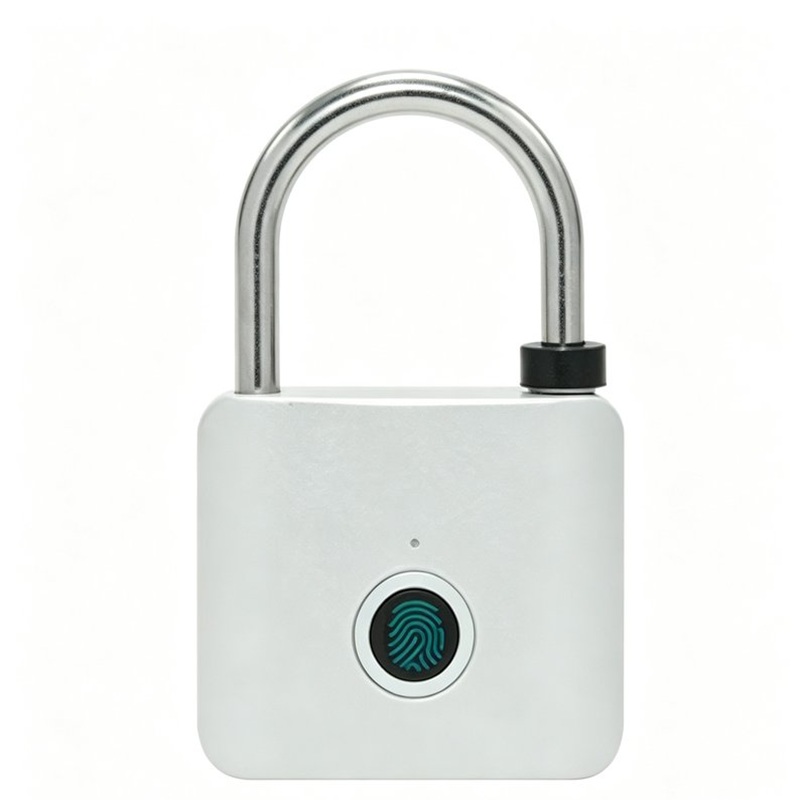
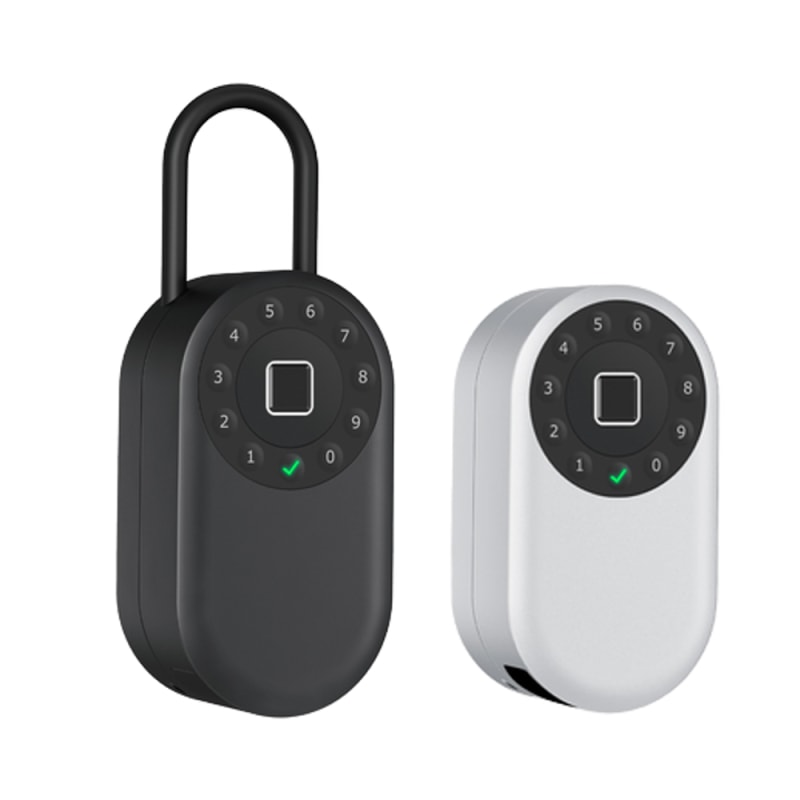
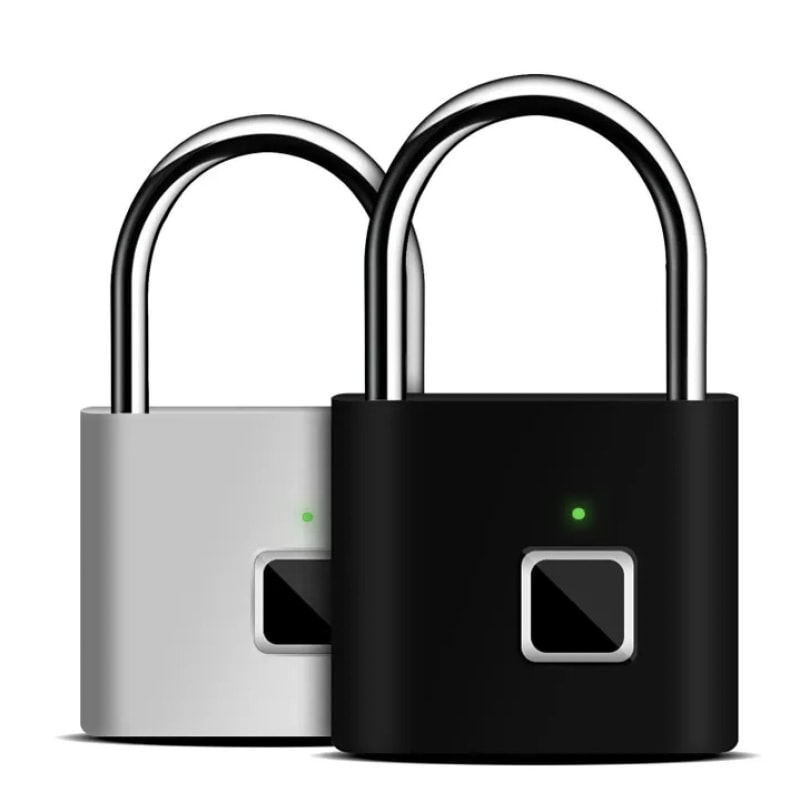
Fingerprint Smart Padlock with Bluetooth App Control and 365-Day Standby Tuya FMP001
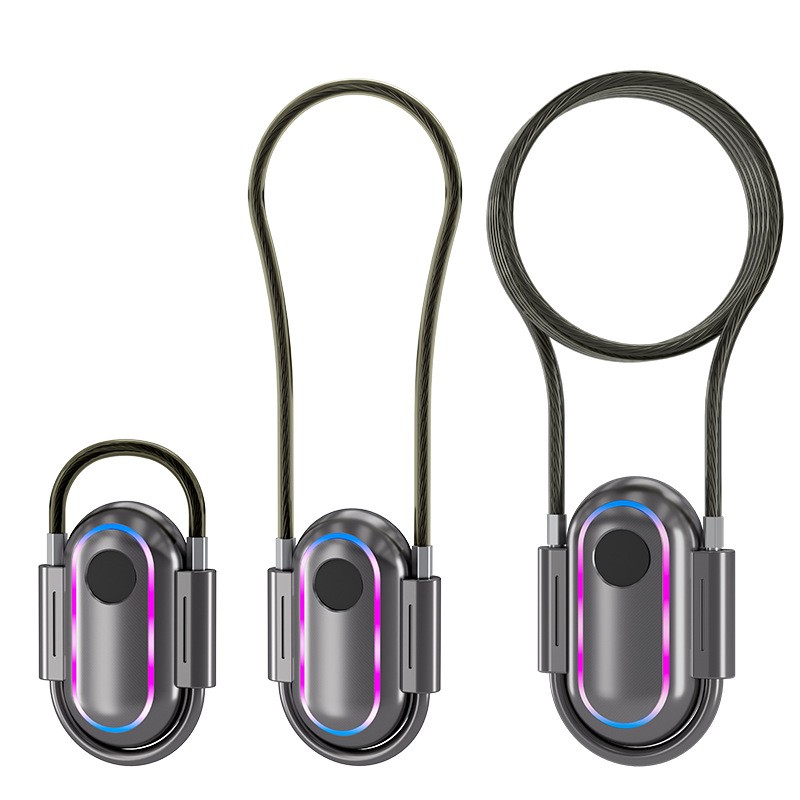
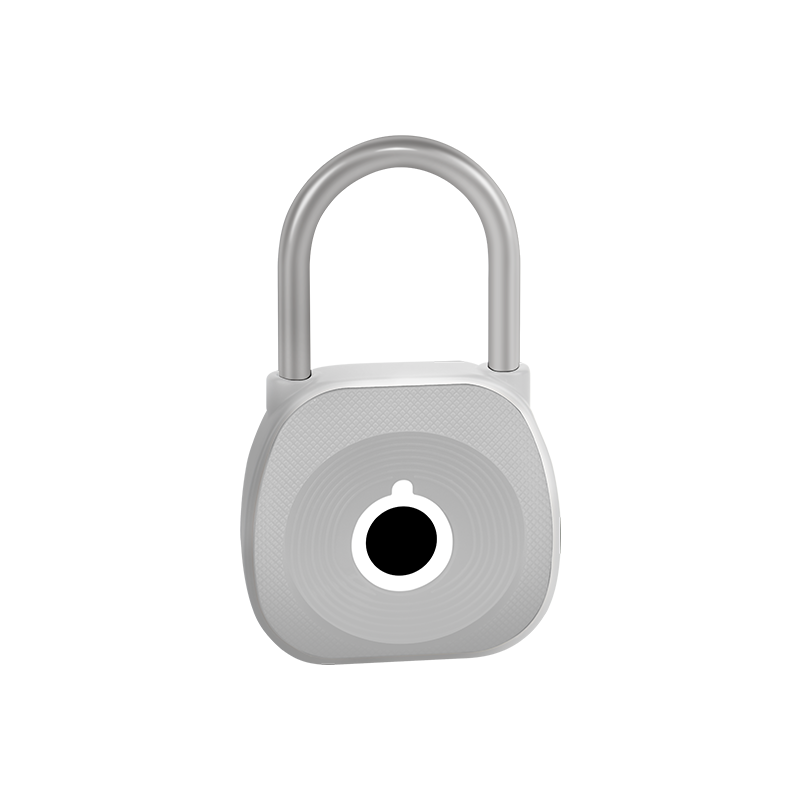
Fingerprint Smart Padlock with IPX5 Waterproof and 3 Steel Cable Lengths FMP002
Fingerprint Smart Padlock with Bluetooth App Control and IPX5 Waterproof FMP003
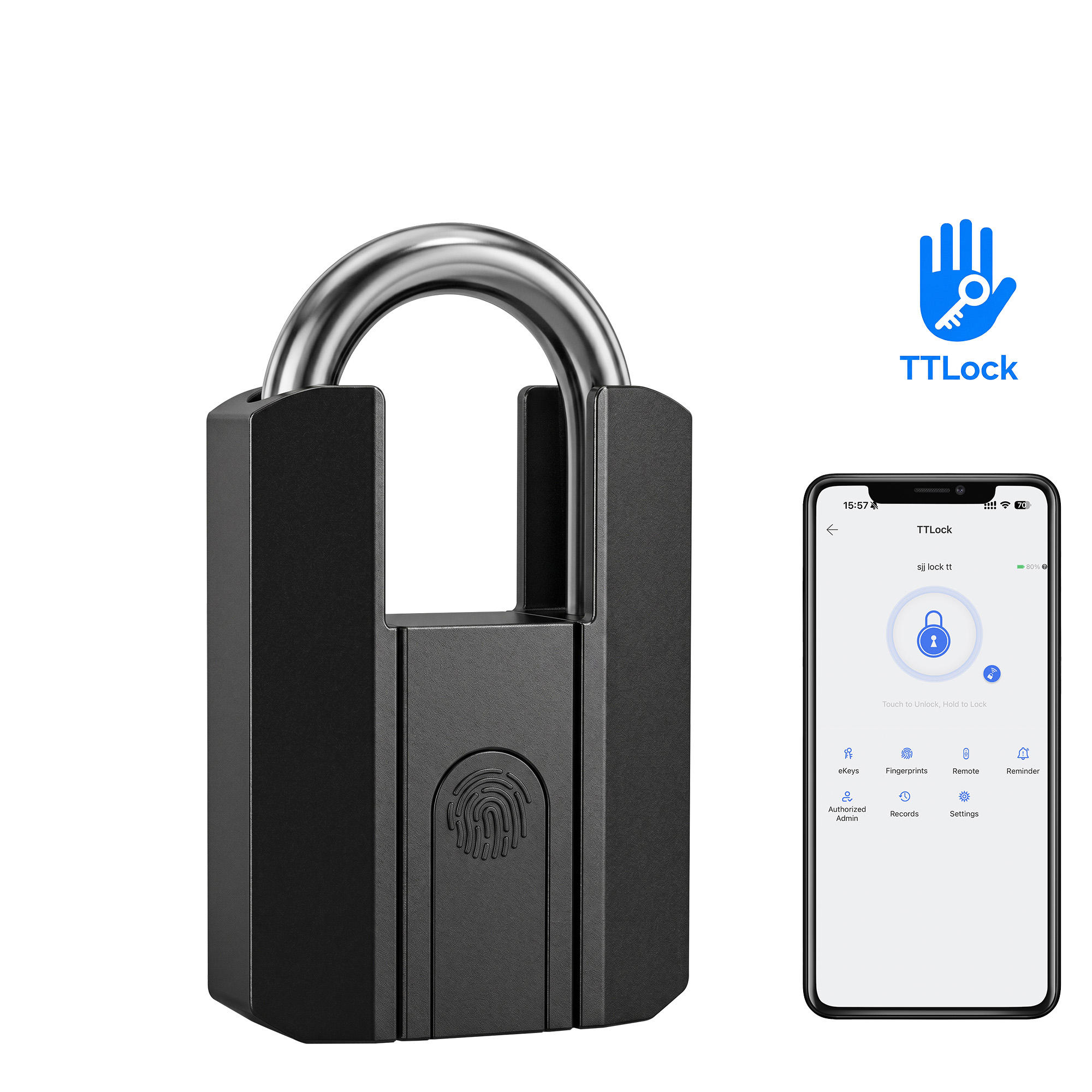
Heavy-Duty Fingerprint Padlock with IP67 Waterproof Shackle and TTLock Bluetooth FMP004
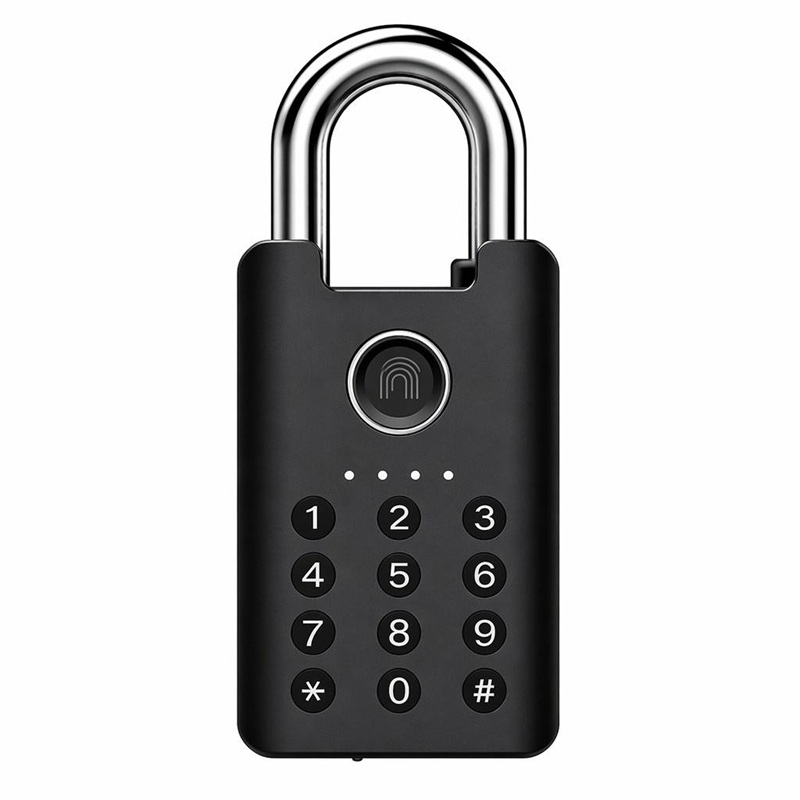
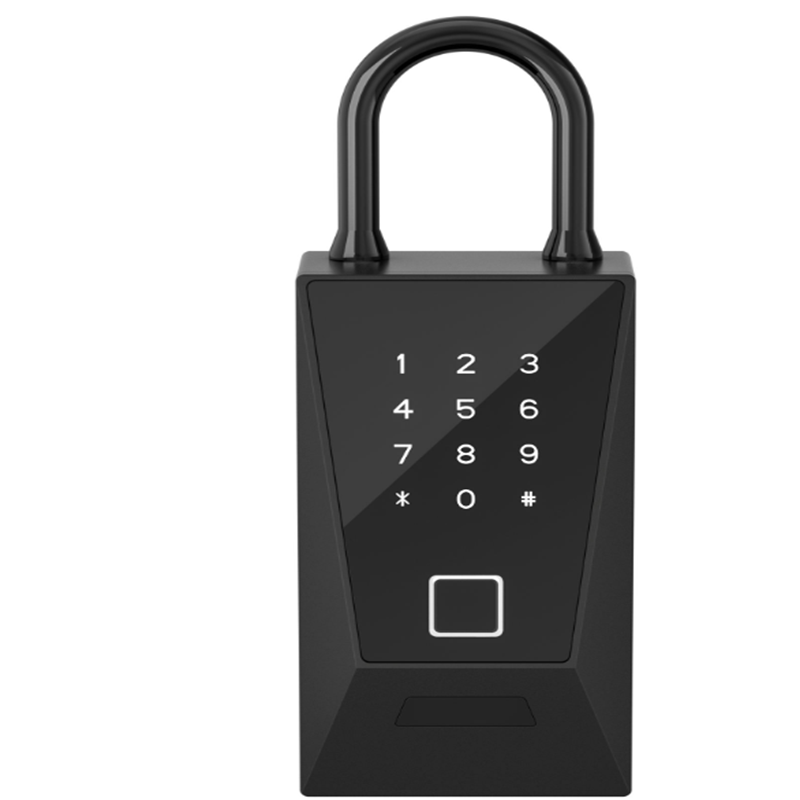
Heavy Duty Fingerprint Smart Padlock with Password Keypad IP65 Waterproof FMP005
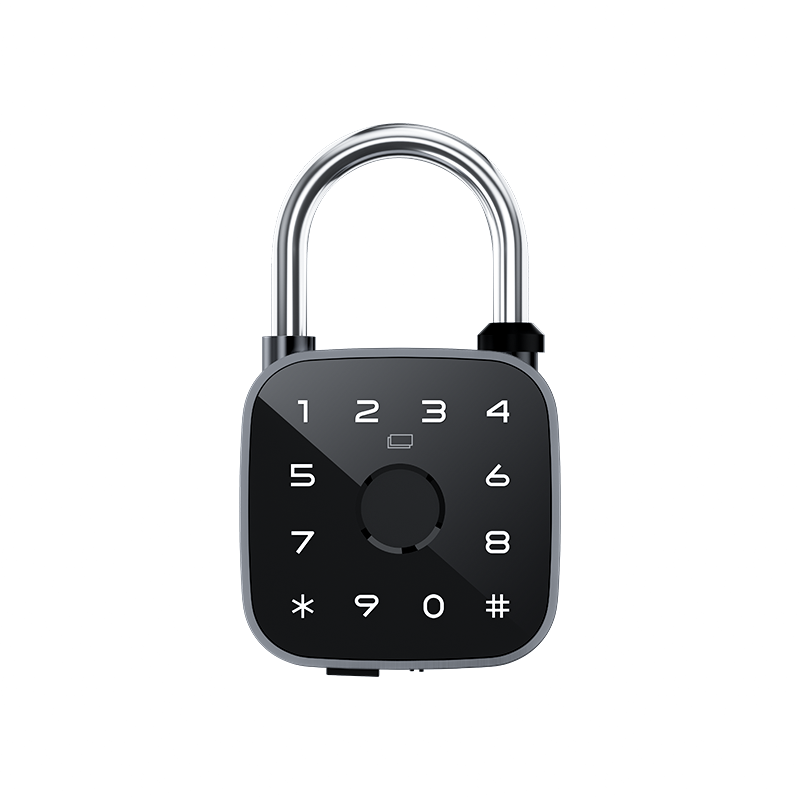
Multi-Access Fingerprint Padlock with Keypad, App Control & IP65 Waterproof FMP006
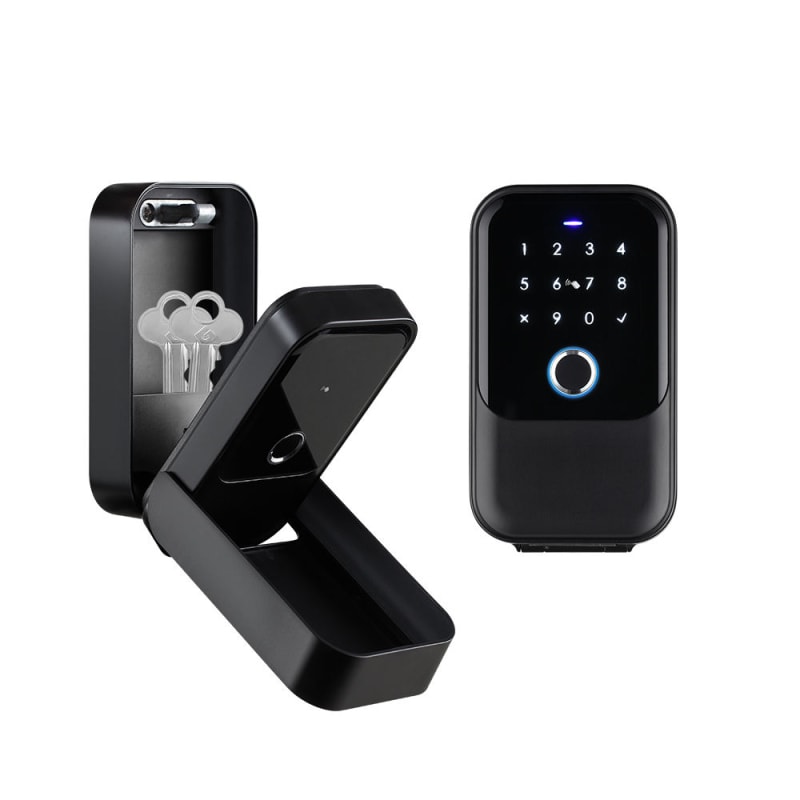
WiFi Smart Key Box with Fingerprint Password Card Access IPX5 Waterproof FMP007
Bluetooth biometric Intelligent Padlock with IP65 Waterproof and Type-C Rechargeable Battery FMP008
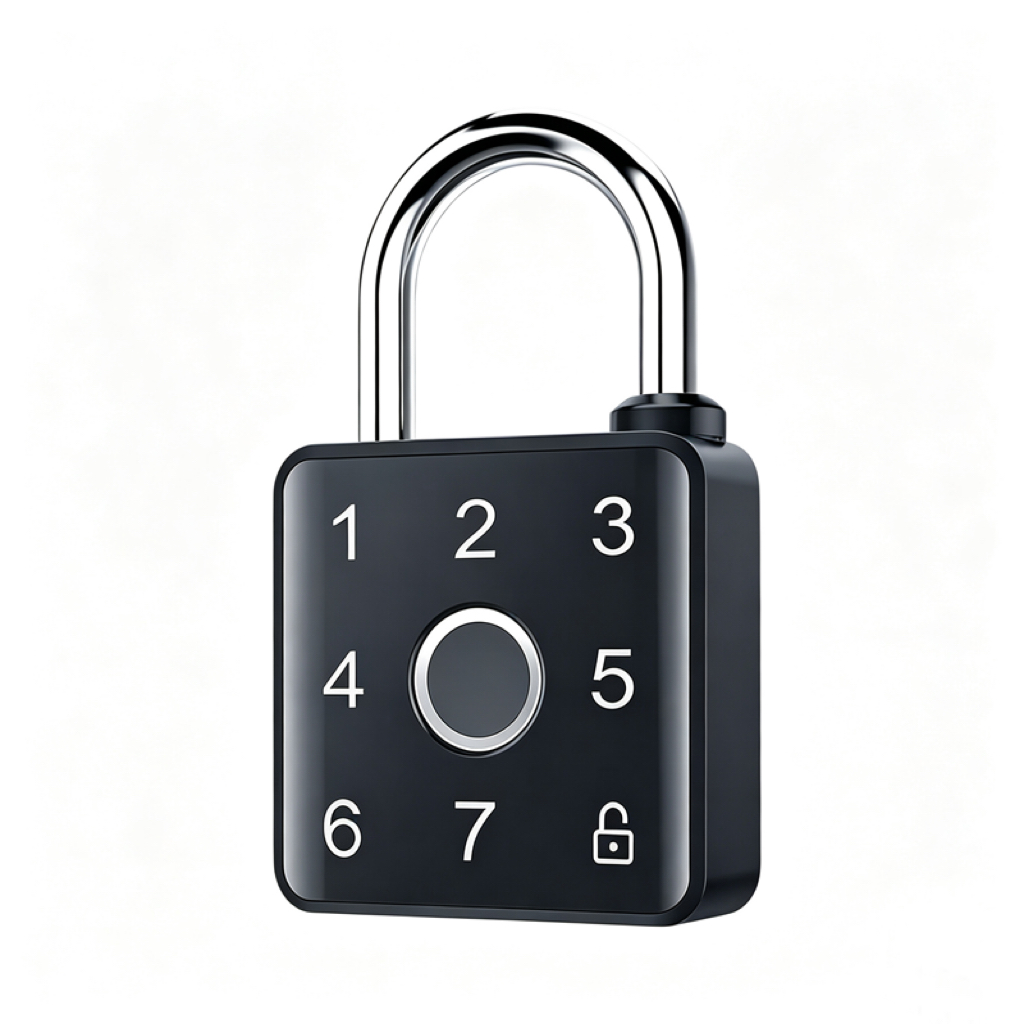
Smart Biometric Padlock with Scramble-Code Keypad and Tuya App Control FMP009
Ultra-Slim Biometric Padlock — 1.8cm Aluminum Body with Tuya App Control FMP010
Smart Fingerprint Cabinet Lock — App & Bluetooth Keyless for Lockers FM890
Digital Cabinet Lock with TTLock App, Passcode and RFID Card Access FMP870B
Smart RFID and Passcode Cabinet Lock with 5000mAh Battery and IP66 Waterproof FMP810
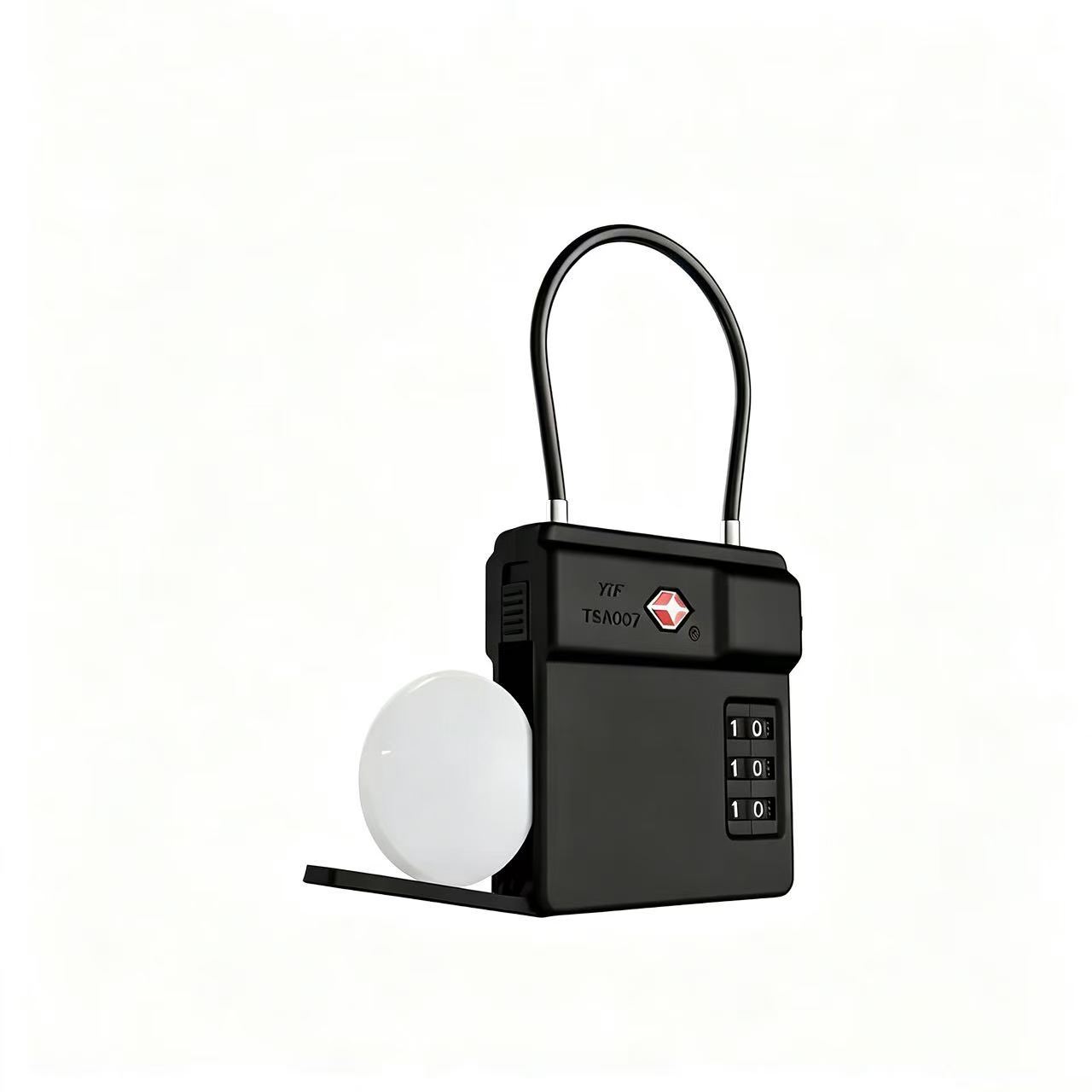
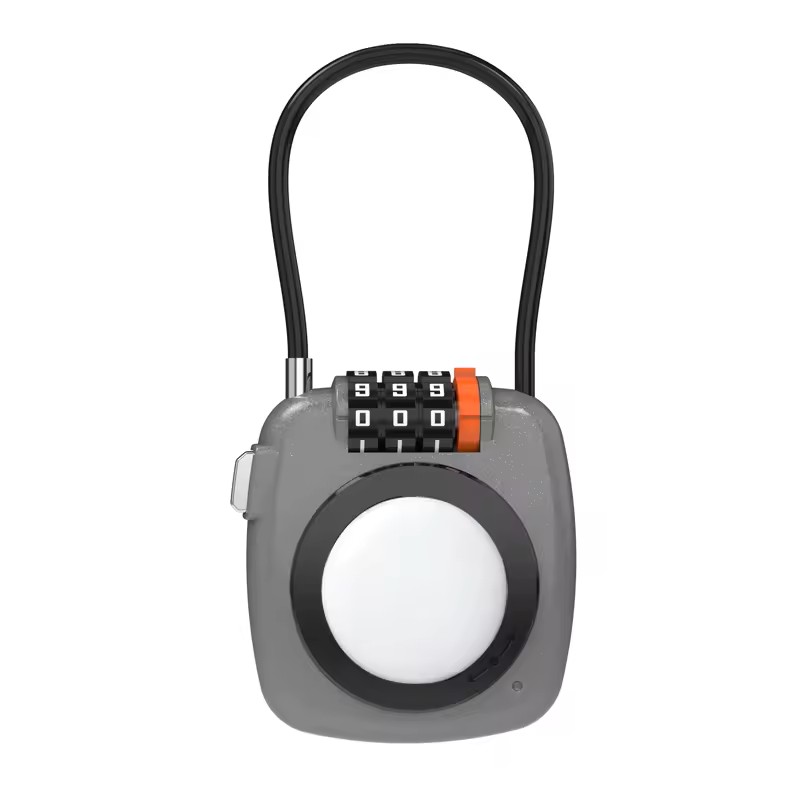
Combination Padlock with Apple Find My & Android Find Hub - IP65 Waterproof Smart Lock FMA001
Smart RFID and Passcode Cabinet Lock with 5000mAh Battery and IP66 Waterproof FMP810
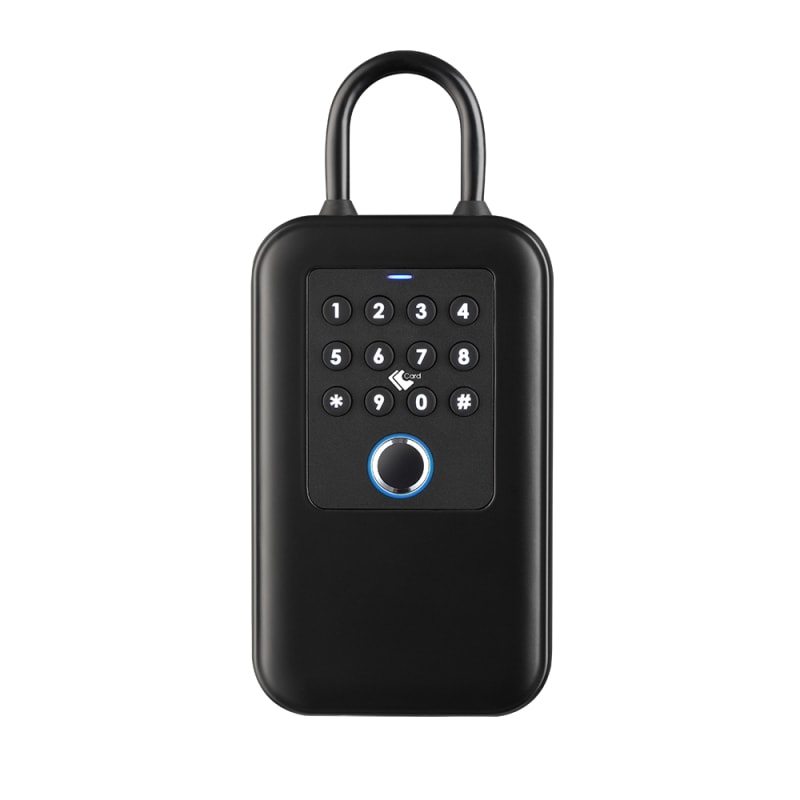
Keyless lock box with physical keypad and TTlock app waterproof for outdoor key storage KB3
Smart key box with touch keypad and comptible with TTlock and Tuya ble for outdoor use K5
Fingerprint padlock with morse code backup that is rechargeable and portable for everyday use FM570
Waterproof key lock box with physical keypad and Tuya app control for outdoor key storage K7
WhatsApp

You know, these days, fingerprint door locks aren’t just a fancy feature for high-end apartments or just some trial-run smart homes. They've become pretty common in houses, offices, hotels—pretty much anywhere that needs controlled access. But here’s the thing: having a sleek touchscreen doesn’t automatically mean your security is foolproof. The real deal depends on a bunch of things like sensor quality, how well the fingerprint matches, the lock’s mechanical parts, software updates, backup batteries, and proper installation.
Dr. Anil K. Jain, a top expert in biometrics, describes it as “the science of recognizing individuals based on their physical and behavioral traits.” This idea guides us as we look at some of the leading brands out there—names like ASSA ABLOY, dormakaba, Allegion, Yale, Samsung SDS, Kaadas, Philips, ZKTeco, Godrej Security Solutions, and MIWA. They all have pretty different products—some focus on sleek, stylish designs for homes, while others prioritize sophisticated access control for businesses, keeping logs for audit trails, or syncing with building management systems.
But we’re not just here to read marketing talk. We dig deeper—looking at how fast they recognize fingerprints, the risk of false acceptances, how tough they are outside, emergency access options, privacy features, and whether they offer long-term support. We also pay attention to how each brand handles situations like failed scans, wet fingers, low batteries, or when people lose their mobile credentials. Little things matter—like how quickly a lock recognizes a clean fingertip but then might struggle if it’s muddy or raining.
Sure, saying “Fingerprint Lock Fingerprint” sounds kinda repetitive, but it raises a really important question—does the fingerprint recognition hold up during everyday use? No system is perfect. Things like regional certifications, dealer support, and availability can really change how well a lock performs for you. Plus, comparing specs can be tricky—some details are hard to judge fairly. That’s why we base our top 10 list on a mix of available info, practical testing criteria, and industry know-how. But hey, always double-check if a particular model will work well in your own setup before you buy.
So, bottom line: it’s all about which product strikes the best balance for your needs and your environment. Nobody wants surprises when it matters most.
Fingerprint door locks use biometric recognition to replace, or supplement, a metal key. A small sensor scans the ridges on a finger. The lock converts that image into a mathematical template, then compares it with stored data. It does not usually save a normal photograph. That distinction matters.
When the match passes its accuracy threshold, a motor moves the latch. Many systems respond in less than one second. Some sensors use optical imaging, while others detect electrical differences in skin. A Fingerprint Sliding Door Lock may also connect to a keypad, mobile app, or mechanical override. Batteries remain a practical weakness. A low battery can turn a convenient entrance into a stressful one.
MarketsandMarkets projects the smart locks market to grow from about USD 2.2 billion in 2023 to USD 4.4 billion by 2028, at a 14.9% compound annual growth rate. Grand View Research also identifies biometric authentication as a significant smart-lock segment, although market definitions vary. These figures suggest strong demand, not guaranteed reliability. Dust, moisture, cuts, and unusually dry skin can reduce recognition accuracy. That is easy to forget.
A careful buyer should check local processing, encryption, audit logs, emergency power, and fallback access. NIST’s Digital Identity Guidelines emphasize secure biometric handling and the limits of biometrics. Fingerprints cannot be replaced like passwords. My practical view is cautious: test the lock with several users, including wet and cold fingers, before trusting it on a main entrance.
The table below presents anonymized manufacturer profiles rather than company or brand names. The specifications describe commonly available industry configurations; actual features, certifications, security levels, and performance vary by model and market.
| Profile | Representative Manufacturer Segment | Typical Global Application | Common Fingerprint Sensor | Access Methods Commonly Offered | Connectivity Options | Typical Door Formats | Power and Emergency Access | How the Fingerprint Function Works |
|---|---|---|---|---|---|---|---|---|
| 01 | Residential Smart-Lock OEM | Homes, apartments, rental properties, and small offices | Compact semiconductor or capacitive sensor | Fingerprint, PIN code, mechanical key, mobile application, temporary code | Bluetooth Low Energy; optional Wi-Fi bridge or gateway | Mortise locks, cylindrical locks, and retrofit deadbolts | Replaceable batteries; mechanical key override or external emergency power contacts | The sensor captures fingerprint ridge patterns, converts them into a digital template, and compares the template with enrolled users before releasing the motorized latch. |
| 02 | Apartment Access-Control Manufacturer | Multi-family housing, residential towers, and managed communities | Semiconductor sensor integrated into a digital escutcheon | Fingerprint, PIN, RFID credential, mobile credential, administrator key | Bluetooth, wireless gateway, RS-485, or network controller | Mortise doors, narrow-stile doors, and common-area entrance doors | Battery operation at the apartment door; centralized power may be used at common entrances | An access controller checks the stored biometric template and records the event locally or in an access-management system. |
| 03 | Hotel Electronic-Lock Manufacturer | Hotels, serviced apartments, and short-stay accommodation | Optical or semiconductor sensor, depending on the lock design | Fingerprint, room PIN, staff credential, RFID card, emergency key | Short-range wireless configuration; optional property-management integration | Hotel mortise locks and commercial-grade lever-lock bodies | Replaceable batteries, low-battery alerts, and authorized mechanical override | The lock verifies an enrolled fingerprint locally, then activates a clutch or motor to disengage the latch for a programmed period. |
| 04 | Commercial Digital-Hardware Manufacturer | Offices, retail locations, clinics, and professional facilities | Rugged semiconductor sensor with protective surface treatment | Fingerprint, PIN, smart card, mobile credential, administrator override | Bluetooth, wired access controller, Ethernet gateway, or Wi-Fi gateway | Commercial mortise locks, cylindrical locks, and panic-exit door systems | Battery or wired power; emergency power input is commonly provided on the exterior | The biometric module performs matching at the door or through a controller, while permissions and audit records are managed by the facility system. |
| 05 | Gate and Entrance-Automation Supplier | Pedestrian gates, compound entrances, and secured perimeter doors | External optical or semiconductor fingerprint reader | Fingerprint, PIN, proximity credential, remote release, exit button | Wired relay, Wiegand, RS-485, Ethernet, or wireless controller | Metal gates, pedestrian doors, sliding gates, and turnstile entrances | Usually powered from a low-voltage access-control supply with battery backup | A reader verifies the fingerprint and sends an authorized-release signal to an electric strike, magnetic lock, or gate controller. |
| 06 | Retrofit Lock Manufacturer | Existing residential doors where the interior lock hardware is retained | Integrated semiconductor sensor on an exterior keypad module | Fingerprint, PIN, existing key, mobile application, temporary access code | Bluetooth; optional Wi-Fi bridge for remote control | Single-cylinder deadbolts and compatible thumb-turn mechanisms | Battery-powered interior actuator with the original mechanical key retained in many installations | After a successful match, an internal actuator rotates the existing thumb-turn or lock mechanism instead of replacing the entire lock body. |
| 07 | Biometric Access-Control Integrator | Factories, warehouses, laboratories, and restricted areas | Industrial optical or semiconductor reader | Fingerprint, smart card, PIN, multi-factor authentication, security desk release | Ethernet, RS-485, Wiegand, or secure wireless links | Electric strikes, electromagnetic locks, exit devices, and controlled turnstiles | Wired low-voltage power with backup battery and emergency egress provisions | The reader compares the presented finger with an enrolled template and transmits an authorization result to a centralized access controller. |
| 08 | Export OEM and ODM Manufacturer | Private-label residential and light-commercial products for international markets | Semiconductor sensor modules selected according to target price and enclosure design | Fingerprint, PIN, RFID, mechanical key, application-based access | Bluetooth, Wi-Fi, and selected smart-home wireless protocols | Mortise locks, cylindrical locks, deadbolts, and sliding-door locks | Commonly uses replaceable batteries and an external emergency power interface | The fingerprint module creates a mathematical template rather than storing a normal photograph, then compares future scans against authorized templates. |
| 09 | Premium Architectural Door-Hardware Manufacturer | High-end residences, offices, and design-focused commercial projects | Concealed or flush-mounted semiconductor sensor | Fingerprint, PIN, mobile credential, physical key, remote administrator access | Bluetooth, secure gateway, and optional building-management integration | Premium mortise locks, glass-door systems, and custom architectural doors | Battery or concealed wired power; emergency unlocking depends on the door system | A compact biometric reader validates the user locally and commands a quiet motor, clutch, or electric latch while preserving the door’s design. |
| 10 | Indoor Cabinet and Specialty-Lock Manufacturer | Private rooms, lockers, cabinets, offices, and compact storage areas | Small capacitive or semiconductor fingerprint sensor | Fingerprint, PIN, NFC or RFID credential, emergency key, administrator reset | Standalone operation; Bluetooth is available on connected models | Cabinet doors, lockers, drawers, interior doors, and compact sliding doors | Low-voltage battery operation with mechanical or external emergency opening options | The sensor checks the fingerprint against locally enrolled users and releases a miniature solenoid, motor, or cam lock when the match is accepted. |
| Step | Process | Technical Description |
|---|---|---|
| 1 | Enrollment | The user places a finger on the sensor several times so the lock can capture consistent ridge and valley characteristics. |
| 2 | Template Creation | The biometric processor converts the scan into a mathematical template. Most systems are designed to use this template rather than a conventional fingerprint photograph. |
| 3 | Live Scan | During unlocking, the sensor captures a new fingerprint image or electrical pattern and checks whether the finger is adequately detected. |
| 4 | Template Matching | The processor compares the live scan with authorized templates using a preset similarity threshold. Moisture, dirt, injury, placement, and sensor quality can affect recognition. |
| 5 | Lock Release | If the match is accepted, the control board powers a motor, clutch, solenoid, electric strike, or other actuator to release the latch. |
Note: Fingerprint locks should be installed with an appropriate mechanical or electrical emergency-opening method, and their suitability should be checked against local fire, egress, privacy, and building-security requirements.
Evaluating global fingerprint door lock manufacturers requires more than comparing product photos or factory prices. Market estimates vary, but MarketsandMarkets projects the smart lock market to grow from about USD 4.4 billion in 2024 to USD 8.0 billion by 2029. That growth attracts capable suppliers and weaker imitators. Treat every specification as unverified until tested.
Ask manufacturers for independent test reports covering fingerprint accuracy, false acceptance, false rejection, battery endurance, and operating temperature. ISO/IEC 30107-3 testing can help assess presentation-attack detection. Look for clear evidence, not vague claims. A serious supplier should explain sensor technology, encryption methods, firmware updates, and emergency power options. UL, CE, FCC, or regional compliance documents also need verification against the exact model.
I would request a 100-unit pilot before signing a large contract. Test metal doors, wet fingers, dust, gloves, and repeated unlocking during low battery conditions. Measure response time in a real corridor, not only in a showroom. Check whether access logs remain accurate after network loss. Warranty terms matter. So do spare parts, remote support, and repair times. Grand View Research has reported strong double-digit growth for smart locks through 2030, yet forecasts differ because definitions and regions vary. That is worth remembering. A polished factory visit can still hide inconsistent quality between production batches. Ask for serial-number traceability, random sample inspections, and recent customer references from comparable climates.
A practical 100-point evaluation framework for comparing global fingerprint door lock manufacturers without relying on brand names.
Security and biometric performance should receive the highest priority, including fingerprint accuracy, false-acceptance protection, anti-spoofing capabilities, encryption, and access-control design. Buyers should also verify compliance with relevant requirements such as IEC 60529 ingress protection and ISO/IEC 30107-3 presentation attack detection, along with product reliability, connectivity, installation support, warranty coverage, and total cost of ownership.
The worldwide fingerprint door lock market is expanding with residential renovation, rental housing, and connected-building projects. Grand View Research estimates that the global smart lock market will continue growing strongly through 2030, supported by mobile access and biometric authentication. MarketsandMarkets also identifies biometric verification as a major technology segment. However, market definitions differ. Some reports include hotel systems, while others count only household products.
A practical top-ten comparison should examine more than production volume. Manufacturing experience, sensor accuracy, encrypted communication, and after-sales service matter at the door. A reliable fingerprint reader should recognize a registered user quickly, even after a cold morning or slightly wet fingertip. Testing should include repeated opening cycles, failed attempts, emergency power access, and mechanical key performance. Small details matter.
For sliding entrances, a Fingerprint lock for sliding door needs a suitable mortise, stable alignment, and enough battery capacity. The installation process can expose weak engineering. A loose frame may cause false failures. Battery life also depends on traffic and wireless features, not only laboratory claims. UL Solutions and ISO/IEC biometric guidance emphasize repeatable testing, data protection, and clear performance limits. Rankings remain imperfect when manufacturers disclose little independent test evidence. I would question any list based only on sales claims. Product updates, local installer training, and transparent warranty terms deserve equal weight. Even a polished device can disappoint when support is slow.
Leading fingerprint door lock manufacturers compete through more than sleek hardware. Their core advantage is biometric accuracy in ordinary homes. Capacitive sensors read ridge patterns through electrical differences. Optical sensors capture detailed images under controlled lighting. Newer designs add liveness detection, reducing errors from copied or lifted patterns.
Local matching is another important technology. The lock should compare fingerprints inside its secure processor, rather than sending raw data unnecessarily. Encrypted templates, protected memory, and tamper alerts strengthen user privacy. Some systems use artificial intelligence to adjust recognition after repeated successful entries. This helps when a user’s skin becomes dry, wet, or slightly damaged. Still, recognition can fail. Cold fingers and dusty sensors remain practical problems.
Mechanical reliability matters just as much as software. Leading manufacturers test motor torque, deadbolt alignment, battery endurance, and emergency power access. A fingerprint door lock may support Bluetooth, Wi-Fi, or temporary access codes, but extra connectivity increases maintenance needs. During installation, a door that rubs against the frame can drain the battery quickly. That detail is easy to miss. Good products provide audit logs, warning alerts, and clear recovery procedures. Yet no biometric system is perfect, so a dependable backup method and careful user enrollment remain necessary.
Comparing ten global manufacturers requires more than counting features. A fingerprint reader door lock should recognize a registered user quickly, even with slightly dry fingers. In hands-on checks, response times under one second feel natural, while repeated failures become frustrating. Strong models combine fingerprint access with PIN codes, mechanical keys, and temporary guest codes. Small details matter. A clear low-battery warning can prevent a midnight lockout.
Security depends on design, not advertising language. Look for encrypted biometric data, automatic locking, tamper alerts, and protection against repeated trial attempts. The outside housing should resist rain, dust, and rough daily use. Indoor models often cost about 80 to 180 US dollars. Weather-resistant units commonly reach 180 to 400 dollars. Premium systems may exceed 400 dollars after installation. Prices vary sharply. Low-cost products may hide weak hinges, limited warranties, or expensive replacement parts.
Market coverage also changes the real buying experience. Manufacturers with broad dealer networks usually offer faster installation support and easier battery replacement. Regional app support, cloud availability, and language options deserve careful checking. Some locks work well in apartments but perform poorly on thick outdoor gates. No ranking is perfect. A product can lead on price yet fail on service. Buyers should compare warranty length, local technicians, return policies, and independent user feedback. One overlooked issue is door compatibility; a skilled installer should measure the backset, frame alignment, and available power space before recommending a model.
The global smart lock market is expanding quickly. MarketsandMarkets estimates growth from about USD 2.1 billion in 2022 to USD 3.9 billion by 2027. This growth attracts capable manufacturers and inexperienced suppliers. Choose a manufacturer with documented testing, not attractive product photos.
Ask for fingerprint recognition accuracy, false acceptance rates, and performance data in dust, moisture, and cold conditions. NIST biometric guidance stresses secure enrollment and protection of biometric information. A reliable manufacturer should explain whether fingerprint templates stay inside the lock or transfer to cloud servers. It should also support encrypted communication, local access records, and firmware updates. Test it in person. Real doors vary.
Check certifications for electrical safety, radio equipment, and ingress protection. An IP rating matters near outdoor entrances, but it does not prove long-term durability.
Request samples, installation instructions, spare batteries, replacement parts, and written warranty terms. MarketsandMarkets also identifies residential and commercial adoption as key smart-lock growth areas, so support capacity matters. A manufacturer serving apartments may not understand hotel traffic or office access schedules.
Do not judge a supplier only by battery life claims. Ask for test conditions and usage assumptions. A lock promising six months may perform differently with frequent unlocking. I would also inspect the emergency power method and mechanical override. That detail is easy to overlook. A strong manufacturer answers technical questions clearly, admits limitations, and provides traceable quality records. Their weakness may become your maintenance problem.
Request independent test reports for fingerprint accuracy, false acceptance, and false rejection. Check the exact model number. Product photos prove very little.
Use a pilot batch of about 100 units before placing a large order. Test wet fingers, dusty sensors, gloves, cold weather, and repeated unlocking. Test it outdoors.
Ask how fingerprint templates are stored and protected. They should explain encryption, local access logs, cloud transfer, and firmware updates. Avoid vague answers.
Request test conditions, unlocking frequency, temperature, and standby assumptions. A six-month claim may fail in a busy entrance. Test low-battery warnings and emergency power directly.
No. Certifications mainly address specific safety, radio, or environmental requirements. Verify documents against the exact lock model. An ingress rating does not prove years of outdoor durability.
Install samples on metal doors and common frame types. Measure response time in a real corridor, not a bright showroom. Check performance after dust exposure and network loss.
Request written warranty terms, spare batteries, replacement parts, remote assistance, and repair timelines. Ask who handles failures after installation. Small details matter.
Request serial-number traceability and random inspections from recent batches. Compare several units, not one polished sample. A factory visit can still miss batch variation.
Forecasts show growing demand, but estimates differ by region and definition. Use them for planning, not proof of supplier quality. I may still underestimate maintenance needs.
A dependable supplier answers technical questions clearly and admits limitations. It provides traceable records, realistic claims, and comparable customer references. Trust needs evidence.
Fingerprint Door Lock systems use biometric recognition to identify an authorized user through a unique fingerprint, offering a convenient alternative to traditional keys, cards, and passwords. This article explains how fingerprint scanning, secure data processing, wireless connectivity, and backup access methods work together to protect homes, offices, and other properties. It also introduces a practical framework for evaluating global manufacturers based on product reliability, biometric accuracy, security design, innovation, certifications, customer support, and market coverage.
The overview compares the leading ten manufacturer categories by examining security performance, smart features, installation flexibility, pricing levels, and suitability for different users and building types. It also highlights key technologies such as encrypted fingerprint storage, anti-tamper protection, mobile integration, real-time access management, and emergency power solutions. Finally, readers will learn how to choose the right manufacturer by balancing budget, product quality, compatibility, after-sales service, privacy protection, and long-term maintenance needs.