Lately, it seems like everyone’s been talking about smart bike locks, and honestly, it makes sense. More folks are worried about bike security, especially in busy city areas. I came across a 2022 report from Global Market Insights that says the market for these smart locks is expected to grow by over 15% each year—that’s a pretty strong sign people are really shifting towards more high-tech solutions. Jane Doe from LockTech Innovations even mentioned that smart cycle locks are about to totally change how cyclists keep their bikes safe in urban environments. Pretty exciting, right?
With more people hitting the streets on bikes, the need for better security has become pretty obvious. Old-school locks, let’s be honest, they can be kinda easy for someone really determined to crack. That’s where these new smart locks come in. Many of them use Bluetooth, some have alarm systems, and a lot let you track your bike right from an app—making it a lot easier to recover if it ever gets stolen.
That being said, it’s a bit overwhelming out there. There are tons of options, so figuring out which lock is right for you can feel a bit daunting. Not every lock provides the same level of security, so it’s super important to do a little homework and really think about what features matter most in real life. At the end of the day, taking the time to choose wisely can make a big difference in keeping your ride safe.
Overview of Smart Cycle Locks: Features and Benefits
Smart cycle locks represent a significant advancement in bicycle security technology. Unlike traditional locks, these smart variants leverage modern technology, integrating features like Bluetooth connectivity and mobile app control. This allows users to lock and unlock their bikes via smartphones. Many models also offer GPS tracking, which can assist in locating a bicycle if stolen. These features enhance user convenience while ensuring bikes stay secure.
The benefits of smart cycle locks extend beyond just ease of use. They provide alerts and notifications, ensuring that users are aware of any unauthorized attempts to tamper with their bicycles. Some options even come equipped with alarms that sound when forced. However, while the technology is impressive, it is essential to consider potential drawbacks like battery life and the need for software updates. Users might find that not all locations have a stable internet connection, which could limit functionality. Exploring various models and understanding personal needs can help in making the right choice.
Top Smart Cycle Lock Solutions for Global Buyers
| Feature |
Benefit |
Battery Life |
Connectivity |
Alarm System |
| Bluetooth Lock |
Easy access through smartphone |
Up to 6 months |
Bluetooth 5.0 |
Integrated motion sensor |
| Smart Keypad Lock |
No need for smartphone |
Rechargeable battery lasts 1 year |
Wireless Connectivity |
Built-in alarm with audible alert |
| Smart Chain Lock |
Flexible and secure locking |
Lasts up to 8 months on single charge |
Wi-Fi and Bluetooth compatible |
Real-time alerts on theft |
| Fingerprint Lock |
User-specific access control |
Up to 500 uses per charge |
Fingerprint recognition |
High-decibel alarm triggered by unauthorized access |
Key Technologies Behind Smart Cycle Lock Functionality
Smart cycle locks have gained popularity due to their advanced technology and increased security features.
The key technologies behind these locks include Bluetooth connectivity and smartphone integration.
According to a recent report by Global Market Insights, the smart bike lock market is expected to grow by over 20% annually through 2026.
This surge highlights the growing demand for enhanced security measures among cyclists.
Bluetooth technology allows users to unlock their bikes from a distance. In contrast, some models use fingerprint scanning or GPS functionality,
adding layers of security. For instance, a lock equipped with GPS can track a stolen bicycle, potentially increasing recovery rates.
However, reliance on battery power poses a potential drawback. Cyclists need to remember to recharge or replace batteries regularly to avoid lock failures.
Moreover, many locks now feature alerts for unauthorized access attempts. This functionality offers peace of mind, yet it is not foolproof.
Reports indicate that certain models may experience connectivity issues, which could impact user experience.
Cyclists should consider these factors when choosing a smart lock, as evolving technology does not eliminate security vulnerabilities completely.
Innovation in smart cycle locks continues, but user awareness remains crucial for maximizing effectiveness.
Top Smart Cycle Lock Brands in the Global Market
The global market for smart cycle locks is expanding rapidly. Recent reports indicate a growth rate of over 12% annually, driven by rising bicycle usage and security concerns. Buyers increasingly seek robust solutions that offer advanced features such as Bluetooth connectivity, alarm systems, and GPS tracking.
Several brands stand out for their innovative designs and reliability. Many incorporate biometric authentication, enhancing security. This technology helps deter theft effectively. However, users sometimes report issues with battery life and connectivity dropouts, which can compromise effectiveness. A balance between innovation and practical usability remains crucial.
Additionally, the smart cycle lock sector faces challenges with user acceptance. Some consumers are hesitant to switch from traditional locks due to concerns about technology dependence. This uncertainty highlights the need for better education on smart lock benefits. Brands must address these perceptions to solidify their positions in the market.
Comparative Analysis of Smart Cycle Lock Security Levels
Smart cycle locks have evolved to meet modern security needs. A 2022 report by the International Bicycle Security Association indicates that nearly 1.5 million bicycles are stolen annually worldwide. This statistic highlights the importance of reliable locking solutions. As more people turn to cycling for commuting, understanding the security levels of smart locks becomes crucial.
In a comparative analysis of smart cycle lock security levels, a 2023 industry report shows significant variation in technology used. Basic models may employ Bluetooth connectivity and simple alarms, while advanced locks incorporate biometrics or geolocation tracking. These features provide users with real-time alerts and the ability to locate their bikes via a smartphone application. However, some locks reviewed also highlight vulnerabilities. For example, certain Bluetooth-enabled locks can be bypassed through hacking techniques, raising concerns about their reliability in high-theft areas.
While smart locks offer convenience, they are not infallible. A survey revealed that 30% of users experienced technical issues with their smart locks. This reflects the need for continuous improvement in technology, especially regarding battery life and connectivity. Consumers must weigh these factors when selecting a lock, considering both convenience and security. Ultimately, being informed can significantly enhance the safety of bicycles globally.
User Experiences: Pros and Cons of Smart Cycle Locks
Smart cycle locks are gaining popularity among cyclists. They offer advanced security features like smartphone connectivity and GPS tracking. However, user experiences reveal a mix of pros and cons.
On the positive side, many bike owners appreciate the convenience of keyless locking systems. They enjoy the ability to lock and unlock their bikes from their phones. Some even like the alerts for potential theft. A well-designed smart lock can deter thieves effectively. Many users report increased peace of mind when using these locks.
Despite their benefits, users encounter challenges. Battery life can be an issue; some locks need frequent charging. Connectivity problems may arise in crowded urban areas, leading to frustration. Users report occasional difficulty in locking or unlocking the device quickly. Additionally, the higher price point compared to traditional locks can be a barrier. These factors must be considered before making a purchase. They highlight the importance of finding the right balance between convenience and dependability.
Future Trends in Smart Cycle Lock Design and Technology
The evolution of smart cycle locks reflects broader trends in technology and security. These locks are becoming more advanced, integrating features like GPS tracking and smartphone connectivity. Future designs will likely emphasize user-friendly interfaces and enhanced durability. As technology progresses, we anticipate locks capable of self-diagnosis, alerting users of potential vulnerabilities.
Incorporating biometric authentication is a growing trend. Imagine a lock that recognizes your fingerprint or voice. This could enhance security significantly. However, this also raises questions about privacy. Users must be aware of potential data vulnerabilities. Striking a balance between convenience and security is crucial.
When choosing a smart lock, consider how it integrates with your lifestyle. Assess the battery life and maintenance requirements. Will it be easy to replace or upgrade? Additionally, think about the potential need for backup access methods. Technology isn’t infallible. A straightforward backup plan can save time and frustration if your smart lock fails.
Buying Guide: How to Choose the Right Smart Cycle Lock
Choosing the right smart cycle lock can feel overwhelming. There are various options available, each with unique features and security levels. Start by determining your main needs. Are you looking for portability, durability, or advanced tech features? Understanding your priorities helps narrow your choices.
Pay attention to the materials used in the lock's construction. High-quality materials resist tampering and wear. Locks made from hardened steel are more reliable. Consider additional functionalities like alarms or smartphone connectivity. These features can enhance security but may add complexity.
Read customer reviews to gather insights on performance. Users often highlight specific pros and cons based on real-world experience. Reflect on these comments to gauge the reliability of the lock. Some users may have had great expectations that were not met. This perspective helps you avoid similar disappointments and choose wisely.
FAQS
: Identify your priorities like portability, durability, and tech features. This helps narrow down your options.
Locks made from hardened steel are more reliable. They resist tampering and wear better than softer materials.
Yes, some Bluetooth-enabled locks can be hacked. This raises concerns about their security in high-theft areas.
Users report issues with battery life and connectivity. Frustration occurs, especially in crowded urban areas.
Features like GPS tracking and smartphone alerts enhance security. They can deter thieves and provide peace of mind.
Yes, smart locks typically have a higher price point. This can be a barrier for some users.
Users may have high expectations that aren't met. It's important to reflect on reviews before purchasing.
Regularly charge the lock and ensure good connectivity. This can reduce potential frustrations during use.
Reviews provide insights on performance. They help you understand both pros and cons before deciding.
Conclusion
Smart Cycle Locks represent a significant advancement in bike security, offering features such as Bluetooth connectivity, mobile app integration, and keyless unlocking. These locks not only provide convenience but also enhance security through innovative technologies like alarm systems and GPS tracking. As the market for Smart Cycle Locks grows, understanding the key technologies and functionalities is crucial for potential buyers.
A comparative analysis indicates varied security levels among different Smart Cycle Lock solutions, highlighting the importance of user experiences that encompass both advantages and disadvantages. As trends evolve, future Smart Cycle Lock designs are likely to incorporate more user-friendly features and increased durability. For those in the market for a Smart Cycle Lock, a buying guide can provide essential insights on selecting the ideal product based on security needs, technology, and personal preferences.

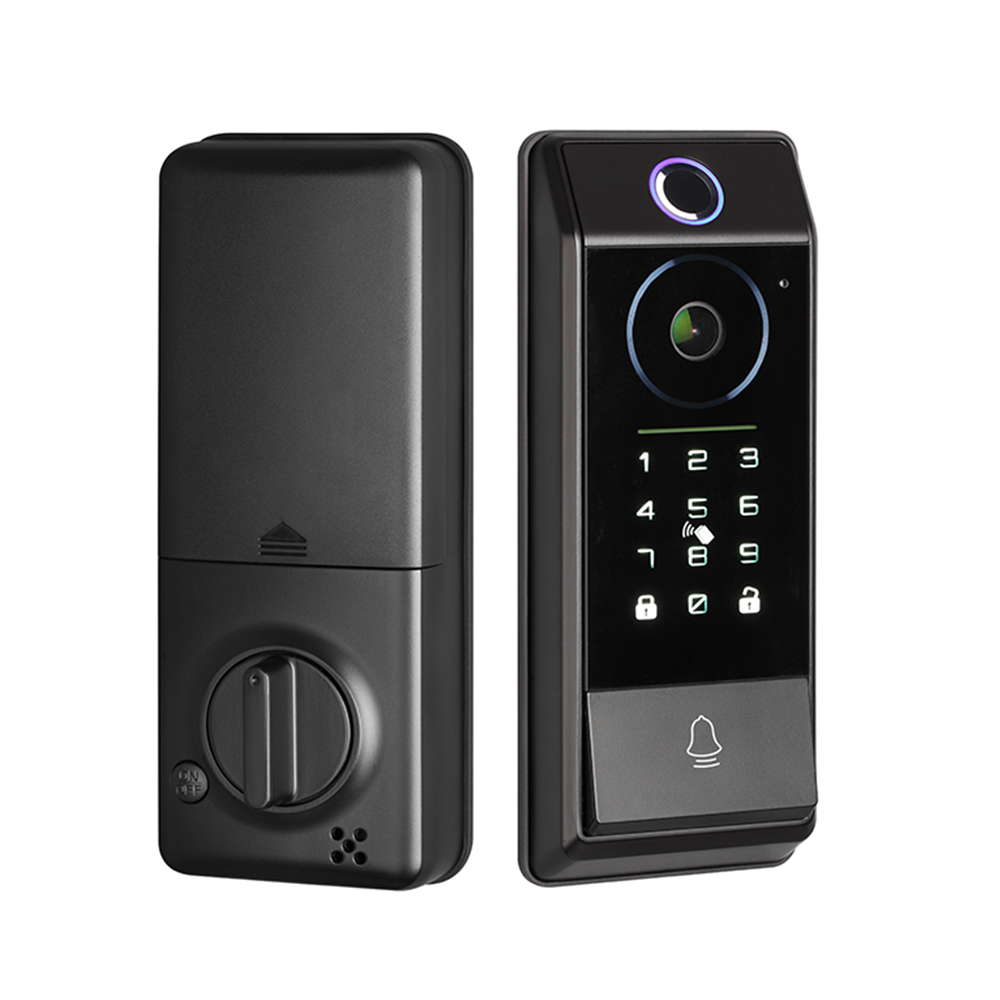 Smart deadbolt lock with video doorbell and two way intercom for front door security A229
 Bluetooth Deadblot Smart Lock with keyless access works with Google Alex tuya FM31
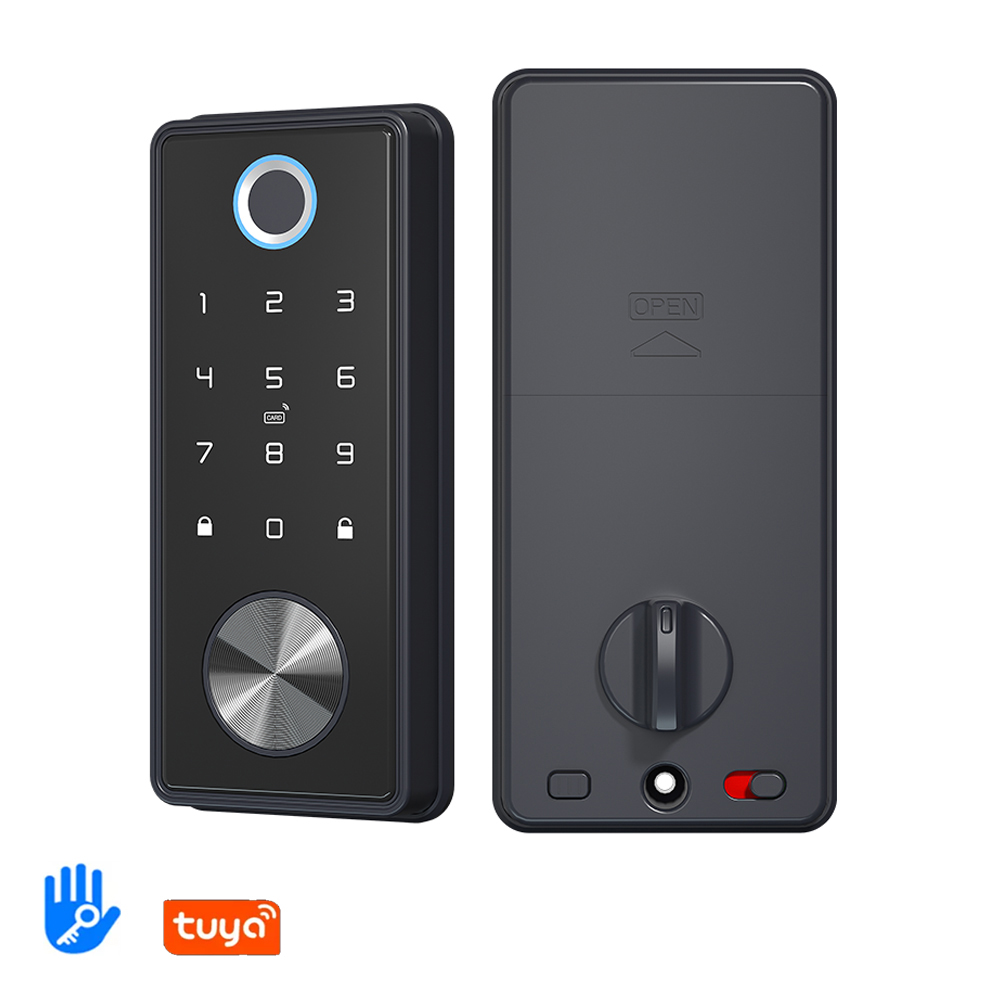 Waterproof Deadbolt Digital Lock supporting TTlock ble or TUYA wifi FM560
 WIFI Deadblot Smart Lock with Video Doorbell works with Alexa Google Tuya FM880
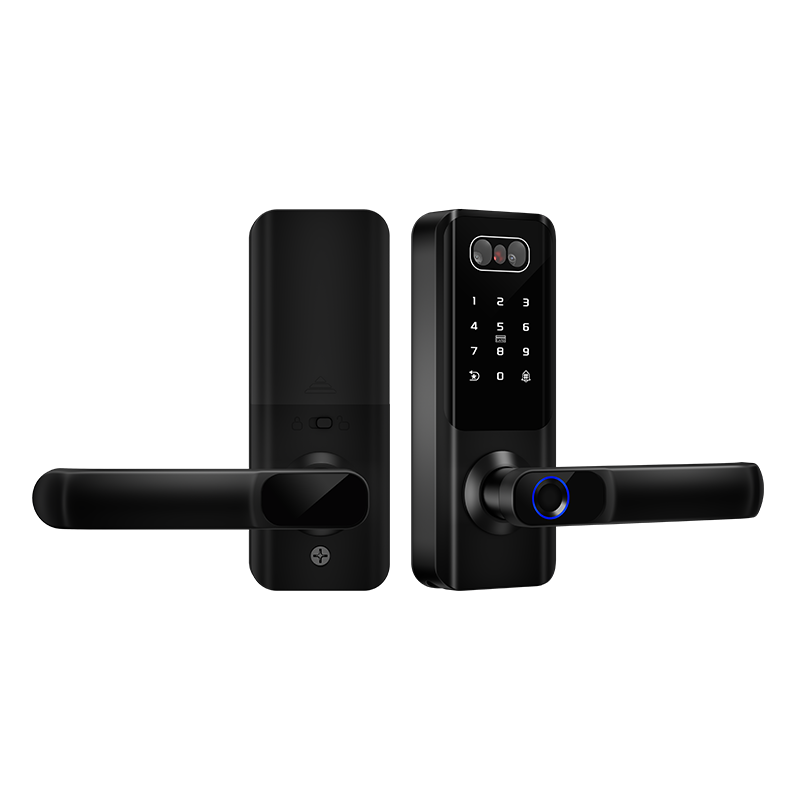 Facial Recognition Smart Lever Lock with 2MP Video Doorbell and IP66 Waterproof Tuya WiFi FM-Z86
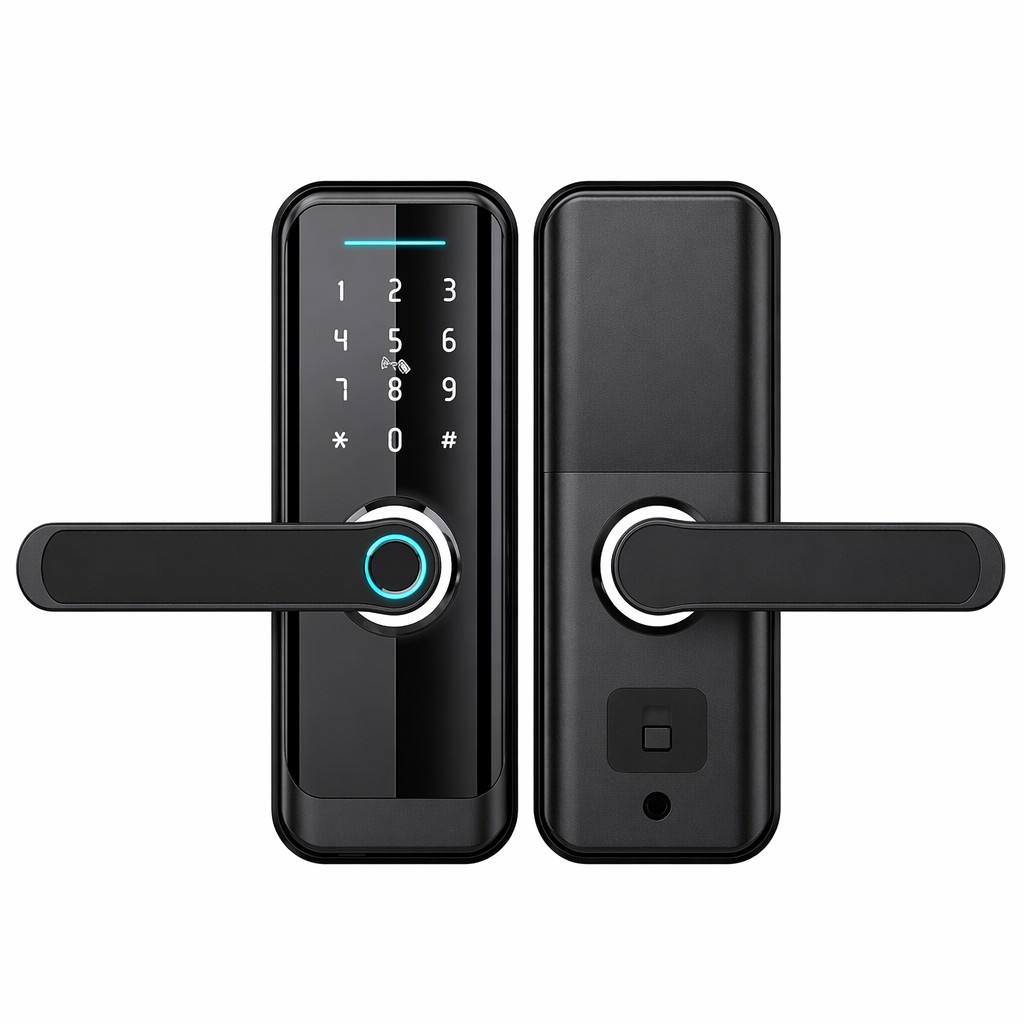 Advanced 5-in-1 Biometric Door Lock with Universal WiFi, Zigbee & 433MHz Support FM09
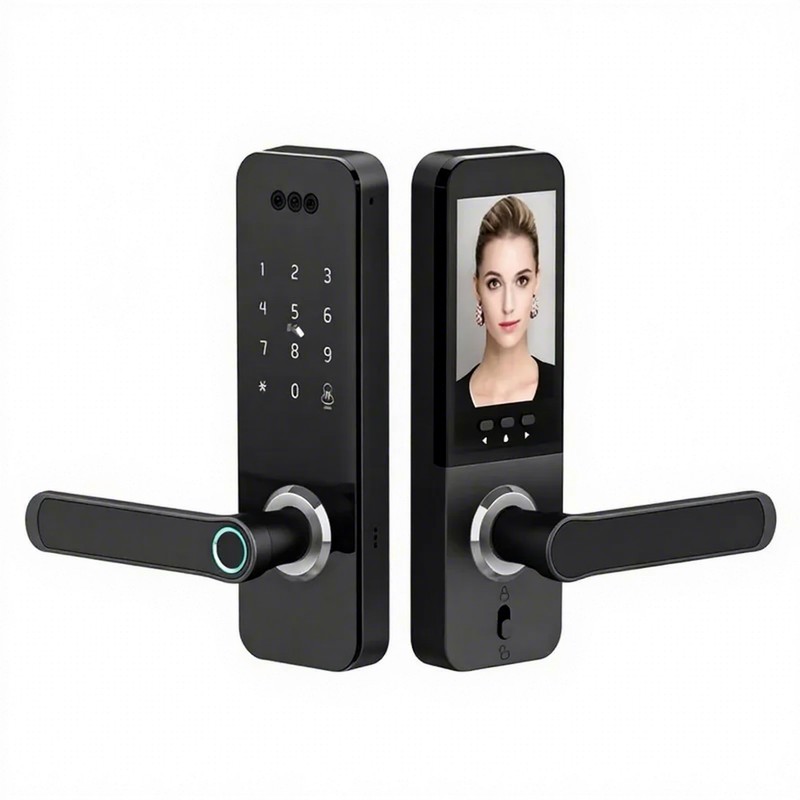 3D Face Recognition Smart Door Lock with 2MP Video Doorbell and Built-in WiFi FMP012
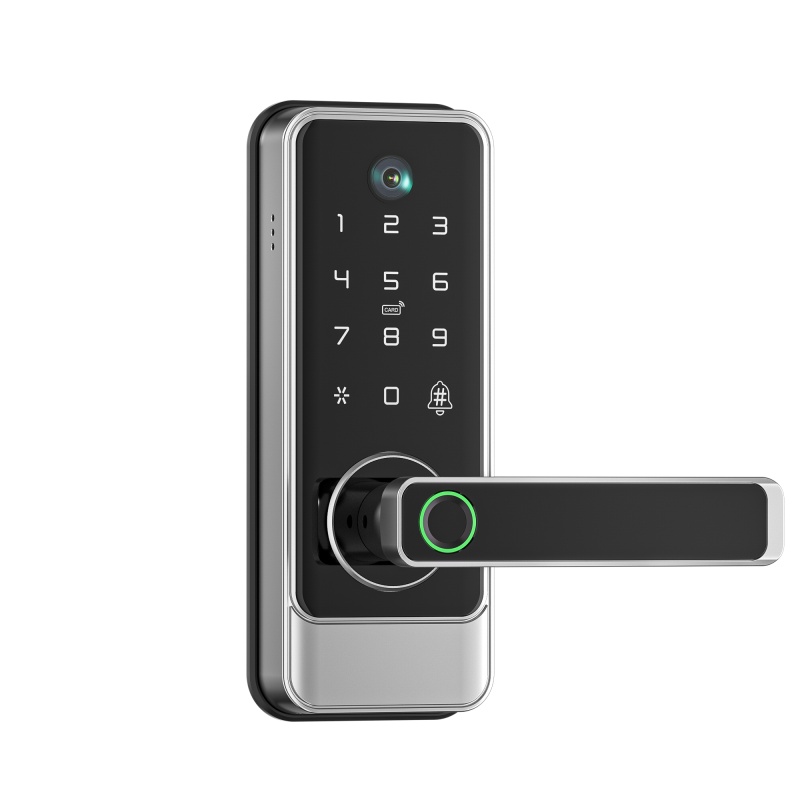 Keyless Entry Lever Lock with doorbell and Video Camera for Live Viewing
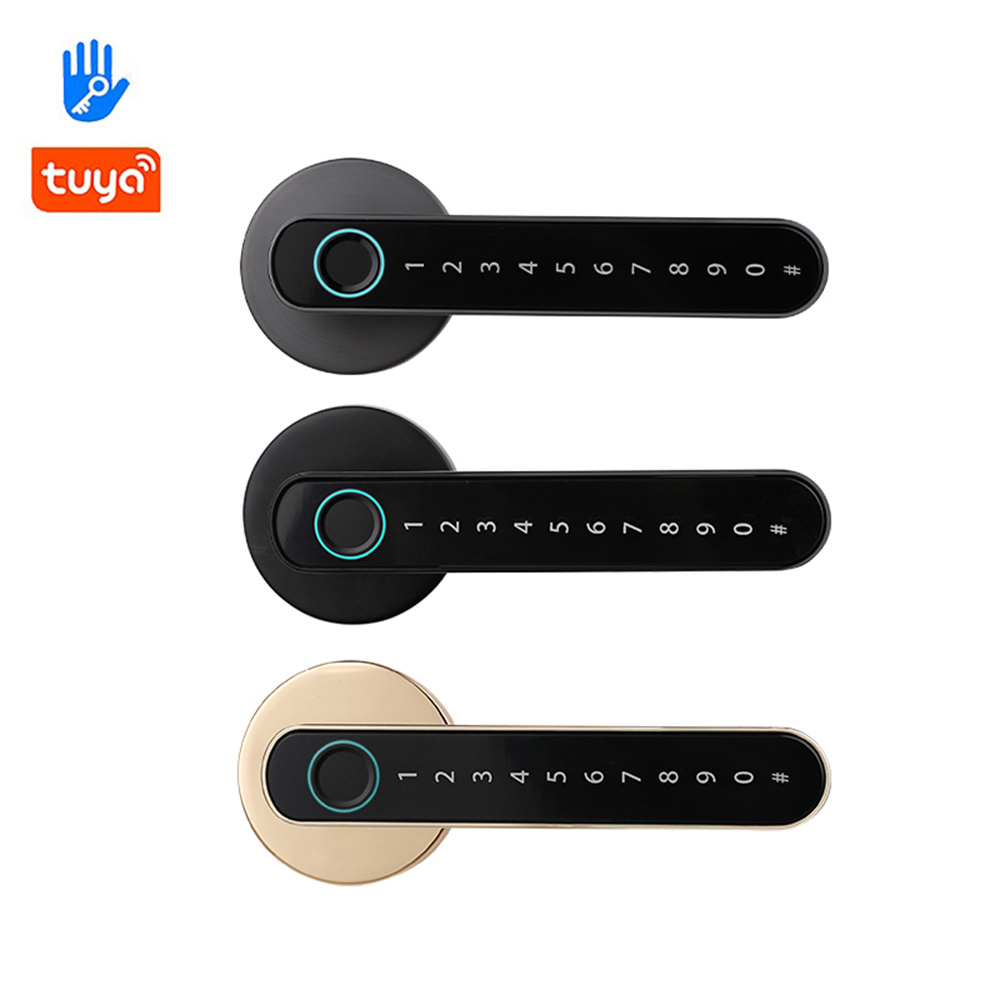 Bluetooth Lever Lock unlock by fingerprint recognition, password and App eKeys T8
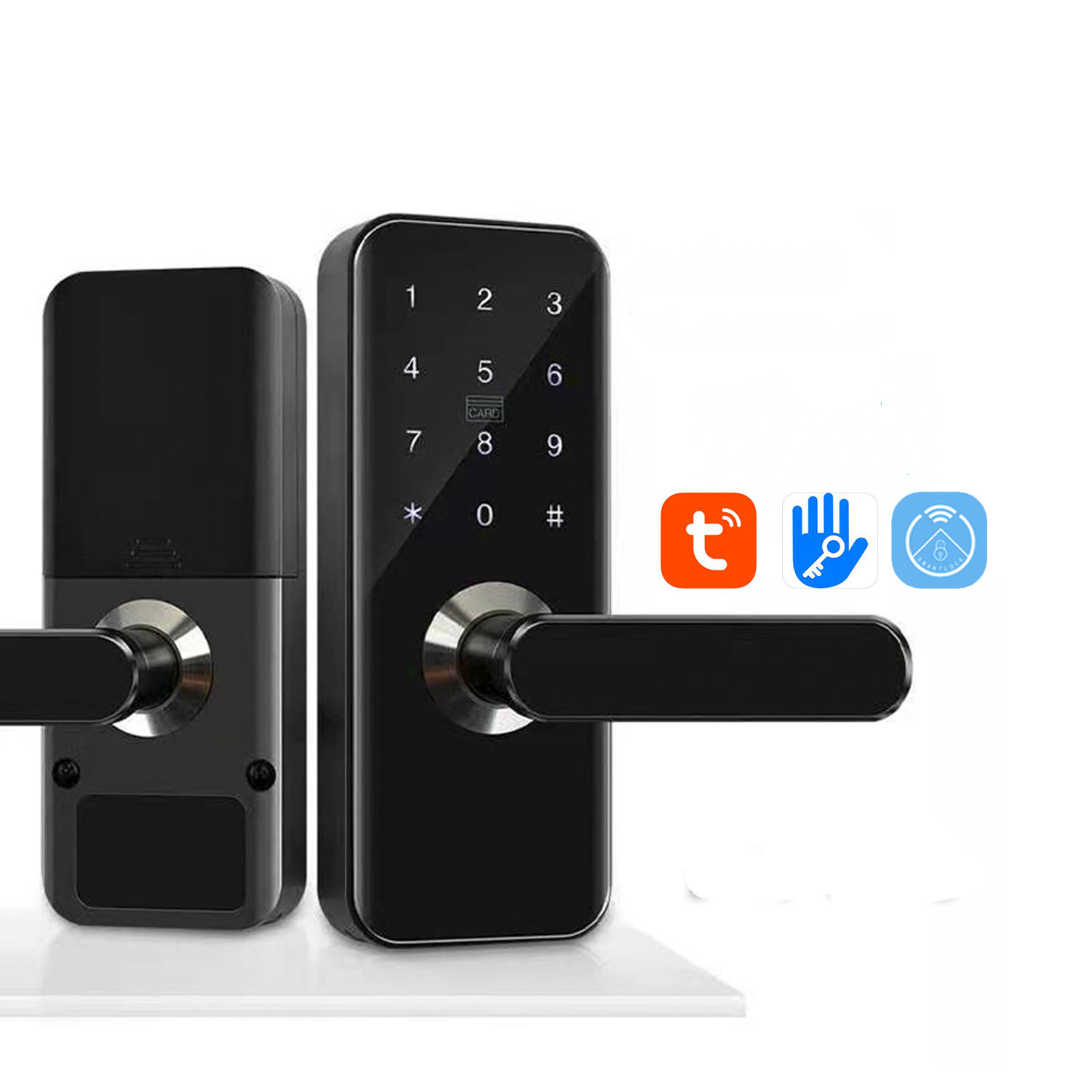 Smart lever lock supports TTlock bluetooth and TUYA wifi FM810
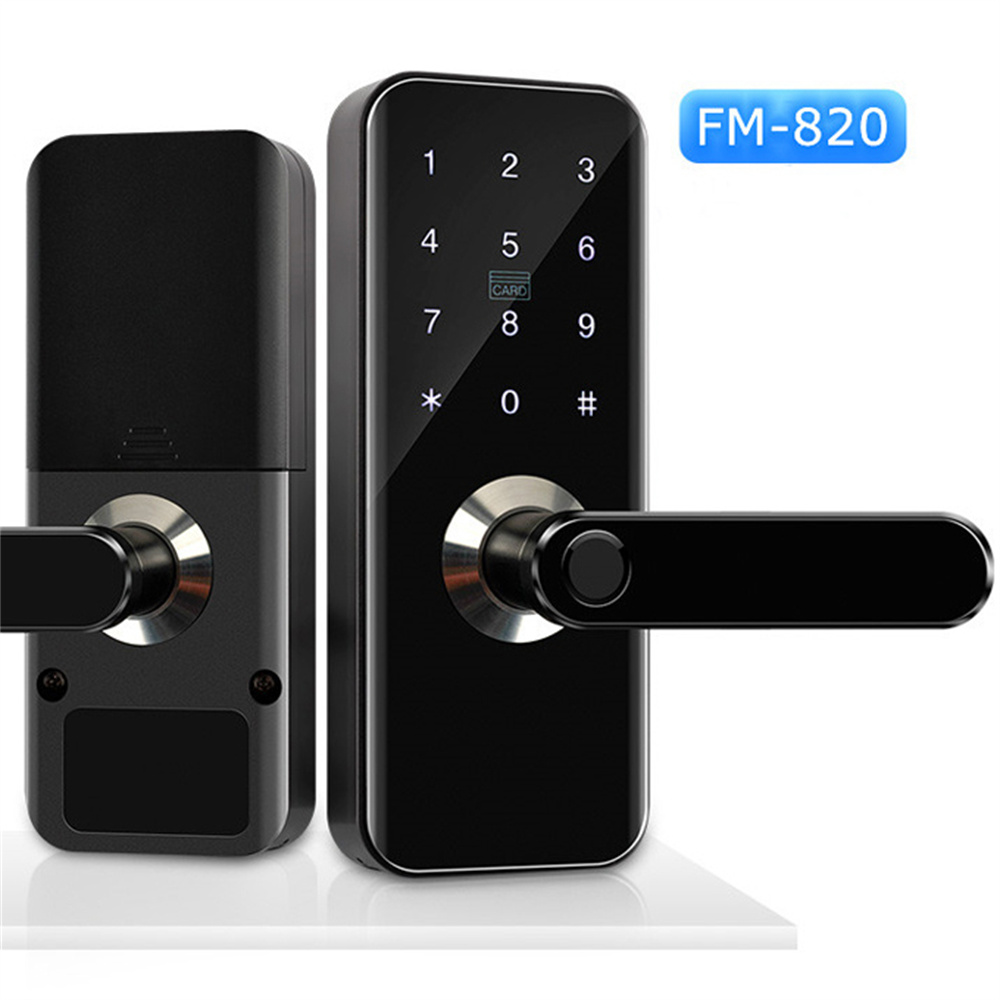 Fingerprint Smart Lever Lock with one touch Keyless Entry fits US Knob & Lever FM820
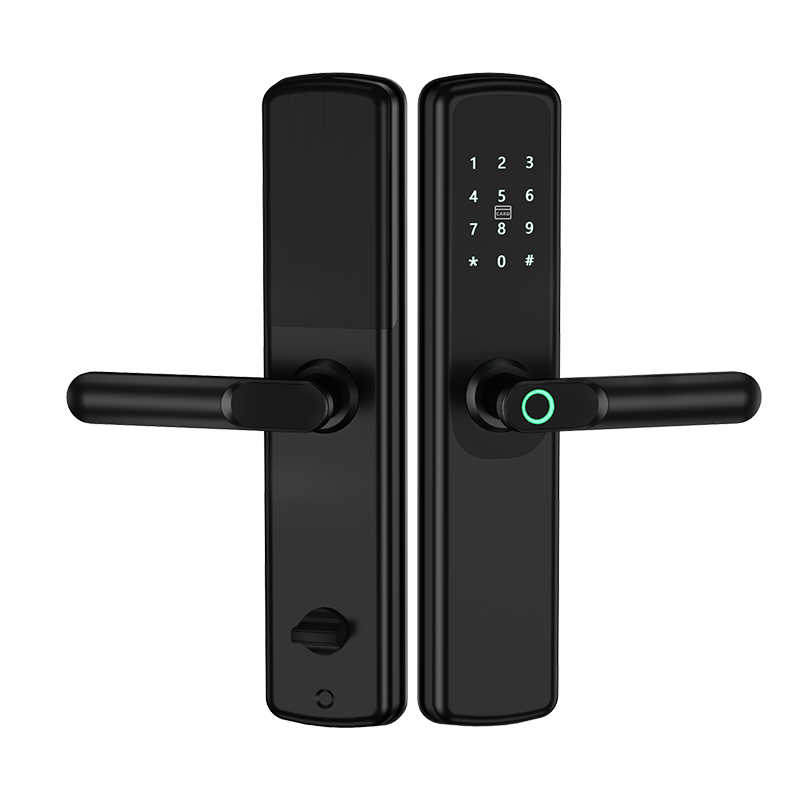 Intelligent Biometric Door Lock with 2MP Video Doorbell and Tuya WiFi FM-05
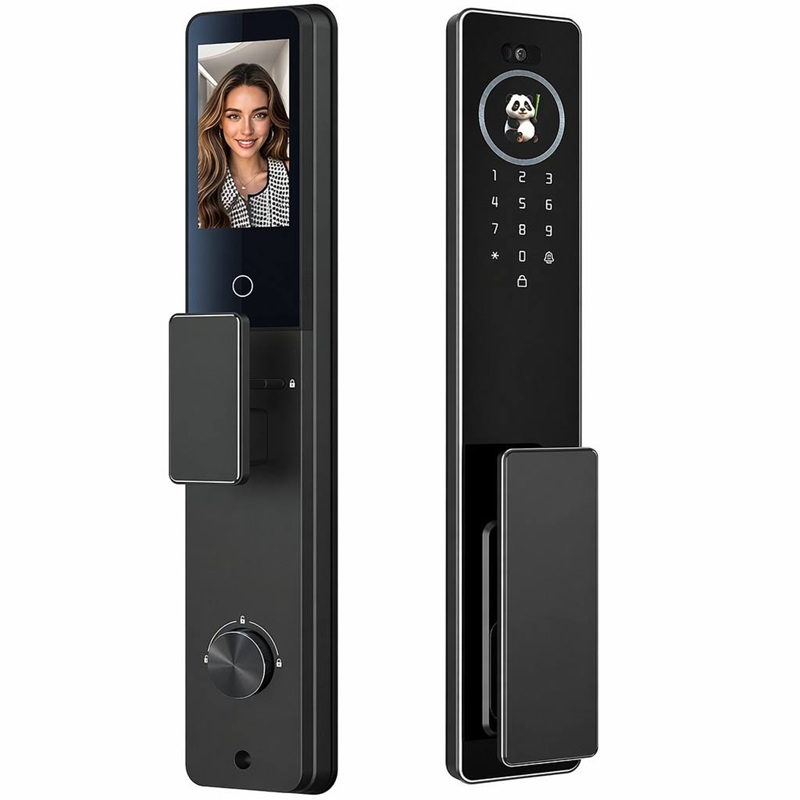 Flagship Biometric Security Lock — Advanced 3D Face Access & 4.5" IPS Live Viewer FM93
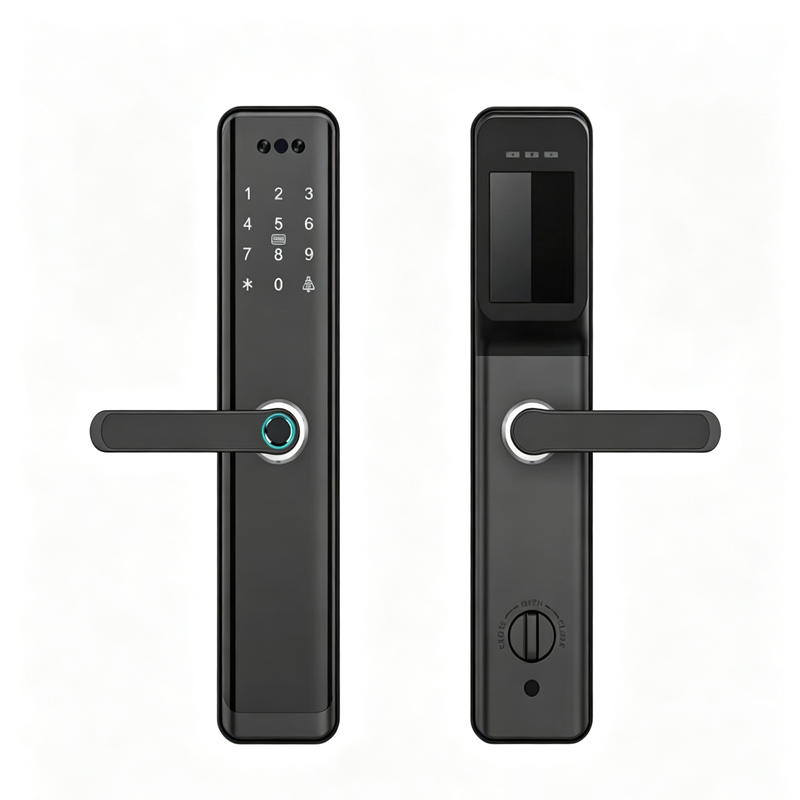 Smart Lever Lock with Fingerprint Facial Recognition and Video Doorbell Tuya WiFi TTlock FM-128
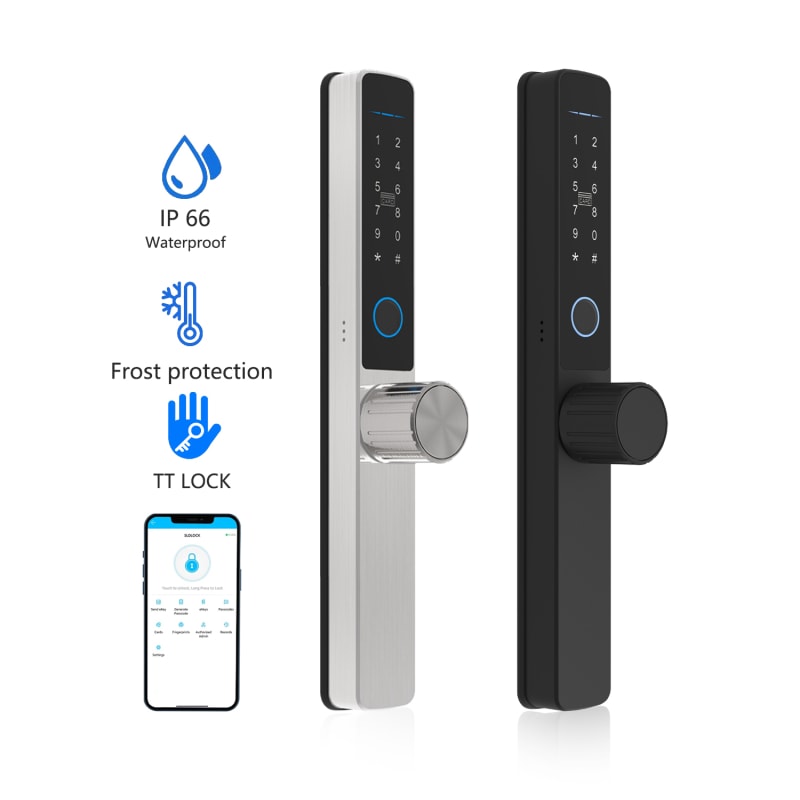 Keyless Entry Door Lock Fits Both Traditional Mortise and Smart Lock Mortise
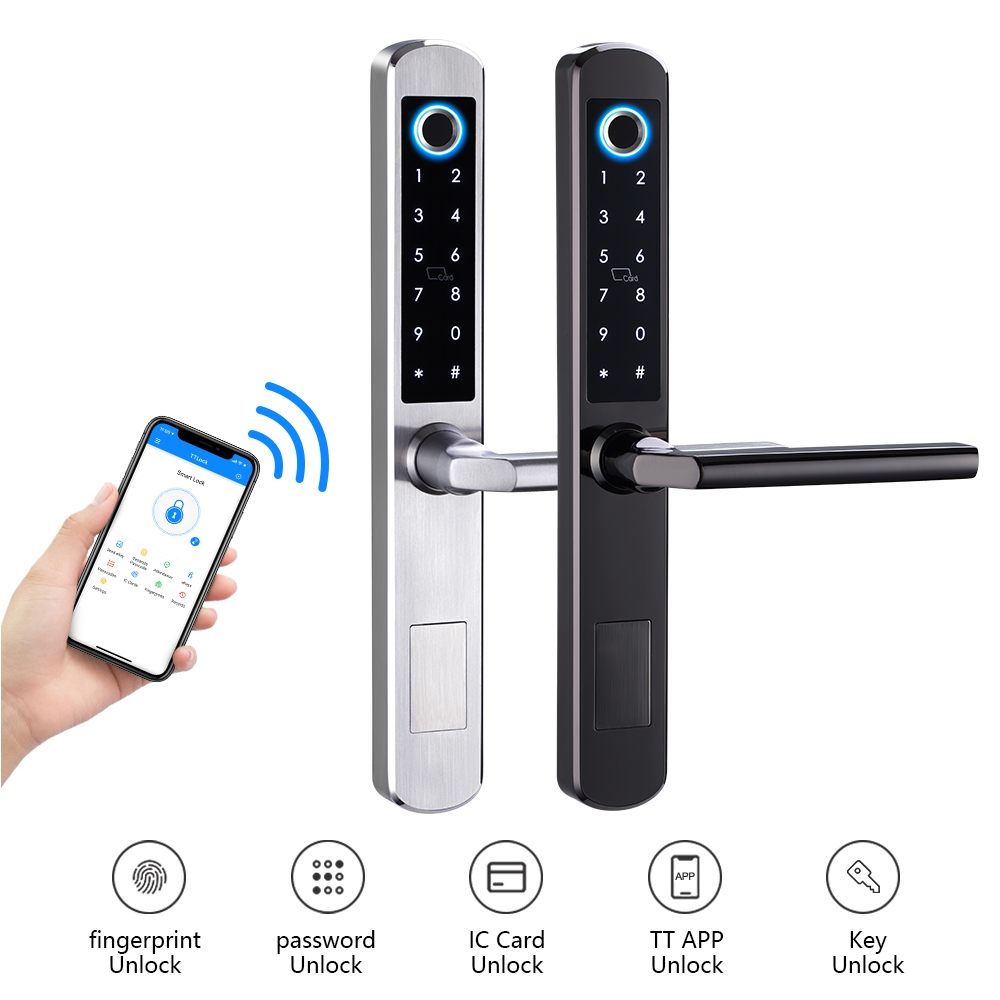 Slim 304 stainless steel keypad lock with IP65 waterproof case for thermal break sliding doors FM210
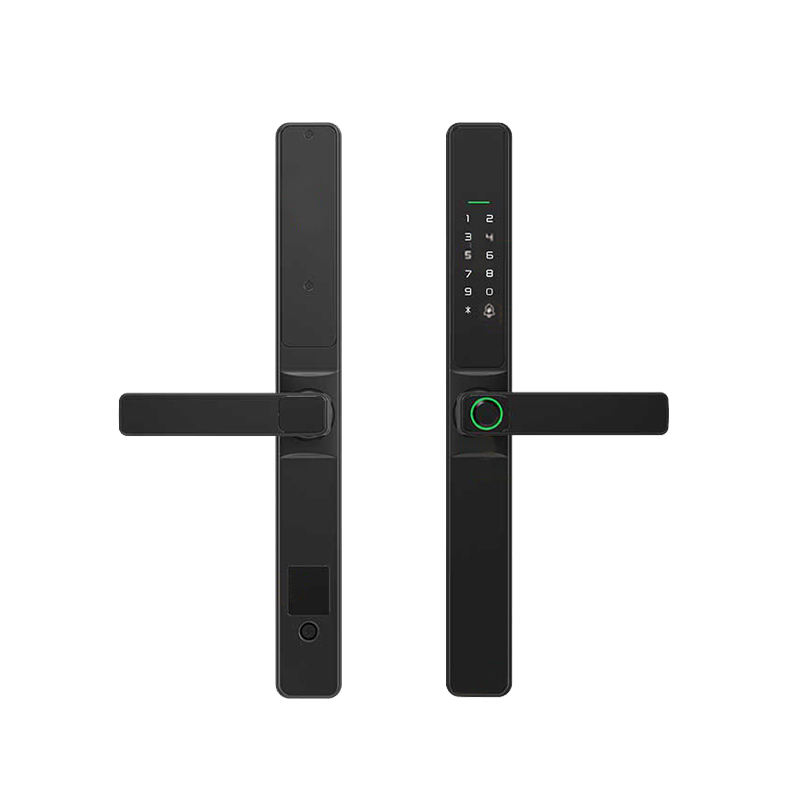 Fingerprint lock with hook mortise for slim sliding door and IP66 waterproof for outdoor use F6
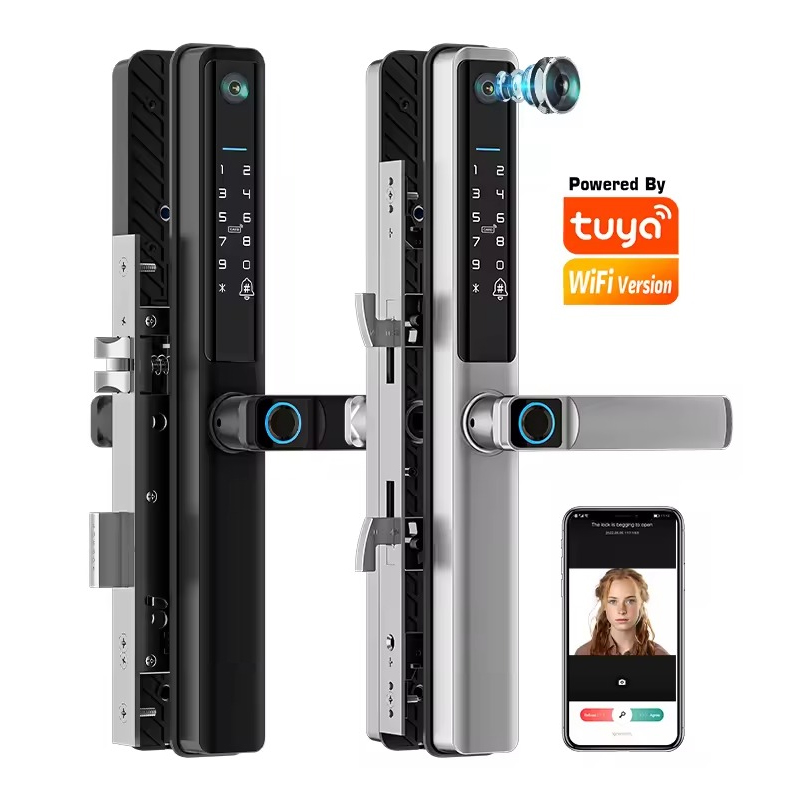 Keyless entry door lock for slim sliding door with camera and doorbell F5 PRO
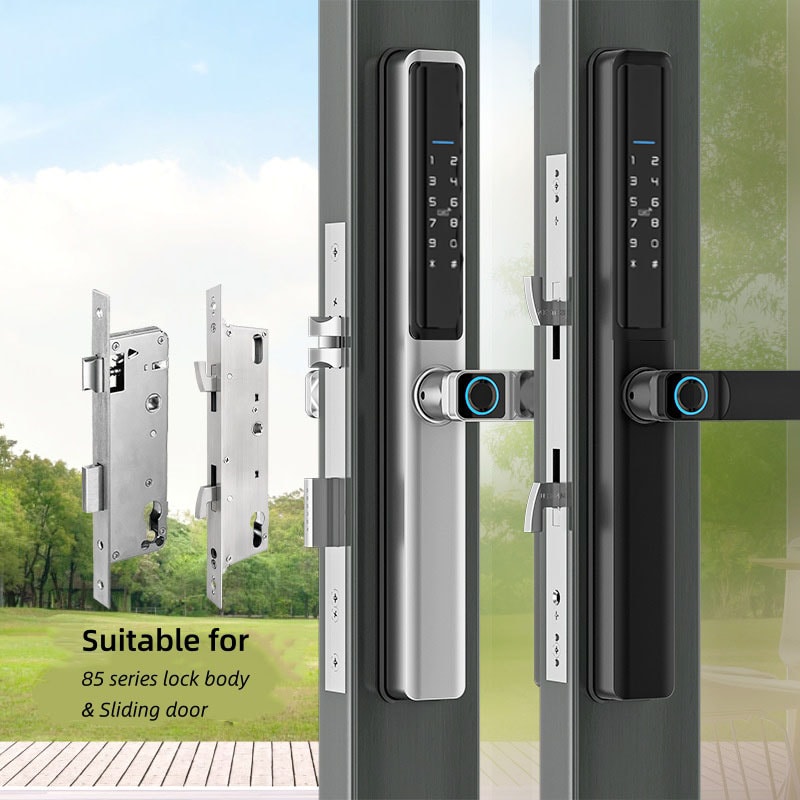 Smart door lock with hook mortise for aluminum slim sliding door F5
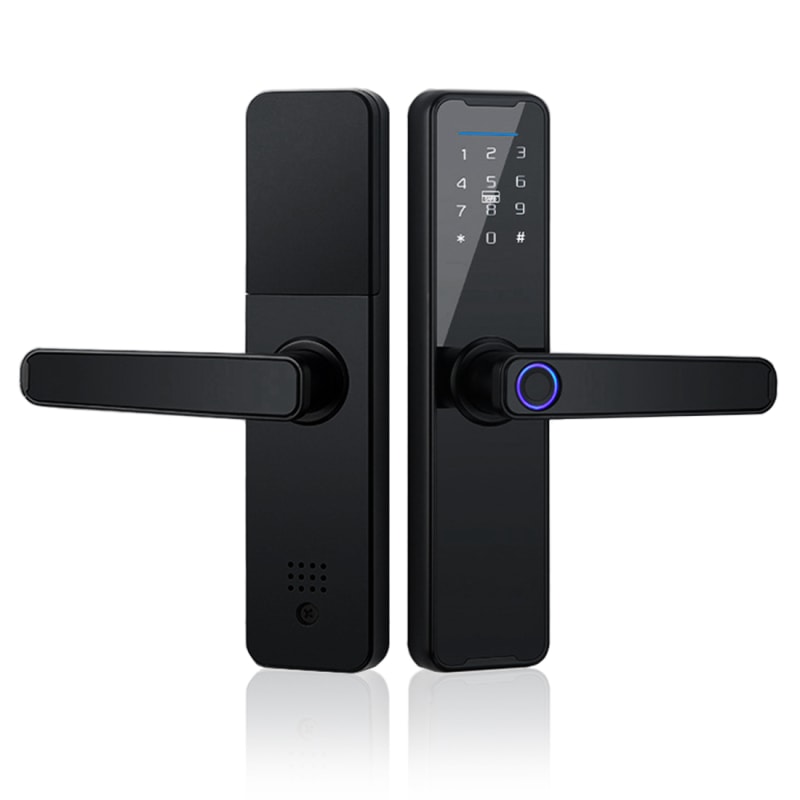 Front door smart Locks made of aluminum alloy compatible with multiple mortise types
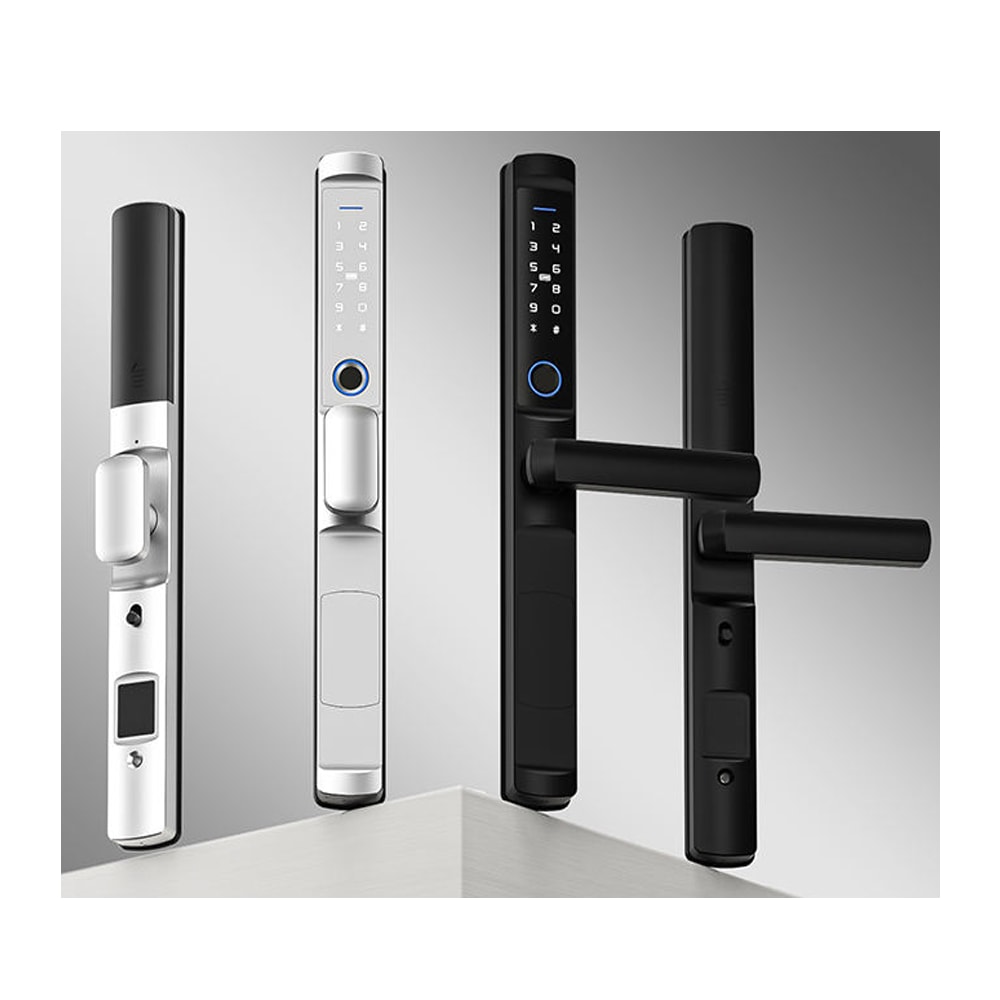 Keypad Door Lock with IP66 Waterproof case and Two Handle Styles Options
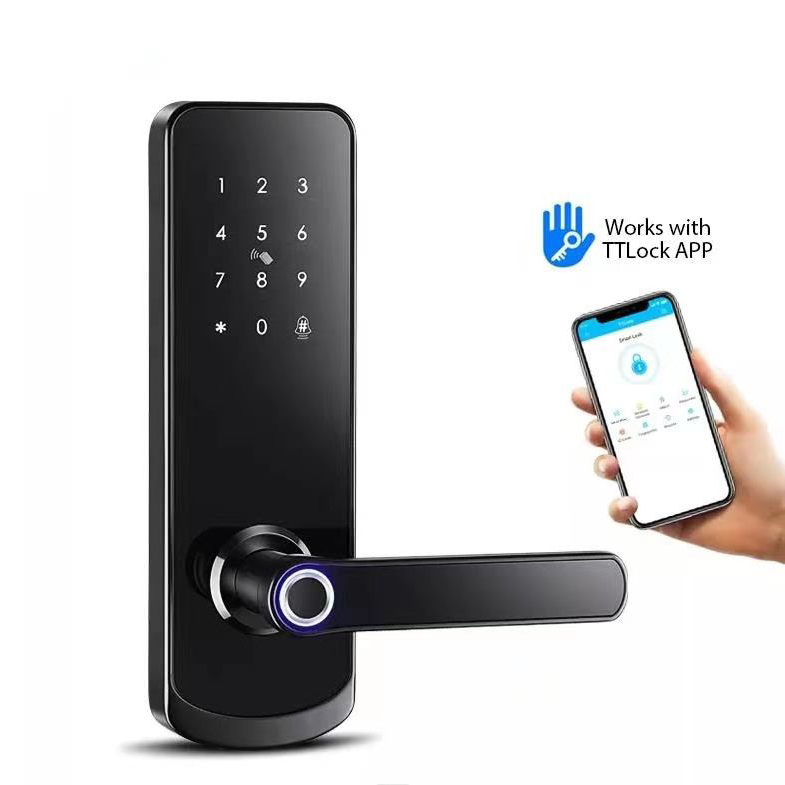 Fingerprint door lock for Front door with Anti-prying latch to prevent the card prying the door
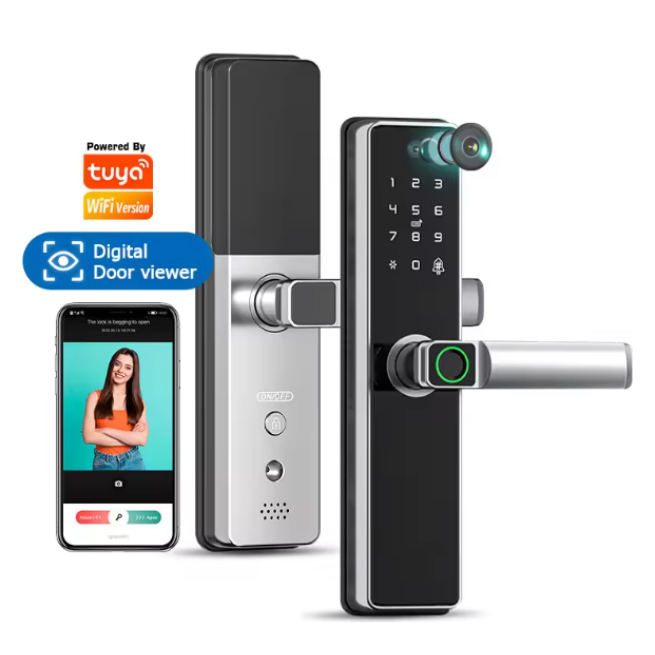 Front Door Keypad Lock with Fingerprint and Doorbell B2
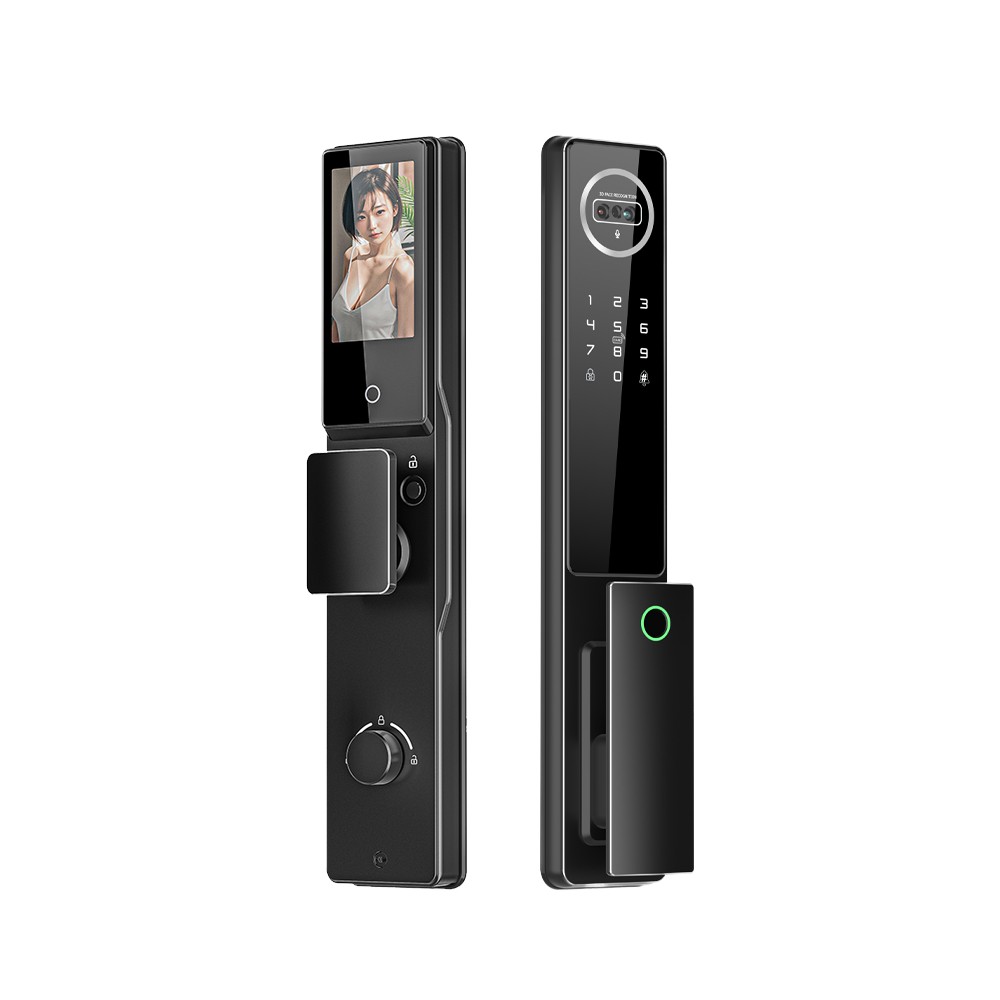 Face Recognition Smart Door Lock with Video Intercom Doorbell Tuya WiFi D1
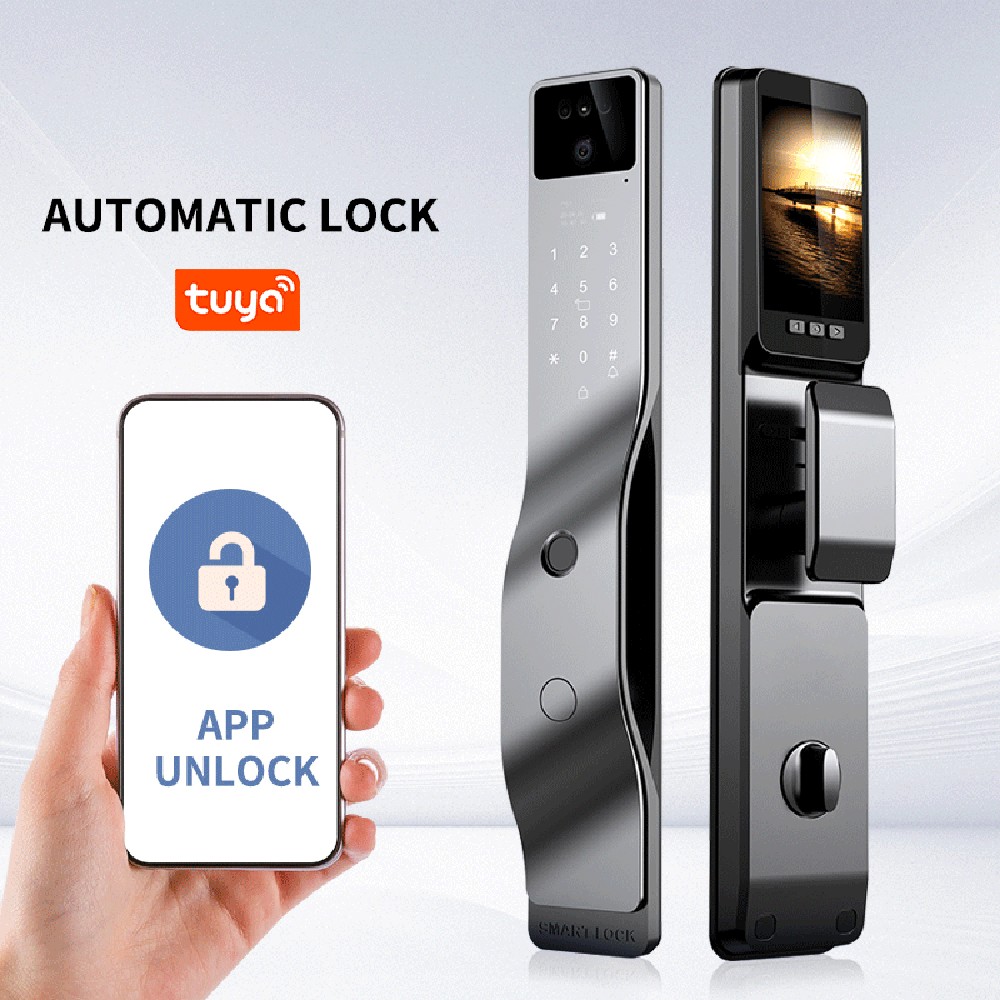 WIFI Smart Mortise Lock with Tuya Video Doorbell support Face Scan Palm Vein F7
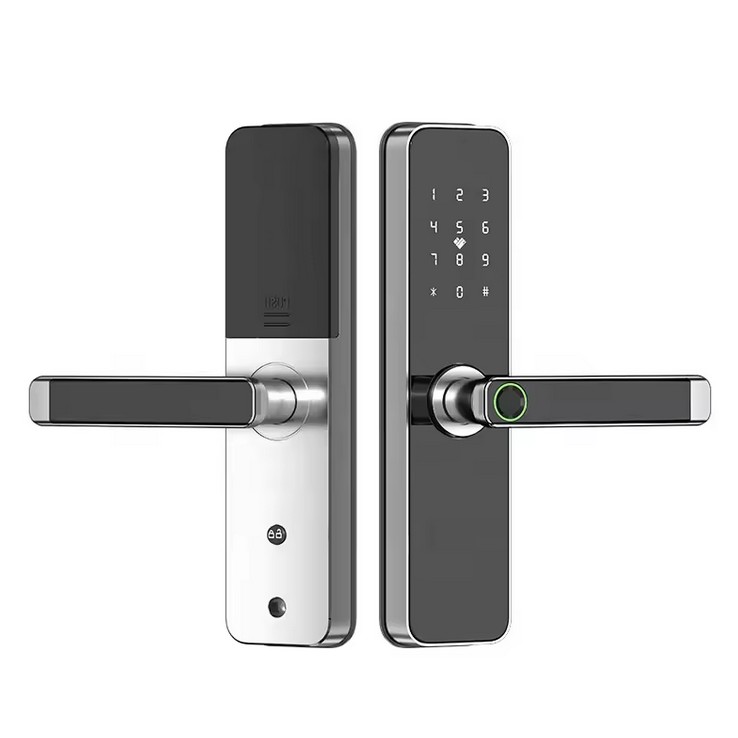 Smart mortise lock with bluetooth and WIFI optional FM028
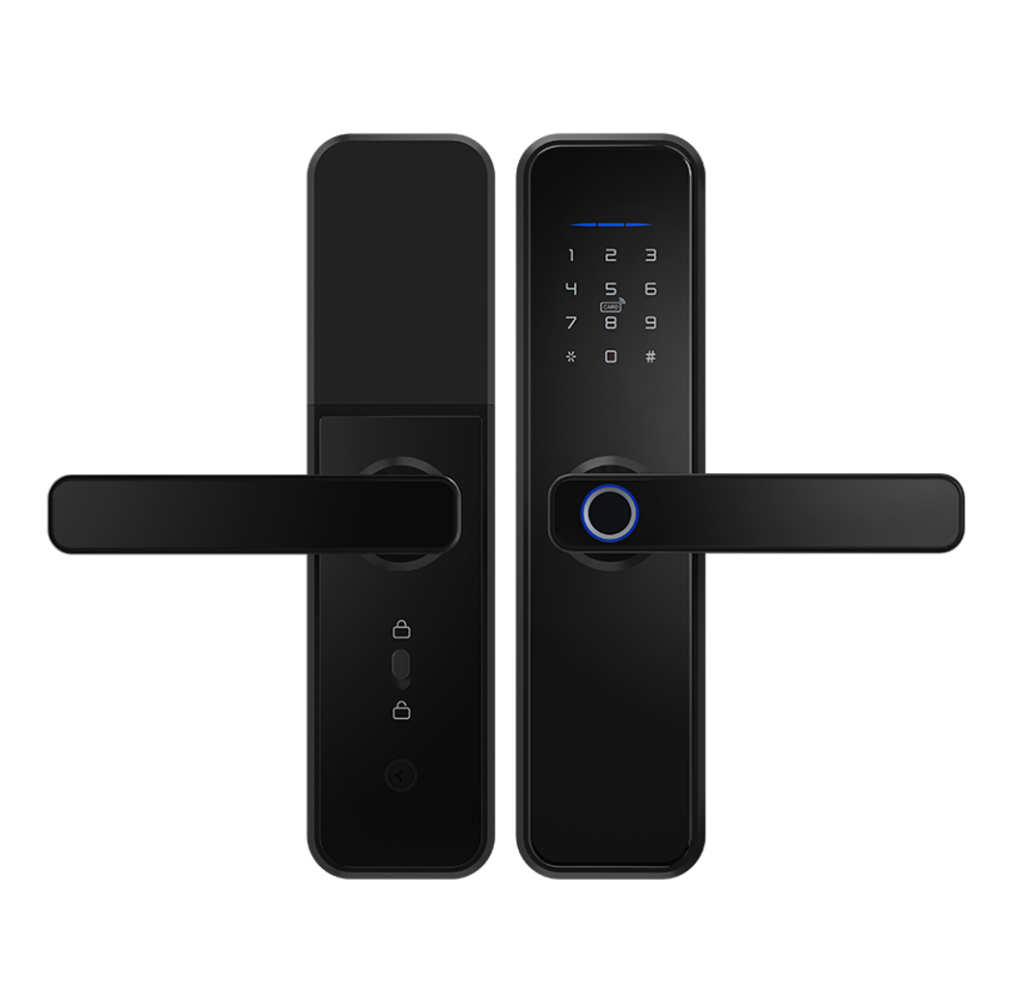 Mortise Smart Lock with multi keyless accesses FM550
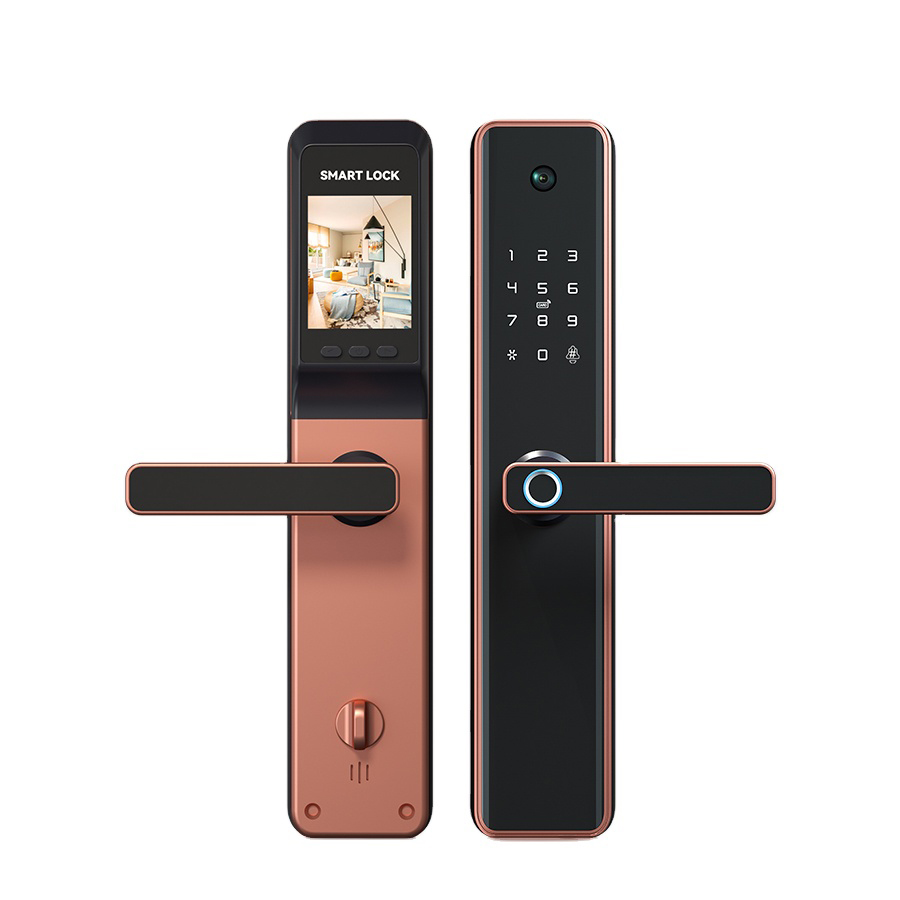 Camera Smart Lock with Finger Scan Supporting Tuya WiFi or Zigbee FM551
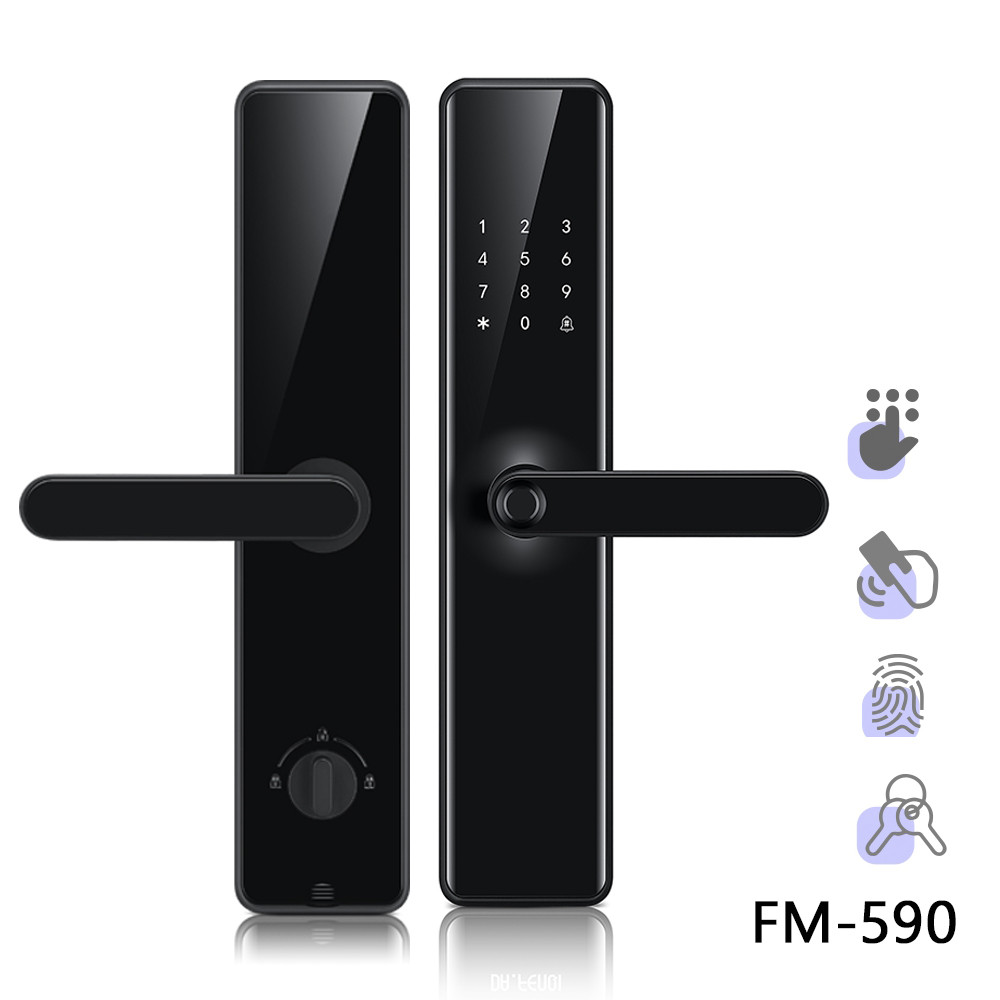 Smart Door Lock with Fingerprint and Voice Control FM590
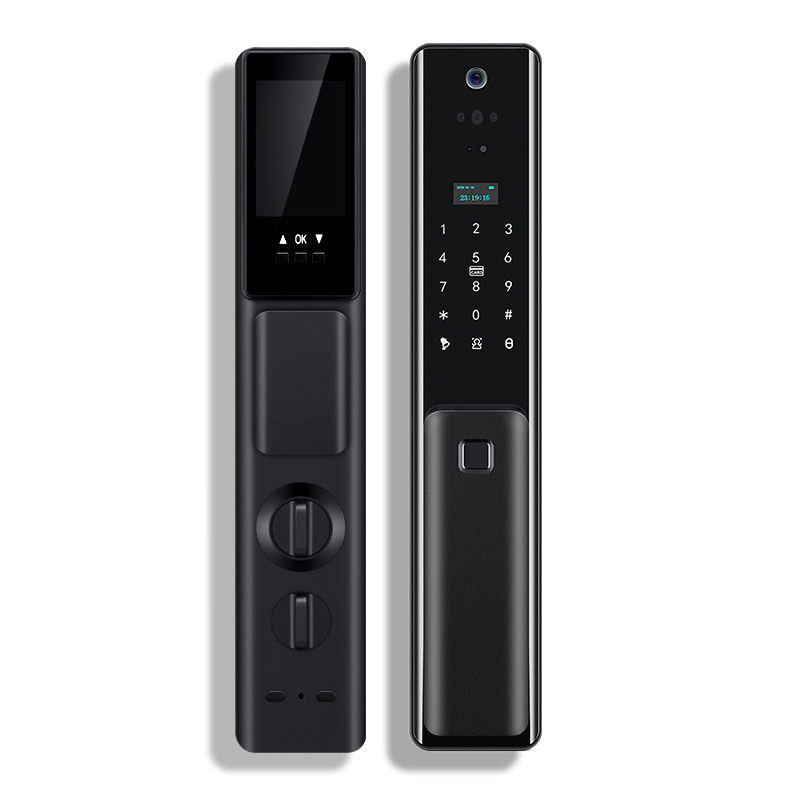 Fingerprint Door Lock with Face Scanner and Camera Supports google home FM720
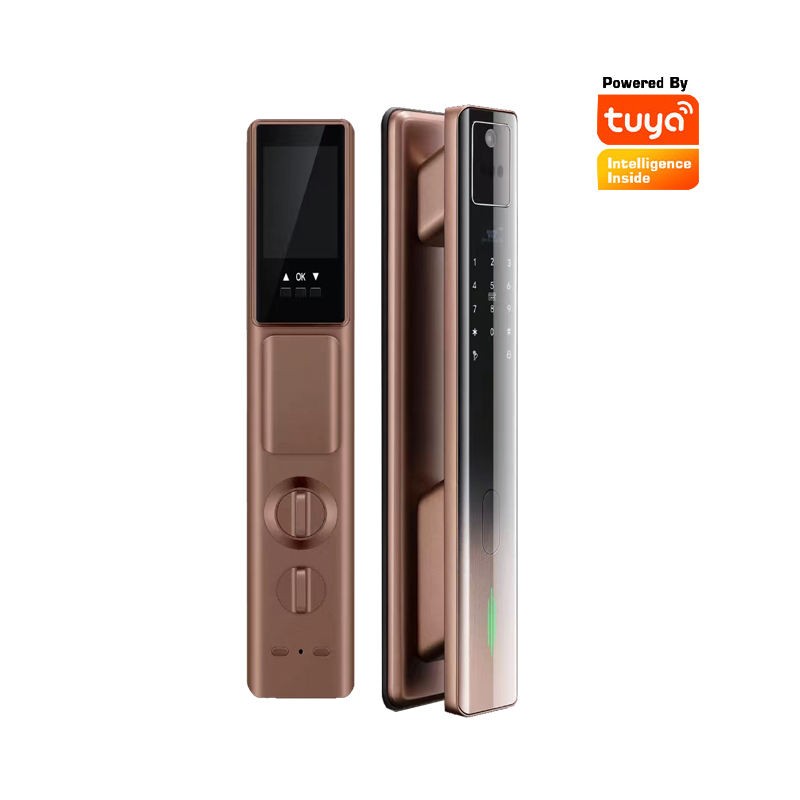 Facial Recognition Smart Lock with Video Intercom and Thumbprint FM730
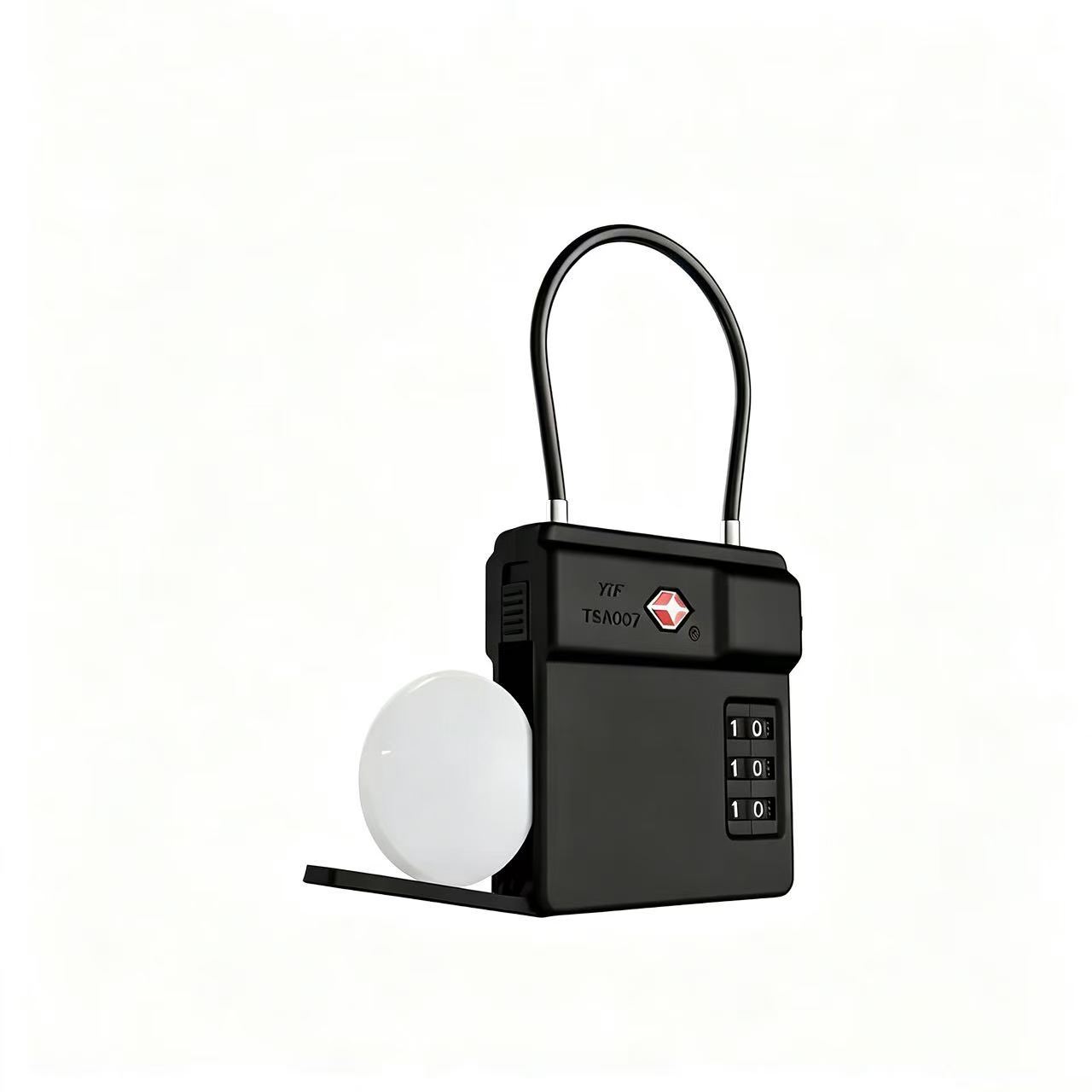 Smart TSA Approved Cable Lock with Integrated Airtag Tracking for iOS and Android FMA002
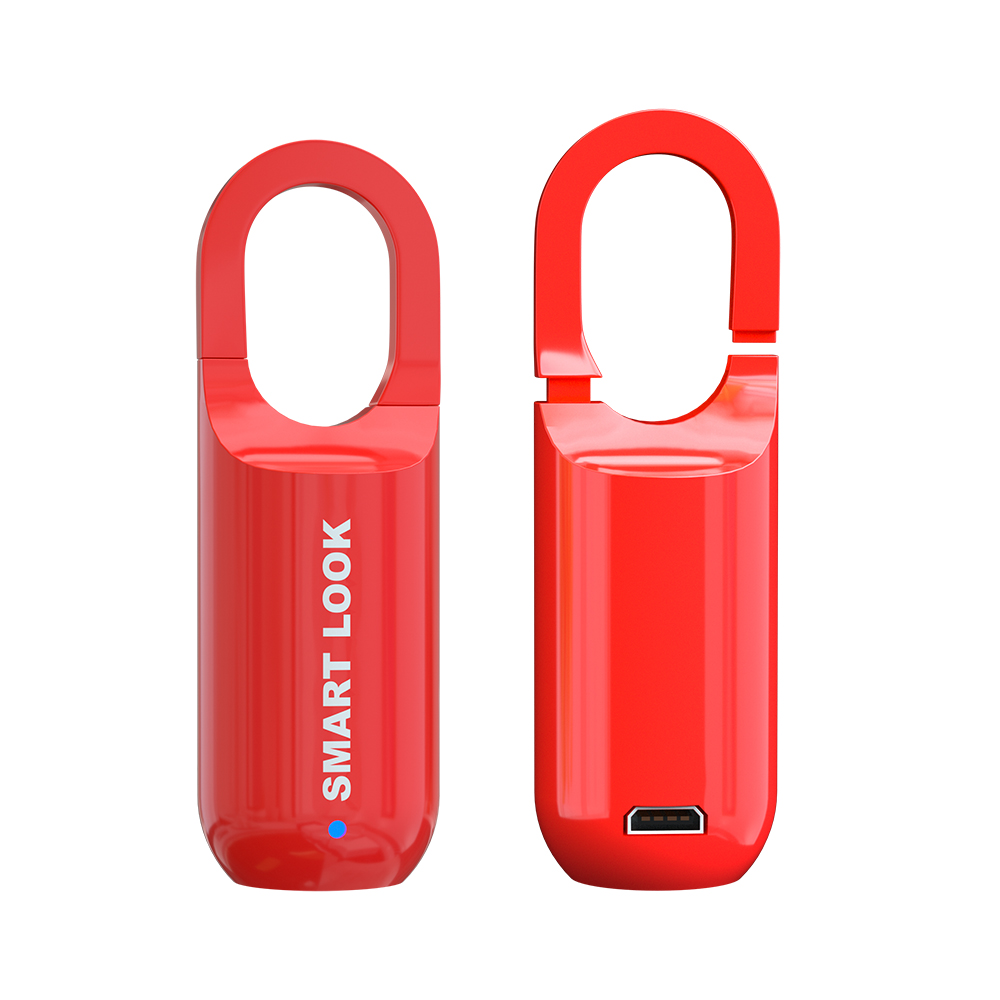 Fingerprint Smart Padlock with Bluetooth App Control and 365-Day Standby Tuya FMP001
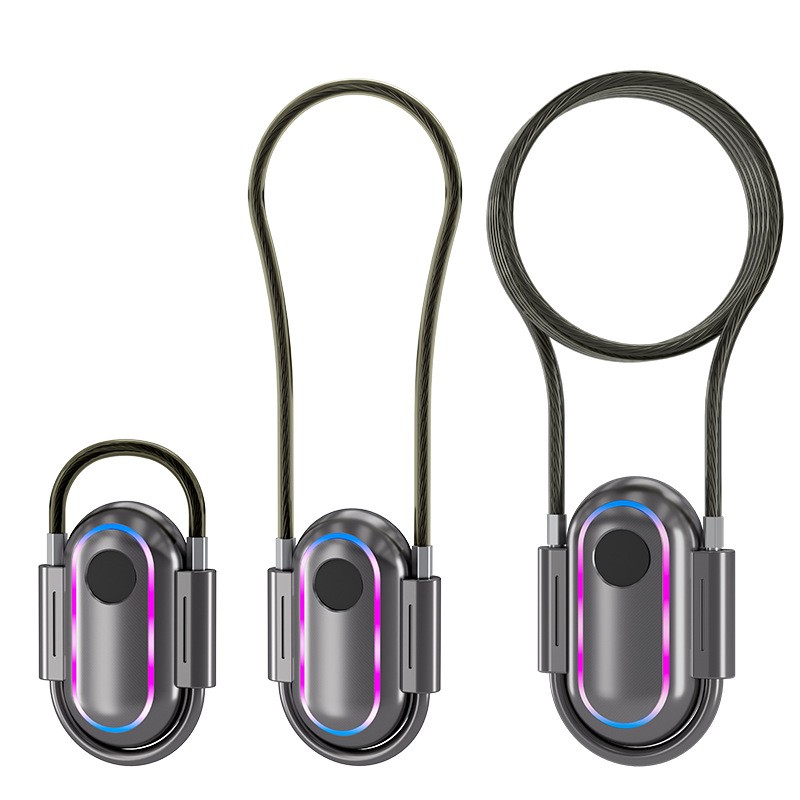 Fingerprint Smart Padlock with IPX5 Waterproof and 3 Steel Cable Lengths FMP002
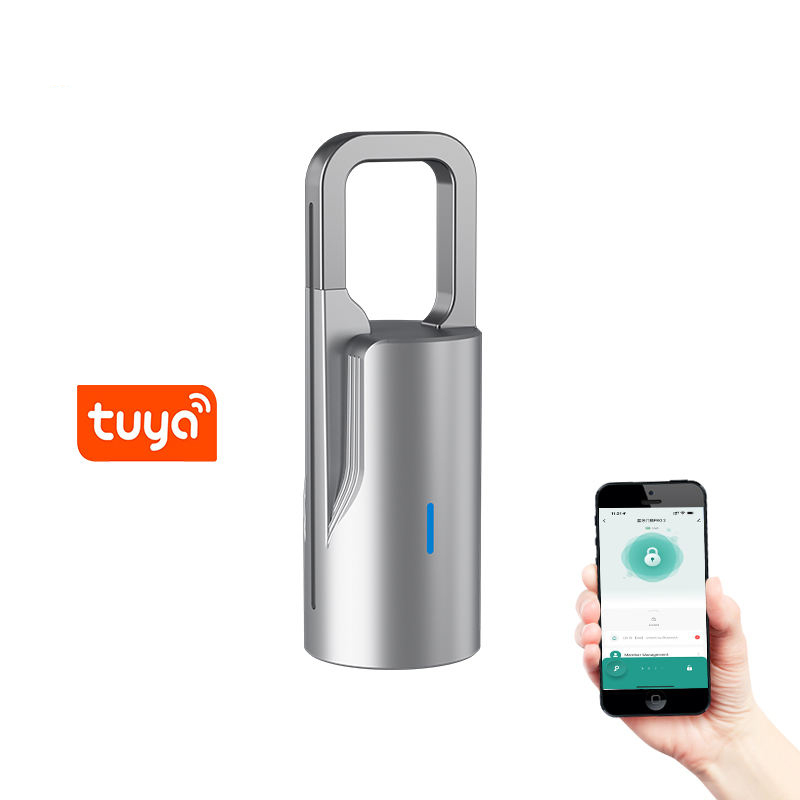 Fingerprint Smart Padlock with Bluetooth App Control and IPX5 Waterproof FMP003
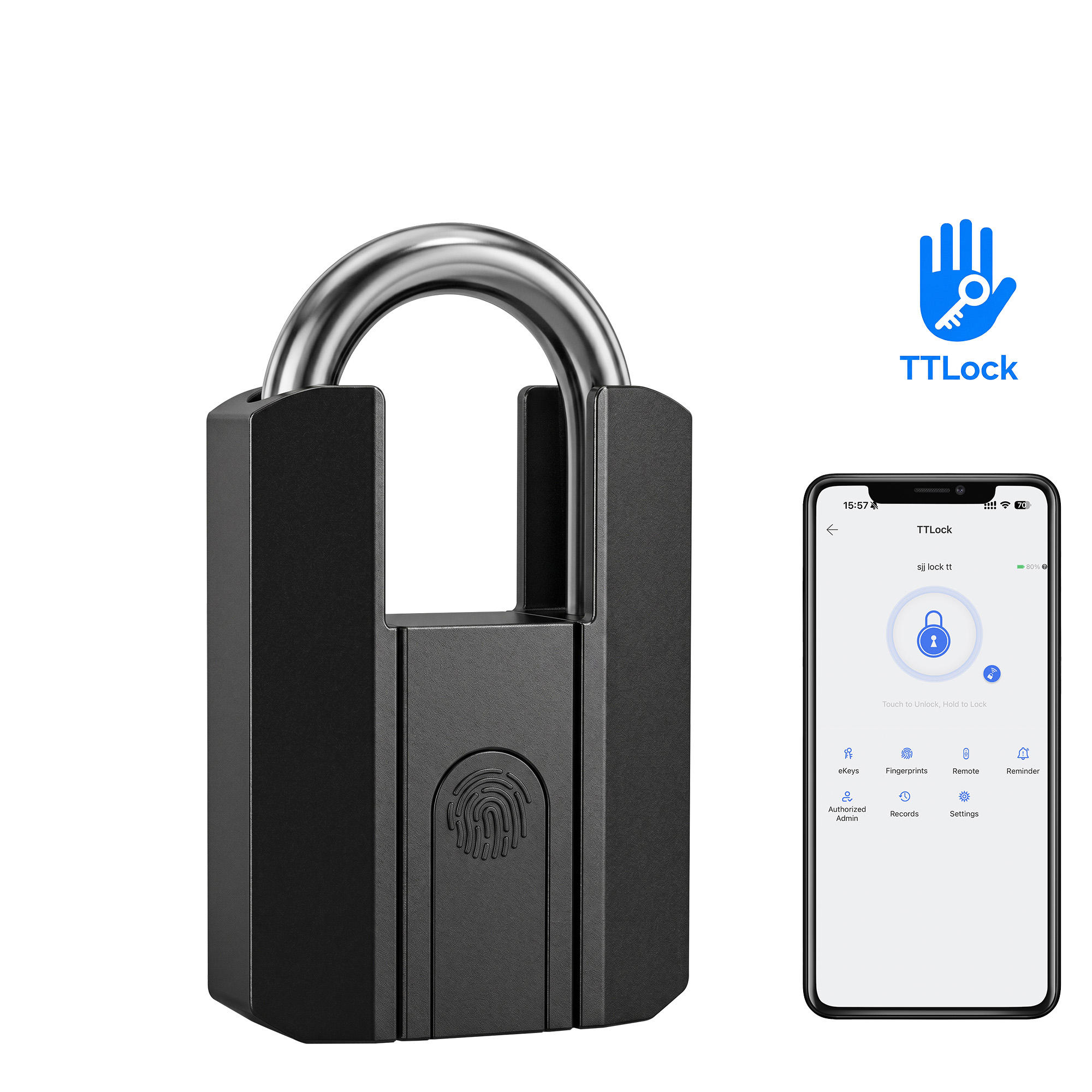 Heavy-Duty Fingerprint Padlock with IP67 Waterproof Shackle and TTLock Bluetooth FMP004
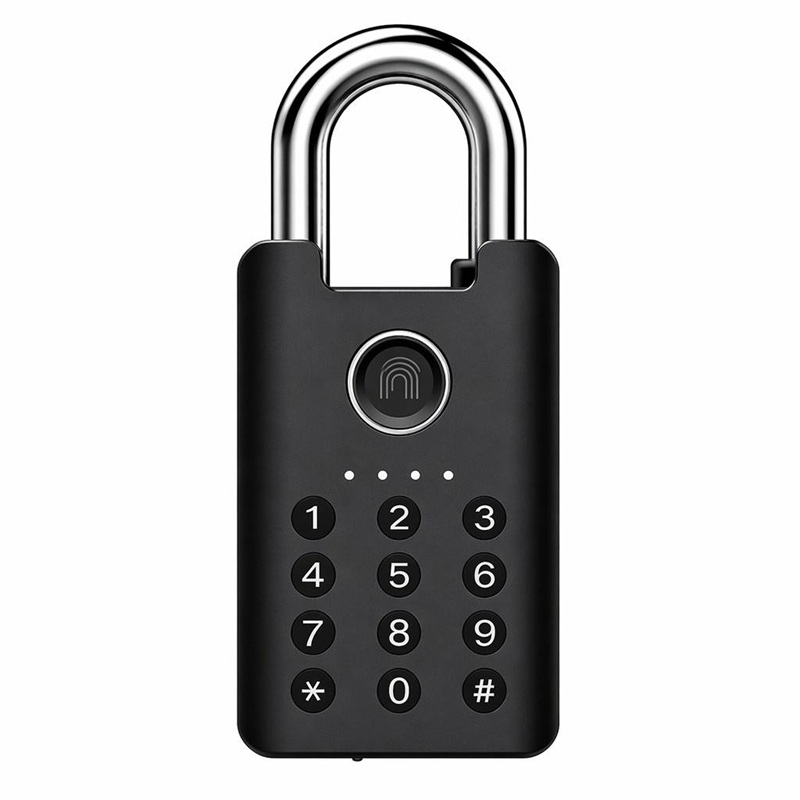 Heavy Duty Fingerprint Smart Padlock with Password Keypad IP65 Waterproof FMP005
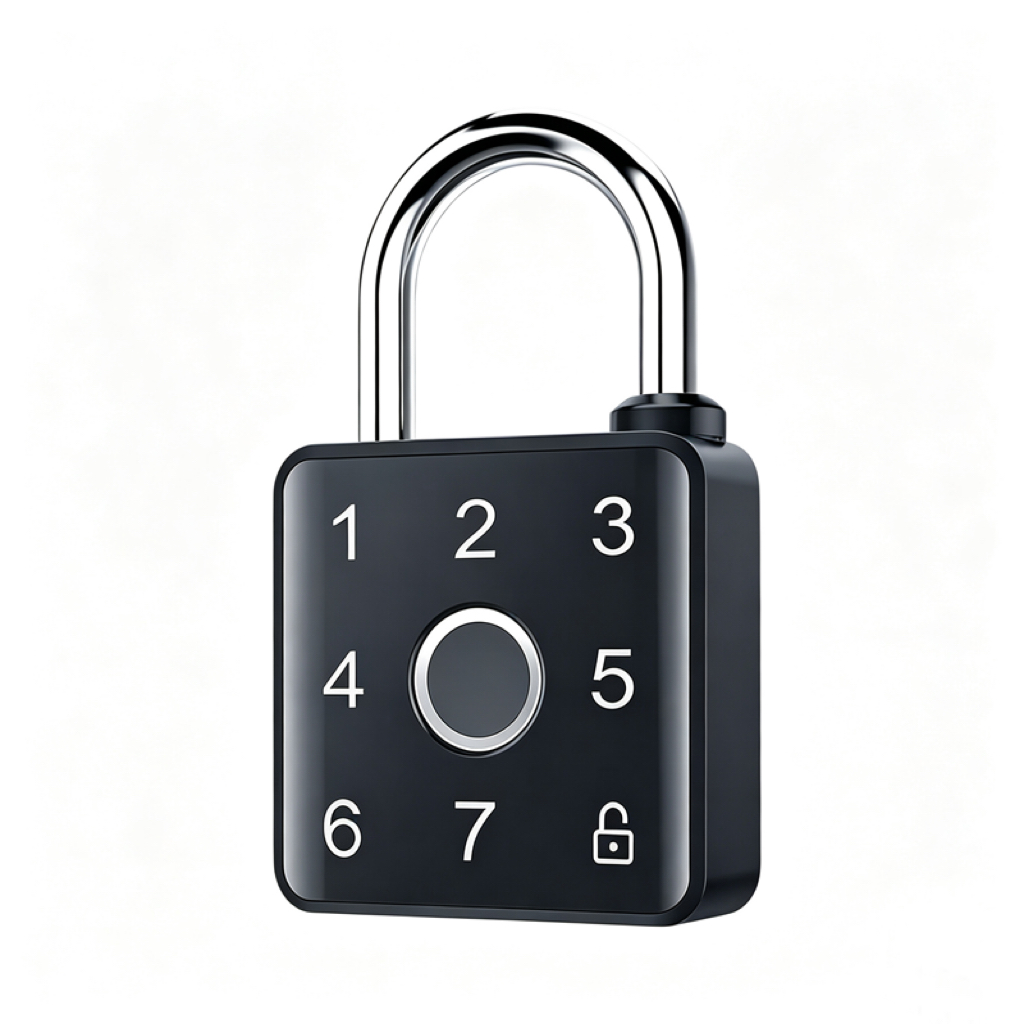 Multi-Access Fingerprint Padlock with Keypad, App Control & IP65 Waterproof FMP006
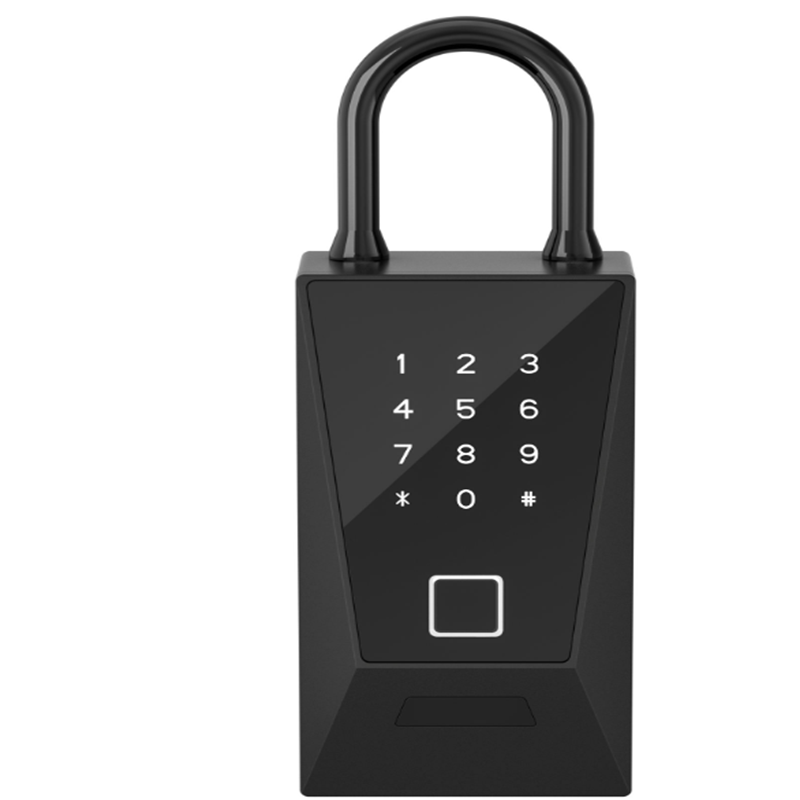 WiFi Smart Key Box with Fingerprint Password Card Access IPX5 Waterproof FMP007
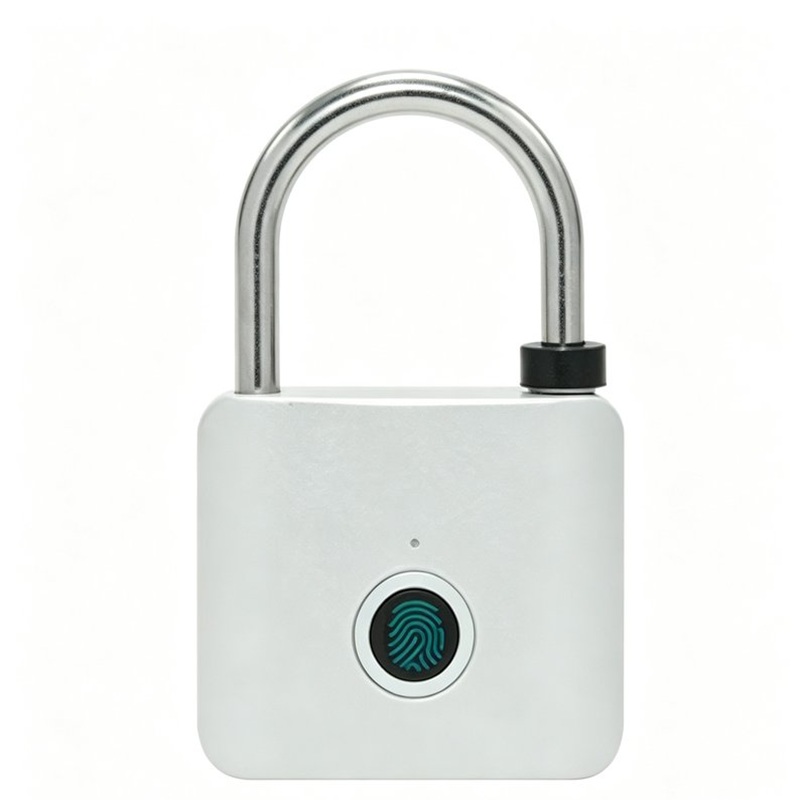 Bluetooth biometric Intelligent Padlock with IP65 Waterproof and Type-C Rechargeable Battery FMP008
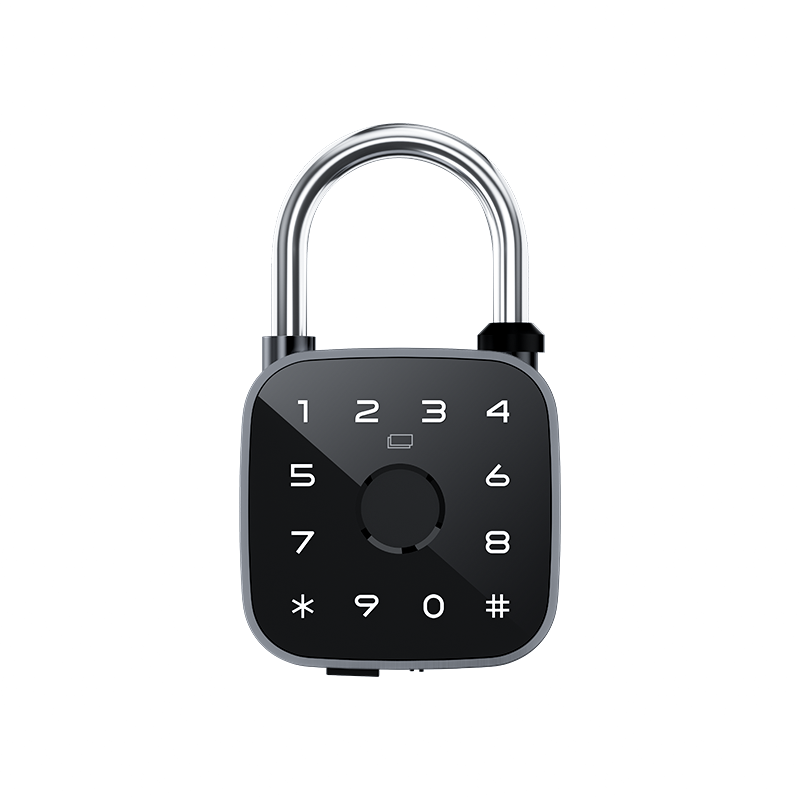 Smart Biometric Padlock with Scramble-Code Keypad and Tuya App Control FMP009
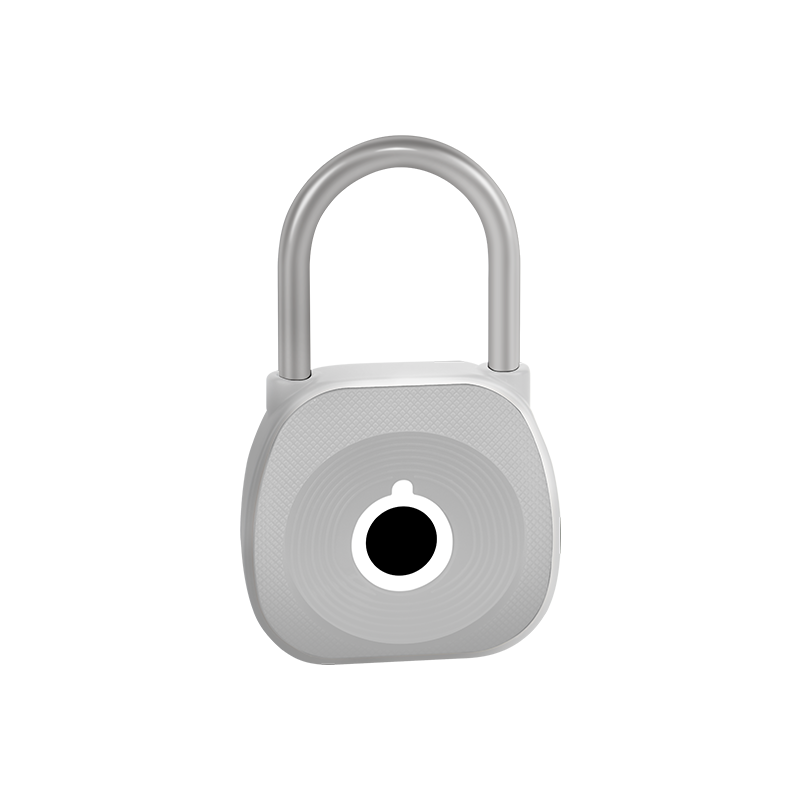 Ultra-Slim Biometric Padlock — 1.8cm Aluminum Body with Tuya App Control FMP010
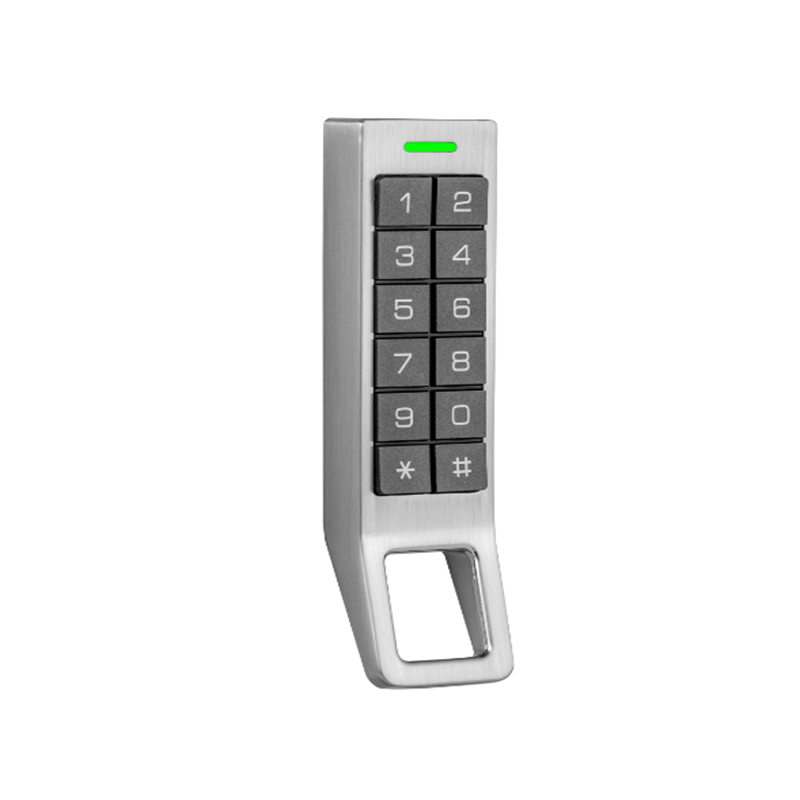 Smart Fingerprint Cabinet Lock — App & Bluetooth Keyless for Lockers FM890
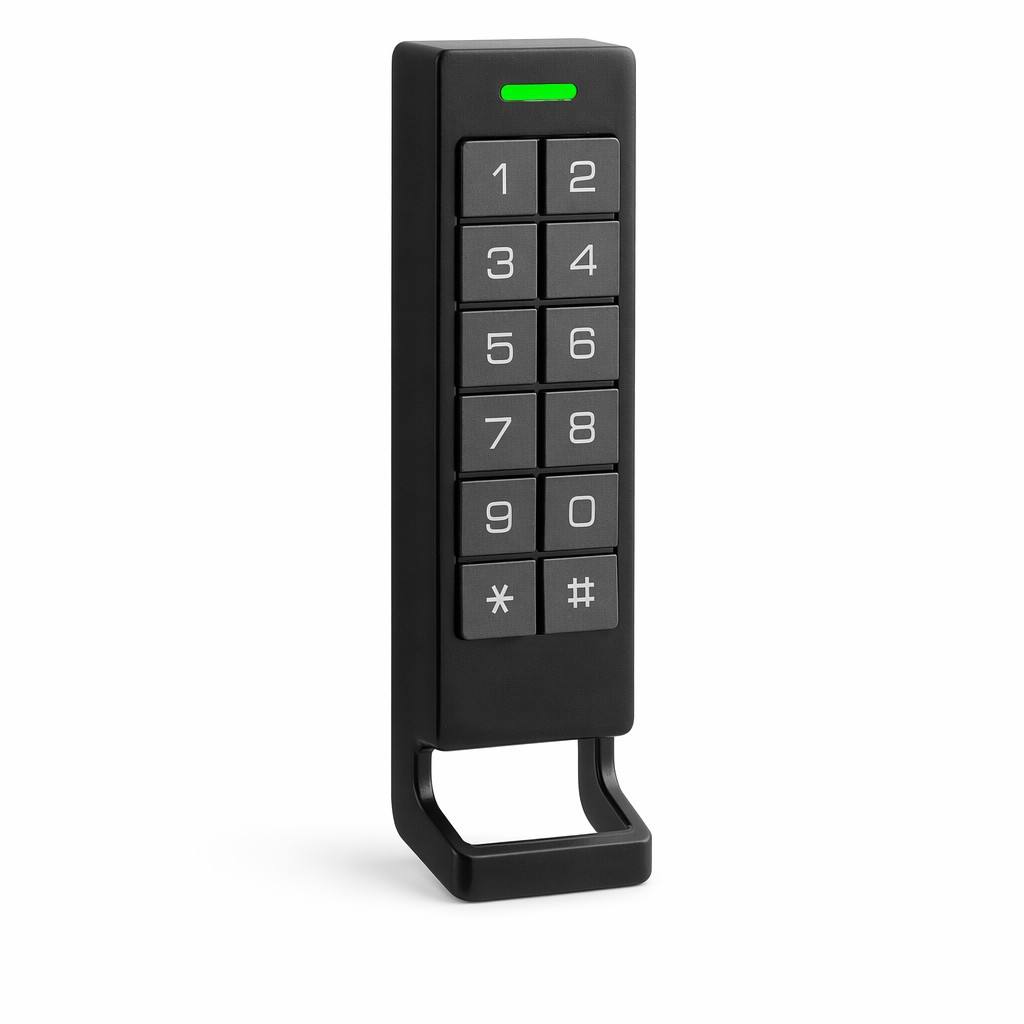 Digital Cabinet Lock with TTLock App, Passcode and RFID Card Access FMP870B
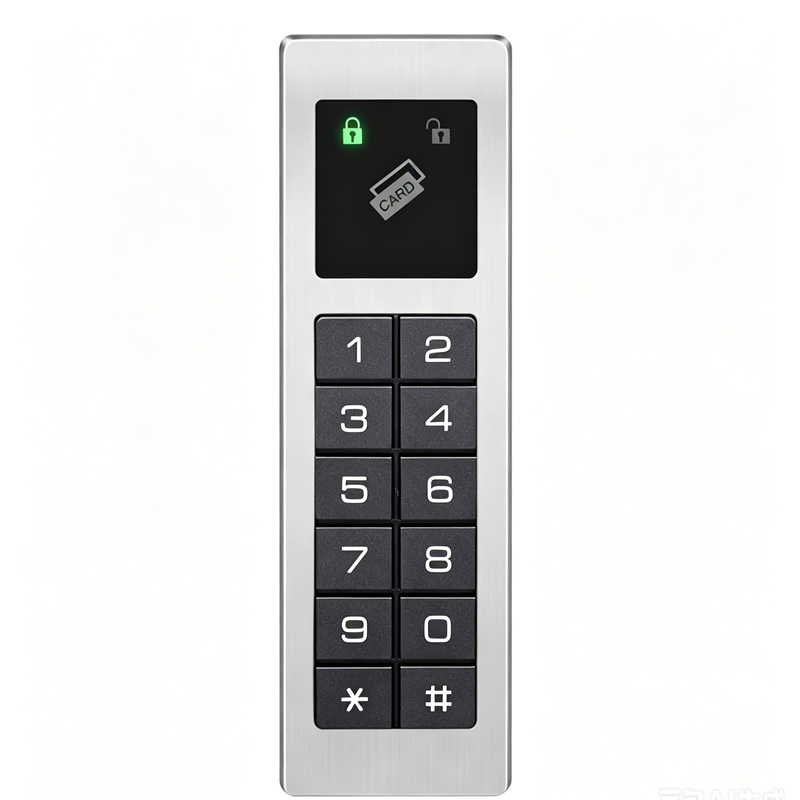 Smart RFID and Passcode Cabinet Lock with 5000mAh Battery and IP66 Waterproof FMP810
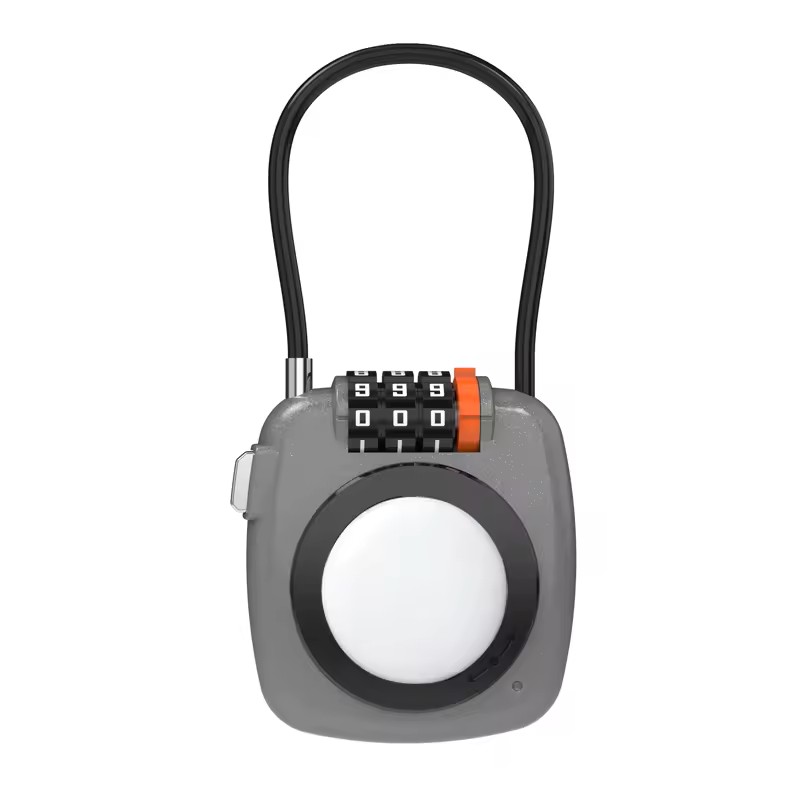 Combination Padlock with Apple Find My & Android Find Hub - IP65 Waterproof Smart Lock FMA001
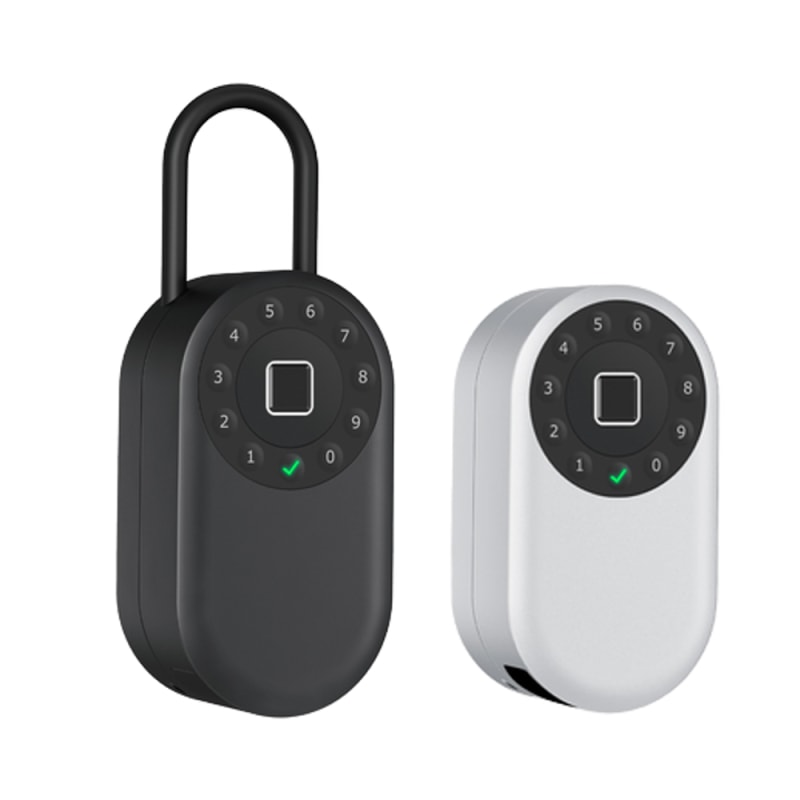 Keyless lock box with physical keypad and TTlock app waterproof for outdoor key storage
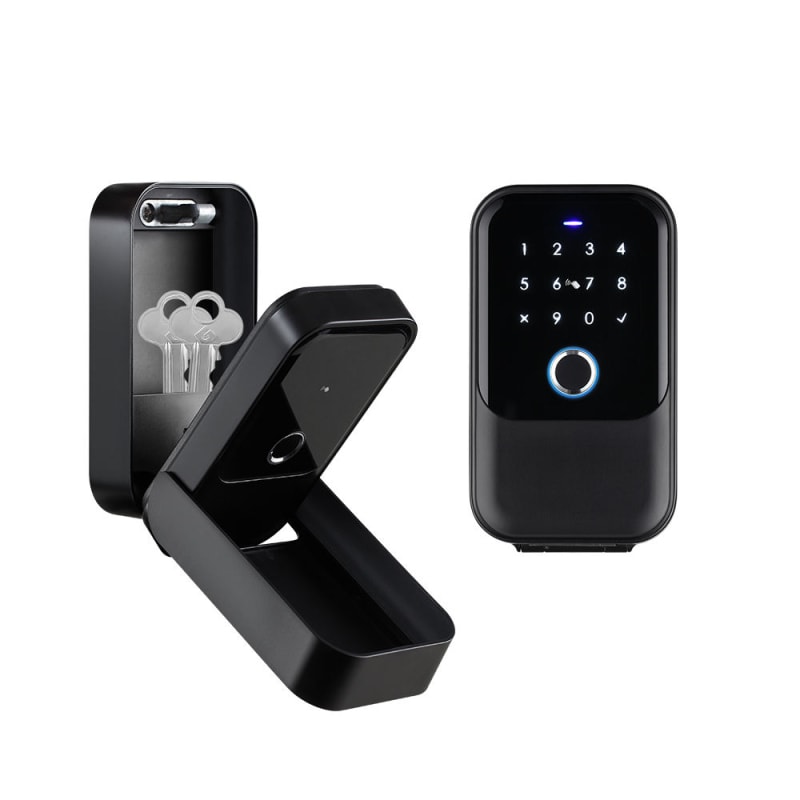 Smart key box with touch keypad and comptible with TTlock and Tuya ble for outdoor use
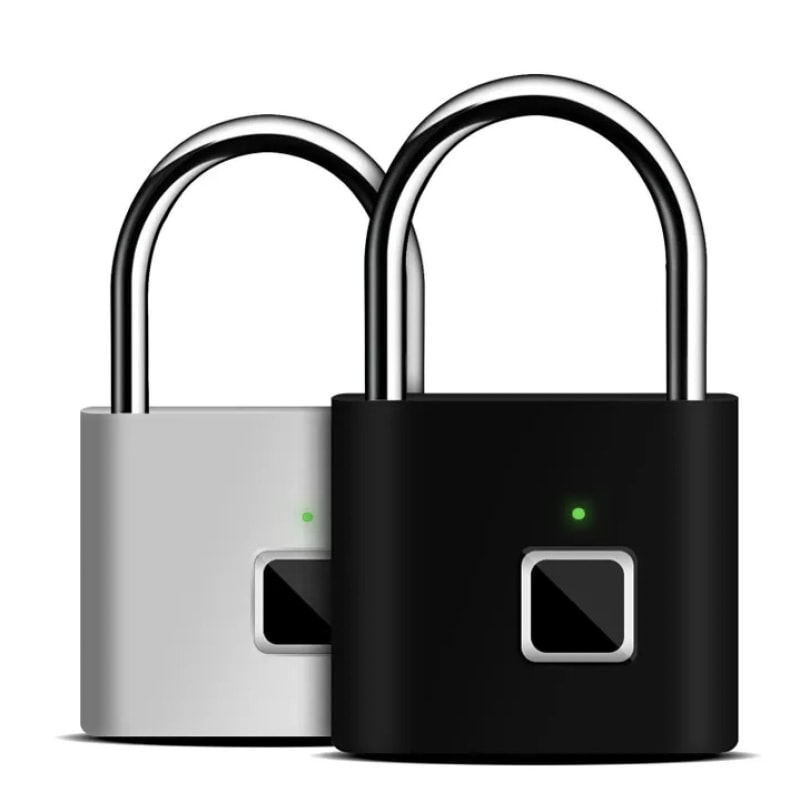 Fingerprint padlock with morse code backup that is rechargeable and portable for everyday use FM570
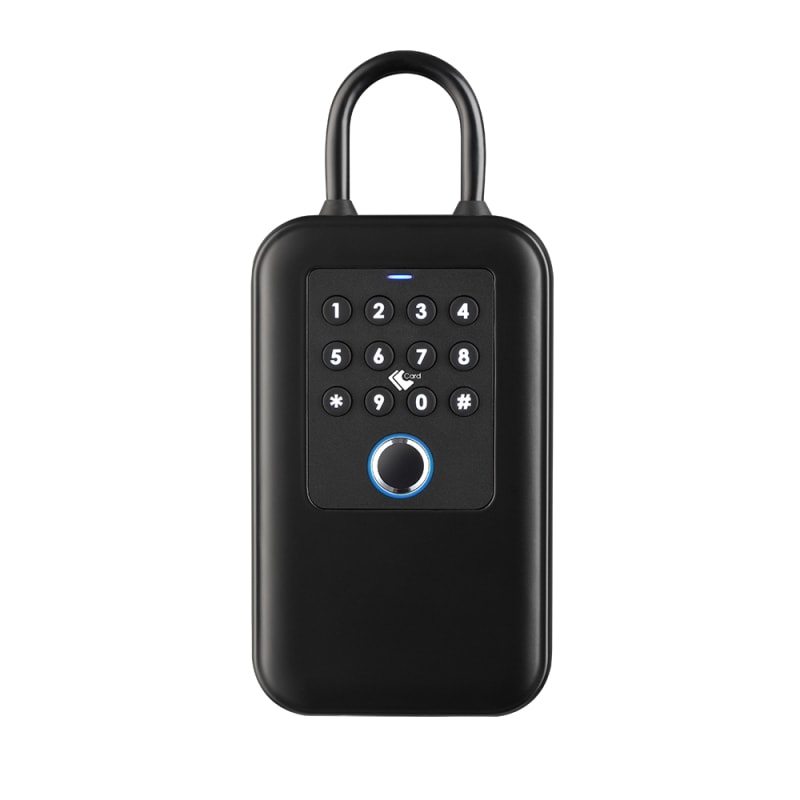 Waterproof key lock box with physical keypad and Tuya app control for outdoor key storage
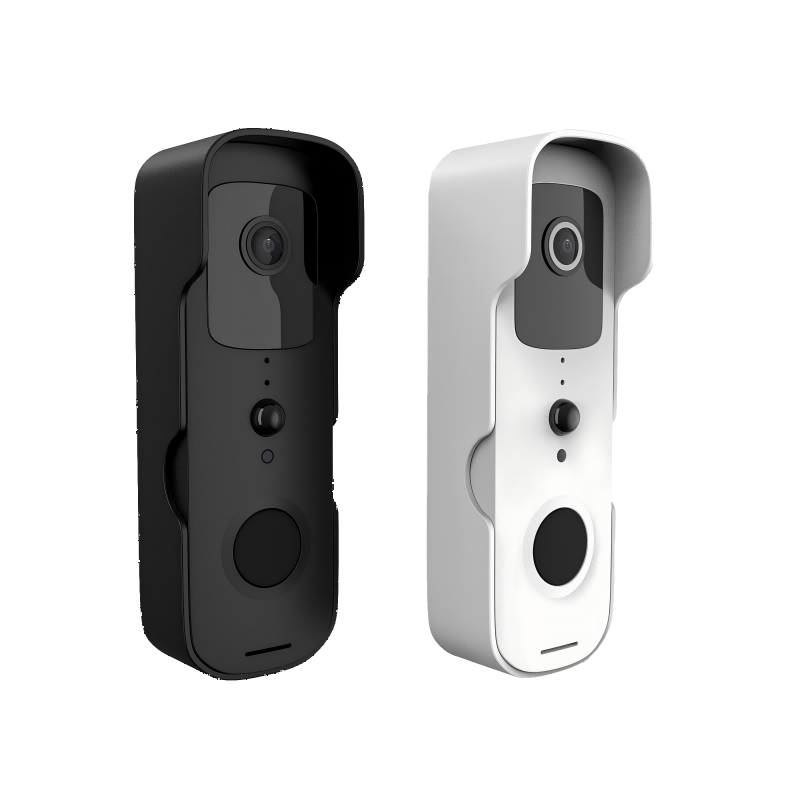 Smart Video Doorbell with Two Way Audio and Tuya WiFi for Home Security FM571
 Ttlock G2 Gateway Connects Your Bluetooth Smart Lock to Wifi for Remote Access
 TTlock G5 gateway features dual band wifi and mesh network for large properties
 WhatsApp