Choosing the right manufacturer for China’s top Number Padlock isn't just about hunting for the lowest factory price. Sure, a padlock might seem pretty simple on the surface, but its real performance depends on things like the quality of the alloy used, how the shackle is treated, the design of the cylinder, and how carefully everything’s assembled. Basically, don’t just fall for shiny catalog pics — you gotta dig deeper. When evaluating suppliers, think about their experience, how much they can crank out, their quality control measures, whether they can customize to your needs, and how reliably they communicate. If a supplier's been around for a while, they should be able to walk you through what they do — like how they control the brass or zinc alloy mix, ensure the wheels line up perfectly, resist rust, and set codes accurately. And don’t forget to ask for a physical sample before you commit to a big order — those little details really matter.
Make sure to test the lock properly. If you can, try it out outside—dust, moisture, and repeated use will tell you a lot. Check if the wheels turn smoothly and if the shackle’s diameter is up to snuff—plus, look for any rough spots or sharp edges. Good manufacturers should provide consistent samples, clear specs, and realistic delivery dates. They should also be ready to explain how they test their products, have a solid record of quality, and avoid making empty claims. Certifications can help, but they need to match the actual model and the production site — a fancy website isn’t enough. That’s a mistake many people overlook. Doing factory audits, watching videos of inspections, or even getting independent tests done can reduce a lot of the guessing game, though nothing can totally eliminate all uncertainty. Ultimately, go for a supplier that offers a good balance of security, price, stable production, and solid after-sales support. Remember, the best lock isn’t always the cheapest — you want something that really fits your needs, whether it’s for luggage, lockers, gates, toolboxes, or workplace storage. Skimping on cost might save you a buck now, but it could cost you in trust later. A little extra effort on your part can save you headaches down the road and keep your customers happy too.
China’s Number Padlock Market: Key Manufacturers and Product Categories
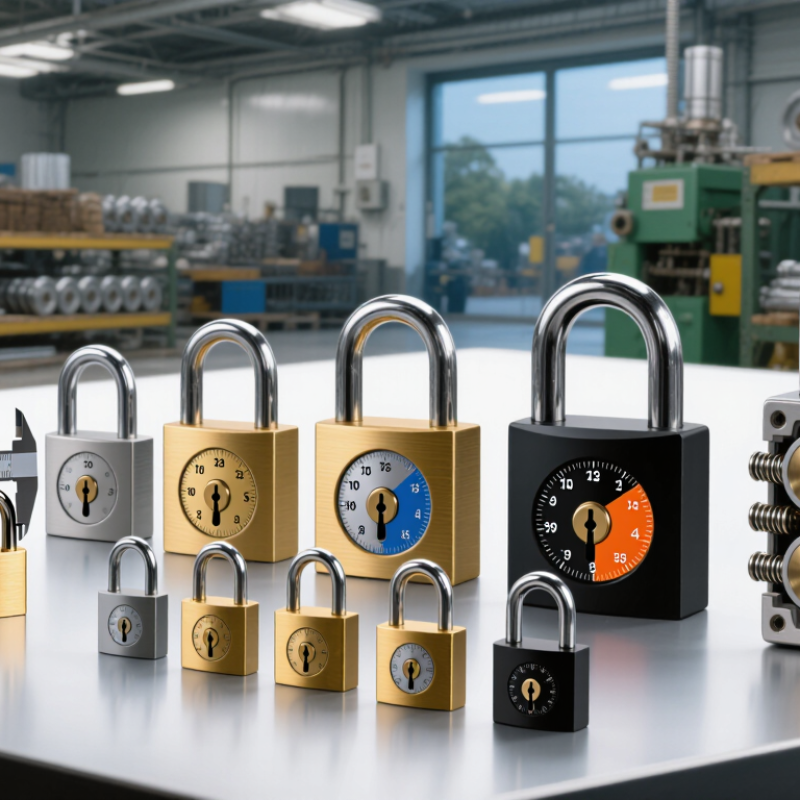
China’s number padlock market covers several practical categories. Buyers can find compact 3-digit locks for lockers and small cases. Four-digit models offer more combinations for offices, storage boxes, and bicycles. Heavy-duty five-digit locks suit gates, warehouses, and outdoor equipment. Cable padlocks provide flexibility around irregular frames. Solid-body models usually offer stronger resistance against impact and weather.
Manufacturers commonly use zinc alloy, brass, stainless steel, or hardened steel. Zinc alloy keeps prices competitive and reduces weight. Brass resists corrosion and gives a traditional appearance. Stainless steel performs better in humid environments, but costs more. When comparing suppliers, inspect the shackle diameter, cylinder housing, number wheels, and reset mechanism. A smooth wheel matters. Stiff wheels can frustrate daily users.
Experienced buyers should request samples before placing a large order. Test the lock with wet hands, dust, repeated opening, and temperature changes. Ask for material details, batch inspection records, packaging specifications, and production lead times. Factory experience is useful, but it does not guarantee consistent quality. I would also compare ten samples from one batch, not only one attractive sample. No checklist is perfect. A low quotation may hide weaker springs, loose wheels, or thin plating. Discuss customization carefully, including laser markings, colors, keyless reset options, and carton protection. Some choices look impressive but add little practical value.
3-Digit vs 4-Digit Locks: Comparing 1,000 and 10,000 Code Combinations
China Top Number Padlock Manufacturers: How To Choose?
A 3-digit Number Pad Lock offers 1,000 possible combinations. A 4-digit model provides 10,000. That is ten times more selection, not ten times stronger hardware. NIST SP 800-63B recommends limiting repeated guesses for authentication systems. The same principle matters here. Without a reset delay, someone can test combinations quickly. A four-digit lock still needs a hardened shackle, protected wheels, and stable internal springs. Security depends on the whole design.
In practical checks, 3-digit locks suit gym lockers, luggage, and short-term storage. They are faster to set beside a crowded locker bench. Four-digit locks fit toolboxes, gates, and shared cabinets with higher exposure. The extra digit reduces accidental code conflicts. It does not defeat cutting tools. EN 12320, the European standard for padlocks, evaluates security performance through graded testing, including resistance and durability. Combination count alone is an incomplete measurement. I may even overvalue large code spaces when poor materials create the real weakness.
Tips: Ask manufacturers for independent test evidence, corrosion results, and cycle testing. Choose dials that remain readable after dust or rain. Avoid birthdays and repeated digits. Check whether the factory code can be changed without special equipment. Store the lock with its shackle closed, not hanging open. A 4-digit Number Pad Lock is usually the better choice for frequent public use, but a well-built 3-digit lock can perform reliably in controlled settings.
China Top Number Padlock Manufacturers How To Choose? - 3-Digit vs 4-Digit Locks: Comparing 1,000 and 10,000 Code Combinations
| Comparison Dimension |
3-Digit Padlock |
4-Digit Padlock |
Selection Implication |
| Number of wheels |
3 numerical wheels |
4 numerical wheels |
Four wheels provide one additional decimal digit for the access code. |
| Possible codes |
1,000 combinations, from 000 to 999 |
10,000 combinations, from 0000 to 9999 |
The stated combination count assumes every wheel position can use digits 0–9 and leading zeros are allowed. |
| Combination increase |
Baseline: 1× |
10× the theoretical code space of a 3-digit lock |
A fourth digit increases the number of possible codes by a factor of ten, not by one additional code. |
| Chance of guessing the correct code in one random attempt |
1 in 1,000, or 0.1% |
1 in 10,000, or 0.01% |
These are mathematical probabilities assuming uniformly selected codes and no user-pattern bias. |
| Average theoretical search attempts |
Approximately 500 attempts |
Approximately 5,000 attempts |
Average values assume every combination is equally likely and each code is tested only once. |
| Worst-case theoretical search attempts |
999 attempts |
9,999 attempts |
The actual order of testing and lock design can change the practical result. |
| Theoretical time at one attempt per second |
Average: 8 minutes 20 seconds
Worst case: 16 minutes 39 seconds |
Average: 1 hour 23 minutes 20 seconds
Worst case: 2 hours 46 minutes 39 seconds |
This is a mathematical comparison only; real locks may restrict, delay, or prevent repeated attempts. |
| Ease of daily operation |
Generally faster to enter because it uses one fewer wheel |
Requires one additional wheel position to align |
Choose three digits for convenience-focused applications and four digits when the added code space is valuable. |
| Resistance to common guess patterns |
Depends strongly on whether users select predictable codes |
Offers more possible codes, but predictable codes can still reduce security |
A randomly selected code is preferable to an obvious date, repeated digit, or sequential number. |
| Resettable-code availability |
Model-dependent; verify the product specification |
Model-dependent; verify the product specification |
Confirm whether the code can be changed by the user, with or without a special reset tool. |
| Weather-resistance requirement |
Check corrosion protection, drainage, and sealing details |
Check corrosion protection, drainage, and sealing details |
Digit count does not determine outdoor durability; request test methods and material specifications. |
| Mechanical strength to verify |
Shackle diameter, shackle material, body material, and latch construction |
Shackle diameter, shackle material, body material, and latch construction |
Overall physical construction is a separate security factor from the number of code combinations. |
| Recommended purchasing approach |
Use when quick access, compact size, and basic code convenience are priorities. |
Use when a larger theoretical code space and improved resistance to random guessing are priorities. |
When comparing manufacturers, request samples, material data, reset instructions, durability-test evidence, and quality-control records. |
Weather Resistance Testing: IP Ratings, ISO 9227, and 96-Hour Salt Spray
Choosing a top number padlock manufacturer requires more than checking appearance. Weather resistance should be verified through recognized tests, not marketing language. IEC 60529 defines IP ratings for enclosure protection. An IP65 padlock, for example, resists dust and water jets, but it is not automatically corrosion-proof.
ISO 9227:2022 describes neutral salt spray testing for metallic coatings. A 96-hour exposure can reveal blistering, red rust, weak plating, or corrosion around the shackle. However, ISO 9227 does not create one universal pass-or-fail limit. Buyers should request the exact coating, substrate, test solution, temperature, and acceptance criteria. A supplier showing only “passed 96 hours” provides incomplete evidence. Ask for dated laboratory records and sample photographs.
The NACE IMPACT study estimated global corrosion costs at about 3.4% of worldwide GDP, or roughly 2.5 trillion US dollars annually. That figure explains why small hardware deserves serious testing. For a Smart Padlock used near ports, farms, or winter roads, inspect the keypad, spring, drainage holes, and shackle after testing. Salt can hide beneath a button and leave white deposits inside the housing. IP testing also uses fresh water, not saltwater. That difference matters. Laboratory results remain useful, but they cannot perfectly copy vibration, dirt, or temperature changes. I would treat a 96-hour result as evidence, not a promise.
Smart Biometric Padlock FMP009: Secure Access with Scramble-Code Keypad and Tuya App Control
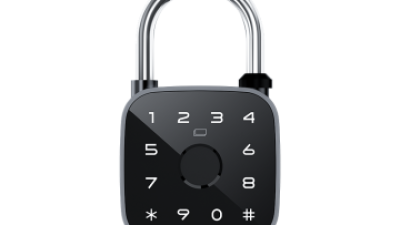
The Smart Biometric Padlock FMP009 offers four convenient ways to unlock your belongings without relying on everyday keys. Open it with a fingerprint, enter a personal passcode, use the companion mobile app through Bluetooth, or keep the backup mechanical key for emergencies. Its scramble-code keypad adds extra privacy by allowing you to enter additional digits before or after your real PIN, helping prevent others from identifying the correct code while watching.
Designed for flexible access management, the padlock can store up to 50 fingerprints and 250 PINs, making it suitable for families, offices, lockers, gates, and shared equipment. Through the app, you can issue temporary electronic keys to trusted users and review the complete access history whenever needed, giving you a clear record of who unlocked it and when.
A built-in 350mAh rechargeable battery can operate for months on a single charge and can be replenished with a standard Type-C cable. The IP65 water-resistant construction helps protect the internal components from dust and water spray, while the solid zinc-alloy body provides dependable strength for everyday outdoor and indoor use.
Conclusion
China’s Number Padlock market offers a wide range of products for luggage, lockers, gates, cabinets, and general access control. Buyers can compare 3-digit and 4-digit designs, which provide 1,000 and 10,000 possible code combinations respectively. Product performance also depends on material selection, including zinc alloy, brass, and steel, as well as shackle grade, thickness, and resistance to cutting or forced impact. For outdoor use, weather resistance should be verified through IP ratings, ISO 9227 testing, and salt-spray evaluations such as 96-hour corrosion testing.
When assessing a manufacturer, review ISO 9001 systems, CNC machining capacity, inspection procedures, production consistency, and component traceability. Supplier selection should also consider MOQ, tooling costs, lead time, customization options, packaging, and warranty terms. Clear communication about technical specifications, sampling, testing requirements, and after-sales support can reduce quality risks and help ensure a stable, long-term supply of reliable Number Padlock products.

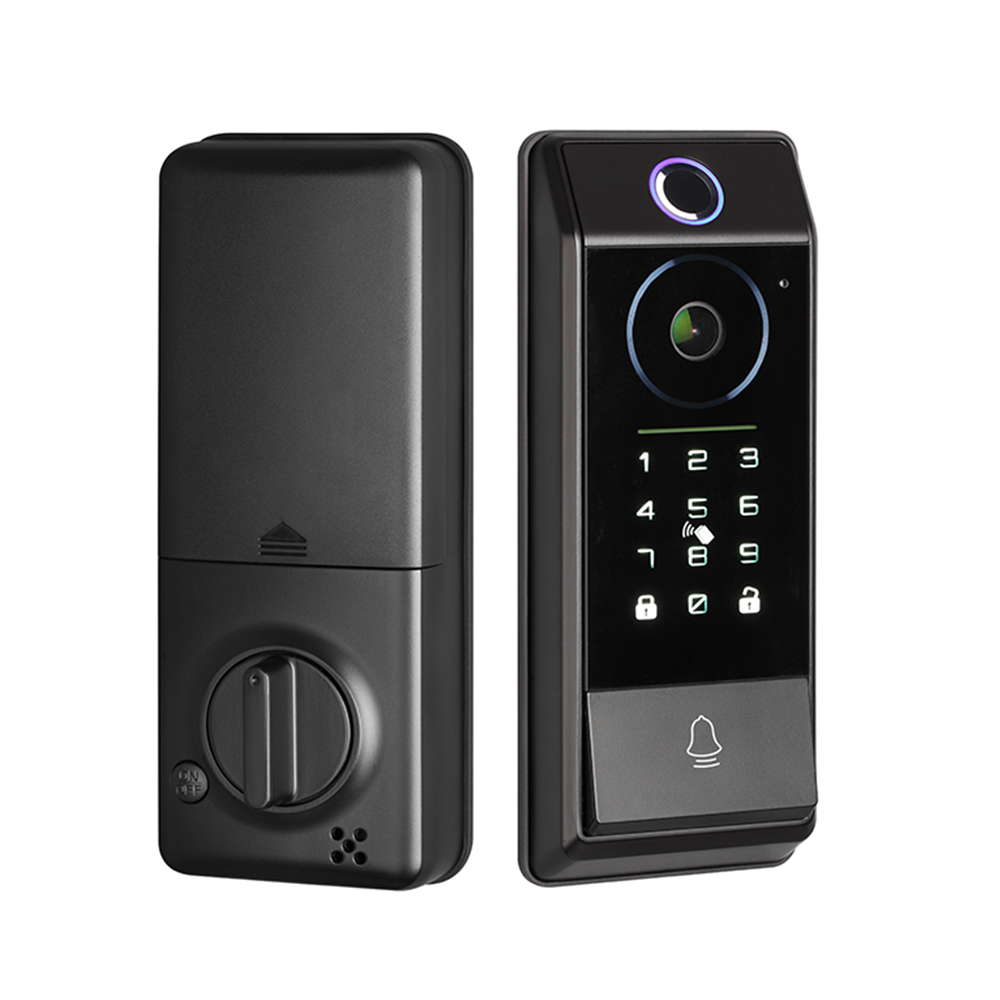 Smart deadbolt lock with video doorbell and two way intercom for front door security A229
 Bluetooth Deadblot Smart Lock with keyless access works with Google Alex tuya FM31
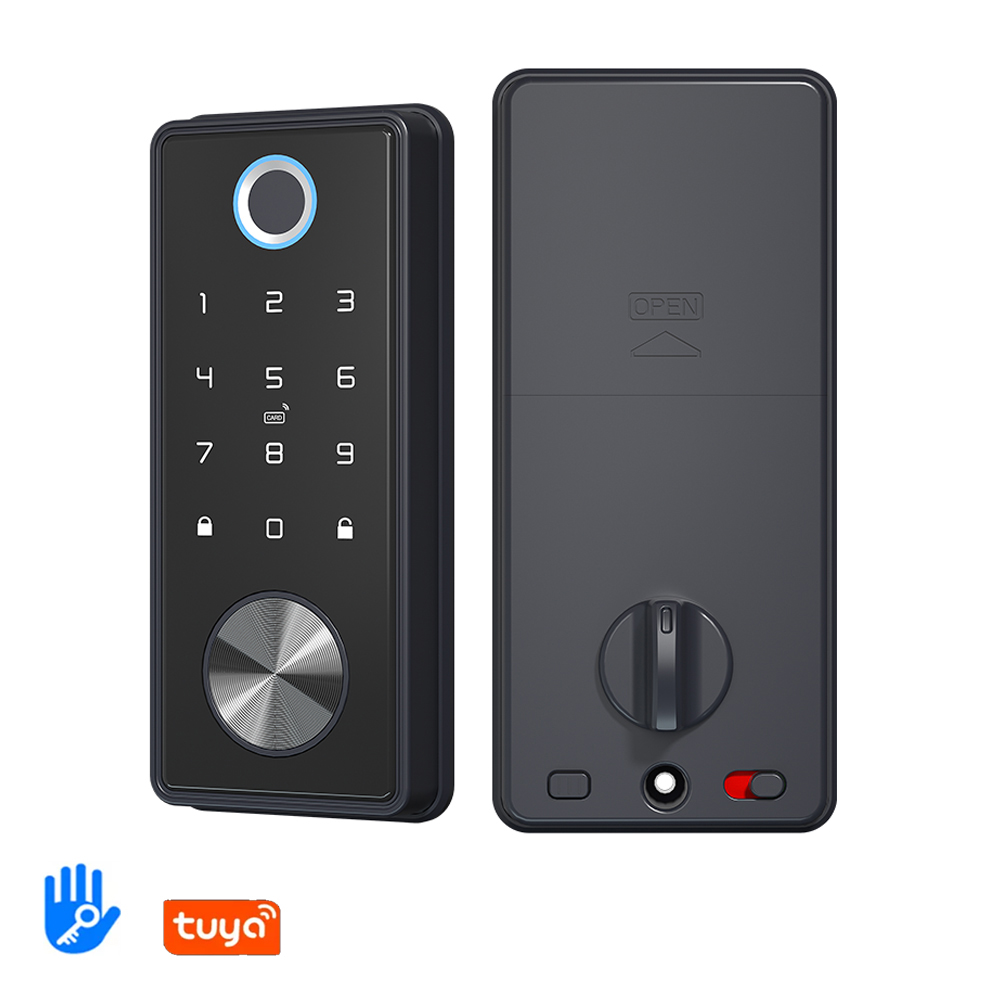 Waterproof Deadbolt Digital Lock supporting TTlock ble or TUYA wifi FM560
 WIFI Deadblot Smart Lock with Video Doorbell works with Alexa Google Tuya FM880
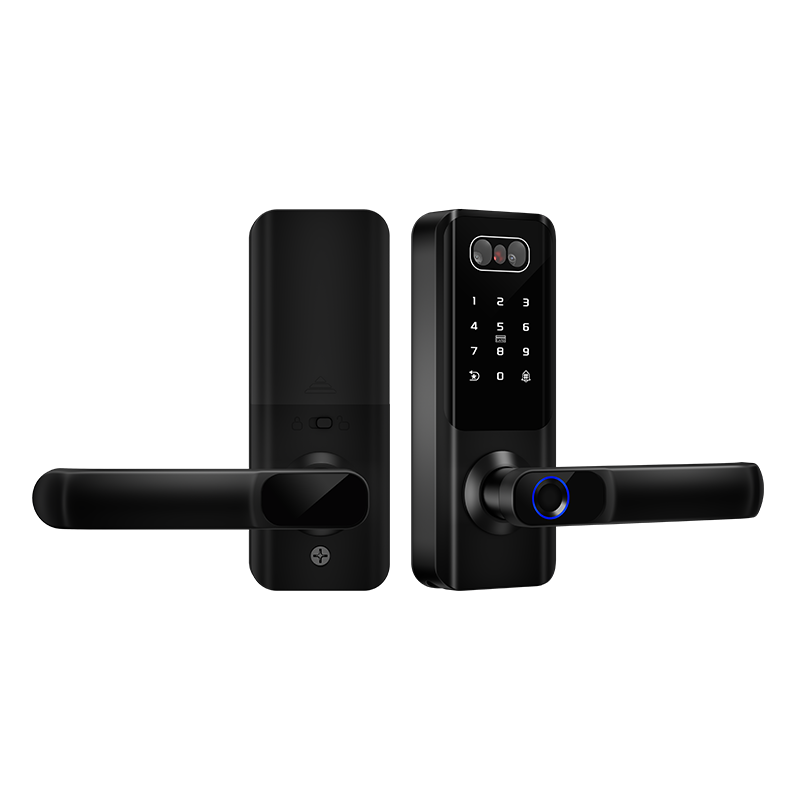 Facial Recognition Smart Lever Lock with 2MP Video Doorbell and IP66 Waterproof Tuya WiFi FM-Z86
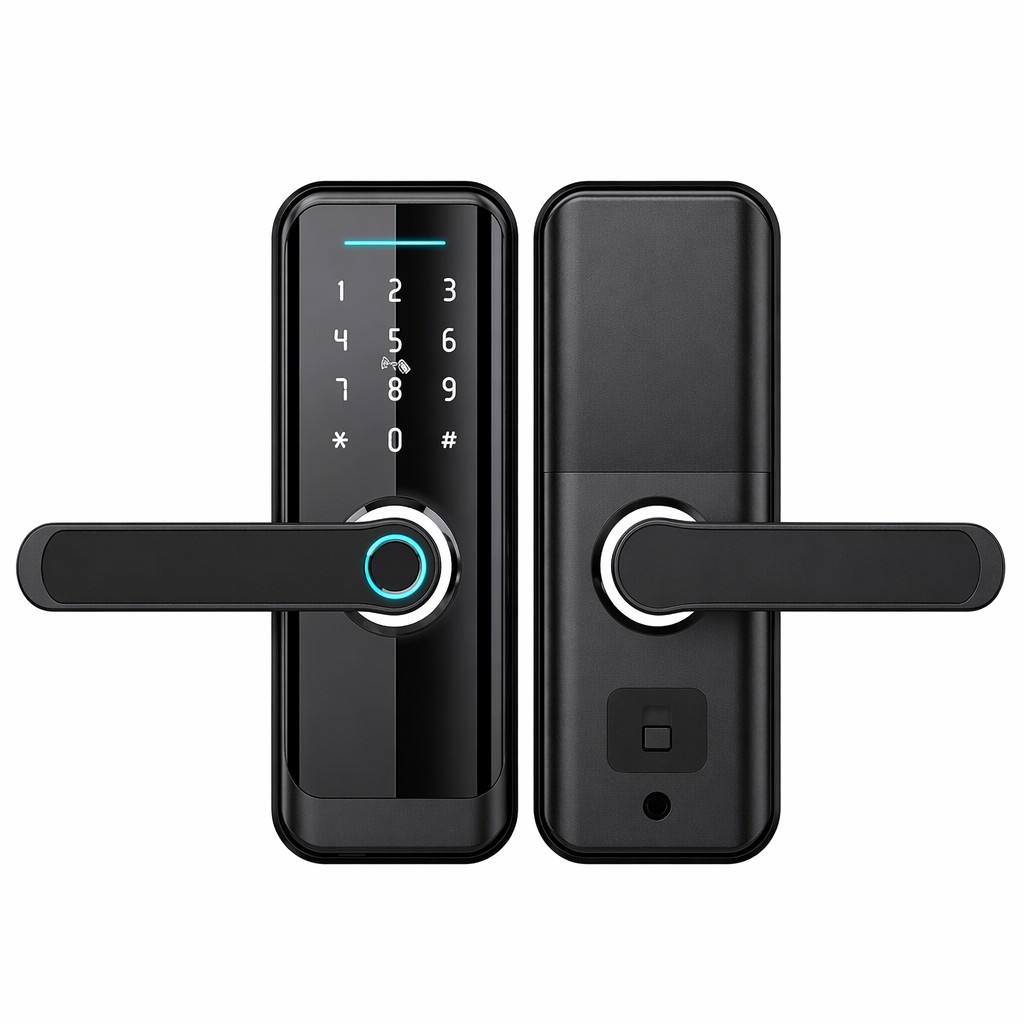 Advanced 5-in-1 Biometric Door Lock with Universal WiFi, Zigbee & 433MHz Support FM09
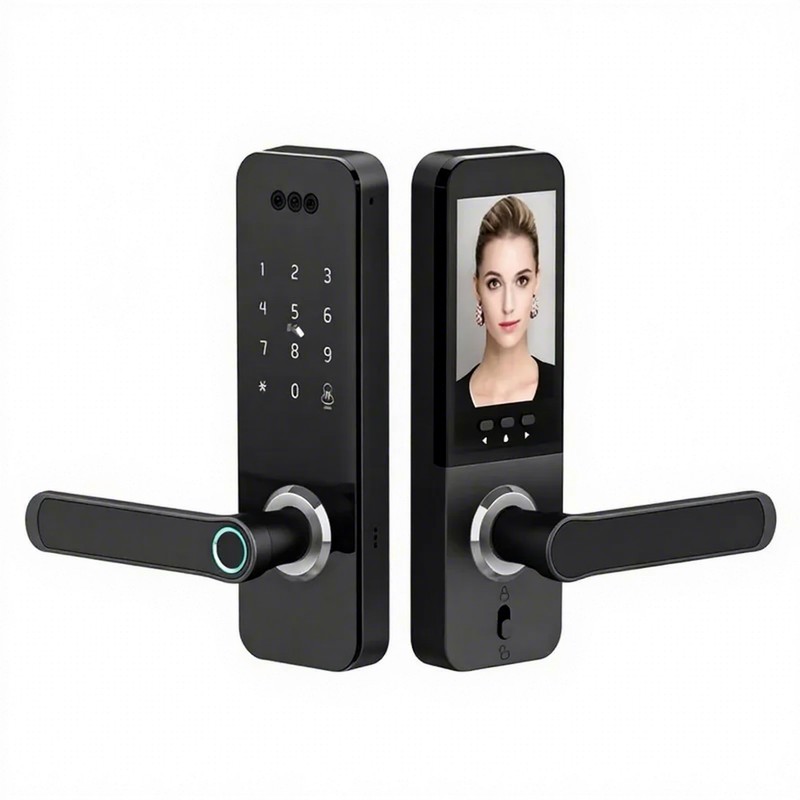 3D Face Recognition Smart Door Lock with 2MP Video Doorbell and Built-in WiFi FMP012
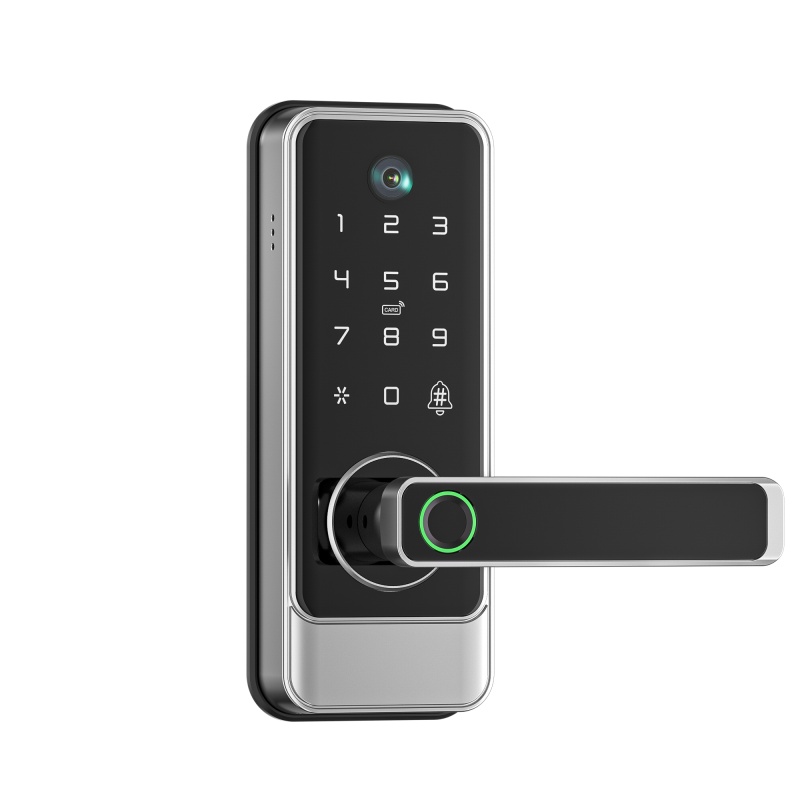 Keyless Entry Lever Lock with doorbell and Video Camera for Live Viewing V1
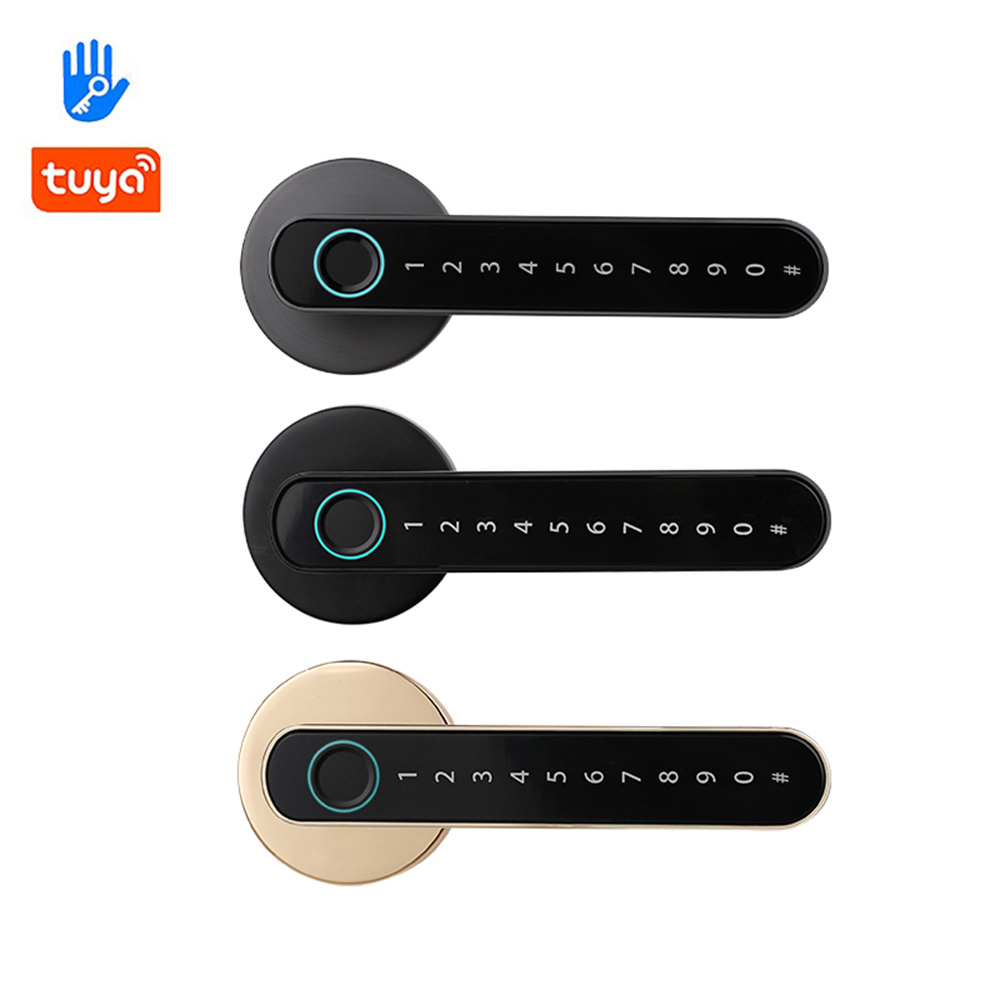 Bluetooth Lever Lock unlock by fingerprint recognition, password and App eKeys T8
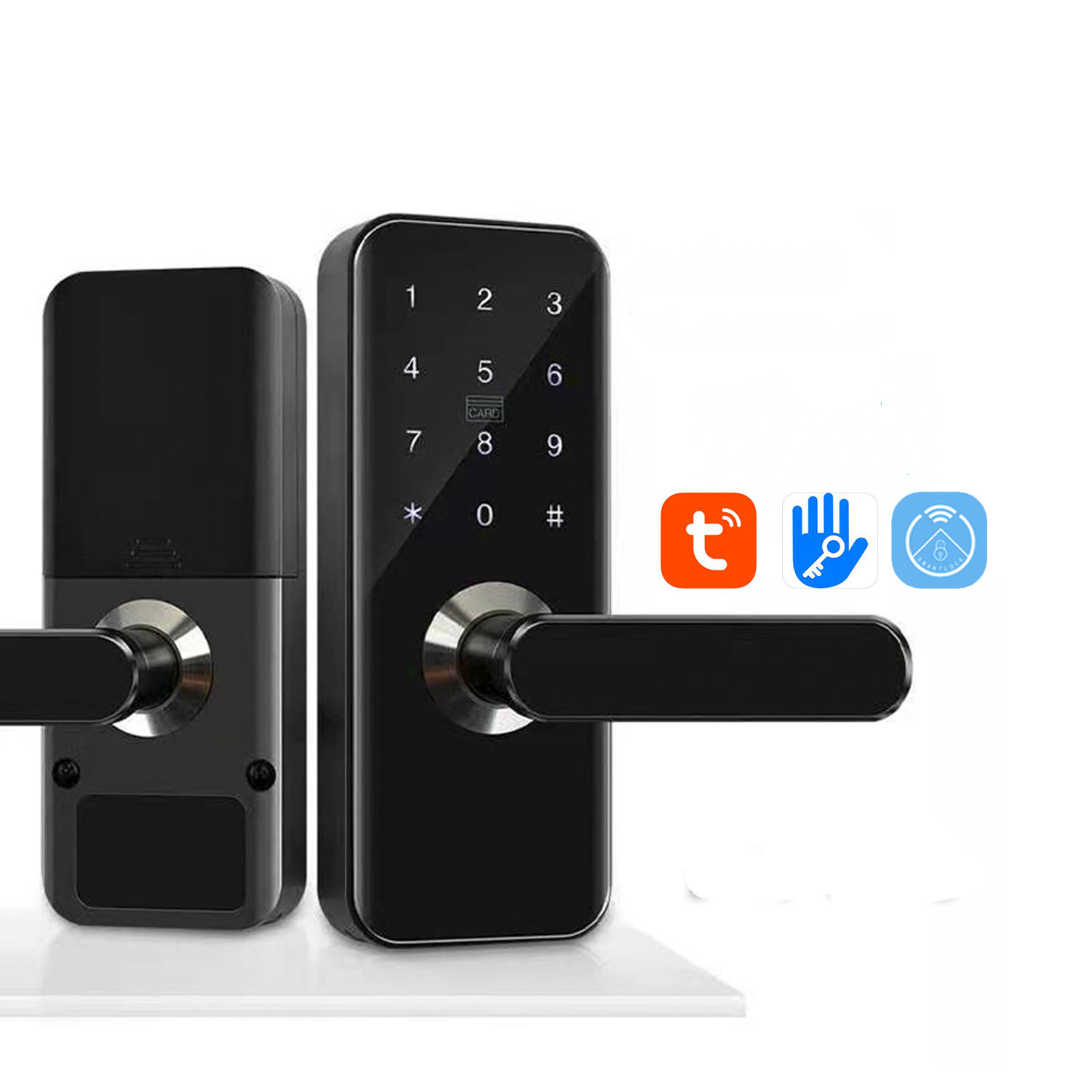 Smart lever lock supports TTlock bluetooth and TUYA wifi FM810
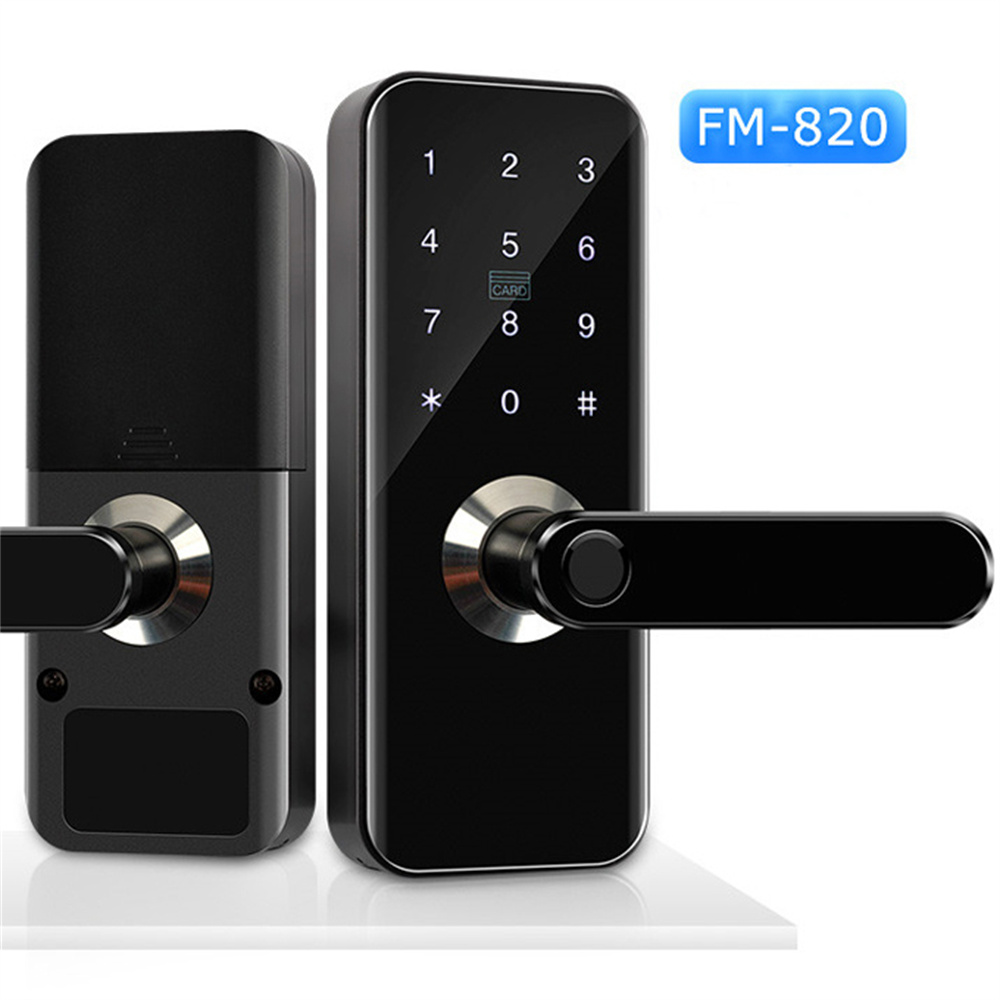 Fingerprint Smart Lever Lock with one touch Keyless Entry fits US Knob & Lever FM820
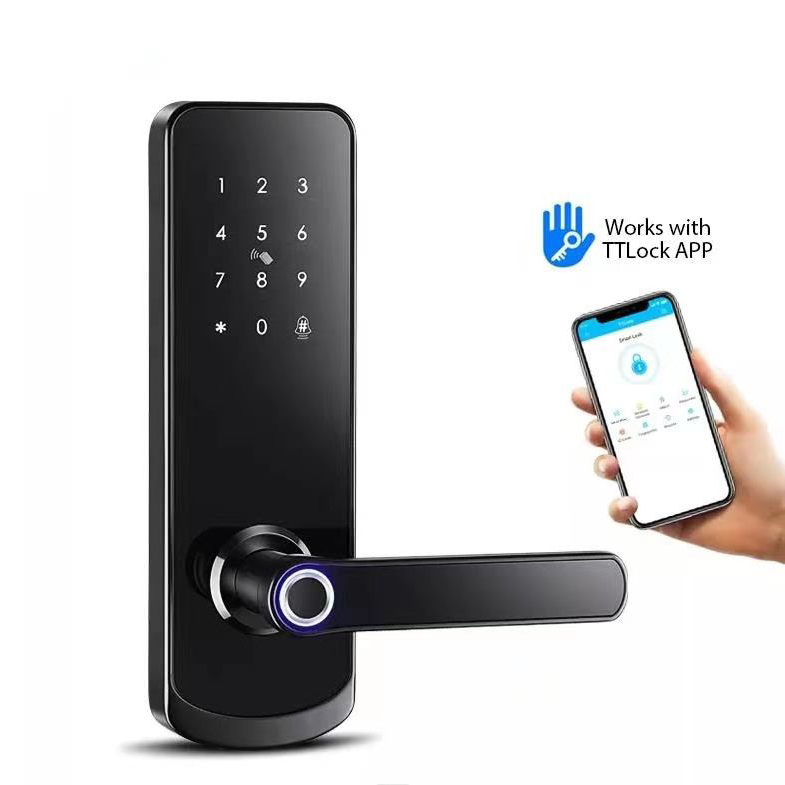 Fingerprint Lock with Anti-Pry Latch, Blocks Card Prying – FM230-N
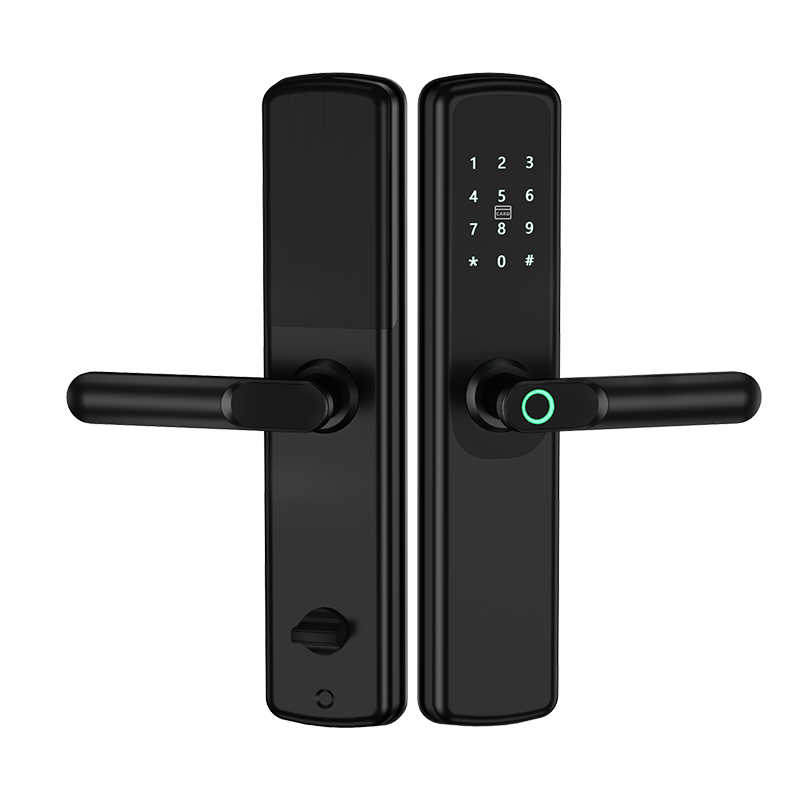 Intelligent Biometric Door Lock with 2MP Video Doorbell and Tuya WiFi FM-05
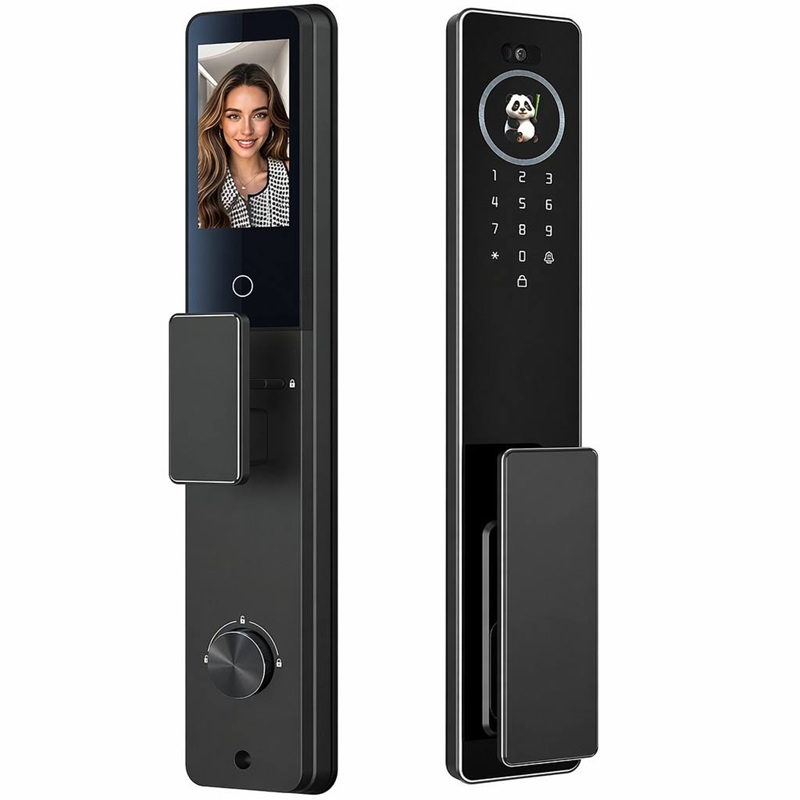 Flagship Biometric Security Lock — Advanced 3D Face Access & 4.5" IPS Live Viewer FM93
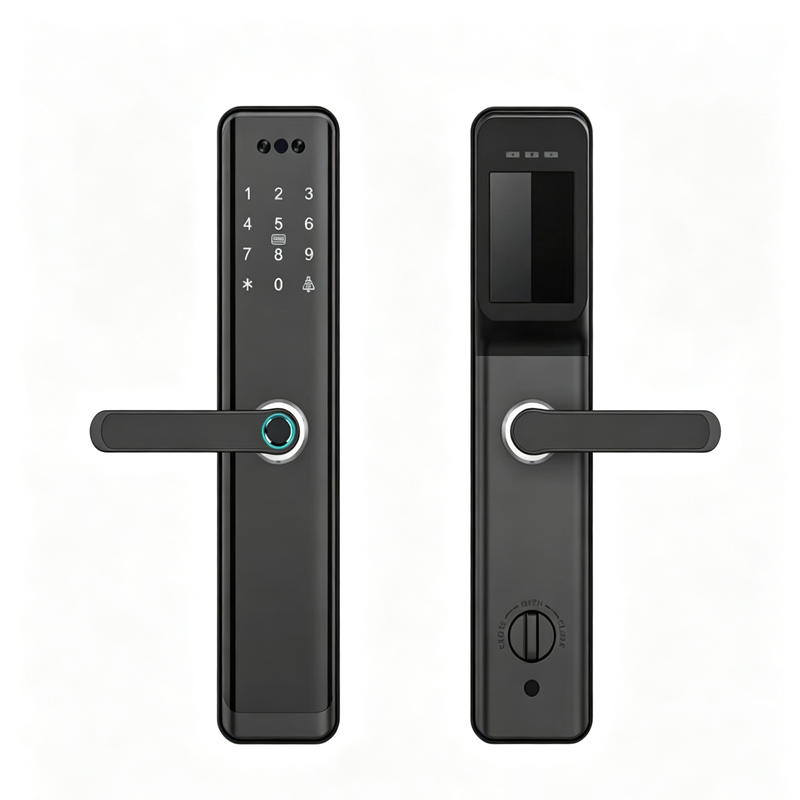 Smart Lever Lock with Fingerprint Facial Recognition and Video Doorbell Tuya WiFi TTlock FM-128
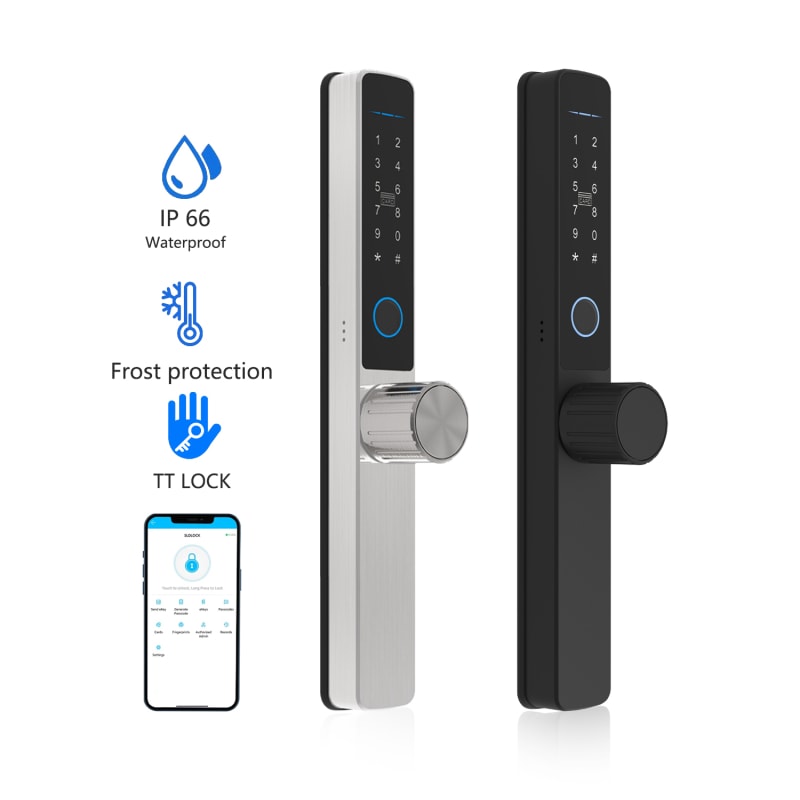 Keyless Entry Door Lock Fits Both Traditional Mortise and Smart Lock Mortise
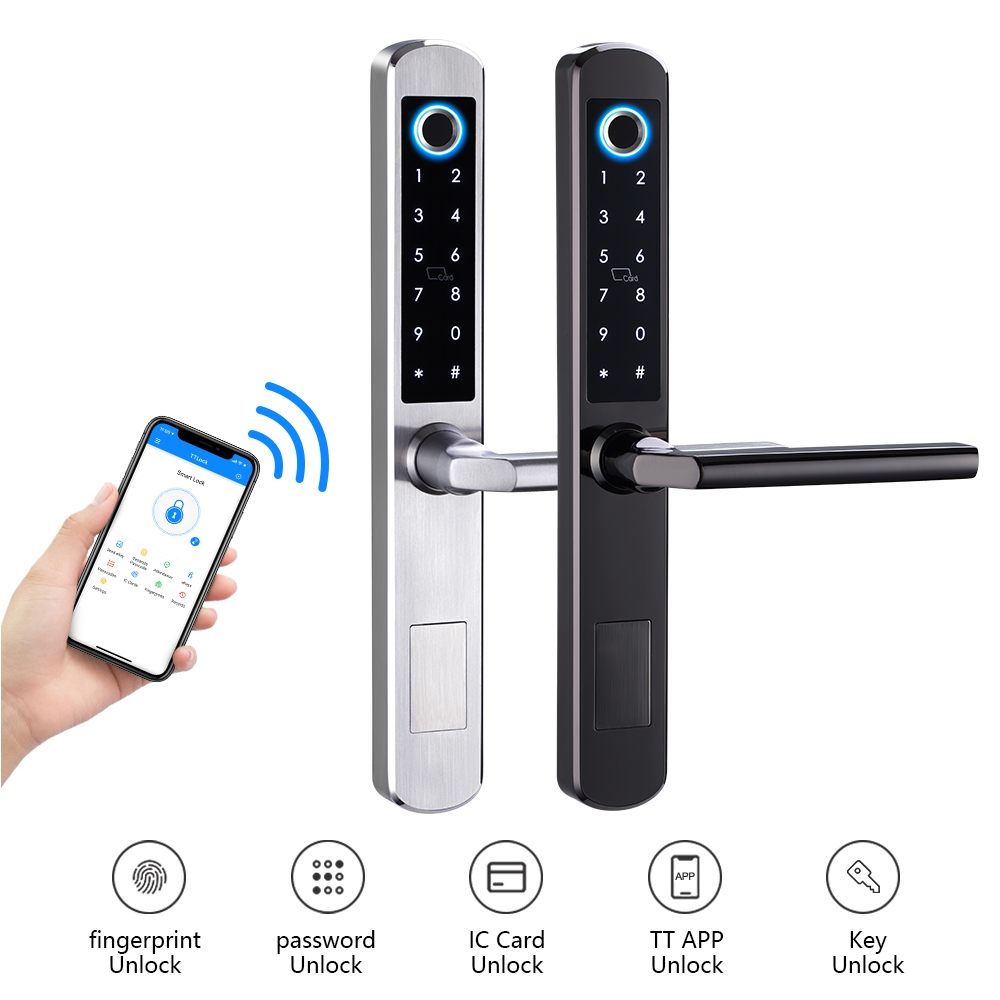 Slim 304 stainless steel keypad lock with IP65 waterproof case for thermal break sliding doors FM210
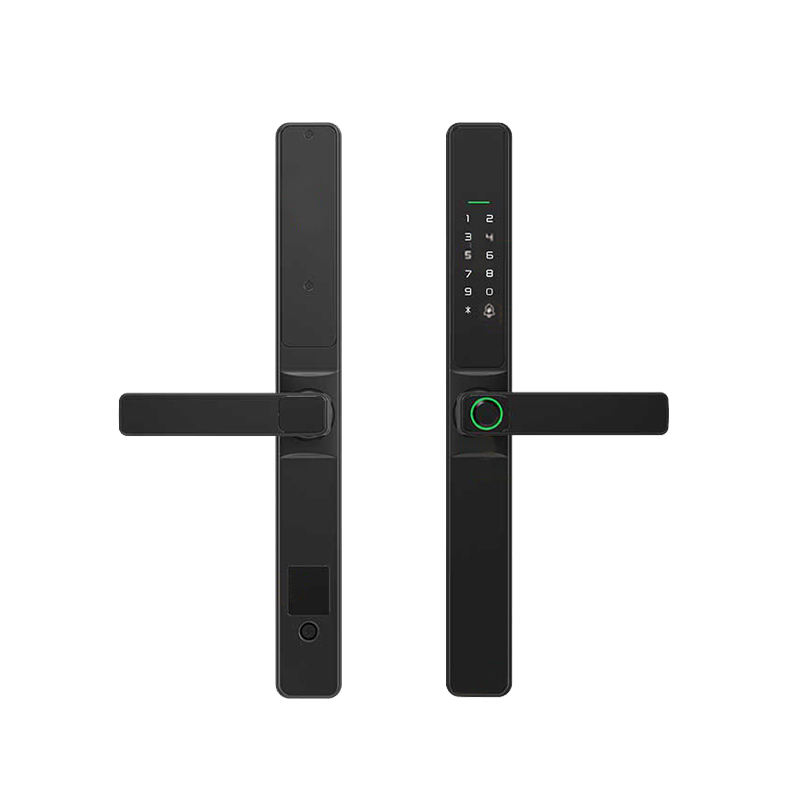 Fingerprint lock with hook mortise for slim sliding door and IP66 waterproof for outdoor use F6
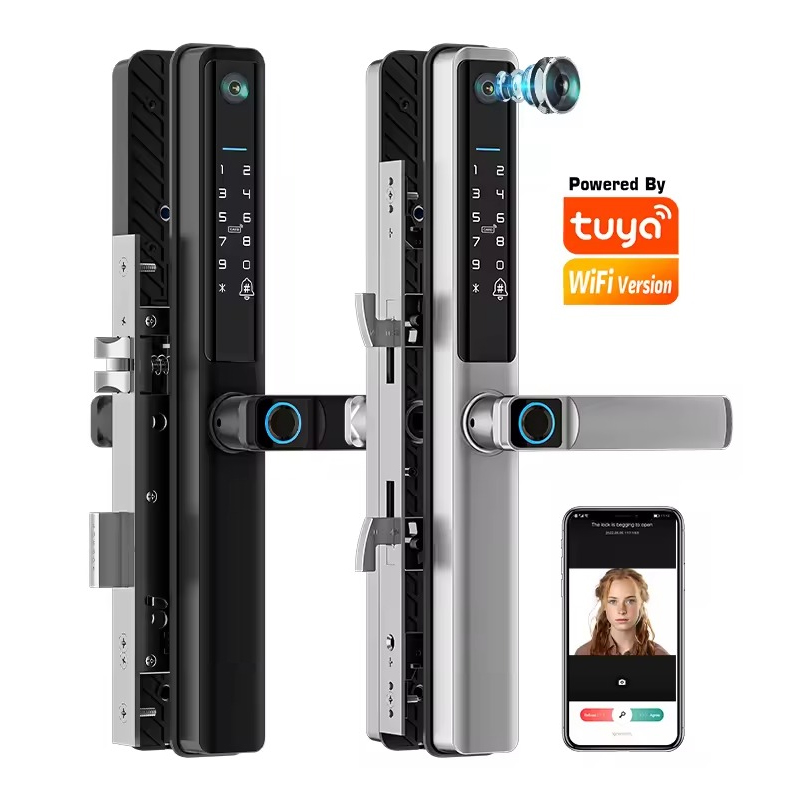 Keyless entry door lock for slim sliding door with camera and doorbell F5 PRO
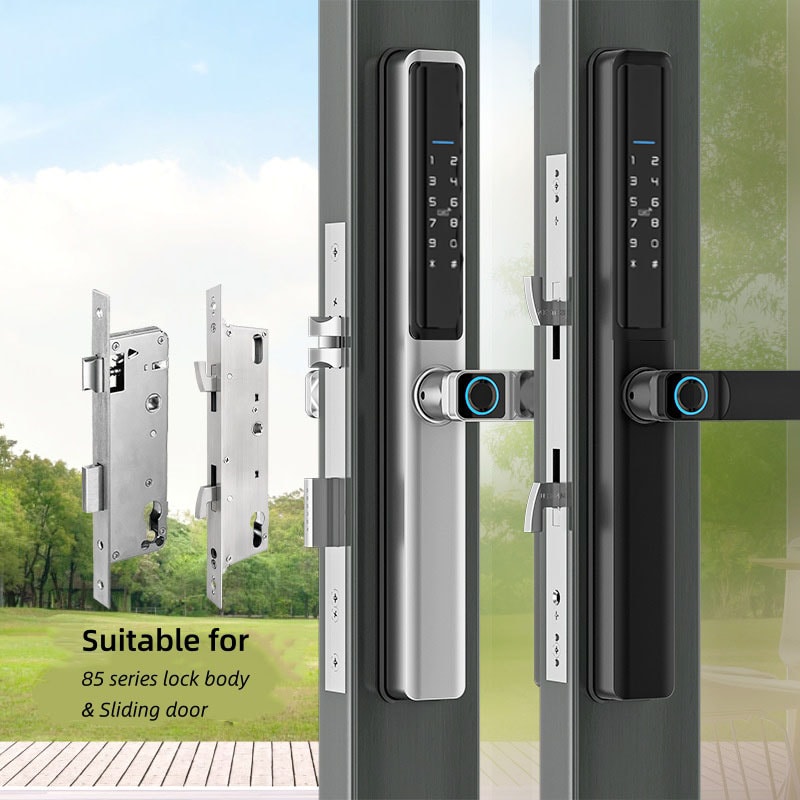 Smart door lock with hook mortise for aluminum slim sliding door F5
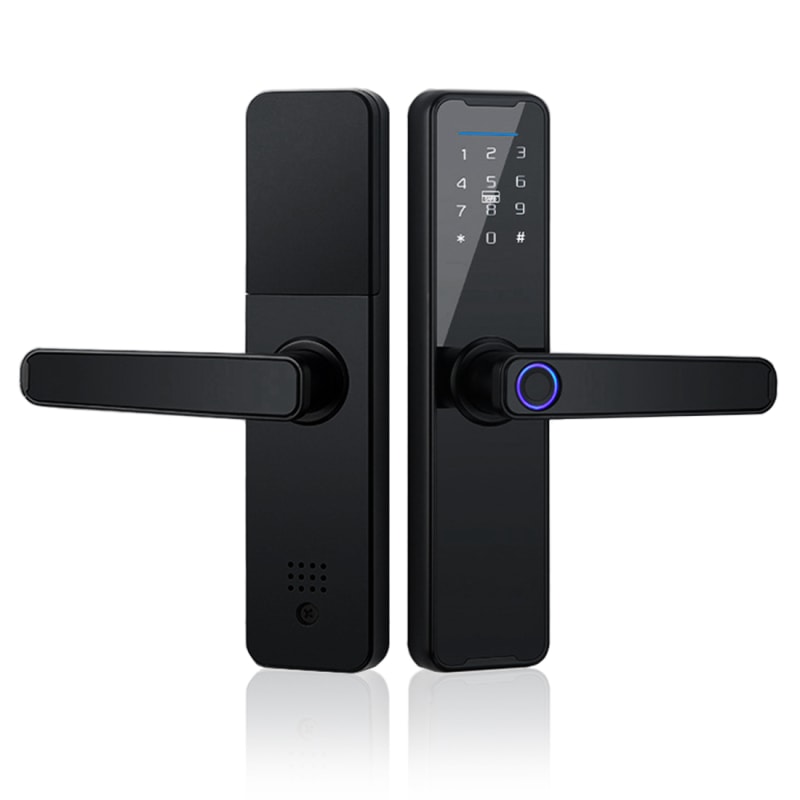 Front door smart Locks made of aluminum alloy compatible with multiple mortise types
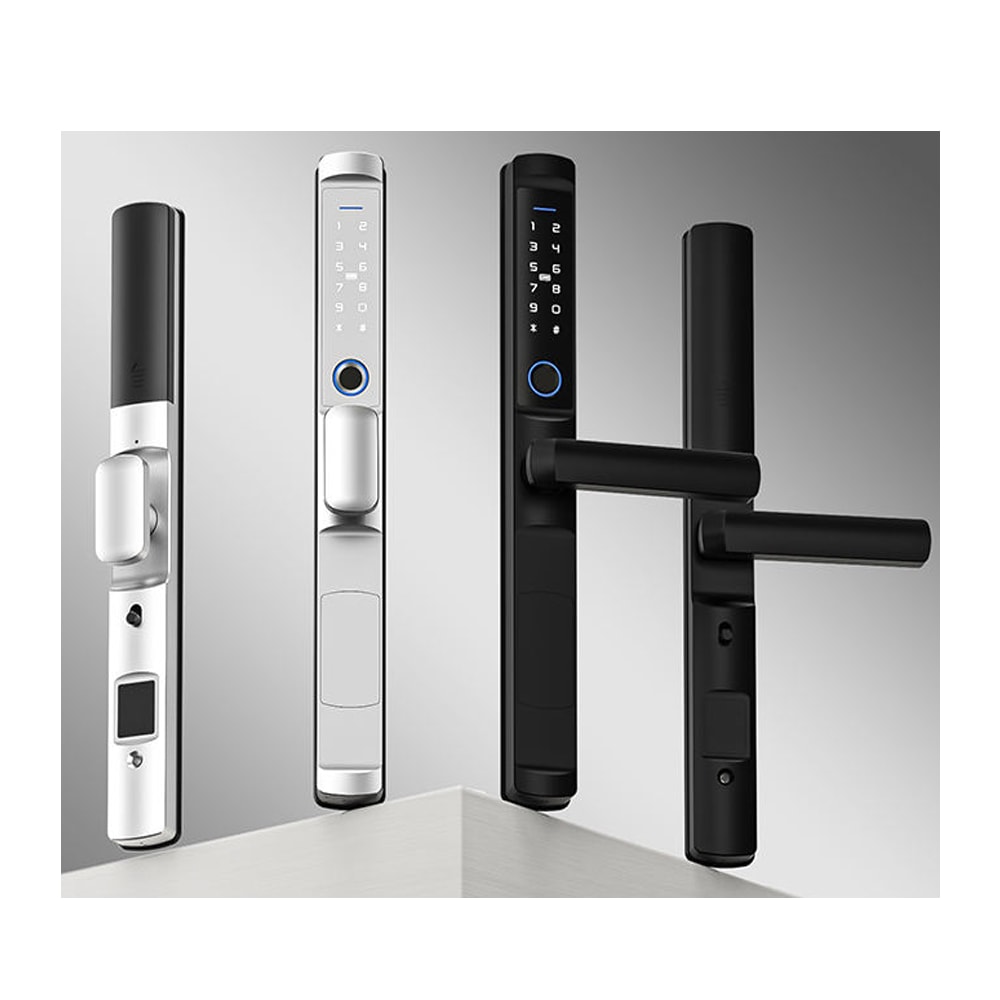 Keypad Door Lock with IP66 Waterproof case and Two Handle Styles Options
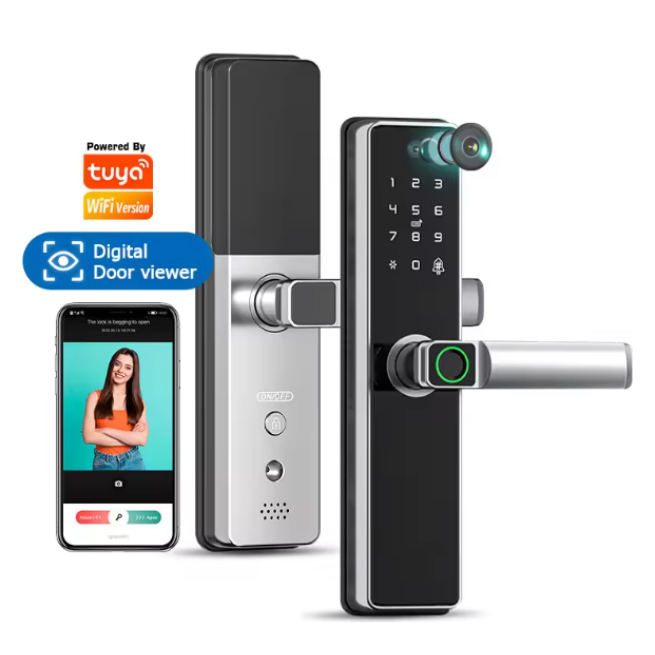 Front Door Keypad Lock with Fingerprint and Doorbell B2
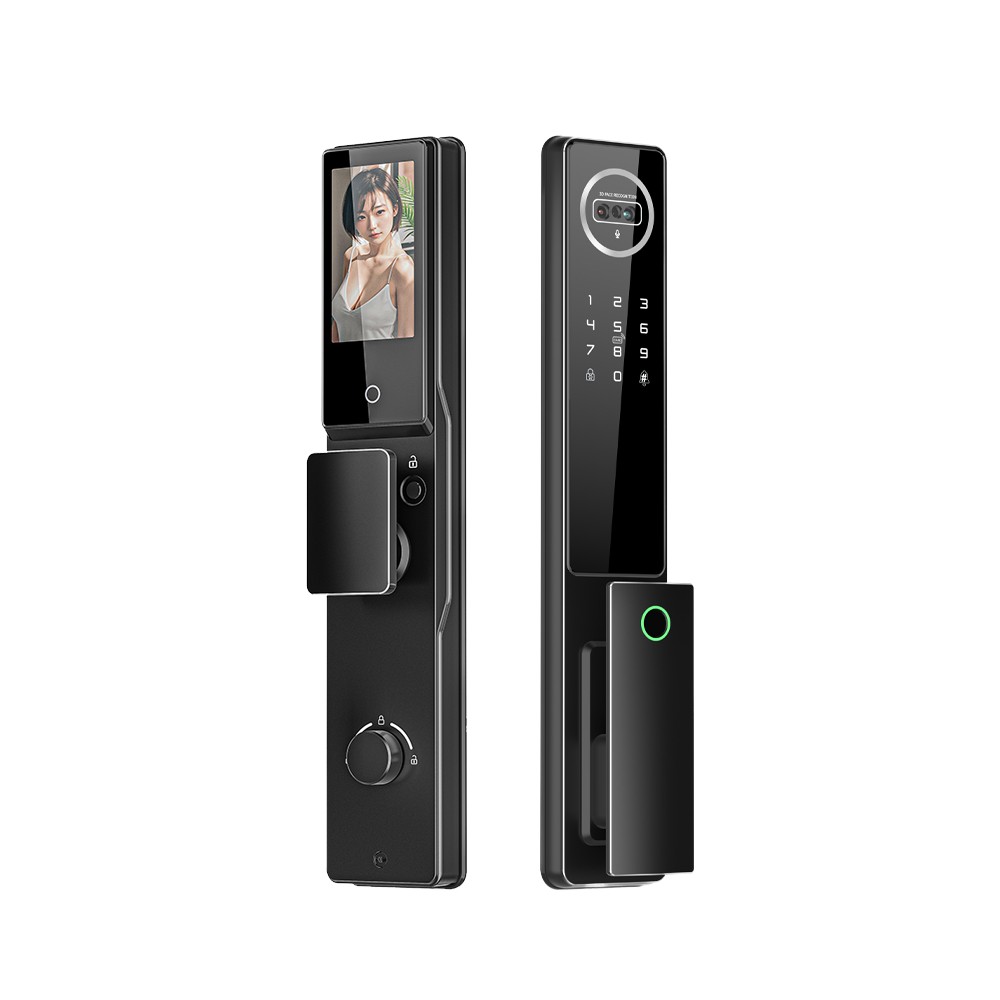 Face Recognition Smart Door Lock with Video Intercom Doorbell Tuya WiFi D1
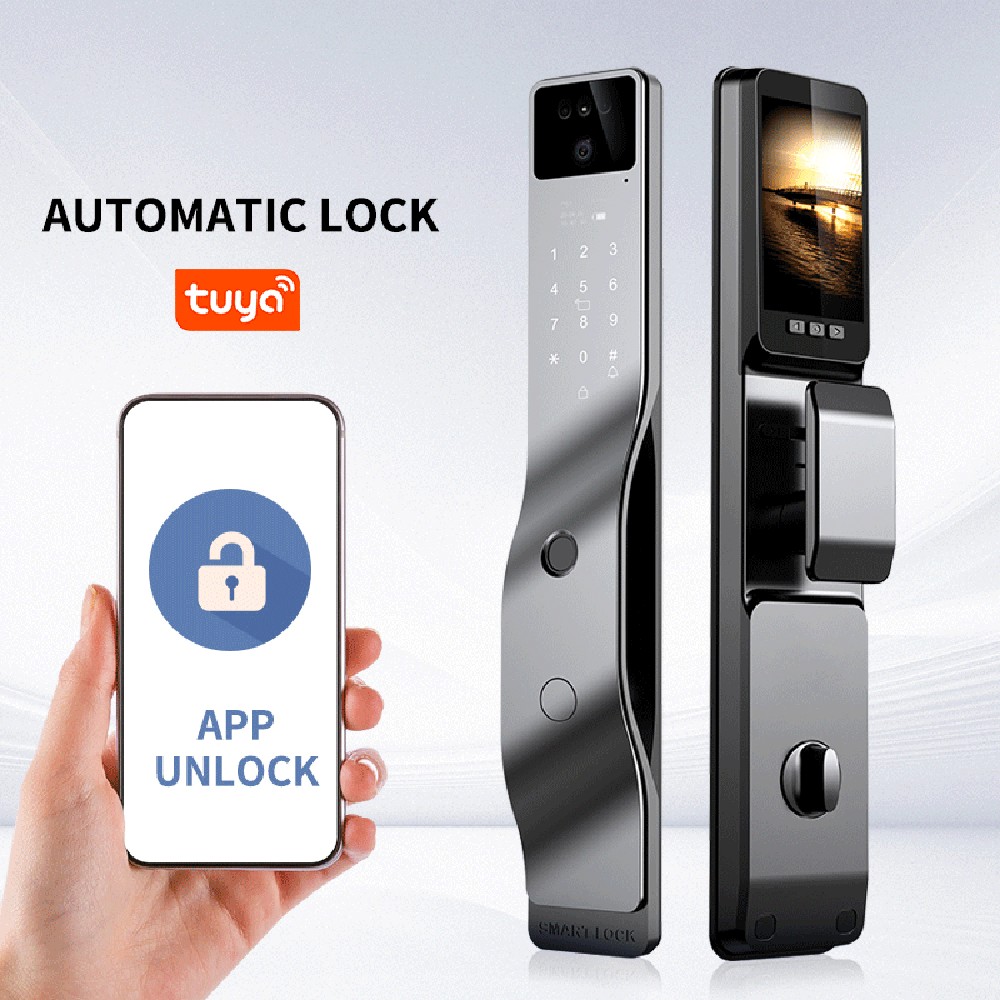 WIFI Smart Mortise Lock with Tuya Video Doorbell support Face Scan Palm Vein F7
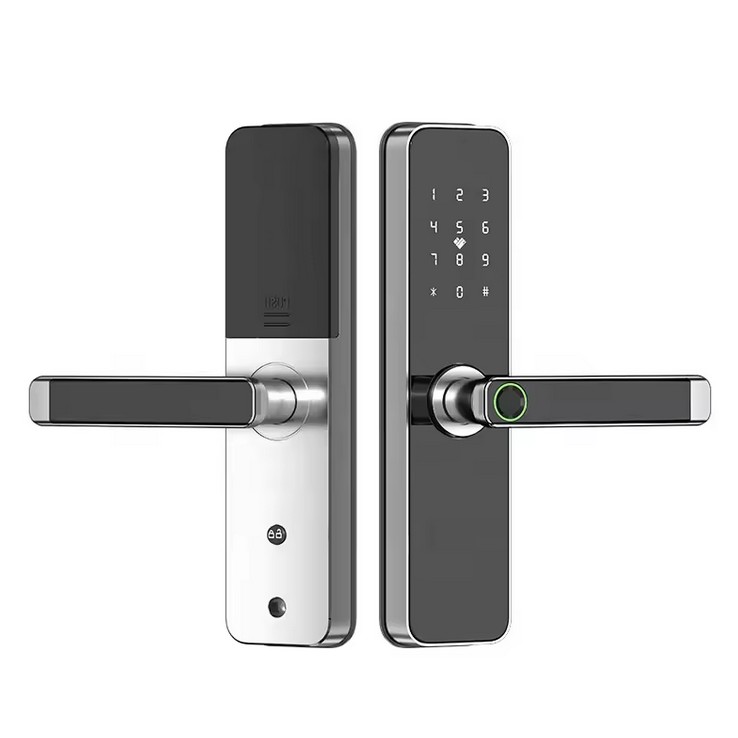 Smart mortise lock with bluetooth and WIFI optional FM028
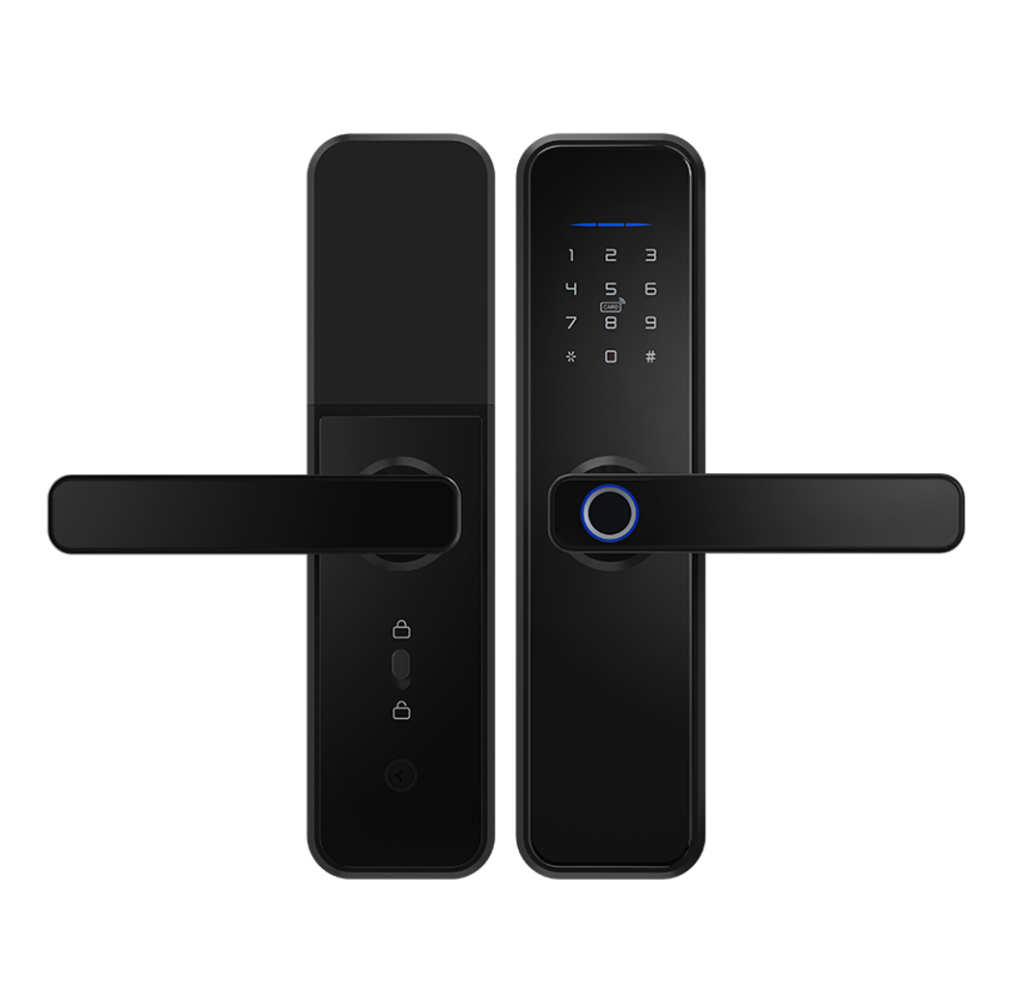 Mortise Smart Lock with multi keyless accesses FM550
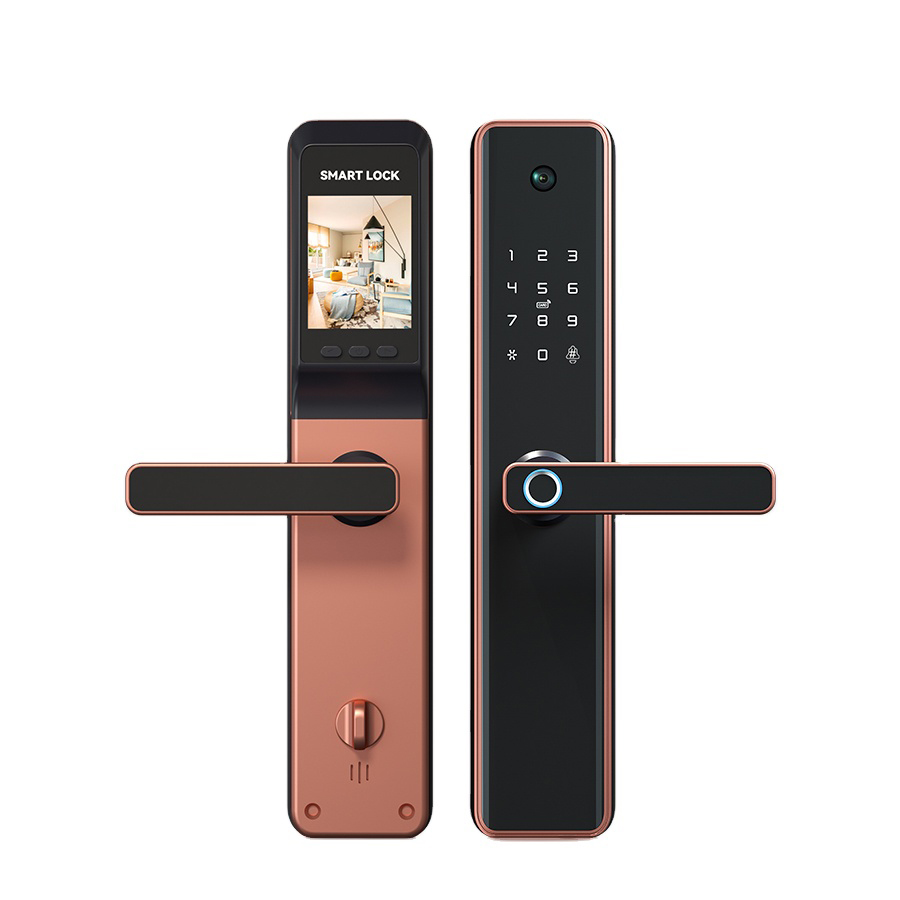 Camera Smart Lock with Finger Scan Supporting Tuya WiFi or Zigbee FM551
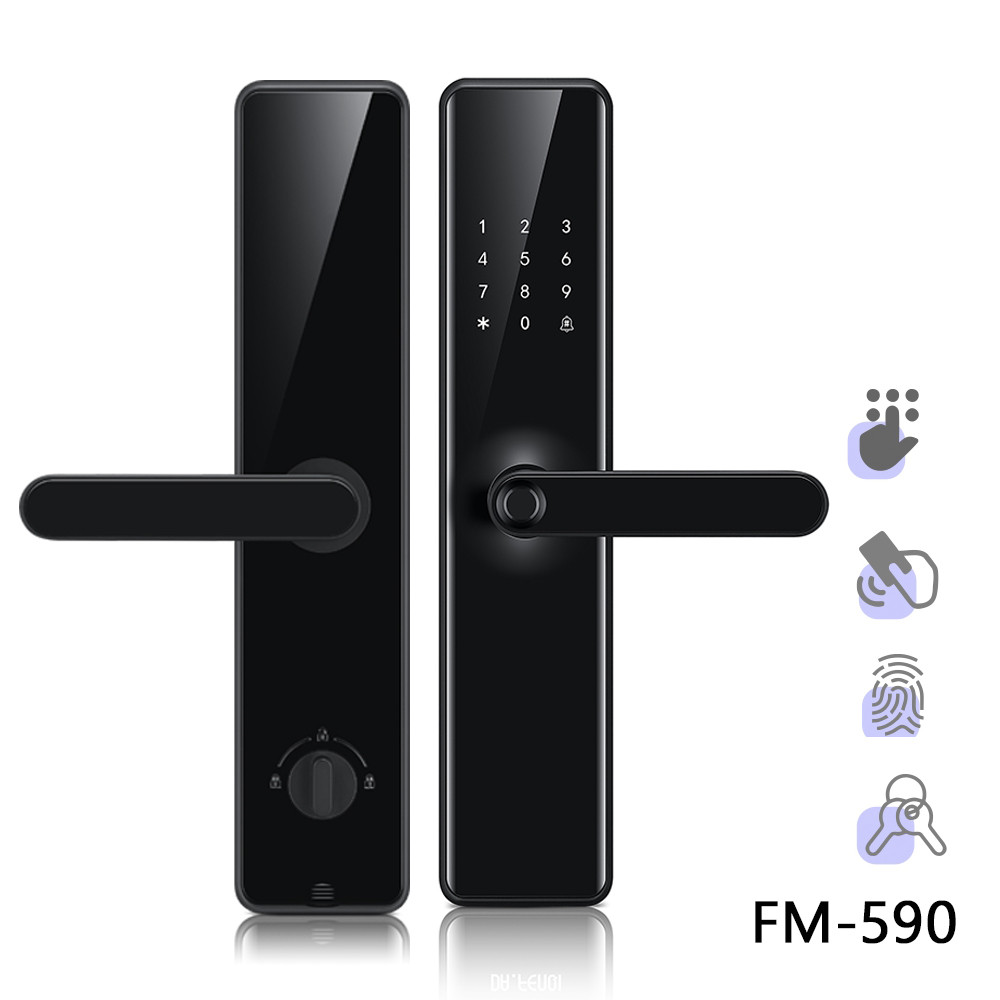 Smart Door Lock with Fingerprint and Voice Control FM590
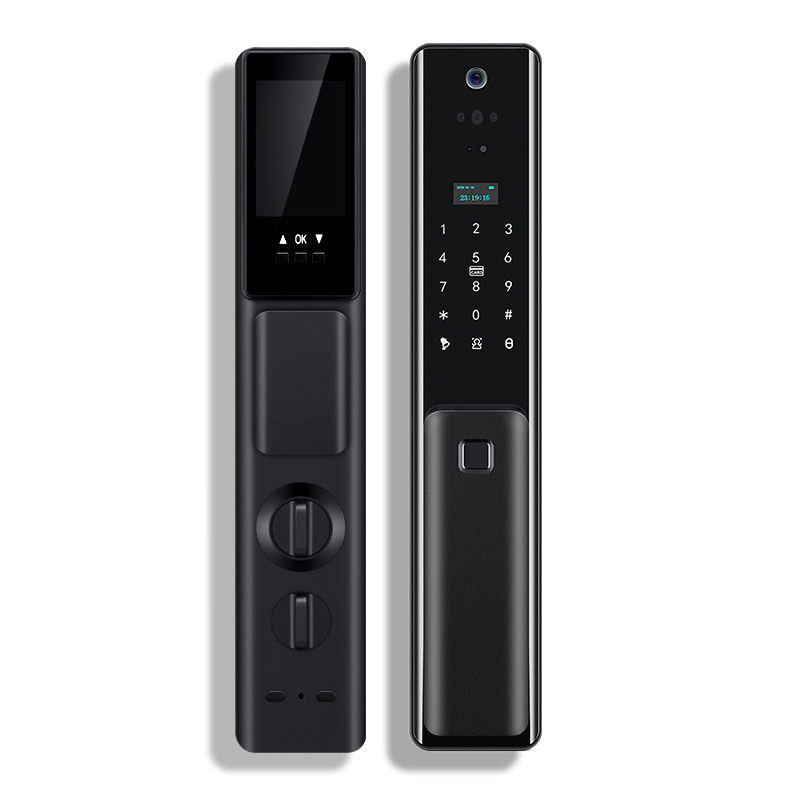 Fingerprint Door Lock with Face Scanner and Camera Supports google home FM720
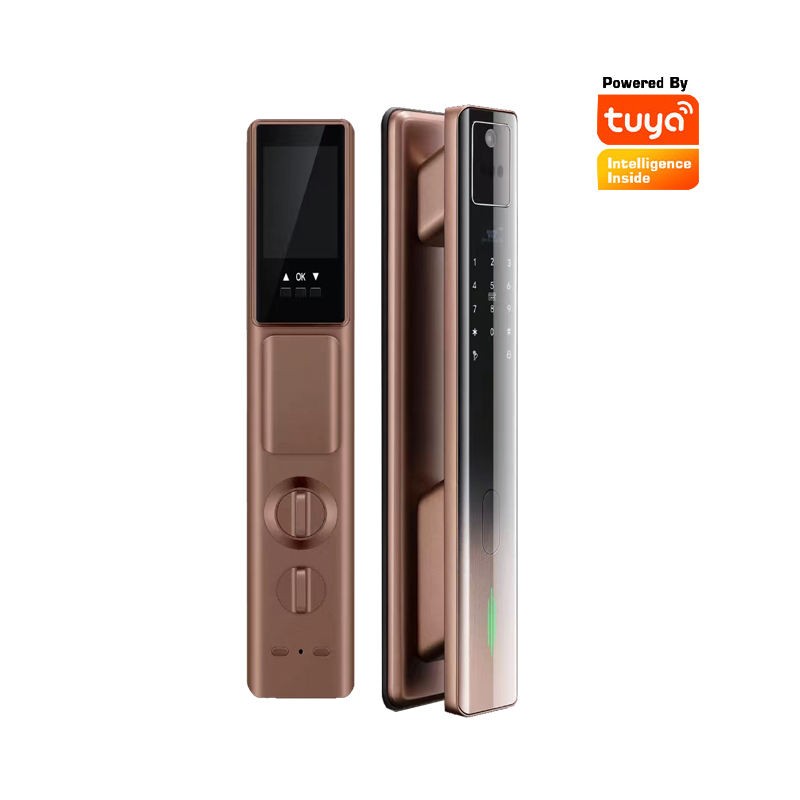 Facial Recognition Smart Lock with Video Intercom and Thumbprint FM730
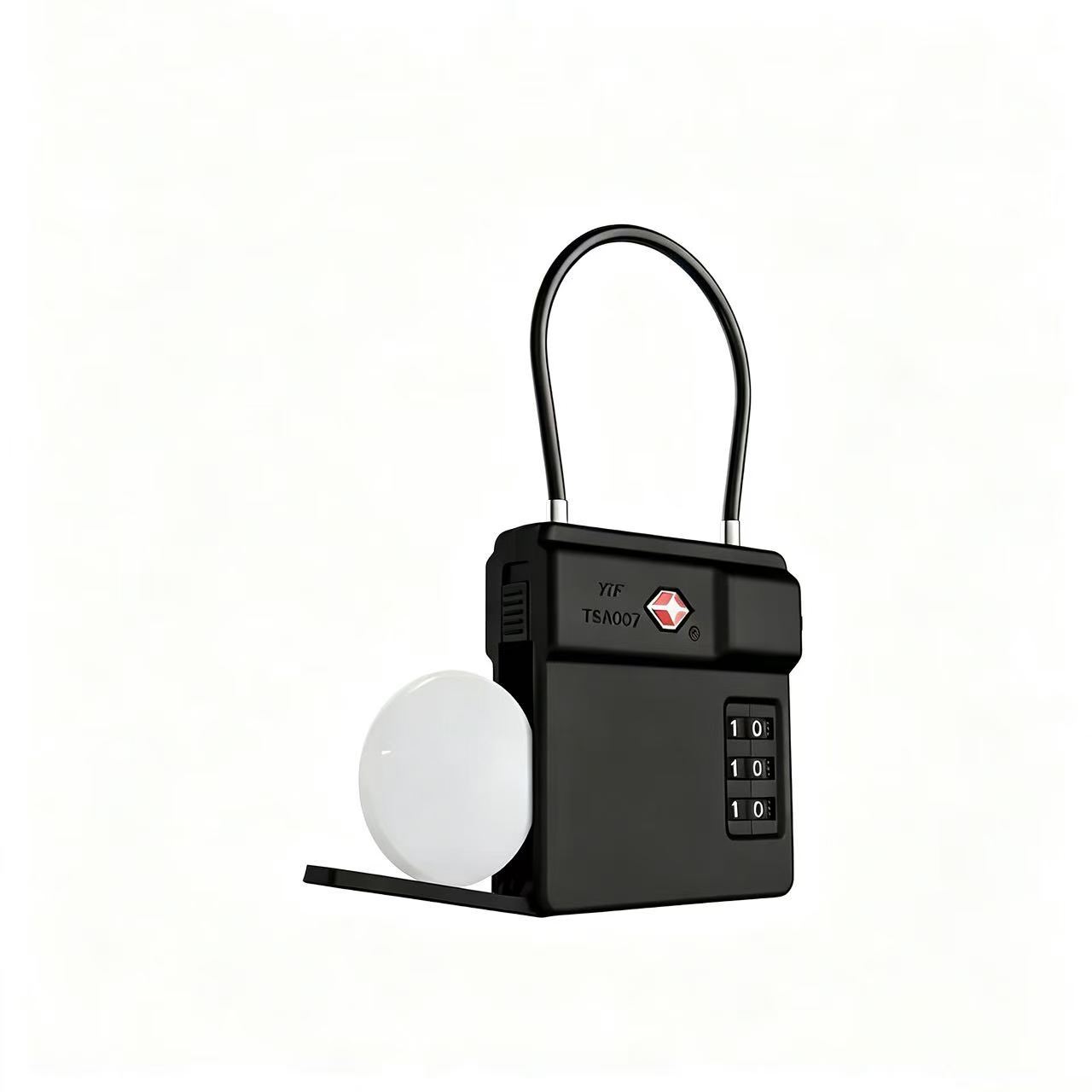 Smart TSA Approved Cable Lock with Integrated Airtag Tracking for iOS and Android FMA002
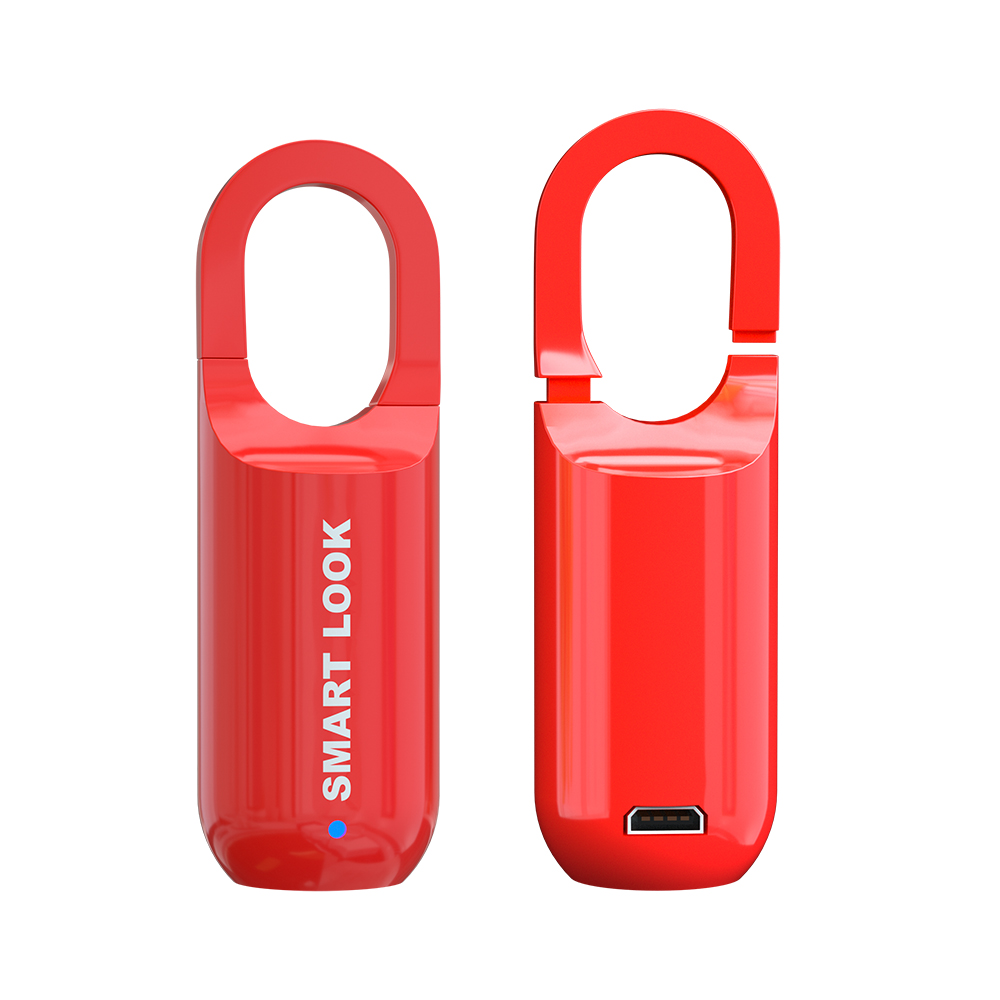 Fingerprint Smart Padlock with Bluetooth App Control and 365-Day Standby Tuya FMP001
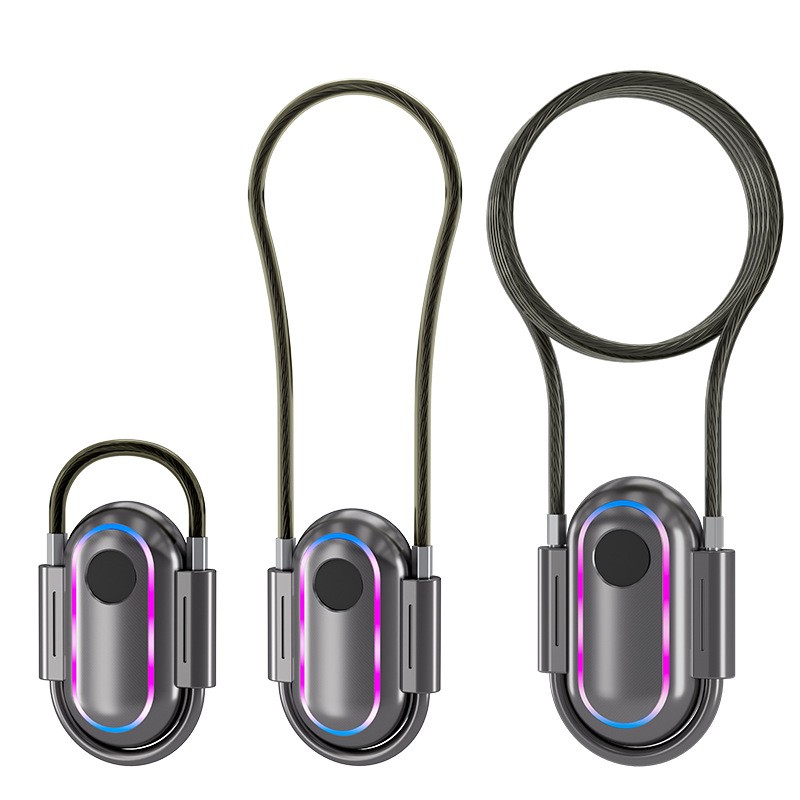 Fingerprint Smart Padlock with IPX5 Waterproof and 3 Steel Cable Lengths FMP002
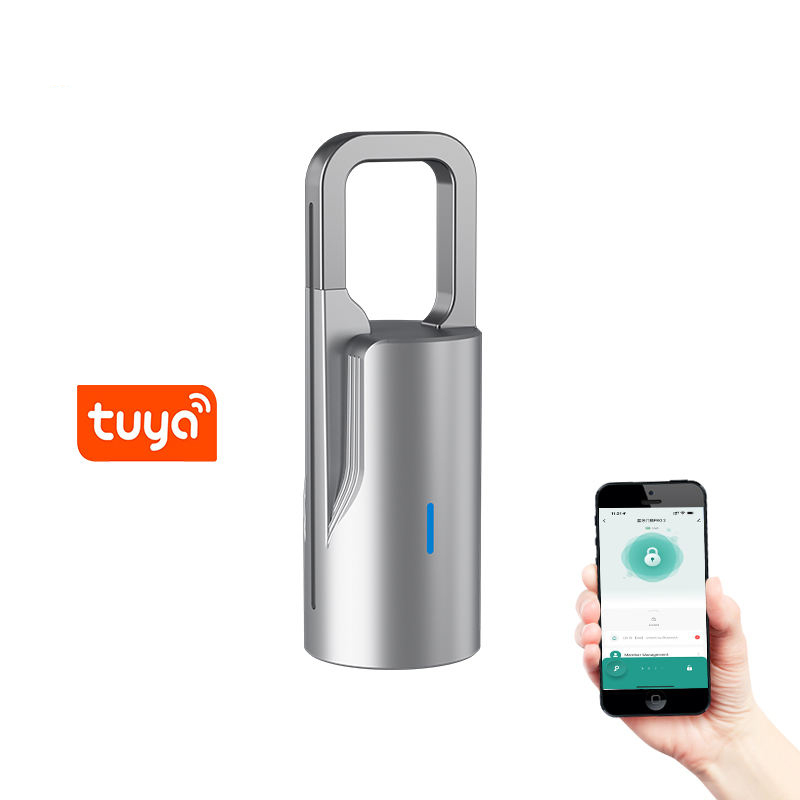 Fingerprint Smart Padlock with Bluetooth App Control and IPX5 Waterproof FMP003
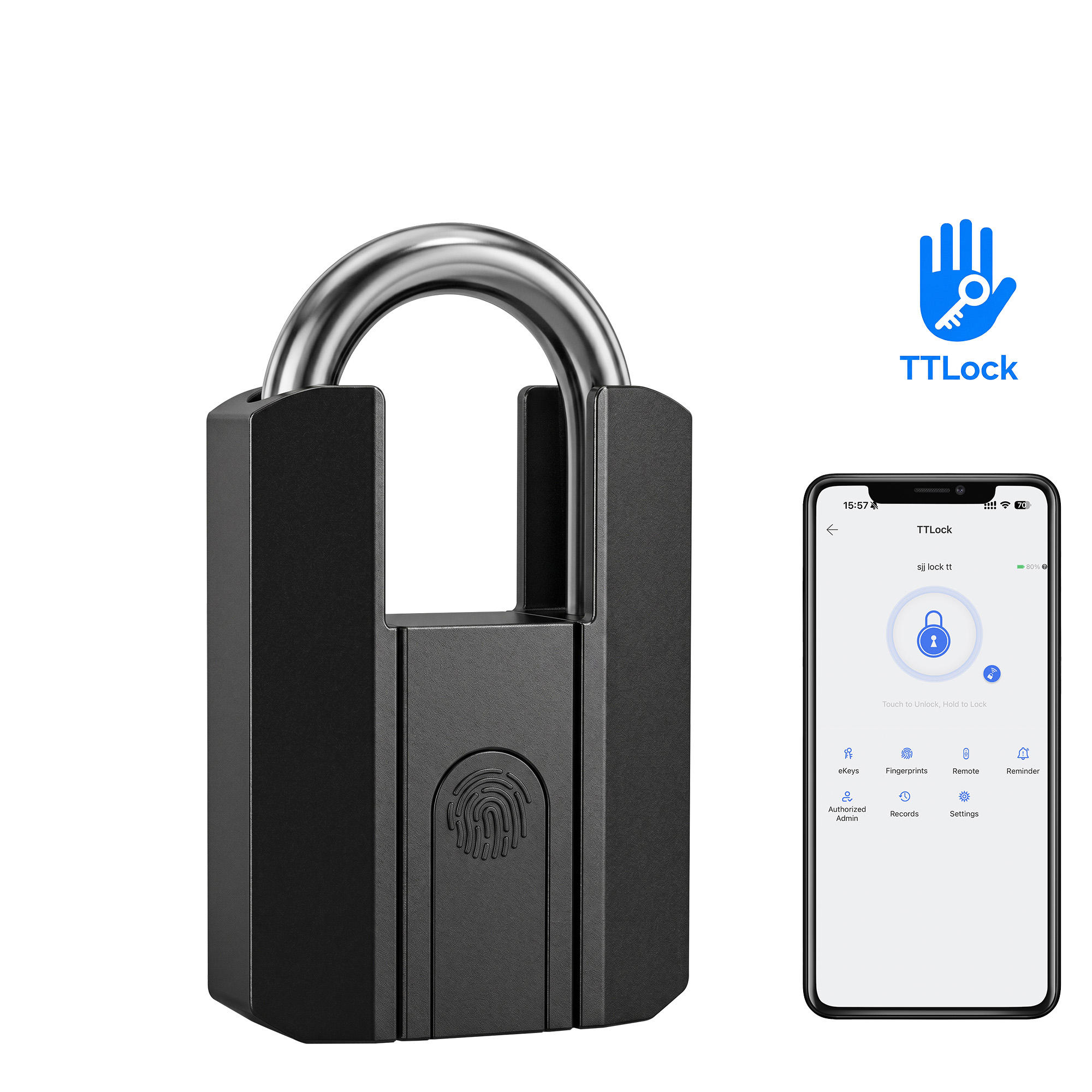 Heavy-Duty Fingerprint Padlock with IP67 Waterproof Shackle and TTLock Bluetooth FMP004
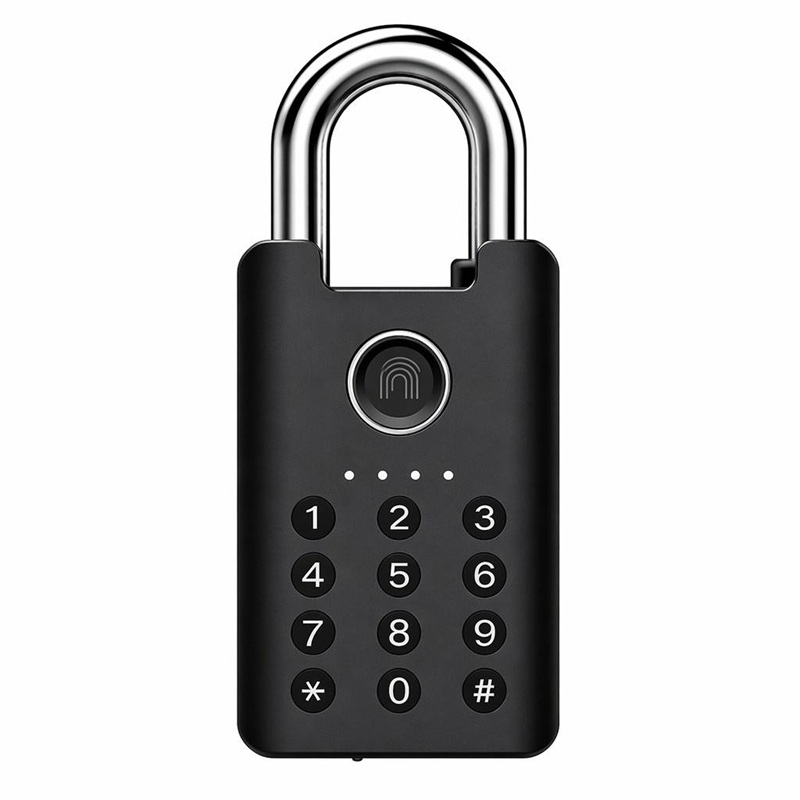 Heavy Duty Fingerprint Smart Padlock with Password Keypad IP65 Waterproof FMP005
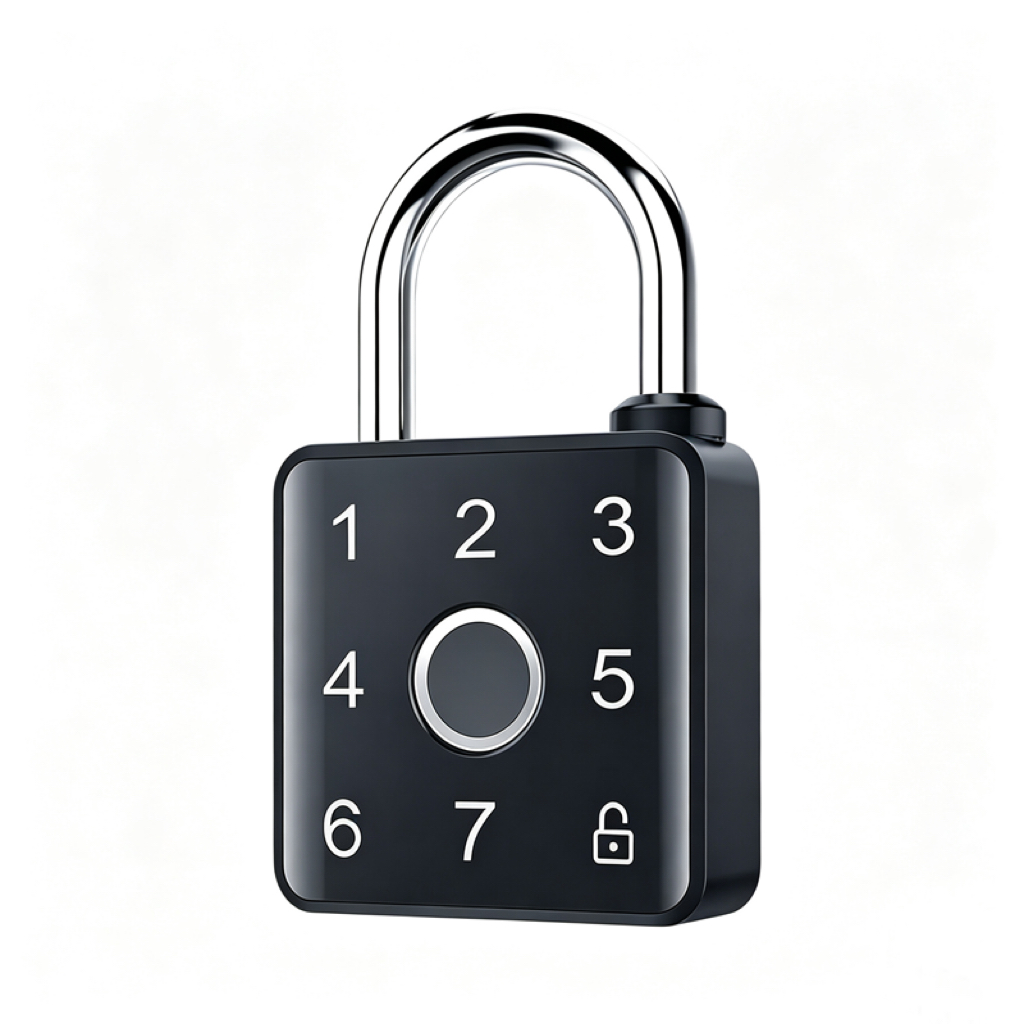 Multi-Access Fingerprint Padlock with Keypad, App Control & IP65 Waterproof FMP006
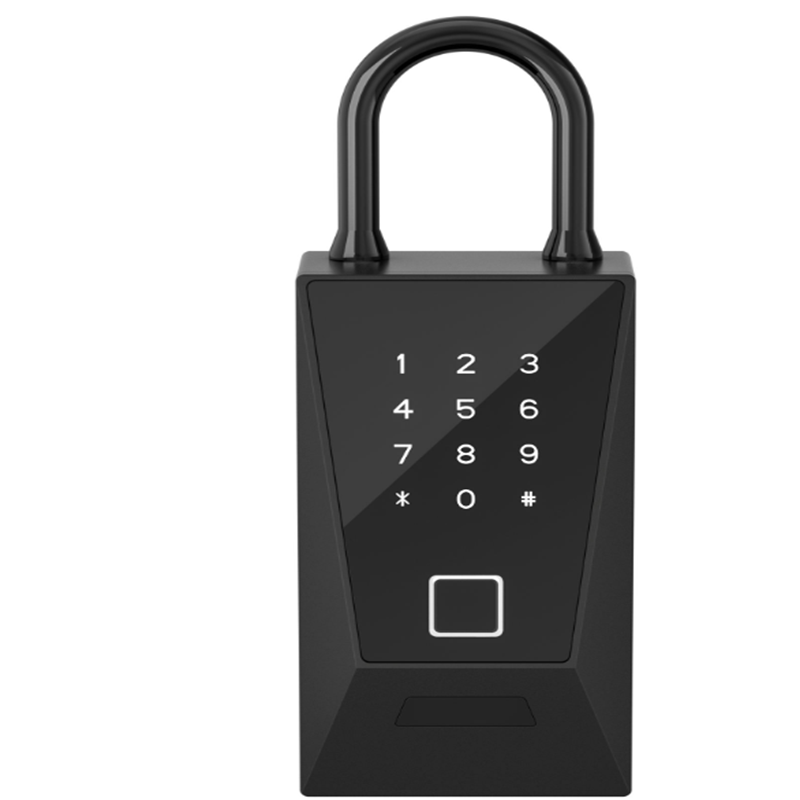 WiFi Smart Key Box with Fingerprint Password Card Access IPX5 Waterproof FMP007
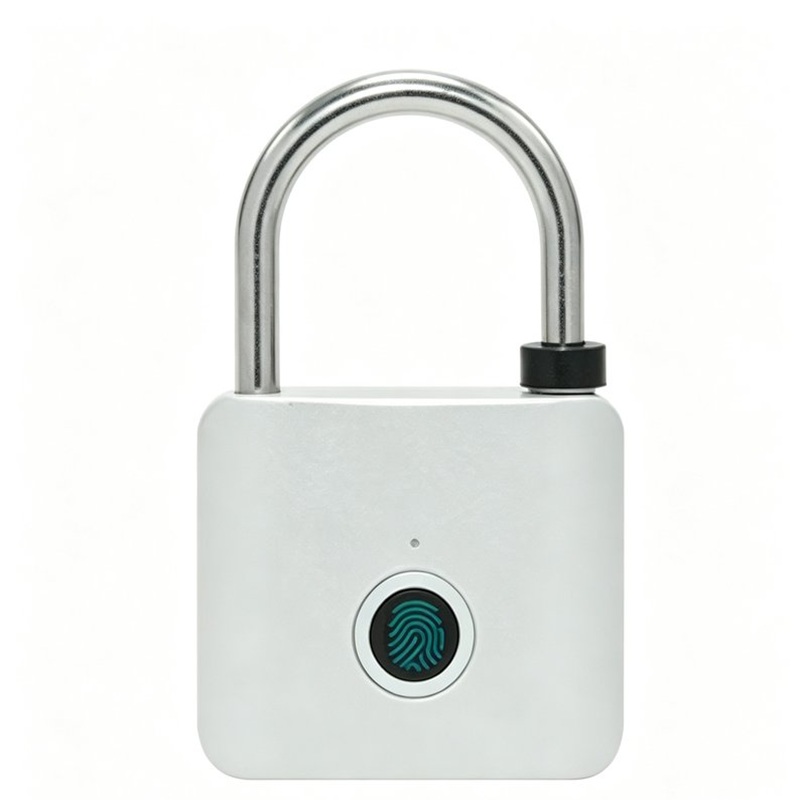 Bluetooth biometric Intelligent Padlock with IP65 Waterproof and Type-C Rechargeable Battery FMP008
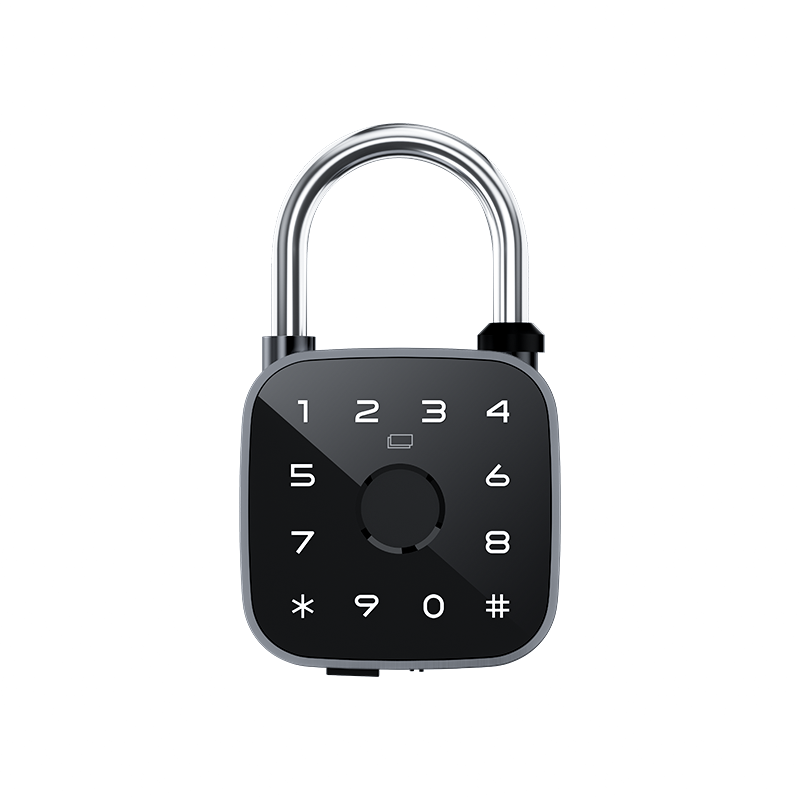 Smart Biometric Padlock with Scramble-Code Keypad and Tuya App Control FMP009
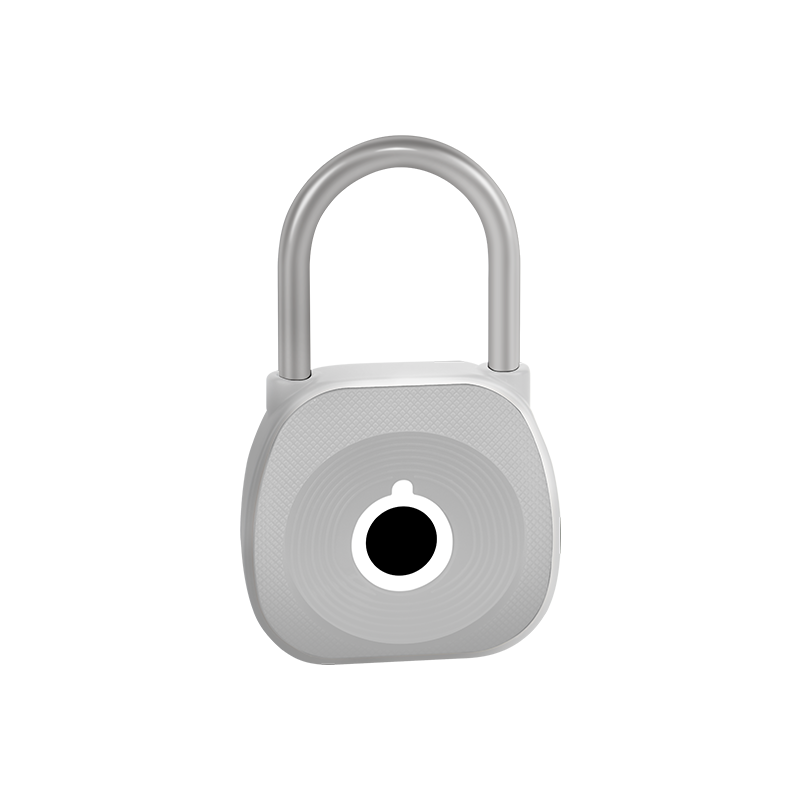 Ultra-Slim Biometric Padlock — 1.8cm Aluminum Body with Tuya App Control FMP010
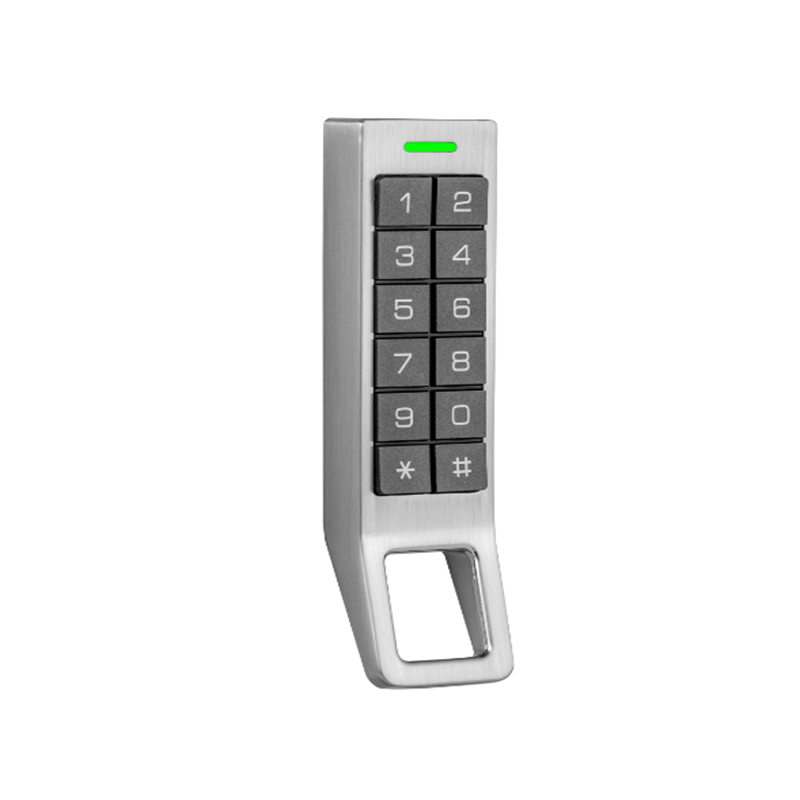 Smart Fingerprint Cabinet Lock — App & Bluetooth Keyless for Lockers FM890
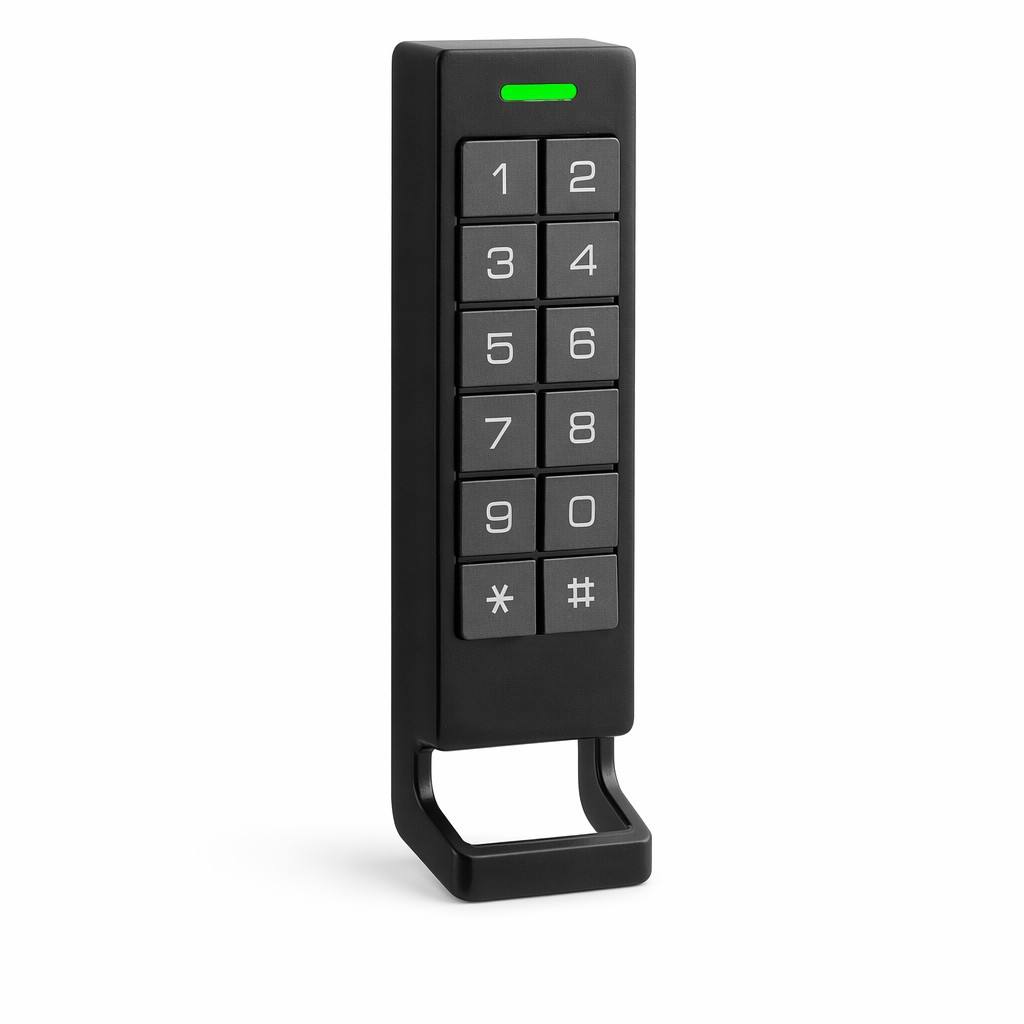 Digital Cabinet Lock with TTLock App, Passcode and RFID Card Access FMP870B
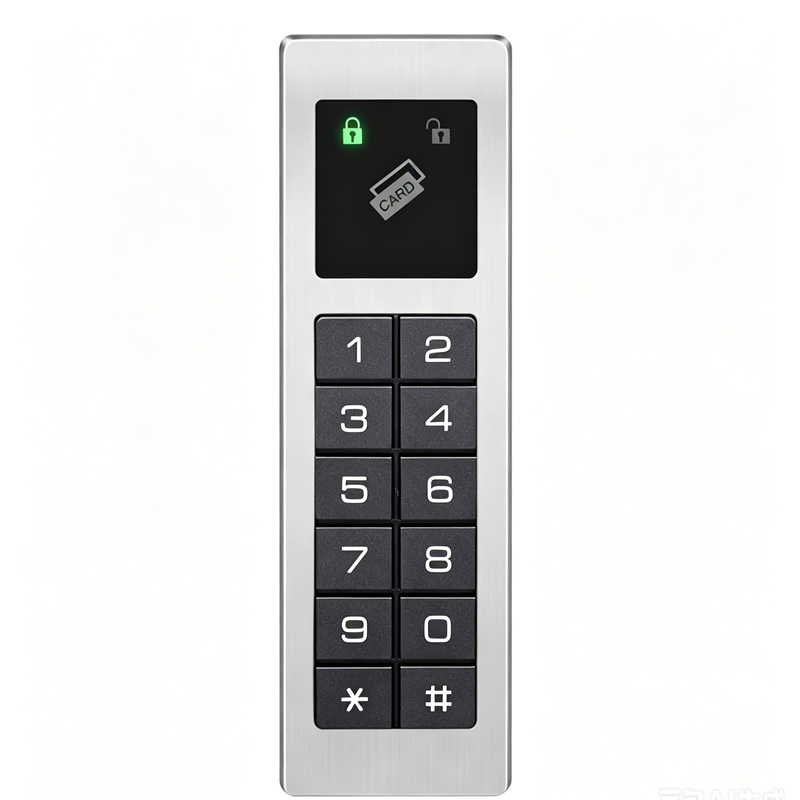 Smart RFID and Passcode Cabinet Lock with 5000mAh Battery and IP66 Waterproof FMP810
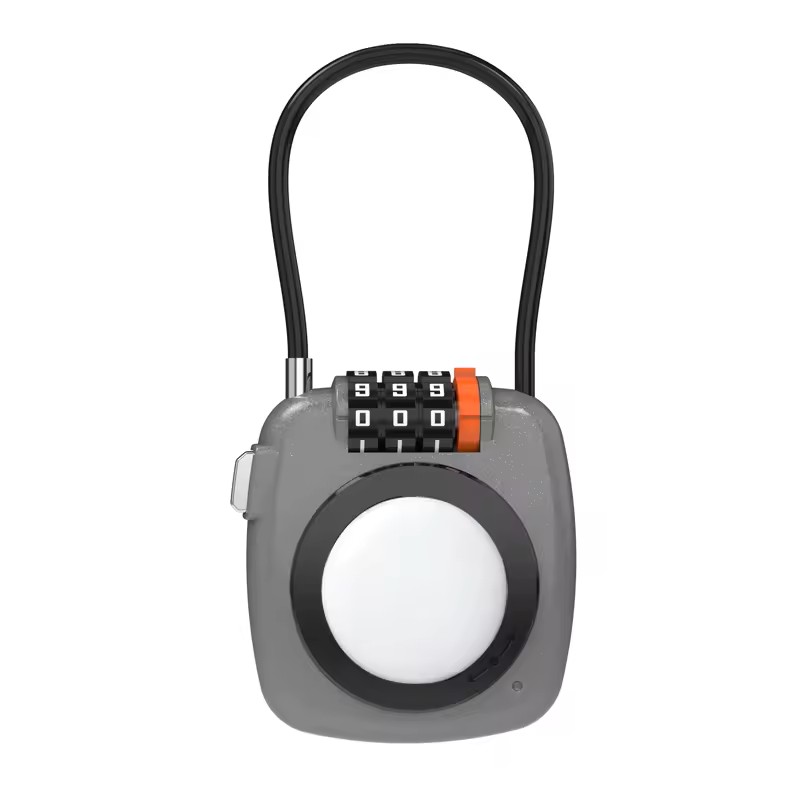 Combination Padlock with Apple Find My & Android Find Hub - IP65 Waterproof Smart Lock FMA001
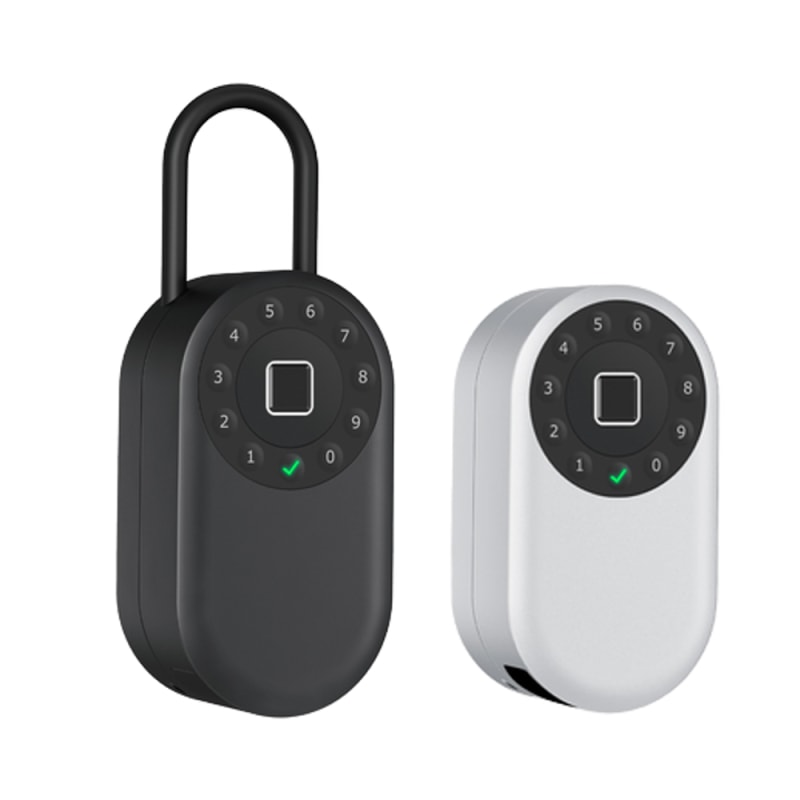 Keyless lock box with physical keypad and TTlock app waterproof for outdoor key storage KB3
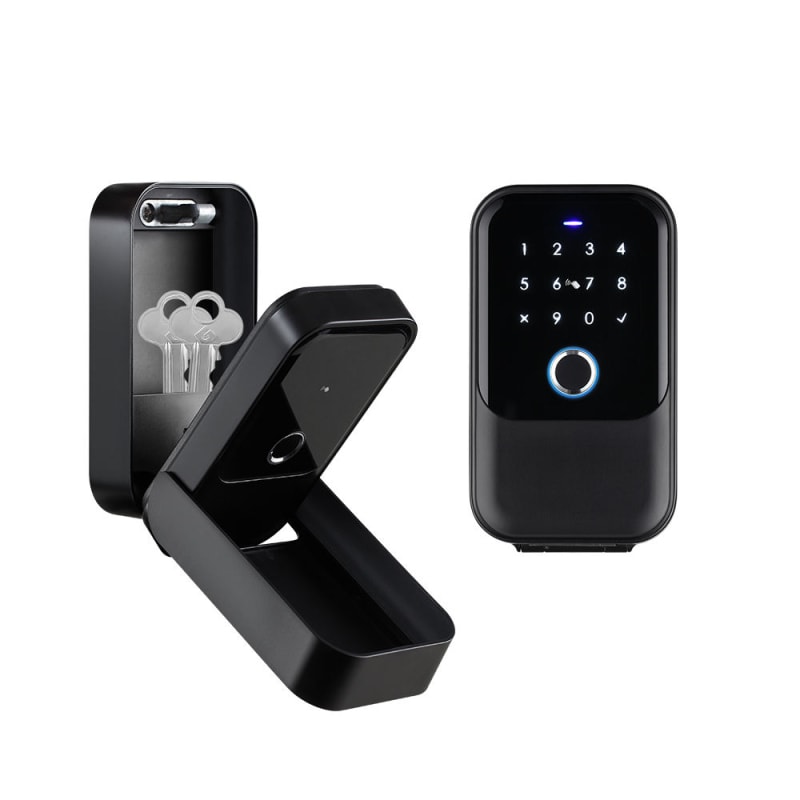 Smart key box with touch keypad and comptible with TTlock and Tuya ble for outdoor use K5
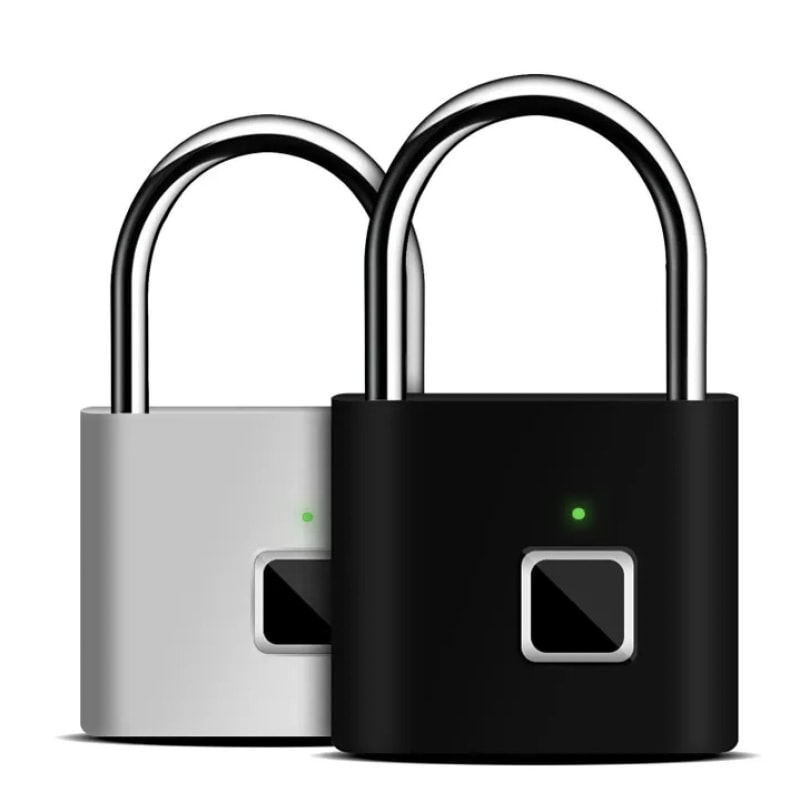 Fingerprint padlock with morse code backup that is rechargeable and portable for everyday use FM570
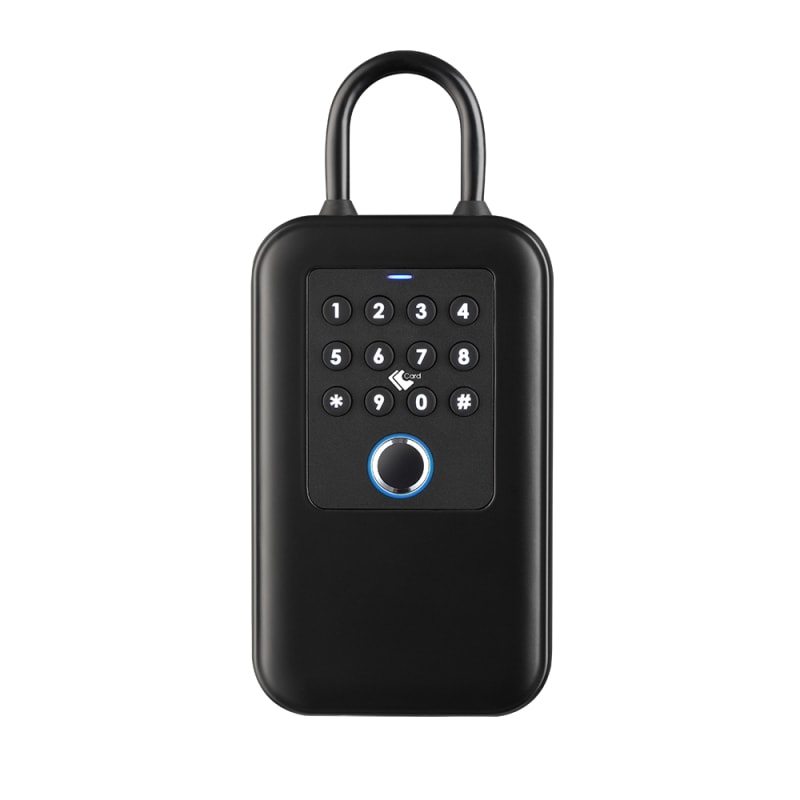 Waterproof key lock box with physical keypad and Tuya app control for outdoor key storage K7
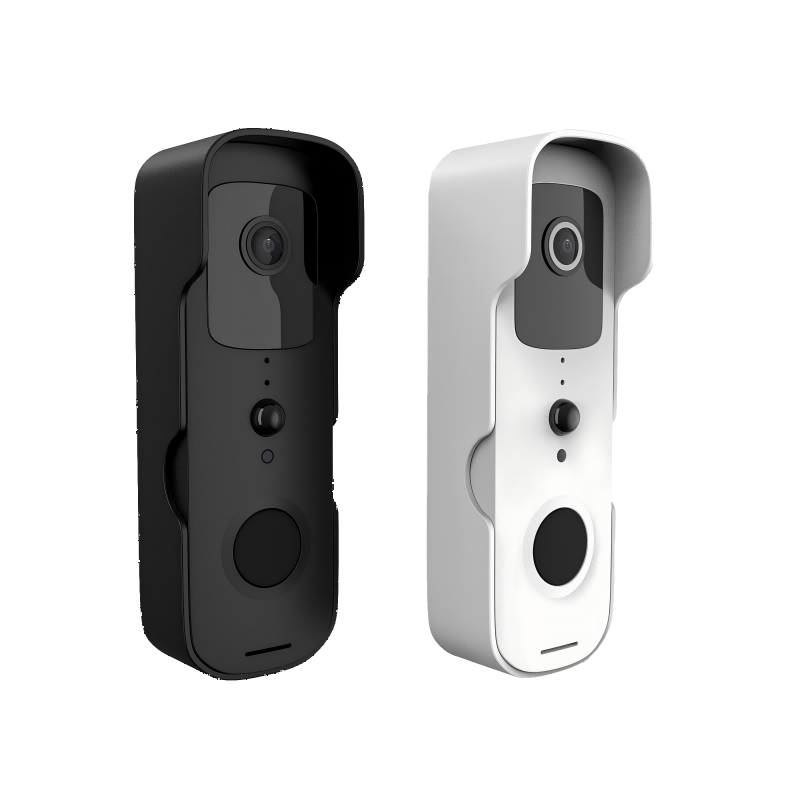 Smart Video Doorbell with Two Way Audio and Tuya WiFi for Home Security FM571
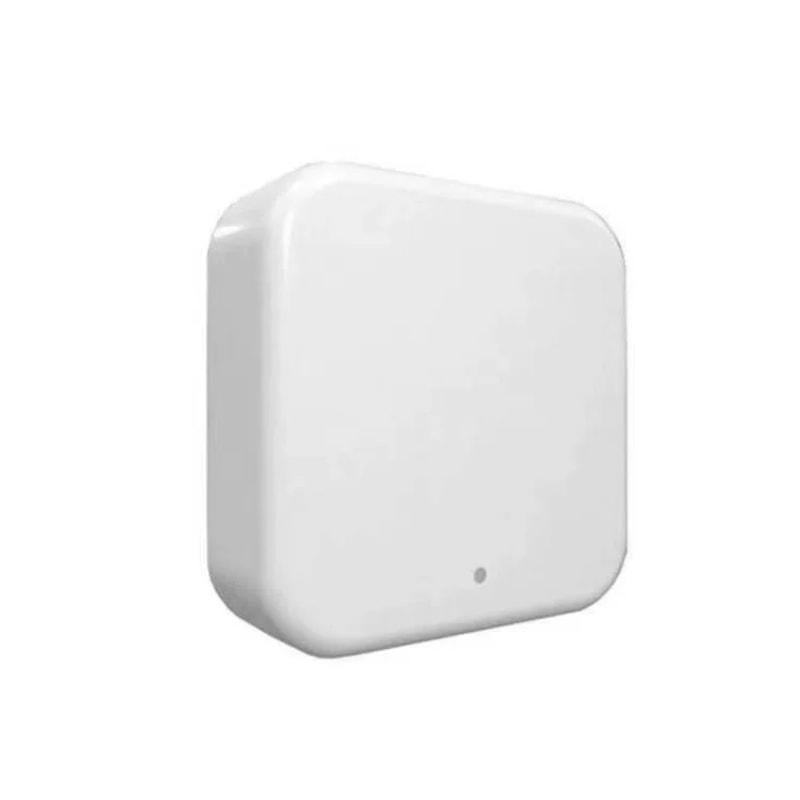 Ttlock G2 Gateway Connects Your Bluetooth Smart Lock to Wifi for Remote Access
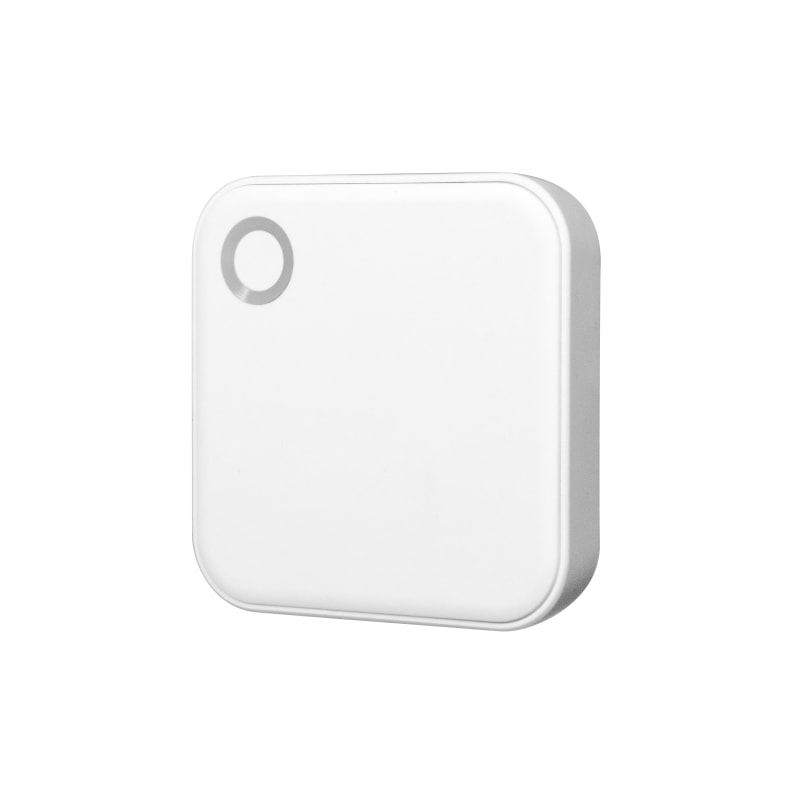 TTlock G5 gateway features dual band wifi and mesh network for large properties
 WhatsApp