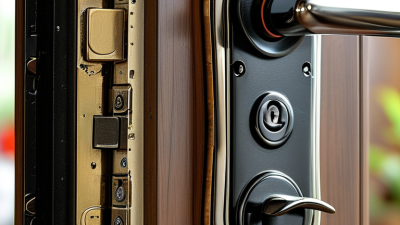
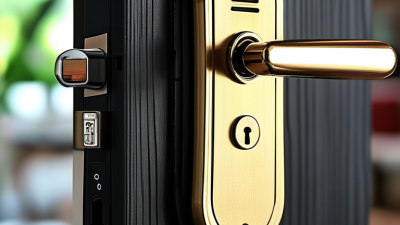
As homeowners look for more innovative ways to keep their homes safe, Bluetooth locks have really started to stand out. They’re pretty great because they bring convenience and some pretty cool features that are changing the game when it comes to home security. Instead of sticking with traditional locks, these smart locks let you control your door with your phone—talk about a modern touch, right?
A lot of folks get fed up with losing keys or forgetting combinations all the time. That’s where Bluetooth locks come in handy. With just a quick tap on your phone, you can lock or unlock your door no matter where you are. It’s super convenient, especially for busy families or anyone who loves tech.
But, here’s the thing—not all Bluetooth locks are equal. It’s really important to do a little homework and pick models that are reliable and secure. Some brands might skimp on things like encryption or updates, and that could be a security risk. Going with trusted names like Schlage or August can really give you some peace of mind. At the end of the day, choosing the right Bluetooth lock is about considering what works best for you and making sure your home stays safe.
Overall, these gadgets are making home security smarter and easier, but a little research goes a long way to picking the right one for your lifestyle.
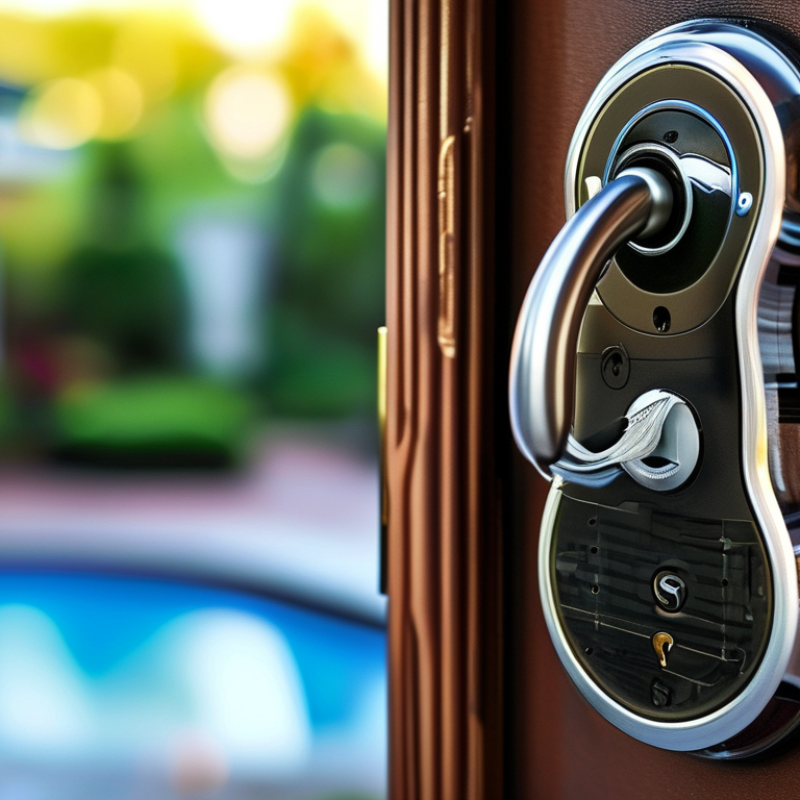
Benefits of Bluetooth Locks in Modern Home Security
Bluetooth locks are becoming popular in modern home security solutions. These smart locks provide advanced features that enhance safety and convenience. According to a recent report by the Security Industry Association, 58% of consumers prioritize smart locks for their ease of use and innovative technology. Bluetooth Door Locks specifically offer remote access through smartphones, allowing users to control entry points from anywhere.
The ability to grant temporary access is a significant benefit. Homeowners can share digital keys with guests or service providers without needing physical copies. Yet, this convenience raises concerns about potential misuse. While many locks include encryption for data protection, vulnerabilities in apps can occur. According to cybersecurity reports, 30% of smart lock failures are linked to app security issues. It's crucial for consumers to stay informed about software updates to ensure their devices remain secure.
Moreover, Bluetooth locks streamline the everyday experience. Users can unlock doors with one tap, eliminating the hassle of fumbling with keys. Industry studies suggest that 45% of homeowners find keyless entry improves their daily routines. However, reliance on technology may lead to challenges. Battery life and connectivity issues can pose risks. Users must regularly check their locks to avoid lockouts. In conclusion, the integration of Bluetooth Door Locks in today’s homes can provide substantial benefits, but awareness of potential pitfalls is essential.
How Bluetooth Technology Enhances Lock Performance
Bluetooth technology has revolutionized home security, offering a seamless experience for homeowners. Bluetooth locks work by connecting to your smartphone, allowing for easy access without the need for traditional keys. This reduces the risk of losing keys or being locked out. The convenience of locking or unlocking doors remotely adds an extra layer of security.
Tips: Regularly update your Bluetooth lock’s software. This ensures the latest security patches and features are always in place.
The performance of Bluetooth locks is enhanced by their smart technology. Many models include features like keyless entry and temporary access codes for guests. This flexibility makes it easier to manage who can enter your home. Despite these advantages, it is essential to be aware of potential vulnerabilities. Bluetooth technology—while secure—can still be susceptible to hacking.
Tips: Choose locks with robust encryption and multi-factor authentication to protect your access points.
Homeowners should also consider the range of Bluetooth connectivity. Sometimes, signals can weaken depending on barriers like walls. This is something to test in different parts of your home. Evaluating your Bluetooth lock's effectiveness ensures you maximize its benefits while addressing possible shortcomings.
Comparing Bluetooth Locks to Traditional Lock Systems
Bluetooth locks are transforming home security. When compared to traditional lock systems, they present distinct advantages. A report from the Electronic Security Association highlights that smart locks, including Bluetooth models, have surged in popularity, with a projected growth rate of 34% annually. This shift indicates a growing trust in technological solutions for security.
Traditional locks rely on physical keys. They can be picked or duplicated, posing risks. Conversely, Bluetooth locks use encrypted connections, making unauthorized access more challenging. A study by the Security Industry Association found that 61% of homeowners feel safer with smart locks. The convenience of keyless entry offers peace of mind, especially when managing family access.
Tips: Make sure to configure your Bluetooth locks with strong passwords. Regularly update your device’s firmware to ensure security measures are current. As technology evolves, vulnerabilities may emerge. It’s wise to stay informed and regularly assess your home security. Embracing technology can elevate safety, but complacency can lead to risks.
Key Features of Bluetooth Locks for Enhanced Safety
Bluetooth locks offer innovative security solutions for modern homes. One key feature is remote access control. Homeowners can use their smartphones to unlock doors from anywhere. This functionality eliminates the need for traditional keys. According to a recent study, 48% of consumers prefer remote access over physical keys. This shift highlights the growing reliance on smart home technology.
Another important feature is real-time access logs. Bluetooth Deadbolt Locks record every entry and exit. Homeowners can monitor who enters their home and when. A survey found that 62% of users feel more secure knowing they can track access. This transparency fosters a sense of safety, crucial in today's security landscape.
However, Bluetooth locks are not infallible. They rely on battery power, which can fail unexpectedly. A backup key option is often recommended for emergencies. Additionally, some users express concerns about hacking vulnerabilities. Ensuring robust security protocols is necessary. Balancing convenience and safety requires critical consideration.
Why Choose Bluetooth Locks for Home Security Solutions? - Key Features of Bluetooth Locks for Enhanced Safety
| Feature |
Description |
Benefits |
| Keyless Entry |
Allows access via smartphone or smartwatch without physical keys. |
Convenient and eliminates the risk of losing keys. |
| Remote Access |
Lock and unlock from anywhere using Bluetooth connectivity. |
Great for letting in guests or service providers while away. |
| Activity Log |
Tracks every time the lock is accessed. |
Provides peace of mind and helps monitor who is entering. |
| Durability |
Designed to withstand tampering and extreme weather conditions. |
Higher security and longevity compared to traditional locks. |
| Integration with Smart Home Systems |
Can be integrated with other smart devices for enhanced control. |
Customizable security settings and automation options. |
Installation and Maintenance of Bluetooth Lock Systems
Bluetooth locks offer a modern approach to home security with easy installation and maintenance. Installing a Bluetooth lock typically requires minimal tools. Many systems allow for DIY installation, saving you time and money. Just follow the manufacturer’s instructions carefully. Make sure to check your door's compatibility before choosing a lock. Sometimes, homeowners need to adjust the strike plate or hinges for a perfect fit.
Maintaining Bluetooth locks involves regular software updates. These updates help improve functionality and security. Without them, your system might fall prey to vulnerabilities. It's also essential to check the battery life periodically. A low battery can lead to lockouts or malfunction. While Bluetooth locks can simplify access, be aware that they can sometimes face connectivity issues. Reassessing their placement to ensure a strong signal can be crucial. Overall, Bluetooth lock systems blend convenience with security, but attention to maintenance is key.
Bluetooth Locks for Home Security Solutions: A Comparison of Features
This chart compares the features of Bluetooth locks commonly considered for home security, highlighting aspects like ease of installation, maintenance frequency, durability, and user satisfaction.
Privacy and Data Security Considerations for Bluetooth Locks
When considering Bluetooth locks for home security, privacy and data security are paramount. Recent studies reveal that nearly 30% of security breaches originate from compromised smart home devices. Understanding the potential risks associated with Bluetooth technology is essential for homeowners. While Bluetooth locks like the Bluetooth Lever Lock offer convenience, they also introduce vulnerabilities. These locks can be susceptible to hacking if not adequately protected.
Data breaches can lead to unauthorized access, allowing intruders to bypass home security systems. A report by cybersecurity experts indicates that many people underestimate these risks. Users often overlook the importance of regular software updates and strong, unique passwords. These simple actions can significantly enhance the security of Bluetooth locks.
Moreover, while Bluetooth technology encrypts communication, it is not immune to sophisticated attacks. Passwords that are reused across devices amplify the threat. Encouraging users to maintain robust security practices can mitigate such risks. Therefore, understanding and addressing privacy concerns remains a vital part of adopting Bluetooth locks for home security. Encrypting data and ensuring software is up-to-date can help build user trust in these modern locking solutions.
Future Trends in Bluetooth Lock Technology and Home Security
Bluetooth locks are rapidly transforming home security. According to a report by MarketsandMarkets, the smart lock market is projected to reach $2.8 billion by 2026. This growth showcases the increasing trust in technology for securing properties. Bluetooth Padlock systems allow homeowners to grant access remotely. They can easily manage who enters their homes without physical keys.
Future trends in Bluetooth lock technology indicate a shift toward integration with smart home ecosystems. Many devices will likely communicate seamlessly. As cybersecurity becomes more critical, manufacturers focus on providing robust encryption methods. However, vulnerabilities may arise with increased connectivity. Homeowners must stay informed about potential risks associated with smart locks.
User experience will also improve. Many Bluetooth locks are developing features like biometric access and app-based monitoring. Statistics suggest that nearly 30% of homeowners still have concerns over the security of smart devices. This highlights the need for continuous education on best practices in home security. Ensuring software is regularly updated becomes essential for maintaining security integrity. As technology evolves, so too must our understanding of its implications for safety and privacy.
Enhancing Home Security with the Front Door Keypad Lock Featuring Fingerprint Access and Integrated Doorbell Function
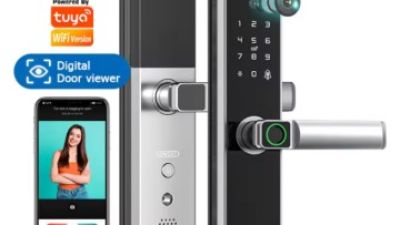
As home security concerns continue to rise, homeowners are increasingly turning to advanced locking systems that offer superior protection and convenience. The front door keypad lock featuring fingerprint access and an integrated doorbell function addresses these needs effectively. This keyless lock eliminates the need for traditional keys, which can be easily lost or stolen. Instead, it allows users to unlock the door using their unique fingerprint or a customizable code, providing both security and ease of access.
A recent industry report highlights that over 30% of homeowners are planning to upgrade their security systems within the next two years, with a significant preference for smart home devices. The electronic peephole feature of the door lock enhances safety by allowing users to see who is at their door without opening it, adding a layer of protection against potential intruders. Furthermore, connectivity options such as TTlock BLE, Tuya WiFi, or Zigbee enable seamless integration with existing smart home systems, positioning this lock as a modern essential for any household.
Moreover, the convenience of keyless entry contributes to the growing popularity of smart locks. The ability to interact with your lock remotely and monitor access logs not only enhances security but also provides peace of mind for busy families. In fact, a recent survey showed that nearly 75% of respondents believe that smart locks improve overall home security. With all these features combined, the front door keypad lock represents the future of home security, merging technology with practical design.
FAQS
: Bluetooth locks are smart locks that offer keyless entry and enhanced security through encrypted connections.
Bluetooth locks reduce risks of picking or duplication, while traditional locks rely on physical keys that can be compromised.
Homeowners feel safer with Bluetooth locks, enjoying convenience and ease in managing family access with keyless entry.
Yes, many Bluetooth locks allow for DIY installation, requiring minimal tools and adherence to the manufacturer's instructions.
Ensure your door is compatible, and you may need to adjust the strike plate or hinges for a proper fit.
Regular maintenance, like software updates and battery checks, is crucial to prevent vulnerabilities and ensure smooth operation.
Yes, sometimes Bluetooth locks may face connectivity problems, so placement should be assessed for a strong signal.
Regular updates are essential to enhance security and functionality. Check for updates periodically to maintain optimal performance.
A low battery can lead to lockouts or malfunctions, so it's important to monitor battery life regularly.
While Bluetooth locks offer convenience, relying solely on technology can create complacency and potential security gaps if not monitored.
Conclusion
Bluetooth locks represent a significant advancement in home security solutions, offering a range of benefits that enhance both convenience and safety. Their integration of Bluetooth technology improves lock performance by allowing for remote locking and unlocking, as well as the ability to grant temporary access to guests without the need for physical keys. Compared to traditional lock systems, Bluetooth locks provide key features such as automatic locking, alerts for unauthorized access attempts, and compatibility with smart home systems, making them a preferred choice for modern homeowners.
The installation and maintenance of Bluetooth lock systems are straightforward, often requiring minimal tools and expertise. However, it's crucial to consider privacy and data security, as these locks depend on digital connectivity. Ensuring robust encryption and regular software updates is vital for safeguarding users' information. Looking ahead, the future of Bluetooth lock technology is promising, with ongoing innovations expected to further enhance home security and user experience.

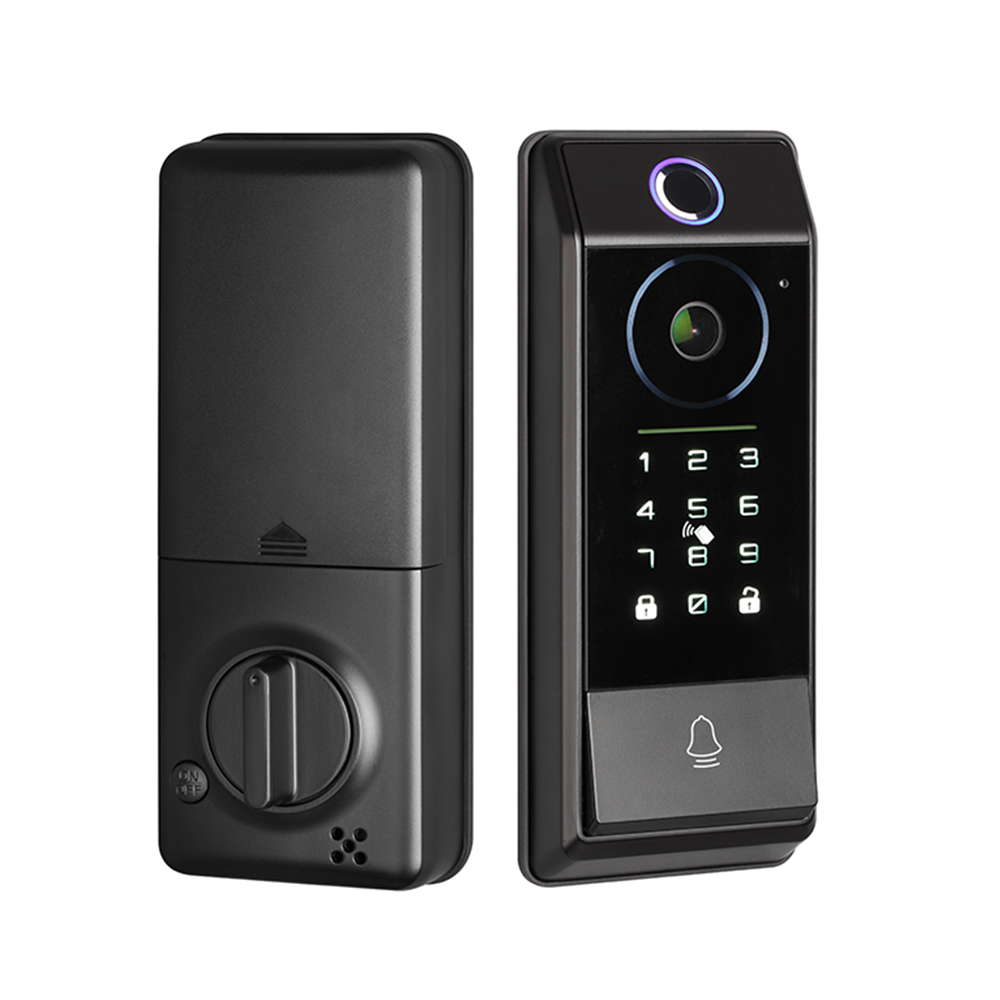 Smart deadbolt lock with video doorbell and two way intercom for front door security A229
 Bluetooth Deadblot Smart Lock with keyless access works with Google Alex tuya FM31
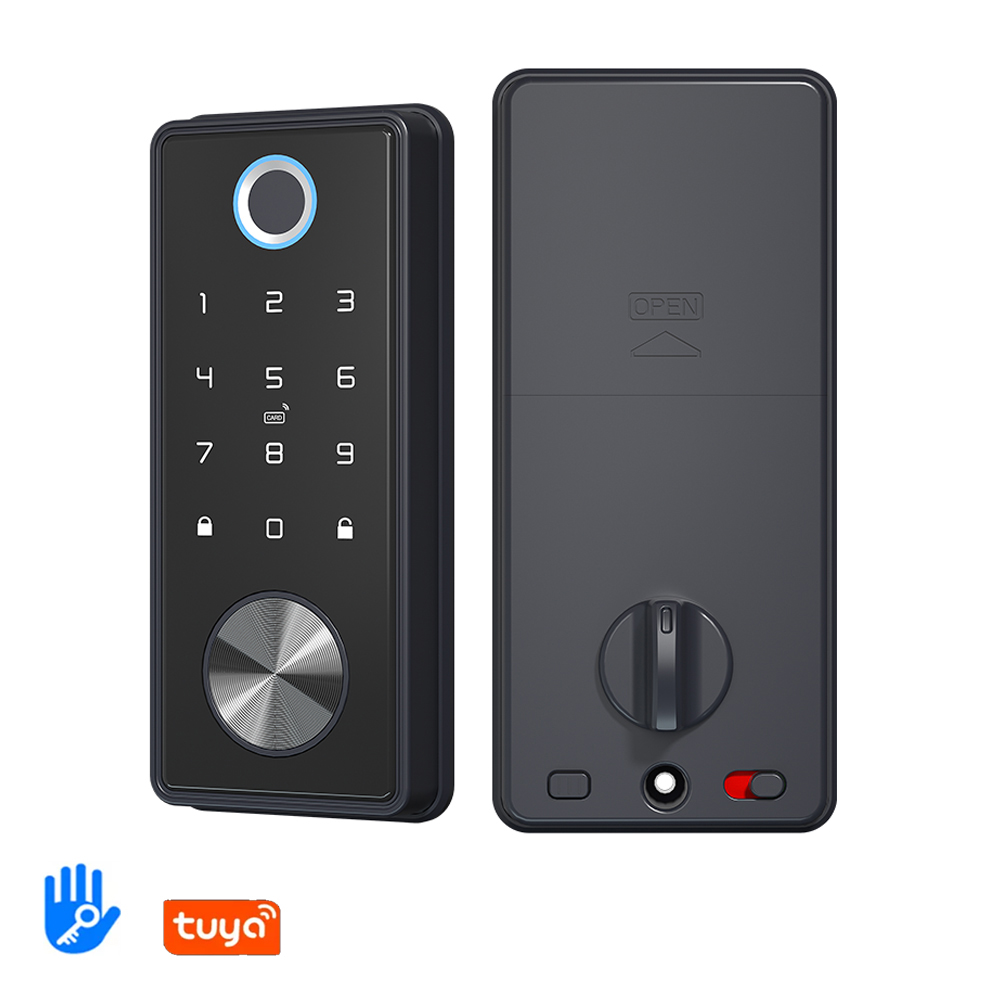 Waterproof Deadbolt Digital Lock supporting TTlock ble or TUYA wifi FM560
 WIFI Deadblot Smart Lock with Video Doorbell works with Alexa Google Tuya FM880
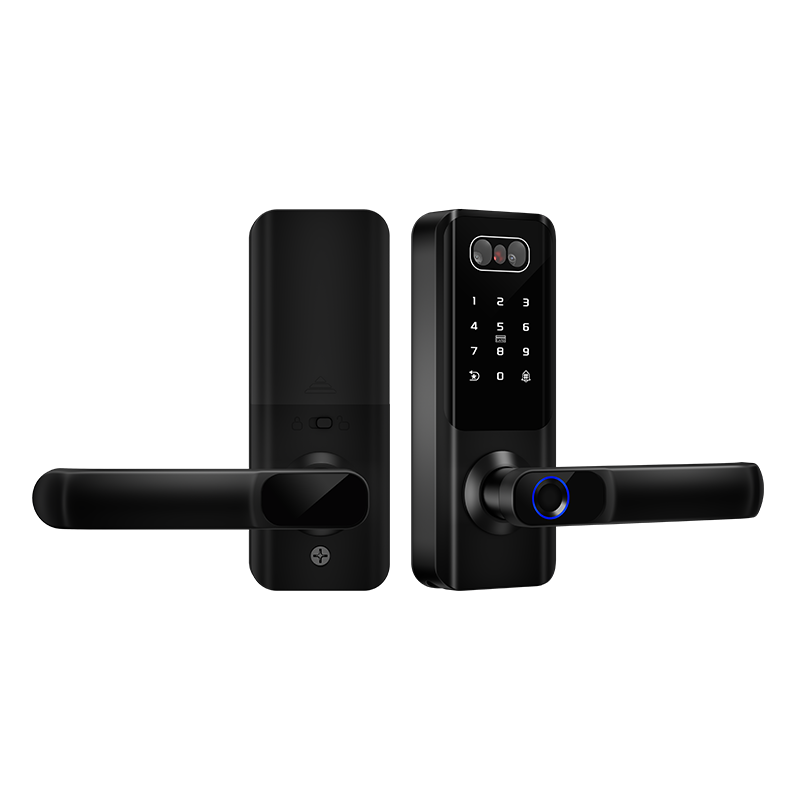 Facial Recognition Smart Lever Lock with 2MP Video Doorbell and IP66 Waterproof Tuya WiFi FM-Z86
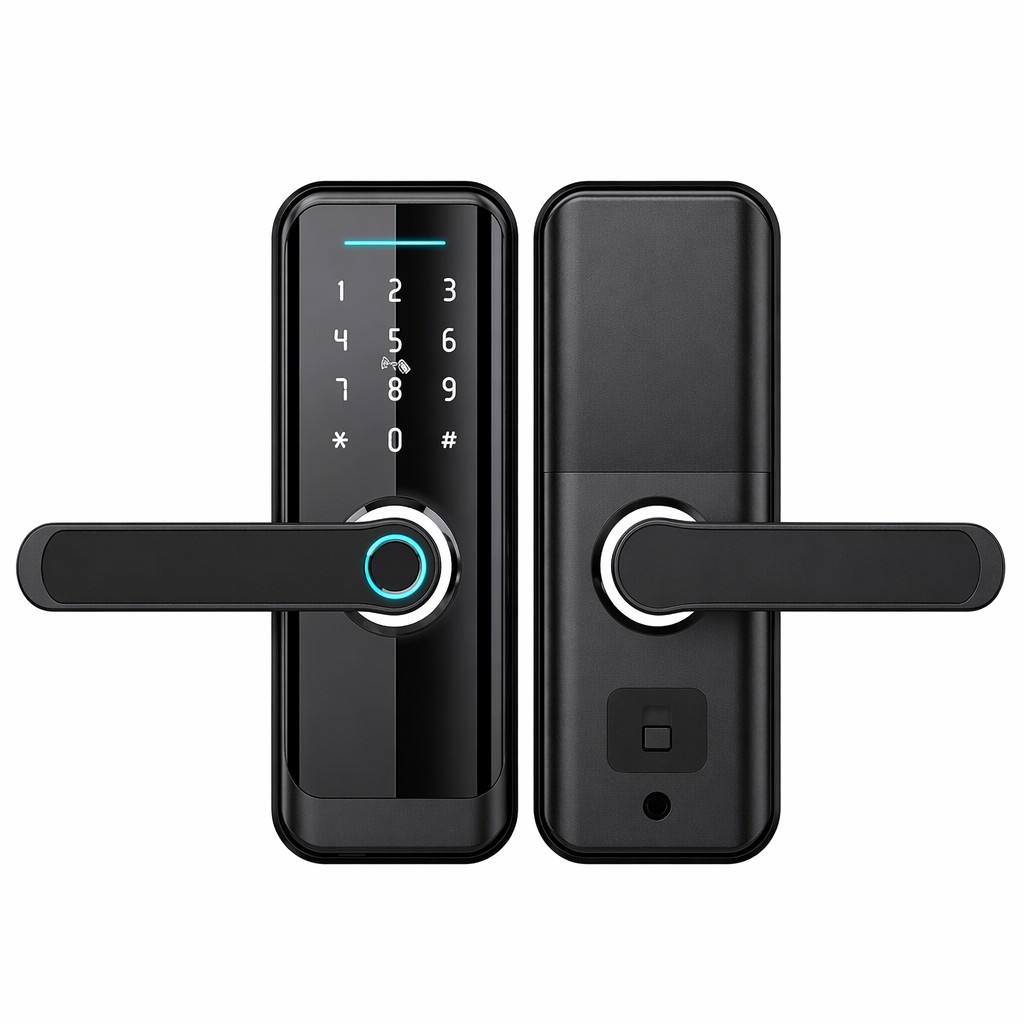 Advanced 5-in-1 Biometric Door Lock with Universal WiFi, Zigbee & 433MHz Support FM09
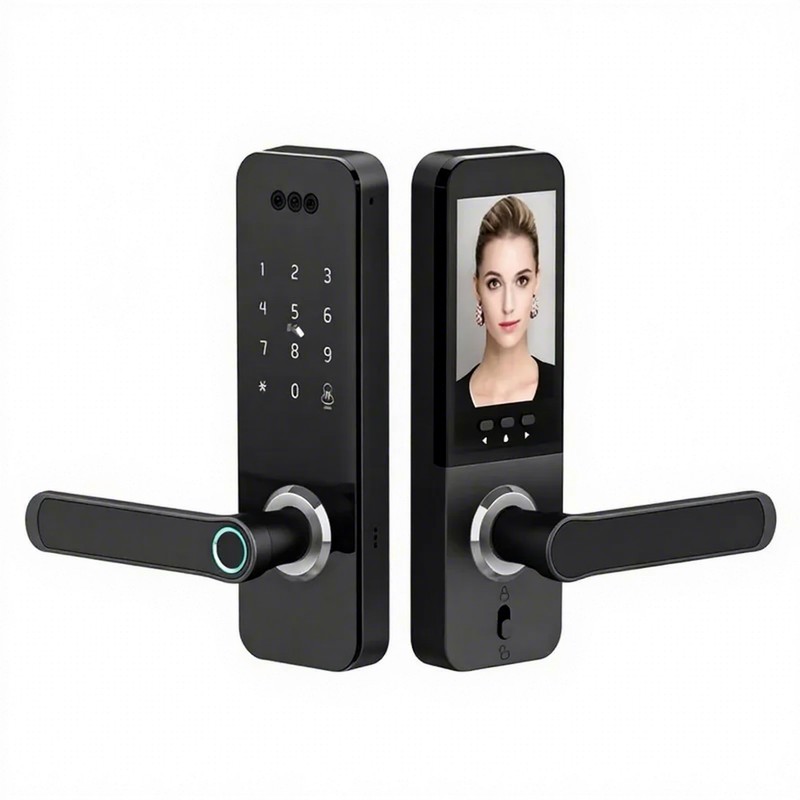 3D Face Recognition Smart Door Lock with 2MP Video Doorbell and Built-in WiFi FMP012
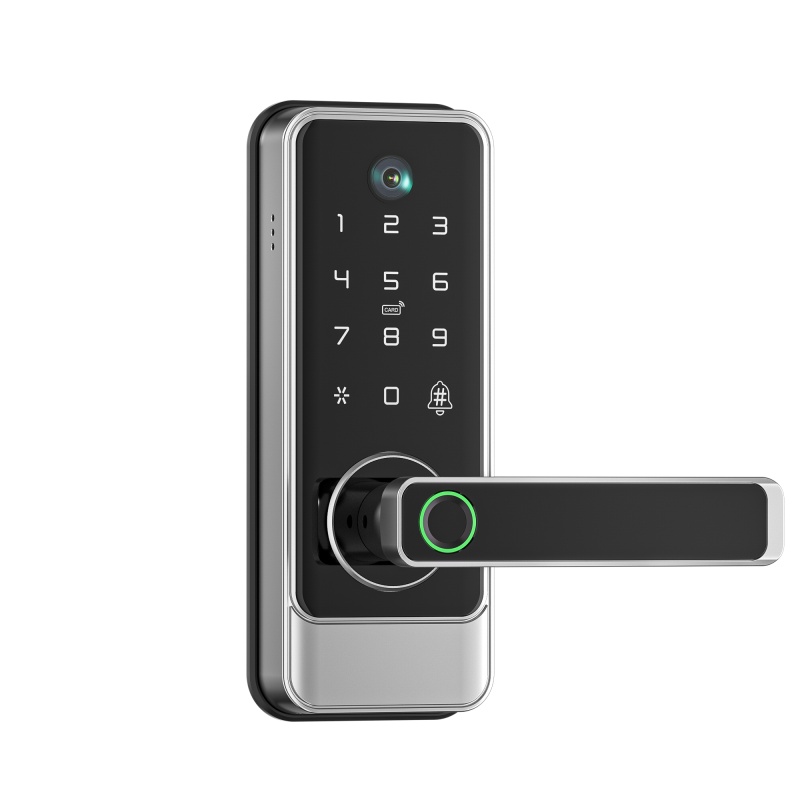 Keyless Entry Lever Lock with doorbell and Video Camera for Live Viewing
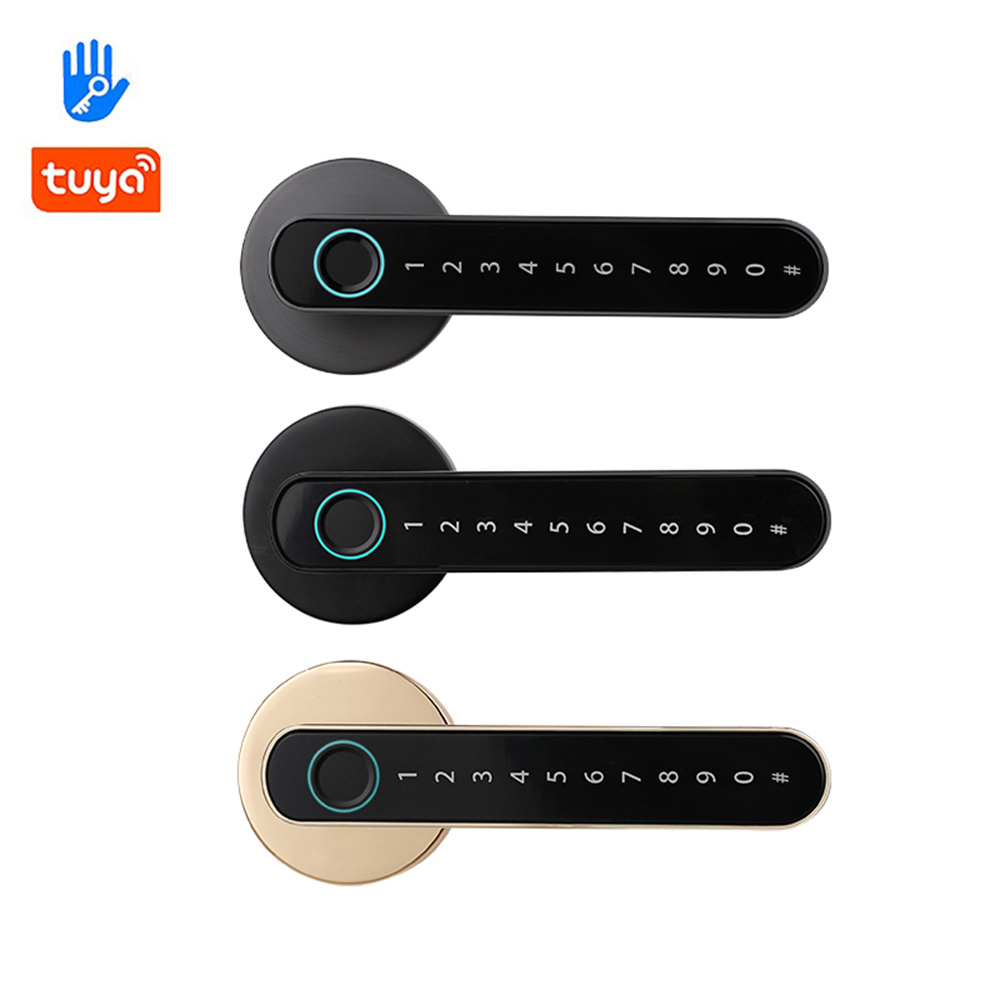 Bluetooth Lever Lock unlock by fingerprint recognition, password and App eKeys T8
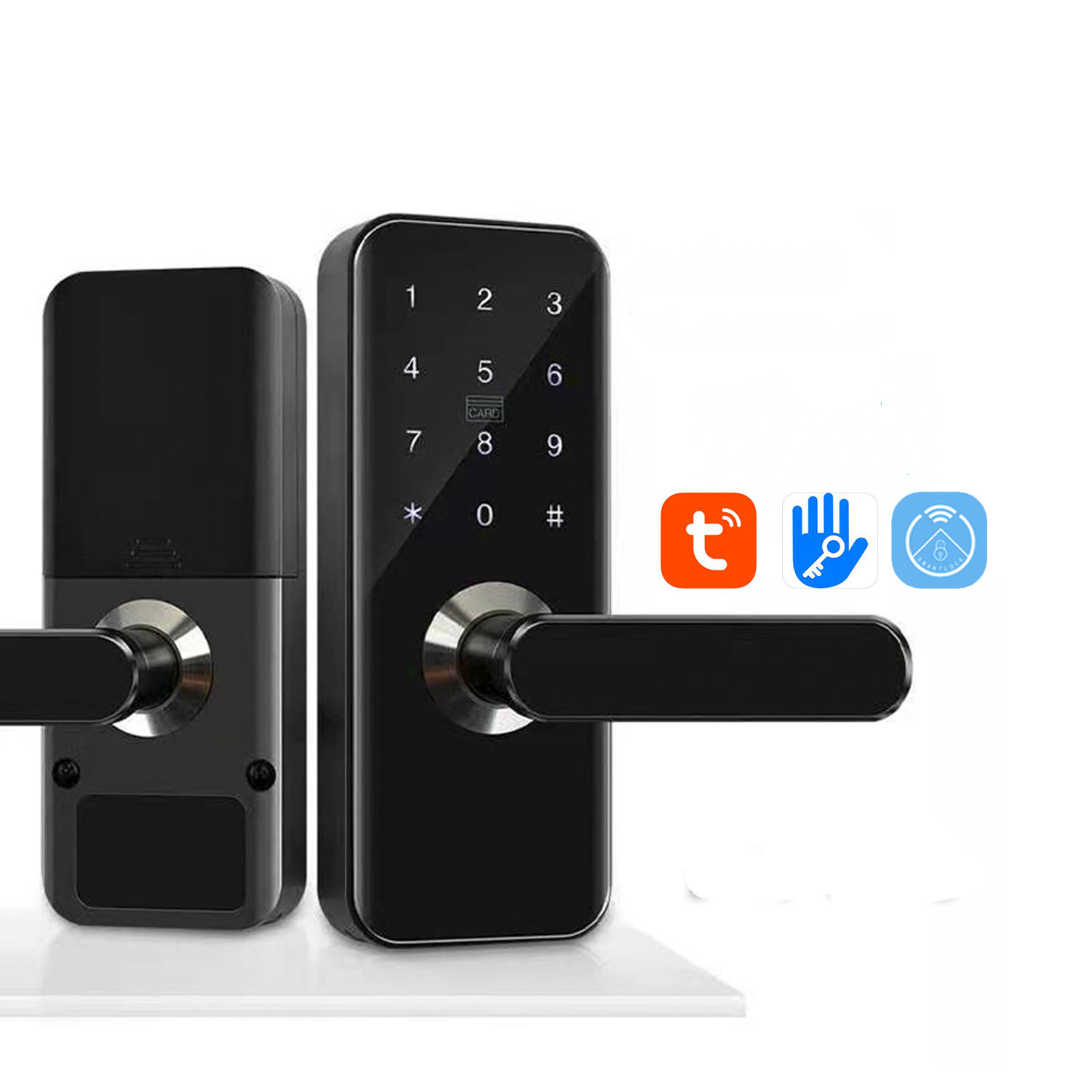 Smart lever lock supports TTlock bluetooth and TUYA wifi FM810
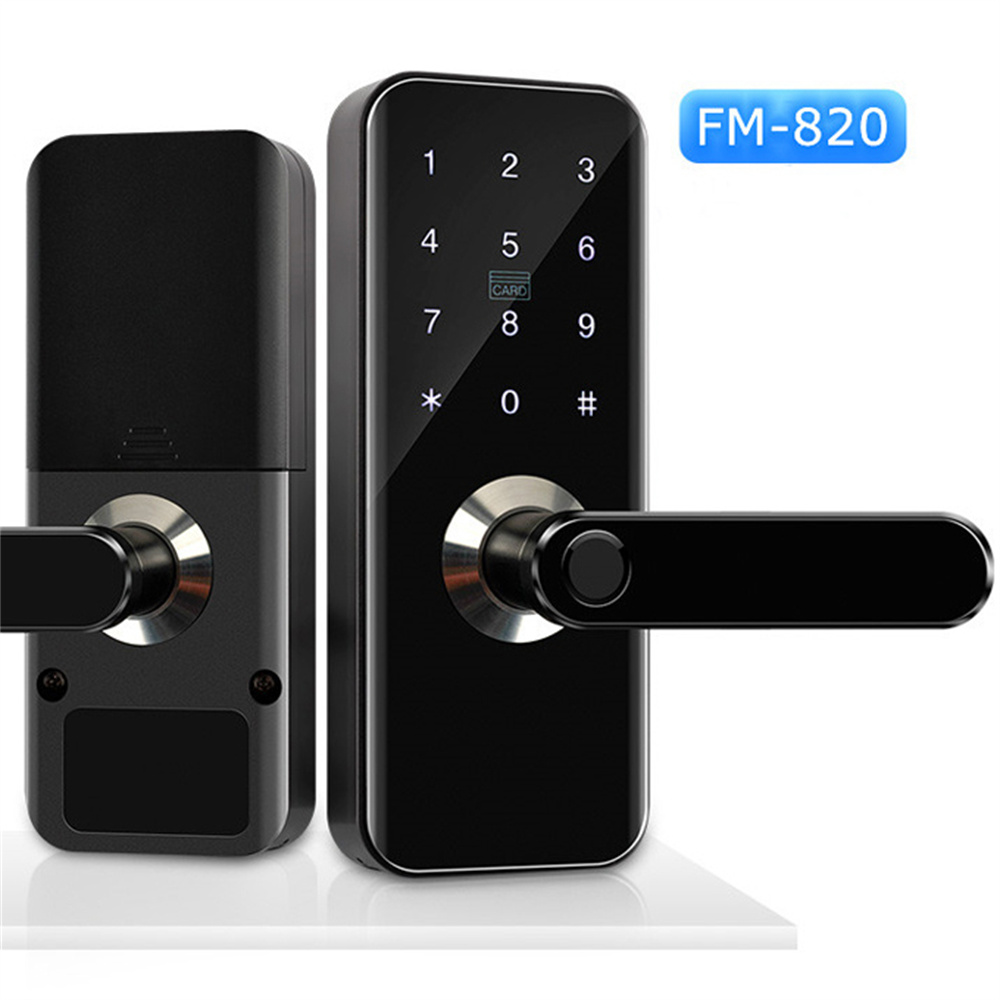 Fingerprint Smart Lever Lock with one touch Keyless Entry fits US Knob & Lever FM820
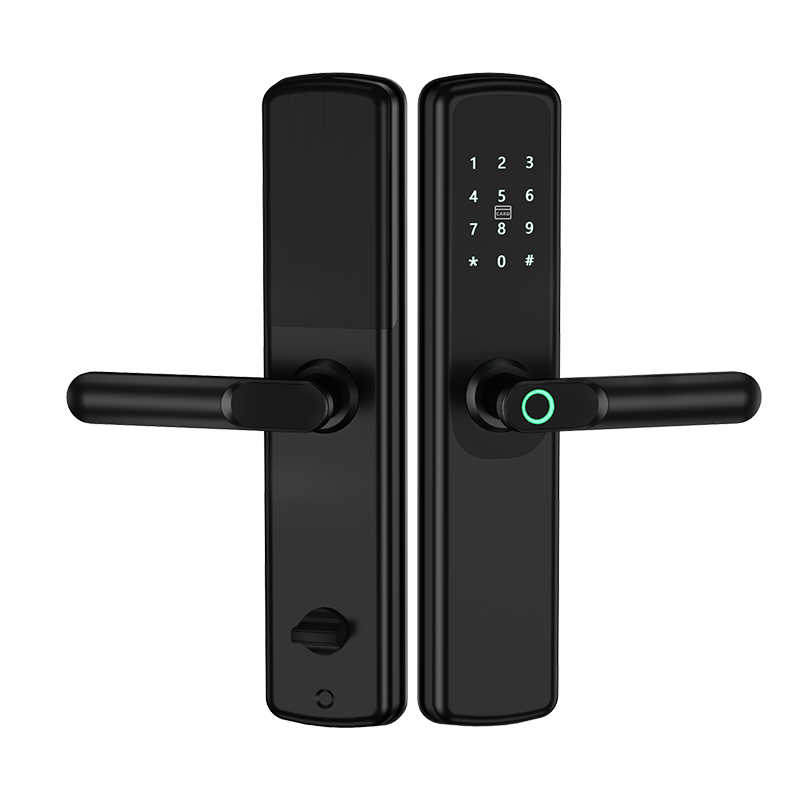 Intelligent Biometric Door Lock with 2MP Video Doorbell and Tuya WiFi FM-05
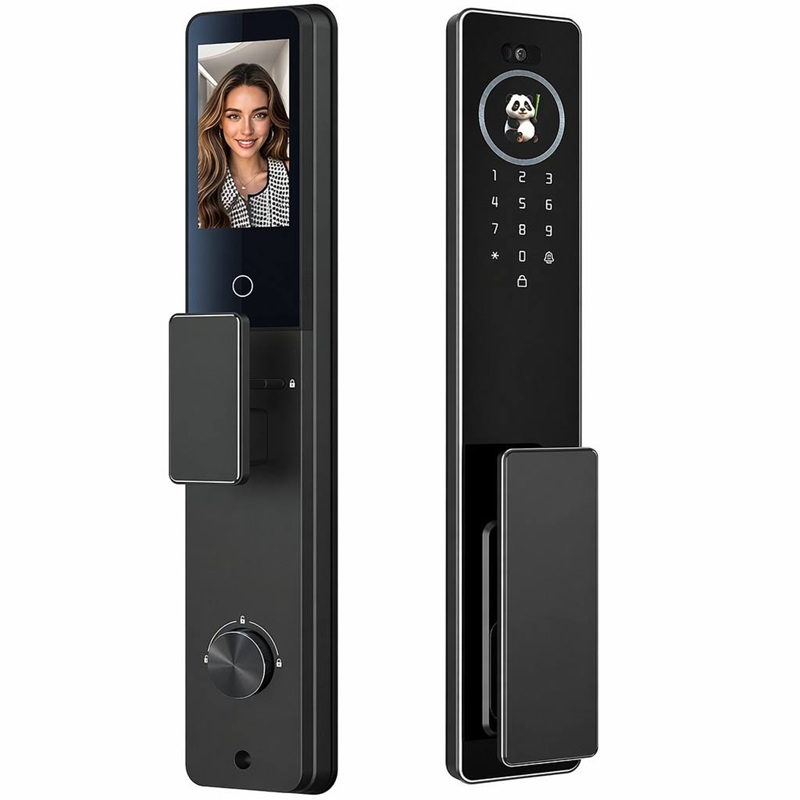 Flagship Biometric Security Lock — Advanced 3D Face Access & 4.5" IPS Live Viewer FM93
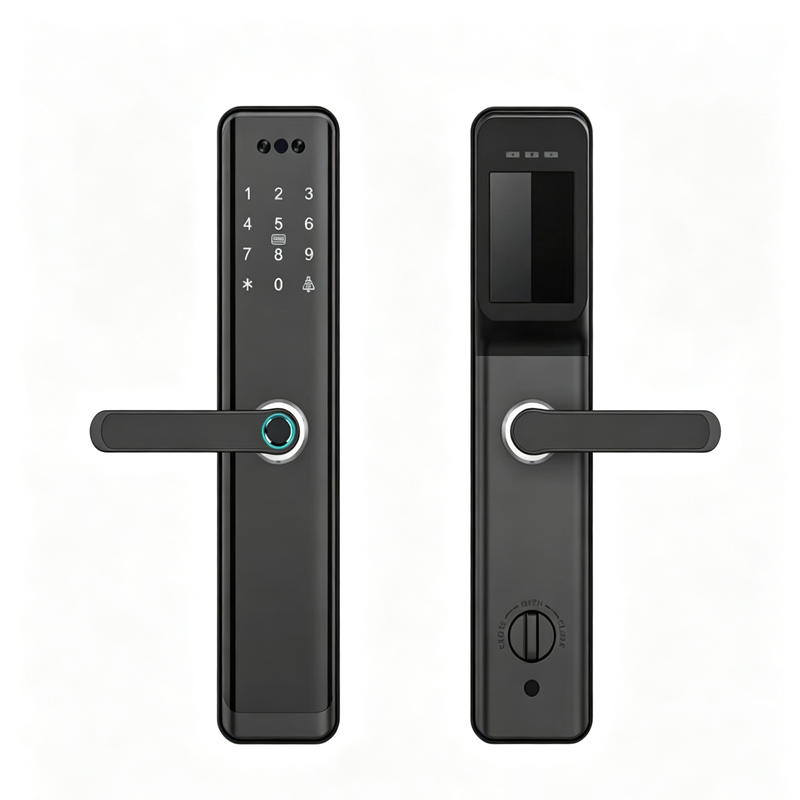 Smart Lever Lock with Fingerprint Facial Recognition and Video Doorbell Tuya WiFi TTlock FM-128
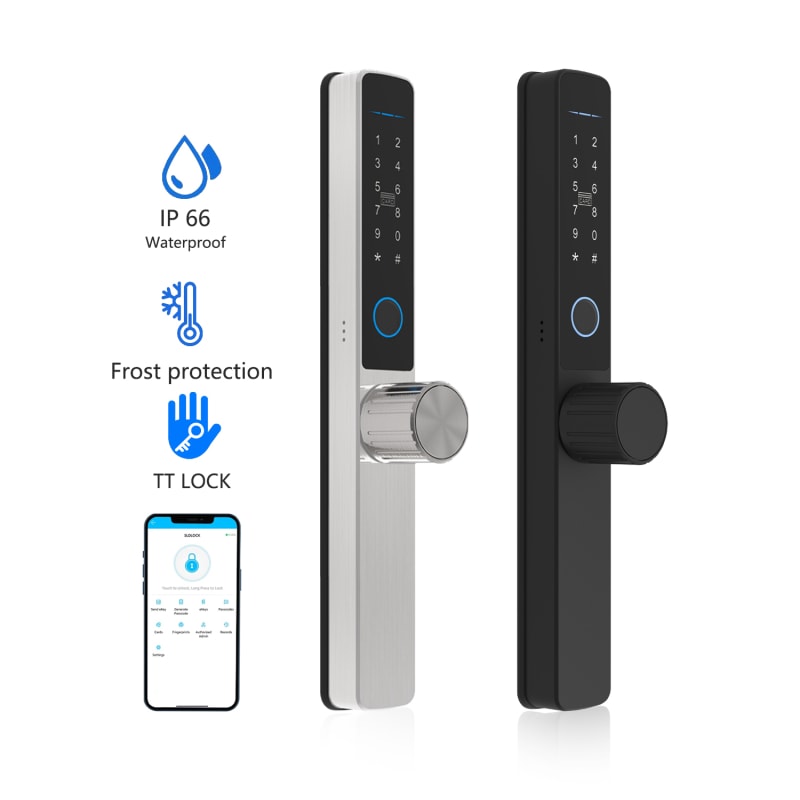 Keyless Entry Door Lock Fits Both Traditional Mortise and Smart Lock Mortise
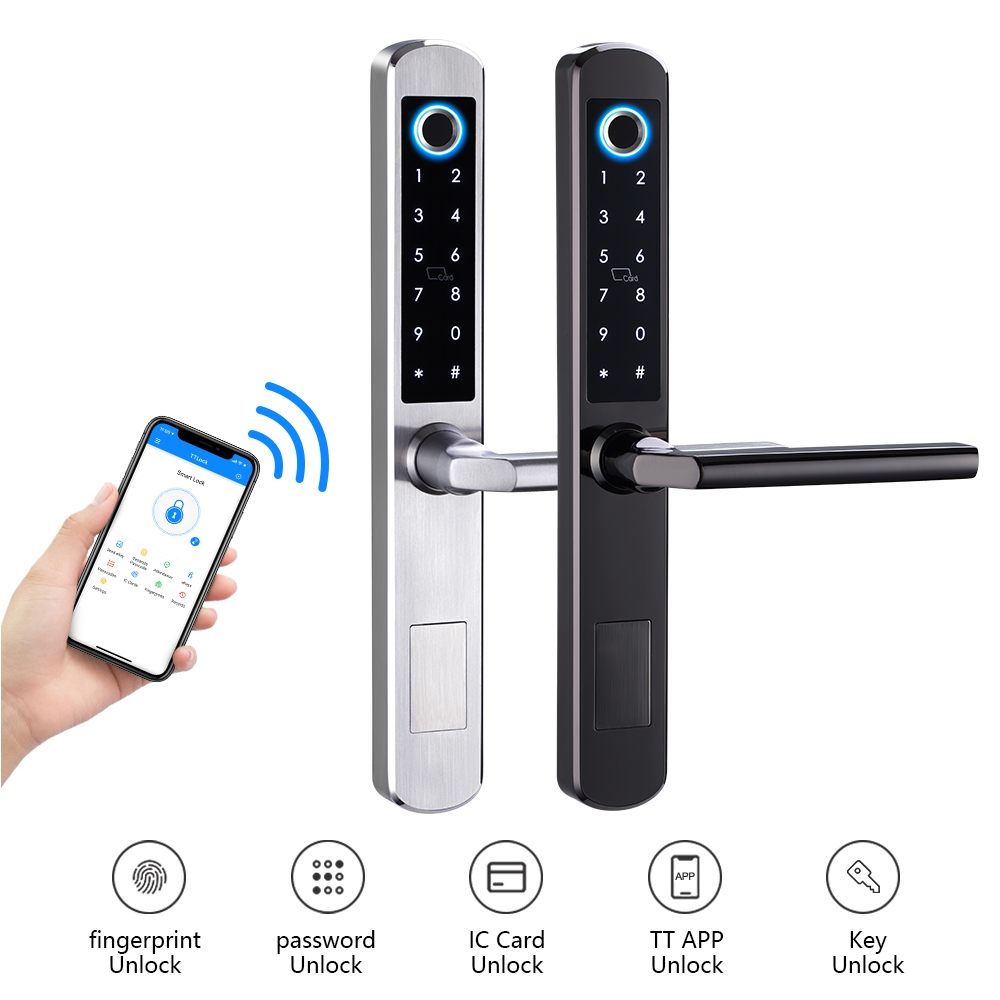 Slim 304 stainless steel keypad lock with IP65 waterproof case for thermal break sliding doors FM210
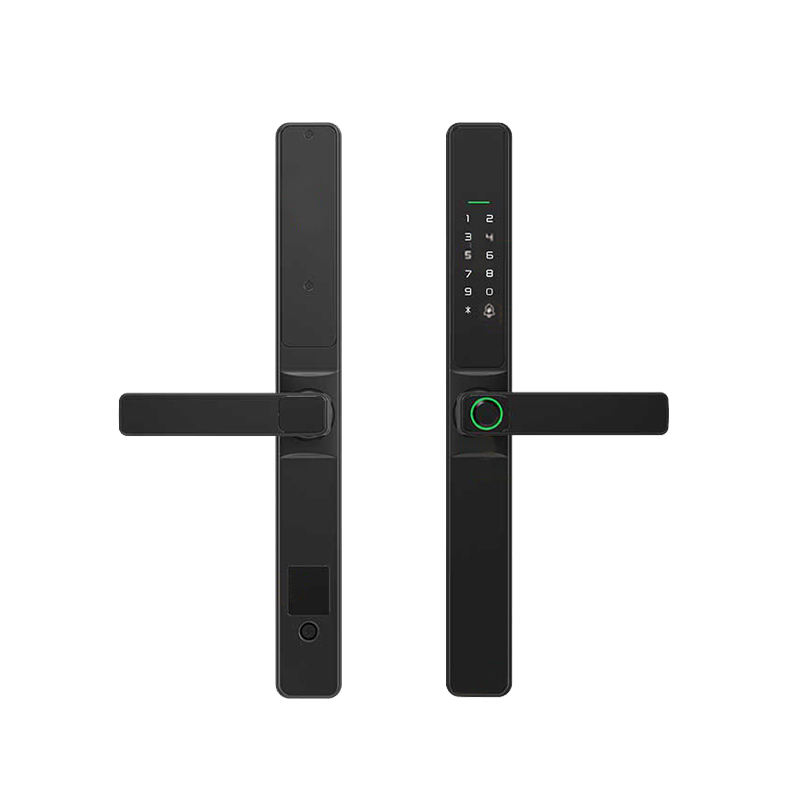 Fingerprint lock with hook mortise for slim sliding door and IP66 waterproof for outdoor use F6
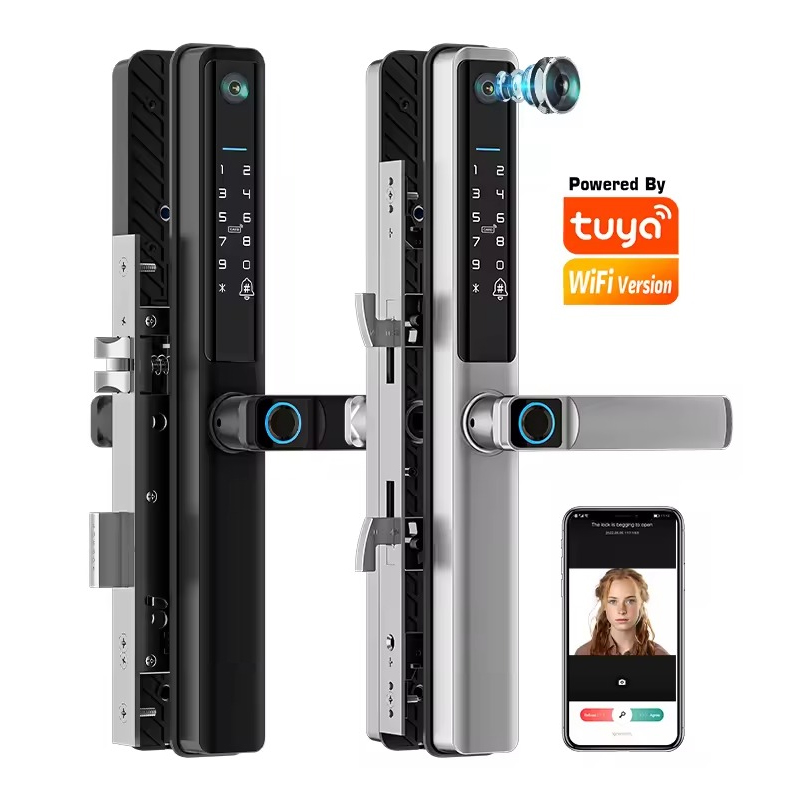 Keyless entry door lock for slim sliding door with camera and doorbell F5 PRO
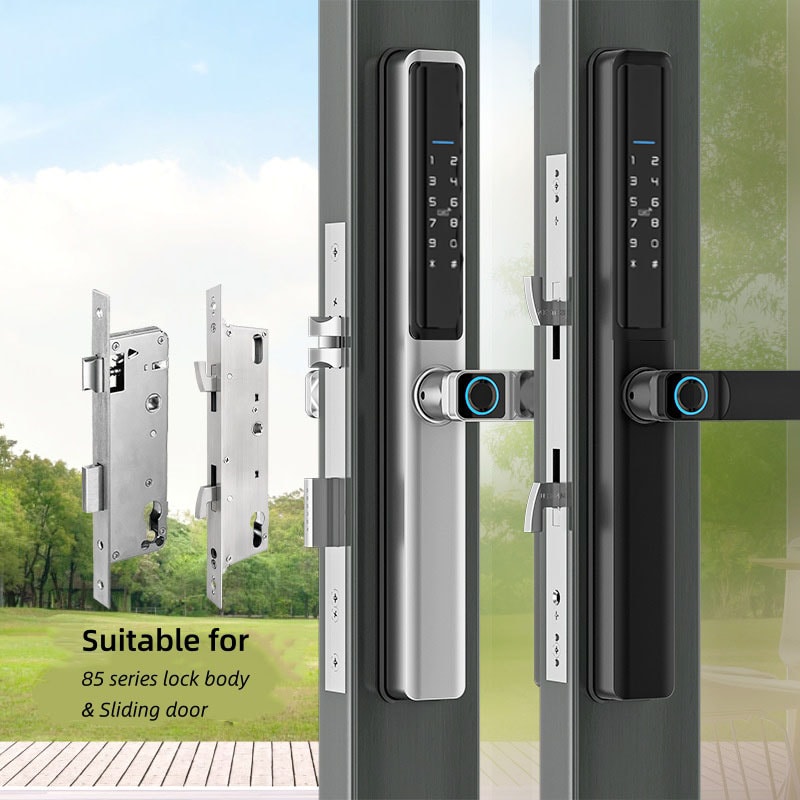 Smart door lock with hook mortise for aluminum slim sliding door F5
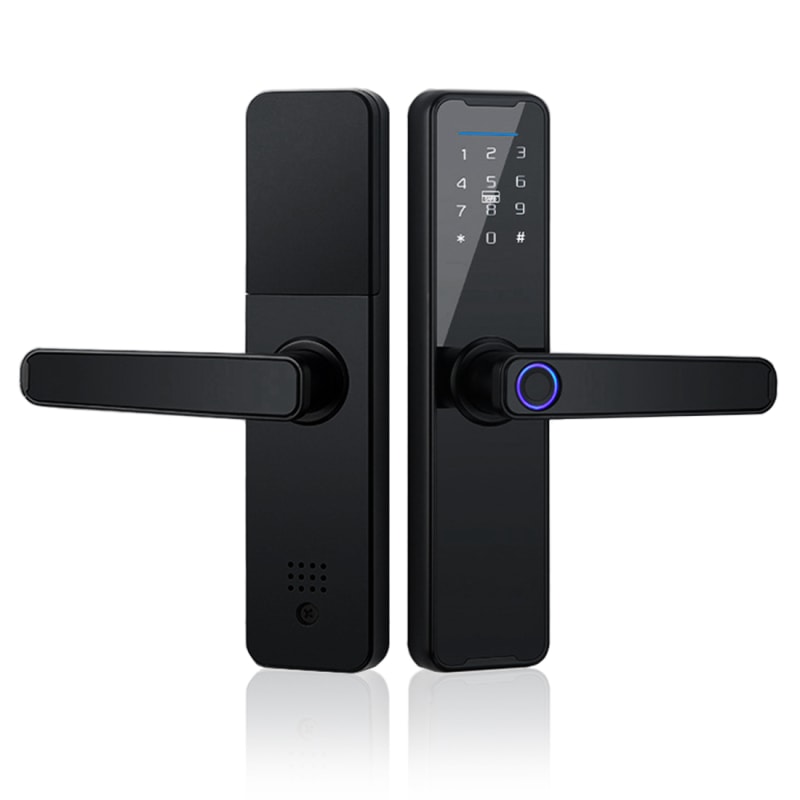 Front door smart Locks made of aluminum alloy compatible with multiple mortise types
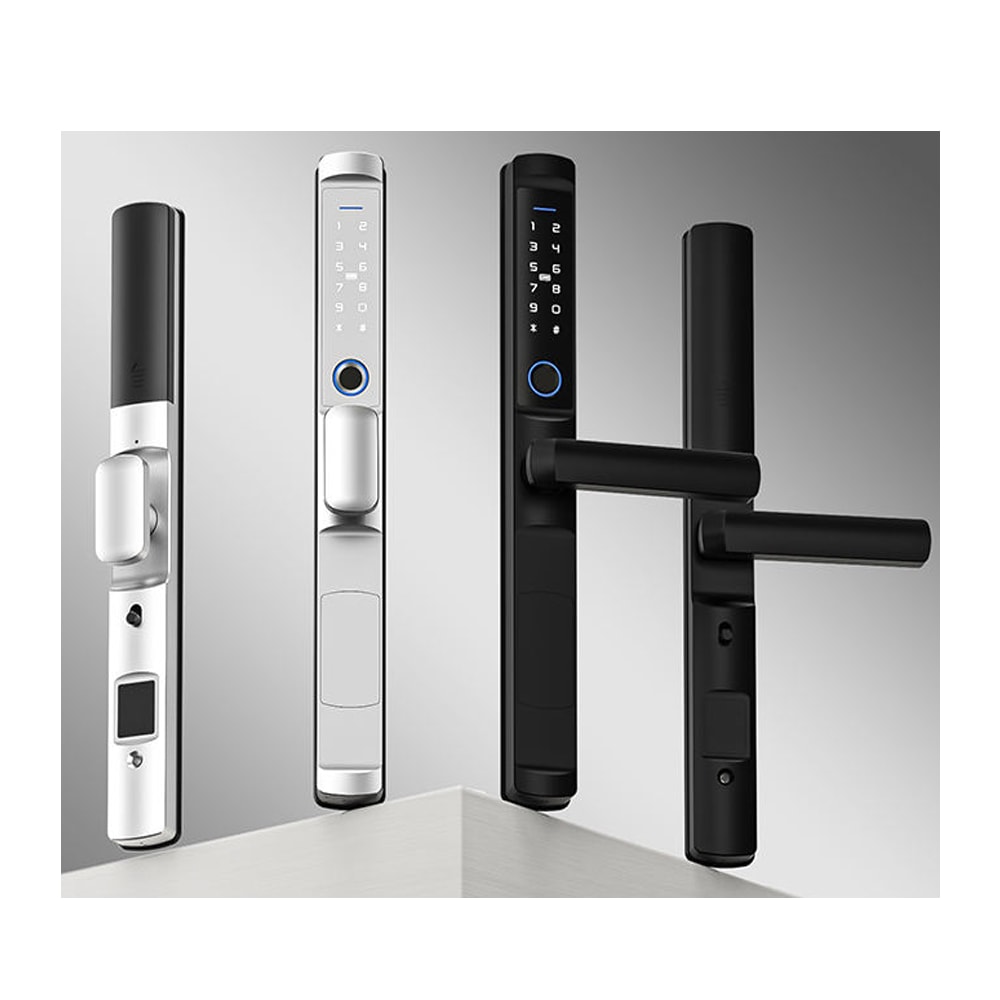 Keypad Door Lock with IP66 Waterproof case and Two Handle Styles Options
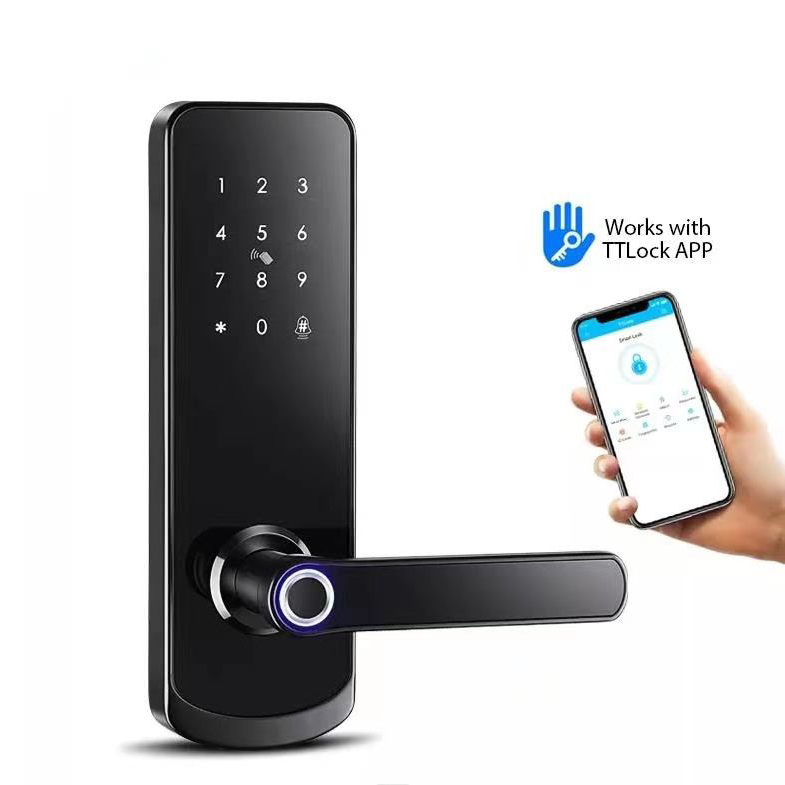 Fingerprint door lock for Front door with Anti-prying latch to prevent the card prying the door
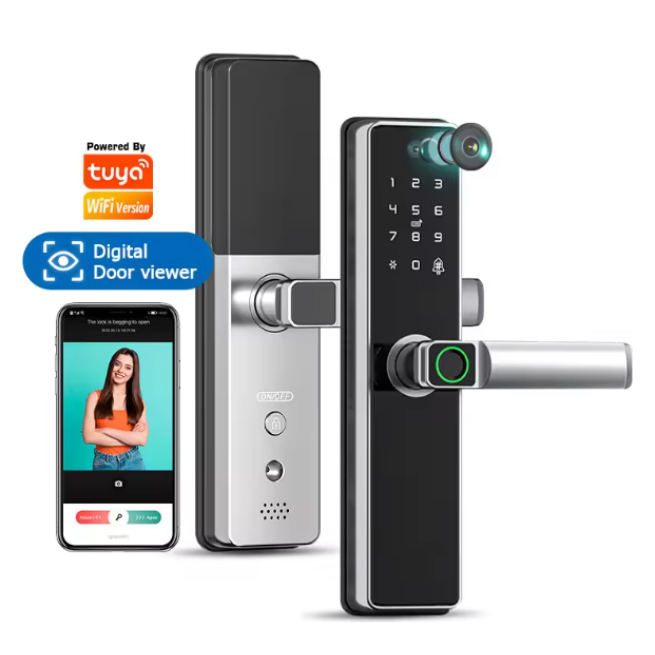 Front Door Keypad Lock with Fingerprint and Doorbell B2
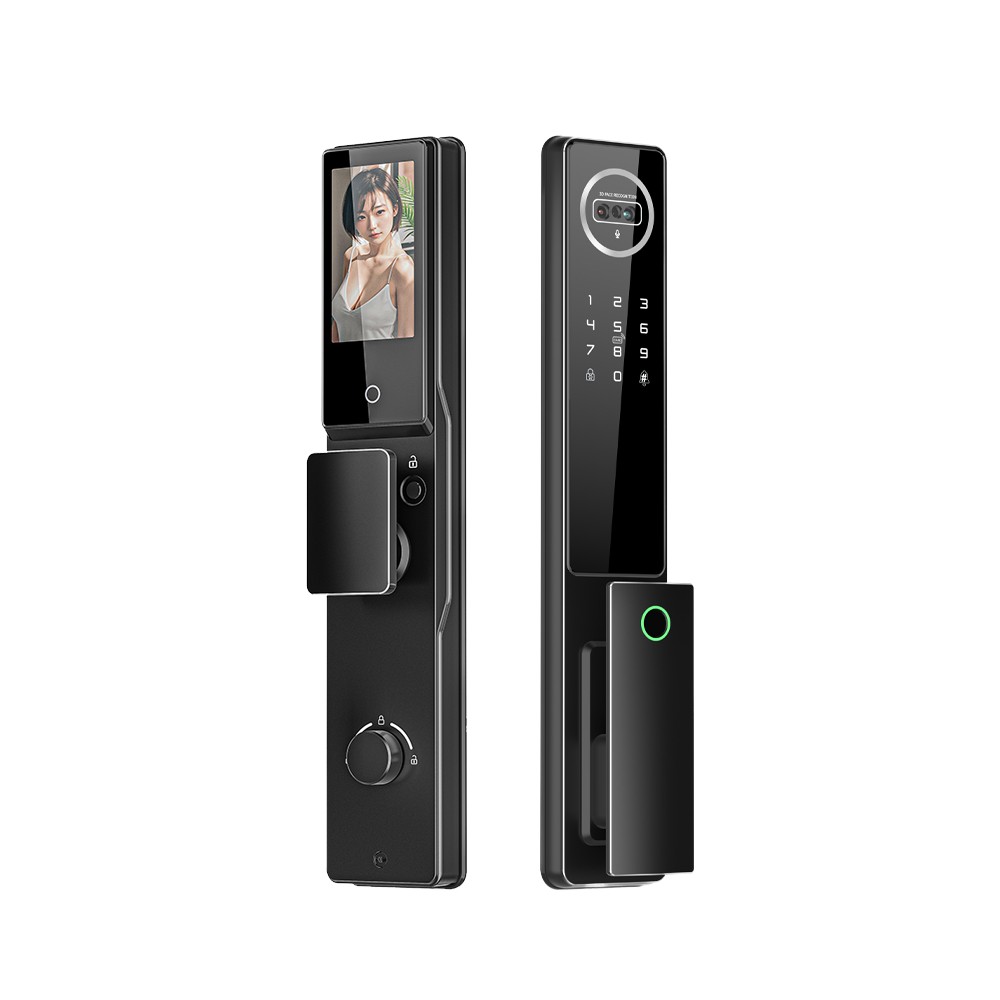 Face Recognition Smart Door Lock with Video Intercom Doorbell Tuya WiFi D1
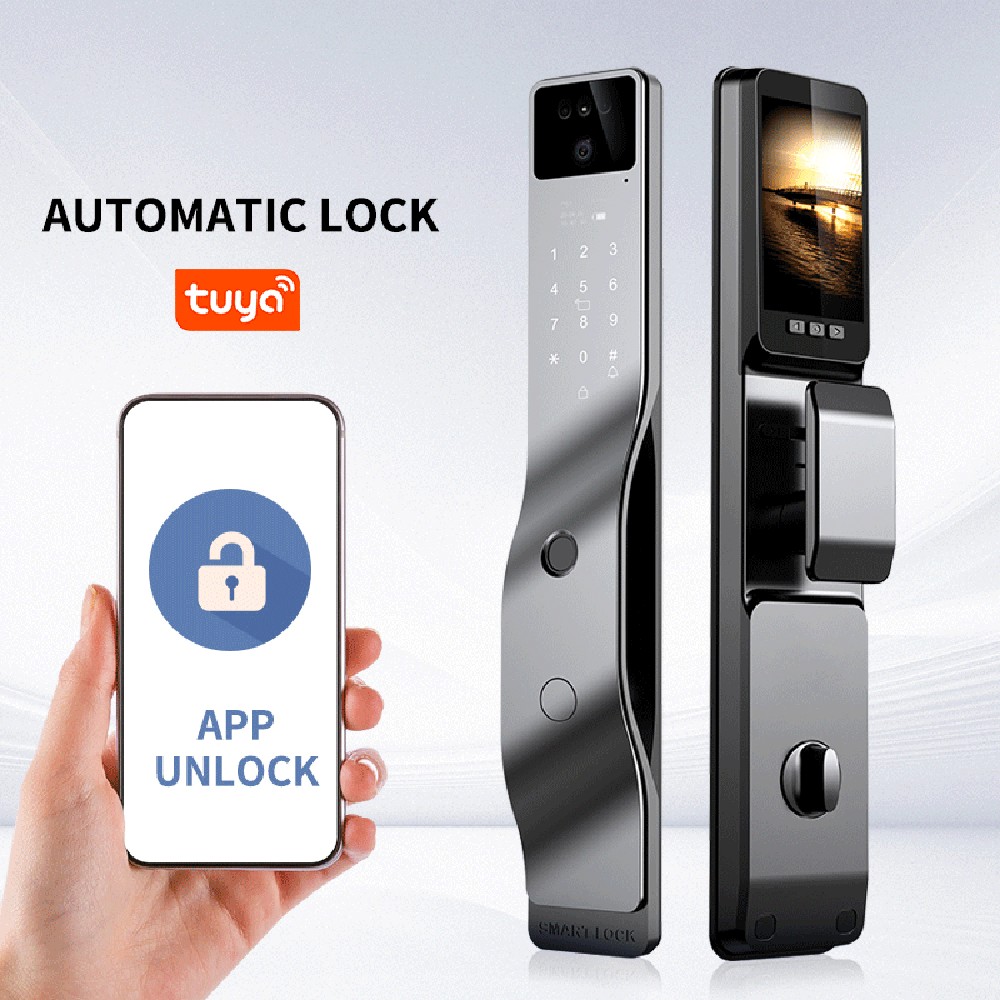 WIFI Smart Mortise Lock with Tuya Video Doorbell support Face Scan Palm Vein F7
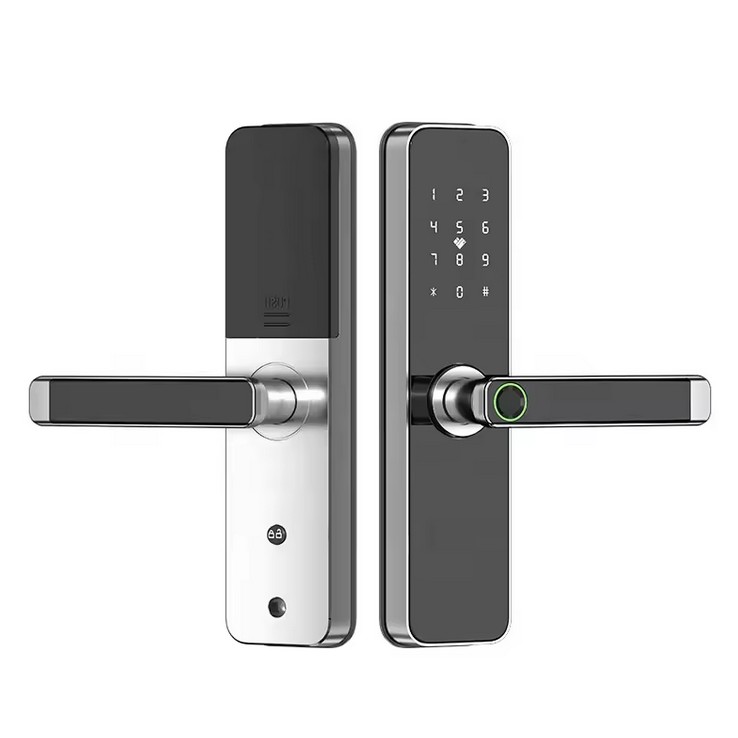 Smart mortise lock with bluetooth and WIFI optional FM028
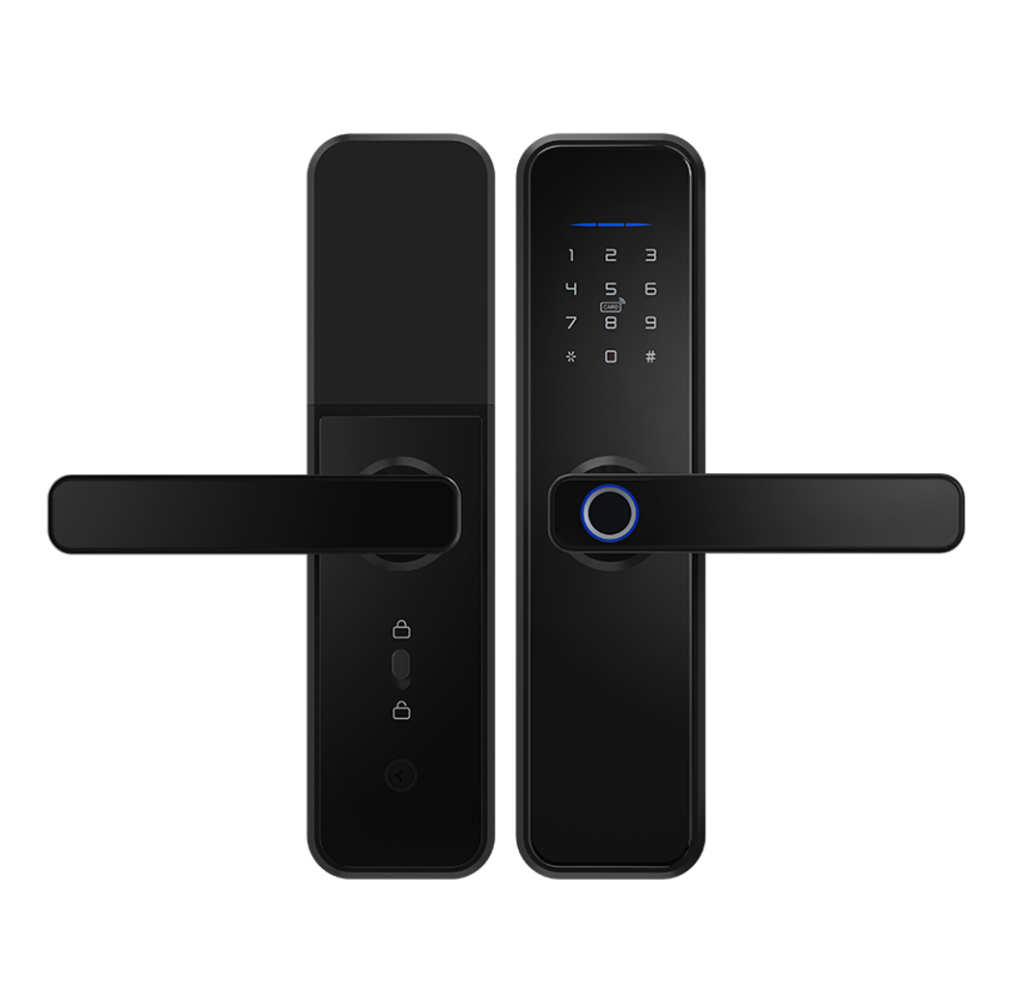 Mortise Smart Lock with multi keyless accesses FM550
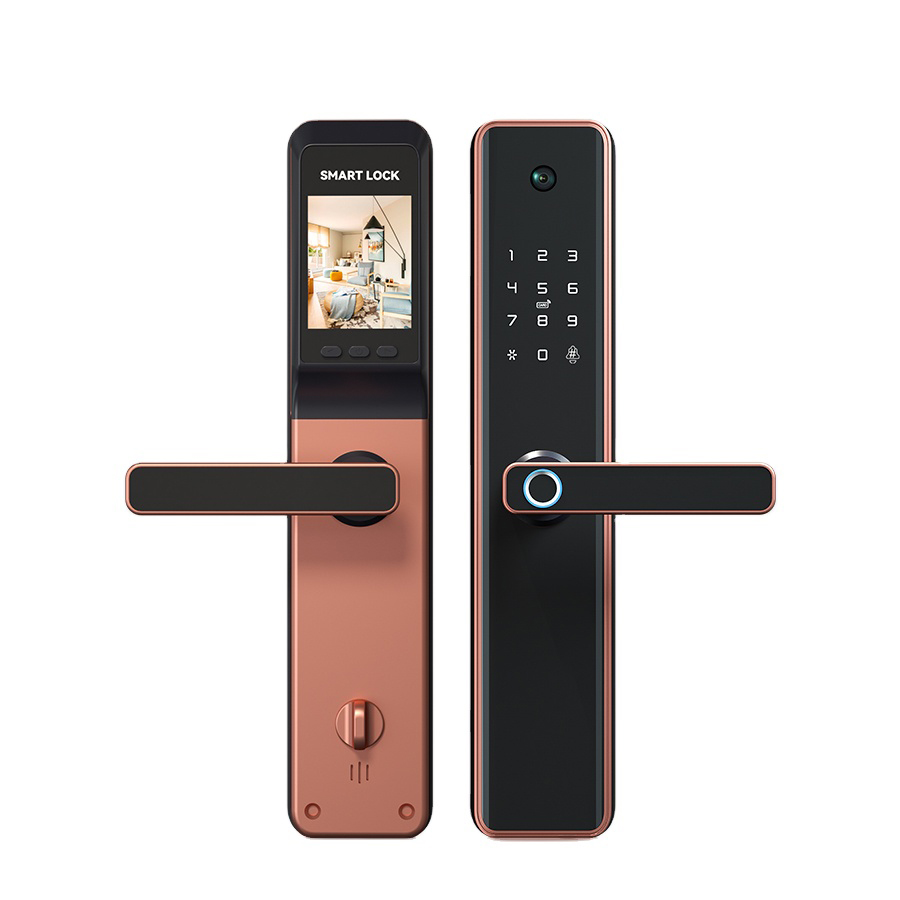 Camera Smart Lock with Finger Scan Supporting Tuya WiFi or Zigbee FM551
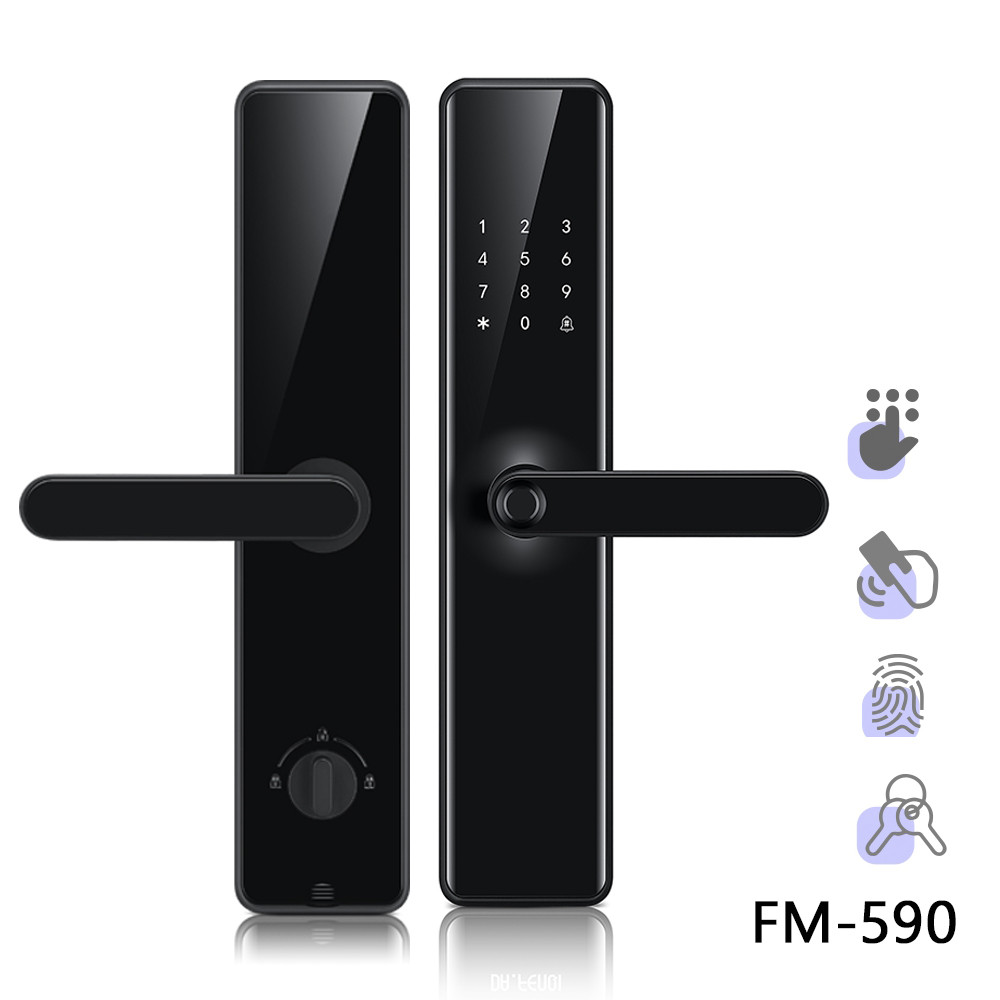 Smart Door Lock with Fingerprint and Voice Control FM590
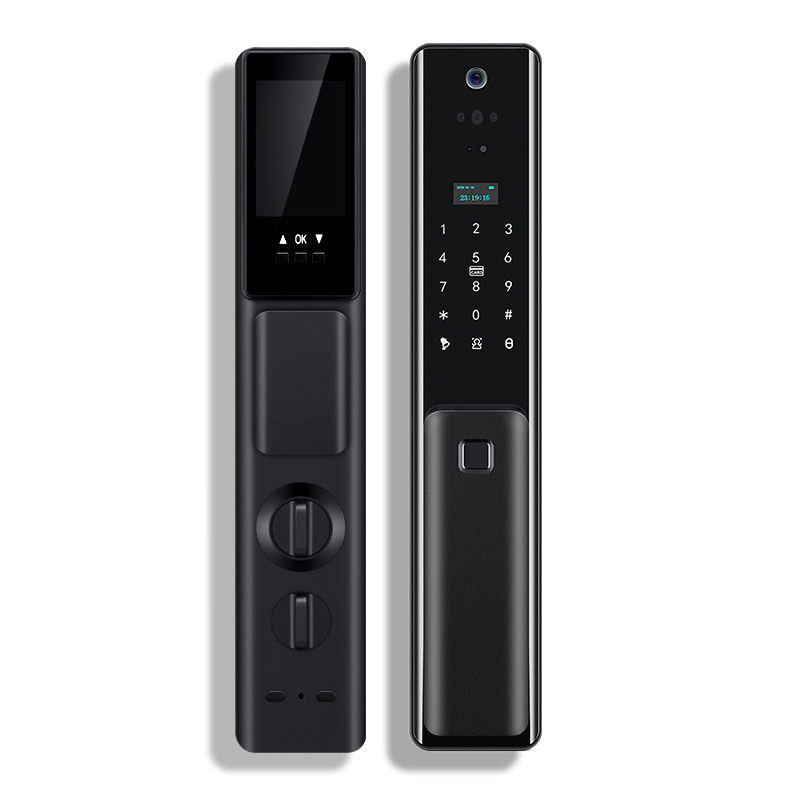 Fingerprint Door Lock with Face Scanner and Camera Supports google home FM720
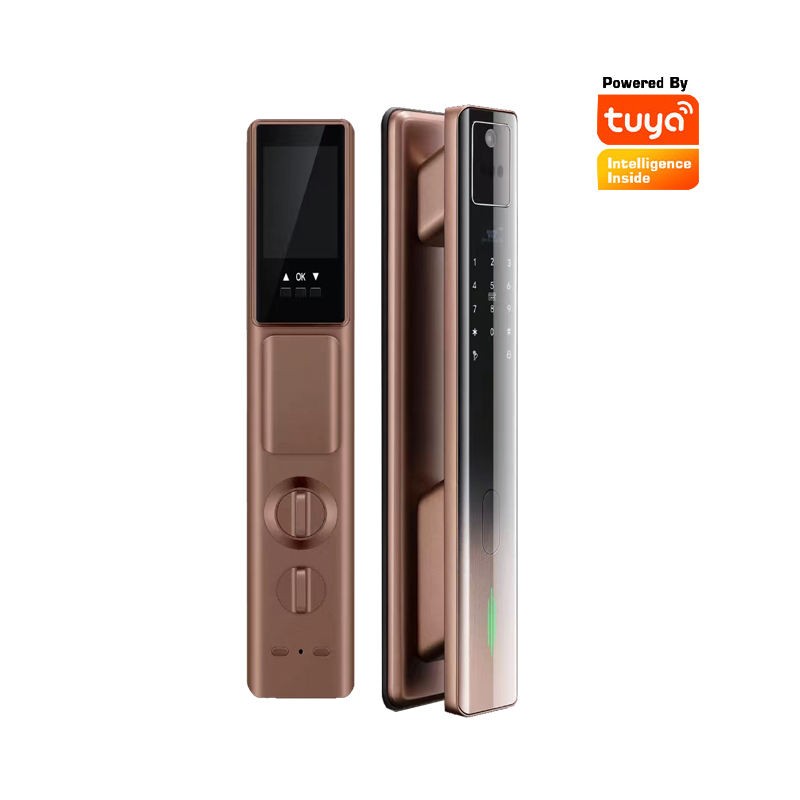 Facial Recognition Smart Lock with Video Intercom and Thumbprint FM730
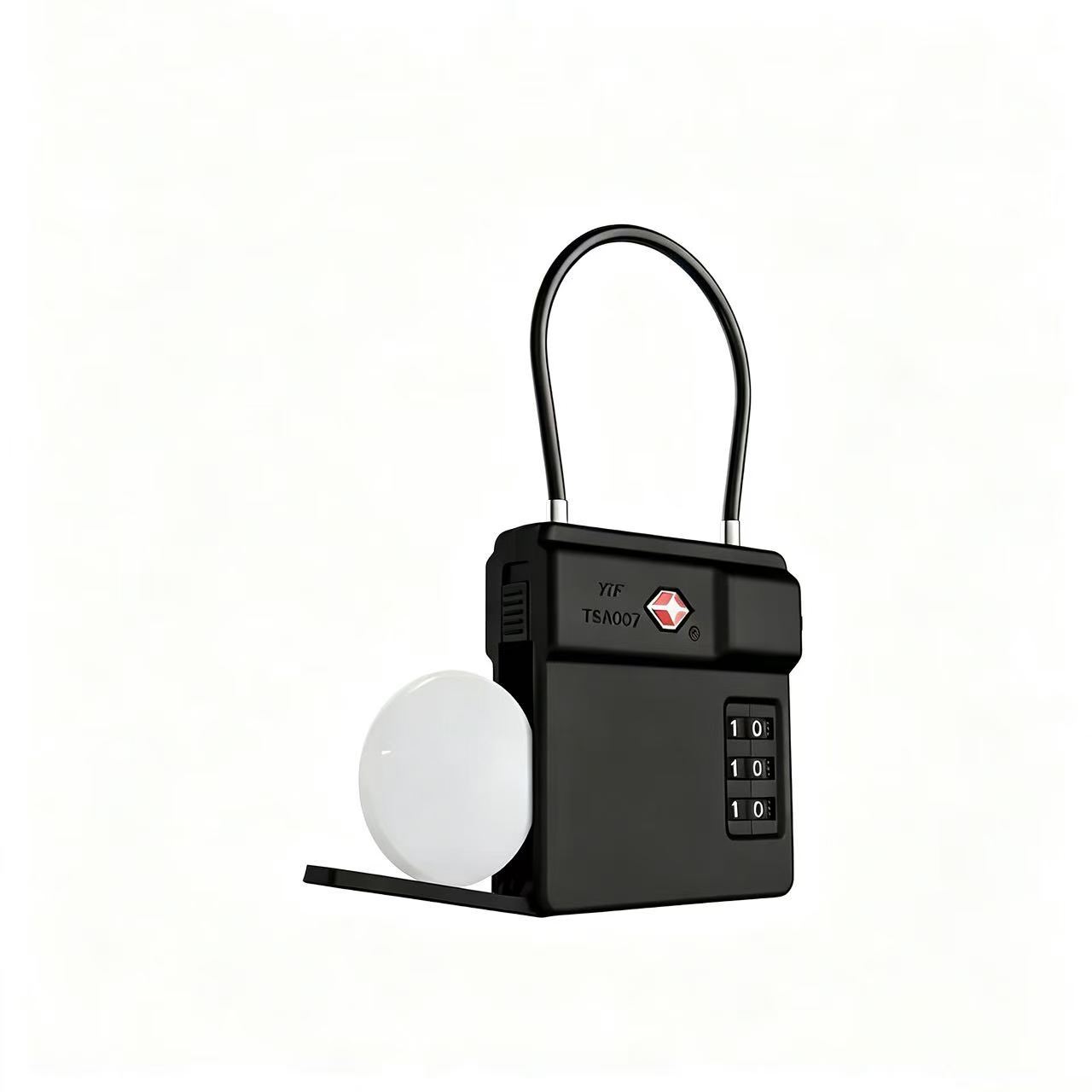 Smart TSA Approved Cable Lock with Integrated Airtag Tracking for iOS and Android FMA002
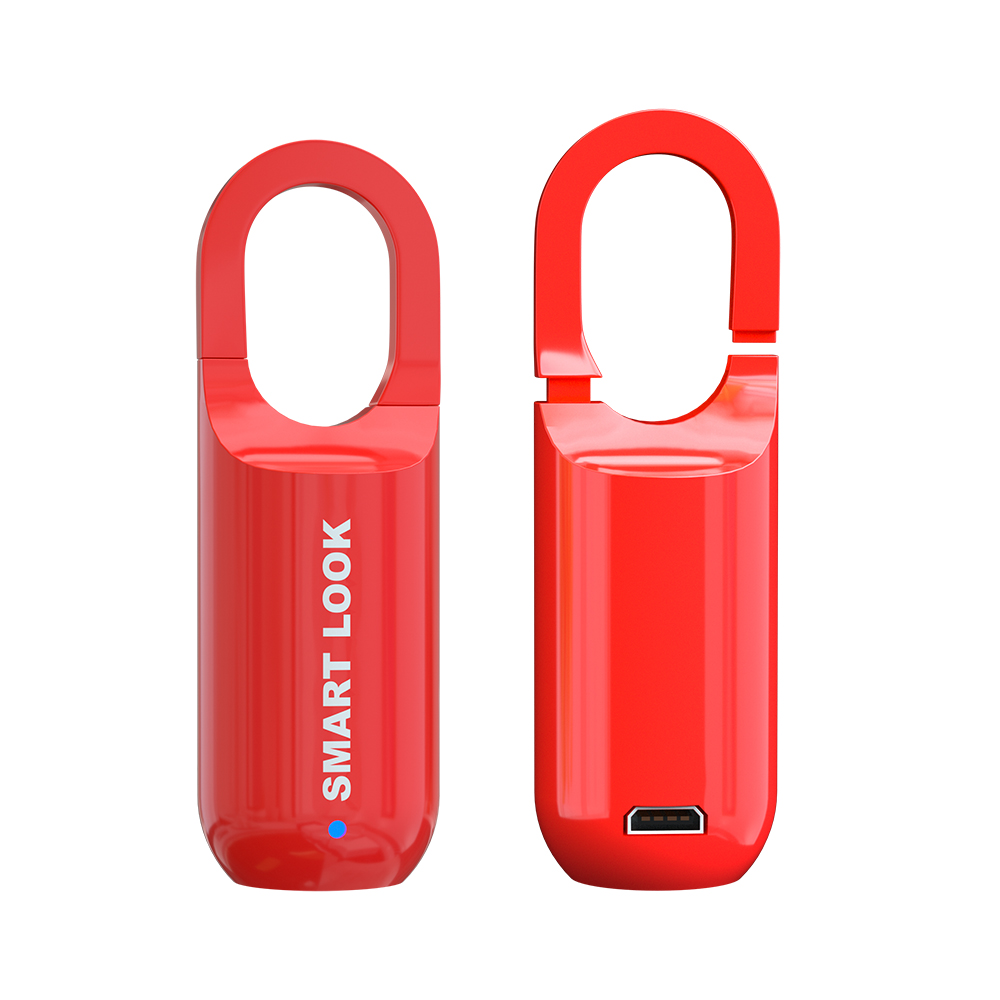 Fingerprint Smart Padlock with Bluetooth App Control and 365-Day Standby Tuya FMP001
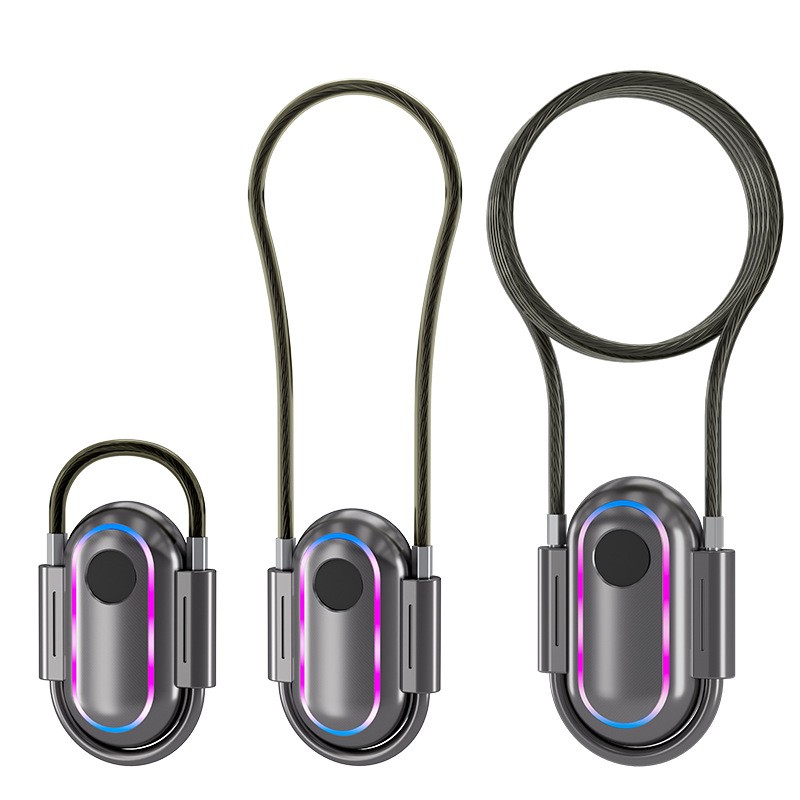 Fingerprint Smart Padlock with IPX5 Waterproof and 3 Steel Cable Lengths FMP002
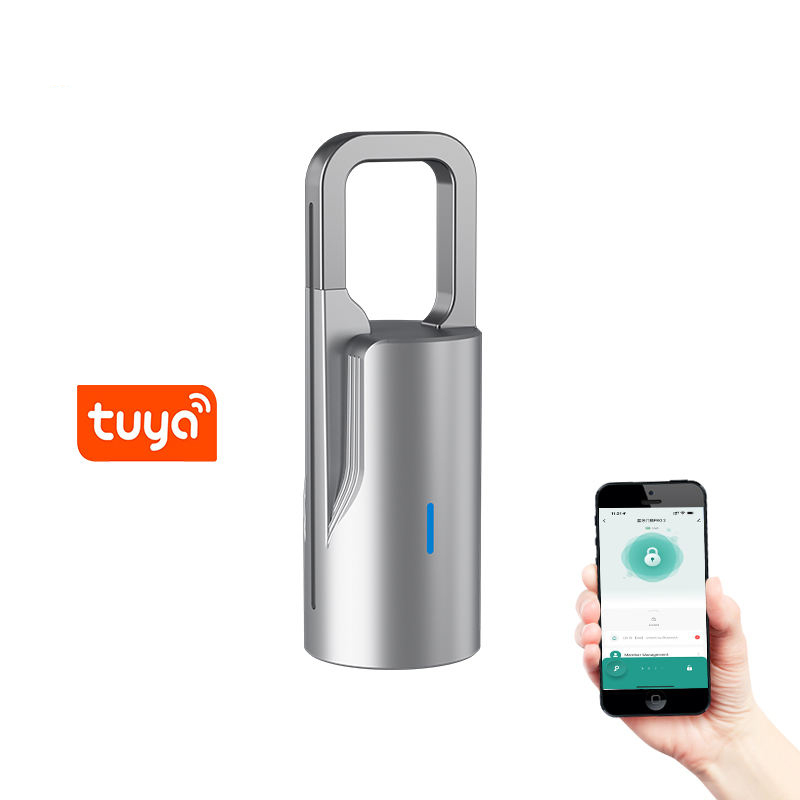 Fingerprint Smart Padlock with Bluetooth App Control and IPX5 Waterproof FMP003
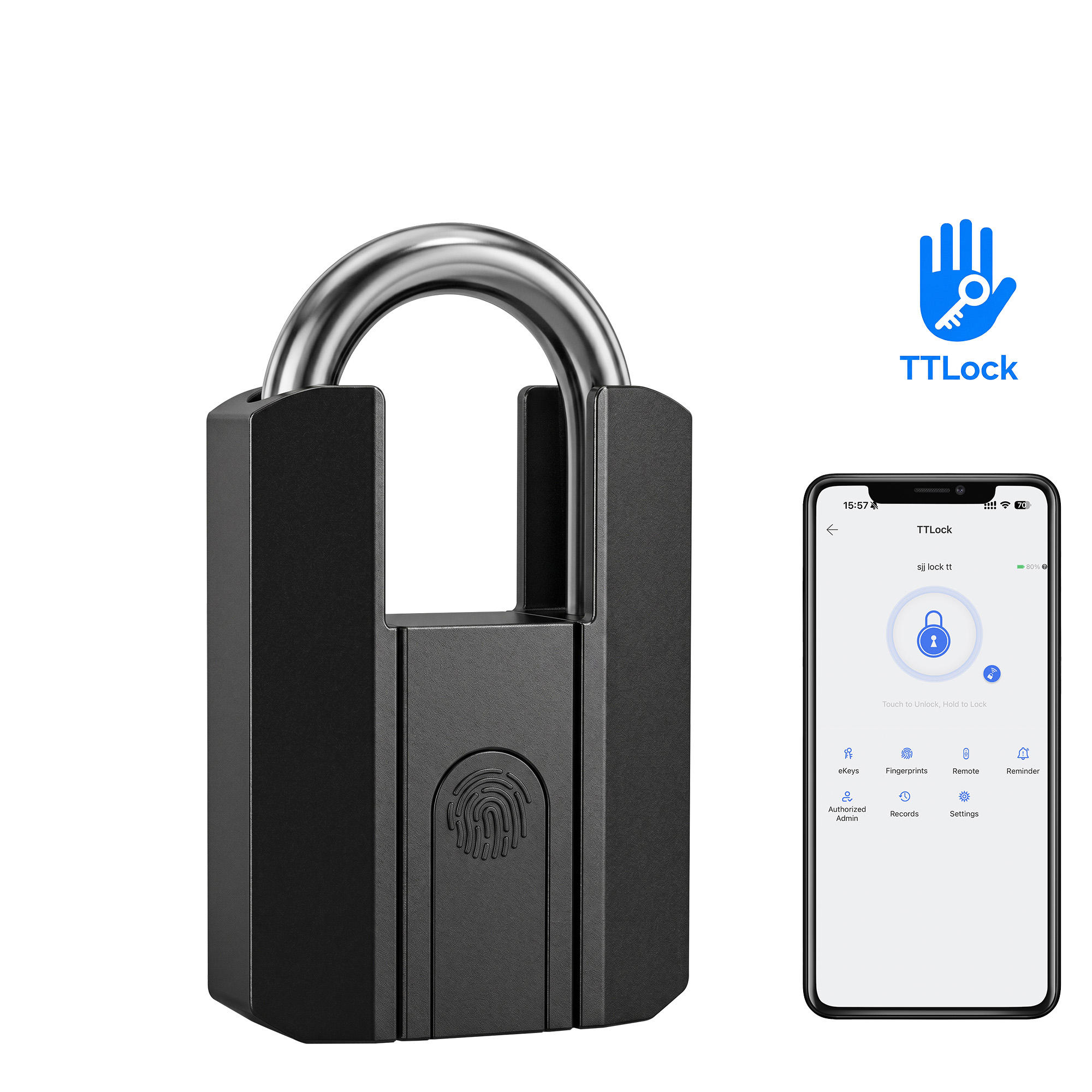 Heavy-Duty Fingerprint Padlock with IP67 Waterproof Shackle and TTLock Bluetooth FMP004
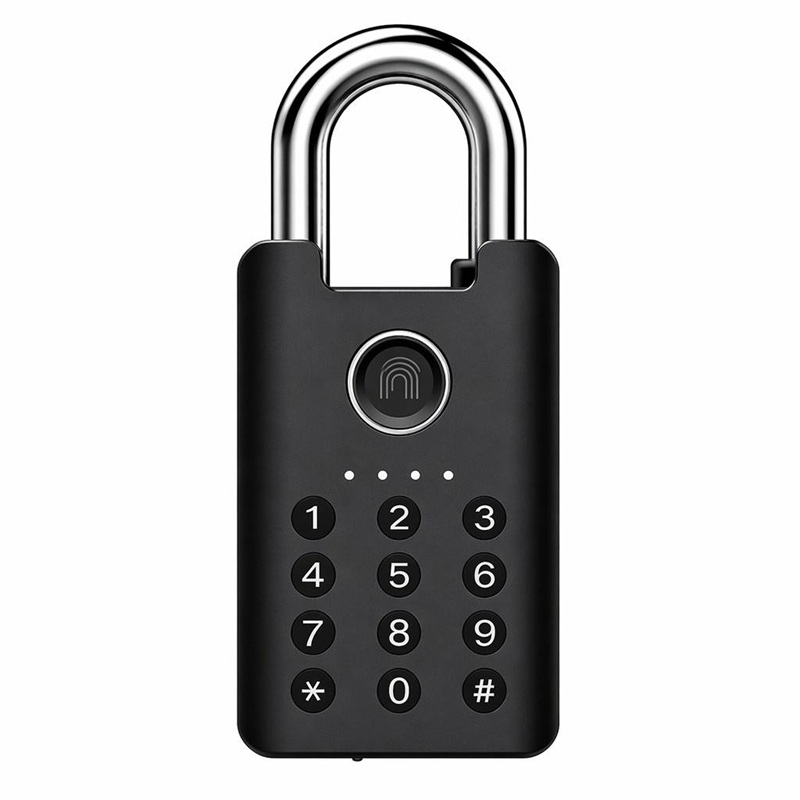 Heavy Duty Fingerprint Smart Padlock with Password Keypad IP65 Waterproof FMP005
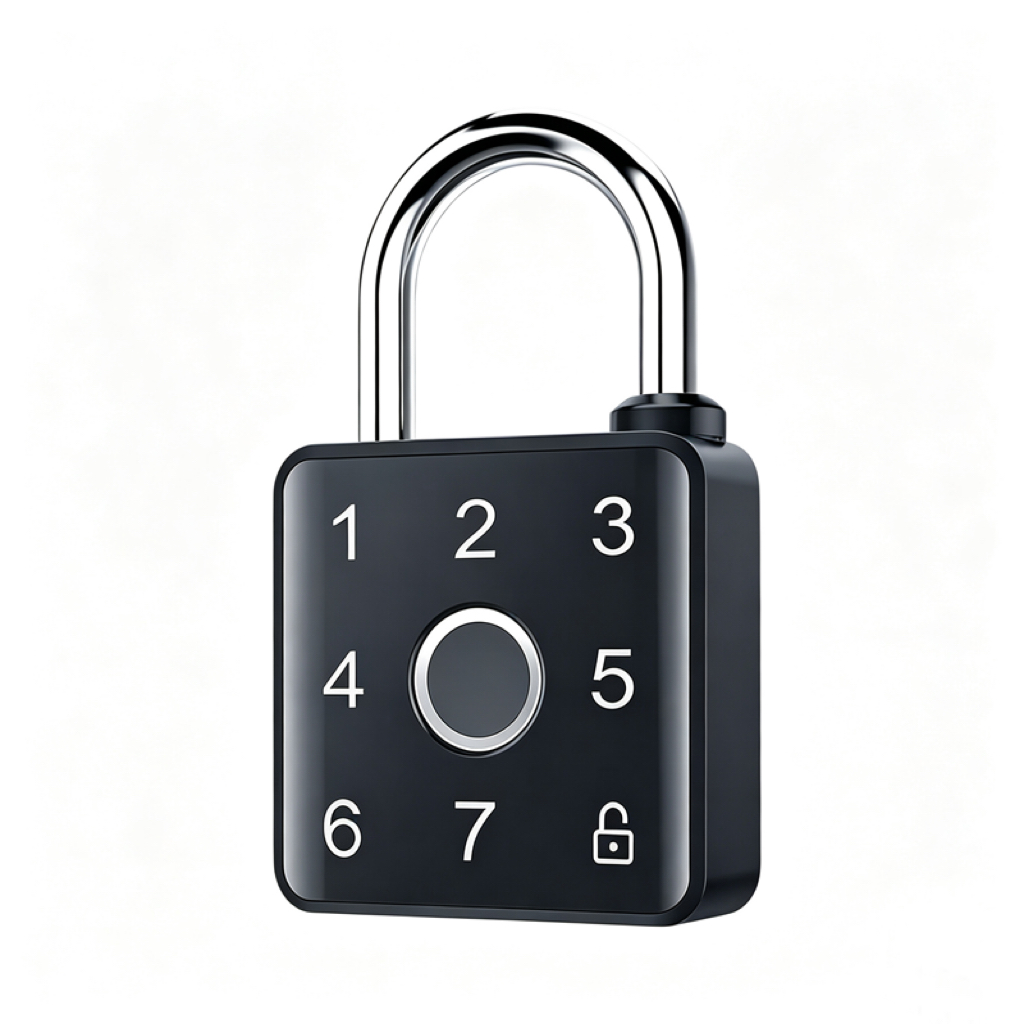 Multi-Access Fingerprint Padlock with Keypad, App Control & IP65 Waterproof FMP006
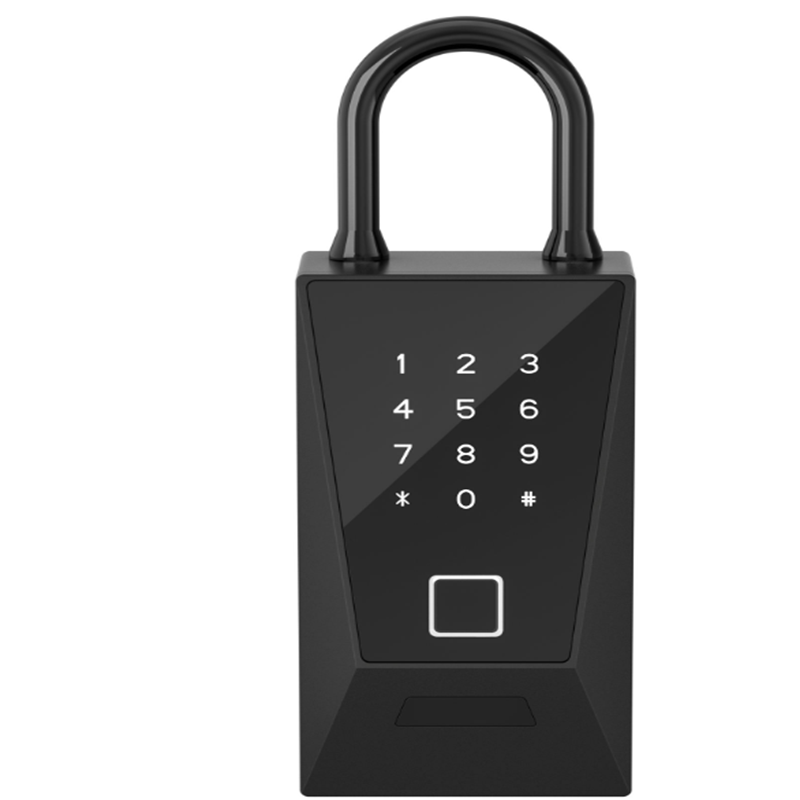 WiFi Smart Key Box with Fingerprint Password Card Access IPX5 Waterproof FMP007
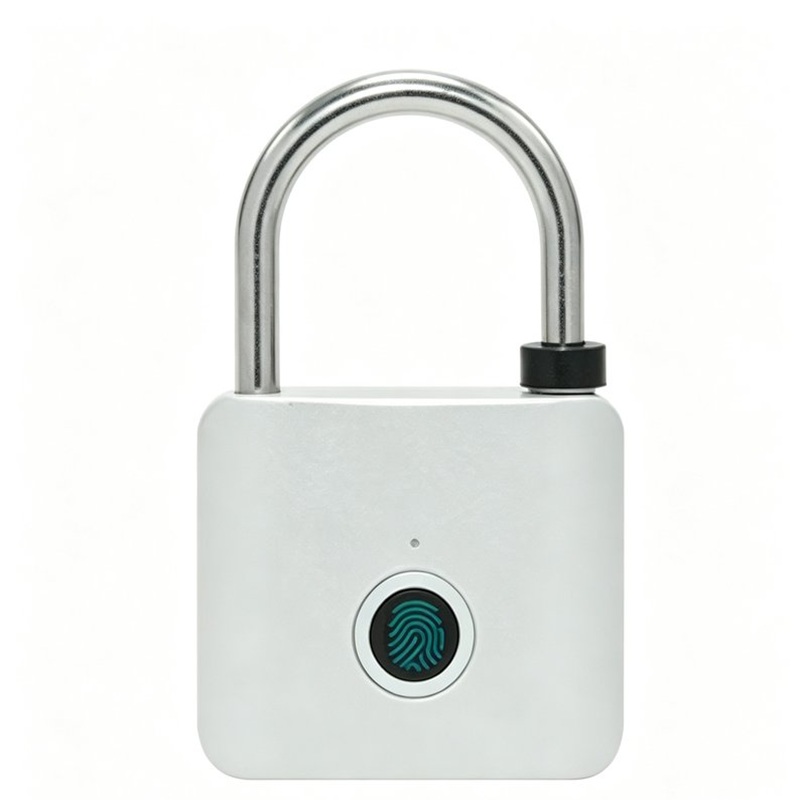 Bluetooth biometric Intelligent Padlock with IP65 Waterproof and Type-C Rechargeable Battery FMP008
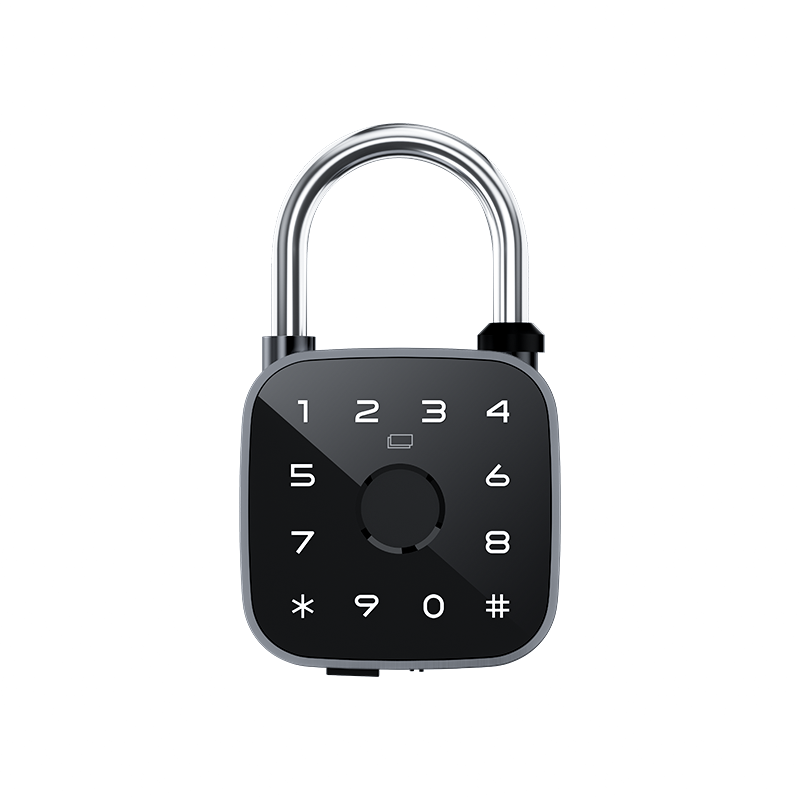 Smart Biometric Padlock with Scramble-Code Keypad and Tuya App Control FMP009
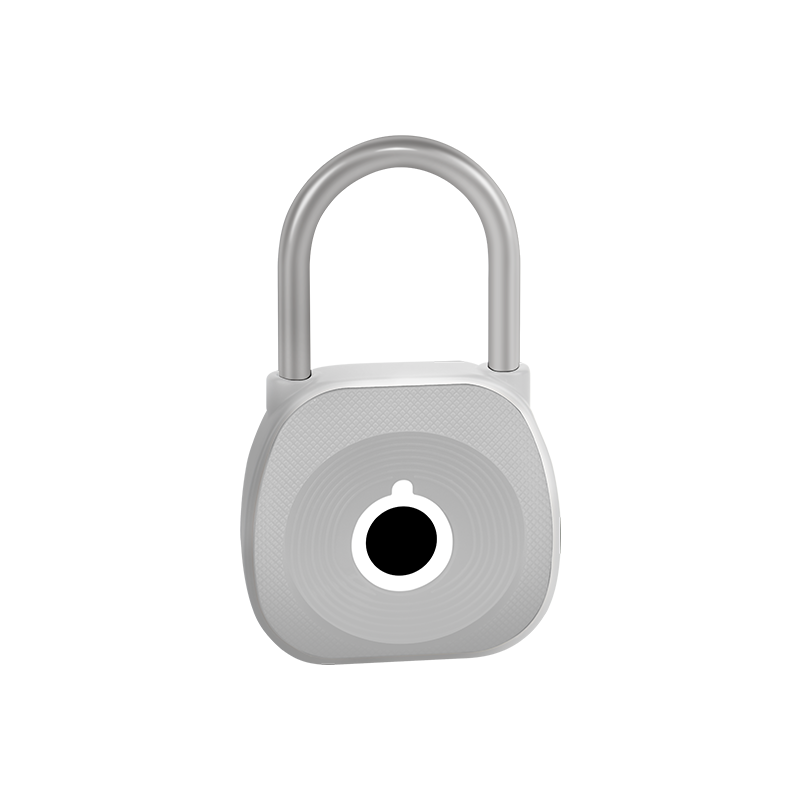 Ultra-Slim Biometric Padlock — 1.8cm Aluminum Body with Tuya App Control FMP010
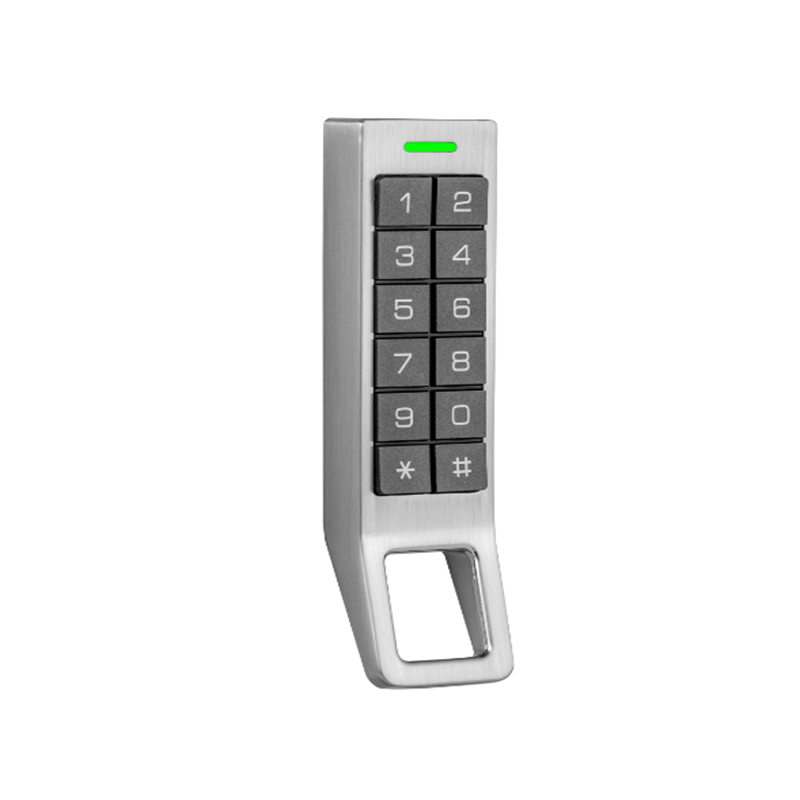 Smart Fingerprint Cabinet Lock — App & Bluetooth Keyless for Lockers FM890
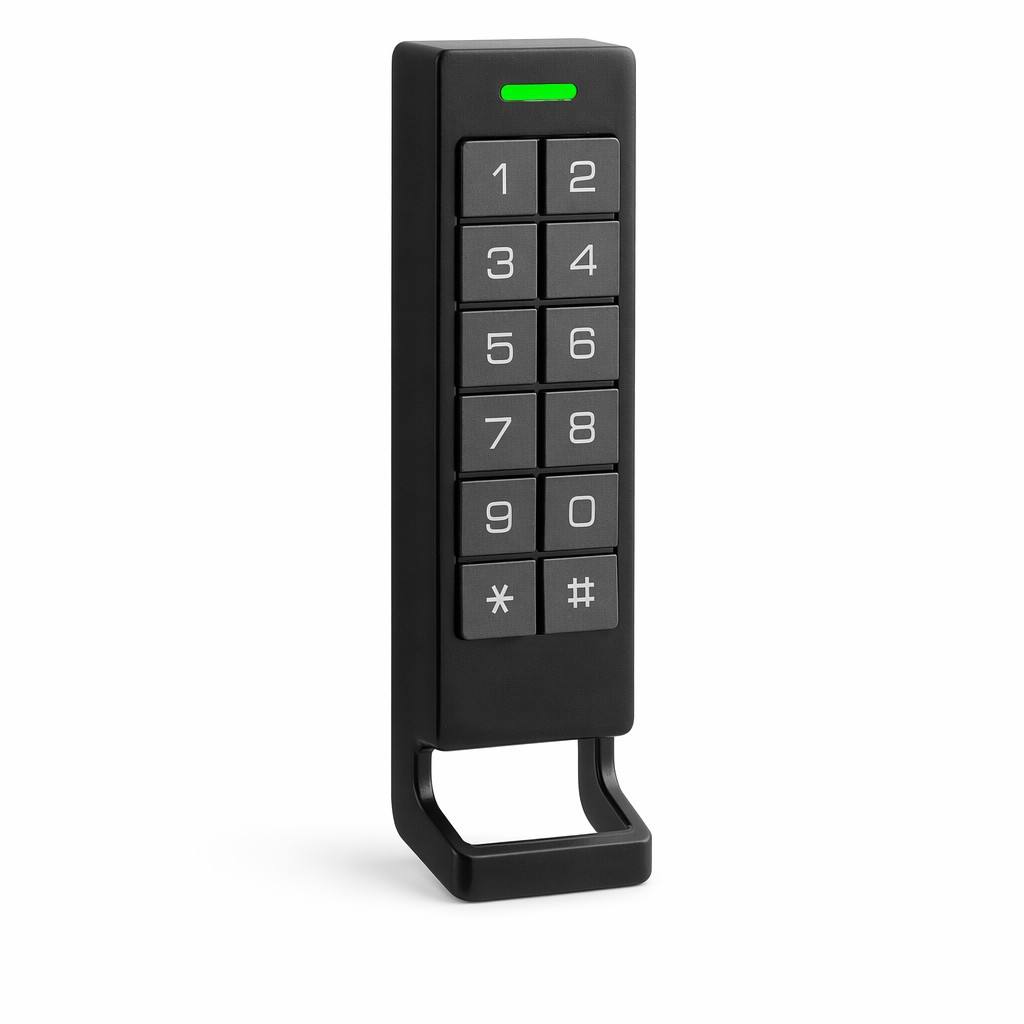 Digital Cabinet Lock with TTLock App, Passcode and RFID Card Access FMP870B
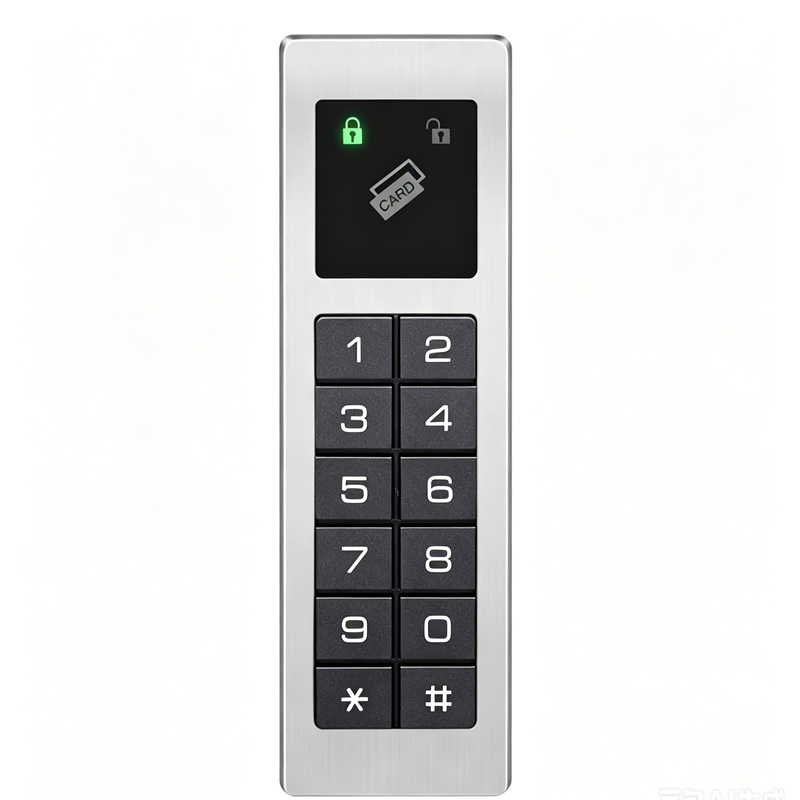 Smart RFID and Passcode Cabinet Lock with 5000mAh Battery and IP66 Waterproof FMP810
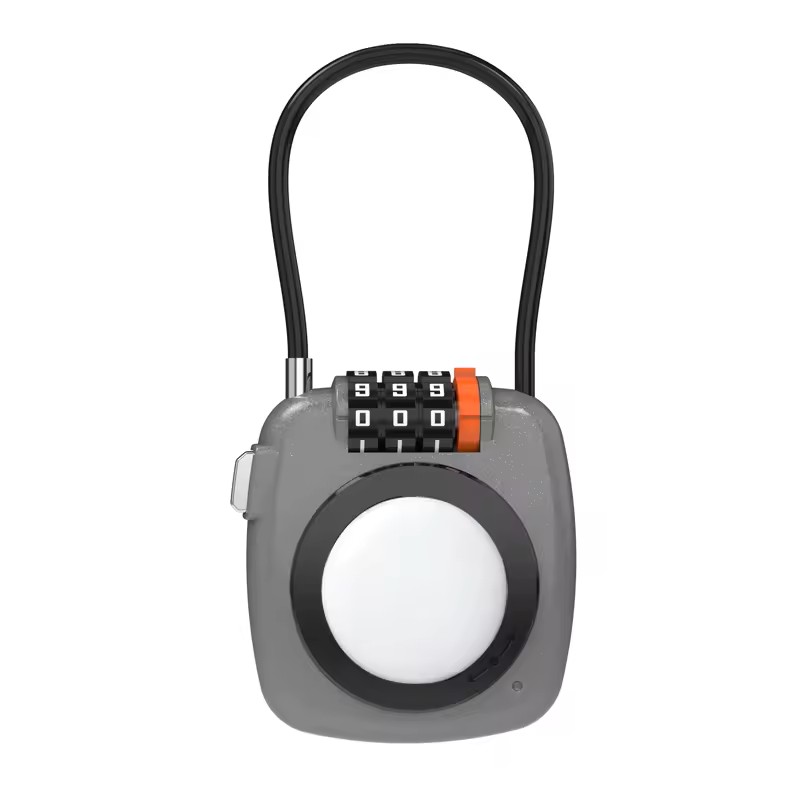 Combination Padlock with Apple Find My & Android Find Hub - IP65 Waterproof Smart Lock FMA001
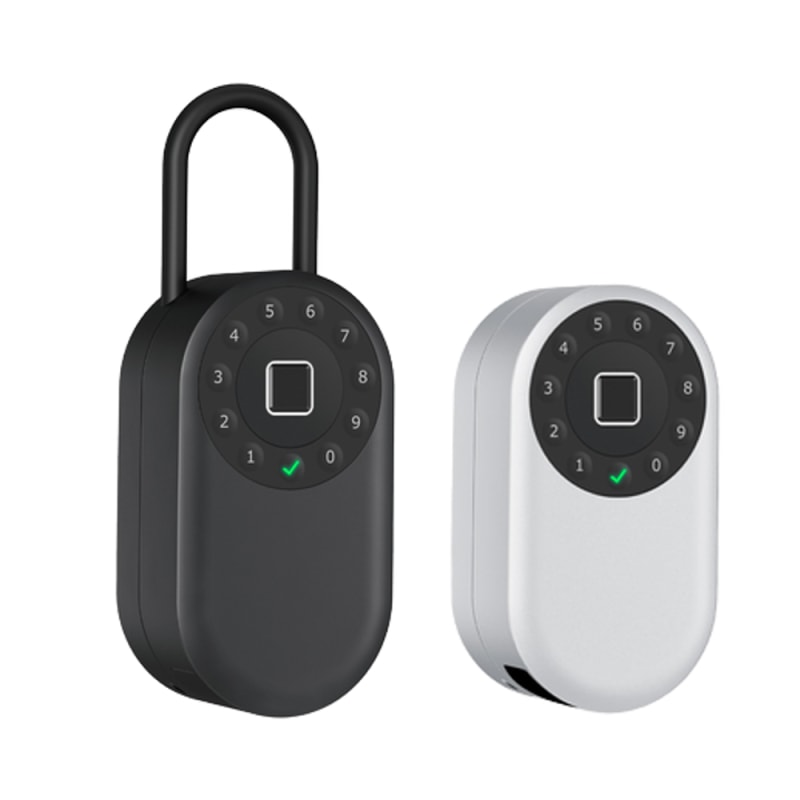 Keyless lock box with physical keypad and TTlock app waterproof for outdoor key storage
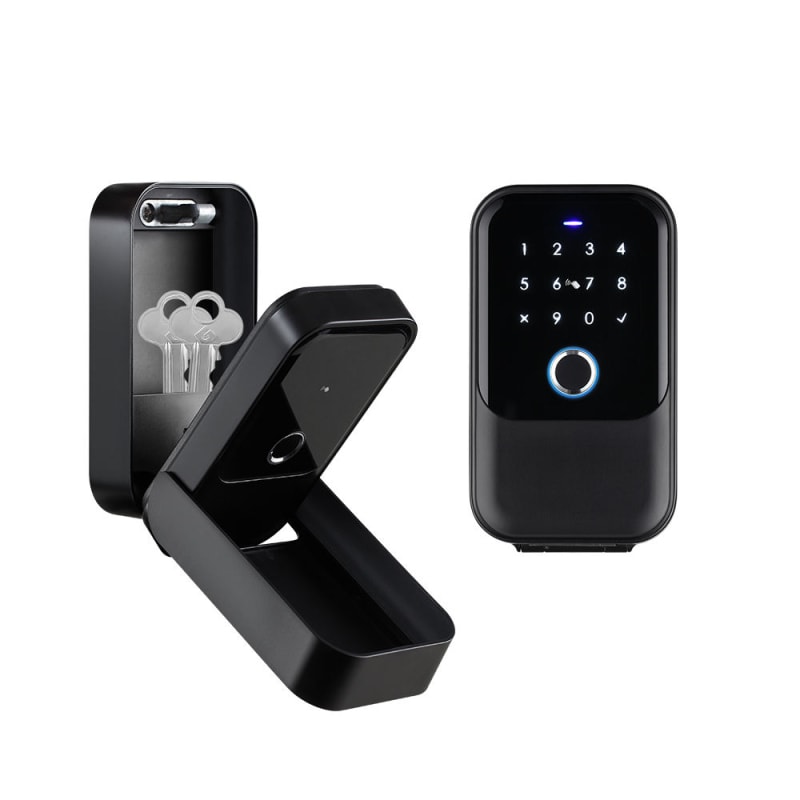 Smart key box with touch keypad and comptible with TTlock and Tuya ble for outdoor use
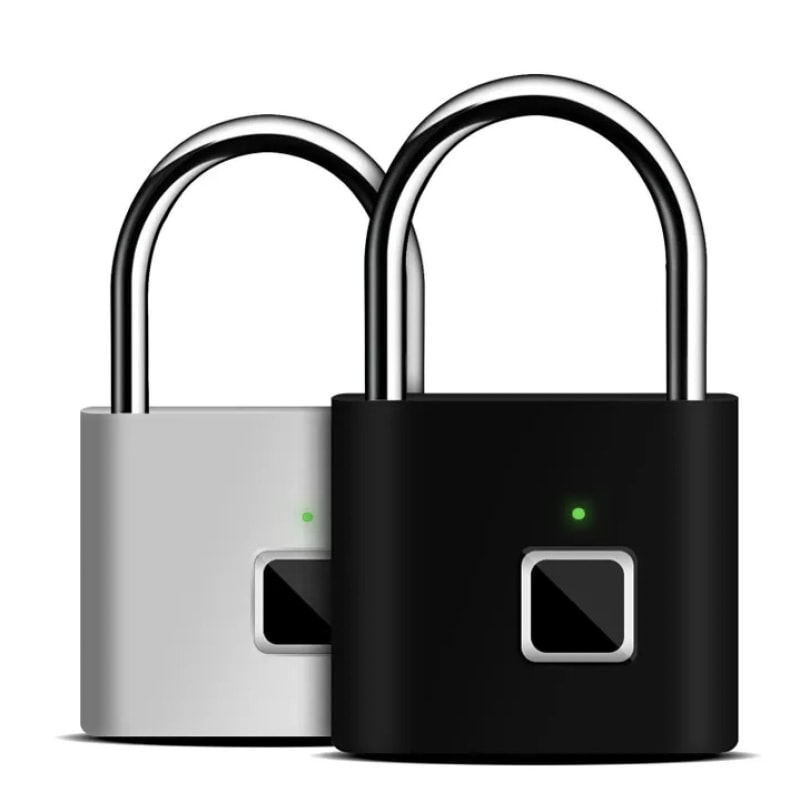 Fingerprint padlock with morse code backup that is rechargeable and portable for everyday use FM570
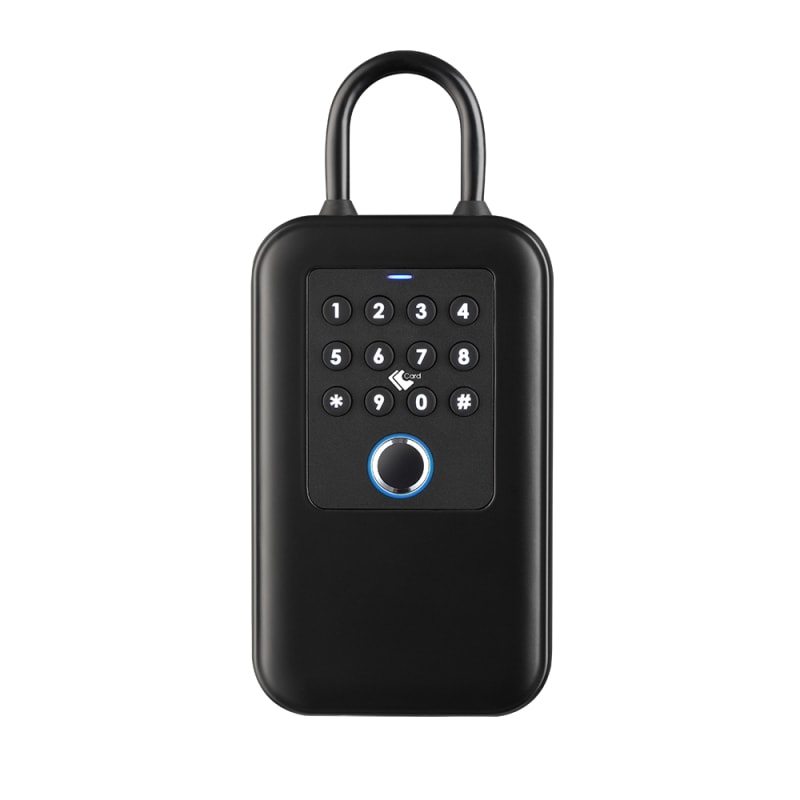 Waterproof key lock box with physical keypad and Tuya app control for outdoor key storage
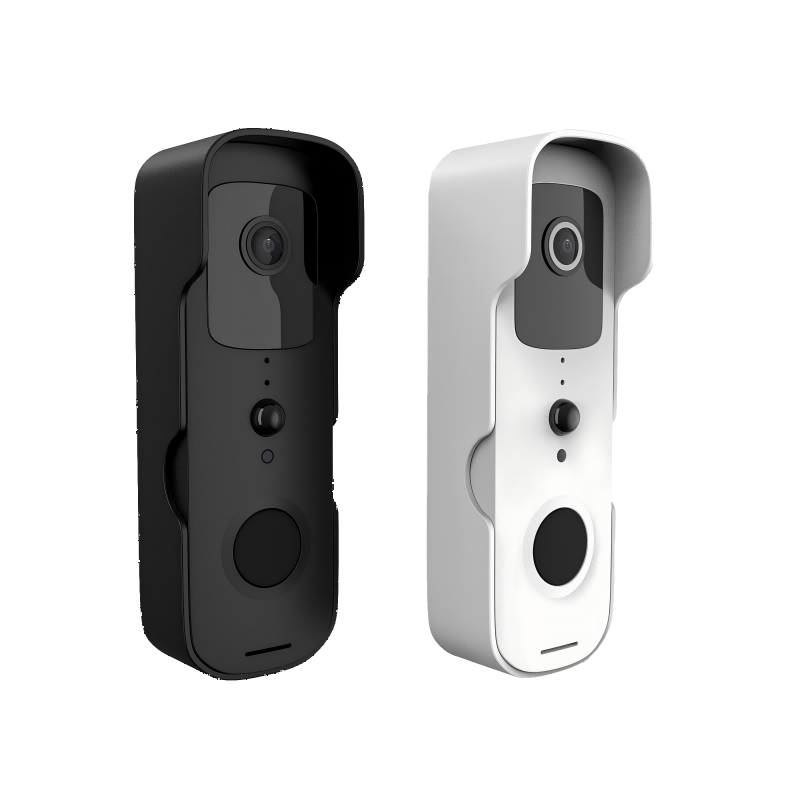 Smart Video Doorbell with Two Way Audio and Tuya WiFi for Home Security FM571
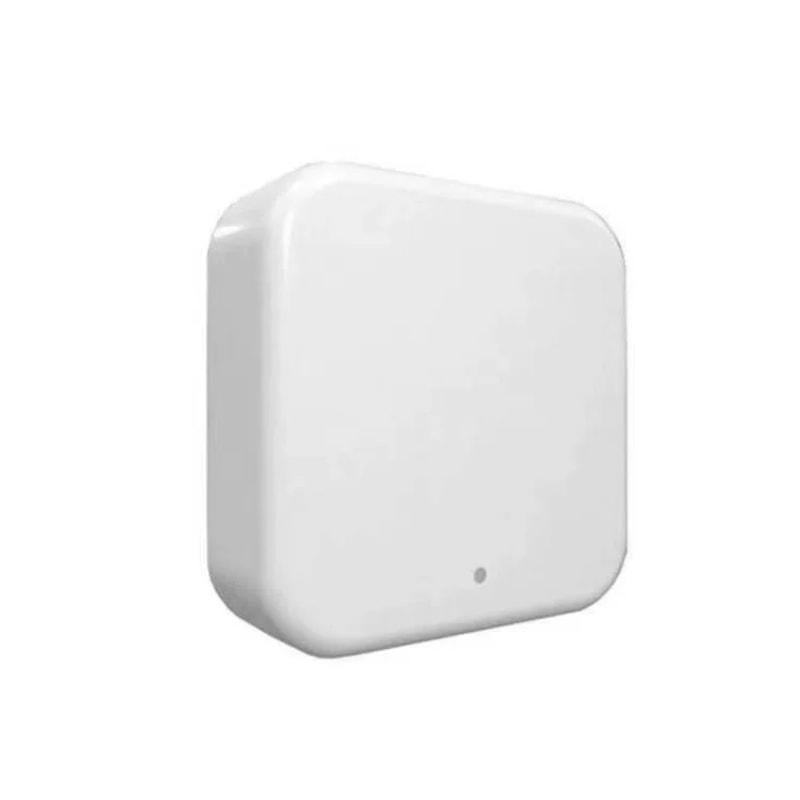 Ttlock G2 Gateway Connects Your Bluetooth Smart Lock to Wifi for Remote Access
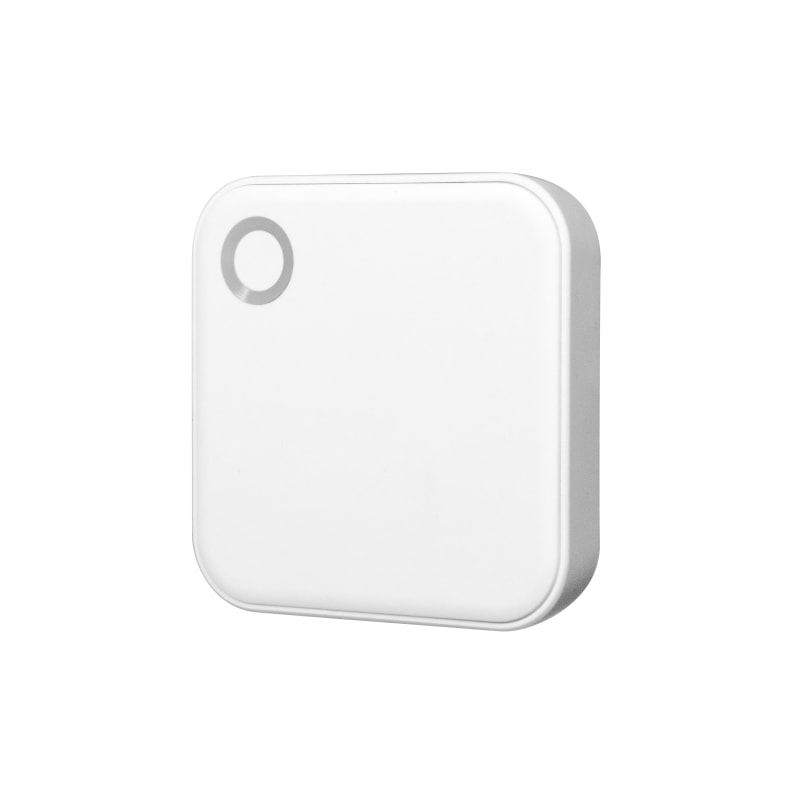 TTlock G5 gateway features dual band wifi and mesh network for large properties
 WhatsApp