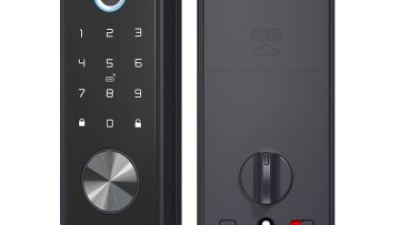
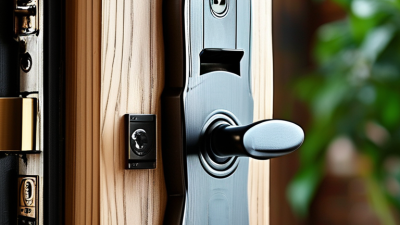
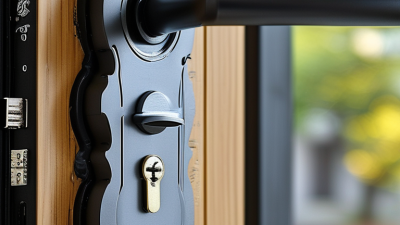
The global market for Digital Deadbolts is really picking up speed, thanks to rapid tech advancements and growing security concerns. If you’ve been following recent reports from Market Research Future, you'll see they expect the digital deadbolt space to grow at about 10.2% annually from 2022 to 2028—that’s pretty significant. It basically shows there's a big demand for smart locking systems, both in homes and businesses.
Industry expert Dr. James Rowan from the Smart Security Association points out, “The use of AI in Digital Deadbolts is truly changing the game when it comes to access control.” His words really capture how quickly things are evolving in this space, underlining how important it is for manufacturers to focus on quality and performance.
Now, companies like China Top ODM, which is known for making some of the best digital deadbolts out there, are pouring resources into research and development. But they’ve got their work cut out for them—stiff competition means they’ve got to keep their products reliable. If they slack off on quality or don’t keep improving user experience, even the top brands could see their ambitions fall flat. In the end, digital deadbolts remain one of the most trusted ways to lock up your place—but to stay ahead, manufacturers need to stay sharp, vigilant, and ready to adapt.
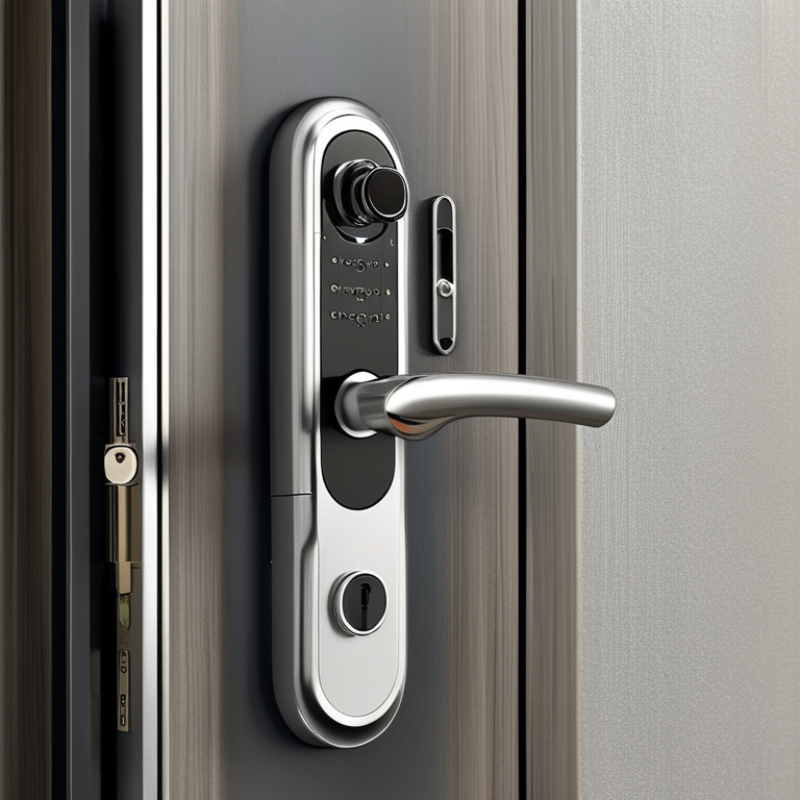
China's Leading ODM in Digital Deadbolts: An Overview
In today's fast-paced world, the demand for secure access solutions like digital deadbolts continues to grow. China's leading ODMs in this sector are at the forefront of innovation. They focus on producing Smart Deadbolts that offer high levels of security and convenience. Recent industry reports indicate that the market for smart locks is projected to reach $8.5 billion by 2025, reflecting a compound annual growth rate of 18.3%. This dynamic landscape invites both opportunities and challenges.
Quality is a hallmark of successful ODMs in digital deadbolts. These manufacturers emphasize reliable production processes and advanced technologies. However, not all products meet professional standards. Companies that neglect quality checks risk losing market share and consumer trust. It's crucial to build strong partnerships with suppliers who prioritize these standards.
Tips: When selecting a smart deadbolt, consider features like remote access. Ensure it integrates seamlessly with your existing security system. Also, always keep software updated for optimal performance. Continuous evaluation and improvement are key to staying ahead in this competitive market.
Innovation in Digital Deadbolt Design by Chinese Manufacturers
Chinese manufacturers have revolutionized digital deadbolt design. Innovation is key in this competitive market. A report from the Global Lock Industry indicates that digital lock sales will grow by 30% by 2025. This growth is driven by increased demand for smart home solutions and enhanced security features.
Chinese ODMs are integrating cutting-edge technology into their designs. Many offer biometric access options and smartphone connectivity. These features appeal to tech-savvy consumers. However, manufacturers must ensure user data protection. Many consumers are concerned about privacy issues with smart locks. Their trust directly impacts sales.
Despite advancements, there are challenges. Some designs lack user-friendly interfaces. Feedback shows that complex setups frustrate customers. Moreover, not all manufacturers maintain consistent quality. Rigorous testing and quality control are essential. As more players enter the market, maintaining high standards becomes crucial.
Quality Control Standards in China's Digital Deadbolt Production
In recent years, China's digital deadbolt production has gained attention due to its innovation and quality. Quality control standards play a crucial role in this industry. Factories often implement rigorous testing protocols to ensure product reliability. These tests include durability assessments and resistance to tampering, which are fundamental for any Digital Lock.
However, the path to achieving high standards isn’t always smooth. Some manufacturers struggle with consistency in their processes. Variations in raw materials can lead to discrepancies in performance. Regular training sessions for workers are essential but sometimes overlooked. Without proper knowledge of quality standards, the end product may suffer.
Moreover, compliance with international standards is a challenge. Not all factories invest equally in certifications. This makes it difficult for buyers to gauge reliability without thorough research. The importance of adhering to these standards cannot be understated. A strong commitment to quality control ultimately enhances consumer trust in digital locks.
China Top ODM Best Digital Deadbolts Factory Innovation and Quality
| Feature |
Specification |
Quality Control Standard |
Test Method |
| Material |
Zinc Alloy |
ISO 9001 |
Material Testing |
| Lock Mechanism |
Electronic with Key Override |
CE Certification |
Functionality Test |
| Battery Life |
Up to 12 months |
RoHS Compliance |
Battery Endurance Test |
| Security Rating |
Grade 2 |
UL 437 |
Security Testing |
| Smart Features |
Remote Access, Auto Lock |
FCC Compliance |
Smart Functionality Test |
Key Features of China's Best Digital Deadbolts
Digital deadbolts have become an essential component of modern home security. They offer a blend of innovation and quality that is hard to ignore. The best digital deadbolts from China showcase advanced technology, making them user-friendly and reliable. These locks often feature keyless entry, allowing users to access their homes conveniently, without worrying about losing keys.
One notable feature of these deadbolts is their ability to connect with smart home systems. This allows seamless integration with other devices, enhancing security measures. Furthermore, many digital locks have a mobile app for remote monitoring. Users can check the lock status and receive alerts. However, some may find the technology overwhelming. A simpler interface could improve accessibility for all users.
Another important aspect is battery life. High-quality digital deadbolts use energy-efficient systems to extend battery longevity. However, some users may forget to check the battery status, leading to unexpected issues. Regular maintenance is essential to ensure optimal performance. Overall, Chinese ODMs continue to innovate in the digital lock market, providing features that prioritize security and user experience.
Key Features of China's Best Digital Deadbolts
Market Trends in Digital Deadlock Technologies from China
The landscape of digital deadlocks in China is evolving rapidly. A recent market analysis indicates that the digital lock sector will grow by 8.5% annually, reaching a valuation of $3 billion by 2025. This growth is driven by increasing demand for enhanced security features among residential and commercial users. The shift towards smart homes intensifies the need for digital locking systems that offer convenience without sacrificing safety.
However, this drive for innovation also reveals challenges. Many manufacturers struggle with quality control. A report from the Smart Home Association points out that 35% of digital locks fail to meet safety standards. As technology advances, so does the complexity of these products. While some companies push for cutting-edge features like remote access and biometric scans, others lag behind, risking subpar performance.
The competitive nature of the market forces manufacturers to balance innovation with reliability. Focusing solely on features can compromise durability. It’s essential for factories to integrate feedback from real-world applications to improve their designs. This approach will enhance the trust consumers place in digital deadlocks, ensuring they become a mainstay in modern security solutions.
Comparative Analysis of ODM Digital Deadbolts: China vs. Global Brands
Digital deadbolts have transformed home security, with China emerging as a notable player in the ODM (Original Design Manufacturer) sector. When comparing Chinese ODMs to global brands, several distinctions arise. Chinese manufacturers often focus on affordability and mass production. This approach allows for lower price points but can sometimes compromise durability and innovation.
In contrast, many global brands emphasize advanced features and premium materials. They invest heavily in research and development, resulting in enhanced security technologies. However, the higher costs associated with these products may limit their accessibility for average consumers. Some Chinese companies are attempting to bridge this gap by integrating smart technology with competitive pricing, yet quality control remains a concern.
As the market evolves, Chinese ODM factories must balance cost-effectiveness with reliability. They face significant scrutiny in areas like customer support and warranty offerings. Maintaining a reputation for quality while innovating can be challenging. Consumers should approach these products with both excitement and caution, weighing the benefits against potential shortcomings.
The Future of Digital Deadbolts: Innovations from Chinese Factories
The future of digital deadbolts is being shaped by innovations from Chinese factories. These manufacturers are increasingly integrating advanced technologies into their products. For example, the global smart lock market is expected to grow from $1.85 billion in 2022 to $4.2 billion by 2028. This indicates a rising demand for secure and convenient locking solutions.
Chinese ODMs are focusing on features like biometric access and mobile app controls. These technologies enhance security while providing users with greater flexibility. Nonetheless, quality control can be a concern. Many products may not meet international standards, leading to potential reliability issues. Factories are investing in better quality assurance practices to address this.
Despite the rapid advancements, the industry must address consumer trust. Many still worry about data security and potential vulnerabilities. The push for innovative design, such as incorporating "Locker Digital" functionalities, needs to align with user expectations. Balancing innovation and reliability will be crucial as digital deadbolts evolve. The path forward involves continuous improvement and adaptation to consumer needs.
Unlocking Security: How Waterproof Deadbolt Digital Locks like FM560 Align with 2023's Smart Home Market Trends and Consumer Demands
As the smart home market continues to evolve in 2023, consumer demands for enhanced security and convenience have never been higher. Waterproof digital locks are emerging as a crucial element in this trend, offering innovative solutions that align with modern lifestyles. The use of digital locks equipped with features such as contractor gateways ensures that users can manage their security with ease and reliability. With an IP65 waterproof rating, these locks are designed to withstand various weather conditions while providing consistent performance, making them ideal for any home environment.
The versatility of digital locks caters to diverse user preferences. For those who desire the freedom of remote access, integrating WiFi capabilities allows homeowners to control their locks from virtually anywhere. Alternatively, for users who prefer straightforward, proximity-based management, Bluetooth technology provides a seamless connection without the need for a complex setup. This flexibility makes keyless entry not only convenient but also intuitive, fitting seamlessly into the daily routines of users who prioritize security and simplicity. Such features not only enhance functionality but also align perfectly with the smart home trends that emphasize seamless integration and user-centric design.
FAQS
: Digital deadbolts offer keyless entry and remote monitoring features. They enhance home security significantly.
They integrate advanced technology, including biometric access and smartphone connectivity. This attracts tech-savvy customers.
Privacy issues are a major concern. Users worry about data protection, which impacts their trust and buying decisions.
Some designs are complex, leading to frustration. Simpler interfaces could improve accessibility for a wider audience.
Battery longevity is crucial. High-quality locks use energy-efficient systems, but regular maintenance is necessary to avoid issues.
Many digital deadbolts connect with smart home systems. This integration enhances security and convenience for the user.
Chinese manufacturers often provide lower prices. However, this can compromise durability and innovation compared to global brands.
They must balance affordability and reliability. Maintaining quality while trying to innovate is a significant challenge.
Good customer support and warranty offerings can influence consumer trust. Poor service can harm a manufacturer's reputation.
Consumers should weigh the benefits against potential drawbacks. Taking time to research is crucial for informed decisions.
Conclusion
China has emerged as a leading Original Design Manufacturer (ODM) in the realm of digital deadbolts, showcasing remarkable innovation and quality in their production. The article provides an overview of the advancements in digital deadbolt design by Chinese manufacturers, emphasizing the incorporation of cutting-edge technology and smart features. These innovations not only enhance security but also improve user convenience, making digital deadbolts a popular choice among consumers.
Furthermore, stringent quality control standards are implemented in the production processes, ensuring that these digital deadbolts meet international safety and performance benchmarks. The article explores market trends that reflect growing demand for sophisticated locking mechanisms and provides a comparative analysis of Chinese ODM digital deadbolts against global brands. Ultimately, it highlights how the future of digital deadbolts is poised for continued advancements, driven by the innovative capabilities of Chinese factories.

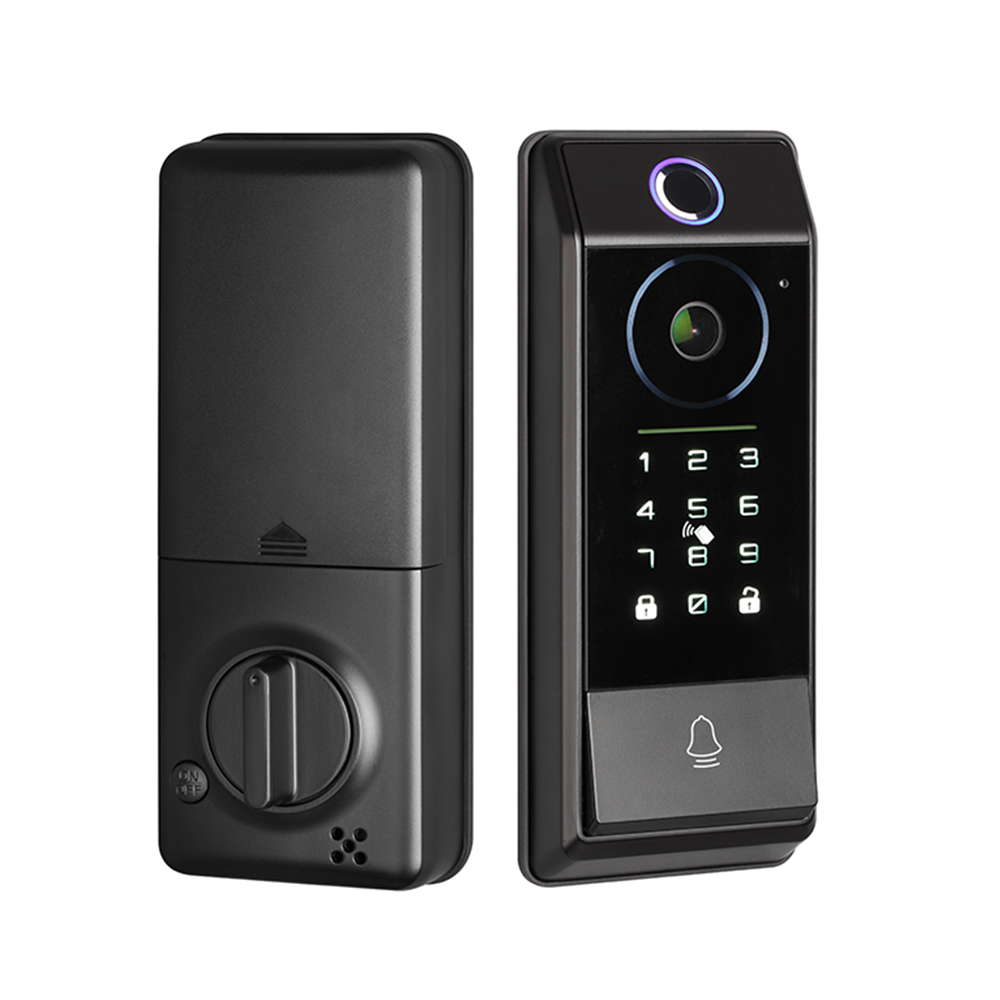 Smart deadbolt lock with video doorbell and two way intercom for front door security A229
 Bluetooth Deadblot Smart Lock with keyless access works with Google Alex tuya FM31
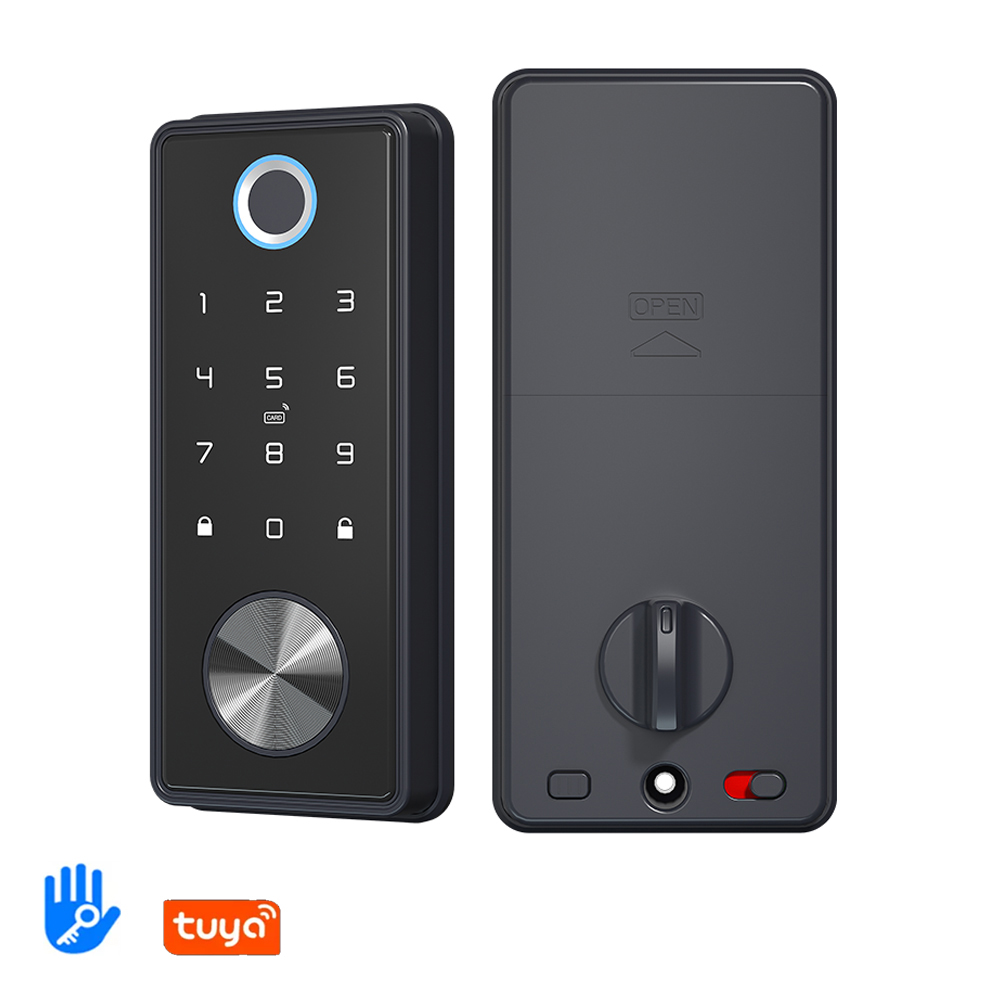 Waterproof Deadbolt Digital Lock supporting TTlock ble or TUYA wifi FM560
 WIFI Deadblot Smart Lock with Video Doorbell works with Alexa Google Tuya FM880
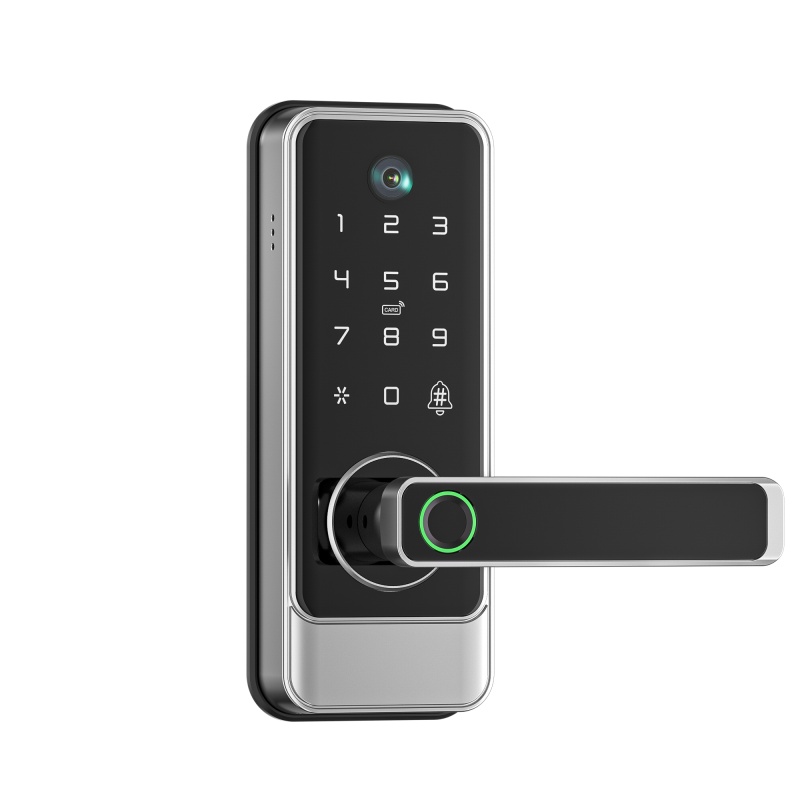 Keyless Entry Lever Lock with doorbell and Video Camera for Live Viewing
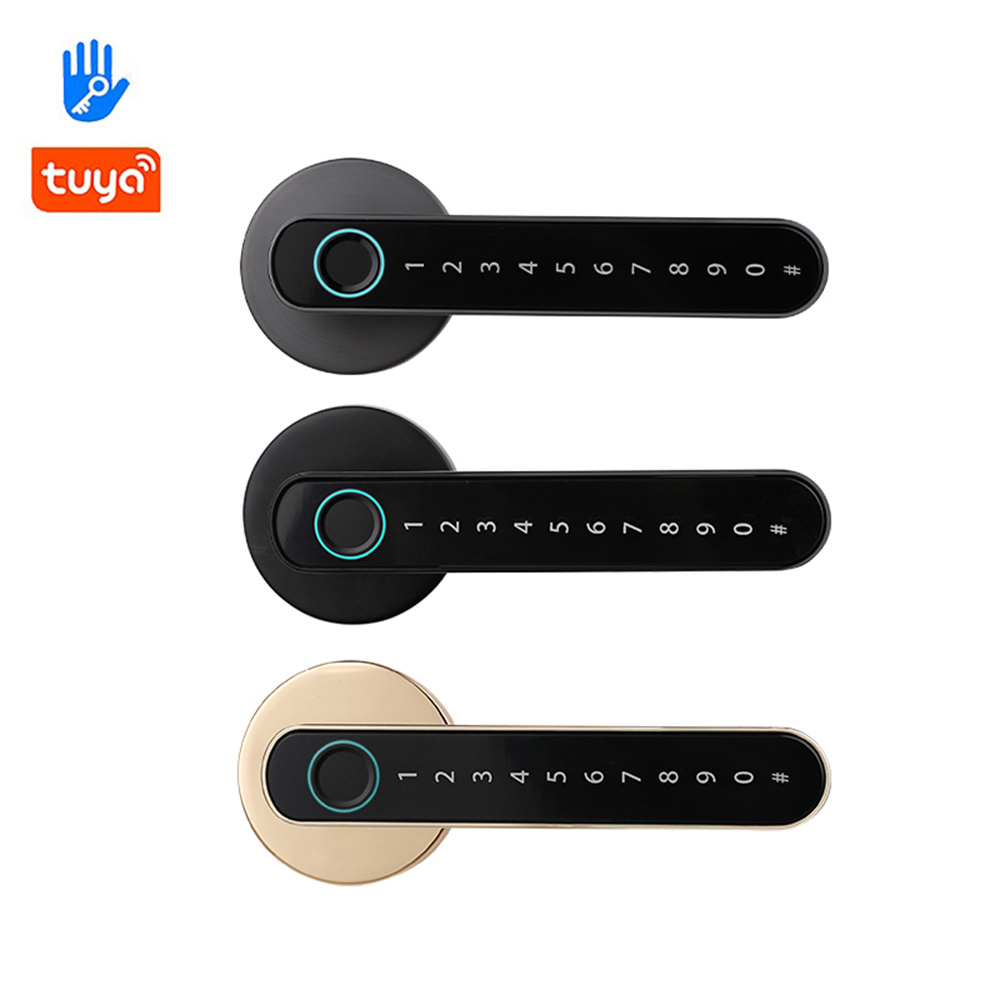 Bluetooth Lever Lock unlock by fingerprint recognition, password and App eKeys T8
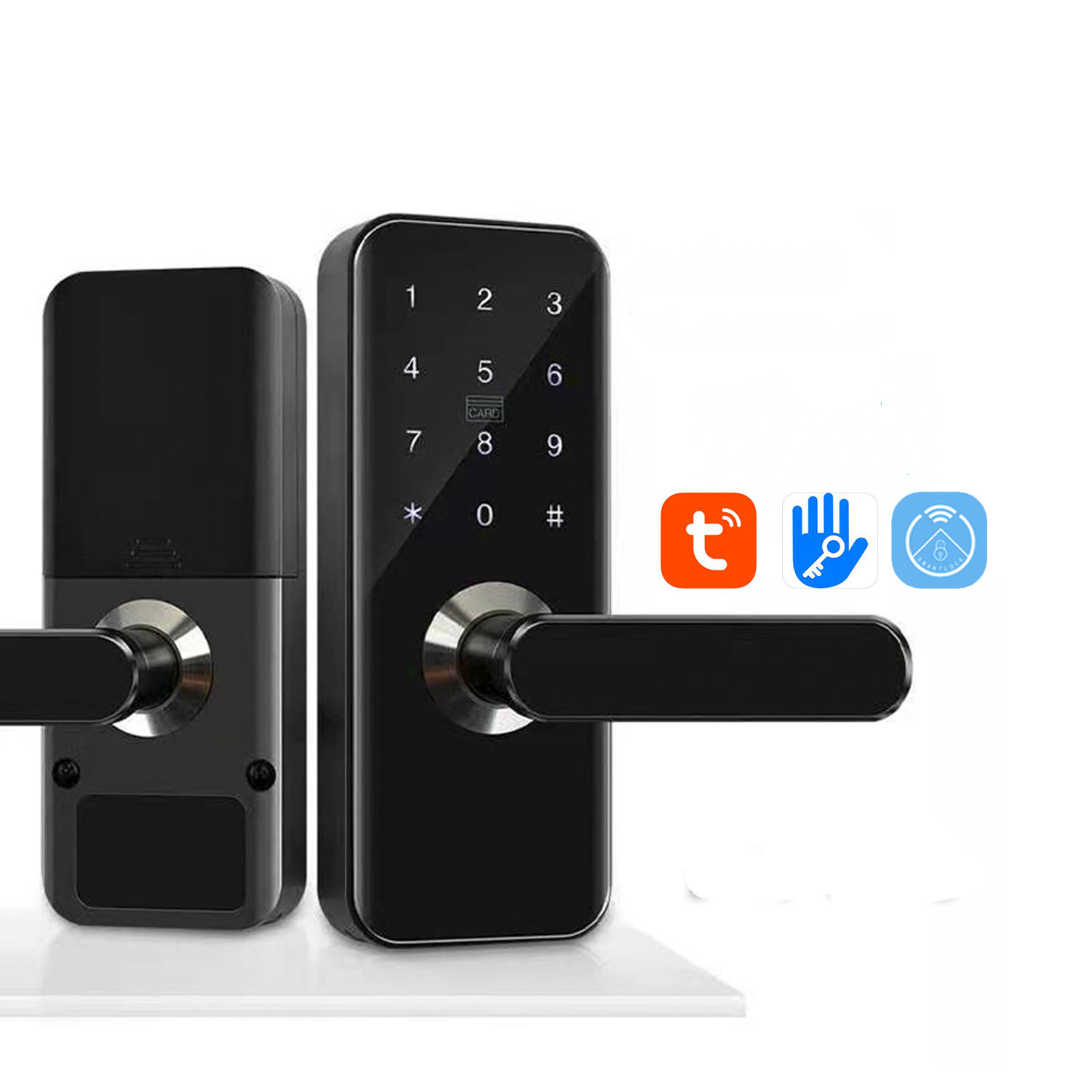 Smart lever lock supports TTlock bluetooth and TUYA wifi FM810
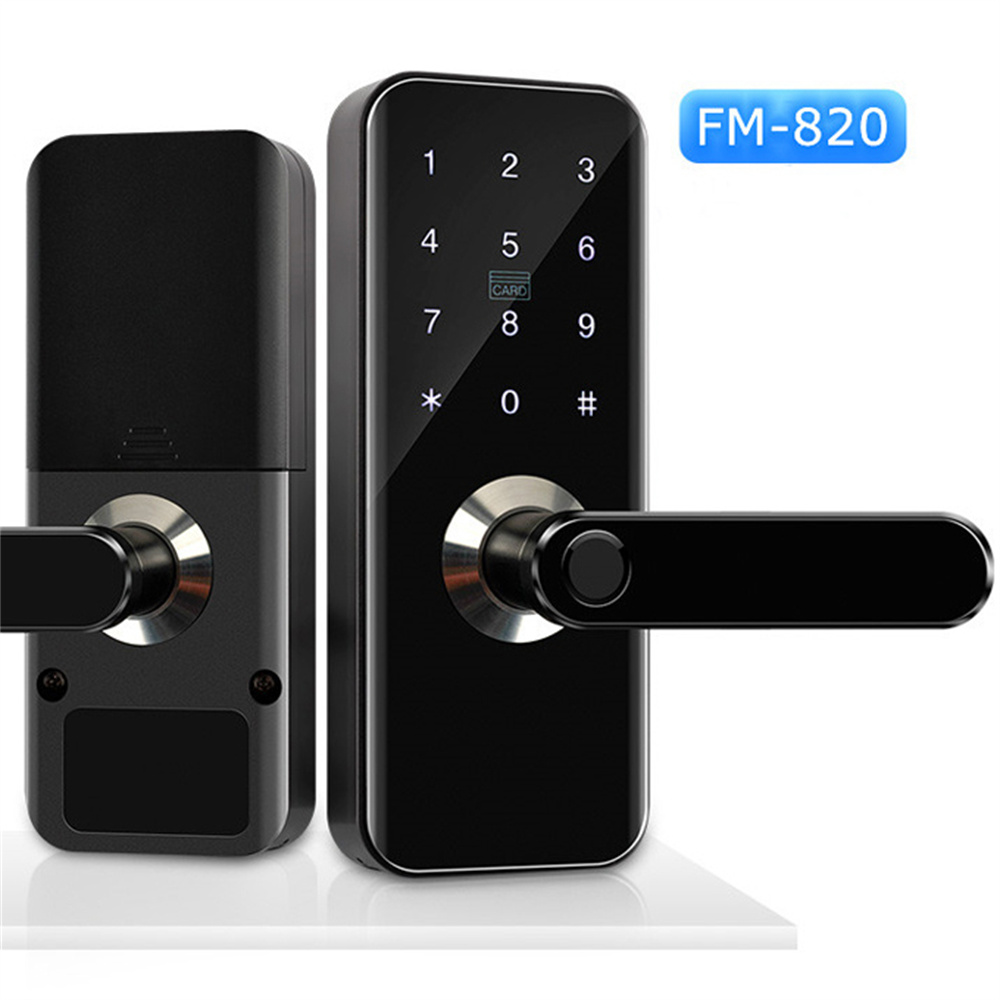 Fingerprint Smart Lever Lock with one touch Keyless Entry fits US Knob & Lever FM820
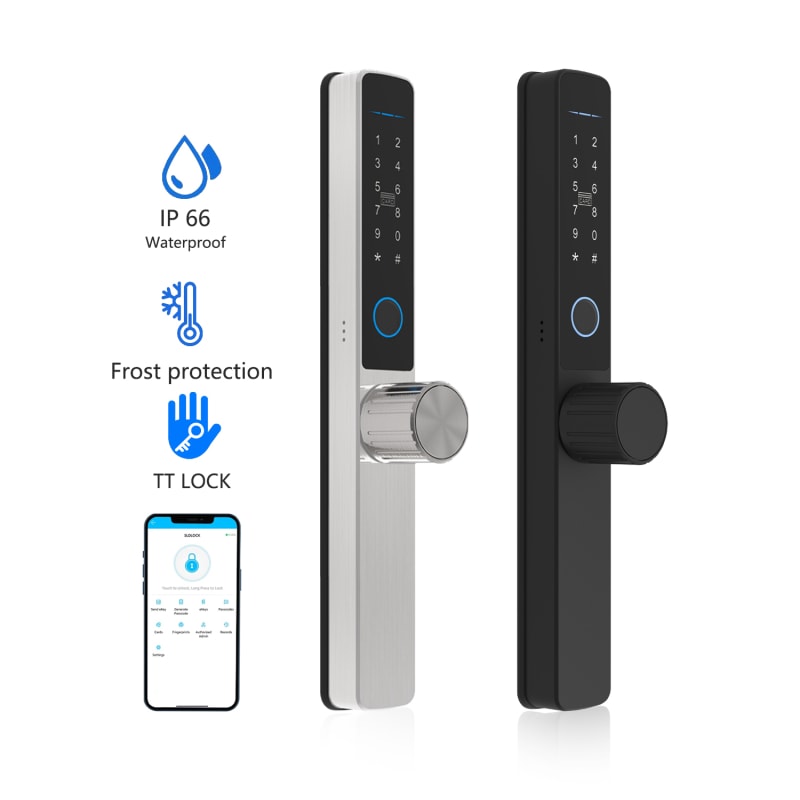 Keyless Entry Door Lock Fits Both Traditional Mortise and Smart Lock Mortise
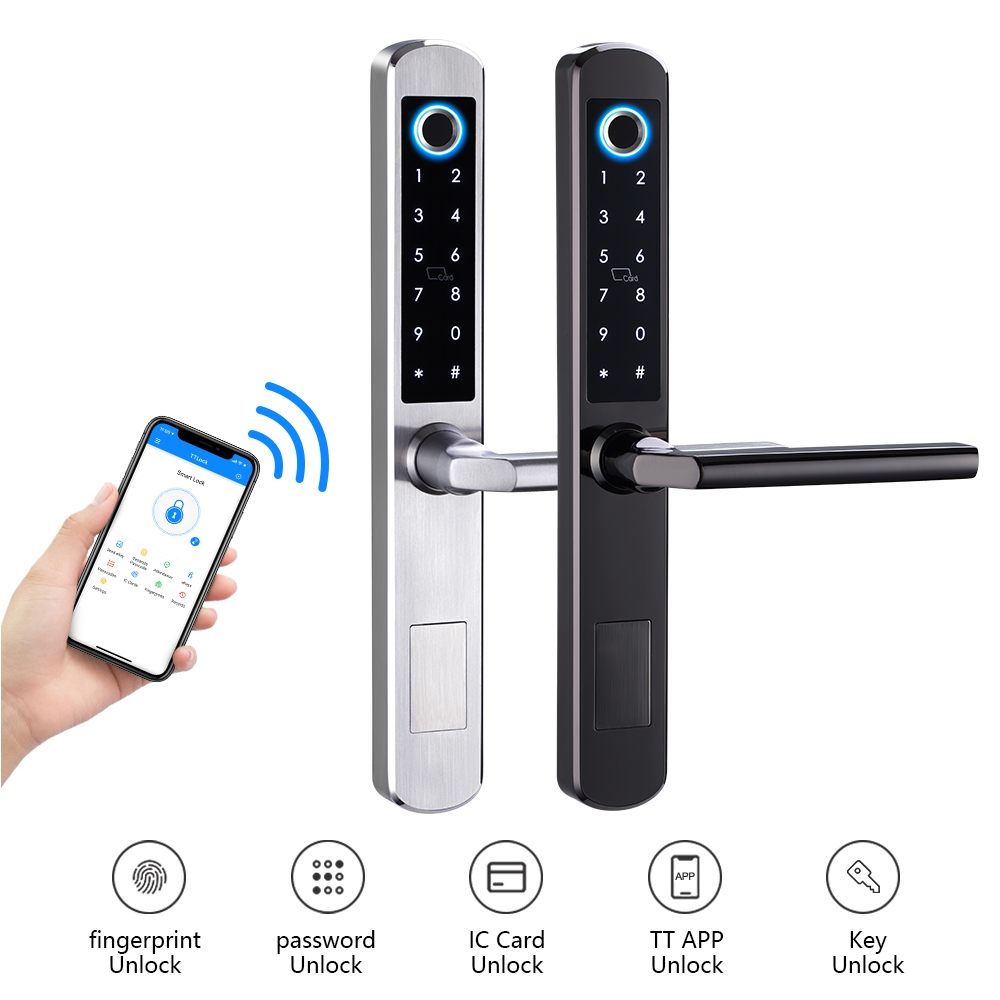 Slim 304 stainless steel keypad lock with IP65 waterproof case for thermal break sliding doors FM210
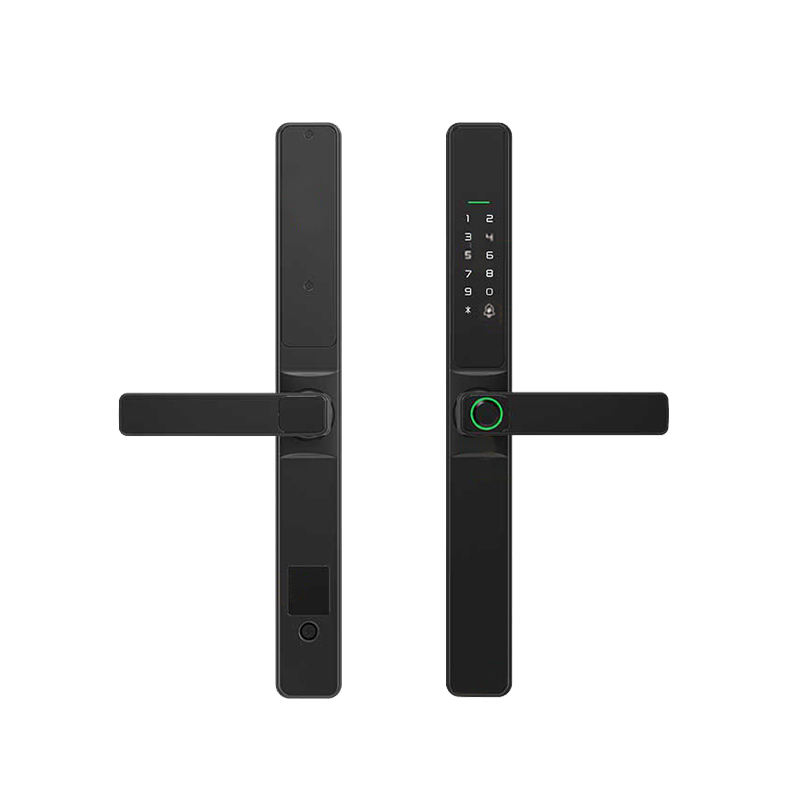 Fingerprint lock with hook mortise for slim sliding door and IP66 waterproof for outdoor use F6
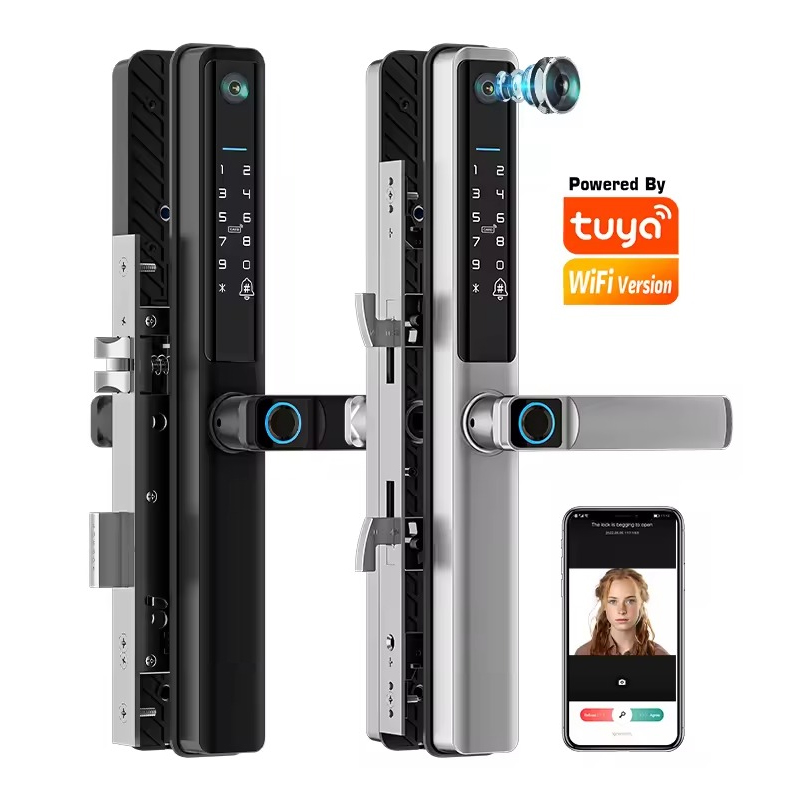 Keyless entry door lock for slim sliding door with camera and doorbell F5 PRO
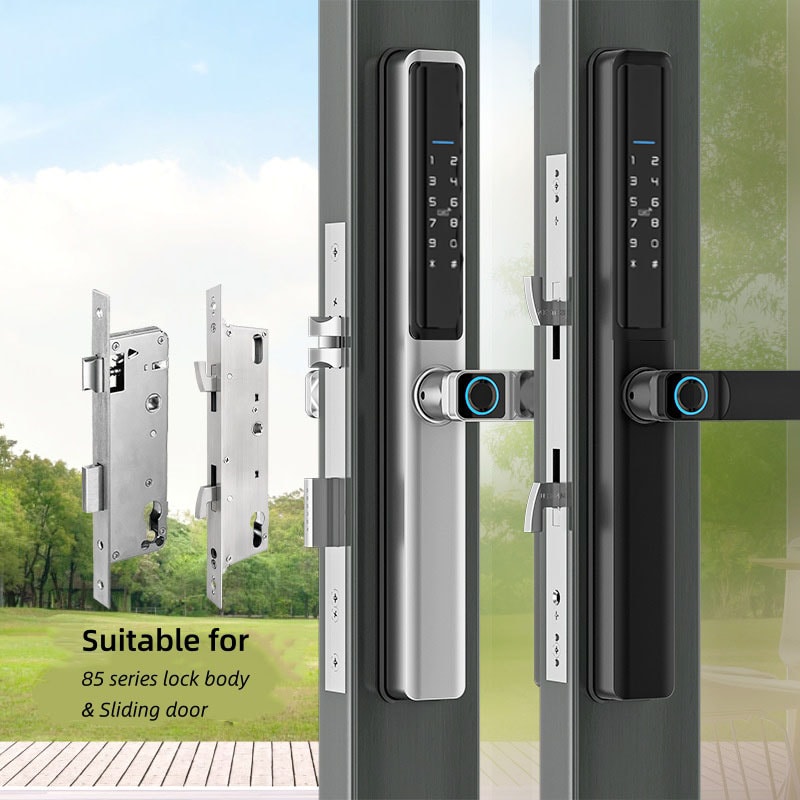 Smart door lock with hook mortise for aluminum slim sliding door F5
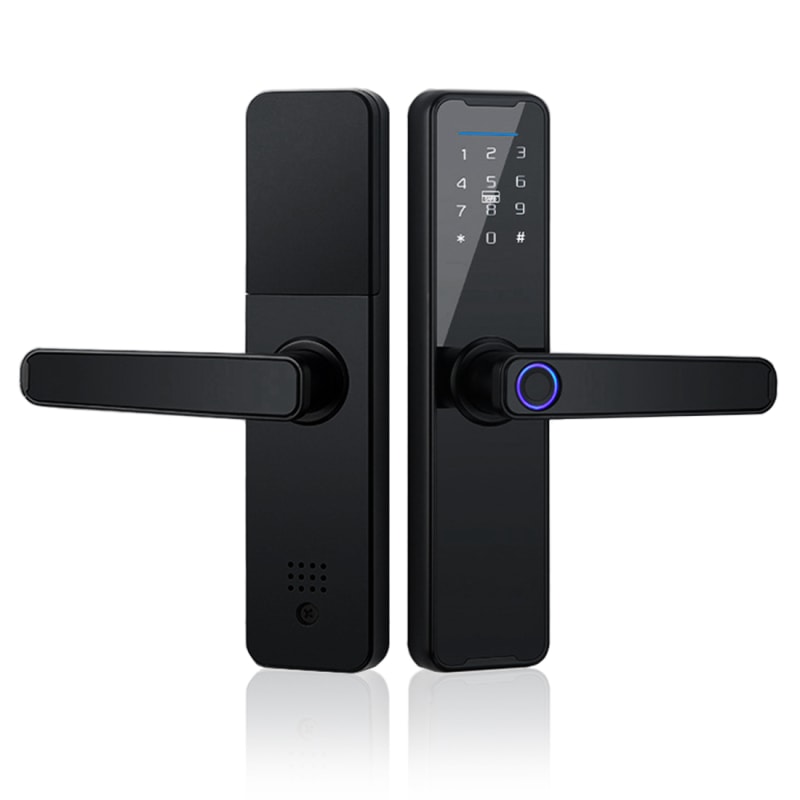 Front door smart Locks made of aluminum alloy compatible with multiple mortise types
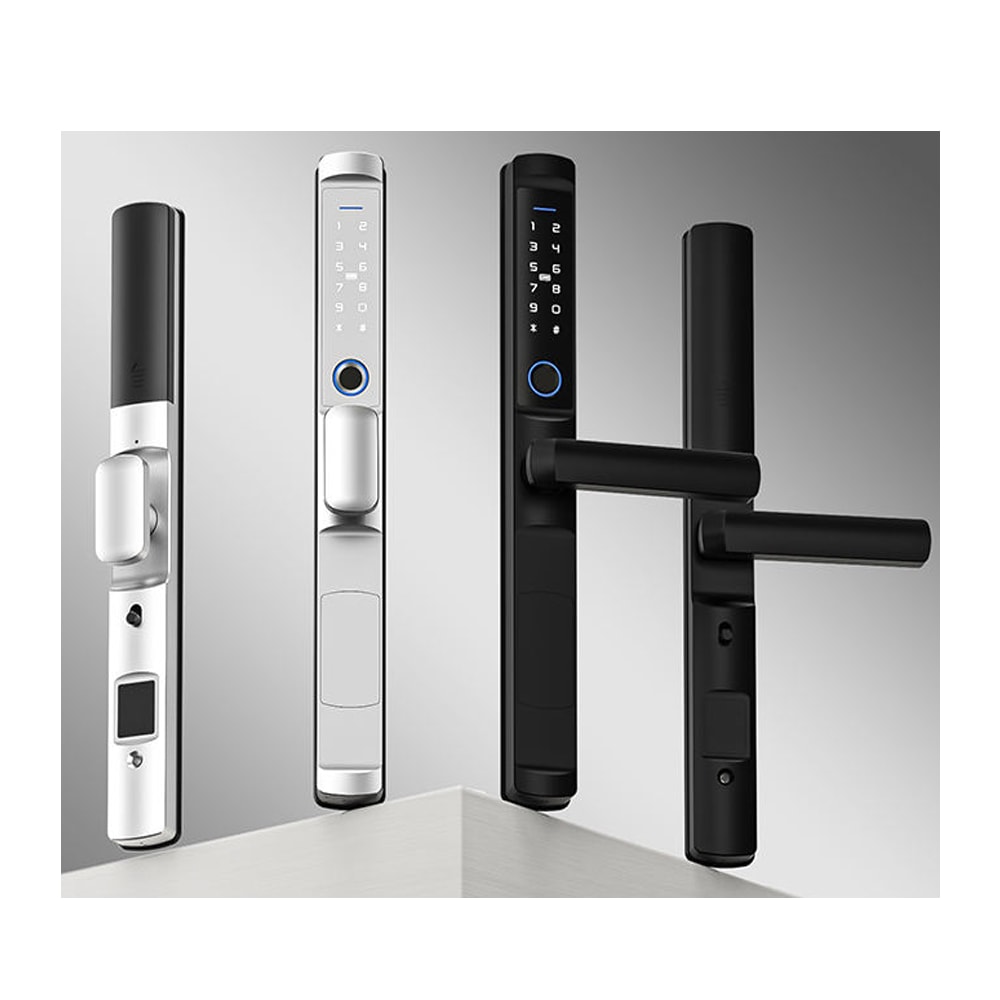 Keypad Door Lock with IP66 Waterproof case and Two Handle Styles Options
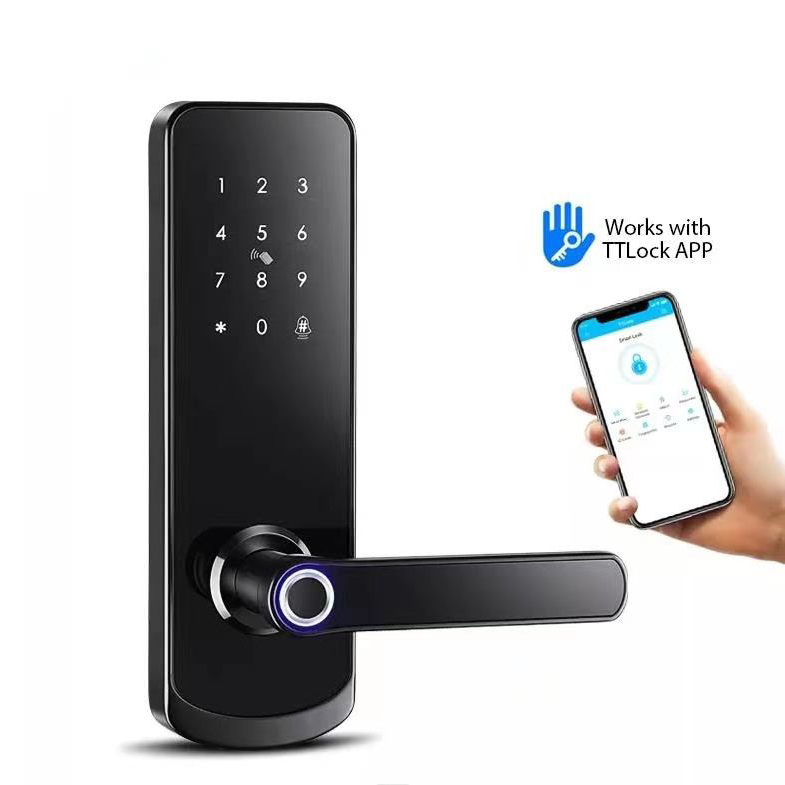 Fingerprint door lock for Front door with Anti-prying latch to prevent the card prying the door
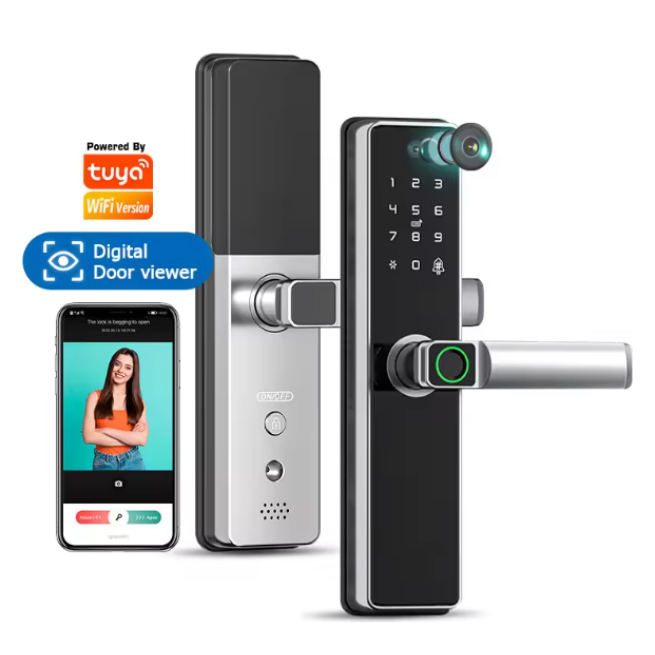 Front Door Keypad Lock with Fingerprint and Doorbell B2
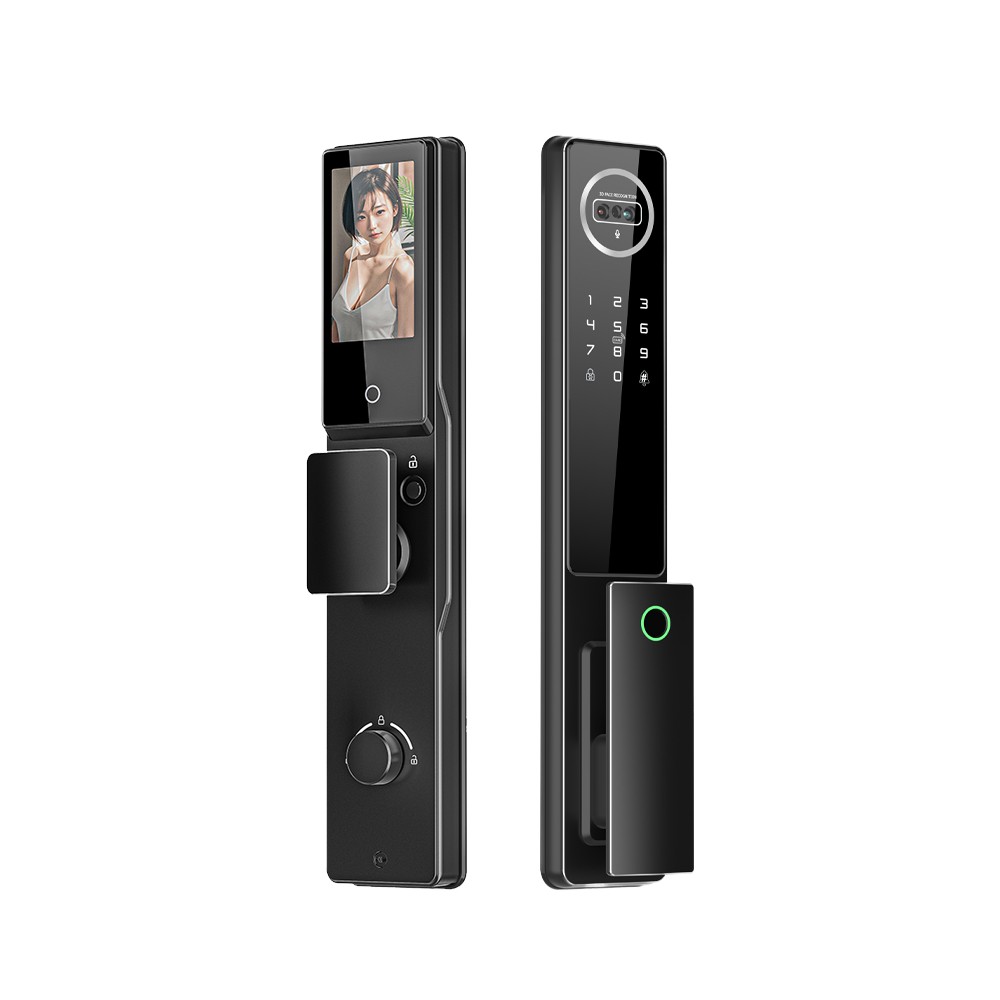 Face Recognition Smart Door Lock with Video Intercom Doorbell Tuya WiFi D1
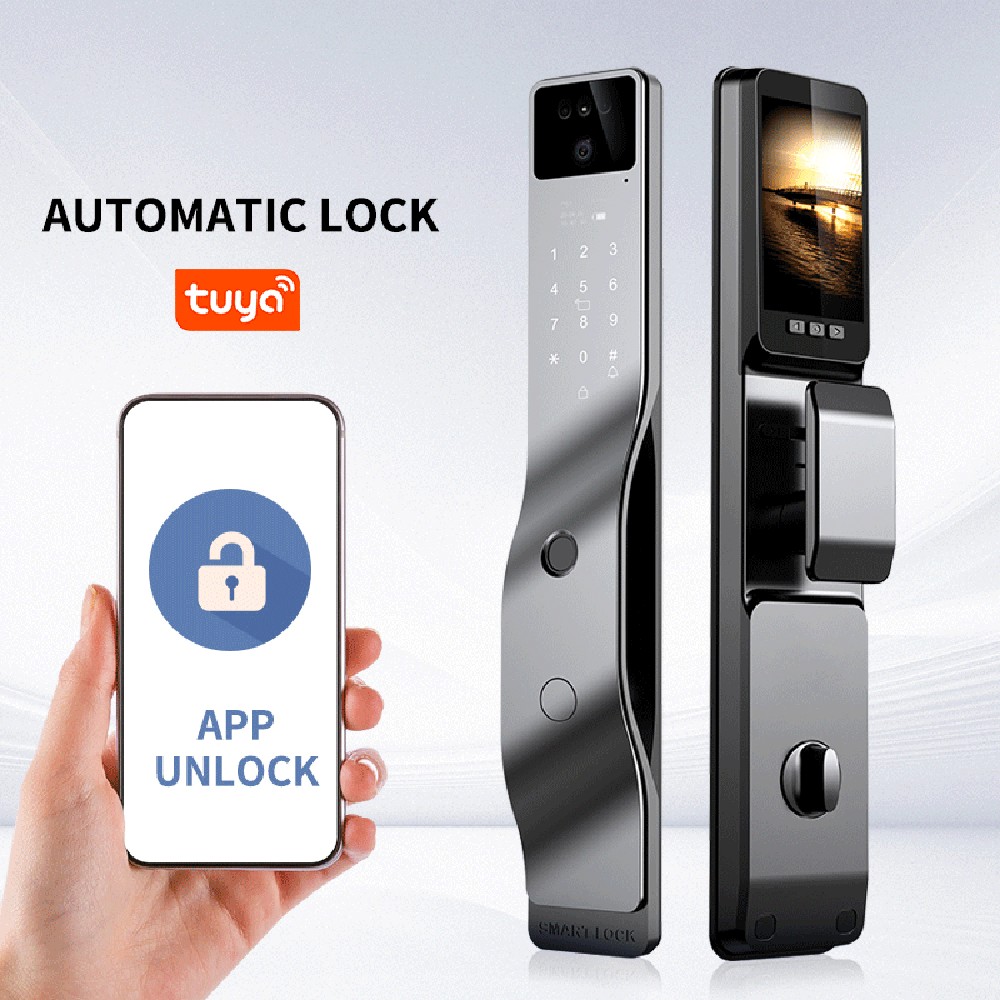 WIFI Smart Mortise Lock with Tuya Video Doorbell support Face Scan Palm Vein F7
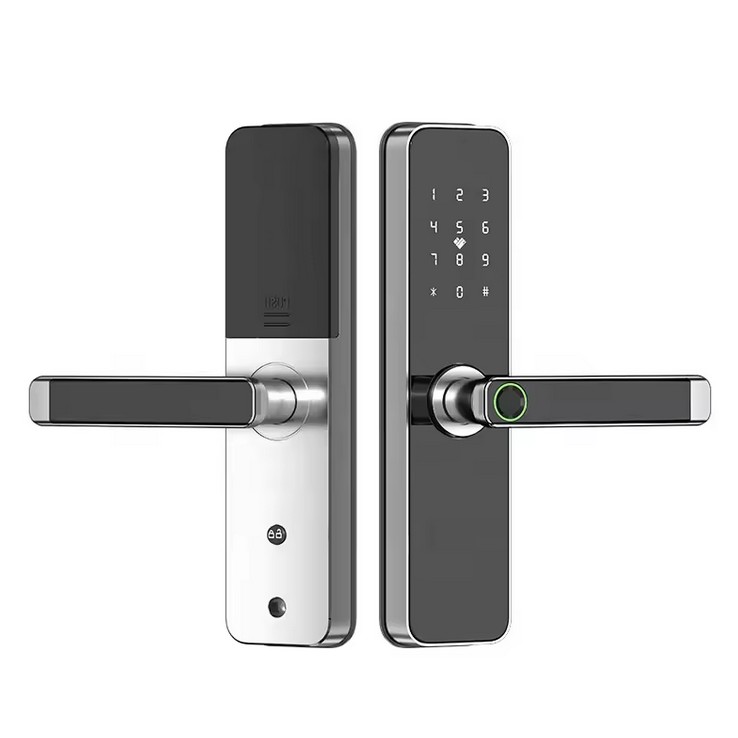 Smart mortise lock with bluetooth and WIFI optional FM028
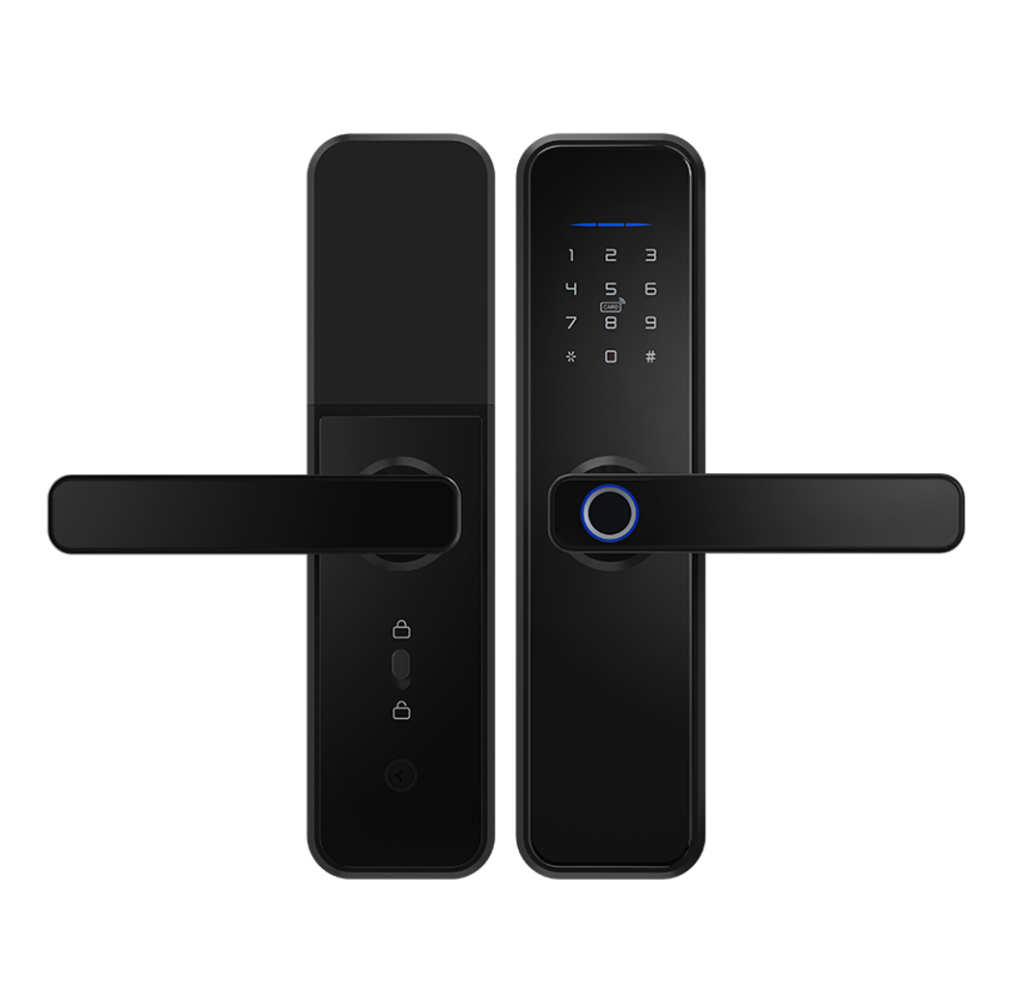 Mortise Smart Lock with multi keyless accesses FM550
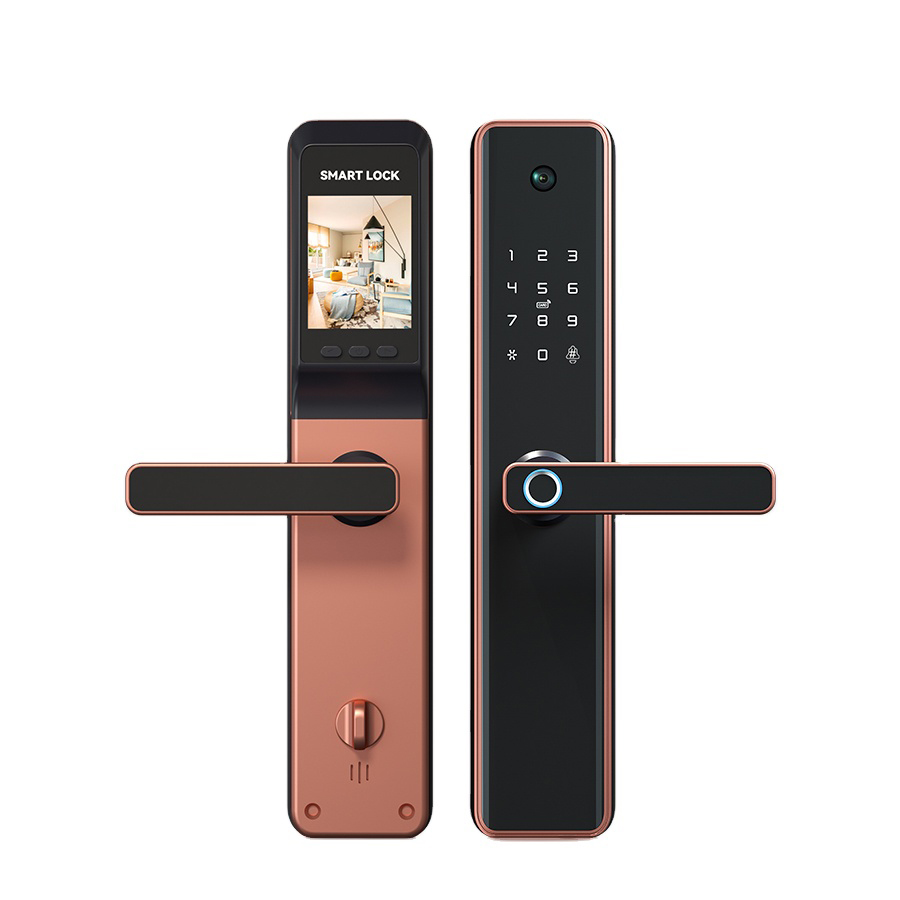 Camera Smart Lock with Finger Scan Supporting Tuya WiFi or Zigbee FM551
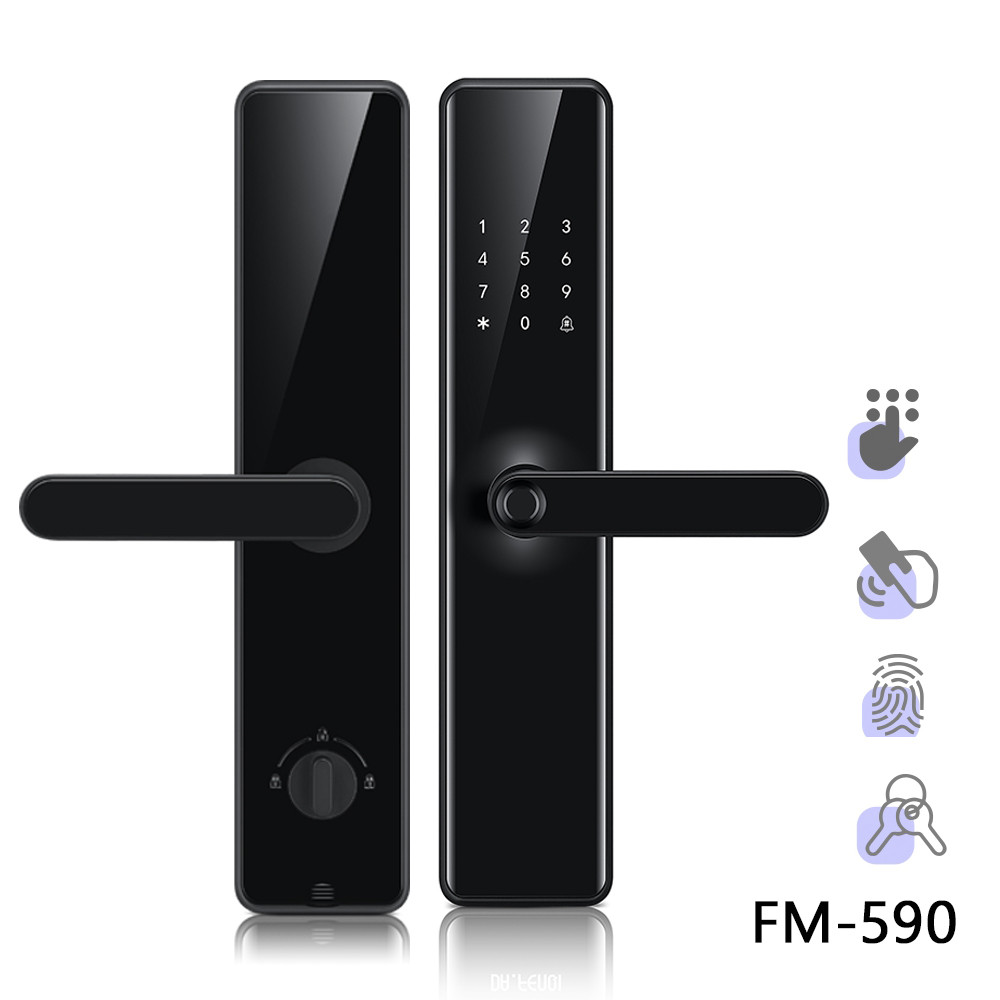 Smart Door Lock with Fingerprint and Voice Control FM590
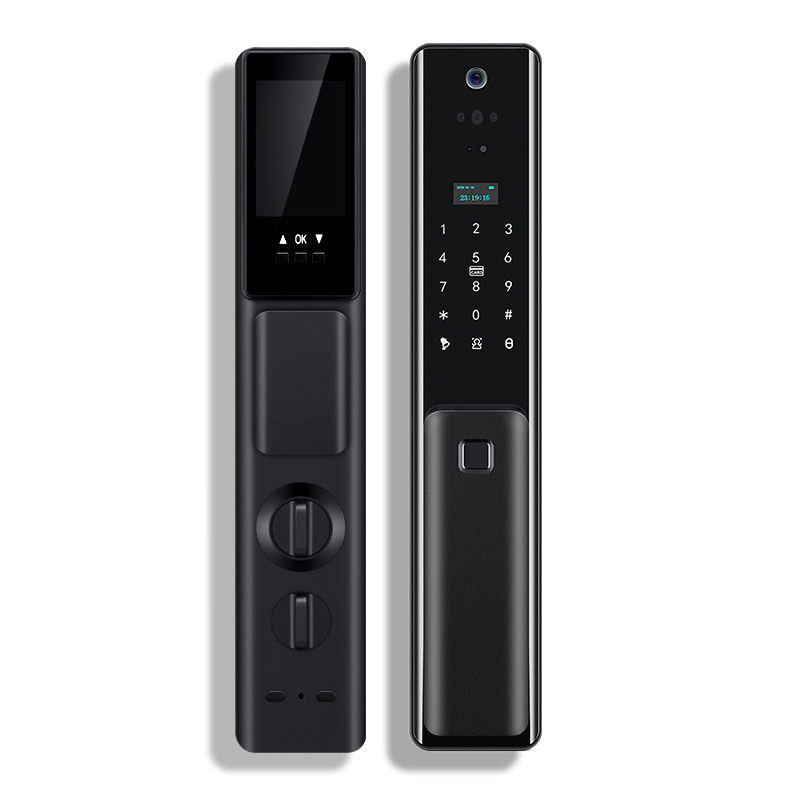 Fingerprint Door Lock with Face Scanner and Camera Supports google home FM720
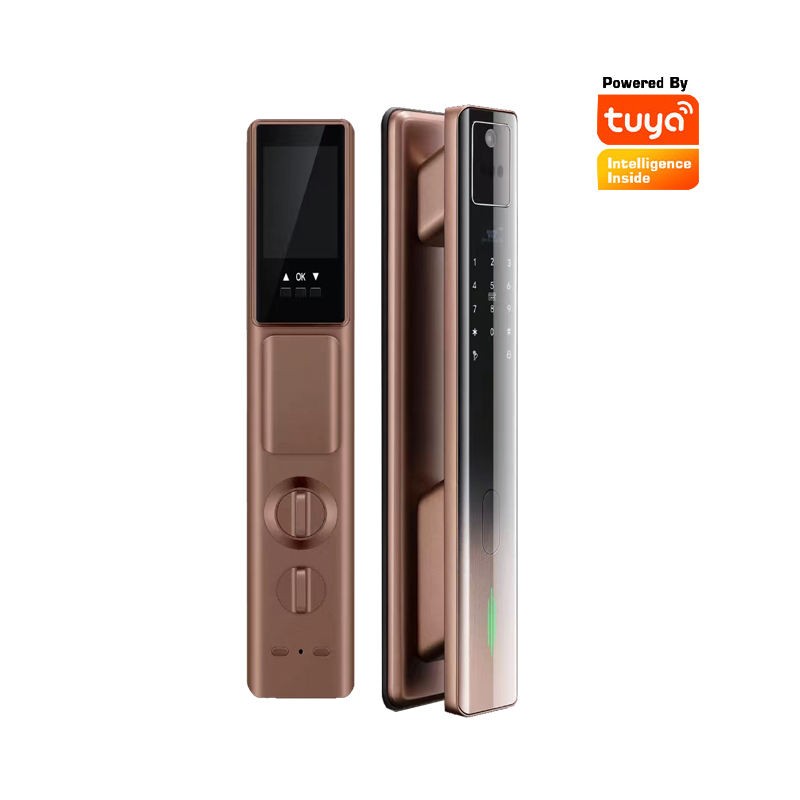 Facial Recognition Smart Lock with Video Intercom and Thumbprint FM730
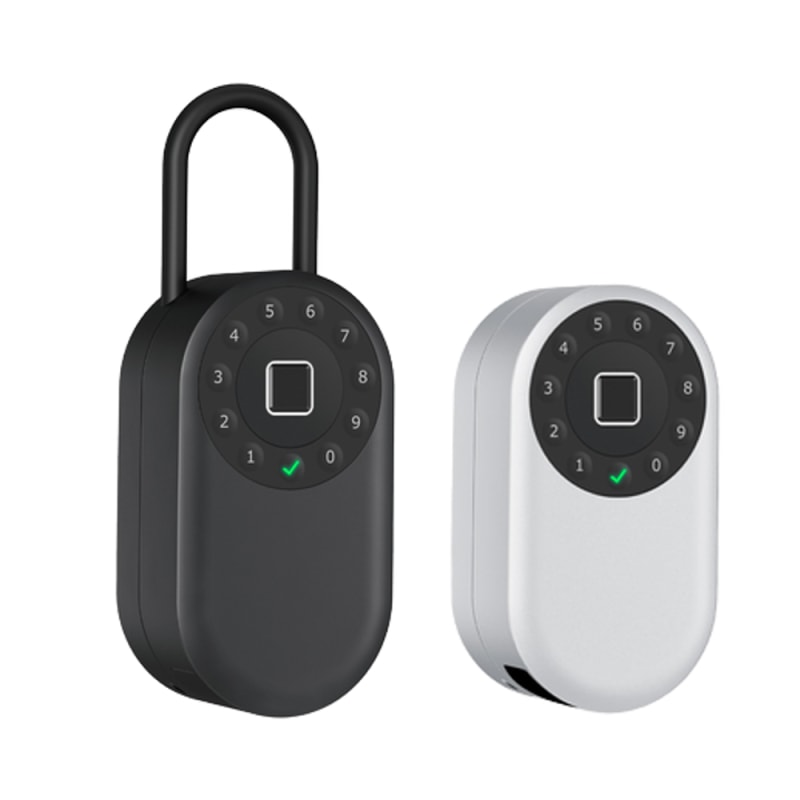 Keyless lock box with physical keypad and TTlock app waterproof for outdoor key storage
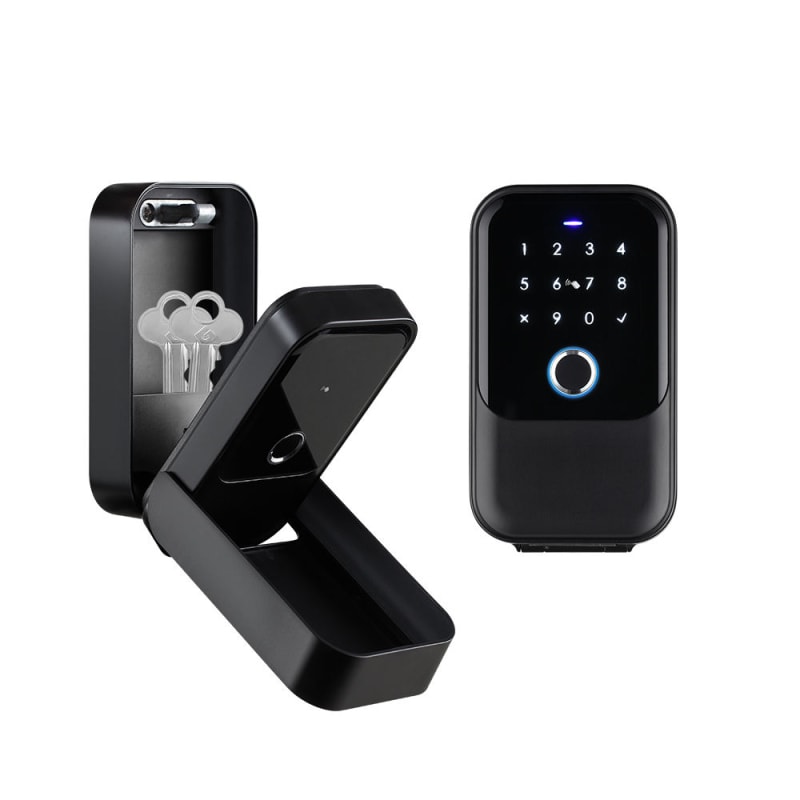 Smart key box with touch keypad and comptible with TTlock and Tuya ble for outdoor use
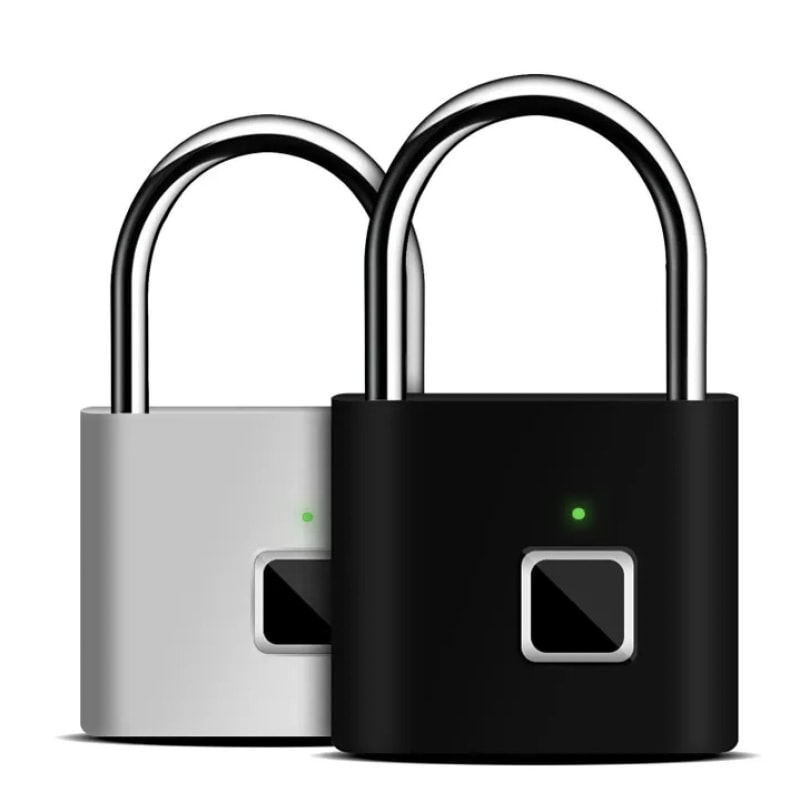 Fingerprint padlock with morse code backup that is rechargeable and portable for everyday use FM570
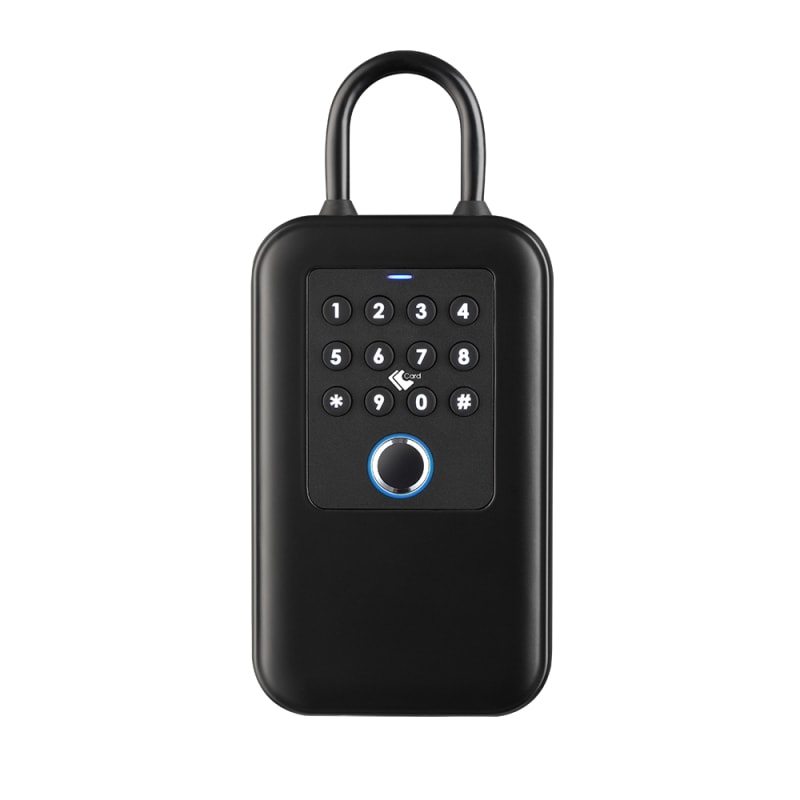 Waterproof key lock box with physical keypad and Tuya app control for outdoor key storage
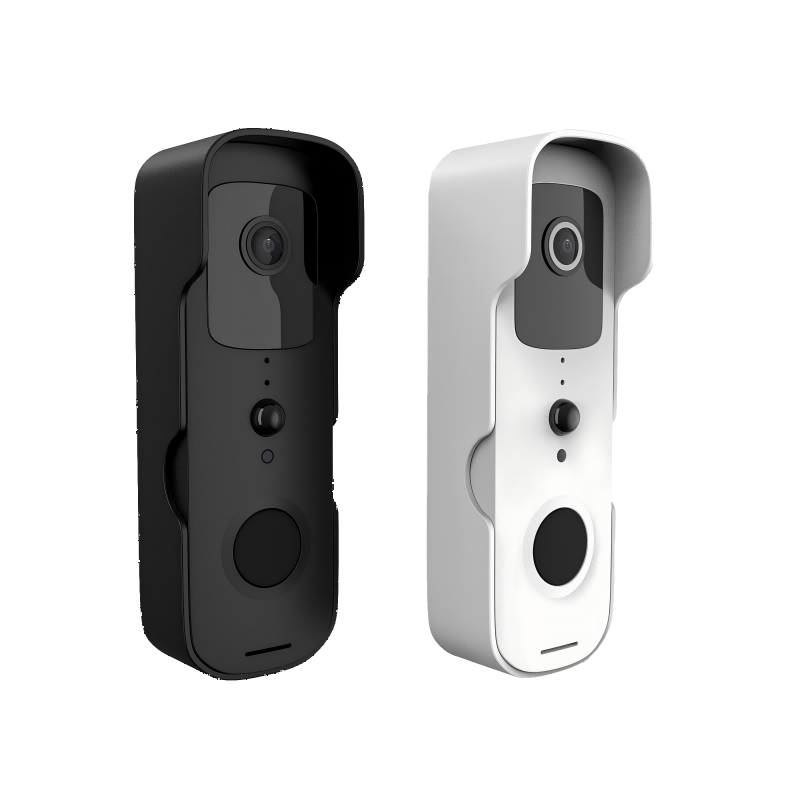 Smart Video Doorbell with Two Way Audio and Tuya WiFi for Home Security FM571
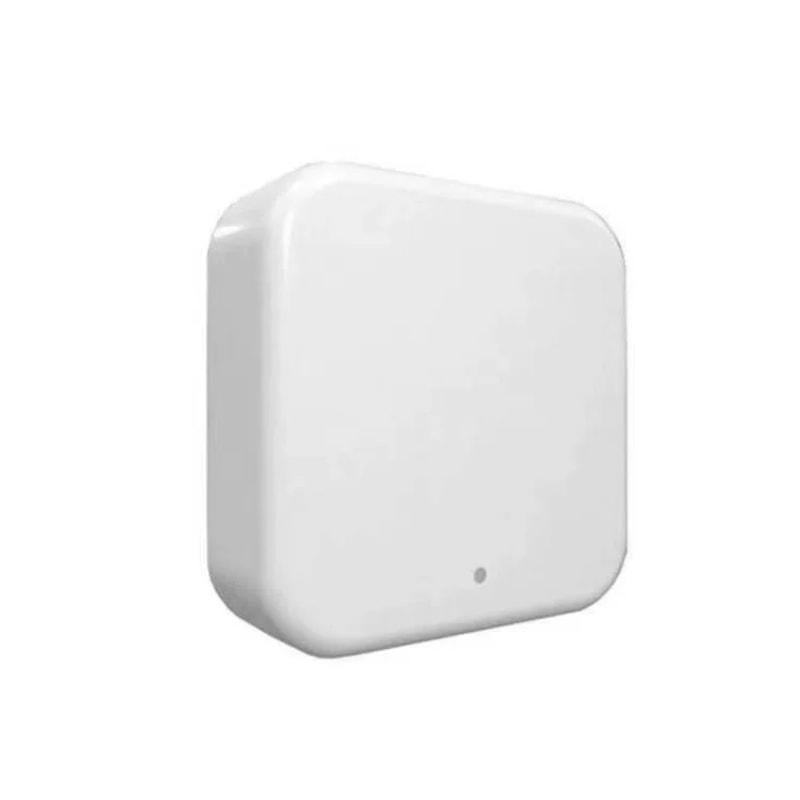 Ttlock G2 Gateway Connects Your Bluetooth Smart Lock to Wifi for Remote Access
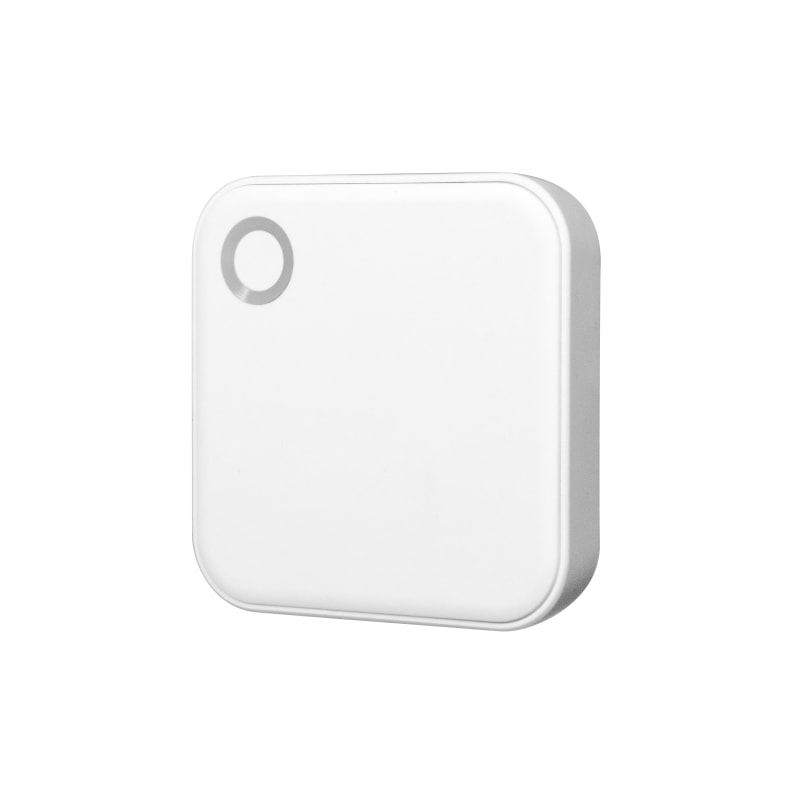 TTlock G5 gateway features dual band wifi and mesh network for large properties
 WhatsApp