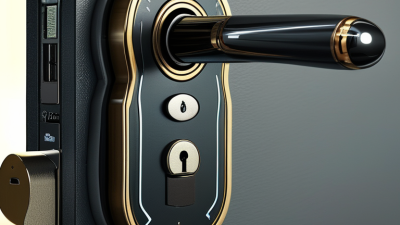
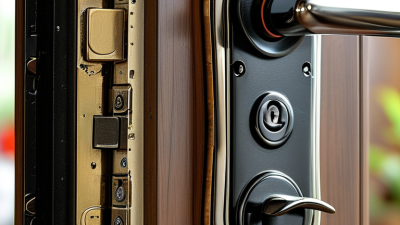
You know, as more folks get interested in Smart Home Locks, the whole home security game is changing pretty fast. I came across some reports from SafeHome Research that say the smart lock market could hit around $6.6 billion by 2025 — pretty impressive, right? A lot of these new gadgets are all about making your life easier, safer, and seamlessly connected with other smart devices around your house.
Big names like August, Schlage, and Yale are really pushing the envelope with new tech. Think biometric access, remote locking from your phone, and alerts when someone tries to get in — stuff that sounds straight out of a sci-fi movie but is actually happening now. But, yeah, it’s not all perfect. A survey from the Consumer Electronics Association in 2023 found that almost 30% of smart lock users ran into connectivity problems at some point. Seems like reliable connection is still a bit of a work in progress.
All these stats tell us one thing: we gotta keep pushing for better in terms of reliability and a smoother user experience. Smart Locks definitely bring a lot of perks, but it’s also important to stay alert about potential security risks. Getting one installed is just the start — there's a whole journey towards making your home safer. The future looks pretty exciting for Smart Home Locks, but it’s crucial for manufacturers to step up, fix what’s broken, and build trust with us users.
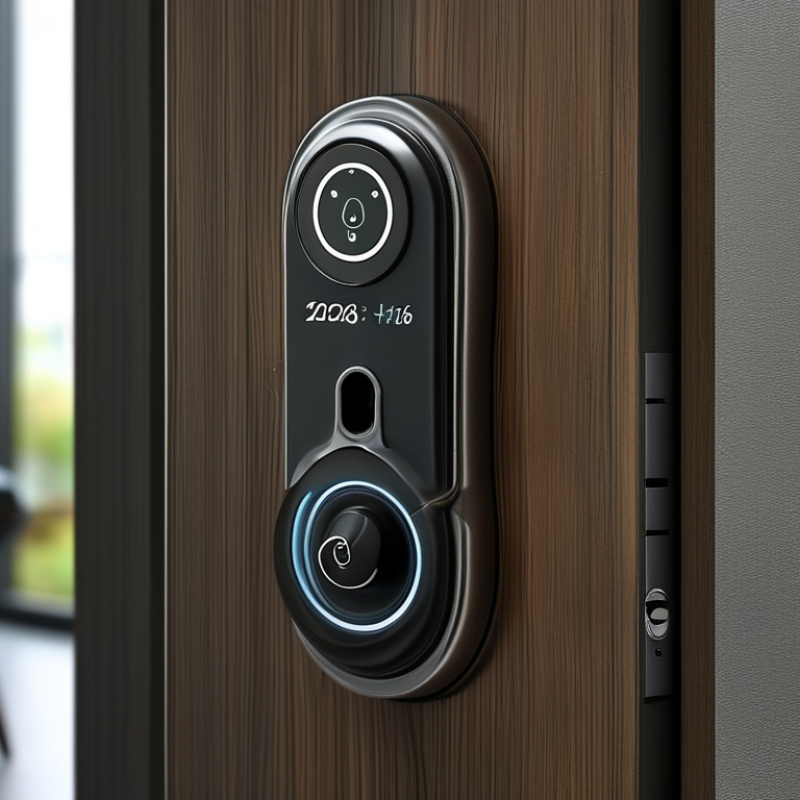
Emerging Trends in Smart Home Lock Technology for 2026
As the demand for secure and convenient home automation increases, smart home lock technology is evolving rapidly. In 2026, buyers can expect to see notable advancements that enhance both security and user experience. These innovations focus on improved biometric systems, seamless integration with existing smart home ecosystems, and user-friendly interfaces. Imagine unlocking your door with just a glance or a quick touch, thanks to cutting-edge facial recognition and fingerprint scanning technology.
Another intriguing trend is the rise of AI-driven Smart Home Door Locks. These systems learn user habits over time, allowing for personalized settings and improved security metrics. However, concerns about data privacy and the potential for hacking remain prevalent. Striking a balance between innovation and security will be crucial. Homeowners must weigh the benefits of these new features against possible vulnerabilities.
Moreover, the shift toward sustainable and energy-efficient smart home locks is gaining traction. Many devices are now built with eco-friendly materials and designed to use less power. While this move is promising, it raises questions about long-term reliability and durability. Homeowners need to remain vigilant about the choices they make. The landscape of smart home door locks is exciting yet filled with challenges that require thoughtful consideration.
Key Features to Look for in Smart Locks for Global Buyers
When selecting a smart lock, buyers should focus on key features that enhance security and convenience. Look for locks with advanced encryption technology. This ensures protection against unauthorized access. Biometric options, like fingerprint scanners, provide a seamless experience. They allow quick entry while maintaining strong security measures.
User-friendly mobile applications are essential. They enable remote access and real-time notifications. Buyers benefit from receiving alerts if someone tries to enter illegally. Battery life is another important factor. Smart locks require regular monitoring to prevent lockouts.
A smart lock's ability to integrate with other home automation systems also matters. This creates a cohesive security network. Some options offer temporary codes for guests, adding flexibility. However, not every feature will suit everyone’s needs. Reflect on what matters most before making a choice. Ultimately, ensuring the right fit for your lifestyle is crucial. Exploring different styles and functionalities can lead to a more informed decision. Home Door Locks Smart is an extensive field with evolving technologies, and staying updated is vital for safety.
Comparative Analysis of Smart Lock Brands and Models in 2026
In 2026, the smart home lock market is evolving rapidly. Recent reports indicate that global sales of smart locks are expected to reach 54 million units by 2026, reflecting a compound annual growth rate of 25.2%. As security becomes a priority, various brands are integrating advanced technologies into their models. Analysis of features shows significant variance in biometrics, remote access, and compatibility with smart home systems.
Models equipped with fingerprint recognition have gained popularity. According to data from recent industry studies, these locks are preferred by about 40% of consumers. However, critics point out potential concerns about false negatives and improper fingerprint registration. Some models have struggled to maintain reliable performance in varying weather conditions, raising doubts about long-term durability.
Moreover, many smart locks today offer mobile app integrations. These apps provide features like remote locking and status notifications. Yet, a recent survey revealed that 30% of users experienced glitches with these apps. This suggests that even leading brands have room for improvement in ensuring a seamless user experience. While smart locks enhance convenience and security, potential buyers should consider varying reliability and performance before making a decision.
Integrating Smart Locks with Home Automation Systems
Integrating smart locks into home automation systems is transforming residential security. These locks create seamless access control, allowing homeowners to manage entry points remotely. With features like keyless entry and remote locking, Smart locks for home simplify daily routines. However, a common challenge is ensuring they integrate smoothly with existing systems.
Many users struggle with connectivity and compatibility. Some locks may not connect with specific devices or platforms. It's crucial to research compatibility before purchasing. Think about the tech you already have. Choose smart locks that work well with your current setup. Improved integration enhances security and convenience, making your home smarter and safer.
Consider the accessibility of the lock interface. Some users appreciate customization options for keyless entry methods. Voice control can be a game changer for smart locks for home. It’s helpful for individuals with mobility issues. Remember to also factor in battery life and security features. Always choose locks with robust encryption. As the technology evolves, so will the innovations in smart locks.
2026 Best Smart Home Lock Innovations
This chart illustrates the user interest level in various innovations related to smart home locks expected in 2026, highlighting features that are likely to attract global buyers.
Security Features Enhancing Smart Lock Performance in 2026
With smart home technology advancing, the focus on security features for smart locks is crucial for 2026. Recent reports indicate that nearly 70% of homeowners prioritize security over convenience when selecting smart home devices. Enhanced encryption methods, such as AES-256, are becoming standard. These advancements aim to combat growing cyber threats and ensure user data remains secure.
Biometric technology is also a significant trend. Fingerprint and facial recognition provide unique identification, adding an extra layer of security. According to research, these features can reduce unauthorized access by over 50%. However, some experts raise concerns about the reliability of biometric systems, particularly in varying environmental conditions. This highlights the necessity for manufacturers to continuously improve technology.
User-friendly interfaces are another focal point. A significant portion of buyers—around 40%—express difficulty in using current lock interfaces. Simplifying access controls while maintaining security is a challenge that needs addressing. As innovation continues, striking a balance between usability and robust security will be essential for the growth of smart home locks.
User Experience and Accessibility in Smart Home Locks
User experience and accessibility are critical components in the evolving landscape of smart home locks. According to a recent industry report, 72% of users prioritize convenience when selecting smart home devices. This reflects a shift towards products that seamlessly integrate into daily life without sacrificing security. Factors like mobile app functionality, intuitive design, and integration with home automation systems are essential. Users expect an easy setup process, requiring minimal technical expertise. A streamlined experience not only encourages adoption but also ensures that users remain engaged with the technology.
However, while innovations in smart locks aim to enhance accessibility, there are still areas needing improvement. The same report found that 29% of potential users cite concerns over complex installations. This indicates a gap that manufacturers need to address. Moreover, ensuring full compatibility with differing home structures remains a challenge. Many designs do not cater to older homes, where traditional lock systems dominate. Enhancing user experience means considering diverse living conditions and varying levels of technological proficiency. The path forward lies in addressing these issues, making smart home locks truly accessible for all.
2026 Best Smart Home Lock Innovations for Global Buyers
| Lock Type |
Key Features |
User Experience |
Accessibility Features |
Price Range |
| Smart Deadbolt |
Keyless entry, Remote access, Auto-lock |
User-friendly app interface |
Voice control compatibility |
$150 - $300 |
| Smart Lever Lock |
Fingerprint access, Bluetooth connectivity |
Quick locking/unlocking |
Large tactile buttons |
$100 - $250 |
| Smart Padlock |
App-controlled, Durable design |
Portable and versatile |
Mobile app accessibility |
$50 - $150 |
| Smart Door Lock |
Voice assistant integration, Motion alerts |
Intuitive setup process |
Remote monitoring features |
$200 - $400 |
| Smart Lockbox |
Secure storage for keys, Temporary access codes |
Easy code management |
Accessible for guests |
$70 - $120 |
Consumer Reviews: Evaluating the Best Smart Locks of 2026
In the landscape of smart home technology, the evolution of Home Door Locks has sparked considerable interest among global buyers. In 2026, user reviews highlight key innovations such as biometric access and remote control features. A recent market report from Statista indicates that the smart lock market is projected to grow by over 35% through 2027. Customers increasingly prioritize security, with 70% citing it as their primary concern. This shift drives manufacturers to enhance encryption and user authentication methods.
Despite these advancements, some reviews express concerns about the reliability of smart features. Users report occasional connectivity issues, leading to frustration. While many smart locks now offer backup keys, this reflects a lingering hesitation among consumers. A survey by Global Market Insights highlights that 55% of users are still wary about fully adopting smart locks due to these reliability concerns. Yet, the convenience of mobile access cannot be overlooked, drawing attention as a major selling point for families and tech-savvy individuals.
As smart home technology becomes standard, evaluation is crucial. Consumers must weigh the pros and cons of adopting these Home Door Locks. Balancing innovation with practical challenges remains vital. Details like battery life and emergency access serve as essential factors in informed decision-making. The journey toward fully secure and reliable smart locks continues, as users navigate both the benefits and potential pitfalls.
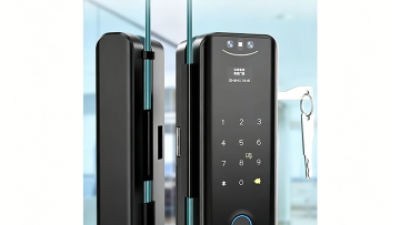
Innovative Smart Lock Solutions for Glass Doors: Face Recognition, Fingerprint, and App Control Options
In today's fast-paced world, the importance of advanced security solutions cannot be overstated, particularly for glass doors, which often present unique challenges in both safety and accessibility. Innovative smart lock technologies are leading the charge in redefining how we secure our spaces. With multiple access options such as face recognition, fingerprint scanning, password entry, RFID, traditional keys, and app control, these locks provide a comprehensive approach to home security that caters to a variety of user preferences. Recent industry data indicates that smart locks are projected to witness an annual growth rate of over 20% through 2025, highlighting a growing demand for secure, user-friendly solutions in residential and commercial settings.
Designed specifically for sliding glass doors and aluminum frames, these smart locks not only prioritize security but also enhance convenience. A noteworthy feature is their ability to accommodate glass thicknesses between 10 and 12 mm, ensuring versatility across different door types. Remote access control via mobile applications further streamlines ease of use, as homeowners can seamlessly manage entry points from their smartphones. According to market research, approximately 40% of consumers prioritize smart features when considering home security upgrades, making these locks an attractive option for modern living spaces.
In addition to technological advancements, the reliability of manufacturing sources plays a crucial role in product performance. By sourcing materials and components from reputable suppliers in China, the integrity and durability of these locks are assured. As the landscape of home security continues to evolve, integrating smart technologies into our living environments becomes not just an option, but a necessity for the safety and convenience of occupants.
FAQS
: Focus on advanced encryption, biometric options, user-friendly apps, battery life, and integration with home systems.
Mobile apps allow remote access and alerts, enhancing security. Yet, some users report app glitches that need improvement.
Biometric features, like fingerprint scanning, offer quick access. However, reliability can vary in different weather conditions.
Enhanced encryption methods, such as AES-256, improve security. Still, potential cyber threats remain a concern.
Regularly monitoring battery life is crucial. Neglecting this can result in unexpected lockouts, which can be inconvenient.
Integrating with home automation enhances overall security. It creates a cohesive network but may not fit all needs perfectly.
Many users struggle with complex interfaces. Simplifying access while maintaining security is essential for better usability.
Fingerprint locks are popular but can face false registration issues. It's important to consider these shortcomings when choosing.
Consider your lifestyle and security needs. Not every feature will suit everyone, so find the right fit for you.
The market is expected to grow significantly, with rising sales reflecting increased demand for enhanced security solutions.
Conclusion
As we look towards 2026, the landscape of Smart Home Lock technology is rapidly evolving, driven by emerging trends that enhance security and convenience for users worldwide. Key features to consider include advanced integration with home automation systems, which allows for seamless control and monitoring of locks alongside other smart devices. Additionally, the security measures incorporated in these locks are becoming increasingly sophisticated, designed to provide optimal protection against unauthorized access.
A comparative analysis of various smart lock brands and models highlights the significance of user experience and accessibility, ensuring that these locks cater to a broad range of consumers. By examining consumer reviews, we can evaluate the best Smart Home Locks of 2026, focusing on those that successfully combine innovative technology with practical usability, ultimately enhancing home security and user satisfaction.

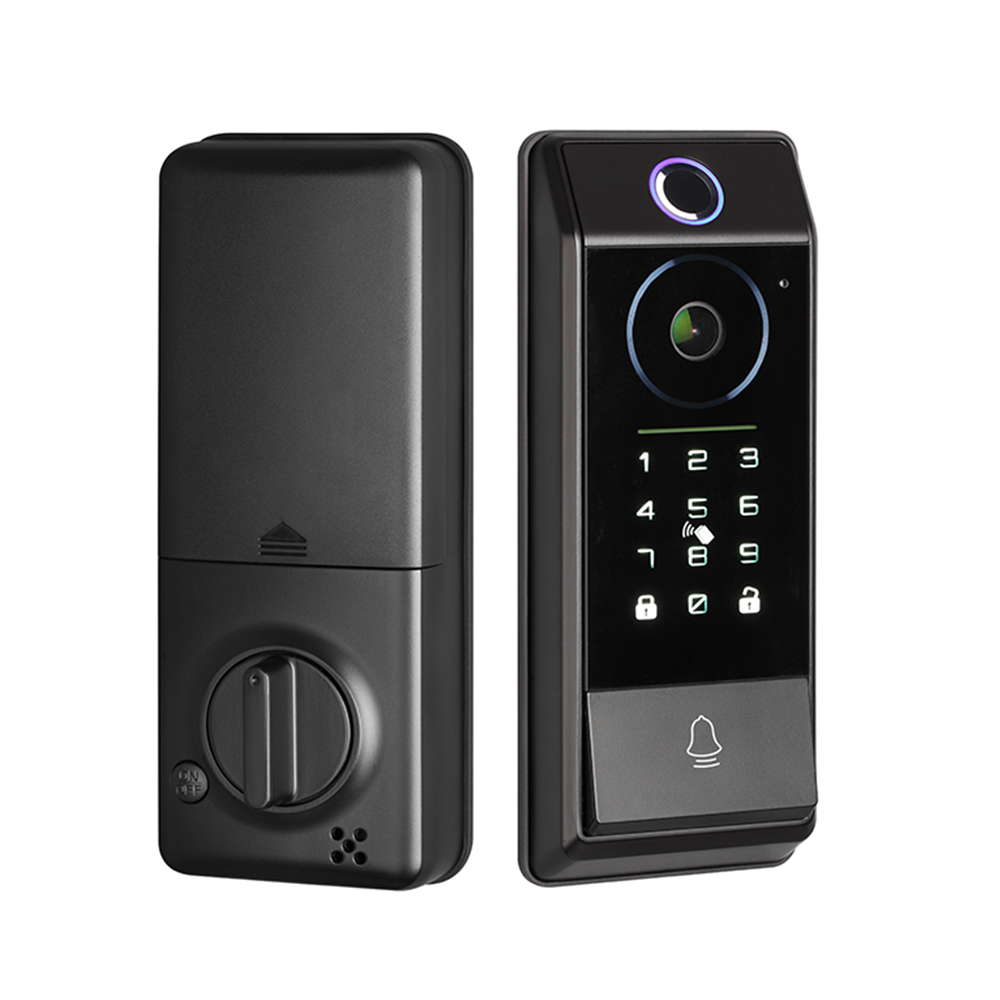 Smart deadbolt lock with video doorbell and two way intercom for front door security A229
 Bluetooth Deadblot Smart Lock with keyless access works with Google Alex tuya FM31
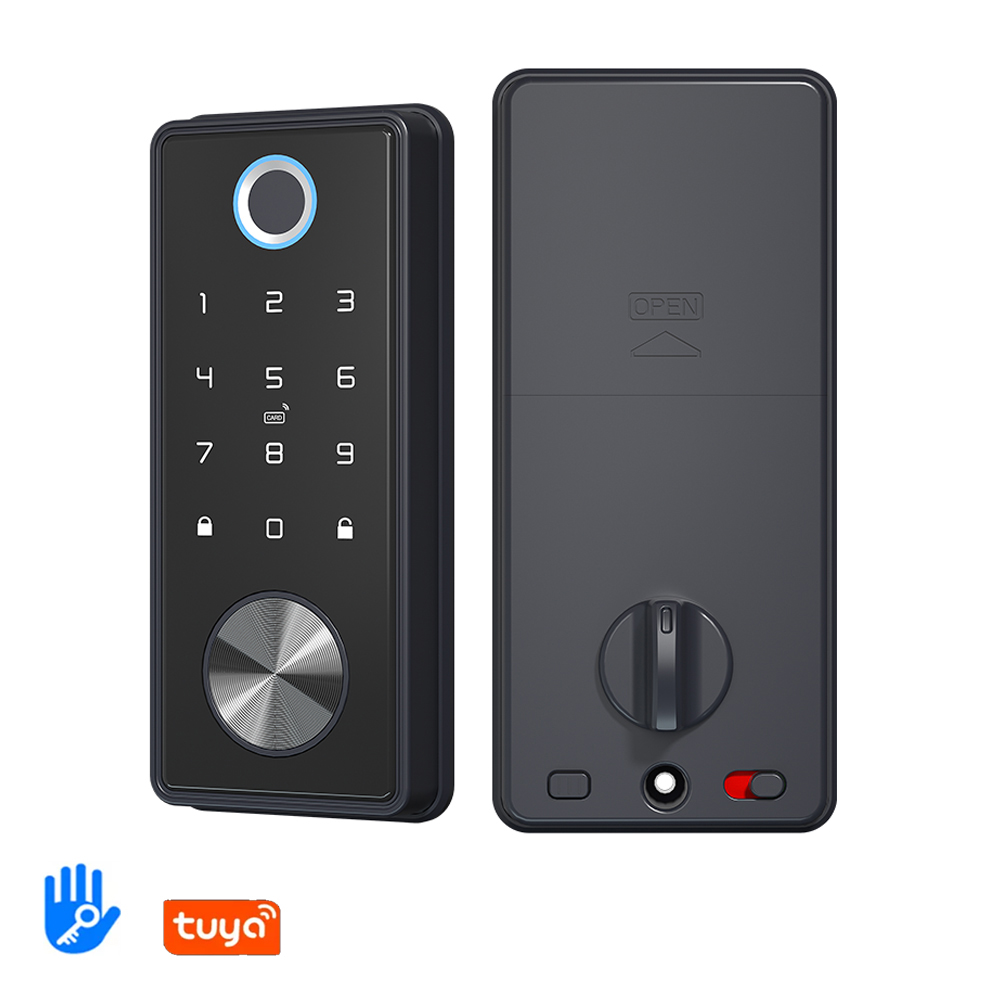 Waterproof Deadbolt Digital Lock supporting TTlock ble or TUYA wifi FM560
 WIFI Deadblot Smart Lock with Video Doorbell works with Alexa Google Tuya FM880
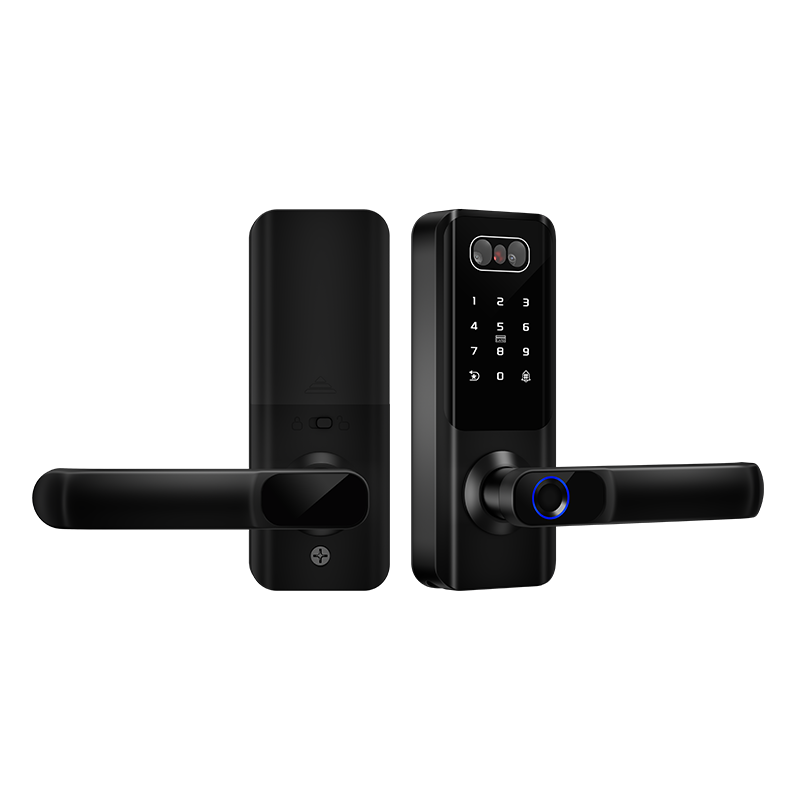 Facial Recognition Smart Lever Lock with 2MP Video Doorbell and IP66 Waterproof Tuya WiFi FM-Z86
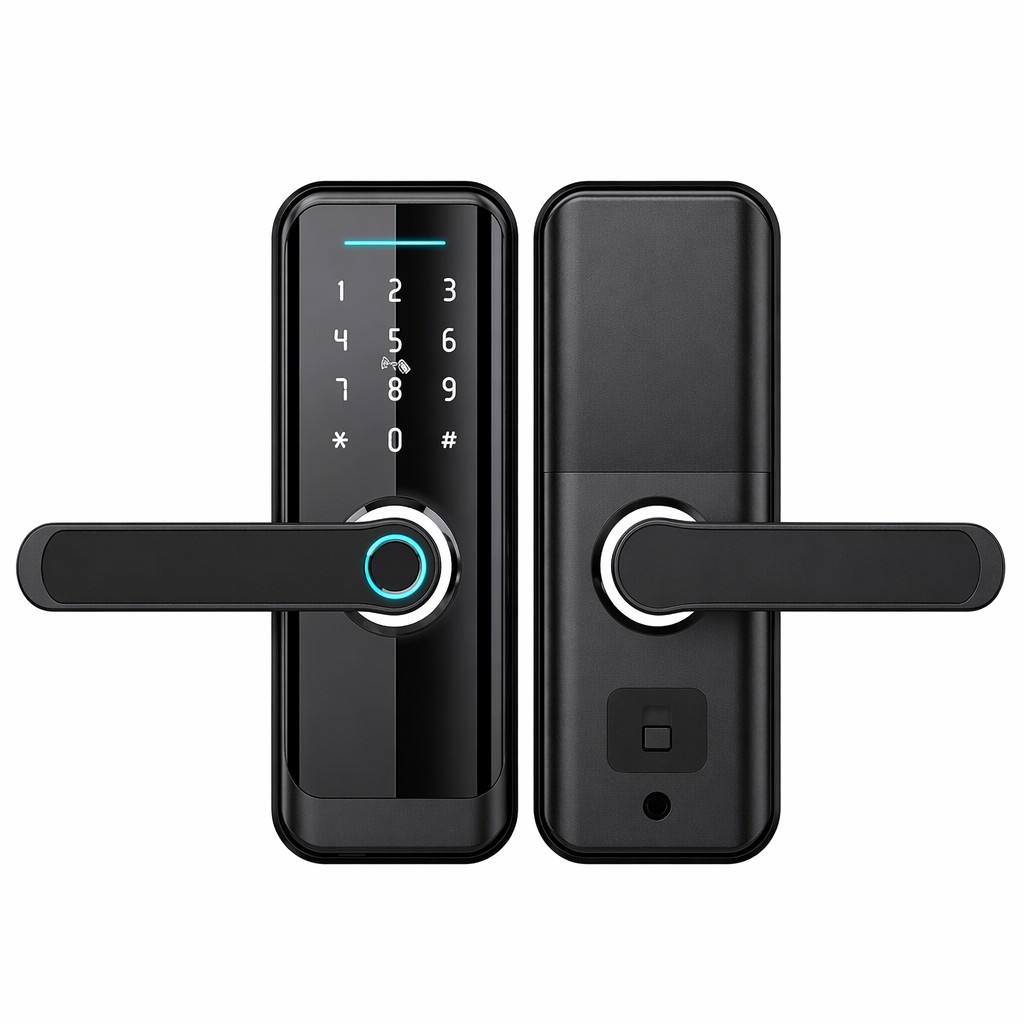 Advanced 5-in-1 Biometric Door Lock with Universal WiFi, Zigbee & 433MHz Support FM09
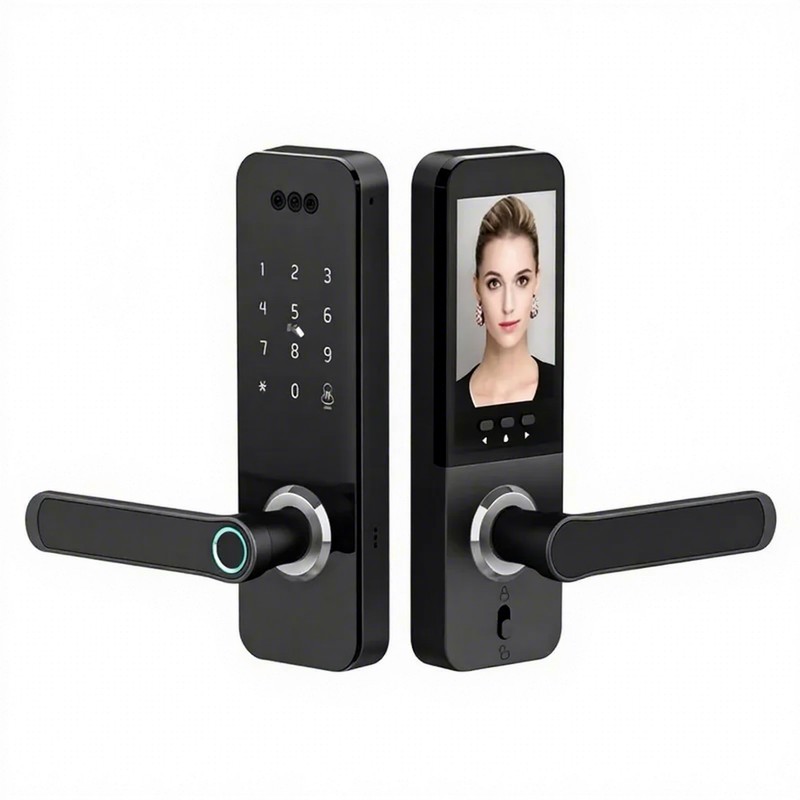 3D Face Recognition Smart Door Lock with 2MP Video Doorbell and Built-in WiFi FMP012
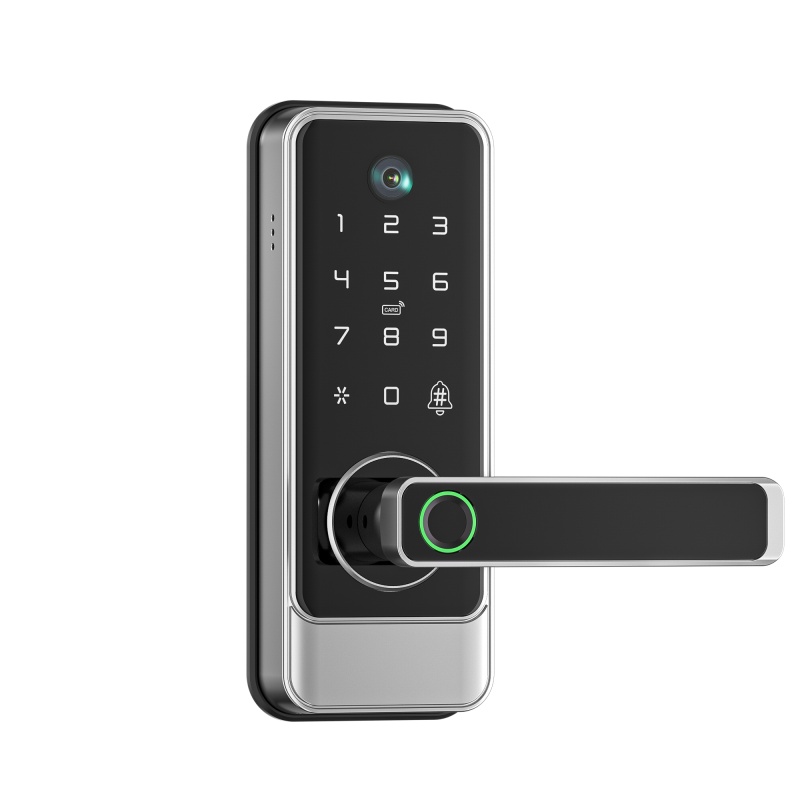 Keyless Entry Lever Lock with doorbell and Video Camera for Live Viewing
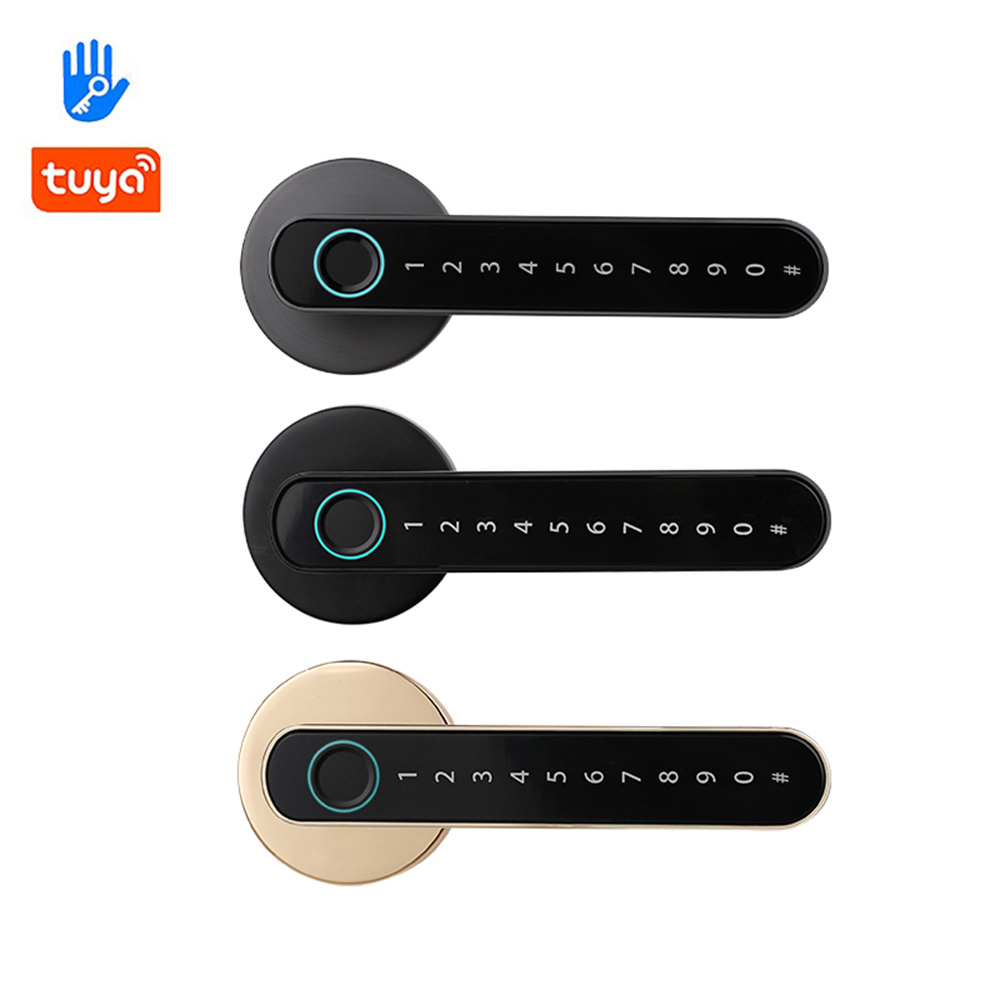 Bluetooth Lever Lock unlock by fingerprint recognition, password and App eKeys T8
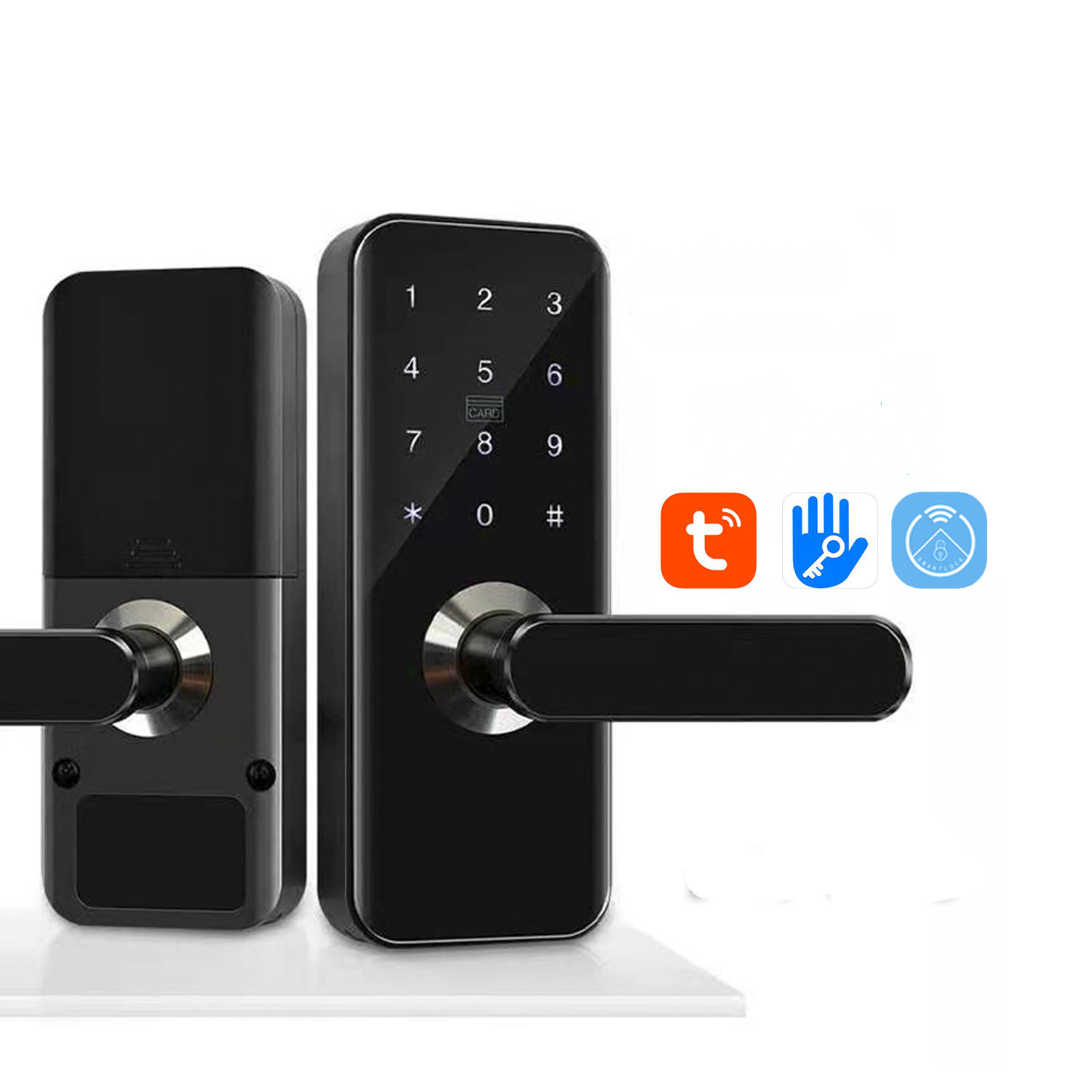 Smart lever lock supports TTlock bluetooth and TUYA wifi FM810
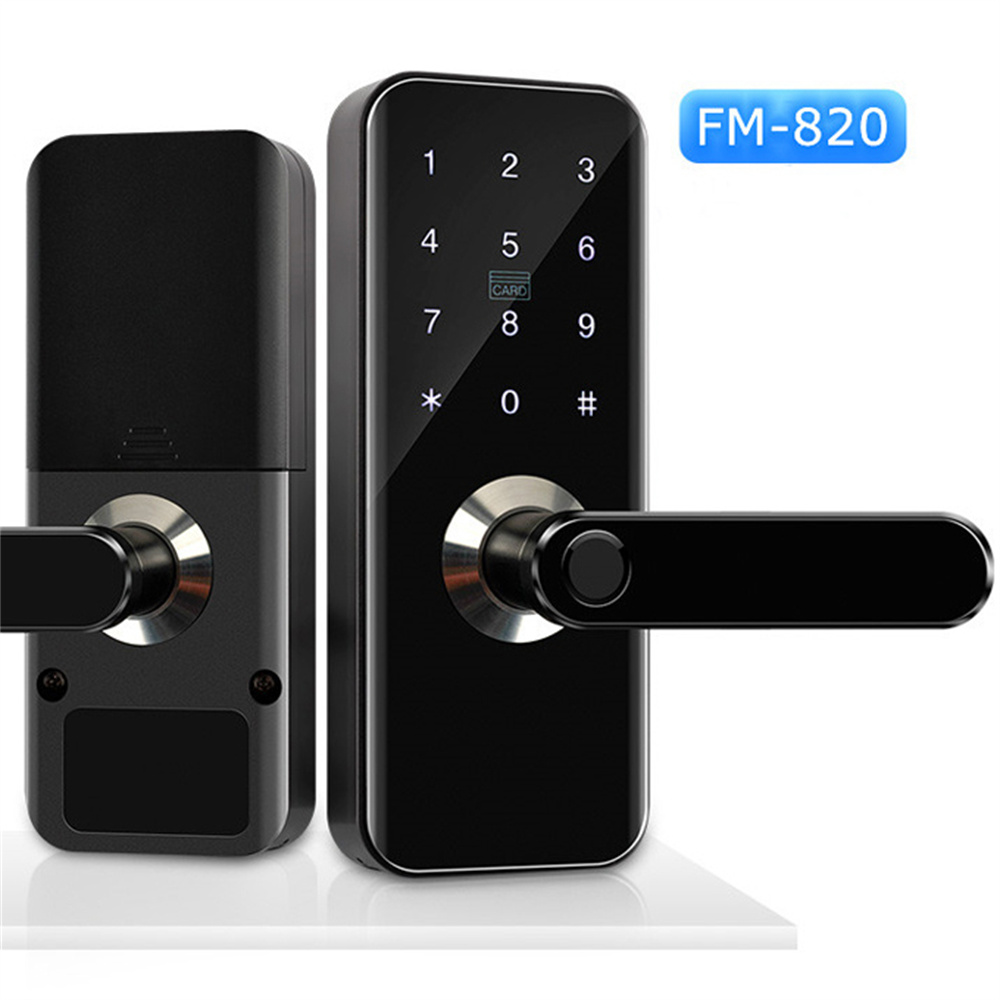 Fingerprint Smart Lever Lock with one touch Keyless Entry fits US Knob & Lever FM820
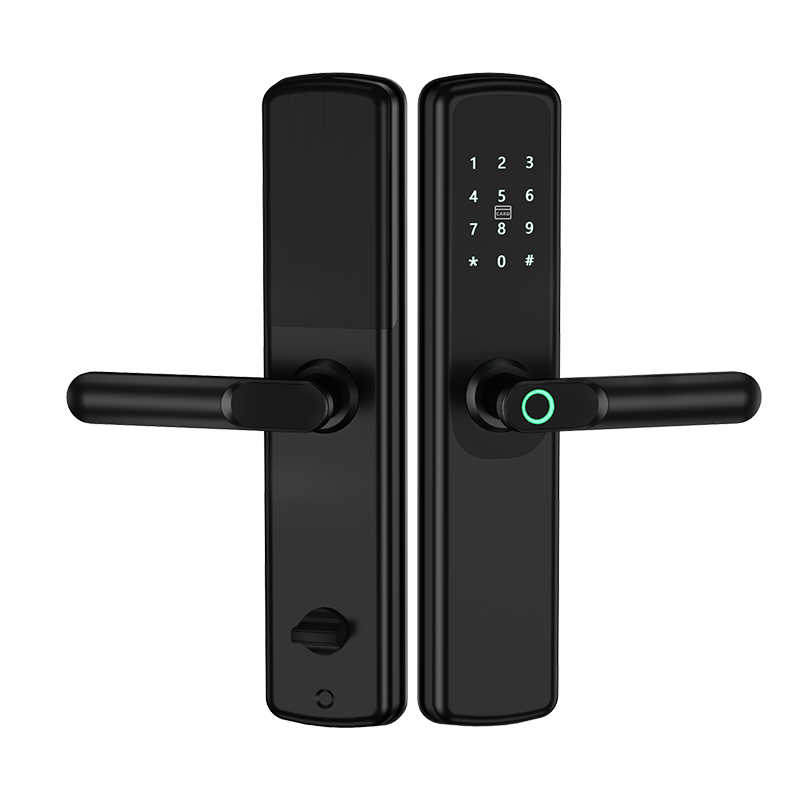 Intelligent Biometric Door Lock with 2MP Video Doorbell and Tuya WiFi FM-05
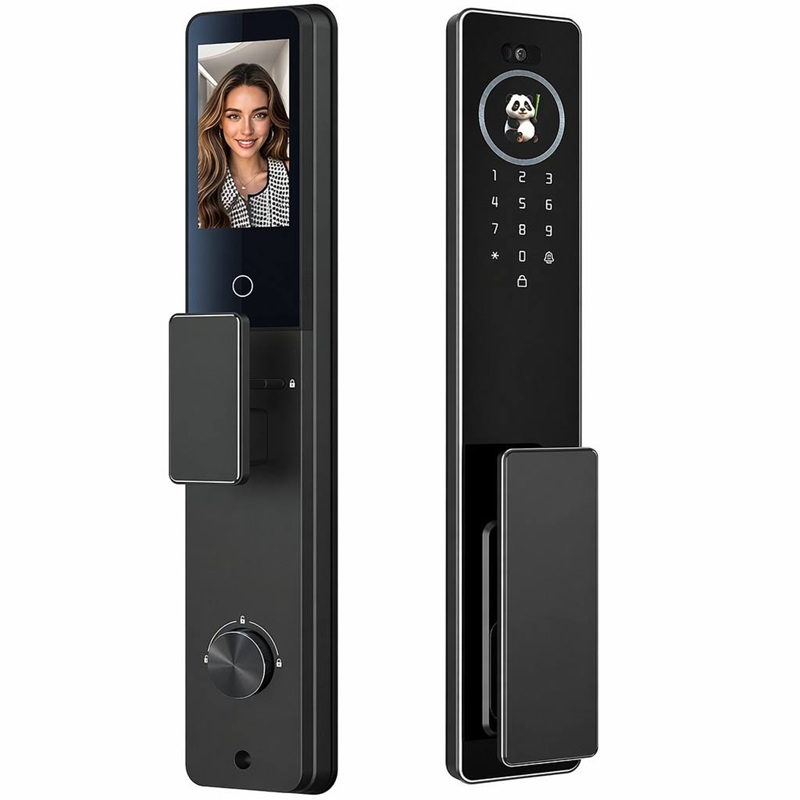 Flagship Biometric Security Lock — Advanced 3D Face Access & 4.5" IPS Live Viewer FM93
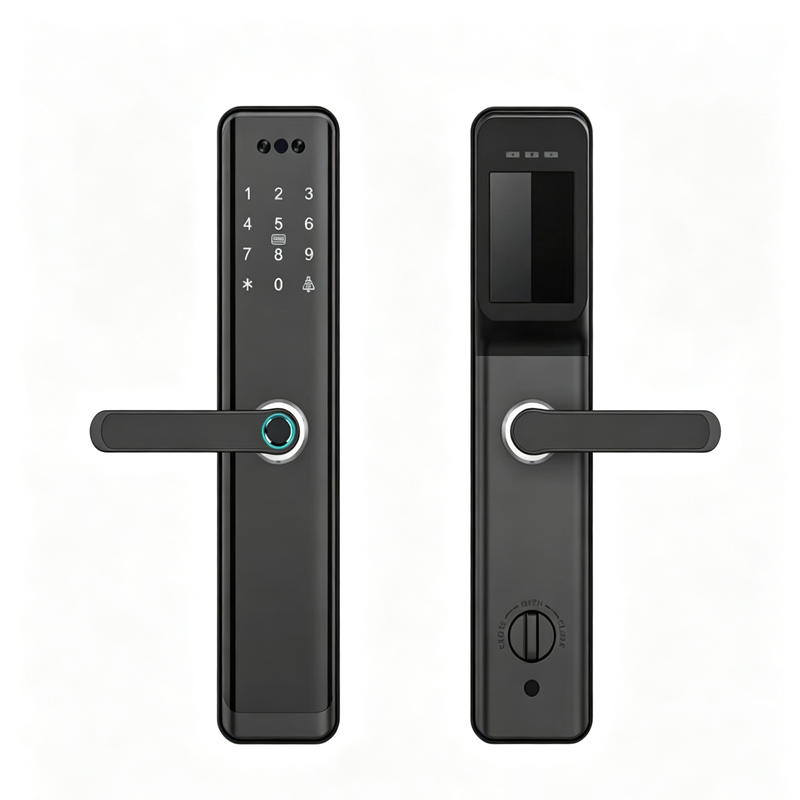 Smart Lever Lock with Fingerprint Facial Recognition and Video Doorbell Tuya WiFi TTlock FM-128
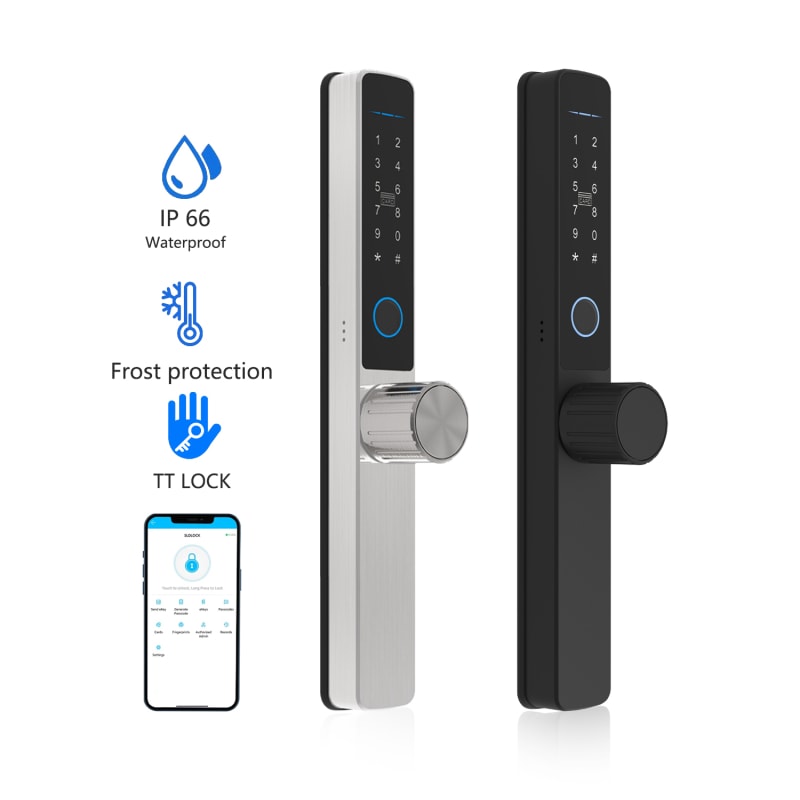 Keyless Entry Door Lock Fits Both Traditional Mortise and Smart Lock Mortise
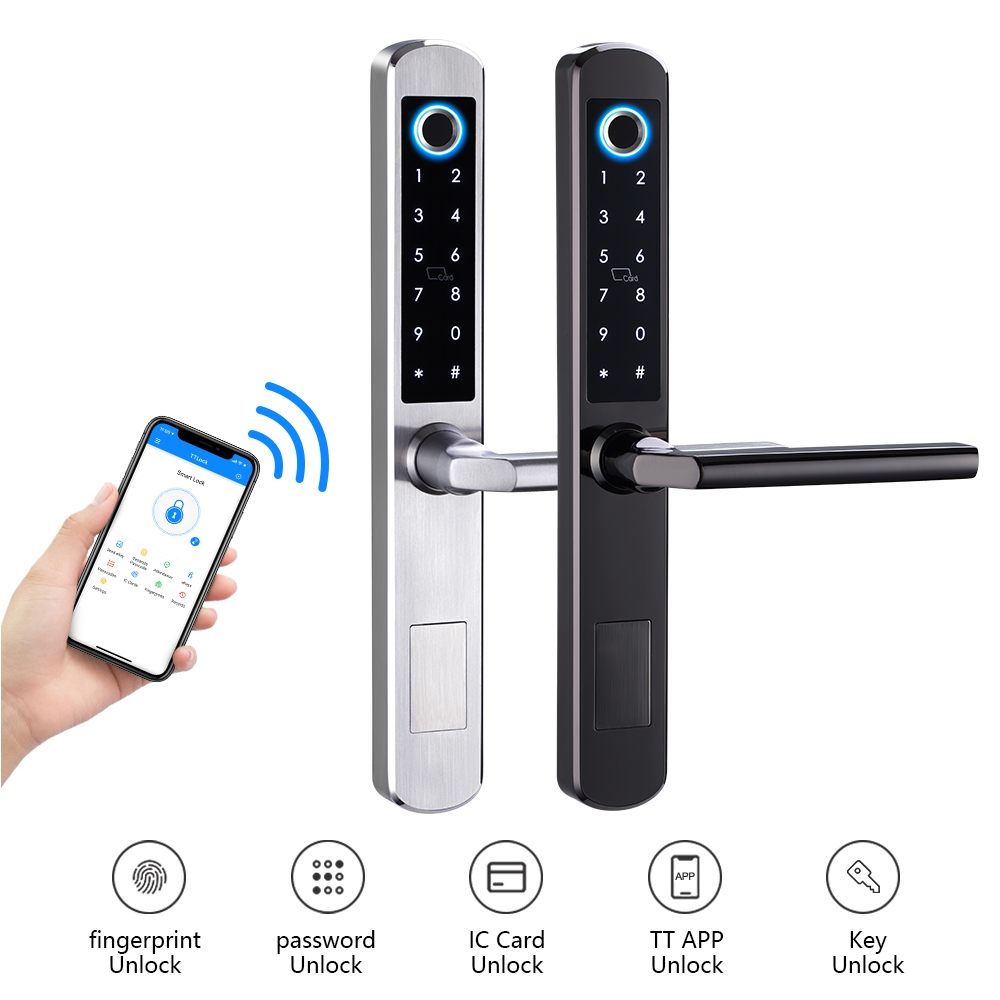 Slim 304 stainless steel keypad lock with IP65 waterproof case for thermal break sliding doors FM210
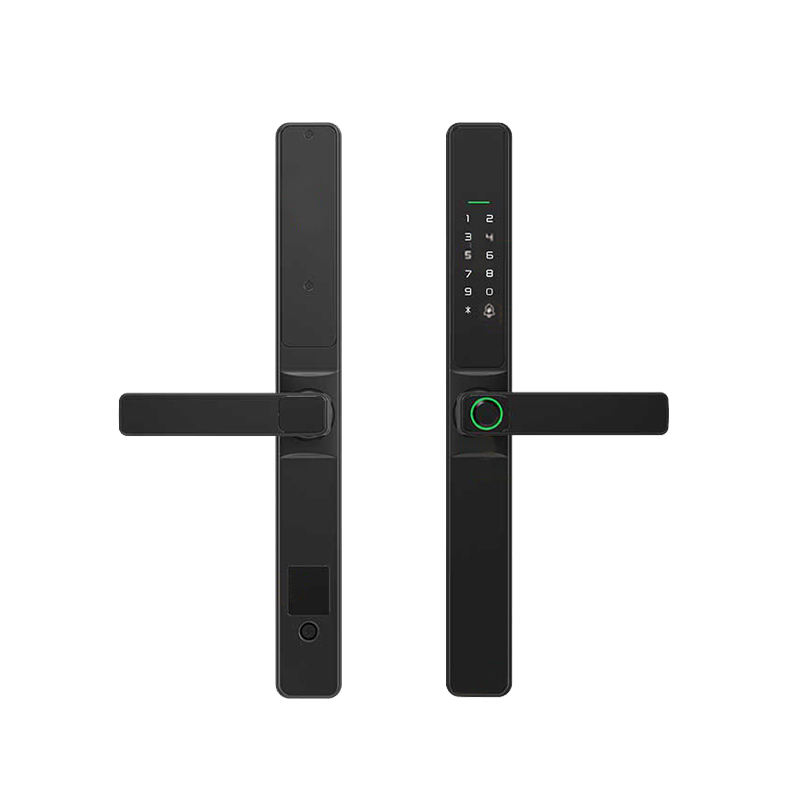 Fingerprint lock with hook mortise for slim sliding door and IP66 waterproof for outdoor use F6
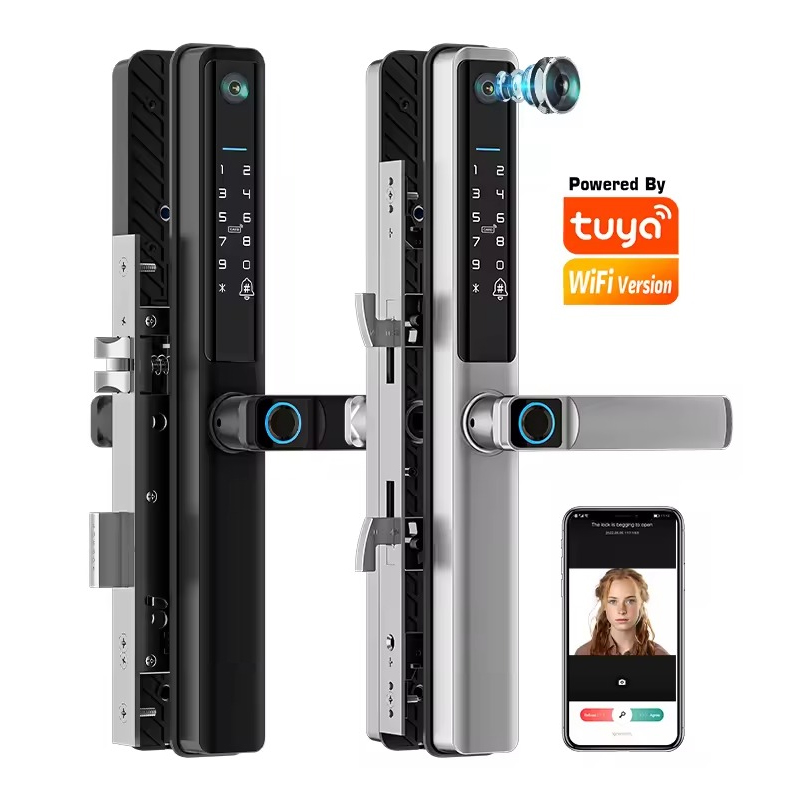 Keyless entry door lock for slim sliding door with camera and doorbell F5 PRO
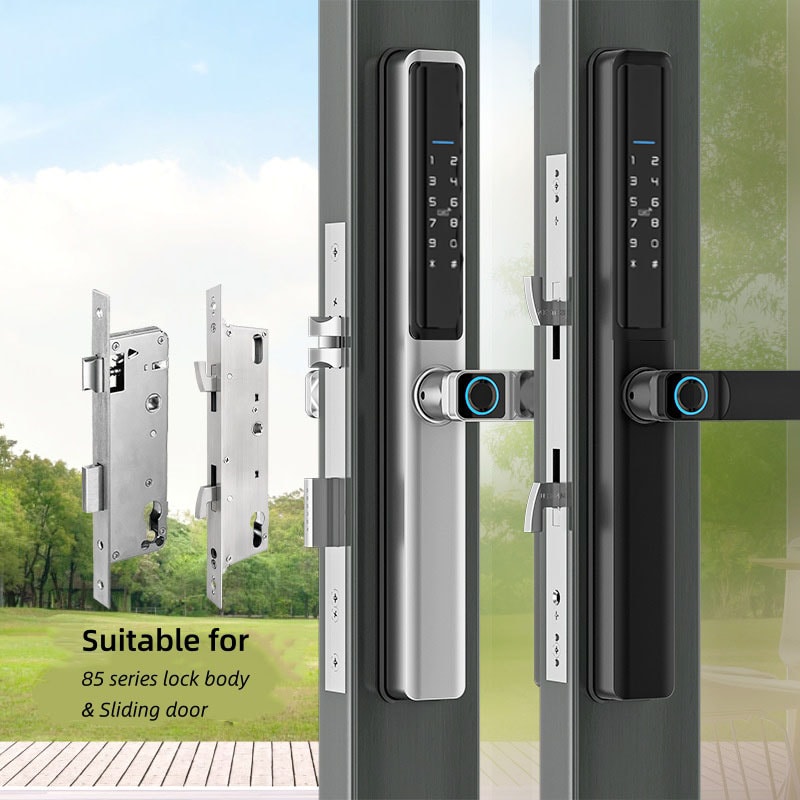 Smart door lock with hook mortise for aluminum slim sliding door F5
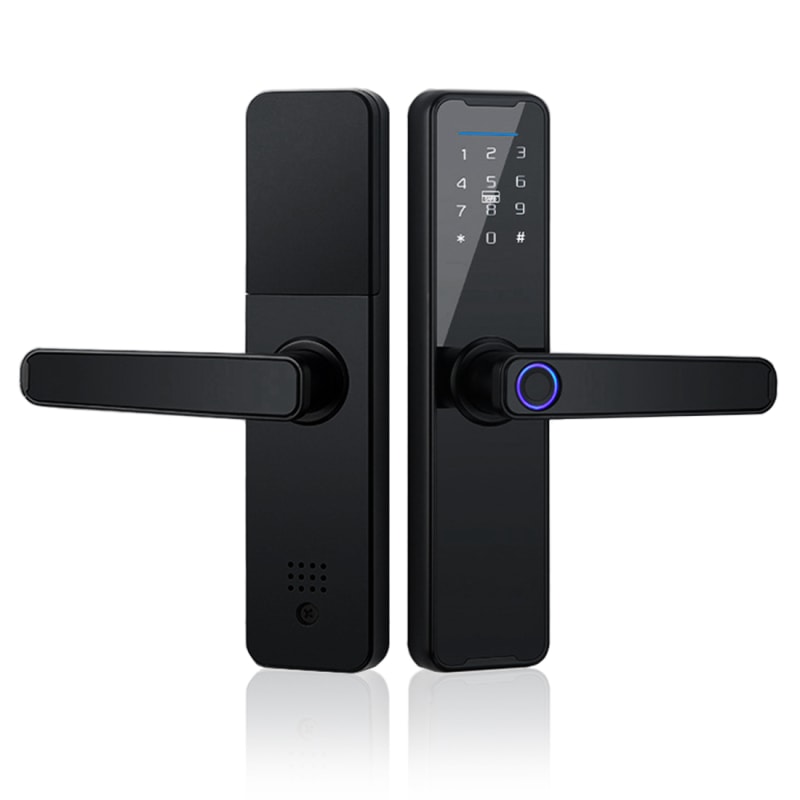 Front door smart Locks made of aluminum alloy compatible with multiple mortise types
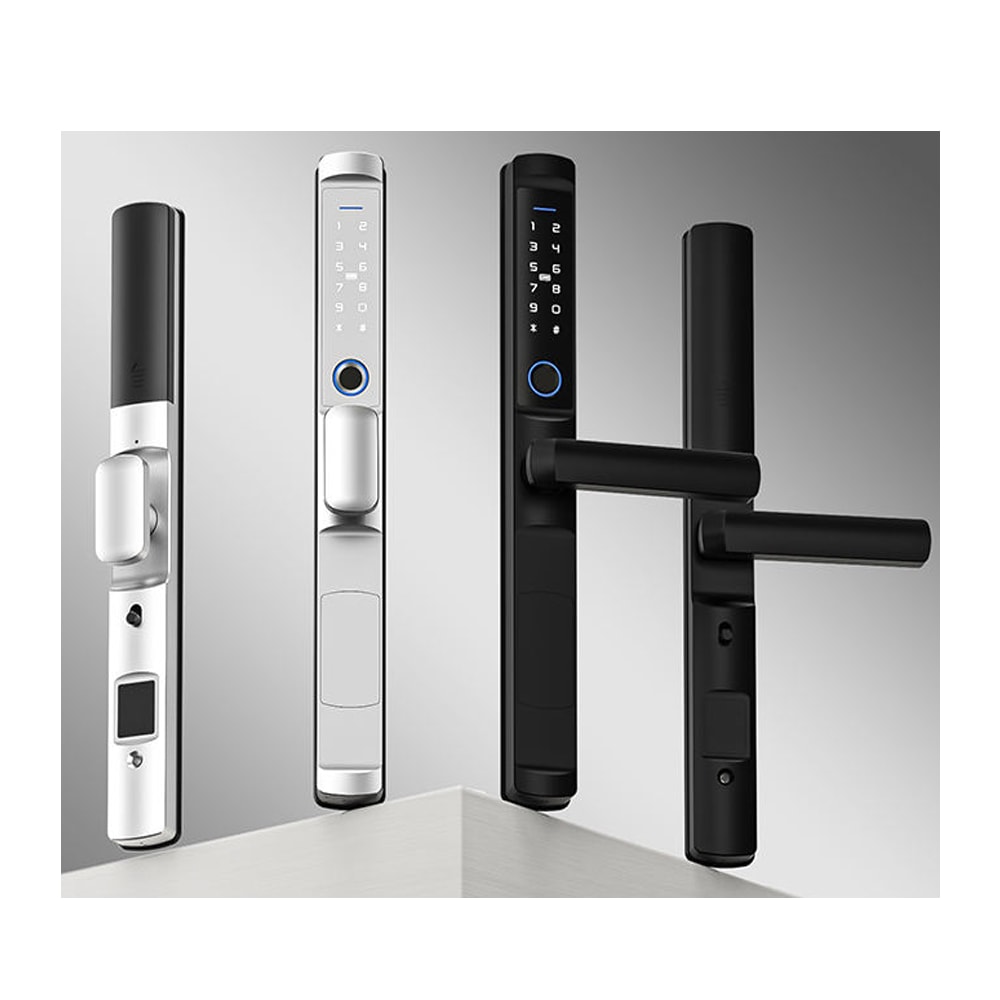 Keypad Door Lock with IP66 Waterproof case and Two Handle Styles Options
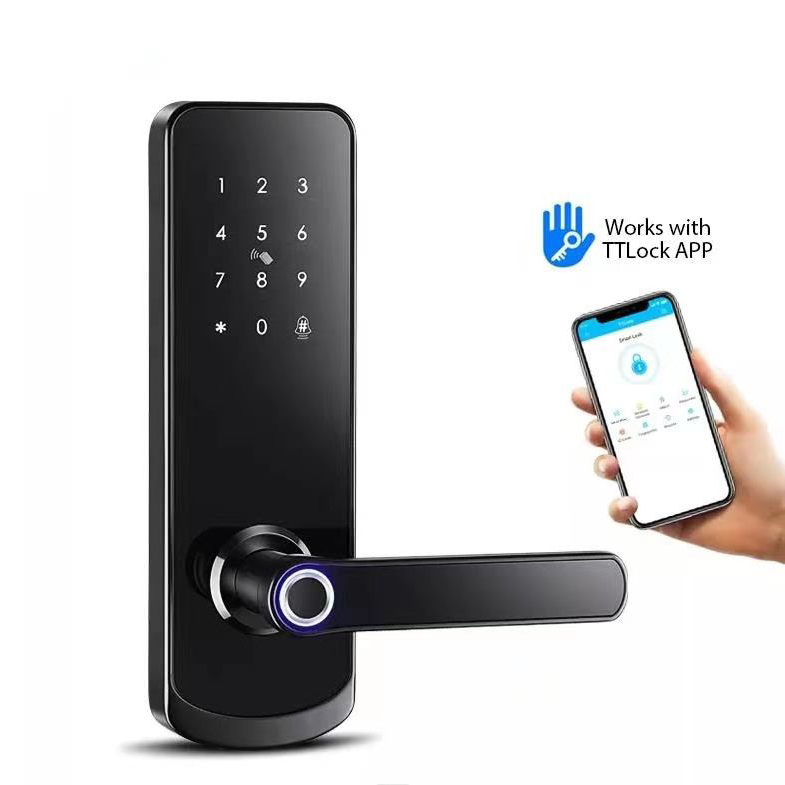 Fingerprint door lock for Front door with Anti-prying latch to prevent the card prying the door
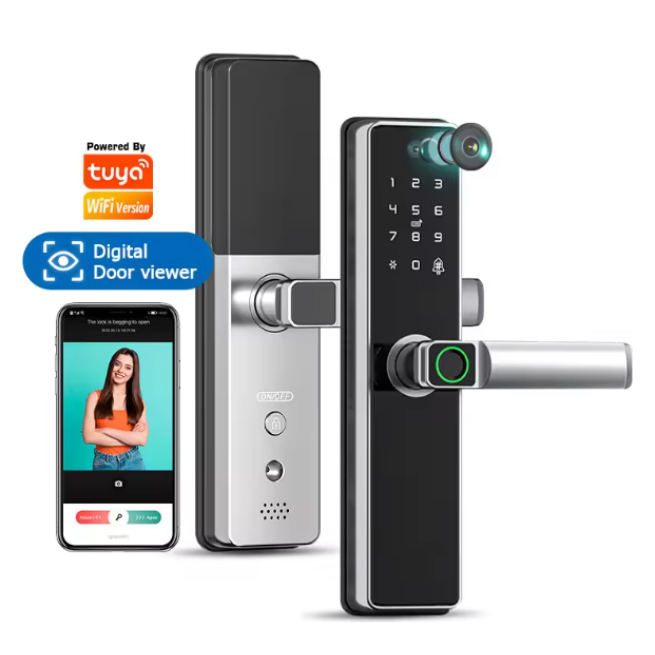 Front Door Keypad Lock with Fingerprint and Doorbell B2
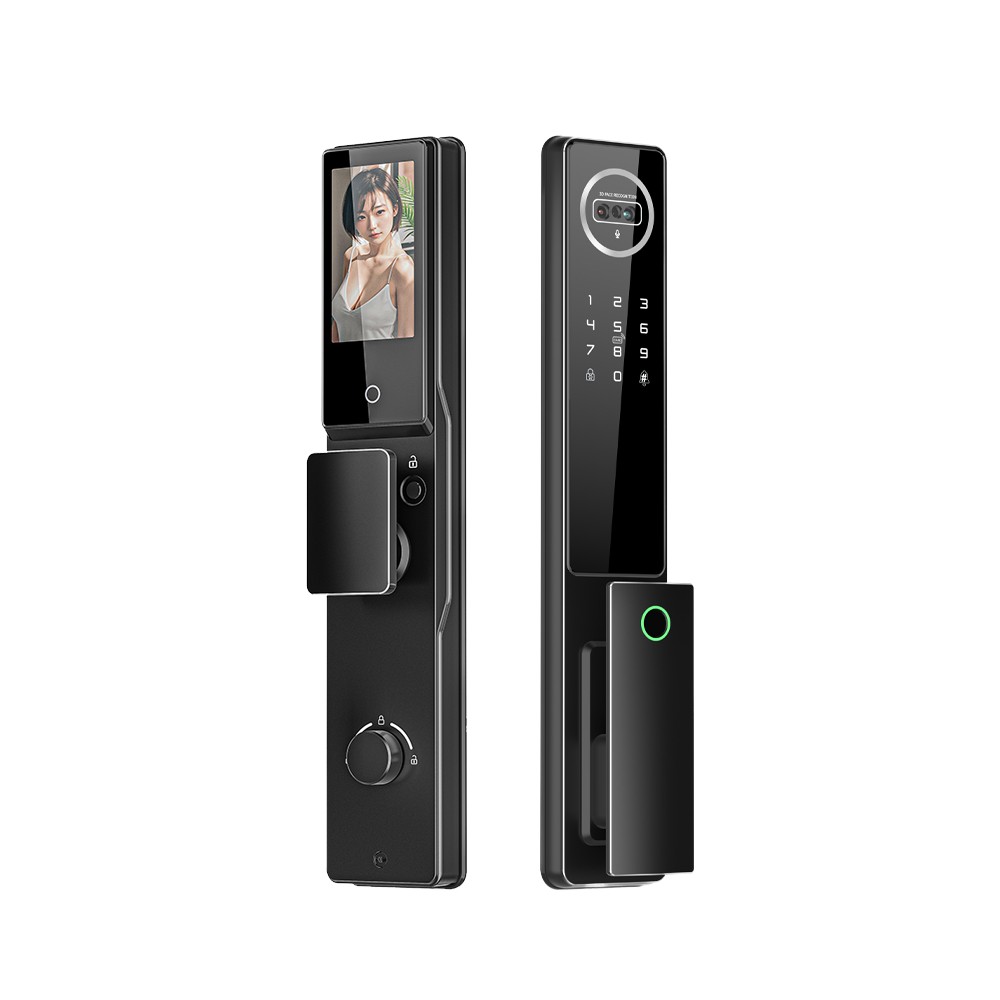 Face Recognition Smart Door Lock with Video Intercom Doorbell Tuya WiFi D1
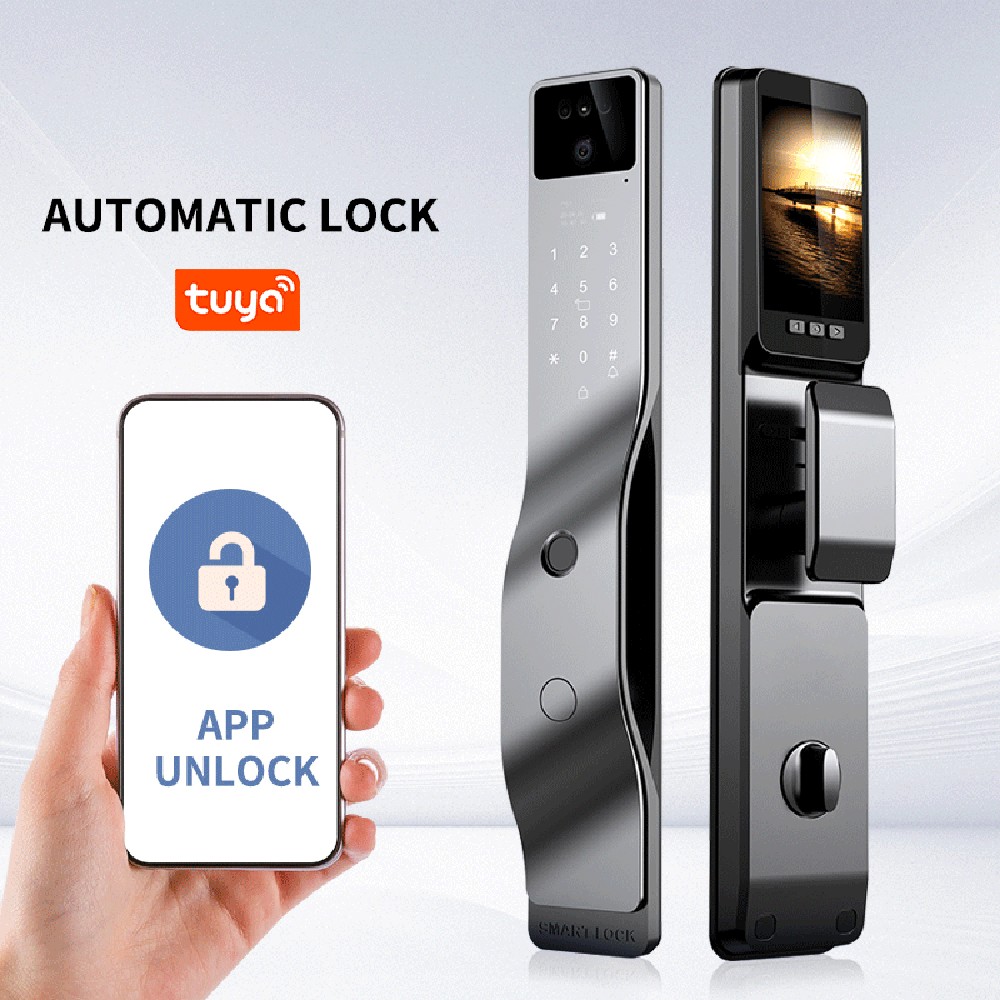 WIFI Smart Mortise Lock with Tuya Video Doorbell support Face Scan Palm Vein F7
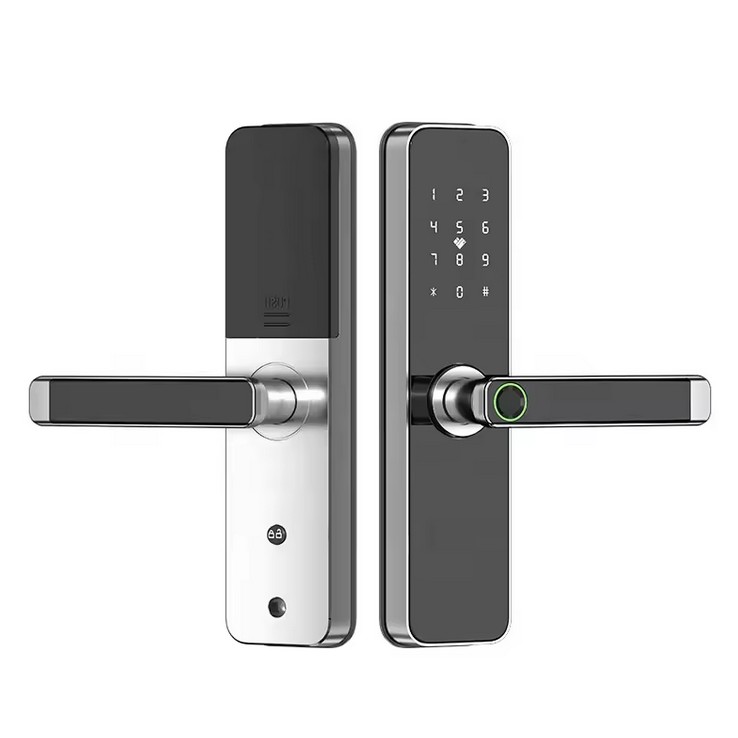 Smart mortise lock with bluetooth and WIFI optional FM028
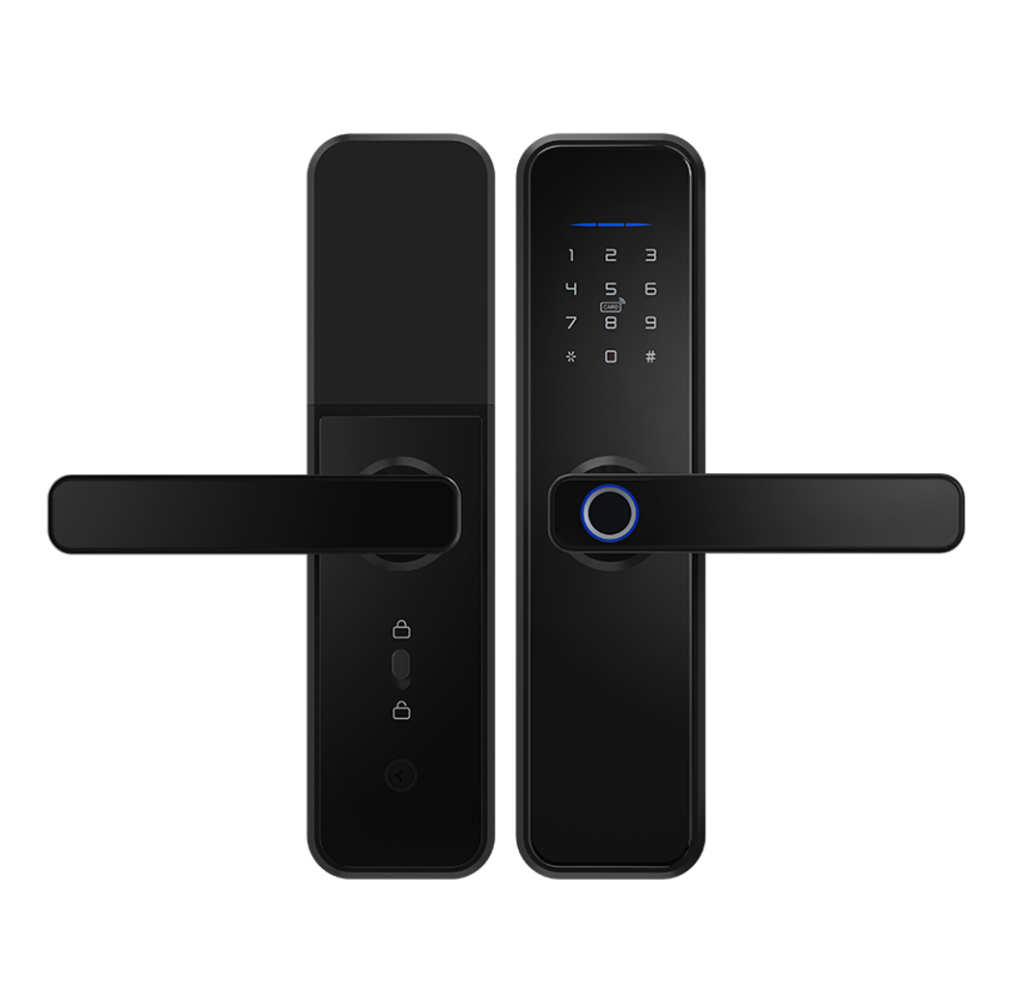 Mortise Smart Lock with multi keyless accesses FM550
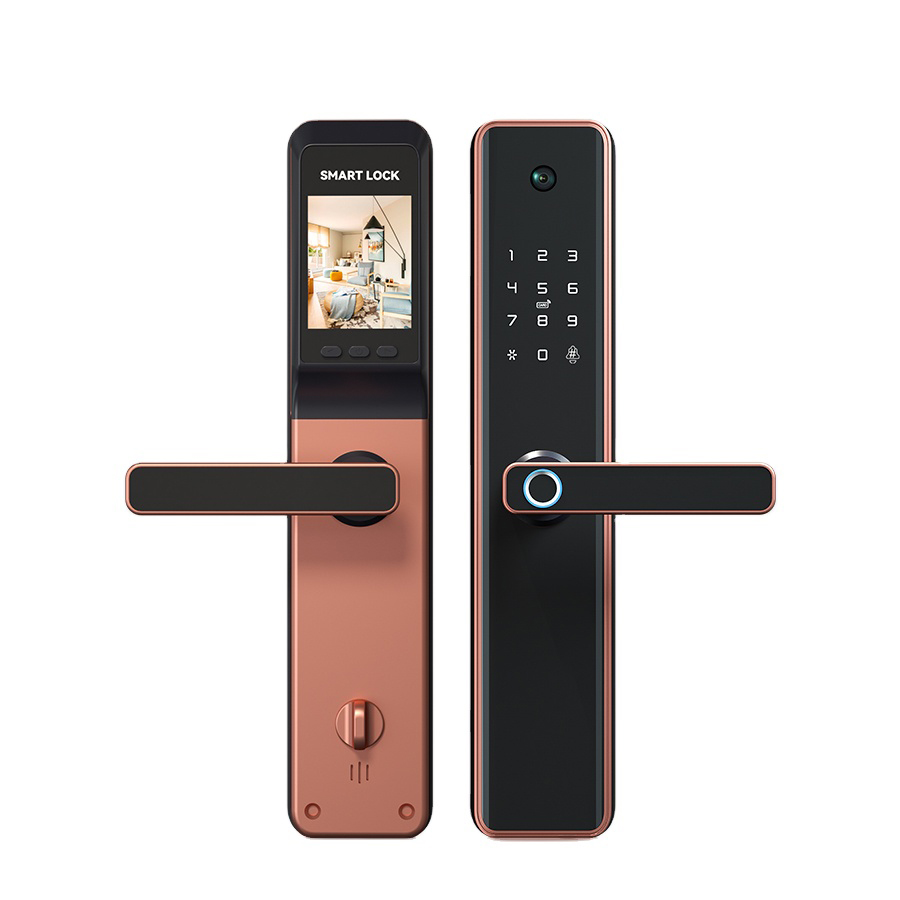 Camera Smart Lock with Finger Scan Supporting Tuya WiFi or Zigbee FM551
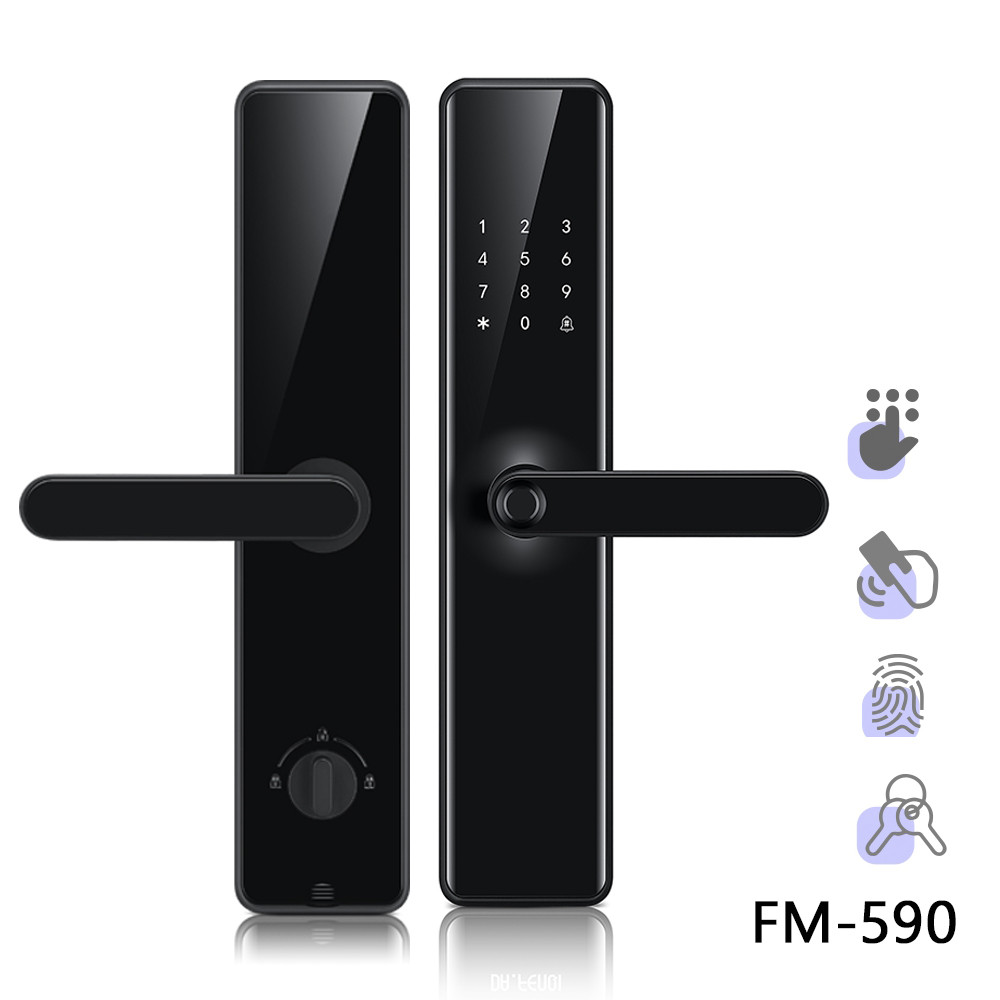 Smart Door Lock with Fingerprint and Voice Control FM590
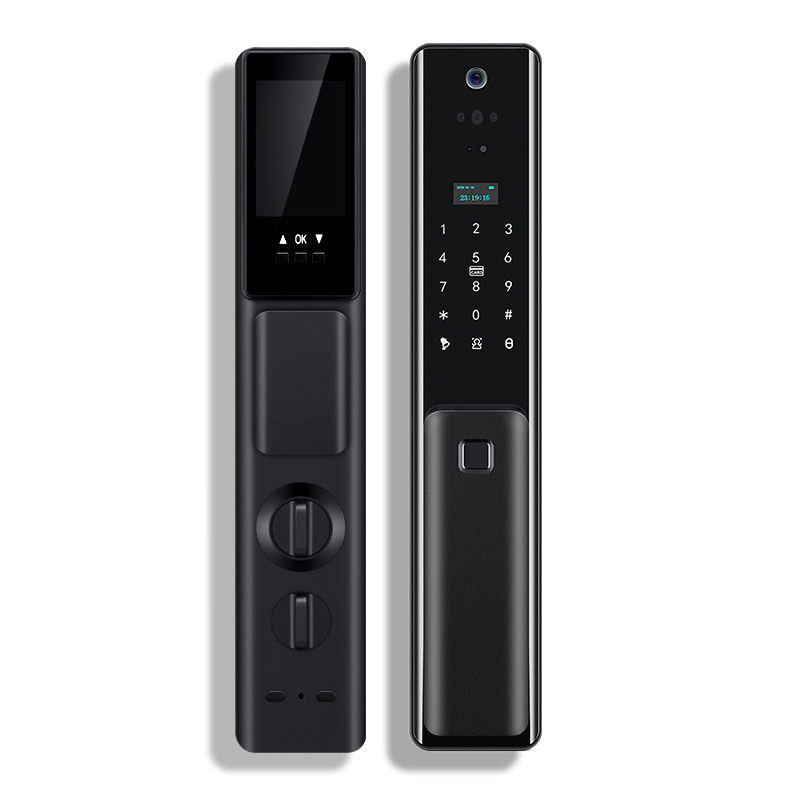 Fingerprint Door Lock with Face Scanner and Camera Supports google home FM720
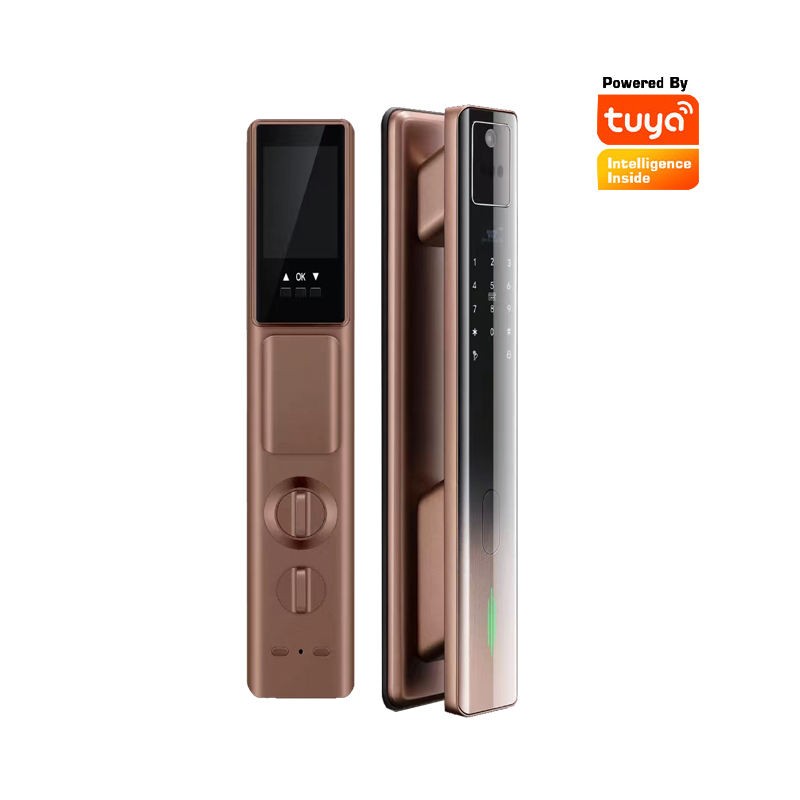 Facial Recognition Smart Lock with Video Intercom and Thumbprint FM730
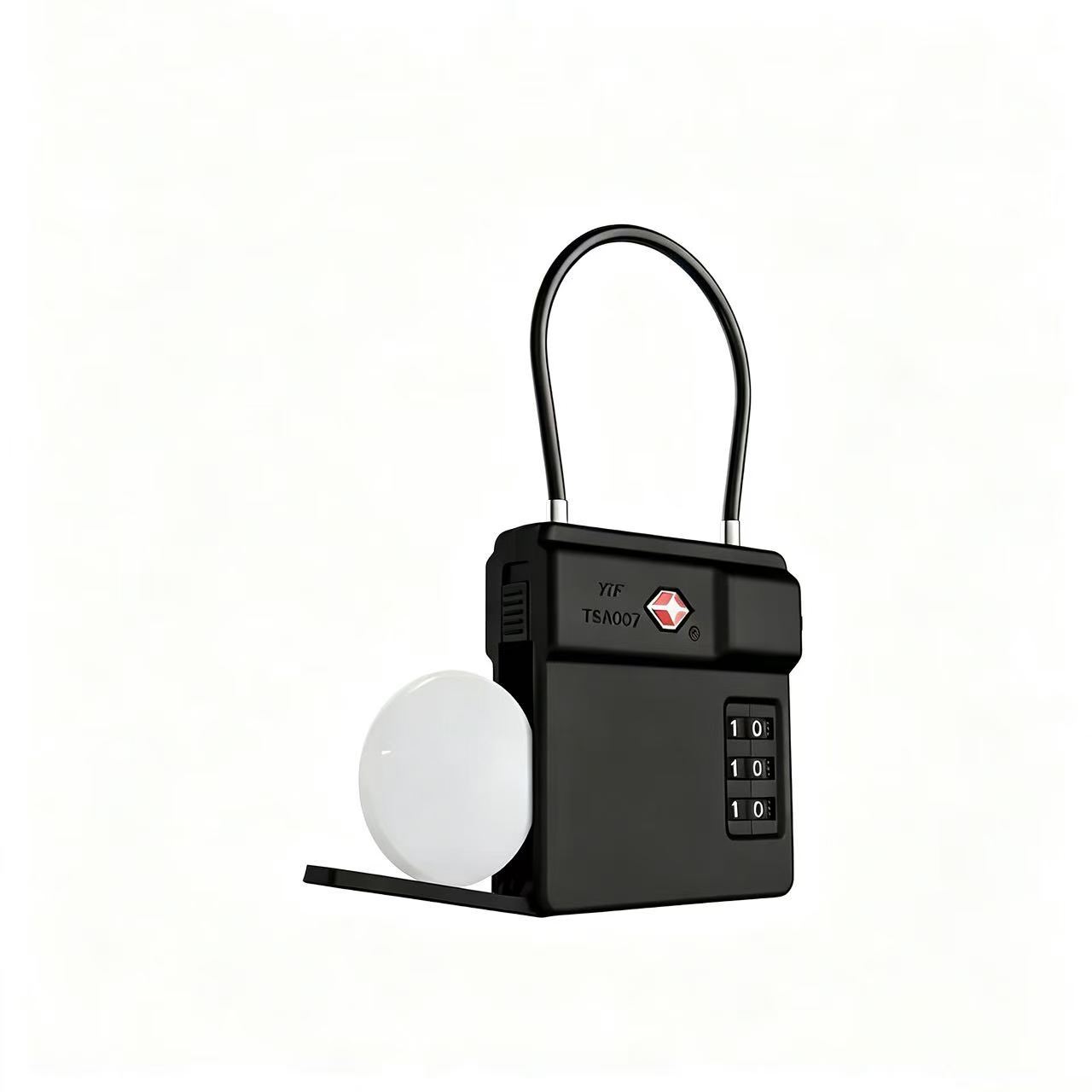 Smart TSA Approved Cable Lock with Integrated Airtag Tracking for iOS and Android FMA002
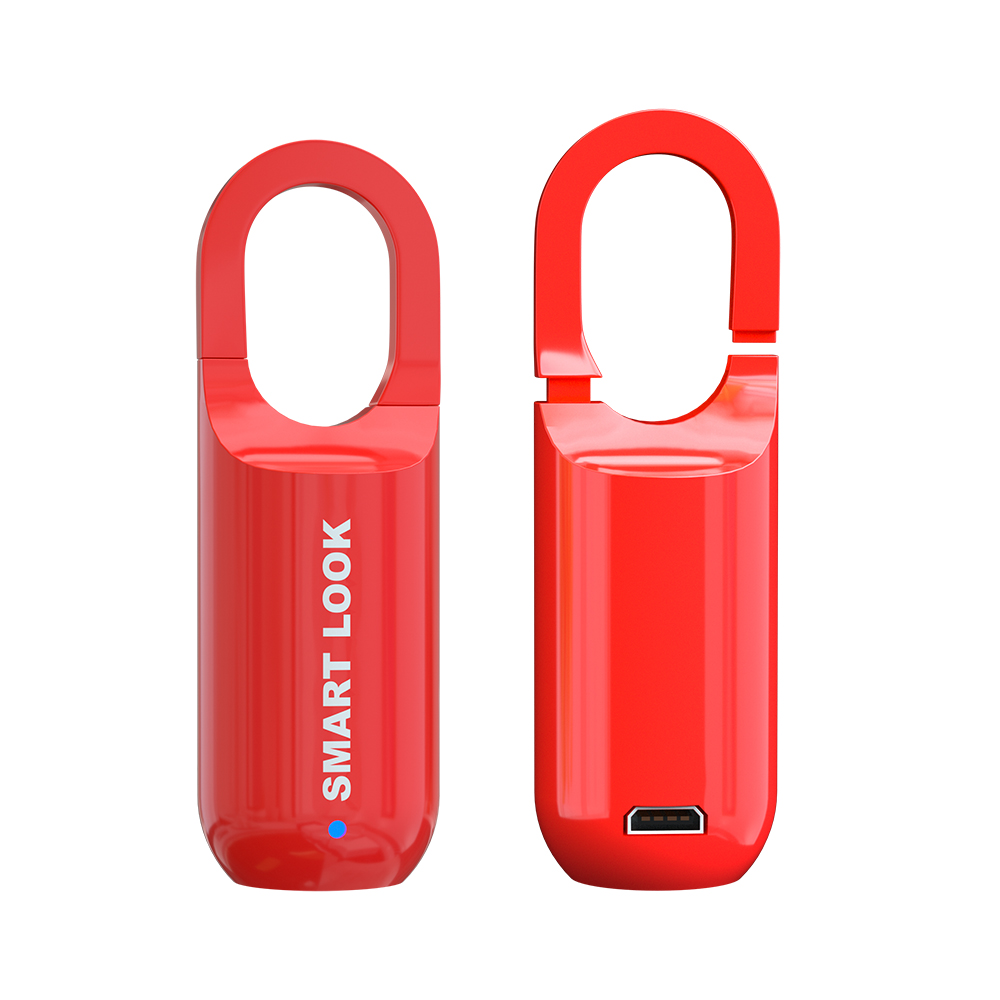 Fingerprint Smart Padlock with Bluetooth App Control and 365-Day Standby Tuya FMP001
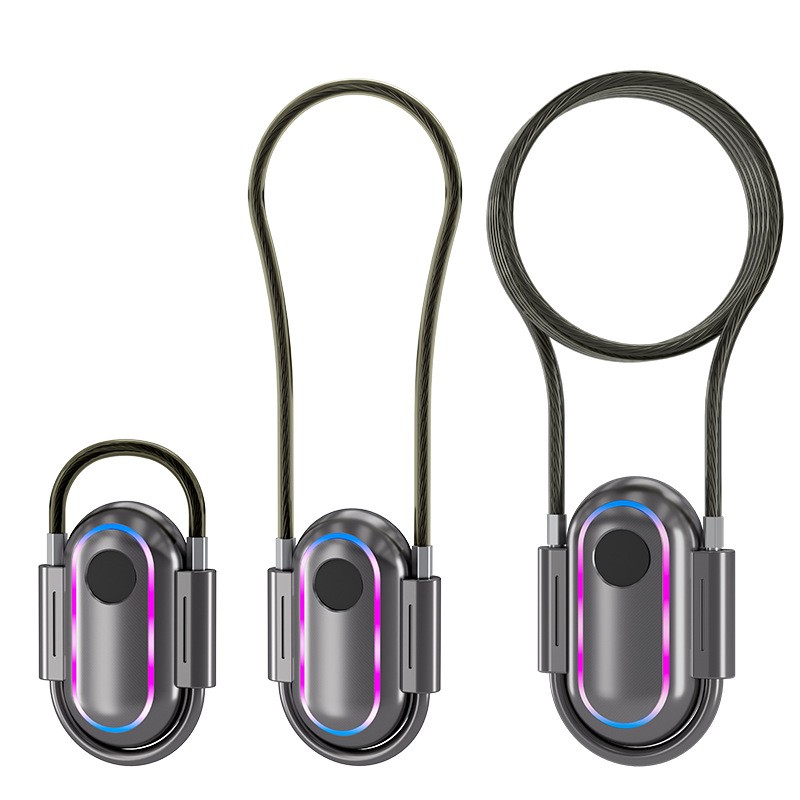 Fingerprint Smart Padlock with IPX5 Waterproof and 3 Steel Cable Lengths FMP002
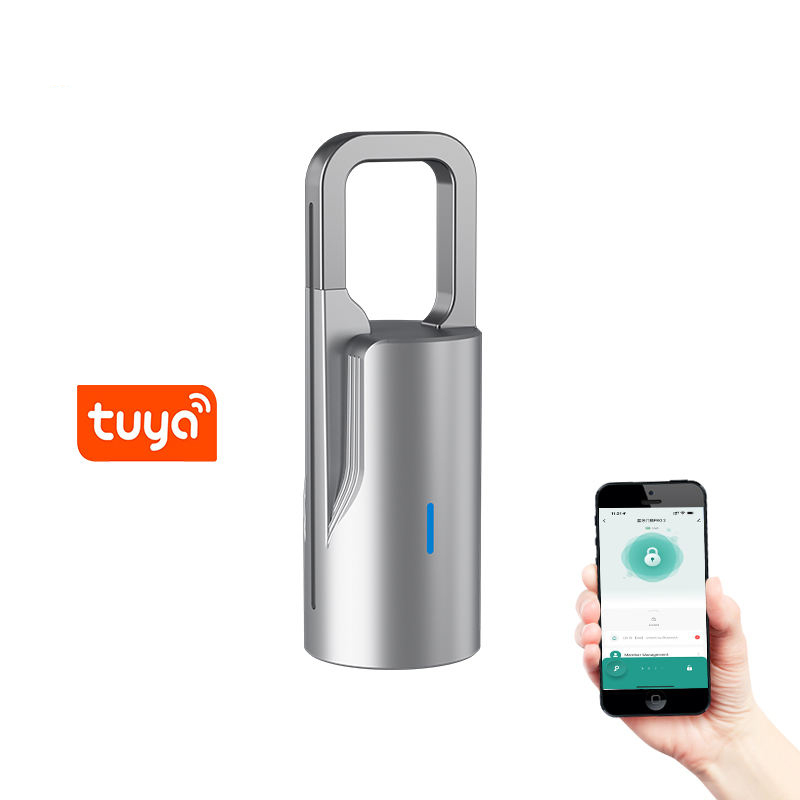 Fingerprint Smart Padlock with Bluetooth App Control and IPX5 Waterproof FMP003
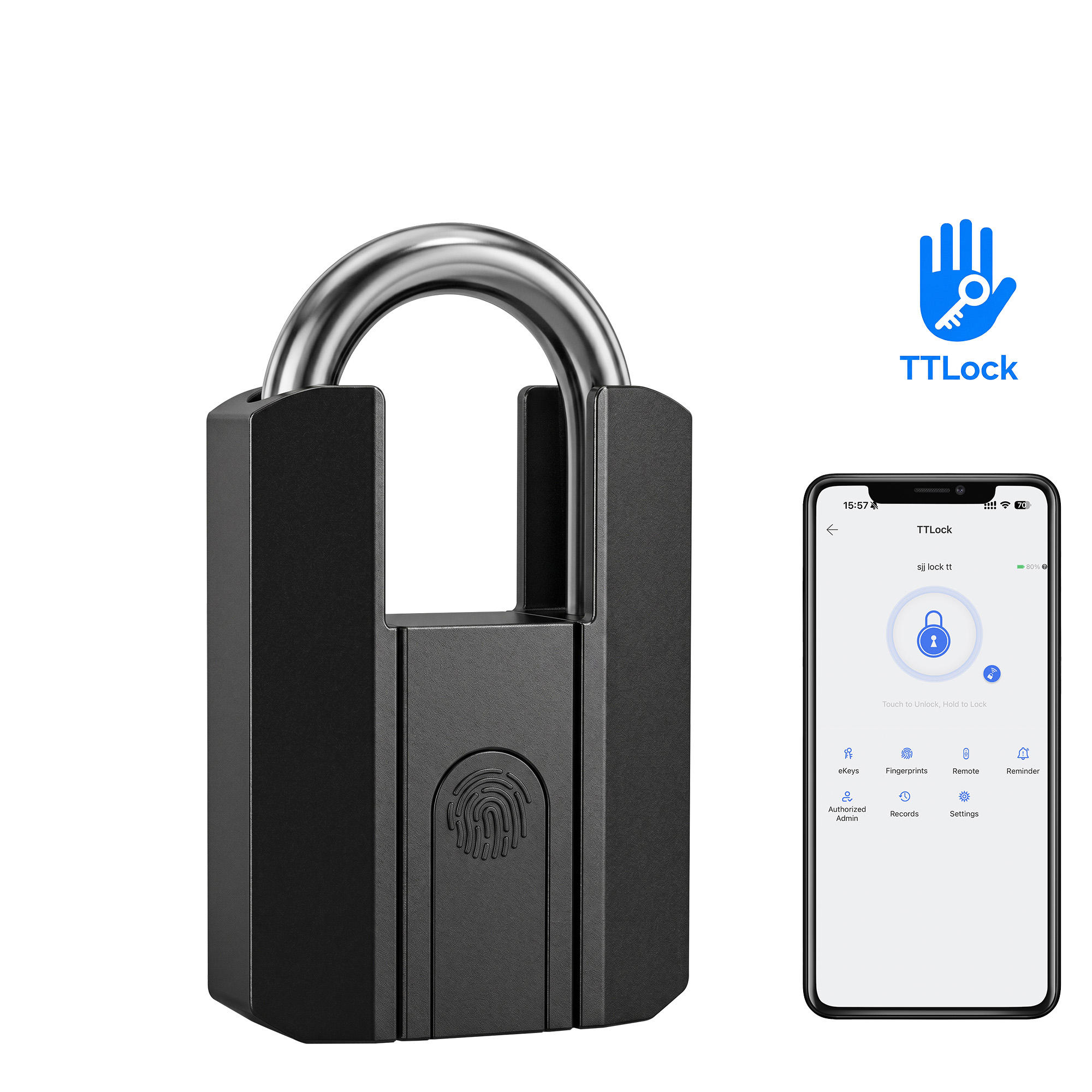 Heavy-Duty Fingerprint Padlock with IP67 Waterproof Shackle and TTLock Bluetooth FMP004
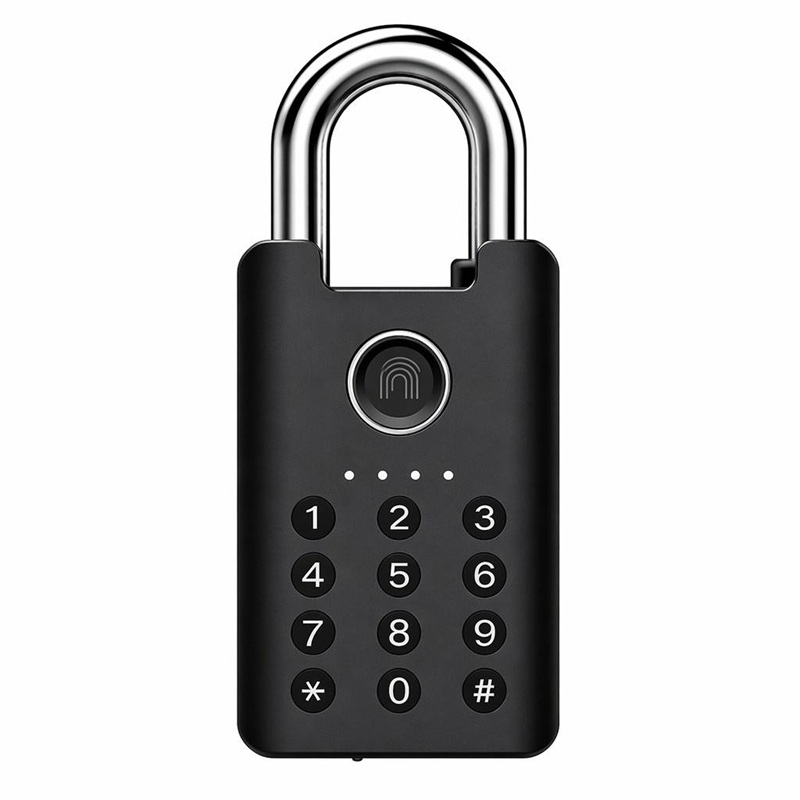 Heavy Duty Fingerprint Smart Padlock with Password Keypad IP65 Waterproof FMP005
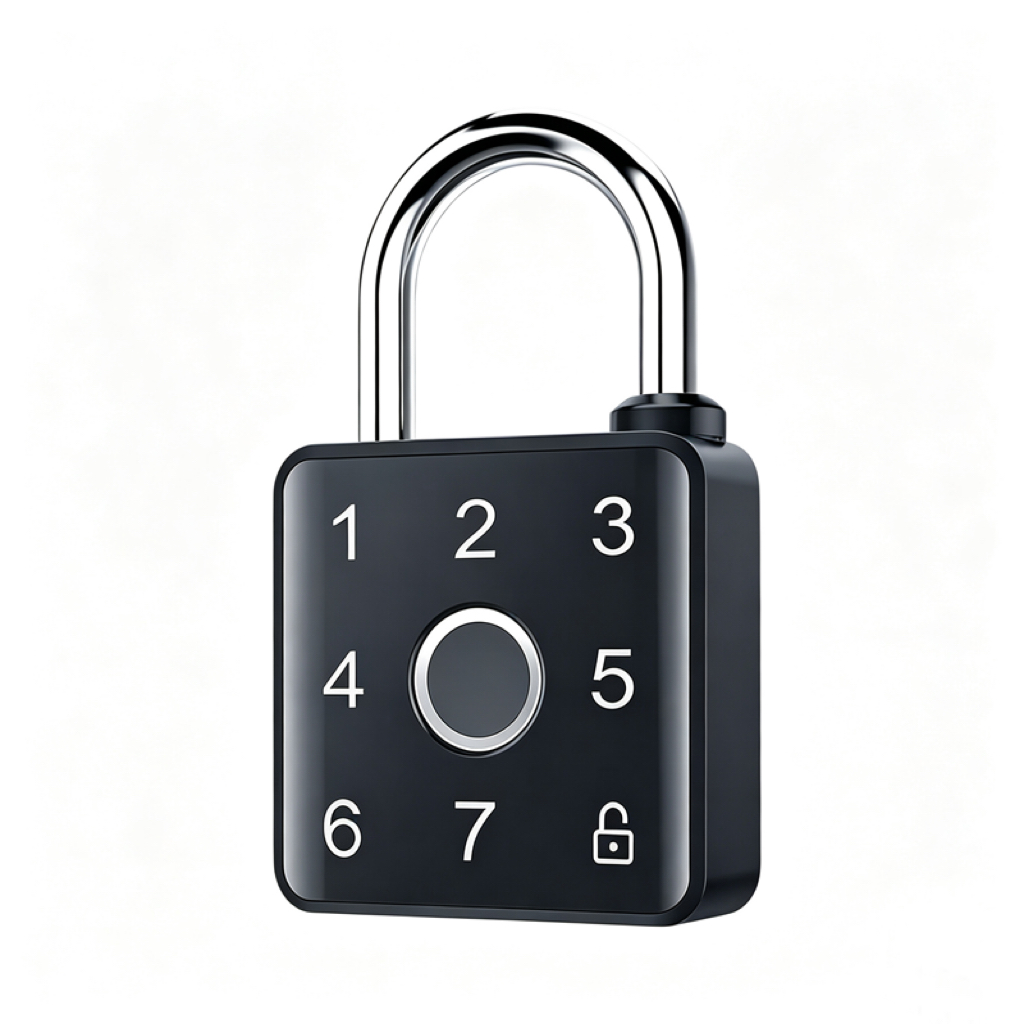 Multi-Access Fingerprint Padlock with Keypad, App Control & IP65 Waterproof FMP006
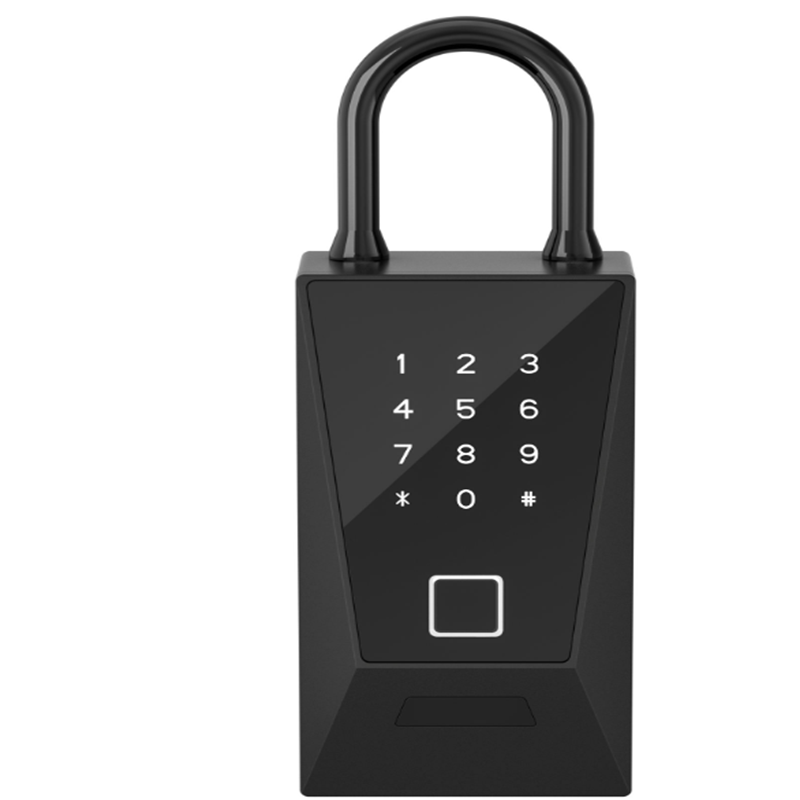 WiFi Smart Key Box with Fingerprint Password Card Access IPX5 Waterproof FMP007
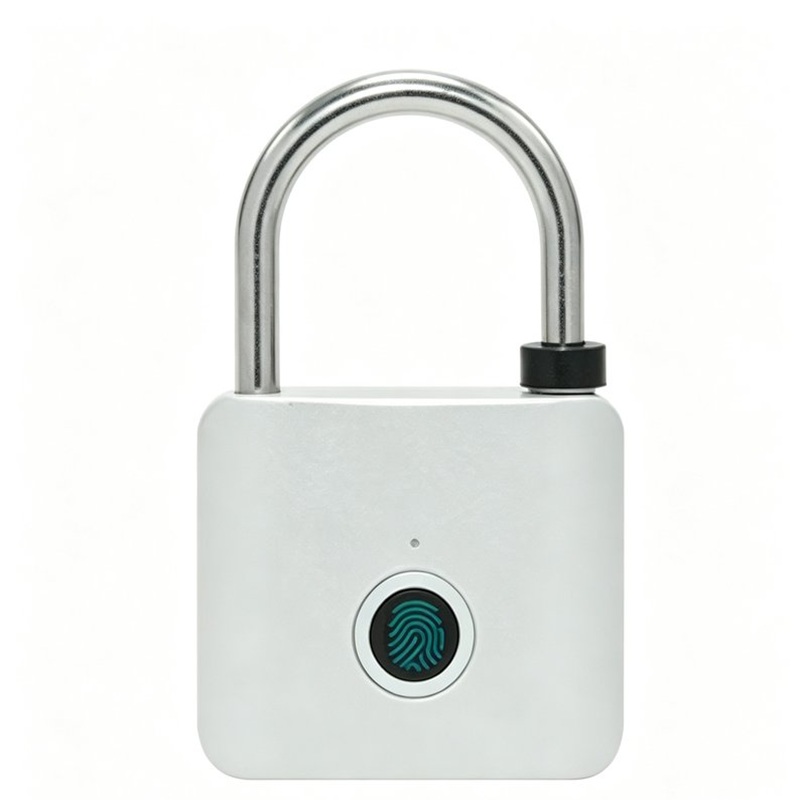 Bluetooth biometric Intelligent Padlock with IP65 Waterproof and Type-C Rechargeable Battery FMP008
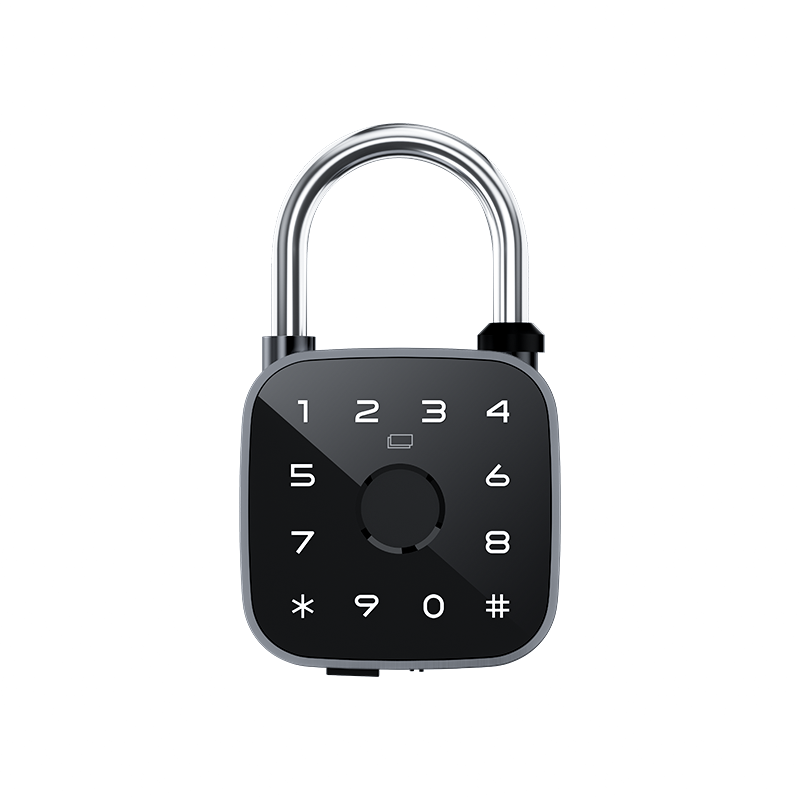 Smart Biometric Padlock with Scramble-Code Keypad and Tuya App Control FMP009
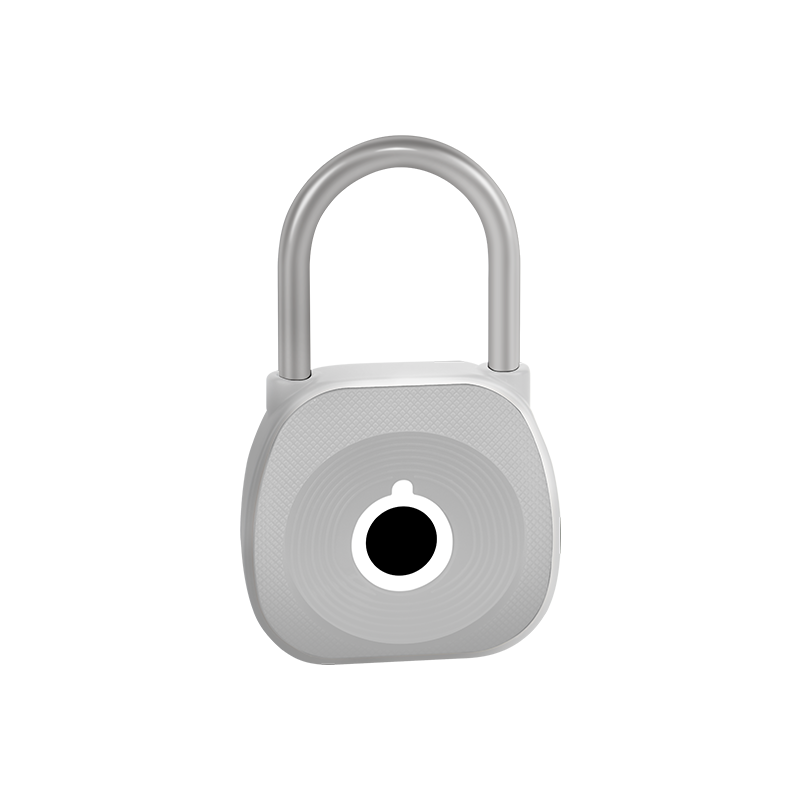 Ultra-Slim Biometric Padlock — 1.8cm Aluminum Body with Tuya App Control FMP010
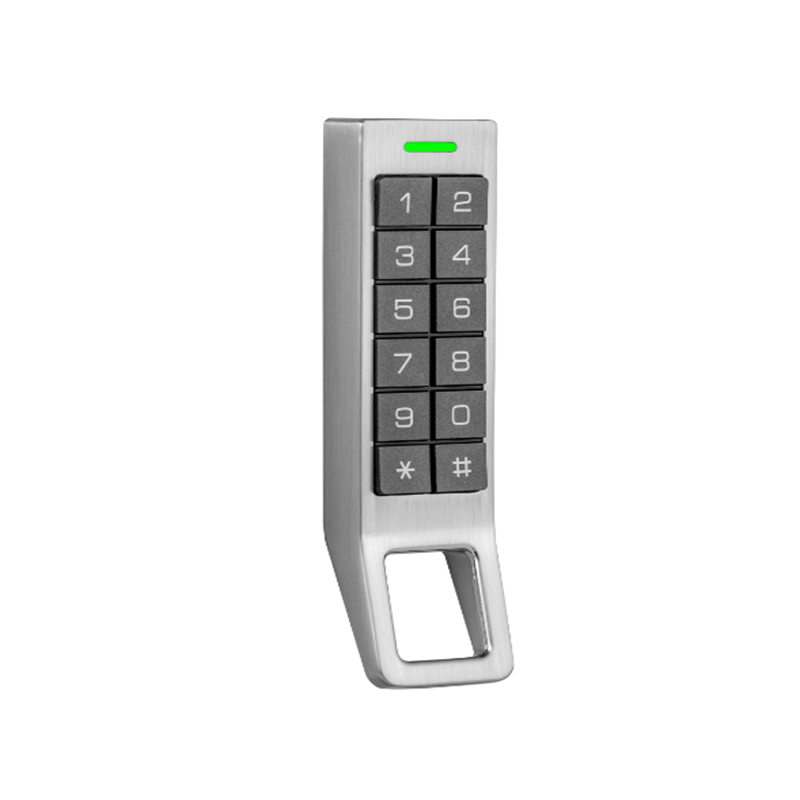 Smart Fingerprint Cabinet Lock — App & Bluetooth Keyless for Lockers FM890
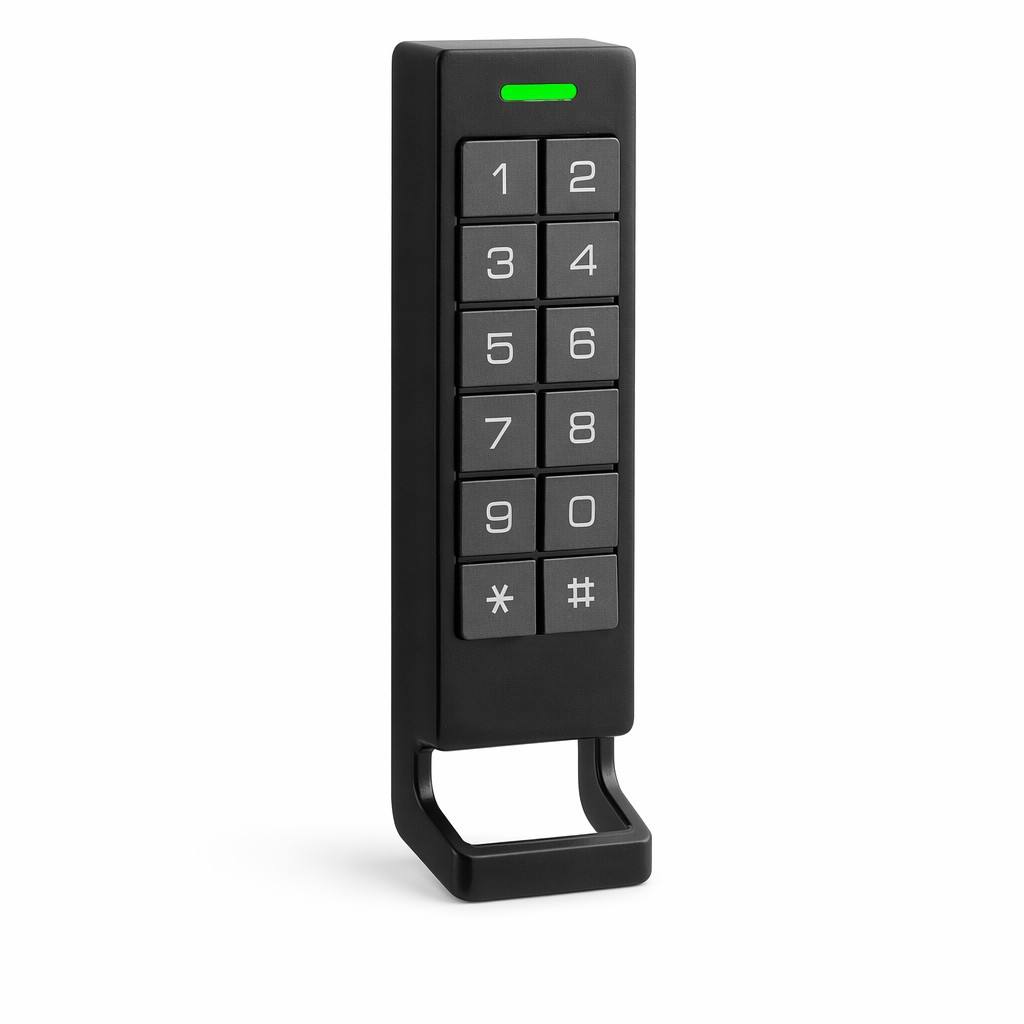 Digital Cabinet Lock with TTLock App, Passcode and RFID Card Access FMP870B
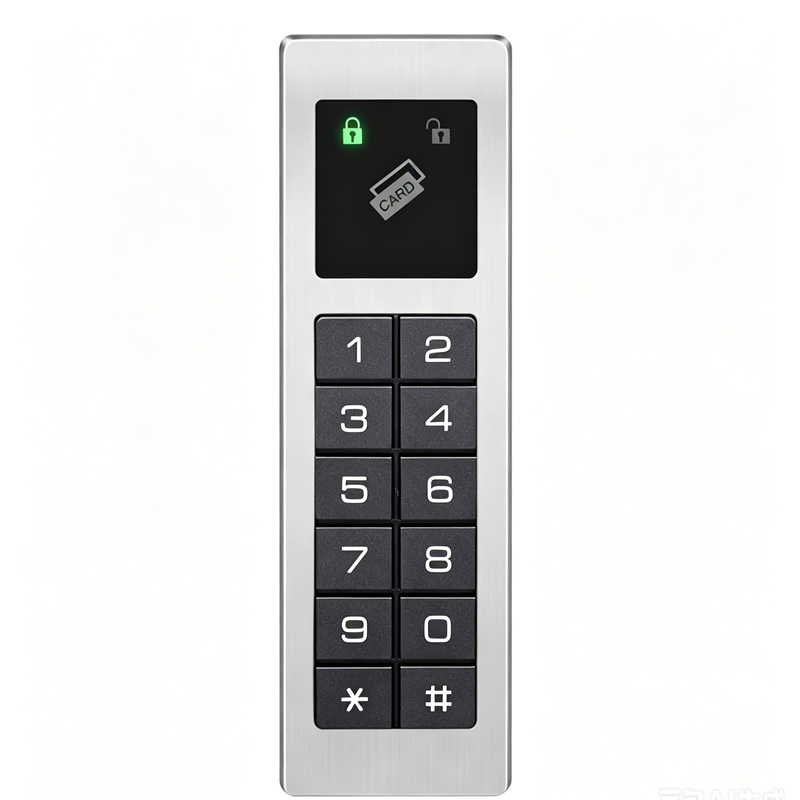 Smart RFID and Passcode Cabinet Lock with 5000mAh Battery and IP66 Waterproof FMP810
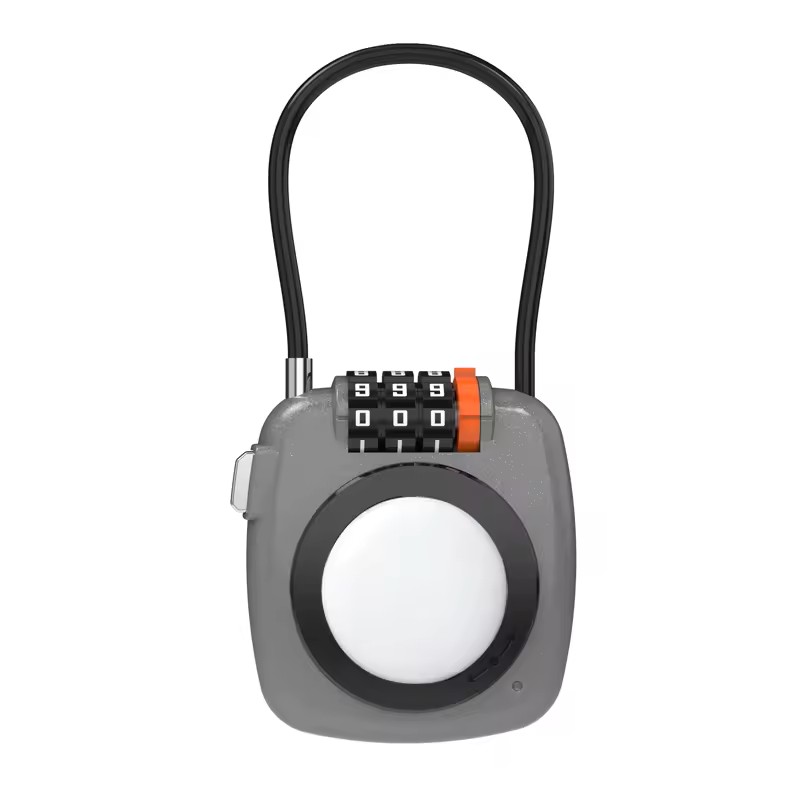 Combination Padlock with Apple Find My & Android Find Hub - IP65 Waterproof Smart Lock FMA001
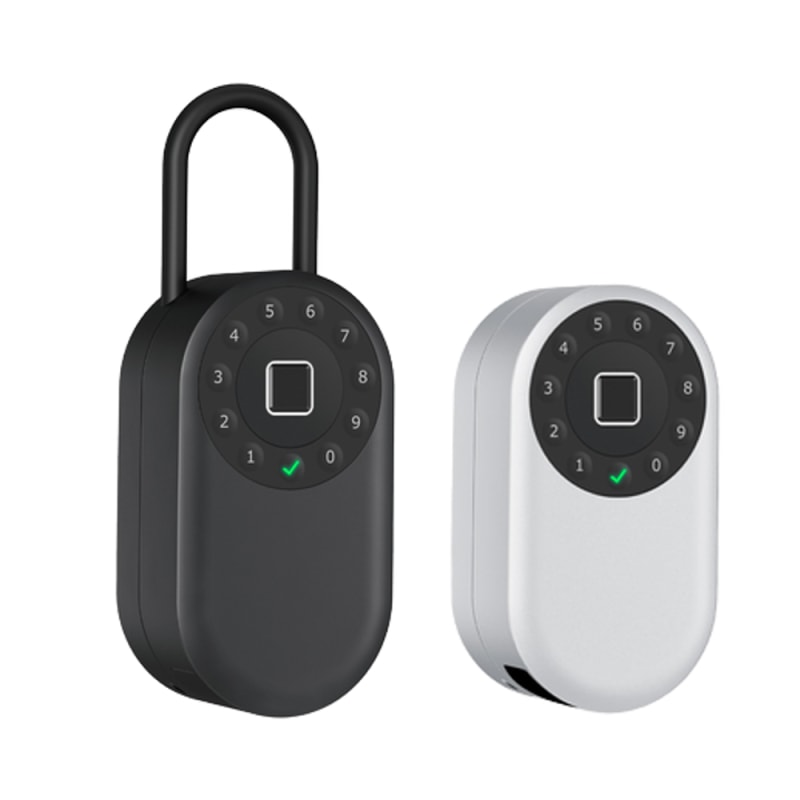 Keyless lock box with physical keypad and TTlock app waterproof for outdoor key storage
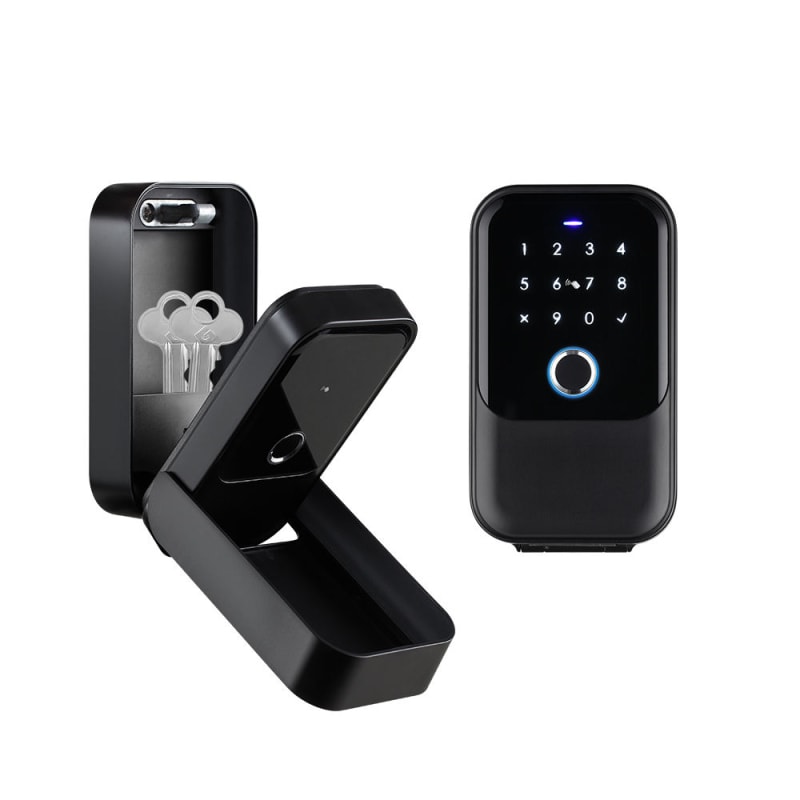 Smart key box with touch keypad and comptible with TTlock and Tuya ble for outdoor use
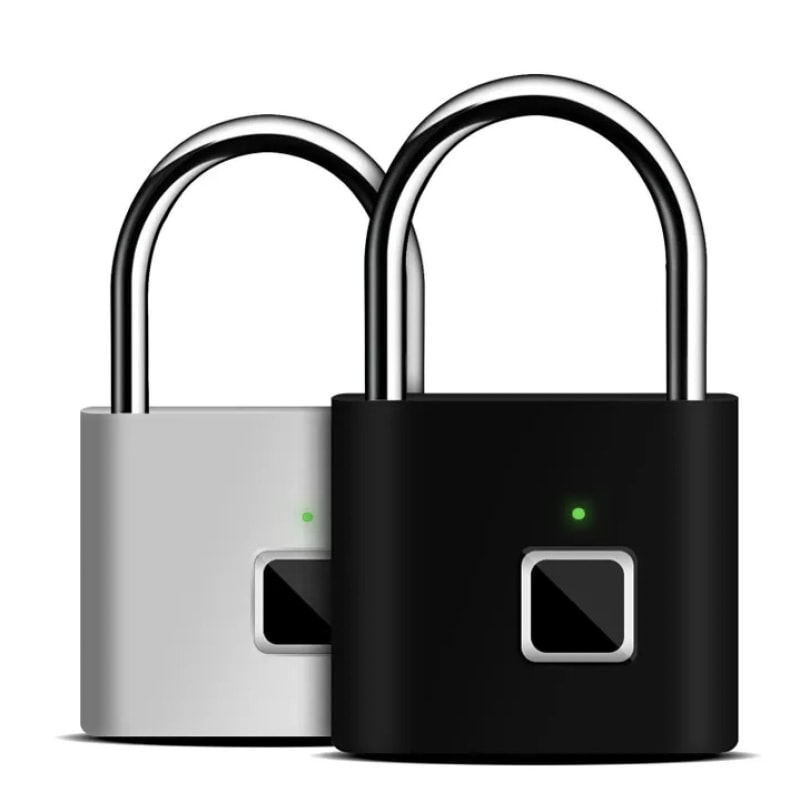 Fingerprint padlock with morse code backup that is rechargeable and portable for everyday use FM570
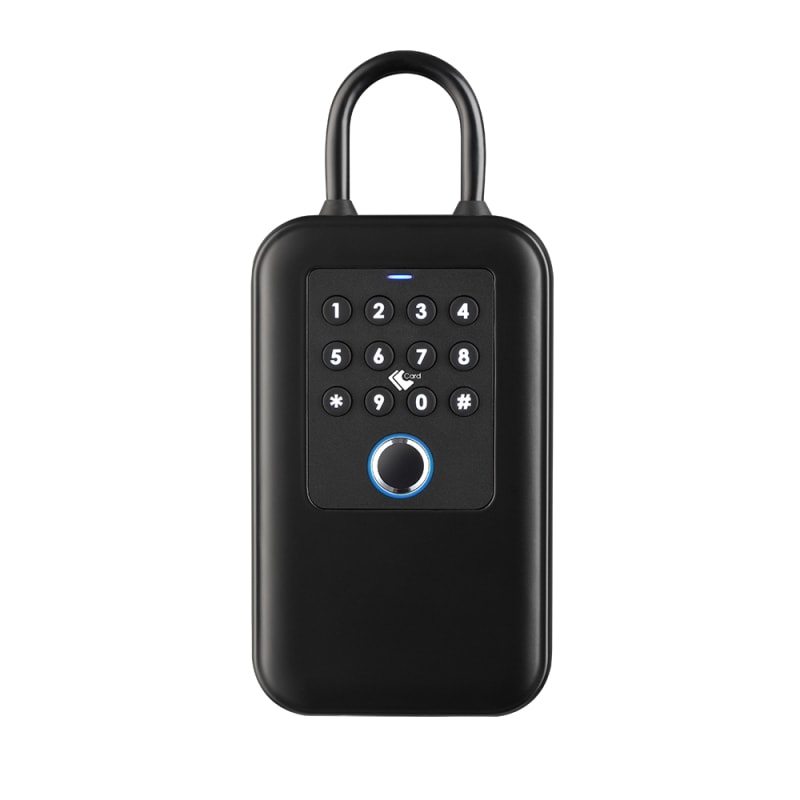 Waterproof key lock box with physical keypad and Tuya app control for outdoor key storage
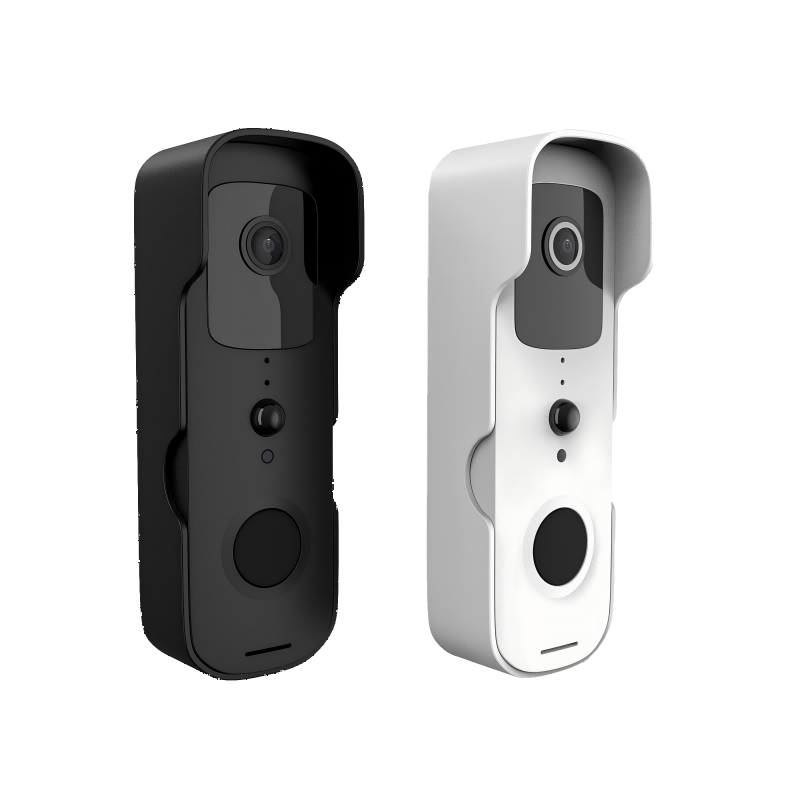 Smart Video Doorbell with Two Way Audio and Tuya WiFi for Home Security FM571
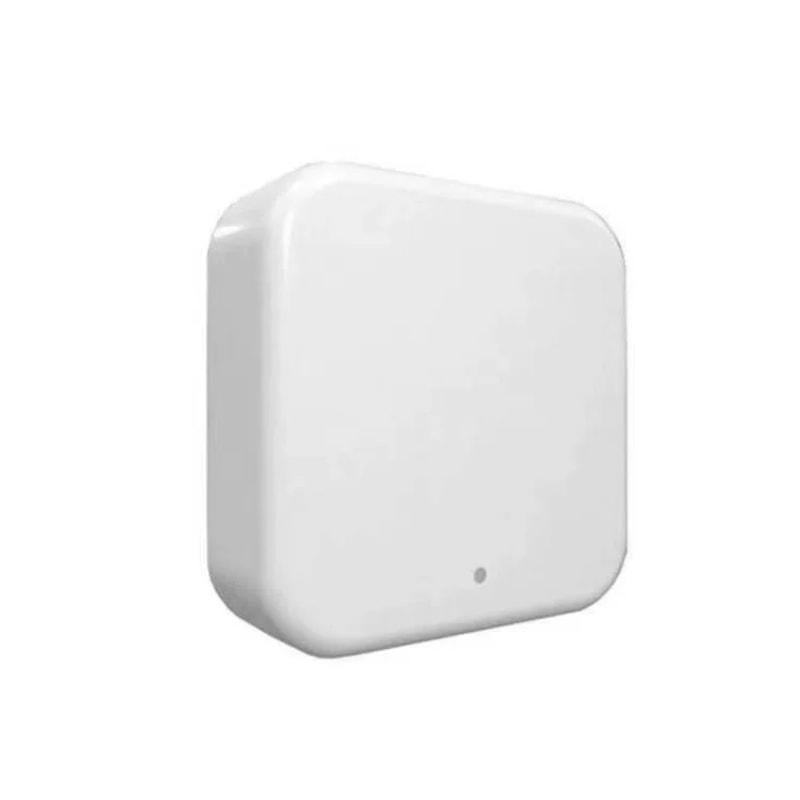 Ttlock G2 Gateway Connects Your Bluetooth Smart Lock to Wifi for Remote Access
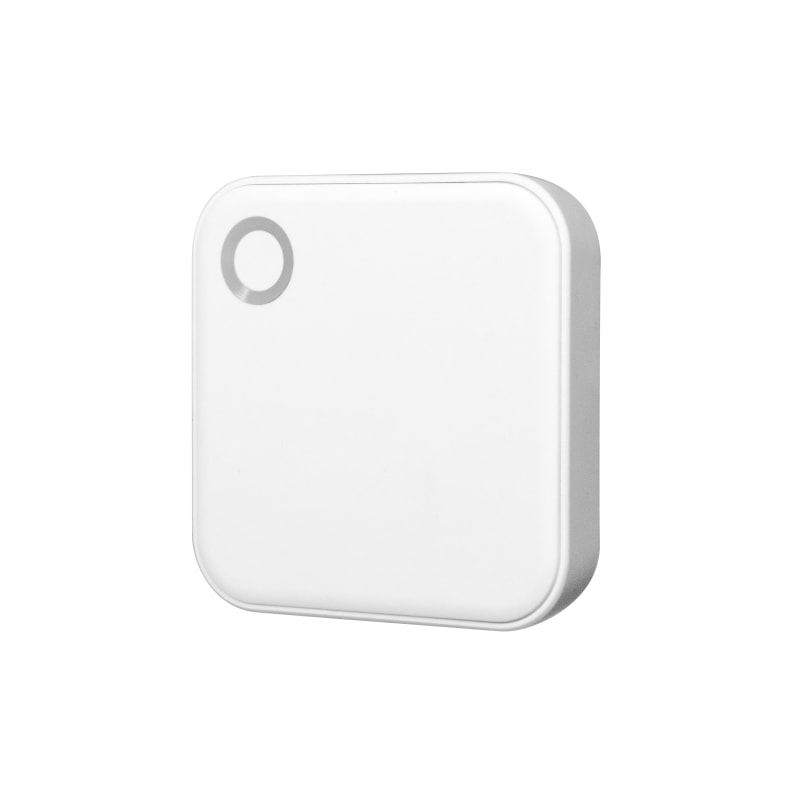 TTlock G5 gateway features dual band wifi and mesh network for large properties
 WhatsApp