- Home
-
Smart Lock
-
Smart Deadbolts
-
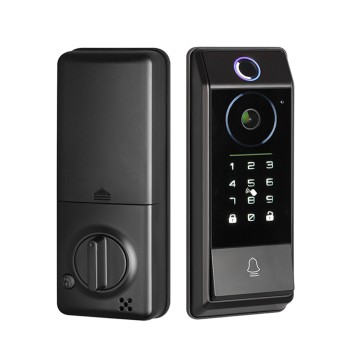
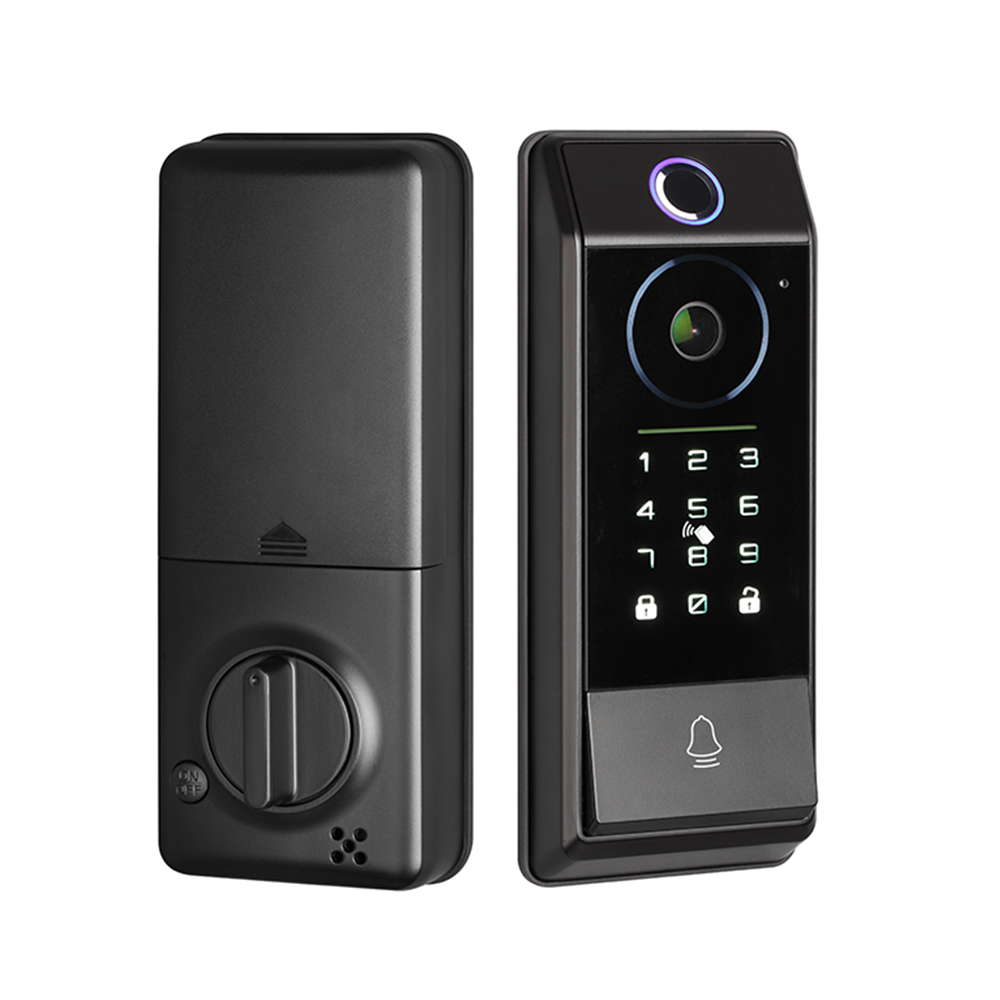 Smart deadbolt lock with video doorbell and two way intercom for front door security A229
-
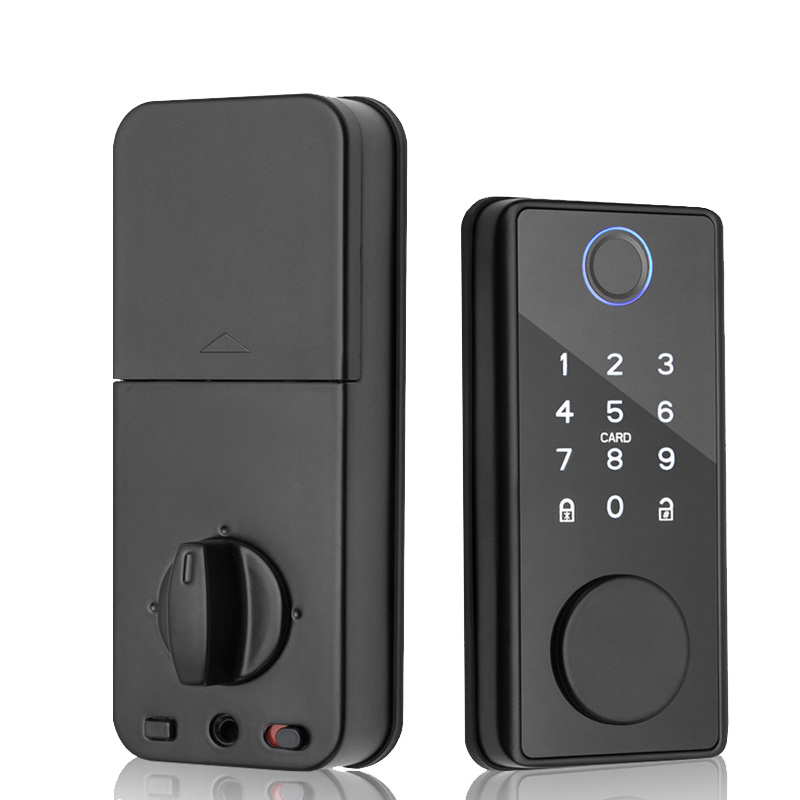 Bluetooth Deadblot Smart Lock with keyless access works with Google Alex tuya FM31
-
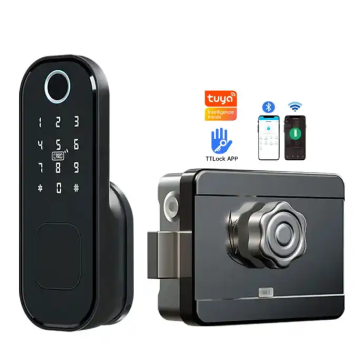
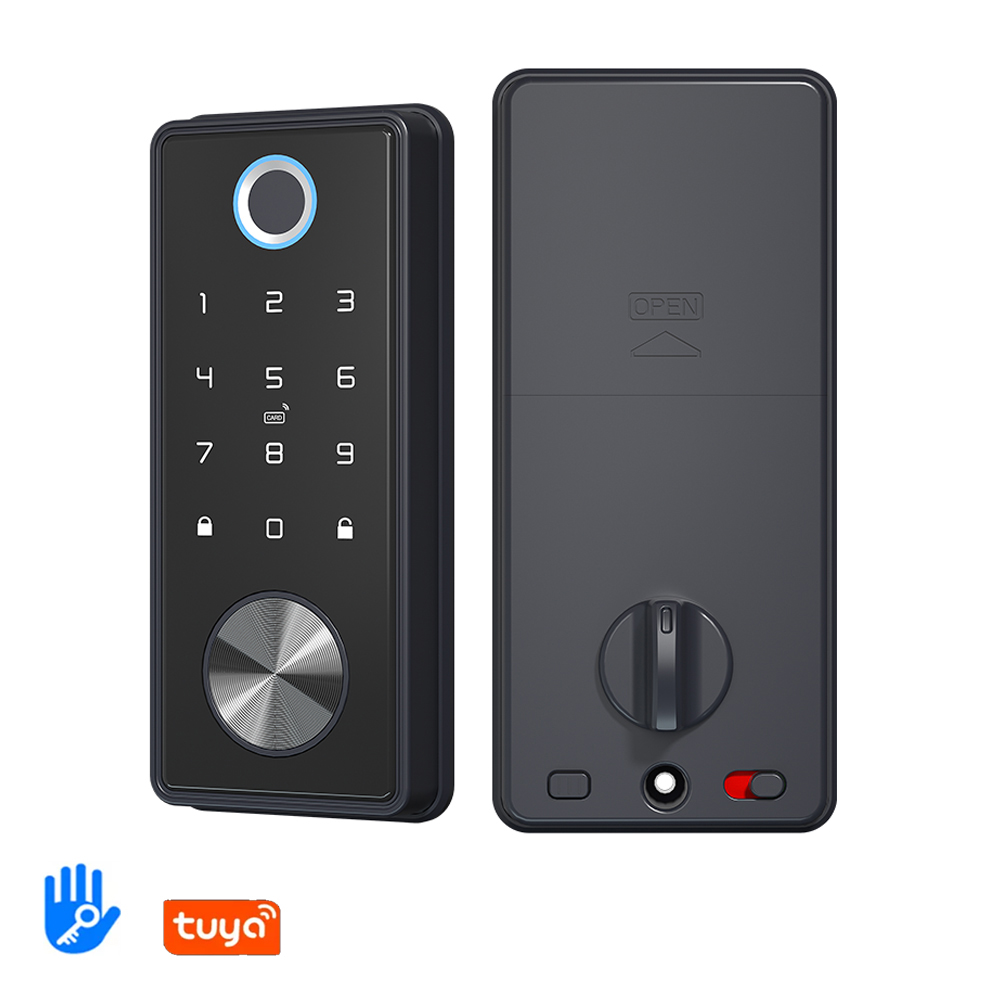 Waterproof Deadbolt Digital Lock supporting TTlock ble or TUYA wifi FM560
-
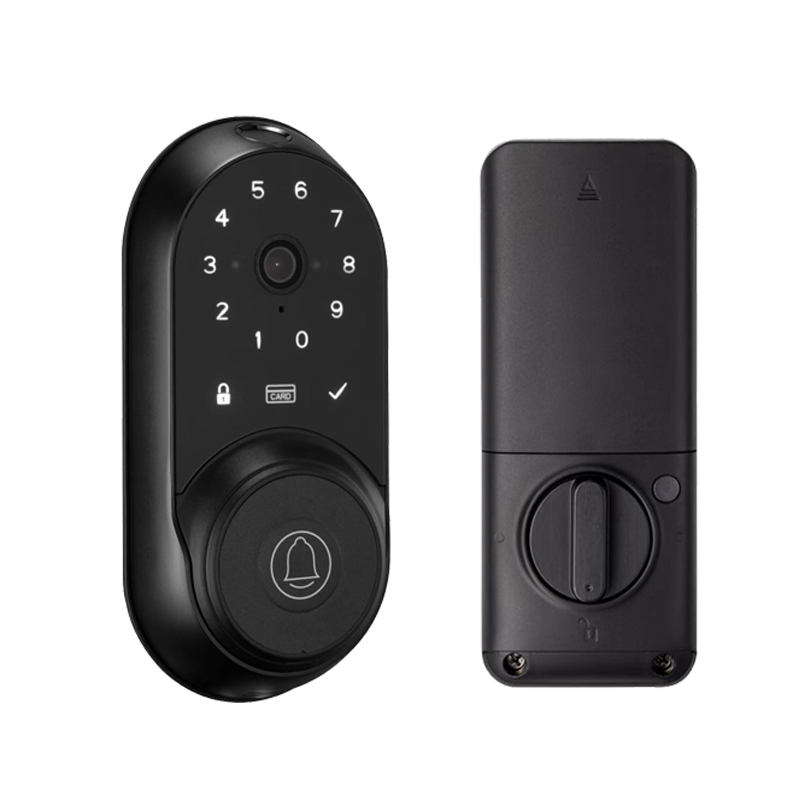 WIFI Deadblot Smart Lock with Video Doorbell works with Alexa Google Tuya FM880
-
-
Levers & Knobs
-
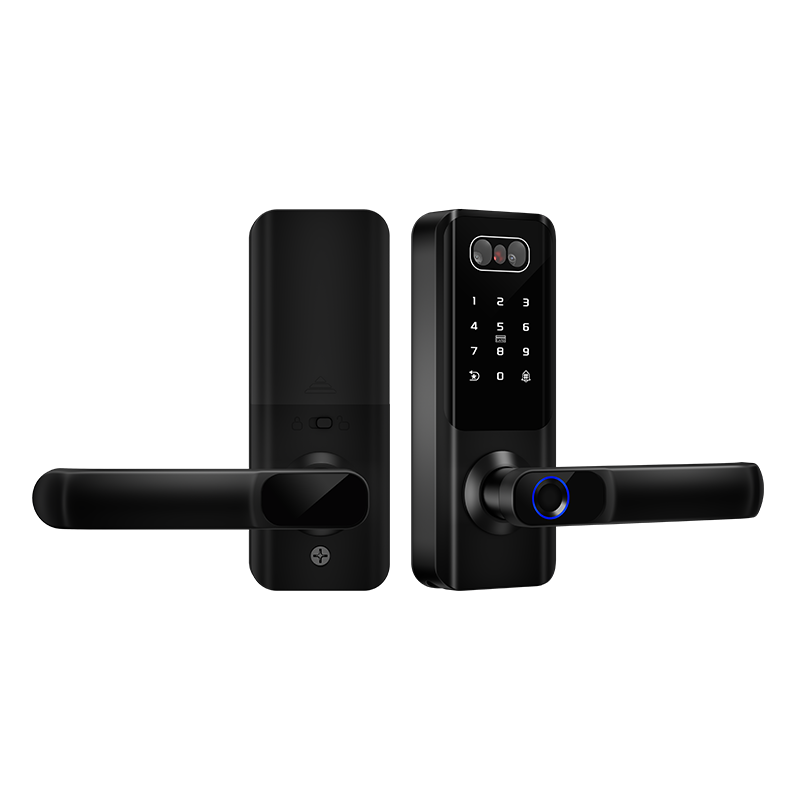 Facial Recognition Smart Lever Lock with 2MP Video Doorbell and IP66 Waterproof Tuya WiFi FM-Z86
-
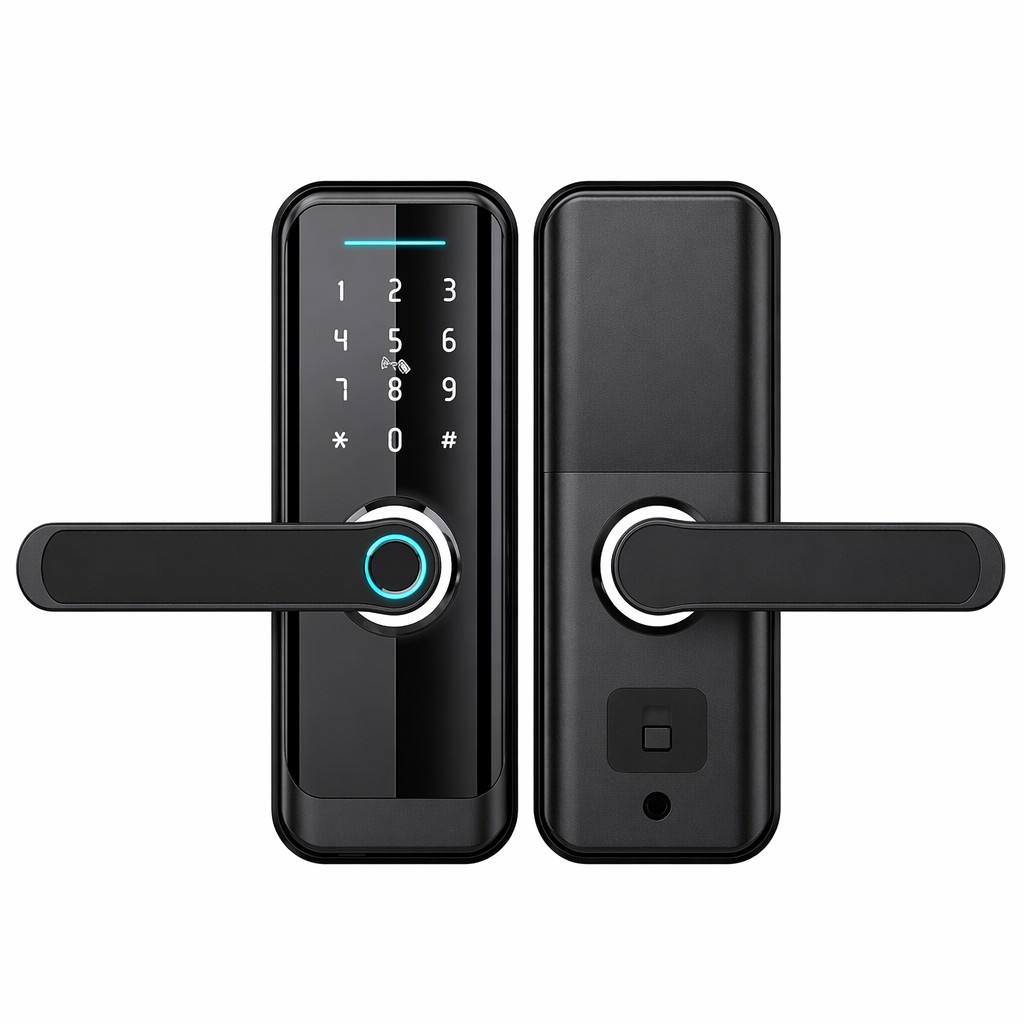 Advanced 5-in-1 Biometric Door Lock with Universal WiFi, Zigbee & 433MHz Support FM09
-
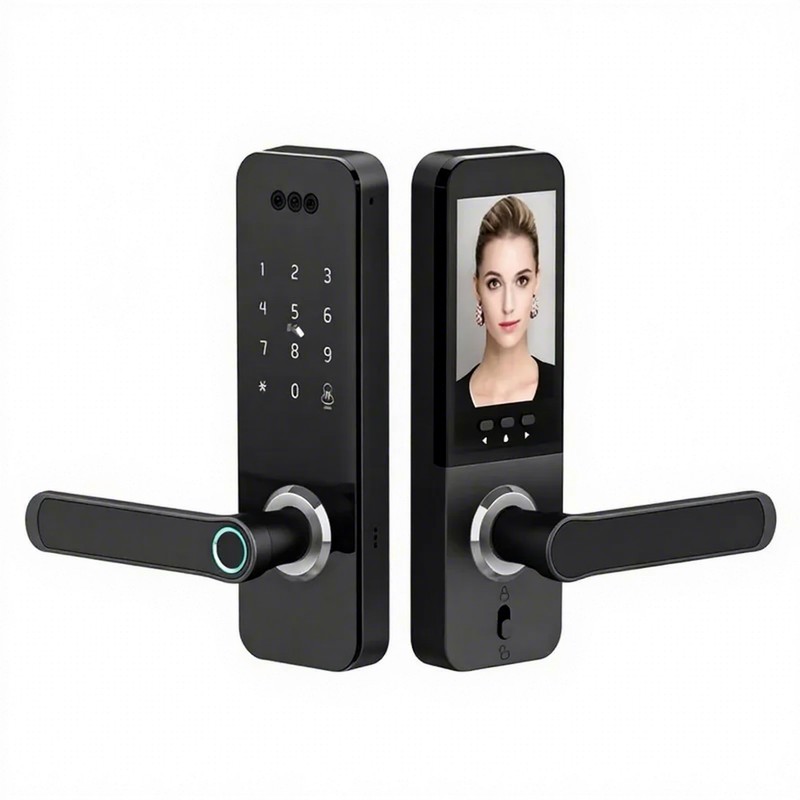 3D Face Recognition Smart Door Lock with 2MP Video Doorbell and Built-in WiFi FMP012
-
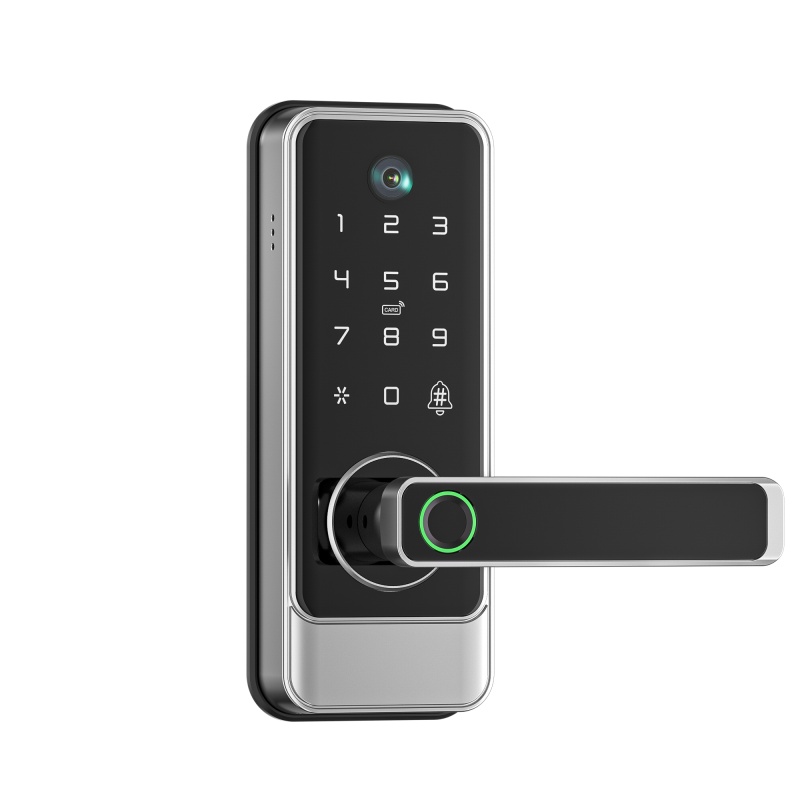 Keyless Entry Lever Lock with doorbell and Video Camera for Live Viewing
-
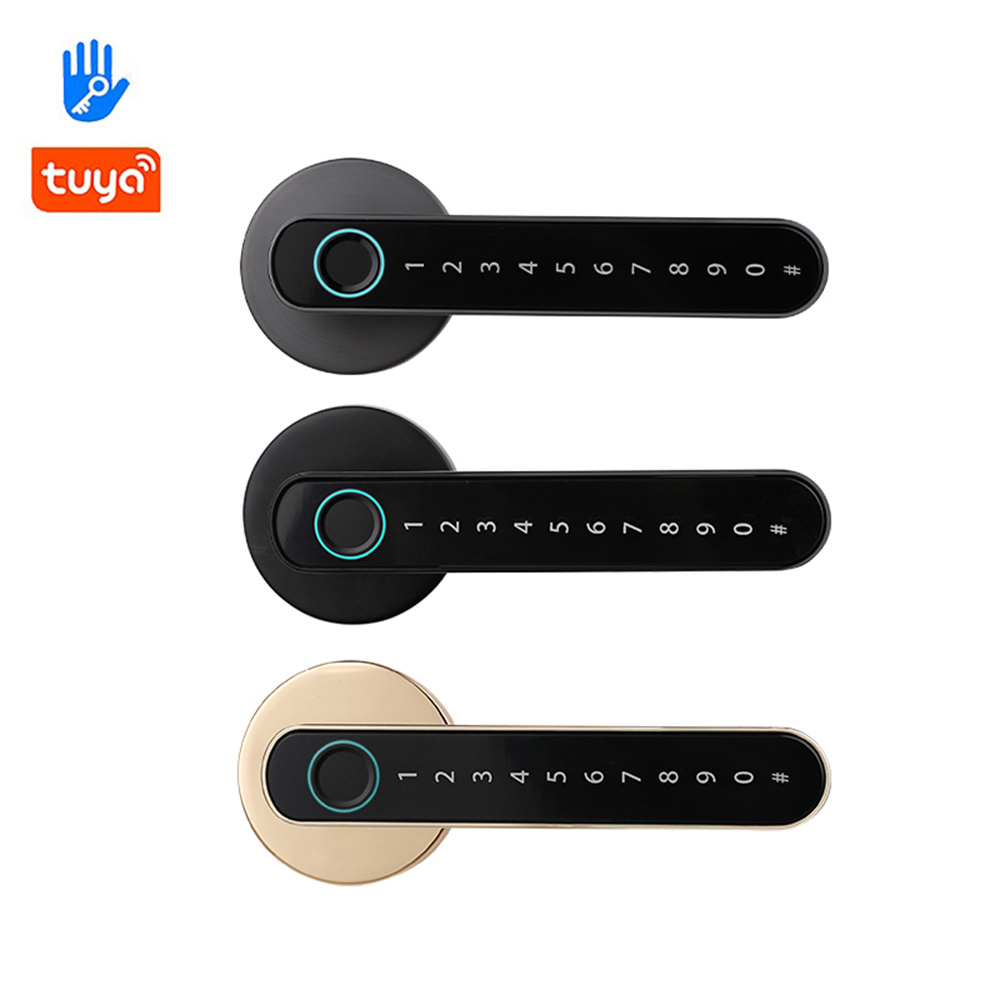 Bluetooth Lever Lock unlock by fingerprint recognition, password and App eKeys T8
-
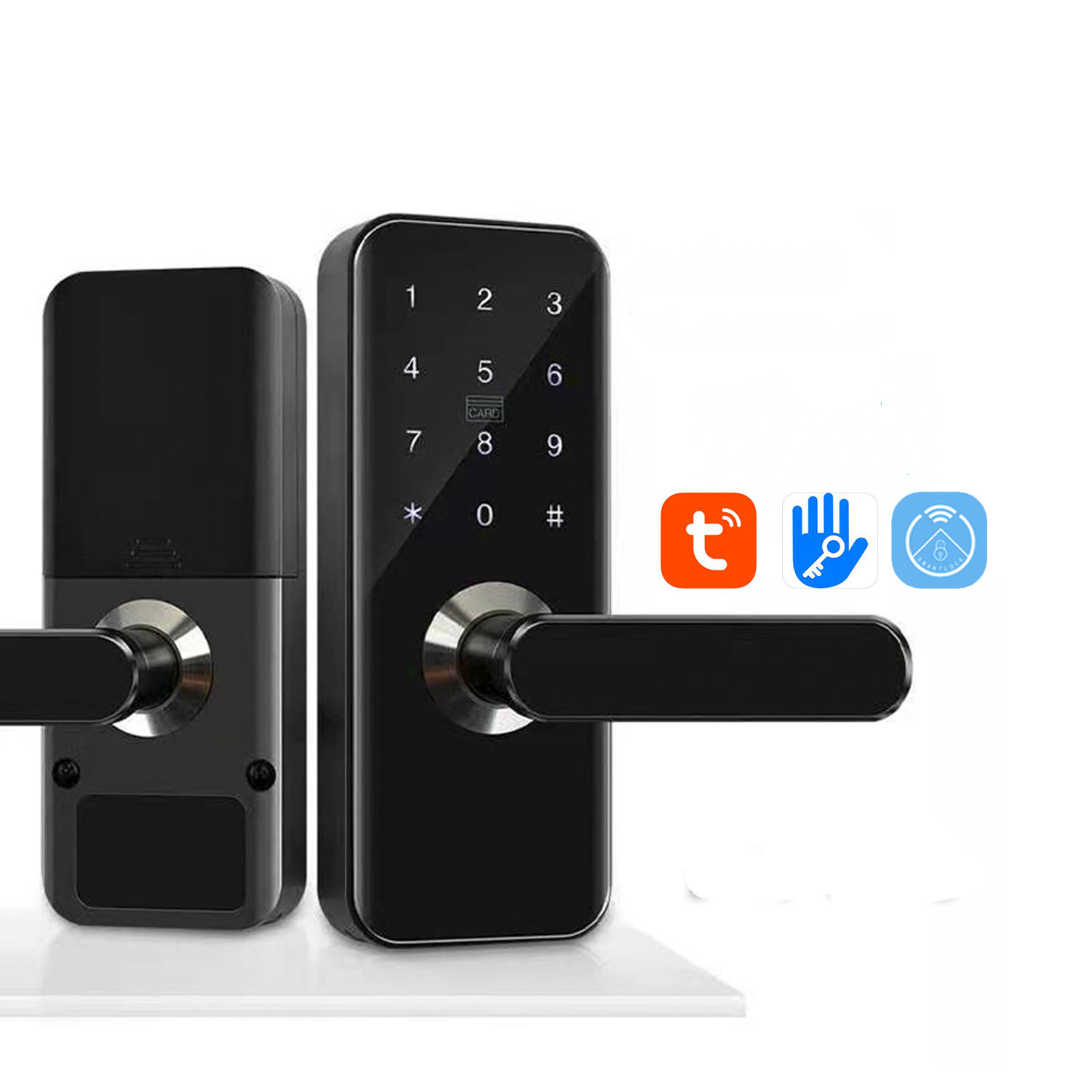 Smart lever lock supports TTlock bluetooth and TUYA wifi FM810
-
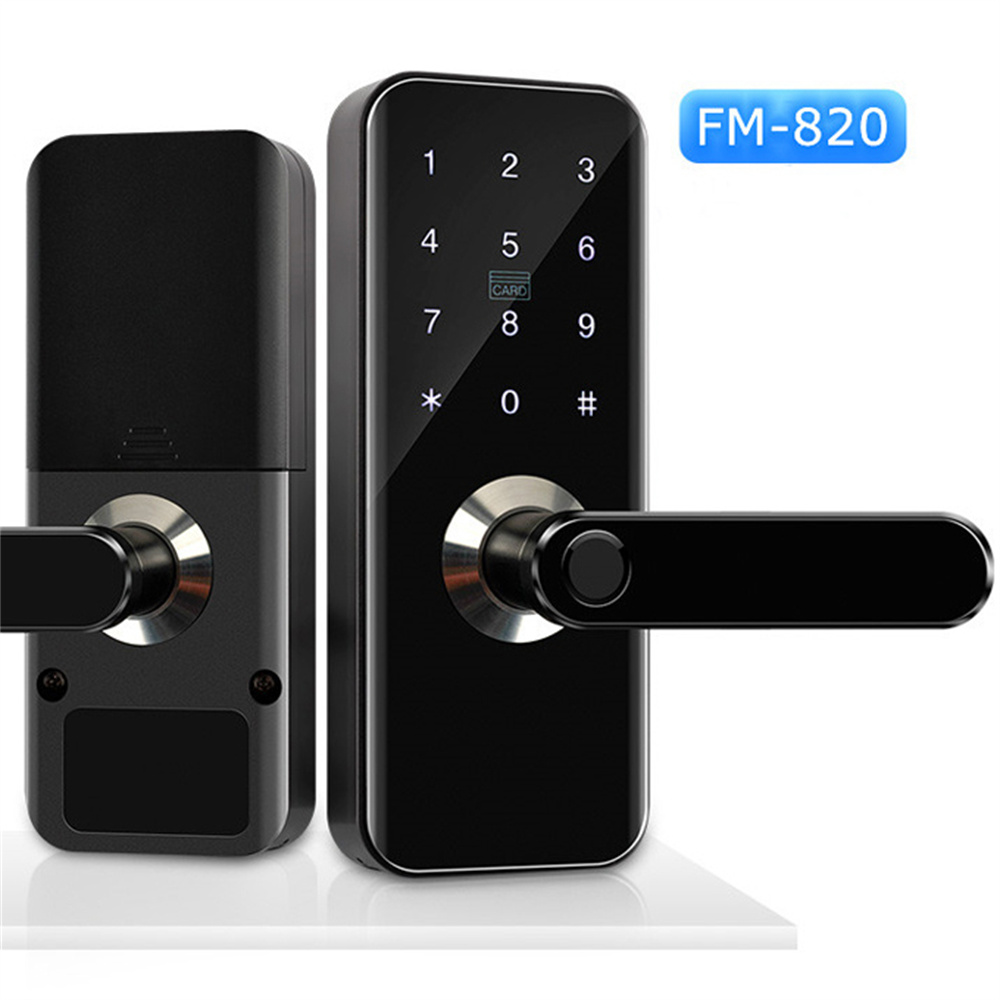 Fingerprint Smart Lever Lock with one touch Keyless Entry fits US Knob & Lever FM820
-
-
Mortise Locks
-
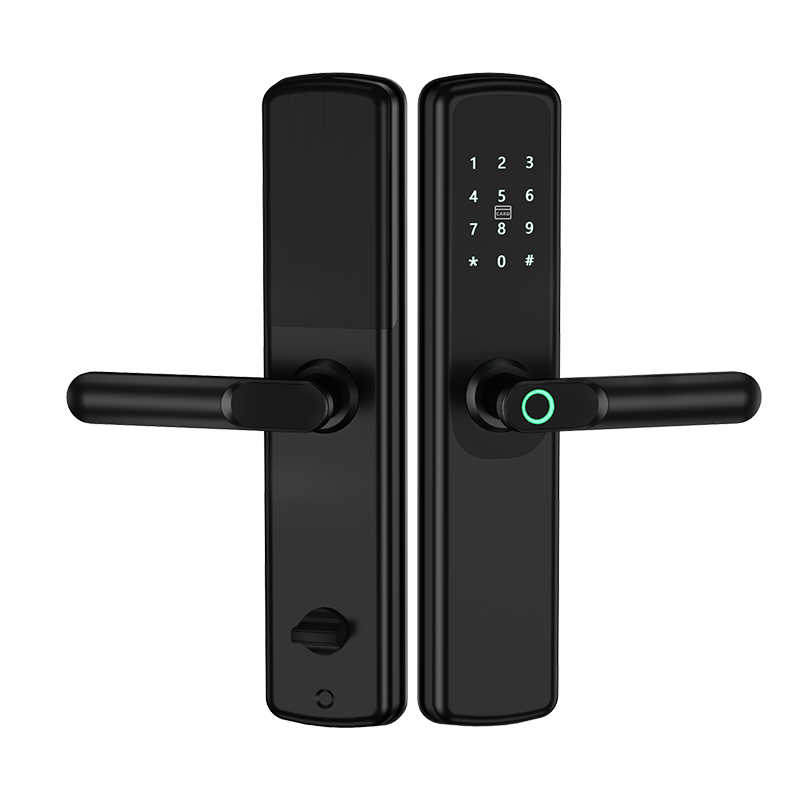 Intelligent Biometric Door Lock with 2MP Video Doorbell and Tuya WiFi FM-05
-
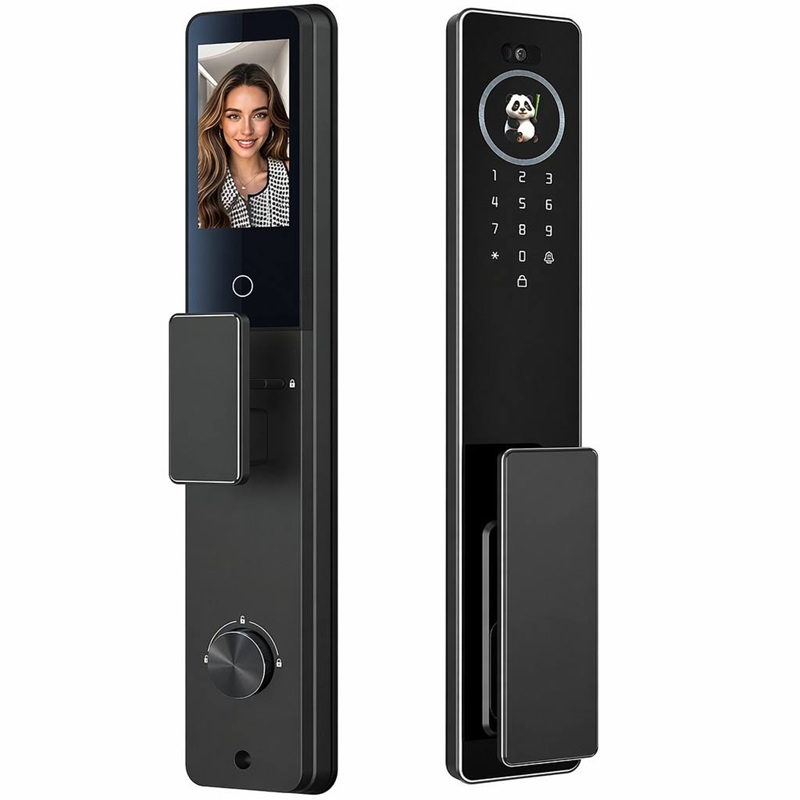 Flagship Biometric Security Lock — Advanced 3D Face Access & 4.5" IPS Live Viewer FM93
-
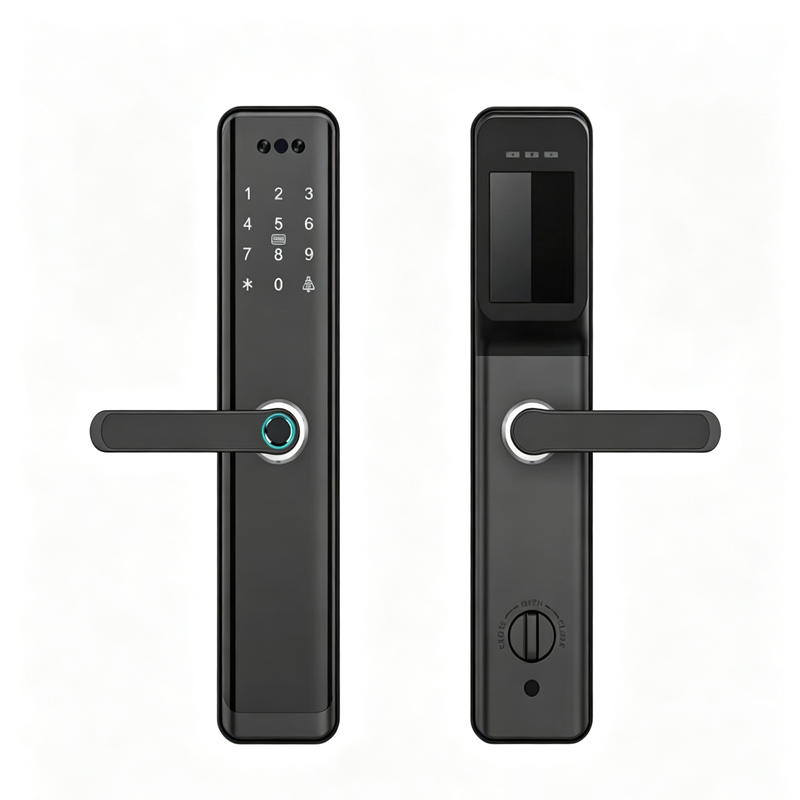 Smart Lever Lock with Fingerprint Facial Recognition and Video Doorbell Tuya WiFi TTlock FM-128
-
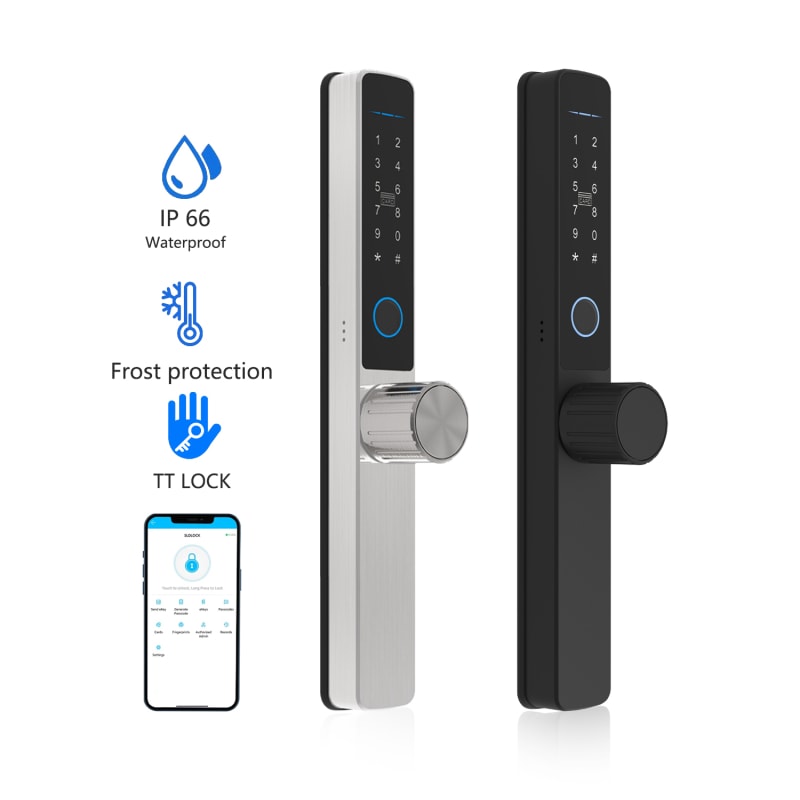 Keyless Entry Door Lock Fits Both Traditional Mortise and Smart Lock Mortise
-
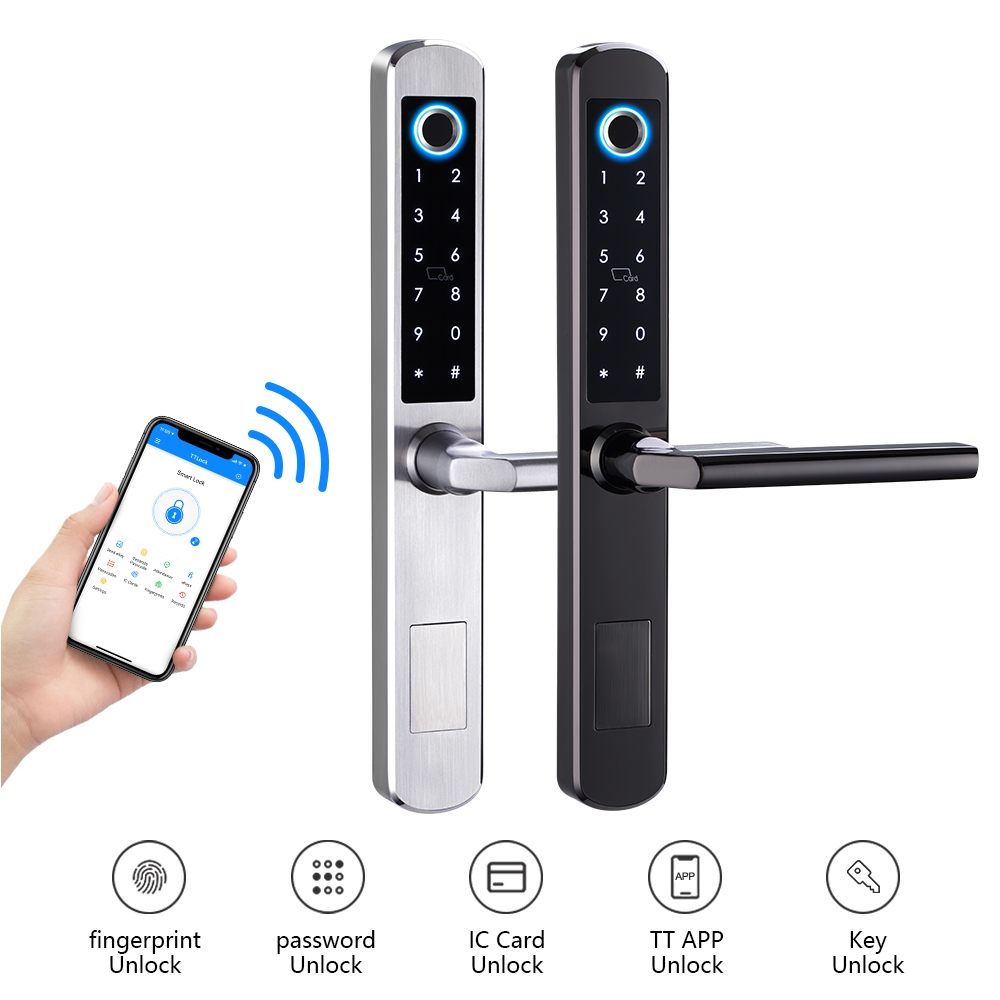 Slim 304 stainless steel keypad lock with IP65 waterproof case for thermal break sliding doors FM210
-
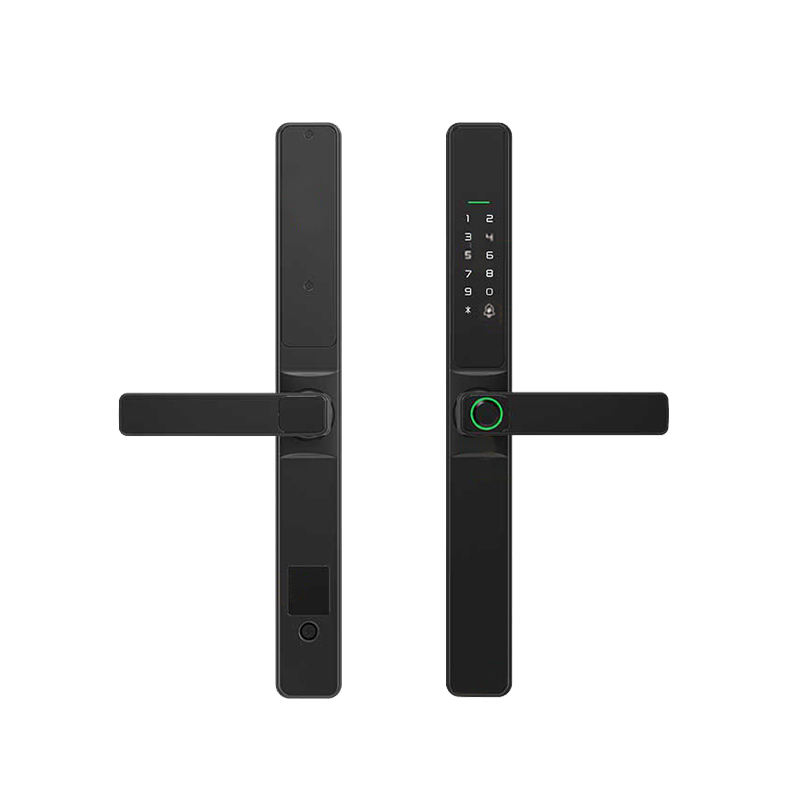 Fingerprint lock with hook mortise for slim sliding door and IP66 waterproof for outdoor use F6
-
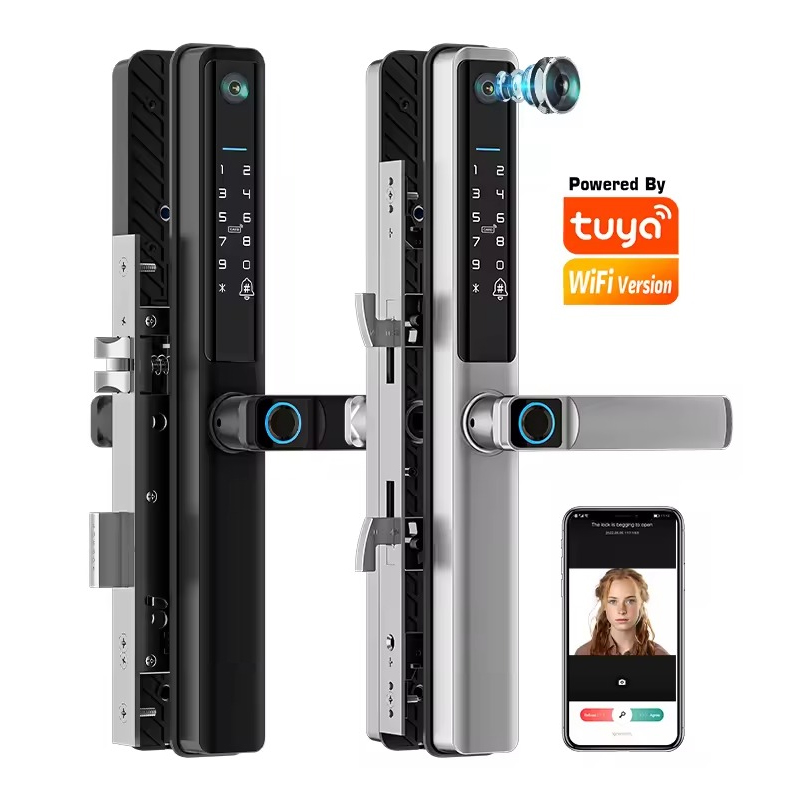 Keyless entry door lock for slim sliding door with camera and doorbell F5 PRO
-
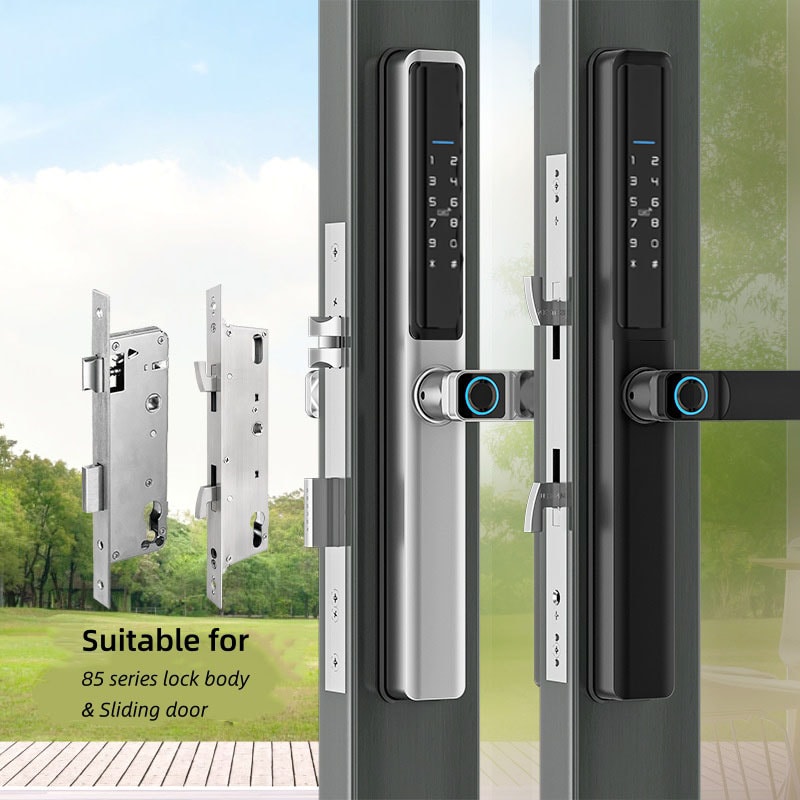 Smart door lock with hook mortise for aluminum slim sliding door F5
-
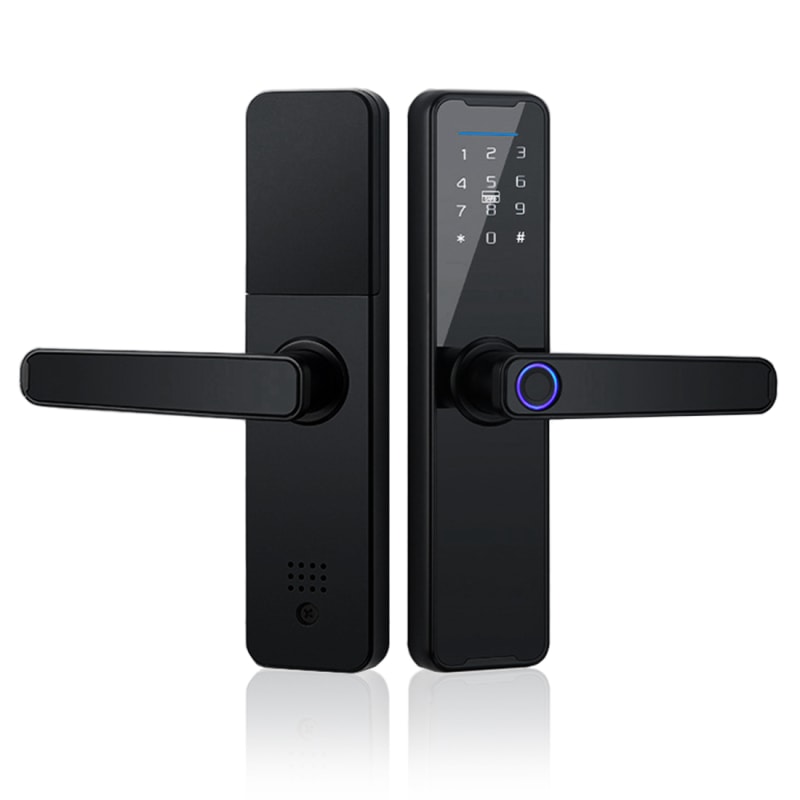 Front door smart Locks made of aluminum alloy compatible with multiple mortise types
-
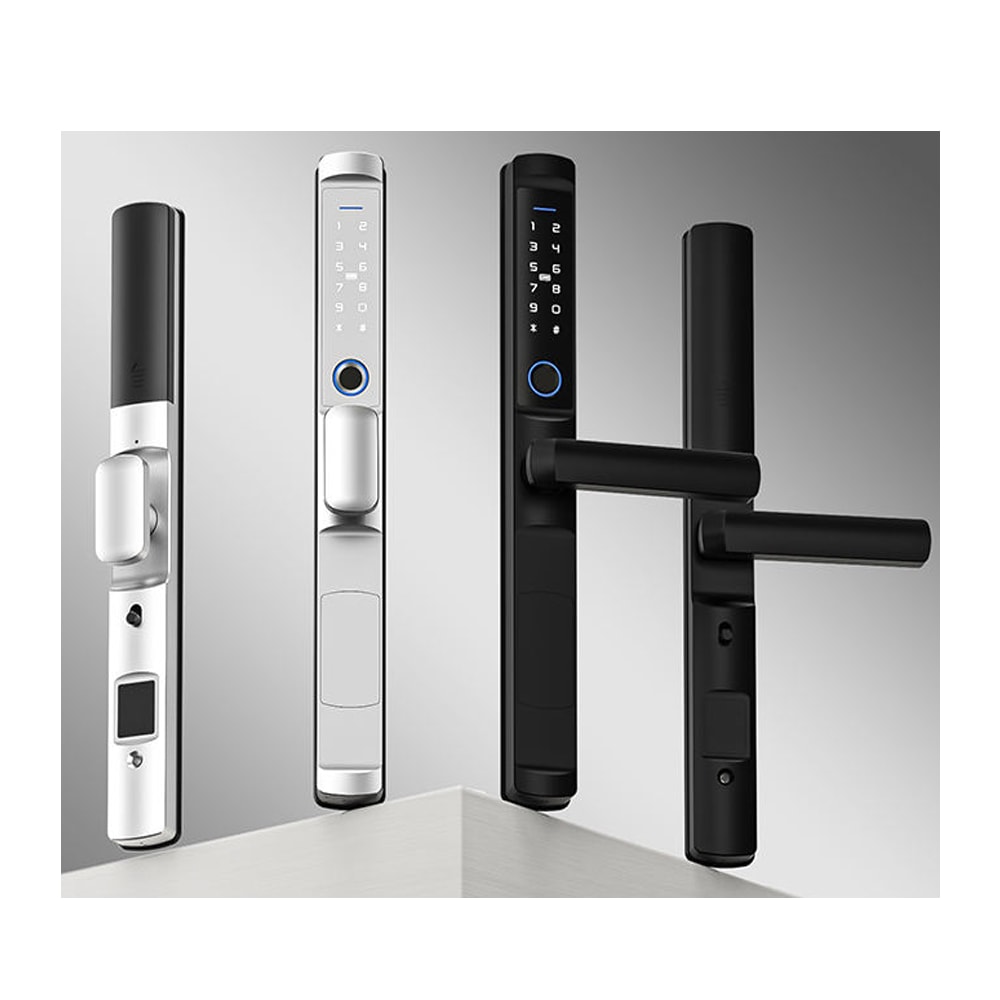 Keypad Door Lock with IP66 Waterproof case and Two Handle Styles Options
-
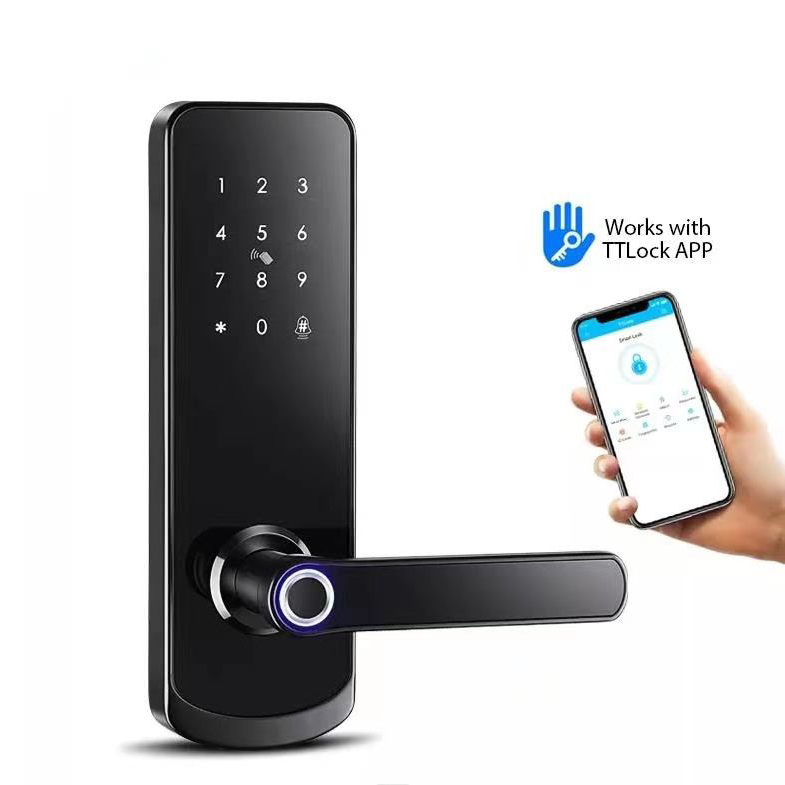 Fingerprint door lock for Front door with Anti-prying latch to prevent the card prying the door
-
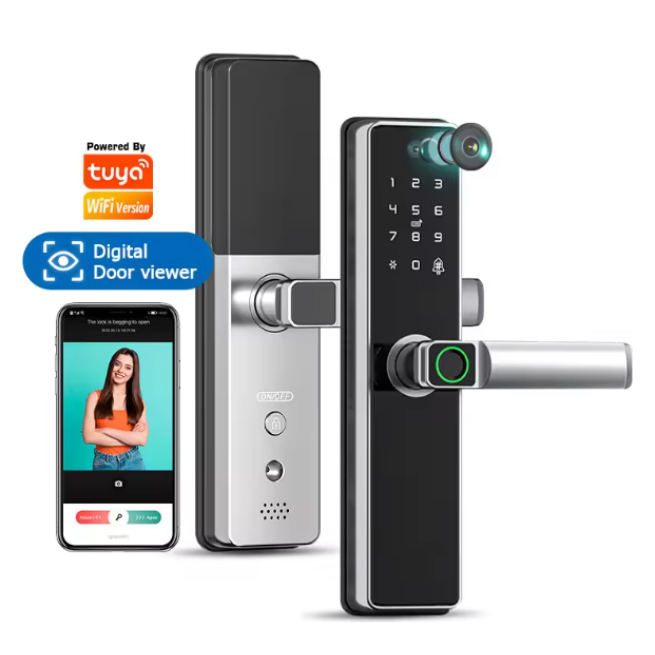 Front Door Keypad Lock with Fingerprint and Doorbell B2
-
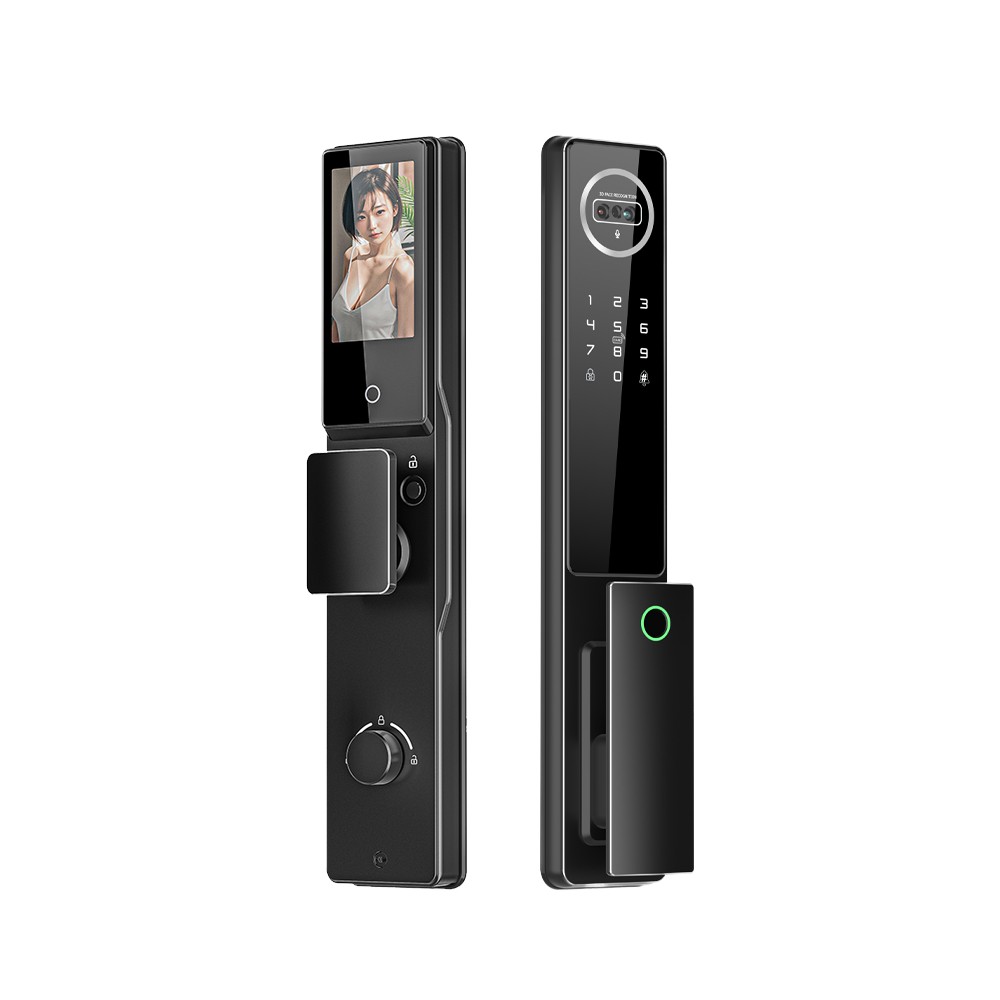 Face Recognition Smart Door Lock with Video Intercom Doorbell Tuya WiFi D1
-
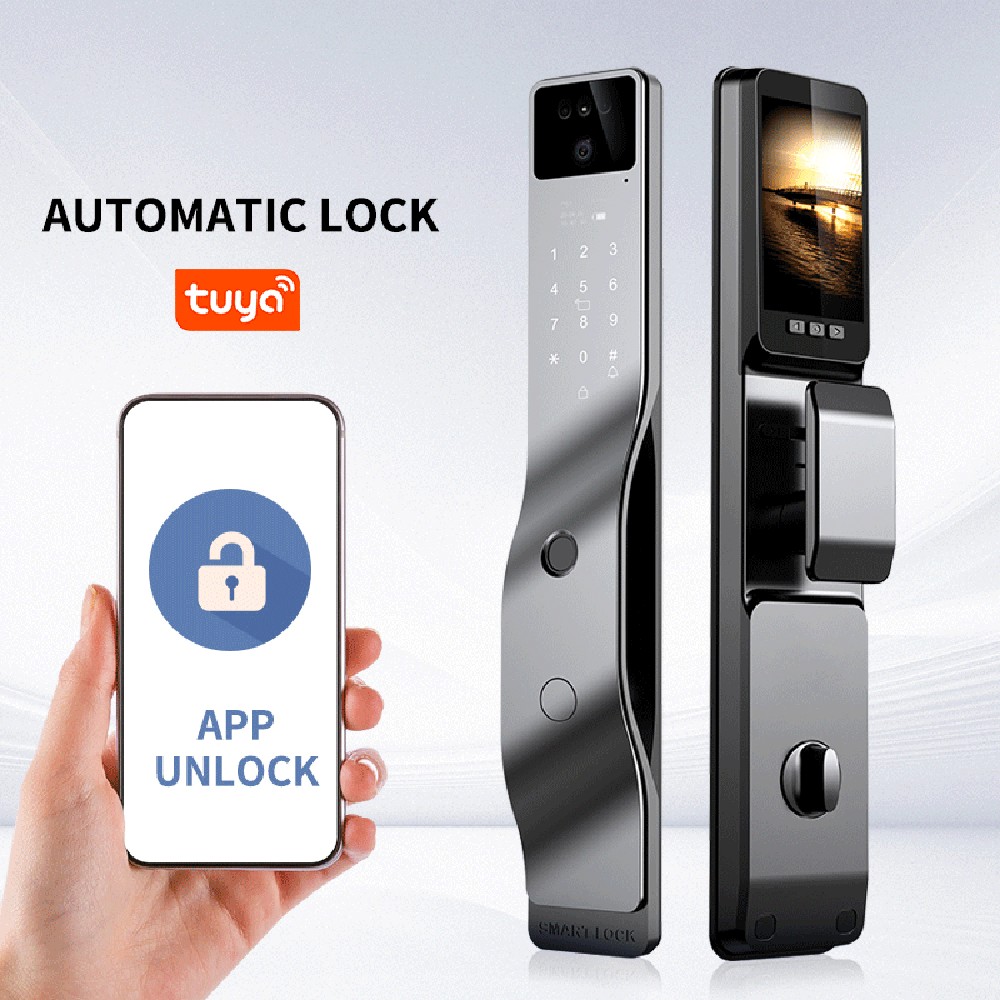 WIFI Smart Mortise Lock with Tuya Video Doorbell support Face Scan Palm Vein F7
-
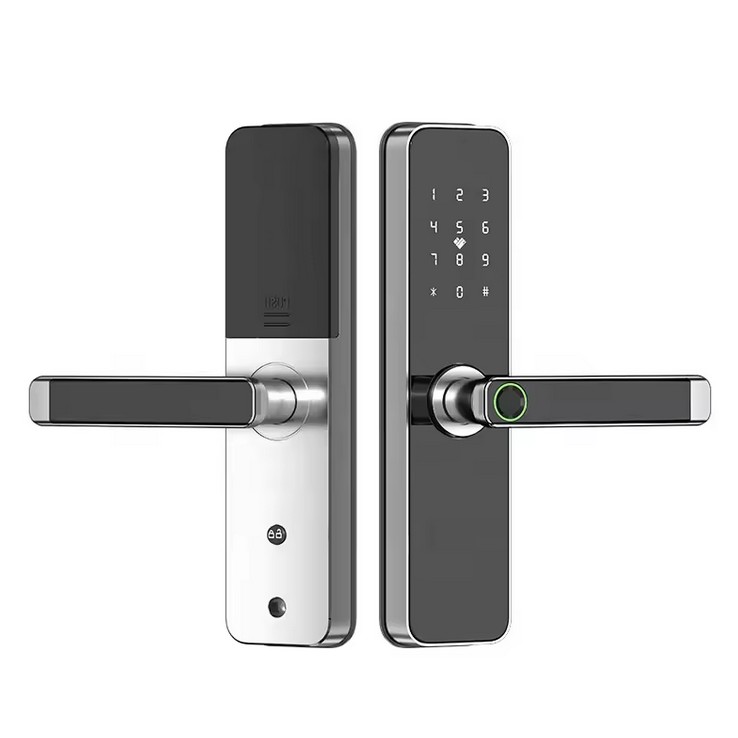 Smart mortise lock with bluetooth and WIFI optional FM028
-
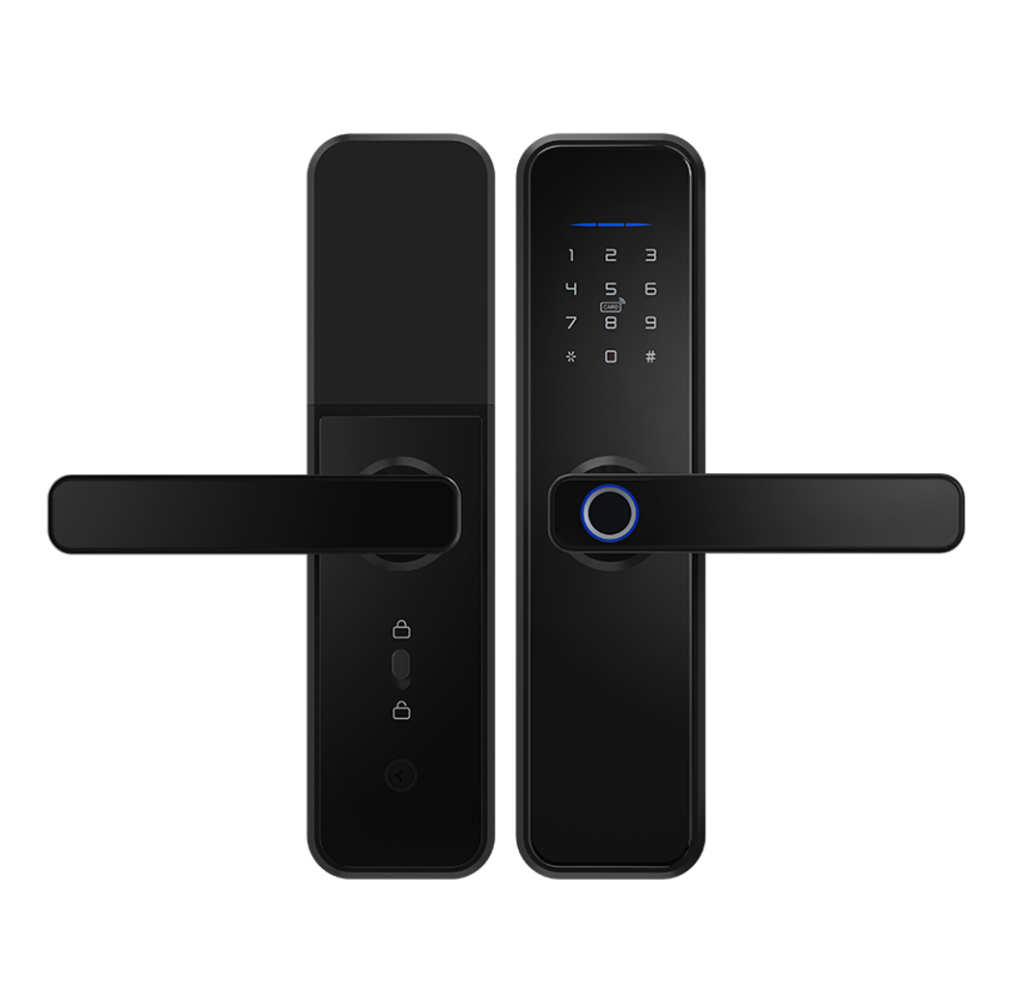 Mortise Smart Lock with multi keyless accesses FM550
-
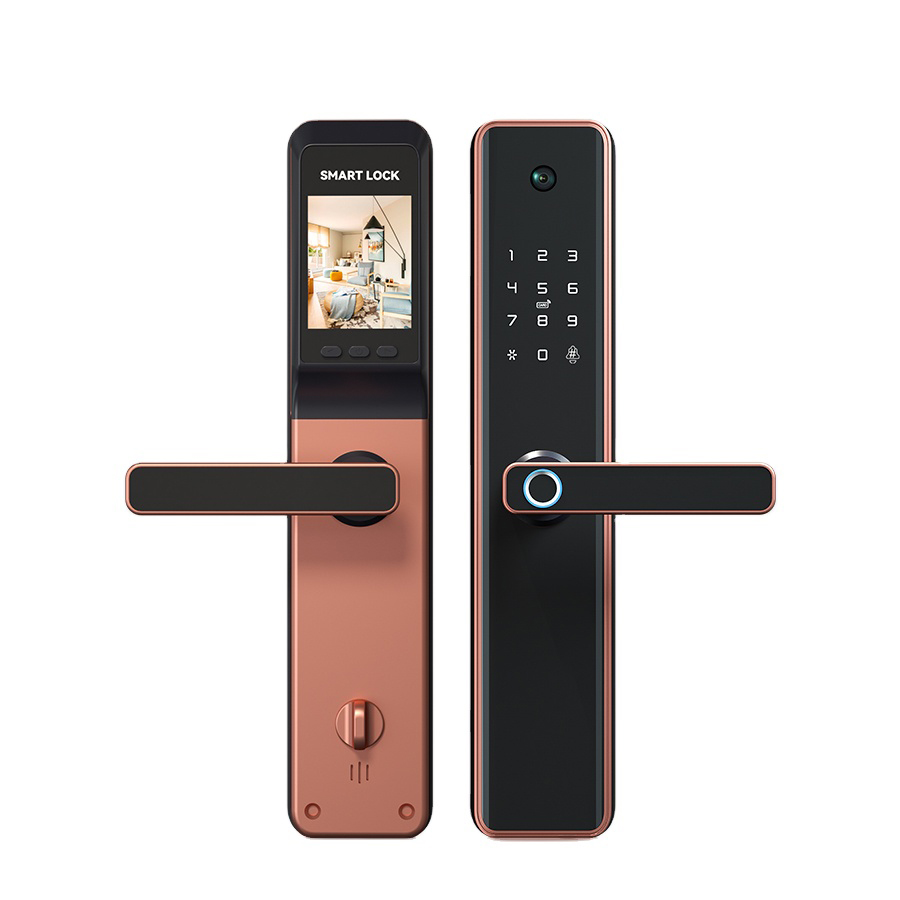 Camera Smart Lock with Finger Scan Supporting Tuya WiFi or Zigbee FM551
-
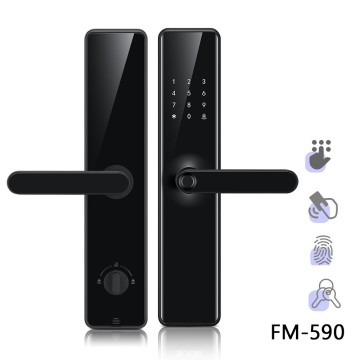
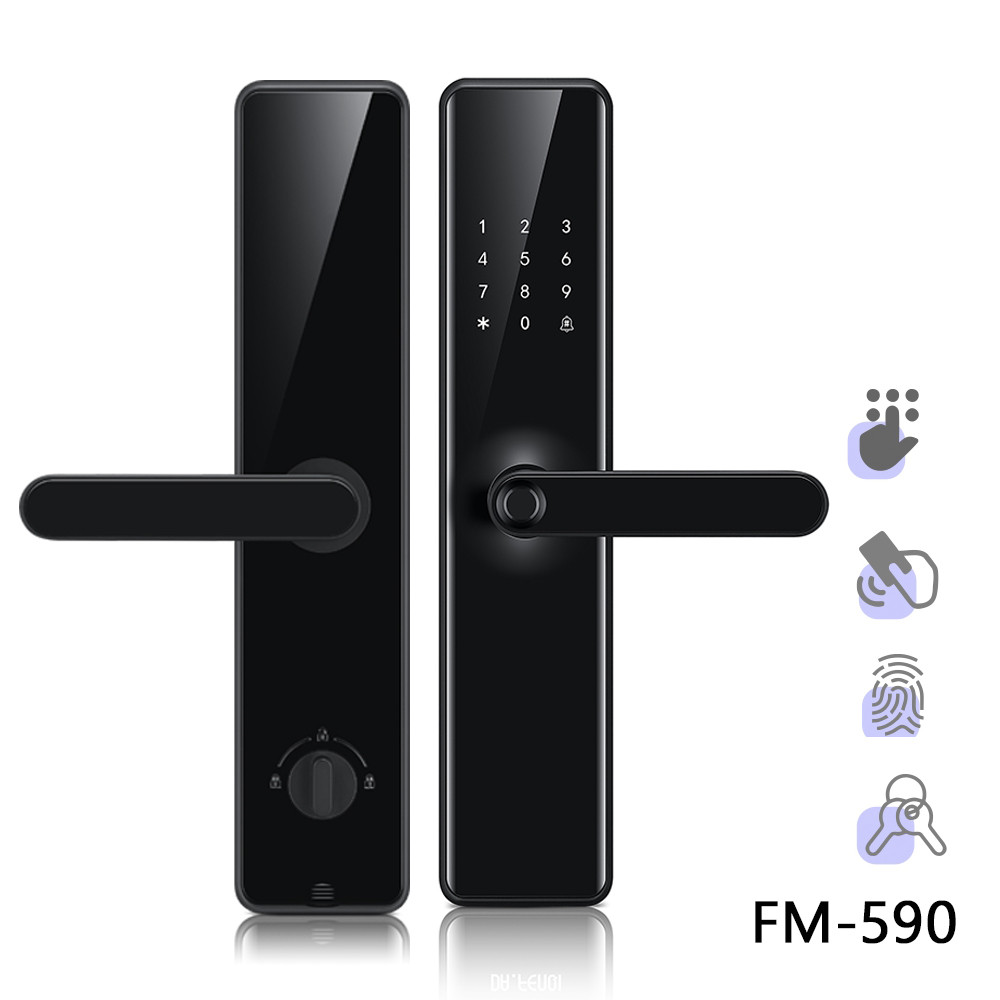 Smart Door Lock with Fingerprint and Voice Control FM590
-
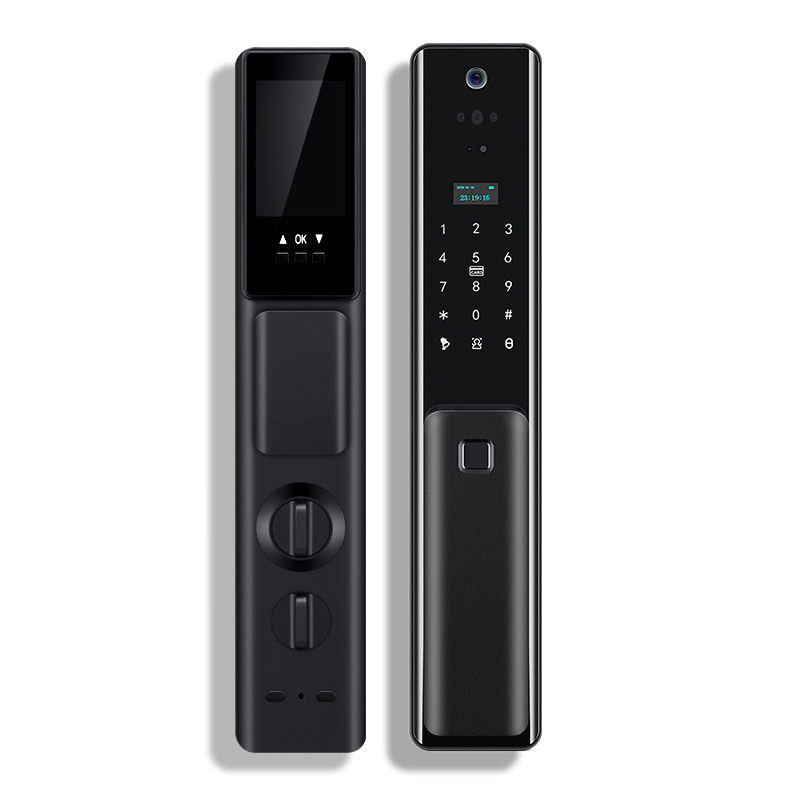 Fingerprint Door Lock with Face Scanner and Camera Supports google home FM720
-
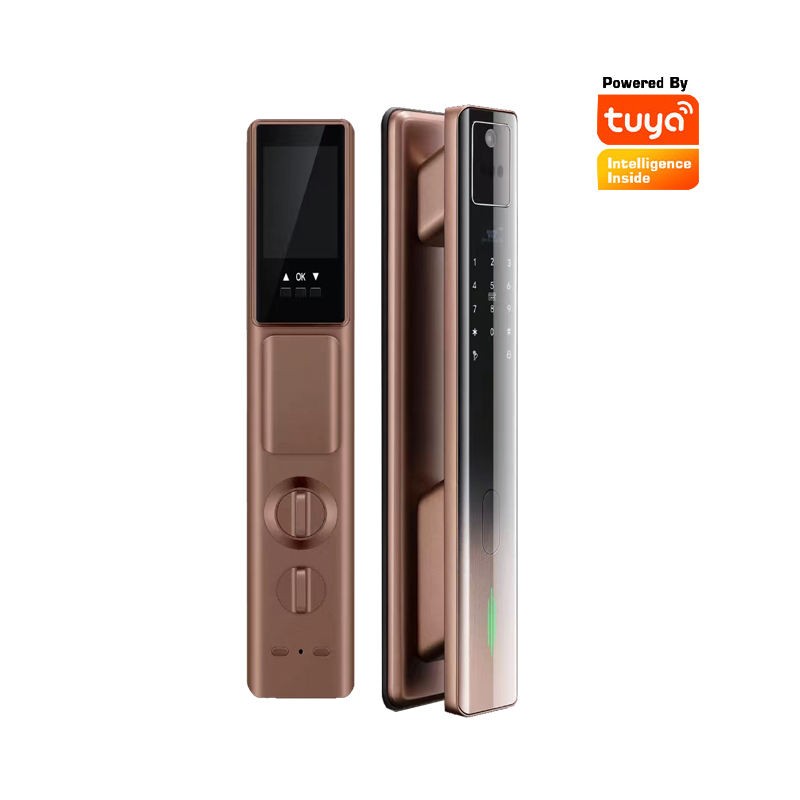 Facial Recognition Smart Lock with Video Intercom and Thumbprint FM730
-
-
Other Locks
-
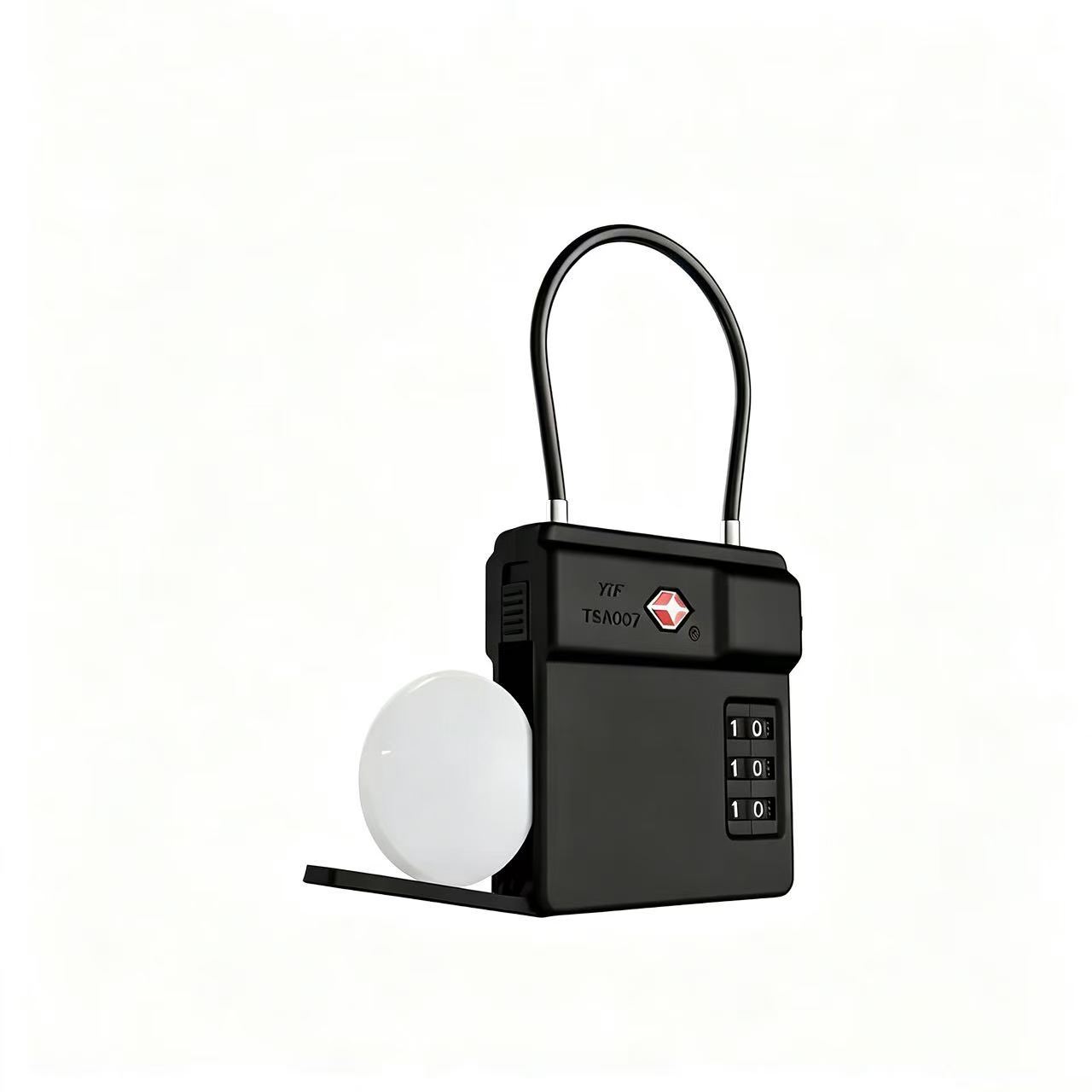 Smart TSA Approved Cable Lock with Integrated Airtag Tracking for iOS and Android FMA002
-
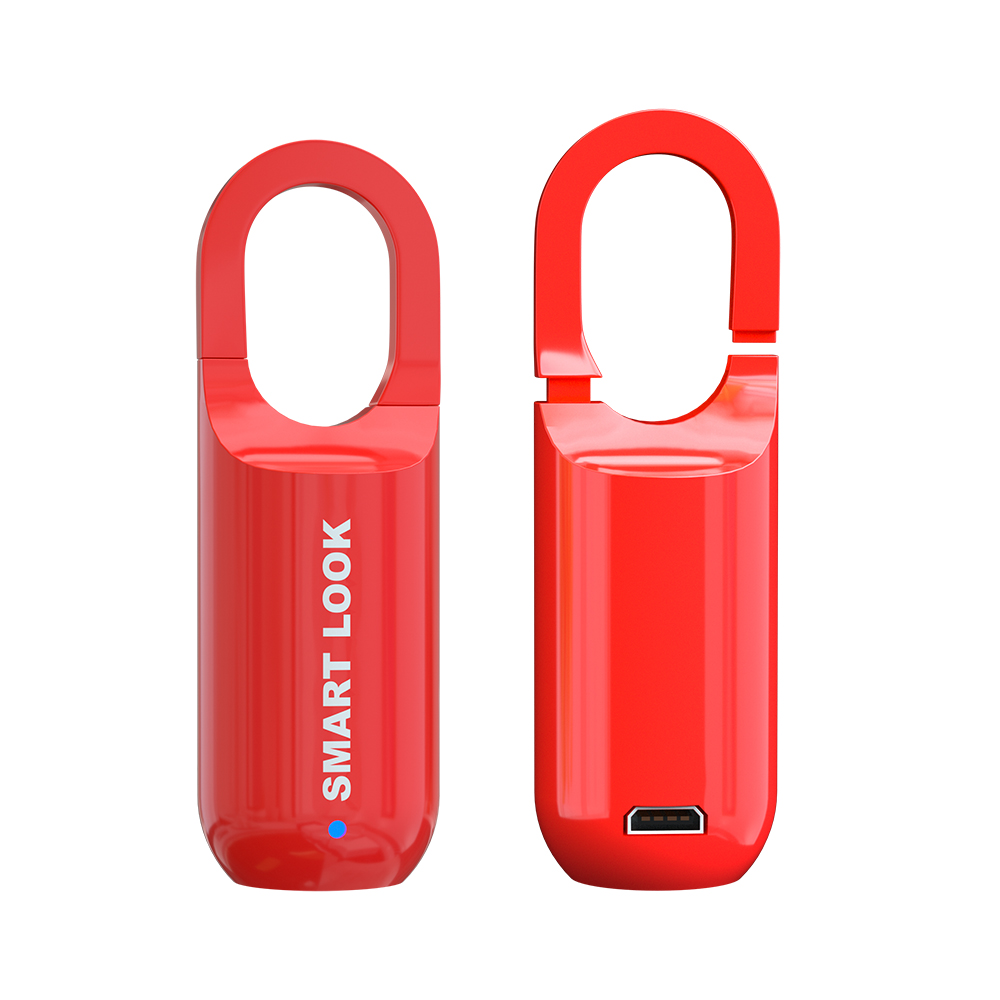 Fingerprint Smart Padlock with Bluetooth App Control and 365-Day Standby Tuya FMP001
-
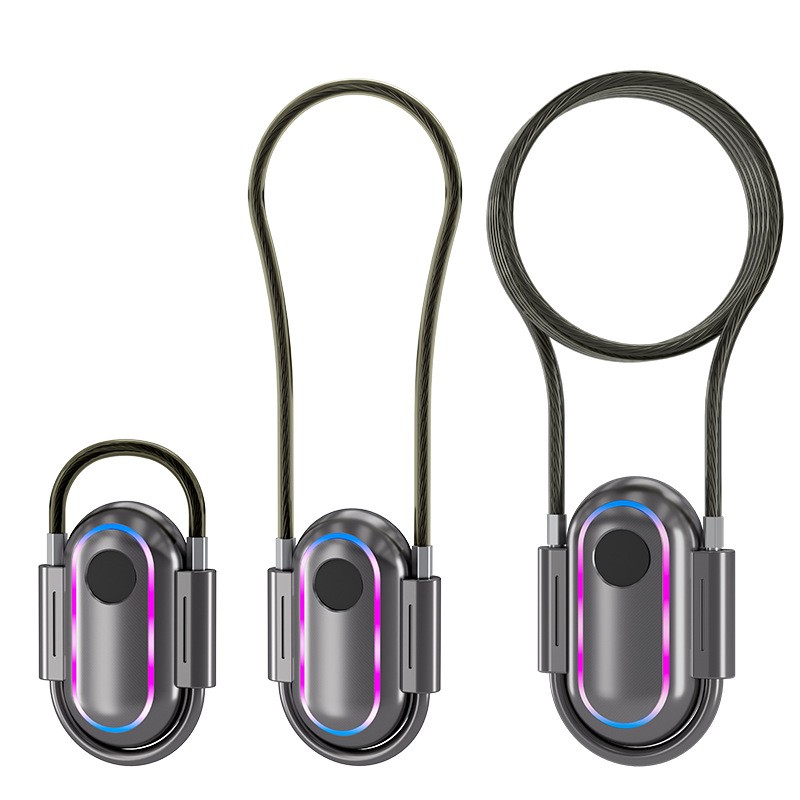 Fingerprint Smart Padlock with IPX5 Waterproof and 3 Steel Cable Lengths FMP002
-
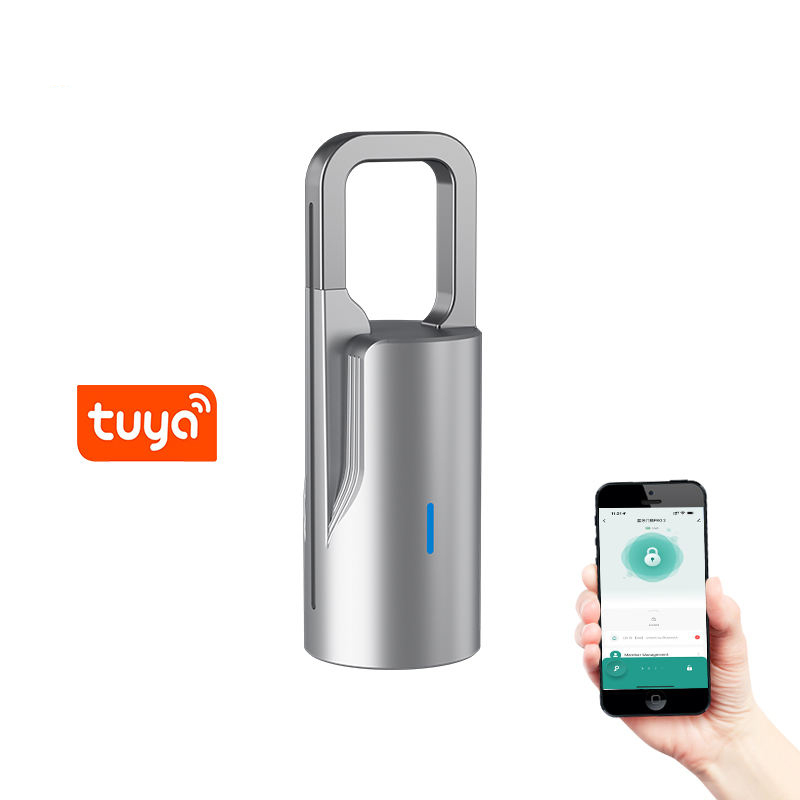 Fingerprint Smart Padlock with Bluetooth App Control and IPX5 Waterproof FMP003
-
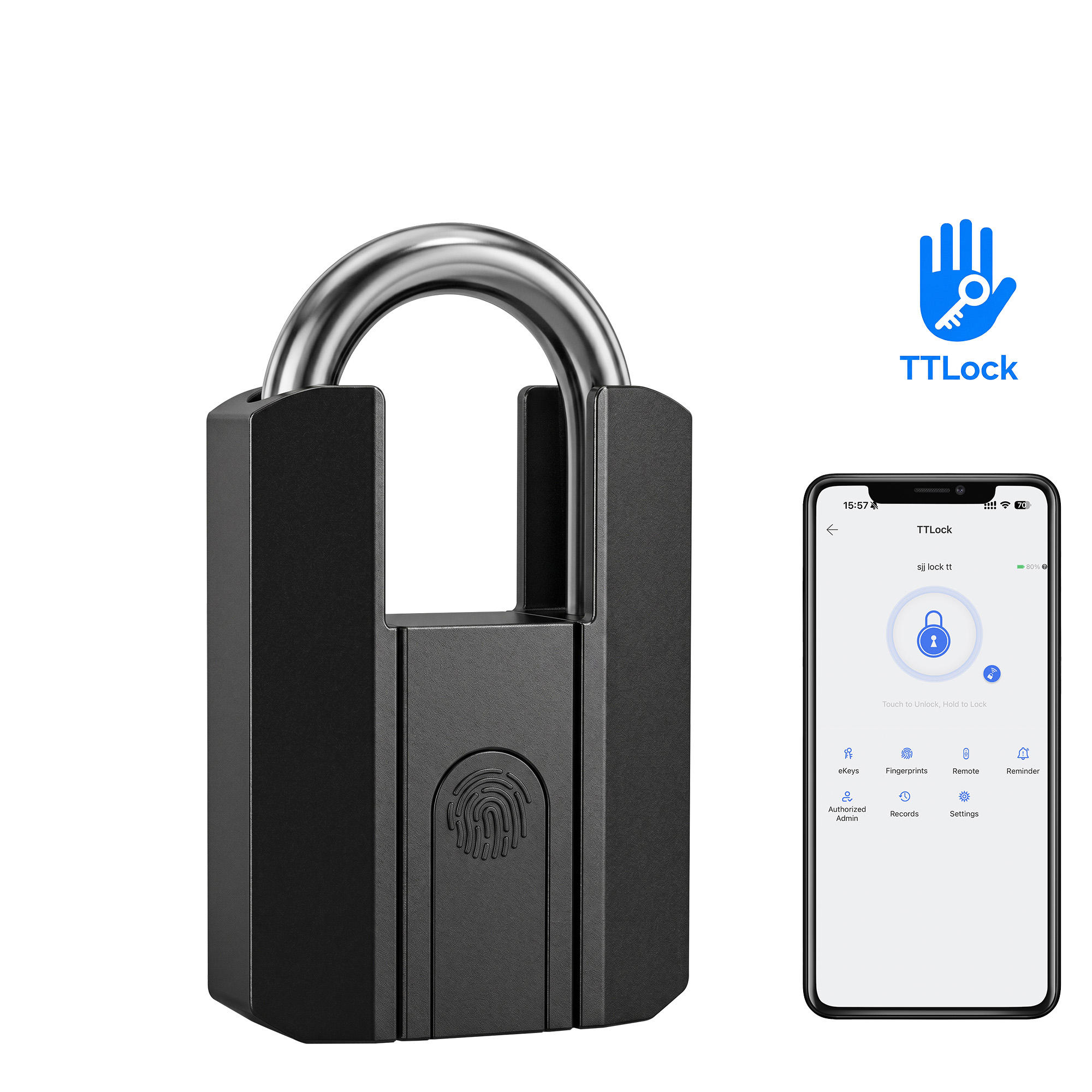 Heavy-Duty Fingerprint Padlock with IP67 Waterproof Shackle and TTLock Bluetooth FMP004
-
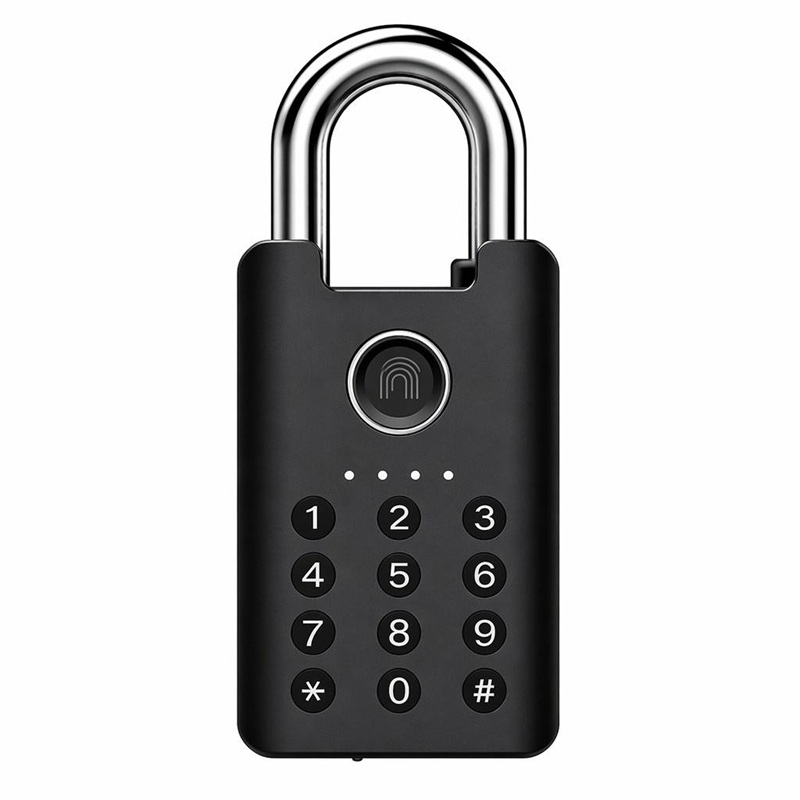 Heavy Duty Fingerprint Smart Padlock with Password Keypad IP65 Waterproof FMP005
-
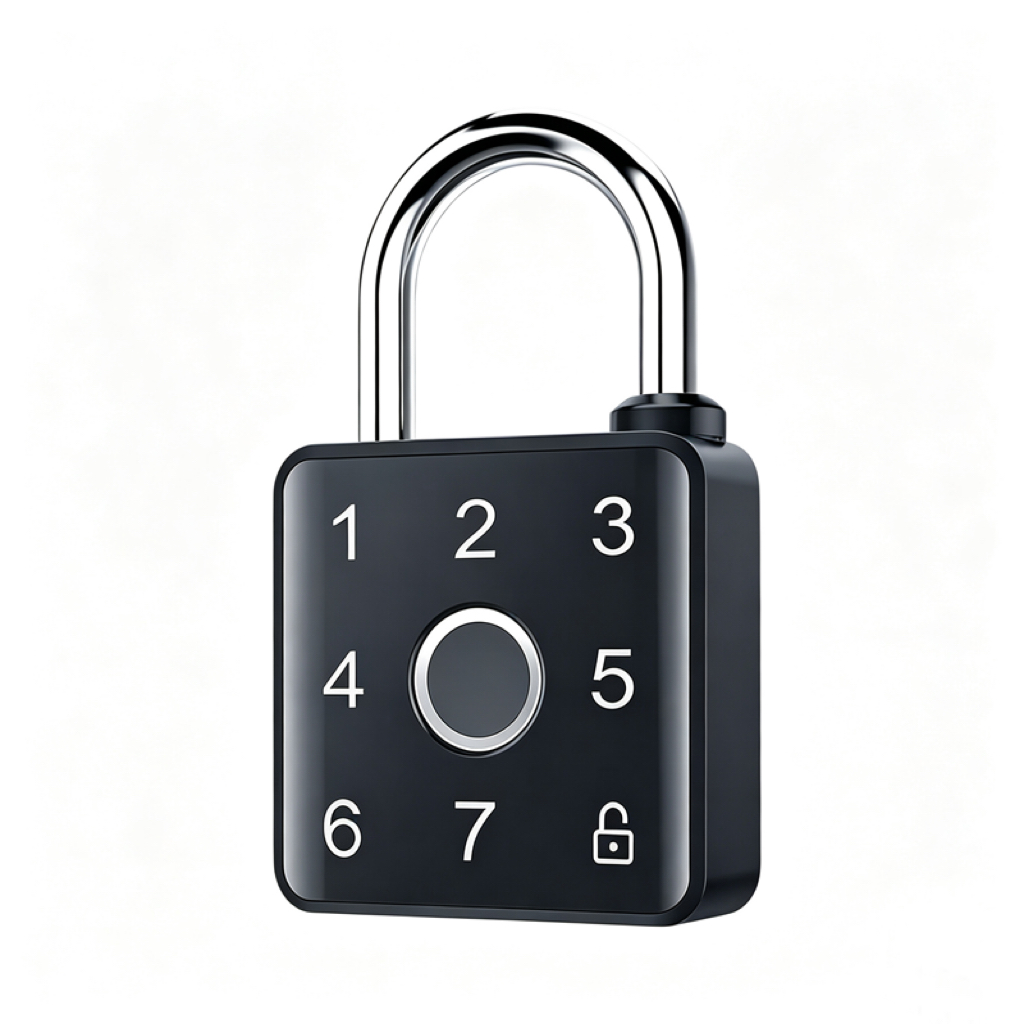 Multi-Access Fingerprint Padlock with Keypad, App Control & IP65 Waterproof FMP006
-
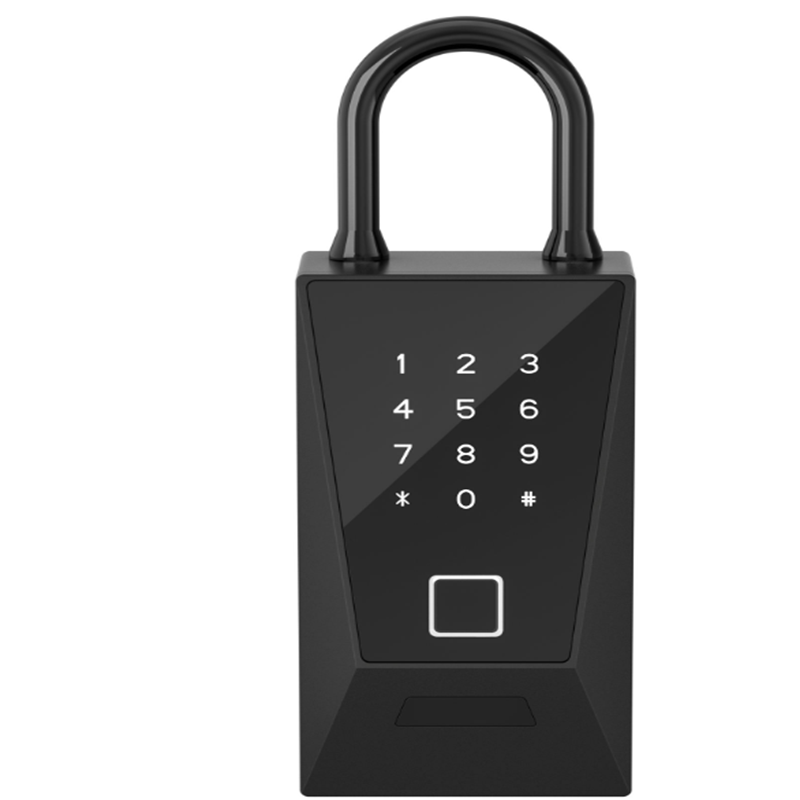 WiFi Smart Key Box with Fingerprint Password Card Access IPX5 Waterproof FMP007
-
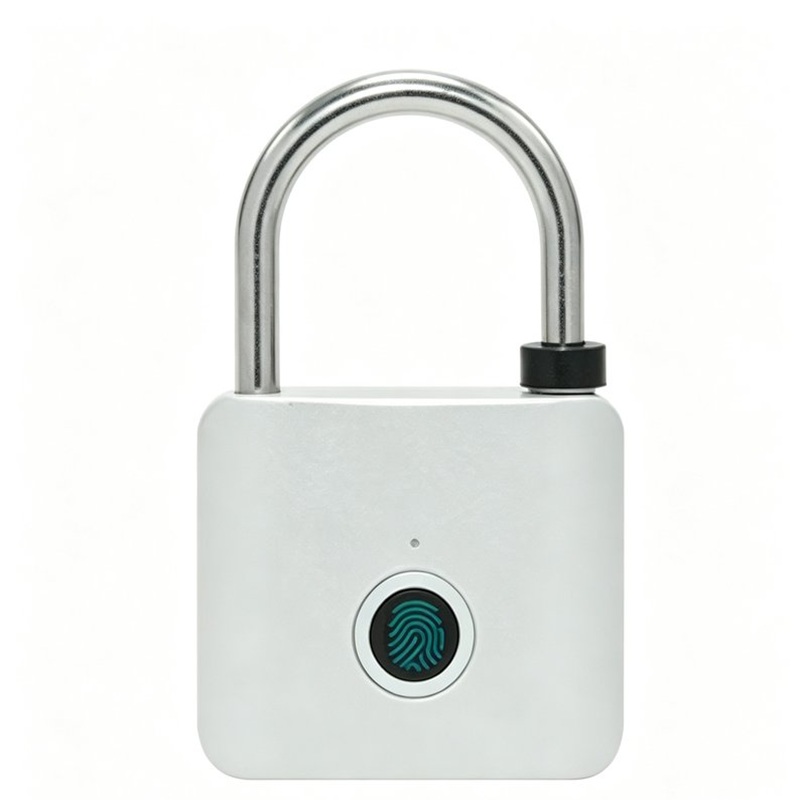 Bluetooth biometric Intelligent Padlock with IP65 Waterproof and Type-C Rechargeable Battery FMP008
-
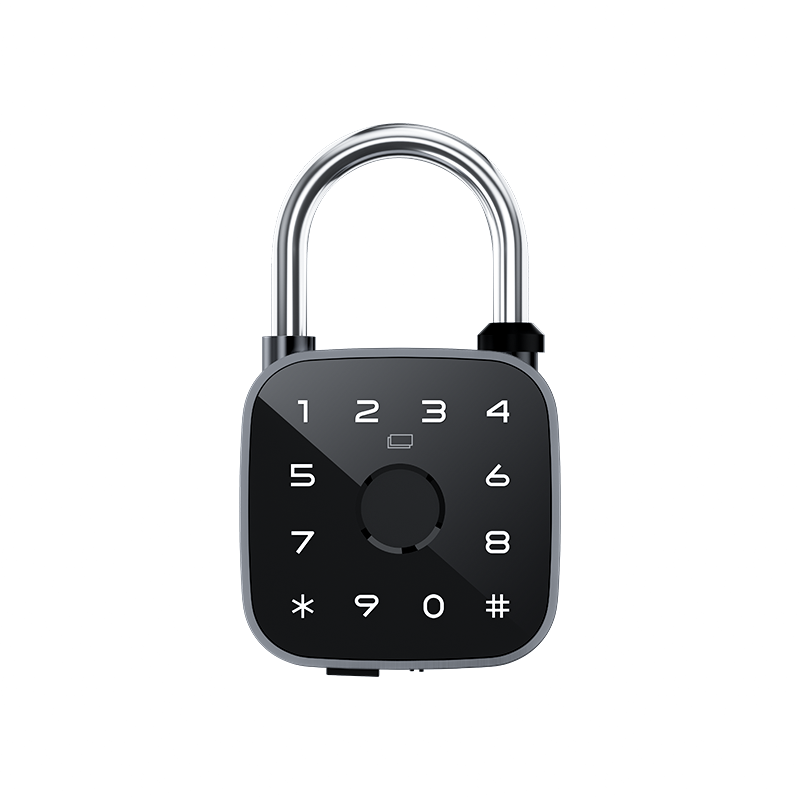 Smart Biometric Padlock with Scramble-Code Keypad and Tuya App Control FMP009
-
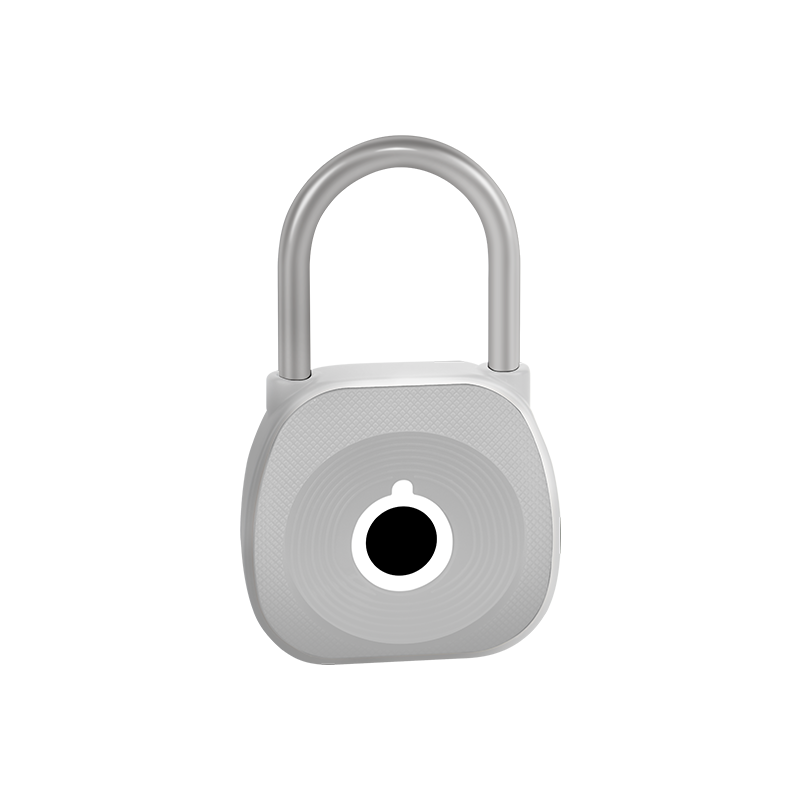 Ultra-Slim Biometric Padlock — 1.8cm Aluminum Body with Tuya App Control FMP010
-
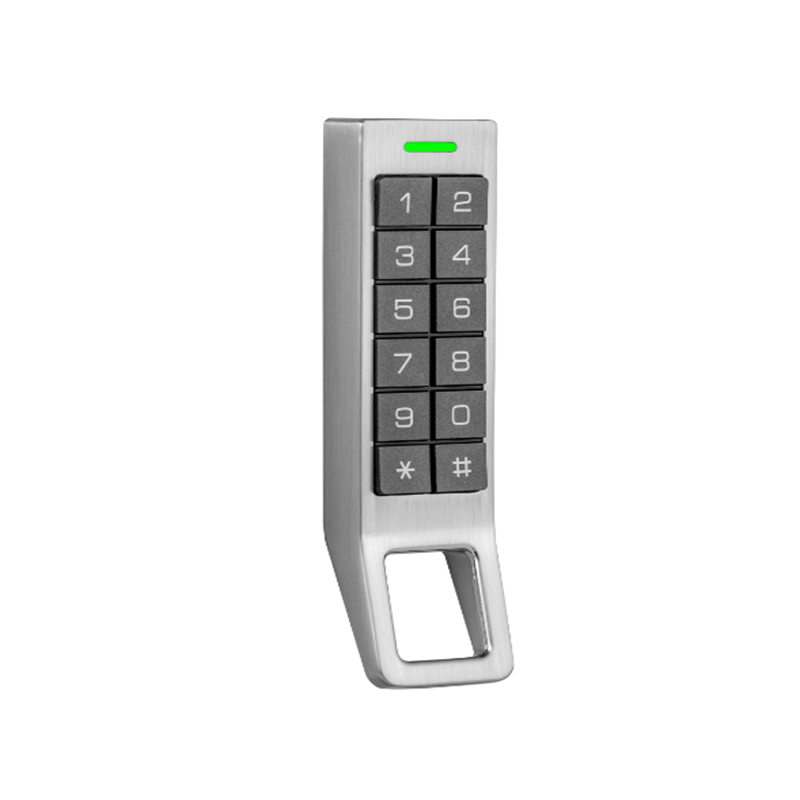 Smart Fingerprint Cabinet Lock — App & Bluetooth Keyless for Lockers FM890
-
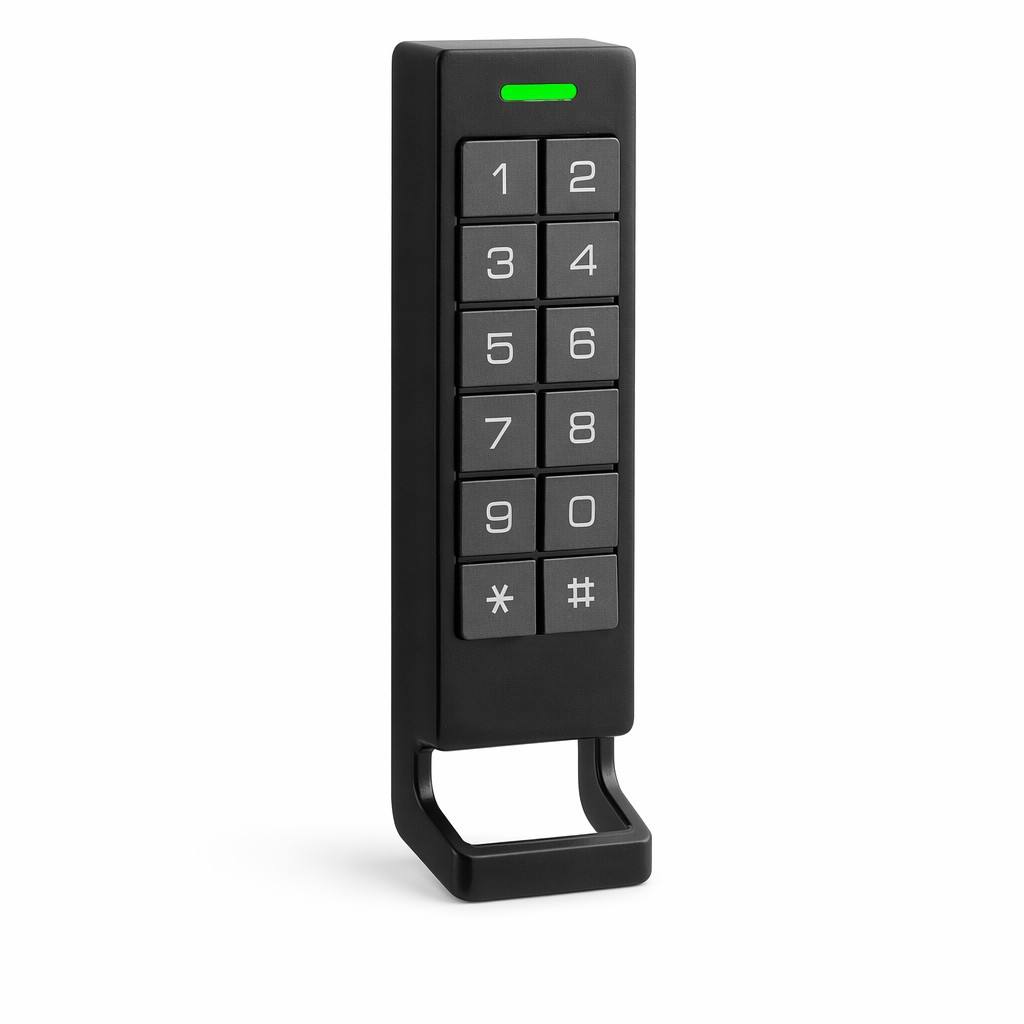 Digital Cabinet Lock with TTLock App, Passcode and RFID Card Access FMP870B
-
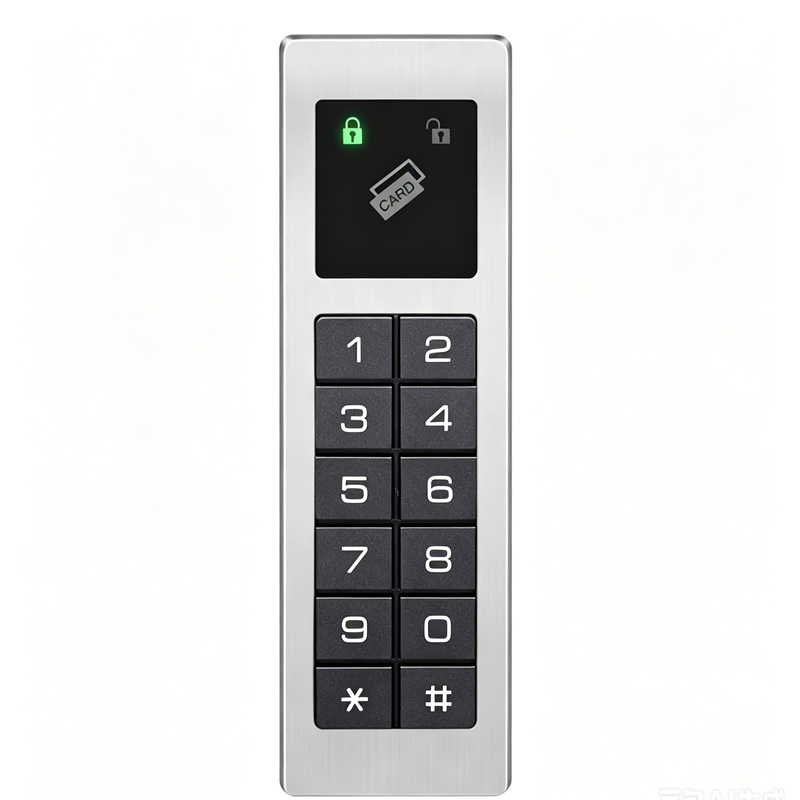 Smart RFID and Passcode Cabinet Lock with 5000mAh Battery and IP66 Waterproof FMP810
-
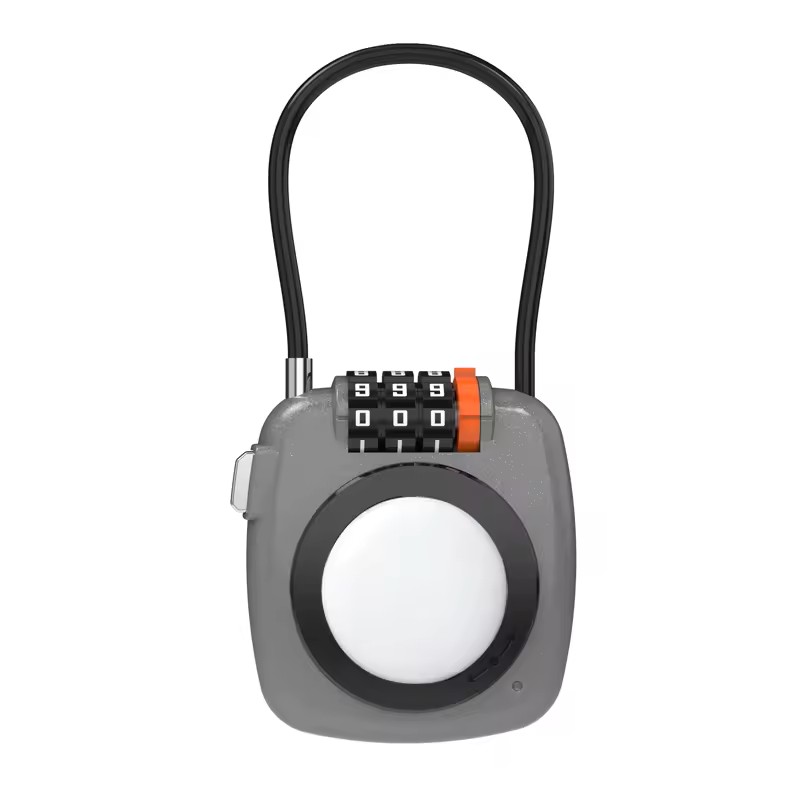 Combination Padlock with Apple Find My & Android Find Hub - IP65 Waterproof Smart Lock FMA001
-
Smart RFID and Passcode Cabinet Lock with 5000mAh Battery and IP66 Waterproof FMP810
-
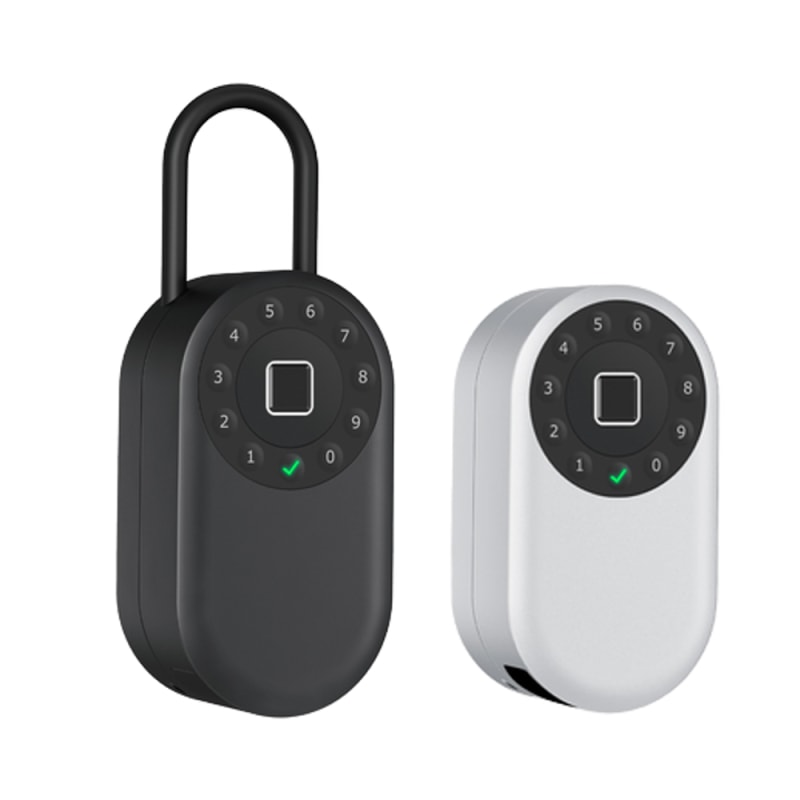 Keyless lock box with physical keypad and TTlock app waterproof for outdoor key storage
-
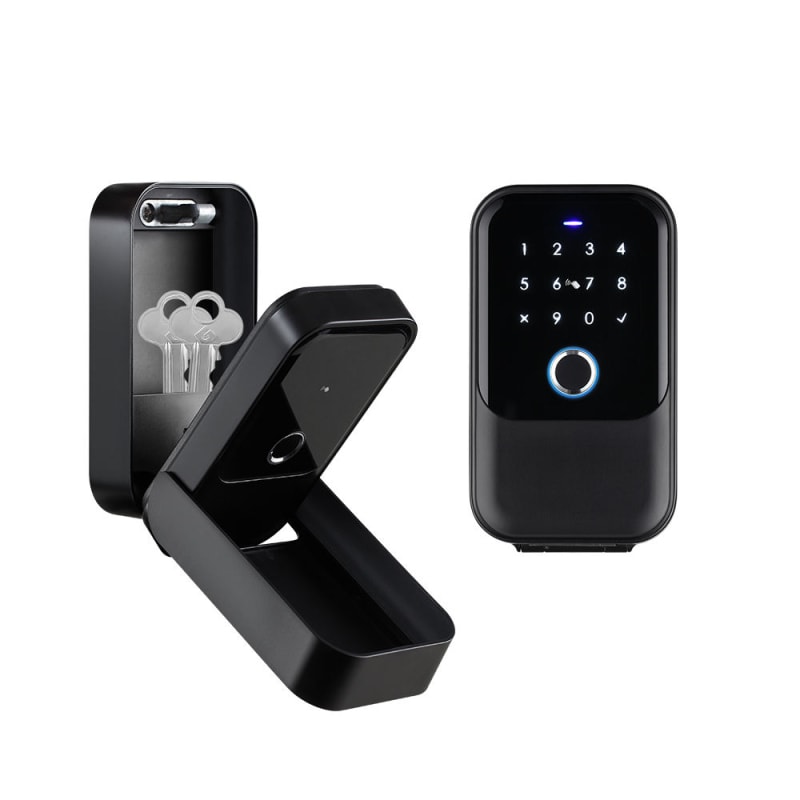 Smart key box with touch keypad and comptible with TTlock and Tuya ble for outdoor use
-
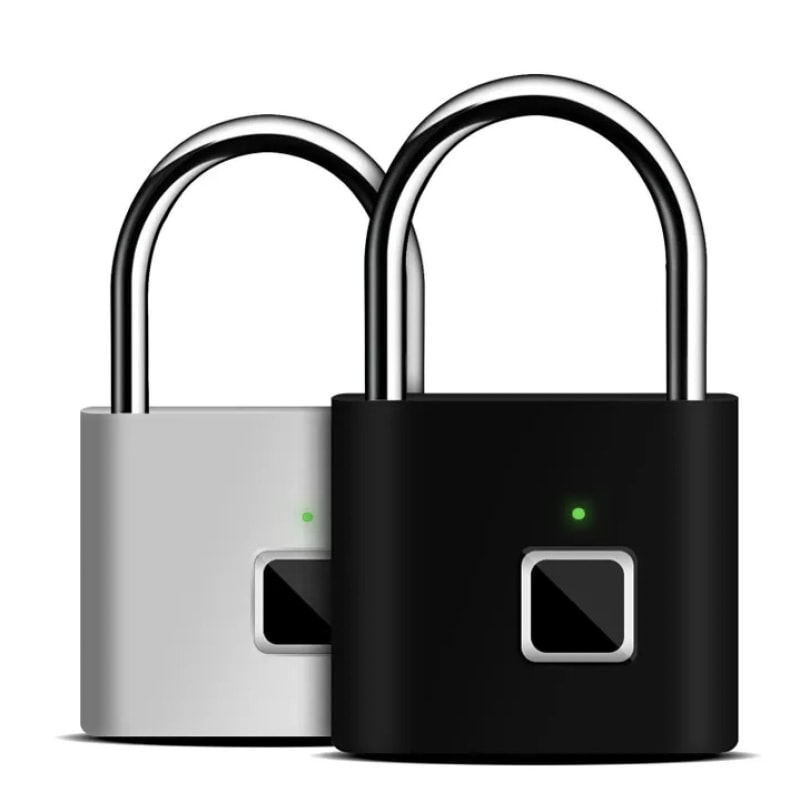 Fingerprint padlock with morse code backup that is rechargeable and portable for everyday use FM570
-
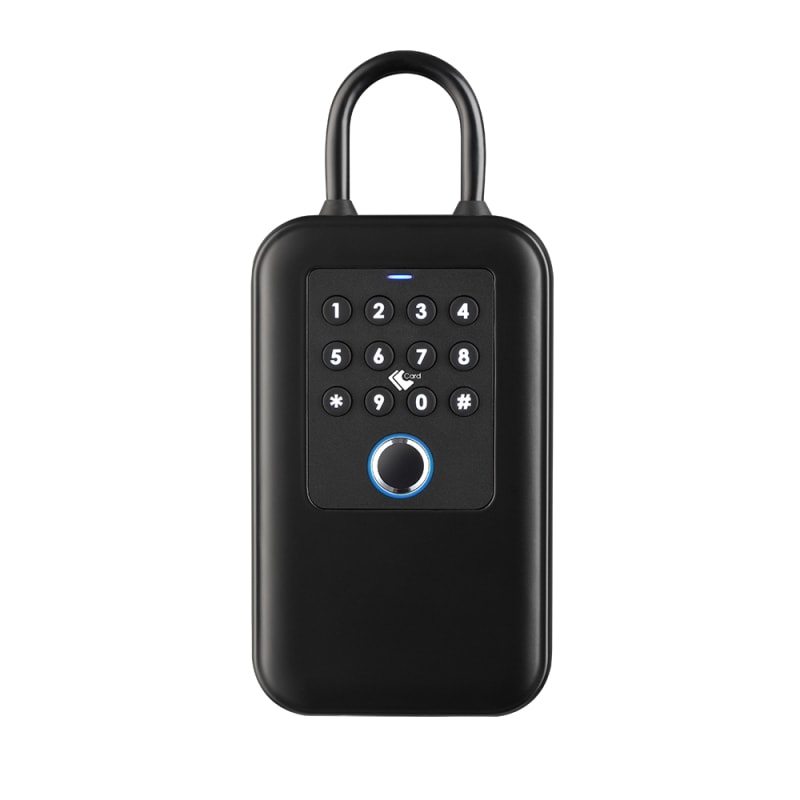 Waterproof key lock box with physical keypad and Tuya app control for outdoor key storage
-
- Access Control
- New Concepts
- More
-
Smart Deadbolts
- Wireless Device
- SKD Part
- FAQ & News
- About
- Contact
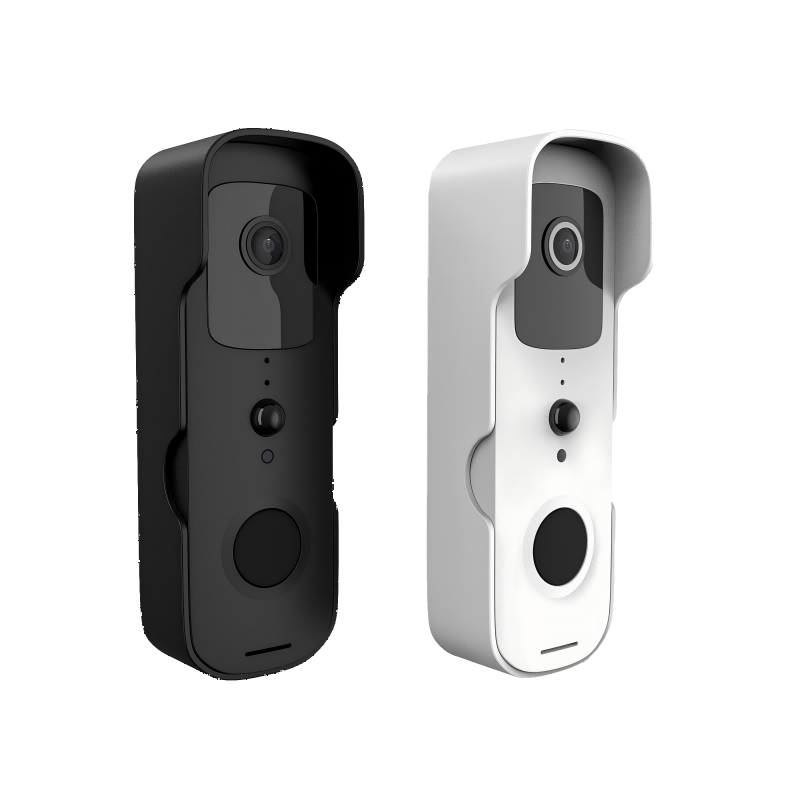 Smart Video Doorbell with Two Way Audio and Tuya WiFi for Home Security FM571
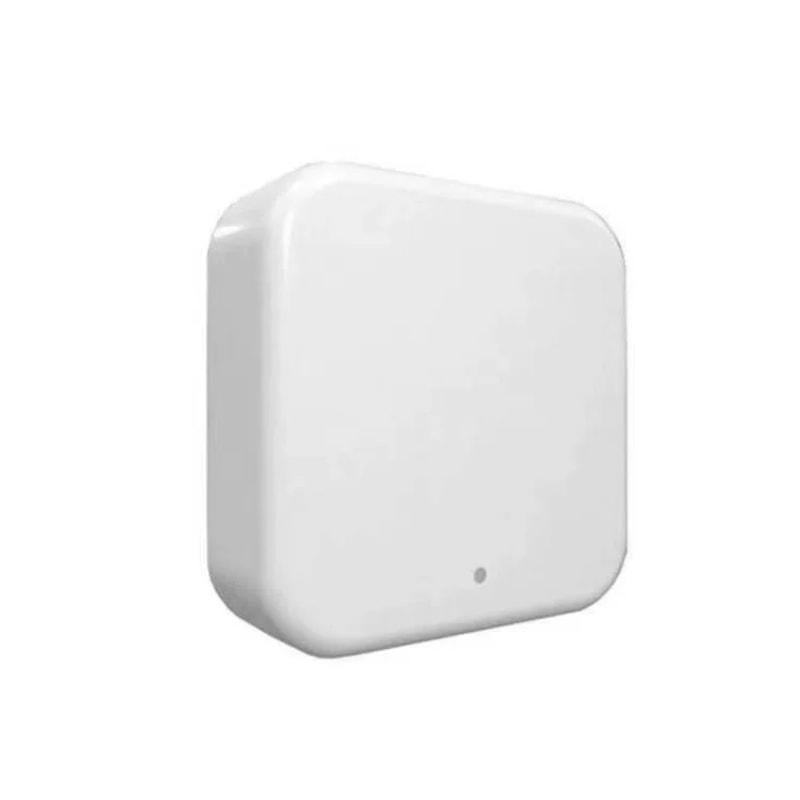 Ttlock G2 Gateway Connects Your Bluetooth Smart Lock to Wifi for Remote Access
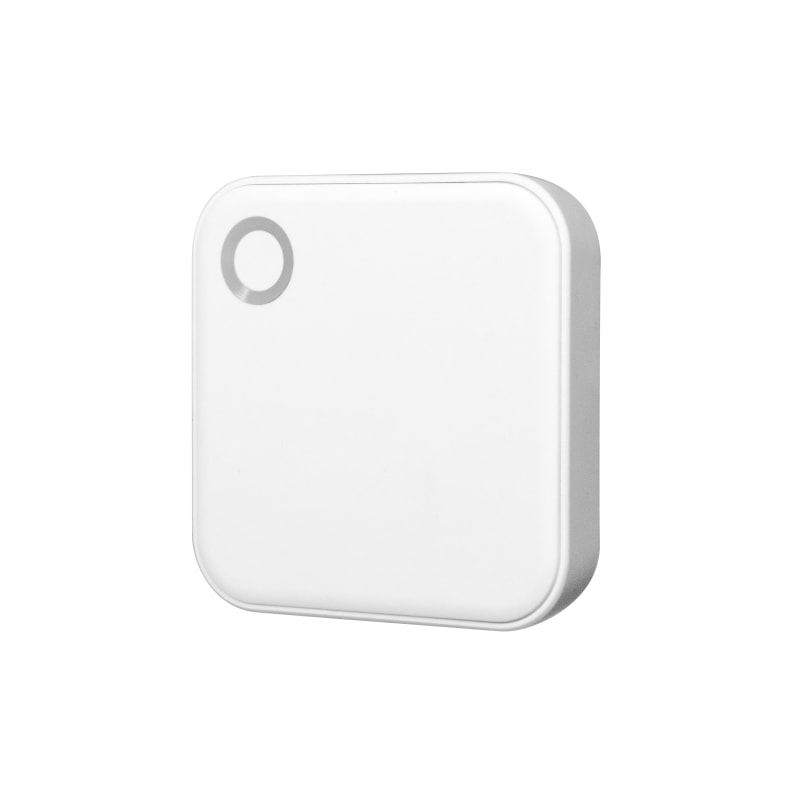 TTlock G5 gateway features dual band wifi and mesh network for large properties
Leave Your Message
 WhatsApp